
Specialty Fruit Beer: 10-Beer Comparison Flight and Style Guide
Specialty fruit beer combines fruit with another defining feature that cannot be ignored. Wild fermentation, barrel aging, salt, unusual grain, smoked malt, specialty sugar, or a hybrid base can all provide the second half of the beer’s identity.
The category is broad, but it is not random. A specialty fruit beer should explain itself in the glass: the fruit is recognizable, the specialty element is meaningful, and the base supports both.
Specialty fruit beer at a glance
| Fruit | Any fruit or fruit combination |
|---|---|
| Second defining feature | Wild culture, wood, salt, smoke, unusual fermentable, or style hybrid |
| Base beer | Recognizable or purpose-built for the combination |
| Sweetness and acidity | Variable; should fit the declared concept |
| Alcohol | Determined by the complete recipe |
What makes it different from ordinary fruit beer
Raspberry added to a clean wheat ale is fruit beer. Raspberry fermented in a native-culture farmhouse ale and matured in oak is specialty fruit beer because the culture and vessel fundamentally change the result. Lime in a lager may be fruit beer; lime in a hybrid of gose, kölsch, and Berliner Weisse adds salt, coriander, acidity, and a multi-style base.
The specialty element must remain perceptible. If barrel aging contributes no aroma, structure, or fermentation effect, it does not define the beer. If wild culture erases the fruit, the recipe has lost the promised balance.
Fruit, fermentation, and stability
Mixed cultures can consume fruit sugar and carbohydrates for months, developing acidity and new aroma long after a clean fermentation would be complete. Wood introduces oxygen and resident organisms. Salt and acid change the way sweetness and bitterness are perceived.
Those interactions make stability harder to predict. Brewers must track gravity, acidity, sensory development, carbonation, and package pressure. Pasteurization, filtration, cold storage, or continued bottle conditioning may each be appropriate depending on the intended beer.
Ten Specialty Fruit Beer references and comparisons
Two lime-and-salt Goses, five American mixed or spontaneous fruit beers, two Belgian fruit lambics and a cherry-chocolate red variation compare meaningful specialty treatments. Established Fruit Lambic and Wild Specialty identities are preserved, rather than every beer being relabeled BJCP 29C. The selected 2020 Boysenberry bottle and retailer-listed 2023 lambic photos are stated honestly; their inclusion does not promise current local stock.
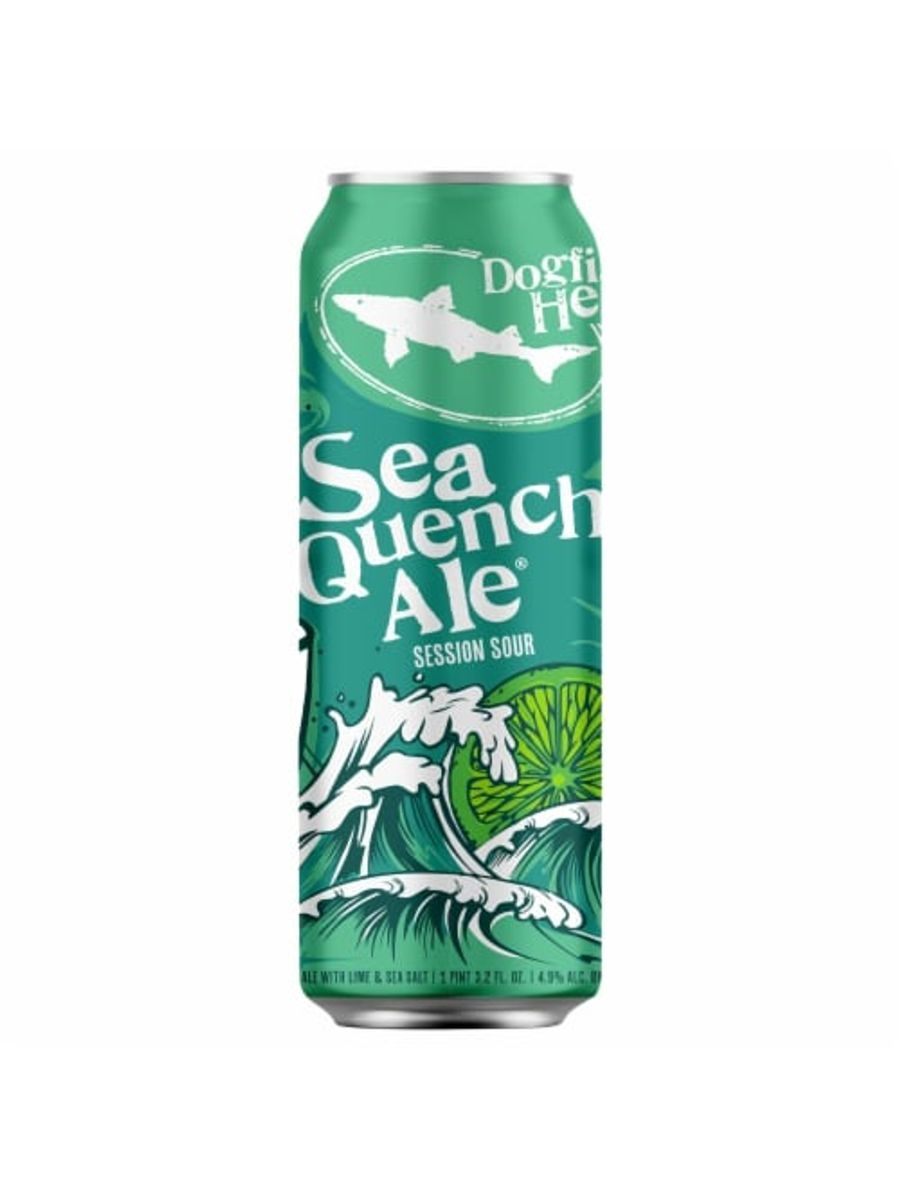
SeaQuench Ale
Brewed by Dogfish Head Craft Brewery
Bright lime and salt meet a crisp blended sour foundation.
BAR NOTES
Dogfish Head describes SeaQuench as a sequential mash-up of Kölsch, Gose and Berliner Weisse brewed with black limes, sour lime juice and sea salt. At 4.9%, its specialty identity involves the hybrid base and salt as well as citrus.
Lime, salt and the three-style mash-up create the specialty concept together. This demonstrates that a purposeful low-strength hybrid can belong in the conversation alongside strong wild beer; it does not require barrel aging or a claim of Brett. Gose and hybrid bases helps frame that comparison.
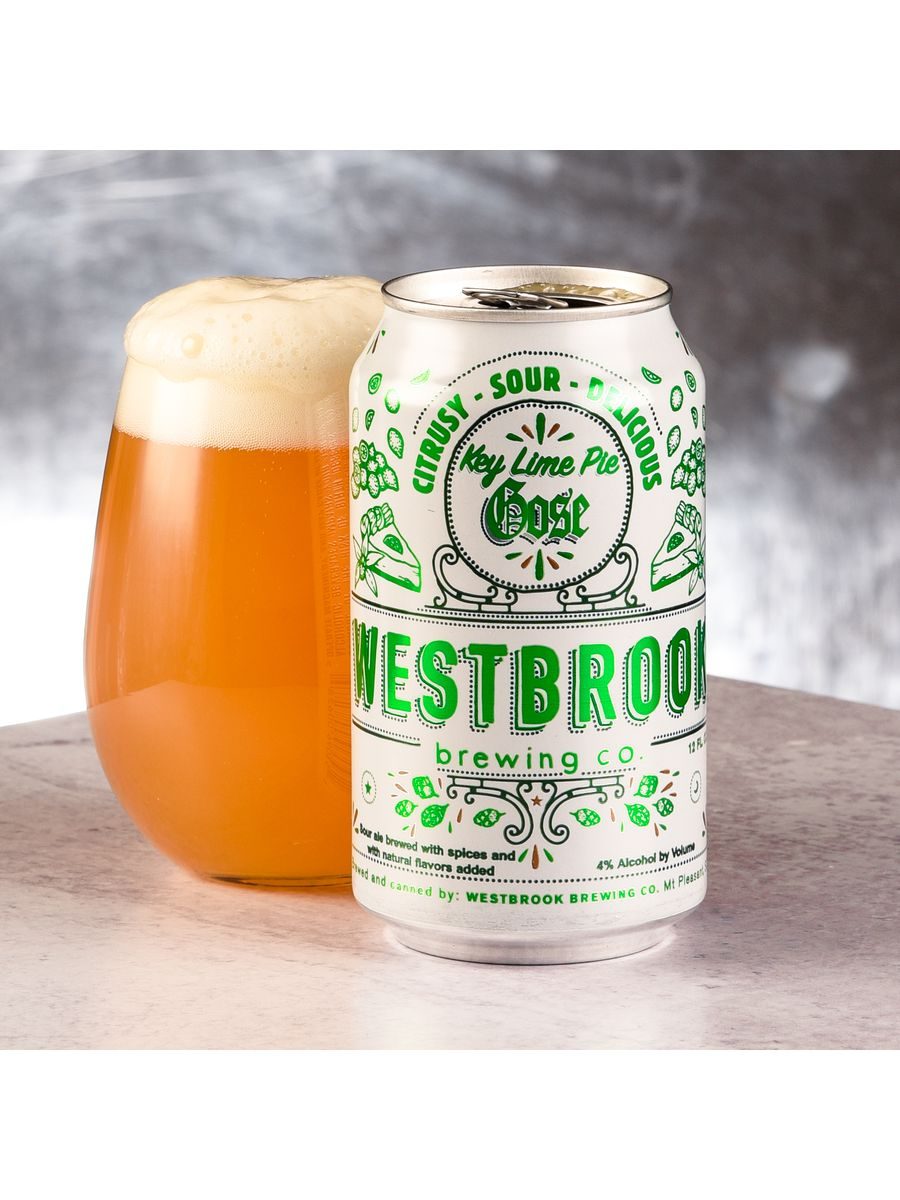
Key Lime Pie Gose
Brewed by Westbrook Brewing Co.
Tart lime, dessert-like spice and a salted wheat foundation.
BAR NOTES
Westbrook’s standard Key Lime Pie Gose is listed at 4.0%, combining key lime with cinnamon, vanilla, coriander and its salted sour wheat foundation. The producer lists February–May availability. It is distinct from Key Lime Pi, the separate stronger pastry release named for the mathematical constant.
The same beer can illustrate overlapping questions: lime with cinnamon and vanilla on one guide, and salt plus a sour wheat foundation here. Keep the standard four-percent release distinct from the separate stronger Key Lime Pi beer. Fruit-and-spice design helps frame that comparison.
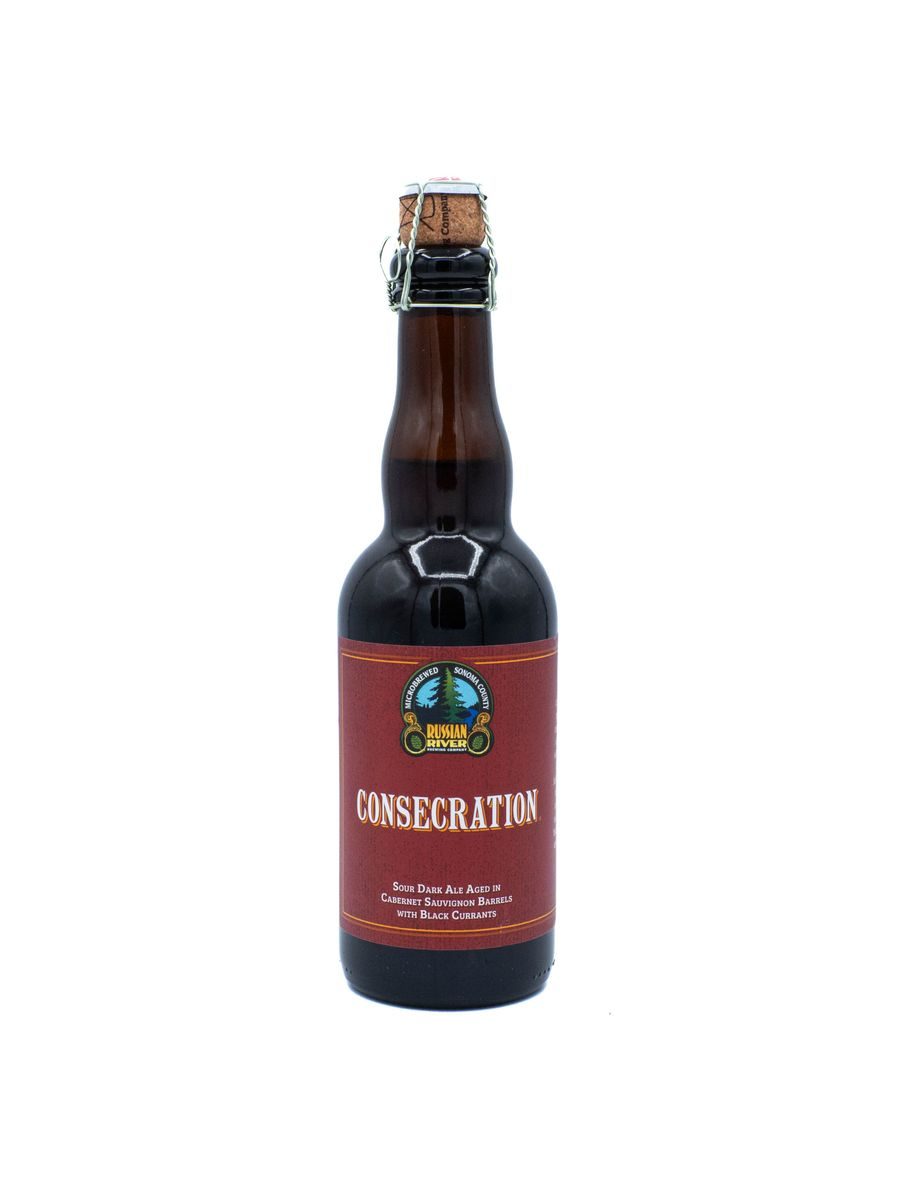
Consecration
Brewed by Russian River Brewing Company
Dark malt, black currants and Cabernet barrels.
BAR NOTES
Consecration combines a dark malt base with black currants, Brettanomyces and bacteria in used Cabernet Sauvignon barrels. Russian River lists 10% alcohol and natural bottle refermentation, with fruit, chocolate, tobacco and subtle oak in its full-bodied sour profile.
Blackcurrants, used Cabernet barrels and a strong mixed-culture dark base provide multiple meaningful variables. A small pour makes it easier to assess fruit skin, tannin and warmth separately rather than treating every dark impression as roasted malt. Dark wild fermentation helps frame that comparison.
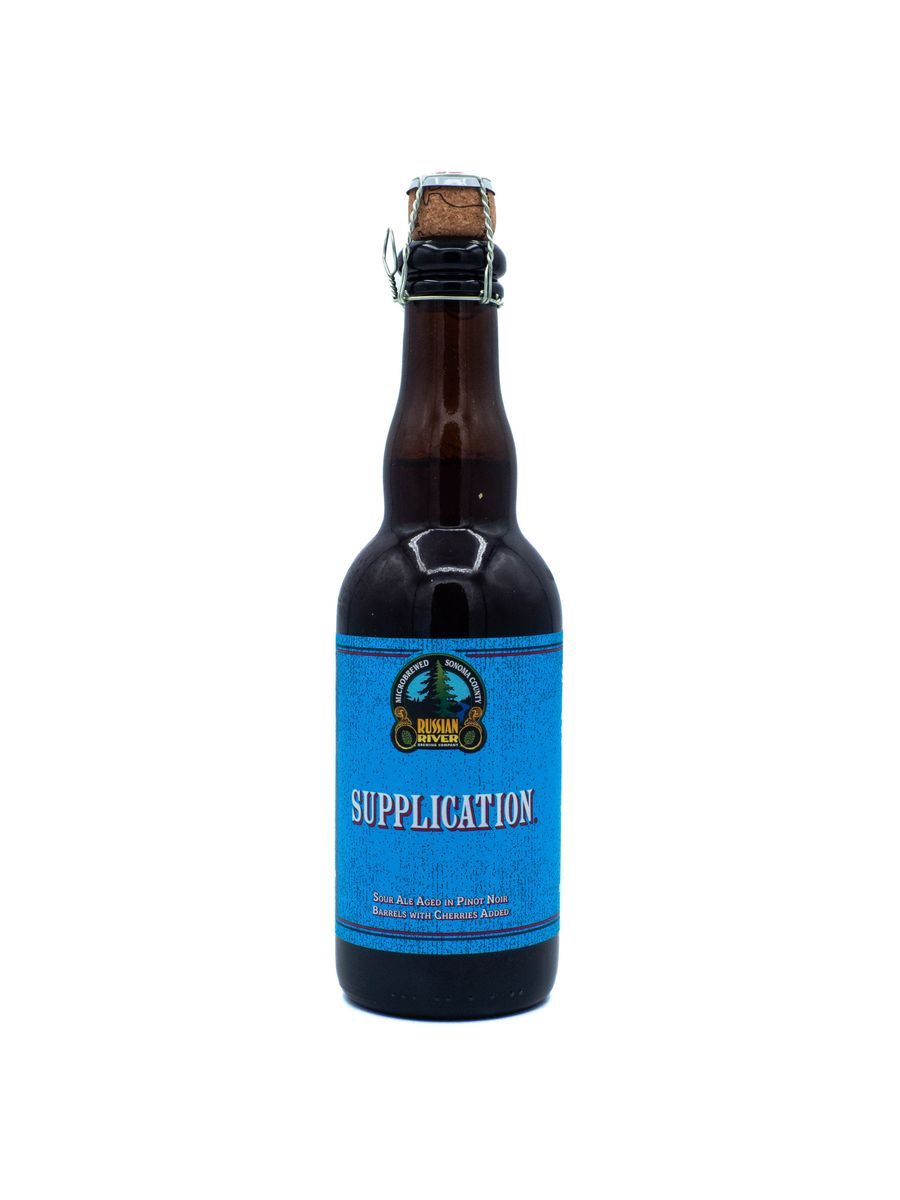
Supplication
Brewed by Russian River Brewing Company
A fruited mixed-culture American reference.
BAR NOTES
Russian River’s current Supplication is 7.75%, a brown ale aged in used Pinot Noir barrels with sour cherries, Brettanomyces and bacteria. Natural bottle refermentation complements the brown-red beer’s cherry, oak and medium sourness; older 7% listings describe a different specification.
Cherries mature in a brown mixed-culture ale with used Pinot Noir wood. Contrast this with cherry lambic and a clean cherry ale; fruit alone cannot explain the different fermentation, malt depth and barrel-associated structure. Mixed-fermentation development helps frame that comparison.
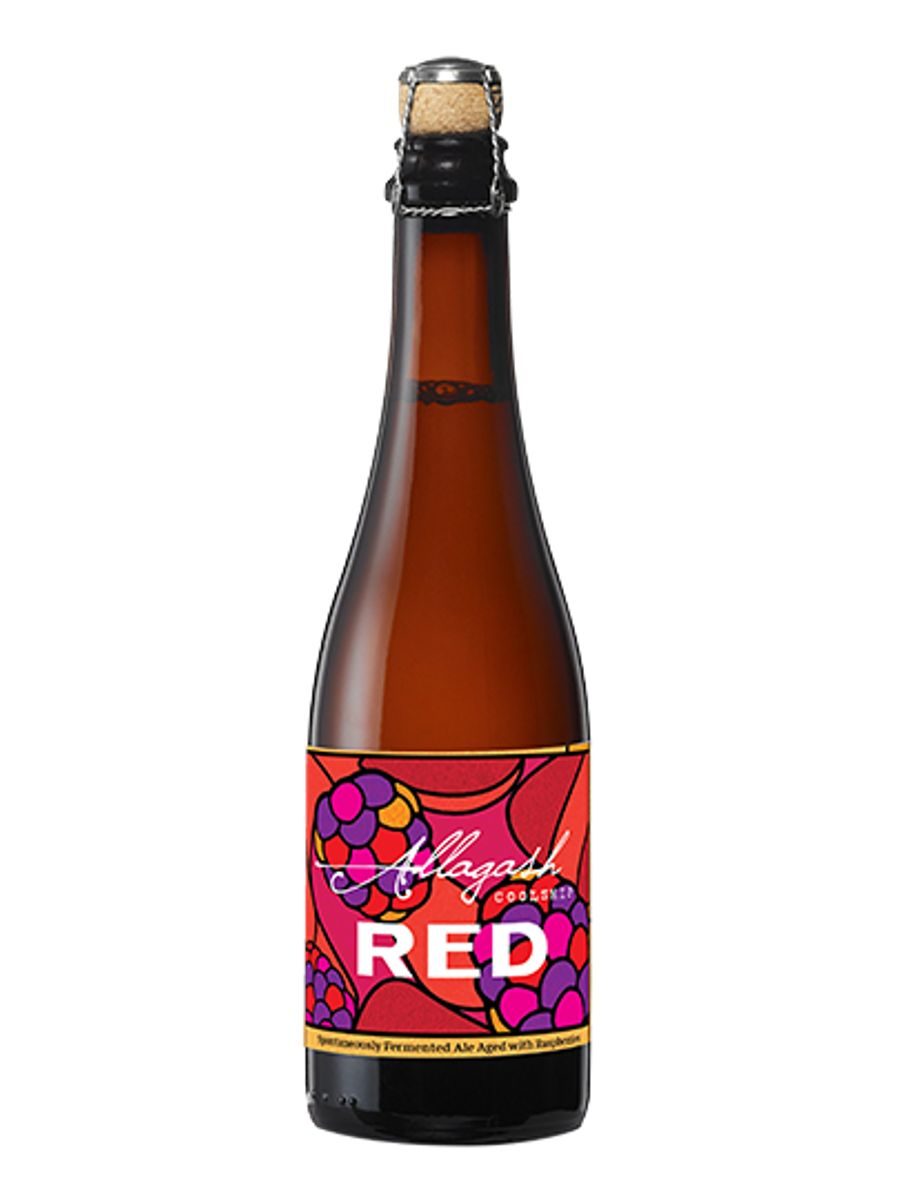
Coolship Red
Brewed by Allagash Brewing Company
Fruit joins years of oak-barrel fermentation.
BAR NOTES
Allagash’s current Coolship Red is 5.6%, brewed with Pilsner malt, 40% raw wheat and aged hops. After more than two years of spontaneous fermentation and French-oak aging, raspberries are added for another four to five months before packaging.
Raspberries arrive after extended spontaneous maturation, so their character rests on an already complex foundation. Compare the fruit-only flight’s Rübæus to isolate berry expression from the acidity, dryness and age contributed by the underlying wild beer. Spontaneous fruit beer helps frame that comparison.
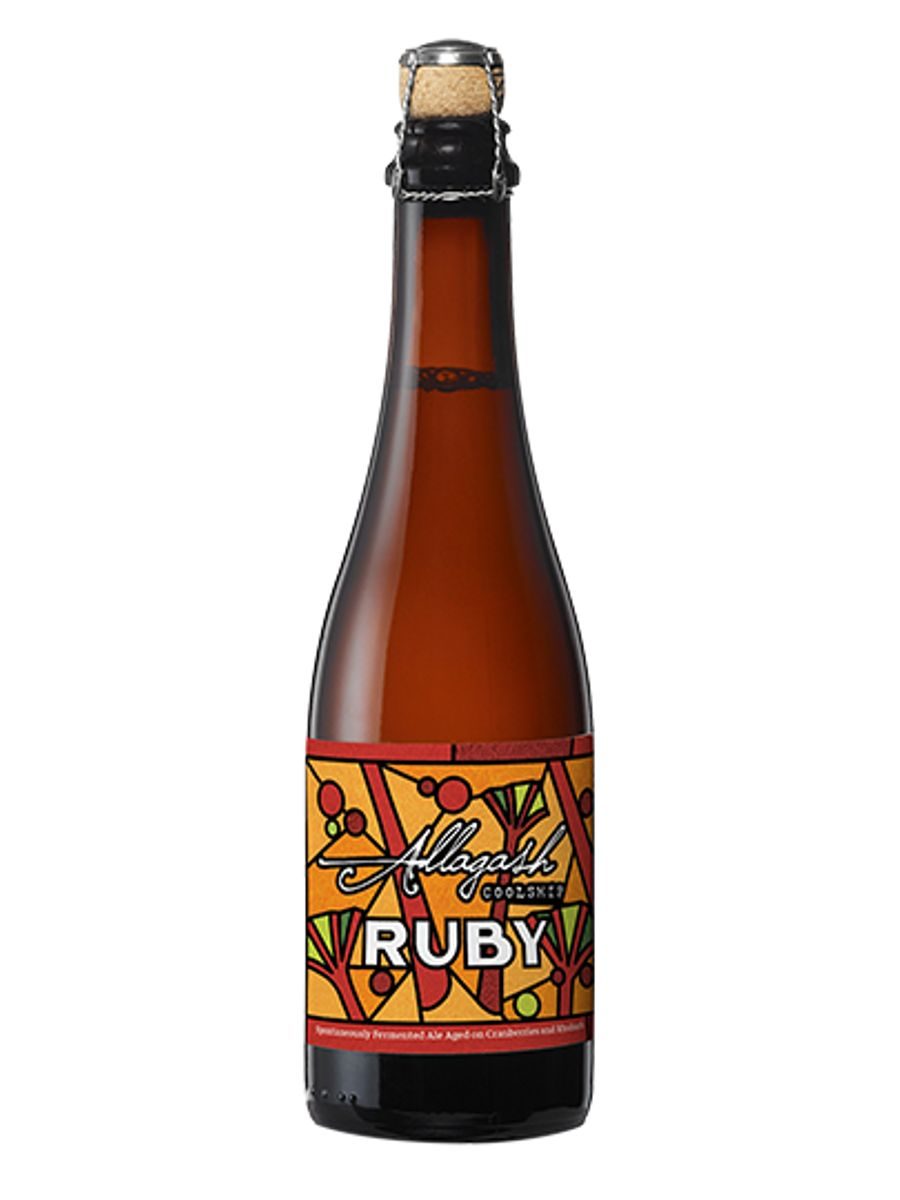
Coolship Ruby
Brewed by Allagash Brewing Company
A second local-fruit expression of spontaneous beer.
BAR NOTES
Coolship Ruby is Allagash’s 5.7% spontaneous beer aged on cranberries and rhubarb. The producer describes two years in French oak wine barrels followed by four months with fresh local fruit, and currently lists the beer in a 1.5-liter bottle.
Cranberry and rhubarb give this flight a tart fruit combination beyond familiar cherry or raspberry. The current photographed large bottle is worth sharing; track the brewery’s release details instead of assuming every fruit-wild beer uses identical packaging. Wild fruit comparisons helps frame that comparison.
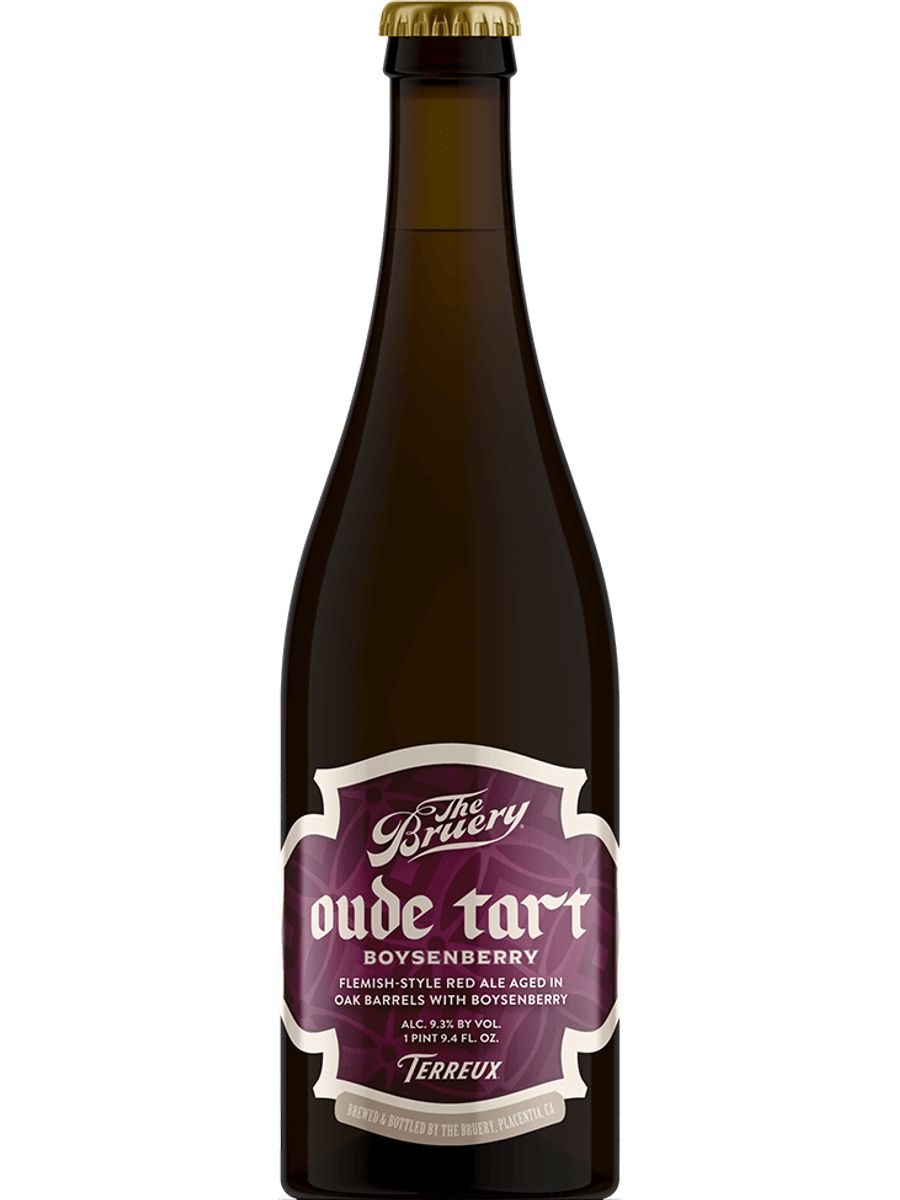
Oude Tart with Boysenberry 2020
Brewed by The Bruery
Boysenberry tartness, dark fruit and toasty oak.
BAR NOTES
This is the selected 2020 Oude Tart with Boysenberry, listed in The Bruery’s official archive at 9.3%. The Flemish-style red base receives boysenberries and oak aging; it is not the older plain Oude Tart specification.
The selected 2020 bottle is an explicit vintage comparison, not a current availability promise. Boysenberry works over a dark oak-aged sour base, so age, malt and fruit should each be considered when judging a cellar pour. Selected aged fruit release helps frame that comparison.
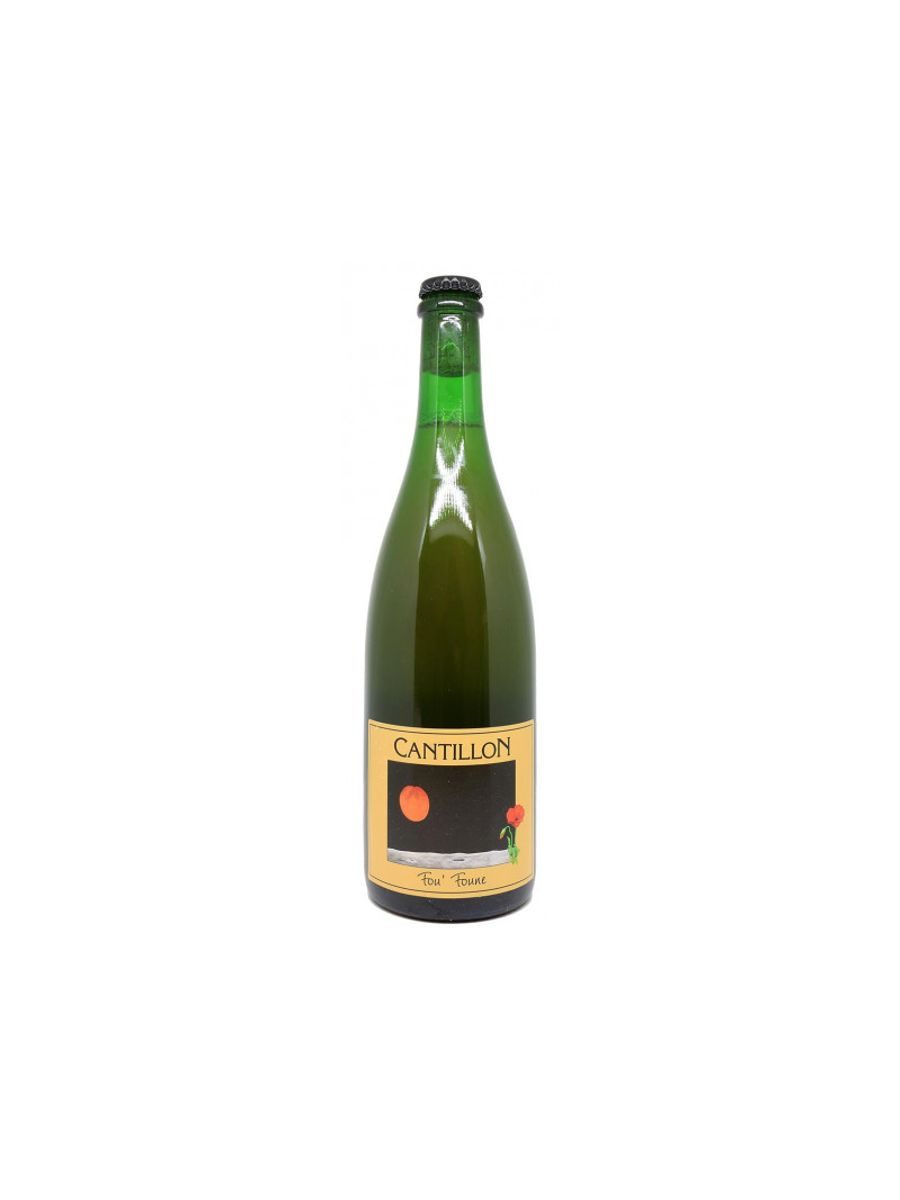
Fou’Foune
Brewed by Cantillon
Fragrant apricot over a mature spontaneous-fermentation foundation.
BAR NOTES
Fou’Foune is Cantillon’s 6.0% apricot lambic, using Bergeron apricots with eighteen- to twenty-month-old lambics. The current description specifies three hundred grams of fruit per liter and a relatively short maceration of about five weeks. The photograph is a retailer-listed 2023 bottle; check its batch label against the current brewery specification.
Apricot lambic contributes a Belgian comparison rather than an American wild label. The retailer-listed 2023 photograph and current brewery specification are distinguished; evaluate stone-fruit fragrance separately from residual sweetness and the mature spontaneous base. Fruit Lambic tradition helps frame that comparison.
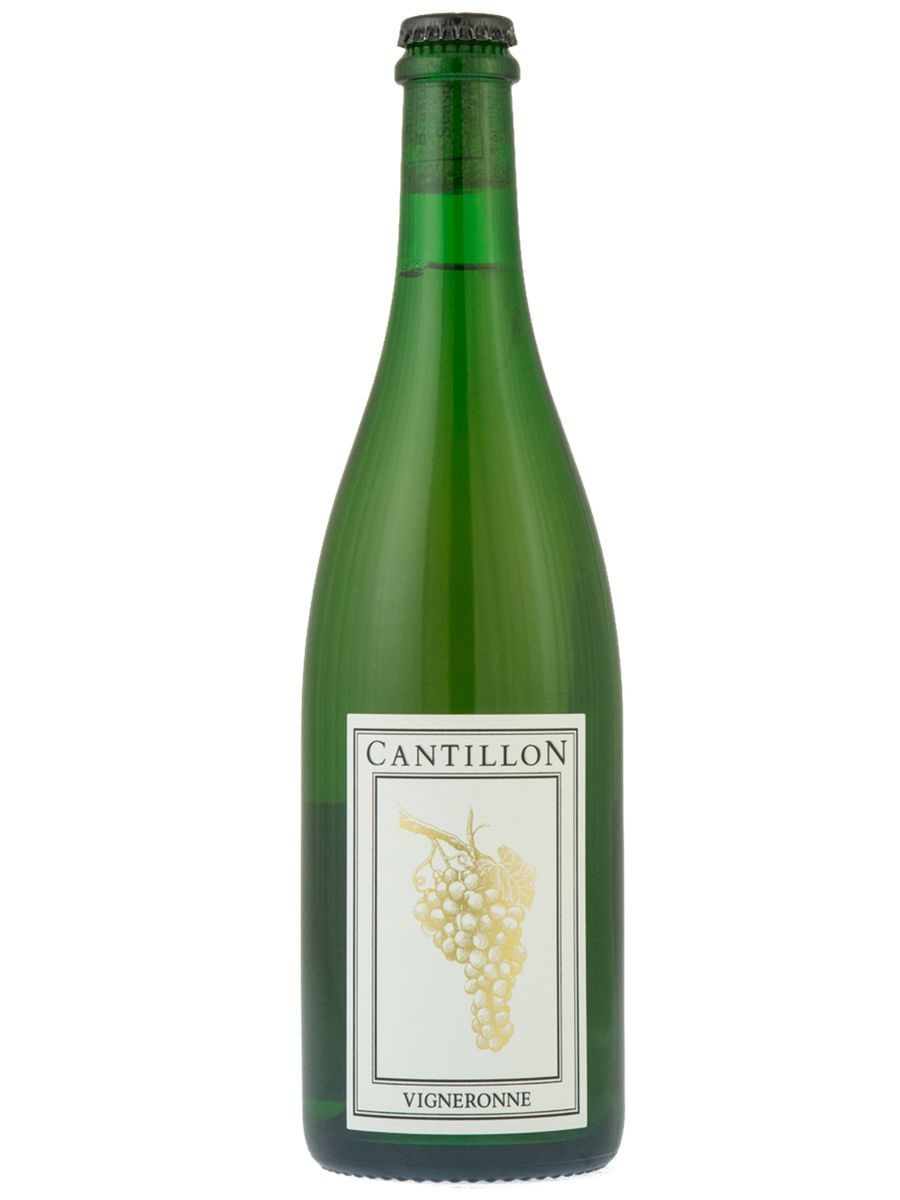
Vigneronne
Brewed by Cantillon
White-grape fragrance connects lambic and wine.
BAR NOTES
Cantillon currently describes Vigneronne as a 6.5% lambic with organic Viognier grapes, using lambics averaging sixteen to eighteen months old. It is a white-grape specialty rather than a conventional cherry or raspberry fruit example. The photograph is a retailer-listed 2023 bottle; check its batch label against the current brewery specification.
Grape aroma adds a wine-adjacent fruit direction to the specialty flight. Keep the retailer-listed 2023 photograph separate from the current standard specification, and check the bottle actually poured before assigning strength or fruit freshness to a particular vintage. Lambic fermentation helps frame that comparison.
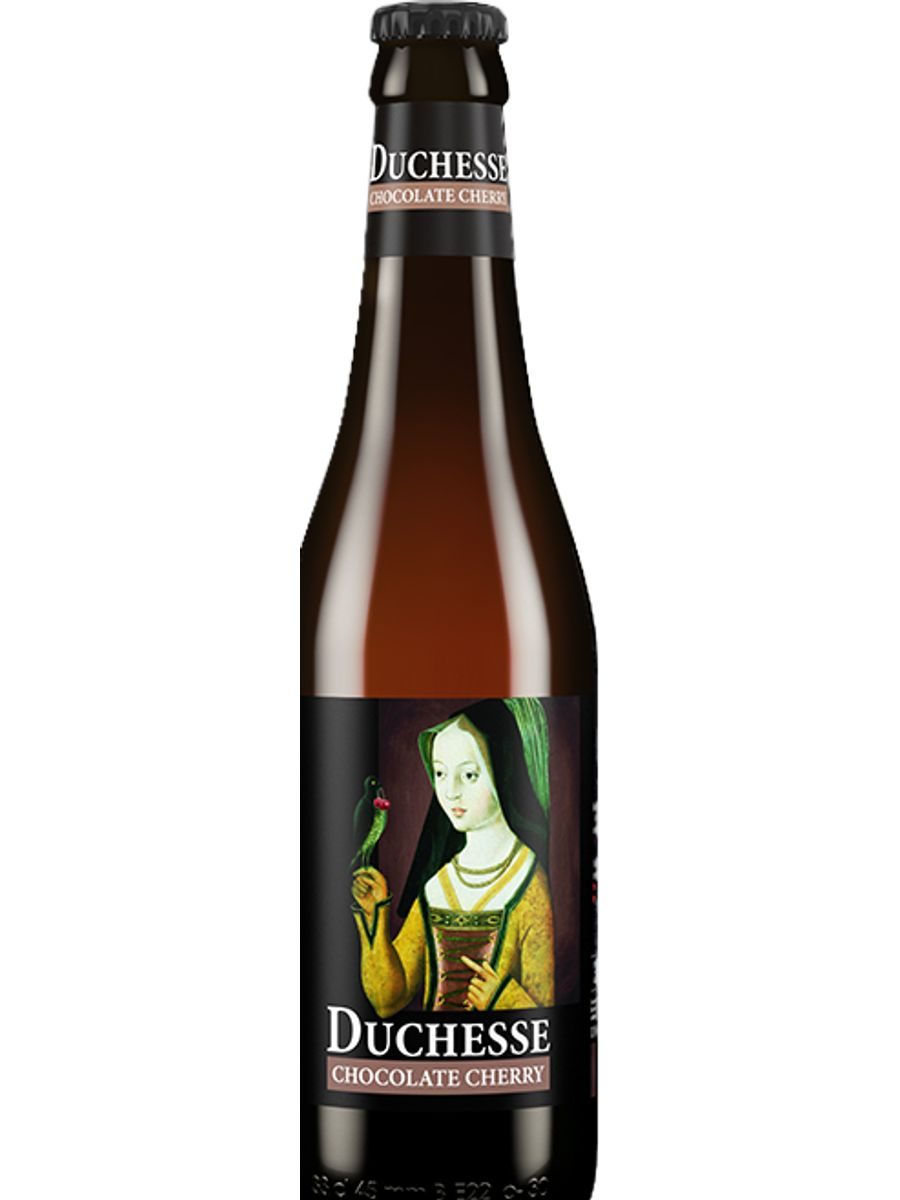
Duchesse Cherry Chocolate
Brewed by Verhaeghe
Cherry and chocolate add two specialty variables to the red base.
BAR NOTES
The selected Duchesse Cherry Chocolate is 6.8%, with whole sour cherries and natural chocolate aroma. The brewery describes two hundred grams of cherries per liter and oak maturation, identifying a flavored specialty rather than plain Flanders Red.
Cherry, chocolate aroma and a wood-matured red foundation supply more than one specialty treatment. Serve beside the cherry-only version to test whether chocolate remains perceptible, while separating aromatic sweetness from actual residual sugar and sour intensity. Chocolate flavor comparison helps frame that comparison.
How to judge the balance
- The fruit should remain identifiable after fermentation.
- The specialty element should change more than the label copy.
- The base beer must carry the additions without disappearing.
- Sweetness, acidity, tannin, salt, bitterness, and alcohol need proportion.
- The beer should remain compelling after the novelty of the ingredient list fades.
Serving and pairing
Hybrid session sours suit seafood, fried food, and tacos. Raspberry wild beer pairs with goat cheese, duck, and dark chocolate. Strong currant-and-barrel beer works with roasted meat, blue cheese, or a slow after-dinner pour.
Specialty fruit beer is successful when its complexity feels inevitable. The drinker may notice several layers, but they should all describe the same beer.
Keep exploring beer through fruit
Fruit can brighten wheat beer, deepen a dark ale, ferment bone-dry in a wild beer, or share the glass with spice and specialty ingredients. Follow the category from straightforward fruit expression to its most creative edges.