Fruit and Spice Beer: 10-Beer Comparison Flight and Style Guide
Fruit and spice beer asks several expressive ingredients to point in the same direction. Orange and coriander can brighten wheat beer, pineapple and chile can create sweet heat, and lime with vanilla and cinnamon can suggest dessert without requiring a sugary finish.
The category succeeds through proportion. Fruit should remain recognizable, the spice should have a reason to be present, and the base beer must carry both without turning into anonymous flavored alcohol.
Fruit and spice beer at a glance
| Base style | Any beer sturdy enough to support both additions |
|---|---|
| Fruit | Fresh fruit, purée, juice, concentrate, or peel |
| Spice | Herbs, seeds, bark, roots, chile, vanilla, flowers, or culinary spice |
| Balance | Fruit and spice should form one clear direction |
| Alcohol | Normally follows the underlying base style |
Spice means more than baking spice
Coriander, citrus peel, grains of paradise, ginger, lemongrass, chile, vanilla, cinnamon, pepper, herbs, and flowers can all fit. Some are literal spices; others are treated as seasoning because they shape aroma and flavor beyond malt, hops, water, and yeast.
The dose is usually smaller than instinct suggests. Alcohol extracts aromatic compounds efficiently, and spice intensity can grow during conditioning. Bench trials with a measured tincture or tea offer far more control than adding a handful directly to the fermenter.
Fruit changes how spice feels
Sweet fruit softens heat and bitterness. Tart fruit makes ginger, pepper, and coriander seem sharper. Citrus peel can bridge hops and spice, while vanilla rounds acid and tannin. The best pairings use these interactions instead of treating every ingredient independently.
Fermentation also removes fruit sugar, so a combination designed around sweet juice may taste completely different after yeast finishes. Build the recipe for the fermented result, then adjust only after tasting the actual beer.
Ten Fruit and Spice Beer references and comparisons
Key Lime Pie provides the direct lime, cinnamon, vanilla and coriander example. Cherry Chocolate adds a second declared flavor treatment. Three traditional Witbiers demonstrate citrus peel and coriander integration while retaining their Witbier identity. SeaQuench supplies a lime/salt hybrid comparison; plain Gose, raspberry ale, cherry ale and Radler are four controls with the missing fruit or spice explicitly identified. The flight does not claim ten strict BJCP 29B examples.
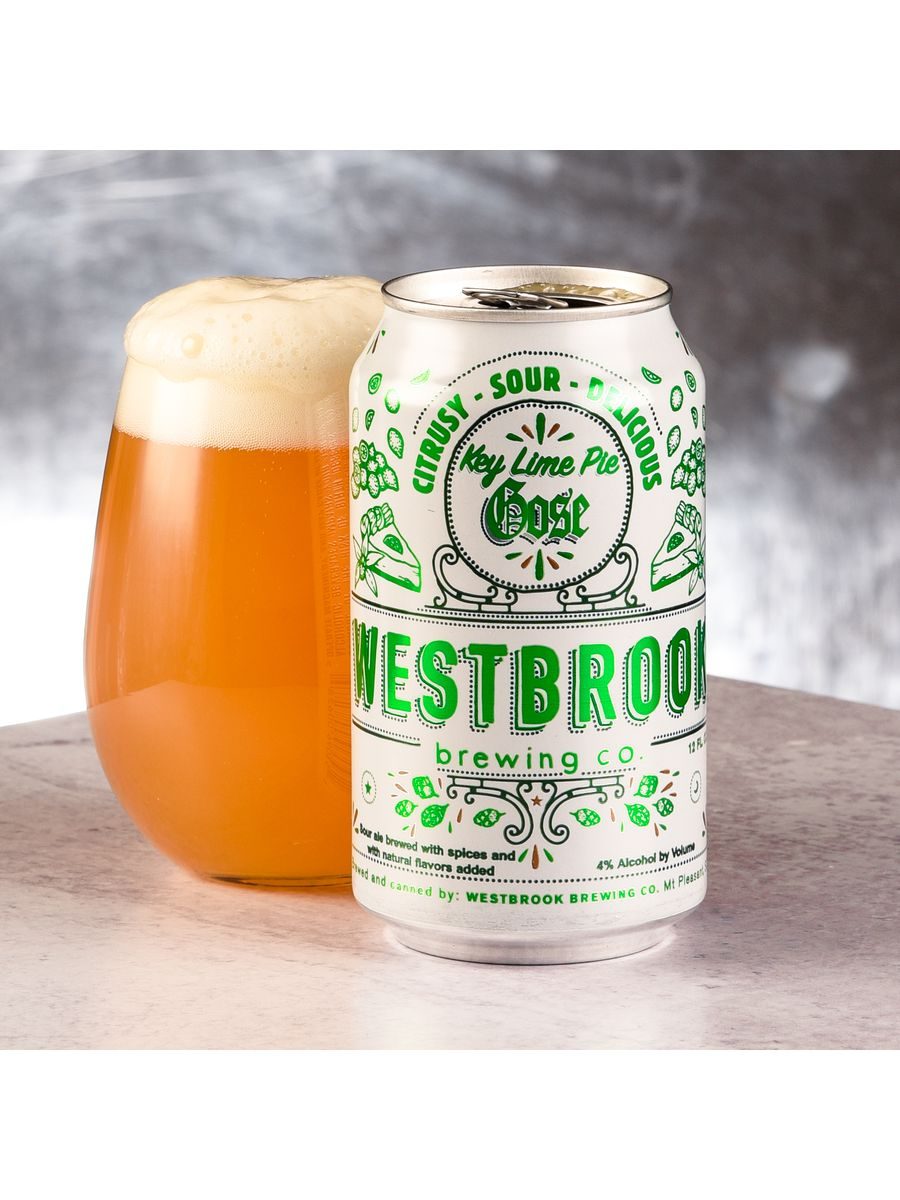
Key Lime Pie Gose
Brewed by Westbrook Brewing Co.
Tart lime, dessert-like spice and a salted wheat foundation.
BAR NOTES
Westbrook’s standard Key Lime Pie Gose is listed at 4.0%, combining key lime with cinnamon, vanilla, coriander and its salted sour wheat foundation. The producer lists February–May availability. It is distinct from Key Lime Pi, the separate stronger pastry release named for the mathematical constant.
This is a direct lime-and-spice example. Cinnamon suggests crust and vanilla rounds the aromatic impression, while salt sharpens lime; consider each ingredient’s role before deciding whether the dessert reference remains convincing after the beer warms. Specialty fruit layering helps frame that comparison.
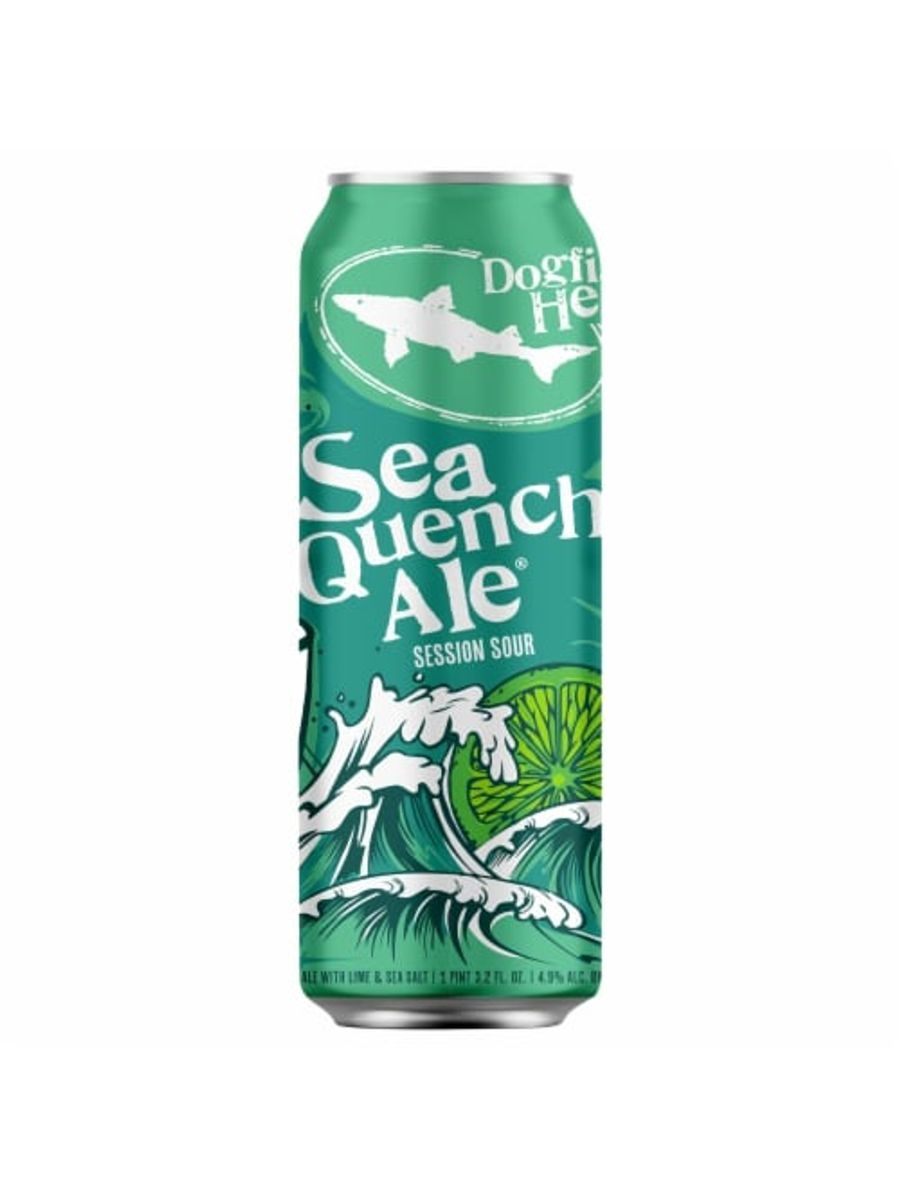
SeaQuench Ale
Brewed by Dogfish Head Craft Brewery
Bright lime and salt meet a crisp blended sour foundation.
BAR NOTES
Dogfish Head describes SeaQuench as a sequential mash-up of Kölsch, Gose and Berliner Weisse brewed with black limes, sour lime juice and sea salt. At 4.9%, its specialty identity involves the hybrid base and salt as well as citrus.
SeaQuench contributes citrus, salt and a hybrid sour base, but the current brewery description does not establish a separate coriander addition. Treat it as the specialty comparison rather than inventing a spice merely to force a category fit. Gose foundations helps frame that comparison.
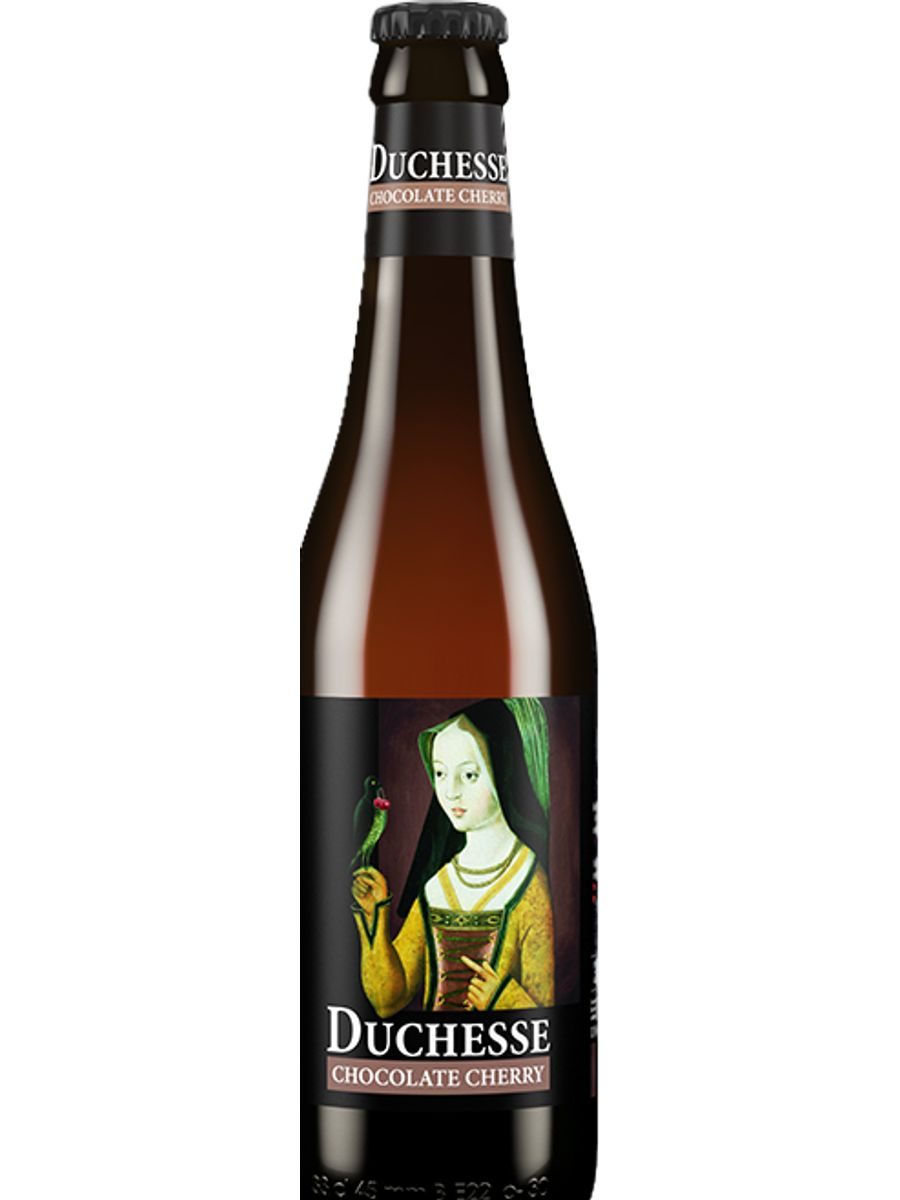
Duchesse Cherry Chocolate
Brewed by Verhaeghe
Cherry and chocolate add two specialty variables to the red base.
BAR NOTES
The selected Duchesse Cherry Chocolate is 6.8%, with whole sour cherries and natural chocolate aroma. The brewery describes two hundred grams of cherries per liter and oak maturation, identifying a flavored specialty rather than plain Flanders Red.
Natural chocolate aroma provides the second flavor treatment alongside cherries. This mixed-culture red beer also overlaps specialty fruit, so separate the cocoa-like aromatic layer from darker malt, sweetness and the acidity of the underlying beer. Cherry and chocolate helps frame that comparison.
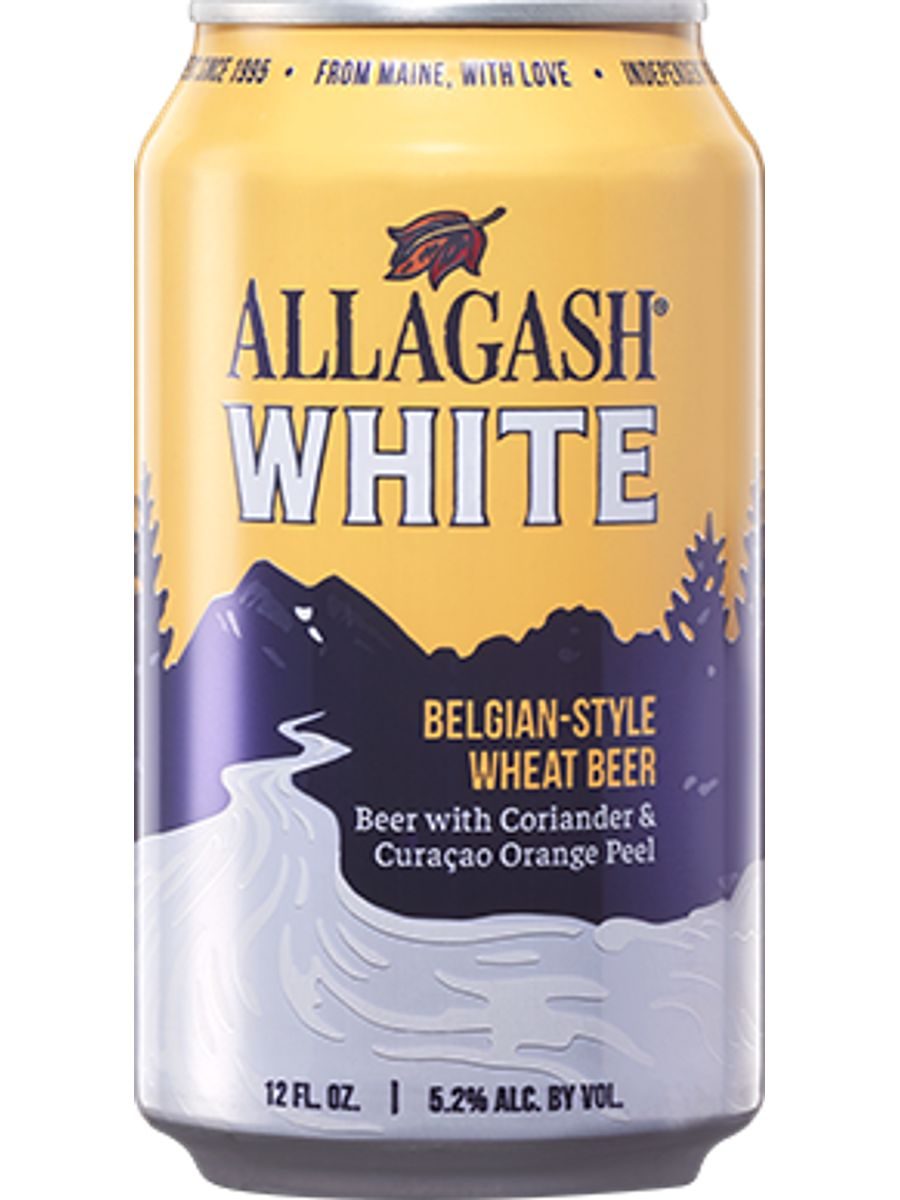
Allagash White
Brewed by Allagash Brewing Company
Coriander, Curaçao orange peel and a creamy grain foundation.
BAR NOTES
Allagash White combines oats, malted wheat and raw wheat at 5.2%. Its coriander and Curaçao orange peel establish the central witbier relationship: expressive citrus and spice carried by a soft grain texture.
Orange peel and coriander offer a traditional fruit-and-spice integration control. Standard Witbier retains its established style identity; inclusion here demonstrates balance rather than a claim that every classic Wit automatically becomes a specialty competition entry. Witbier brewing helps frame that comparison.
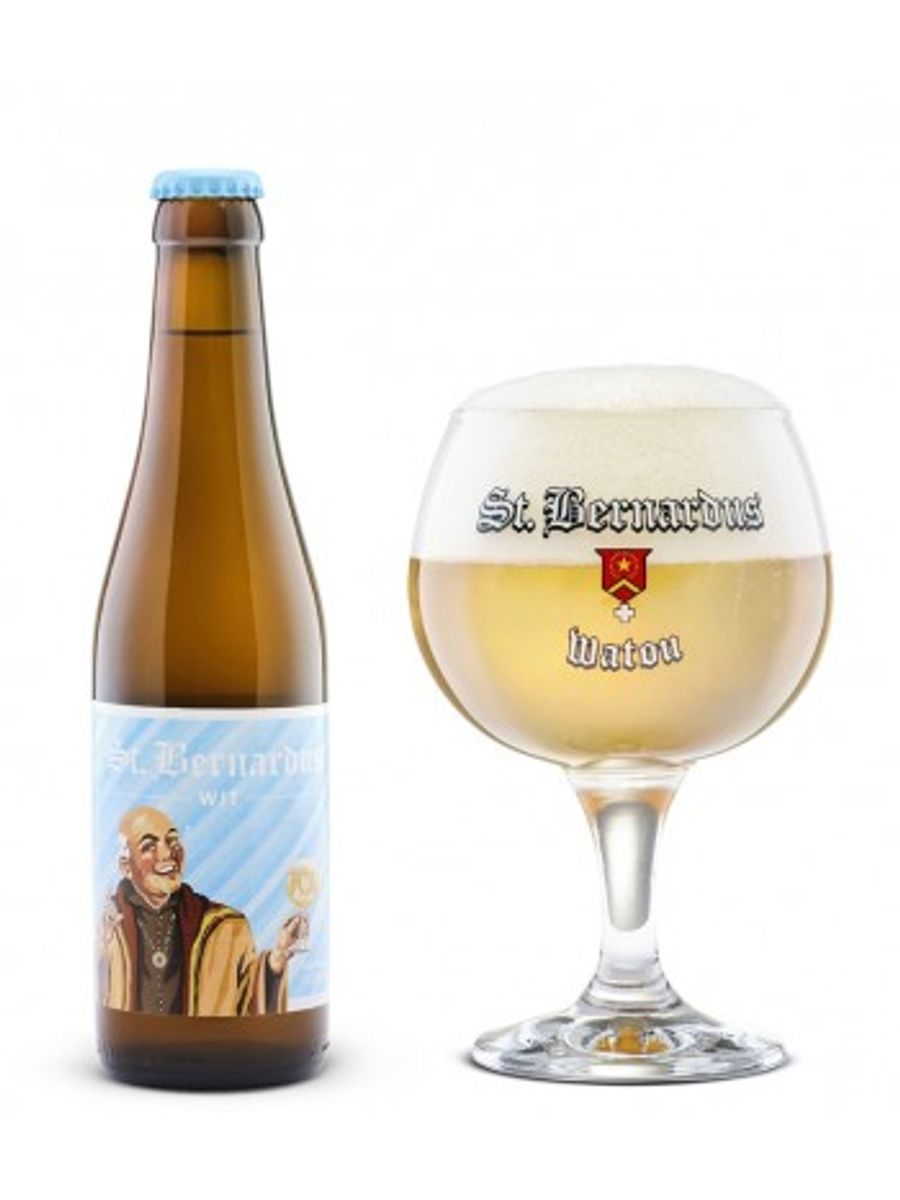
St.Bernardus Wit
Brewed by St.Bernardus
Coriander and orange with creamy wheat and a clove-like accent.
BAR NOTES
St.Bernardus Wit is an unfiltered, top-fermented wheat beer at 5.5%, developed with Pierre Celis. The brewery describes coriander, orange and a clove-like background, supported by a creamy wheat mouthfeel and restrained bitterness.
Use this Belgian Wit to compare the relationship among citrus peel, coriander and fermentation. The wheat base should remain legible beneath seasoning; a traditional Witbier classification is preserved while its ingredients illustrate a useful fruit-and-spice partnership. Belgian wheat comparisons helps frame that comparison.
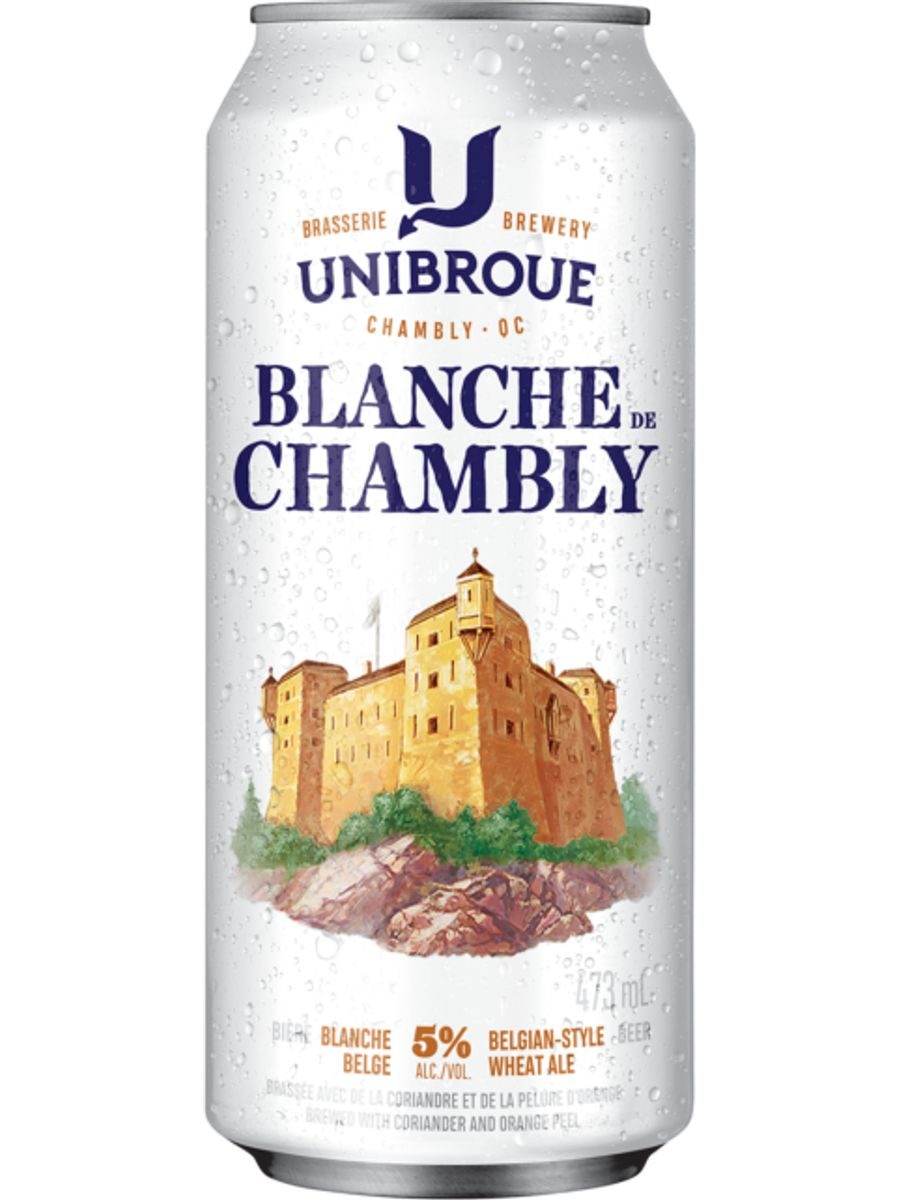
Blanche de Chambly
Brewed by Unibroue
Wheat, orange and spice with a softly honey-like finish.
BAR NOTES
Blanche de Chambly is Unibroue’s year-round Belgian-style wheat ale at 5.0% and 10 IBU. Its pale-gold appearance, bread-like aroma and orange-and-spice profile make it a useful Canadian interpretation of the white-beer tradition.
This Canadian Wit provides another integration comparison with a different brewery setting. Look for how grain texture carries citrus and spice, then contrast it with Key Lime Pie’s more explicit culinary concept rather than treating both recipes as identical. Wheat beer texture helps frame that comparison.
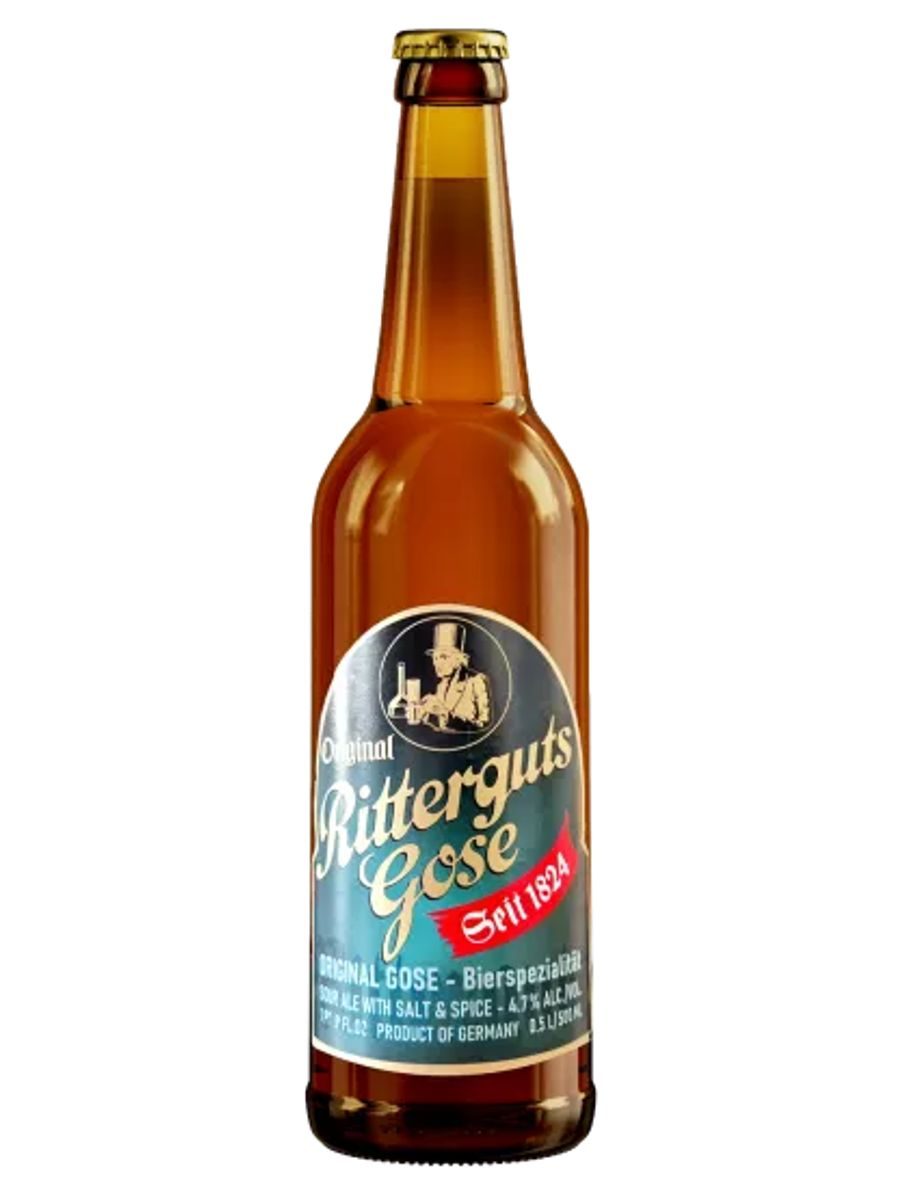
Original Ritterguts Gose
Brewed by Ritterguts Gose
The salted wheat-beer starting point.
BAR NOTES
Original Ritterguts Gose uses barley and wheat with coriander, salt and lactic fermentation. Its current specification is 4.7% alcohol and 10 IBU; open fermentation and cold maturation belong to the producer’s description of this Leipzig-style reference.
Plain Gose isolates salt, coriander and acidity without a declared fruit addition. It is a deliberately unfruited control, useful beside citrus Gose; that difference helps identify what lime contributes without pretending the reference itself is fruit-and-spice beer. Unfruited Gose reference helps frame that comparison.
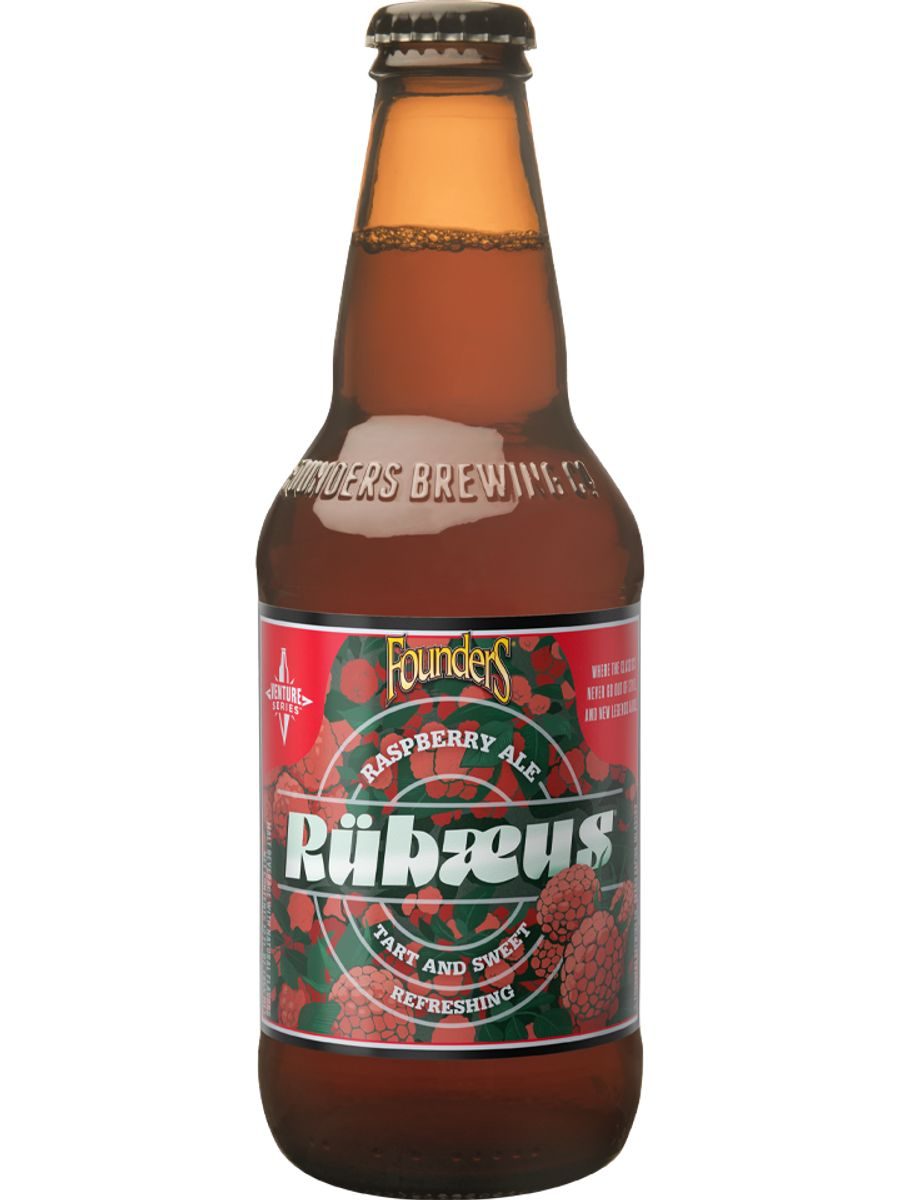
Rübæus
Brewed by Founders Brewing Co.
Ripe raspberry balances tart fruit and malt sweetness.
BAR NOTES
Founders lists standard Rübæus at 5.7% and 15 IBU, emphasizing fresh raspberry with both sweet and tart impressions. This selection is the regular packaged raspberry ale, distinguished from the separately served nitrogen version in the brewery’s taproom.
Raspberry without a declared culinary spice is the fruit-only control. Compare its direct aroma and clean base with chocolate-cherry or lime-vanilla combinations, asking whether the added seasoning supplies a new idea rather than simply more sweetness. Classic raspberry ale helps frame that comparison.
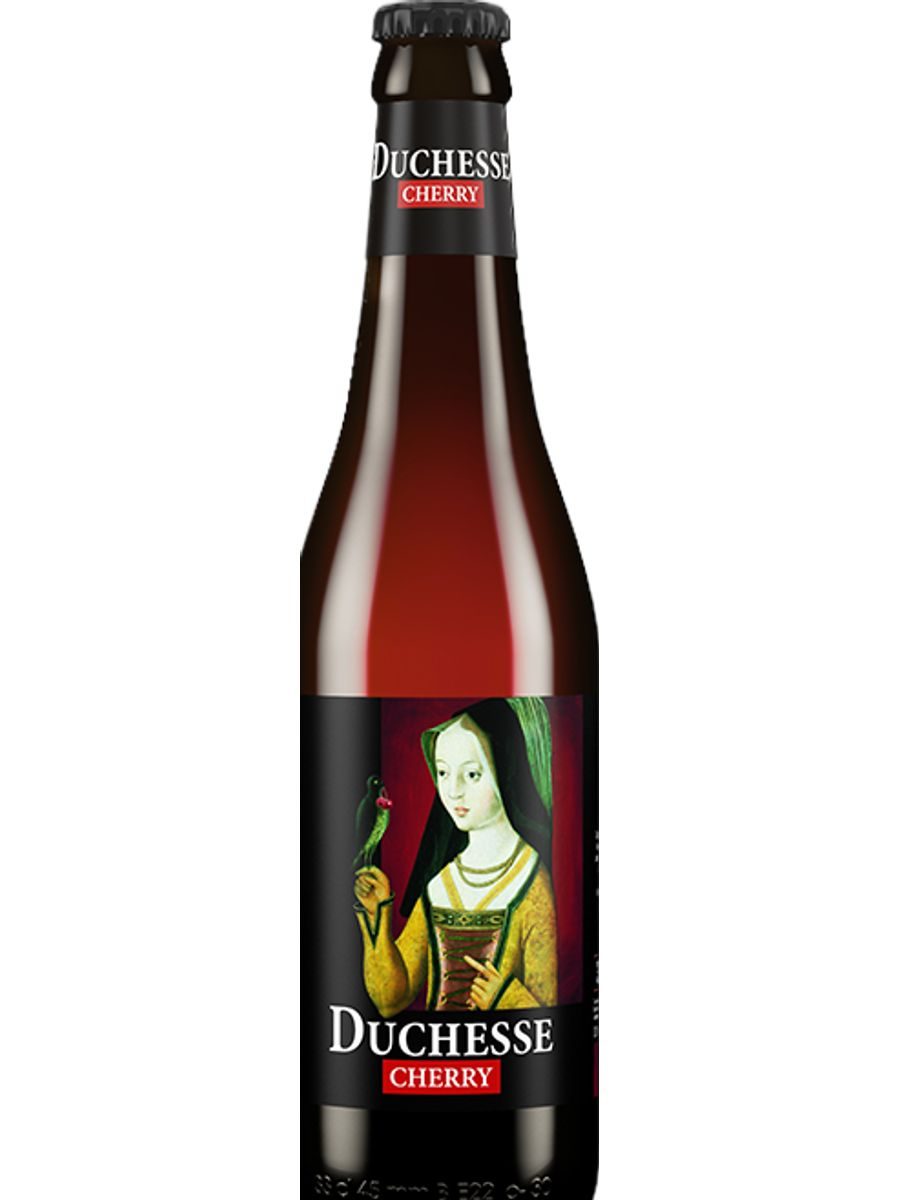
Duchesse Cherry
Brewed by Verhaeghe
Real cherry fruit enriches the oak-aged red foundation.
BAR NOTES
Duchesse Cherry is currently specified at 6.8%, using real Belgian cherries from the Sint-Truiden region. Verhaeghe explicitly distinguishes its mixed-fermentation Flanders red base from the lambic base associated with traditional Belgian kriek.
Cherry-only Duchesse gives the chocolate version a particularly useful partner. Compare equal pours at similar temperatures; fermentation and oak already supply complexity, so any extra aromatic treatment should be identifiable without being confused with fruit or malt. Cherry base comparison helps frame that comparison.
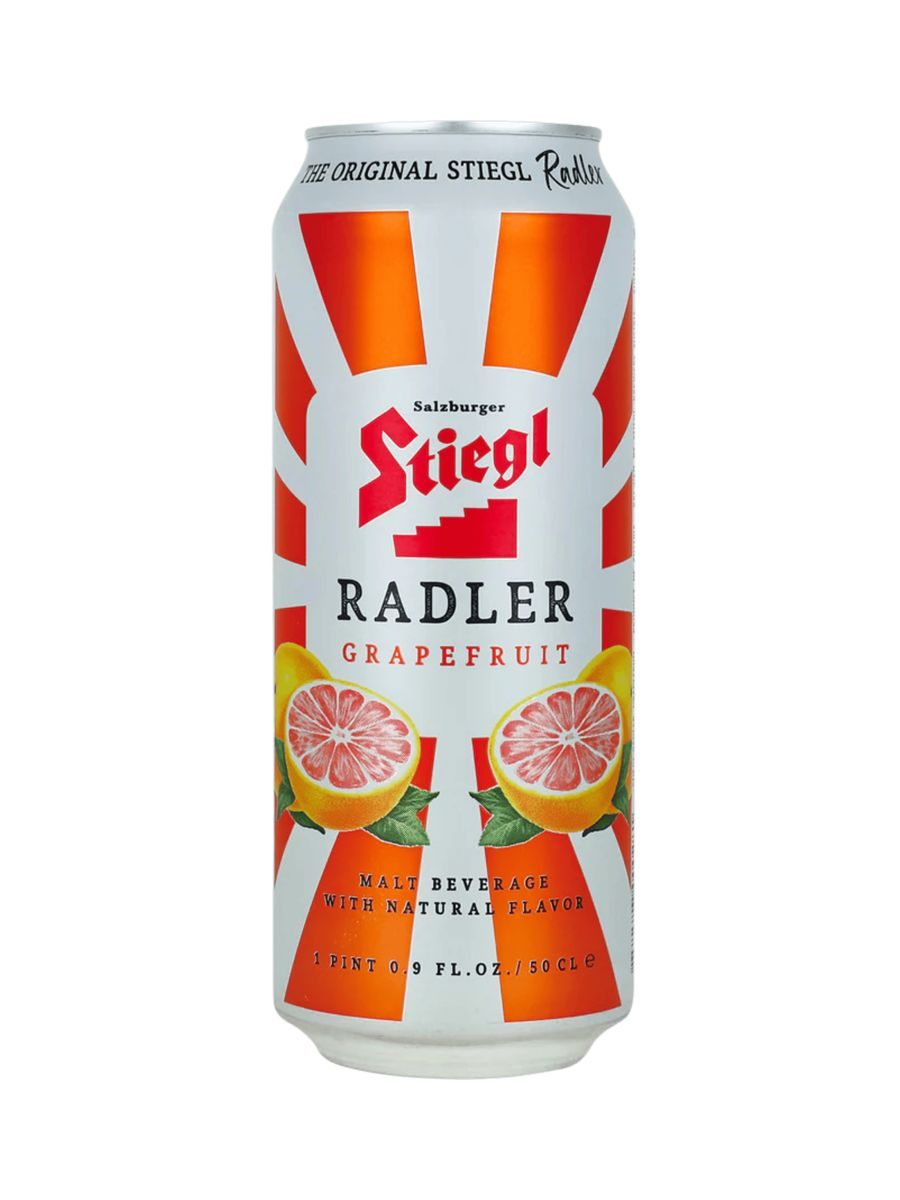
Stiegl Radler Grapefruit
Brewed by Stiegl
Grapefruit refreshment illustrates blending rather than fruit fermentation.
BAR NOTES
Stiegl’s Grapefruit Radler blends forty percent lager with sixty percent grapefruit soda at 2.0%. It is a beer mixture used here as a proportion comparison, not a claim that fruit fermented into the base lager.
Grapefruit soda and lager provide a citrus control with no declared spice. Its lower strength and blended sweetness explain a different drinking purpose, helping distinguish refreshing fruit proportion from a recipe built around a culinary spice partnership. Broader fruit comparisons helps frame that comparison.
Brewing with control
Add fruit according to its sanitation needs and desired freshness. Add spice in stages whenever possible. A small late tincture can correct aroma without committing the entire batch, while a measured steep or whirlpool addition can integrate softer background character.
Record weight, contact time, temperature, and sensory results. “One orange” or “a pinch of cinnamon” is not repeatable enough for a category where small differences can dominate the glass.
Serving and pairing
Citrus-and-coriander beers pair with seafood, salads, and goat cheese. Pineapple and chile handle tacos, grilled pork, and salty food. Dessert-inspired combinations work with restrained pastries or can replace dessert in a smaller pour.
A convincing fruit and spice beer should be easy to describe in one sentence. If the ingredients require a paragraph merely to explain why they coexist, the recipe probably needs editing.
Keep exploring beer through fruit
Fruit can brighten wheat beer, deepen a dark ale, ferment bone-dry in a wild beer, or share the glass with spice and specialty ingredients. Follow the category from straightforward fruit expression to its most creative edges.