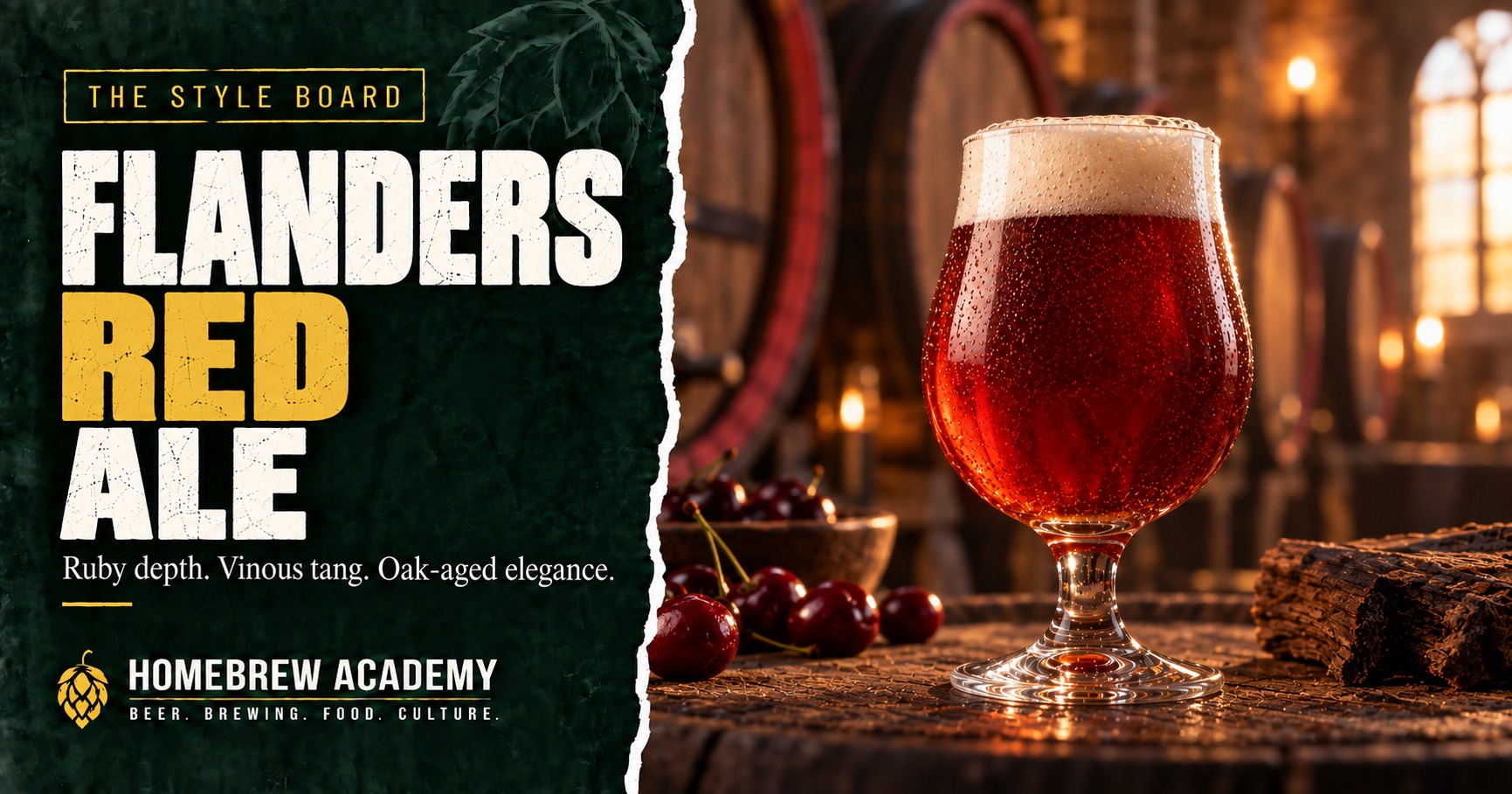
Flanders Red Ale: 10-Beer Comparison Flight and Style Guide
Flanders red ale combines red-fruit malt, mixed fermentation, and long wood aging into one of beer’s most wine-like styles. Sour cherry, plum, currant, vanilla, oak, and balsamic depth can all appear, often in a blend of younger and older beer.
The best examples are layered rather than simply sharp. Acidity, sweetness, tannin, fruit, and malt trade places as the glass warms.
At a glance
- OG: 1.048–1.057
- FG: 1.002–1.012
- IBU: 10–25
- Color: 10–16 SRM
- ABV: 4.6–6.5%
What Flanders red tastes like
A mature example can suggest sour cherry, black currant, plum skin, caramel, vanilla, leather, and red wine. The color runs from deep red to reddish brown, usually with good clarity.
Acidity may be assertive, but malt sweetness and oak-derived tannin provide shape. Harsh vinegar can appear in poor or mishandled bottles; a measured balsamic impression is more typical than raw acetic burn.
Foeders, microbes, and blending
Large wooden foeders allow slow mixed fermentation and controlled oxygen exposure. Brettanomyces, lactic-acid bacteria, yeast, wood, and time gradually transform the original red ale.
Blending is central. Younger beer contributes fruit and malt, while older beer supplies acidity and developed wood character. The finished bottle is designed, not merely left to chance.
Why people compare it with red wine
The comparison comes from acidity, tannin, dark-red fruit, oak, and a dry, structured finish. Flanders red remains beer, however, with malt and fermentation creating flavors that grapes alone would not.
Ten Flanders Red Ale references and comparisons
Rodenbach Grand Cru and Classic, Duchesse, Vichtenaar and Cuvée des Jacobins supply five red or regional sour references. VanderGhinste Roodbruin adds a South-West Flanders red-brown comparison. Cherry Duchesse, cherry-and-chocolate Duchesse, archived boysenberry Oude Tart 2020 and American sour-brown La Folie complete the flight as labeled variations or neighbors. Oude Tart is the 9.3% fruit-treated archive edition, not the old plain 7.5% specification.
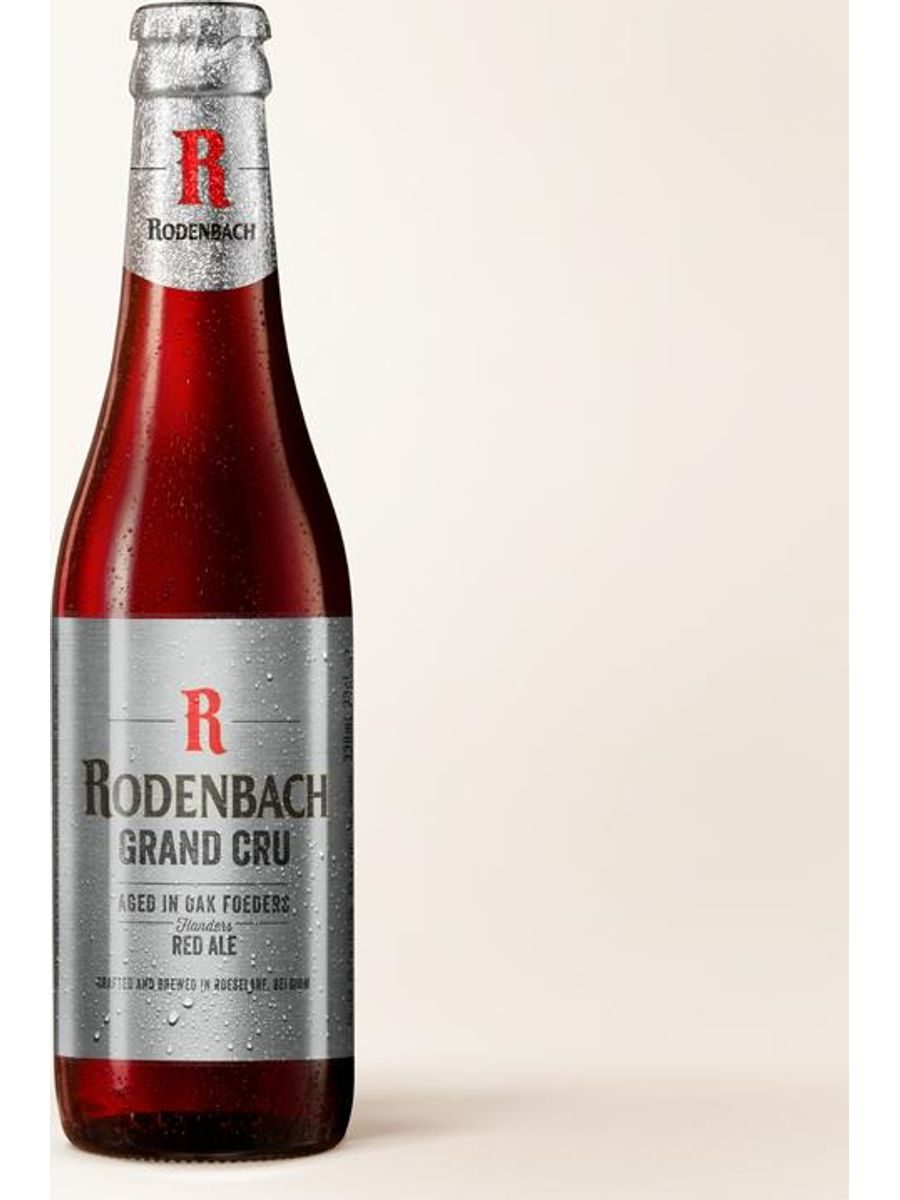
Rodenbach Grand Cru
Brewed by Rodenbach
Vinous red fruit, oak and a layered sweet-sour finish.
BAR NOTES
Grand Cru is Rodenbach’s 6.0% Flanders red reference, combining younger beer with a larger oak-matured portion. The long maturation and blending give a wine-like red-fruit impression without needing an added-fruit label.
Compare it with Classic before moving to cherry-treated examples. Perceived cherry character in a red ale can come from fermentation and maturation rather than actual cherry additions. Flanders Red recipe planning develops the interaction of malt, microbes, aging and blending.
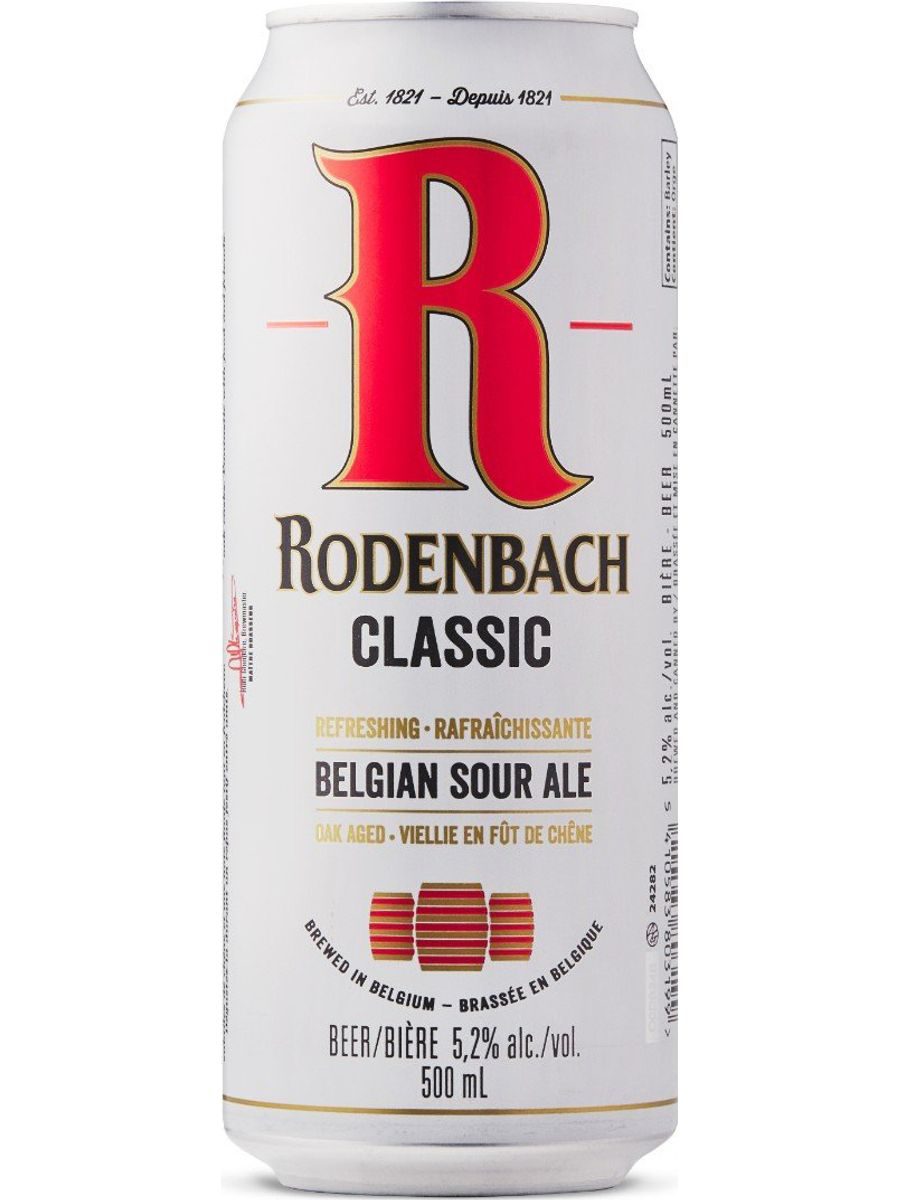
Rodenbach Classic
Brewed by Rodenbach
A gentler red-ale starting point before Grand Cru.
BAR NOTES
Rodenbach Classic is currently listed at 5.2%, with a younger-beer-led blend and an oak-aged component. The selected distributor image shows the can, distinguishing this reference from Grand Cru’s bottle presentation and stronger aged impression.
Taste Classic before Grand Cru to understand how blending changes the balance rather than treating every red sour as equally intense. Concentrate on malt support and the length of the acidic finish. Flanders Red Ale supplies the comparison framework.
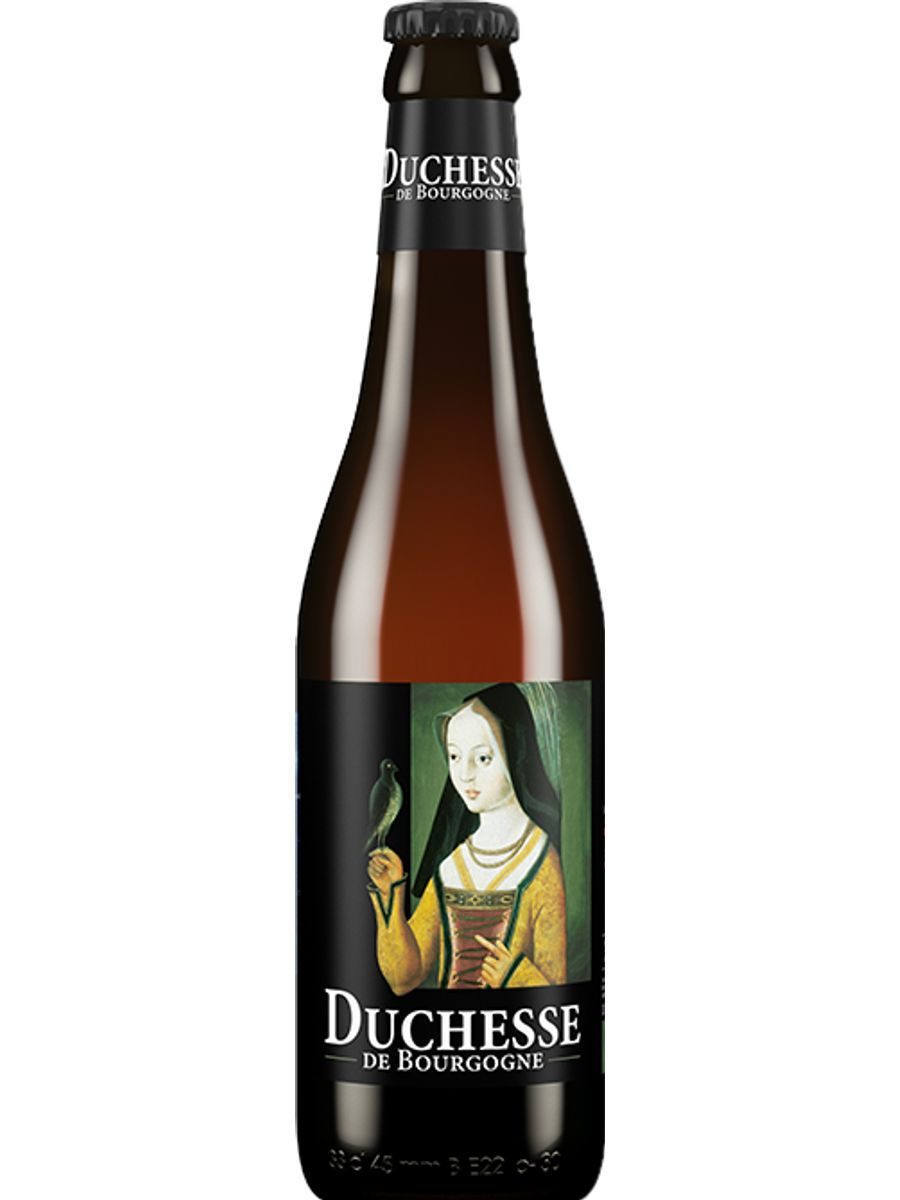
Duchesse de Bourgogne
Brewed by Verhaeghe
Ruby color and a fuller sweet-fruity balance.
BAR NOTES
Verhaeghe’s original Duchesse de Bourgogne is a 6.2% mixed-fermentation Flanders Red Ale. Roasted malts and low-bitterness hops support the beer before months of further maturation in oak, producing its fuller sweet-fruity profile.
Taste its malt and sweetness alongside the more vinous Grand Cru rather than ranking either solely by acidity. Fruit-like aromas do not make the original Duchesse a fruit-added beer. Oud Bruin provides a neighboring malt-and-sourness comparison.
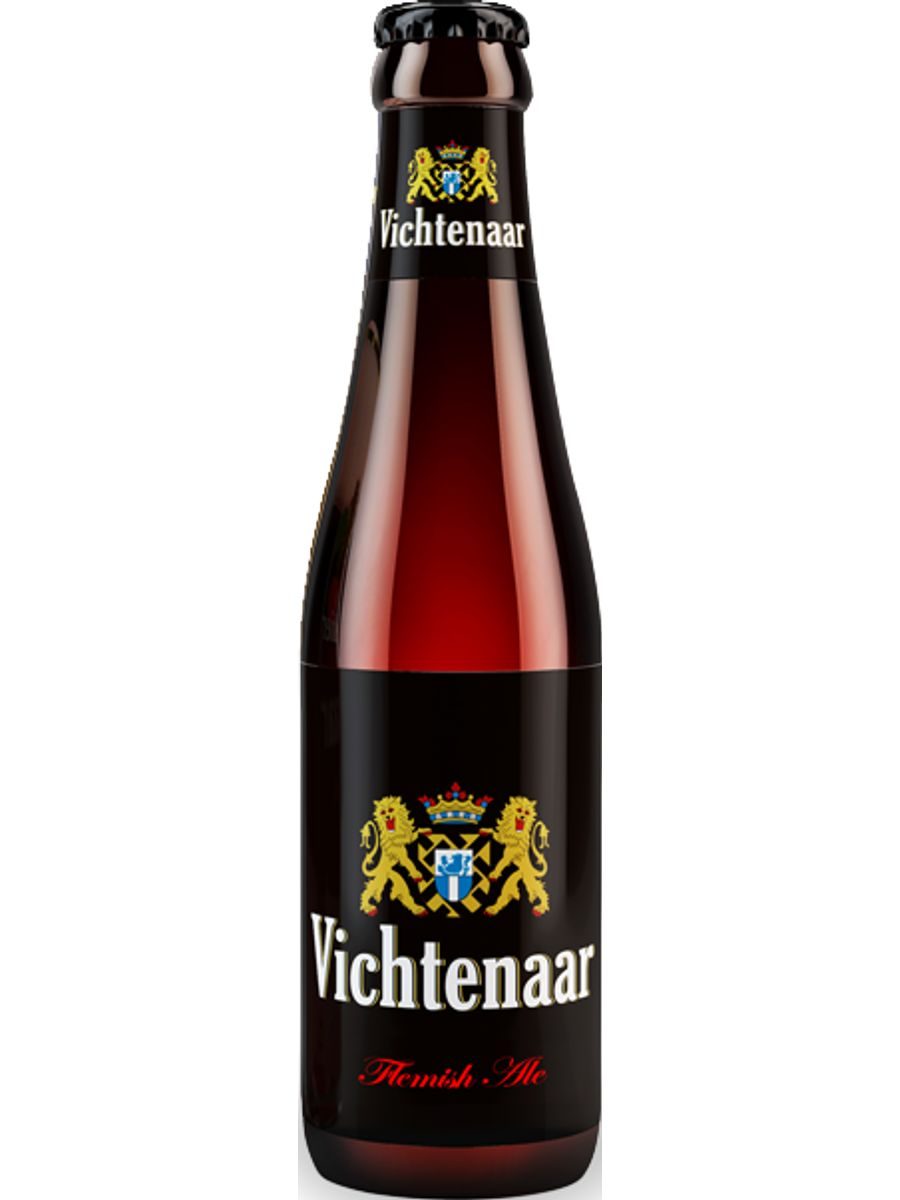
Vichtenaar
Brewed by Verhaeghe
Malt sweetness and refreshing acidity at modest strength.
BAR NOTES
Verhaeghe currently specifies Vichtenaar at 5.1%, brewed with roasted malt, fruity yeast and soft well water. After primary fermentation and lagering, the beer undergoes further maturation and fermentation in large upright oak foeders.
Its reddish-brown appearance is not enough to equate it with the East Flanders Oud Bruin tradition. Use the brewery’s West Flanders identity and its oak treatment when comparing the two. the red-ale branch explains that neighboring relationship.
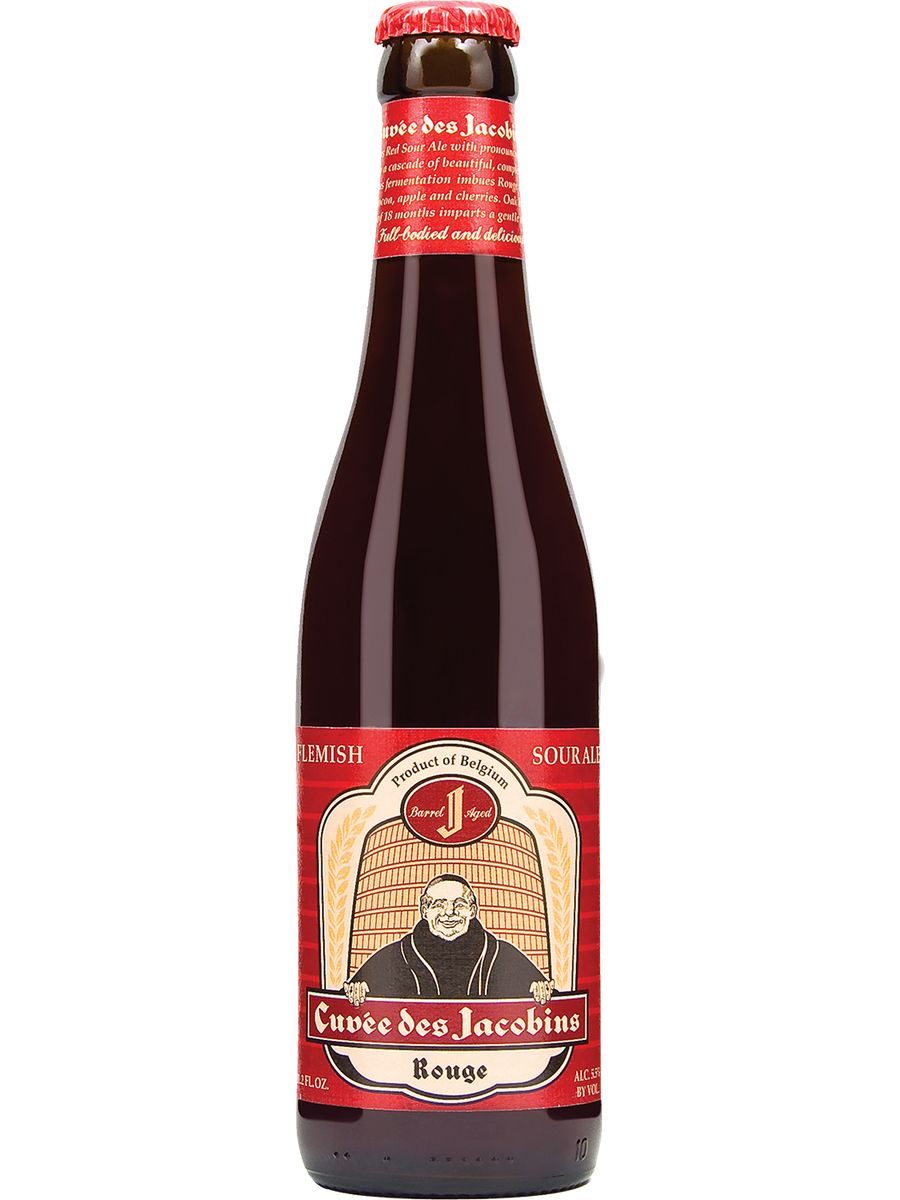
Cuvée des Jacobins
Brewed by Omer Vander Ghinste
Vanilla, sour cherry and cocoa over a pronounced sour finish.
BAR NOTES
Omer Vander Ghinste lists Cuvée des Jacobins at 5.5% as an undiluted foeder beer matured in oak for eighteen months. Its current description emphasizes dark-red color, balanced sourness and vanilla, sour-cherry and cocoa impressions.
Compare it with blended red ales to hear the effect of presenting the aged component without the same young-beer dilution. The brewery’s lambic terminology does not make it the standard Brussels unblended-lambic control. Lambic fundamentals clarify that distinction.
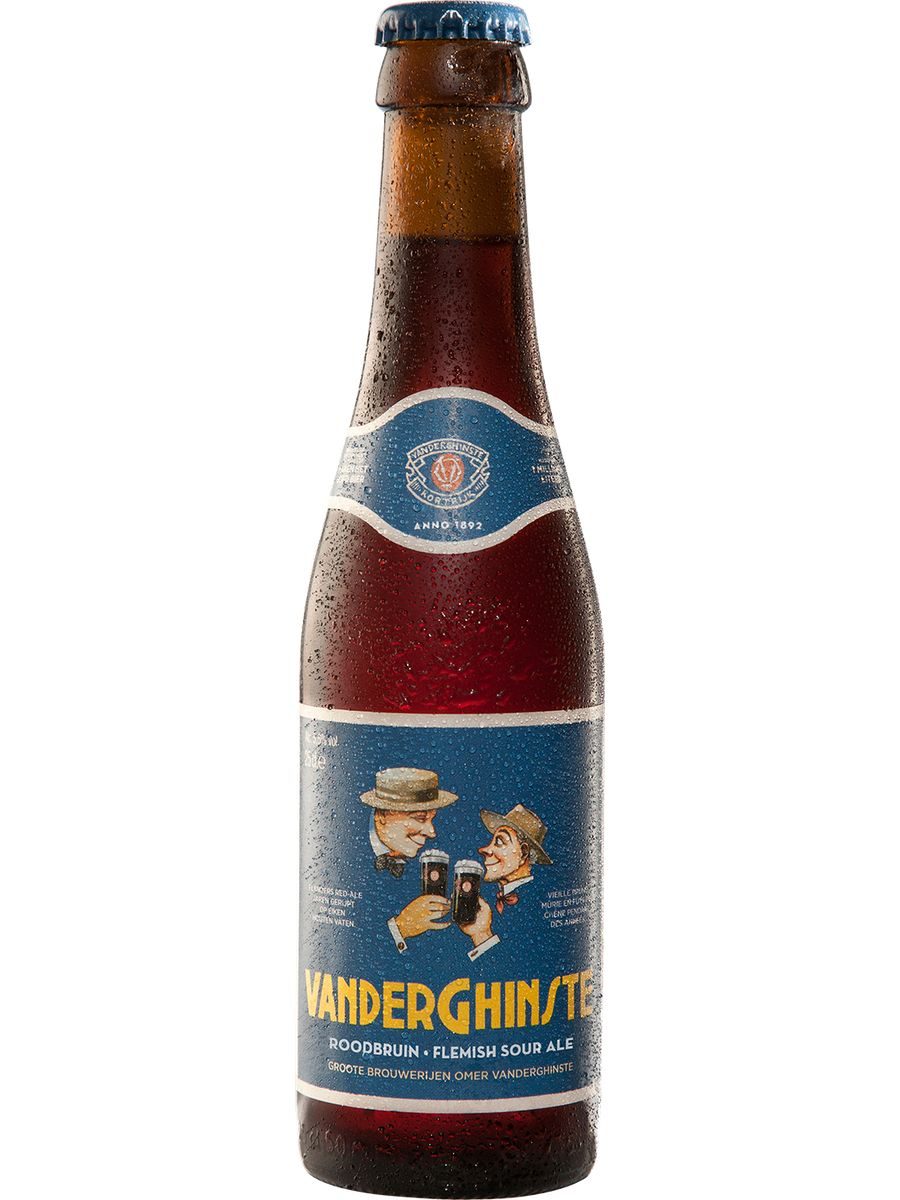
VanderGhinste Roodbruin
Brewed by Omer Vander Ghinste
Red fruit and caramel malt balance sweet and sour.
BAR NOTES
The current VanderGhinste Roodbruin is 5.5% and identified by its brewery as a South-West Flanders red-brown beer. A top-fermented base is blended with spontaneously fermented beer matured for at least eighteen months in oak foeders.
Its historical Oud Bruin associations should not erase the brewery’s current regional description. Compare the caramel malt with Goudenband while keeping the wood-aged blending method visible. Oud Bruin’s style framework shows why geography and fermentation matter alongside color.
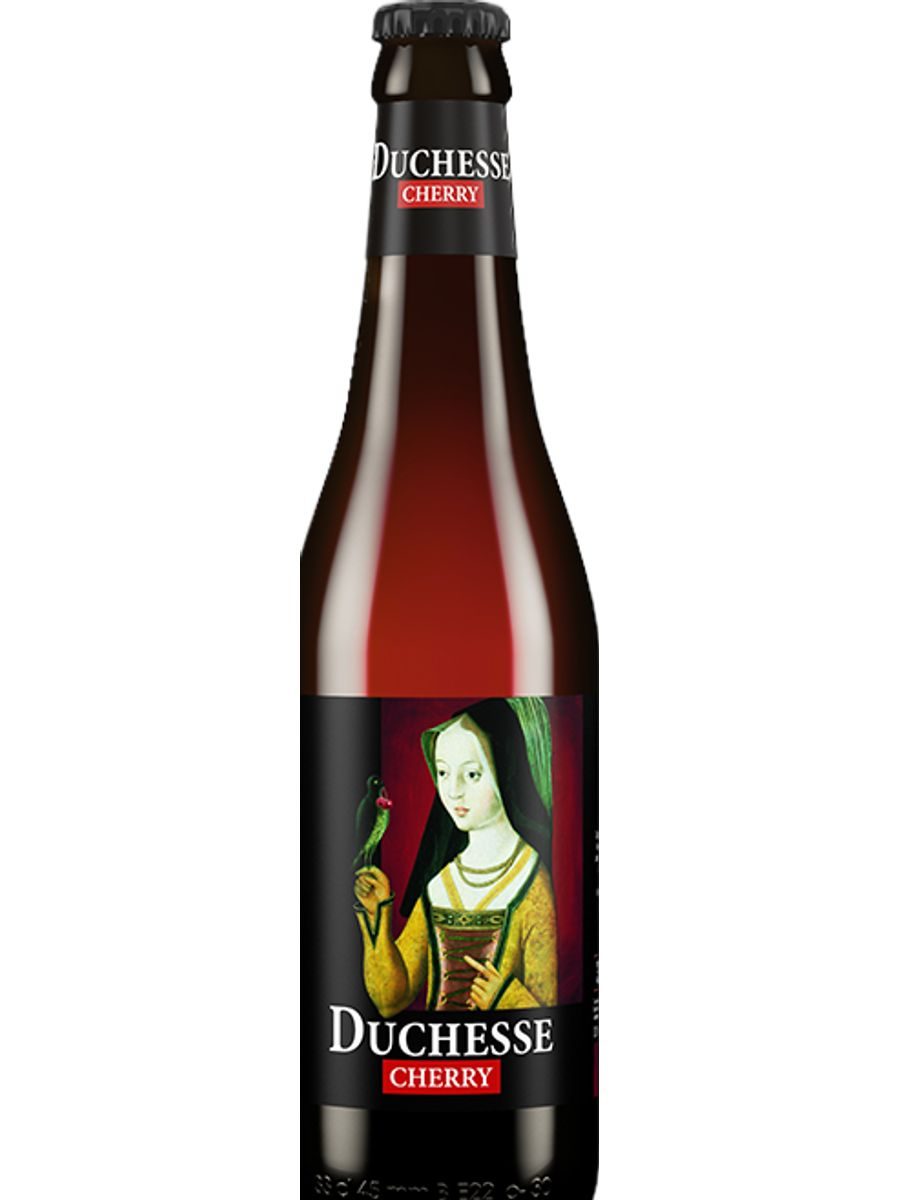
Duchesse Cherry
Brewed by Verhaeghe
Real cherry fruit enriches the oak-aged red foundation.
BAR NOTES
Duchesse Cherry is currently specified at 6.8%, using real Belgian cherries from the Sint-Truiden region. Verhaeghe explicitly distinguishes its mixed-fermentation Flanders red base from the lambic base associated with traditional Belgian kriek.
Taste it beside the original Duchesse to separate added cherry from fruit-like fermentation aroma. The word cherry cannot establish a Fruit Lambic category by itself. the Fruit Lambic guide explains the base-beer distinction behind similar red fruit colors.
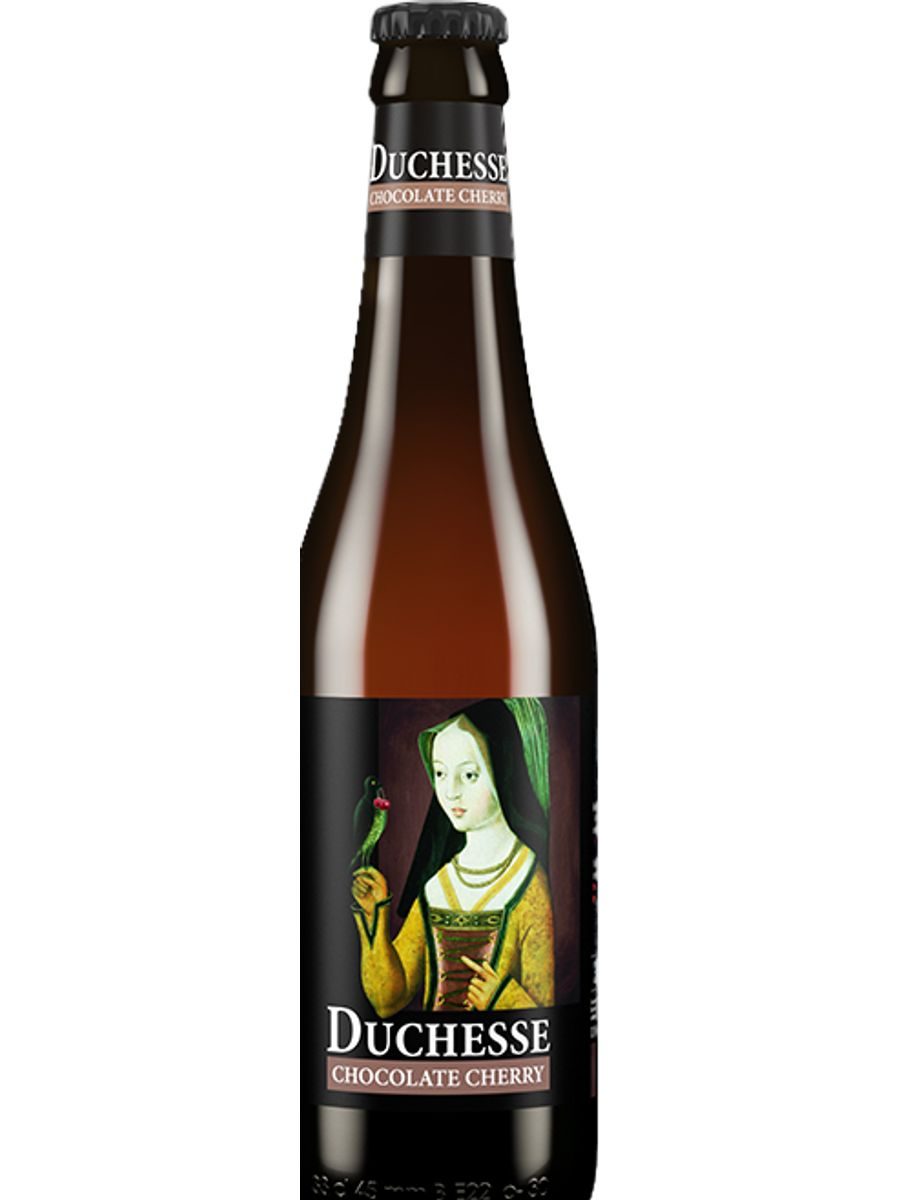
Duchesse Cherry Chocolate
Brewed by Verhaeghe
Cherry and chocolate add two specialty variables to the red base.
BAR NOTES
The selected Duchesse Cherry Chocolate is 6.8%, with whole sour cherries and natural chocolate aroma. The brewery describes two hundred grams of cherries per liter and oak maturation, identifying a flavored specialty rather than plain Flanders Red.
Taste the chocolate impression separately from the darker malt and cherry acidity. Comparing it with Duchesse Cherry makes the added aromatic treatment easier to recognize. flavor vocabulary helps keep cocoa, sweetness, oak and sour fruit as separate tasting observations.
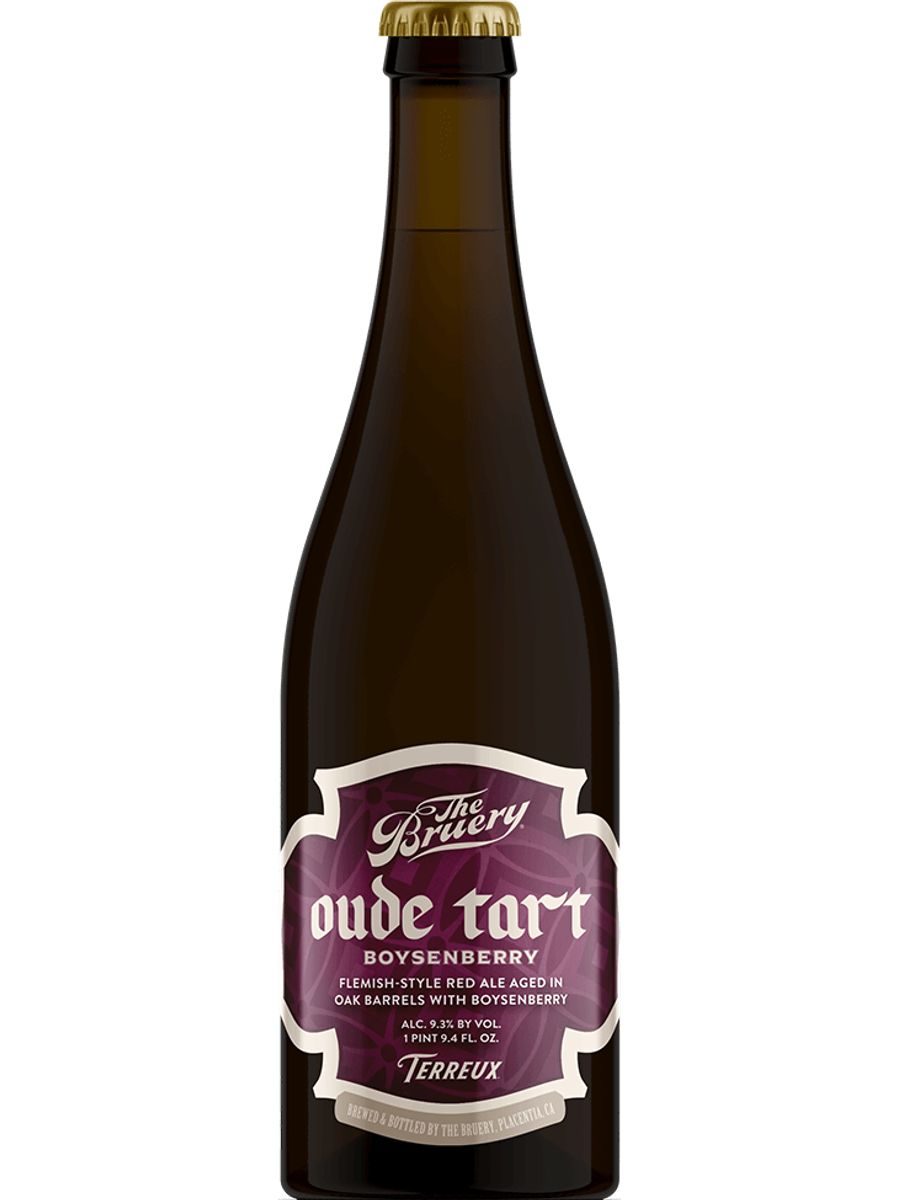
Oude Tart with Boysenberry 2020
Brewed by The Bruery
Boysenberry tartness, dark fruit and toasty oak.
BAR NOTES
This is the selected 2020 Oude Tart with Boysenberry, listed in The Bruery’s official archive at 9.3%. The Flemish-style red base receives boysenberries and oak aging; it is not the older plain Oude Tart specification.
Its strength is above Flanders Red’s usual 6.5% ceiling, and the named fruit supplies another specialty variable. Treat the archive identity as explicit rather than implying a fresh 2026 release. a simpler Flanders Red foundation offers the unflavored brewing comparison.
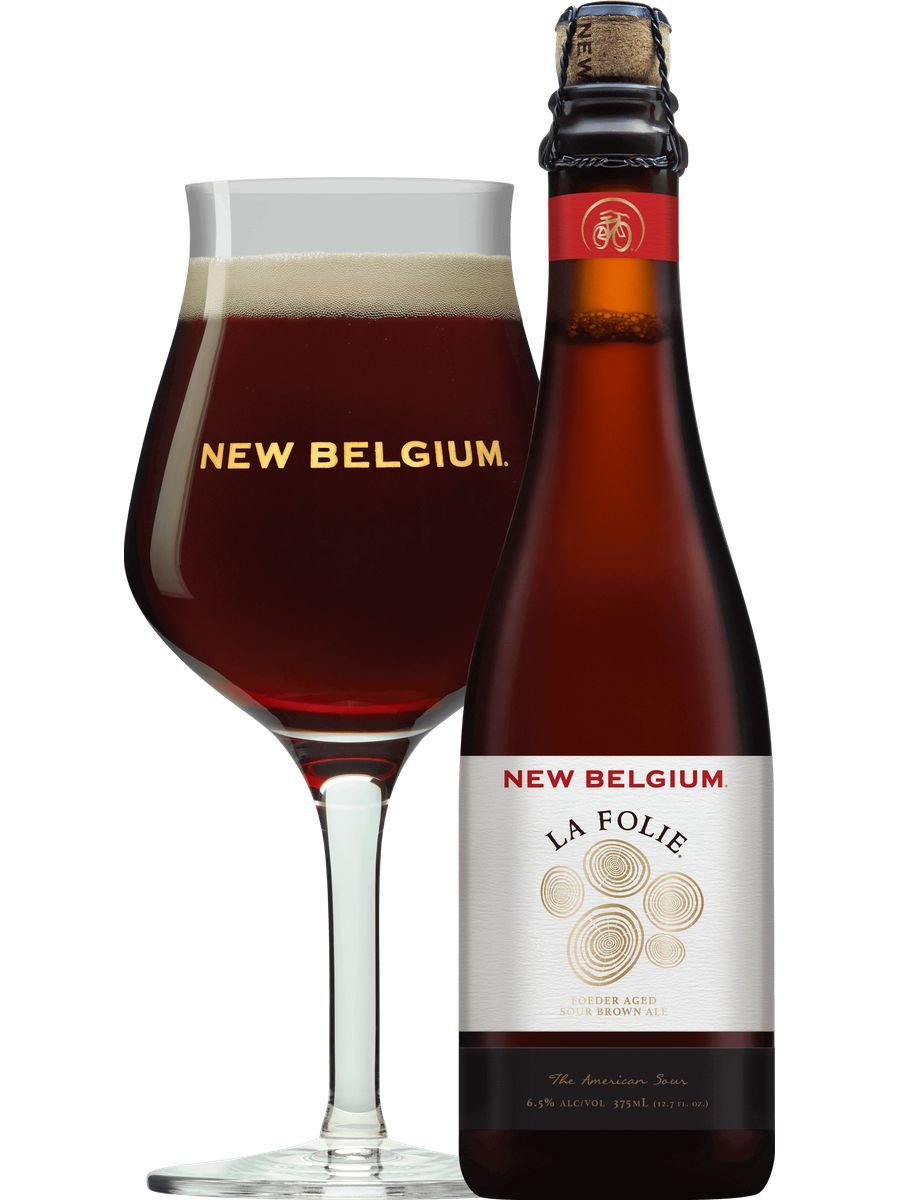
La Folie
Brewed by New Belgium
Sharp green apple, cherry and plum-skin impressions.
BAR NOTES
New Belgium currently lists La Folie at 6.5% and 18 IBU, differing from the older 7.0% card. Its Flanders-style sour brown identity includes several years of maturation in large French oak wine foeders.
The brewery’s lager yeast and wood program make this a useful American interpretation, rather than a claim of the exact East Flanders Oud Bruin process. Oud Bruin comparisons helps separate darker malt, acid intensity and oak treatment.
How to serve and pair it
Serve it around 46–52°F in a tulip or wine glass. Let the bottle rest upright, pour gently, and allow several minutes for the fruit and oak to expand.
Duck, pork, charcuterie, washed-rind cheese, mushroom dishes, and cherry-based sauces are excellent partners. The beer can replace an acidic red wine at the table while adding deeper caramelized malt.
Brewing perspective
Start with a red-to-copper malt base that can survive long aging, then keep hopping restrained. Mixed culture, appropriate wood contact, oxygen control, and patient blending matter more than recipe complexity.
This is a long project, so package and sanitation plans need to be settled early. The Flanders Red Ale recipe guide provides a practical framework.
Common questions
Is Flanders red ale vinegar beer?
No. A gentle balsamic note may be present, but harsh vinegar should not dominate. The style depends on fruit, malt, oak, sweetness, tannin, and acidity working together.
How long does it take to brew?
Traditional mixed-fermentation examples commonly require many months and often more than a year before blending and packaging.
Is Duchesse de Bourgogne typical?
It is a well-known sweet-sour expression. Drier and more sharply acidic examples exist, so one bottle does not define the entire range.
Choose your next sour beer comparison
Explore acid, malt, spontaneous fermentation and fruit across this family, or develop a recipe for the style you want to brew.