
Oud Bruin: 10-Beer Comparison Flight and Style Guide
Oud bruin is a Flemish sour brown ale where malt remains visible beneath fruit, age, and restrained acidity. Raisin, plum, caramel, cocoa, toasted bread, and cherry can meet a soft lactic tang without the sharper red-wine profile associated with Flanders red.
The name means old brown, and maturity matters. Time rounds the beer, develops fruit and oxidation-like complexity, and lets a modest sour edge settle into the malt.
At a glance
- OG: 1.040–1.074
- FG: 1.008–1.012
- IBU: 20–25
- Color: 15–22 SRM
- ABV: 4.0–8.0%
What oud bruin tastes like
Expect dark bread, caramel, raisin, plum, cherry, cocoa, and light nutty notes. Acidity is usually moderate, and the body can feel smoother and maltier than Flanders red.
A little aged depth can resemble port, sherry, or dried fruit, but the beer should not taste stale. Papery oxidation, solvent, or aggressive vinegar overwhelms the style’s quiet balance.
A sour brown from East Flanders
Oud bruin is associated with East Flanders, where brewers developed a darker, malt-led aged beer distinct from the red ales of West Flanders. Stainless or mixed vessels may be used alongside blending and bottle conditioning.
The tradition allows variation. Some bottles are gently tart and malt-forward; others show more fruit, wood, or acidity. The common impression is mature brown ale rather than red-wine sharpness.
Oud bruin versus Flanders red
Oud bruin is darker, maltier, and often less acetic, with more raisin, caramel, cocoa, and dried-fruit character. Flanders red tends to be brighter, more vinous, and more closely associated with long foeder aging.
Ten Oud Bruin references and comparisons
Goudenband, original Monk’s Café and Monk’s Café Grand Cru provide three Oud Bruin references. Seven labeled neighbors then isolate regional red-ale character, oak, wine barrels and cherries: VanderGhinste Roodbruin, Vichtenaar, La Folie, Supplication, Duchesse, Rodenbach Grand Cru and Liefmans Kriek-Brut. The flight does not present ten plain Oud Bruins, and it preserves the breweries’ current regional and specialty identities.
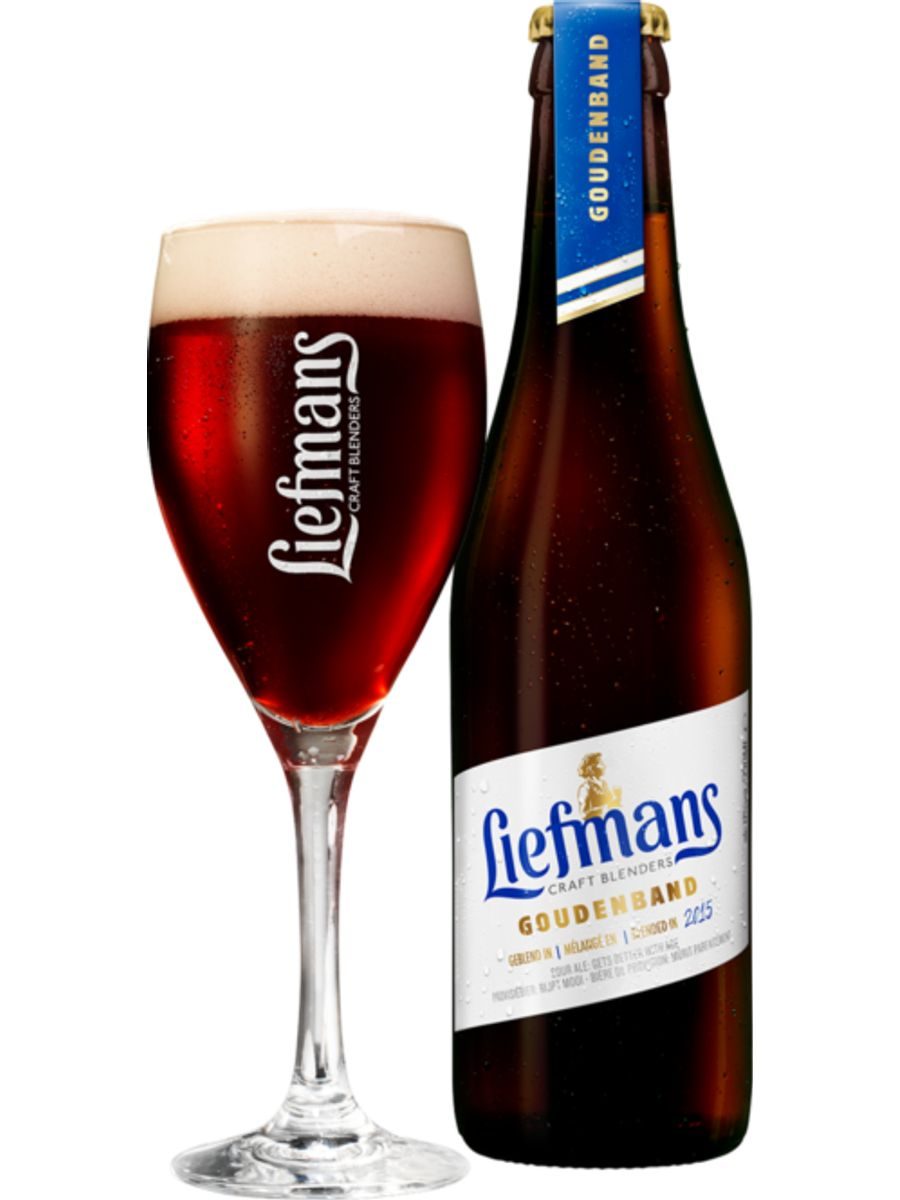
Liefmans Goudenband
Brewed by Liefmans
Caramel, apple, nuts and raisins with restrained sourness.
BAR NOTES
Goudenband is Liefmans’ 8.0% reddish-brown mixed-fermentation beer, matured for four to twelve months. Its dry caramel-malt, fruit and nut impressions establish the richer end of the Oud Bruin comparison without requiring an oak-aged red-ale identity.
Compare it with Monk’s Café before moving to the sharper American wood-aged neighbors. Darker malt and stronger alcohol do not automatically require stronger acidity. Oud Bruin recipe planning places rounded malt and fermentation complexity at the center of the brewing decision.
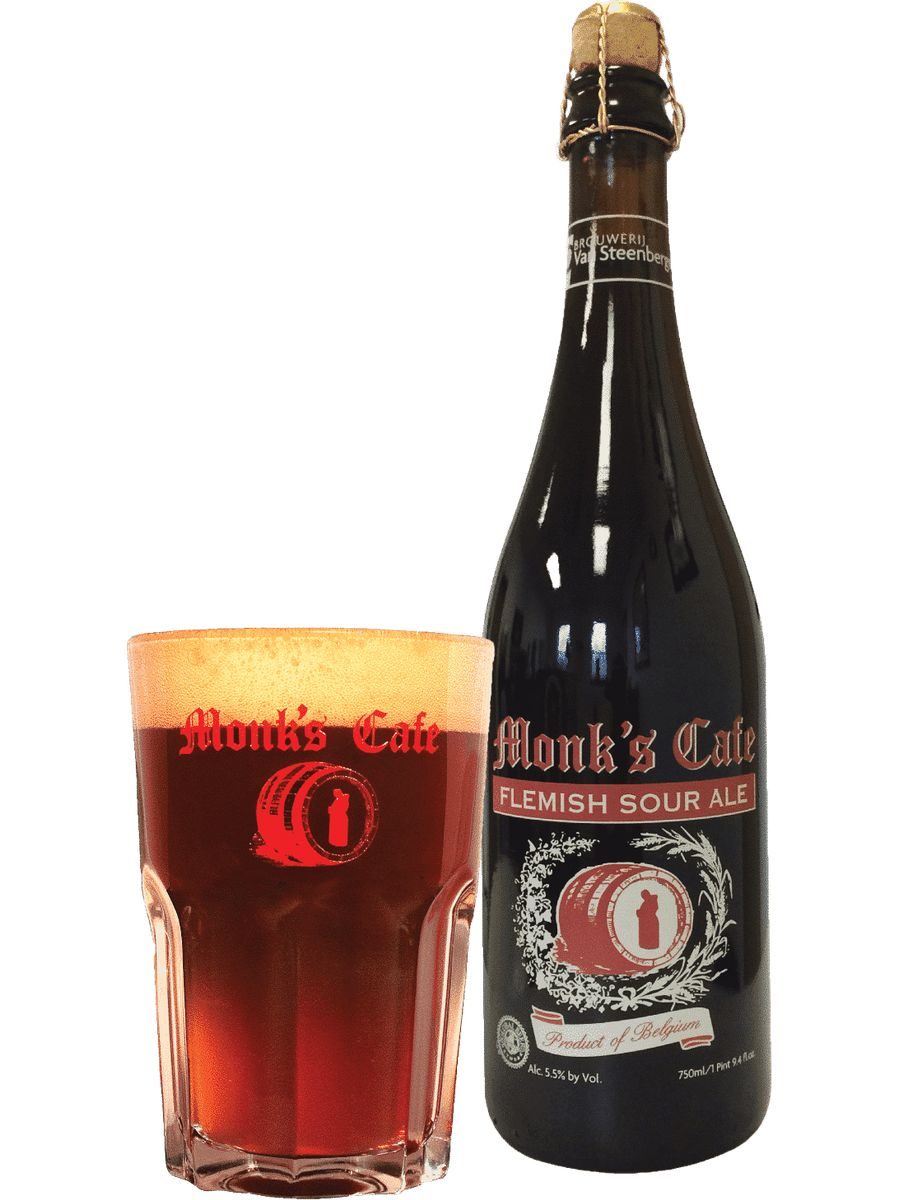
Monk’s Café
Brewed by Van Steenberge
A fresh, mildly sour old brown with sweet-sour balance.
BAR NOTES
Van Steenberge identifies original Monk’s Café as a 5.5% Flemish old brown with a fresh, mildly acidic character. Its current range lists the original separately from Monk’s Café Grand Cru in both 330- and 750-milliliter bottles.
Taste the original alongside Goudenband to compare modest strength with a richer brown reference. Use the selected original label carefully, because the Grand Cru name marks a separate product. the Oud Bruin guide frames malt, fruit and acidity together.
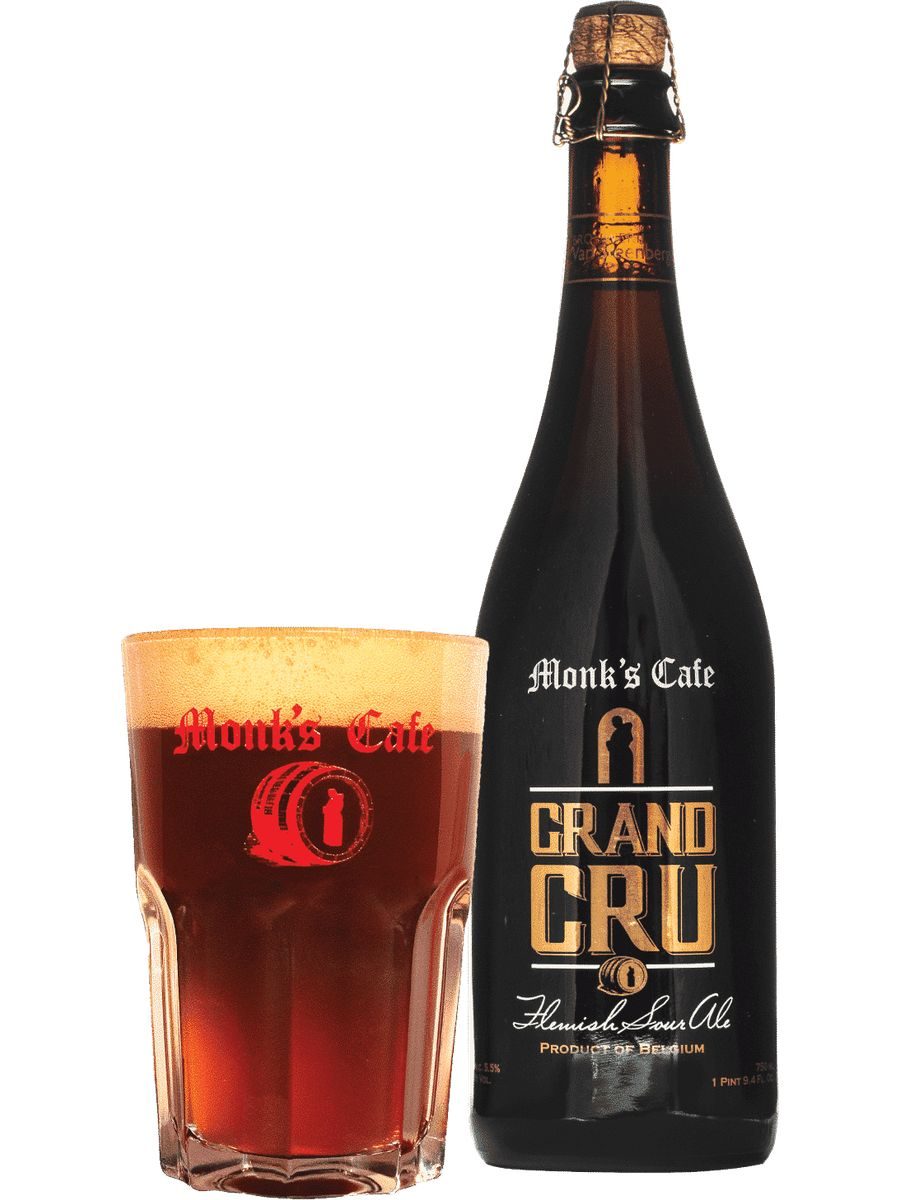
Monk’s Café Grand Cru
Brewed by Van Steenberge
A separate old-brown selection at the same nominal strength.
BAR NOTES
Monk’s Café Grand Cru is listed at the same 5.5% as the original, but Van Steenberge presents it as a separate top-fermenting, tank-aged old brown. The selected Grand Cru bottle keeps the two commercial identities distinct.
Grand Cru is not a universal instruction that a beer is stronger, oak-aged or related to Rodenbach’s blend. Compare the two Monk’s bottles on their own malt and sweet-sour balance. Oud Bruin brewing provides the underlying style reference.
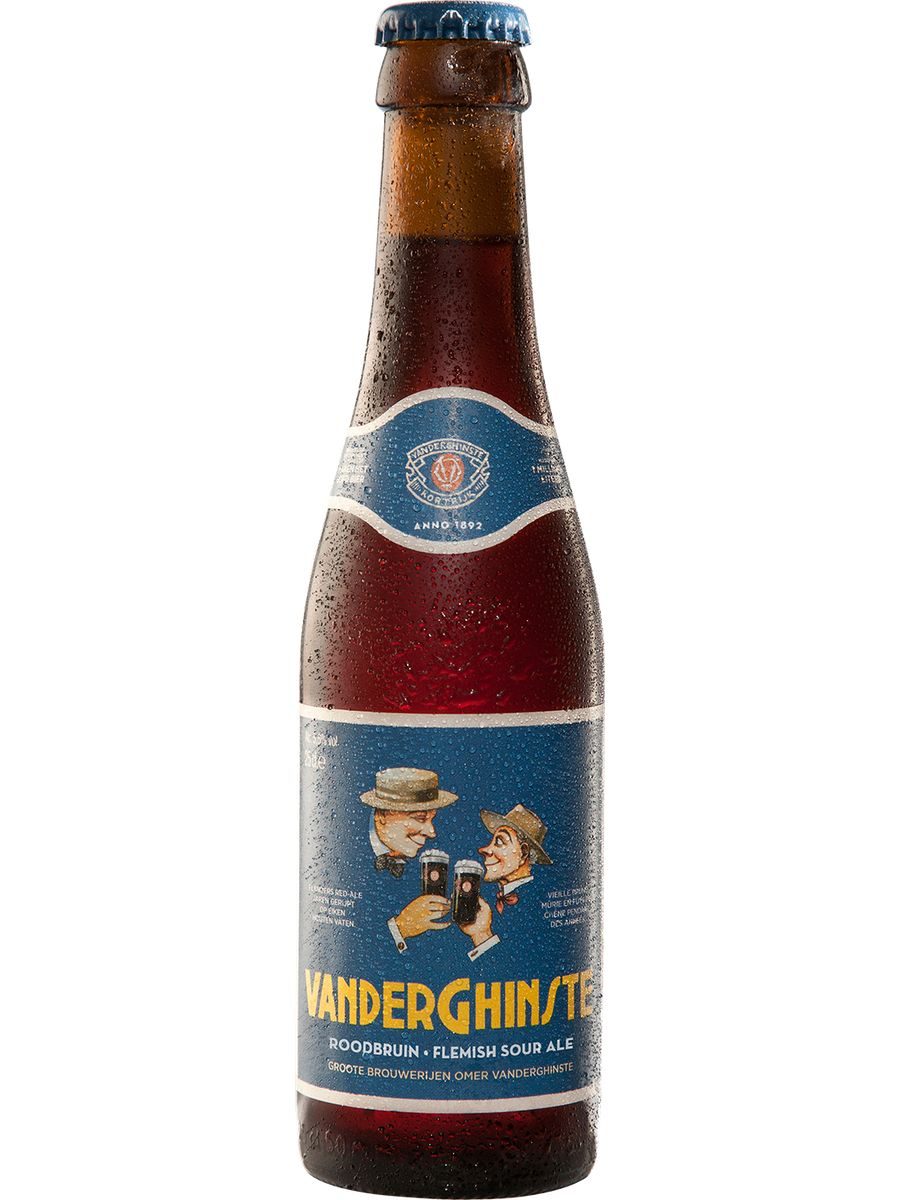
VanderGhinste Roodbruin
Brewed by Omer Vander Ghinste
Red fruit and caramel malt balance sweet and sour.
BAR NOTES
The current VanderGhinste Roodbruin is 5.5% and identified by its brewery as a South-West Flanders red-brown beer. A top-fermented base is blended with spontaneously fermented beer matured for at least eighteen months in oak foeders.
Its historical Oud Bruin associations should not erase the brewery’s current regional description. Compare the caramel malt with Goudenband while keeping the wood-aged blending method visible. Oud Bruin’s style framework shows why geography and fermentation matter alongside color. This is a labeled neighboring red or specialty sour comparison, not a plain Oud Bruin benchmark.
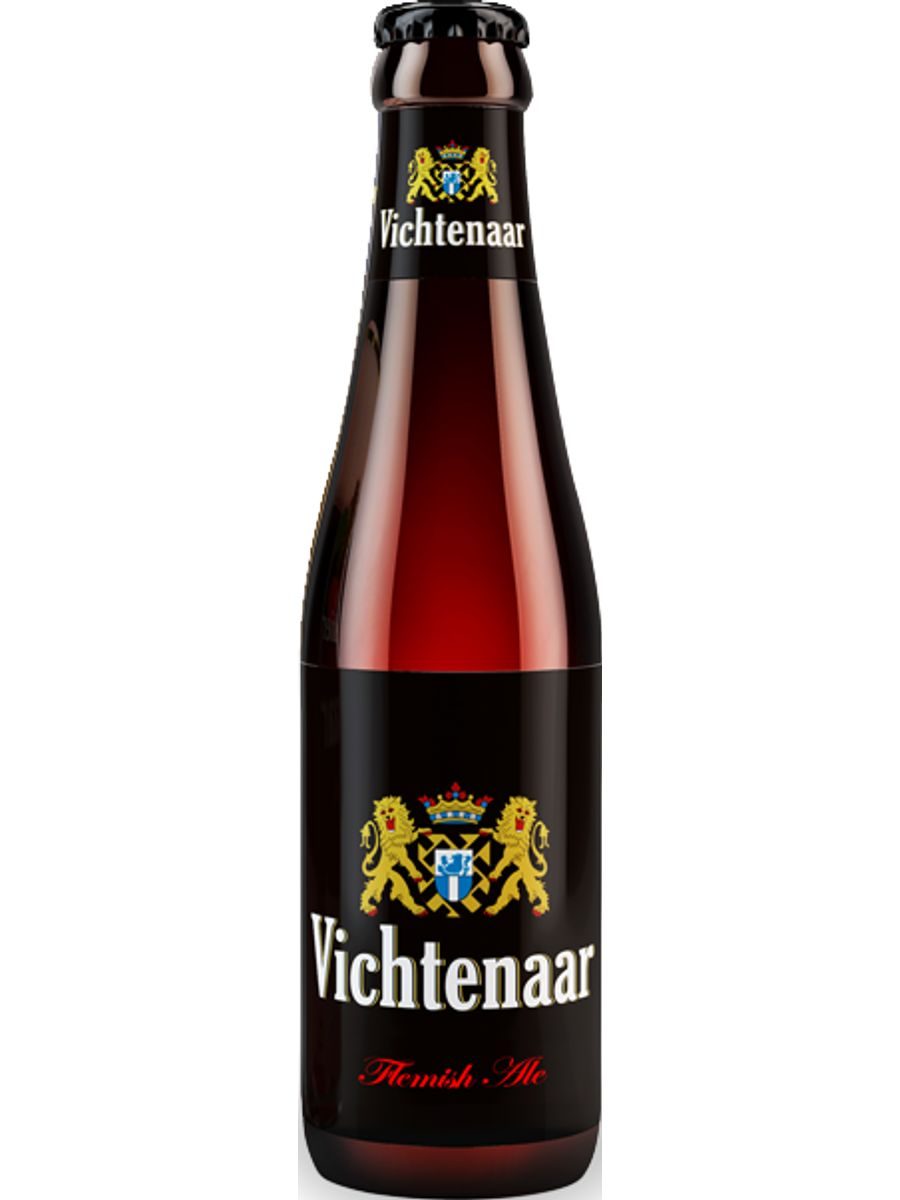
Vichtenaar
Brewed by Verhaeghe
Malt sweetness and refreshing acidity at modest strength.
BAR NOTES
Verhaeghe currently specifies Vichtenaar at 5.1%, brewed with roasted malt, fruity yeast and soft well water. After primary fermentation and lagering, the beer undergoes further maturation and fermentation in large upright oak foeders.
Its reddish-brown appearance is not enough to equate it with the East Flanders Oud Bruin tradition. Use the brewery’s West Flanders identity and its oak treatment when comparing the two. the red-ale branch explains that neighboring relationship. This is a labeled neighboring red or specialty sour comparison, not a plain Oud Bruin benchmark.
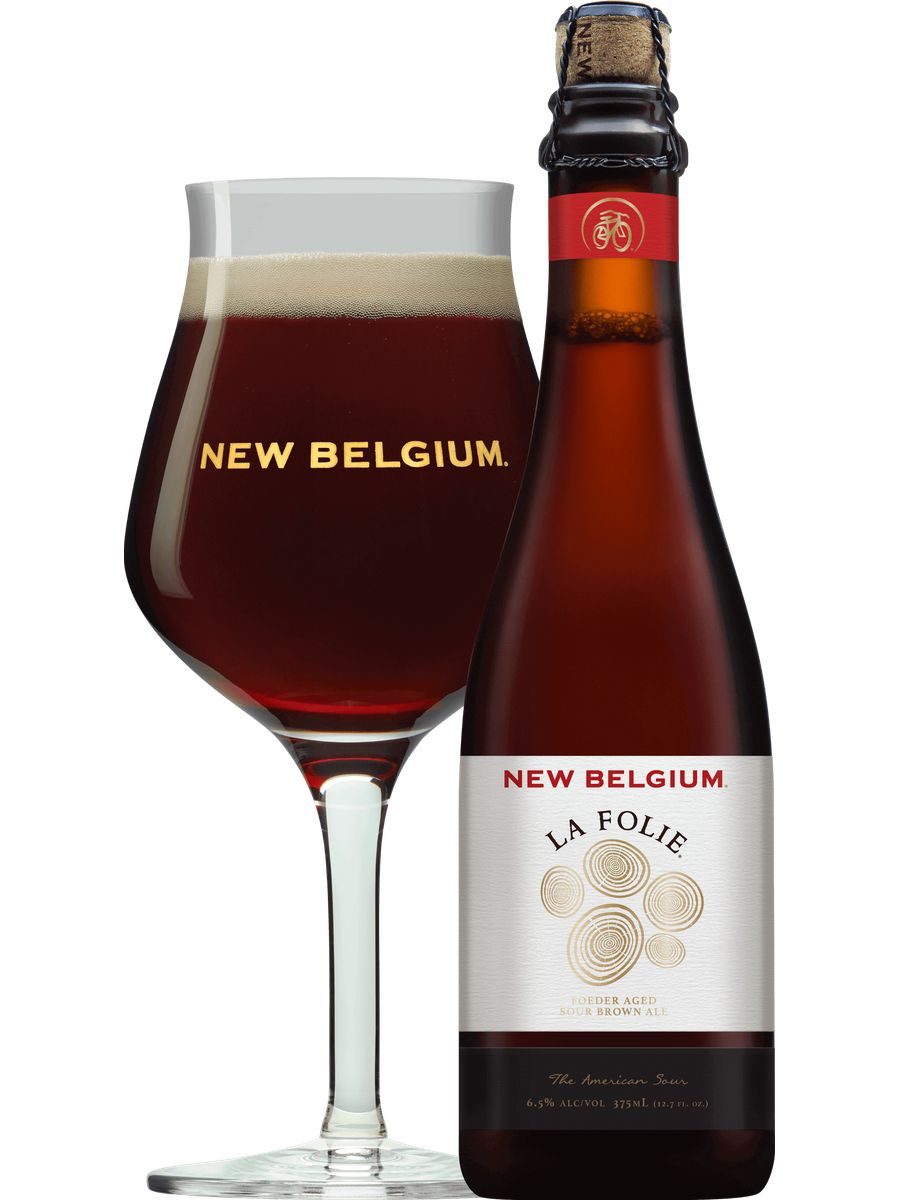
La Folie
Brewed by New Belgium
Sharp green apple, cherry and plum-skin impressions.
BAR NOTES
New Belgium currently lists La Folie at 6.5% and 18 IBU, differing from the older 7.0% card. Its Flanders-style sour brown identity includes several years of maturation in large French oak wine foeders.
The brewery’s lager yeast and wood program make this a useful American interpretation, rather than a claim of the exact East Flanders Oud Bruin process. Oud Bruin comparisons helps separate darker malt, acid intensity and oak treatment. This is a labeled neighboring red or specialty sour comparison, not a plain Oud Bruin benchmark.
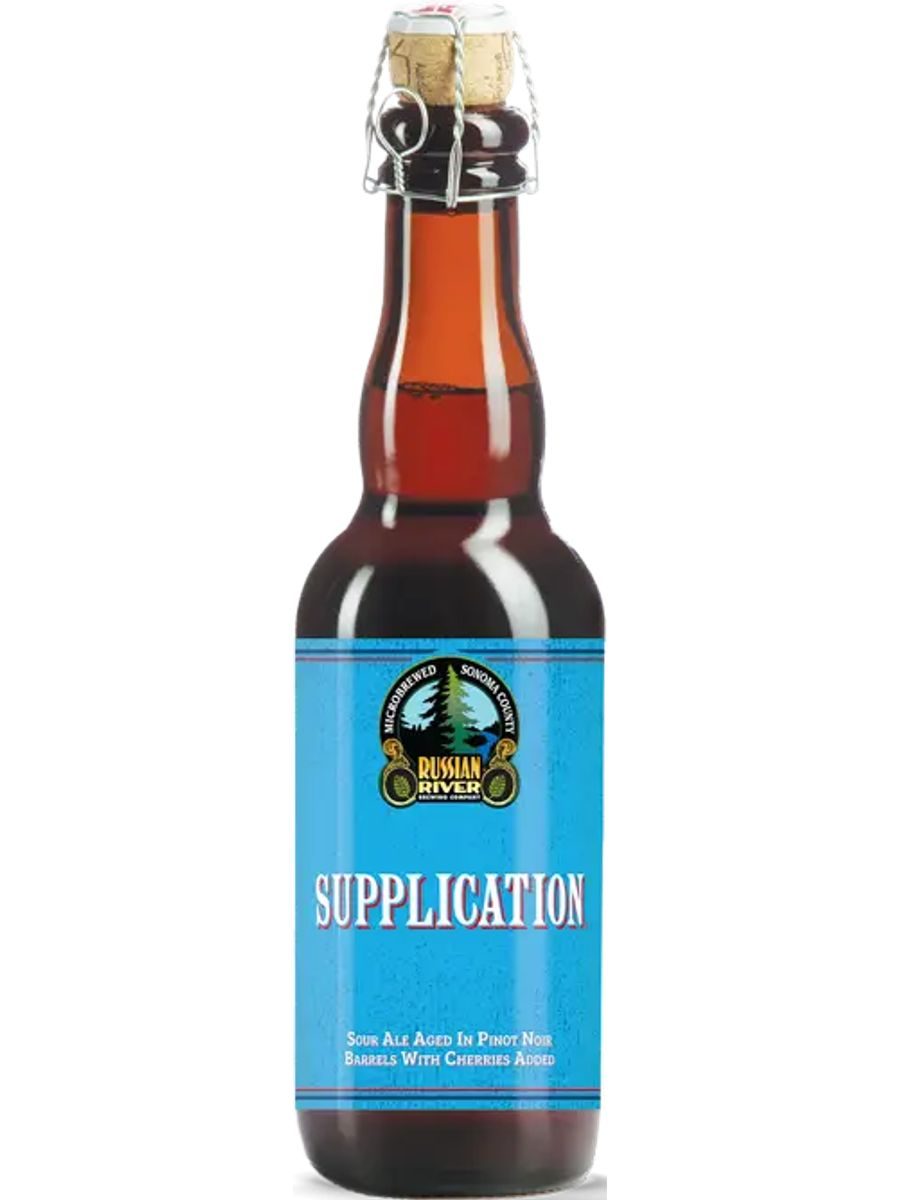
Supplication
Brewed by Russian River
Sour cherries and wine barrels extend a brown-ale foundation.
BAR NOTES
Russian River currently lists Supplication at 7.75%, replacing the older 7.0% figure. The brown ale matures in Pinot Noir barrels with sour cherries, Brettanomyces and bacteria before natural bottle refermentation.
Wine barrels and actual cherries add variables beyond a plain Oud Bruin benchmark. Use it as a labeled American specialty comparison, paying attention to wine-derived texture and fruit alongside brown malt. Oud Bruin foundations helps preserve that base-style distinction. This is a labeled neighboring red or specialty sour comparison, not a plain Oud Bruin benchmark.
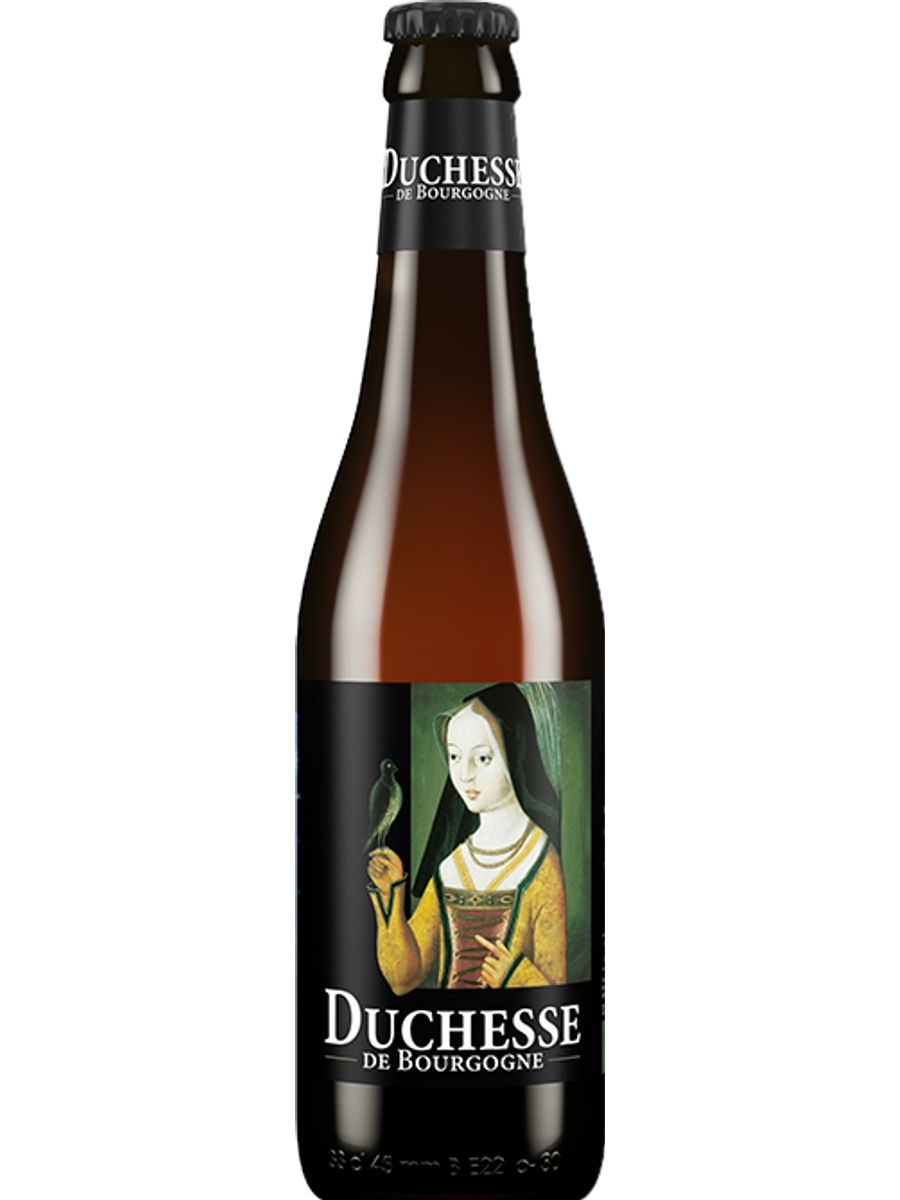
Duchesse de Bourgogne
Brewed by Verhaeghe
Ruby color and a fuller sweet-fruity balance.
BAR NOTES
Verhaeghe’s original Duchesse de Bourgogne is a 6.2% mixed-fermentation Flanders Red Ale. Roasted malts and low-bitterness hops support the beer before months of further maturation in oak, producing its fuller sweet-fruity profile.
Taste its malt and sweetness alongside the more vinous Grand Cru rather than ranking either solely by acidity. Fruit-like aromas do not make the original Duchesse a fruit-added beer. Oud Bruin provides a neighboring malt-and-sourness comparison. This is a labeled neighboring red or specialty sour comparison, not a plain Oud Bruin benchmark.
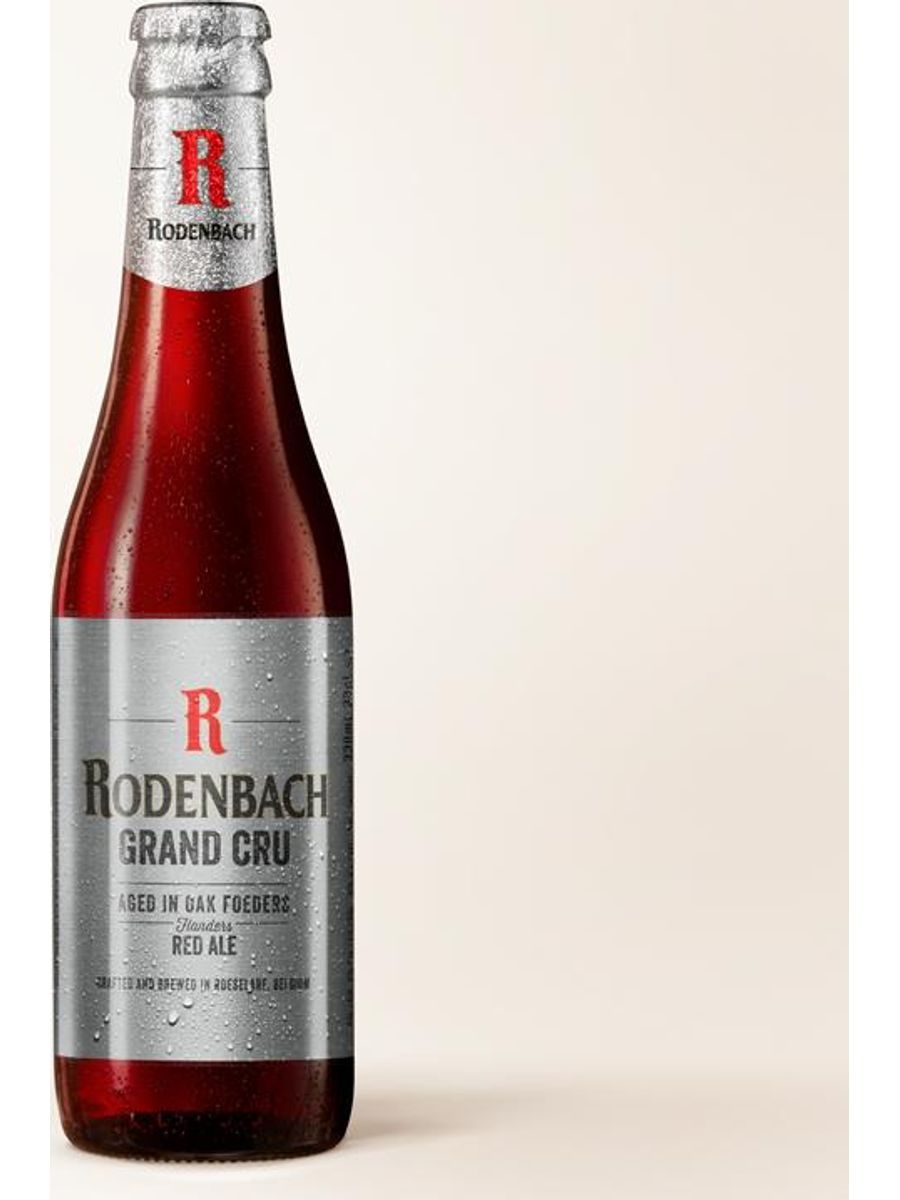
Rodenbach Grand Cru
Brewed by Rodenbach
Vinous red fruit, oak and a layered sweet-sour finish.
BAR NOTES
Grand Cru is Rodenbach’s 6.0% Flanders red reference, combining younger beer with a larger oak-matured portion. The long maturation and blending give a wine-like red-fruit impression without needing an added-fruit label.
Compare it with Classic before moving to cherry-treated examples. Perceived cherry character in a red ale can come from fermentation and maturation rather than actual cherry additions. Flanders Red recipe planning develops the interaction of malt, microbes, aging and blending. This is a labeled neighboring red or specialty sour comparison, not a plain Oud Bruin benchmark.
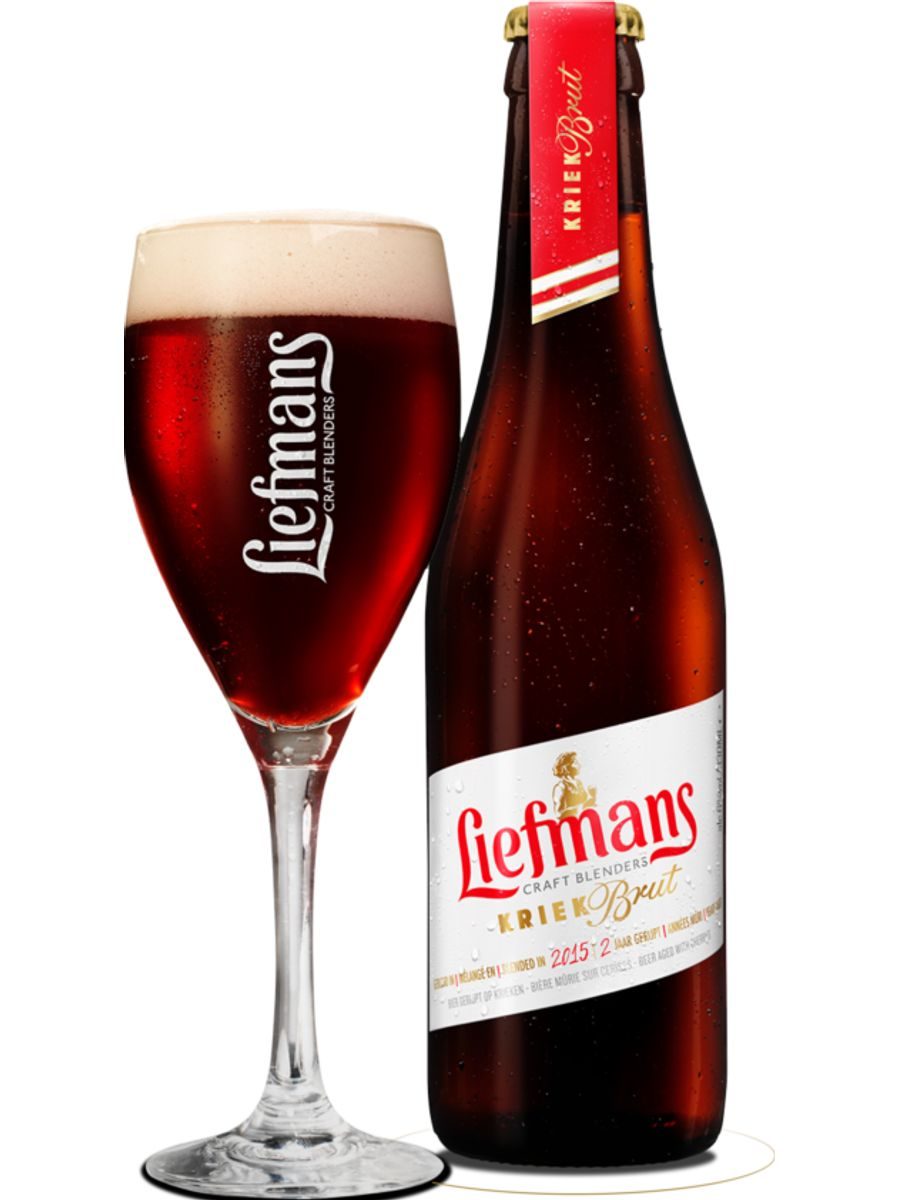
Liefmans Kriek-Brut
Brewed by Liefmans
Cherry and almond impressions with a tart-sweet brown-red finish.
BAR NOTES
Liefmans Kriek-Brut is currently 6.0%, combining Oud Bruin with pale beer aged on real cherries. Its extended maturation and dark-red fruit character make it a valuable comparison with traditional kriek, but its base is not lambic.
The word kriek names the cherry relationship without proving spontaneous lambic origin. Compare the sweetness and malt with a dry Cantillon or Boon fruit lambic. Fruit Lambic’s base requirements explains why similar fruit names can conceal different brewing traditions. This is a labeled neighboring red or specialty sour comparison, not a plain Oud Bruin benchmark.
How to serve and pair it
Serve oud bruin around 48–52°F in a tulip or wine glass. A small pour and a few minutes of air help the dark fruit and malt emerge from beneath the initial acidity.
It works with roast pork, beef stew, mushrooms, aged Gouda, blue cheese, and chocolate with dried fruit. The beer’s acidity refreshes while its malt echoes browned and caramelized flavors.
Brewing perspective
Build a layered brown wort without excessive roast. Munich, Vienna, and restrained crystal malts can provide bread and dried fruit, while a small amount of darker malt adjusts color and cocoa depth.
Mixed fermentation benefits from patience and oxygen discipline. If no dedicated oud bruin recipe is available, the Flanders mixed-fermentation guide supplies useful process principles.
Common questions
Is oud bruin very sour?
Usually less sharply sour than Flanders red or gueuze. Acidity should support mature malt and dark fruit rather than erase them.
Does it contain brown sugar?
Not necessarily. The brown color and caramel-like flavor generally come from malt and aging, though individual brewers may use sugar.
Can it be aged?
Many bottle-conditioned examples develop well, but aging depends on the beer’s structure and storage. Keep bottles cool, dark, and upright before serving.
Choose your next sour beer comparison
Explore acid, malt, spontaneous fermentation and fruit across this family, or develop a recipe for the style you want to brew.