
Czech Pale Lager: Top 10 Current Beers and Style Guide
Czech Pale Lager is a low-strength, bready and distinctly hoppy lager built for everyday drinking without tasting thin.
Known in Czech as světlé výčepní pivo, it carries the familiar malt-and-hop language of stronger Czech pale lager in a lighter, more sessionable frame.
The quick answer
Expect light yellow to deep gold color, creamy white foam, bready malt, spicy or herbal hops and prominent bitterness that stays smooth rather than harsh.
| Measure | BJCP range |
|---|---|
| Original gravity | 1.028–1.044 |
| Final gravity | 1.008–1.014 |
| Bitterness | 20–35 IBU |
| Color | 3–6 |
| Alcohol | 3.0–4.1% |
What Czech Pale Lager tastes like
Malt ranges from light bread to a richer doughy character, often with more presence than the alcohol level suggests. Traditional hops add herbs and spice, and a faint caramel note can appear.
The body is medium-light to medium with moderate carbonation. Optional low fruit or near-threshold diacetyl can add roundness, but sulfur and obvious butter do not belong.
Top 10 current Czech Pale Lager references
These HBA editorial selections compare current lower-gravity Czech pale lagers and one American-brewed Czech-style example. The order is a learning flight, not a blind-tasting result. Gambrinus Original 10 at 4.3% and Clock Hektor at 4.2% are explicitly labeled commercial boundary references above BJCP 3A’s 3.0–4.1% alcohol range. Package strengths can vary by market; current production does not guarantee local stock.

Gambrinus Original 10
Brewed by Plzeňský Prazdroj
A familiar Czech desítka; current strength sits above the BJCP 3A range.
BAR NOTES
Gambrinus Original 10 gives this flight a familiar Czech výčepní starting point, but its current 4.3% strength exceeds the BJCP 3A range of 3.0–4.1%. Treat it as a named commercial boundary reference rather than an exact competition template.
The 10 in its name refers to original extract, not ten percent alcohol. Compare its easy malt-and-hop balance with the American lager roundup to hear how a Czech everyday beer can remain flavorful without moving into a stronger premium-lager category.

Clock Hektor 10
Brewed by Pivovar Clock
Saaz hops, a single decoction and a current 4.2% strength.
BAR NOTES
Clock now lists Hektor at 4.2% ABV and 30 IBU, correcting the older 4.0% figure. A single decoction, Saaz hops and an unfiltered, unpasteurized presentation make it a useful craft comparison, although its alcohol is just above BJCP 3A’s upper limit.
Compare Hektor with Gambrinus before moving to the lower-strength selections, and judge bitterness separately from finishing dryness. The Czech lager roundup expands that comparison across producers and gravity classes without assuming that every beer called desítka has identical alcohol.
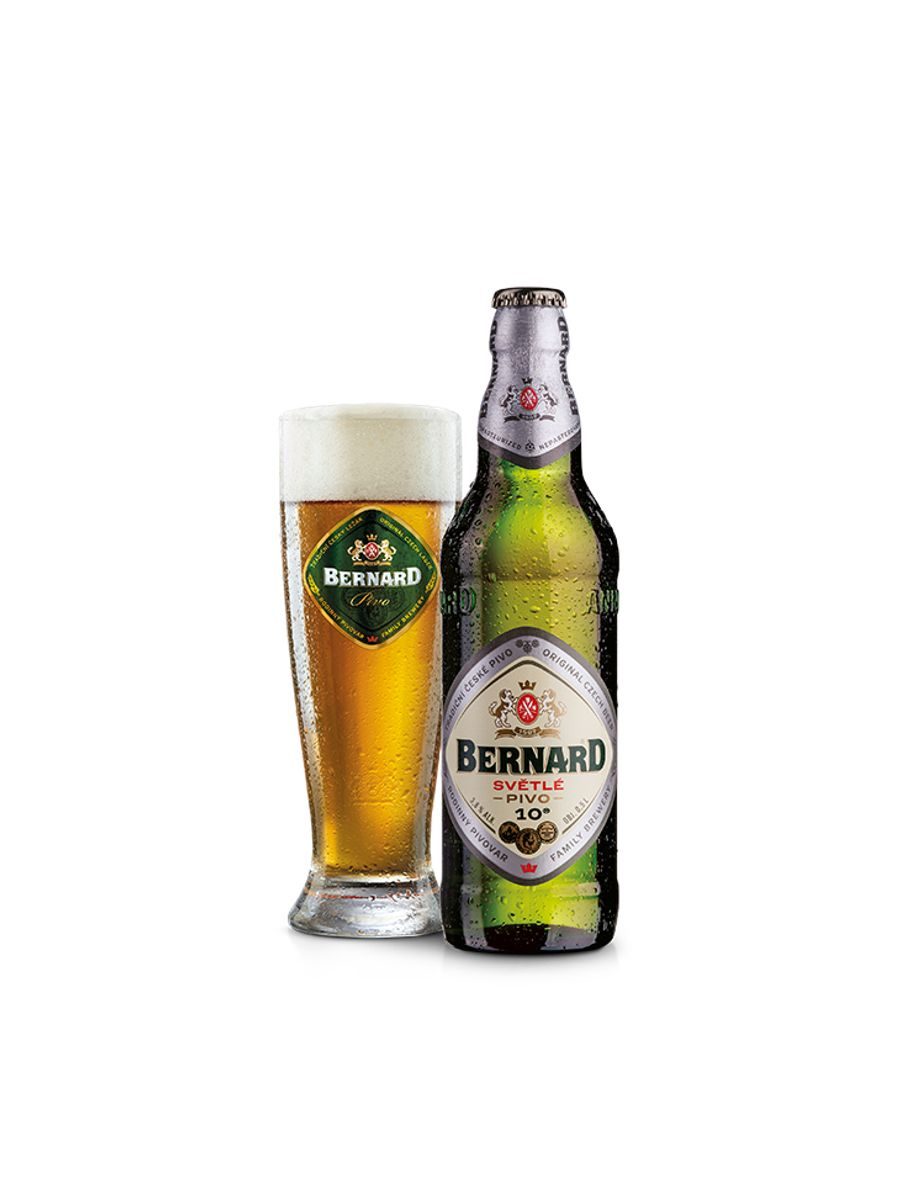
Bernard Desítka
Brewed by Bernard Family Brewery
A genuinely lower-strength Czech pale lager with firm, traditional bitterness.
BAR NOTES
Bernard Desítka pulls the board back inside the lower-strength style range at 3.8% ABV and the brewery’s published 28 IBU. Its purpose is everyday drinking with an identifiable malt-and-hop balance, not a promise that less alcohol must mean a flavorless glass.
Taste it beside Hektor to distinguish alcohol, texture and bitterness instead of treating them as one measurement. The light-beer selections offer another lower-strength comparison, while Czech výčepní describes a traditional gravity class rather than a reduced-calorie marketing claim.
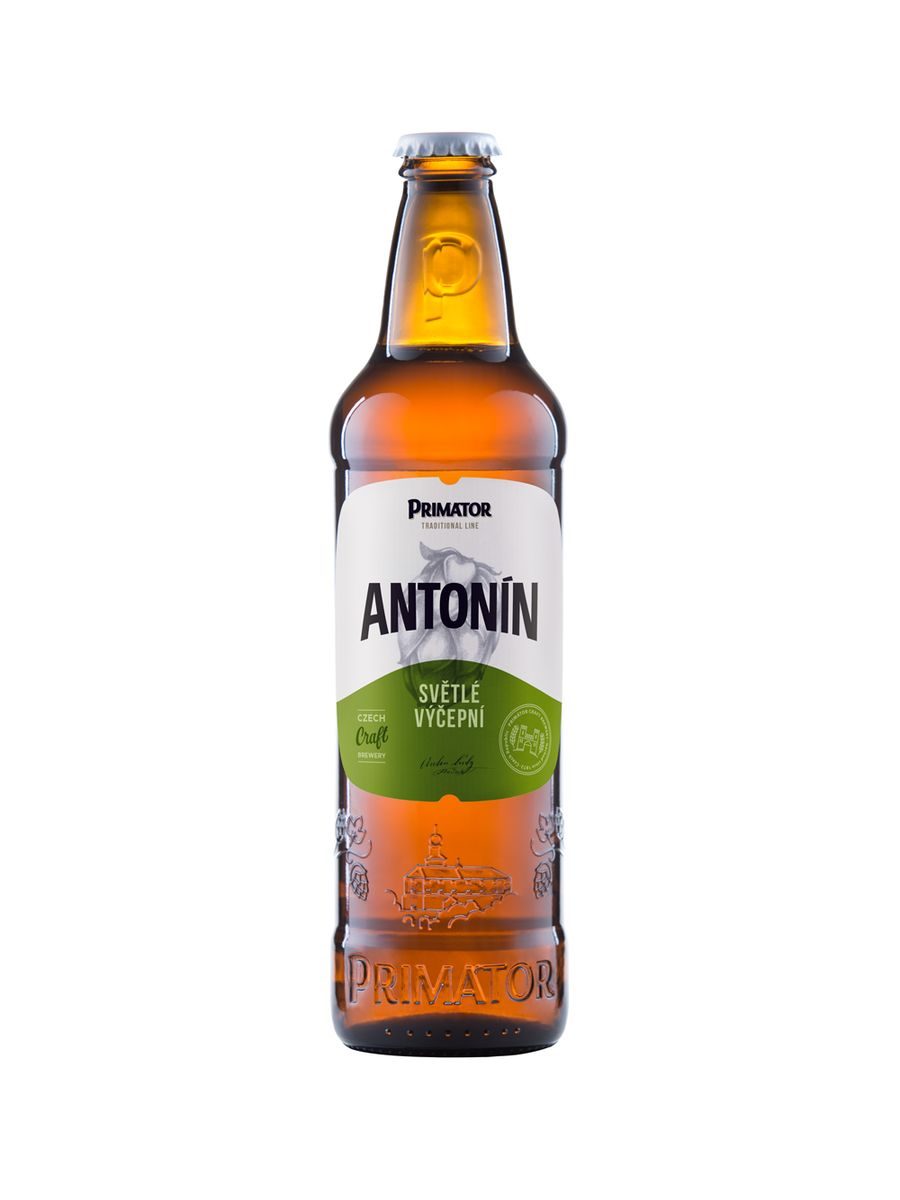
Primátor Antonín
Brewed by Pivovar Primátor
Three decoctions support a fuller malt impression at session strength.
BAR NOTES
Antonín combines 4.0% ABV with the brewery’s three-decoction process, Pilsner malt and Saaz and Sládek hops. It demonstrates why a session-strength Czech beer can still carry a substantial malt impression without borrowing the alcohol of a twelve-degree premium lager.
Keep the pour temperature consistent when comparing its malt with Bernard, so a warmer glass does not exaggerate the difference. Explore the helles roundup next to compare soft Bavarian malt with the more evident traditional hop structure of these Czech beers.
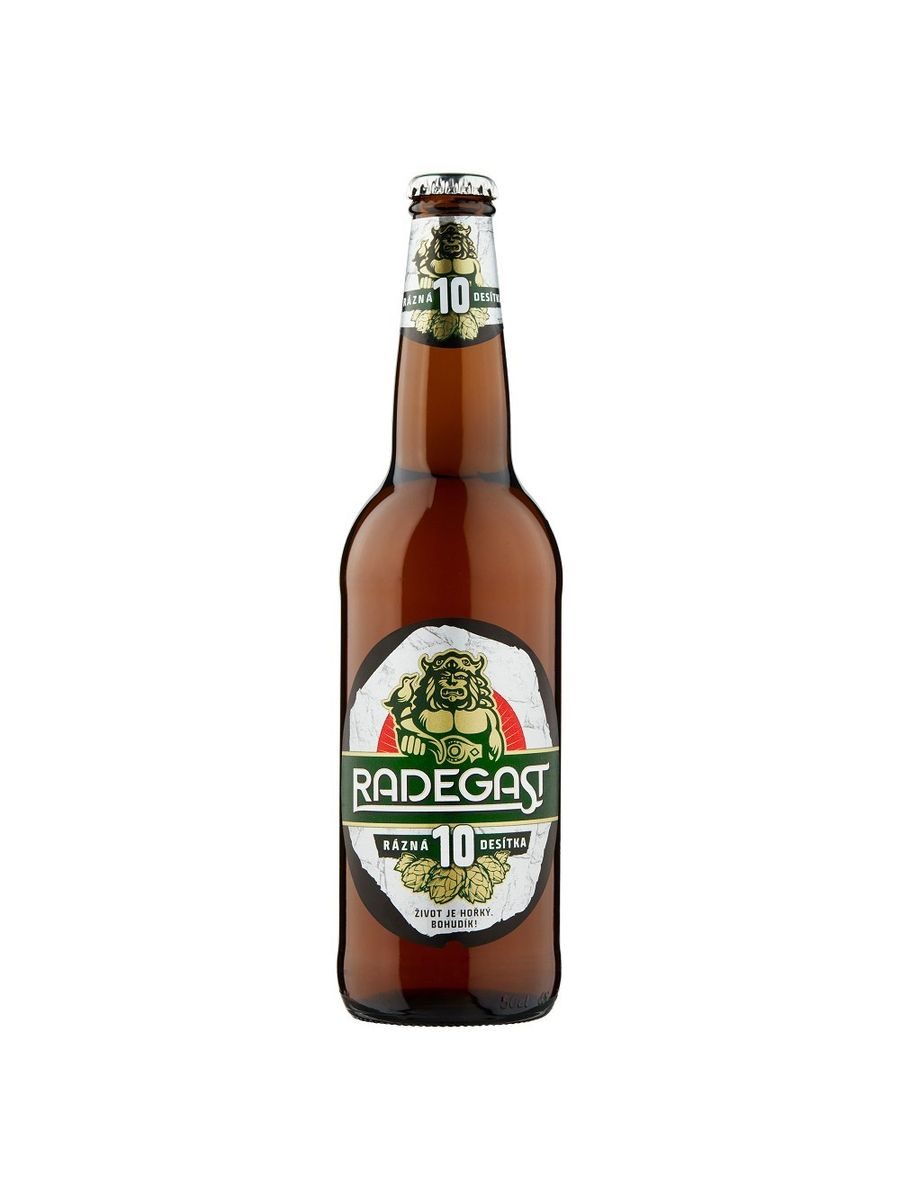
Radegast Rázná 10
Brewed by Radegast / Plzeňský Prazdroj
A bitter-leaning Moravian desítka at the top of the 3A strength range.
BAR NOTES
Rázná 10 is the lower-strength Radegast reference, listed by its producer at 4.1% ABV. That puts it at the upper alcohol boundary of BJCP 3A, distinct from the stronger Ryze Hořká 12 used in the premium pale guide.
Use the pair to compare a brewery’s everyday and premium interpretations rather than assuming twelve-degree beer is simply the same drink with more alcohol. The pilsner roundup extends that exercise into richer malt, firmer bitterness and other regional pale-lager traditions.
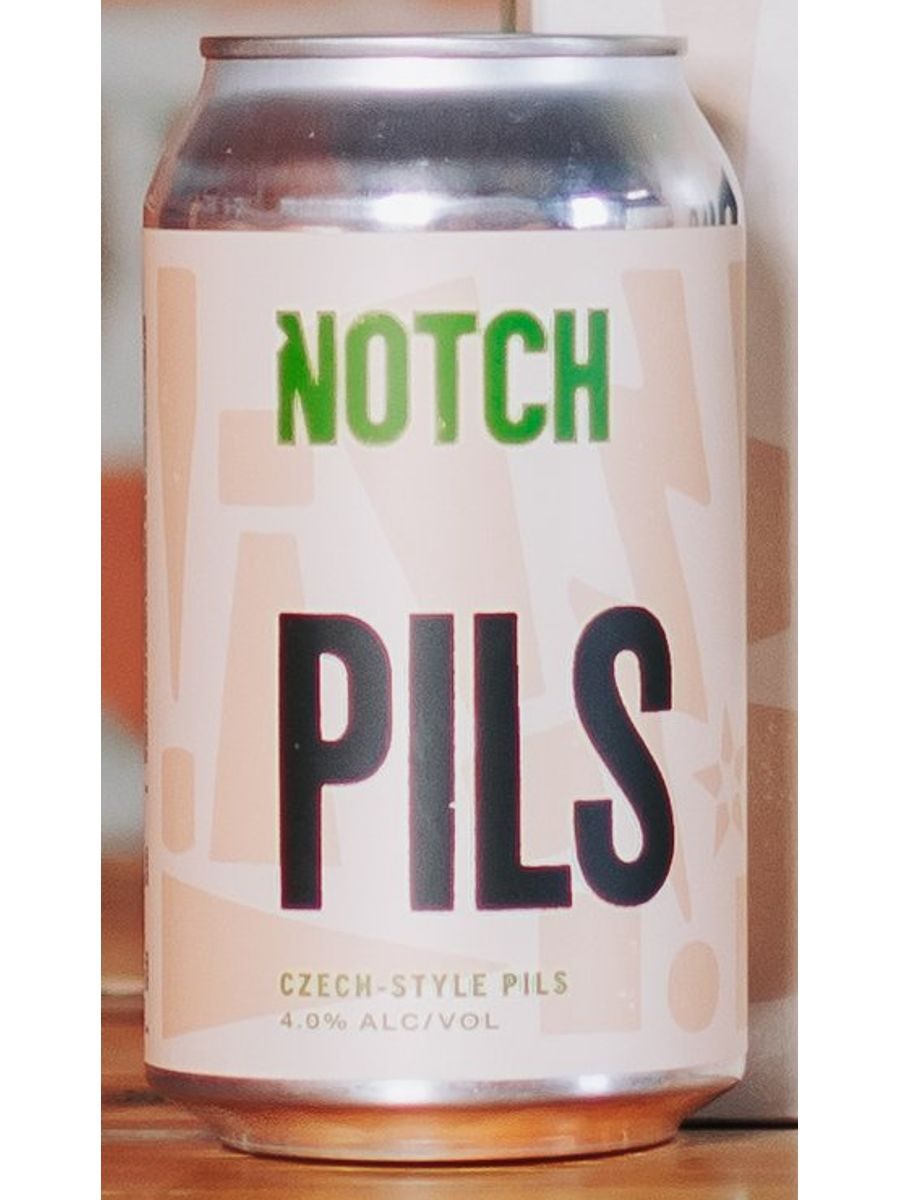
Notch Session Pils
Brewed by Notch Brewing
An American-brewed Czech-style session pils with Saaz hops.
BAR NOTES
Notch Session Pils is an American-brewed interpretation of Czech session pale lager and a named BJCP 3A commercial example. The current brewery listing gives 4.0% ABV, Pilsner malt and Saaz hops, with twelve-packs and sixteen-ounce four-packs in its year-round range.
Its Massachusetts origin is part of the comparison, not a reason to move the recipe into American Lager. Use the Italian pilsner selections to explore another international interpretation of pilsner, where added hop aroma changes the emphasis while clean lager fermentation remains central.
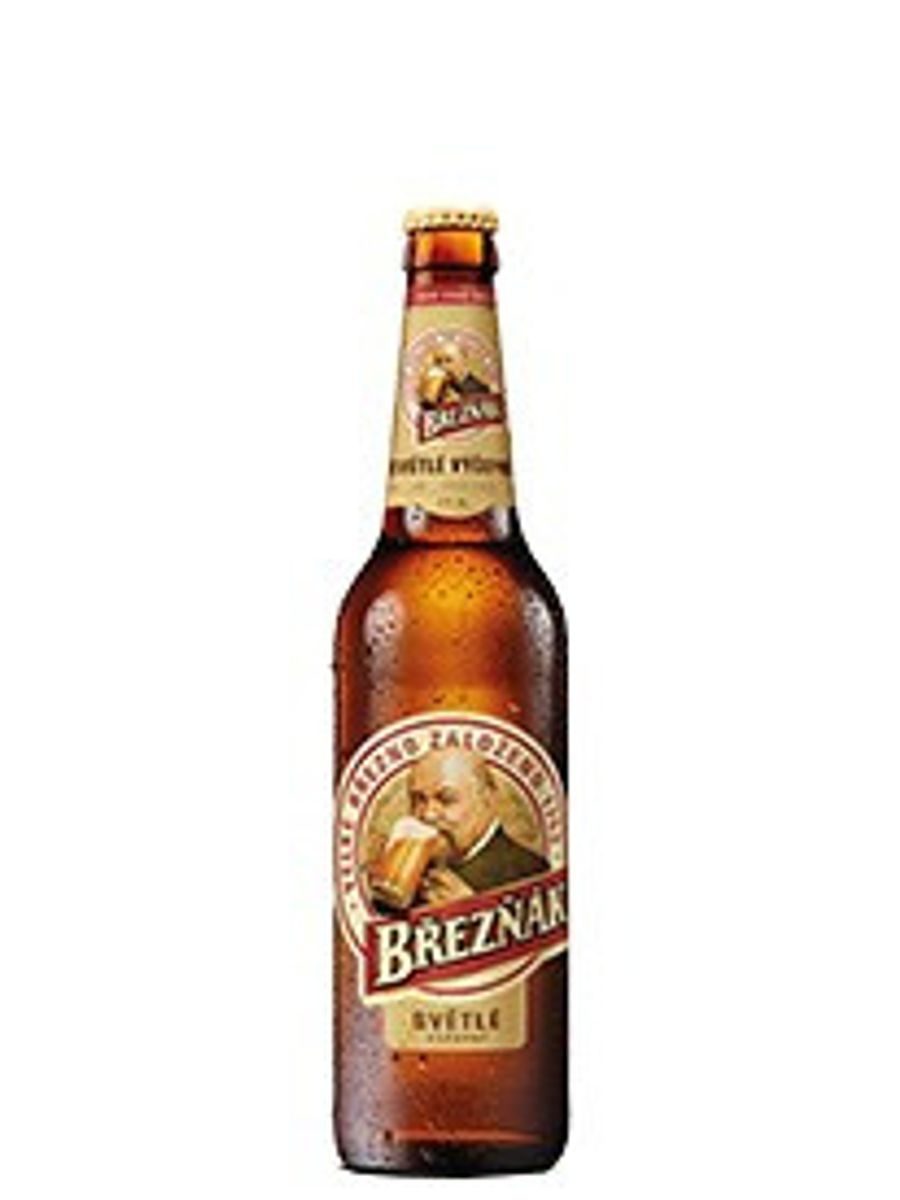
Březňák Světlé Výčepní
Brewed by Heineken Czech Republic
An everyday pale lager; confirm strength on your market’s label.
BAR NOTES
The producer’s current English portfolio lists Březňák Světlé Výčepní at 4.0% ABV, while Czech retail bottles are also listed at 4.1%. This card follows the producer figure and treats that difference as a label or market variation rather than a universal specification.
Choose the výčepní bottle, not the stronger ležák or eleven-degree product, and read the alcohol printed on the actual package. The International Pale Lager guide offers a broader commercial comparison for restrained malt and clean fermentation beyond Czech gravity terminology.
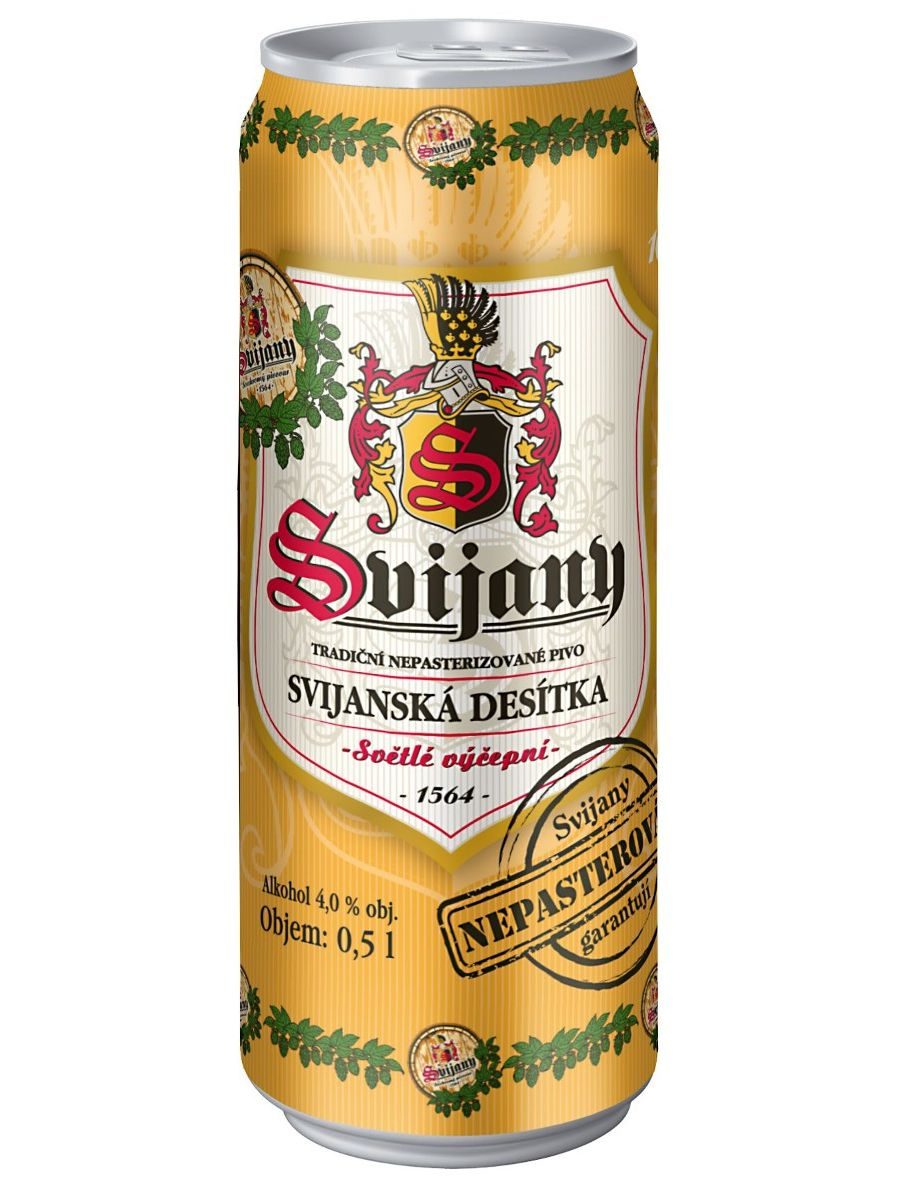
Svijanská Desítka 10
Brewed by Pivovar Svijany
An unpasteurized Czech desítka with traditional everyday drinking purpose.
BAR NOTES
Svijanská Desítka is listed at 4.0% ABV and belongs to the brewery’s unpasteurized range. It supplies a northern-Bohemian everyday reference beside the larger national brands, keeping the lesson focused on moderate strength, recognizable malt and a refreshing lager finish.
Compare it with Svijanský Máz in the premium pale guide to make the ten-degree and eleven-degree distinction concrete. Then revisit the Czech lager selections for a wider flight that separates producer identity from color and strength.
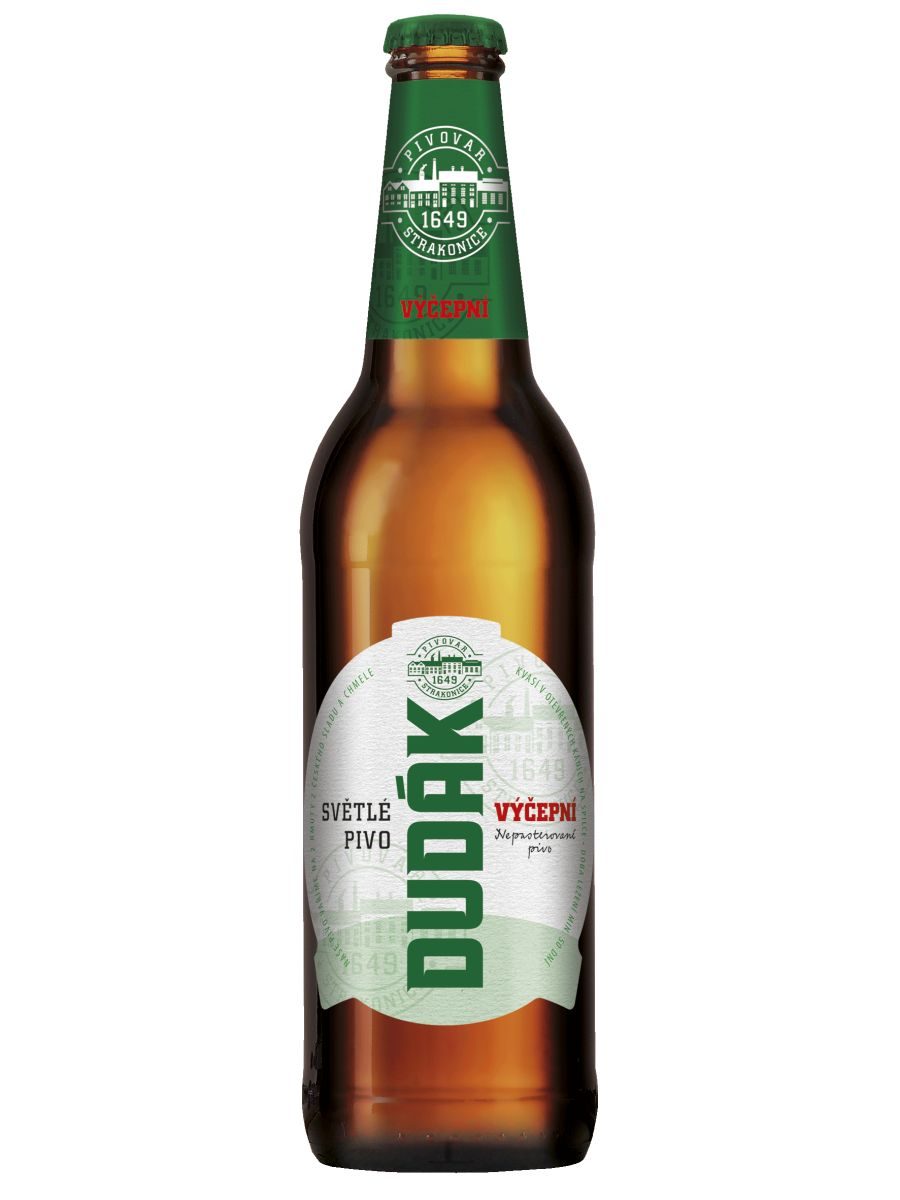
Dudák Výčepní
Brewed by Dudák – Měšťanský pivovar Strakonice
A municipal-brewery session lager with 28 IBU and 9.8% original extract.
BAR NOTES
Dudák Výčepní adds a Strakonice brewery reference at 4.0% ABV, 28 IBU and 9.8% original extract in the current producer portfolio. Those figures make the lower-gravity purpose explicit without reducing the beer’s identity to a generic light-lager label.
Place it beside Bernard’s 3.8% desítka to compare two traditional lower-strength beers with the same published bitterness. The helles selections provide a softer-malt neighboring flight when you want to judge hop expression independently of alcohol and pale color.
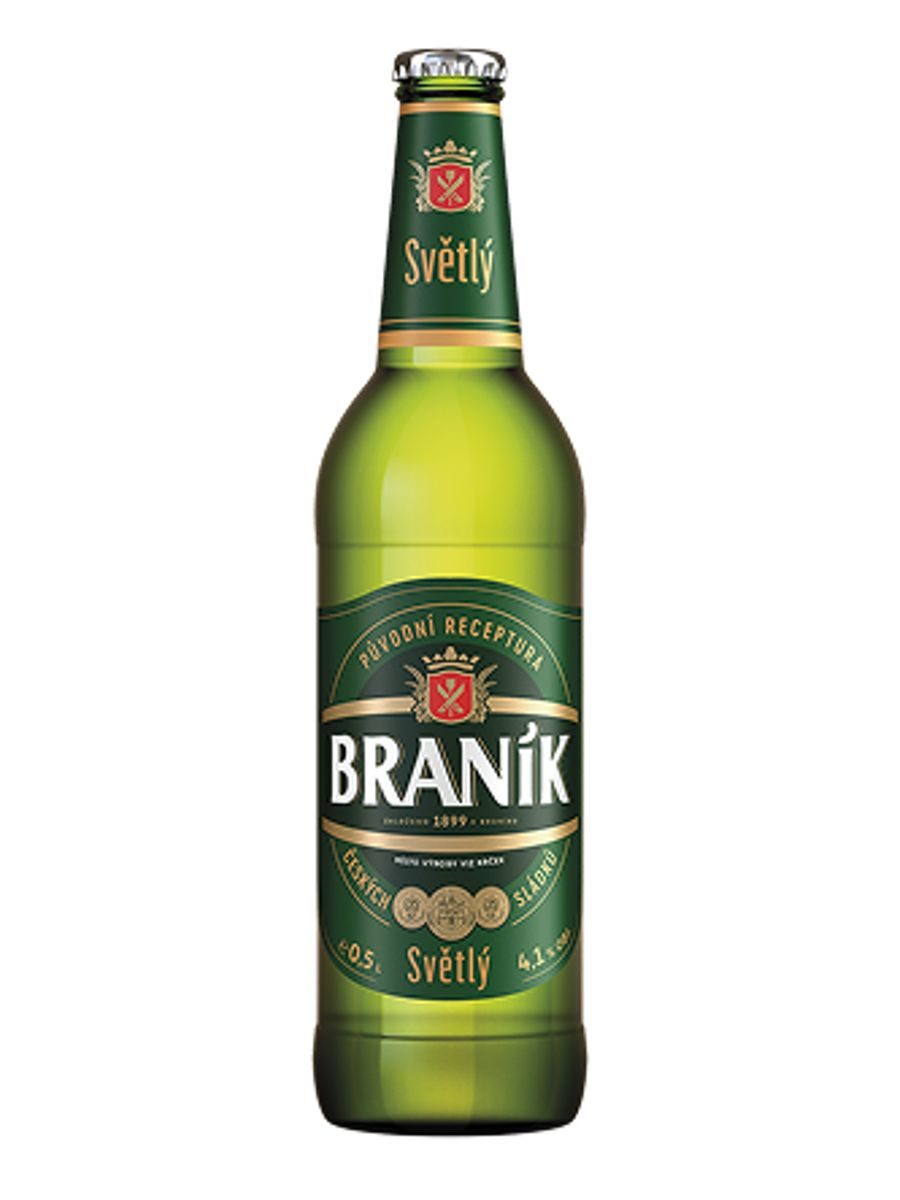
Braník Světlé Výčepní
Brewed by Staropramen / Braník
A light, refreshing everyday pale lager with restrained bitterness.
BAR NOTES
Braník’s current producer page lists its Světlý at 4.1% ABV and describes a light, refreshing character. It completes the board with an everyday pale reference at the style’s upper alcohol limit, distinct from Braník’s stronger Jedenáctka and Ležák products.
Taste it without garnish and alongside the other national-brand desítky before deciding whether your preference is for malt, bitterness or carbonation. The Mexican lager roundup offers a different regional flight of approachable pale beers and maltier amber comparisons.
How the style is brewed
Czech Pilsner malt, traditional Czech hops, soft low-mineral water and Czech lager yeast form the classic base. The low gravity demands careful mashing so the beer retains flavor without becoming sweet.
Decoction can deepen bread character, while cool fermentation and patient conditioning smooth the beer. Generous hopping works because soft water keeps bitterness rounded even at session strength.
History and Czech context
Josef Groll brewed both a lower-gravity výčepní and a stronger ležák in the early 1840s. The smaller beer may have been produced in greater quantity because it suited daily pub drinking.
Today this remains one of the most consumed beer types in the Czech Republic. It is not a watered-down Pilsner; it is a deliberately flavorful low-gravity lager.
Serving and food pairing
Serve around 39–44°F in a Czech mug, dimpled glass or tall lager glass. A generous, dense head supports aroma and softens the perception of bitterness.
Pair with fried cheese, sausages, roast chicken, schnitzel, potato pancakes or salty pub snacks. Moderate bitterness cuts fat while bread-like malt echoes batter and crust.
How it differs from nearby styles
Czech Premium Pale Lager is stronger, fuller and more intense, with a longer malt-and-hop finish. German Leichtbier is usually drier and less richly malty.
American light lager is lower in flavor and bitterness. Czech Pale Lager earns its sessionability through low gravity, not through removing malt and hops.
Czech Pale Lager FAQ
Is Czech Pale Lager weak?
It is low in alcohol, but it should still carry clear bread-like malt, traditional hop flavor and firm bitterness.
What does výčepní mean?
It is the Czech draft-beer gravity class, generally 7–10 °P, associated with lower-strength everyday lager.
Can an 11° lager fit this style?
The boundary can overlap in practice. BJCP Czech Pale Lager reaches an original gravity of 1.044, while Czech labeling often treats 11° beer as ležák.
Should the beer taste buttery?
No. A very low diacetyl level may contribute roundness, but obvious butter is a fault.
Why is the bitterness not harsh?
Soft water, rounded malt and traditional Czech hops allow substantial bitterness without a sharp sulfate-driven edge.
Style ranges and definitions follow the BJCP 2021 Beer Style Guidelines.
Move along the Czech lager gravity ladder.
Compare everyday Czech pale lager with richer premium beers, other session-strength styles and a broader pilsner flight.