50 Best Low-Alcohol Beers to Drink in 2026
Low-alcohol beer is not one style. It includes alcohol-free stout and IPA, citrus-cut radler, table-strength saison, session IPA, and lean lager. This ranking collects 50 beers at 4.5% ABV or below, including a distinct 0.0% and under-0.5% lane.
The list is ranked for flavor, style clarity, drinkability, and usefulness as a low-strength reference—not simply from the smallest number upward. A 3.8% pale ale can be a better beer than a 2.0% radler, and a beautifully made 0.0% stout solves a different problem from either one.
Low alcohol is also not the same as low calorie or low carbohydrate. Alcohol contributes calories, but malt, residual sugar, juice, and serving size matter too. Use the 50 best low-calorie beers when calories are the main filter, or the beer alcohol-content guide when you want to compare strength across the full spectrum.
Important: low-ABV beer can still impair you, and “under 0.5%” is not identical to 0.0%. Check the exact package because recipes and regional labels can change.
How we chose the best low-alcohol beers
Every selection had to land at 4.5% ABV or lower and bring a clear reason to drink it beyond the number. We looked for complete flavor, recognizable style character, refreshing balance, and a useful spread of brewing approaches rather than stacking the ranking with fifty nearly identical light lagers.
The 50 best low-alcohol beers
Alcohol-Free Beer With Full-Style Ambition
These ten sit at 0.0% or below 0.5% ABV, but they are not one interchangeable style. Stout, IPA, Kölsch, lager, wheat beer, witbier, and fruit sour all solve the alcohol-removal problem differently. For a deeper category-wide ranking, use HBA’s non-alcoholic beer guide.
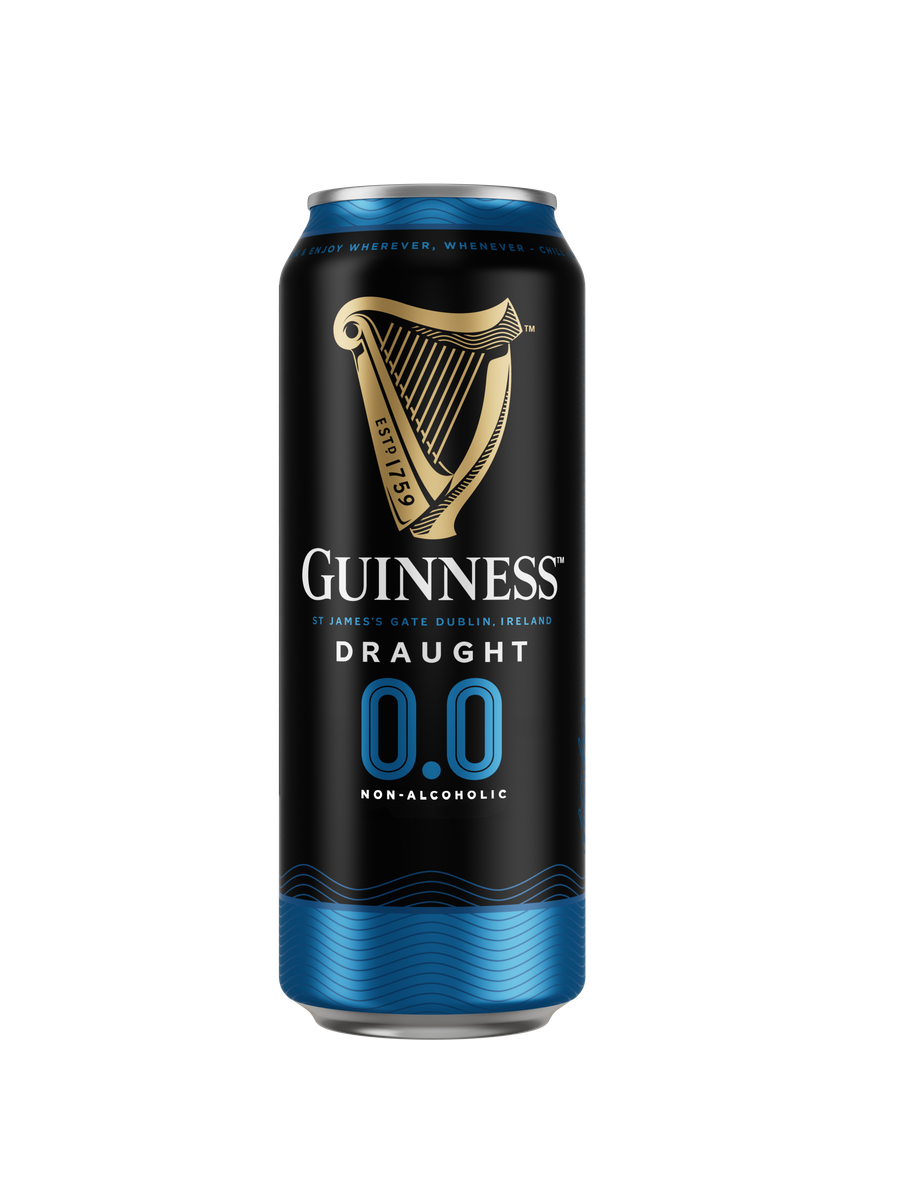
Guinness 0.0
Brewed by Guinness
60 calories: roasted barley, cocoa, coffee, and the familiar nitrogen-driven creamy head.
BAR NOTES
Guinness 0.0 earns its place at 0.0% because it presents roasted barley, cocoa, coffee, and the familiar nitrogen-driven creamy head. The useful test is whether roast, hops, grain, fruit, and carbonation still form a complete beer rather than merely disguising the missing alcohol.
Serve it in the glass its full-strength style would normally use and avoid an icy pour; a few warmer minutes reveal whether the aroma and finish hold together. Continue with HBA’s stout guide to compare the style at other strengths and see what this brewer preserved.
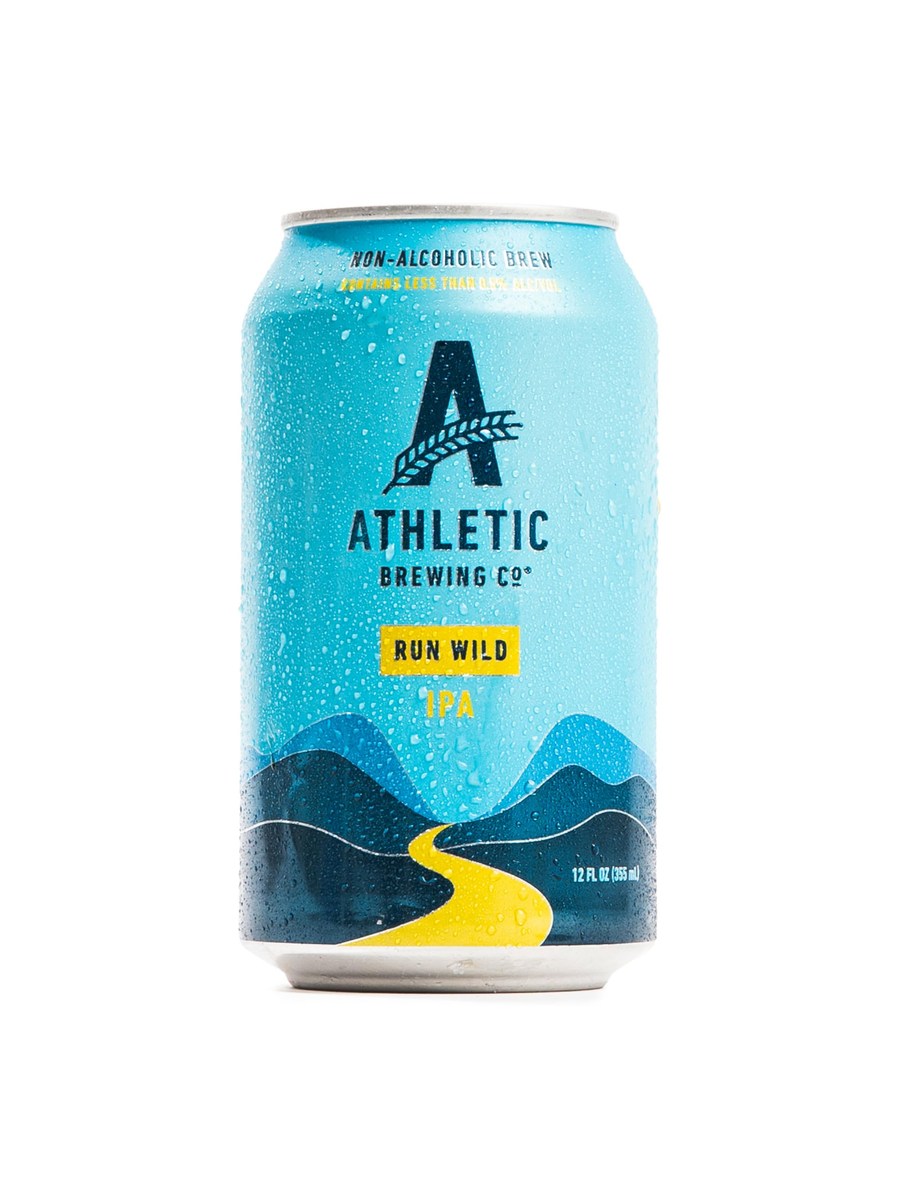
Athletic Run Wild IPA
Brewed by Athletic Brewing Company
65 calories: pine, grapefruit, citrus, and firm Northwest-hop bitterness over a convincing malt base.
BAR NOTES
Athletic Run Wild IPA earns its place at <0.5% because it presents pine, grapefruit, citrus, and firm Northwest-hop bitterness over a convincing malt base. Alcohol normally contributes body and aroma, so success here depends on fermentation control, grain choice, bitterness, carbonation, and careful dealcoholization.
Keep it cold and check the date, especially when hops lead the profile. Alcohol-free beer can still lose aroma, oxidize, or taste stale in old stock. Continue with HBA’s IPA guide to compare the style at other strengths and see what this brewer preserved.
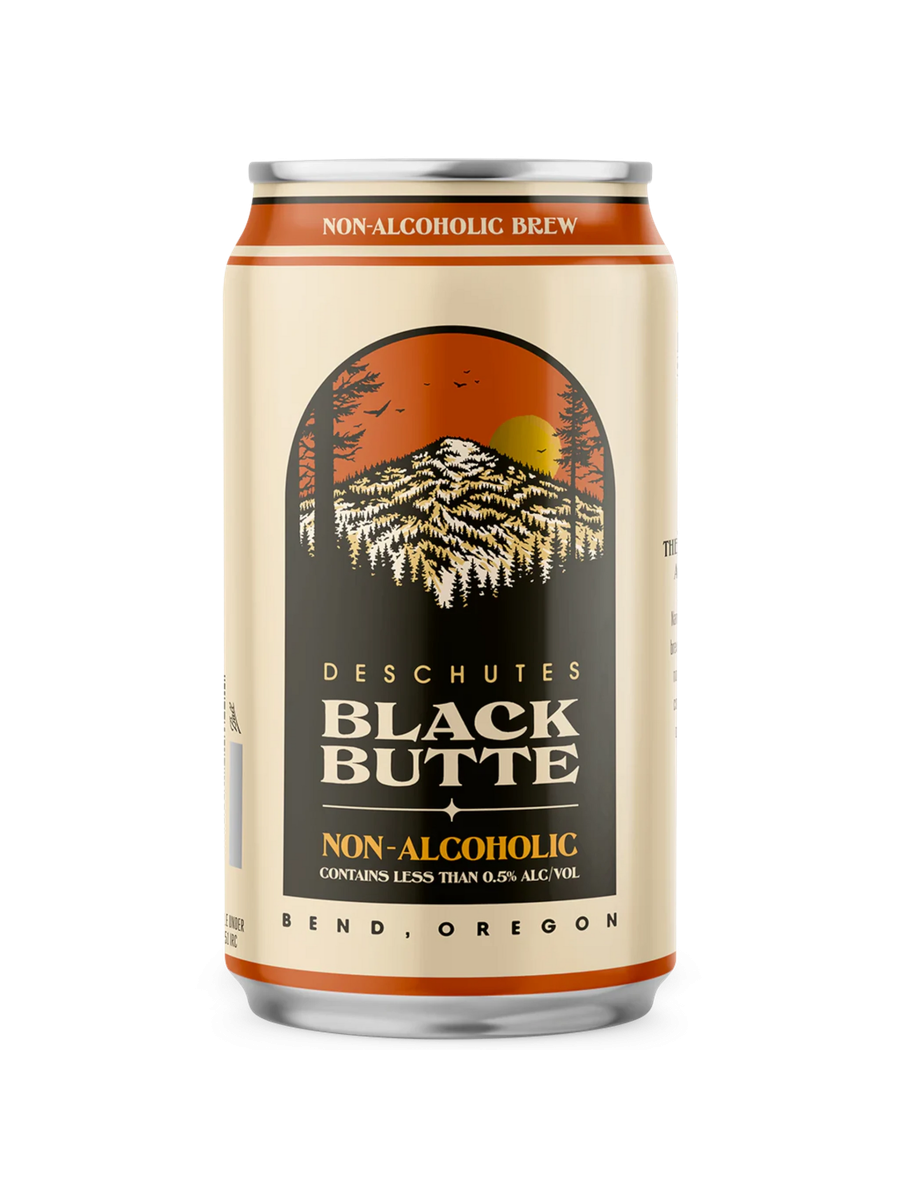
Deschutes Black Butte Non-Alcoholic
Brewed by Deschutes Brewery
100 calories: cocoa, roast, coffee, and dark bread with unusual body for alcohol-free porter.
BAR NOTES
Deschutes Black Butte Non-Alcoholic earns its place at <0.5% because it presents cocoa, roast, coffee, and dark bread with unusual body for alcohol-free porter. Judge it against its stated style, not only against other zero-proof drinks: the finish should remain purposeful after the first burst of aroma fades.
Pair it as you would the parent style, then pay attention to the finish. Food often reveals whether bitterness, roast, acidity, and carbonation are truly balanced. Continue with HBA’s stout guide to compare the style at other strengths and see what this brewer preserved.
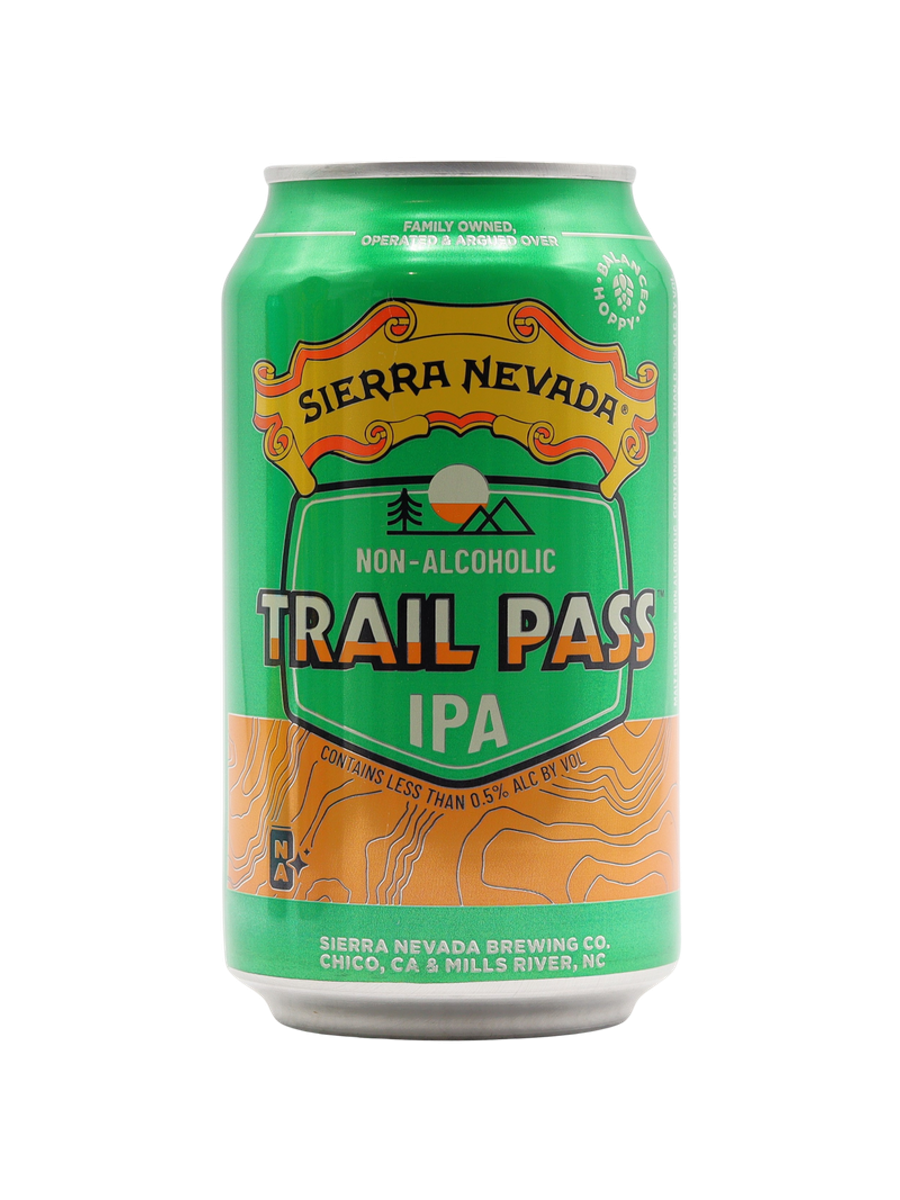
Sierra Nevada Trail Pass IPA
Brewed by Sierra Nevada Brewing Co.
95 calories: citrus, pine, floral hops, and a dry finish shaped by classic West Coast instincts.
BAR NOTES
Sierra Nevada Trail Pass IPA earns its place at <0.5% because it presents citrus, pine, floral hops, and a dry finish shaped by classic West Coast instincts. This earns a place because the brewer preserves a recognizable style identity while keeping the package at alcohol-free strength.
Serve it in the glass its full-strength style would normally use and avoid an icy pour; a few warmer minutes reveal whether the aroma and finish hold together. Continue with HBA’s IPA guide to compare the style at other strengths and see what this brewer preserved.
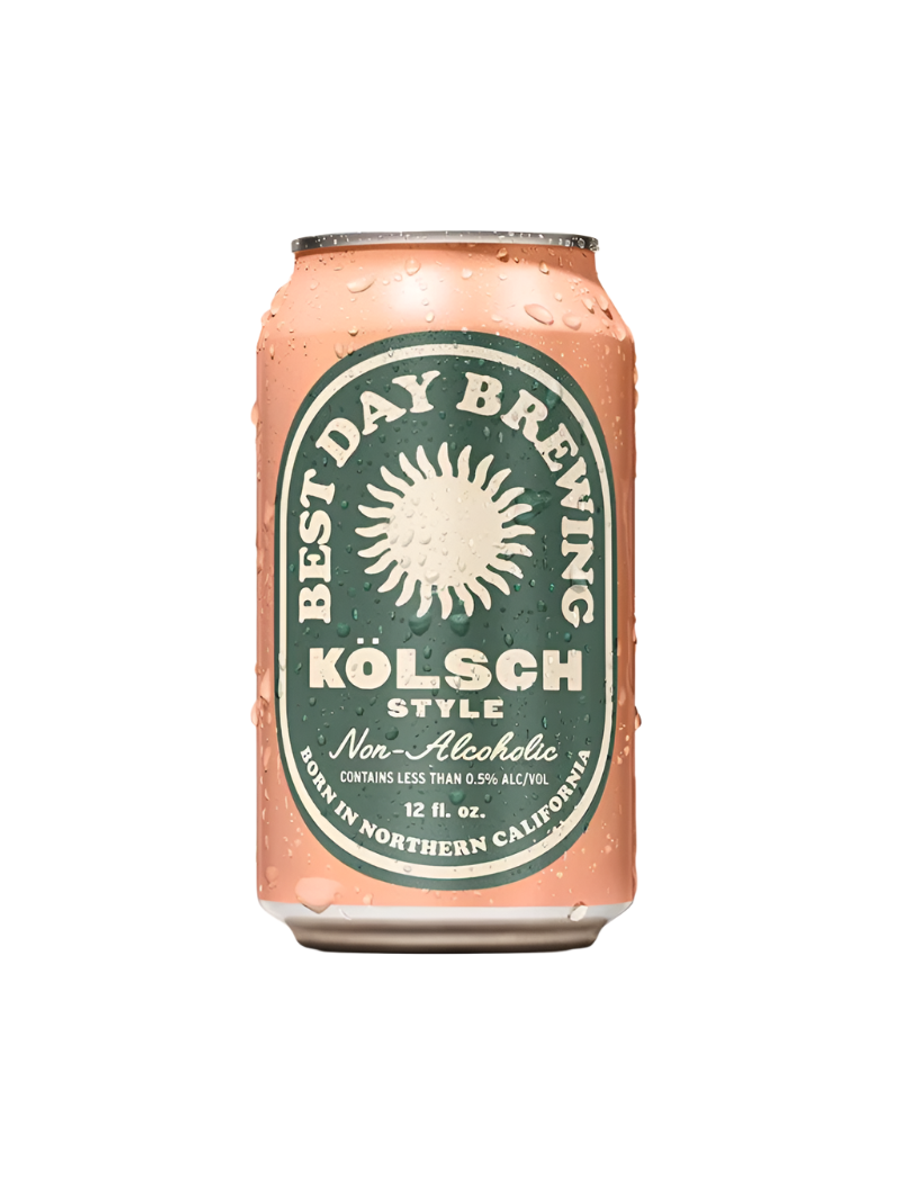
Best Day Kölsch
Brewed by Best Day Brewing
55 calories: toasty malt, delicate Hallertau hops, lively carbonation, and a clean lager-like finish.
BAR NOTES
Best Day Kölsch earns its place at <0.5% because it presents toasty malt, delicate Hallertau hops, lively carbonation, and a clean lager-like finish. The useful test is whether roast, hops, grain, fruit, and carbonation still form a complete beer rather than merely disguising the missing alcohol.
Keep it cold and check the date, especially when hops lead the profile. Alcohol-free beer can still lose aroma, oxidize, or taste stale in old stock. Continue with HBA’s lager guide to compare the style at other strengths and see what this brewer preserved.
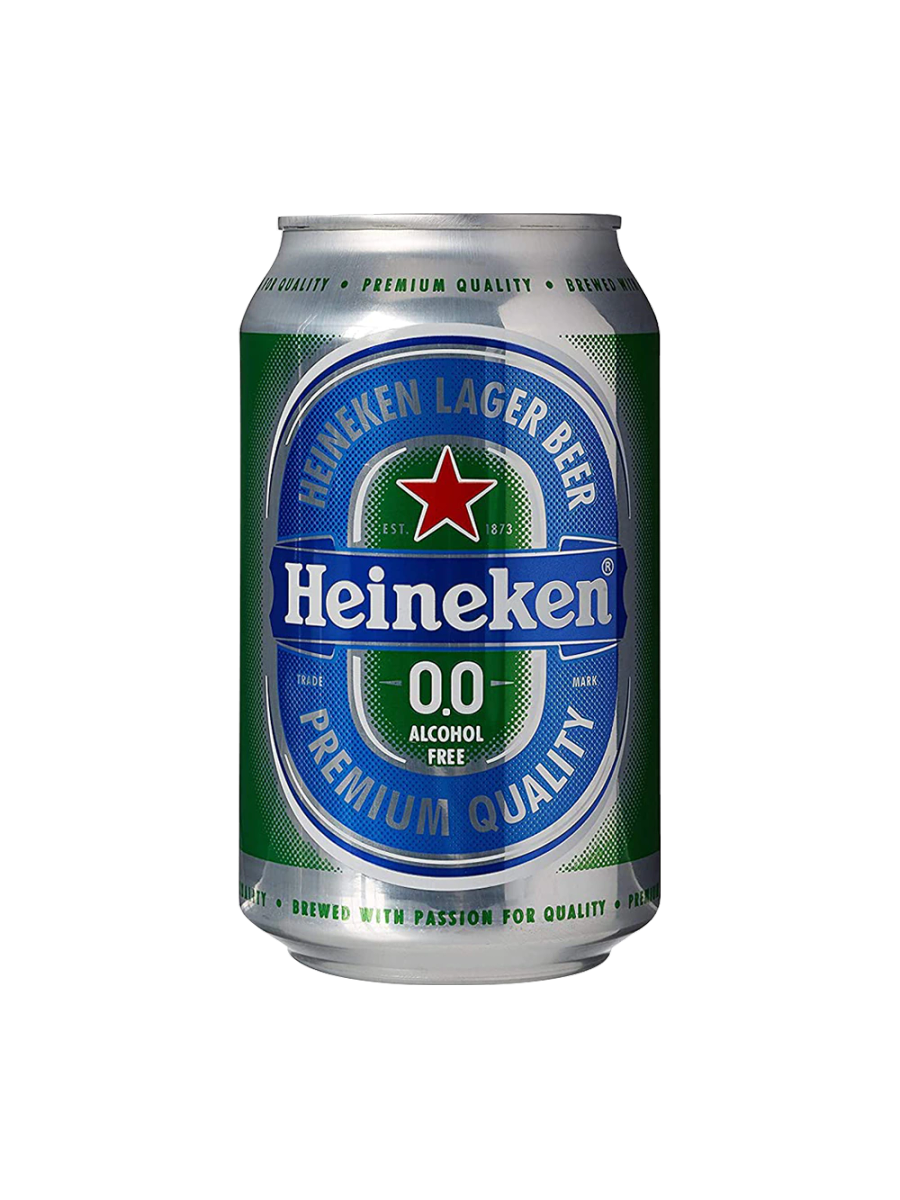
Heineken 0.0
Brewed by Heineken
69 calories: light grain, apple, grassy hops, and a familiar clean European-lager finish.
BAR NOTES
Heineken 0.0 earns its place at 0.0% because it presents light grain, apple, grassy hops, and a familiar clean European-lager finish. Alcohol normally contributes body and aroma, so success here depends on fermentation control, grain choice, bitterness, carbonation, and careful dealcoholization.
Pair it as you would the parent style, then pay attention to the finish. Food often reveals whether bitterness, roast, acidity, and carbonation are truly balanced. Continue with HBA’s lager guide to compare the style at other strengths and see what this brewer preserved.
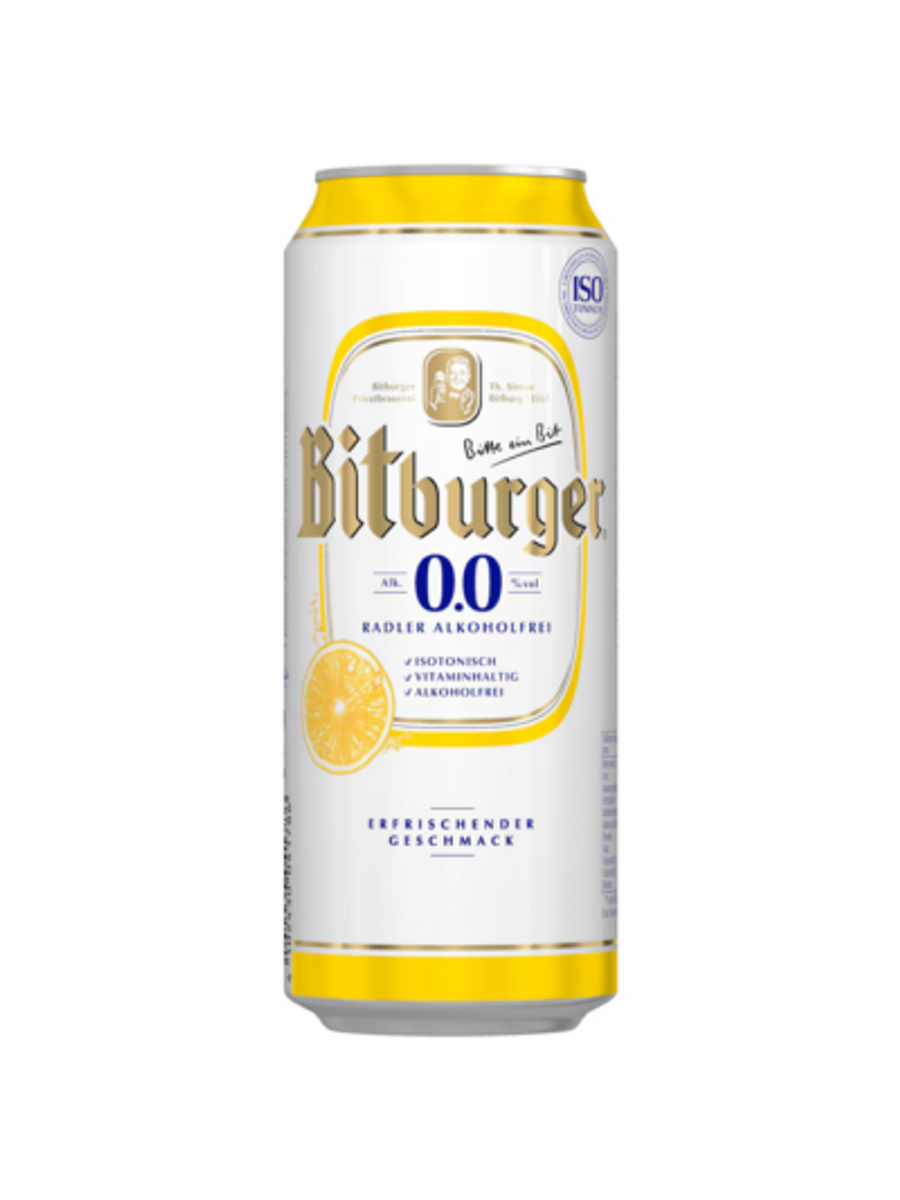
Bitburger 0.0
Brewed by Bitburger Braugruppe
73 calories: crackery pilsner malt, herbal hops, firm bitterness, and a properly dry finish.
BAR NOTES
Bitburger 0.0 earns its place at 0.0% because it presents crackery pilsner malt, herbal hops, firm bitterness, and a properly dry finish. Judge it against its stated style, not only against other zero-proof drinks: the finish should remain purposeful after the first burst of aroma fades.
Serve it in the glass its full-strength style would normally use and avoid an icy pour; a few warmer minutes reveal whether the aroma and finish hold together. Continue with HBA’s lager guide to compare the style at other strengths and see what this brewer preserved.
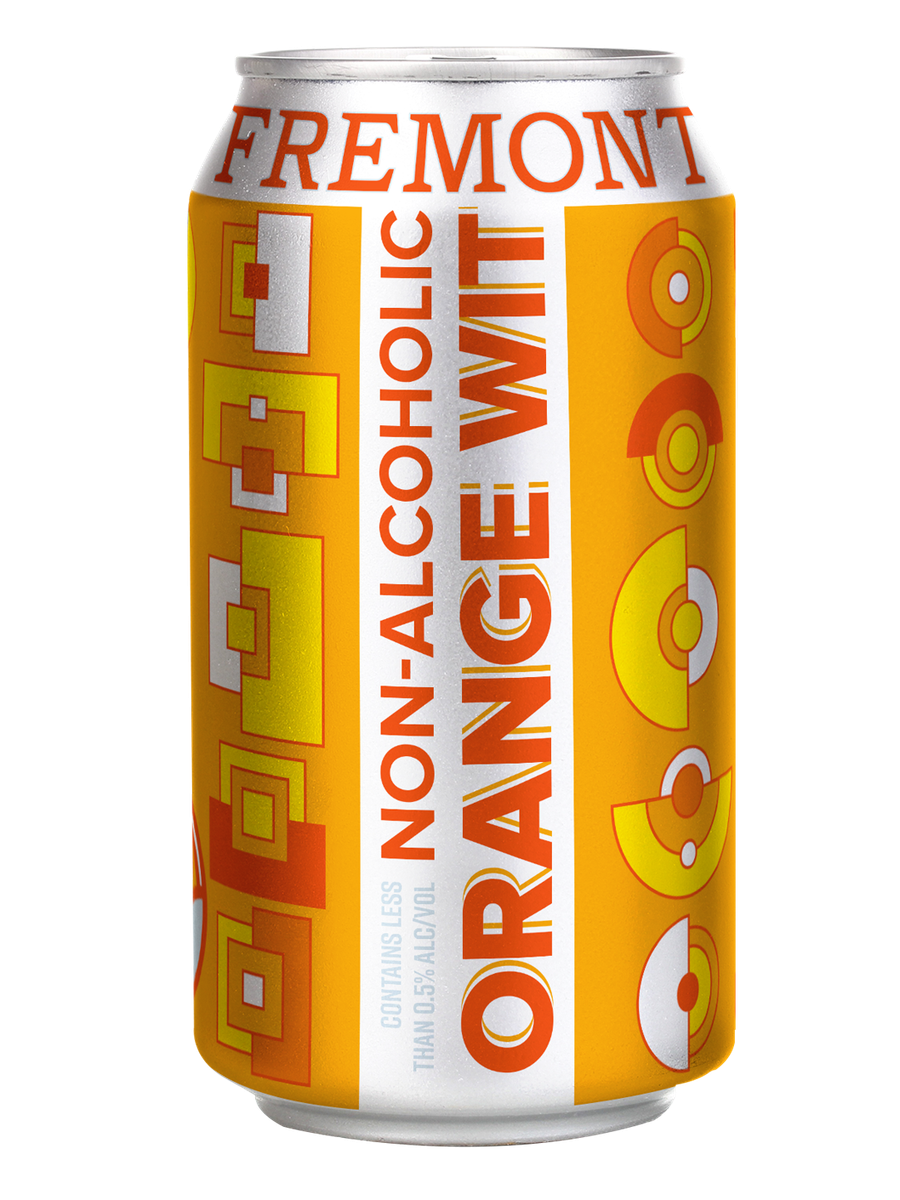
Fremont Non-Alcoholic Orange Wit
Brewed by Fremont Brewing
70 calories: orange peel, soft wheat, gentle spice, and a bright refreshing finish.
BAR NOTES
Fremont Non-Alcoholic Orange Wit earns its place at <0.5% because it presents orange peel, soft wheat, gentle spice, and a bright refreshing finish. This earns a place because the brewer preserves a recognizable style identity while keeping the package at alcohol-free strength.
Keep it cold and check the date, especially when hops lead the profile. Alcohol-free beer can still lose aroma, oxidize, or taste stale in old stock. Continue with HBA’s wheat beer guide to compare the style at other strengths and see what this brewer preserved.
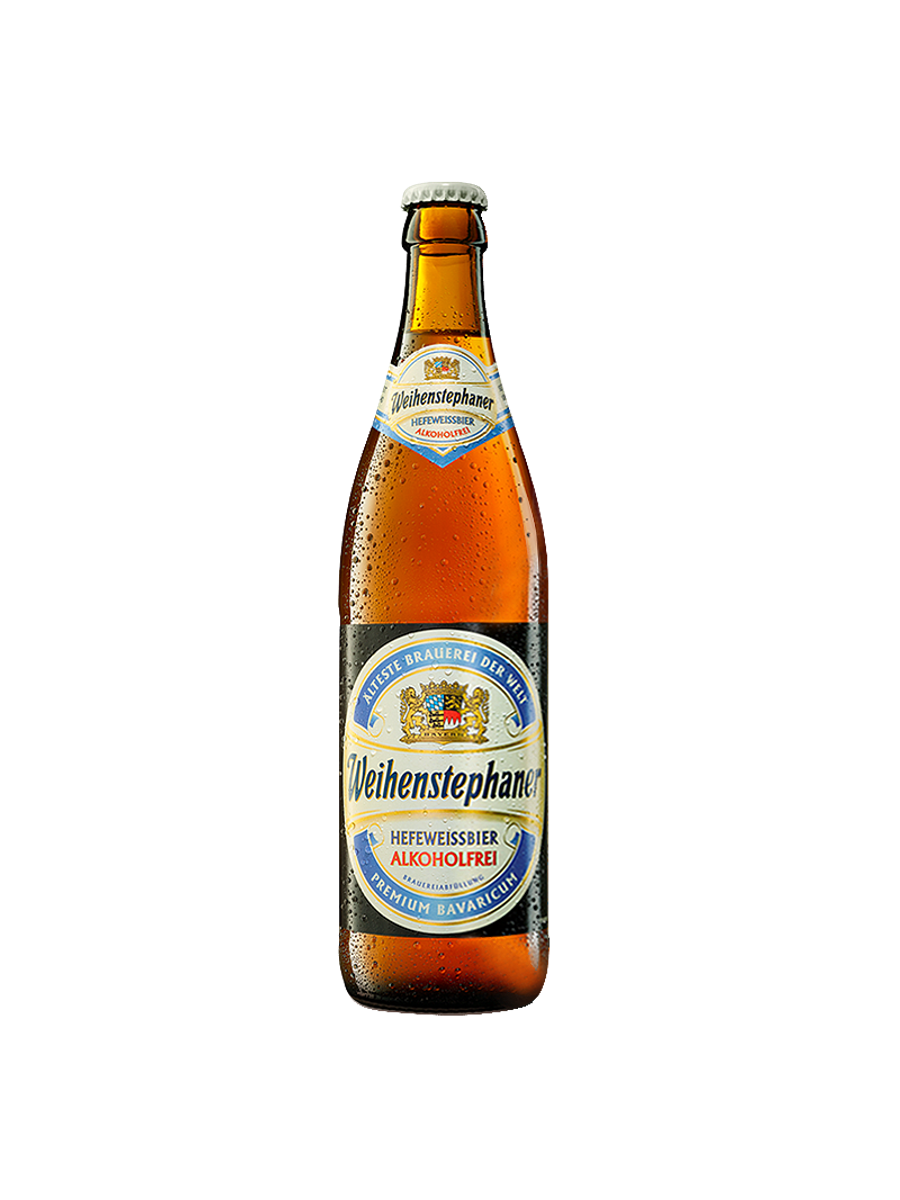
Weihenstephaner Hefeweissbier Alkoholfrei
Brewed by Bayerische Staatsbrauerei Weihenstephan
75 calories per 500 ml: banana, clove, honeyed wheat, and a naturally cloudy creamy pour.
BAR NOTES
Weihenstephaner Hefeweissbier Alkoholfrei earns its place at <0.5% because it presents 75 calories per 500 ml: banana, clove, honeyed wheat, and a naturally cloudy creamy pour. The useful test is whether roast, hops, grain, fruit, and carbonation still form a complete beer rather than merely disguising the missing alcohol.
Pair it as you would the parent style, then pay attention to the finish. Food often reveals whether bitterness, roast, acidity, and carbonation are truly balanced. Continue with HBA’s wheat beer guide to compare the style at other strengths and see what this brewer preserved.
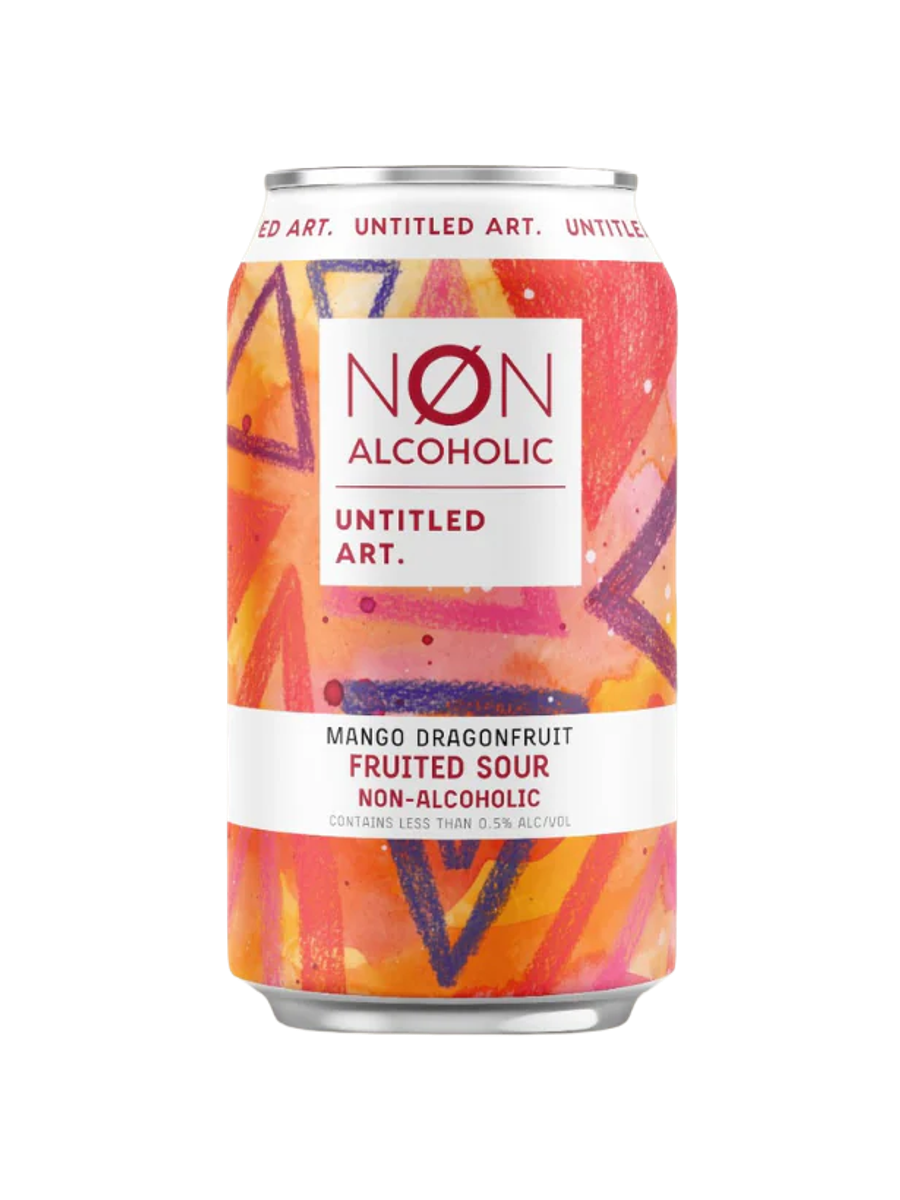
Untitled Art Mango Dragonfruit Sour
Brewed by Untitled Art
90 calories: mango, dragonfruit, guava, and vivid tart acidity.
BAR NOTES
Untitled Art Mango Dragonfruit Sour earns its place at <0.5% because it presents mango, dragonfruit, guava, and vivid tart acidity. Alcohol normally contributes body and aroma, so success here depends on fermentation control, grain choice, bitterness, carbonation, and careful dealcoholization.
Serve it in the glass its full-strength style would normally use and avoid an icy pour; a few warmer minutes reveal whether the aroma and finish hold together. Continue with HBA’s sour beer guide to compare the style at other strengths and see what this brewer preserved.
Low alcohol vs. non-alcoholic beer
A 0.0% beer is labeled without alcohol, while many U.S. products sold as non-alcoholic may contain less than 0.5% ABV. Low-alcohol beer is the broader idea used in this guide: anything from those alcohol-free options through traditional table beer, radler, session ale, and lager at no more than 4.5% ABV.
Radlers and Shandies From 2.0% to 3.8%
A radler lowers strength by blending beer with citrus soda, lemonade, juice, or another soft drink. The best examples still show a recognizable lager or pale-ale base beneath the fruit. Explore the wider tradition in the radler and shandy guide.
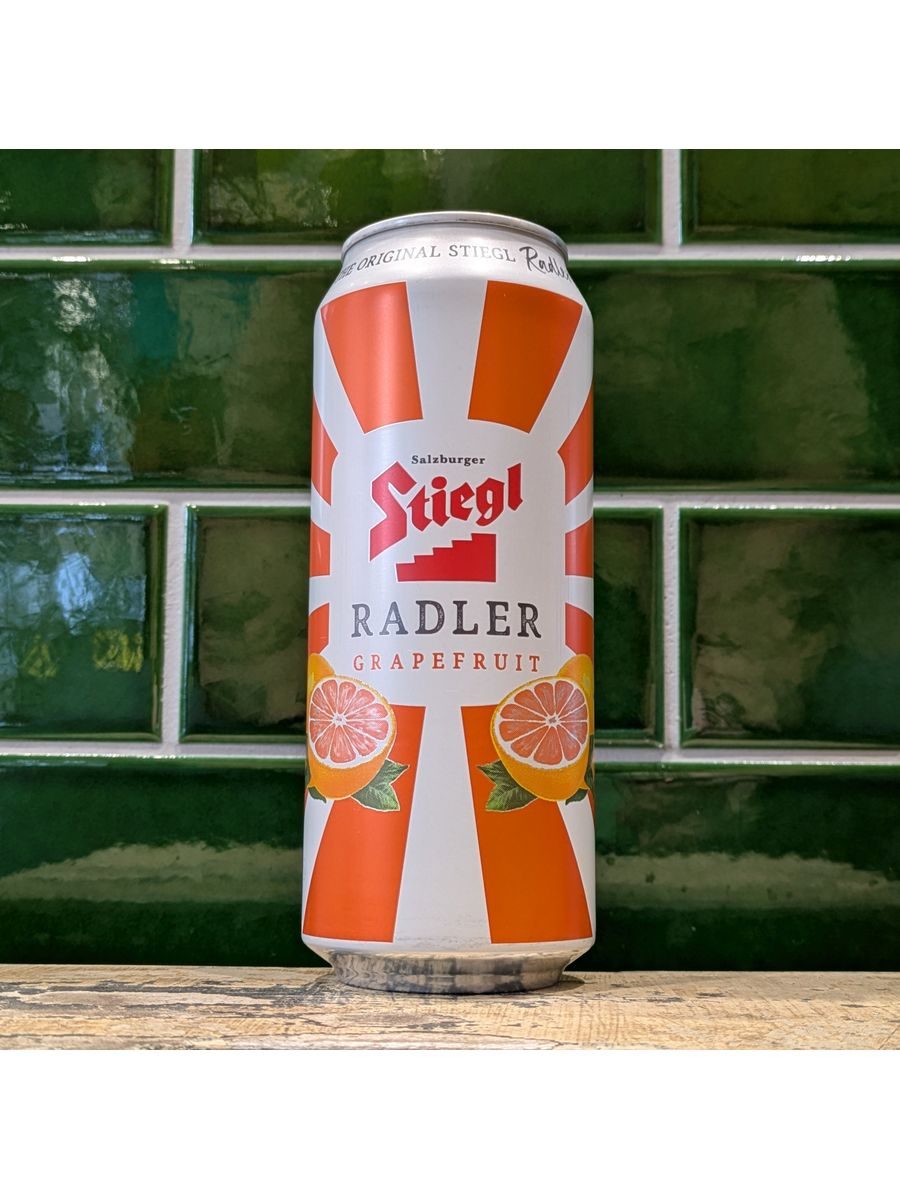
Stiegl Grapefruit Radler
Brewed by Stieglbrauerei zu Salzburg
pink grapefruit, lemon, pale malt, and brisk carbonation
BAR NOTES
Stiegl Grapefruit Radler earns its place at 2.0% because it presents pink grapefruit, lemon, pale malt, and brisk carbonation. The key is proportion: fruit should brighten the beer without erasing grain, hop bitterness, or the dry snap that makes another sip appealing.
Pour it very cold into a tall glass with grilled sausage, salty snacks, or picnic food. Citrus and carbonation are most convincing while the package is fresh. Continue with HBA’s grapefruit beer guide to compare the style at other strengths and see what this brewer preserved.

Gösser NaturRadler
Brewed by Brauerei Göss
fresh lemon, soft grain, herbs, and clean sweetness
BAR NOTES
Gösser NaturRadler earns its place at 2.0% because it presents fresh lemon, soft grain, herbs, and clean sweetness. A good radler tastes integrated rather than like soda poured beside beer, with carbonation and acidity doing much of the structural work.
This is best treated as a warm-weather long drink: cold, freshly opened, and paired with something salty enough to check the fruit sweetness. Continue with HBA’s lemon beer roundup to compare the style at other strengths and see what this brewer preserved.
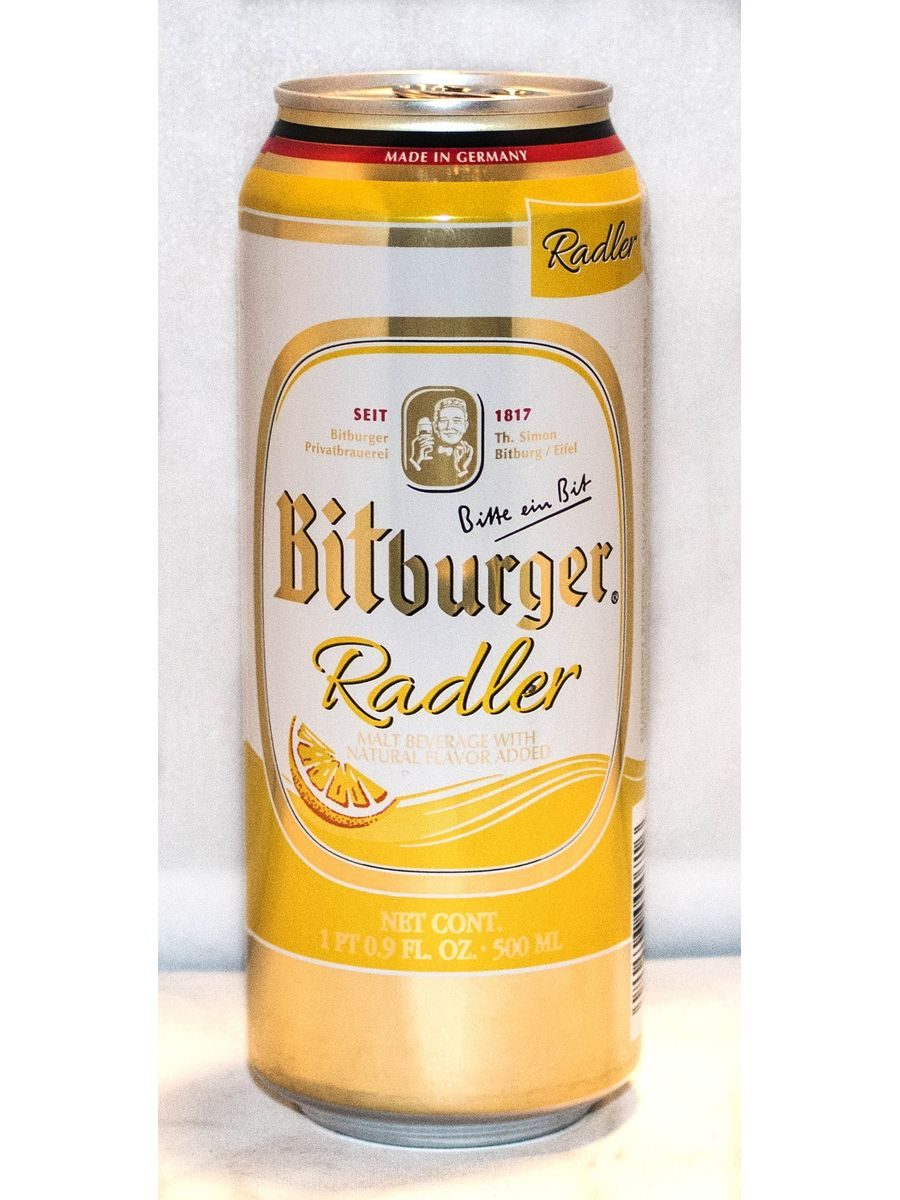
Bitburger Radler
Brewed by Bitburger Braugruppe
lemon, cracker malt, light herbs, and a dry snap
BAR NOTES
Bitburger Radler earns its place at 2.5% because it presents lemon, cracker malt, light herbs, and a dry snap. Its low strength comes from blending, yet the best examples keep enough beer character to separate themselves from ordinary citrus soda.
A clean pilsner glass makes the carbonation visible and leaves room for citrus aroma. Skip the extra fruit garnish until you have tasted the intended balance. Continue with HBA’s lemon beer roundup to compare the style at other strengths and see what this brewer preserved.
Krombacher Radler
Brewed by Krombacher Brauerei
lemon, pale grain, floral hops, and gentle sweetness
BAR NOTES
Krombacher Radler earns its place at 2.5% because it presents lemon, pale grain, floral hops, and gentle sweetness. This works because sweetness, acidity, and light bitterness share the finish instead of allowing any single element to dominate.
Pour it very cold into a tall glass with grilled sausage, salty snacks, or picnic food. Citrus and carbonation are most convincing while the package is fresh. Continue with HBA’s lemon beer roundup to compare the style at other strengths and see what this brewer preserved.
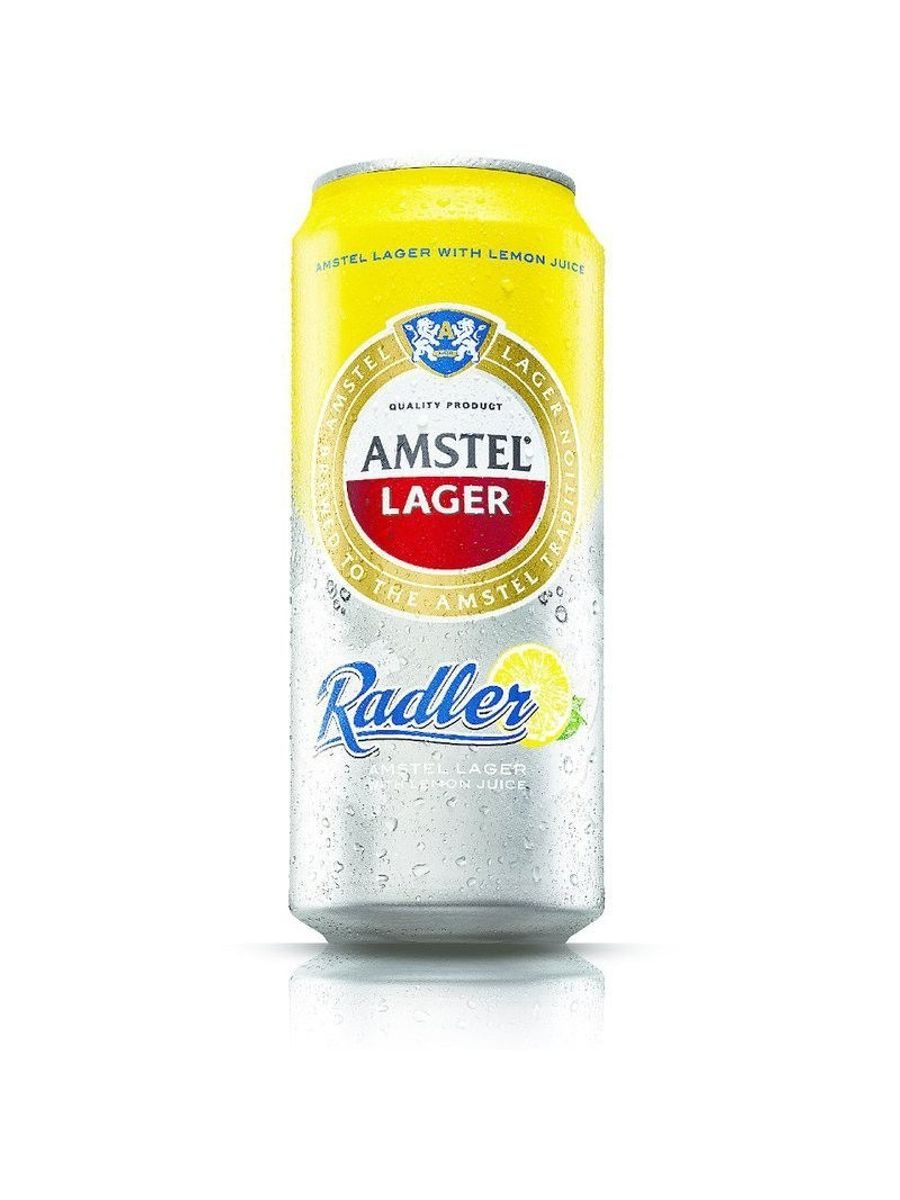
Amstel Radler
Brewed by Amstel Brouwerij
lemonade, pale malt, light herbs, and high fizz
BAR NOTES
Amstel Radler earns its place at 2.0% because it presents lemonade, pale malt, light herbs, and high fizz. The key is proportion: fruit should brighten the beer without erasing grain, hop bitterness, or the dry snap that makes another sip appealing.
This is best treated as a warm-weather long drink: cold, freshly opened, and paired with something salty enough to check the fruit sweetness. Continue with HBA’s lemon beer roundup to compare the style at other strengths and see what this brewer preserved.
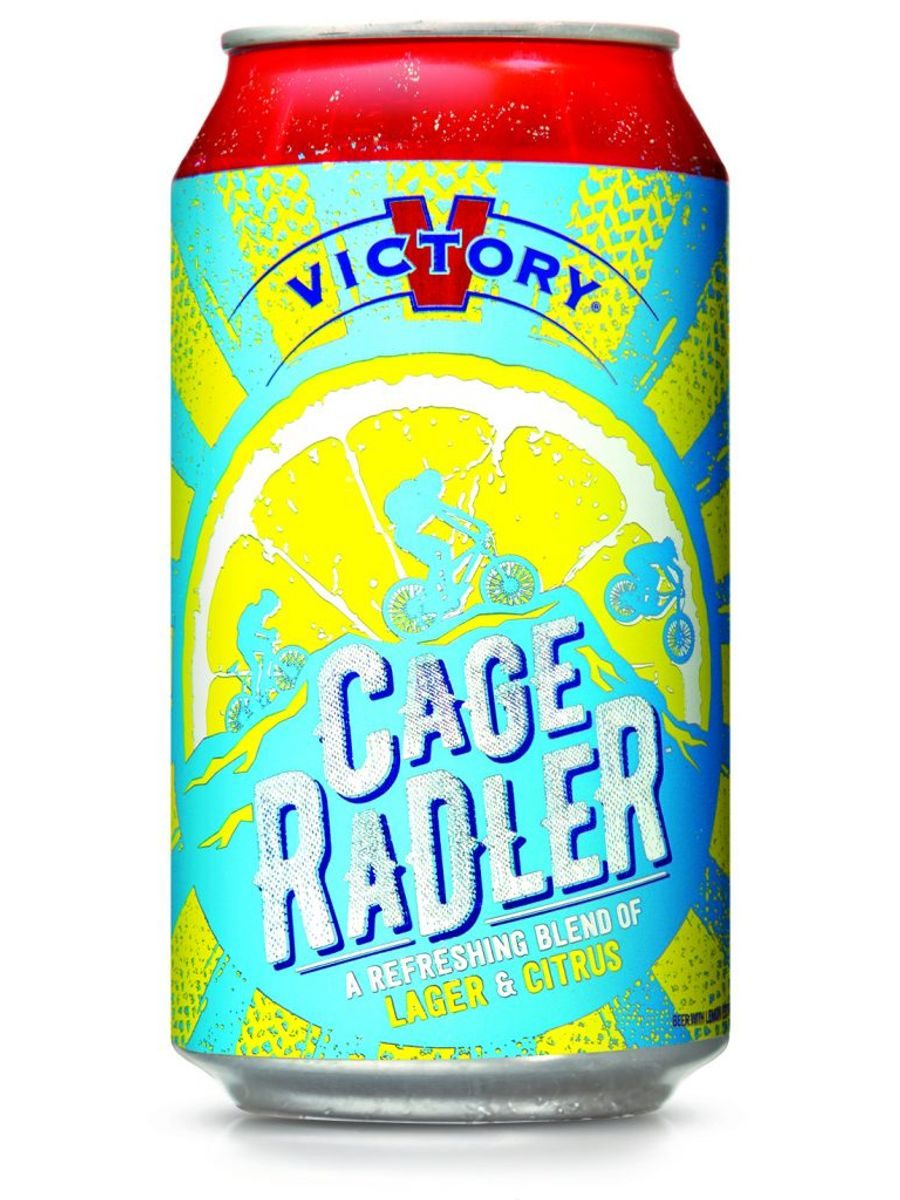
Victory Cage Radler
Brewed by Victory Brewing Company
lemon, pale grain, light herbs, and a dry finish
BAR NOTES
Victory Cage Radler earns its place at 3.0% because it presents lemon, pale grain, light herbs, and a dry finish. A good radler tastes integrated rather than like soda poured beside beer, with carbonation and acidity doing much of the structural work.
A clean pilsner glass makes the carbonation visible and leaves room for citrus aroma. Skip the extra fruit garnish until you have tasted the intended balance. Continue with HBA’s lemon beer roundup to compare the style at other strengths and see what this brewer preserved.
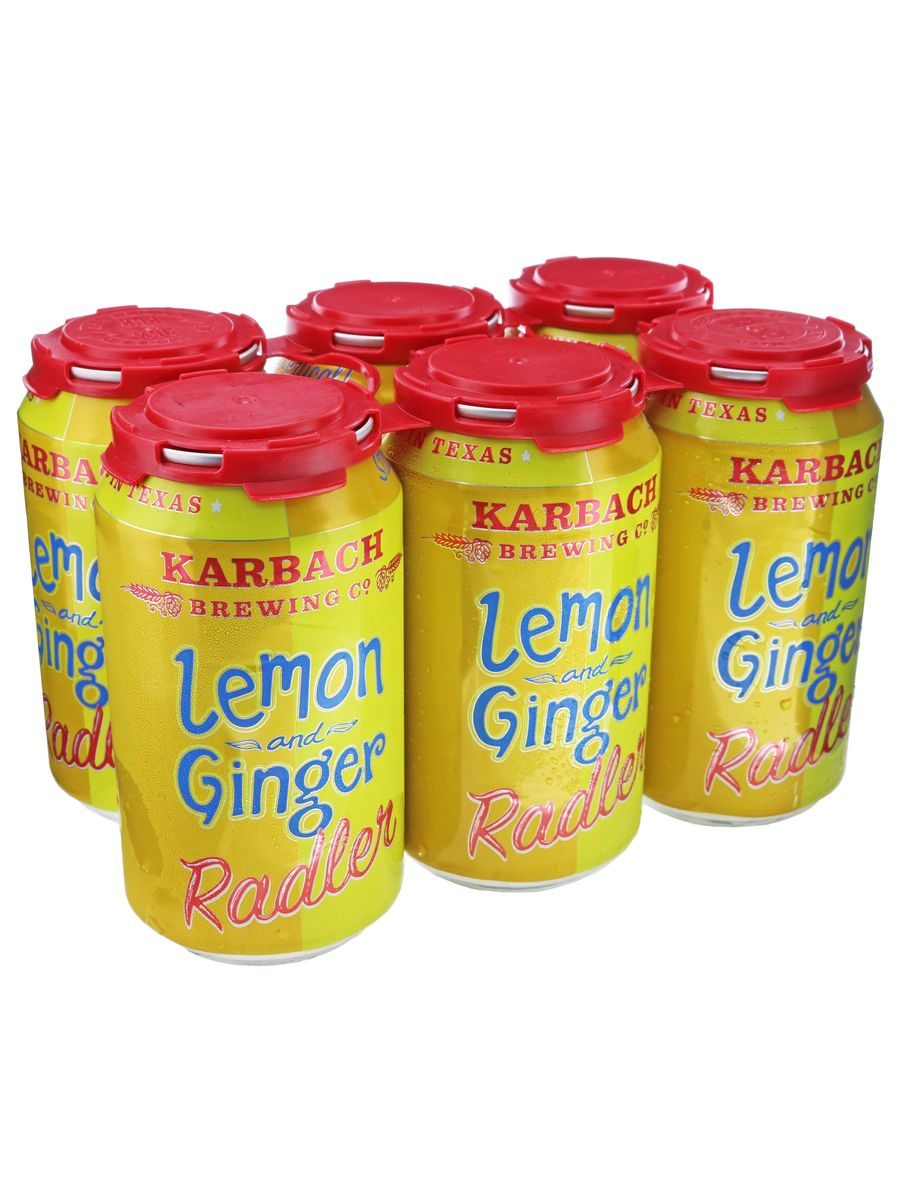
Karbach Lemon & Ginger Radler
Brewed by Karbach Brewing Company
lemon, ginger, light malt, and sparkling sweetness
BAR NOTES
Karbach Lemon & Ginger Radler earns its place at 3.5% because it presents lemon, ginger, light malt, and sparkling sweetness. Its low strength comes from blending, yet the best examples keep enough beer character to separate themselves from ordinary citrus soda.
Pour it very cold into a tall glass with grilled sausage, salty snacks, or picnic food. Citrus and carbonation are most convincing while the package is fresh. Continue with HBA’s lemon beer roundup to compare the style at other strengths and see what this brewer preserved.
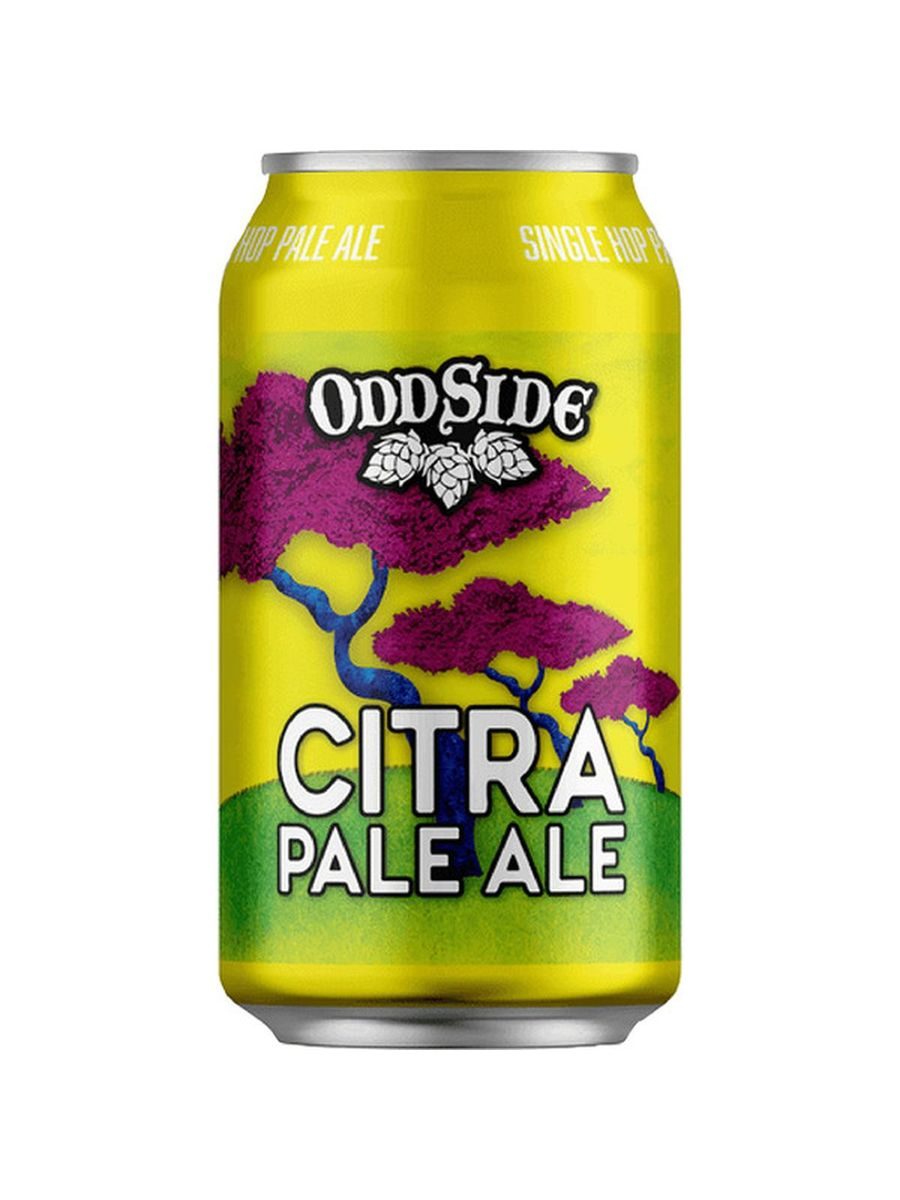
Odd Side Citra Pale Ale Radler
Brewed by Odd Side Ales
orange, grapefruit, tropical hops, and light grain
BAR NOTES
Odd Side Citra Pale Ale Radler earns its place at 3.8% because it presents orange, grapefruit, tropical hops, and light grain. This works because sweetness, acidity, and light bitterness share the finish instead of allowing any single element to dominate.
This is best treated as a warm-weather long drink: cold, freshly opened, and paired with something salty enough to check the fruit sweetness. Continue with HBA’s radler and shandy guide to compare the style at other strengths and see what this brewer preserved.
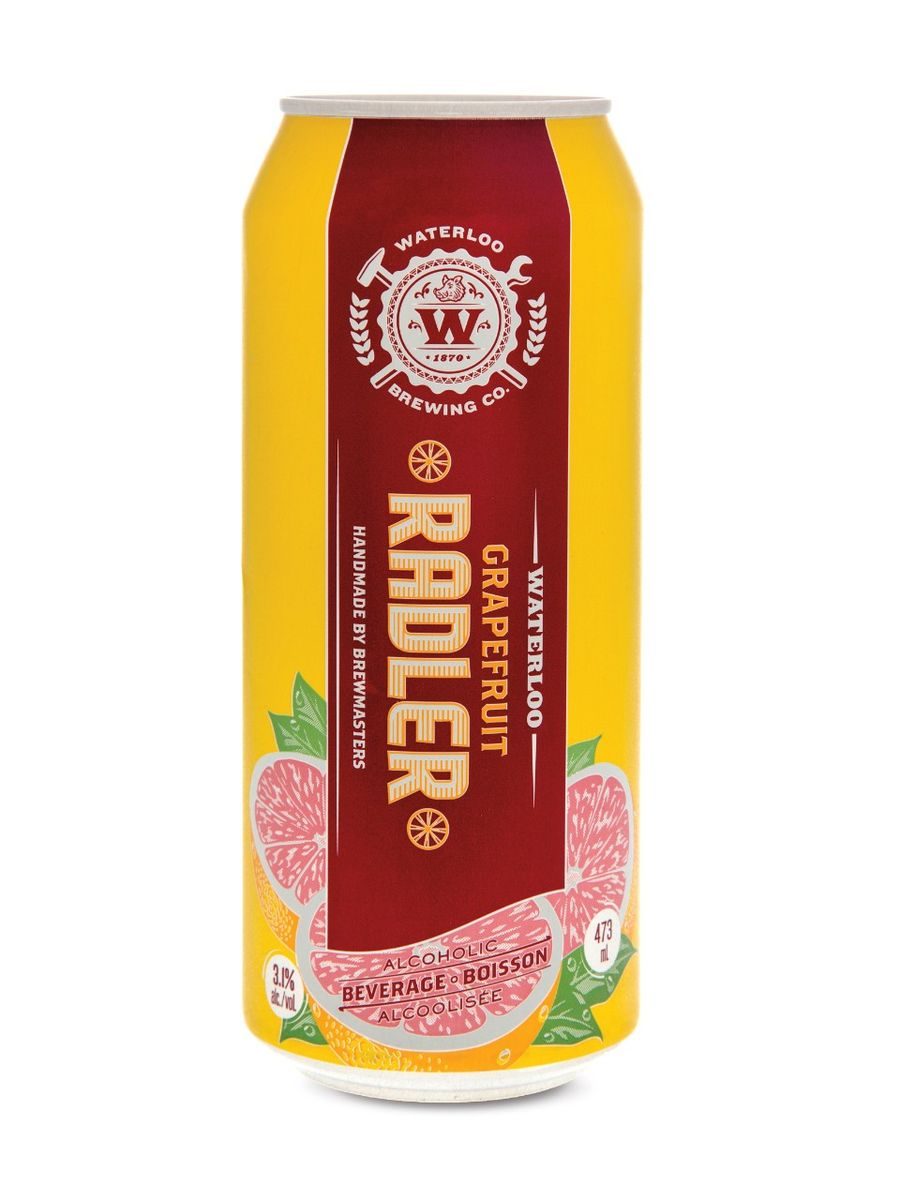
Waterloo Grapefruit Radler
Brewed by Waterloo Brewing
grapefruit, lemon, pale malt, and clean carbonation
BAR NOTES
Waterloo Grapefruit Radler earns its place at 3.1% because it presents grapefruit, lemon, pale malt, and clean carbonation. The key is proportion: fruit should brighten the beer without erasing grain, hop bitterness, or the dry snap that makes another sip appealing.
A clean pilsner glass makes the carbonation visible and leaves room for citrus aroma. Skip the extra fruit garnish until you have tasted the intended balance. Continue with HBA’s grapefruit beer guide to compare the style at other strengths and see what this brewer preserved.
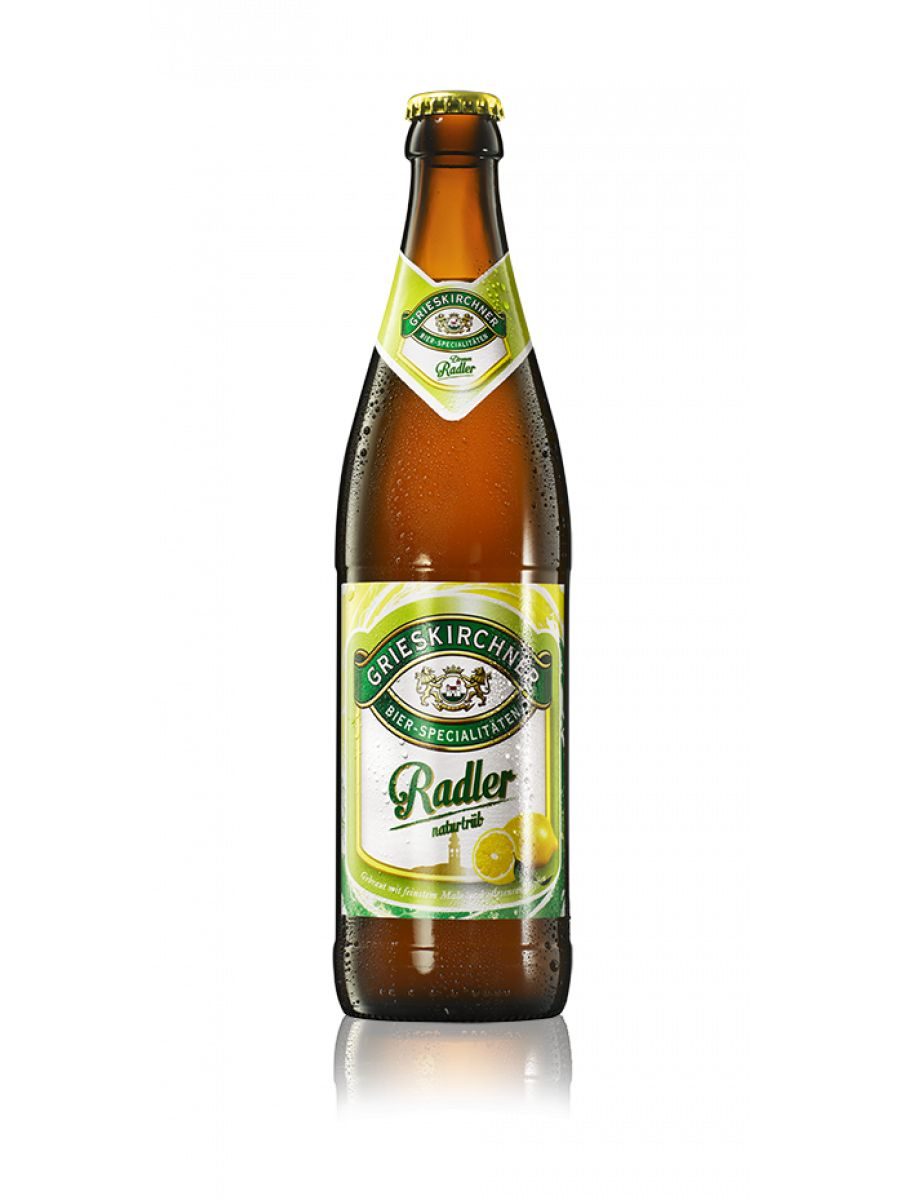
Grieskirchner Lemon Radler
Brewed by Brauerei Grieskirchen
lemon, pale grain, herbs, and brisk carbonation
BAR NOTES
Grieskirchner Lemon Radler earns its place at 2.1% because it presents lemon, pale grain, herbs, and brisk carbonation. A good radler tastes integrated rather than like soda poured beside beer, with carbonation and acidity doing much of the structural work.
Pour it very cold into a tall glass with grilled sausage, salty snacks, or picnic food. Citrus and carbonation are most convincing while the package is fresh. Continue with HBA’s lemon beer roundup to compare the style at other strengths and see what this brewer preserved.
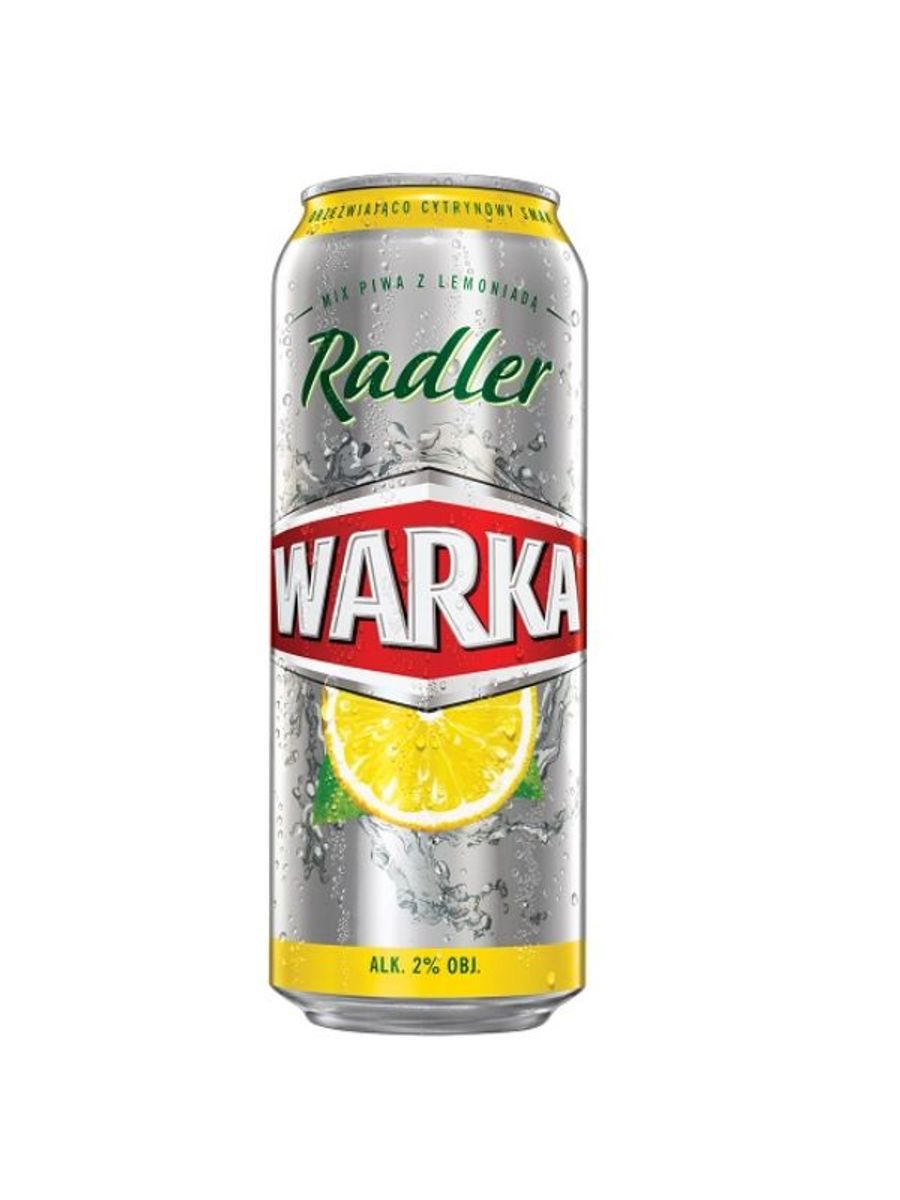
Warka Radler Apple
Brewed by Browar Warka
green apple, pale malt, lemon, and bright fizz
BAR NOTES
Warka Radler Apple earns its place at 2.0% because it presents green apple, pale malt, lemon, and bright fizz. Its low strength comes from blending, yet the best examples keep enough beer character to separate themselves from ordinary citrus soda.
This is best treated as a warm-weather long drink: cold, freshly opened, and paired with something salty enough to check the fruit sweetness. Continue with HBA’s apple beer roundup to compare the style at other strengths and see what this brewer preserved.
Hirter Herbal Radler
Brewed by Privatbrauerei Hirt
lemon, mountain herbs, pale malt, and dry spice
BAR NOTES
Hirter Herbal Radler earns its place at 2.5% because it presents lemon, mountain herbs, pale malt, and dry spice. This works because sweetness, acidity, and light bitterness share the finish instead of allowing any single element to dominate.
A clean pilsner glass makes the carbonation visible and leaves room for citrus aroma. Skip the extra fruit garnish until you have tasted the intended balance. Continue with HBA’s fruit beer guide to compare the style at other strengths and see what this brewer preserved.
Why radlers can go so low without tasting empty
Radler begins with brewed beer and lowers the final strength through blending. Lemon, grapefruit, apple, ginger, herbs, sugar, acidity, and carbonation then supply aroma and structure that alcohol and malt would otherwise carry. The best versions finish refreshing rather than syrupy.
Small Saisons and Table-Strength Farmhouse Beer
Low-gravity farmhouse beer proves that flavor intensity does not have to track alcohol. Peppery yeast, dry grain, acidity, oak, and mixed fermentation can create a much larger impression than the numbers suggest. Compare them with the full spectrum in HBA’s best saison guide.
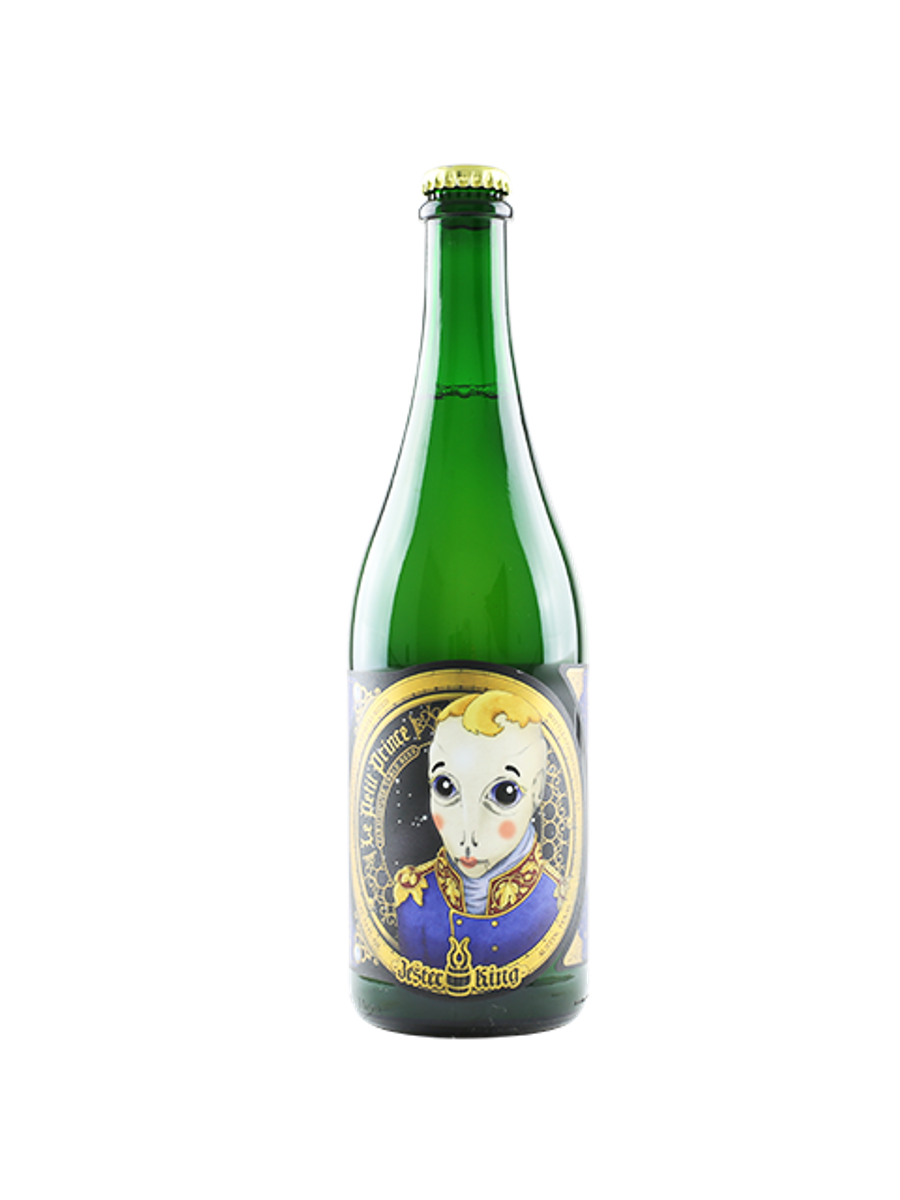
Jester King Le Petit Prince
Brewed by Jester King Brewery
low-gravity farmhouse fermentation: lemon, straw, pepper, mineral snap.
BAR NOTES
Jester King Le Petit Prince earns its place at 2.9% because it presents low-gravity farmhouse fermentation: lemon, straw, pepper, mineral snap. Farmhouse yeast supplies pepper, fruit, and dryness that a small malt bill could never create alone, making fermentation the source of scale.
Use a tulip rather than drinking straight from the package; farmhouse aroma expands quickly, and a slightly warmer serving reveals grain, pepper, fruit, and oak. Continue with HBA’s saison guide to compare the style at other strengths and see what this brewer preserved.
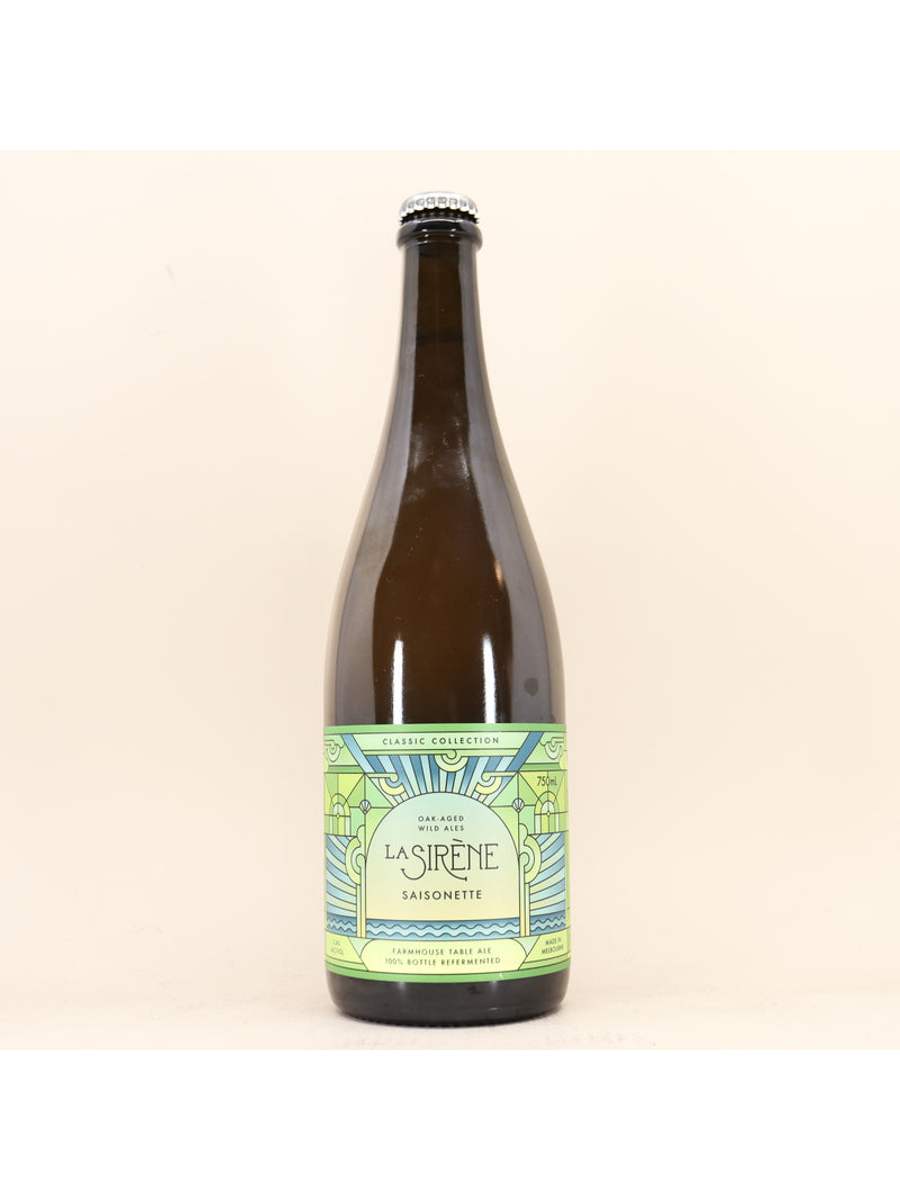
La Sirène Saisonette
Brewed by La Sirène Brewing
oak-influenced mixed fermentation: citrus, grain, gentle funk, crisp bitterness.
BAR NOTES
La Sirène Saisonette earns its place at 3.4% because it presents oak-influenced mixed fermentation: citrus, grain, gentle funk, crisp bitterness. The beer shows why low gravity and low flavor are different ideas: yeast, oak, acidity, grain, and carbonation can build complexity without weight.
Try it with roast chicken, chèvre, shellfish, or a grain salad. Dryness and carbonation cut through food without the alcohol of a stronger saison. Continue with HBA’s farmhouse ale guide to compare the style at other strengths and see what this brewer preserved.
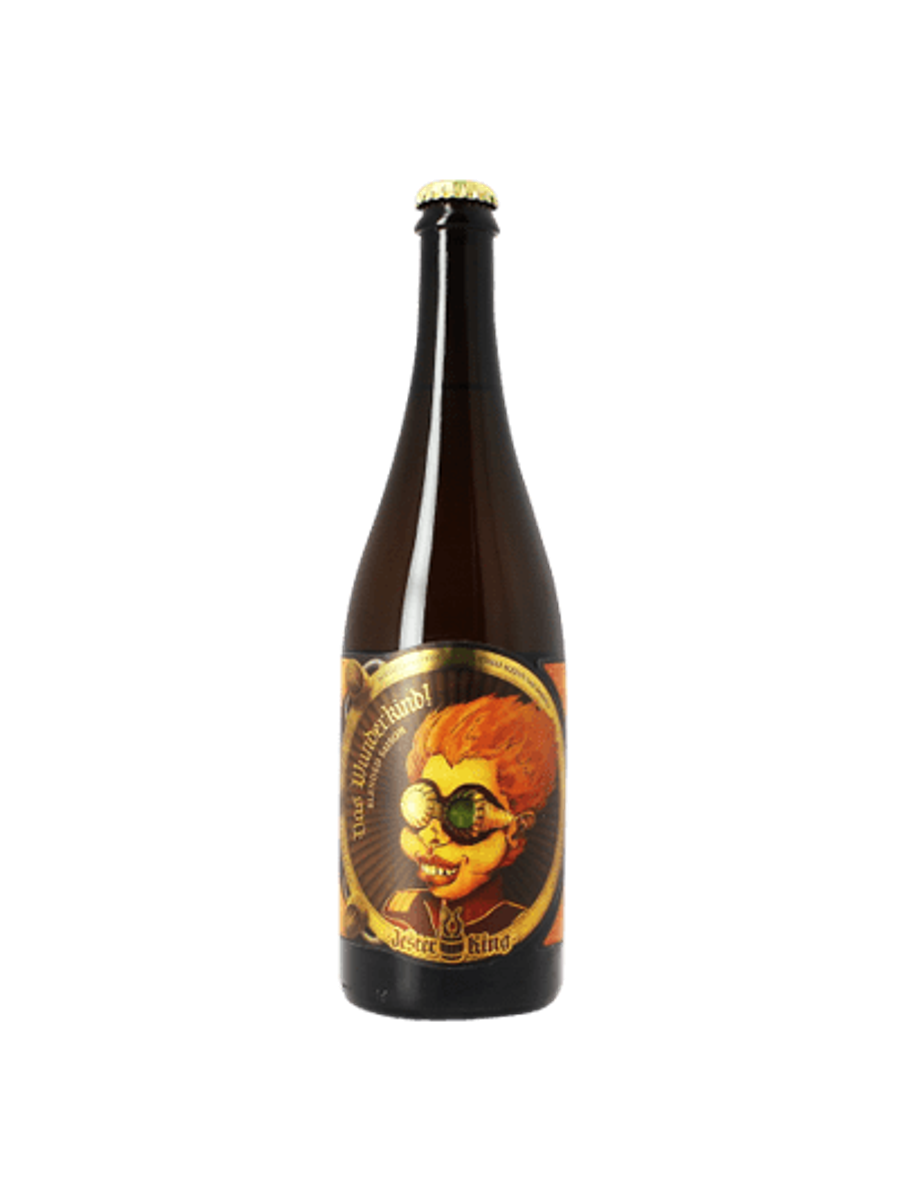
Jester King Das Wunderkind
Brewed by Jester King Brewery
barrel-aged mixed fermentation: lime, pineapple, oak, white pepper.
BAR NOTES
Jester King Das Wunderkind earns its place at 4.5% because it presents barrel-aged mixed fermentation: lime, pineapple, oak, white pepper. Dry attenuation prevents the modest strength from feeling watery, while fermentation character stretches the aroma far beyond the malt bill.
Freshness preserves hop and yeast brightness, while a modest serving temperature lets the mixed-fermentation details emerge without muting the finish. Continue with HBA’s saison guide to compare the style at other strengths and see what this brewer preserved.
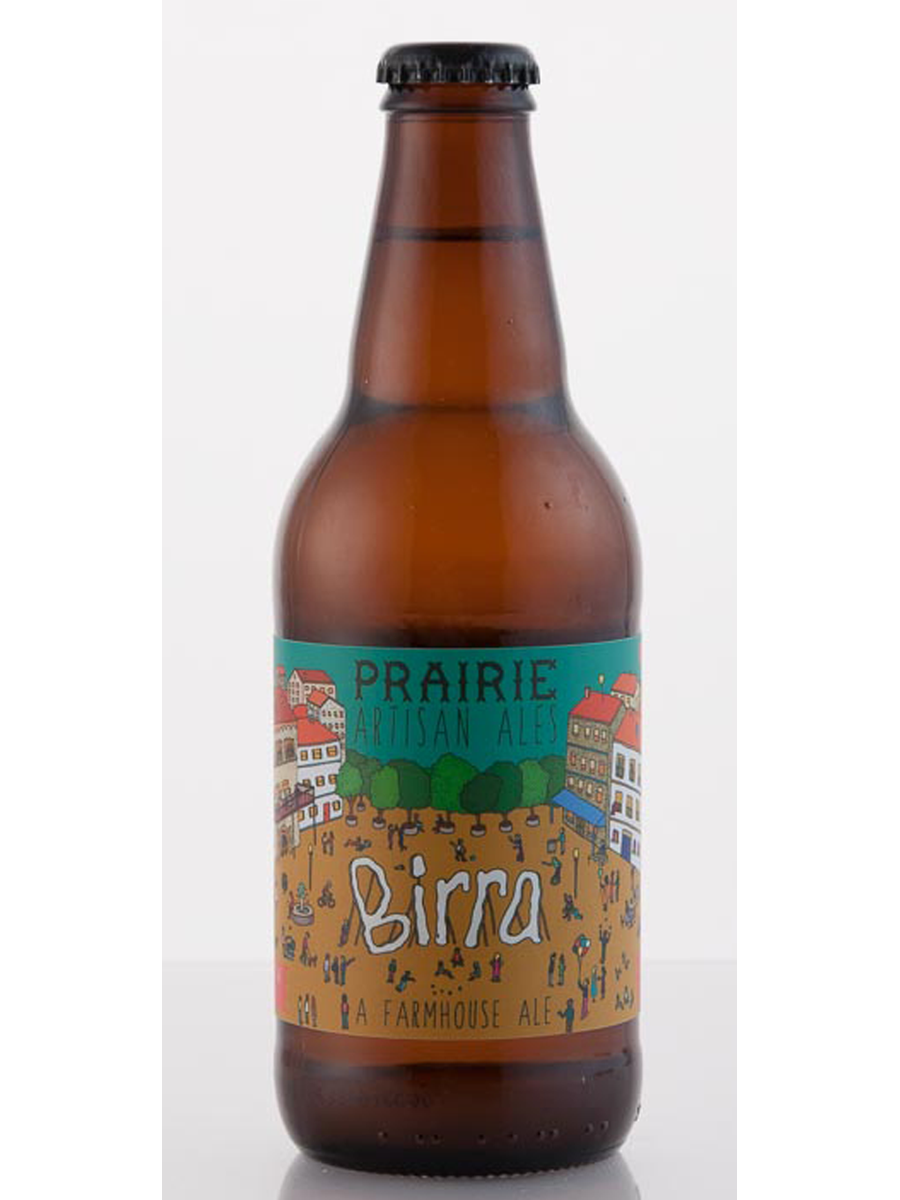
Prairie Birra
Brewed by Prairie Artisan Ales
low-gravity farmhouse fermentation: lemon, pepper, bread, crisp herbal hops.
BAR NOTES
Prairie Birra earns its place at 4.5% because it presents low-gravity farmhouse fermentation: lemon, pepper, bread, crisp herbal hops. This is table beer in the most flattering sense—built for food, conversation, and repeated pours without surrendering farmhouse personality.
Use a tulip rather than drinking straight from the package; farmhouse aroma expands quickly, and a slightly warmer serving reveals grain, pepper, fruit, and oak. Continue with HBA’s farmhouse ale guide to compare the style at other strengths and see what this brewer preserved.
The small-beer body problem
Reducing original gravity can reduce body, foam, and flavor along with alcohol. Brewers compensate with expressive yeast, oats or wheat, dextrin-rich malt, careful mash temperatures, water chemistry, bitterness, acidity, dry hopping, and carbonation. Good low-ABV beer is designed around the constraint from the start.
Session IPAs and Hoppy Ales Under 4.6%
Session-strength hoppy beer is a balancing exercise: enough malt for texture, enough bitterness for shape, and enough late-hop aroma to keep a small beer from feeling thin. HBA’s session IPA roundup goes deeper into that tradeoff.
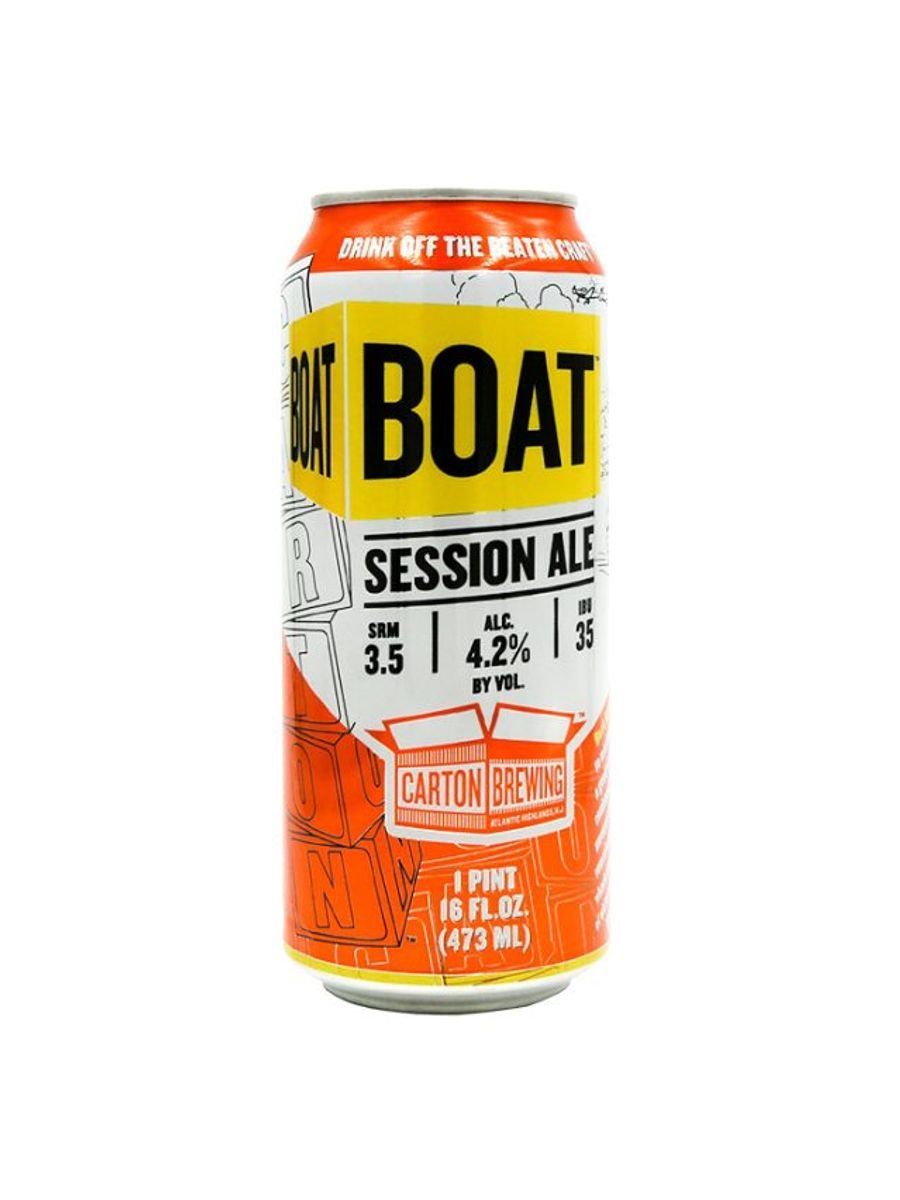
Boat Beer
Brewed by Carton Brewing Company
lemon, grapefruit, herbs and crisp grain.
BAR NOTES
Boat Beer earns its place at 4.2% because it presents lemon, grapefruit, herbs and crisp grain. The challenge is preserving hop saturation without leaving a harsh, tea-like finish on a malt base too small to absorb it.
Buy it cold and recent, then use a clean tulip or nonic pint. Hop aroma fades faster than the printed ABV, so package date matters. Continue with HBA’s session IPA roundup to compare the style at other strengths and see what this brewer preserved.

DayTime IPA
Brewed by Lagunitas Brewing Company
lemon, grapefruit, pine and a dry finish.
BAR NOTES
DayTime IPA earns its place at 4.0% because it presents lemon, grapefruit, pine and a dry finish. Its best feature is proportion: aromatic hops arrive first, while restrained bitterness and a compact grain bill keep the finish quick.
Serve it with tacos, pizza, grilled fish, or sharp cheese. Salt and spice amplify the hop aroma while the restrained alcohol keeps the pairing nimble. Continue with HBA’s IPA guide to compare the style at other strengths and see what this brewer preserved.
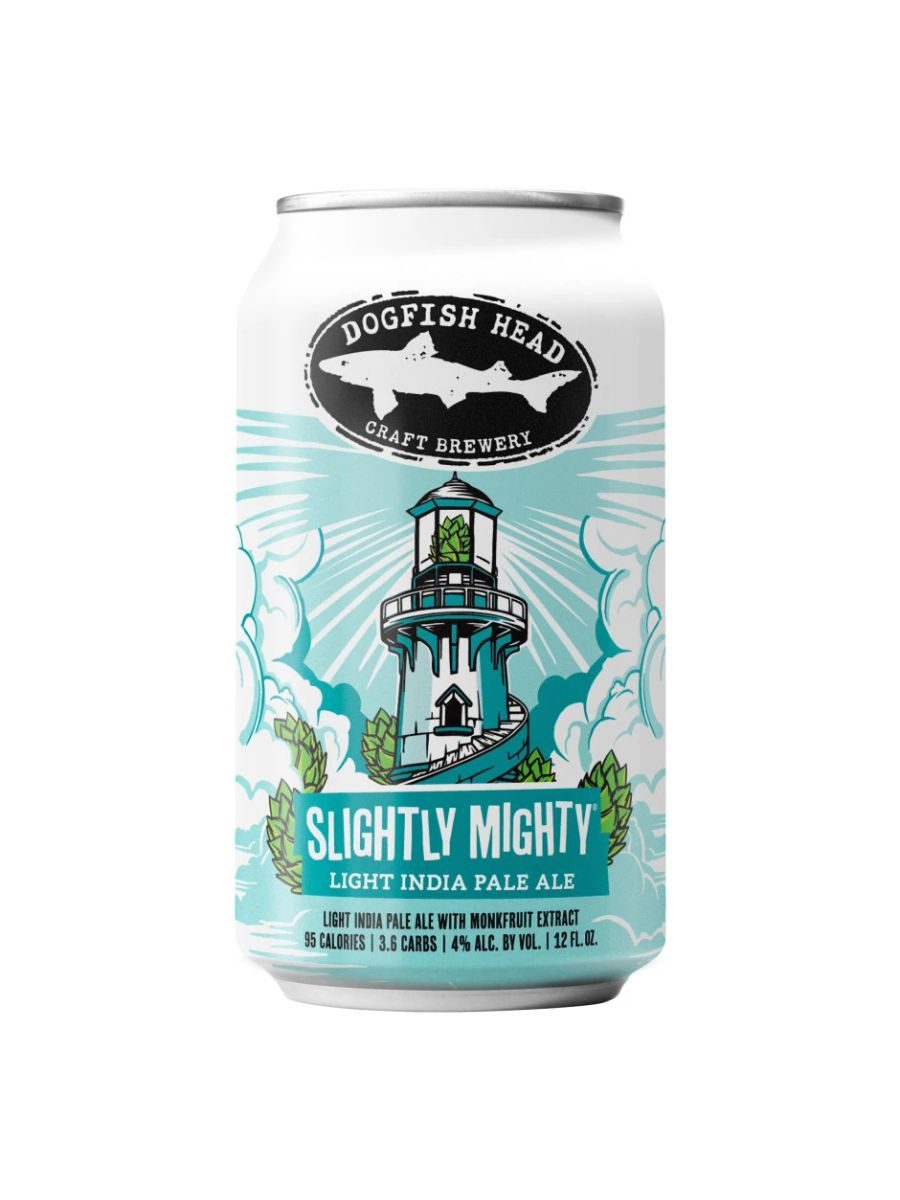
Slightly Mighty
Brewed by Dogfish Head Craft Brewery
pineapple, citrus, herbs and light bitterness.
BAR NOTES
Slightly Mighty earns its place at 4.0% because it presents pineapple, citrus, herbs and light bitterness. A session IPA succeeds when it drinks like a deliberately small hoppy beer, not a full-strength IPA diluted after the recipe was designed.
Drink this fresh enough to catch its late-hop character; warm storage can turn a bright session beer dull long before the package technically expires. Continue with HBA’s pale ale guide to compare the style at other strengths and see what this brewer preserved.
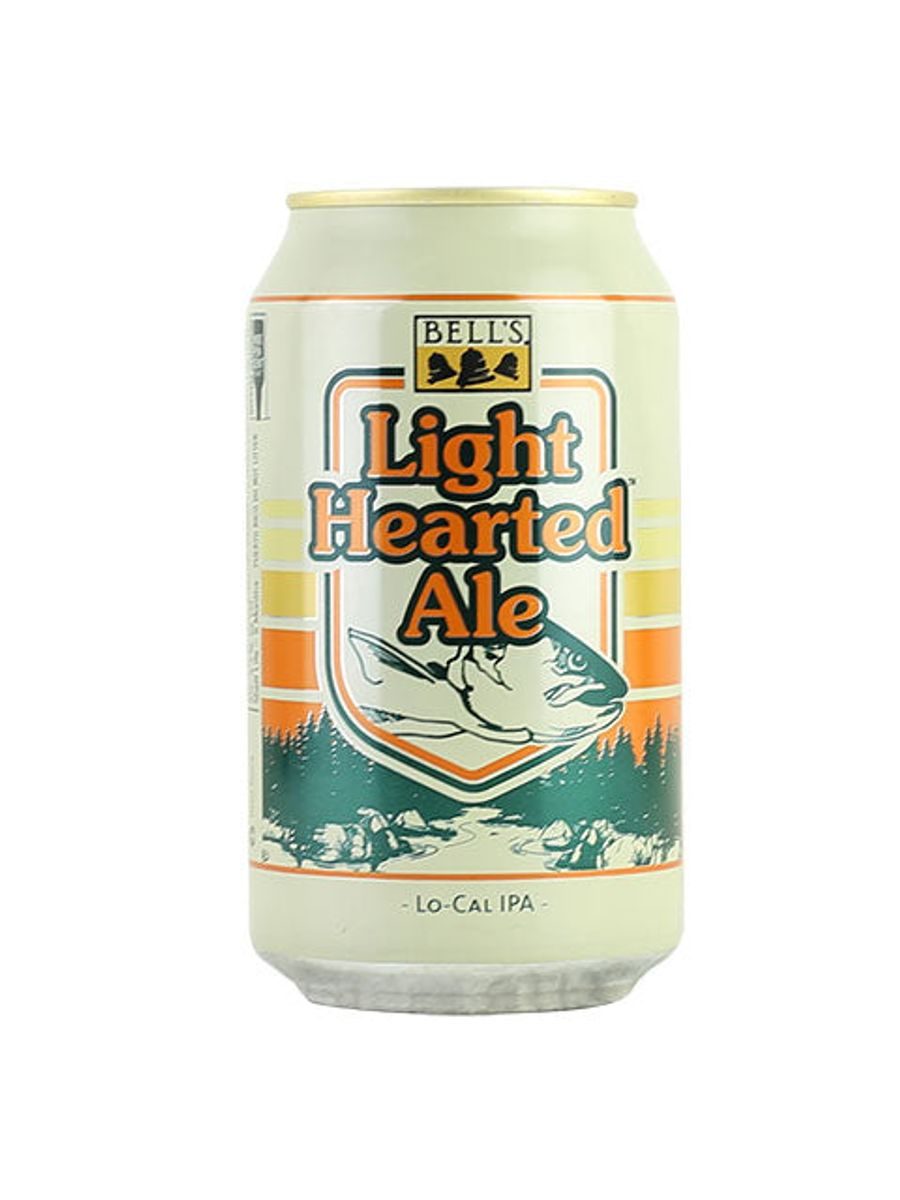
Light Hearted Ale
Brewed by Bell’s Brewery
orange, pine, tropical fruit and light grain.
BAR NOTES
Light Hearted Ale earns its place at 3.7% because it presents orange, pine, tropical fruit and light grain. Body-building grain, expressive dry hopping, and clean fermentation let the beer feel complete even though the alcohol stays modest.
Buy it cold and recent, then use a clean tulip or nonic pint. Hop aroma fades faster than the printed ABV, so package date matters. Continue with HBA’s session IPA roundup to compare the style at other strengths and see what this brewer preserved.
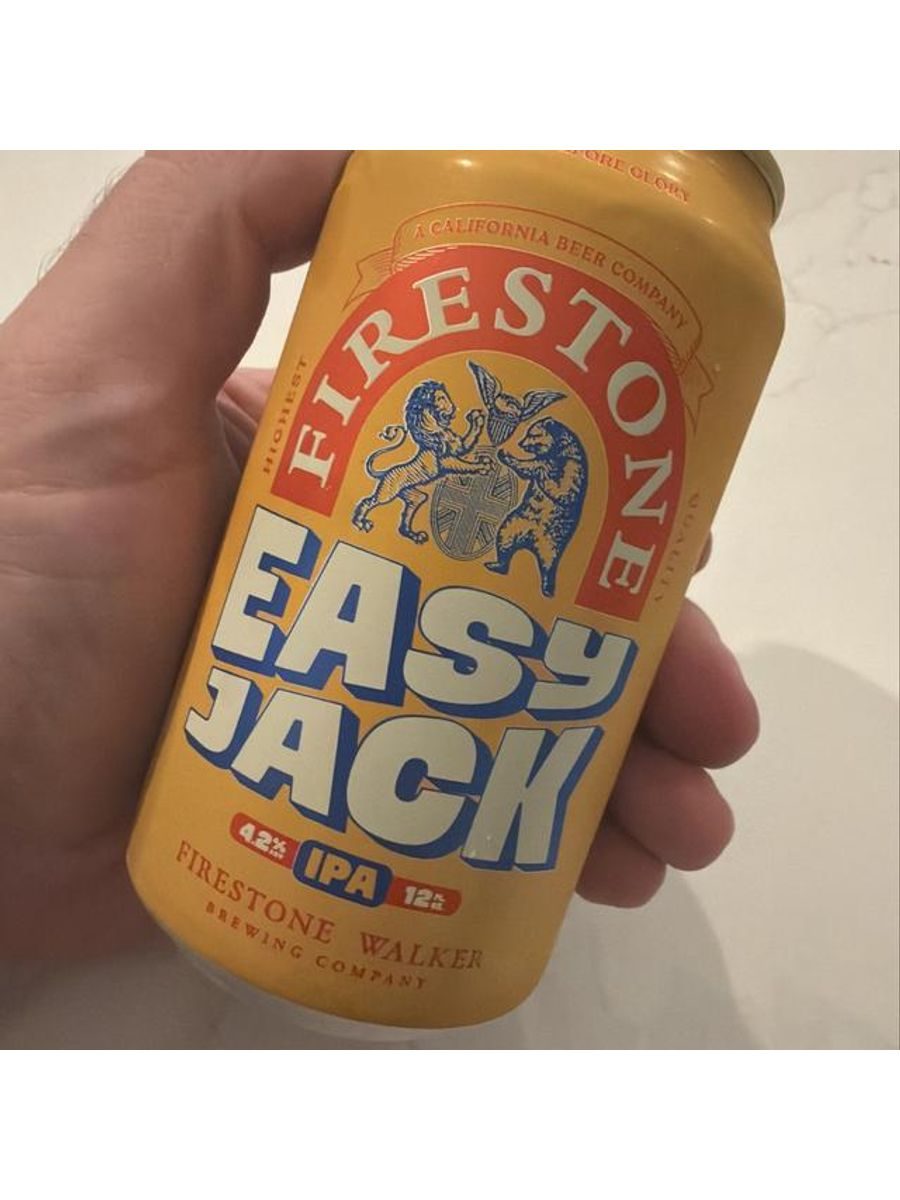
Easy Jack
Brewed by Firestone Walker Brewing Company
orange, tropical fruit, herbal hops and crisp malt.
BAR NOTES
Easy Jack earns its place at 4.2% because it presents orange, tropical fruit, herbal hops and crisp malt. The challenge is preserving hop saturation without leaving a harsh, tea-like finish on a malt base too small to absorb it.
Serve it with tacos, pizza, grilled fish, or sharp cheese. Salt and spice amplify the hop aroma while the restrained alcohol keeps the pairing nimble. Continue with HBA’s IPA guide to compare the style at other strengths and see what this brewer preserved.
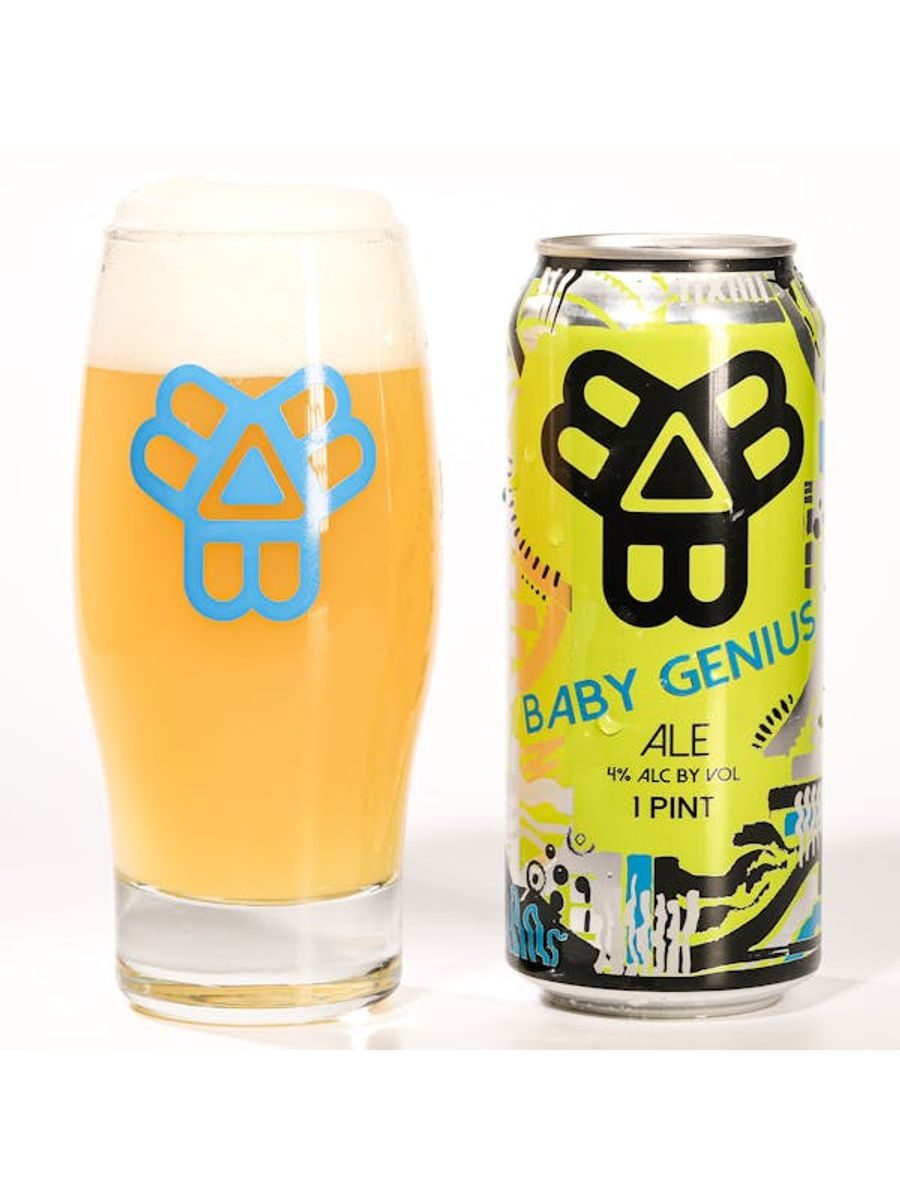
Baby Genius
Brewed by Bissell Brothers Brewing Company
citrus, flowers, tropical fruit and Maine grain.
BAR NOTES
Baby Genius earns its place at 4.0% because it presents citrus, flowers, tropical fruit and Maine grain. Its best feature is proportion: aromatic hops arrive first, while restrained bitterness and a compact grain bill keep the finish quick.
Drink this fresh enough to catch its late-hop character; warm storage can turn a bright session beer dull long before the package technically expires. Continue with HBA’s pale ale guide to compare the style at other strengths and see what this brewer preserved.
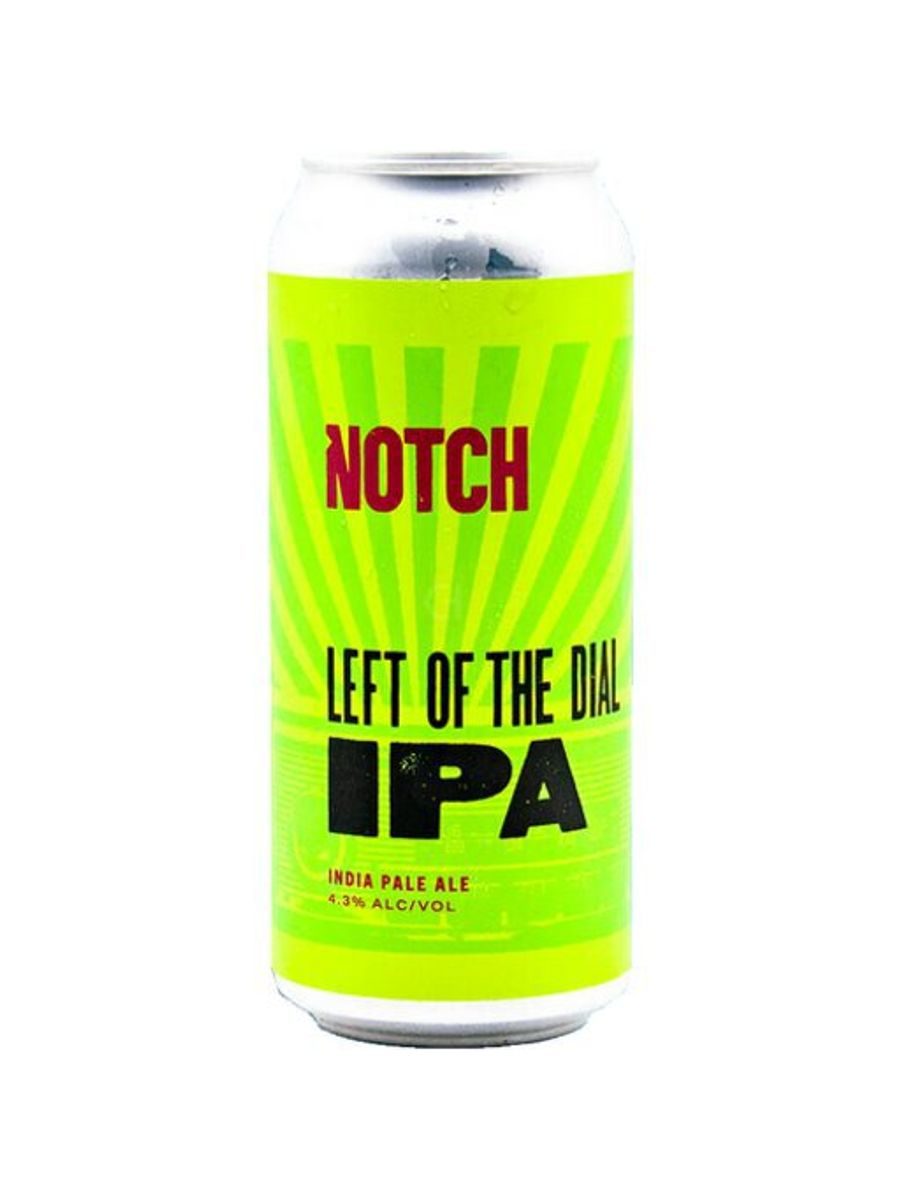
Left of the Dial
Brewed by Notch Brewing
orange, pine, floral hops and British malt.
BAR NOTES
Left of the Dial earns its place at 4.3% because it presents orange, pine, floral hops and British malt. A session IPA succeeds when it drinks like a deliberately small hoppy beer, not a full-strength IPA diluted after the recipe was designed.
Buy it cold and recent, then use a clean tulip or nonic pint. Hop aroma fades faster than the printed ABV, so package date matters. Continue with HBA’s session IPA roundup to compare the style at other strengths and see what this brewer preserved.
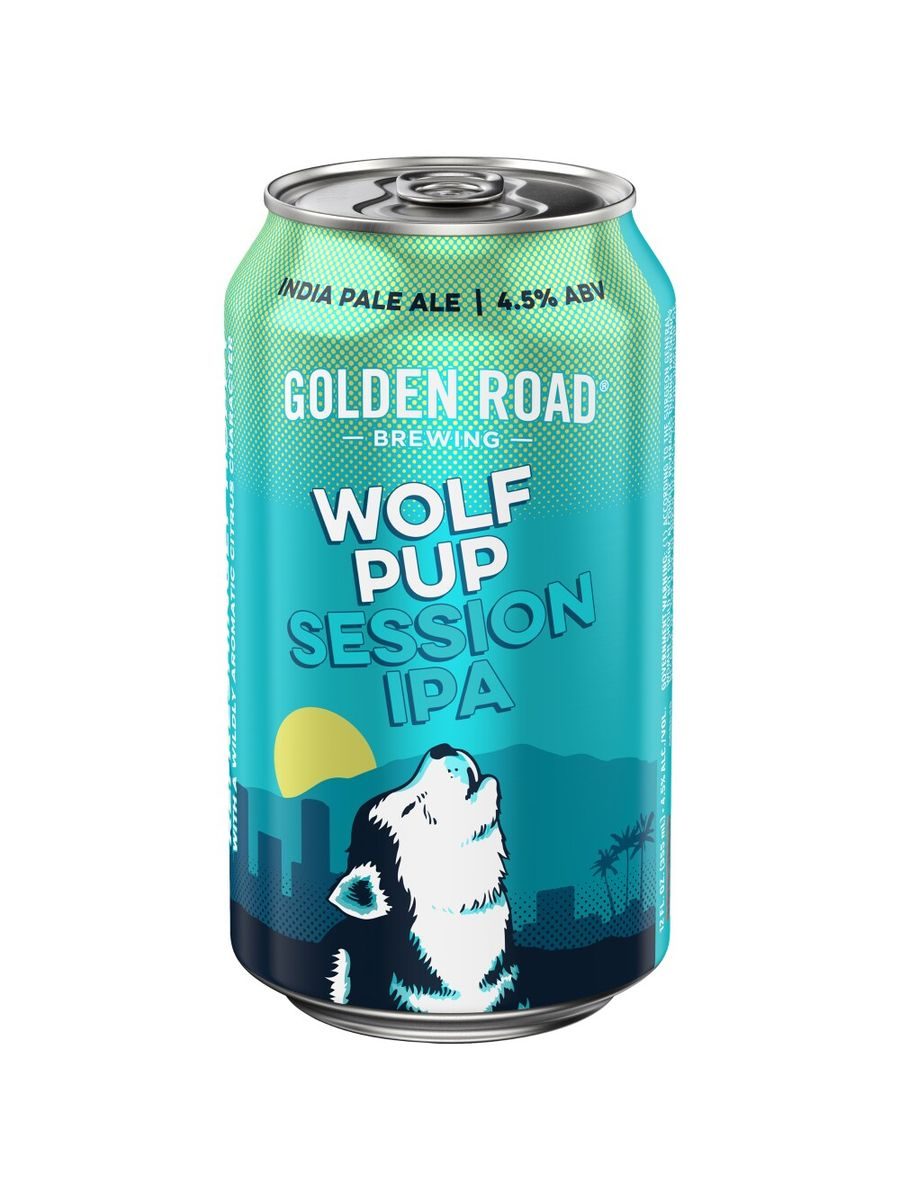
Wolf Pup
Brewed by Golden Road Brewing
orange, grapefruit, tropical fruit and light pine.
BAR NOTES
Wolf Pup earns its place at 4.5% because it presents orange, grapefruit, tropical fruit and light pine. Body-building grain, expressive dry hopping, and clean fermentation let the beer feel complete even though the alcohol stays modest.
Serve it with tacos, pizza, grilled fish, or sharp cheese. Salt and spice amplify the hop aroma while the restrained alcohol keeps the pairing nimble. Continue with HBA’s IPA guide to compare the style at other strengths and see what this brewer preserved.
Rec. League
Brewed by Harpoon Brewery
tropical citrus, soft grain and a lightly salty snap.
BAR NOTES
Rec. League earns its place at 3.8% because it presents tropical citrus, soft grain and a lightly salty snap. The challenge is preserving hop saturation without leaving a harsh, tea-like finish on a malt base too small to absorb it.
Drink this fresh enough to catch its late-hop character; warm storage can turn a bright session beer dull long before the package technically expires. Continue with HBA’s pale ale guide to compare the style at other strengths and see what this brewer preserved.
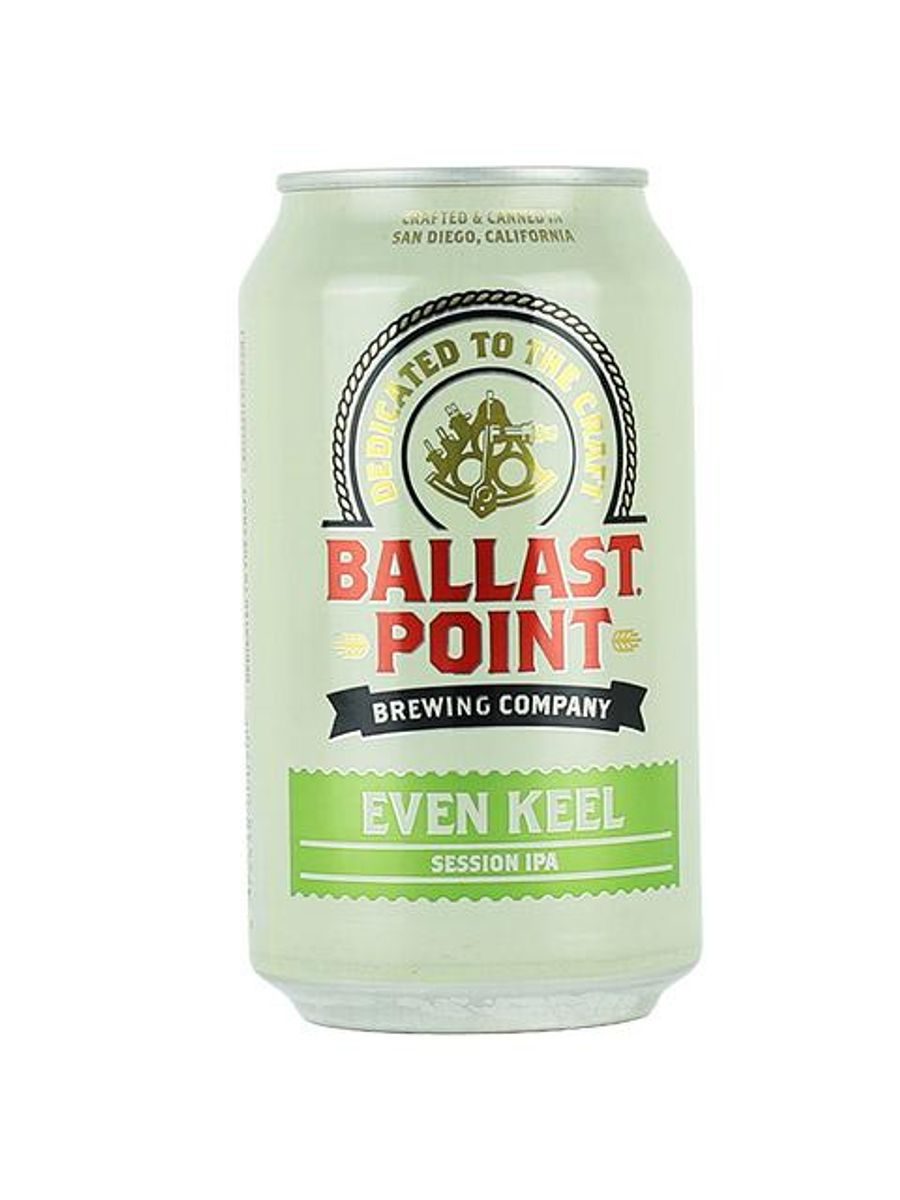
Even Keel
Brewed by Ballast Point Brewing Company
citrus, herbs, flowers and light malt.
BAR NOTES
Even Keel earns its place at 3.8% because it presents citrus, herbs, flowers and light malt. Its best feature is proportion: aromatic hops arrive first, while restrained bitterness and a compact grain bill keep the finish quick.
Buy it cold and recent, then use a clean tulip or nonic pint. Hop aroma fades faster than the printed ABV, so package date matters. Continue with HBA’s session IPA roundup to compare the style at other strengths and see what this brewer preserved.
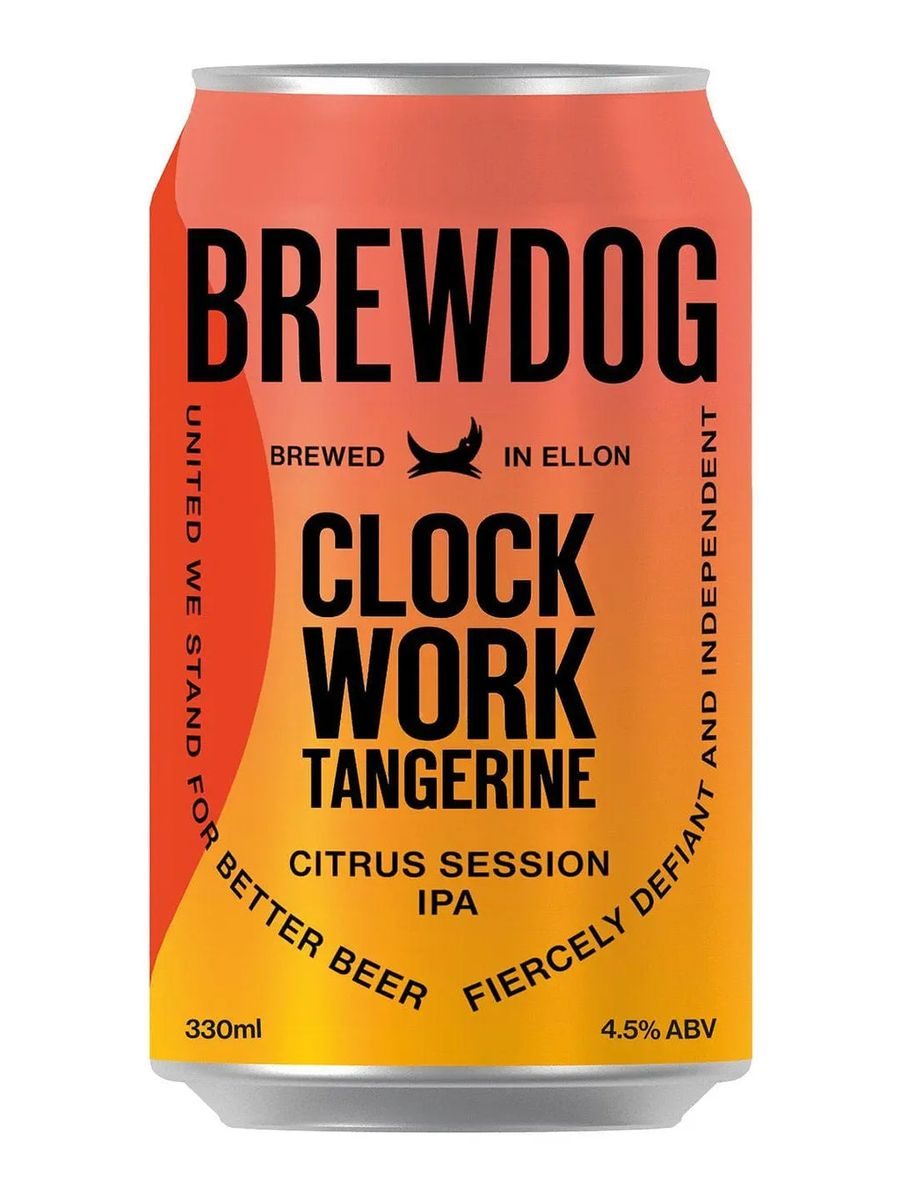
Clockwork Tangerine
Brewed by BrewDog
tangerine, tropical fruit, caramel and crisp bitterness.
BAR NOTES
Clockwork Tangerine earns its place at 4.5% because it presents tangerine, tropical fruit, caramel and crisp bitterness. A session IPA succeeds when it drinks like a deliberately small hoppy beer, not a full-strength IPA diluted after the recipe was designed.
Serve it with tacos, pizza, grilled fish, or sharp cheese. Salt and spice amplify the hop aroma while the restrained alcohol keeps the pairing nimble. Continue with HBA’s IPA guide to compare the style at other strengths and see what this brewer preserved.
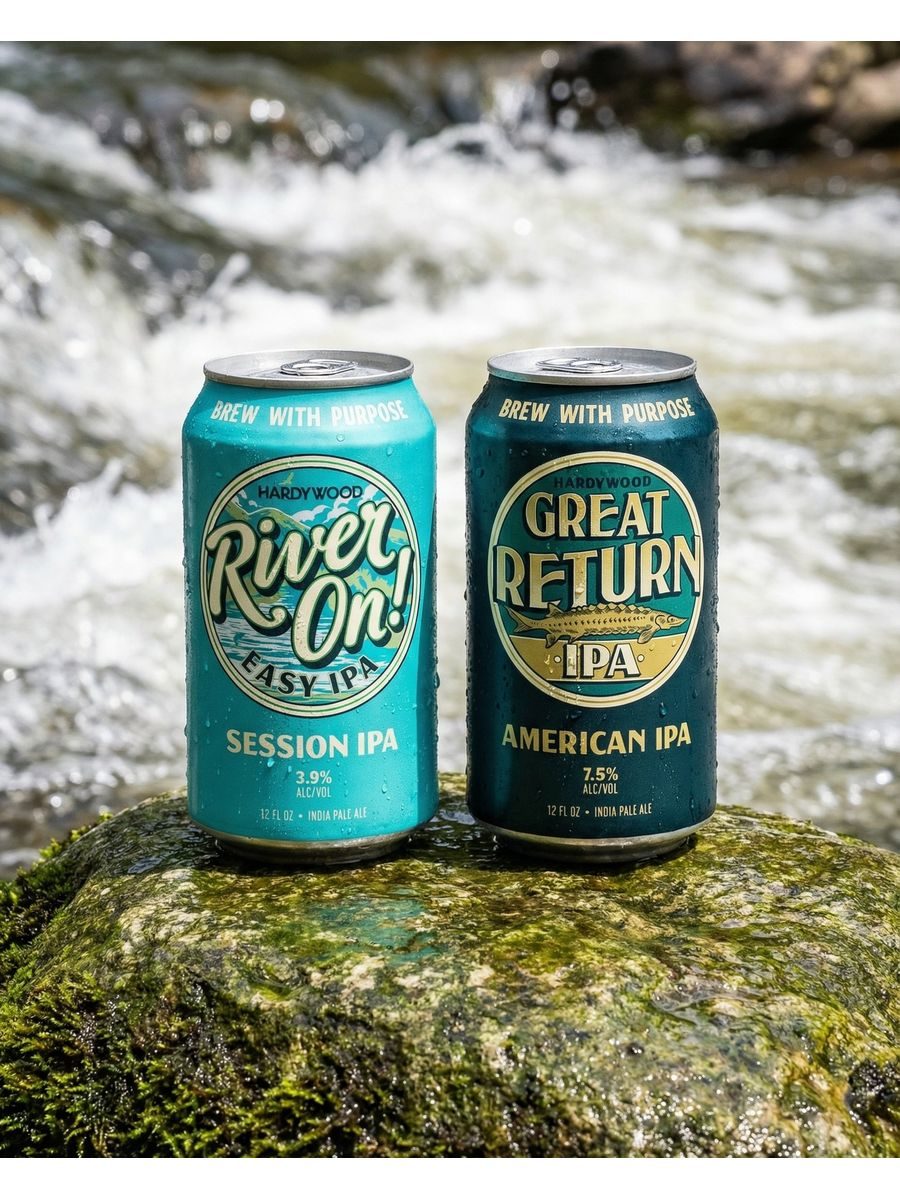
River On!
Brewed by Hardywood Park Craft Brewery
tropical citrus, light grain and crisp bitterness.
BAR NOTES
River On! earns its place at 3.9% because it presents tropical citrus, light grain and crisp bitterness. Body-building grain, expressive dry hopping, and clean fermentation let the beer feel complete even though the alcohol stays modest.
Drink this fresh enough to catch its late-hop character; warm storage can turn a bright session beer dull long before the package technically expires. Continue with HBA’s pale ale guide to compare the style at other strengths and see what this brewer preserved.
ABV, package size, and standard drinks
A 12-ounce 4.0% beer contains about 0.8 U.S. standard drinks by the usual 12-ounce-at-5% reference. A 16-ounce pour of that same beer contains roughly 1.07. Low ABV helps, but the size of the can, bottle, or draft pour still changes the total alcohol.
Low-Strength Lagers From 2.4% to 4.0%
Lager leaves nowhere for rough fermentation to hide. These twelve range from ultra-light American brands to Mexican, Dutch, Canadian, Japanese, and craft interpretations, all at 4.0% ABV or below. Compare the broader category in HBA’s best light beers.
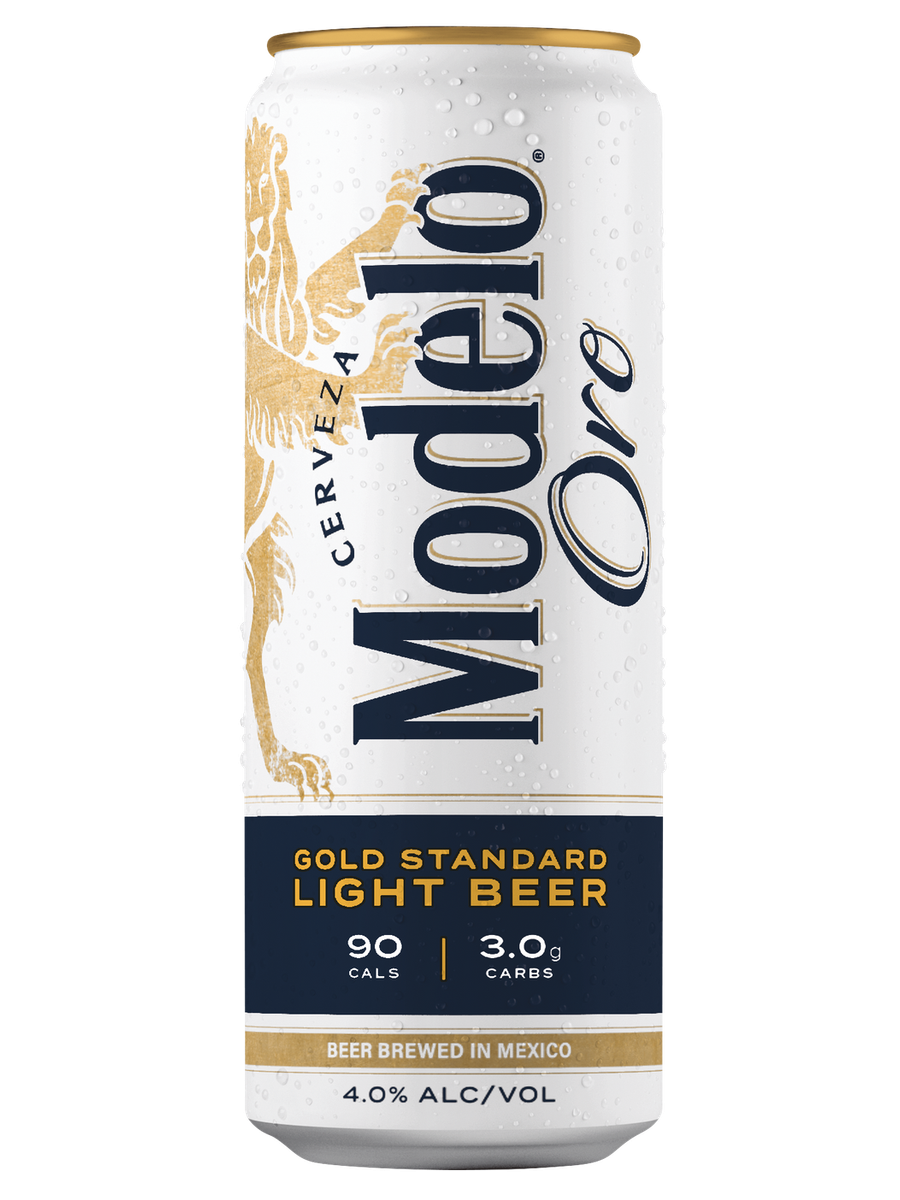
Modelo Oro
Brewed by Grupo Modelo
90 calories: dry and delicate with light corn sweetness and a bright lager finish.
BAR NOTES
Modelo Oro earns its place at 4.0% because it presents dry and delicate with light corn sweetness and a bright lager finish. At this strength, clean fermentation matters more than novelty; pale grain, restrained hops, and crisp carbonation must carry the entire experience.
Serve it cold in a narrow pilsner glass with grilled food, pizza, or salty snacks. A spotless glass protects the foam and carbonation that give the lean body structure. Continue with HBA’s Mexican beer guide to compare the style at other strengths and see what this brewer preserved.
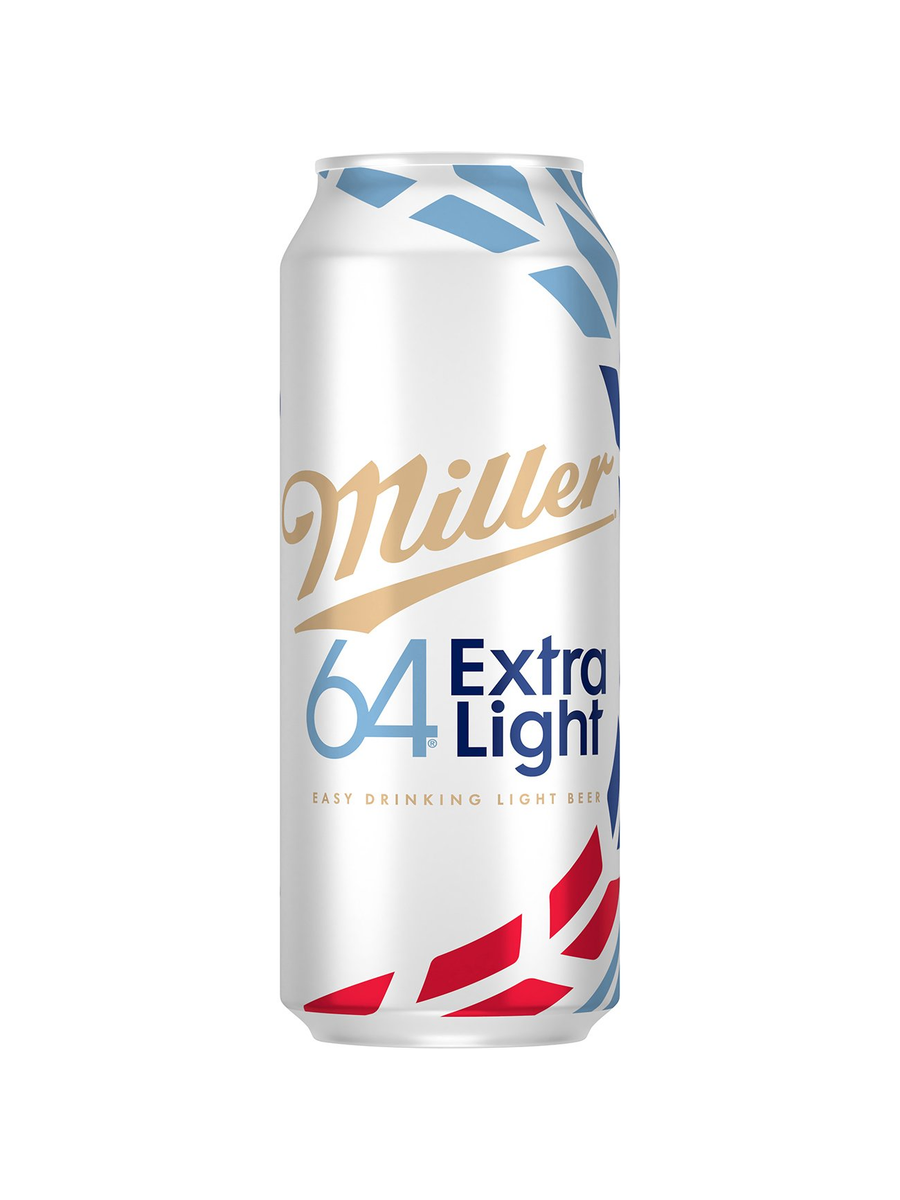
Miller 64 Extra Light
Brewed by Miller Brewing Company
64 calories: extremely lean and fizzy with delicate grain and virtually no residual sweetness.
BAR NOTES
Miller 64 Extra Light earns its place at 2.8% because it presents extremely lean and fizzy with delicate grain and virtually no residual sweetness. The lean finish is deliberate, making cold storage, a clean glass, and lively carbonation especially important to how the beer presents.
The package date and cold chain matter because there is little roast, fruit, or alcohol to cover oxidation. Choose the freshest cold package available. Continue with HBA’s lager guide to compare the style at other strengths and see what this brewer preserved.
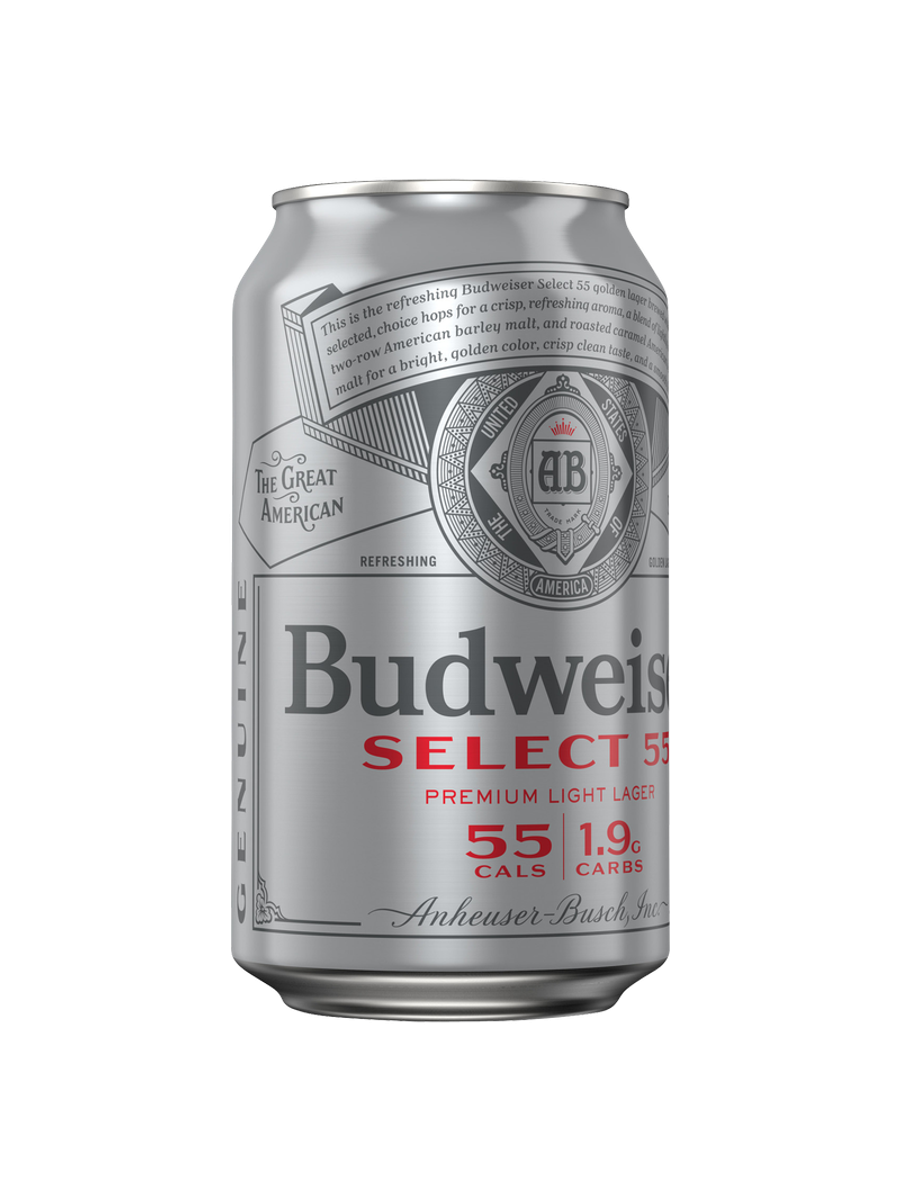
Budweiser Select 55
Brewed by Anheuser-Busch
55 calories: feather-light and very dry with mild grain and assertive carbonation.
BAR NOTES
Budweiser Select 55 earns its place at 2.4% because it presents feather-light and very dry with mild grain and assertive carbonation. This belongs here as a practical low-ABV lager whose strength is printed plainly, even if its flavor goal is refreshment rather than complexity.
A cold can is convenient, but a clean glass reveals aroma and carbonation. Pair the crisp finish with fried food, seafood, or a simple burger. Continue with HBA’s low-calorie beer roundup to compare the style at other strengths and see what this brewer preserved.
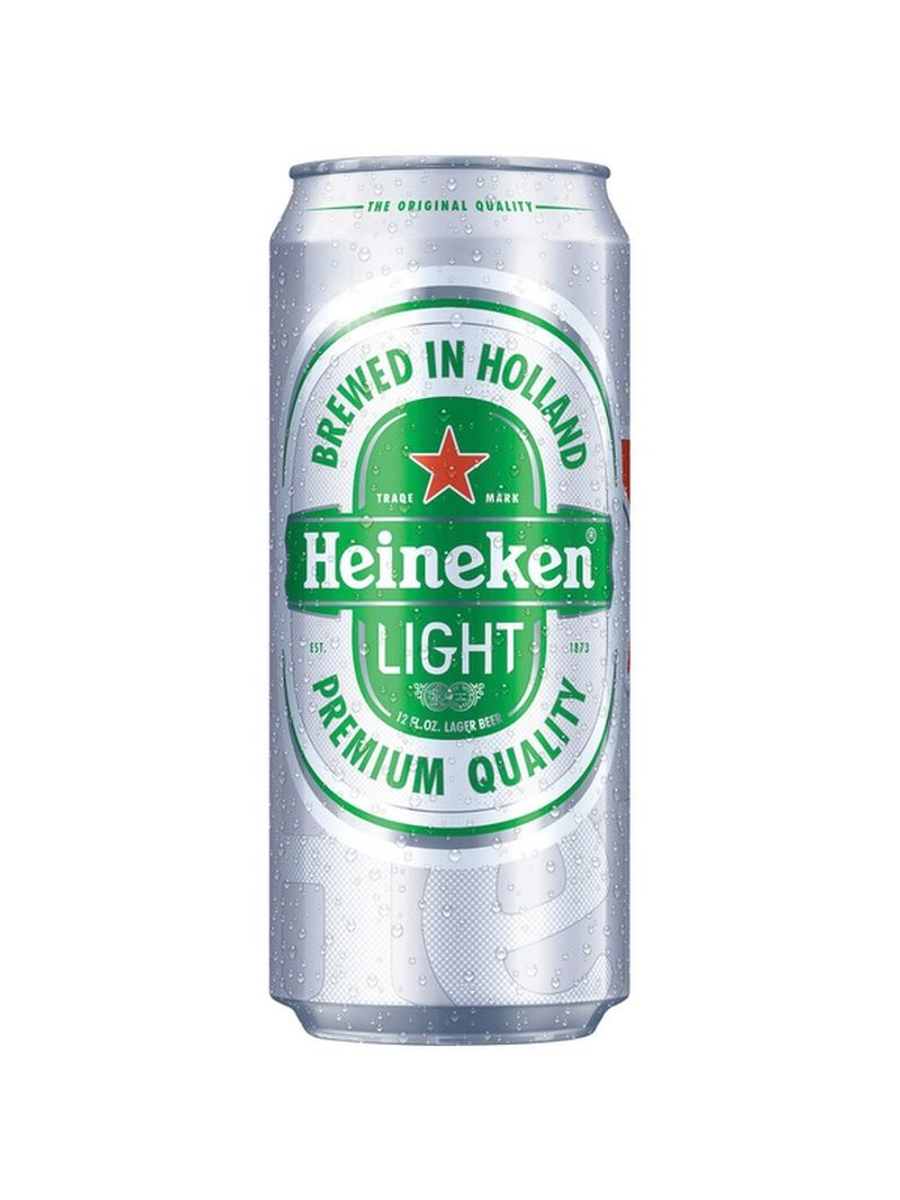
Heineken Light
Brewed by Heineken
90 calories: lean and grassy with familiar European hop character and a dry finish.
BAR NOTES
Heineken Light earns its place at 3.3% because it presents lean and grassy with familiar European hop character and a dry finish. Light body does not excuse fermentation flaws, so the value lies in a clean, quick finish with enough grain character to remain beer-like.
Serve it cold in a narrow pilsner glass with grilled food, pizza, or salty snacks. A spotless glass protects the foam and carbonation that give the lean body structure. Continue with HBA’s light beer roundup to compare the style at other strengths and see what this brewer preserved.
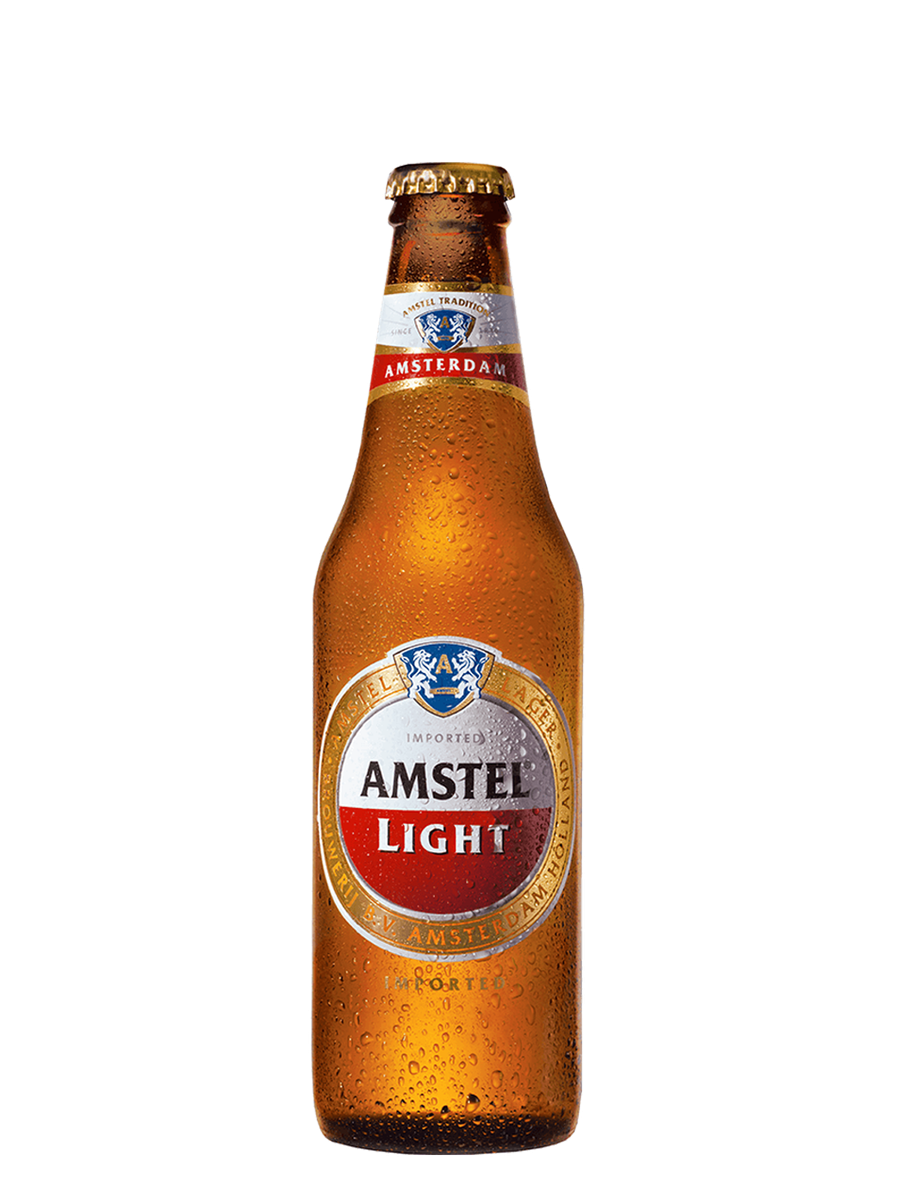
Amstel Light
Brewed by Amstel Brewery
95 calories: lightly malty, gently bitter, and drier than many American light lagers.
BAR NOTES
Amstel Light earns its place at 3.5% because it presents lightly malty, gently bitter, and drier than many American light lagers. At this strength, clean fermentation matters more than novelty; pale grain, restrained hops, and crisp carbonation must carry the entire experience.
The package date and cold chain matter because there is little roast, fruit, or alcohol to cover oxidation. Choose the freshest cold package available. Continue with HBA’s lager guide to compare the style at other strengths and see what this brewer preserved.
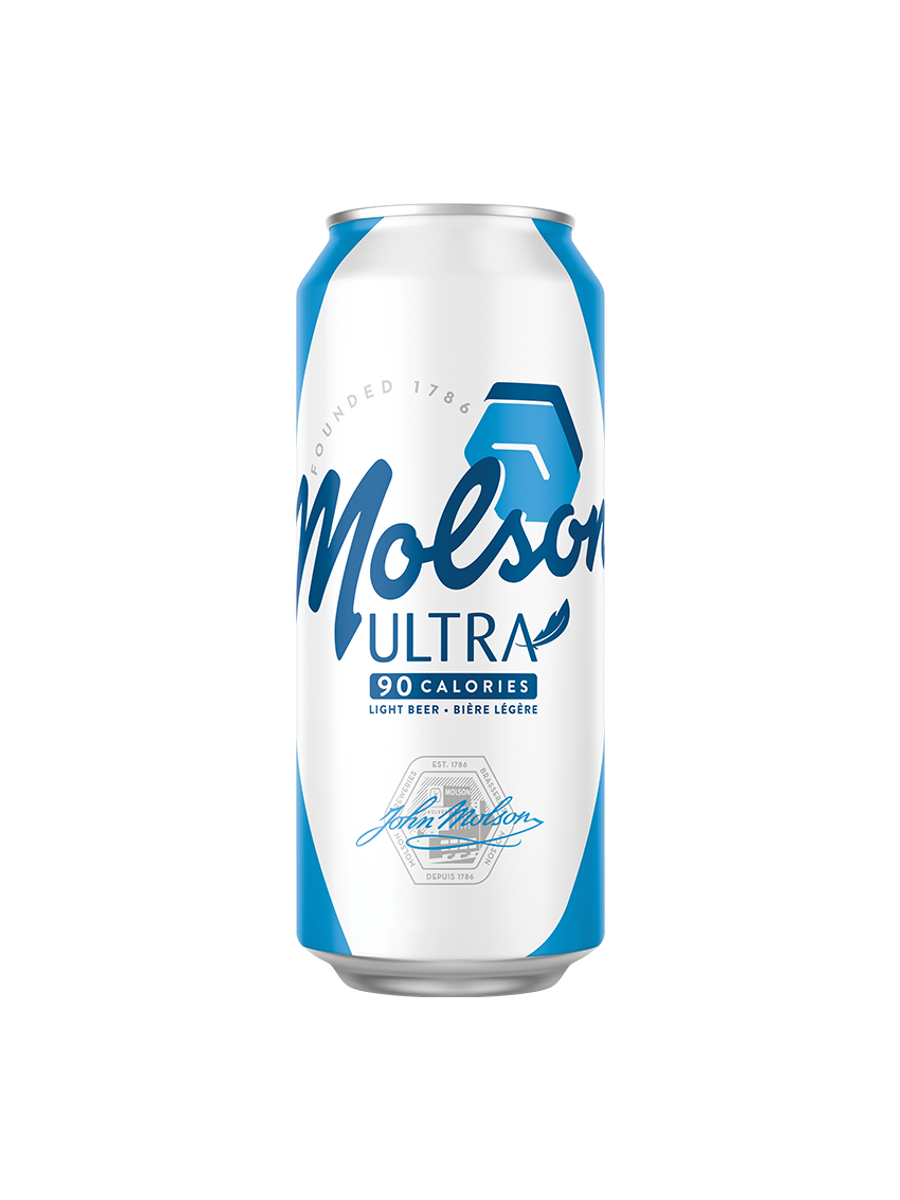
Molson Ultra
Brewed by Molson Coors Canada
70 calories: very lean and clean with mild grain and high carbonation.
BAR NOTES
Molson Ultra earns its place at 3.0% because it presents very lean and clean with mild grain and high carbonation. The lean finish is deliberate, making cold storage, a clean glass, and lively carbonation especially important to how the beer presents.
A cold can is convenient, but a clean glass reveals aroma and carbonation. Pair the crisp finish with fried food, seafood, or a simple burger. Continue with HBA’s low-calorie beer roundup to compare the style at other strengths and see what this brewer preserved.
Kirin Light
Brewed by Kirin Brewery Company
95 calories: delicate and dry with a faint rice character and restrained bitterness.
BAR NOTES
Kirin Light earns its place at 3.3% because it presents delicate and dry with a faint rice character and restrained bitterness. This belongs here as a practical low-ABV lager whose strength is printed plainly, even if its flavor goal is refreshment rather than complexity.
Serve it cold in a narrow pilsner glass with grilled food, pizza, or salty snacks. A spotless glass protects the foam and carbonation that give the lean body structure. Continue with HBA’s light beer roundup to compare the style at other strengths and see what this brewer preserved.
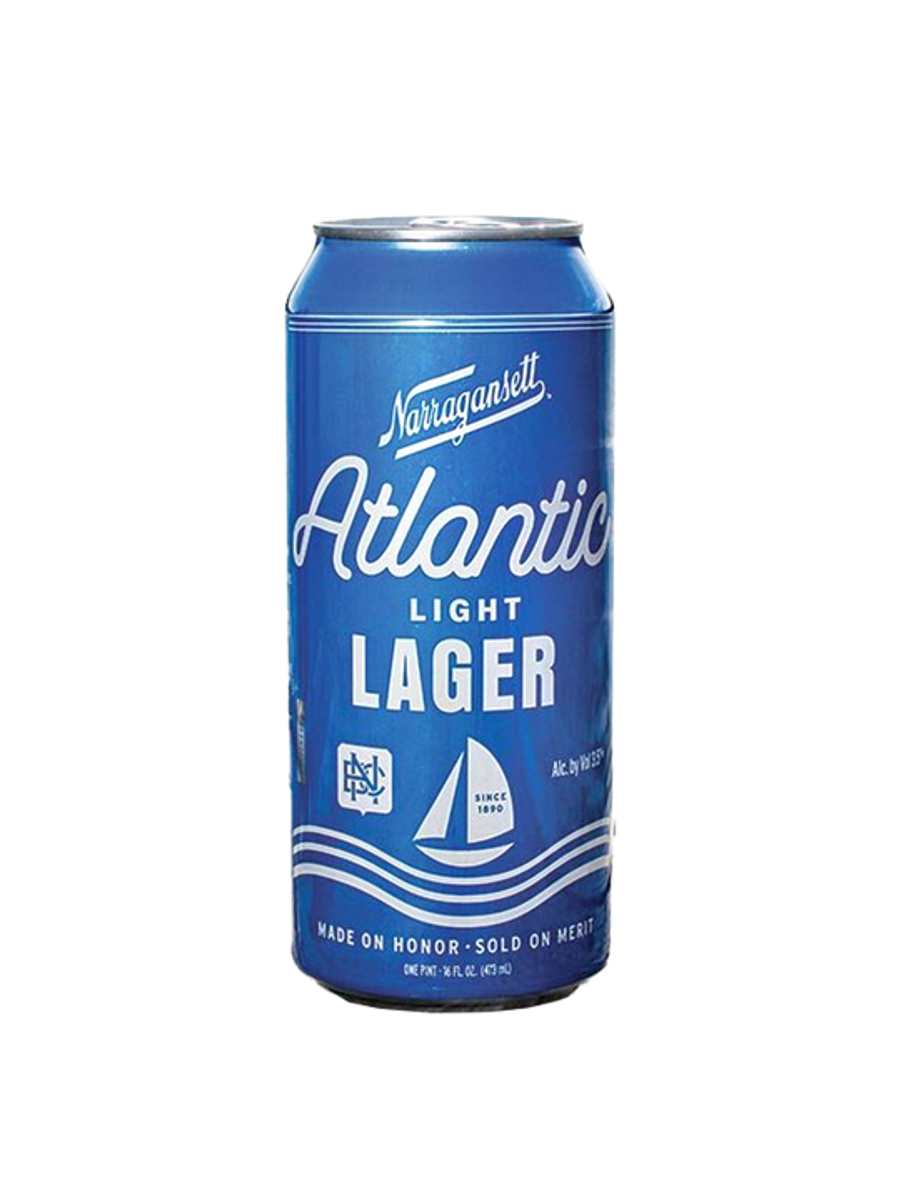
Narragansett Atlantic Light
Brewed by Narragansett Brewing Company
90 calories: crisp and coastal-friendly with light grain, gentle hops, and a dry finish.
BAR NOTES
Narragansett Atlantic Light earns its place at 3.5% because it presents crisp and coastal-friendly with light grain, gentle hops, and a dry finish. Light body does not excuse fermentation flaws, so the value lies in a clean, quick finish with enough grain character to remain beer-like.
The package date and cold chain matter because there is little roast, fruit, or alcohol to cover oxidation. Choose the freshest cold package available. Continue with HBA’s lager guide to compare the style at other strengths and see what this brewer preserved.
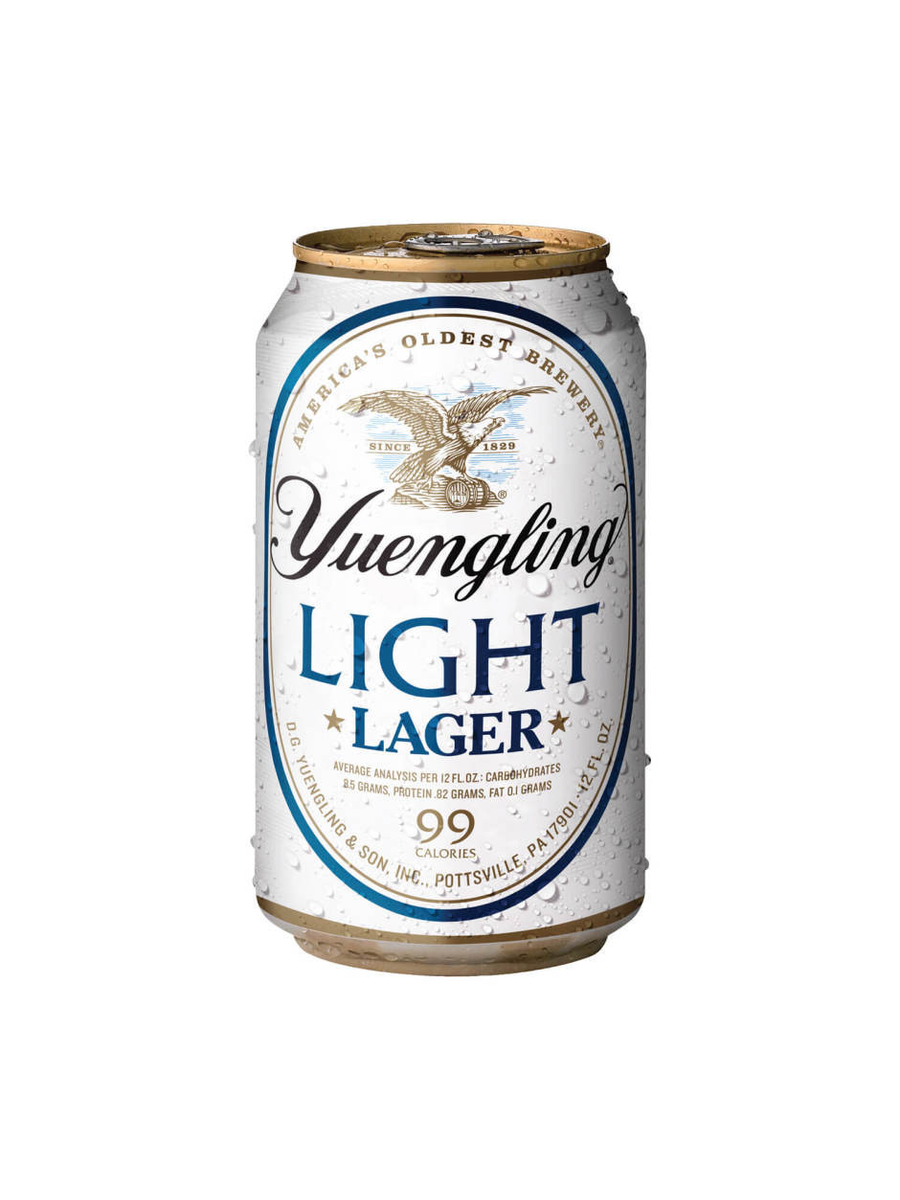
Yuengling Light Lager
Brewed by D. G. Yuengling & Son
99 calories: toastier and more amber-colored than the category norm, with caramel malt and a dry close.
BAR NOTES
Yuengling Light Lager earns its place at 3.8% because it presents toastier and more amber-colored than the category norm, with caramel malt and a dry close. At this strength, clean fermentation matters more than novelty; pale grain, restrained hops, and crisp carbonation must carry the entire experience.
A cold can is convenient, but a clean glass reveals aroma and carbonation. Pair the crisp finish with fried food, seafood, or a simple burger. Continue with HBA’s low-calorie beer roundup to compare the style at other strengths and see what this brewer preserved.
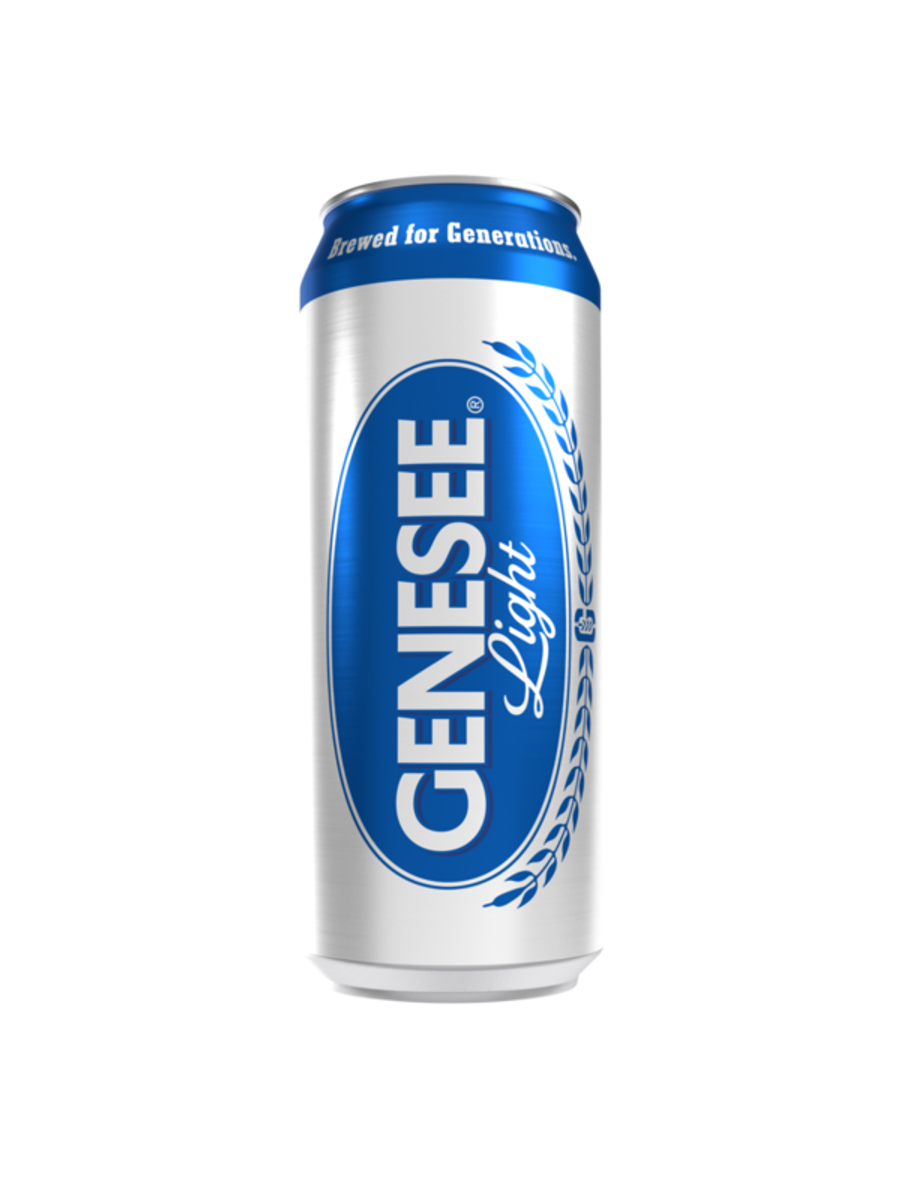
Genesee Light
Brewed by Genesee Brewing Company
100 calories: straightforward and grainy with lively bubbles and a clean finish.
BAR NOTES
Genesee Light earns its place at 3.6% because it presents straightforward and grainy with lively bubbles and a clean finish. The lean finish is deliberate, making cold storage, a clean glass, and lively carbonation especially important to how the beer presents.
Serve it cold in a narrow pilsner glass with grilled food, pizza, or salty snacks. A spotless glass protects the foam and carbonation that give the lean body structure. Continue with HBA’s light beer roundup to compare the style at other strengths and see what this brewer preserved.
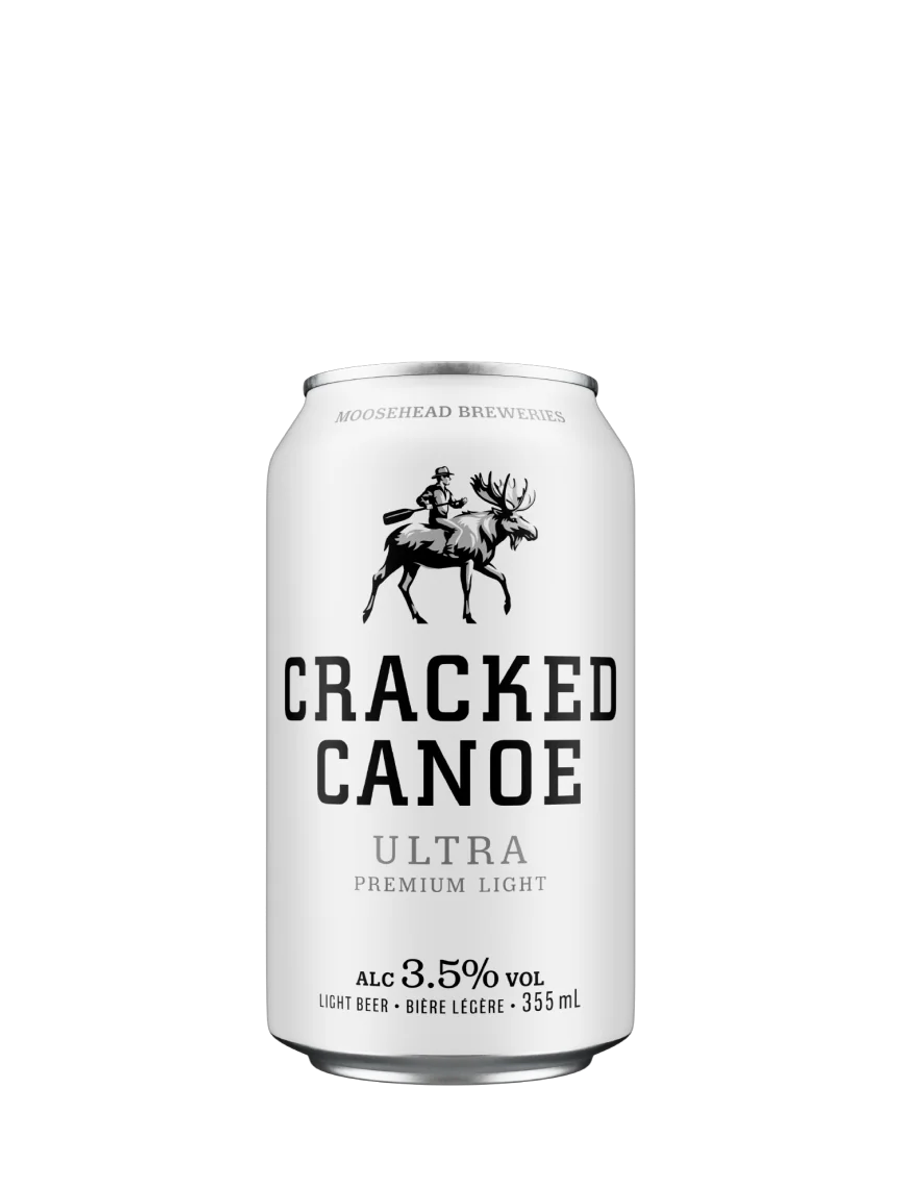
Cracked Canoe
Brewed by Moosehead Breweries
90 calories: clean and lightly malty with subtle hops and a crisp Canadian lager finish.
BAR NOTES
Cracked Canoe earns its place at 3.5% because it presents clean and lightly malty with subtle hops and a crisp Canadian lager finish. This belongs here as a practical low-ABV lager whose strength is printed plainly, even if its flavor goal is refreshment rather than complexity.
The package date and cold chain matter because there is little roast, fruit, or alcohol to cover oxidation. Choose the freshest cold package available. Continue with HBA’s lager guide to compare the style at other strengths and see what this brewer preserved.
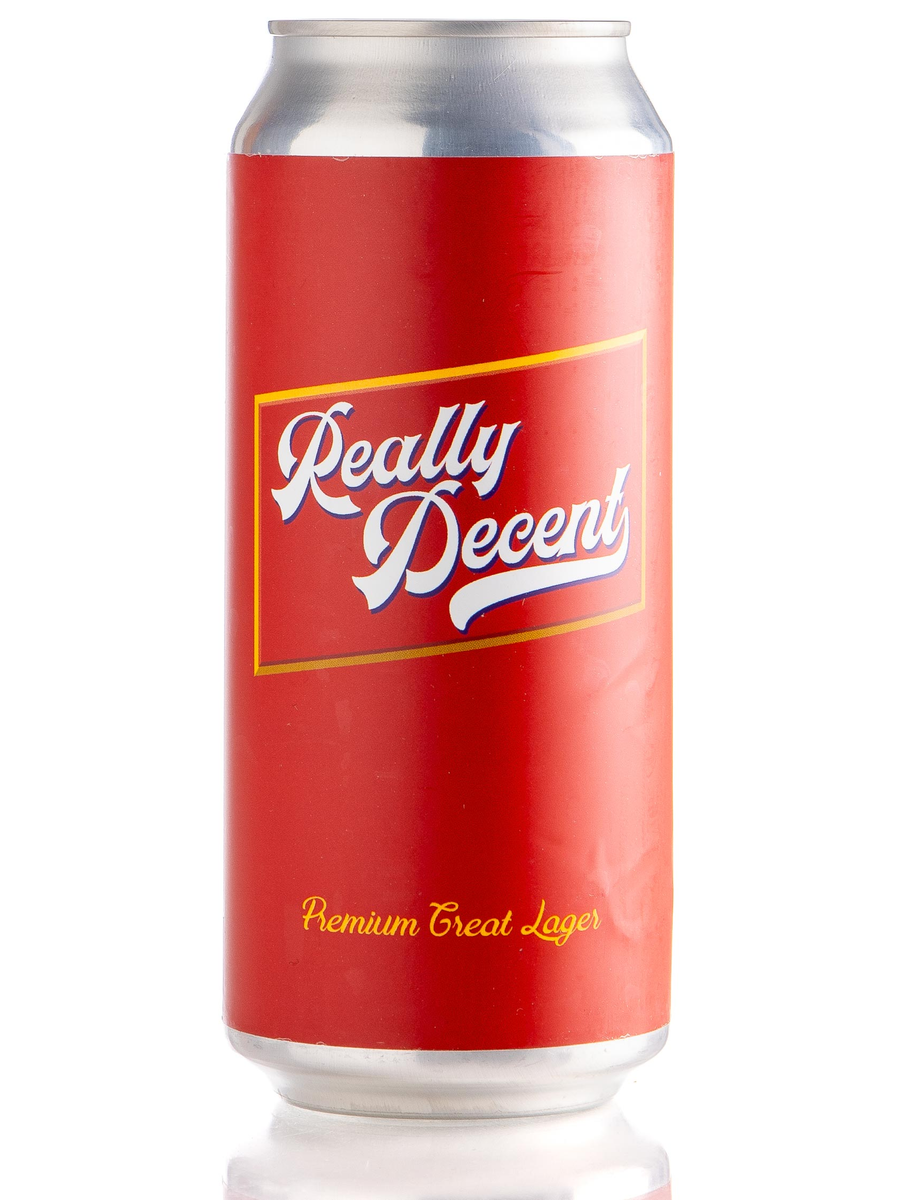
Really Decent
Brewed by Werk Force Brewing Co.
100 calories: fresh and snappy with soft grain, low bitterness, and craft-lager cleanliness.
BAR NOTES
Really Decent earns its place at 4.0% because it presents fresh and snappy with soft grain, low bitterness, and craft-lager cleanliness. Light body does not excuse fermentation flaws, so the value lies in a clean, quick finish with enough grain character to remain beer-like.
A cold can is convenient, but a clean glass reveals aroma and carbonation. Pair the crisp finish with fried food, seafood, or a simple burger. Continue with HBA’s low-calorie beer roundup to compare the style at other strengths and see what this brewer preserved.
How to shop for low-alcohol beer
Start with the flavor you actually want, then use ABV as a boundary. Hop-forward and alcohol-free beer benefits especially from fresh stock and refrigeration. Radler should still show a beer base. Small saisons need dryness and fermentation character. Light lager lives or dies on cleanliness, foam, and carbonation.
Check the package rather than assuming a familiar brand is identical everywhere. Recipes, seasonal releases, package sizes, and regional formulations can change. If avoiding alcohol completely matters, choose a product labeled 0.0% and confirm the current label instead of treating every “non-alcoholic” beer as zero.
Frequently Asked Questions
What counts as a low-alcohol beer?
There is no single universal cutoff. For this guide, low-alcohol beer means 4.5% ABV or below, including 0.0% and under-0.5% products as a clearly identified alcohol-free lane.
Is low-alcohol beer the same as non-alcoholic beer?
No. Non-alcoholic beer is normally 0.0% or below 0.5% ABV depending on the product and labeling rules. Low-alcohol beer can contain substantially more alcohol, including the 2% to 4.5% beers in this list.
Does lower ABV always mean fewer calories?
No. Alcohol contributes calories, but residual carbohydrate, sugar, fruit juice, and serving size also matter. A sweet radler may have less alcohol than a dry light lager while still carrying more calories or carbohydrate.
Can low-alcohol beer still impair you?
Yes. Any beer containing alcohol can contribute to impairment. The total depends on ABV, serving size, number of drinks, drinking pace, and individual factors; low alcohol does not mean no alcohol.
Why do some session beers taste thin?
Alcohol, malt extract, and residual dextrins all contribute body. If a recipe only removes fermentable material without rebuilding texture, aroma, bitterness, and carbonation around the lower gravity, the finished beer can feel watery or harsh.
What glass should I use for low-alcohol beer?
Use the glass that suits the underlying style: a tulip for saison or hoppy ale, a pilsner glass for lager or radler, a wheat-beer glass for hefeweizen, and a stout glass or nonic pint for dark beer.
Keep Drinking Lower Without Flattening the Flavor
Low-alcohol beer opens several different paths: alcohol-free brewing, citrus-cut radler, farmhouse table beer, session-strength hops, and crisp lager. Follow the lane that tasted most convincing, or use the brewing tools to design your own.
DRINK DEEPER
BREW IT YOURSELF

better beer.