10 Best Grodziskie Beers: Poland’s Smoky Champagne
Grodziskie is the rare smoked beer that should feel more like sparkling refreshment than a campfire meal. The historical Polish ale combines oak-smoked wheat malt, firm hop bitterness, very low alcohol, brilliant clarity and vigorous carbonation. The classic result is pale, dry, crisp and smoky without becoming heavy.
This guide ranks 10 genuine Grodziskie beers and clearly labeled modern interpretations. It does not pad the list with Berliner Weisse, rauchbier or generic smoked lager. Those are useful comparisons, but they are different styles. Start with HBA’s smoked beer guide if you want the wider family.
Traditional examples sit near 2.5–3.3% ABV and are not sour. The final three beers deliberately move beyond that center through stronger alcohol, fruit, mixed fermentation or barrel aging; each is labeled as a variation rather than passed off as the historical original.
How we ranked the best Grodziskie
Historical fidelity leads: oak-smoked wheat, low gravity, clean fermentation, firm bitterness, high carbonation and a dry finish. We then considered execution, educational value, availability and whether a modern variation still reveals the style beneath its additions. That is why the hometown Polish revival ranks first and the barrel-aged 11.25% experiment ranks last.
The 10 best Grodziskie beers
Traditional and Revival Grodziskie
The opening five stay closest to the classic idea: pale smoked wheat, restrained alcohol, brisk bitterness and explosive carbonation. Packaging dates and regional release schedules matter because these are delicate beers, not long-aging trophies.
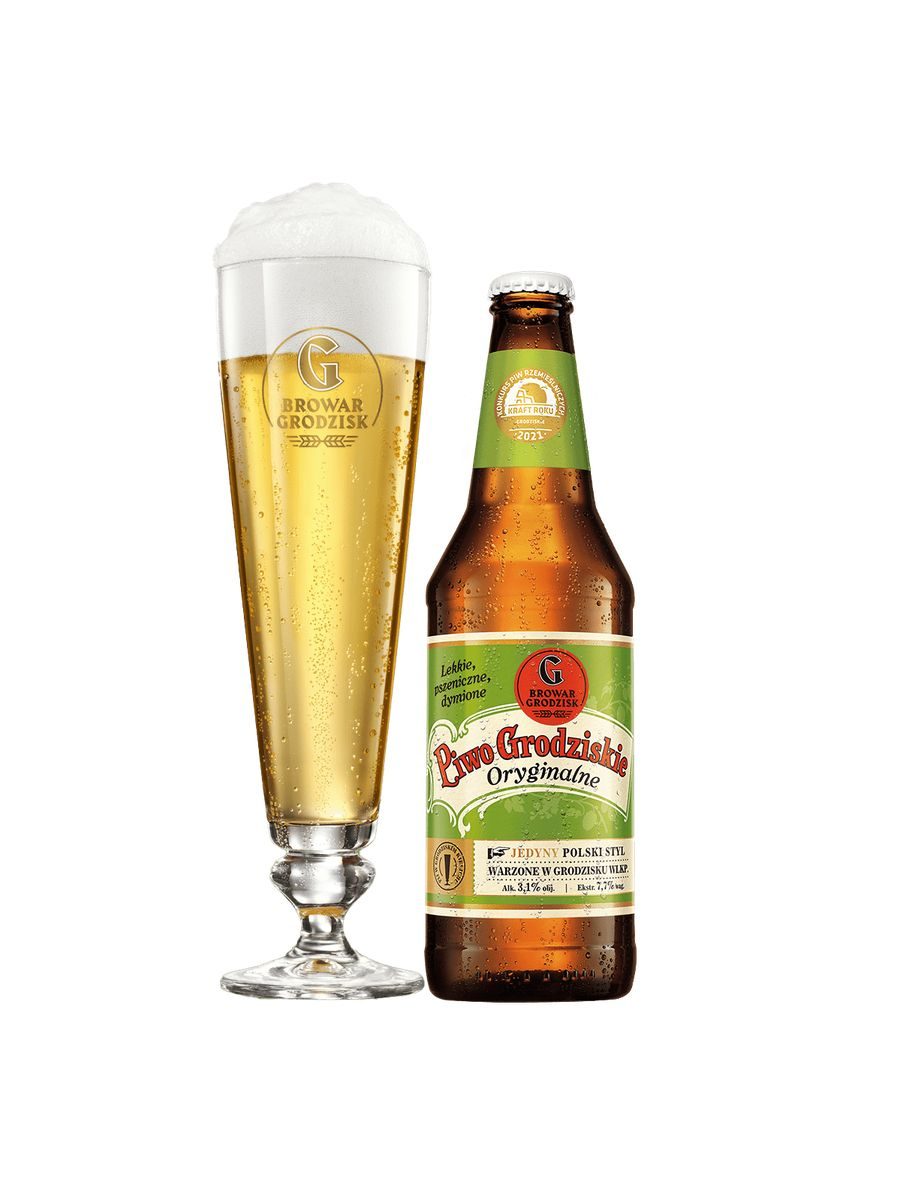
Piwo z Grodziska
Brewed by Browar Grodzisk
Pale wheat, clean oak smoke, herbal hops and a bone-dry sparkling finish.
BAR NOTES
Piwo z Grodziska earns rank #1 with pale wheat, clean oak smoke, herbal hops and a bone-dry sparkling finish. The hometown revival is the useful lens: it shows either the historical center of Grodziskie or one clearly disclosed direction the style can travel.
This is the essential reference because it is brewed in the style’s hometown with local water, traditional yeast, oak-smoked wheat malt and Tomyski hops. Continue with HBA’s Polish beer ranking for the neighboring styles and traditions, and confirm the current release because many Grodziskie beers are seasonal or taproom-only.
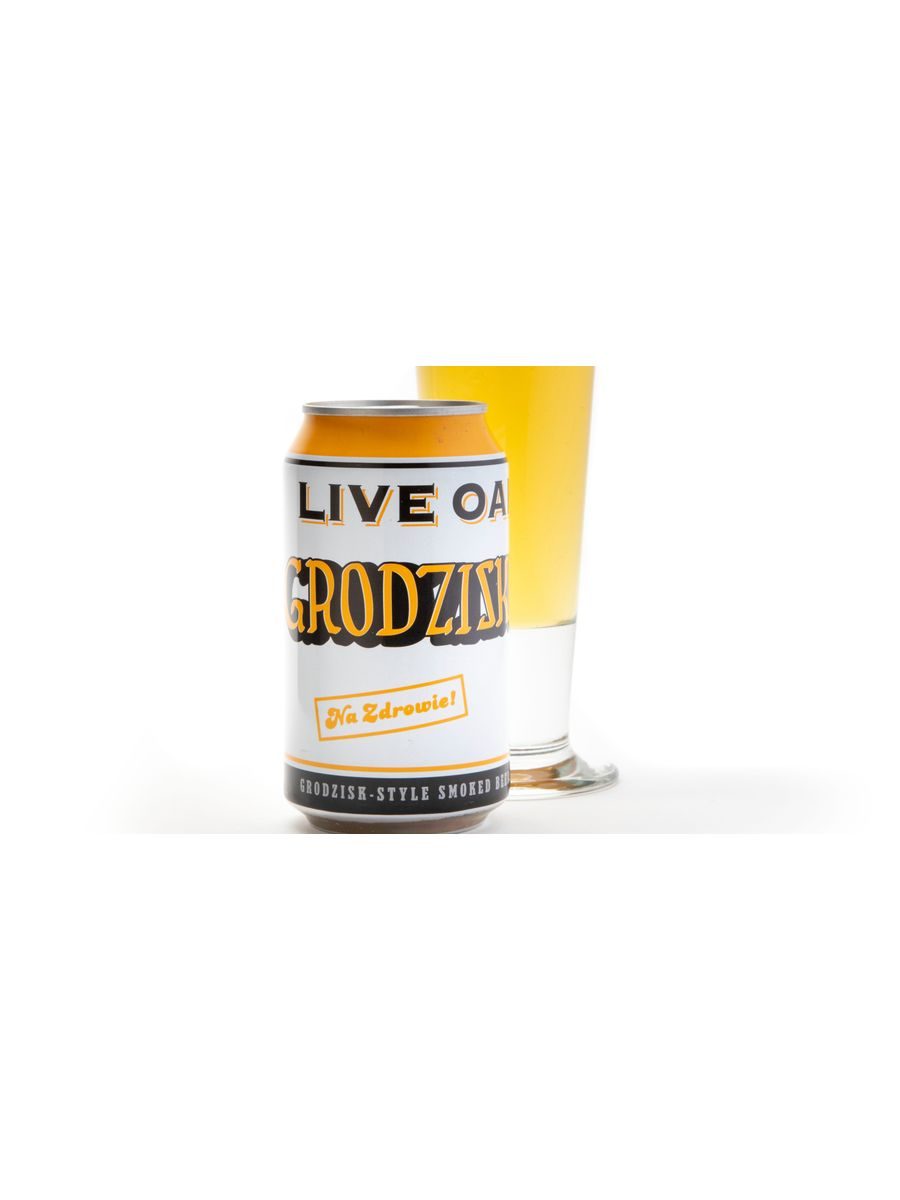
Live Oak Grodziskie
Brewed by Live Oak Brewing Company
Oak smoke, herbal Saaz and crisp wheat carried by forceful carbonation.
BAR NOTES
Live Oak Grodziskie earns rank #2 with oak smoke, herbal Saaz and crisp wheat carried by forceful carbonation. American benchmark is the useful lens: it shows either the historical center of Grodziskie or one clearly disclosed direction the style can travel.
Live Oak treats the beer as a serious historical reconstruction rather than a novelty smoke bomb. A tall glass lets the clarity and huge foam stand do their work. Continue with HBA’s smoked beer guide for the neighboring styles and traditions, and confirm the current release because many Grodziskie beers are seasonal or taproom-only.
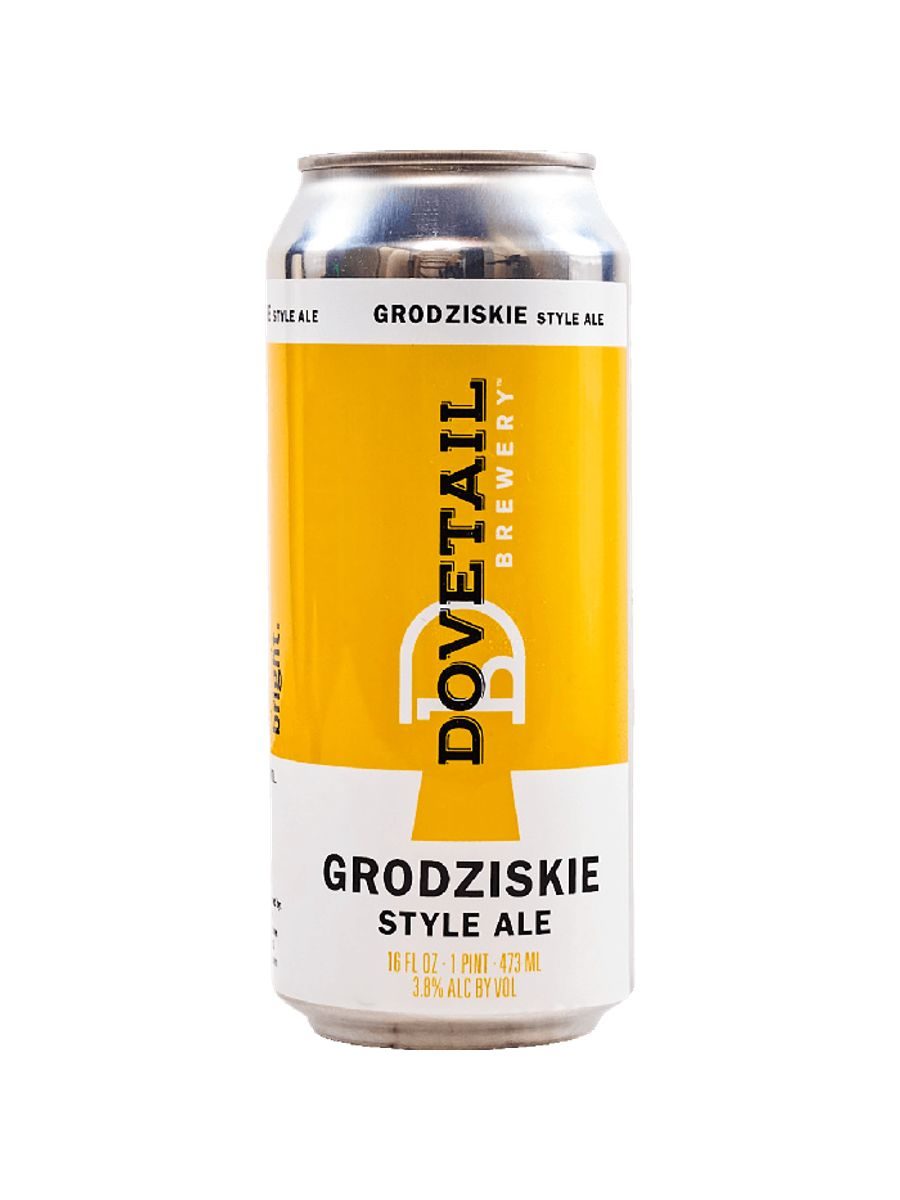
Dovetail Grodziskie
Brewed by Dovetail Brewery
Light citrus, spice and measured smoke in a bright, refreshing body.
BAR NOTES
Dovetail Grodziskie earns rank #3 with light citrus, spice and measured smoke in a bright, refreshing body. Continental-method specialist is the useful lens: it shows either the historical center of Grodziskie or one clearly disclosed direction the style can travel.
Dovetail’s focus on continental methods shows in the restraint: smoke frames the grain and fermentation instead of burying them. Serve it cold with a pretzel or sausage. Continue with HBA’s rauchbier ranking for the neighboring styles and traditions, and confirm the current release because many Grodziskie beers are seasonal or taproom-only.
What makes Grodziskie different from rauchbier?
Classic Grodziskie is a top-fermented, low-gravity wheat beer built around oak-smoked wheat and high carbonation. Bamberg rauchbier is usually a fuller barley-malt lager smoked over beechwood. Both can taste smoky, but grain, fermentation, strength and texture point in different directions. Compare the best rauchbiers without collapsing the two traditions.

Trzech Kumpli Grodziskie
Brewed by Browar Trzech Kumpli
Noble wood smoke, wheat, gentle acidity and a lively dry close.
BAR NOTES
Trzech Kumpli Grodziskie earns rank #4 with noble wood smoke, wheat, gentle acidity and a lively dry close. Polish craft revival is the useful lens: it shows either the historical center of Grodziskie or one clearly disclosed direction the style can travel.
The brewery smokes its own malt and uses Tomyski hops. Its 20 IBU sounds modest, but low gravity makes the bitterness feel firmer and more cleansing. Continue with HBA’s Polish beer ranking for the neighboring styles and traditions, and confirm the current release because many Grodziskie beers are seasonal or taproom-only.
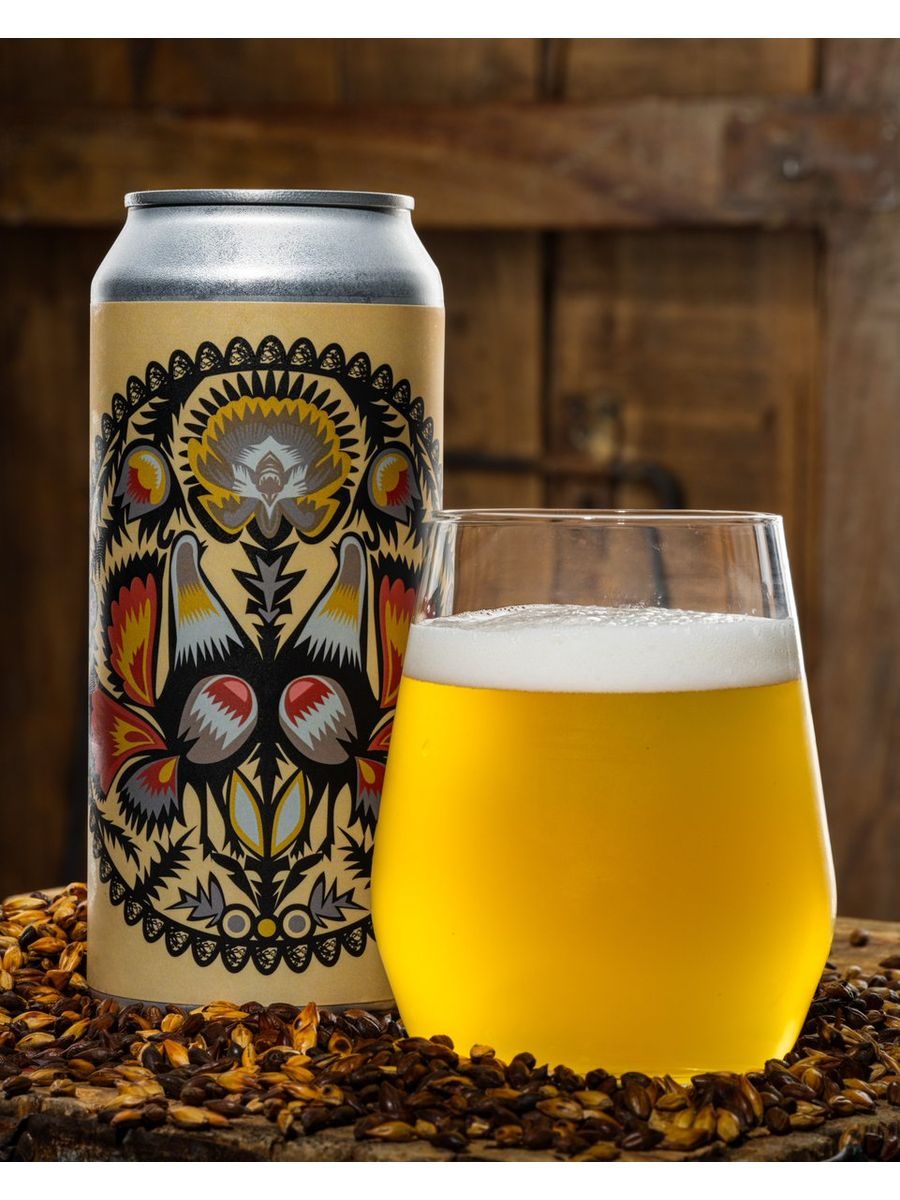
Wycinanki
Brewed by Tree House Brewing Company
Smoked wheat, Polish-grown Lubelski hops and a vivid, highly carbonated pour.
BAR NOTES
Wycinanki earns rank #5 with smoked wheat, Polish-grown Lubelski hops and a vivid, highly carbonated pour. Hazy-IPA giant goes historical is the useful lens: it shows either the historical center of Grodziskie or one clearly disclosed direction the style can travel.
The folk-art name refers to Polish paper cutting, while the recipe points back to smoked wheat and Lubelski hops. Availability is brewery-release driven, so check the current menu. Continue with HBA’s unique beer style guide for the neighboring styles and traditions, and confirm the current release because many Grodziskie beers are seasonal or taproom-only.
Grodziskie should not be sour
The classic beer can seem lightly sharp because it is dry, bitter, highly carbonated and made from wheat, but intentional lactic sourness is outside the historical profile. Lichtenhainer is the better comparison when smoke and tartness arrive together. HBA’s Lichtenhainer guide explains that neighboring German tradition.
Modern, Fruited and Barrel-Aged Interpretations
The closing five widen the lens. Modern hops, local smoked malt, raspberry, mixed fermentation and bourbon barrels show the style’s influence—but the departures are identified honestly instead of quietly redefining Grodziskie.
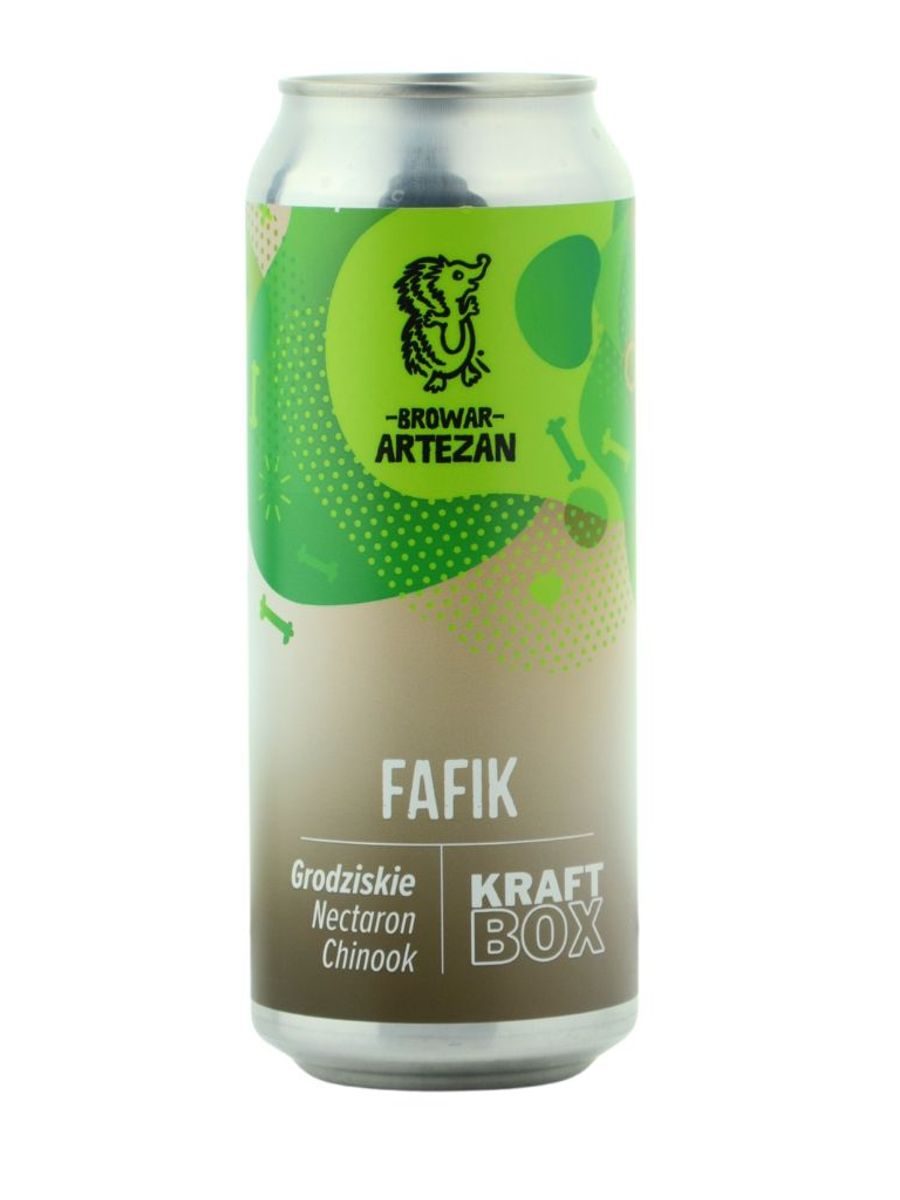
Fafik
Brewed by Browar Artezan
Wood smoke, wheat and brighter Nectaron-and-Chinook fruit over a featherweight base.
BAR NOTES
Fafik earns rank #6 with wood smoke, wheat and brighter Nectaron-and-Chinook fruit over a featherweight base. Modern Polish hop variation is the useful lens: it shows either the historical center of Grodziskie or one clearly disclosed direction the style can travel.
Fafik shows how contemporary hops can move the aroma toward fruit without deleting the style’s smoke-and-sparkle skeleton. Treat it as a variation, not the historical baseline. Continue with HBA’s Polish beer ranking for the neighboring styles and traditions, and confirm the current release because many Grodziskie beers are seasonal or taproom-only.
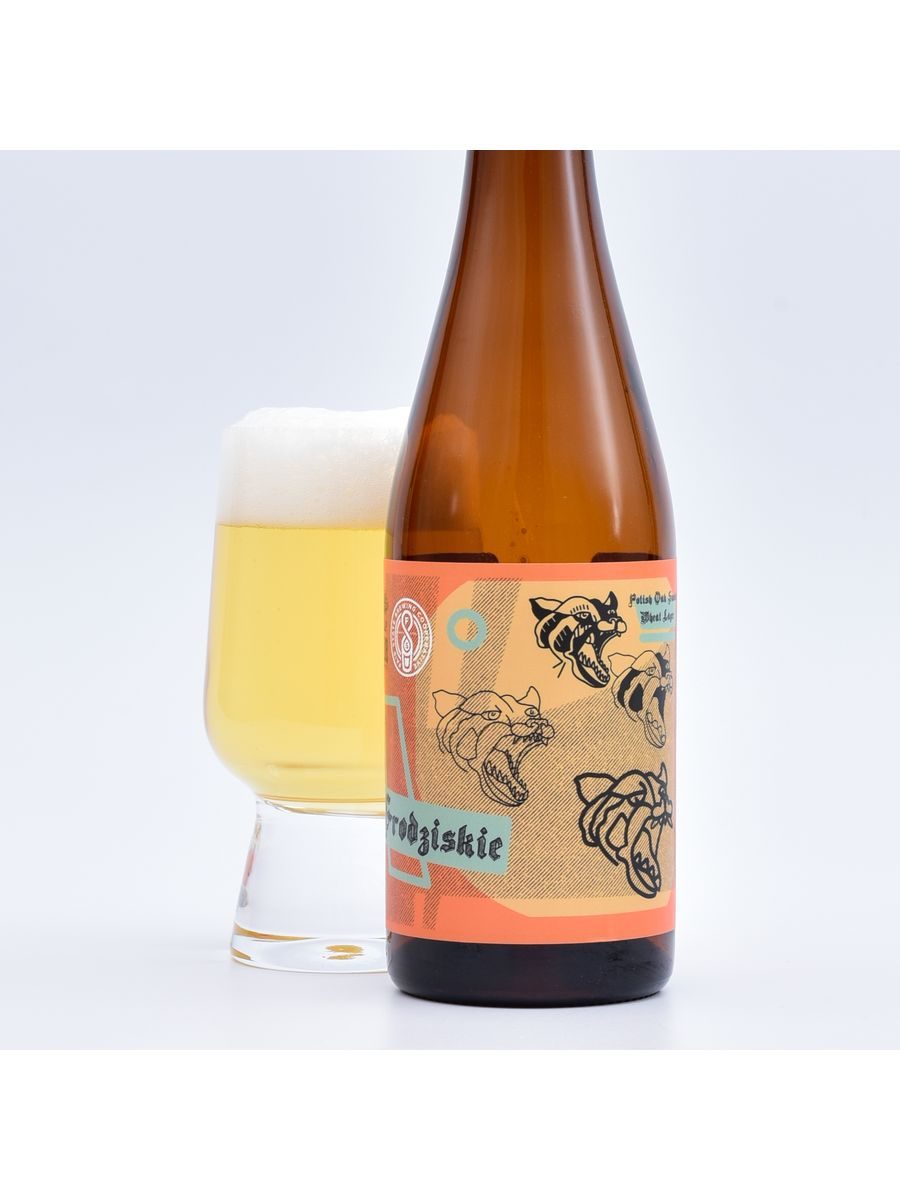
Grodziskie
Brewed by Fair State Brewing Cooperative × Lua Brewing
Oak-smoked wheat, light bitterness and lemony lift with champagne-like carbonation.
BAR NOTES
Grodziskie earns rank #7 with oak-smoked wheat, light bitterness and lemony lift with champagne-like carbonation. Collaborative American revival is the useful lens: it shows either the historical center of Grodziskie or one clearly disclosed direction the style can travel.
The Fair State and Lua collaboration keeps the alcohol tiny while preserving enough smoke and bitterness to feel complete. It belongs beside grilled sausage, not dessert. Continue with HBA’s smoked beer guide for the neighboring styles and traditions, and confirm the current release because many Grodziskie beers are seasonal or taproom-only.
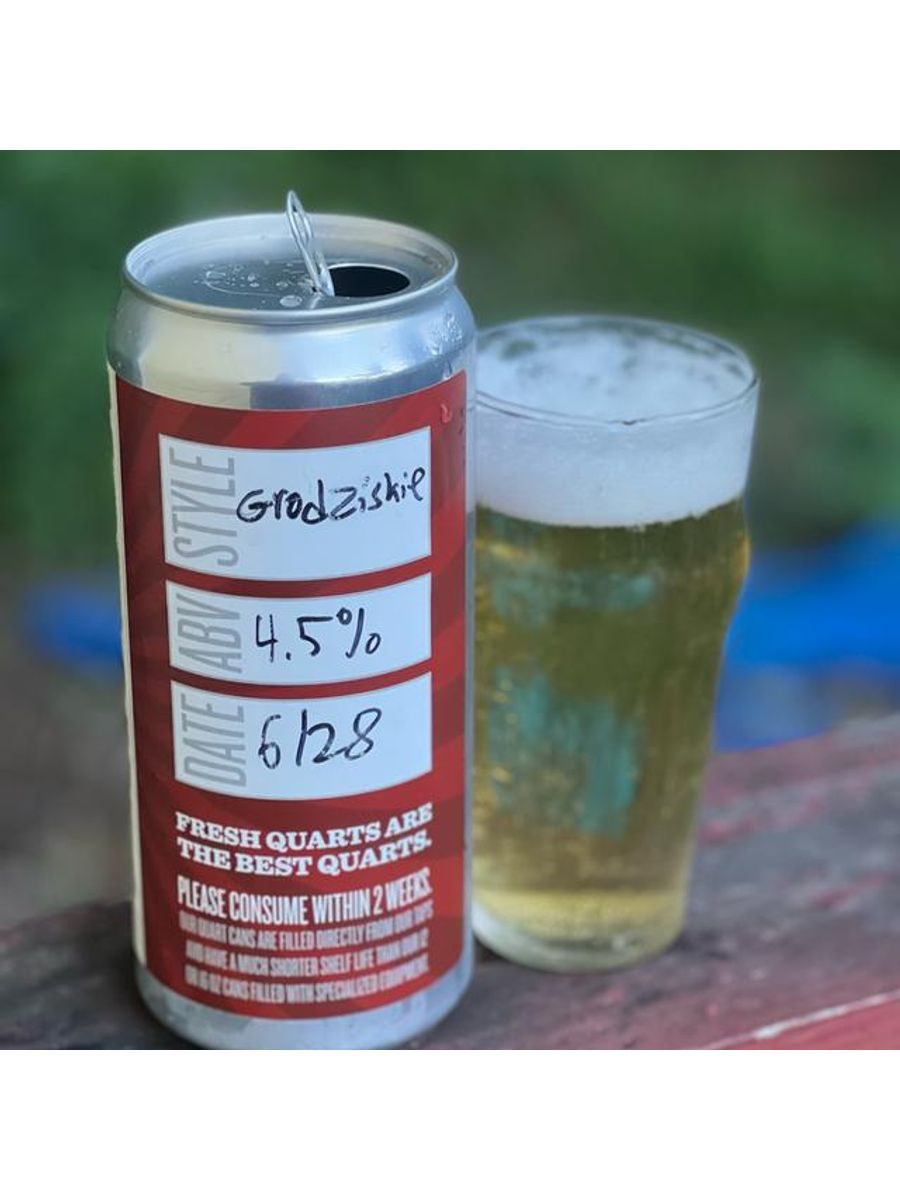
Grodziskie
Brewed by Notch Brewing
Oak-smoked wheat, Lubelski hops and a dry, lightly smoky finish.
BAR NOTES
Grodziskie earns rank #8 with oak-smoked wheat, Lubelski hops and a dry, lightly smoky finish. Fresh taproom interpretation is the useful lens: it shows either the historical center of Grodziskie or one clearly disclosed direction the style can travel.
Notch uses locally smoked wheat and treats freshness as part of the beer. Crowlers should be consumed promptly; high carbonation and delicate aroma are not cellar projects. Continue with HBA’s Lichtenhainer comparison for the neighboring styles and traditions, and confirm the current release because many Grodziskie beers are seasonal or taproom-only.
Why the “Polish Champagne” nickname fits
The nickname refers to visual and textural cues: brilliant pale color, towering white foam, fine bubbles and unusually high carbonation. Grodziskie is not brewed by the traditional Champagne method, and the phrase should not imply wine grapes or Champagne-region origin.
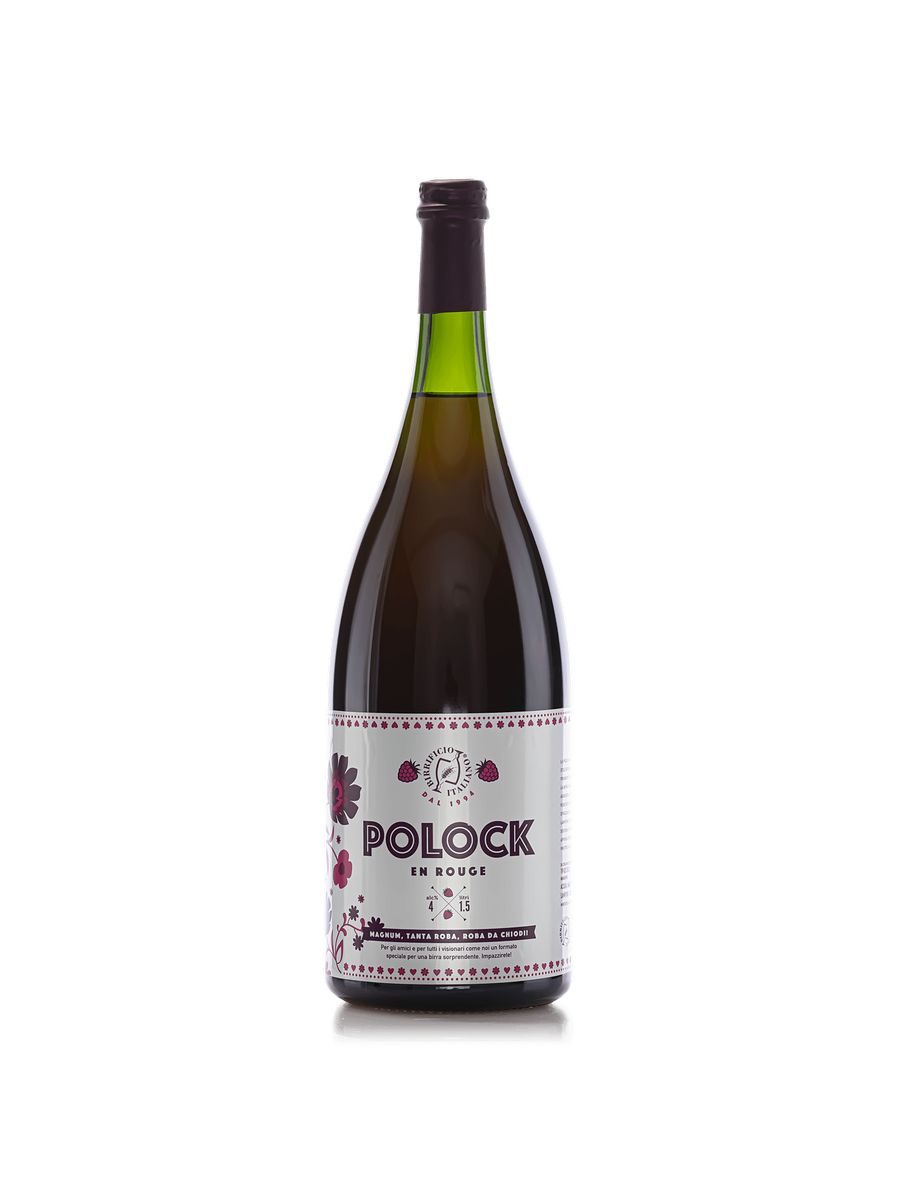
Polock en Rouge
Brewed by Birrificio Italiano
Raspberry acidity, oak, wheat and smoke in a pink mixed-fermentation beer.
BAR NOTES
Polock en Rouge earns rank #9 with raspberry acidity, oak, wheat and smoke in a pink mixed-fermentation beer. Raspberry-aged boundary pusher is the useful lens: it shows either the historical center of Grodziskie or one clearly disclosed direction the style can travel.
Birrificio Italiano clearly labels this as sour fruit Grodziskie. It is valuable precisely because it shows how far a brewer can move before leaving classic competition parameters. Continue with HBA’s fruited wheat beer ranking for the neighboring styles and traditions, and confirm the current release because many Grodziskie beers are seasonal or taproom-only.
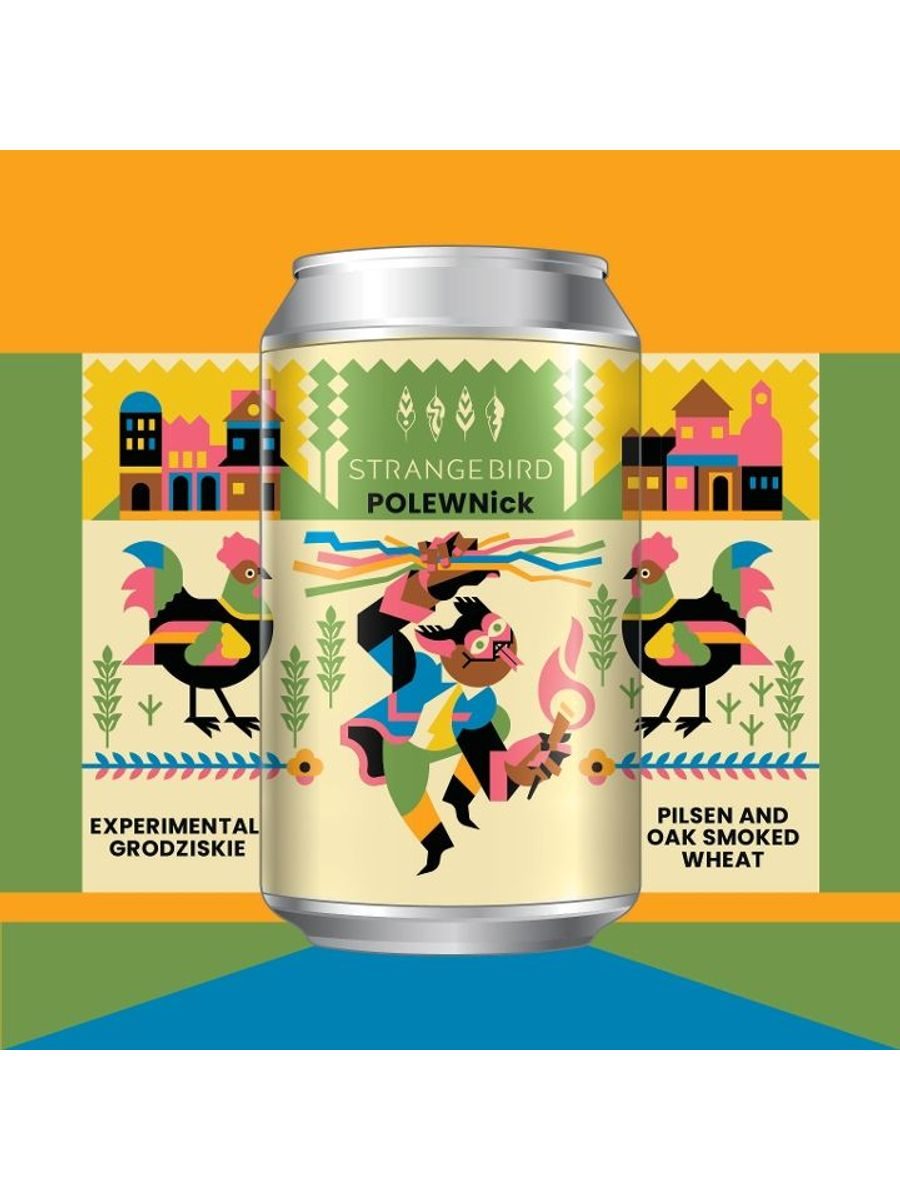
PolewNICK
Brewed by Strangebird
Bourbon, vanilla, honey and smoke in a deliberately strong experimental frame.
BAR NOTES
PolewNICK earns rank #10 with bourbon, vanilla, honey and smoke in a deliberately strong experimental frame. Imperial barrel-aged outlier is the useful lens: it shows either the historical center of Grodziskie or one clearly disclosed direction the style can travel.
At more than three times traditional strength, PolewNICK is not a style benchmark. It closes the list as an instructive outlier showing what barrel aging and gravity transform. Continue with HBA’s unique beer style guide for the neighboring styles and traditions, and confirm the current release because many Grodziskie beers are seasonal or taproom-only.
Grodziskie history: disappearance and revival
The style is tied to Grodzisk Wielkopolski in western Poland, known as Grätz during Prussian rule—hence the German name Grätzer. Brewing there developed over centuries, and the beer eventually traveled well beyond the town. Production ended in 1993, cutting the commercial line until Polish homebrewers, researchers and breweries helped revive it in the 2000s and 2010s.
That revival matters because Grodziskie is not merely “an old recipe.” It is a distinct Polish brewing identity built from smoked wheat, local water, Polish hops, specialized fermentation and conditioning practices. HBA’s 50 best Polish beers places it beside the country’s lager, Baltic porter and modern craft traditions.
How Grodziskie should taste
Look for pale yellow to medium gold color, excellent clarity, a dense white head and assertive carbonation. Smoke can range from gentle wood fire to more obvious oak, but should stay clean. Wheat grain, herbal or spicy hops, firm bitterness and a very dry finish keep the beer refreshing.
Classic versions are lean rather than watery. Their structure comes from carbonation, bitterness, smoke and fermentation—not residual sweetness or alcohol. Cloudiness, heavy caramel, clove-heavy weissbier fermentation, lactic sourness or greasy smoked-meat intensity can pull the glass away from the traditional target.
Serving and food pairing
Serve Grodziskie cold but not numb, around 40–45°F, in a tall narrow glass with generous headspace. Pour carefully because the carbonation is intentionally aggressive. The tall foam stand carries smoke and hops while the narrow shape makes the beer’s clarity and persistent bubbles easy to see.
The style is excellent with grilled kielbasa, smoked trout, roast chicken, pierogi, sharp mustard, pretzels and salty cheese. High carbonation cuts fat, bitterness resets the palate and oak smoke echoes browned food. Skip very sweet desserts, which can make a dry low-gravity beer seem thin or sharply bitter.
Brewing Grodziskie at home
A traditional design starts with oak-smoked wheat malt, modest original gravity, Polish or noble-type hops, clean ale fermentation and very high carbonation. Wheat-heavy grists can lauter poorly, so rice hulls and a deliberate mash schedule help. The smoke should come from proper smoked malt—not liquid smoke.
Packaging is the dangerous part to improvise. High carbonation requires pressure-rated bottles, accurate priming calculations, stable final gravity and sound process control. Use HBA’s Piwo Grodziskie brewing guide as the starting framework rather than guessing at bottle pressure.
Frequently Asked Questions
How do you pronounce Grodziskie?
A useful English approximation is “grow-JEES-kee-uh.” Piwo means beer, so Piwo Grodziskie means beer from Grodzisk.
Is Grodziskie a wheat beer?
Yes. Traditional Grodziskie is built around oak-smoked wheat malt, historically often at or near 100% of the grist.
Is Grodziskie sour?
Classic Grodziskie is not sour. Dryness, high carbonation and firm bitterness can feel sharp, but intentional lactic acidity belongs more naturally to Lichtenhainer or a labeled modern variation.
Why is Grodziskie smoky?
The wheat malt is dried over oak smoke, which preserves the pale color while adding a distinctive clean wood-smoke aroma and flavor.
How strong is Grodziskie?
The historical style is very light, usually around 2.5–3.3% ABV. Stronger, fruited and barrel-aged versions are modern interpretations.
Is Grodziskie the same as Grätzer?
They refer to the same core style. Grätzer is the German-language name associated with the period when Grodzisk Wielkopolski was called Grätz.
What glass should I use?
A tall, narrow conical or pilsner-like glass leaves room for the large white head and displays the beer’s clarity and streams of carbonation.
Keep the Smoke Light and the Glass Lively
Grodziskie sits where Polish history, oak smoke, wheat and sparkling refreshment meet. Follow the smoke into neighboring traditions or brew the original idea yourself.
DRINK DEEPER
BREW IT YOURSELF

better beer.