10 Best Dunkelweizens to Drink in 2026
The best dunkel weizens taste like banana bread learned restraint: expressive Bavarian wheat yeast, toasted malt and huge carbonation without stout roast or syrupy dessert weight. They run from amber-copper to deep brown, but the defining move is always the same—classic wheat fermentation wrapped in darker grain.
This focused Top 10 stays inside that lane. No clean-fermented Munich Dunkel lagers, no high-gravity Weizenbocks and no generic brown ales are here to inflate the count.
The quick answer
Weihenstephaner Hefeweissbier Dunkel is the best dunkel weizen overall for its effortless balance of banana, clove, toasted bread and drinkability. Ayinger Urweisse is the richer old-Bavarian pick, Schneider TAP7 owns the amber boundary, and Erdinger Dunkel is the smooth crowd-pleaser.
The 10 best dunkel weizens
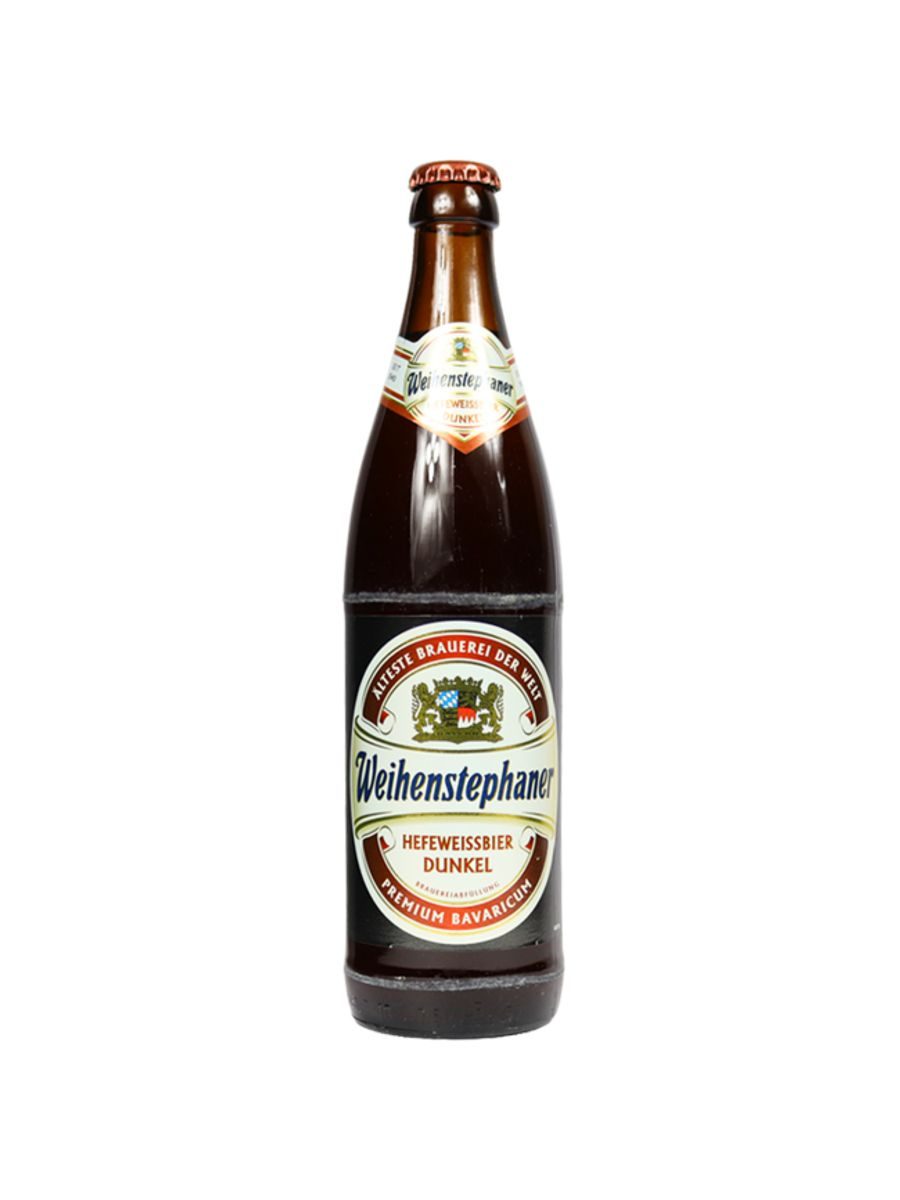
Weihenstephaner Hefeweissbier Dunkel
Brewed by Bayerische Staatsbrauerei Weihenstephan
The reference glass: banana, clove and lively wheat fermentation wrapped around toasted bread, caramel and a dry enough finish to keep every sip moving.
BAR NOTES
Weihenstephaner makes the style’s central trick look effortless. Dark malt supplies brown bread, caramel and a faint cocoa suggestion, but classic wheat-beer yeast still drives the aroma with banana, clove and restrained vanilla.
Pour the full bottle at 44–48°F into a tall wheat glass, rolling the final ounce to lift the yeast. Roast pork, sausages, mushroom dishes and nutty Alpine cheese fit its bread-and-spice profile.
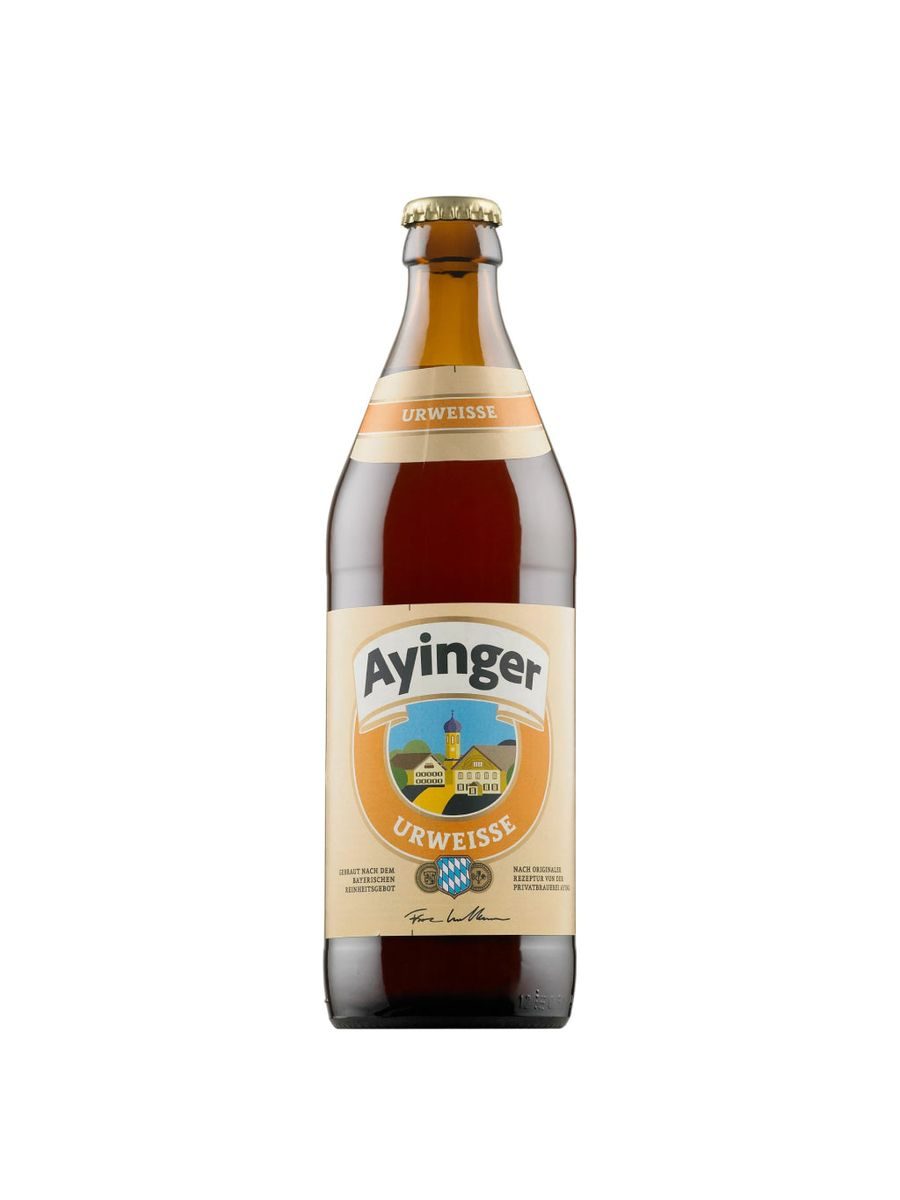
Ayinger Urweisse
Brewed by Ayinger Privatbrauerei
Deep amber rather than black, with apple, banana, clove and toasted malt arranged in a dry, highly carbonated old-Bavarian wheat beer.
BAR NOTES
Urweisse means original or traditional wheat, and Ayinger uses the name well: this is an amber, yeast-clouded beer with more malt depth than a pale hefeweizen but none of a stout’s roast.
At 5.8% it carries a little more warmth than most of this list. Serve around 46–50°F with roast chicken, schnitzel, smoked ham or apple-and-pork dishes that echo its fruit and toast.
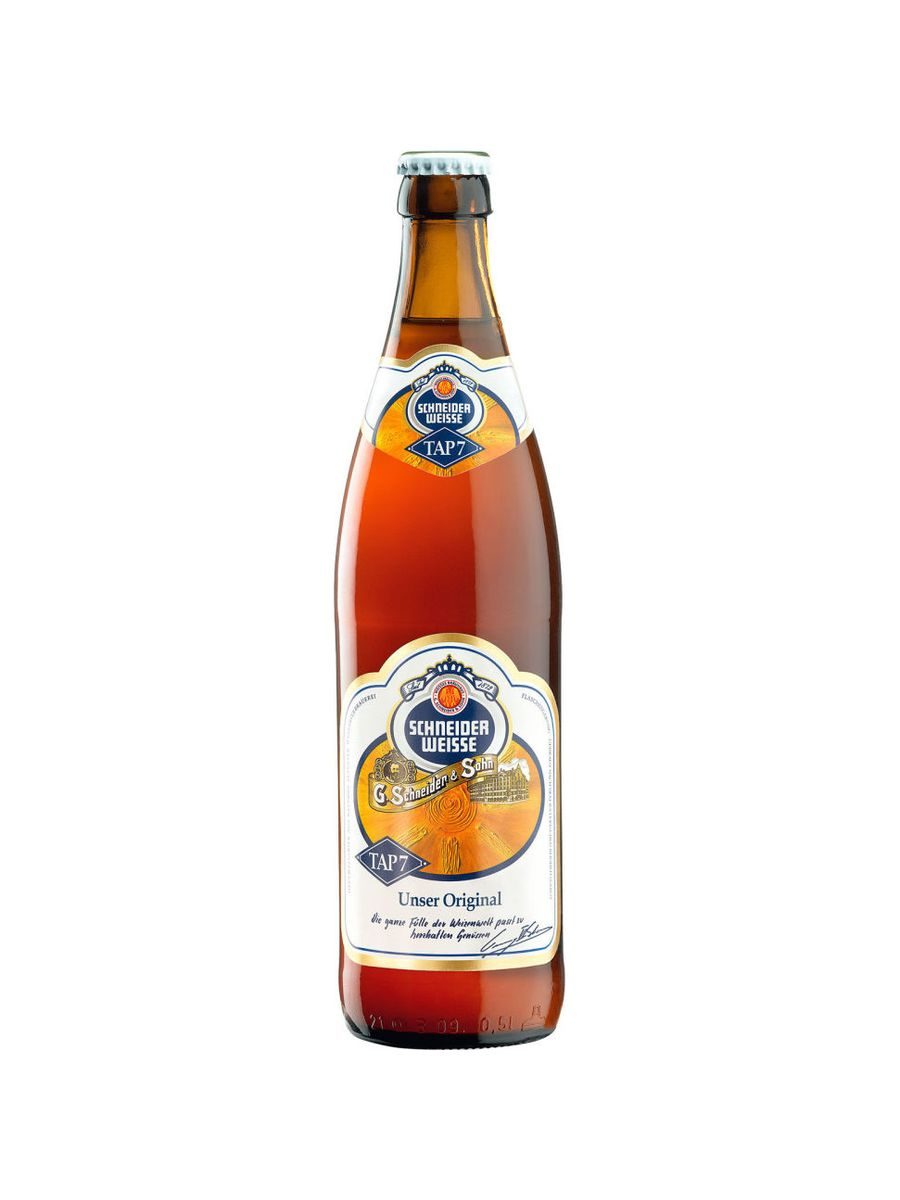
Schneider Weisse TAP7 Mein Original
Brewed by Schneider Weisse
A copper-brown boundary classic whose banana, clove, nutmeg and dried-fruit notes show why dark wheat beer is a spectrum, not a paint swatch.
BAR NOTES
TAP7 sits at the amber edge of dunkel weizen, but its historical weight and malt depth make it indispensable here. Schneider traces the recipe to the brewery’s founding era and keeps fermentation character firmly in charge.
Let it rise toward 48–52°F so the dark fruit and spice open up. Weisswurst, roast pork, washed-rind cheese and pretzels all work; avoid chocolate desserts that exaggerate its residual sweetness.
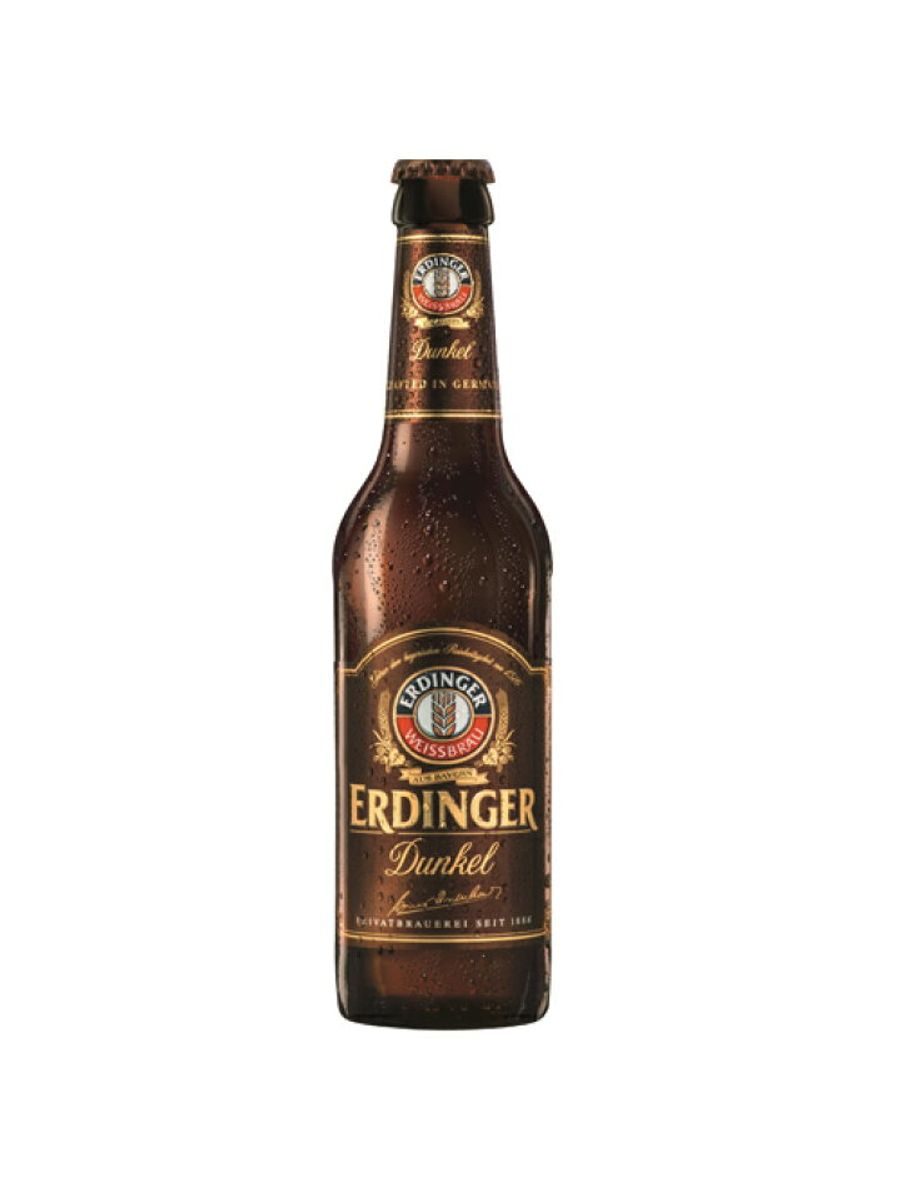
Erdinger Dunkel
Brewed by Erdinger Weissbräu
Polished and easygoing, blending caramelized malt, banana, light chocolate and fine carbonation into a dark wheat beer built for repeat pours.
BAR NOTES
Erdinger emphasizes smoothness rather than rustic intensity. Wheat malt and darker barley malts create a rounded, bready middle, while bottle maturation keeps the carbonation fine and the yeast character integrated.
Serve at 43–47°F and pour slowly before rousing the last splash. It is especially comfortable beside grilled sausage, pork knuckle, roast chicken or a bread-heavy snack board with mild cheese.
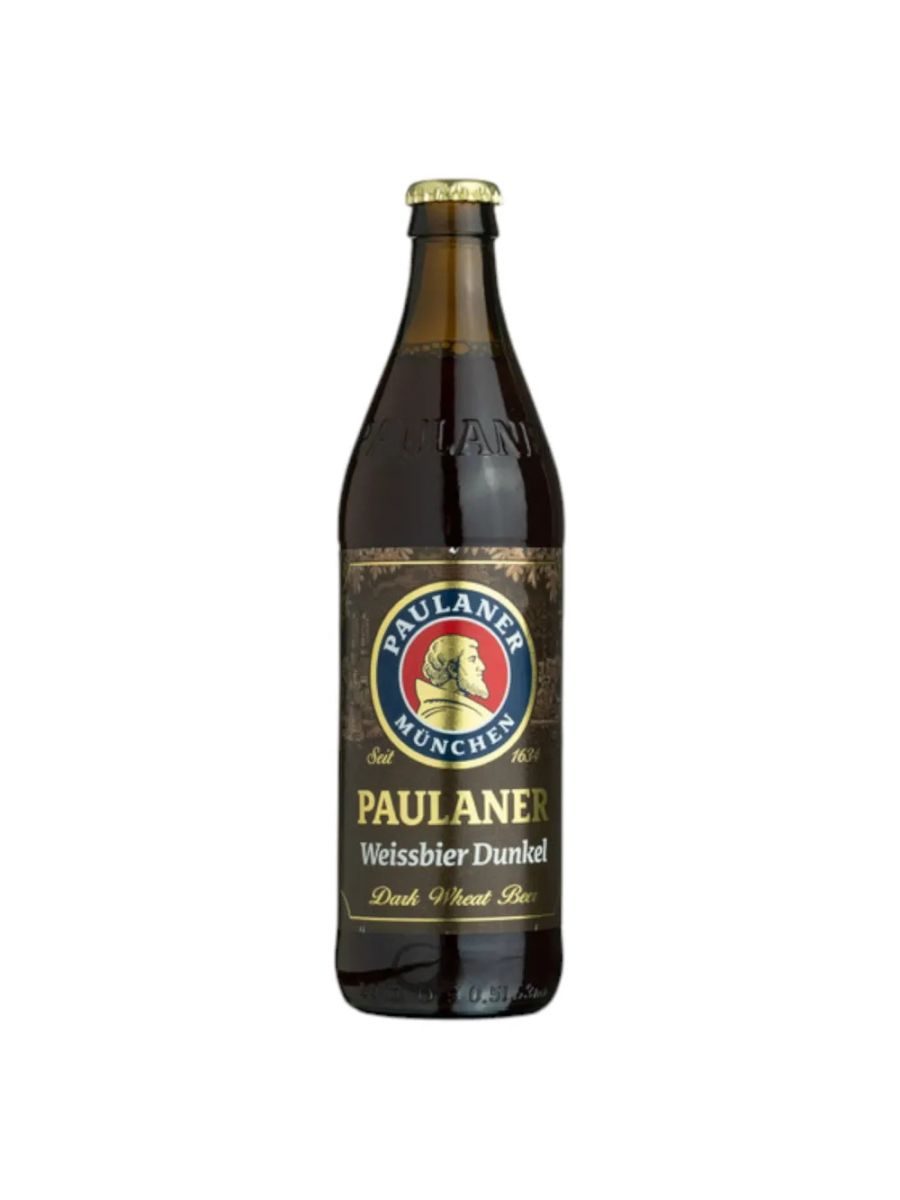
Paulaner Weissbier Dunkel
Brewed by Paulaner Brauerei
Creamy banana and clove meet caramel, toasted grain and a soft cocoa edge in one of the most widely available authentic Bavarian dark wheats.
BAR NOTES
Paulaner’s version is useful precisely because it is easy to find and stylistically legible. The malt reads as bread crust and caramel, not burnt coffee, while the wheat yeast supplies fruit and peppery spice.
A 44–48°F wheat-glass pour preserves lift without muting the malt. Pair it with roast pork, bratwurst, grilled chicken or Emmental; high carbonation is particularly good at clearing rich sauces.
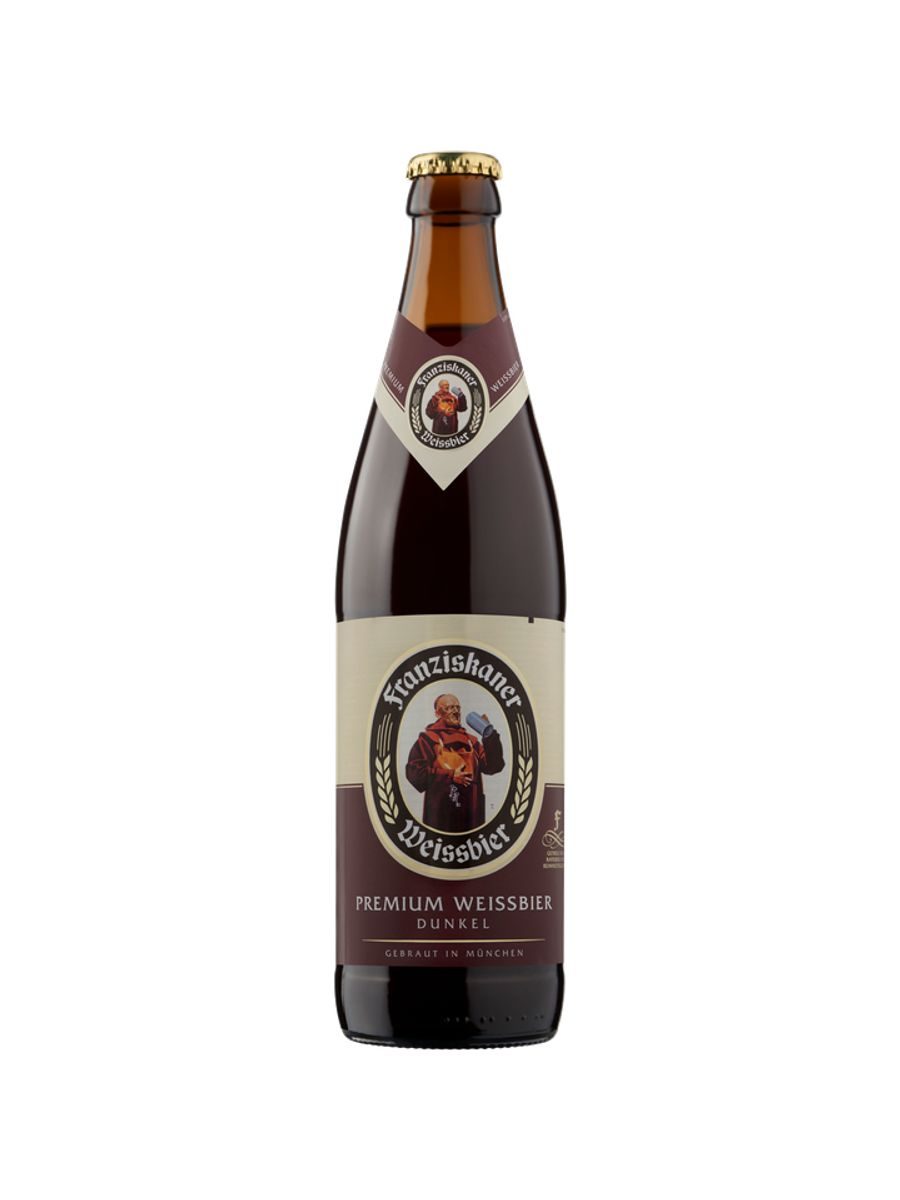
Franziskaner Weissbier Dunkel
Brewed by Spaten-Franziskaner-Bräu
A softer, lower-strength take with banana bread, clove, caramel and a faint roasted-malt accent under a persistent cream-colored head.
BAR NOTES
Franziskaner keeps the darker malt on a short leash, allowing familiar hefeweizen fruit and spice to remain obvious. At 5.0%, it feels less weighty than its deep amber color suggests.
Drink it fresh around 43–47°F, with the sediment included for maximum body. Sausages, roast chicken, soft pretzels and nutty cheese reinforce the malt without overwhelming the beer’s delicate yeast aromatics.
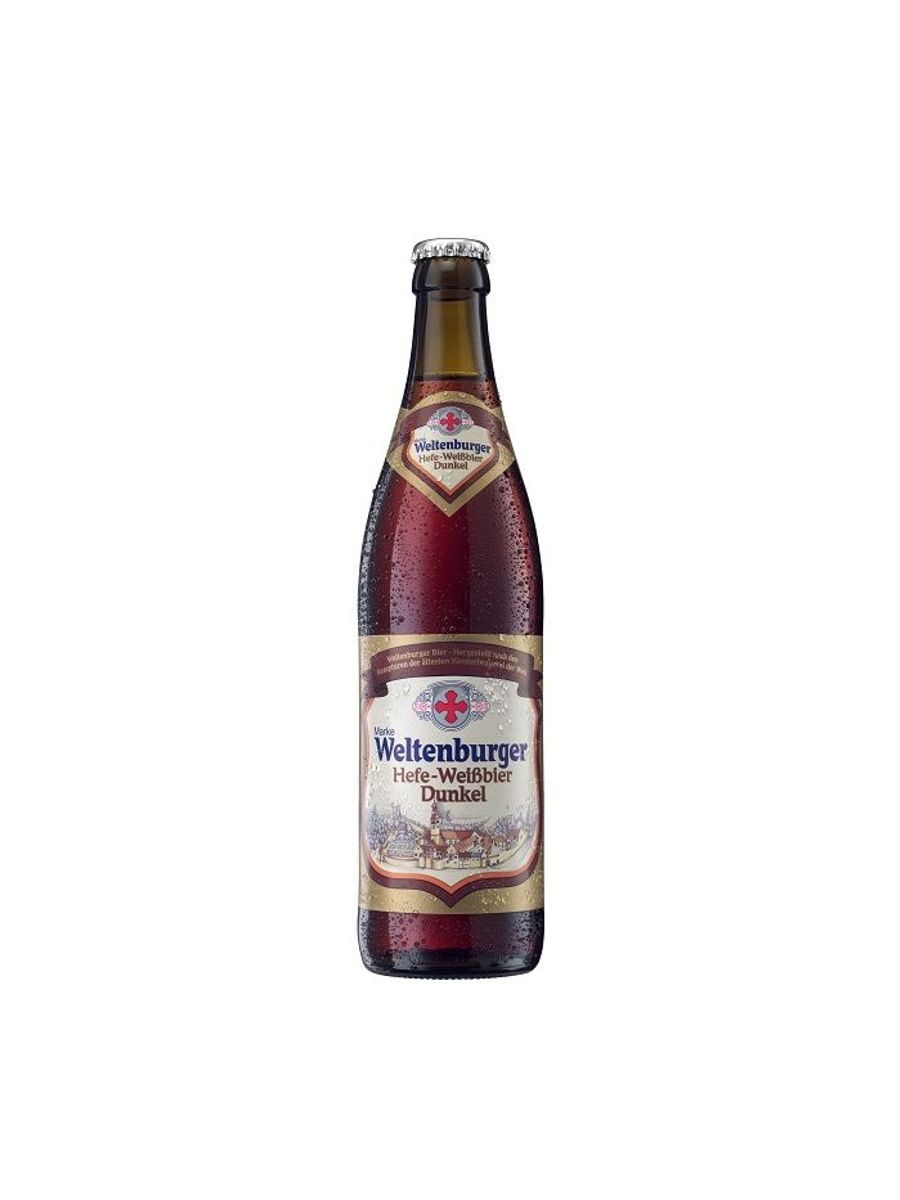
Weltenburger Hefe-Weissbier Dunkel
Brewed by Klosterbrauerei Weltenburg
Full-bodied but balanced, combining hazelnut-brown malt, ripe banana, clove and gentle hop freshness from a historic Danube monastery brewery.
BAR NOTES
Weltenburger brings monastic brewing history to a beer that still tastes alive rather than archival. Toasted malt provides fullness, while yeast-derived fruit and spice keep the finish unmistakably within the wheat-beer family.
Serve around 46–50°F in a tall glass and leave room for its large head. It suits pork roast, duck, mushroom dumplings and aged cheese, especially when browned crusts mirror the malt.
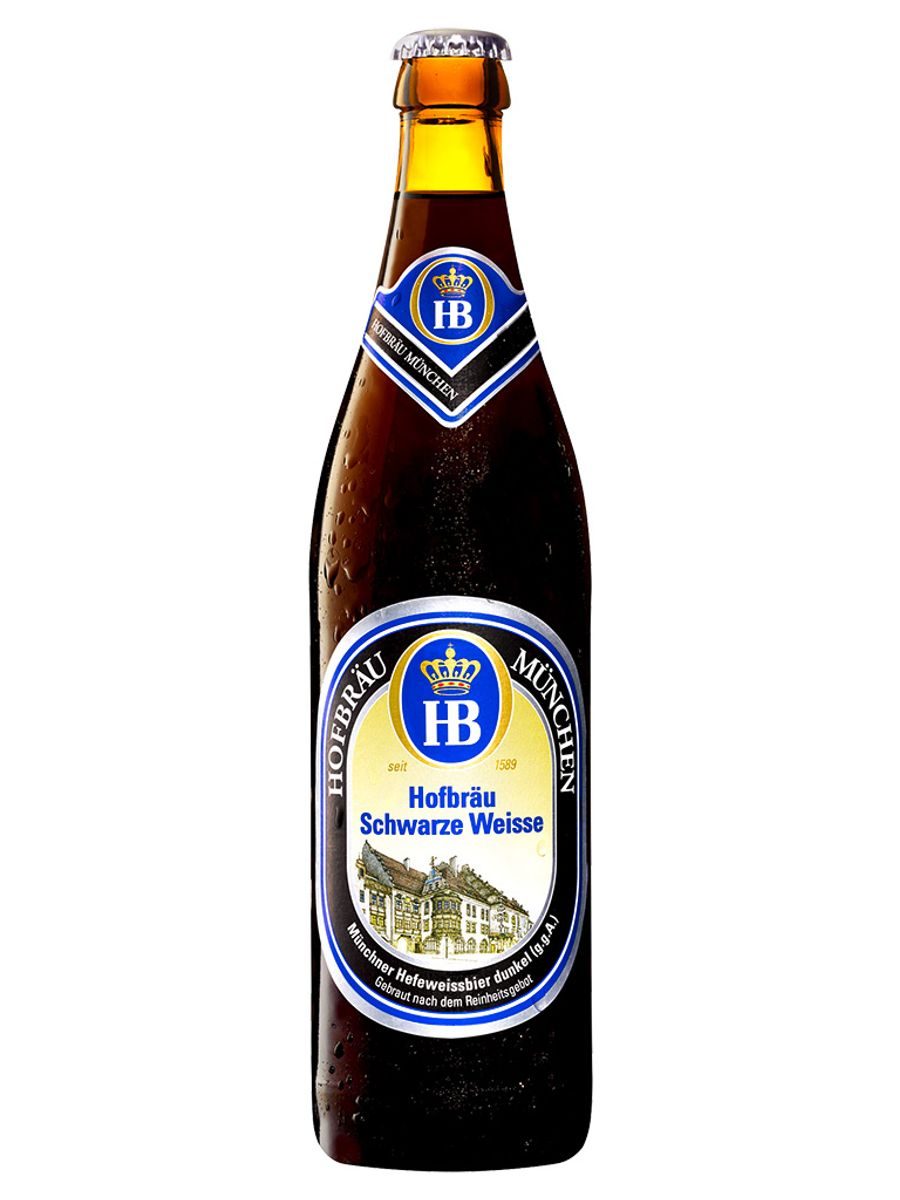
Hofbräu Schwarze Weisse
Brewed by Hofbräu München
A traditional Münchner dark wheat with caramel, dark bread, banana and spice—richer than Hofbräu's pale wheat but still bright with carbonation.
BAR NOTES
Schwarze Weisse is the correct wheat-beer sibling here, not Hofbräu Dunkel, which is a lager. The distinction matters because expressive top-fermenting yeast supplies the banana-and-clove architecture behind the dark malt.
Pour at 44–48°F and gently rouse the bottle-conditioned sediment. Roast chicken, sausages, pork belly and pretzels handle its caramelized grain, while carbonation prevents those foods from turning the pairing heavy.
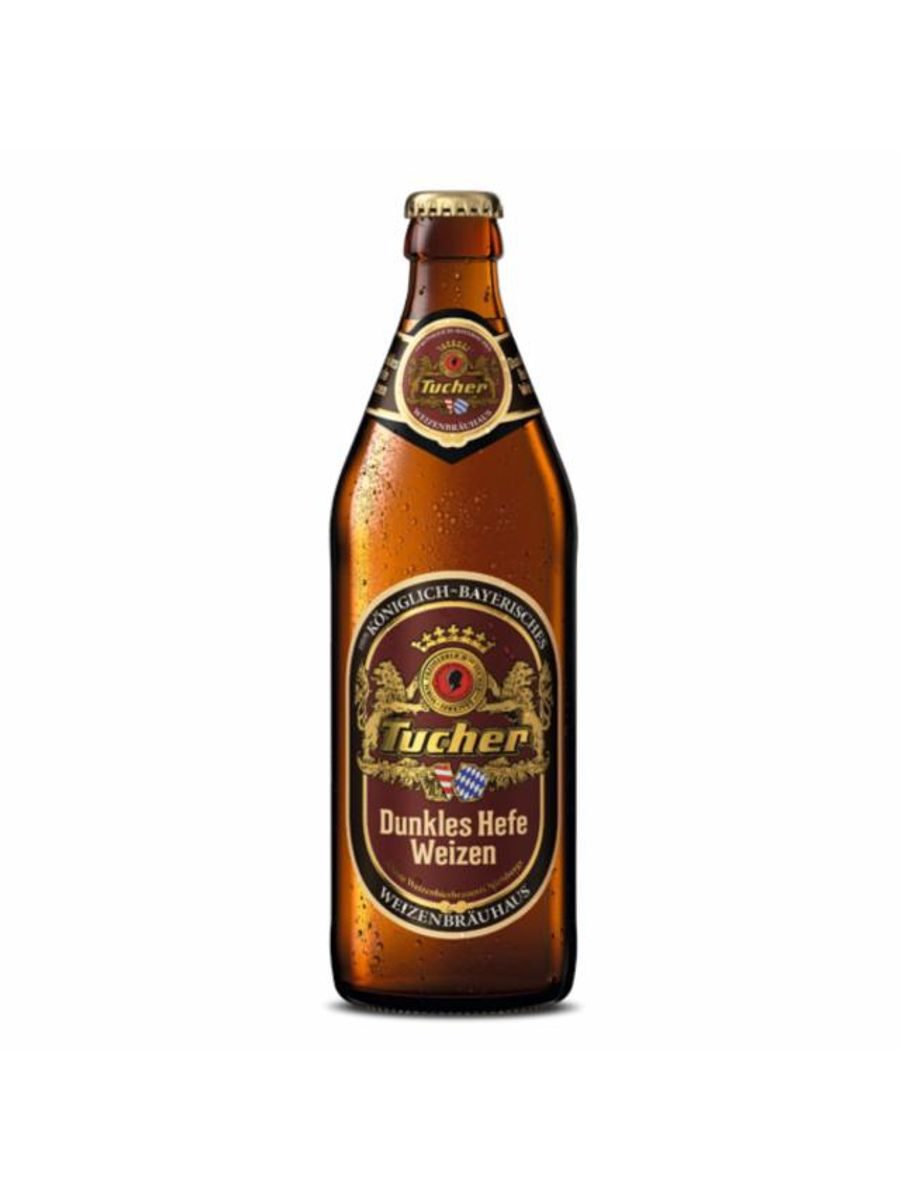
Tucher Dunkles Hefe Weizen
Brewed by Tucher Bräu
Dark aromatic malt, banana, clove and gentle caramel in a distinctly Franconian bottle whose modest bitterness keeps the finish tidy.
BAR NOTES
Tucher’s wheat-brewing roots in Nuremberg reach back centuries, and this beer reads as a traditional regional pour rather than a dessert interpretation. Malt complexity stays aromatic instead of roasted or sugary.
Serve around 45–49°F with yeast in suspension. Bratwurst, pork shoulder, roast mushrooms and rye bread echo its savory malt, while apple strudel can work if the dessert is not excessively sweet.
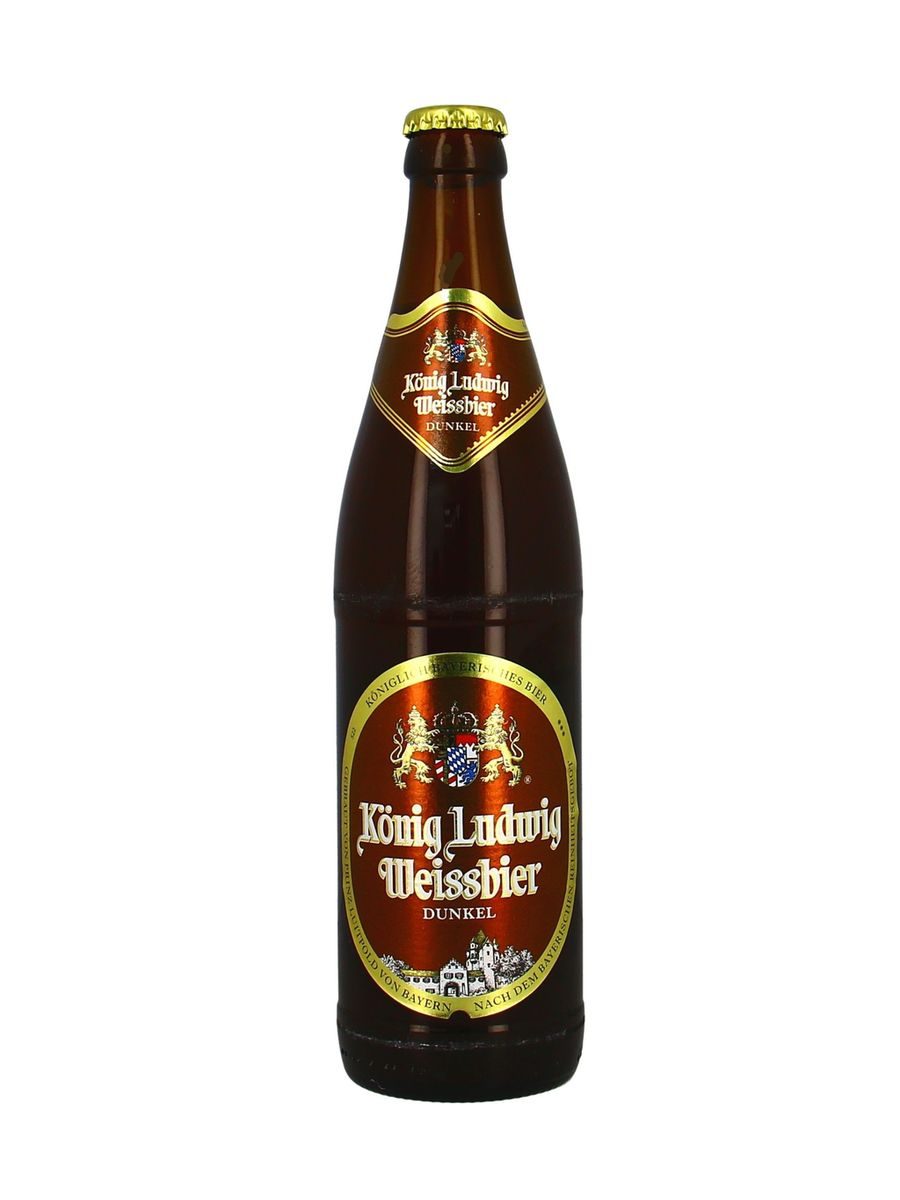
König Ludwig Weissbier Dunkel
Brewed by König Ludwig Schlossbrauerei Kaltenberg
A full-bodied royal-Bavarian wheat beer with caramel, dark bread, banana and clove over very low bitterness and energetic natural carbonation.
BAR NOTES
König Ludwig closes the list with a classic lesson in proportion: darker grain expands the bread and caramel notes, but wheat yeast and carbonation stop the beer from behaving like a brown ale.
Serve at 46–50°F in a clean wheat glass. It works with smoked pork, roast poultry, Alpine cheese and bread dumplings; check dates carefully because delicate banana-and-clove aroma fades with warm storage.
What “dunkel” should add—and what it should not
Darker wheat beer should add bread crust, toast, caramel, nuttiness and sometimes a restrained cocoa impression. It should not taste charred, acrid or dominated by coffee; heavy roast fights the soft wheat and expressive yeast that define the style.
Color alone is a poor guide. Some excellent examples are merely copper or chestnut, while others look deep brown. Judge whether malt depth supports banana-and-clove fermentation and whether carbonation keeps the finish lively.
Dunkelweizen vs. hefeweizen vs. weizenbock
Pale hefeweizen emphasizes soft wheat, banana, clove and fresh dough. Dunkelweizen carries that same yeast language into toasted, caramelized malt. Weizenbock turns the volume and alcohol higher, often adding dark fruit and warming strength.
A normal-strength dark wheat around 5–6% belongs here. Once the beer becomes deliberately strong, dense and bock-like, it belongs with Weizenbock regardless of whether its color is pale, amber or dark.
Freshness, pouring and serving
Wheat-beer yeast aroma is fragile, so prioritize refrigerated bottles with useful dates. Most dunkel weizens show best around 44–50°F—cool enough to stay refreshing, warm enough for toast, fruit and spice to register.
Use a tall, spotless wheat glass and leave generous headroom. Pour most of the bottle, gently roll the final ounce to lift settled yeast, then finish the pour unless you prefer a slightly leaner, brighter glass.
What to eat with dark wheat beer
Roast pork, bratwurst, chicken, mushrooms, pretzels and nutty cheese are natural partners. Browned food mirrors the malt, while high carbonation and yeast spice cut through fat more effectively than the beer’s dark appearance suggests.
For dessert, choose restrained apple, nut or bread-based dishes instead of intensely sweet chocolate. A sugary plate can make a dry, moderate-strength wheat beer seem thin and can flatten its most interesting fermentation character.
Dunkelweizen FAQ
Is dunkel weizen a lager?
No. It is a top-fermented wheat ale. Munich Dunkel is the lager people often confuse with it; the banana-and-clove fermentation profile is the easiest practical way to distinguish the wheat style.
Should dunkel weizen taste like chocolate?
A faint cocoa suggestion can emerge from darker malt, but chocolate should not dominate. Toasted bread, caramel, banana, clove and lively wheat-beer fermentation are more characteristic than roast or confectionery sweetness.
Why is Schneider TAP7 included if it says amber?
Dunkel wheat exists on a color continuum, and TAP7 is an influential copper-brown historical wheat beer with meaningful dark-malt depth. We flag the boundary instead of pretending modern package terminology is perfectly uniform.
Follow dark wheat from banana bread to full bock strength
Dunkelweizen is the malty middle of the wheat-beer family. Compare the brighter branches, study the Bavarian yeast engine, or take the same grain-and-spice logic into your own brewhouse.
DRINK DEEPER

better beer.