50 Best Barrel-Aged Beers to Drink in 2026
Barrel-aged beer is not one style. It is a family of beers transformed by wood, oxygen, time, resident microorganisms, and whatever the barrel held before the brewer filled it. Bourbon stout may be the headline act, but rum, tequila, apple brandy, wine, foeders, and neutral oak all produce different results.
This ranking balances reputation, barrel integration, base-beer quality, availability, and category importance. It deliberately reaches beyond imperial stout into barleywine, Scotch ale, quadrupel, saison, cream ale, fruit beer, Flanders red, spontaneous ale, and mixed-culture fermentation.
Start with the broad beer-style map, or jump directly into barrel-aged stouts, barleywines, Belgian beer, saisons, and sour beer to compare the base styles underneath the wood.
What barrel aging actually changes
A used spirit barrel can contribute vanilla, caramel, coconut, char, spice, tannin, and traces of bourbon, rum, tequila, brandy, or whisky. Wine barrels add fruit, tannin, acidity, and vinous aroma. Neutral oak and foeders are often valued less for residual alcohol than for slow oxygen exposure, mixed-culture fermentation, and blending.
Barrel size, toast or char, previous contents, storage temperature, aging time, and the base beer all matter. A smaller barrel has more wood contact per gallon and can move quickly; a large foeder develops beer slowly. The brewer’s job is to pull the beer before oak, oxidation, or spirit heat erases everything else.
The 50 best barrel-aged beers
Bourbon Barrel Benchmarks
Bourbon barrels built the modern American barrel-aged-beer category. These ten establish the reference points before the list moves into other stouts, strong ales, wine wood, foeders, and wild fermentation. Compare the dark-beer foundation in the barrel-aged stout guide.
In bourbon-barrel stout, the base beer needs enough roast, malt, and alcohol to survive fresh oak, char, vanilla, and residual whiskey. The best examples taste integrated rather than like stout with a shot poured into it.
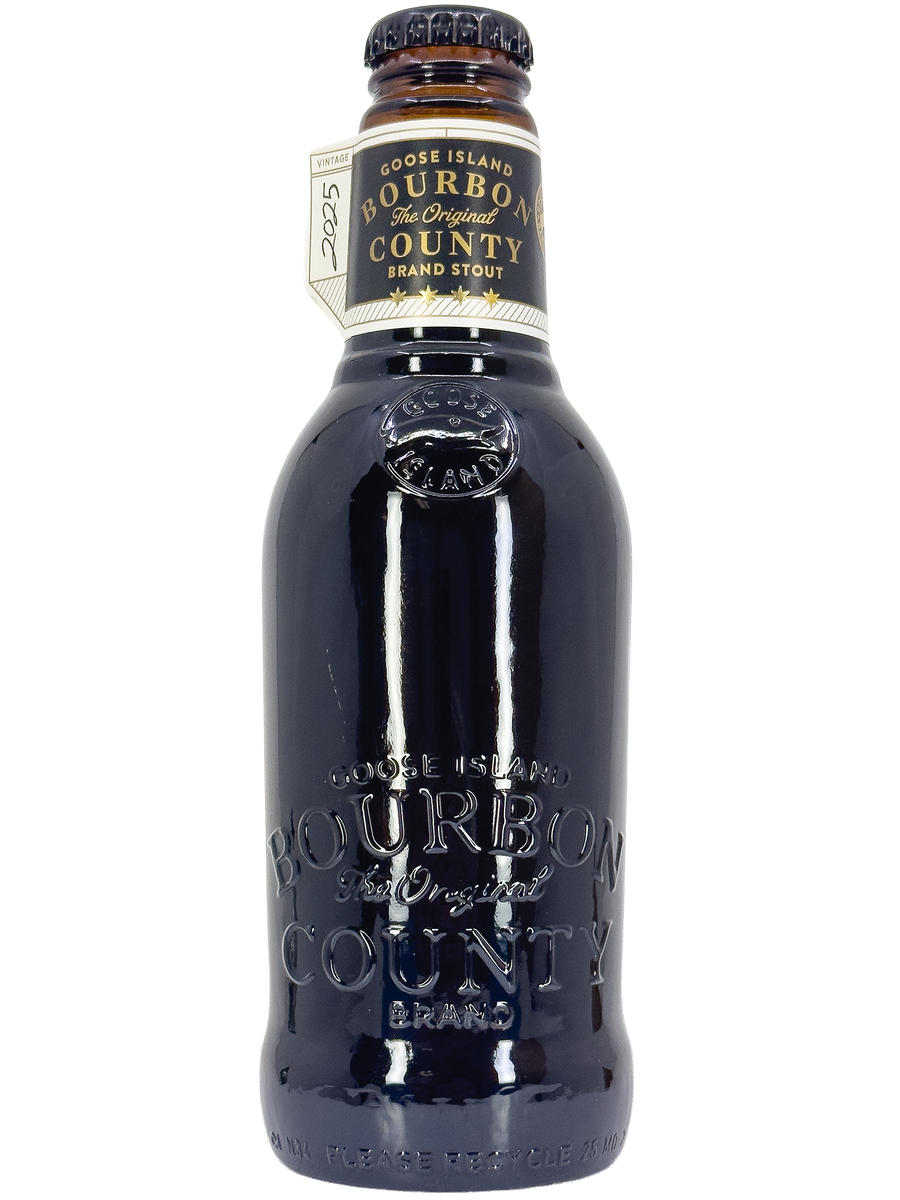
Bourbon County Brand Original Stout
Brewed by Goose Island Beer Co.
Bourbon, char, vanilla, coconut, and dark malt in the bottle that changed the category.
BAR NOTES
Bourbon County Brand Original Stout earns its position through the modern bourbon-barrel benchmark. Bourbon, char, vanilla, coconut, and dark malt in the bottle that changed the category. The deciding factor is integration: the barrel changes the beer, but the underlying bourbon barrel-aged imperial stout remains readable.
Pour four to six ounces in a snifter and let it rise toward cellar temperature; dark chocolate, aged cheese, or smoked meat will meet the intensity without adding more alcohol. Continue through the barrel-aged stout guide to compare the base style and see exactly what the barrel changed.
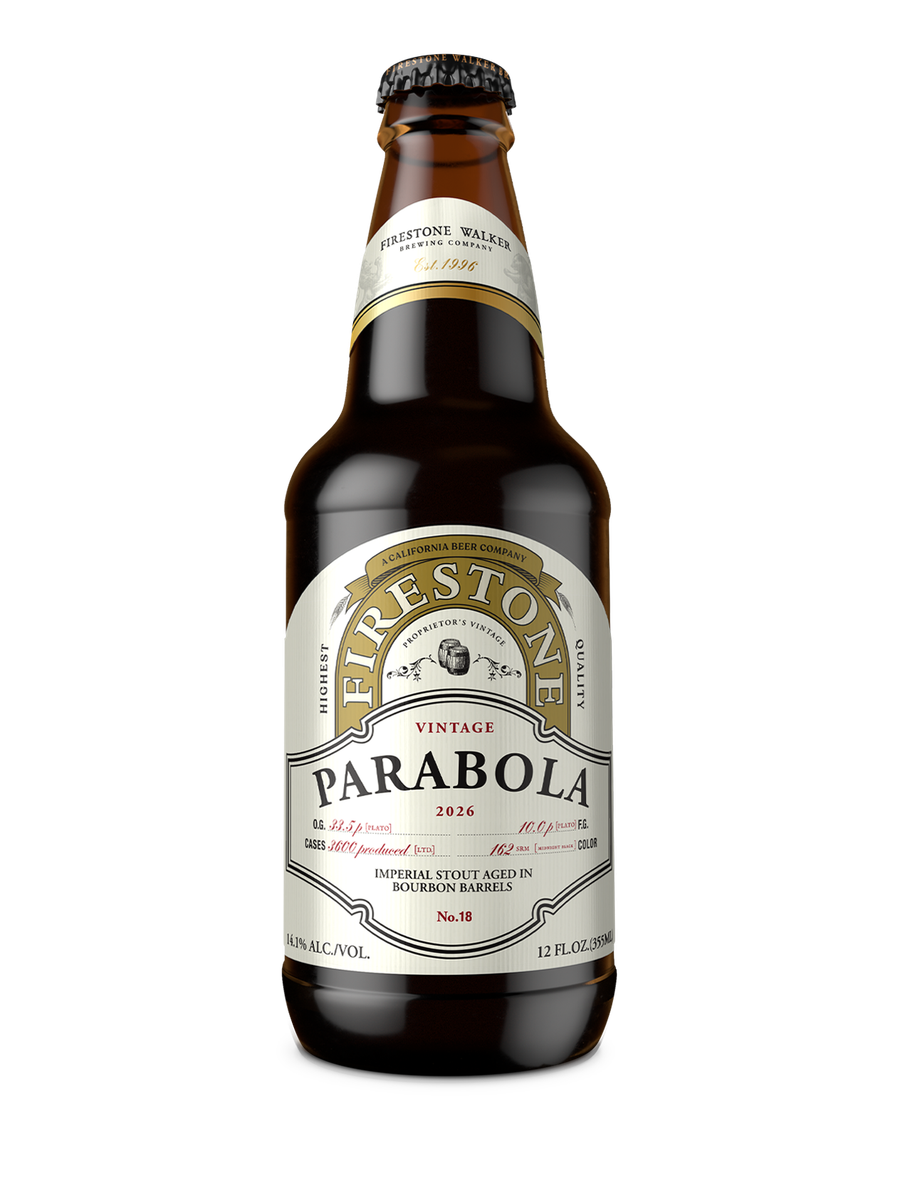
Parabola 2026
Brewed by Firestone Walker Brewing Co.
Polished bourbon oak, dark chocolate, vanilla, and roast assembled by obsessive blending.
BAR NOTES
Parabola 2026 earns its position through blending precision across bourbon barrels. Polished bourbon oak, dark chocolate, vanilla, and roast assembled by obsessive blending. The deciding factor is integration: the barrel changes the beer, but the underlying bourbon barrel-aged imperial stout remains readable.
Serve this slowly around 50–55°F. Aged Gouda, roast beef, braised pork, or toasted nuts give its oak, malt, and spirit character something savory to push against. Continue through the imperial stout roundup to compare the base style and see exactly what the barrel changed.
Beer:Barrel:Time 2024
Brewed by Side Project Brewing
Deep malt, expressive whiskey oak, and patient blending carry the entire beer.
BAR NOTES
Beer:Barrel:Time 2024 earns its position through stout, whiskey barrels, and time without adjunct cover. Deep malt, expressive whiskey oak, and patient blending carry the entire beer. The deciding factor is integration: the barrel changes the beer, but the underlying barrel-aged imperial stout remains readable.
A smaller tulip pour is enough. Watch how vanilla, fruit, char, and alcohol change over twenty minutes, then use salty cheese or roast meat to reset the palate. Continue through the barrel-aged stout guide to compare the base style and see exactly what the barrel changed.
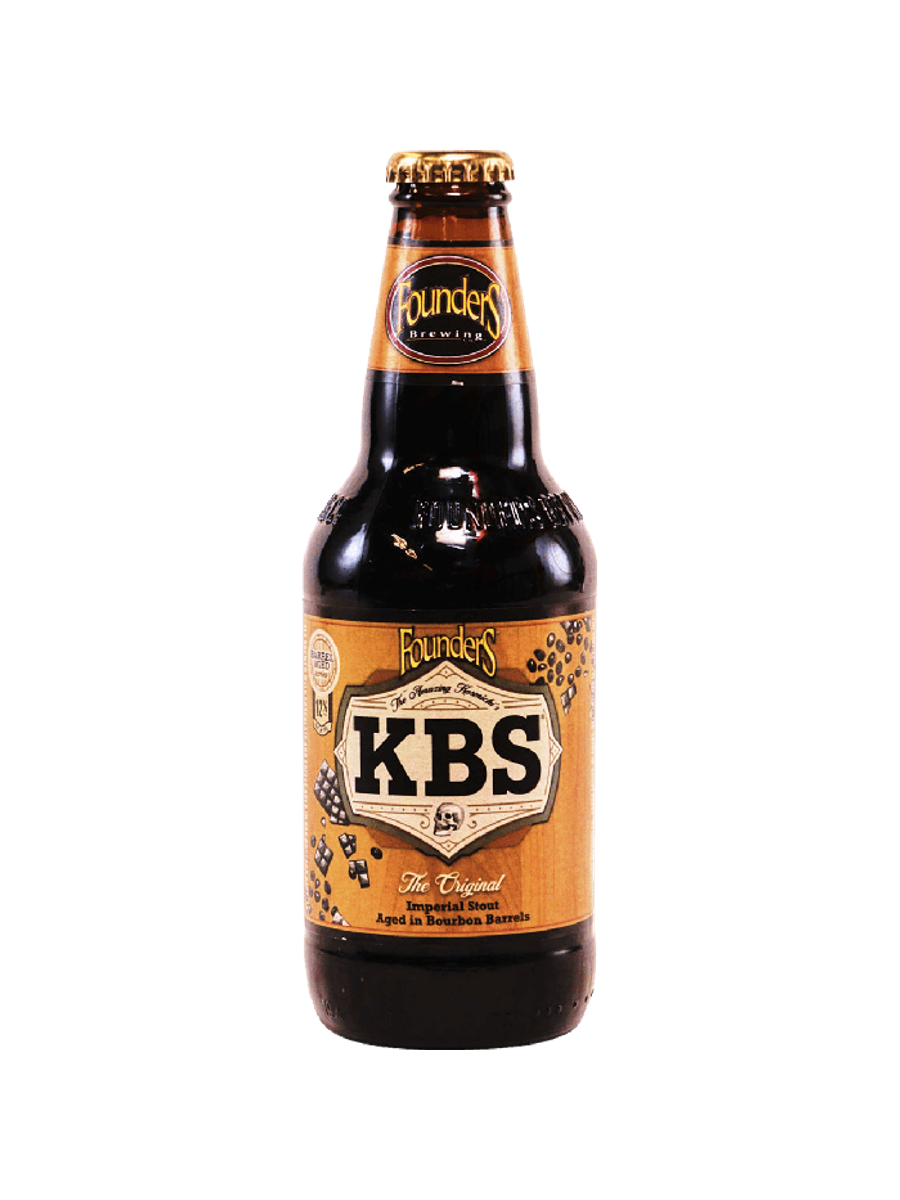
KBS
Brewed by Founders Brewing Co.
Espresso, cocoa, bourbon, and oak remain clearly layered in this Michigan landmark.
BAR NOTES
KBS earns its position through coffee and chocolate before bourbon aging. Espresso, cocoa, bourbon, and oak remain clearly layered in this Michigan landmark. The deciding factor is integration: the barrel changes the beer, but the underlying bourbon barrel-aged imperial stout remains readable.
Do not serve it refrigerator-cold: low temperature hides aroma and makes alcohol feel sharper. Rich cheese, mushrooms, or a restrained dessert usually works better than pure sugar. Continue through the coffee beer roundup to compare the base style and see exactly what the barrel changed.
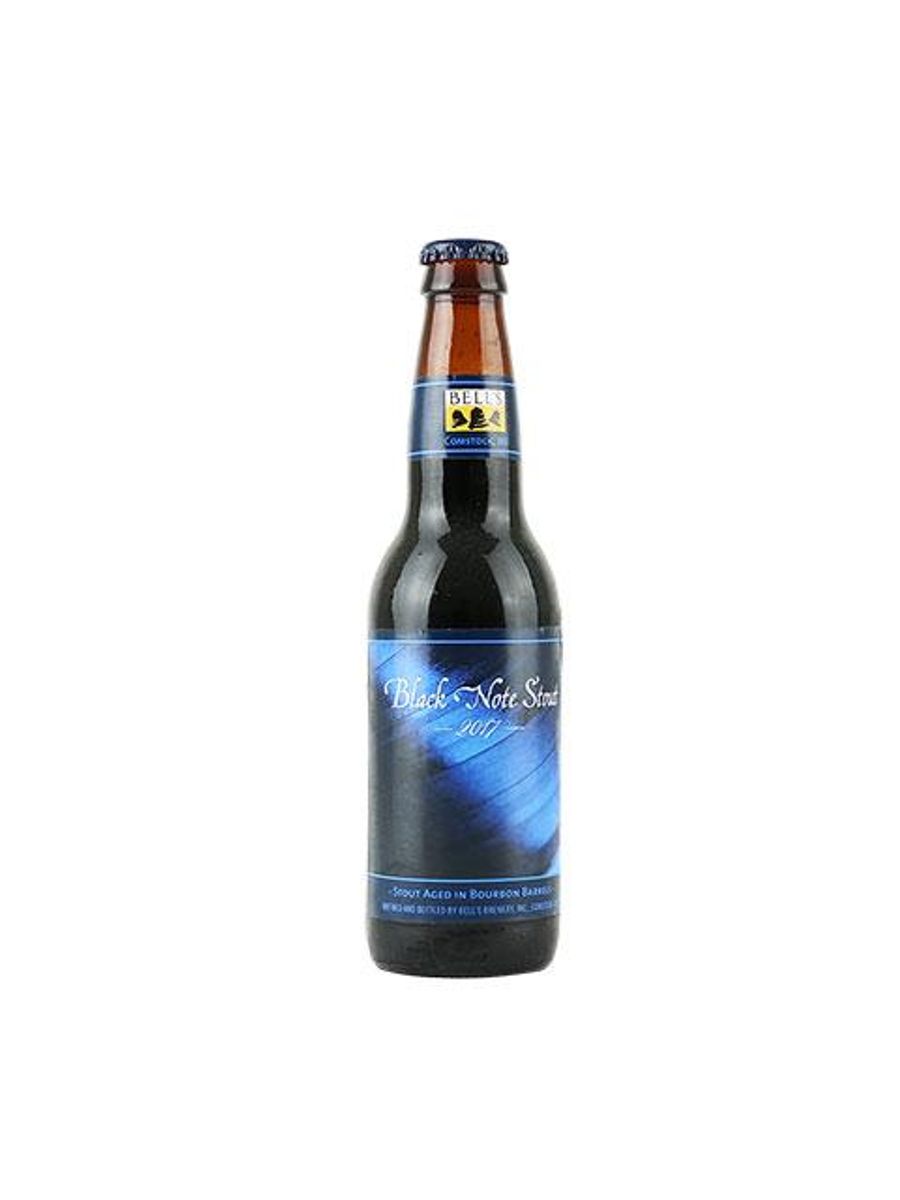
Black Note Stout
Brewed by Bell’s Brewery
Dark fruit, cocoa, vanilla, and oak ride one of Michigan’s deepest stout foundations.
BAR NOTES
Black Note Stout earns its position through Expedition and Double Cream blended for the barrel. Dark fruit, cocoa, vanilla, and oak ride one of Michigan’s deepest stout foundations. The deciding factor is integration: the barrel changes the beer, but the underlying bourbon barrel-aged stout remains readable.
Fresh packages show the brewer’s intended barrel balance; cellaring can soften heat but may also flatten coffee, fruit, or hop character. Buy multiples only when you actually want that experiment. Continue through the stout guide to compare the base style and see exactly what the barrel changed.
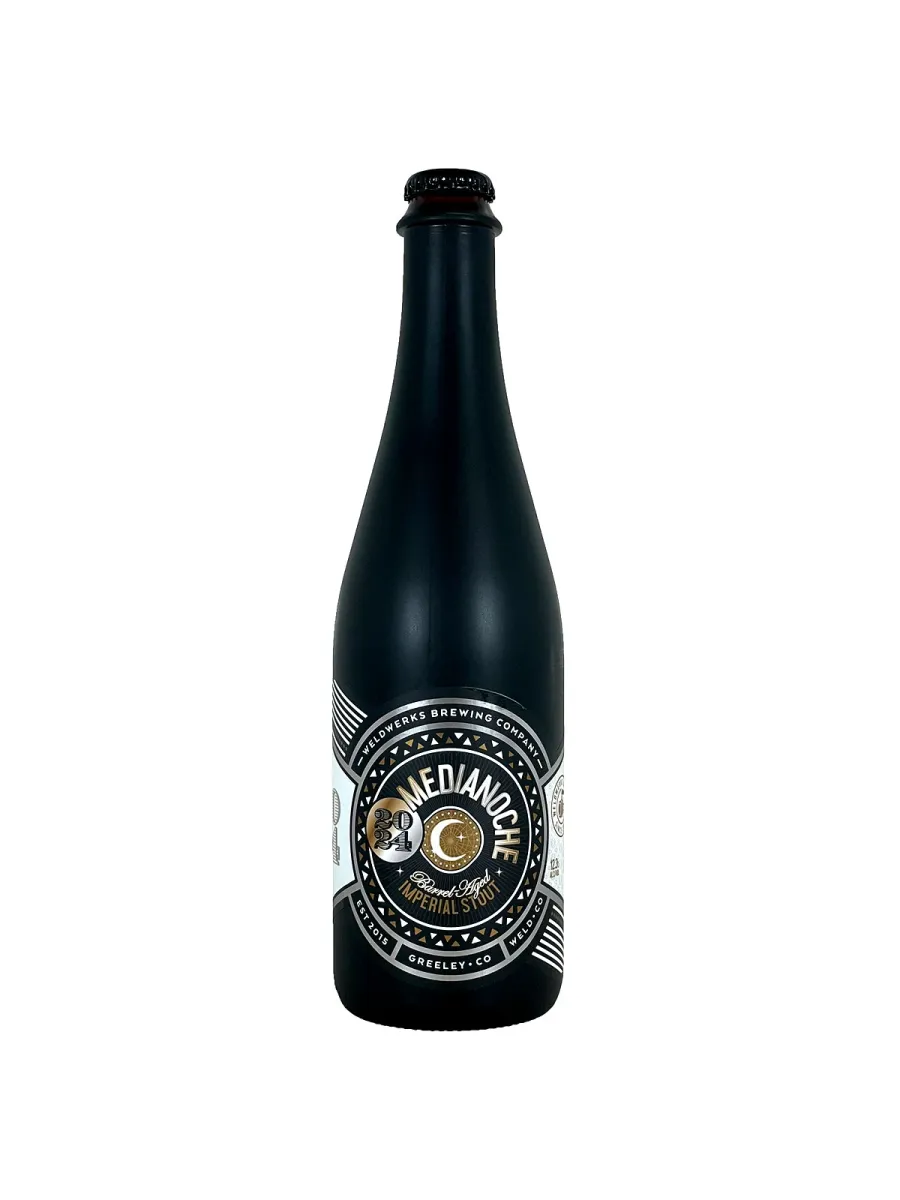
Medianoche
Brewed by WeldWerks Brewing Co.
Immense body, bourbon vanilla, fudge, and carefully managed oak define modern luxury stout.
BAR NOTES
Medianoche earns its position through a base beer engineered for long barrel time. Immense body, bourbon vanilla, fudge, and carefully managed oak define modern luxury stout. The deciding factor is integration: the barrel changes the beer, but the underlying bourbon barrel-aged imperial stout remains readable.
Share the bottle and pay attention to the finish. Great barrel aging should leave malt, fermentation, fruit, or acidity visible after the oak and spirit impression fades. Continue through the imperial stout roundup to compare the base style and see exactly what the barrel changed.
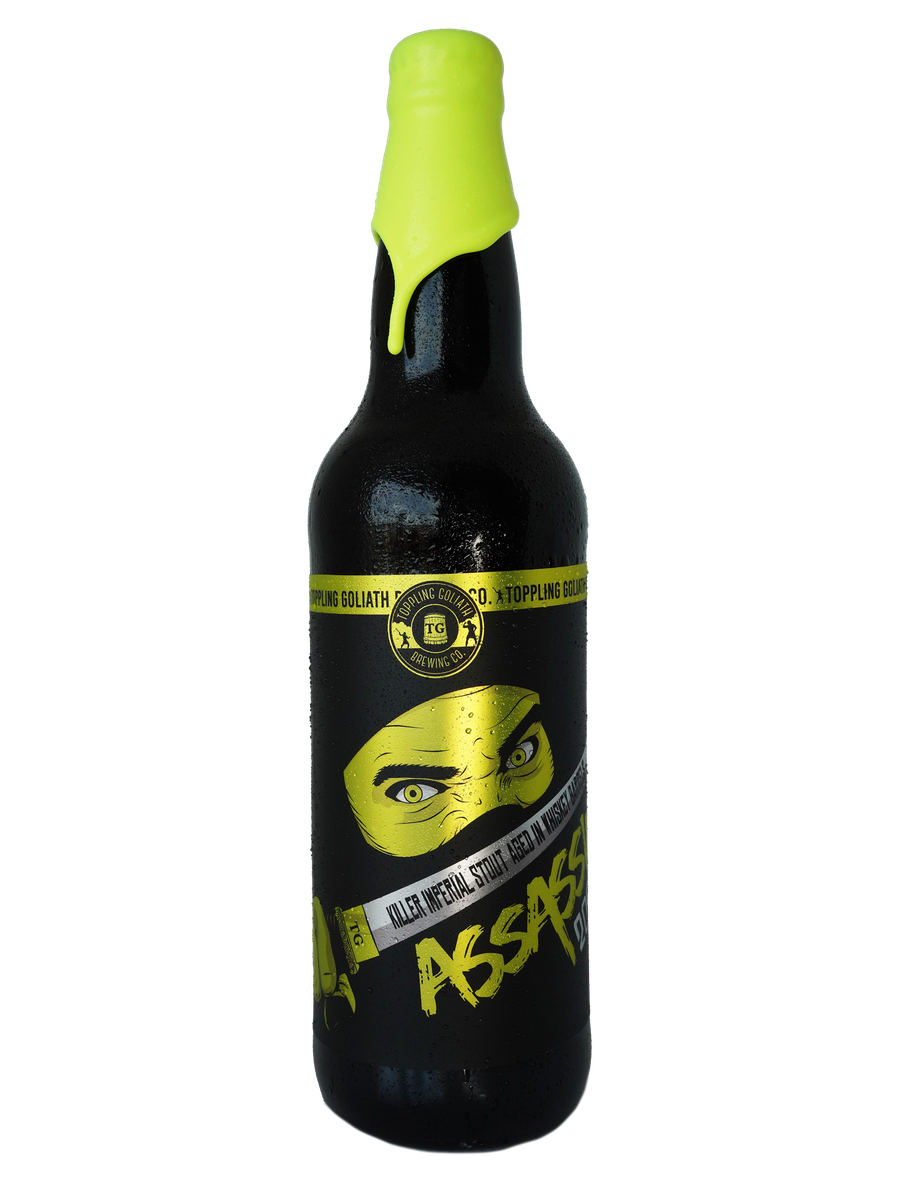
Assassin
Brewed by Toppling Goliath Brewing Co.
Concentrated roast, molasses, dark fruit, and deep whiskey character power this cult Iowa release.
BAR NOTES
Assassin earns its position through long whiskey-barrel maturation. Concentrated roast, molasses, dark fruit, and deep whiskey character power this cult Iowa release. The deciding factor is integration: the barrel changes the beer, but the underlying barrel-aged imperial stout remains readable.
Pour four to six ounces in a snifter and let it rise toward cellar temperature; dark chocolate, aged cheese, or smoked meat will meet the intensity without adding more alcohol. Continue through the barrel-aged stout guide to compare the base style and see exactly what the barrel changed.
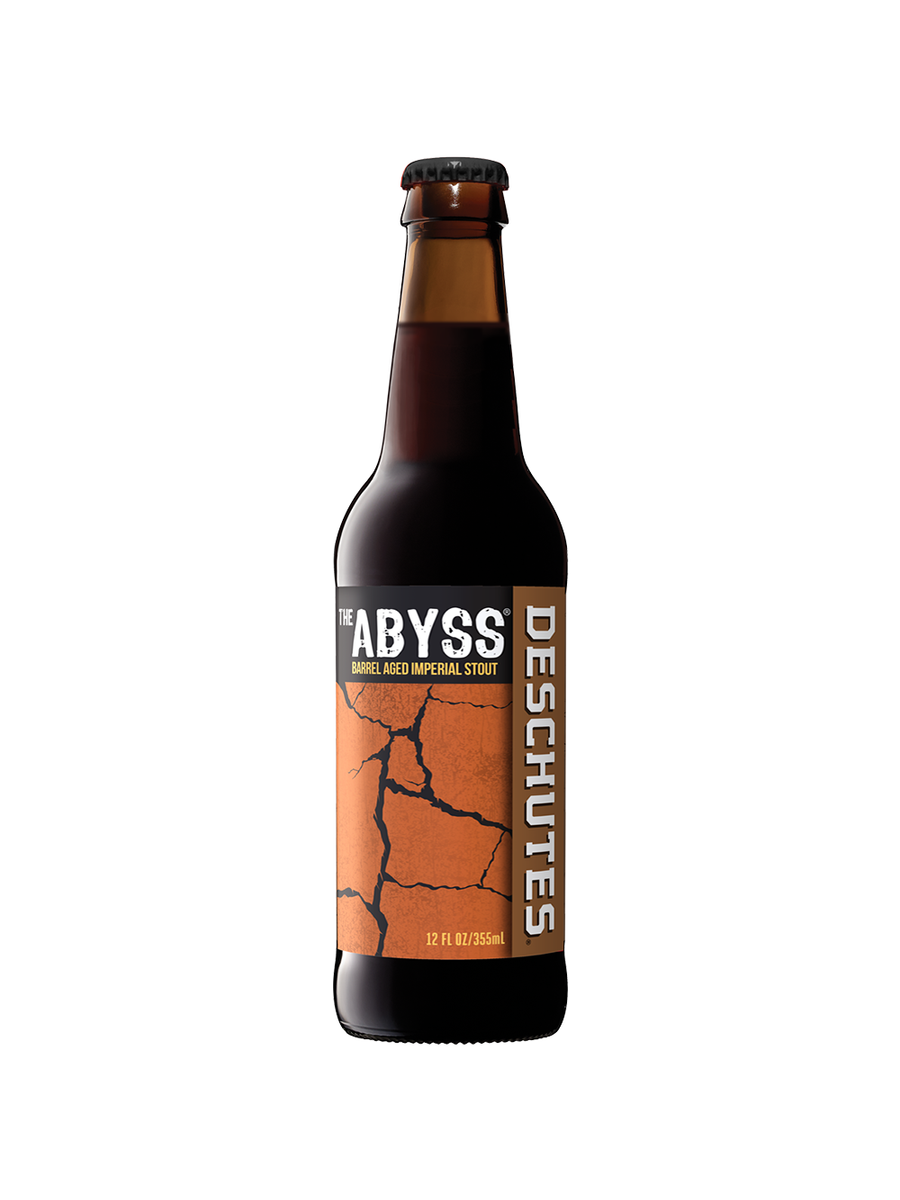
The Abyss
Brewed by Deschutes Brewery
Molasses, licorice, roast, dark fruit, and oak make this a distinctly layered cellar beer.
BAR NOTES
The Abyss earns its position through a layered annual blend using multiple barrels. Molasses, licorice, roast, dark fruit, and oak make this a distinctly layered cellar beer. The deciding factor is integration: the barrel changes the beer, but the underlying barrel-aged imperial stout remains readable.
Serve this slowly around 50–55°F. Aged Gouda, roast beef, braised pork, or toasted nuts give its oak, malt, and spirit character something savory to push against. Continue through the imperial stout roundup to compare the base style and see exactly what the barrel changed.
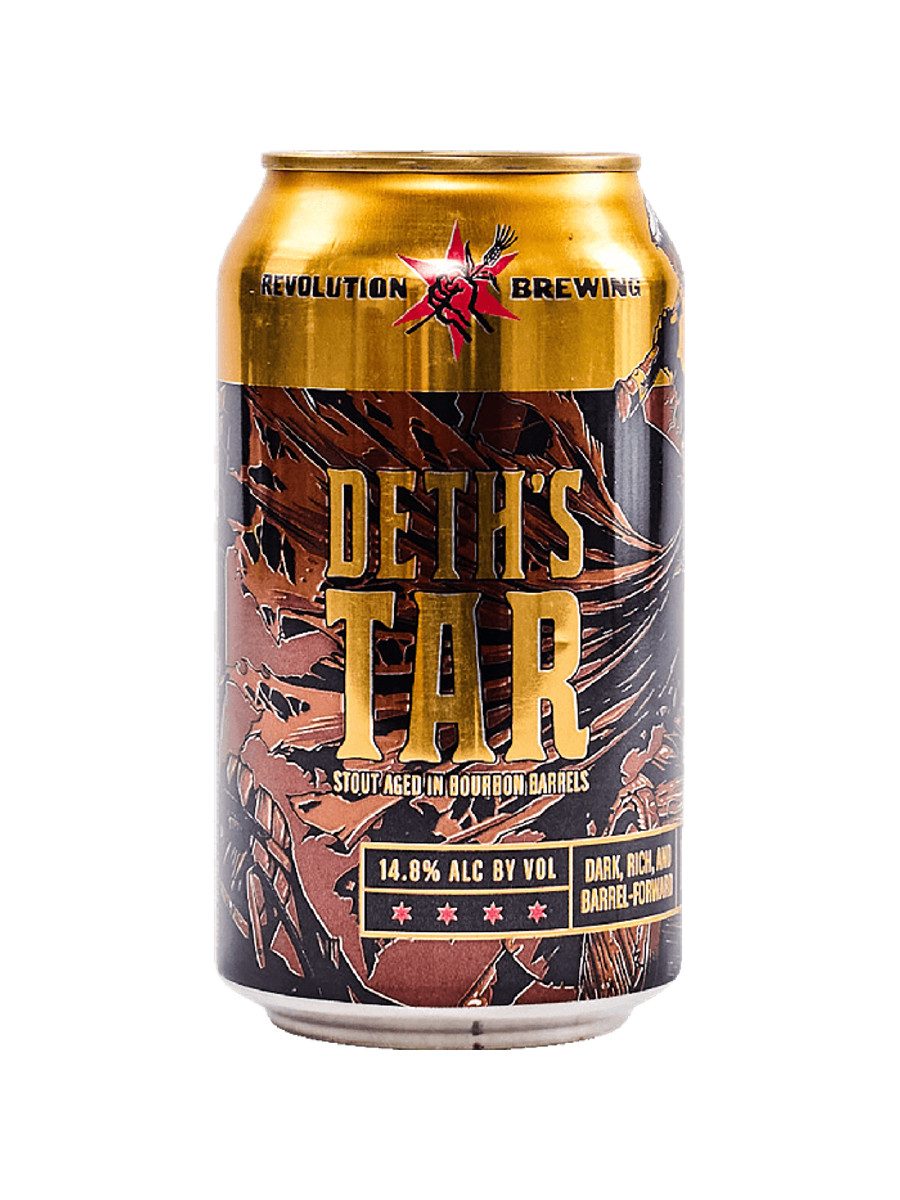
Deth’s Tar
Brewed by Revolution Brewing
Silky grain, chocolate, oak, and spirit warmth make this Deep Wood release hulking but composed.
BAR NOTES
Deth’s Tar earns its position through oatmeal texture beneath heavy bourbon. Silky grain, chocolate, oak, and spirit warmth make this Deep Wood release hulking but composed. The deciding factor is integration: the barrel changes the beer, but the underlying bourbon barrel-aged imperial oatmeal stout remains readable.
A smaller tulip pour is enough. Watch how vanilla, fruit, char, and alcohol change over twenty minutes, then use salty cheese or roast meat to reset the palate. Continue through the oatmeal stout guide to compare the base style and see exactly what the barrel changed.
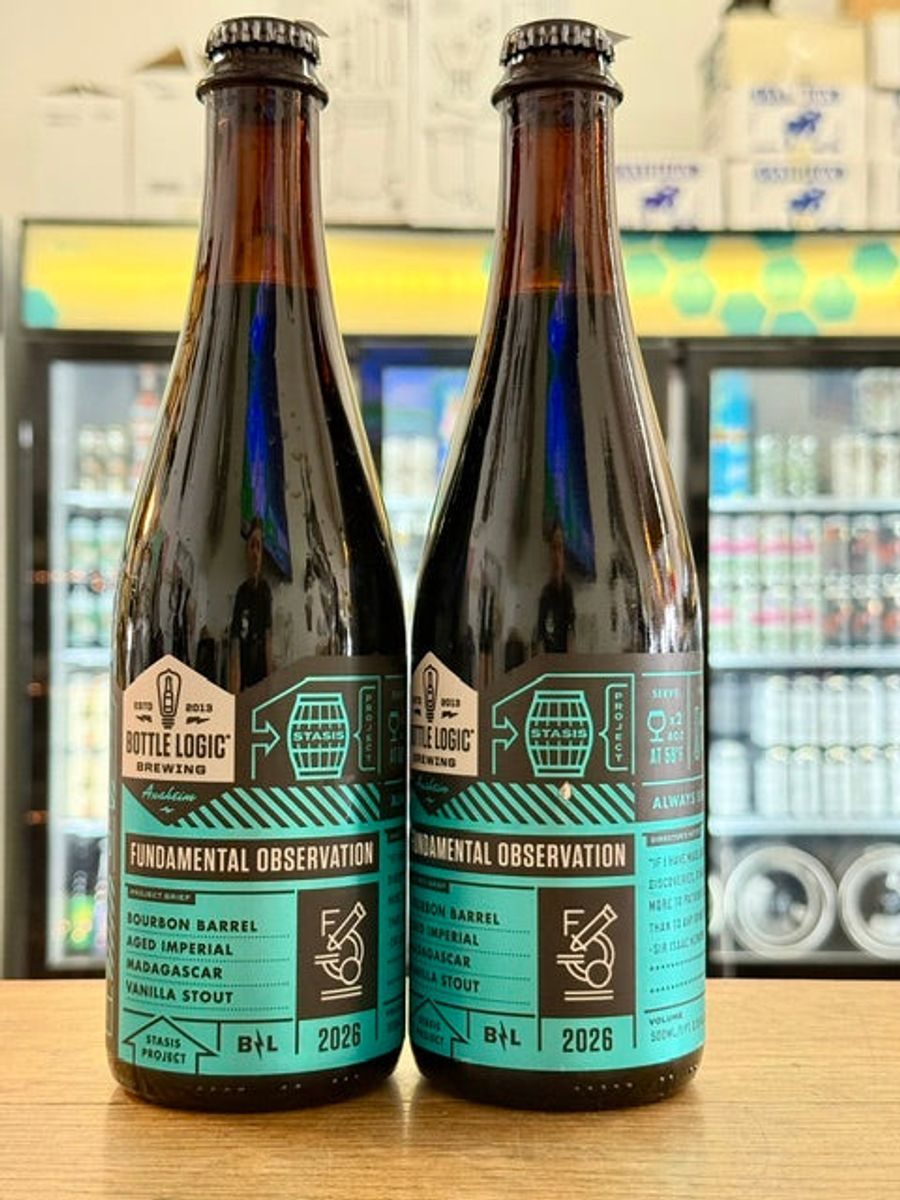
Fundamental Observation 2026
Brewed by Bottle Logic Brewing
Chocolate, roast, tannin, and bourbon keep the heavy vanilla from tasting like extract.
BAR NOTES
Fundamental Observation 2026 earns its position through vanilla amplified by bourbon oak. Chocolate, roast, tannin, and bourbon keep the heavy vanilla from tasting like extract. The deciding factor is integration: the barrel changes the beer, but the underlying bourbon barrel-aged vanilla imperial stout remains readable.
Do not serve it refrigerator-cold: low temperature hides aroma and makes alcohol feel sharper. Rich cheese, mushrooms, or a restrained dessert usually works better than pure sugar. Continue through the vanilla beer guide to compare the base style and see exactly what the barrel changed.
Stout Cellar Heavyweights
The next eight show how coffee, cacao, oatmeal, base-beer design, and very high alcohol change the relationship between stout and oak. These are small-pour beers; the goal is integration, not simply the loudest bourbon aroma.
These beers push coffee, chocolate, body, or alcohol further, so balance becomes harder. A successful barrel-aged stout still reveals fermentation and grain as it warms; sweetness and spirit should not become the only story.
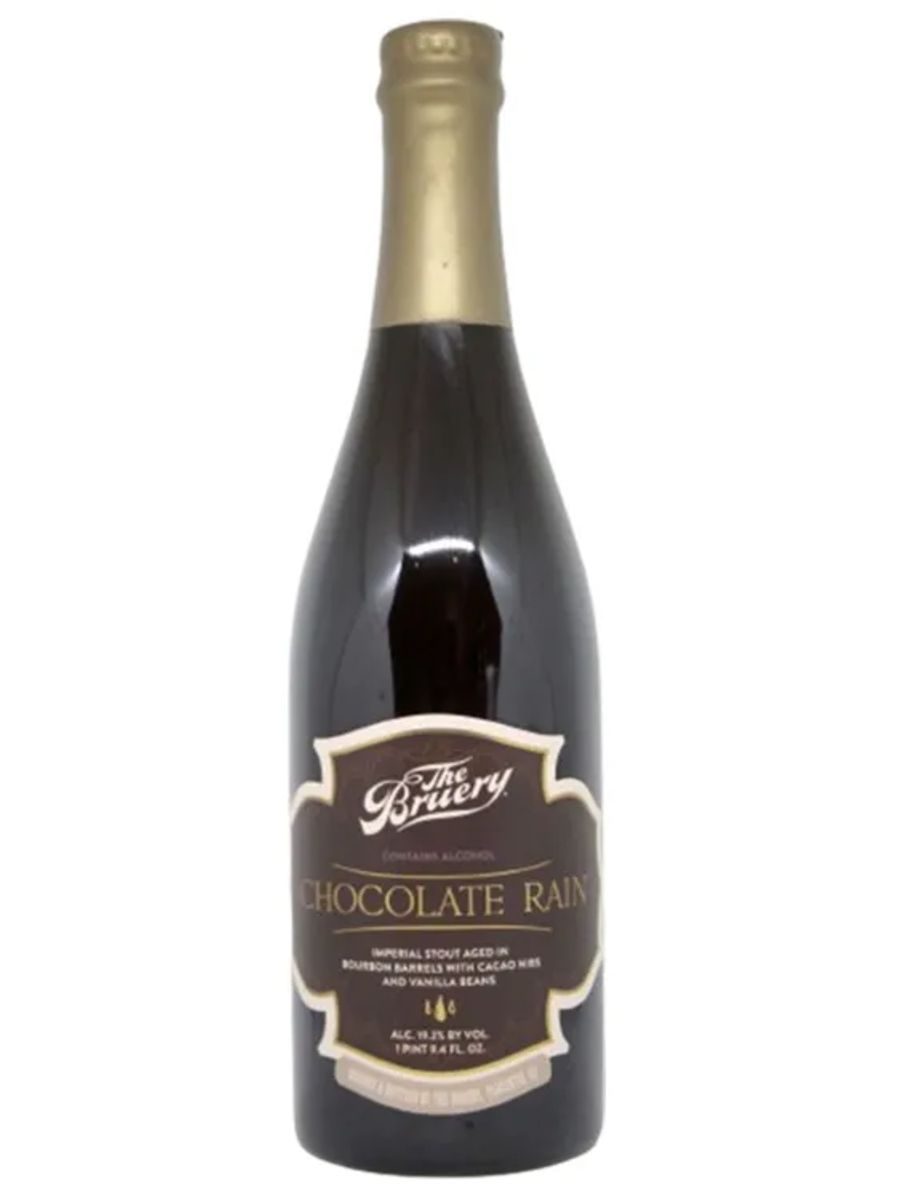
Chocolate Rain
Brewed by The Bruery
Cacao and vanilla wrestle with bourbon oak and fortified-wine strength.
BAR NOTES
Chocolate Rain earns its position through cacao and vanilla layered over Black Tuesday. Cacao and vanilla wrestle with bourbon oak and fortified-wine strength. The deciding factor is integration: the barrel changes the beer, but the underlying bourbon barrel-aged imperial stout remains readable.
Fresh packages show the brewer’s intended barrel balance; cellaring can soften heat but may also flatten coffee, fruit, or hop character. Buy multiples only when you actually want that experiment. Continue through the chocolate beer roundup to compare the base style and see exactly what the barrel changed.
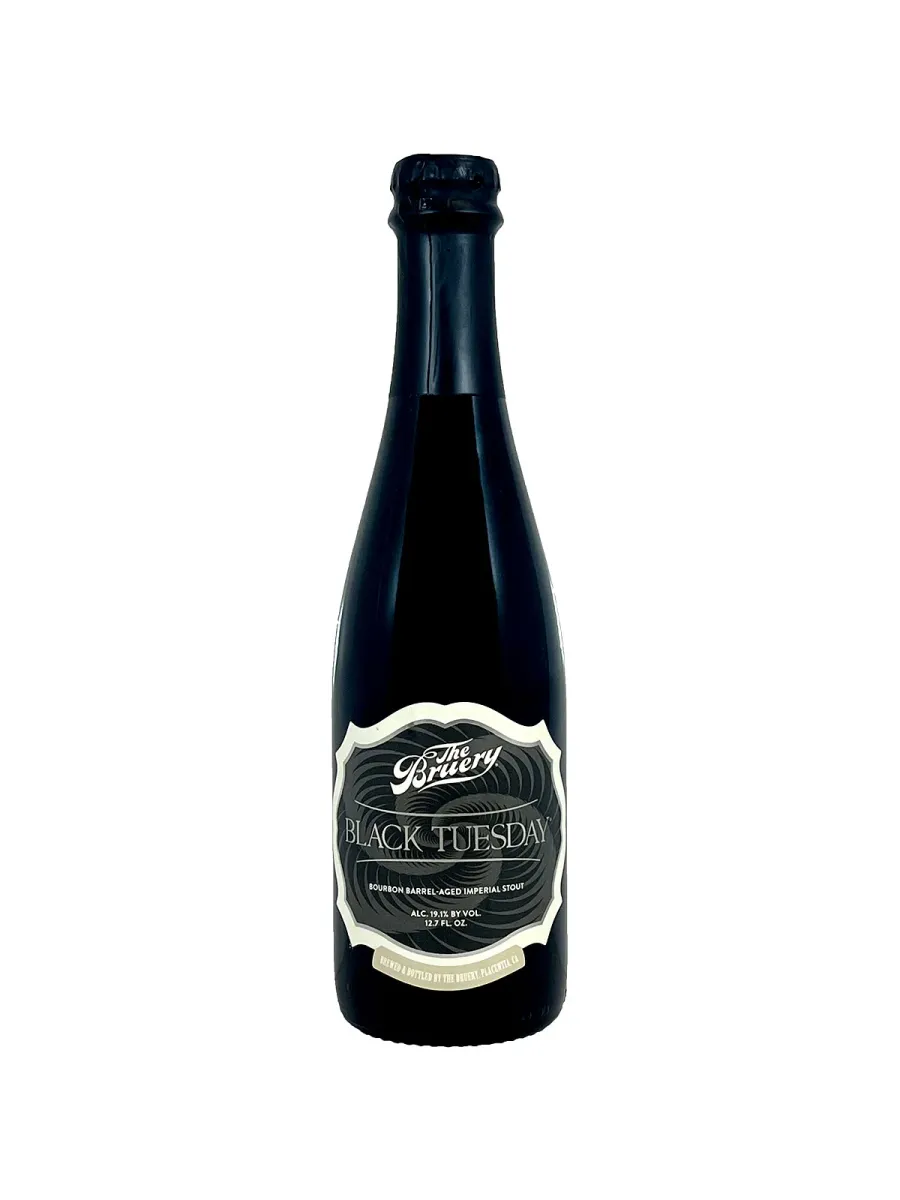
Black Tuesday 2025
Brewed by The Bruery
Bourbon, dark fruit, caramelized malt, and unapologetic alcohol define the annual behemoth.
BAR NOTES
Black Tuesday 2025 earns its position through barrel stout pushed into fortified-wine territory. Bourbon, dark fruit, caramelized malt, and unapologetic alcohol define the annual behemoth. The deciding factor is integration: the barrel changes the beer, but the underlying bourbon barrel-aged imperial stout remains readable.
Share the bottle and pay attention to the finish. Great barrel aging should leave malt, fermentation, fruit, or acidity visible after the oak and spirit impression fades. Continue through the barrel-aged stout guide to compare the base style and see exactly what the barrel changed.
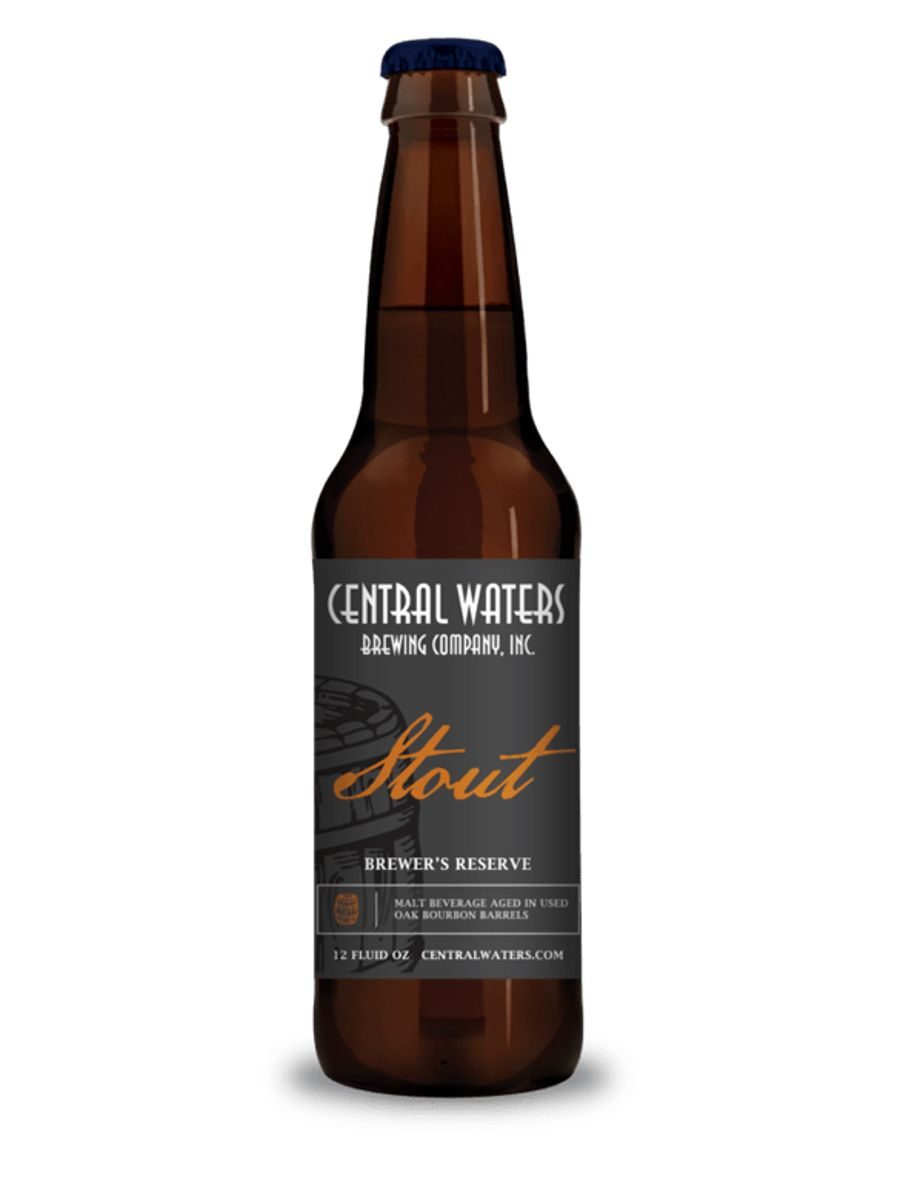
Brewer’s Reserve Bourbon Barrel Stout
Brewed by Central Waters Brewing Company
Bourbon, vanilla, charred oak, dark chocolate, and roasted malt finish with enough bitterness for balance.
BAR NOTES
Brewer’s Reserve Bourbon Barrel Stout earns its position through a pioneering Wisconsin stout balancing bourbon and roast. Bourbon, vanilla, charred oak, dark chocolate, and roasted malt finish with enough bitterness for balance. The deciding factor is integration: the barrel changes the beer, but the underlying bourbon barrel-aged imperial stout remains readable.
Pour four to six ounces in a snifter and let it rise toward cellar temperature; dark chocolate, aged cheese, or smoked meat will meet the intensity without adding more alcohol. Continue through the imperial stout roundup to compare the base style and see exactly what the barrel changed.
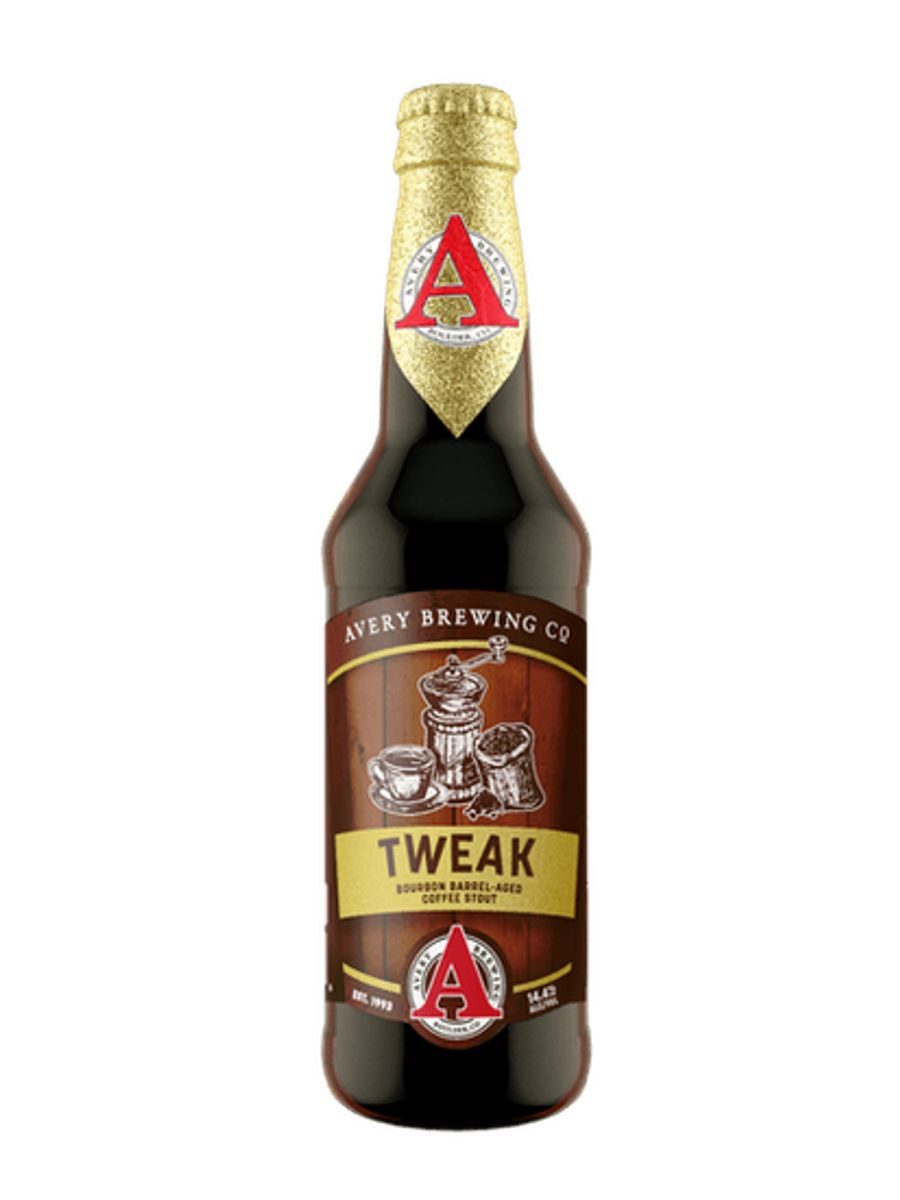
Tweak
Brewed by Avery Brewing Co.
Coffee, molasses, chocolate, oak, and bourbon fill this deceptively polished heavyweight.
BAR NOTES
Tweak earns its position through espresso-driven stout matured in bourbon barrels. Coffee, molasses, chocolate, oak, and bourbon fill this deceptively polished heavyweight. The deciding factor is integration: the barrel changes the beer, but the underlying bourbon barrel-aged coffee stout remains readable.
Serve this slowly around 50–55°F. Aged Gouda, roast beef, braised pork, or toasted nuts give its oak, malt, and spirit character something savory to push against. Continue through the coffee beer roundup to compare the base style and see exactly what the barrel changed.

Bourbon Barrel-Aged Sunday Brunch
Brewed by Kane Brewing Company
Dark cocoa, maple, cinnamon, coffee, vanilla, coconut, and bourbon make this a composed breakfast-beer maximalist.
BAR NOTES
Bourbon Barrel-Aged Sunday Brunch earns its position through long-aged porter finished with maple, cinnamon, and coffee. Dark cocoa, maple, cinnamon, coffee, vanilla, coconut, and bourbon make this a composed breakfast-beer maximalist. The deciding factor is integration: the barrel changes the beer, but the underlying bourbon barrel-aged imperial milk porter remains readable.
A smaller tulip pour is enough. Watch how vanilla, fruit, char, and alcohol change over twenty minutes, then use salty cheese or roast meat to reset the palate. Continue through the coffee beer roundup to compare the base style and see exactly what the barrel changed.

Big Bad Baptist
Brewed by Epic Brewing Co.
Coffee and cacao ride a changing whiskey-barrel program where the batch details matter.
BAR NOTES
Big Bad Baptist earns its position through batch-specific coffee and whiskey barrels. Coffee and cacao ride a changing whiskey-barrel program where the batch details matter. The deciding factor is integration: the barrel changes the beer, but the underlying barrel-aged coffee imperial stout remains readable.
Do not serve it refrigerator-cold: low temperature hides aroma and makes alcohol feel sharper. Rich cheese, mushrooms, or a restrained dessert usually works better than pure sugar. Continue through the barrel-aged stout guide to compare the base style and see exactly what the barrel changed.

Dragon’s Milk
Brewed by New Holland Brewing
Vanilla, oak, caramel, and dark chocolate make this a dependable entry into the category.
BAR NOTES
Dragon’s Milk earns its position through the widely available gateway to bourbon-barrel stout. Vanilla, oak, caramel, and dark chocolate make this a dependable entry into the category. The deciding factor is integration: the barrel changes the beer, but the underlying bourbon barrel-aged stout remains readable.
Fresh packages show the brewer’s intended barrel balance; cellaring can soften heat but may also flatten coffee, fruit, or hop character. Buy multiples only when you actually want that experiment. Continue through the stout guide to compare the base style and see exactly what the barrel changed.

Bourbon Barrel-Aged Framinghammer
Brewed by Jack’s Abby Craft Lagers
Vanilla, char, caramel, and whiskey warmth land clearly against a dark-malt base with restrained fermentation character.
BAR NOTES
Bourbon Barrel-Aged Framinghammer earns its position through a clean lager-fermented porter carrying bourbon oak. Vanilla, char, caramel, and whiskey warmth land clearly against a dark-malt base with restrained fermentation character. The deciding factor is integration: the barrel changes the beer, but the underlying barrel-aged baltic porter remains readable.
Share the bottle and pay attention to the finish. Great barrel aging should leave malt, fermentation, fruit, or acidity visible after the oak and spirit impression fades. Continue through the stout and porter guide to compare the base style and see exactly what the barrel changed.
Barleywine, Scotch Ale, and Belgian Strength
Barrels are not reserved for stout. Malt-heavy barleywine, Scotch ale, quadrupel, Trappist strong ale, and traditional stock ale can absorb oak and spirits without depending on roast. Explore the underlying families in the barleywine, old ale, and Belgian beer guides.
Without roasted malt, barrel character lands differently. Toffee, bread, dark fruit, Belgian yeast, and oxidation can meet oak or spirits with more transparency than stout allows.

Straight Jacket
Brewed by Revolution Brewing
Brown sugar, vanilla, oak, and dark fruit remain recognizably barleywine beneath the whiskey.
BAR NOTES
Straight Jacket earns its position through Chicago barleywine aged until caramel and stone fruit turn luxurious. Brown sugar, vanilla, oak, and dark fruit remain recognizably barleywine beneath the whiskey. The deciding factor is integration: the barrel changes the beer, but the underlying bourbon barrel-aged barleywine remains readable.
Pour four to six ounces in a snifter and let it rise toward cellar temperature; dark chocolate, aged cheese, or smoked meat will meet the intensity without adding more alcohol. Continue through the barleywine guide to compare the base style and see exactly what the barrel changed.

Bourbon Barrel Aged Barleywine
Brewed by pFriem Family Brewers
Caramel, toffee, baked bread, baking spice, vanilla, oak, and dark fruit stay precise.
BAR NOTES
Bourbon Barrel Aged Barleywine earns its position through ten months in Kentucky bourbon casks. Caramel, toffee, baked bread, baking spice, vanilla, oak, and dark fruit stay precise. The deciding factor is integration: the barrel changes the beer, but the underlying english-style barrel-aged barleywine remains readable.
Serve this slowly around 50–55°F. Aged Gouda, roast beef, braised pork, or toasted nuts give its oak, malt, and spirit character something savory to push against. Continue through the barleywine guide to compare the base style and see exactly what the barrel changed.

Mother of All Storms
Brewed by Pelican Brewing Company
Toasted malt, bourbon, oak, vanilla, toffee, and caramel arrive with deliberate calm.
BAR NOTES
Mother of All Storms earns its position through a full year in Kentucky bourbon barrels. Toasted malt, bourbon, oak, vanilla, toffee, and caramel arrive with deliberate calm. The deciding factor is integration: the barrel changes the beer, but the underlying bourbon barrel-aged english barleywine remains readable.
A smaller tulip pour is enough. Watch how vanilla, fruit, char, and alcohol change over twenty minutes, then use salty cheese or roast meat to reset the palate. Continue through the barleywine guide to compare the base style and see exactly what the barrel changed.

16th Anniversary Barleywine
Brewed by Fremont Brewing
Caramel, molasses, fig, cherry, whiskey, oak, walnut, and graham cracker turn time into an ingredient.
BAR NOTES
16th Anniversary Barleywine earns its position through a blend of 36-month and 12-month Heaven Hill barrels. Caramel, molasses, fig, cherry, whiskey, oak, walnut, and graham cracker turn time into an ingredient. The deciding factor is integration: the barrel changes the beer, but the underlying bourbon barrel-aged barleywine remains readable.
Do not serve it refrigerator-cold: low temperature hides aroma and makes alcohol feel sharper. Rich cheese, mushrooms, or a restrained dessert usually works better than pure sugar. Continue through the barleywine guide to compare the base style and see exactly what the barrel changed.

Yorkshire Stingo
Brewed by Samuel Smith’s Old Brewery
Treacle, toffee, raisin, Christmas pudding, fruit, and quiet oak keep tradition alive.
BAR NOTES
Yorkshire Stingo earns its position through at least one year in century-old oak ale casks. Treacle, toffee, raisin, Christmas pudding, fruit, and quiet oak keep tradition alive. The deciding factor is integration: the barrel changes the beer, but the underlying oak-aged english strong ale remains readable.
Fresh packages show the brewer’s intended barrel balance; cellaring can soften heat but may also flatten coffee, fruit, or hop character. Buy multiples only when you actually want that experiment. Continue through the old ale guide to compare the base style and see exactly what the barrel changed.

Backwoods Bastard
Brewed by Founders Brewing Co.
Caramel, toffee, bourbon, vanilla, dark fruit, and warming oak preserve the Scotch-ale core.
BAR NOTES
Backwoods Bastard earns its position through malt and bourbon in heavyweight form. Caramel, toffee, bourbon, vanilla, dark fruit, and warming oak preserve the Scotch-ale core. The deciding factor is integration: the barrel changes the beer, but the underlying bourbon barrel-aged scotch ale remains readable.
Share the bottle and pay attention to the finish. Great barrel aging should leave malt, fermentation, fruit, or acidity visible after the oak and spirit impression fades. Continue through the old ale guide to compare the base style and see exactly what the barrel changed.

Bourbon Barrel Quad
Brewed by Boulevard Brewing Co.
Toffee, cherry, vanilla, dark fruit, and a warming bourbon finish connect yeast and oak.
BAR NOTES
Bourbon Barrel Quad earns its position through Belgian dark ale viewed through a Missouri whiskey lens. Toffee, cherry, vanilla, dark fruit, and a warming bourbon finish connect yeast and oak. The deciding factor is integration: the barrel changes the beer, but the underlying bourbon barrel-aged quadrupel remains readable.
Pour four to six ounces in a snifter and let it rise toward cellar temperature; dark chocolate, aged cheese, or smoked meat will meet the intensity without adding more alcohol. Continue through the Belgian beer guide to compare the base style and see exactly what the barrel changed.

Chimay Grande Réserve Oak Aged
Brewed by Bières de Chimay
Dark fruit, vanilla, coconut, caramel, and whisky-soaked oak deepen a monastic classic.
BAR NOTES
Chimay Grande Réserve Oak Aged earns its position through a Trappist strong dark ale transformed by selected oak. Dark fruit, vanilla, coconut, caramel, and whisky-soaked oak deepen a monastic classic. The deciding factor is integration: the barrel changes the beer, but the underlying barrel-aged strong dark ale remains readable.
Serve this slowly around 50–55°F. Aged Gouda, roast beef, braised pork, or toasted nuts give its oak, malt, and spirit character something savory to push against. Continue through the Trappist beer guide to compare the base style and see exactly what the barrel changed.

La Trappe Quadrupel Oak Aged
Brewed by Bierbrouwerij De Koningshoeven
Fig, vanilla, walnut, whisky, smoke, and concentrated caramel reveal the selected casks.
BAR NOTES
La Trappe Quadrupel Oak Aged earns its position through batch-specific Trappist quadrupel and oak. Fig, vanilla, walnut, whisky, smoke, and concentrated caramel reveal the selected casks. The deciding factor is integration: the barrel changes the beer, but the underlying barrel-aged quadrupel remains readable.
A smaller tulip pour is enough. Watch how vanilla, fruit, char, and alcohol change over twenty minutes, then use salty cheese or roast meat to reset the palate. Continue through the Trappist beer guide to compare the base style and see exactly what the barrel changed.

Chimay Grande Réserve Rum Barrel
Brewed by Bières de Chimay
Dark fruit, molasses, vanilla, oak, and warming rum reshape the familiar Trappist base.
BAR NOTES
Chimay Grande Réserve Rum Barrel earns its position through Grande Réserve finished in rum barrels. Dark fruit, molasses, vanilla, oak, and warming rum reshape the familiar Trappist base. The deciding factor is integration: the barrel changes the beer, but the underlying rum-barrel strong dark ale remains readable.
Do not serve it refrigerator-cold: low temperature hides aroma and makes alcohol feel sharper. Rich cheese, mushrooms, or a restrained dessert usually works better than pure sugar. Continue through the Belgian beer guide to compare the base style and see exactly what the barrel changed.
Unusual Spirit Barrels and Specialty Ales
Rum, tequila, apple brandy, apple whiskey, and bourbon can all work—but only when the base beer has a reason to meet them. This section moves beyond the standard imperial-stout formula and into farmhouse, cream, fruit, botanical, and mixed-spirit territory.
A specialty barrel should make sense with the base beer. Rum favors molasses and coconut, apple brandy favors fruit and caramel, tequila favors citrus and agave, and lighter beers need restraint because there is nowhere for rough oak to hide.

pFriem Barrel Aged Saison IV
Brewed by pFriem Family Brewers
Pear, oak, lemon, spice, and vinous dryness show that barrels can sharpen rather than sweeten.
BAR NOTES
pFriem Barrel Aged Saison IV earns its position through barrel aging and bottle conditioning applied to farmhouse ale. Pear, oak, lemon, spice, and vinous dryness show that barrels can sharpen rather than sweeten. The deciding factor is integration: the barrel changes the beer, but the underlying barrel-aged saison remains readable.
Fresh packages show the brewer’s intended barrel balance; cellaring can soften heat but may also flatten coffee, fruit, or hop character. Buy multiples only when you actually want that experiment. Continue through the saison guide to compare the base style and see exactly what the barrel changed.

Kentucky Vanilla Barrel Cream Ale
Brewed by Lexington Brewing & Distilling Co.
Pale malt, vanilla, light caramel, and restrained barrel character keep the beer approachable.
BAR NOTES
Kentucky Vanilla Barrel Cream Ale earns its position through gentle oak and vanilla without imperial-stout strength. Pale malt, vanilla, light caramel, and restrained barrel character keep the beer approachable. The deciding factor is integration: the barrel changes the beer, but the underlying barrel-aged vanilla cream ale remains readable.
Share the bottle and pay attention to the finish. Great barrel aging should leave malt, fermentation, fruit, or acidity visible after the oak and spirit impression fades. Continue through the cream ale guide to compare the base style and see exactly what the barrel changed.
Alba Barrel-Aged
Brewed by Williams Bros. Brewing Co.
Pine, spruce, caramelized malt, vanilla, and oak make the barrel feel like part of the forest.
BAR NOTES
Alba Barrel-Aged earns its position through forest botanicals meeting oak and spirit warmth. Pine, spruce, caramelized malt, vanilla, and oak make the barrel feel like part of the forest. The deciding factor is integration: the barrel changes the beer, but the underlying barrel-aged pine and spruce ale remains readable.
Pour four to six ounces in a snifter and let it rise toward cellar temperature; dark chocolate, aged cheese, or smoked meat will meet the intensity without adding more alcohol. Continue through the unique beer-style guide to compare the base style and see exactly what the barrel changed.
Tequila Barrel-Aged Otra Vez
Brewed by Sierra Nevada Brewing Co.
Citrus, mineral acidity, cooked agave, vanilla, pepper, oak, and spirit warmth stay cocktail-adjacent.
BAR NOTES
Tequila Barrel-Aged Otra Vez earns its position through agave and lime carried through reposado-tequila wood. Citrus, mineral acidity, cooked agave, vanilla, pepper, oak, and spirit warmth stay cocktail-adjacent. The deciding factor is integration: the barrel changes the beer, but the underlying tequila barrel-aged specialty ale remains readable.
Serve this slowly around 50–55°F. Aged Gouda, roast beef, braised pork, or toasted nuts give its oak, malt, and spirit character something savory to push against. Continue through the unique beer-style guide to compare the base style and see exactly what the barrel changed.

Coconut Rum B-Bomb
Brewed by Fremont Brewing
Rum, oak, molasses, dark fruit, caramel, and coconut form a slow, cellar-minded pour.
BAR NOTES
Coconut Rum B-Bomb earns its position through three years in rum barrels followed by toasted coconut. Rum, oak, molasses, dark fruit, caramel, and coconut form a slow, cellar-minded pour. The deciding factor is integration: the barrel changes the beer, but the underlying rum barrel-aged imperial winter ale remains readable.
A smaller tulip pour is enough. Watch how vanilla, fruit, char, and alcohol change over twenty minutes, then use salty cheese or roast meat to reset the palate. Continue through the coconut beer guide to compare the base style and see exactly what the barrel changed.

Apple Brandy Barrel Noir
Brewed by Prairie Artisan Ales
Dark chocolate, roast, caramelized apple, oak, and brandy replace the usual bourbon shorthand.
BAR NOTES
Apple Brandy Barrel Noir earns its position through Noir aged entirely in apple-brandy barrels. Dark chocolate, roast, caramelized apple, oak, and brandy replace the usual bourbon shorthand. The deciding factor is integration: the barrel changes the beer, but the underlying apple brandy barrel-aged imperial stout remains readable.
Do not serve it refrigerator-cold: low temperature hides aroma and makes alcohol feel sharper. Rich cheese, mushrooms, or a restrained dessert usually works better than pure sugar. Continue through the apple beer guide to compare the base style and see exactly what the barrel changed.

Hunahpu’s Double Barrel
Brewed by Cigar City Brewing
Cocoa, cinnamon, chile, vanilla, dark fruit, rum, and brandy create deliberate excess.
BAR NOTES
Hunahpu’s Double Barrel earns its position through Hunahpu’s split between rum and apple-brandy oak. Cocoa, cinnamon, chile, vanilla, dark fruit, rum, and brandy create deliberate excess. The deciding factor is integration: the barrel changes the beer, but the underlying double-barrel imperial stout remains readable.
Fresh packages show the brewer’s intended barrel balance; cellaring can soften heat but may also flatten coffee, fruit, or hop character. Buy multiples only when you actually want that experiment. Continue through the apple beer guide to compare the base style and see exactly what the barrel changed.

Felix Aged in Apple Whiskey Barrels
Brewed by New Belgium Brewing
Tart apple, lemon, oak, vanilla, and gentle whiskey warmth make the spirit barrel feel fresh.
BAR NOTES
Felix Aged in Apple Whiskey Barrels earns its position through golden sour rested in apple-whiskey barrels. Tart apple, lemon, oak, vanilla, and gentle whiskey warmth make the spirit barrel feel fresh. The deciding factor is integration: the barrel changes the beer, but the underlying apple whiskey barrel-aged golden sour remains readable.
Share the bottle and pay attention to the finish. Great barrel aging should leave malt, fermentation, fruit, or acidity visible after the oak and spirit impression fades. Continue through the sour beer guide to compare the base style and see exactly what the barrel changed.

Apple Brandy Barrel Aged Barleywine
Brewed by Hawkers Beer
Toffee, raisin, baked apple, vanilla, and polished oak suit the malt-heavy base.
BAR NOTES
Apple Brandy Barrel Aged Barleywine earns its position through Australian barleywine steeped in apple-brandy oak. Toffee, raisin, baked apple, vanilla, and polished oak suit the malt-heavy base. The deciding factor is integration: the barrel changes the beer, but the underlying apple brandy barrel-aged barleywine remains readable.
Pour four to six ounces in a snifter and let it rise toward cellar temperature; dark chocolate, aged cheese, or smoked meat will meet the intensity without adding more alcohol. Continue through the barleywine guide to compare the base style and see exactly what the barrel changed.

Barrel-Aged Apple Ale
Brewed by Scratch Brewing Company
Tart apple, oak, hay, vanilla, and earthy house-culture funk make this the anti-dessert apple beer.
BAR NOTES
Barrel-Aged Apple Ale earns its position through hopless farmhouse ale co-fermented with apples. Tart apple, oak, hay, vanilla, and earthy house-culture funk make this the anti-dessert apple beer. The deciding factor is integration: the barrel changes the beer, but the underlying wild barrel-aged apple ale remains readable.
Serve this slowly around 50–55°F. Aged Gouda, roast beef, braised pork, or toasted nuts give its oak, malt, and spirit character something savory to push against. Continue through the farmhouse ale guide to compare the base style and see exactly what the barrel changed.
Wine Oak, Foeders, and Wild Fermentation
In these beers, wood is often a fermentation vessel and blending tool rather than a spirit-delivery system. Large foeders, wine barrels, mixed cultures, fruit, and patient blending create acidity, tannin, oxidation, and texture that bourbon barrels cannot.
Here wood creates a home for fermentation and a vessel for long maturation. Acidity, fruit, tannin, Brettanomyces, and gentle oxygen matter more than extracting the loudest possible spirit flavor.

Rodenbach Grand Cru
Brewed by Brouwerij Rodenbach
Sour cherry, balsamic depth, oak, caramel, and red-wine structure define the classic sweet-sour balance.
BAR NOTES
Rodenbach Grand Cru earns its position through young and mature beer blended after foeder aging. Sour cherry, balsamic depth, oak, caramel, and red-wine structure define the classic sweet-sour balance. The deciding factor is integration: the barrel changes the beer, but the underlying foeder-aged flanders red ale remains readable.
A smaller tulip pour is enough. Watch how vanilla, fruit, char, and alcohol change over twenty minutes, then use salty cheese or roast meat to reset the palate. Continue through the sour beer guide to compare the base style and see exactly what the barrel changed.

La Folie
Brewed by New Belgium Brewing
Tart cherry, plum skin, oak, cocoa, and balsamic depth show the American foeder tradition.
BAR NOTES
La Folie earns its position through brown ale matured in large wooden foeders. Tart cherry, plum skin, oak, cocoa, and balsamic depth show the American foeder tradition. The deciding factor is integration: the barrel changes the beer, but the underlying foeder-aged sour brown ale remains readable.
Do not serve it refrigerator-cold: low temperature hides aroma and makes alcohol feel sharper. Rich cheese, mushrooms, or a restrained dessert usually works better than pure sugar. Continue through the sour beer guide to compare the base style and see exactly what the barrel changed.

Petrus Aged Pale
Brewed by Brouwerij De Brabandere
Lemon, green apple, vanilla, oak, and wine-like acidity make wood the central ingredient.
BAR NOTES
Petrus Aged Pale earns its position through pale ale aged entirely in oak foeders. Lemon, green apple, vanilla, oak, and wine-like acidity make wood the central ingredient. The deciding factor is integration: the barrel changes the beer, but the underlying foeder-aged pale sour ale remains readable.
Fresh packages show the brewer’s intended barrel balance; cellaring can soften heat but may also flatten coffee, fruit, or hop character. Buy multiples only when you actually want that experiment. Continue through the Belgian beer guide to compare the base style and see exactly what the barrel changed.

Jolly Pumpkin La Roja
Brewed by Jolly Pumpkin Artisan Ales
Tart cherry, caramel, leather, vanilla, and earthy funk carry unmistakable house character.
BAR NOTES
Jolly Pumpkin La Roja earns its position through amber ale fermented and matured with house culture in oak. Tart cherry, caramel, leather, vanilla, and earthy funk carry unmistakable house character. The deciding factor is integration: the barrel changes the beer, but the underlying oak-aged sour amber ale remains readable.
Share the bottle and pay attention to the finish. Great barrel aging should leave malt, fermentation, fruit, or acidity visible after the oak and spirit impression fades. Continue through the sour beer guide to compare the base style and see exactly what the barrel changed.

Jolly Pumpkin Oro de Calabaza
Brewed by Jolly Pumpkin Artisan Ales
Lemon, pear, pepper, vanilla, and dry farmhouse funk stay lean despite the strength.
BAR NOTES
Jolly Pumpkin Oro de Calabaza earns its position through wild golden ale shaped by oak and bottle conditioning. Lemon, pear, pepper, vanilla, and dry farmhouse funk stay lean despite the strength. The deciding factor is integration: the barrel changes the beer, but the underlying oak-aged wild golden ale remains readable.
Pour four to six ounces in a snifter and let it rise toward cellar temperature; dark chocolate, aged cheese, or smoked meat will meet the intensity without adding more alcohol. Continue through the farmhouse ale guide to compare the base style and see exactly what the barrel changed.

Oude Tart
Brewed by The Bruery Terreux
Cherry, plum, leather, vanilla, and balsamic acidity show wine wood’s direct influence.
BAR NOTES
Oude Tart earns its position through Flanders red-style ale aged in red-wine barrels. Cherry, plum, leather, vanilla, and balsamic acidity show wine wood’s direct influence. The deciding factor is integration: the barrel changes the beer, but the underlying red-wine barrel-aged flanders red-style ale remains readable.
Serve this slowly around 50–55°F. Aged Gouda, roast beef, braised pork, or toasted nuts give its oak, malt, and spirit character something savory to push against. Continue through the sour beer guide to compare the base style and see exactly what the barrel changed.

Cascade Kriek
Brewed by Cascade Brewing
Black cherry, cinnamon, oak, citrus, and bright acidity favor fruit and wood over sweetness.
BAR NOTES
Cascade Kriek earns its position through Northwest sour beer aged in barrels with cherries. Black cherry, cinnamon, oak, citrus, and bright acidity favor fruit and wood over sweetness. The deciding factor is integration: the barrel changes the beer, but the underlying barrel-aged cherry sour ale remains readable.
A smaller tulip pour is enough. Watch how vanilla, fruit, char, and alcohol change over twenty minutes, then use salty cheese or roast meat to reset the palate. Continue through the fruit beer guide to compare the base style and see exactly what the barrel changed.

Cascade Apricot
Brewed by Cascade Brewing
Apricot skin, lemon, oak, vanilla, and assertive tartness produce a dry orchard profile.
BAR NOTES
Cascade Apricot earns its position through barrel-aged sour beer finished with apricot. Apricot skin, lemon, oak, vanilla, and assertive tartness produce a dry orchard profile. The deciding factor is integration: the barrel changes the beer, but the underlying barrel-aged apricot sour ale remains readable.
Do not serve it refrigerator-cold: low temperature hides aroma and makes alcohol feel sharper. Rich cheese, mushrooms, or a restrained dessert usually works better than pure sugar. Continue through the fruit beer guide to compare the base style and see exactly what the barrel changed.

Russian River Supplication
Brewed by Russian River Brewing Company
Cherry, cocoa, Pinot character, leather, and supple acidity integrate fruit, wine, and malt.
BAR NOTES
Russian River Supplication earns its position through brown ale aged in Pinot Noir barrels with sour cherries. Cherry, cocoa, Pinot character, leather, and supple acidity integrate fruit, wine, and malt. The deciding factor is integration: the barrel changes the beer, but the underlying pinot barrel brown ale remains readable.
Fresh packages show the brewer’s intended barrel balance; cellaring can soften heat but may also flatten coffee, fruit, or hop character. Buy multiples only when you actually want that experiment. Continue through the sour beer guide to compare the base style and see exactly what the barrel changed.

Russian River Consecration
Brewed by Russian River Brewing Company
Black currant, red wine, cocoa, leather, and warming acidity make Cabernet structure obvious.
BAR NOTES
Russian River Consecration earns its position through dark ale aged in Cabernet barrels with black currants. Black currant, red wine, cocoa, leather, and warming acidity make Cabernet structure obvious. The deciding factor is integration: the barrel changes the beer, but the underlying cabernet barrel dark ale remains readable.
Share the bottle and pay attention to the finish. Great barrel aging should leave malt, fermentation, fruit, or acidity visible after the oak and spirit impression fades. Continue through the sour beer guide to compare the base style and see exactly what the barrel changed.

Russian River Beatification
Brewed by Russian River Brewing Company
Lemon, white grape, wet stone, oak, and measured funk show a restrained American spontaneous ale.
BAR NOTES
Russian River Beatification earns its position through spontaneous fermentation followed by wine-oak maturation. Lemon, white grape, wet stone, oak, and measured funk show a restrained American spontaneous ale. The deciding factor is integration: the barrel changes the beer, but the underlying spontaneous wine-barrel wild ale remains readable.
Pour four to six ounces in a snifter and let it rise toward cellar temperature; dark chocolate, aged cheese, or smoked meat will meet the intensity without adding more alcohol. Continue through the sour beer guide to compare the base style and see exactly what the barrel changed.

Allagash Coolship Resurgam
Brewed by Allagash Brewing Company
Lemon, apple, wet stone, oak, and delicate barnyard funk reward patience rather than force.
BAR NOTES
Allagash Coolship Resurgam earns its position through a coolship beer blended across three vintages after oak aging. Lemon, apple, wet stone, oak, and delicate barnyard funk reward patience rather than force. The deciding factor is integration: the barrel changes the beer, but the underlying oak-aged spontaneous ale remains readable.
Serve this slowly around 50–55°F. Aged Gouda, roast beef, braised pork, or toasted nuts give its oak, malt, and spirit character something savory to push against. Continue through the sour beer guide to compare the base style and see exactly what the barrel changed.
How to buy, serve, and cellar barrel-aged beer
Check the exact vintage and barrel statement before buying. Barrel programs change from year to year, and a beer with the same brand name may use different distilleries, aging times, adjuncts, or blends. Keep bottles upright in a cool, dark, stable place and avoid assuming every strong beer improves indefinitely.
Serve most strong barrel-aged beers around 50–55°F in a snifter or tulip, usually in four-to-six-ounce portions. Tart and spontaneous examples can be served a little cooler. Open the richest bottles with another person; oxidation happens faster after opening than most people expect.
Barrel aging at home: the short version
A full barrel creates oxygen, sanitation, evaporation, and volume challenges. Many homebrewers get more control from cubes, spirals, or staves dosed gradually into a stable finished beer. Spirit-soaked wood can approximate flavor, but it does not perfectly reproduce the slow exchange inside a real used barrel.
Start with a strong, fully fermented base beer, minimize oxygen during transfer, taste on a schedule, and package when the wood supports the beer—not when the calendar says aging is complete. Mixed-culture barrels need dedicated equipment and much stricter planning than a clean bourbon-barrel stout.
Follow the Barrel Back to the Base Beer
The best way to understand barrel aging is to compare the finished beer with the family underneath it. Pick the branch that caught your attention and keep tasting with a reference point.