50 Best Sour Beers for 2026: From Gueuze to Gose
Sour beer is not one flavor. It can be a bone-dry gueuze, a cherry-dark Flanders red, a salty gose, an oak-aged American wild ale, or a neon fruit sour built for the cooler. The best bottles make acidity part of a larger conversation.
This Top 50 rewards fermentation character, fruit integrity, balance, drinkability, and a sense of place. It deliberately separates traditional mixed-fermentation beer from quick kettle sours while giving both room to succeed on their own terms.
The 50 Best Sour Beers
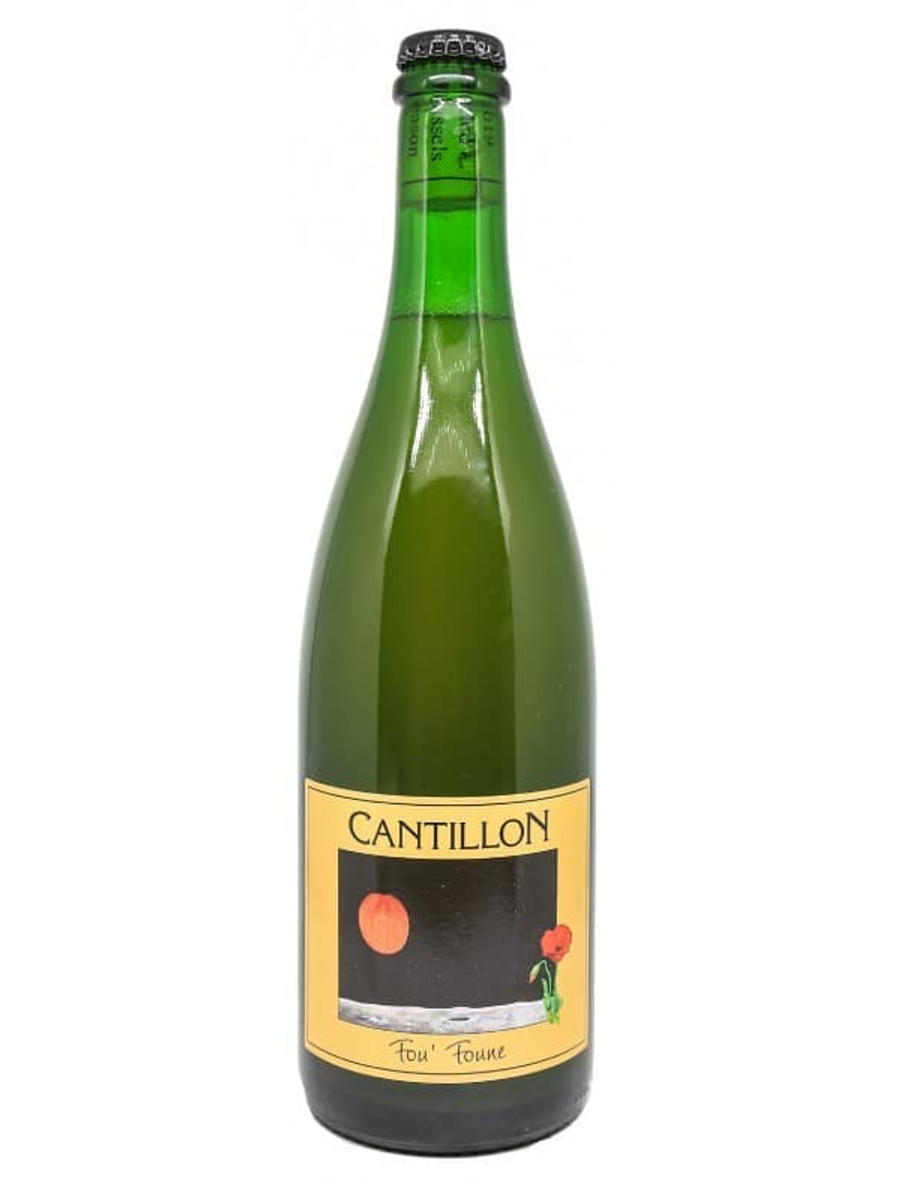
Cantillon Fou' Foune
Brewed by Brasserie Cantillon
Spontaneous + apricot: ripe apricot, lemon peel, cellar funk, and a bone-dry finish.
BAR NOTES
Cantillon Fou' Foune brings ripe apricot, lemon peel, cellar funk, and a bone-dry finish. What earns its place is that it shows how whole fruit can deepen lambic without hiding its fermentation character. The result has a clear identity beyond simply registering as tart.
Serve it around 42–50°F in a tulip or wine glass; stronger barrel-aged bottles can warm a little more. Pair it with goat cheese, roast duck, or almond tart. Check package dates on hop-forward and fruit-heavy cans, while bottle-conditioned lambic and sturdy wood-aged beer can develop with careful cellaring.
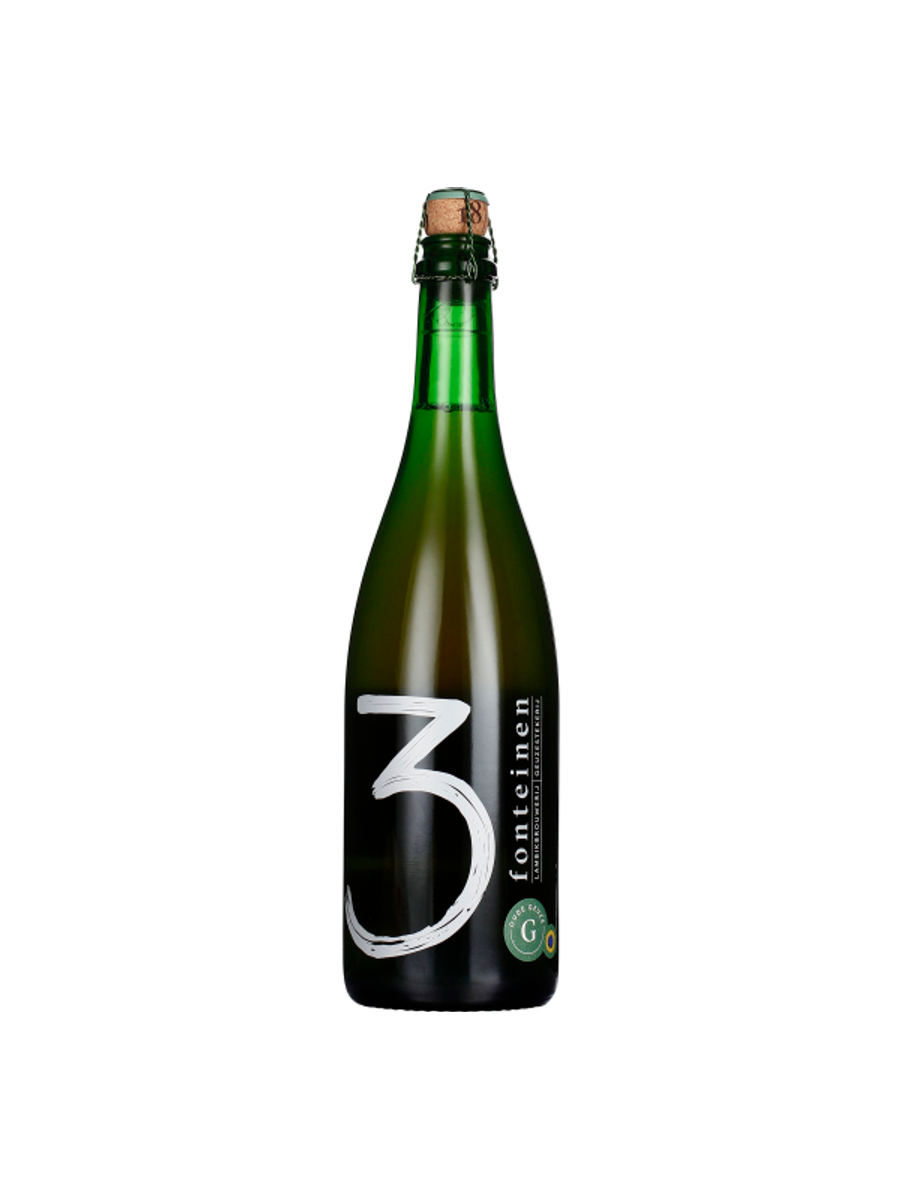
3 Fonteinen Oude Geuze
Brewed by Brouwerij 3 Fonteinen
Three-vintage blend: lemon, hay, mineral, oak, and restrained barnyard funk.
BAR NOTES
3 Fonteinen Oude Geuze brings lemon, hay, mineral, oak, and restrained barnyard funk. What earns its place is that it turns young and mature lambic into a precise sparkling blend built for the table. The result has a clear identity beyond simply registering as tart.
Serve it around 42–50°F in a tulip or wine glass; stronger barrel-aged bottles can warm a little more. Pair it with mussels, roast chicken, or aged gouda. Check package dates on hop-forward and fruit-heavy cans, while bottle-conditioned lambic and sturdy wood-aged beer can develop with careful cellaring.
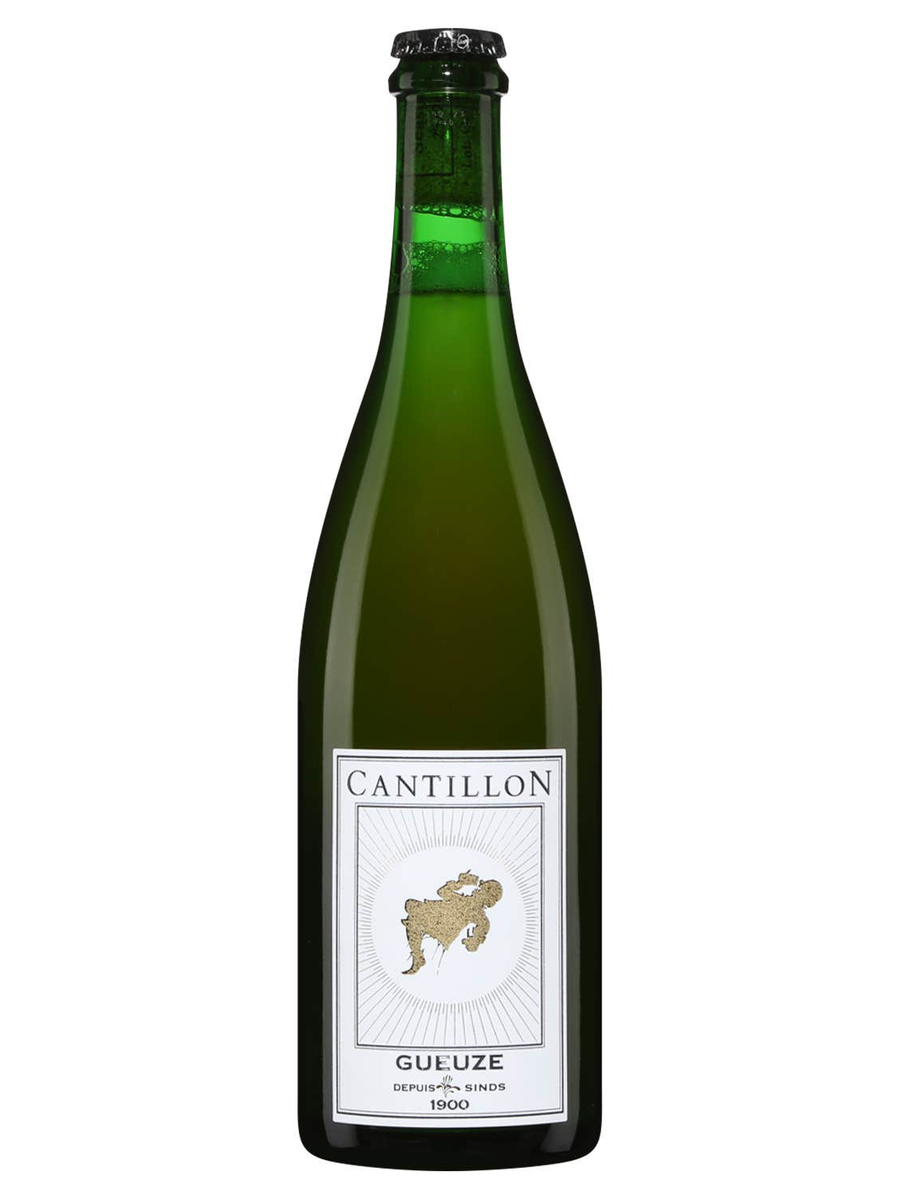
Cantillon Gueuze 100% Lambic Bio
Brewed by Brasserie Cantillon
Traditional gueuze: citrus pith, green apple, damp cellar, oak, and firm acidity.
BAR NOTES
Cantillon Gueuze 100% Lambic Bio brings citrus pith, green apple, damp cellar, oak, and firm acidity. What earns its place is that it remains the clearest doorway into Brussels spontaneous fermentation and bottle-conditioned complexity. The result has a clear identity beyond simply registering as tart.
Serve it around 42–50°F in a tulip or wine glass; stronger barrel-aged bottles can warm a little more. Pair it with oysters, washed-rind cheese, or roast chicken. Check package dates on hop-forward and fruit-heavy cans, while bottle-conditioned lambic and sturdy wood-aged beer can develop with careful cellaring.
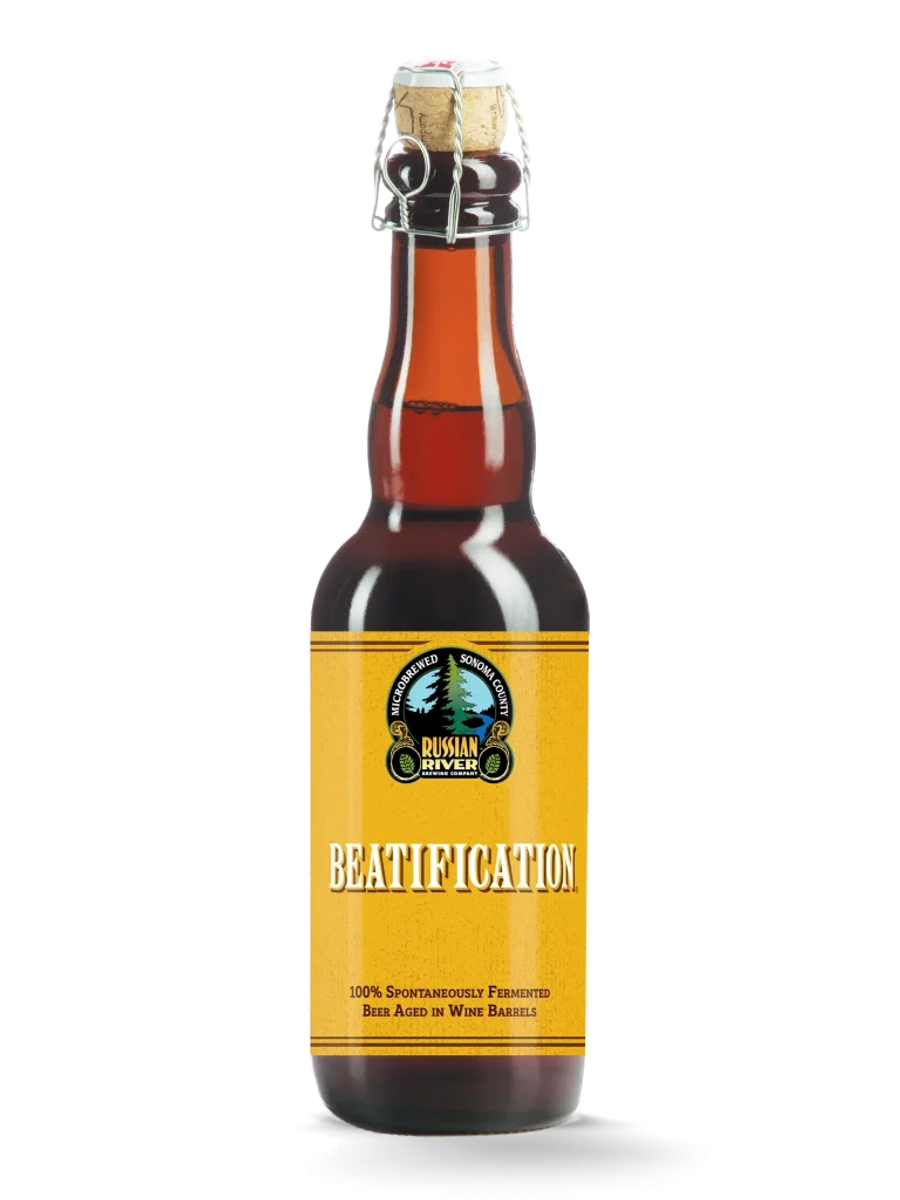
Russian River Beatification
Brewed by Russian River Brewing Company
Spontaneous + wine oak: lemon, white grape, wet stone, oak, and measured funk.
BAR NOTES
Russian River Beatification brings lemon, white grape, wet stone, oak, and measured funk. What earns its place is that it proves American coolship beer can express place without copying lambic note for note. The result has a clear identity beyond simply registering as tart.
Serve it around 42–50°F in a tulip or wine glass; stronger barrel-aged bottles can warm a little more. Pair it with chèvre, oysters, or roast chicken. Check package dates on hop-forward and fruit-heavy cans, while bottle-conditioned lambic and sturdy wood-aged beer can develop with careful cellaring.
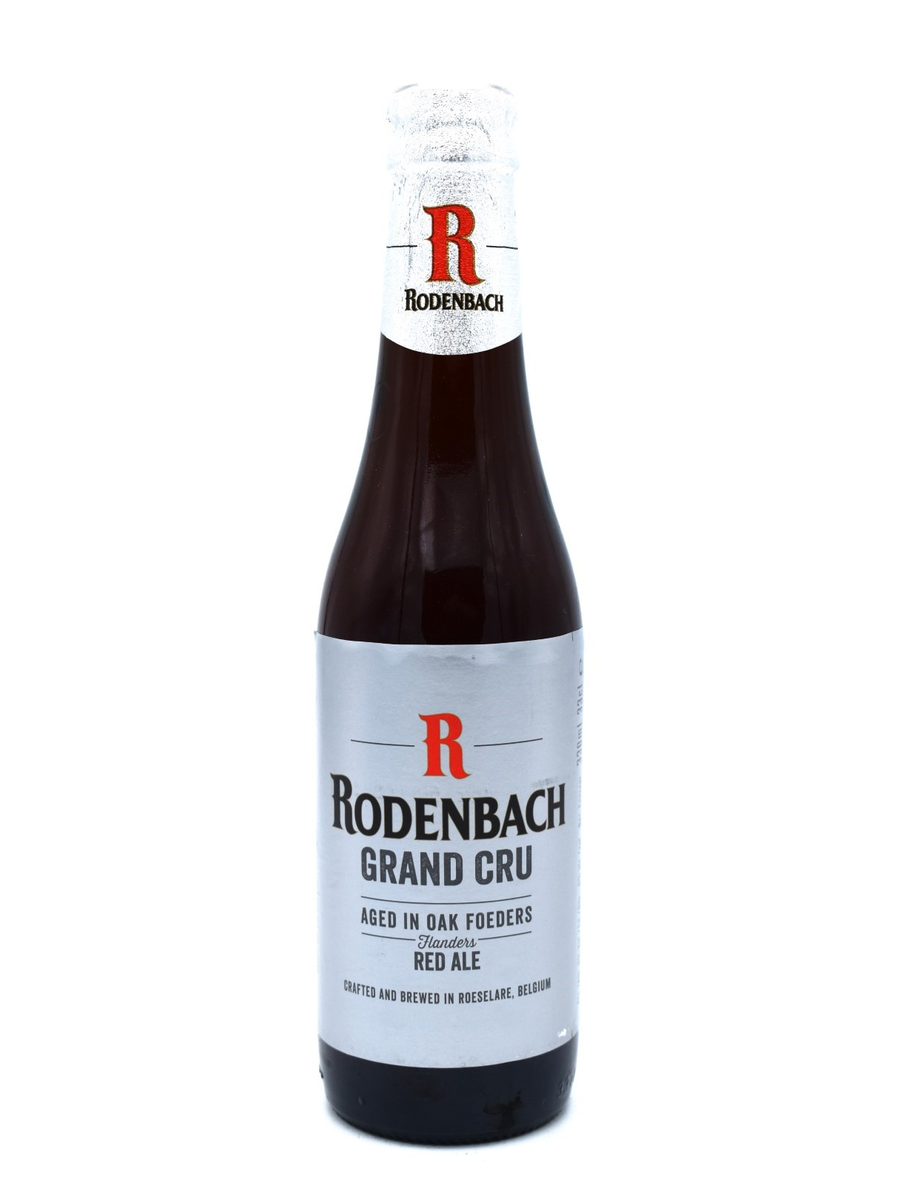
Rodenbach Grand Cru
Brewed by Brouwerij Rodenbach
Foeder-aged blend: sour cherry, balsamic, oak, caramel, and red wine.
BAR NOTES
Rodenbach Grand Cru brings sour cherry, balsamic, oak, caramel, and red wine. What earns its place is that it balances mature foeder beer with younger ale for acidity that stays vinous rather than harsh. The result has a clear identity beyond simply registering as tart.
Serve it around 42–50°F in a tulip or wine glass; stronger barrel-aged bottles can warm a little more. Pair it with carbonnade, duck, or blue cheese. Check package dates on hop-forward and fruit-heavy cans, while bottle-conditioned lambic and sturdy wood-aged beer can develop with careful cellaring.
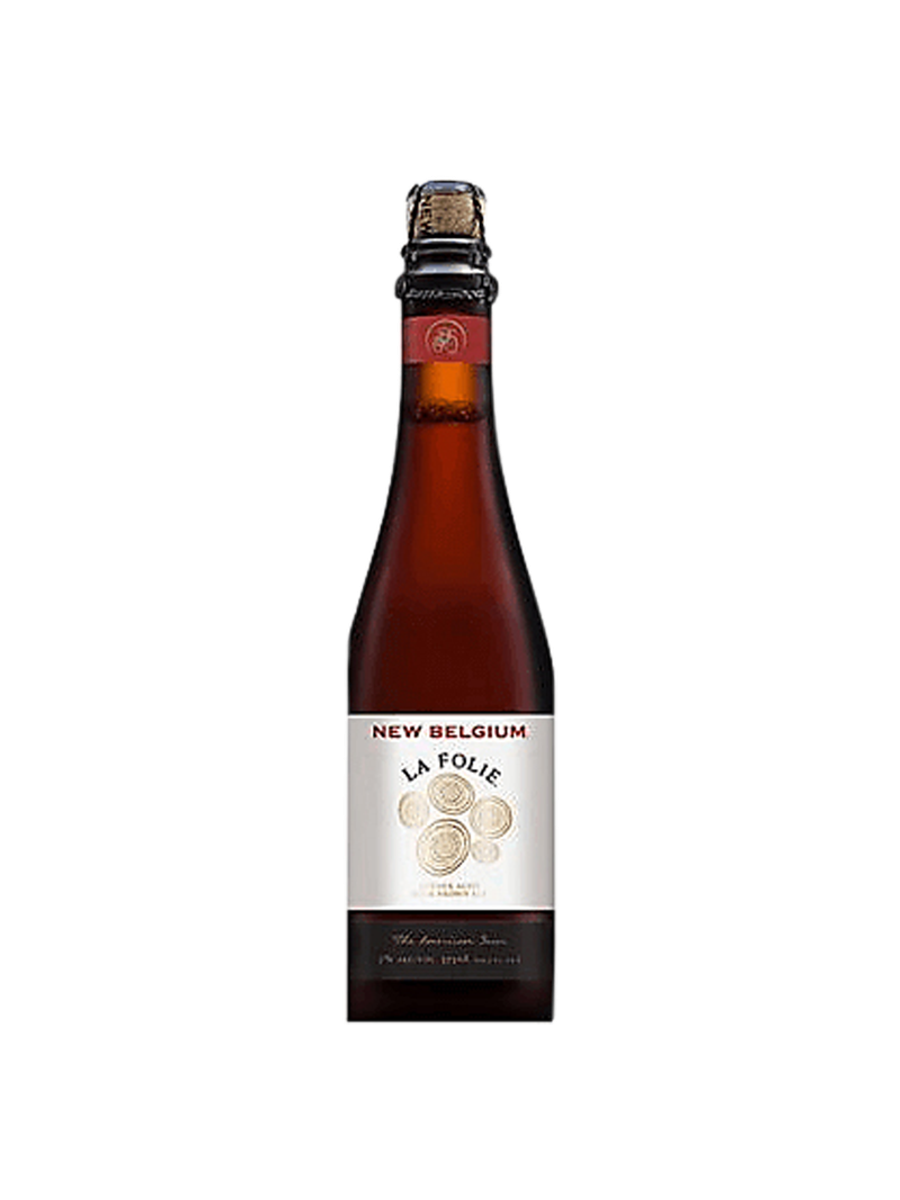
New Belgium La Folie
Brewed by New Belgium Brewing
Foeder-aged brown: tart cherry, plum skin, oak, cocoa, and balsamic depth.
BAR NOTES
New Belgium La Folie brings tart cherry, plum skin, oak, cocoa, and balsamic depth. What earns its place is that it helped teach American drinkers that sour beer could be patient, wood-driven, and food worthy. The result has a clear identity beyond simply registering as tart.
Serve it around 42–50°F in a tulip or wine glass; stronger barrel-aged bottles can warm a little more. Pair it with braised beef, mushrooms, or aged cheddar. Check package dates on hop-forward and fruit-heavy cans, while bottle-conditioned lambic and sturdy wood-aged beer can develop with careful cellaring.
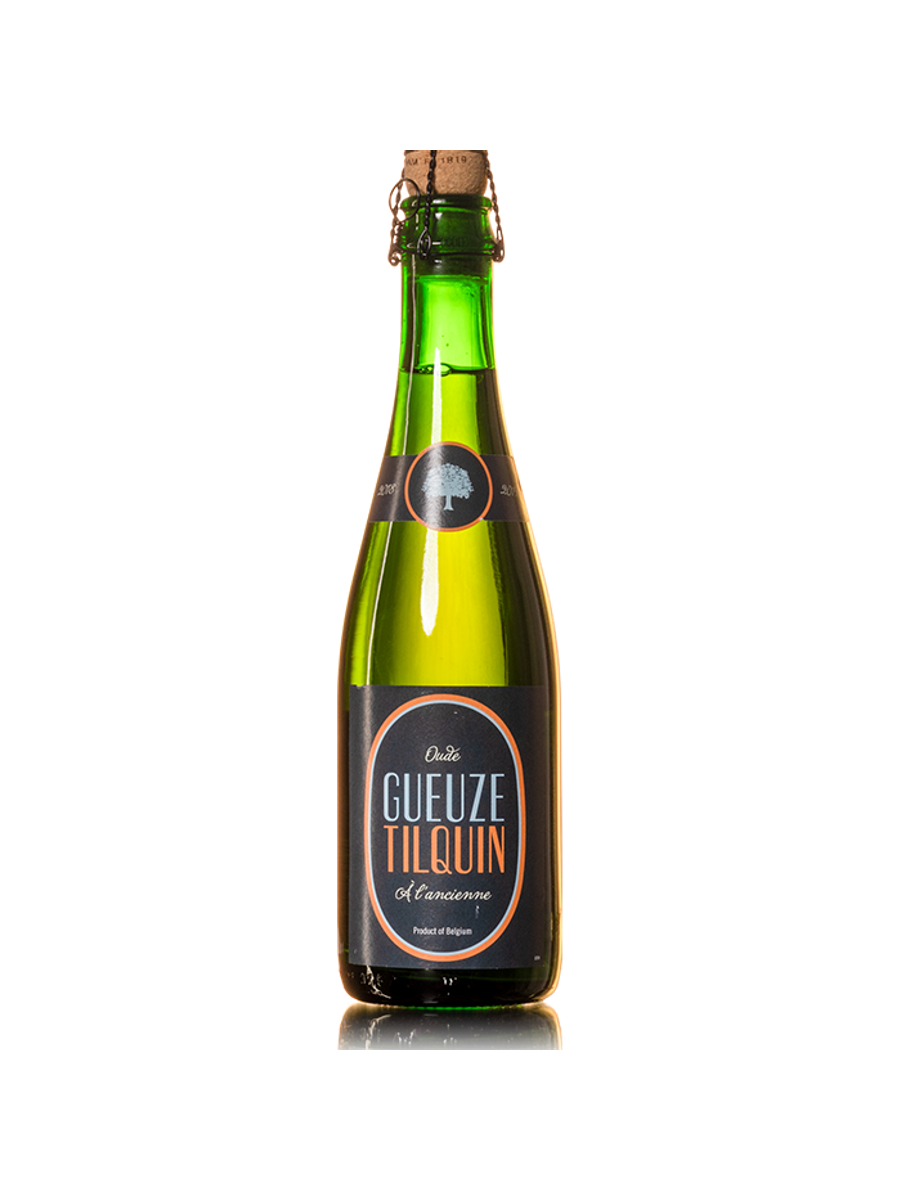
Oude Gueuze Tilquin
Brewed by Gueuzerie Tilquin
Independent blender: lemon, apple skin, hay, pepper, and earthy funk.
BAR NOTES
Oude Gueuze Tilquin brings lemon, apple skin, hay, pepper, and earthy funk. What earns its place is that it shows the blender’s craft through lambics sourced from several breweries and matured into one voice. The result has a clear identity beyond simply registering as tart.
Serve it around 42–50°F in a tulip or wine glass; stronger barrel-aged bottles can warm a little more. Pair it with country pâté, Comté, or roast chicken. Check package dates on hop-forward and fruit-heavy cans, while bottle-conditioned lambic and sturdy wood-aged beer can develop with careful cellaring.
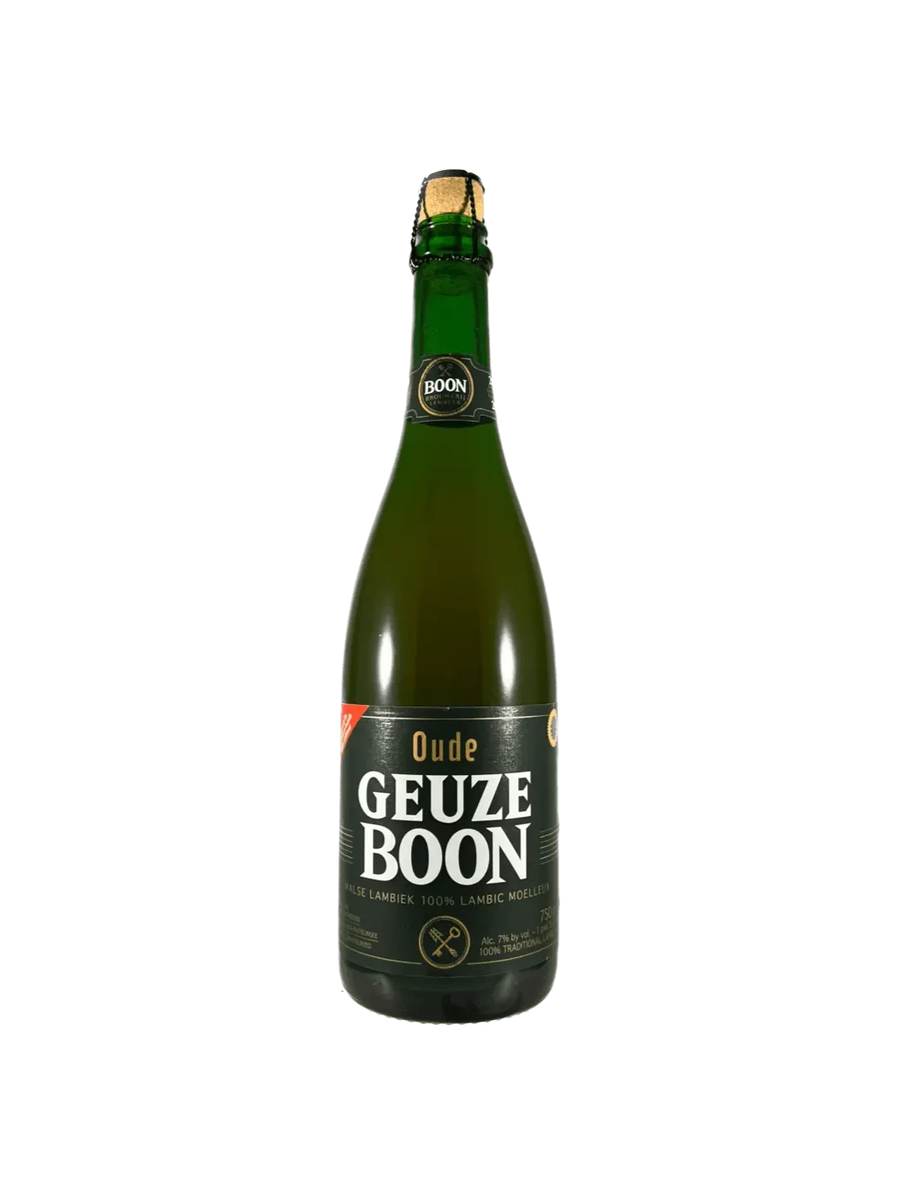
Boon Oude Geuze
Brewed by Brouwerij Boon
Mild traditional gueuze: green apple, lemon, oak, hay, and a clean dry snap.
BAR NOTES
Boon Oude Geuze brings green apple, lemon, oak, hay, and a clean dry snap. What earns its place is that it offers a polished and widely available entry into traditional gueuze without sanding away the style. The result has a clear identity beyond simply registering as tart.
Serve it around 42–50°F in a tulip or wine glass; stronger barrel-aged bottles can warm a little more. Pair it with mussels, fries, or young goat cheese. Check package dates on hop-forward and fruit-heavy cans, while bottle-conditioned lambic and sturdy wood-aged beer can develop with careful cellaring.
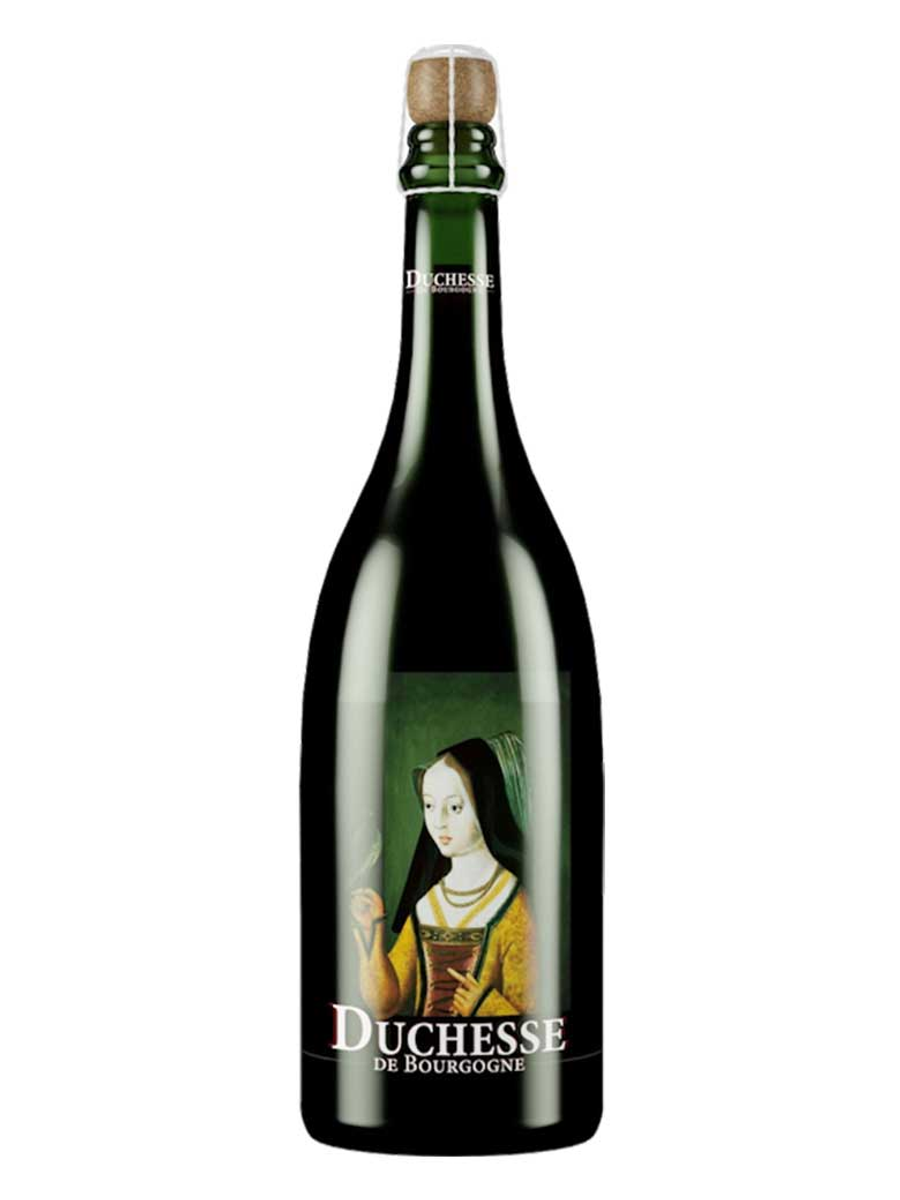
Duchesse de Bourgogne
Brewed by Brouwerij Verhaeghe
Oak-aged sweet-sour: black cherry, balsamic, caramel, vanilla, and polished oak.
BAR NOTES
Duchesse de Bourgogne brings black cherry, balsamic, caramel, vanilla, and polished oak. What earns its place is that it uses sweetness as counterweight to acidity, making Flanders red approachable without becoming simple. The result has a clear identity beyond simply registering as tart.
Serve it around 42–50°F in a tulip or wine glass; stronger barrel-aged bottles can warm a little more. Pair it with duck confit, chocolate, or blue cheese. Check package dates on hop-forward and fruit-heavy cans, while bottle-conditioned lambic and sturdy wood-aged beer can develop with careful cellaring.
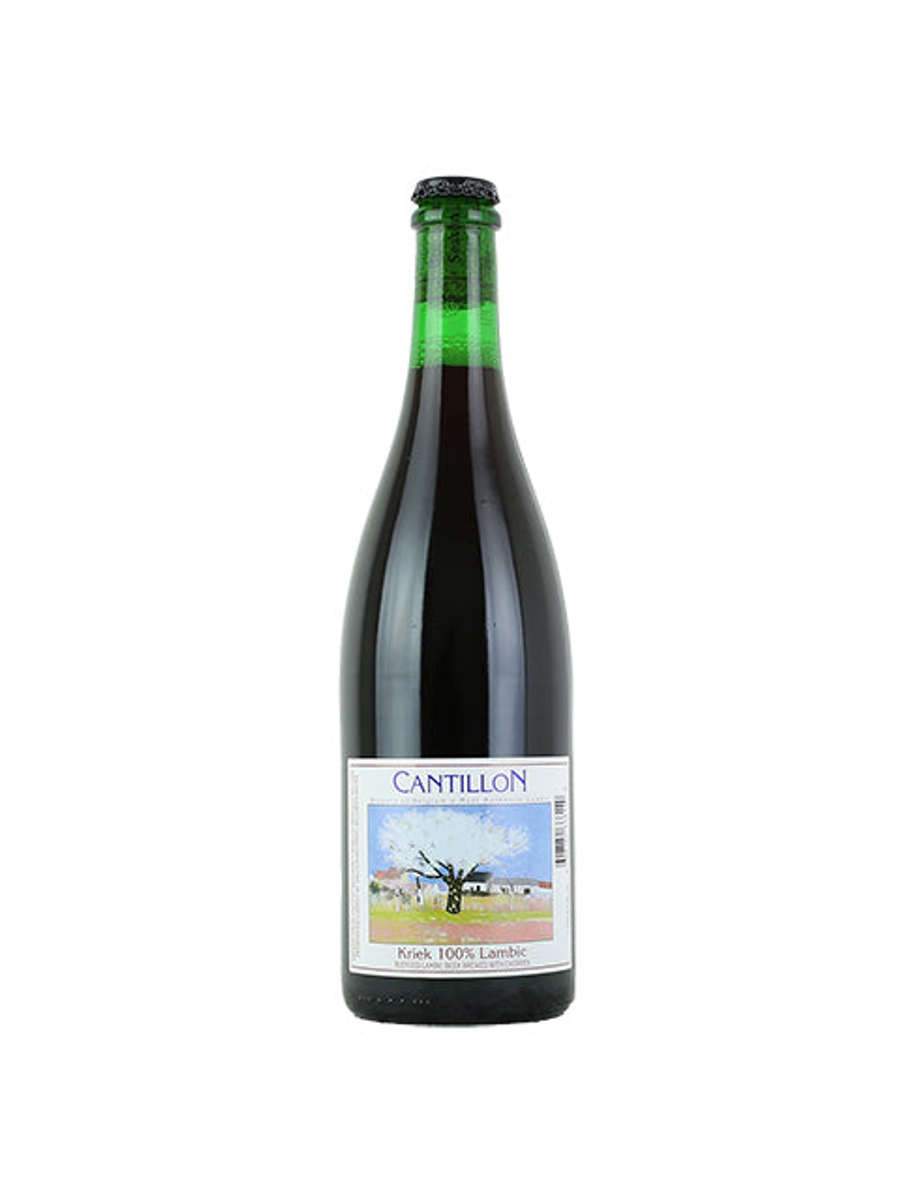
Cantillon Kriek
Brewed by Brasserie Cantillon
Lambic + sour cherries: tart cherry, almond skin, lemon, oak, and earthy funk.
BAR NOTES
Cantillon Kriek brings tart cherry, almond skin, lemon, oak, and earthy funk. What earns its place is that it lets real sour cherries ferment dry, far from the syrupy fruit-beer stereotype. The result has a clear identity beyond simply registering as tart.
Serve it around 42–50°F in a tulip or wine glass; stronger barrel-aged bottles can warm a little more. Pair it with charcuterie, duck, or dark chocolate. Check package dates on hop-forward and fruit-heavy cans, while bottle-conditioned lambic and sturdy wood-aged beer can develop with careful cellaring.
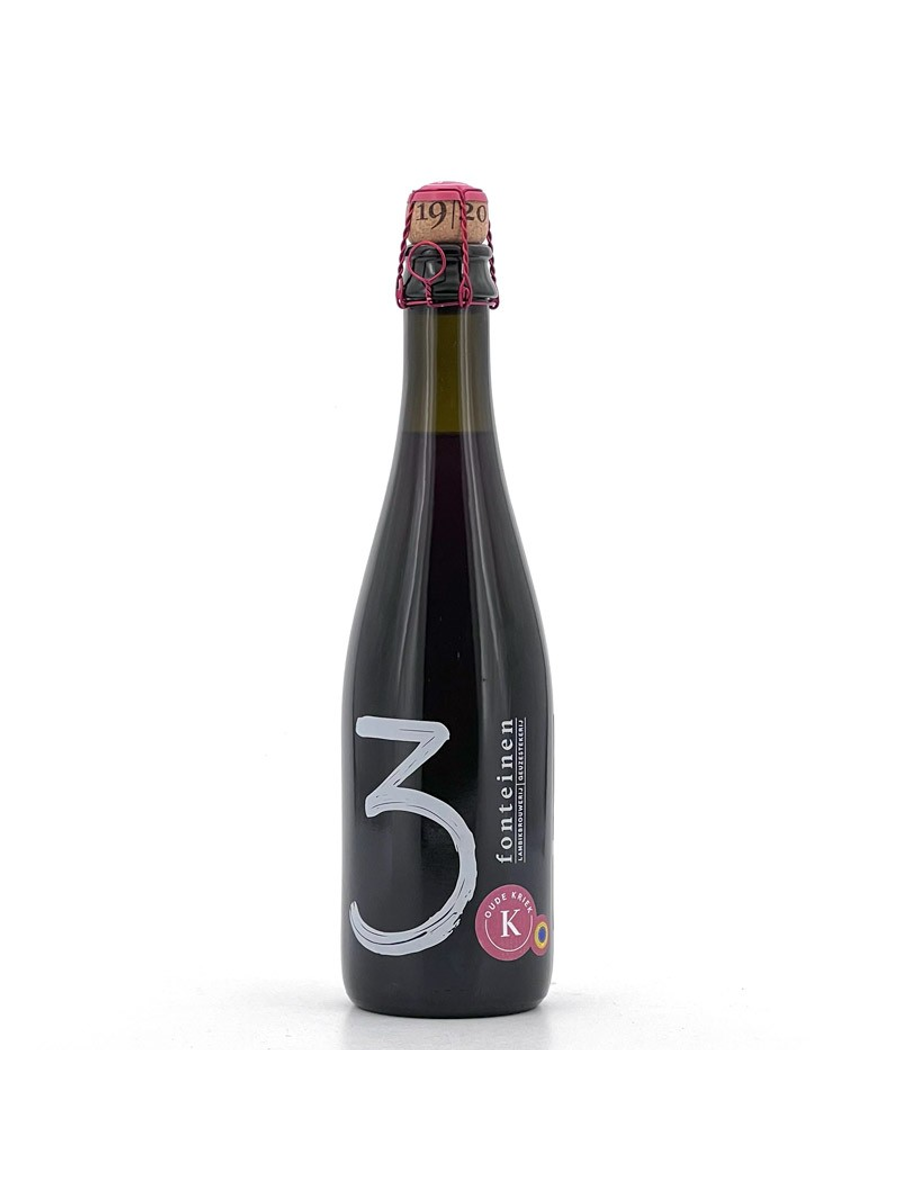
3 Fonteinen Oude Kriek
Brewed by Brouwerij 3 Fonteinen
Lambic + whole cherries: fresh cherry, pit, lemon, hay, and mineral acidity.
BAR NOTES
3 Fonteinen Oude Kriek brings fresh cherry, pit, lemon, hay, and mineral acidity. What earns its place is that it captures fruit, kernel, and spontaneous fermentation in a bottle that develops beautifully with time. The result has a clear identity beyond simply registering as tart.
Serve it around 42–50°F in a tulip or wine glass; stronger barrel-aged bottles can warm a little more. Pair it with duck breast, pâté, or chocolate tart. Check package dates on hop-forward and fruit-heavy cans, while bottle-conditioned lambic and sturdy wood-aged beer can develop with careful cellaring.
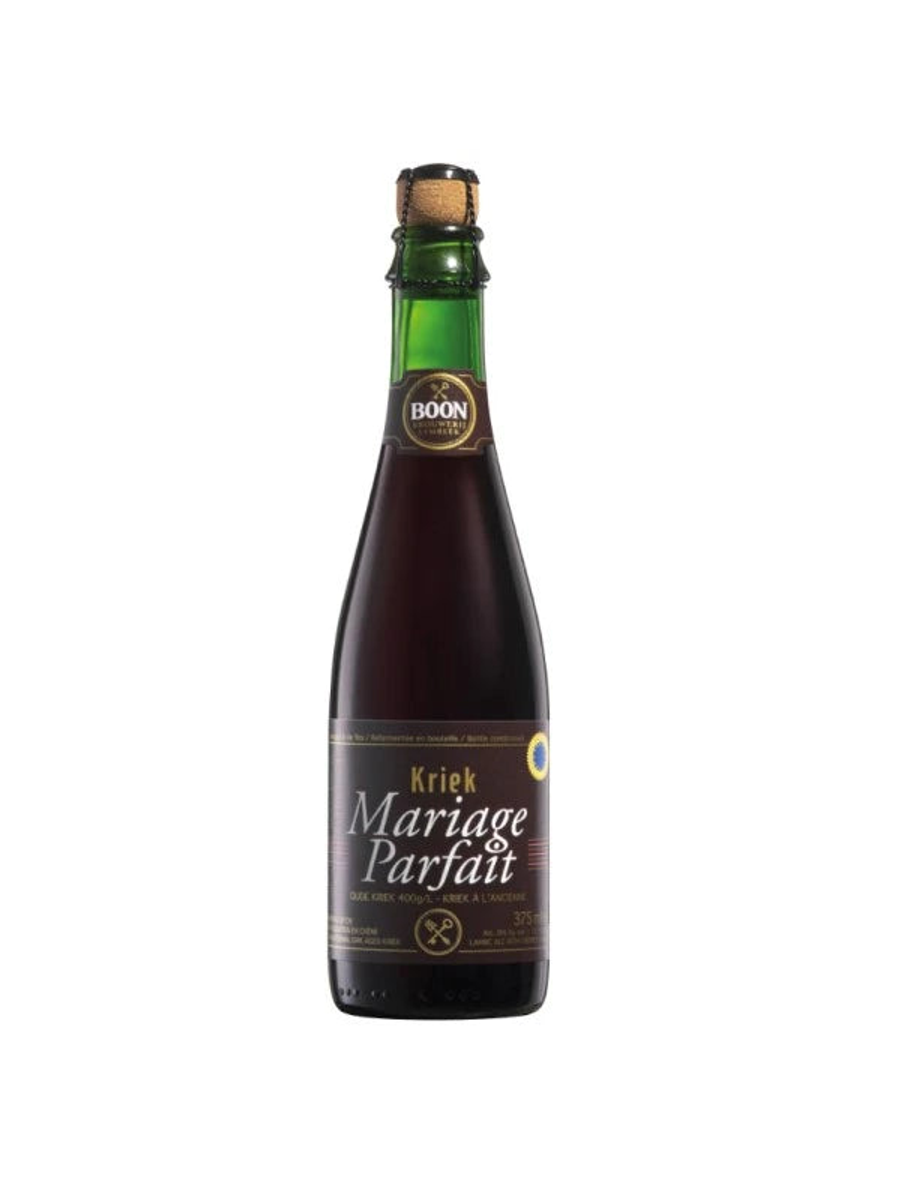
Boon Kriek Mariage Parfait
Brewed by Brouwerij Boon
Strong vintage kriek: black cherry, almond, oak, citrus, and warming depth.
BAR NOTES
Boon Kriek Mariage Parfait brings black cherry, almond, oak, citrus, and warming depth. What earns its place is that it builds a stronger cherry lambic without losing dryness or the fruit’s naturally tannic edge. The result has a clear identity beyond simply registering as tart.
Serve it around 42–50°F in a tulip or wine glass; stronger barrel-aged bottles can warm a little more. Pair it with venison, aged gouda, or flourless chocolate cake. Check package dates on hop-forward and fruit-heavy cans, while bottle-conditioned lambic and sturdy wood-aged beer can develop with careful cellaring.
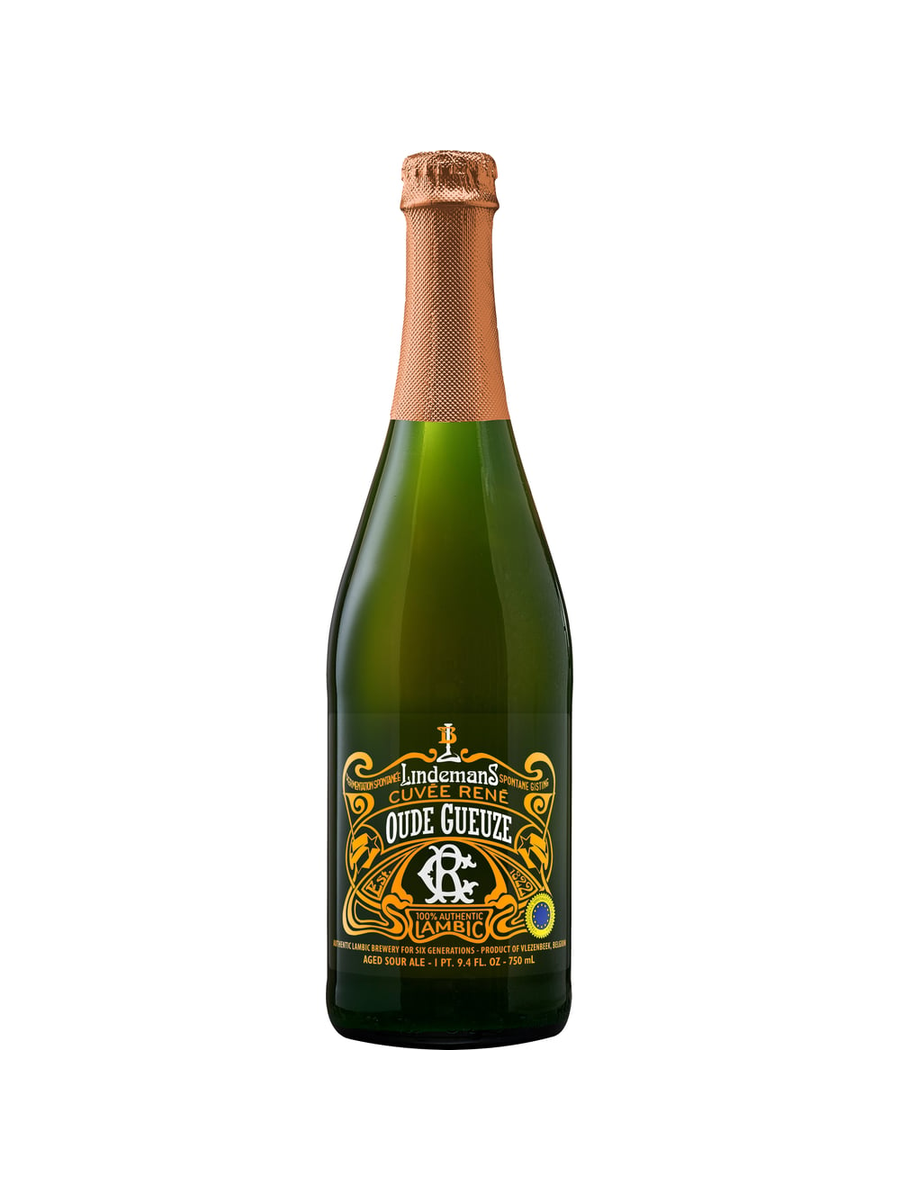
Lindemans Cuvée René Oude Gueuze
Brewed by Brouwerij Lindemans
Traditional bottle-conditioned: lemon, green apple, hay, cellar, and brisk carbonation.
BAR NOTES
Lindemans Cuvée René Oude Gueuze brings lemon, green apple, hay, cellar, and brisk carbonation. What earns its place is that it reveals the dry traditional side of a brewery many drinkers know only for sweet fruit lambics. The result has a clear identity beyond simply registering as tart.
Serve it around 42–50°F in a tulip or wine glass; stronger barrel-aged bottles can warm a little more. Pair it with oysters, fries, or chèvre. Check package dates on hop-forward and fruit-heavy cans, while bottle-conditioned lambic and sturdy wood-aged beer can develop with careful cellaring.
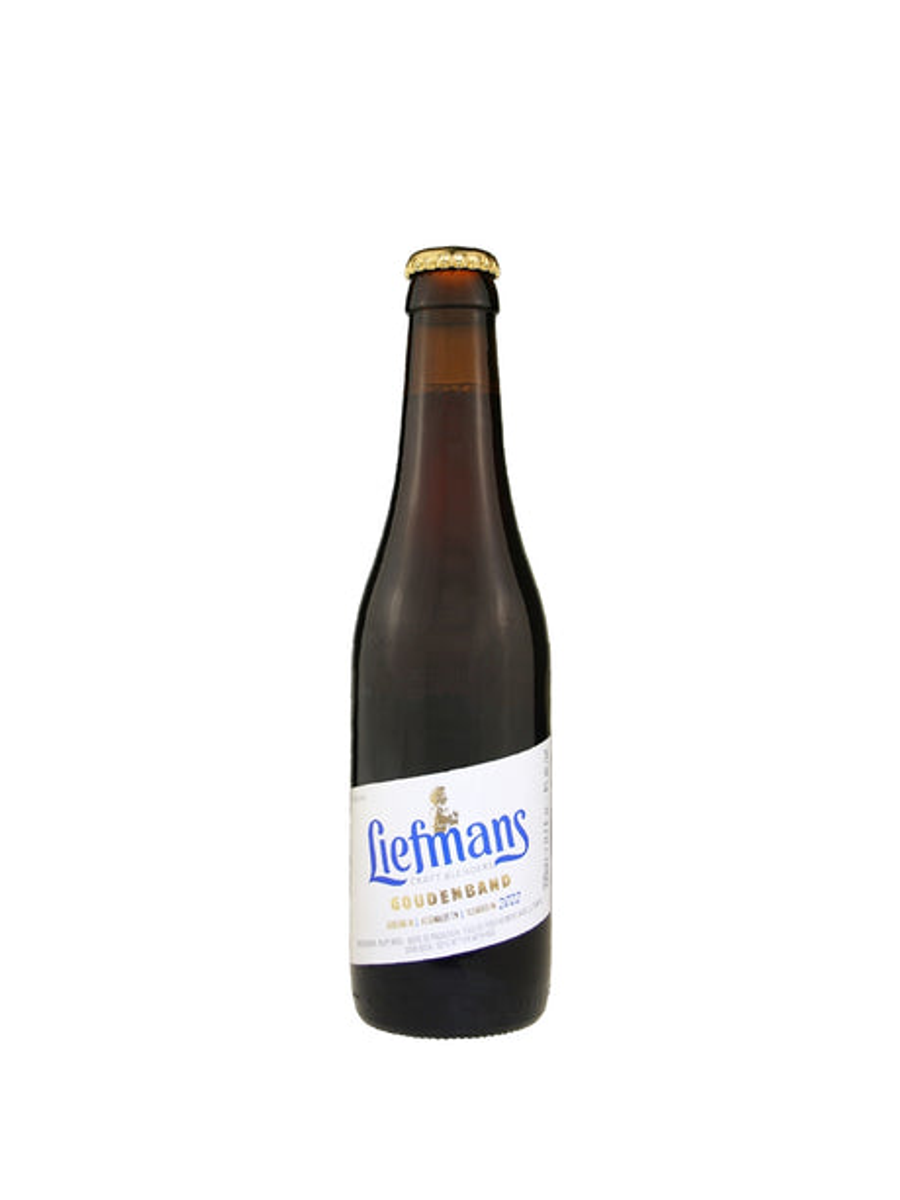
Liefmans Goudenband
Brewed by Brouwerij Liefmans
Cellar-aged oud bruin: raisin, cherry, caramel, cocoa, and soft lactic tang.
BAR NOTES
Liefmans Goudenband brings raisin, cherry, caramel, cocoa, and soft lactic tang. What earns its place is that it shows sourness as one piece of a malty, oxidative, cellar-aged whole rather than the only event. The result has a clear identity beyond simply registering as tart.
Serve it around 42–50°F in a tulip or wine glass; stronger barrel-aged bottles can warm a little more. Pair it with stew, aged cheese, or fruitcake. Check package dates on hop-forward and fruit-heavy cans, while bottle-conditioned lambic and sturdy wood-aged beer can develop with careful cellaring.
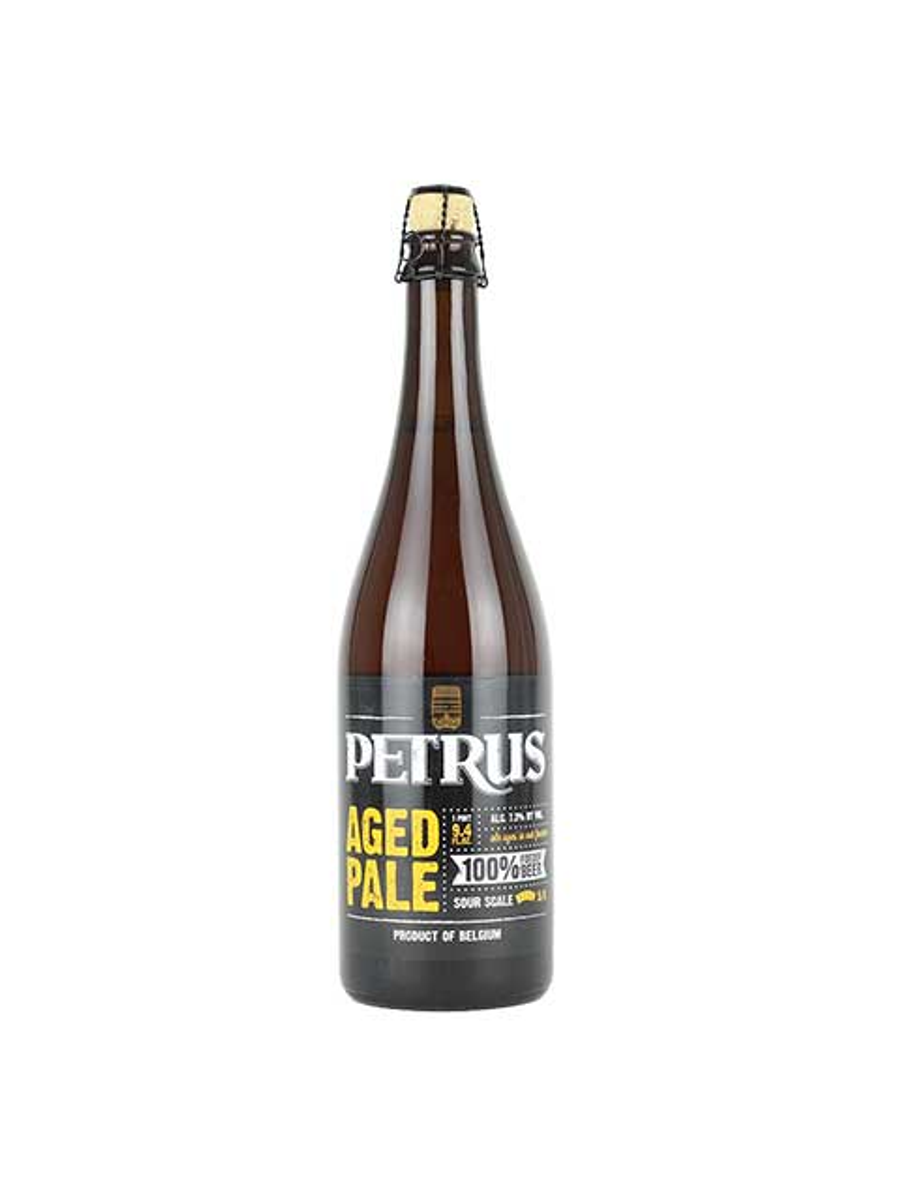
Petrus Aged Pale
Brewed by Brouwerij De Brabandere
100% foeder-aged pale: lemon, green apple, vanilla, oak, and wine-like acidity.
BAR NOTES
Petrus Aged Pale brings lemon, green apple, vanilla, oak, and wine-like acidity. What earns its place is that it isolates mature foeder beer instead of blending it back, producing an unusually direct oak-sour profile. The result has a clear identity beyond simply registering as tart.
Serve it around 42–50°F in a tulip or wine glass; stronger barrel-aged bottles can warm a little more. Pair it with mussels, roast pork, or Gruyère. Check package dates on hop-forward and fruit-heavy cans, while bottle-conditioned lambic and sturdy wood-aged beer can develop with careful cellaring.
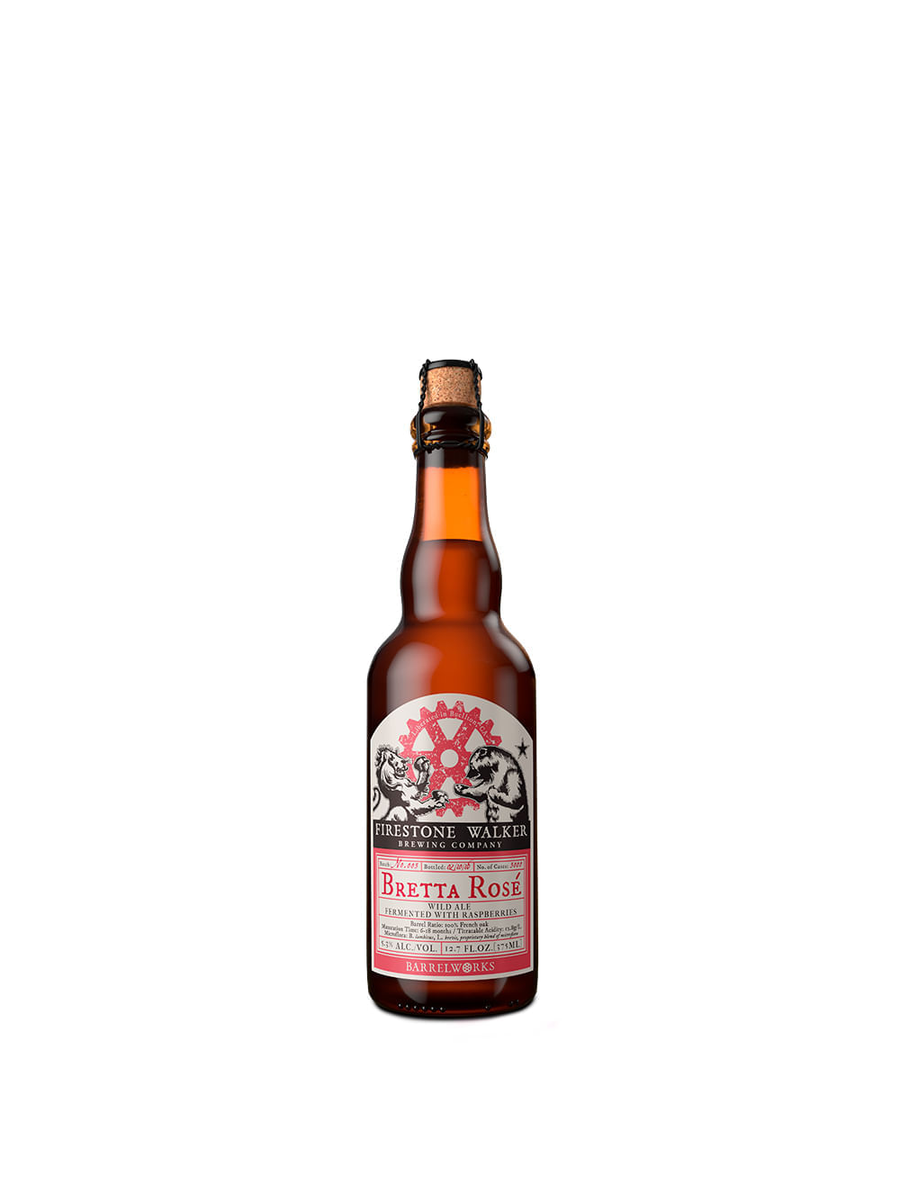
Firestone Walker Bretta Rosé
Brewed by Firestone Walker Barrelworks
Wild ale + raspberries: raspberry, rose petal, lemon, oak, and dry funk.
BAR NOTES
Firestone Walker Bretta Rosé brings raspberry, rose petal, lemon, oak, and dry funk. What earns its place is that it uses berry aroma and bottle conditioning to create lift without turning the finish jammy. The result has a clear identity beyond simply registering as tart.
Serve it around 42–50°F in a tulip or wine glass; stronger barrel-aged bottles can warm a little more. Pair it with chèvre, duck, or berry tart. Check package dates on hop-forward and fruit-heavy cans, while bottle-conditioned lambic and sturdy wood-aged beer can develop with careful cellaring.
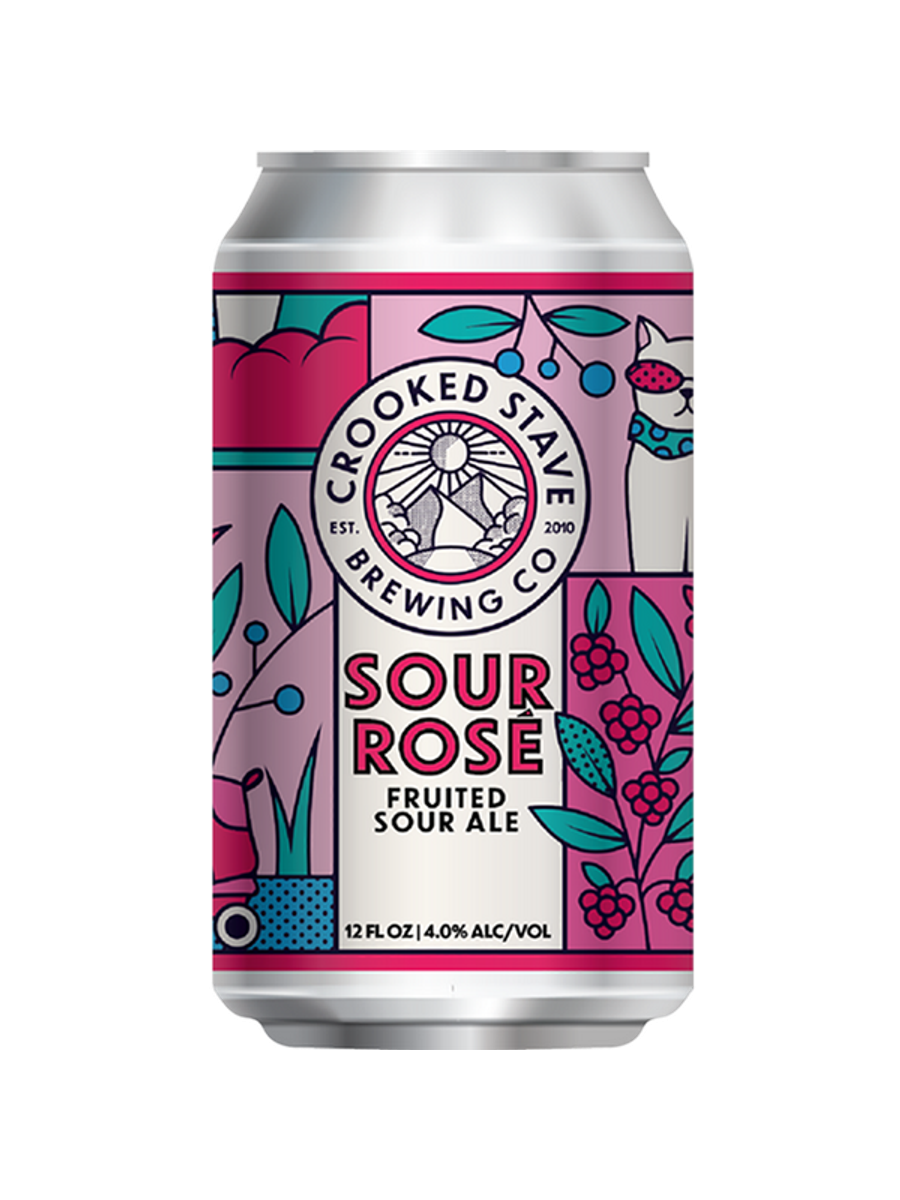
Crooked Stave Sour Rosé
Brewed by Crooked Stave Artisan Beer Project
Foeder + berries: raspberry, blueberry, citrus, oak, and champagne-like fizz.
BAR NOTES
Crooked Stave Sour Rosé brings raspberry, blueberry, citrus, oak, and champagne-like fizz. What earns its place is that it delivers serious mixed-culture structure in a bright, low-strength package that works beyond special occasions. The result has a clear identity beyond simply registering as tart.
Serve it around 42–50°F in a tulip or wine glass; stronger barrel-aged bottles can warm a little more. Pair it with salad, soft cheese, or grilled fish. Check package dates on hop-forward and fruit-heavy cans, while bottle-conditioned lambic and sturdy wood-aged beer can develop with careful cellaring.
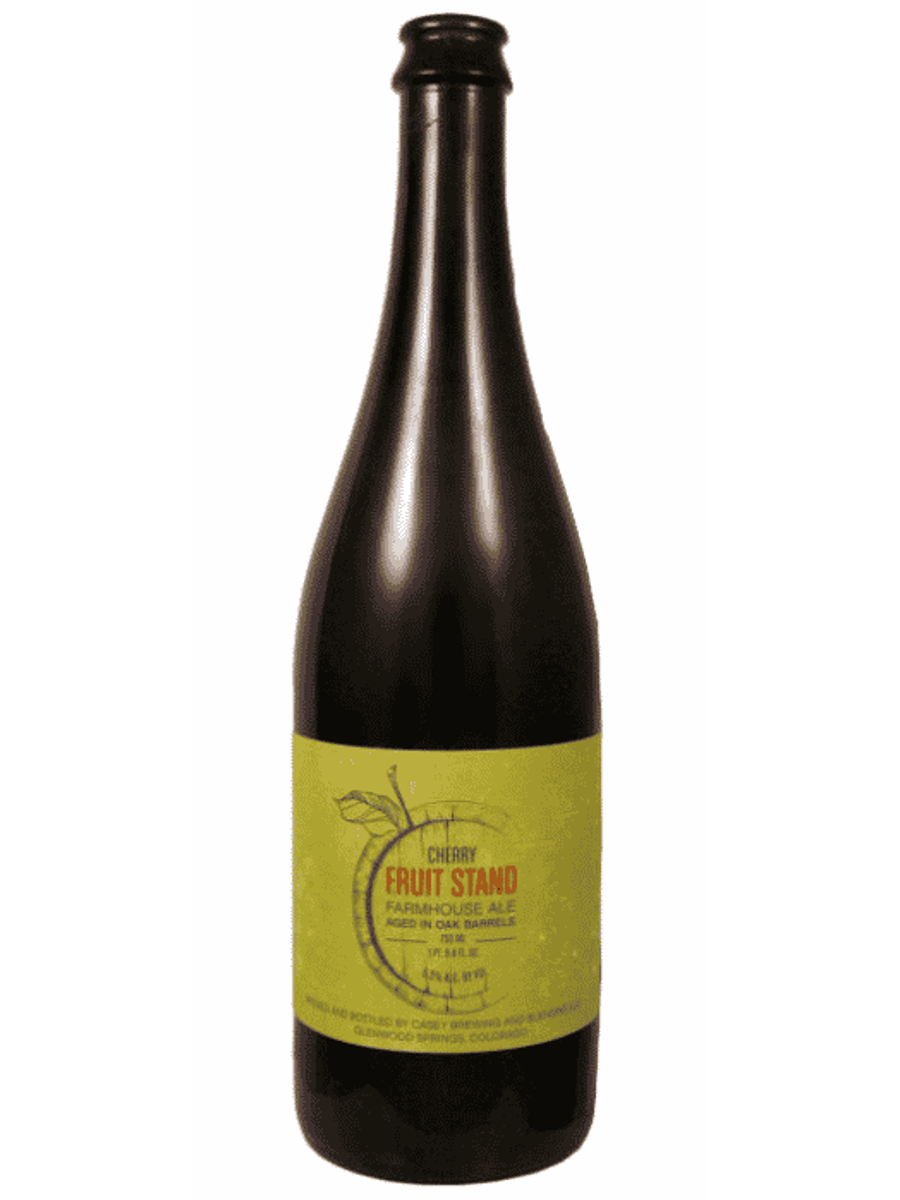
Casey Fruit Stand Cherry
Brewed by Casey Brewing and Blending
Oak-aged + whole cherry: fresh cherry, pit, lemon, farmhouse yeast, and soft oak.
BAR NOTES
Casey Fruit Stand Cherry brings fresh cherry, pit, lemon, farmhouse yeast, and soft oak. What earns its place is that it treats fruit like agricultural material, not flavoring, with fermentation pulling sweetness down to the bone. The result has a clear identity beyond simply registering as tart.
Serve it around 42–50°F in a tulip or wine glass; stronger barrel-aged bottles can warm a little more. Pair it with duck, chèvre, or cherry pie. Check package dates on hop-forward and fruit-heavy cans, while bottle-conditioned lambic and sturdy wood-aged beer can develop with careful cellaring.
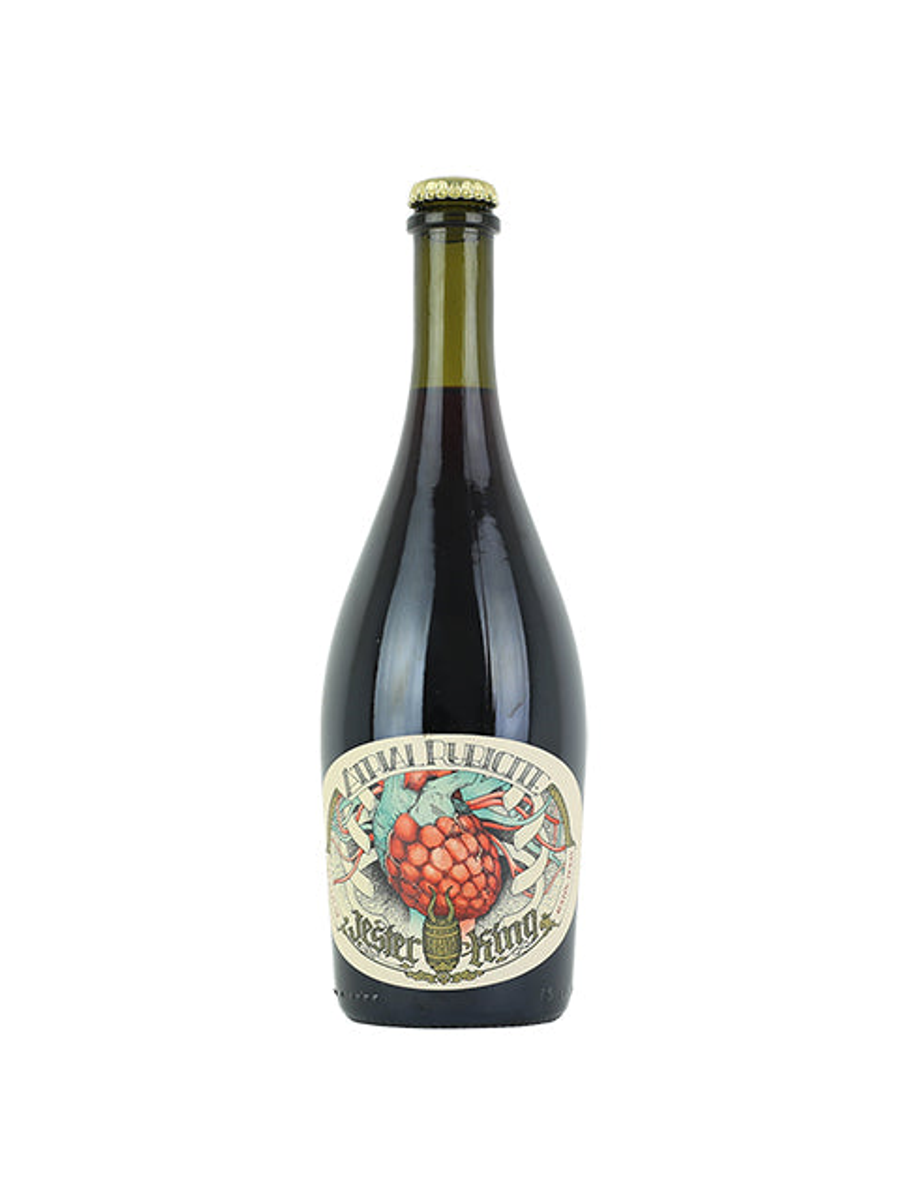
Jester King Atrial Rubicite
Brewed by Jester King Brewery
Farmhouse ale + raspberries: dense raspberry, lemon, mineral, oak, and native-culture funk.
BAR NOTES
Jester King Atrial Rubicite brings dense raspberry, lemon, mineral, oak, and native-culture funk. What earns its place is that it became a Texas farmhouse landmark by making fruit intensity and local mixed fermentation support each other. The result has a clear identity beyond simply registering as tart.
Serve it around 42–50°F in a tulip or wine glass; stronger barrel-aged bottles can warm a little more. Pair it with chèvre, pork loin, or dark chocolate. Check package dates on hop-forward and fruit-heavy cans, while bottle-conditioned lambic and sturdy wood-aged beer can develop with careful cellaring.
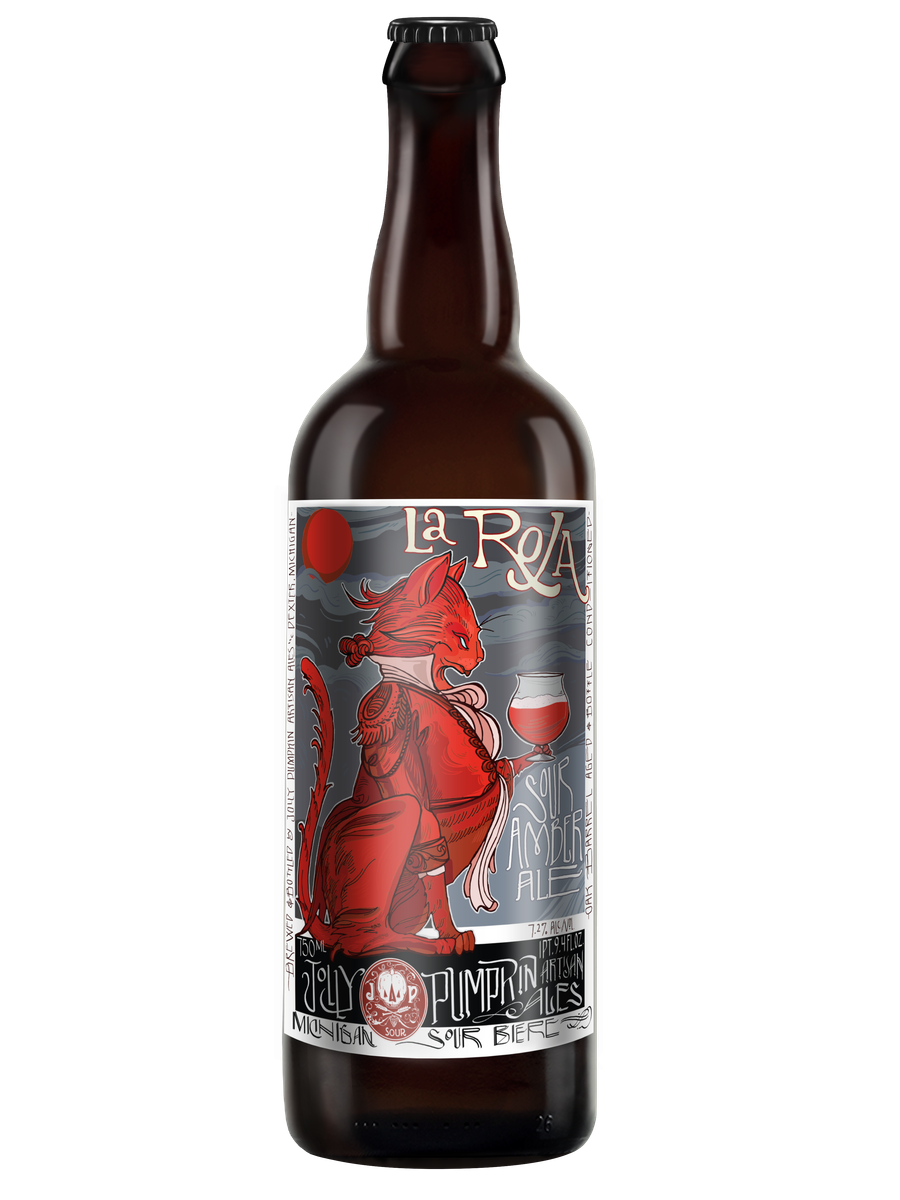
Jolly Pumpkin La Roja
Brewed by Jolly Pumpkin Artisan Ales
Oak-aged amber: tart cherry, caramel, leather, vanilla, and earthy funk.
BAR NOTES
Jolly Pumpkin La Roja brings tart cherry, caramel, leather, vanilla, and earthy funk. What earns its place is that it layers acidity over a real amber malt core, giving the beer shape and savory depth. The result has a clear identity beyond simply registering as tart.
Serve it around 42–50°F in a tulip or wine glass; stronger barrel-aged bottles can warm a little more. Pair it with roast pork, mushrooms, or aged cheddar. Check package dates on hop-forward and fruit-heavy cans, while bottle-conditioned lambic and sturdy wood-aged beer can develop with careful cellaring.
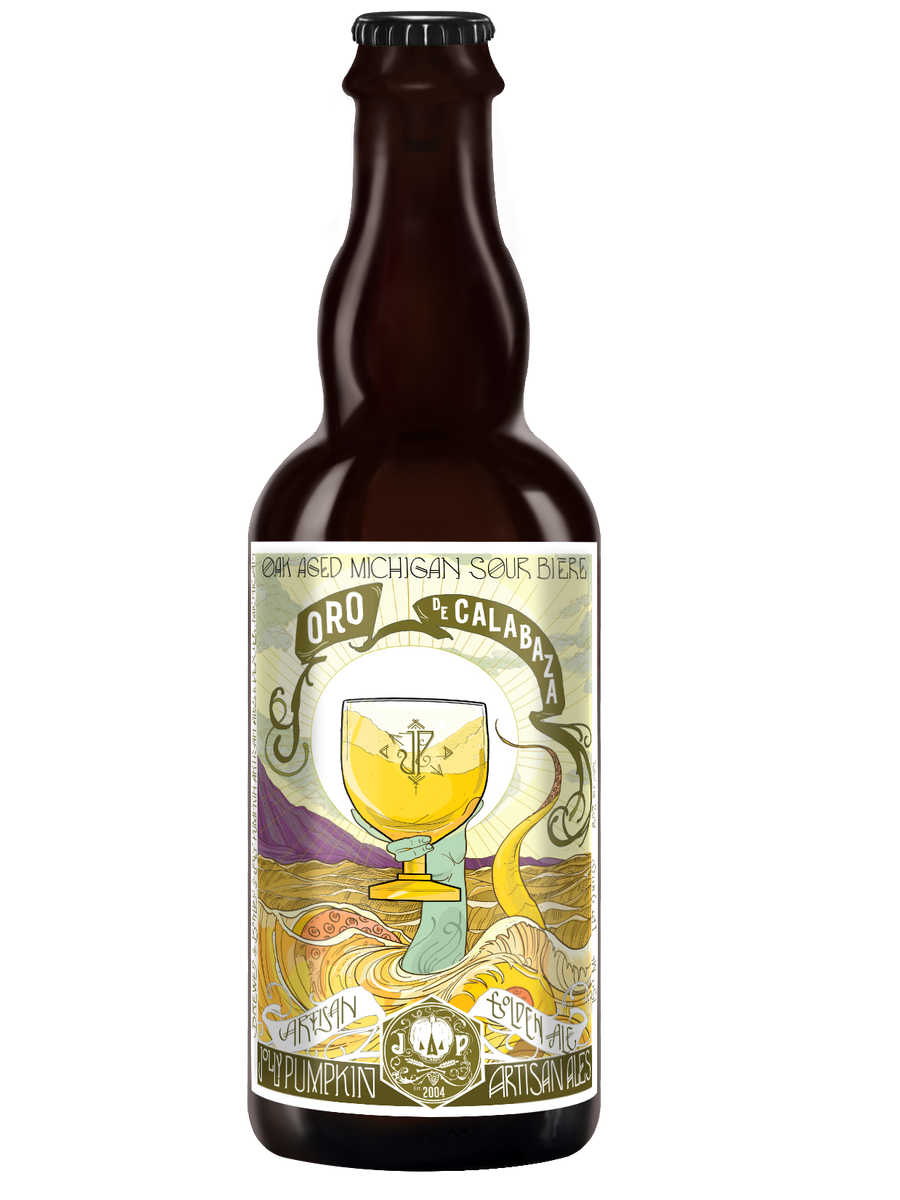
Jolly Pumpkin Oro de Calabaza
Brewed by Jolly Pumpkin Artisan Ales
Wild golden + oak: lemon, pear, pepper, vanilla, and dry farmhouse funk.
BAR NOTES
Jolly Pumpkin Oro de Calabaza brings lemon, pear, pepper, vanilla, and dry farmhouse funk. What earns its place is that it shows that an assertive wild ale can remain elegant even at stronger table-wine strength. The result has a clear identity beyond simply registering as tart.
Serve it around 42–50°F in a tulip or wine glass; stronger barrel-aged bottles can warm a little more. Pair it with roast chicken, triple-cream cheese, or grilled fish. Check package dates on hop-forward and fruit-heavy cans, while bottle-conditioned lambic and sturdy wood-aged beer can develop with careful cellaring.
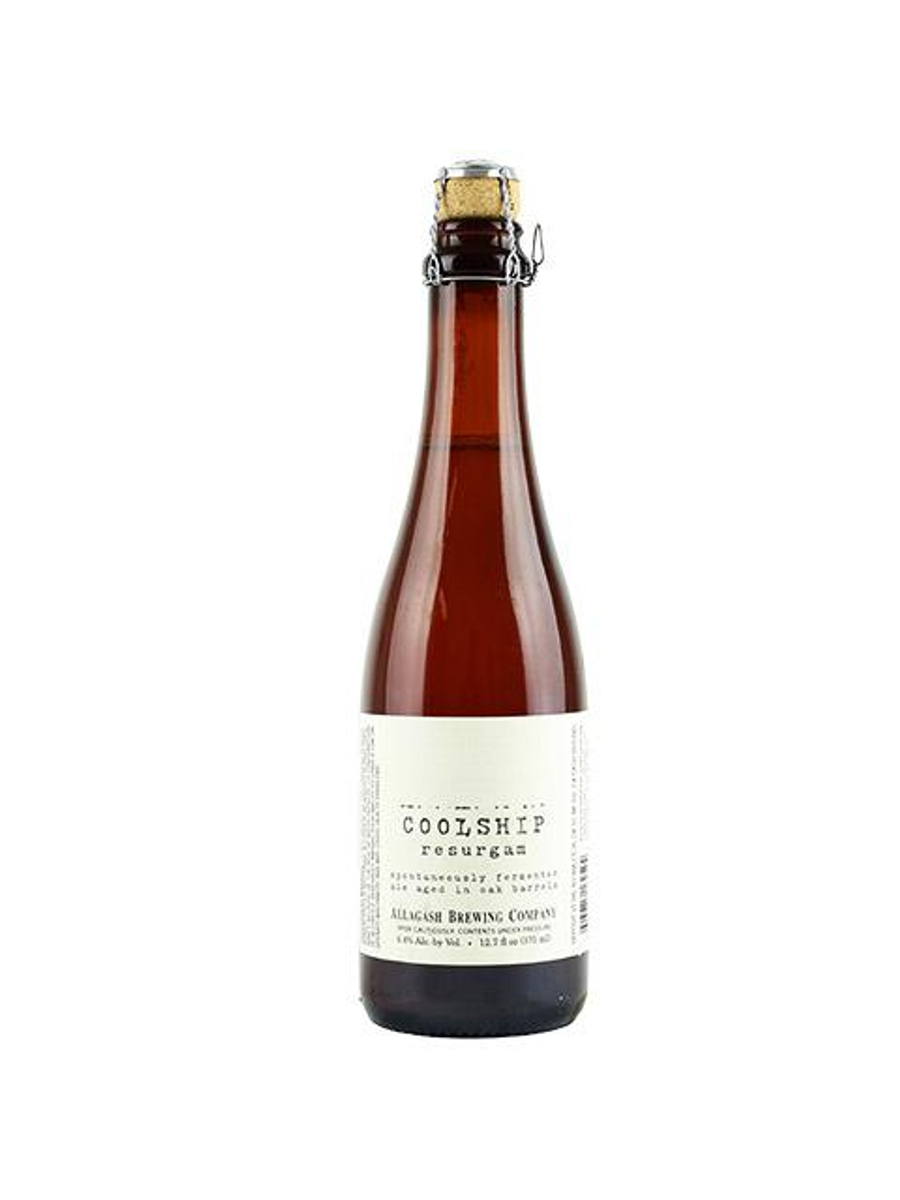
Allagash Coolship Resurgam
Brewed by Allagash Brewing Company
Coolship three-year blend: lemon, apple, wet stone, oak, and delicate barnyard funk.
BAR NOTES
Allagash Coolship Resurgam brings lemon, apple, wet stone, oak, and delicate barnyard funk. What earns its place is that it translates the gueuze blending idea through Maine air, local seasons, and an American cellar. The result has a clear identity beyond simply registering as tart.
Serve it around 42–50°F in a tulip or wine glass; stronger barrel-aged bottles can warm a little more. Pair it with oysters, lobster, or farmhouse cheese. Check package dates on hop-forward and fruit-heavy cans, while bottle-conditioned lambic and sturdy wood-aged beer can develop with careful cellaring.
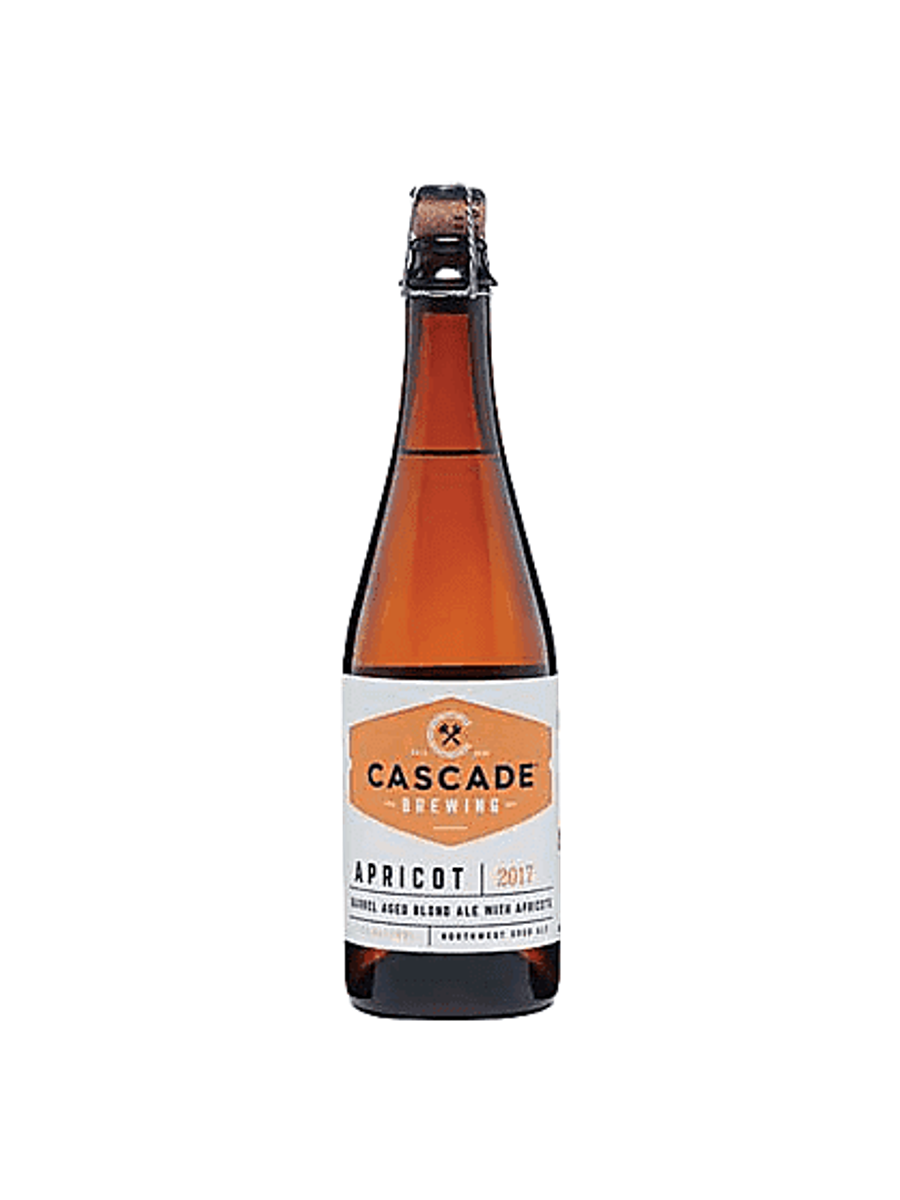
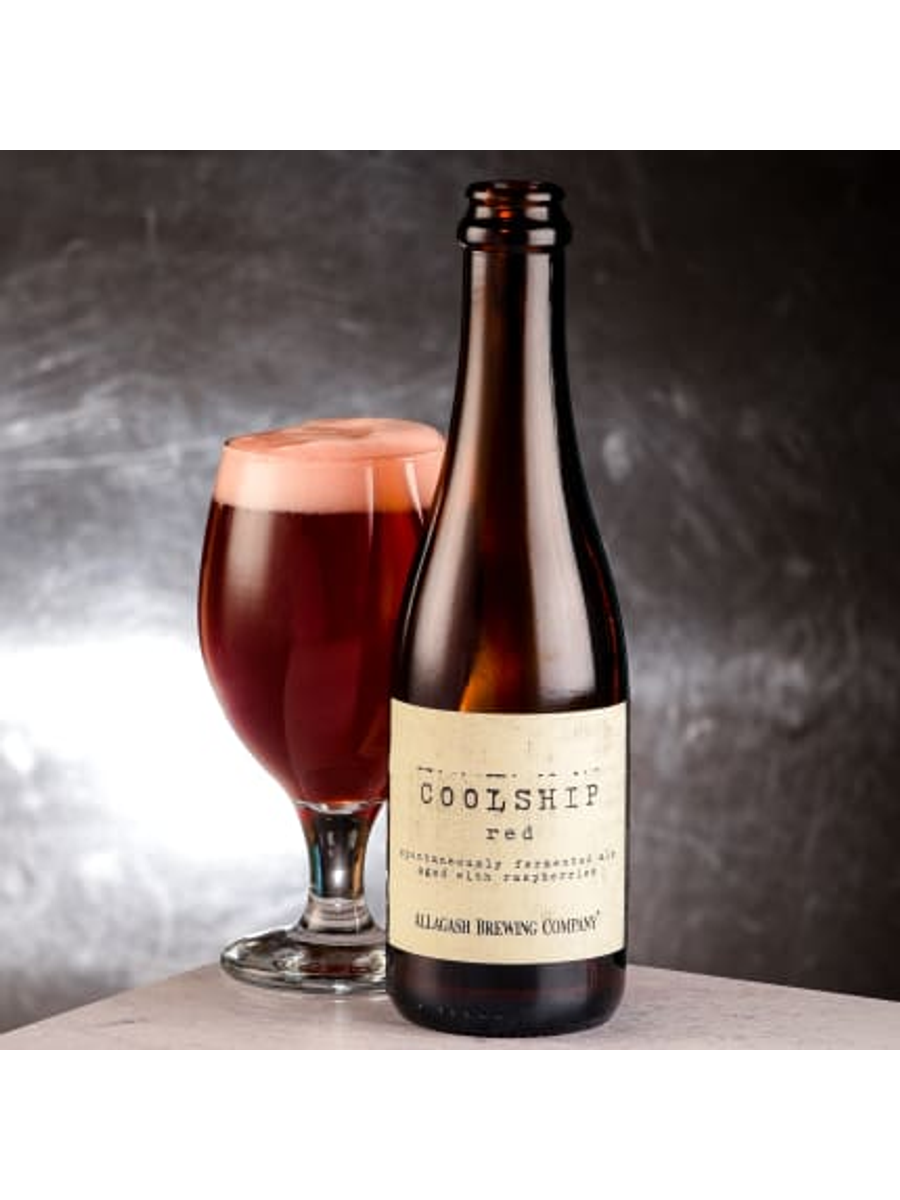
Allagash Coolship Red
Brewed by Allagash Brewing Company
Coolship + raspberries: raspberry, lemon, oak, mineral, and a dry vinous finish.
BAR NOTES
Allagash Coolship Red brings raspberry, lemon, oak, mineral, and a dry vinous finish. What earns its place is that it adds fruit after spontaneous fermentation while preserving the base beer’s regional character. The result has a clear identity beyond simply registering as tart.
Serve it around 42–50°F in a tulip or wine glass; stronger barrel-aged bottles can warm a little more. Pair it with duck, chèvre, or chocolate. Check package dates on hop-forward and fruit-heavy cans, while bottle-conditioned lambic and sturdy wood-aged beer can develop with careful cellaring.
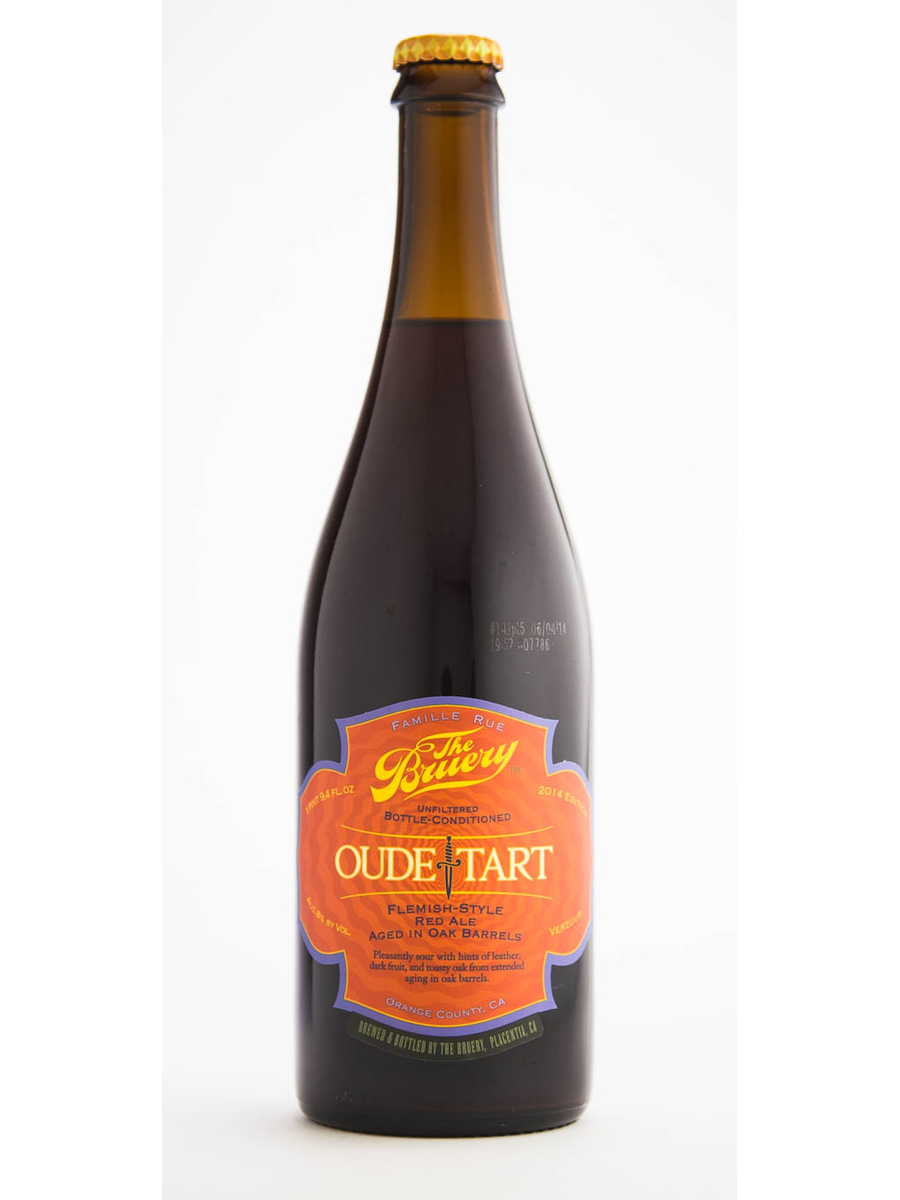
The Bruery Oude Tart
Brewed by The Bruery Terreux
Red-wine barrel aged: cherry, plum, leather, vanilla, and balsamic acidity.
BAR NOTES
The Bruery Oude Tart brings cherry, plum, leather, vanilla, and balsamic acidity. What earns its place is that it uses long barrel aging to make a composed American answer to Flanders red rather than a quick kettle sour. The result has a clear identity beyond simply registering as tart.
Serve it around 42–50°F in a tulip or wine glass; stronger barrel-aged bottles can warm a little more. Pair it with braised beef, mushrooms, or blue cheese. Check package dates on hop-forward and fruit-heavy cans, while bottle-conditioned lambic and sturdy wood-aged beer can develop with careful cellaring.
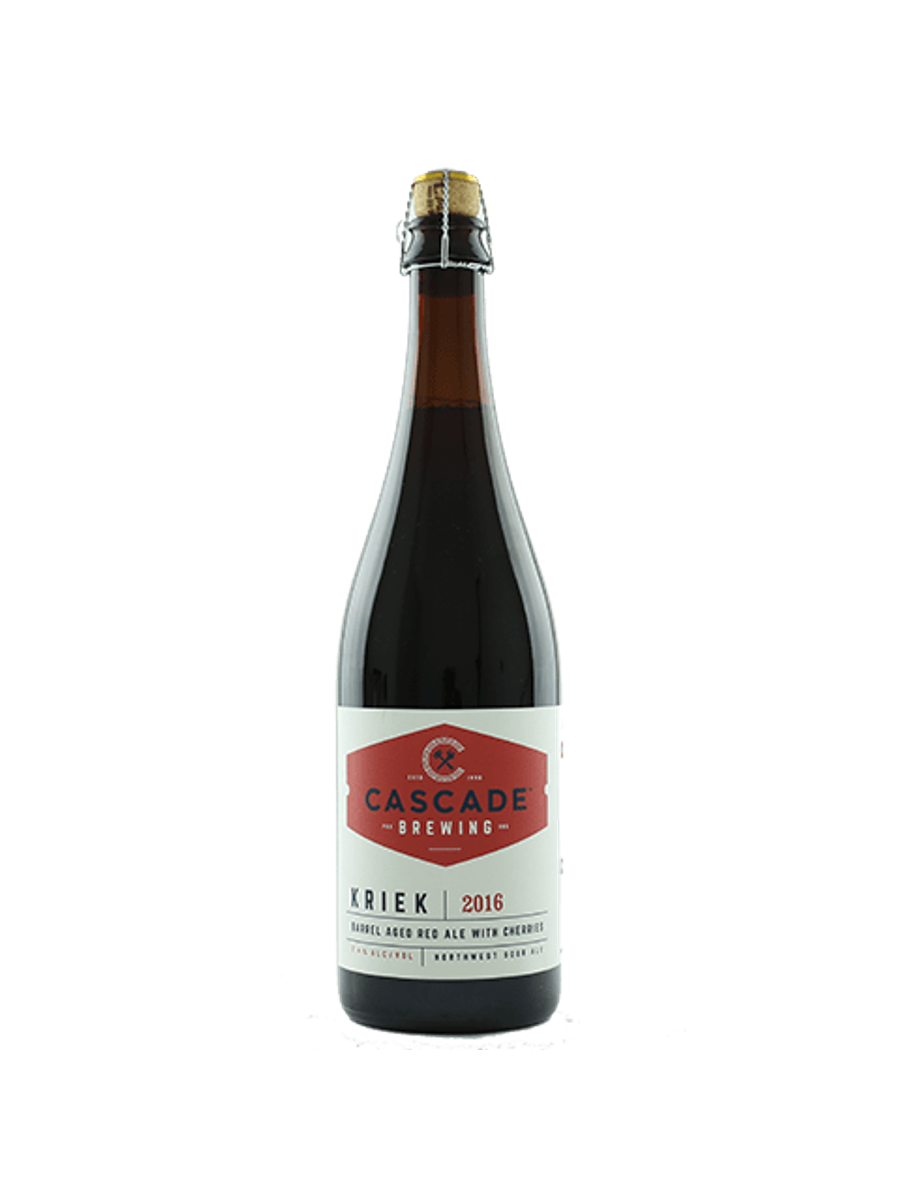
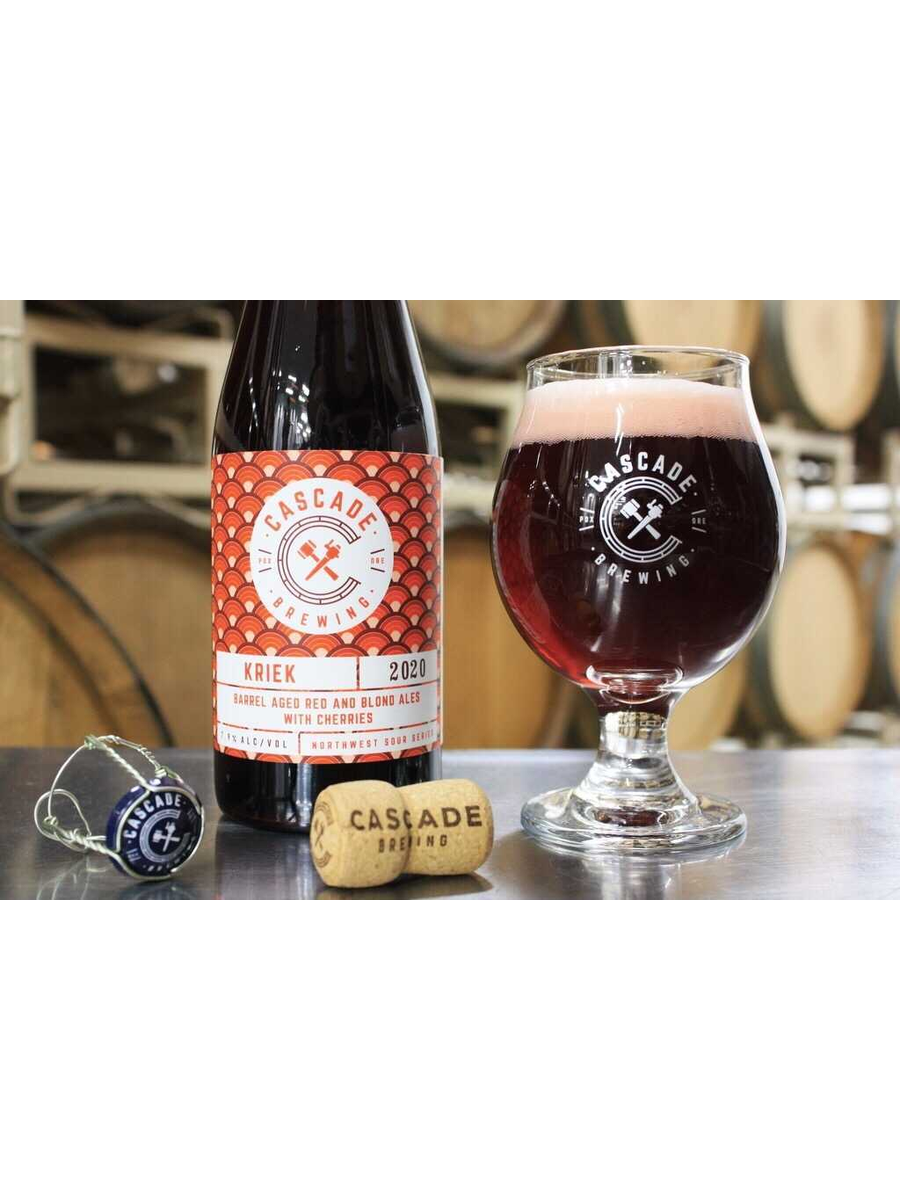
Cascade Kriek
Brewed by Cascade Brewing
Barrel-aged + cherries: black cherry, cinnamon, oak, citrus, and bright acidity.
BAR NOTES
Cascade Kriek brings black cherry, cinnamon, oak, citrus, and bright acidity. What earns its place is that it represents the bold Pacific Northwest barrel-sour school, with fruit and acid turned deliberately high. The result has a clear identity beyond simply registering as tart.
Serve it around 42–50°F in a tulip or wine glass; stronger barrel-aged bottles can warm a little more. Pair it with duck, barbecue, or chocolate cake. Check package dates on hop-forward and fruit-heavy cans, while bottle-conditioned lambic and sturdy wood-aged beer can develop with careful cellaring.
Cascade Apricot
Brewed by Cascade Brewing
Barrel-aged + apricot: apricot skin, lemon, oak, vanilla, and assertive tartness.
BAR NOTES
Cascade Apricot brings apricot skin, lemon, oak, vanilla, and assertive tartness. What earns its place is that it made apricot one of the defining fruits of American sour beer by emphasizing skin and acidity over nectar. The result has a clear identity beyond simply registering as tart.
Serve it around 42–50°F in a tulip or wine glass; stronger barrel-aged bottles can warm a little more. Pair it with pork loin, chèvre, or almond tart. Check package dates on hop-forward and fruit-heavy cans, while bottle-conditioned lambic and sturdy wood-aged beer can develop with careful cellaring.
Russian River Supplication
Brewed by Russian River Brewing Company
Pinot oak + sour cherries: cherry, cocoa, pinot, leather, and supple acidity.
BAR NOTES
Russian River Supplication brings cherry, cocoa, pinot, leather, and supple acidity. What earns its place is that it connects brown ale, local wine barrels, fruit, Brettanomyces, and bacteria in a remarkably integrated bottle. The result has a clear identity beyond simply registering as tart.
Serve it around 42–50°F in a tulip or wine glass; stronger barrel-aged bottles can warm a little more. Pair it with duck, mushrooms, or aged gouda. Check package dates on hop-forward and fruit-heavy cans, while bottle-conditioned lambic and sturdy wood-aged beer can develop with careful cellaring.
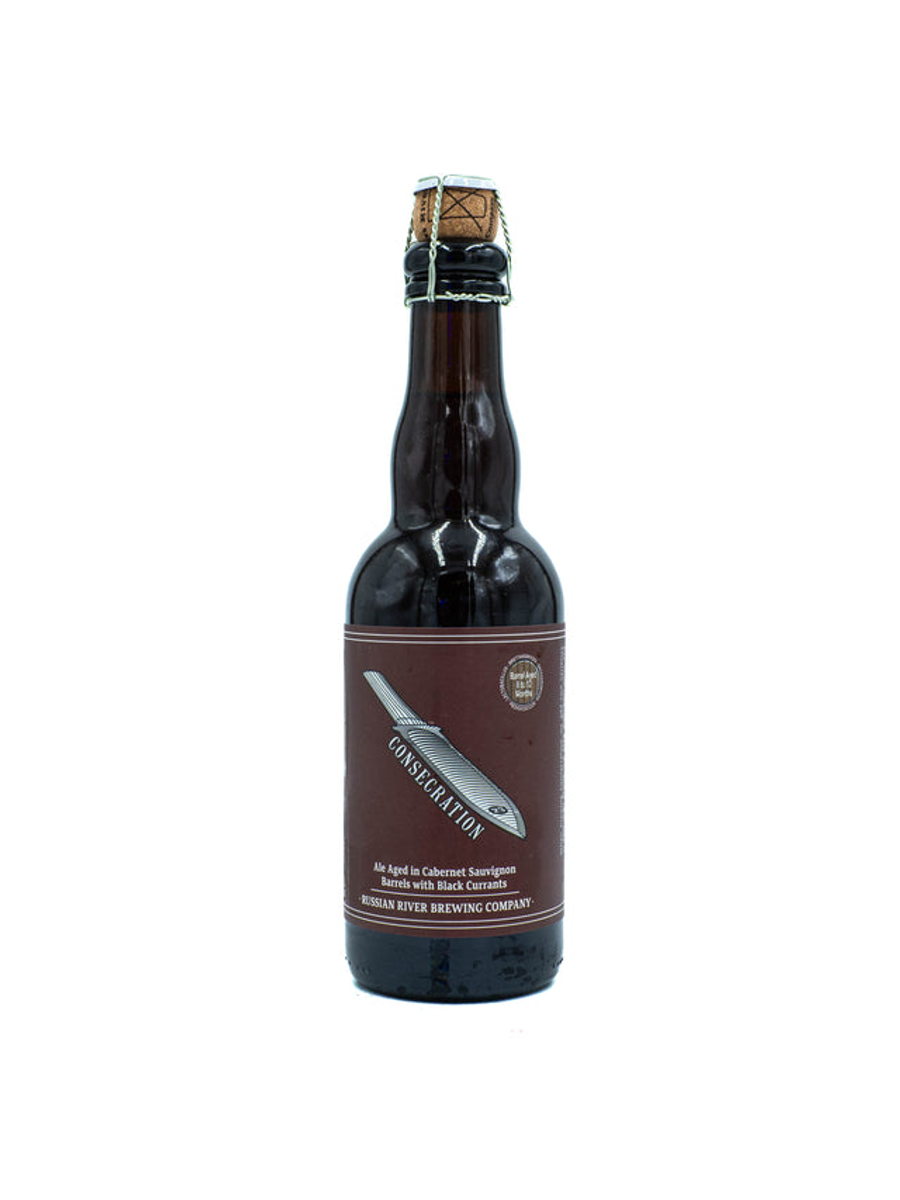
Russian River Consecration
Brewed by Russian River Brewing Company
Cabernet oak + currants: black currant, wine, cocoa, leather, and warming acidity.
BAR NOTES
Russian River Consecration brings black currant, wine, cocoa, leather, and warming acidity. What earns its place is that it handles high alcohol and dark fruit with enough fermentation character to avoid becoming sticky. The result has a clear identity beyond simply registering as tart.
Serve it around 42–50°F in a tulip or wine glass; stronger barrel-aged bottles can warm a little more. Pair it with venison, blue cheese, or chocolate. Check package dates on hop-forward and fruit-heavy cans, while bottle-conditioned lambic and sturdy wood-aged beer can develop with careful cellaring.
New Belgium Transatlantique Kriek
Brewed by New Belgium Brewing × Oud Beersel
Lambic + golden ale blend: sour cherry, almond, citrus, oak, and a clean malt edge.
BAR NOTES
New Belgium Transatlantique Kriek brings sour cherry, almond, citrus, oak, and a clean malt edge. What earns its place is that it literally joins Belgian lambic and Colorado brewing, making the transatlantic idea part of the liquid. The result has a clear identity beyond simply registering as tart.
Serve it around 42–50°F in a tulip or wine glass; stronger barrel-aged bottles can warm a little more. Pair it with duck, charcuterie, or chocolate tart. Check package dates on hop-forward and fruit-heavy cans, while bottle-conditioned lambic and sturdy wood-aged beer can develop with careful cellaring.
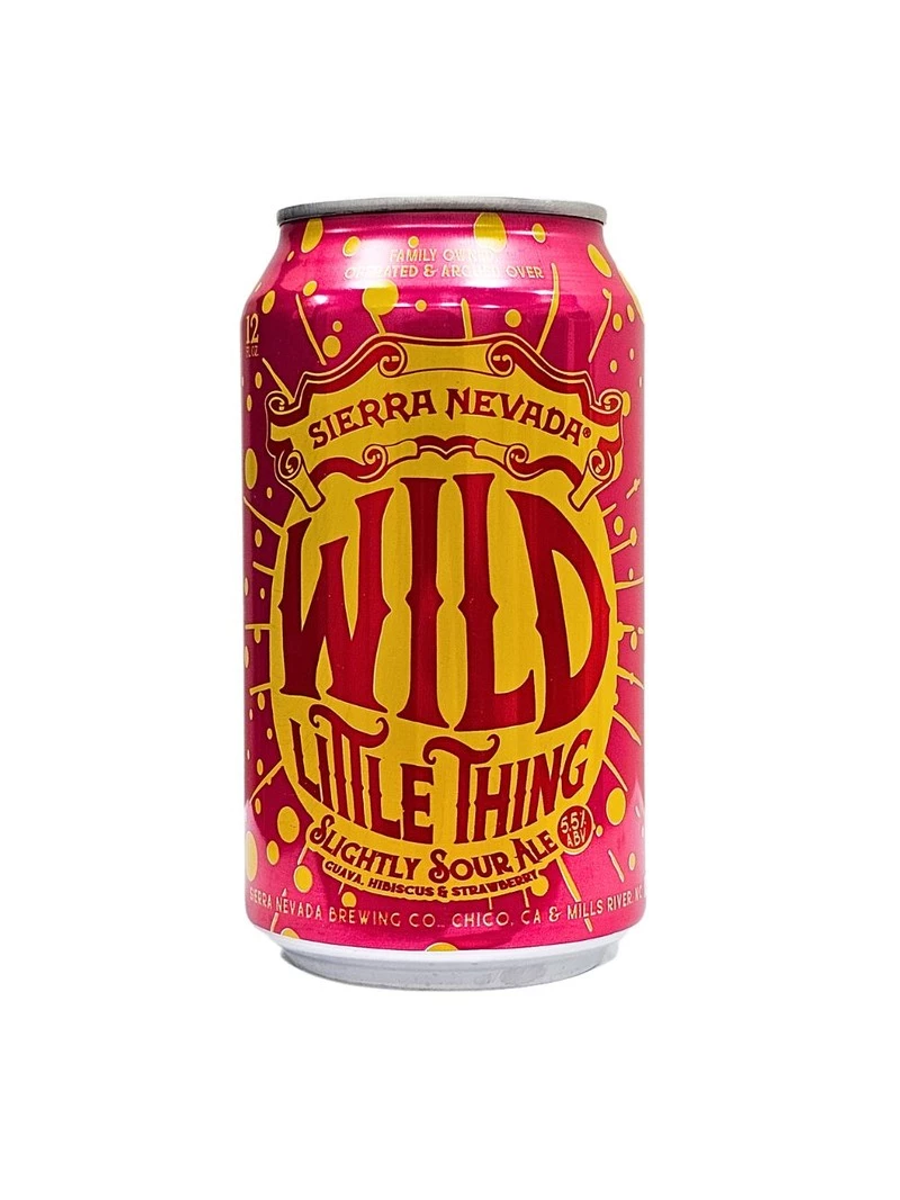
Sierra Nevada Wild Little Thing
Brewed by Sierra Nevada Brewing Co.
Kettle sour + fruit: guava, hibiscus, strawberry, citrus, and a clean tart finish.
BAR NOTES
Sierra Nevada Wild Little Thing brings guava, hibiscus, strawberry, citrus, and a clean tart finish. What earns its place is that it offers a nationally available fruit sour with enough fermentation snap to stay refreshing. The result has a clear identity beyond simply registering as tart.
Serve it around 42–50°F in a tulip or wine glass; stronger barrel-aged bottles can warm a little more. Pair it with fish tacos, ceviche, or fruit salad. Check package dates on hop-forward and fruit-heavy cans, while bottle-conditioned lambic and sturdy wood-aged beer can develop with careful cellaring.
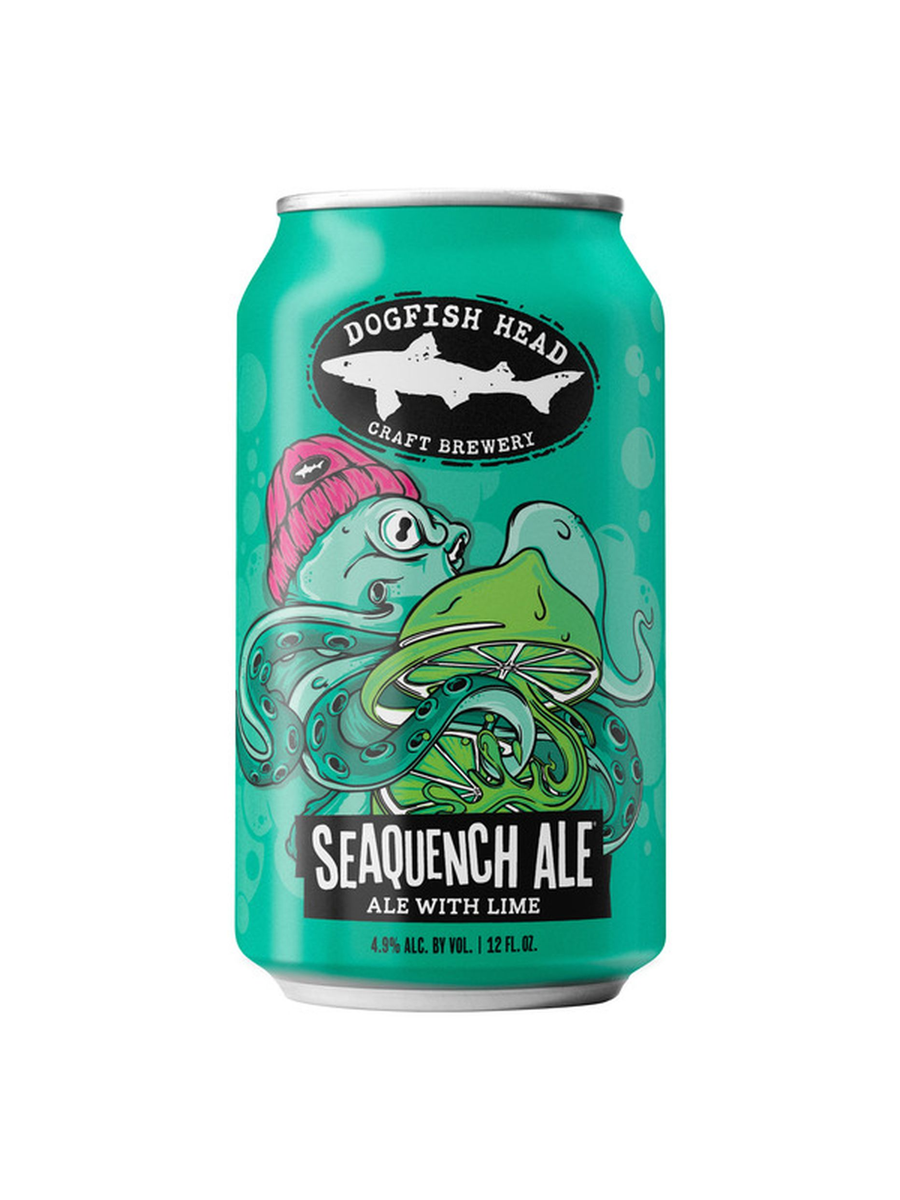
Dogfish Head SeaQuench Ale
Brewed by Dogfish Head Craft Brewery
Gose + kölsch + Berliner: lime peel, sea salt, coriander, cracker, and brisk acidity.
BAR NOTES
Dogfish Head SeaQuench Ale brings lime peel, sea salt, coriander, cracker, and brisk acidity. What earns its place is that it blends three beer ideas into a remarkably practical hot-weather sour rather than a stunt. The result has a clear identity beyond simply registering as tart.
Serve it around 42–50°F in a tulip or wine glass; stronger barrel-aged bottles can warm a little more. Pair it with oysters, fish tacos, or ceviche. Check package dates on hop-forward and fruit-heavy cans, while bottle-conditioned lambic and sturdy wood-aged beer can develop with careful cellaring.
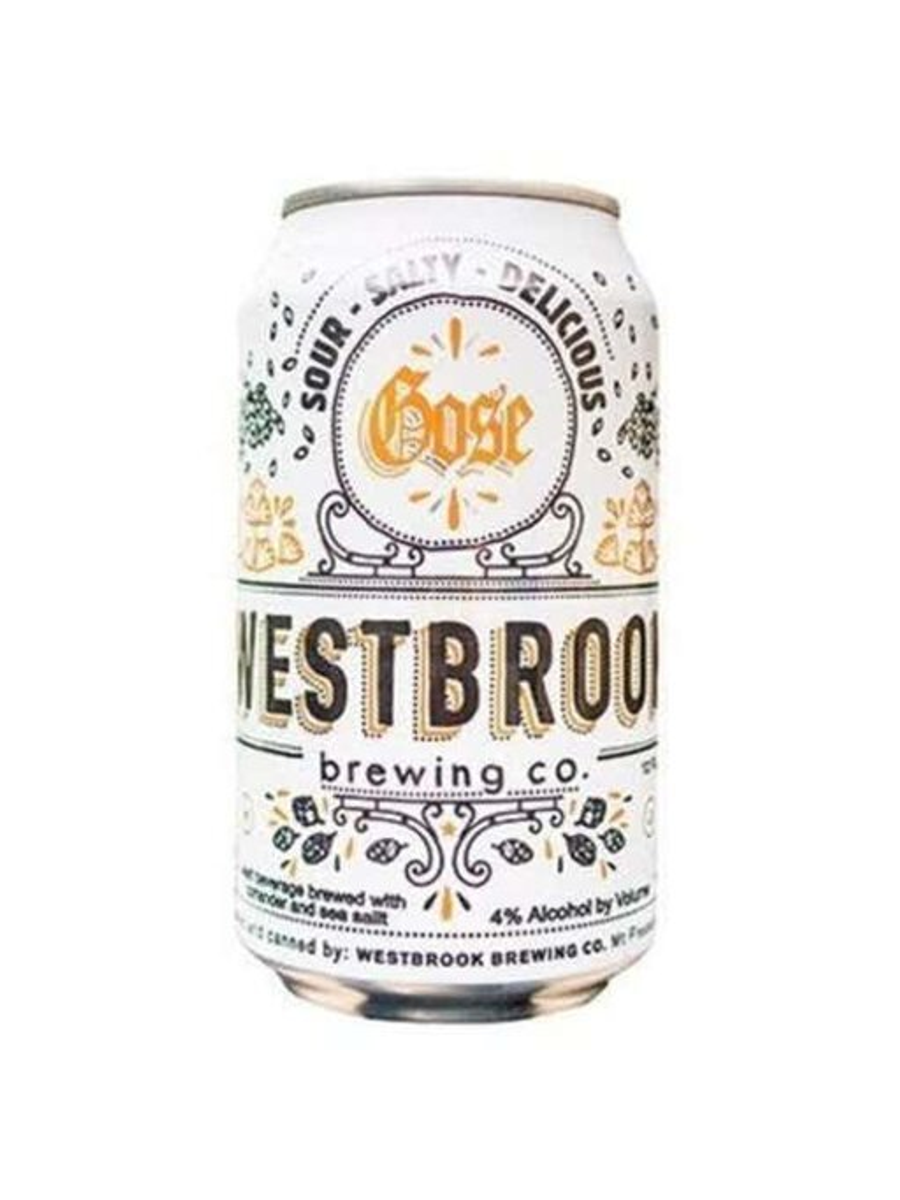
Westbrook Gose
Brewed by Westbrook Brewing Co.
Salt + coriander: lemon, wheat, coriander, sea salt, and clean lactic tang.
BAR NOTES
Westbrook Gose brings lemon, wheat, coriander, sea salt, and clean lactic tang. What earns its place is that it helped restore traditional gose to American tap lists before fruit and dessert versions took over. The result has a clear identity beyond simply registering as tart.
Serve it around 42–50°F in a tulip or wine glass; stronger barrel-aged bottles can warm a little more. Pair it with oysters, shrimp, or soft pretzels. Check package dates on hop-forward and fruit-heavy cans, while bottle-conditioned lambic and sturdy wood-aged beer can develop with careful cellaring.
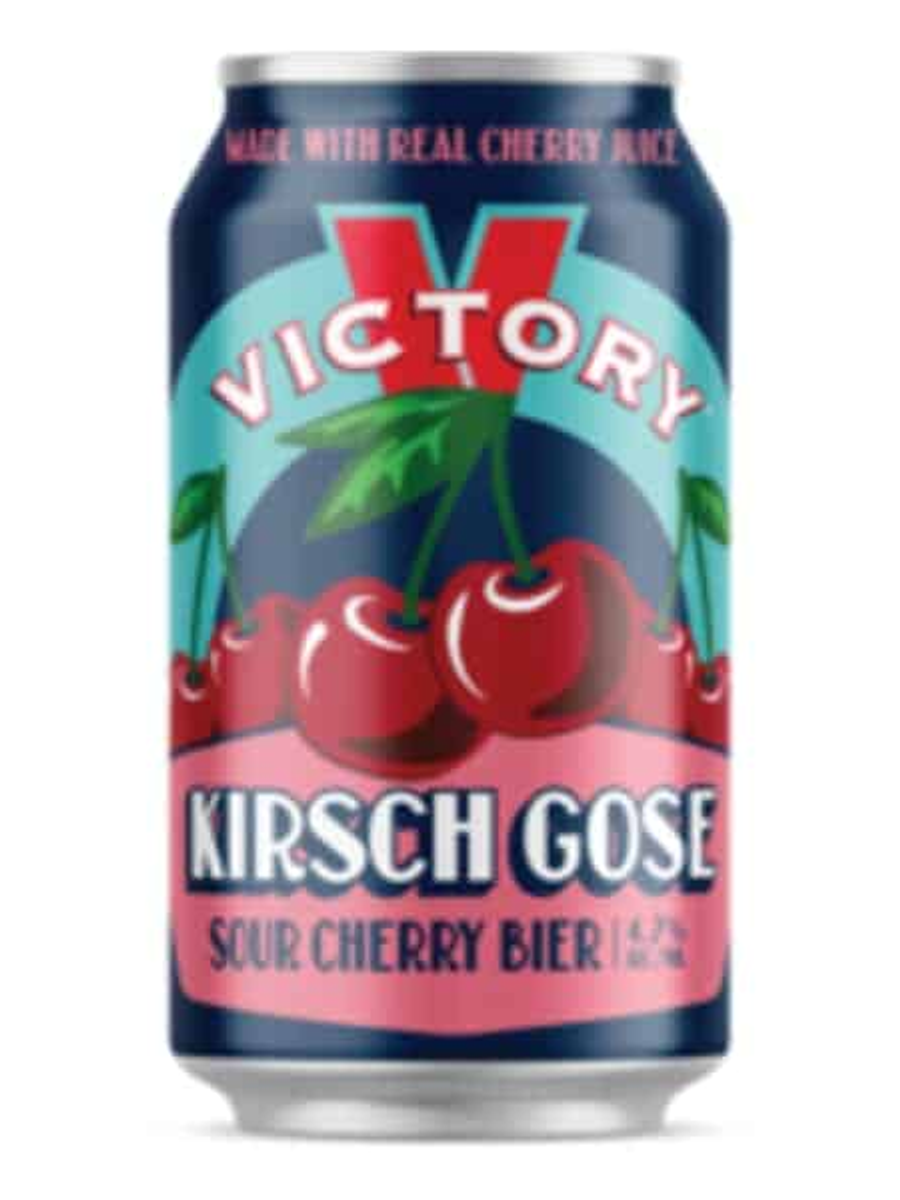
Victory Kirsch Gose
Brewed by Victory Brewing Company
Gose + cherries: tart cherry, wheat, coriander, salt, and a dry finish.
BAR NOTES
Victory Kirsch Gose brings tart cherry, wheat, coriander, salt, and a dry finish. What earns its place is that it uses cherry as a natural extension of gose acidity while keeping the body lean and highly drinkable. The result has a clear identity beyond simply registering as tart.
Serve it around 42–50°F in a tulip or wine glass; stronger barrel-aged bottles can warm a little more. Pair it with sausages, chèvre, or roast pork. Check package dates on hop-forward and fruit-heavy cans, while bottle-conditioned lambic and sturdy wood-aged beer can develop with careful cellaring.
Victory Sour Monkey
Brewed by Victory Brewing Company
Tripel + sour fermentation: lemon, pear, clove, candy sugar, and warming tartness.
BAR NOTES
Victory Sour Monkey brings lemon, pear, clove, candy sugar, and warming tartness. What earns its place is that it makes Belgian tripel strength feel unexpectedly bright, though the alcohol demands a slower pour. The result has a clear identity beyond simply registering as tart.
Serve it around 42–50°F in a tulip or wine glass; stronger barrel-aged bottles can warm a little more. Pair it with mussels, washed-rind cheese, or roast chicken. Check package dates on hop-forward and fruit-heavy cans, while bottle-conditioned lambic and sturdy wood-aged beer can develop with careful cellaring.
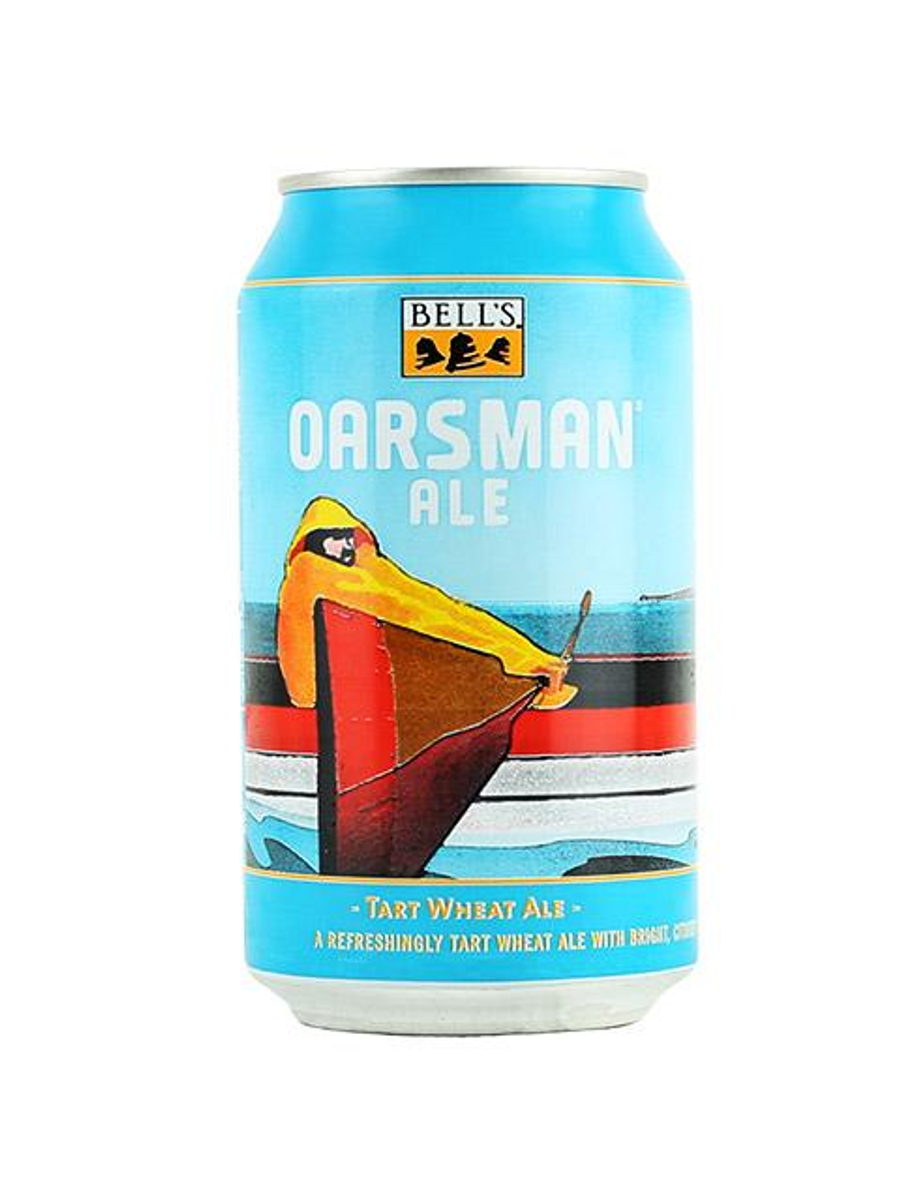
Bell's Oarsman Ale
Brewed by Bell's Brewery
Sour mash wheat: lemon, soft wheat, light fruit, and a gentle tang.
BAR NOTES
Bell's Oarsman Ale brings lemon, soft wheat, light fruit, and a gentle tang. What earns its place is that it shows how subtle sour-mash acidity can refresh without turning every sip into a palate challenge. The result has a clear identity beyond simply registering as tart.
Serve it around 42–50°F in a tulip or wine glass; stronger barrel-aged bottles can warm a little more. Pair it with salad, grilled fish, or chèvre. Check package dates on hop-forward and fruit-heavy cans, while bottle-conditioned lambic and sturdy wood-aged beer can develop with careful cellaring.
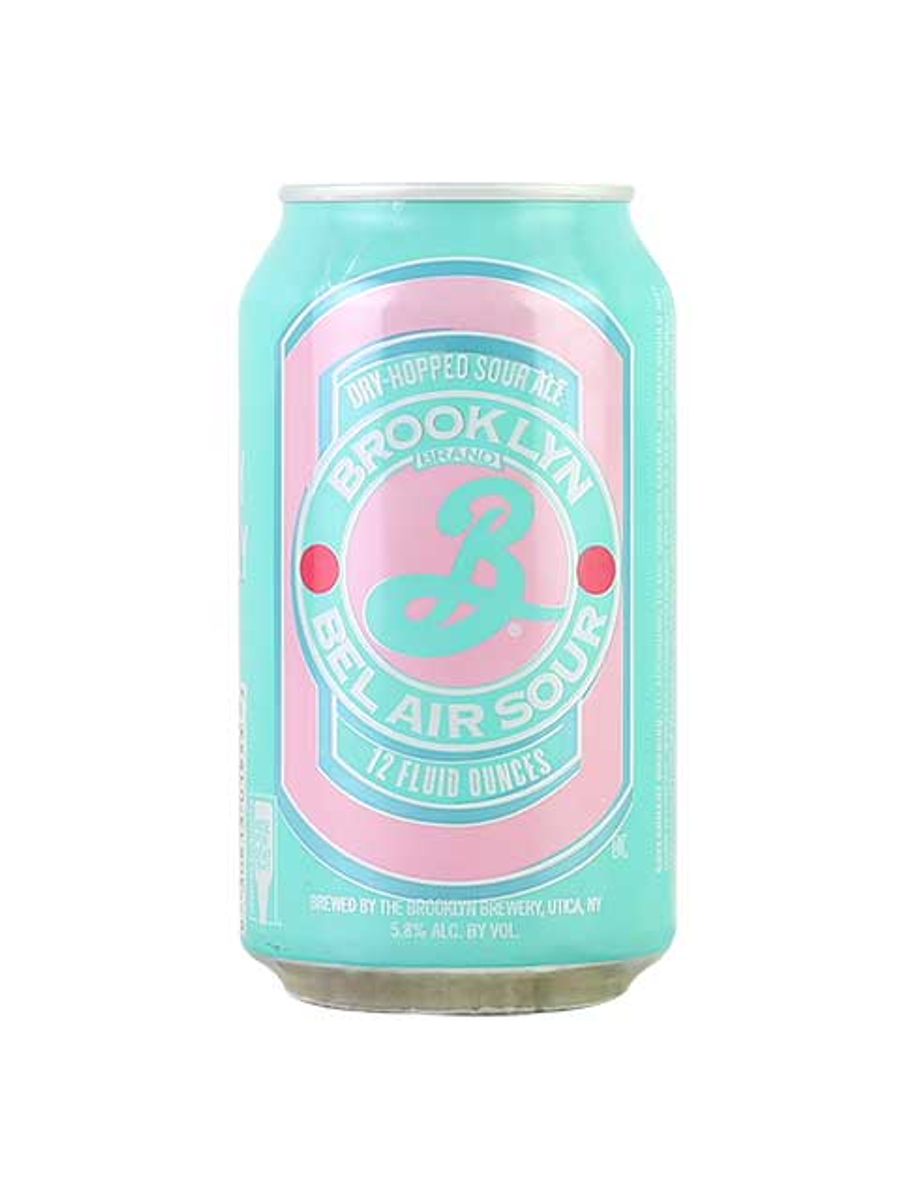
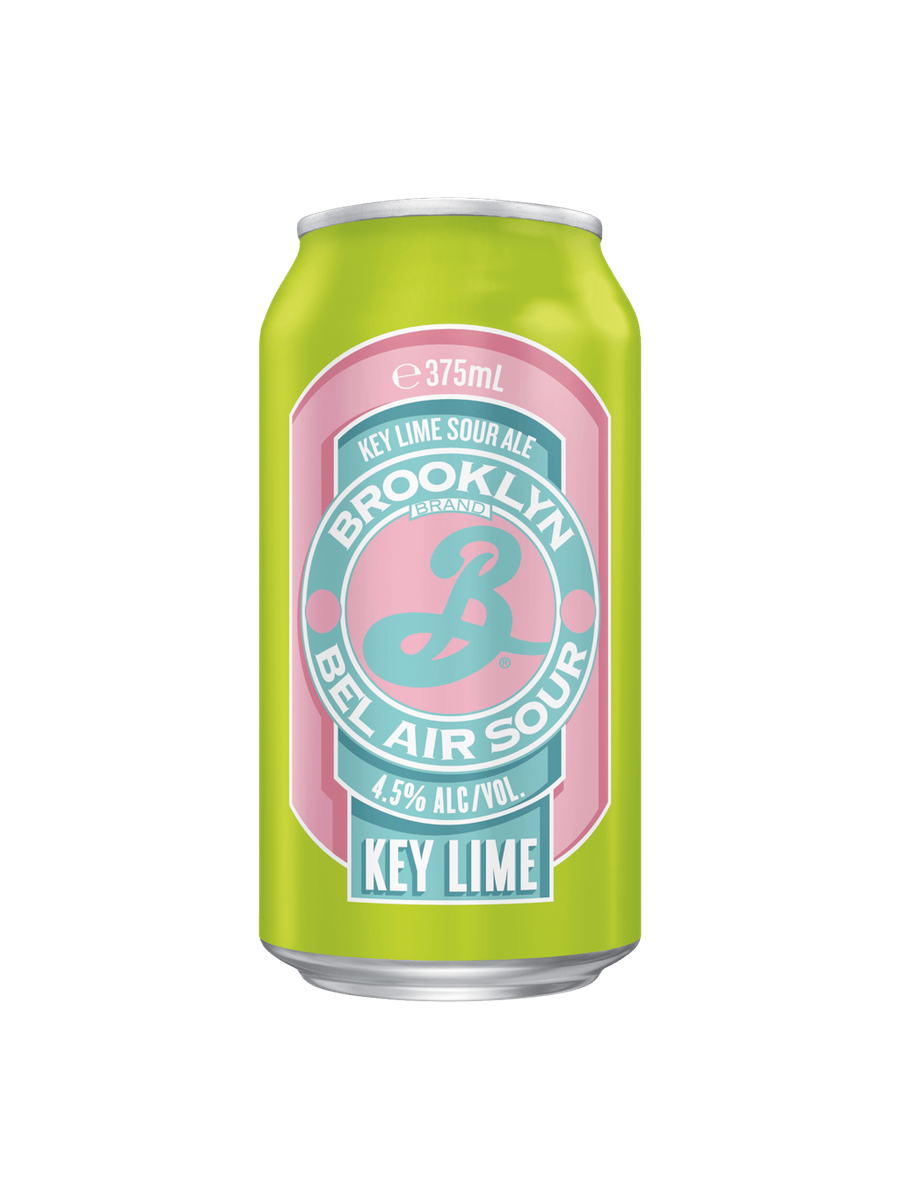
Brooklyn Bel Air Sour
Brewed by Brooklyn Brewery
Kettle sour + dry hops: citrus, tropical hops, cracker, and clean acidity.
BAR NOTES
Brooklyn Bel Air Sour brings citrus, tropical hops, cracker, and clean acidity. What earns its place is that it bridges hop aroma and sour refreshment while avoiding the bitterness-acid collision that sinks many hybrids. The result has a clear identity beyond simply registering as tart.
Serve it around 42–50°F in a tulip or wine glass; stronger barrel-aged bottles can warm a little more. Pair it with pizza, tacos, or grilled shrimp. Check package dates on hop-forward and fruit-heavy cans, while bottle-conditioned lambic and sturdy wood-aged beer can develop with careful cellaring.
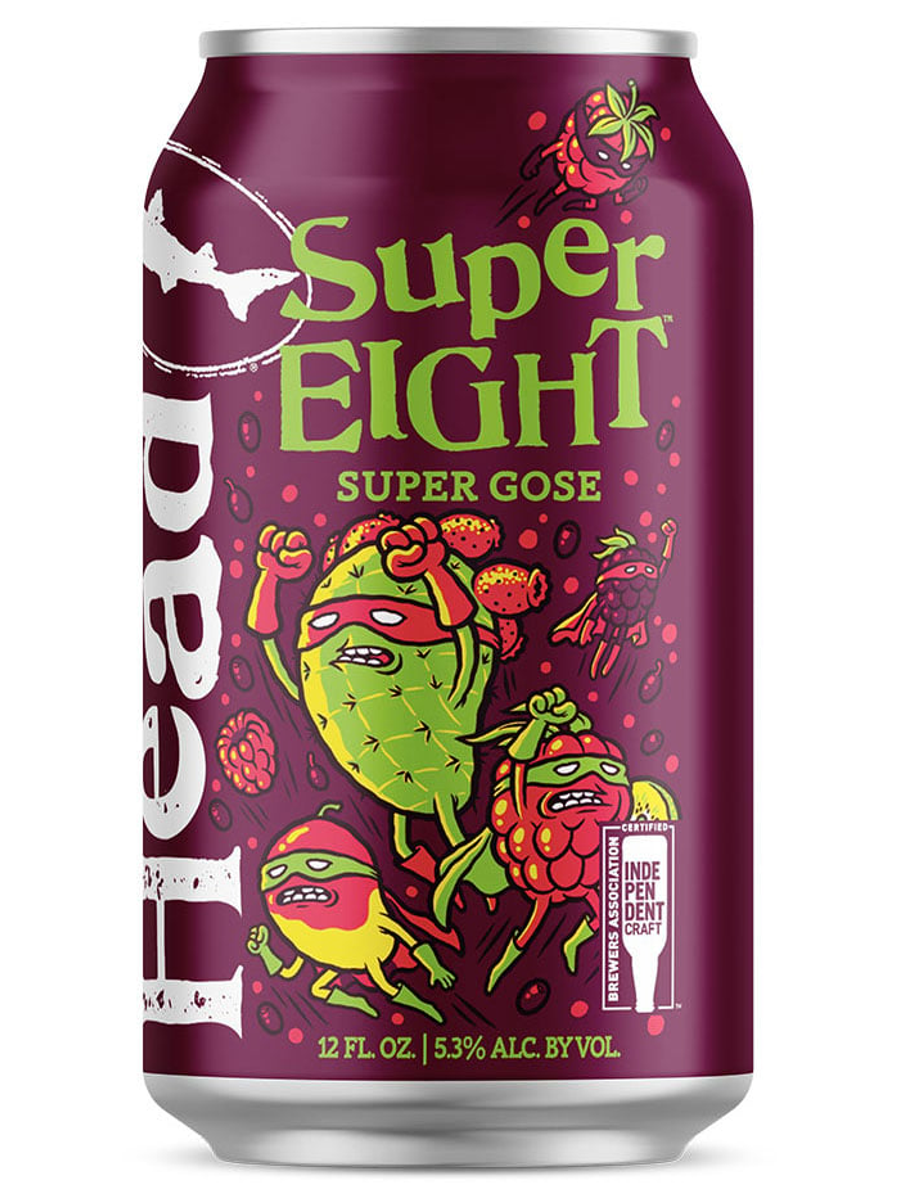
Dogfish Head SuperEIGHT
Brewed by Dogfish Head Craft Brewery
Gose + eight fruits: berry, mango, kiwi, quinoa, salt, and tart citrus.
BAR NOTES
Dogfish Head SuperEIGHT brings berry, mango, kiwi, quinoa, salt, and tart citrus. What earns its place is that it packs an absurd ingredient list into a surprisingly coherent, dry, colorful sour. The result has a clear identity beyond simply registering as tart.
Serve it around 42–50°F in a tulip or wine glass; stronger barrel-aged bottles can warm a little more. Pair it with spicy noodles, fruit salad, or chèvre. Check package dates on hop-forward and fruit-heavy cans, while bottle-conditioned lambic and sturdy wood-aged beer can develop with careful cellaring.
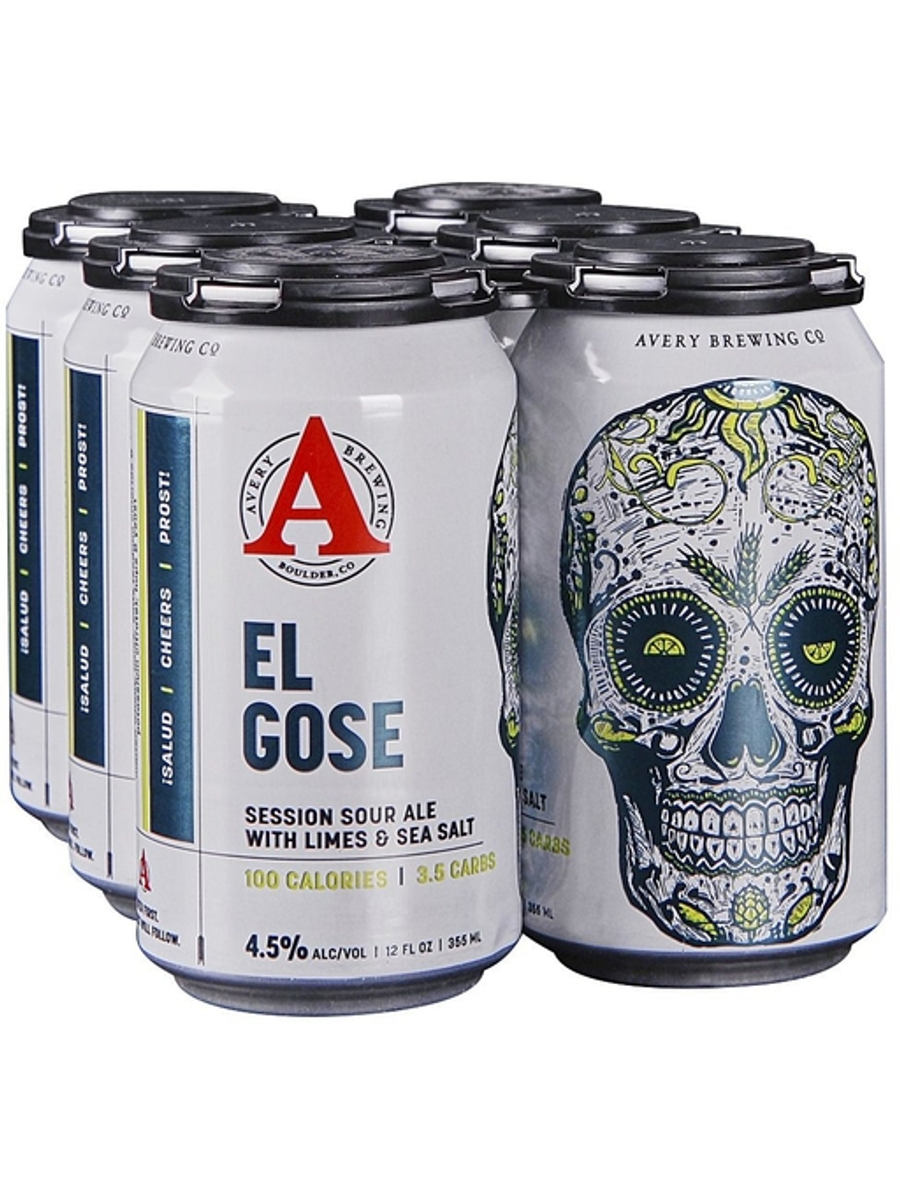
DESTIHL Here Gose Nothin'
Brewed by DESTIHL Brewery
Kettle sour + sea salt: lemon, coriander, wheat, saline minerality, and a sharp clean finish.
BAR NOTES
DESTIHL Here Gose Nothin' brings lemon, coriander, wheat, saline minerality, and a sharp clean finish. What earns its place is that it keeps the modern canned-gose formula direct and unsweetened enough for repeat pours. The result has a clear identity beyond simply registering as tart.
Serve it around 42–50°F in a tulip or wine glass; stronger barrel-aged bottles can warm a little more. Pair it with pretzels, oysters, or grilled fish. Check package dates on hop-forward and fruit-heavy cans, while bottle-conditioned lambic and sturdy wood-aged beer can develop with careful cellaring.
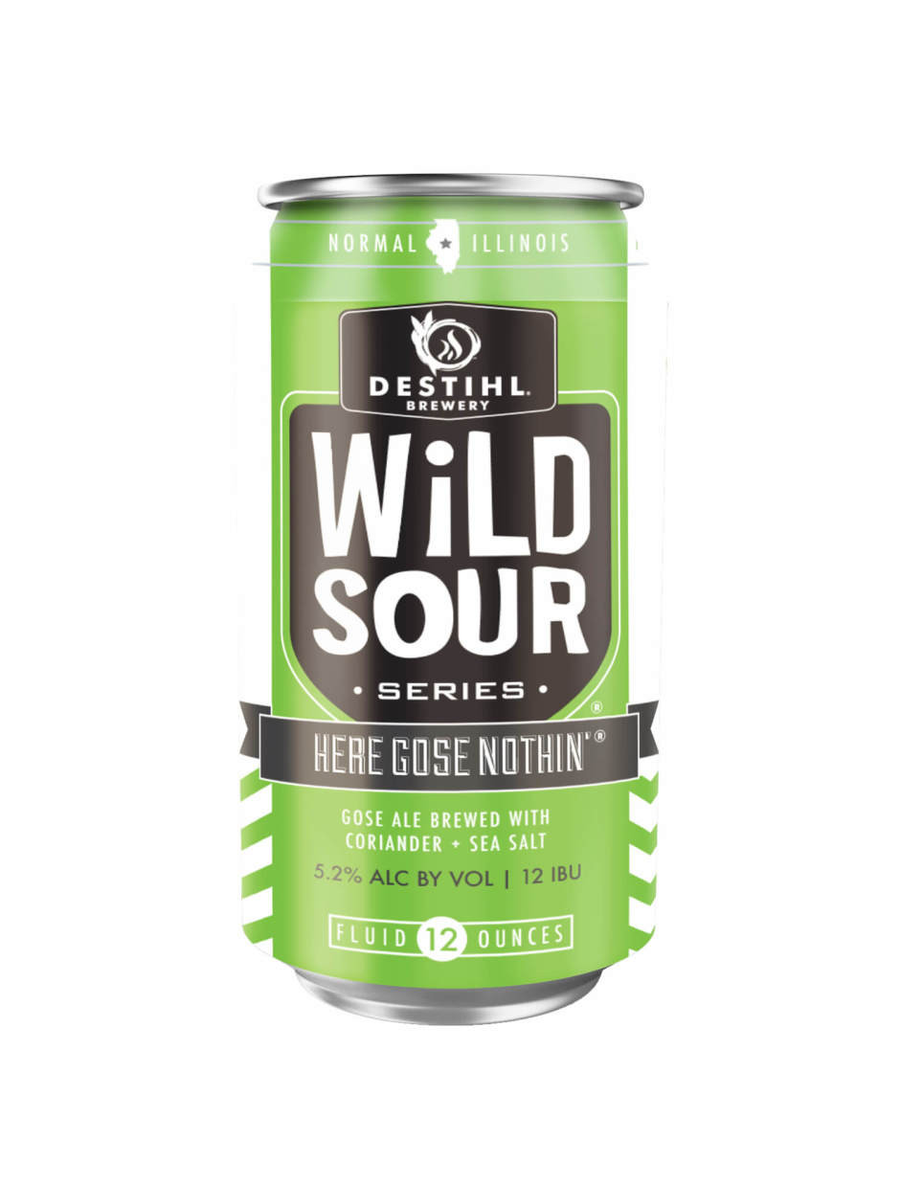
Avery El Gose
Brewed by Avery Brewing Co.
Gose + lime: lime zest, sea salt, wheat, coriander, and snappy acidity.
BAR NOTES
Avery El Gose brings lime zest, sea salt, wheat, coriander, and snappy acidity. What earns its place is that it leans into citrus already implied by the style, producing a margarita-adjacent beer that still finishes dry. The result has a clear identity beyond simply registering as tart.
Serve it around 42–50°F in a tulip or wine glass; stronger barrel-aged bottles can warm a little more. Pair it with tacos, ceviche, or grilled corn. Check package dates on hop-forward and fruit-heavy cans, while bottle-conditioned lambic and sturdy wood-aged beer can develop with careful cellaring.
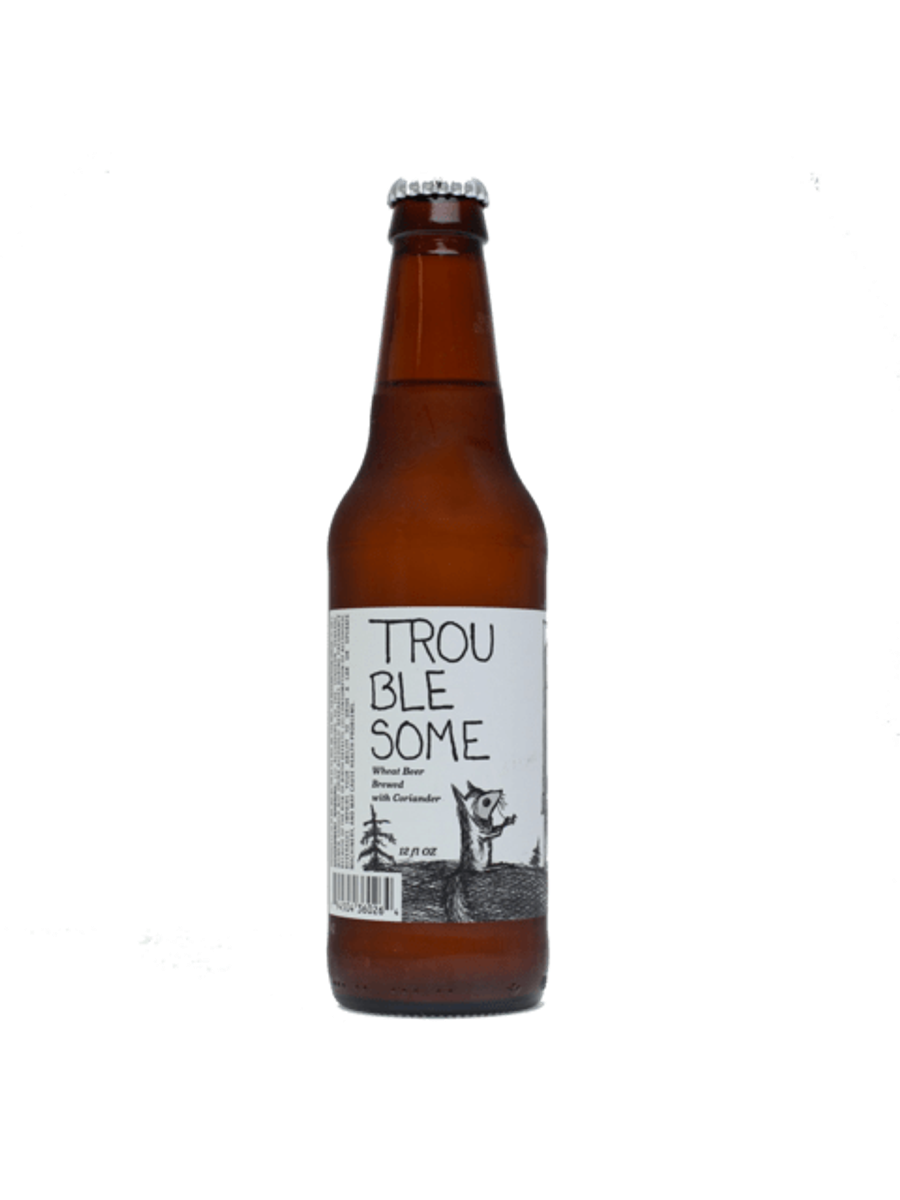
Off Color Troublesome
Brewed by Off Color Brewing
Blended gose fermentation: lemon, coriander, wheat, yogurt tang, and restrained salt.
BAR NOTES
Off Color Troublesome brings lemon, coriander, wheat, yogurt tang, and restrained salt. What earns its place is that it blends a lactic portion with a cleaner wheat beer, giving acidity texture instead of brute force. The result has a clear identity beyond simply registering as tart.
Serve it around 42–50°F in a tulip or wine glass; stronger barrel-aged bottles can warm a little more. Pair it with sausages, fries, or fresh cheese. Check package dates on hop-forward and fruit-heavy cans, while bottle-conditioned lambic and sturdy wood-aged beer can develop with careful cellaring.
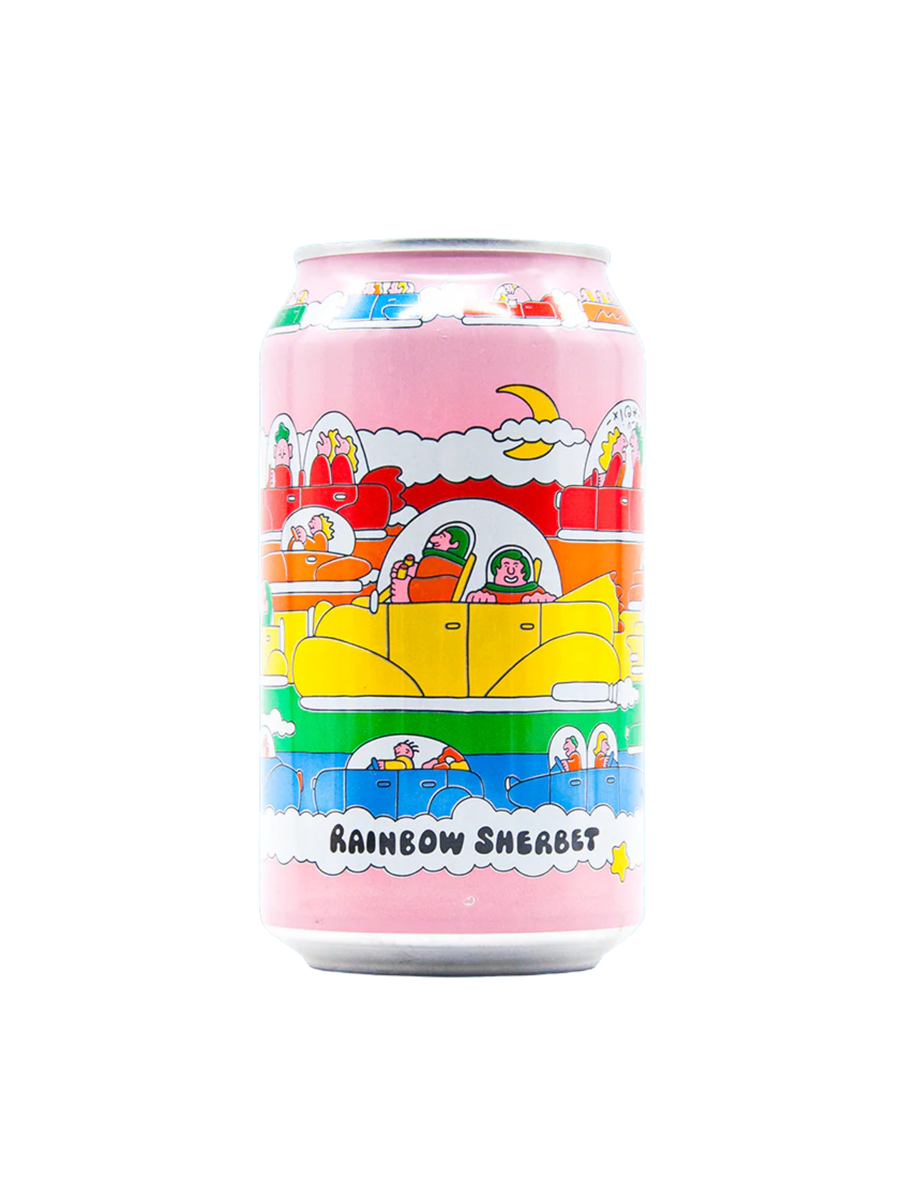
Prairie Rainbow Sherbet
Brewed by Prairie Artisan Ales
Kettle sour + citrus and berries: raspberry, pineapple, orange, lime, and candy-like tartness.
BAR NOTES
Prairie Rainbow Sherbet brings raspberry, pineapple, orange, lime, and candy-like tartness. What earns its place is that it understands the dessert reference but keeps carbonation and acidity high enough to refresh. The result has a clear identity beyond simply registering as tart.
Serve it around 42–50°F in a tulip or wine glass; stronger barrel-aged bottles can warm a little more. Pair it with spicy wings, fruit tart, or vanilla ice cream. Check package dates on hop-forward and fruit-heavy cans, while bottle-conditioned lambic and sturdy wood-aged beer can develop with careful cellaring.
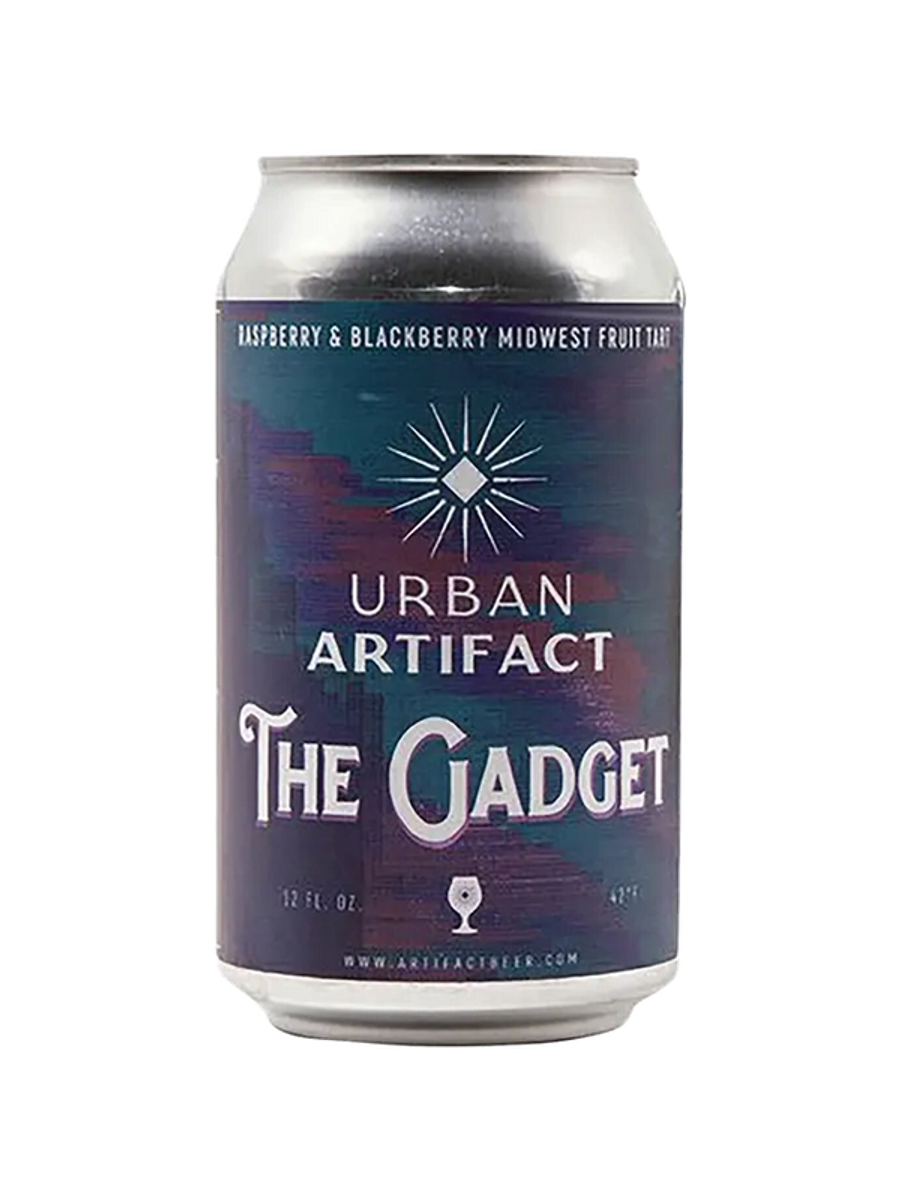
Urban Artifact The Gadget
Brewed by Urban Artifact
Fruit tart + berries: blackberry, raspberry, vanilla, jam, and forceful acidity.
BAR NOTES
Urban Artifact The Gadget brings blackberry, raspberry, vanilla, jam, and forceful acidity. What earns its place is that it uses an enormous fruit load while maintaining the brewery’s dry, intensely tart house identity. The result has a clear identity beyond simply registering as tart.
Serve it around 42–50°F in a tulip or wine glass; stronger barrel-aged bottles can warm a little more. Pair it with blue cheese, duck, or chocolate cake. Check package dates on hop-forward and fruit-heavy cans, while bottle-conditioned lambic and sturdy wood-aged beer can develop with careful cellaring.
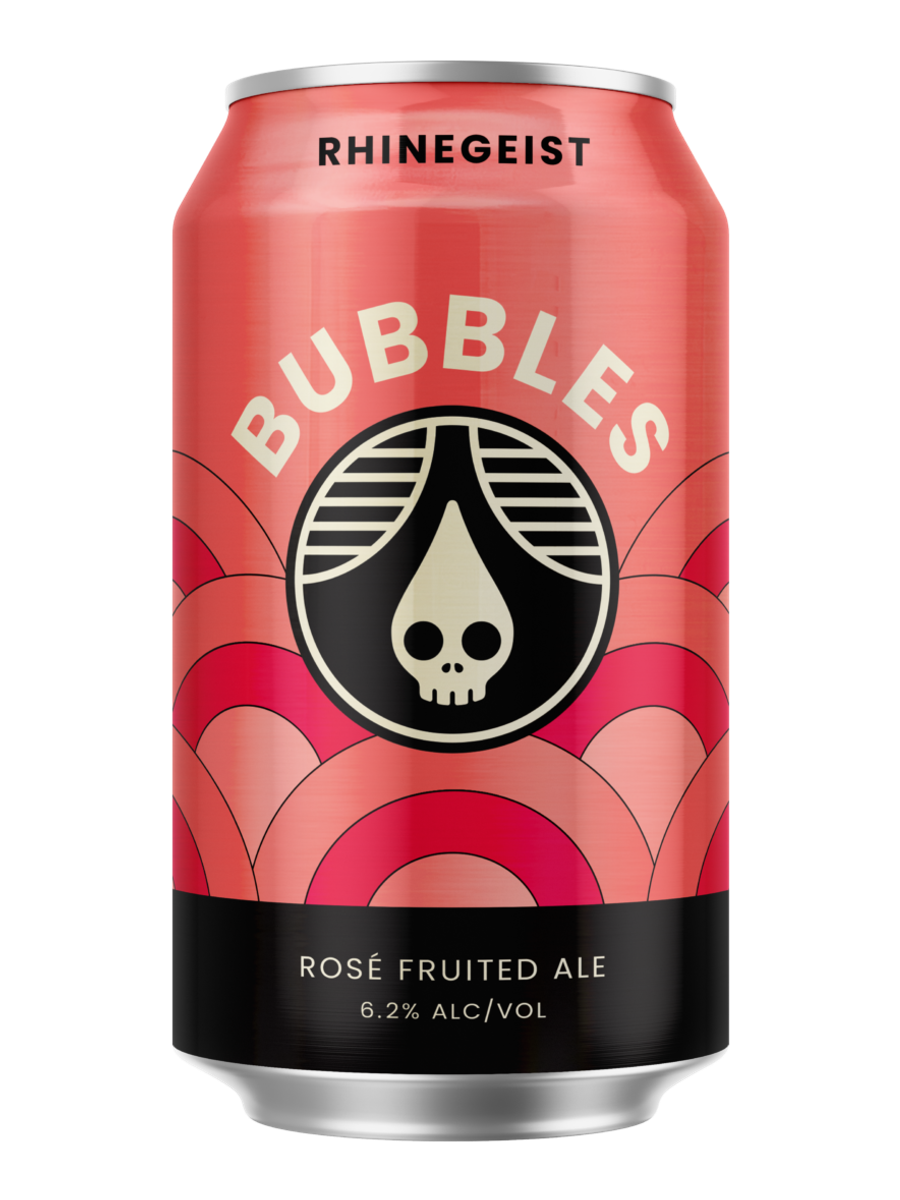
Rhinegeist Bubbles
Brewed by Rhinegeist Brewery
Fruit + sparkling finish: apple, peach, cranberry, citrus, and lively carbonation.
BAR NOTES
Rhinegeist Bubbles brings apple, peach, cranberry, citrus, and lively carbonation. What earns its place is that it occupies the useful border between fruit sour and sparkling wine without losing a beer-like finish. The result has a clear identity beyond simply registering as tart.
Serve it around 42–50°F in a tulip or wine glass; stronger barrel-aged bottles can warm a little more. Pair it with brunch, soft cheese, or salad. Check package dates on hop-forward and fruit-heavy cans, while bottle-conditioned lambic and sturdy wood-aged beer can develop with careful cellaring.
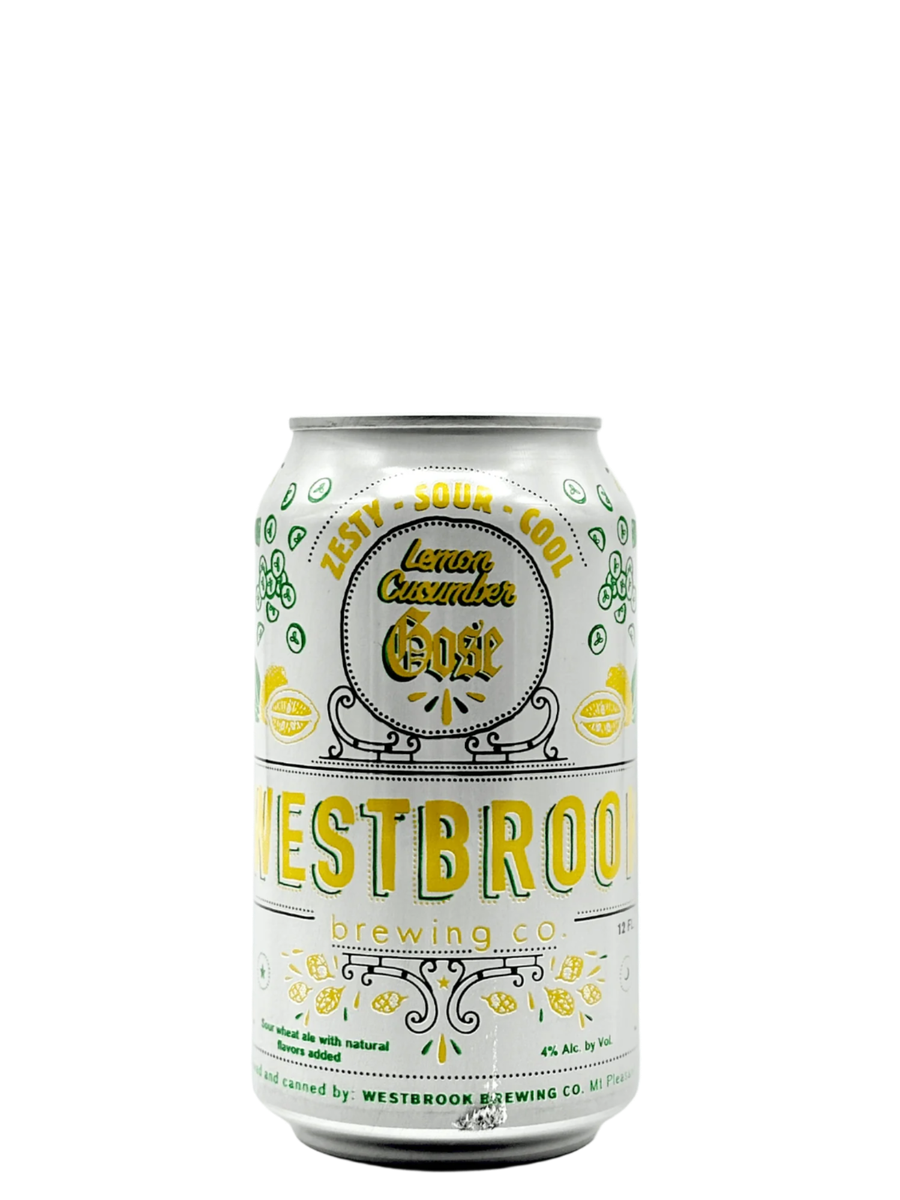
10 Barrel Cucumber Crush
Brewed by 10 Barrel Brewing Co.
Kettle sour + cucumber: fresh cucumber, lemon, melon rind, and clean lactic tang.
BAR NOTES
10 Barrel Cucumber Crush brings fresh cucumber, lemon, melon rind, and clean lactic tang. What earns its place is that it turns a difficult vegetal ingredient into one of the most convincing hot-day sour profiles. The result has a clear identity beyond simply registering as tart.
Serve it around 42–50°F in a tulip or wine glass; stronger barrel-aged bottles can warm a little more. Pair it with sushi, salad, or grilled fish. Check package dates on hop-forward and fruit-heavy cans, while bottle-conditioned lambic and sturdy wood-aged beer can develop with careful cellaring.
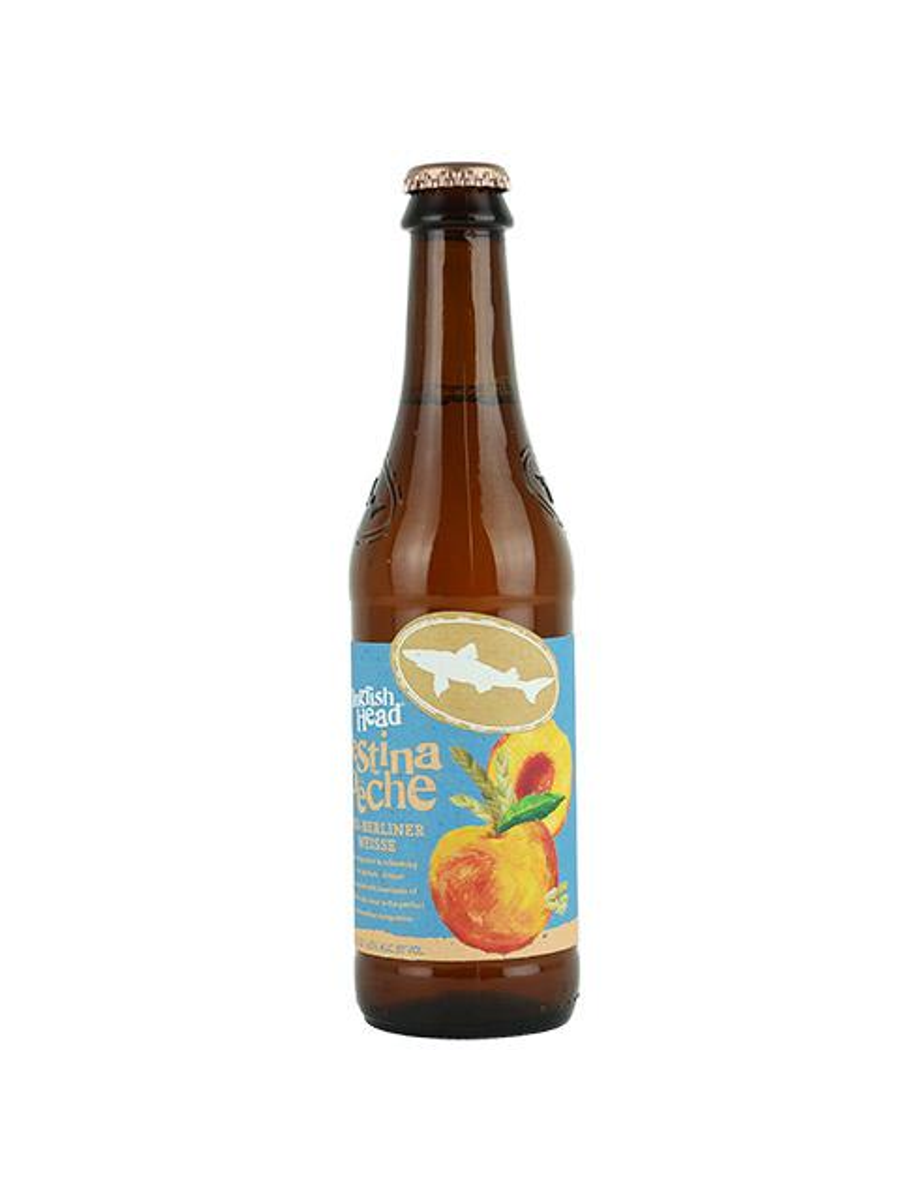
Dogfish Head Festina Pêche
Brewed by Dogfish Head Craft Brewery
Berliner + peach: white peach, lemon, soft wheat, and a crisp dry finish.
BAR NOTES
Dogfish Head Festina Pêche brings white peach, lemon, soft wheat, and a crisp dry finish. What earns its place is that it remains a landmark American fruit Berliner because the peach reads fresh instead of syrupy. The result has a clear identity beyond simply registering as tart.
Serve it around 42–50°F in a tulip or wine glass; stronger barrel-aged bottles can warm a little more. Pair it with salad, chèvre, or grilled chicken. Check package dates on hop-forward and fruit-heavy cans, while bottle-conditioned lambic and sturdy wood-aged beer can develop with careful cellaring.
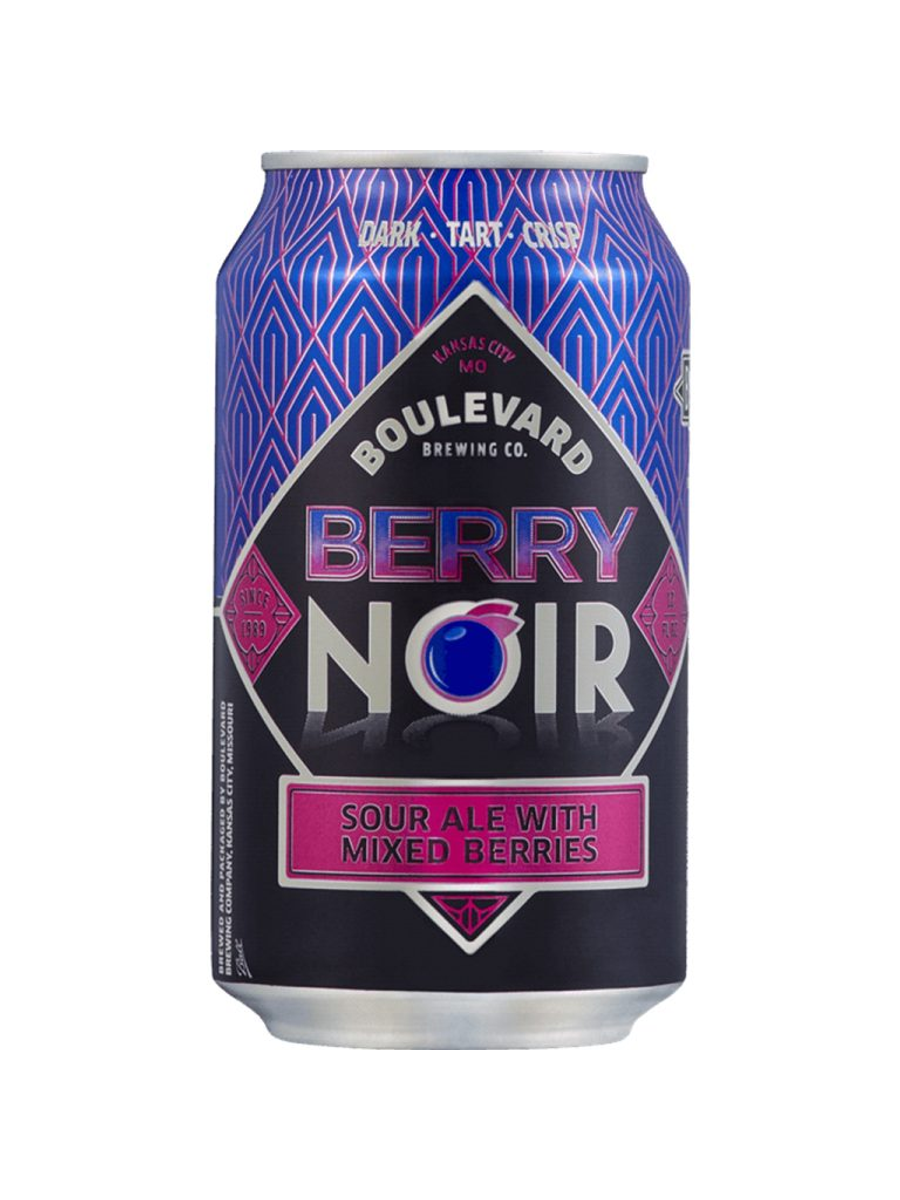
Boulevard Berry Noir
Brewed by Boulevard Brewing Co.
Kettle sour + blackberry: blackberry, lemon, violet, and a clean lightly sweet finish.
BAR NOTES
Boulevard Berry Noir brings blackberry, lemon, violet, and a clean lightly sweet finish. What earns its place is that it delivers dark-berry flavor in a lighter format built for a full can rather than a tasting pour. The result has a clear identity beyond simply registering as tart.
Serve it around 42–50°F in a tulip or wine glass; stronger barrel-aged bottles can warm a little more. Pair it with barbecue, chèvre, or berry pie. Check package dates on hop-forward and fruit-heavy cans, while bottle-conditioned lambic and sturdy wood-aged beer can develop with careful cellaring.
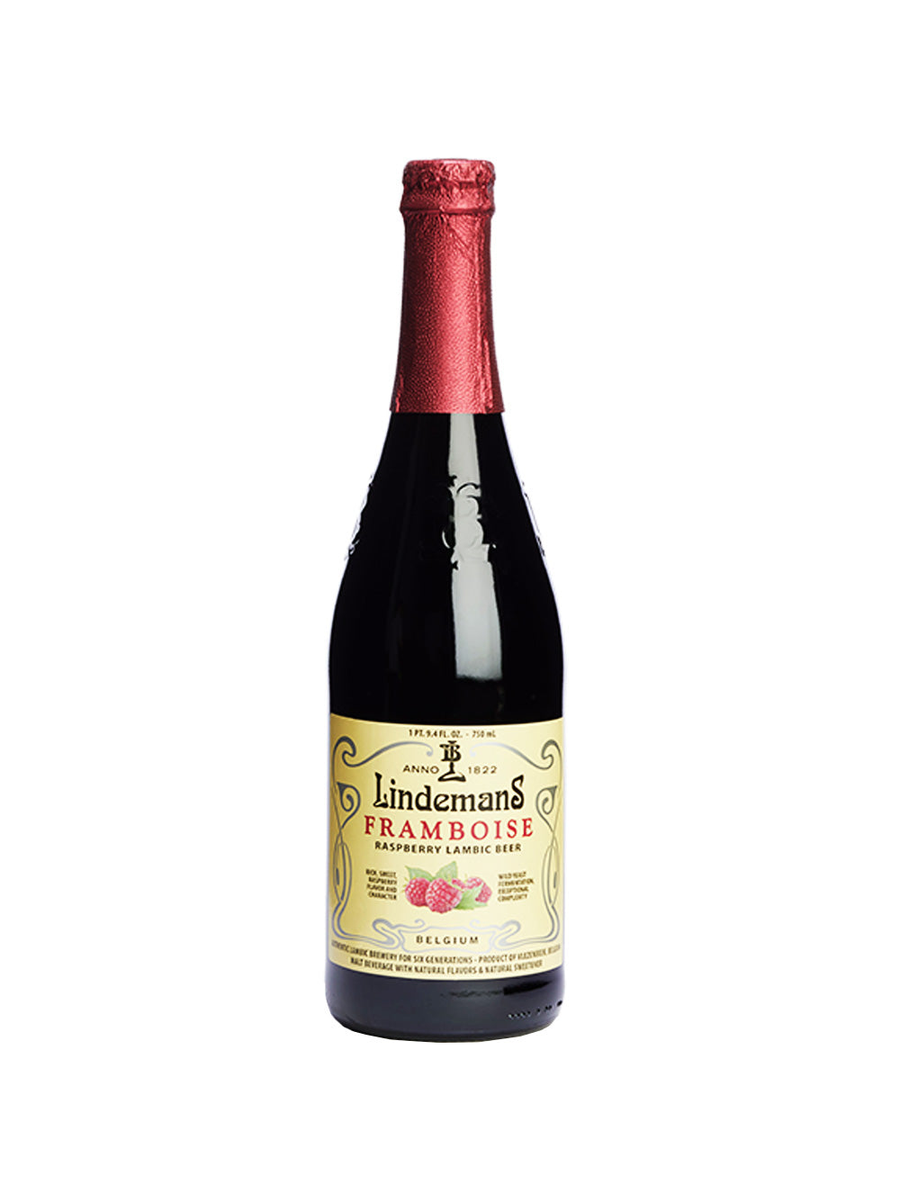
Lindemans Framboise
Brewed by Brouwerij Lindemans
Sweetened raspberry lambic: raspberry preserves, lemon, wheat, and lively carbonation.
BAR NOTES
Lindemans Framboise brings raspberry preserves, lemon, wheat, and lively carbonation. What earns its place is that it is sweet by design, but its intensity and low alcohol make it useful with dessert or in cocktails. The result has a clear identity beyond simply registering as tart.
Serve it around 42–50°F in a tulip or wine glass; stronger barrel-aged bottles can warm a little more. Pair it with chocolate cake, cheesecake, or brunch. Check package dates on hop-forward and fruit-heavy cans, while bottle-conditioned lambic and sturdy wood-aged beer can develop with careful cellaring.
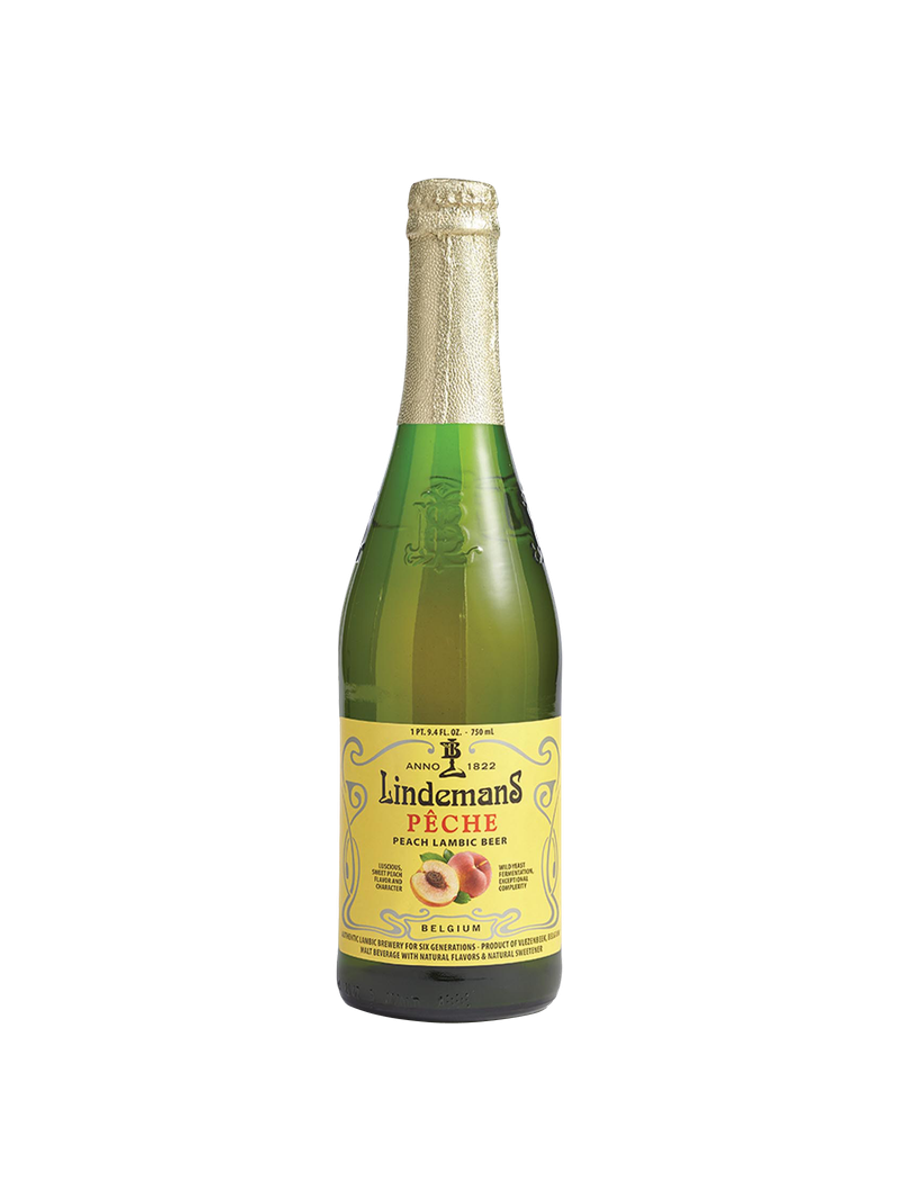
Lindemans Pêche
Brewed by Brouwerij Lindemans
Sweetened peach lambic: ripe peach, apricot, citrus, and sparkling sweetness.
BAR NOTES
Lindemans Pêche brings ripe peach, apricot, citrus, and sparkling sweetness. What earns its place is that it offers an easy entry point for drinkers who want fruit first and fermentation funk kept low. The result has a clear identity beyond simply registering as tart.
Serve it around 42–50°F in a tulip or wine glass; stronger barrel-aged bottles can warm a little more. Pair it with vanilla ice cream, fruit tart, or brunch. Check package dates on hop-forward and fruit-heavy cans, while bottle-conditioned lambic and sturdy wood-aged beer can develop with careful cellaring.
[hba_beer_card rank=”49″ name=”Untitled Art Mango Dragonfruit Sour” brewery=”Untitled Art” image=”https://homebrewacademy.com/wp-content/uploads/untitled-art-mango-dragonfruit-sour.png” style=”Non-Alcoholic Fruited Sour” abv=”<0.5%" detail_label="Sour method" detail="NA + tropical fruit" location="Waunakee, Wisconsin" note="NA + tropical fruit: mango, dragonfruit, citrus, and bright acidity."]
BAR NOTES
Untitled Art Mango Dragonfruit Sour brings mango, dragonfruit, citrus, and bright acidity. What earns its place is that it gives the alcohol-free slot genuine sour structure instead of asking fruit aroma to do all the work. The result has a clear identity beyond simply registering as tart.
Serve it around 42–50°F in a tulip or wine glass; stronger barrel-aged bottles can warm a little more. Pair it with fish tacos, fruit salad, or spicy noodles. Check package dates on hop-forward and fruit-heavy cans, while bottle-conditioned lambic and sturdy wood-aged beer can develop with careful cellaring.
[hba_beer_card rank=”50″ name=”Go Brewing New School Sour Berry” brewery=”Go Brewing” image=”https://homebrewacademy.com/wp-content/uploads/go-brewing-new-school-sour-berry.png” style=”Non-Alcoholic Berry Sour” abv=”<0.5%" detail_label="Sour method" detail="NA + mixed berries" location="Naperville, Illinois" note="NA + mixed berries: raspberry, blackberry, lemon, and clean carbonation."]
BAR NOTES
Go Brewing New School Sour Berry brings raspberry, blackberry, lemon, and clean carbonation. What earns its place is that it closes the board with a practical alcohol-free beer that still behaves like a tart modern sour. The result has a clear identity beyond simply registering as tart.
Serve it around 42–50°F in a tulip or wine glass; stronger barrel-aged bottles can warm a little more. Pair it with salad, soft cheese, or berry tart. Check package dates on hop-forward and fruit-heavy cans, while bottle-conditioned lambic and sturdy wood-aged beer can develop with careful cellaring.
Follow the acid trail from the fruit tank to the old oak cellar.
Go deeper on lambic, Belgian tradition, salty gose, mixed fermentation, and the brewing choices that turn acidity into structure.
DRINK DEEPER

better beer.


