10 Best American Lagers to Drink in 2026
American lager is bigger than light beer and older than the supermarket cold box. German and Central European brewing traditions collided with American barley, corn, rice, railroads, refrigeration and national distribution to create a family of clean, highly drinkable lagers that became the default beer language of the country.
This Top 10 mixes national benchmarks with regional survivors and one modern craft interpretation. The point is not to pretend every beer here is subtle genius. It is to judge American lager on what the style actually asks for: clean fermentation, repeatable balance, refreshment, enough malt to keep the glass from feeling hollow and enough identity to survive a blind pour.
The quick answer
Coors Banquet is the best American lager overall because it keeps more malt, fruit and body than most national pale lagers while staying unmistakably crisp and easy to drink. Miller High Life is the sharper, more effervescent classic. Budweiser is the historical national standard. Yuengling Traditional Lager is the amber outlier that proves the American lager shelf was never only pale.
The 10 best American lagers
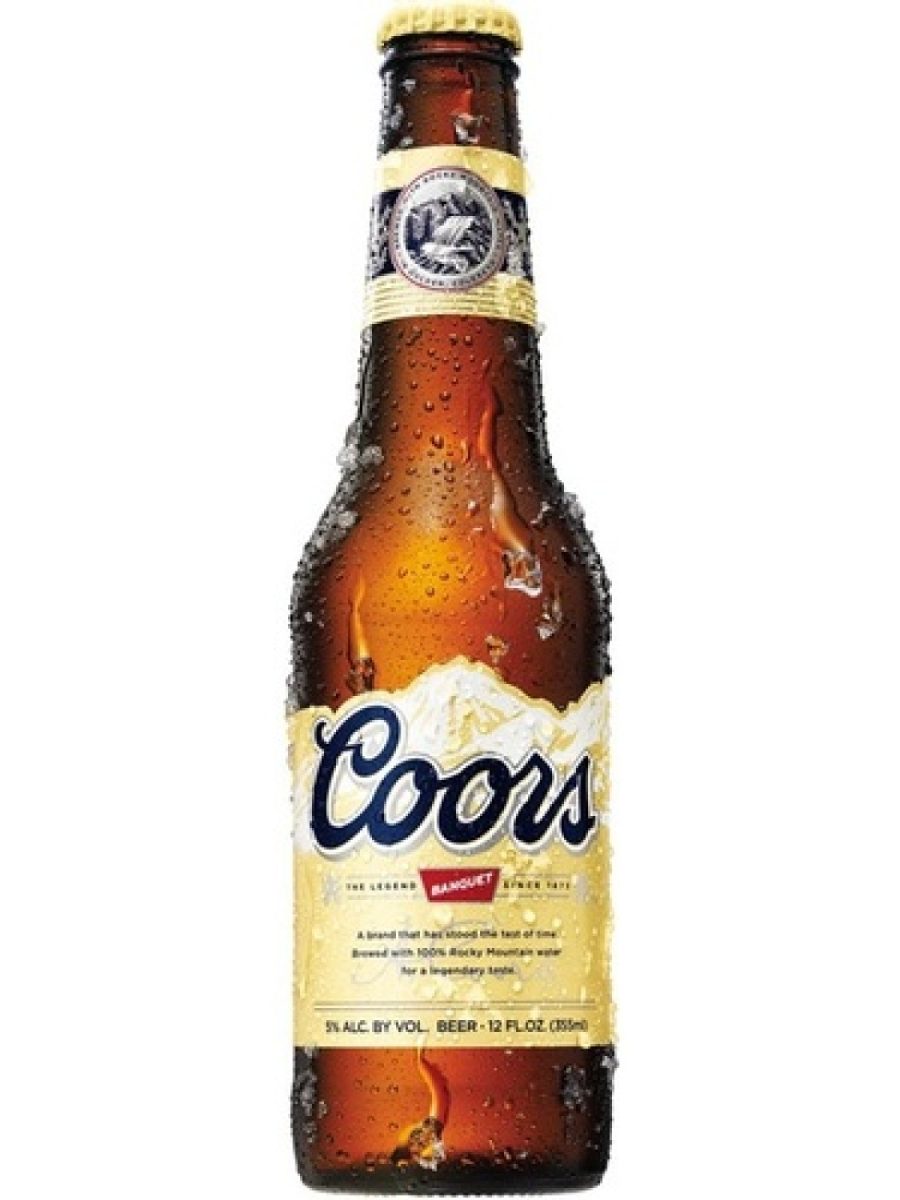
Coors Banquet
Brewed by Coors Brewing Company
Fuller malt, a faint fruity edge and crisp low bitterness give Banquet more personality than the modern American macro stereotype allows.
BAR NOTES
Coors Banquet earns the top spot because it still tastes like a full-strength American lager rather than a light beer wearing an older label. The current recipe uses barley malt, corn-derived fermentables, yeast and hop extract, and the finished beer carries a little more cereal sweetness and fruit than many national competitors.
The stubby bottle is part of the charm, but freshness matters more than nostalgia. Serve it around 38–42°F and let it warm a little in the glass. Burgers, grilled brats, fried chicken, chili and salty bar food are exactly where Banquet’s slightly fuller body starts earning its keep.
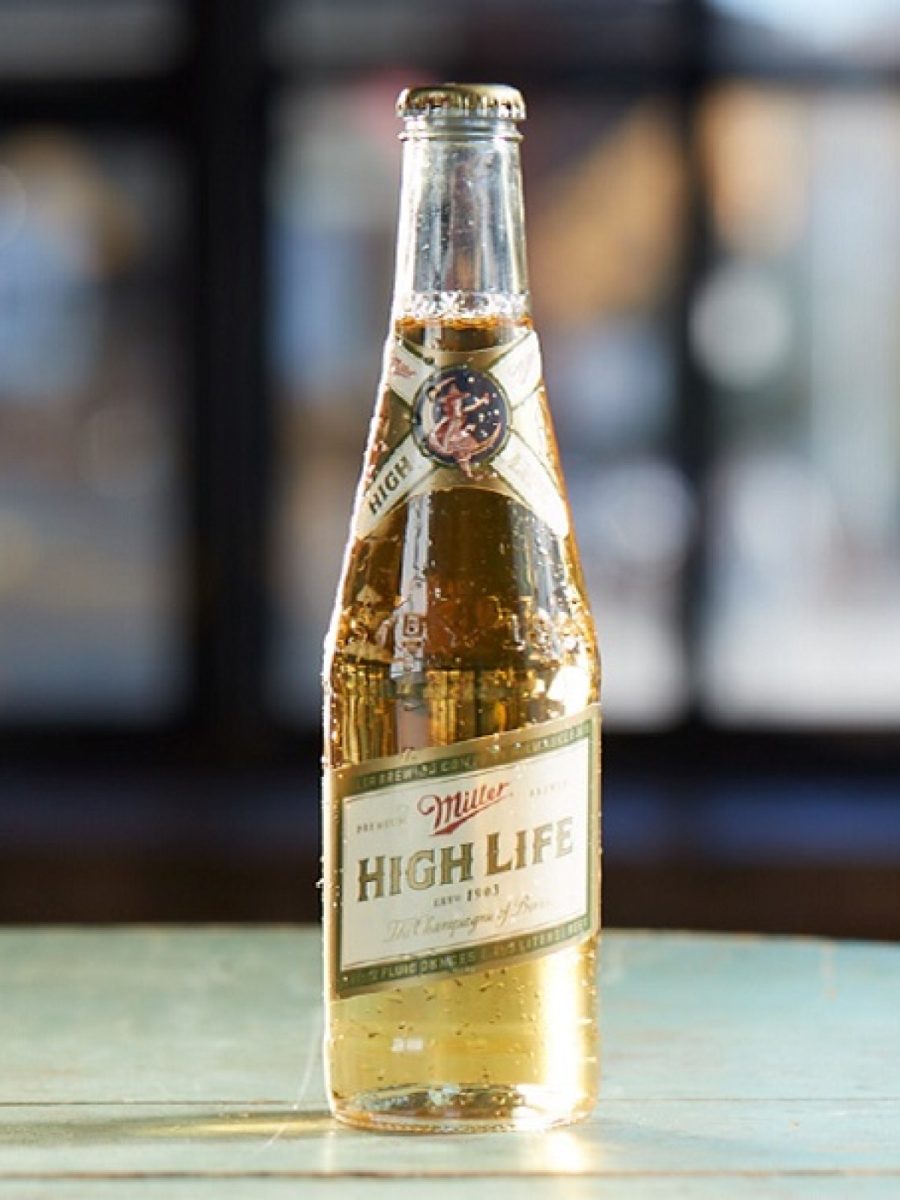
Miller High Life
Brewed by Miller Brewing Company
High carbonation, light grain and a dry 7-IBU finish make the Champagne of Beers one of the cleanest old-school American lager templates.
BAR NOTES
High Life was launched in 1903 as Miller’s flagship bottled beer, and the clear bottle still makes it instantly recognizable. Miller uses light-stable hop technology to protect the beer from the skunky light damage that normally makes clear glass a terrible packaging decision. The result is lean, sparkling and unusually snappy.
At 4.6% ABV and only 7 IBU, this is not a bitterness beer. Carbonation does most of the palate-cleansing work. Pizza, fried fish, potato chips, cheeseburgers and hot dogs all make sense. Pouring it into a small stemmed glass is unnecessary and also completely appropriate for the Champagne of Beers.
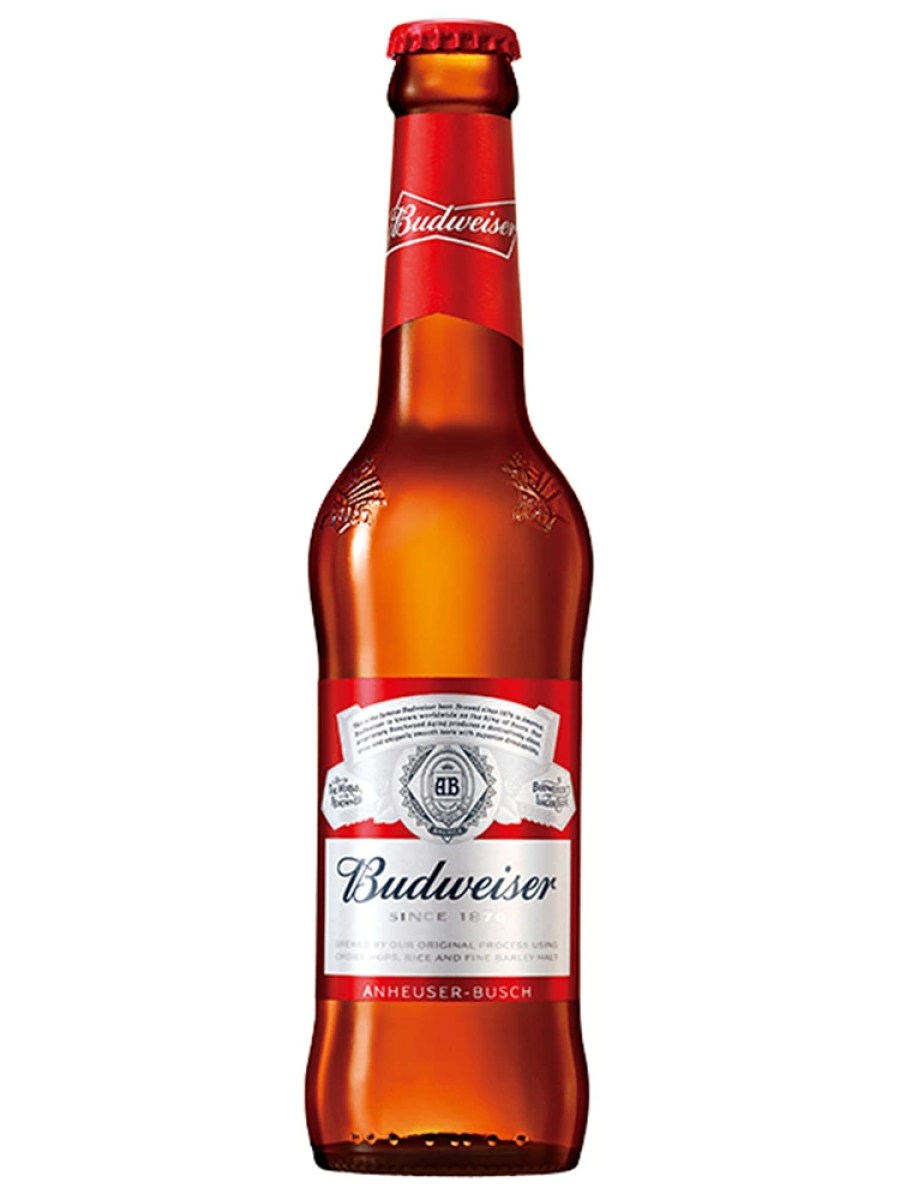
Budweiser
Brewed by Anheuser-Busch
Rice-lightened malt, restrained hops and beechwood aging built the medium-bodied lager that became America’s defining national beer brand.
BAR NOTES
Budweiser belongs here even if familiarity makes it easy to ignore. The classic formulation combines barley malt and rice with a low-key hop profile, then uses the company’s beechwood-aging process to maximize yeast contact during conditioning. The target is not intensity; it is consistency, dryness and a medium body that lands between light lager and fuller regional classics.
Drink it fresh and cold, preferably from a can or brown bottle when possible. Barbecue, wings, burgers, tacos and salty snacks all suit the neutral-to-grainy profile. In a side-by-side tasting, Budweiser’s rice-driven dryness becomes much easier to identify than it is at a cookout where the beer is simply doing its job.
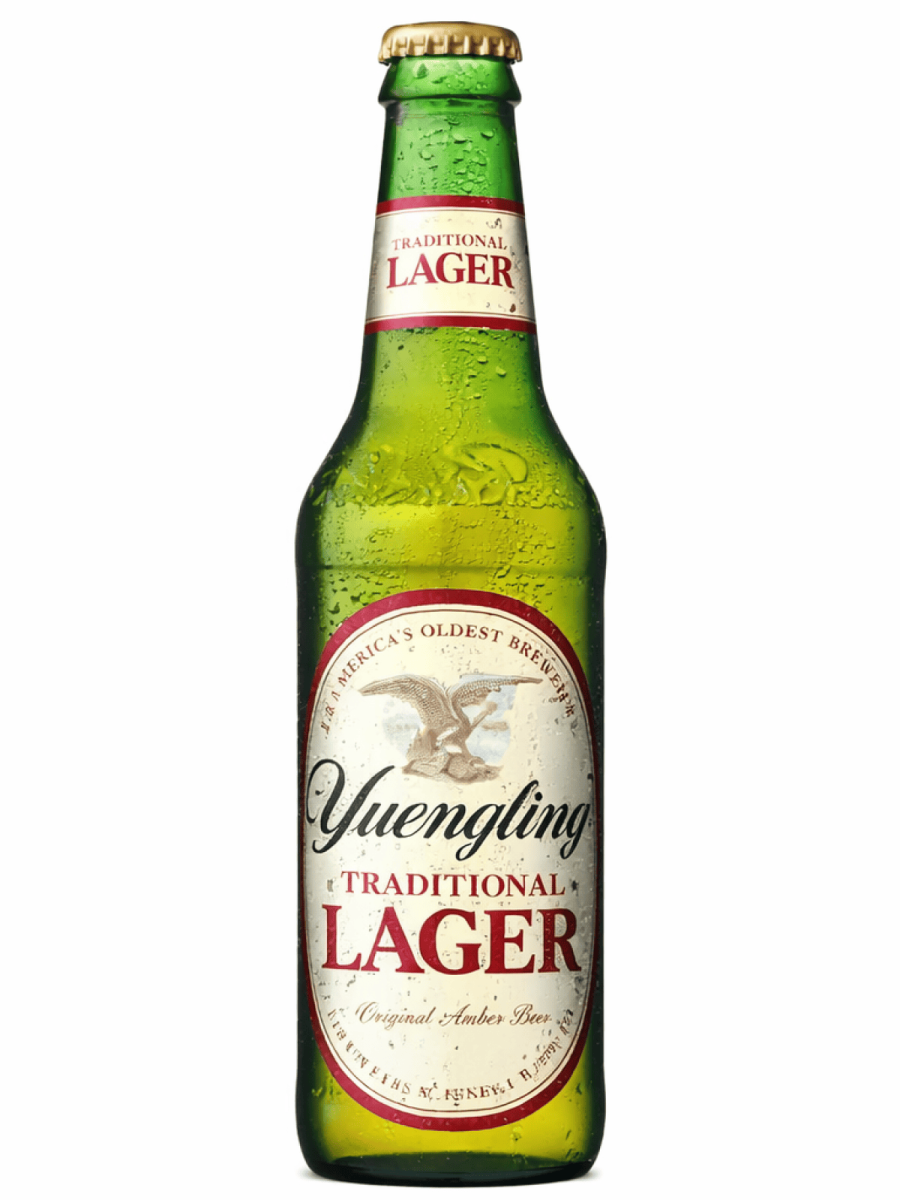
Yuengling Traditional Lager
Brewed by D. G. Yuengling & Son
Caramelized malt, amber color and Cascade-and-Cluster hops make Yuengling the darker regional branch of the American lager family.
BAR NOTES
Traditional Lager was revived in 1987 and became Yuengling’s flagship, which makes it younger in its current form than the brewery’s 1829 founding date suggests. The recipe is inspired by Bavarian lager but unmistakably American in execution, with caramelized flavor, deep amber color and Cascade plus Cluster hops.
At 4.5% and 12 IBU, it is still built for volume drinking despite looking darker than the national pale-lager set. Cheesesteaks, burgers, roast pork, pizza and grilled sausage work especially well. If pale macro lager feels too thin but craft amber ale feels too sweet, Yuengling lives in the useful middle.
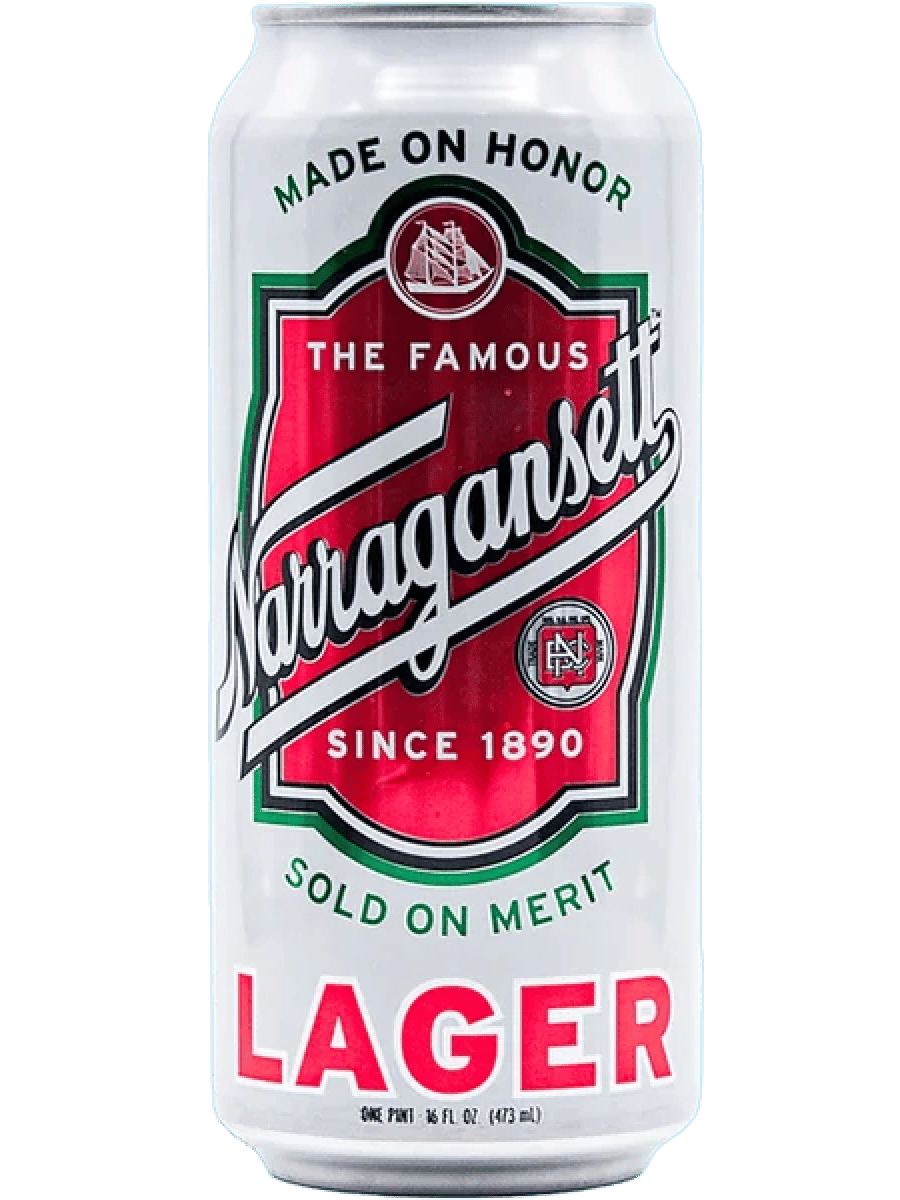
Narragansett Lager
Brewed by Narragansett Beer
A revived New England classic with six-row-and-corn heritage, mild hop bitterness and enough body to stand up to clam shacks and ballparks.
BAR NOTES
Narragansett was once the dominant beer of New England, faded badly, and then was revived in 2005. That comeback is part of why the lager matters: it is evidence that regional American beer identity can survive consolidation if enough drinkers still care what the local can says.
The flagship sits around 5% ABV and 12 IBU, with a mild grainy sweetness and clean bitter close. Fried clams, lobster rolls, chowder, hot dogs and grilled seafood are obvious pairings. More important, it remains the kind of inexpensive regional lager people can actually drink rather than admire as a historical artifact.
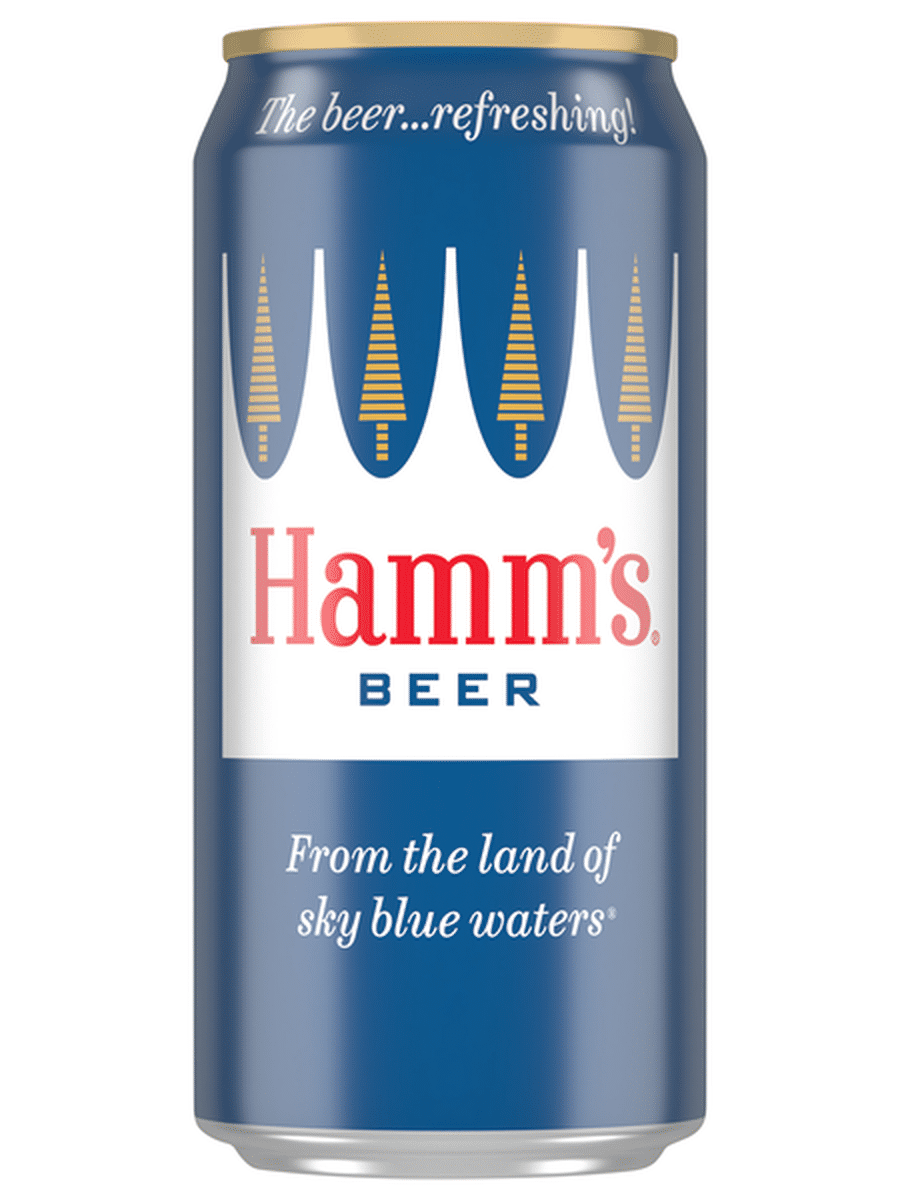
Hamm’s
Brewed by Hamm’s / Molson Coors
Soft grain, low bitterness and a balanced 4.7% body keep Hamm’s one of the most convincing surviving old-school value lagers.
BAR NOTES
Hamm’s history reaches back to St. Paul in 1856, although the brand now lives inside Molson Coors rather than its original Minnesota brewery. The modern beer is still 4.7% ABV and deliberately simple: pale grain, light fruit, restrained hops and a soft finish made for repeat cans rather than tasting-room analysis.
Its strongest argument is value without obvious brewing sloppiness. Cold Hamm’s with burgers, brats, fried chicken, frozen pizza or a bag of chips is exactly the point. Let it warm too much and the simplicity becomes exposed; drink it fresh and cold and the balance feels intentional rather than empty.
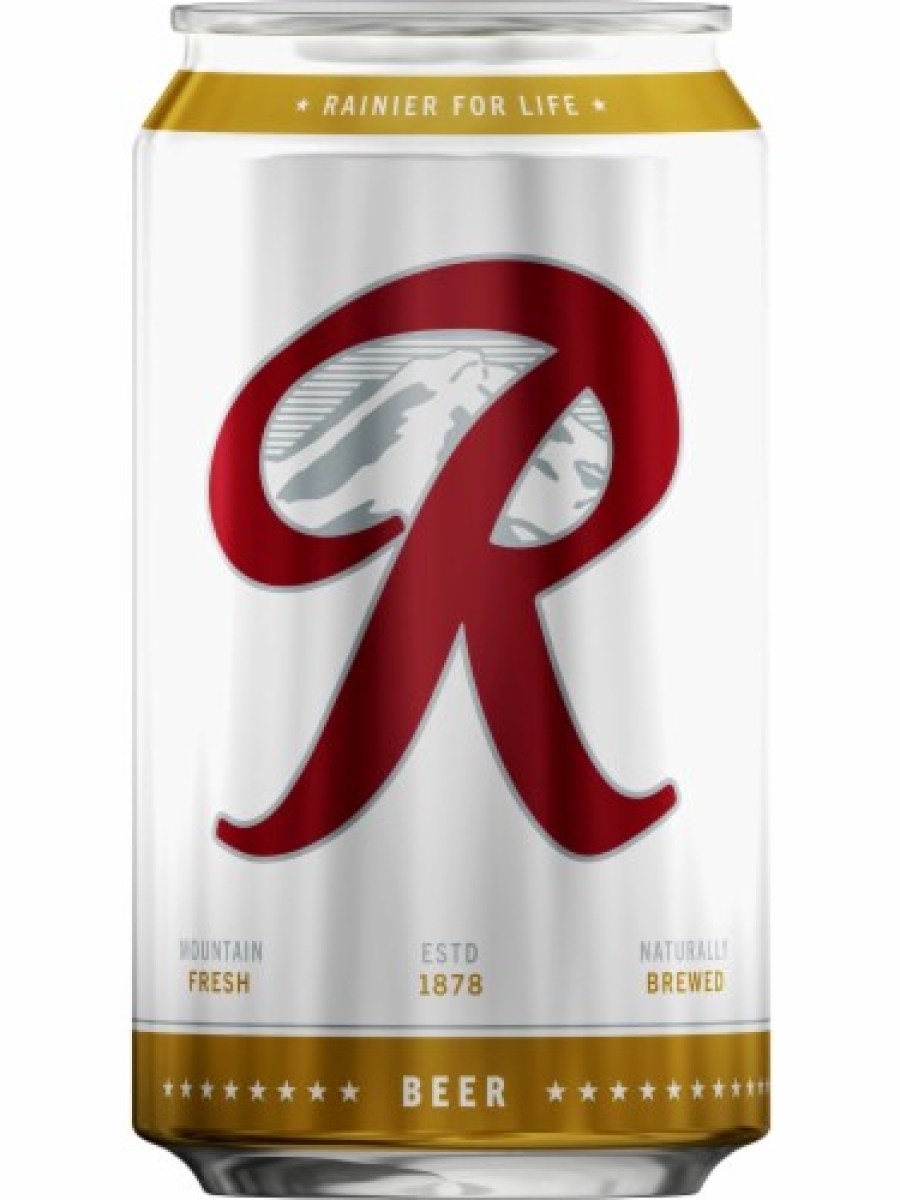
Rainier Beer
Brewed by Rainier / Pabst Brewing Company
Golden barley, a slightly fruity malt profile and Chinook, Mt. Hood and Willamette hops keep Rainier connected to its Northwest identity.
BAR NOTES
Rainier is a Seattle icon that is no longer brewed in Seattle, a sentence that sums up a lot of American regional beer history. The current beer is made in Irwindale, California, at 4.6% ABV, using golden barley with Chinook, Mt. Hood and Willamette hop notes over a slightly fruity malt base.
That hop list is more specific than most regional macro lagers bother to advertise, and the beer does show a mild herbal edge when fresh. Burgers, grilled salmon, camp food and stadium snacks all work. The giant red R is nostalgia; the actual reason to keep buying it is that the beer underneath still has a recognizable profile.
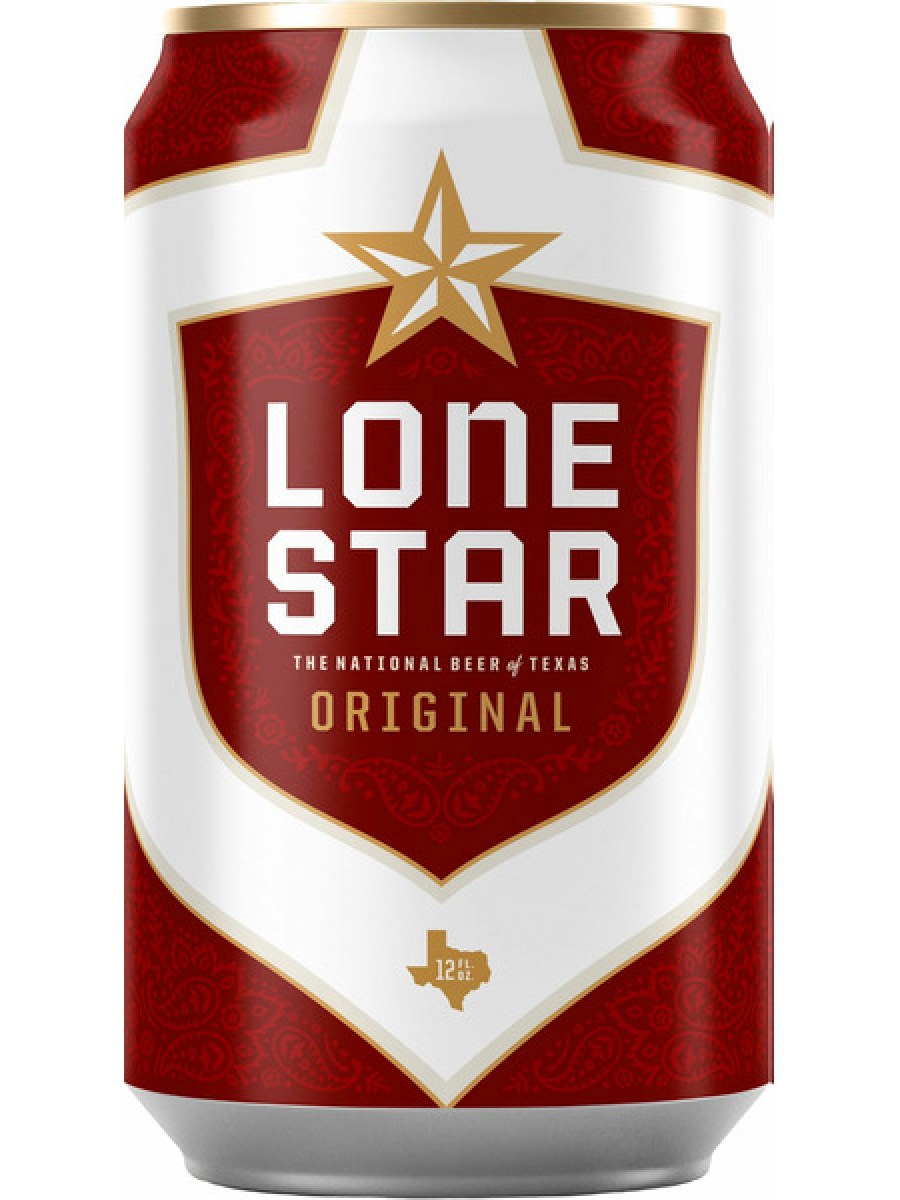
Lone Star Original
Brewed by Lone Star / Pabst Brewing Company
Corn-lightened malt, gentle hops and a 4.7% body make the National Beer of Texas a straightforward regional lager with more history than fuss.
BAR NOTES
Lone Star’s current formulation is refreshingly explicit about being adjunct lager: malted barley and corn extract provide the body, while hops add just enough aroma and bitterness to stop the finish from becoming sweet. At 4.7% ABV it is full-strength by American regional-lager standards without feeling heavy.
This is backyard-grill beer in the best possible sense. Brisket, tacos, chili, smoked sausage and burgers all benefit from a beer that gets out of the way after each bite. The Texas branding is enormous, but the actual liquid is disciplined enough to deserve a place beyond novelty-state-beer status.
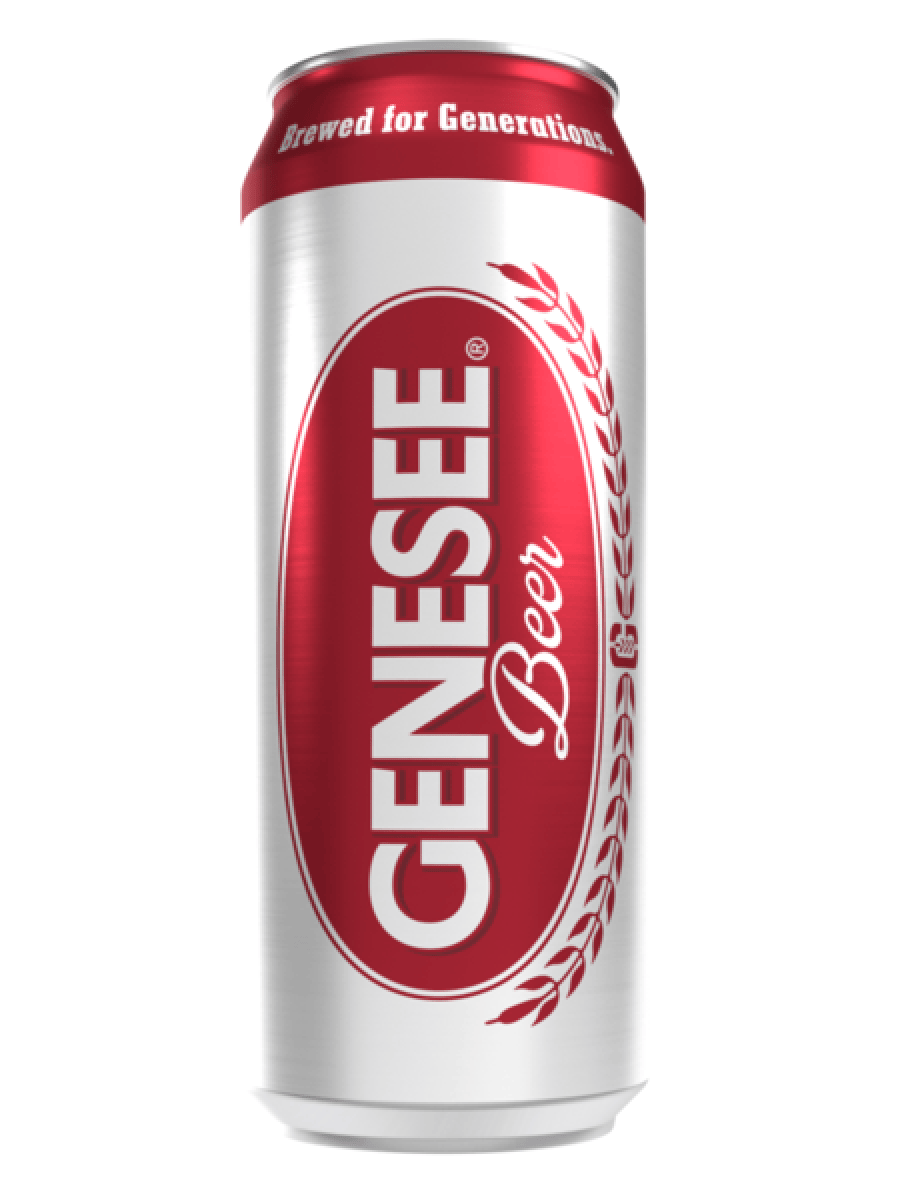
Genesee Original
Brewed by Genesee Brewing Company
Barley malt, corn grits and Yakima Valley hops make Genny a clean 4.5% survivor from one of America’s oldest continuously operating breweries.
BAR NOTES
Genesee Original has been brewed in Rochester since 1878 and remains gloriously uninterested in becoming premiumized into something it never was. The recipe uses barley malt, corn grits and Yakima Valley hops, producing a 4.5% lager with light cereal sweetness and a clean, restrained hop close.
The best way to judge Genesee is against other inexpensive regional lagers, not against imported Czech pilsner. It is crisp, balanced and built to be bought by the case. Wings, garbage plates, burgers, pizza and salty snacks fit perfectly. Fresh local stock is a much better experience than an old can shipped across half the country.
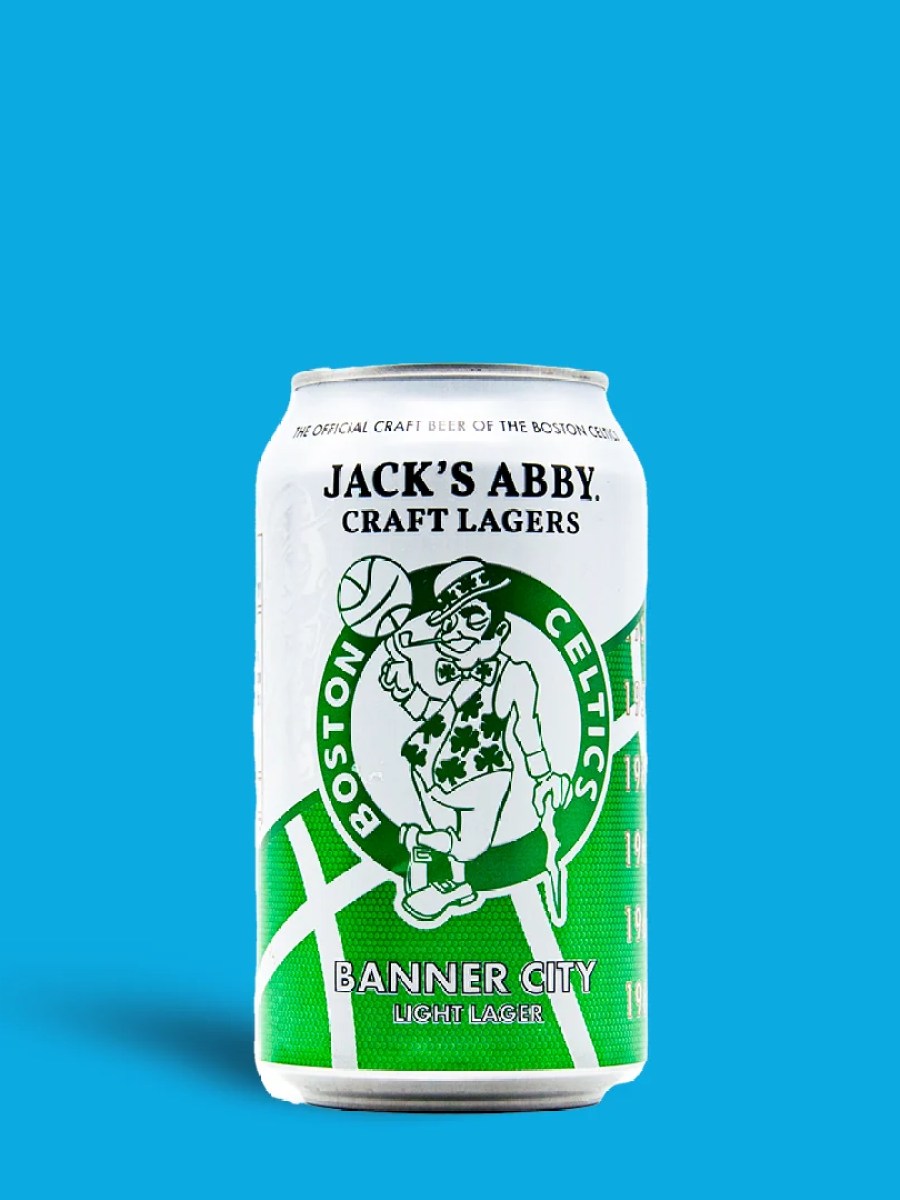
Banner City
Brewed by Jack’s Abby Craft Lagers
American two-row barley, Pacific Northwest hops and traditional lager process show what a modern craft brewery can do with the country’s light-lager template.
BAR NOTES
Banner City is here as the modern counterpoint rather than an attempt to replace the historical brands above it. Jack’s Abby is a lager-only brewery, and this 3.8% light lager uses 100% American two-row barley with Pacific Northwest hops to chase warm-bread aroma, clean fermentation and maximum drinkability.
The beer proves that “craft” does not have to mean more hops, more alcohol or more ingredients. It can mean applying obsessive process control to a deliberately small flavor target. Nachos, wings, hot dogs and ballpark food are the stated territory, and the low ABV makes it the easiest long-session beer on this board.
American lager was built around American grain
Early lager brewers arriving from Europe found that American barley did not always behave like the lower-protein malt they knew at home. Corn and rice became tools for lightening body and fermenting out cleaner while still leaving enough barley character to taste like beer. That practical adaptation eventually became one of the defining features of American pale lager.
That history is why dismissing every adjunct lager as “watered down” misses the technical point. A well-made American lager has nowhere to hide fermentation flaws, oxidation or poor packaging. The flavors may be small, but getting millions of barrels to taste consistently clean is a different kind of brewing difficulty than making one intensely hopped specialty beer.
Regional lager survived the national beer machine
The twentieth century consolidated American beer brutally. Thousands of local breweries disappeared, and a handful of national brands took over the television, stadium and supermarket shelf. Yet names like Narragansett, Rainier, Hamm’s, Lone Star, Yuengling and Genesee survived, were revived, or remained valuable enough to keep brewing under new ownership.
That does not make every regional brand independent today. It does make them culturally useful. They preserve old recipes, visual identities and local drinking habits that keep the American lager category from becoming one interchangeable national product with ten different commercials.
American lager vs. American light lager
Full-strength American lager generally carries a little more body, alcohol and malt than light lager, even though both aim for clean fermentation and high drinkability. Banquet, Budweiser and High Life sit in the fuller classic lane. Banner City represents the intentional light-lager end where lower alcohol and calories become part of the design.
For this roundup, light beer does not dominate because HBA already treats it as its own category. The point here is to show the broader American-lager family before calories and ultra-light body became the main selling proposition.
Freshness beats ceremony
These beers do not need cellar temperatures, tulip glasses or tasting rituals. They do benefit enormously from fresh stock. Oxidation and stale grain flavors are more obvious when a beer does not have dark malt, barrel character or a pound of hops covering the damage.
Buy cold when possible, check dates, and serve most American lagers in the high 30s to low 40s Fahrenheit. A clean glass with some foam will usually show more aroma and texture than drinking straight from the package, but nobody needs to turn a backyard lager into homework.
The American lager fridge has more doors than the beer commercials admitted.
Go broader across lagers, move into American ale, or brew the cleanest beer in your own house.
DRINK DEEPER

better beer.


