20 Best Hefeweizens to Drink in 2026
Hefeweizen is what happens when yeast is allowed to show off without turning the beer into a circus. Wheat supplies the cloud, foam and soft body; traditional fermentation creates banana, clove, vanilla, pepper and occasionally bubblegum—without a fruit basket or spice jar entering the brewhouse.
This focused Top 20 stays inside that lane. Bavarian benchmarks lead, followed by American breweries doing the traditional work properly. Witbier, clean-fermented American wheat, dunkelweizen and weizenbock have their own jobs and their own roundups, so they are not padding this one.
The quick answer
Weihenstephaner Hefeweissbier is the best hefeweizen overall because its banana, clove, bread and citrus land in textbook balance. Ayinger is the precision pick, Schneider TAP7 is best when you want more amber malt, and Dovetail is the strongest American-made challenger.
The 20 best hefeweizens
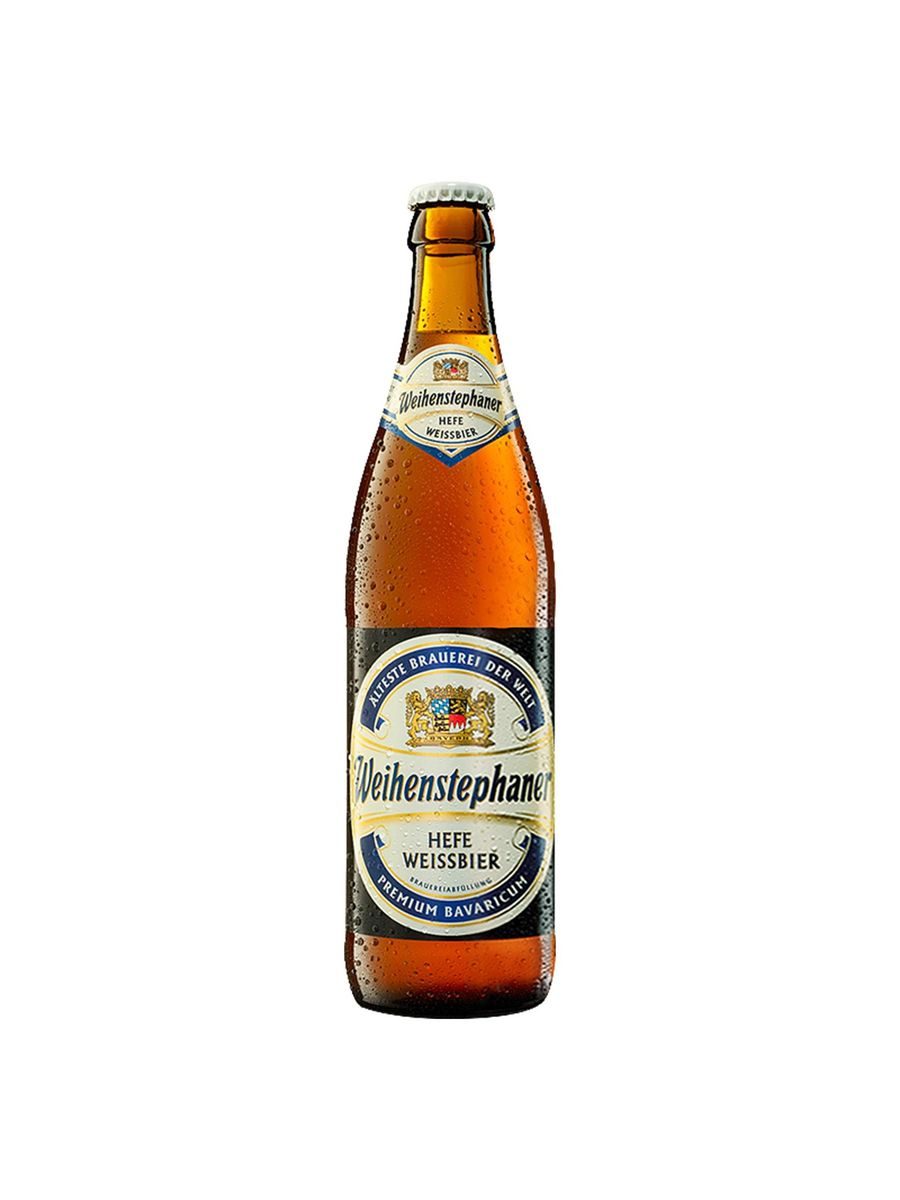
Weihenstephaner Hefeweissbier
Brewed by Bayerische Staatsbrauerei Weihenstephan
The modern measuring stick: expressive banana and clove, soft bread dough, lively carbonation and a finish that never turns sugary.
BAR NOTES
Weihenstephaner earns the top position because every classic hefeweizen signal arrives in proportion. Banana-like ester and clove-like phenol sit over pillowy wheat, lemon brightness and a remarkably controlled fermentation profile.
Pour at 45–50°F into a tall wheat glass, then swirl the final ounce if you want the full yeast haze. Weisswurst, roast chicken, pretzels and mild alpine cheese are natural partners.
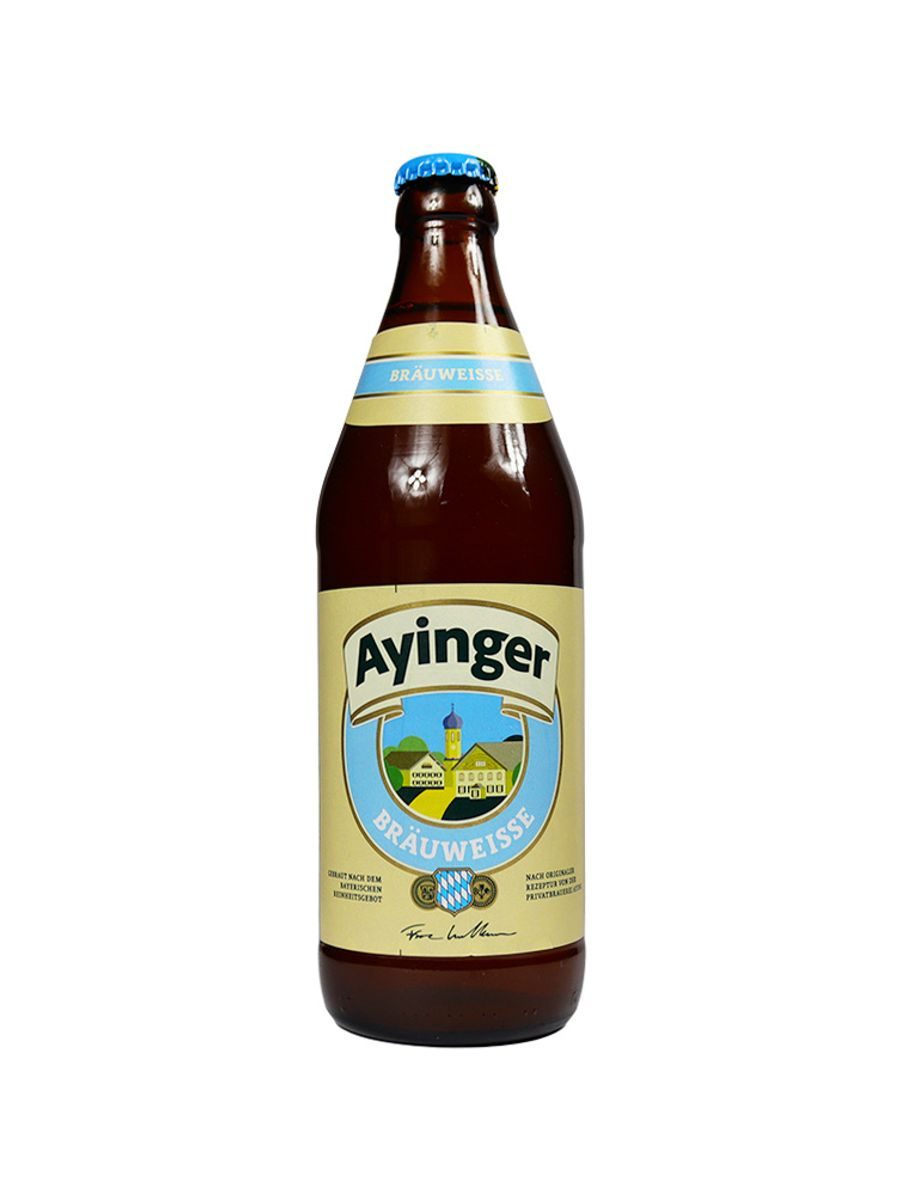
Ayinger Bräuweisse
Brewed by Privatbrauerei Ayinger
A polished, creamy weissbier that proves the style is more compelling when banana, vanilla, clove and dough share the glass.
BAR NOTES
Ayinger keeps the fermentation character unusually tidy. Ripe fruit, floral yeast, vanilla and peppery clove appear clearly, yet no single aroma becomes the entire personality of the beer.
Serve fresh at 43–48°F and decide whether to rouse the sediment according to your texture preference. Bratwurst, roast poultry, pretzels and young washed-rind cheese all fit its restrained richness.
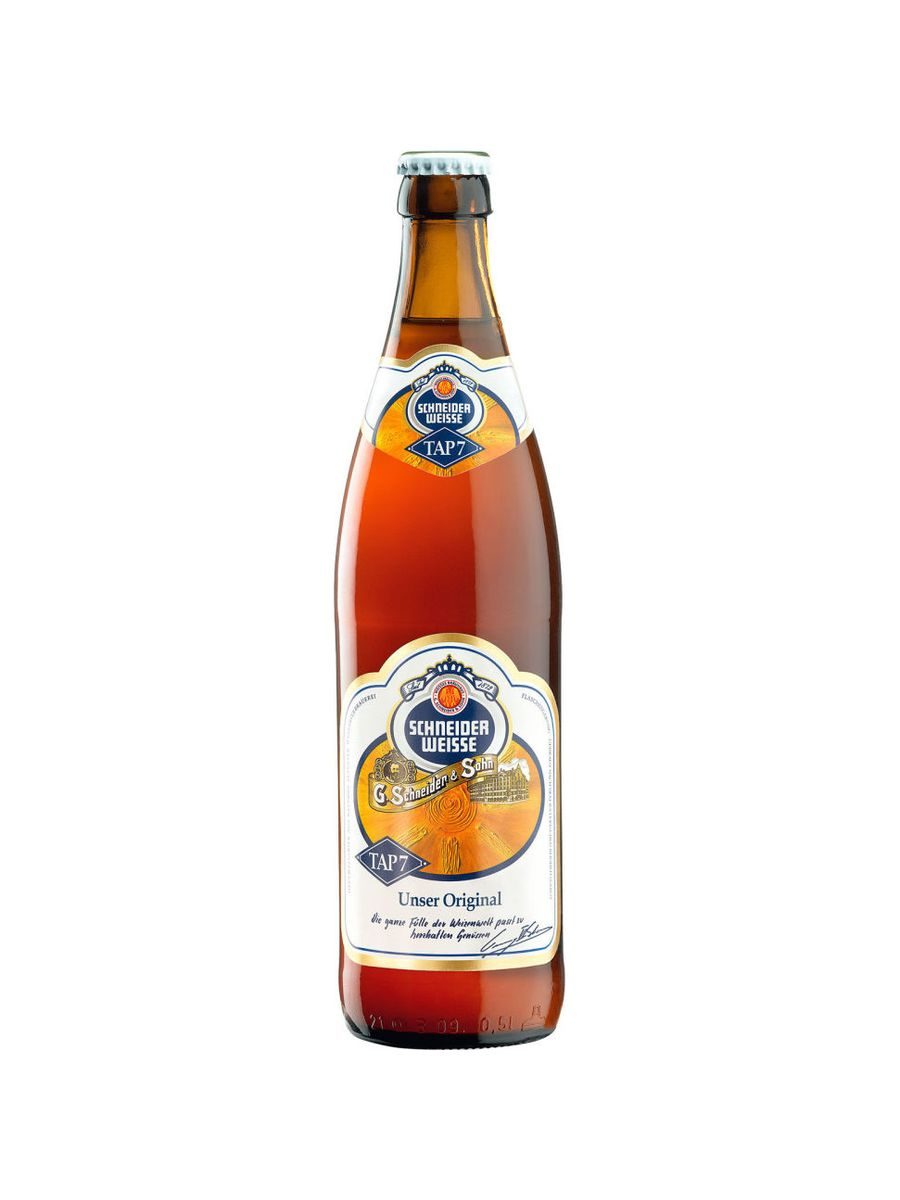
Schneider Weisse TAP7 Mein Original
Brewed by G. Schneider & Sohn
The darker, maltier side of classic weissbier: banana bread, clove, nutmeg and caramel without crossing into full dunkelweizen territory.
BAR NOTES
TAP7 preserves the amber character of Schneider’s nineteenth-century original, giving wheat-beer fermentation a deeper malt stage. Toast and caramel broaden the familiar banana-and-clove profile while bottle conditioning keeps it buoyant.
Pour around 48–52°F in a tall glass and leave generous space for the foam. Roast pork, mushrooms, smoked sausage and aged Gouda can meet its extra malt without burying the yeast.
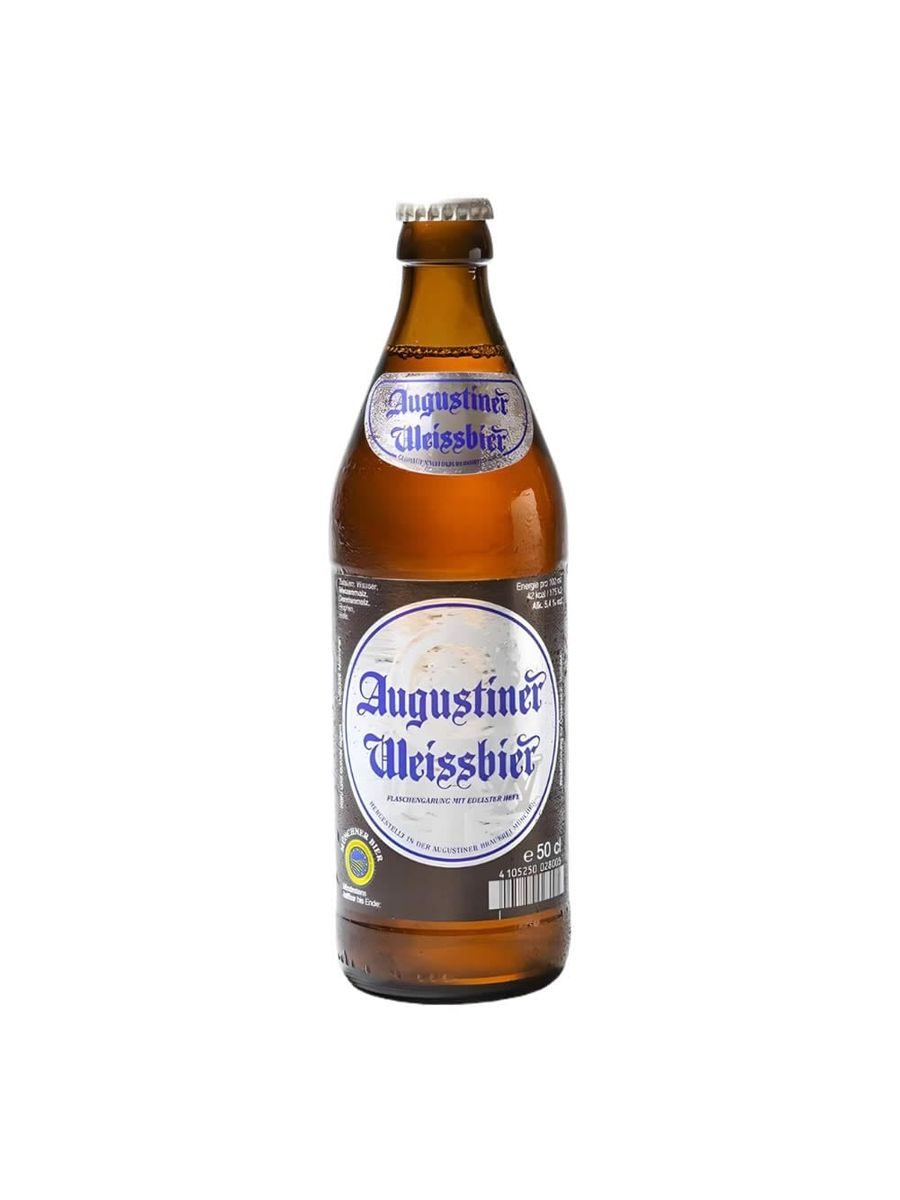
Augustiner Weissbier
Brewed by Augustiner-Bräu München
A silky Munich classic with vivid banana, flashes of tropical fruit and enough spicy fermentation character to keep the finish bright.
BAR NOTES
Augustiner’s weissbier comes from Munich’s oldest independent brewery and drinks with the same unshowy confidence as its famous lagers. The fruit is generous, but wheat softness and fine carbonation stop it becoming heavy.
Serve at roughly 45–49°F, slowly adding the bottle sediment near the end of the pour. Weisswurst, grilled chicken, seafood and soft cheese provide savory contrast to its tropical edge.
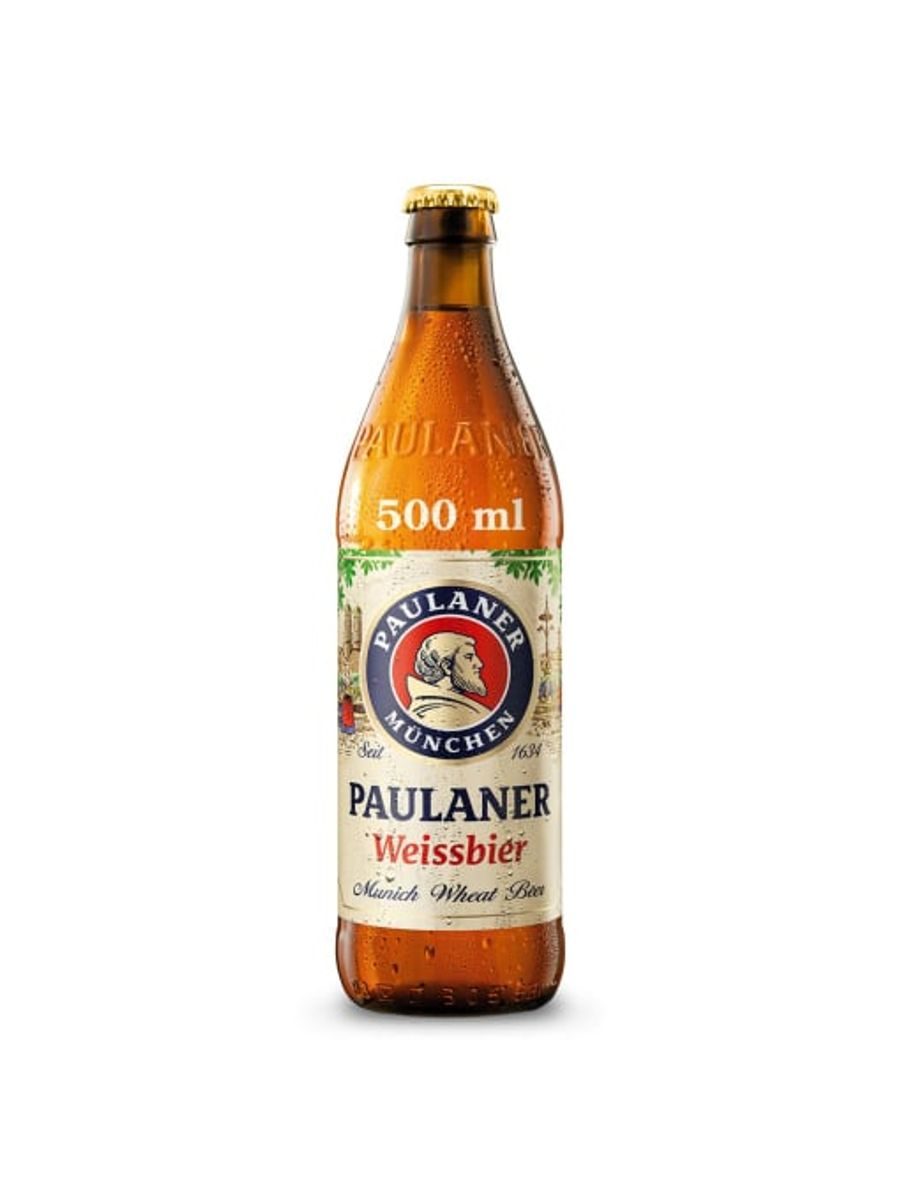
Paulaner Weissbier
Brewed by Paulaner Brauerei
A broad, fruit-forward Munich weissbier with silky wheat, mango-and-banana aromatics, soft yeast and enough tart lift for another glass.
BAR NOTES
Paulaner is one of the most useful globally available references for the style. It emphasizes plush fruit and creamy body, then uses high carbonation and a faint citrus edge to restore balance.
Use a clean wheat glass at about 45°F and pour slowly to control the towering head. Pork schnitzel, sausages, roast poultry and buttery seafood work especially well with its rounded fruit.
Erdinger Weissbier
Brewed by Erdinger Weissbräu
A gentle, highly polished introduction to hefeweizen, with fine bubbles, soft banana, restrained clove, bread and vanilla.
BAR NOTES
Erdinger favors smoothness over explosive fermentation aromatics. Bottle conditioning creates a persistent sparkle and creamy head, while the fruit-and-spice signature remains approachable for drinkers new to traditional weissbier.
Serve at 43–48°F and roll the bottle gently before the final pour if you prefer full haze. Roast pork, poultry, pasta and mild cheese complement its softer personality.
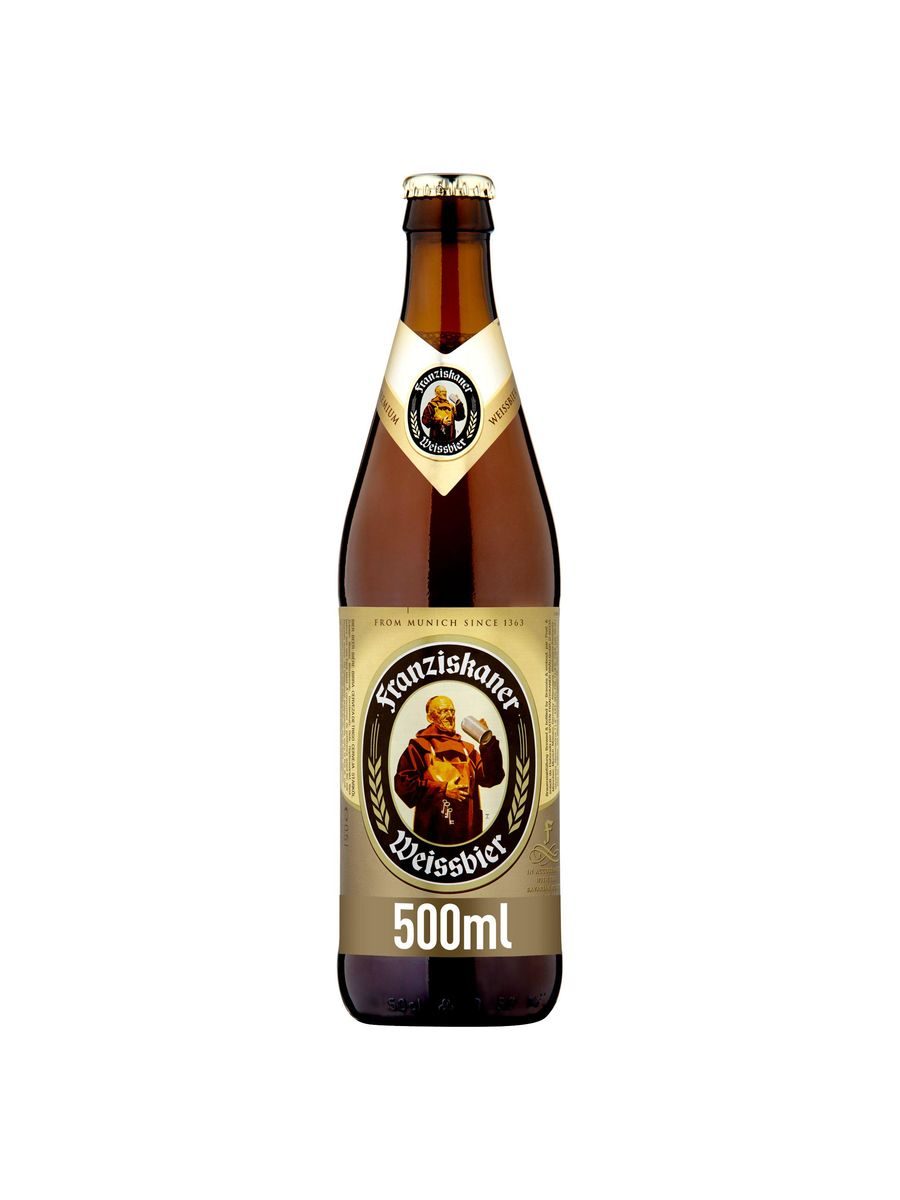
Franziskaner Hefe-Weissbier
Brewed by Spaten-Franziskaner-Bräu
A classic Munich pour where creamy foam, ripe banana, citrus and clove are sharpened by a light tart finish.
BAR NOTES
Franziskaner shows how much freshness matters to weissbier. When the bottle has been stored well, fruit and spice leap from the foam; warm age turns those same delicate aromatics muted and dull.
Pour at 44–48°F with plenty of headspace, adding the yeast only after most of the beer is in the glass. Weisswurst, roast chicken, salads and young Gouda are dependable matches.
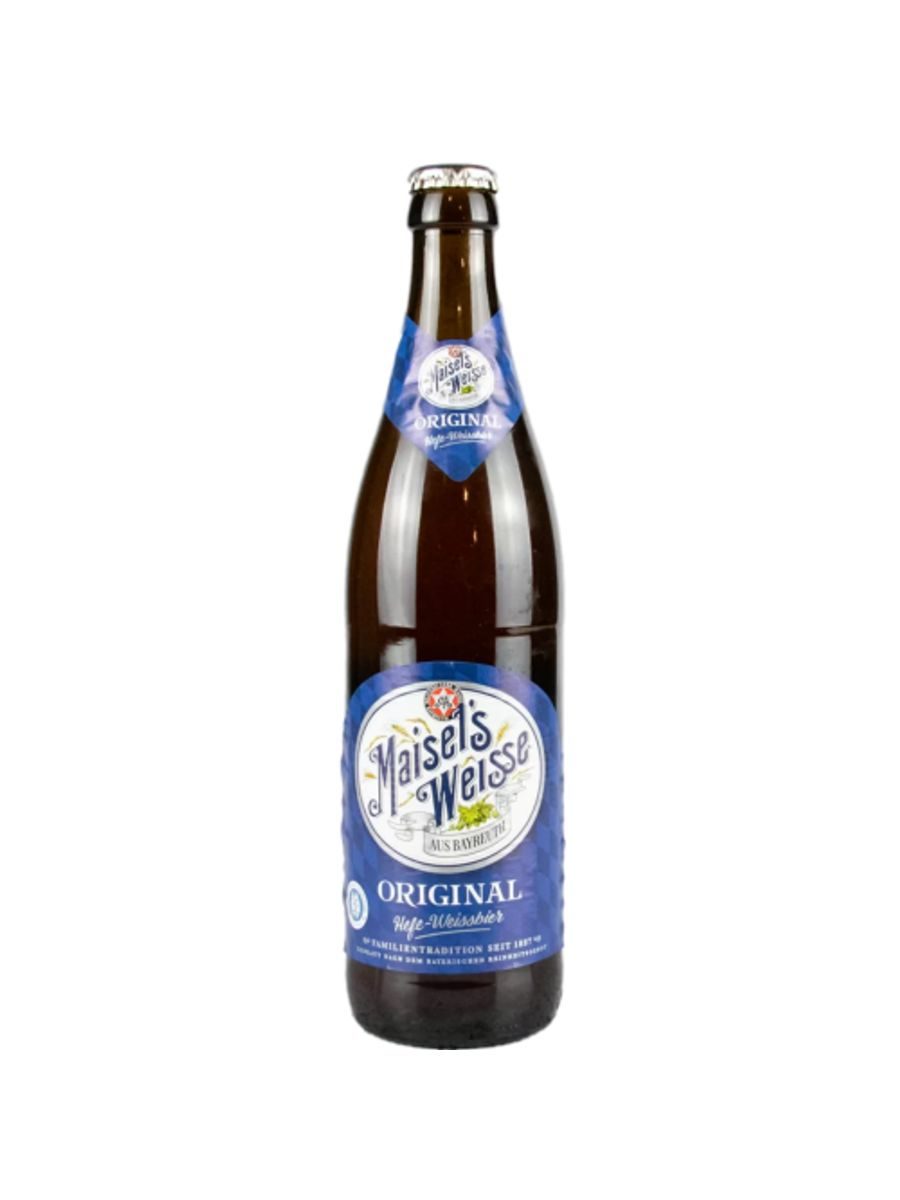
Maisel's Weisse Original
Brewed by Brauerei Gebr. Maisel
A slightly fuller weissbier whose nutmeg, banana and clove sit over a more noticeable malt core than the leanest examples.
BAR NOTES
Maisel’s occupies a useful middle ground between brisk refreshment and richer amber wheat beer. Grain and bread give the yeast character somewhere to land, while peppery spice keeps the finish moving.
Serve near 46°F and lift the sediment with the final pour for a rounder texture. Roast poultry, soft cheese, sausages and bread dumplings suit its malt-forward shape.
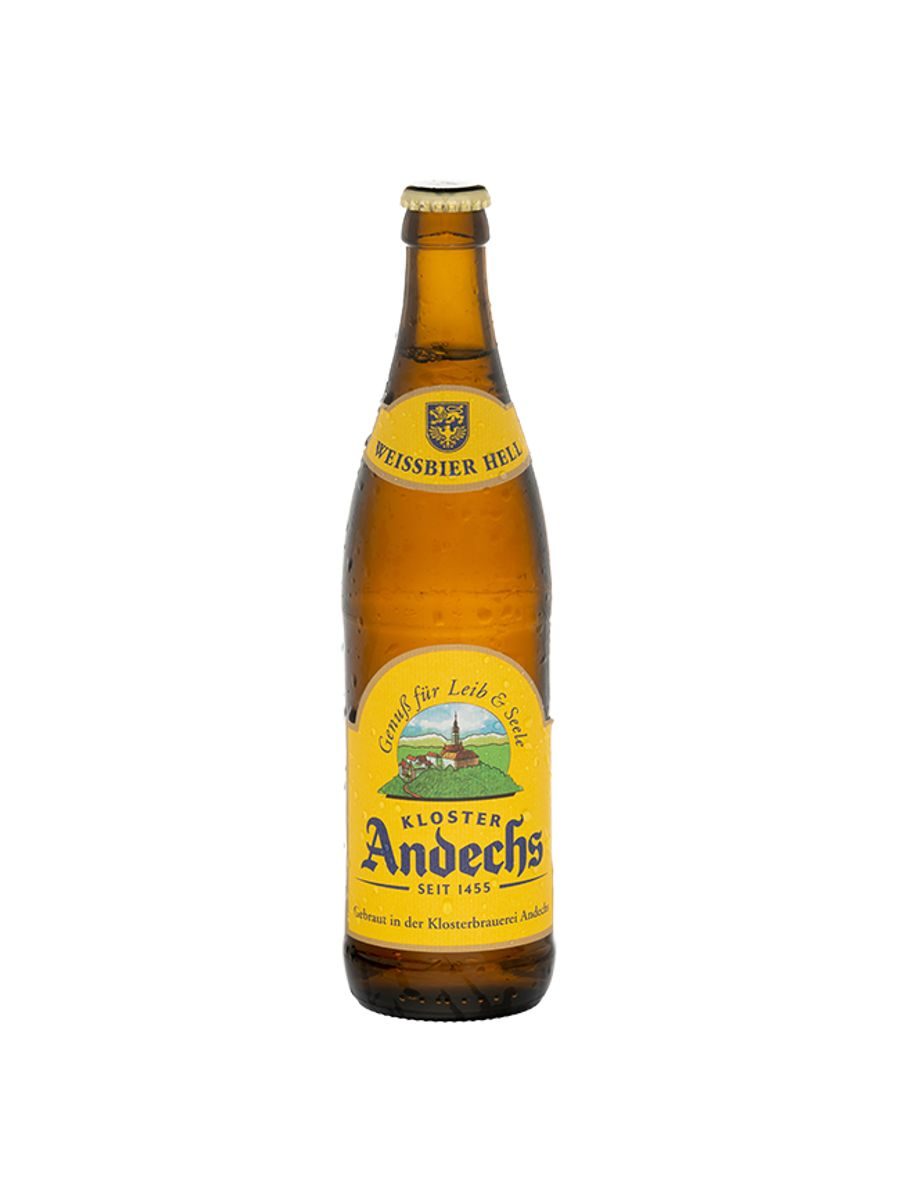
Andechser Weissbier Hell
Brewed by Klosterbrauerei Andechs
A pale monastery-brewed weissbier with honeydew, banana, clove and a restrained honey note under a mountainous head.
BAR NOTES
Andechs combines delicate fruit with enough body to feel substantial without sacrificing refreshment. Its fermentation reads more melon-and-honey than bubblegum, giving the beer a distinct identity among Bavarian peers.
A 45–49°F pour reveals its balance better than refrigerator-cold service. Pair it with roast pork, grilled chicken, alpine cheese or a pretzel plate and let the carbonation handle the fat.
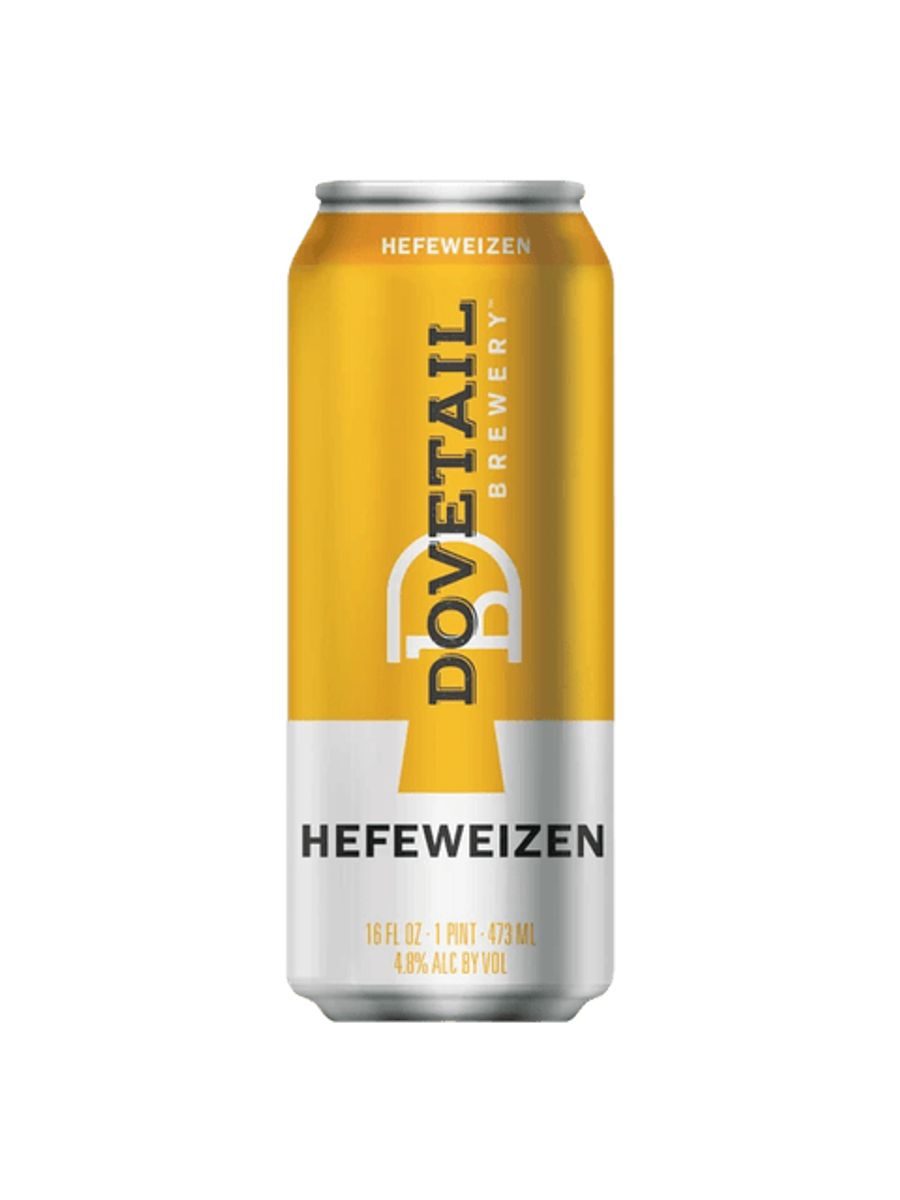
Dovetail Hefeweizen
Brewed by Dovetail Brewery
America's best process-driven challenger: double-decocted, open-fermented and rested in a coolship for a yolky-orange pint with clove and mandarin acidity.
BAR NOTES
Dovetail treats hefeweizen as a production tradition rather than a flavor-kit exercise. Double decoction deepens the wheat, open fermentation develops expressive yeast character, and a coolship rest contributes old-world process discipline.
Drink it fresh at 44–48°F, ideally close to Chicago distribution, because delicate fermentation aroma fades first. Sausages, roast chicken, pretzels and tangy cheese suit its mandarin-like lift.
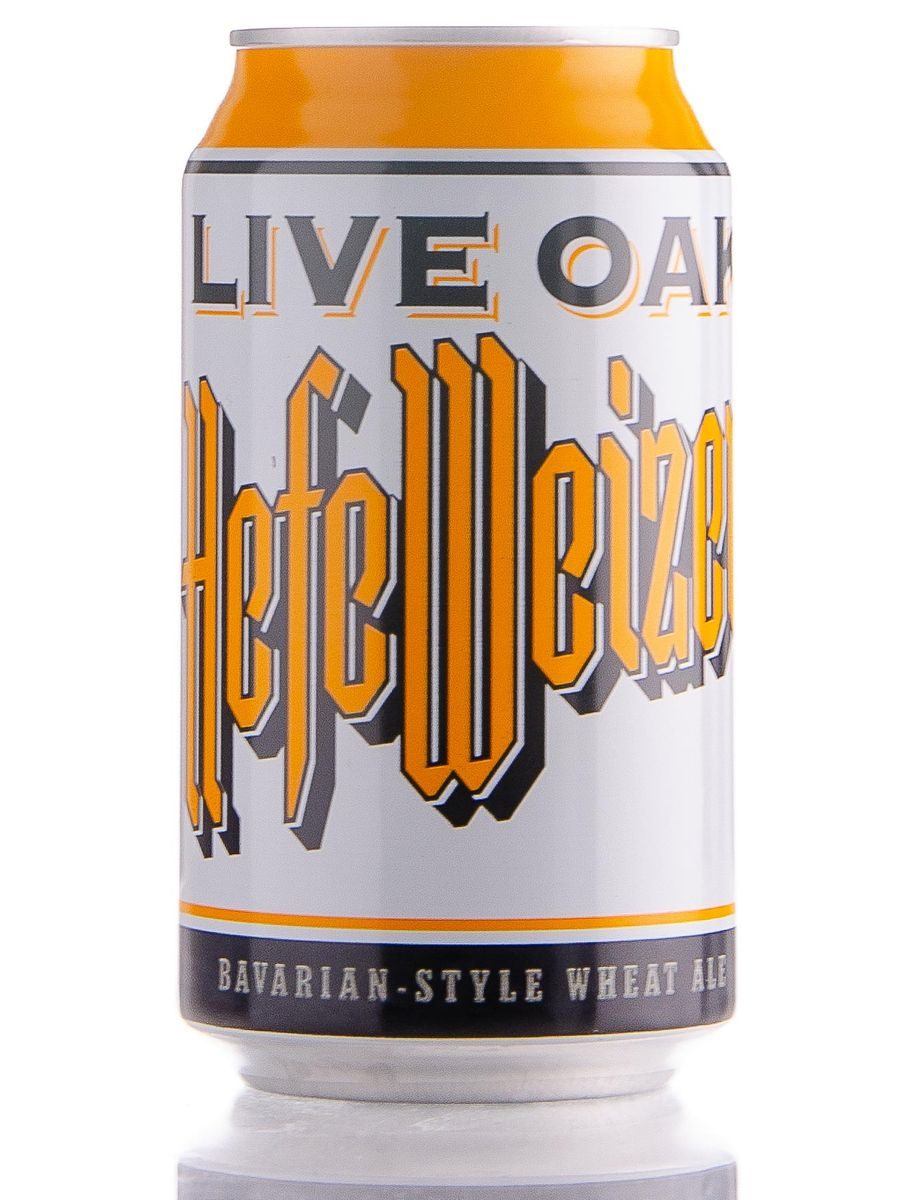
Live Oak HefeWeizen
Brewed by Live Oak Brewing Company
A famously fresh American hefeweizen with traditional decoction depth, saturated banana and clove, vanilla and soft bread.
BAR NOTES
Live Oak has spent decades proving that an American brewery can make Bavarian-style hefeweizen without sanding off its personality. The beer is fermentation-led, naturally hazy and especially vivid on draft.
Drink it as fresh as possible at 44–48°F and skip the citrus garnish. Central Texas sausage, smoked chicken, pretzels and soft cheese support the beer without covering its fragile yeast aroma.
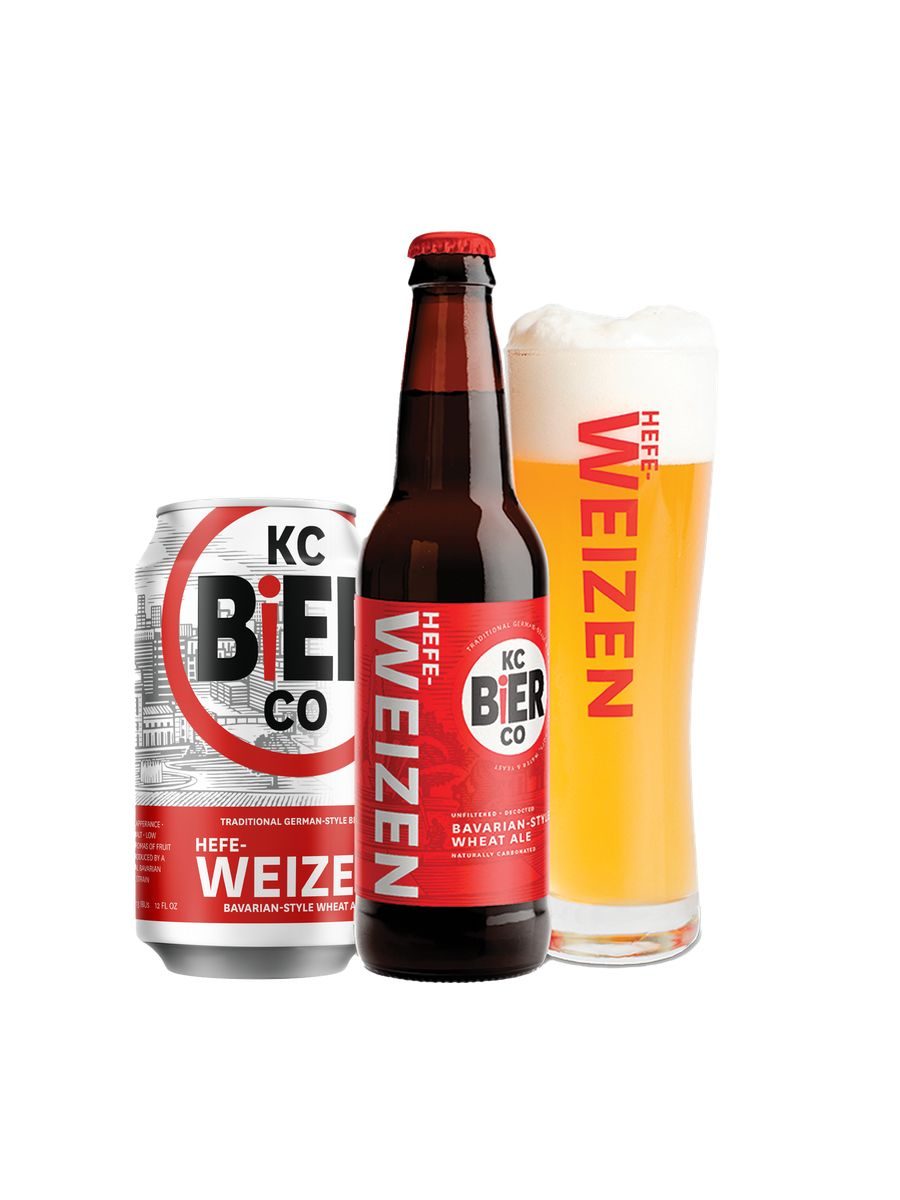
KC Bier Co Hefeweizen
Brewed by KC Bier Co.
An authentic American build using imported Bavarian malt and hops, Andechs yeast, decoction mashing and natural carbonation.
BAR NOTES
KC Bier Co. makes its year-round Hefeweizen with German ingredients and yeast sourced from the Andechs tradition. The result is banana, bubblegum and clove over grainy wheat rather than American citrus hops.
Follow the package’s sensible pouring ritual: tilt, pour most of the bottle, swirl the remaining yeast and top the glass. Bratwurst, schnitzel and pretzels reward its soft carbonation.
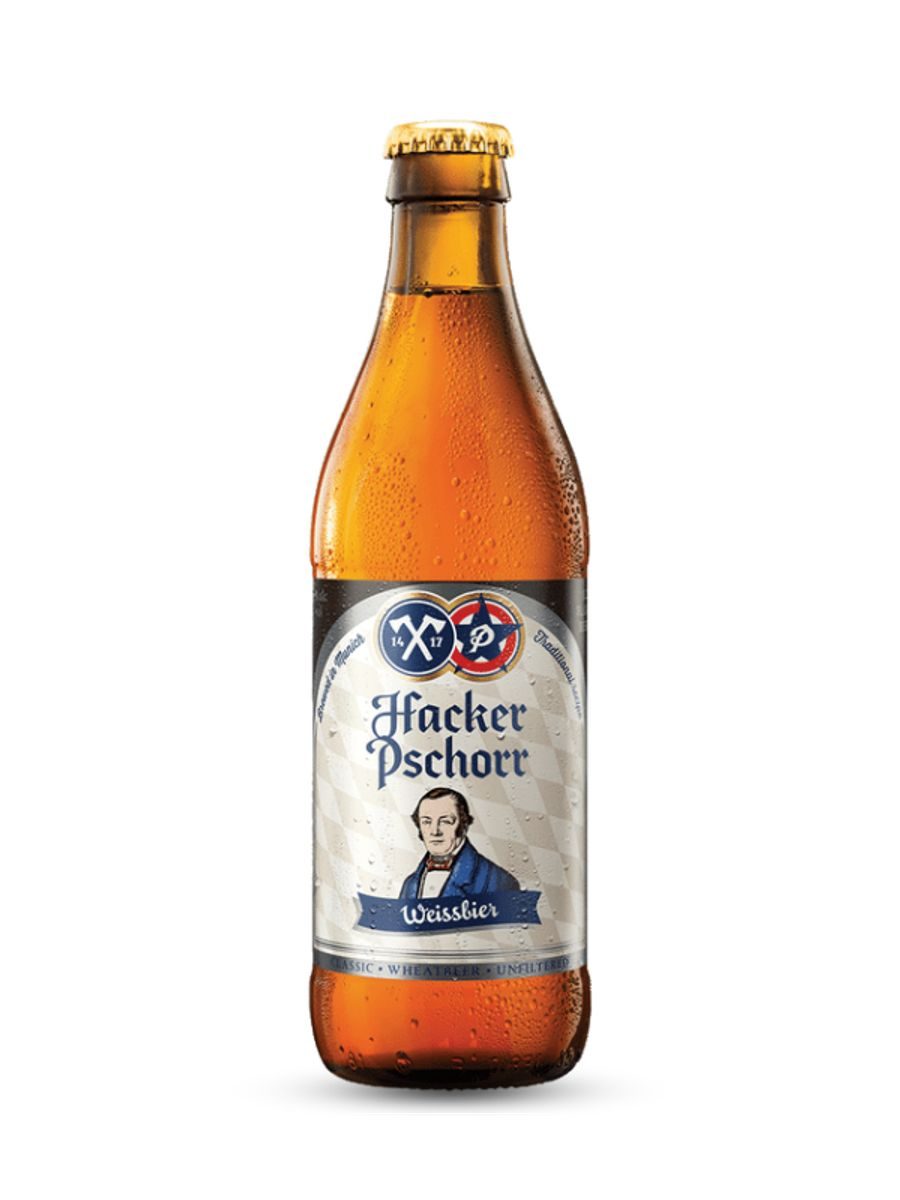
Hacker-Pschorr Weisse
Brewed by Hacker-Pschorr
A creamy, openly fruity weissbier where banana, citrus and honey are checked by nutmeg-like spice and active carbonation.
BAR NOTES
Hacker-Pschorr sits on the fruitier side of Munich’s wheat-beer spectrum. Its honeyed middle feels generous, but the spicy close and tall foam prevent the beer from drinking like sweet breakfast cereal.
Serve around 46°F in a tall glass. Pork schnitzel, grilled sausages, roast chicken and Emmental are strong choices because salt and browning temper the fruit without muting it.
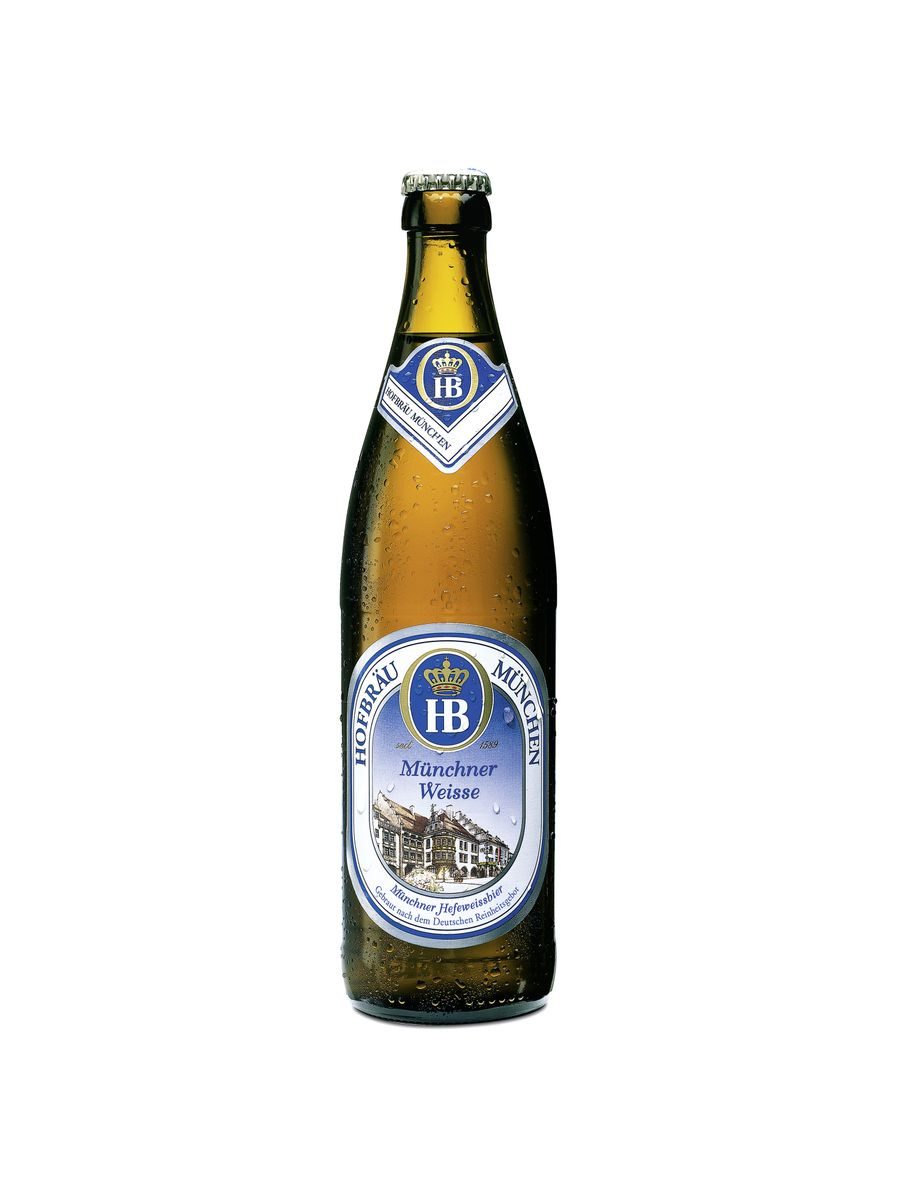
Hofbräu Münchner Weisse
Brewed by Hofbräu München
A direct, highly drinkable Munich reference with banana, lemon, clove and fresh bread under bright, cleansing bubbles.
BAR NOTES
Hofbräu’s weissbier is less about novelty than dependable beer-hall balance. Familiar fruit and spice remain obvious, while a lighter bread note and lemony lift make the finish brisk.
Pour fresh at 43–47°F and allow a robust cap of foam. Weisswurst, pretzels, roast chicken and mild cheese work because the beer brings both soft malt and palate-cleansing carbonation.
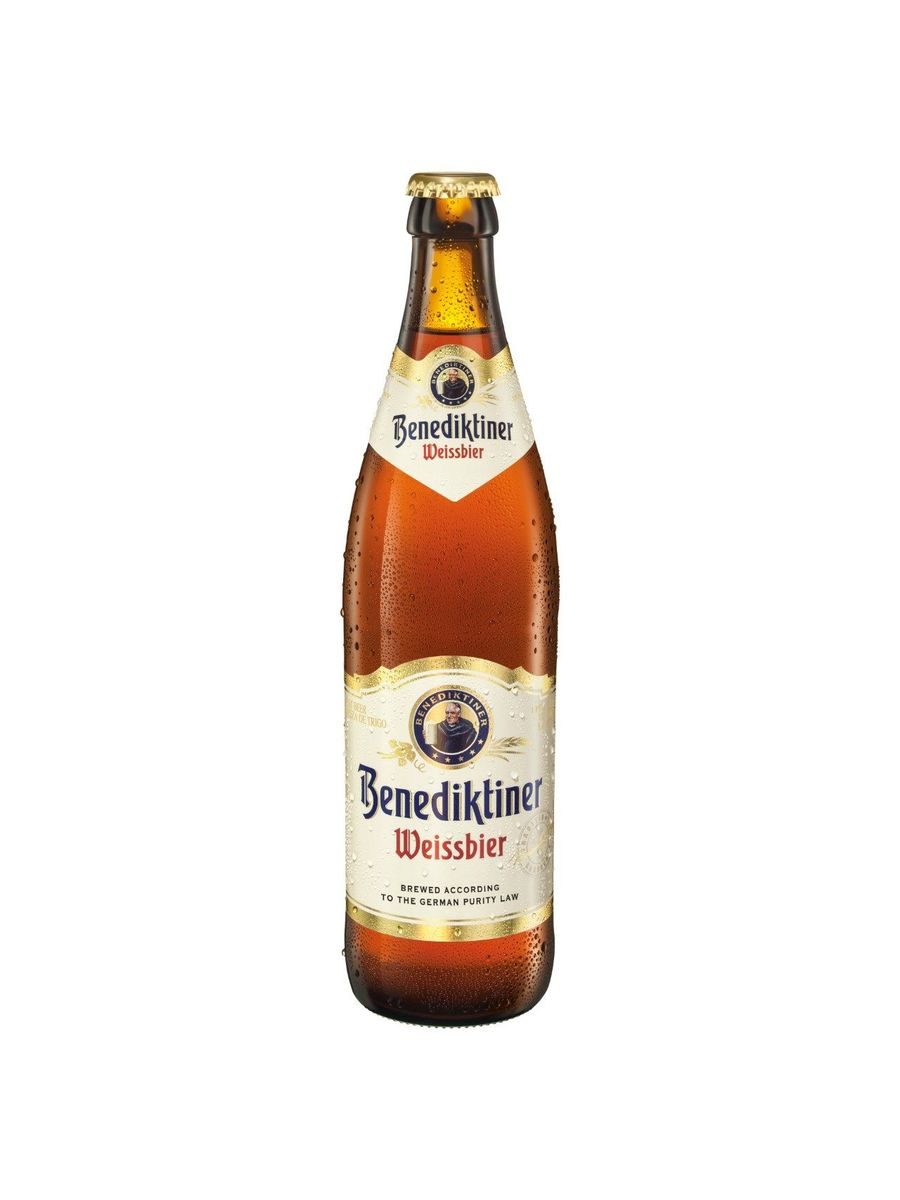
Benediktiner Weissbier
Brewed by Benediktiner Weissbräu
A rounder weissbier whose banana and clove carry a subtle raisin note, creamy body and a particularly gentle finish.
BAR NOTES
Benediktiner is useful when sharper or highly carbonated hefeweizens feel too aggressive. Its yeast character remains traditional, but extra softness and a dried-fruit accent make the pint feel calmer.
Serve at 45–49°F rather than ice cold. Roast pork, chicken, soft-ripened cheese or a simple sausage plate gives the malt and yeast enough savory contrast to stay lively.
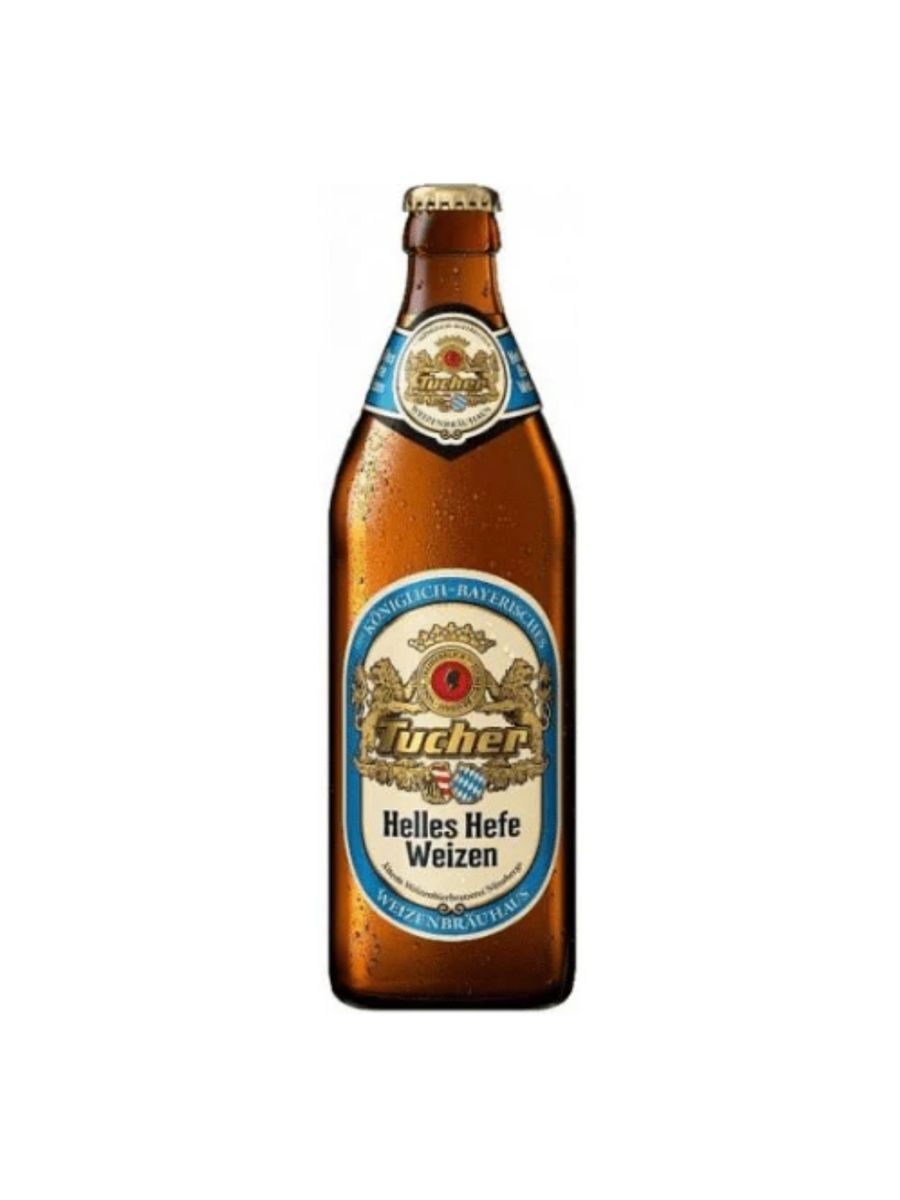
Tucher Helles Hefe Weizen
Brewed by Tucher Privatbrauerei
A lean, citrus-led hefeweizen with grainy wheat, measured clove and a drier profile made for warm-weather drinking.
BAR NOTES
Tucher trades some of the style’s plush banana for lemon brightness and brisk grain. That restraint makes it a useful palate reset after the richer, more ester-heavy bottles above it.
A 43–47°F wheat-glass pour keeps the citrus vivid. Pair it with grilled fish, chicken, fresh cheeses or sausages; the relatively dry edge handles salt especially well.
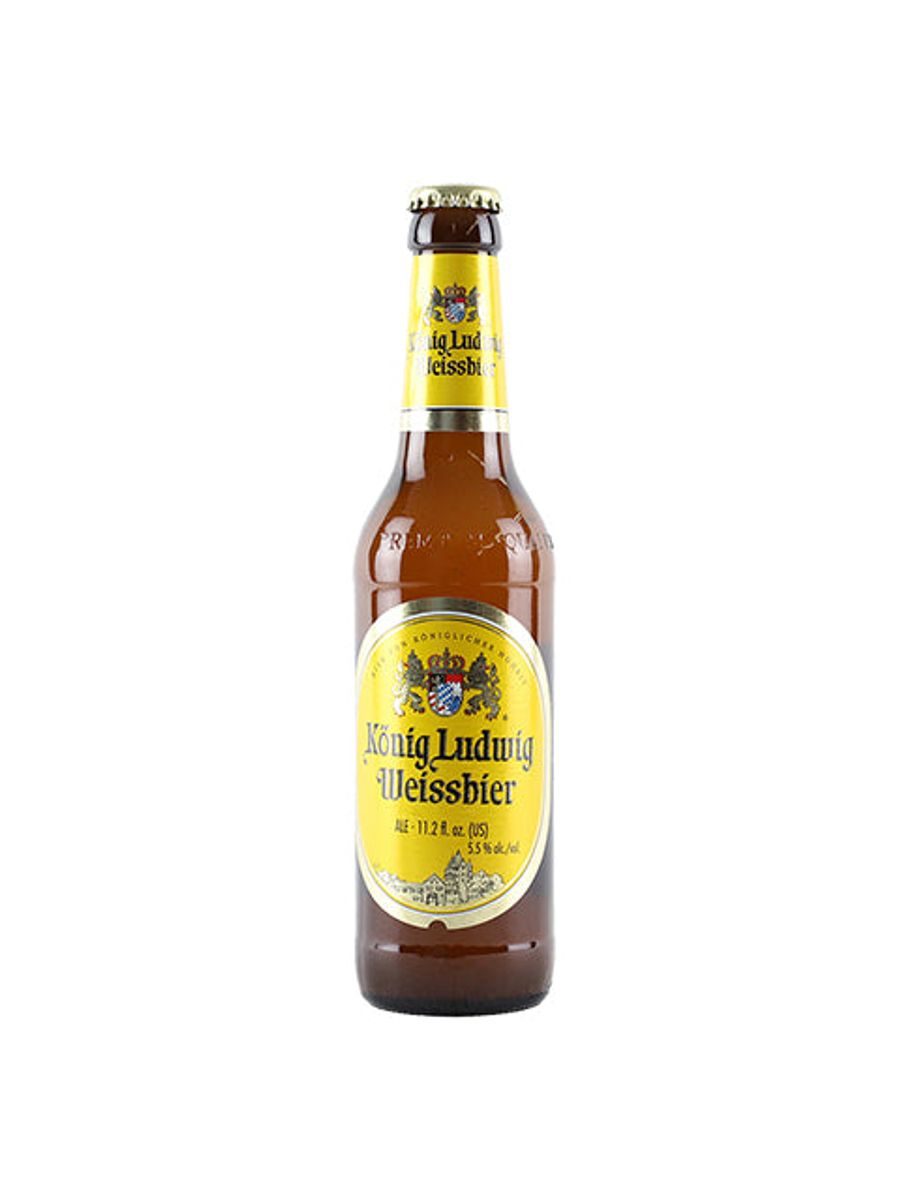
König Ludwig Weissbier
Brewed by König Ludwig Schlossbrauerei Kaltenberg
A richer Bavarian expression with a honeyed malt center, ripe banana and clove followed by a peppery closing snap.
BAR NOTES
König Ludwig delivers all the standard Bavarian markers but gives malt a little more room. The honey note makes it seem broad at first, before yeast spice restores definition.
Serve around 46–50°F in a tall glass. Pretzels, pork, nutty cheese and roast poultry complement its bread-and-honey core while carbonation prevents the pairing from feeling heavy.
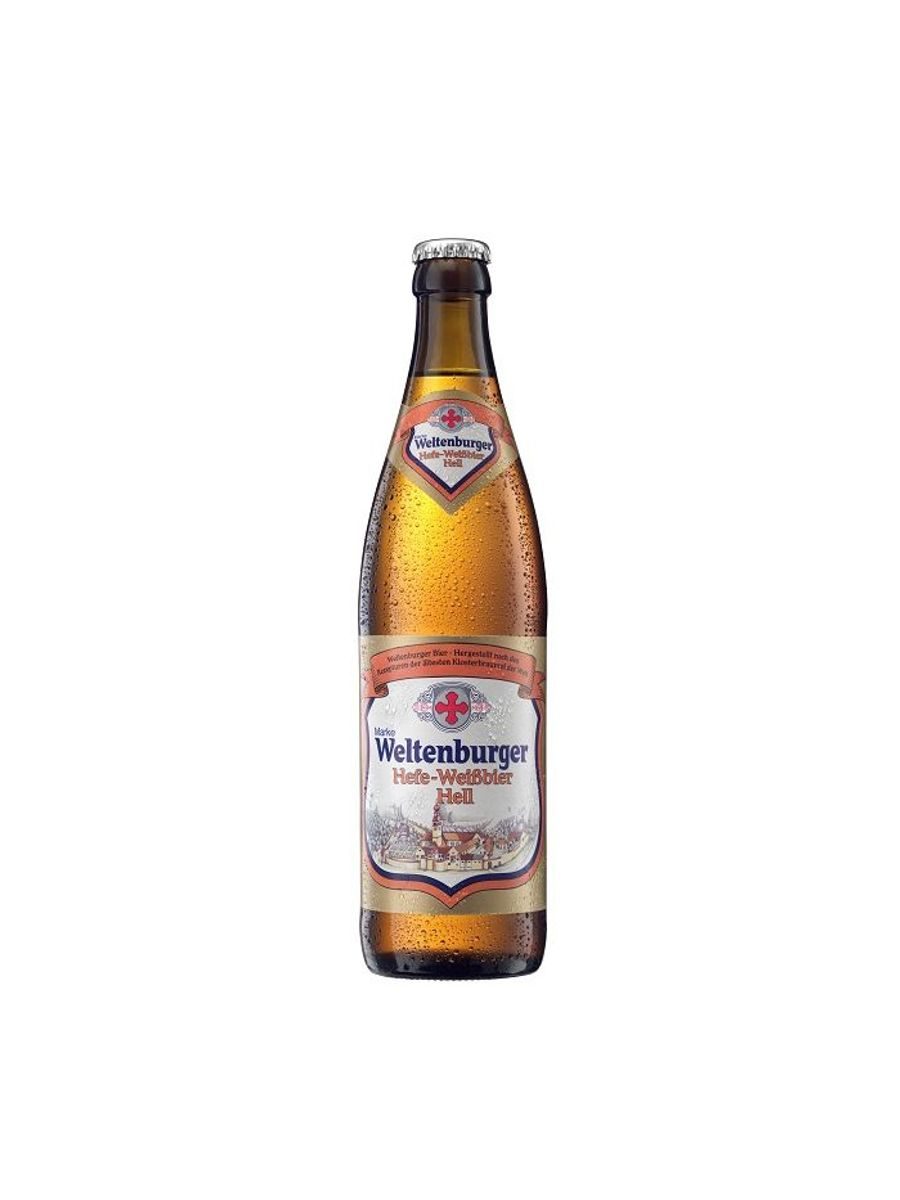
Weltenburger Hefe-Weissbier Hell
Brewed by Klosterbrauerei Weltenburg
A quietly precise pale weissbier: yeast-forward, lightly fruity, softly spiced and finely carbonated rather than exaggerated.
BAR NOTES
Weltenburger comes from one of the world’s oldest monastic brewing sites, but the beer earns its place through the glass, not the history lesson. Its strength is exact, easy balance.
Pour at 44–48°F and allow a generous head. Sausages, grilled chicken, mild cheese and beer-garden fare give the soft spice and bubbles useful work without drowning them.
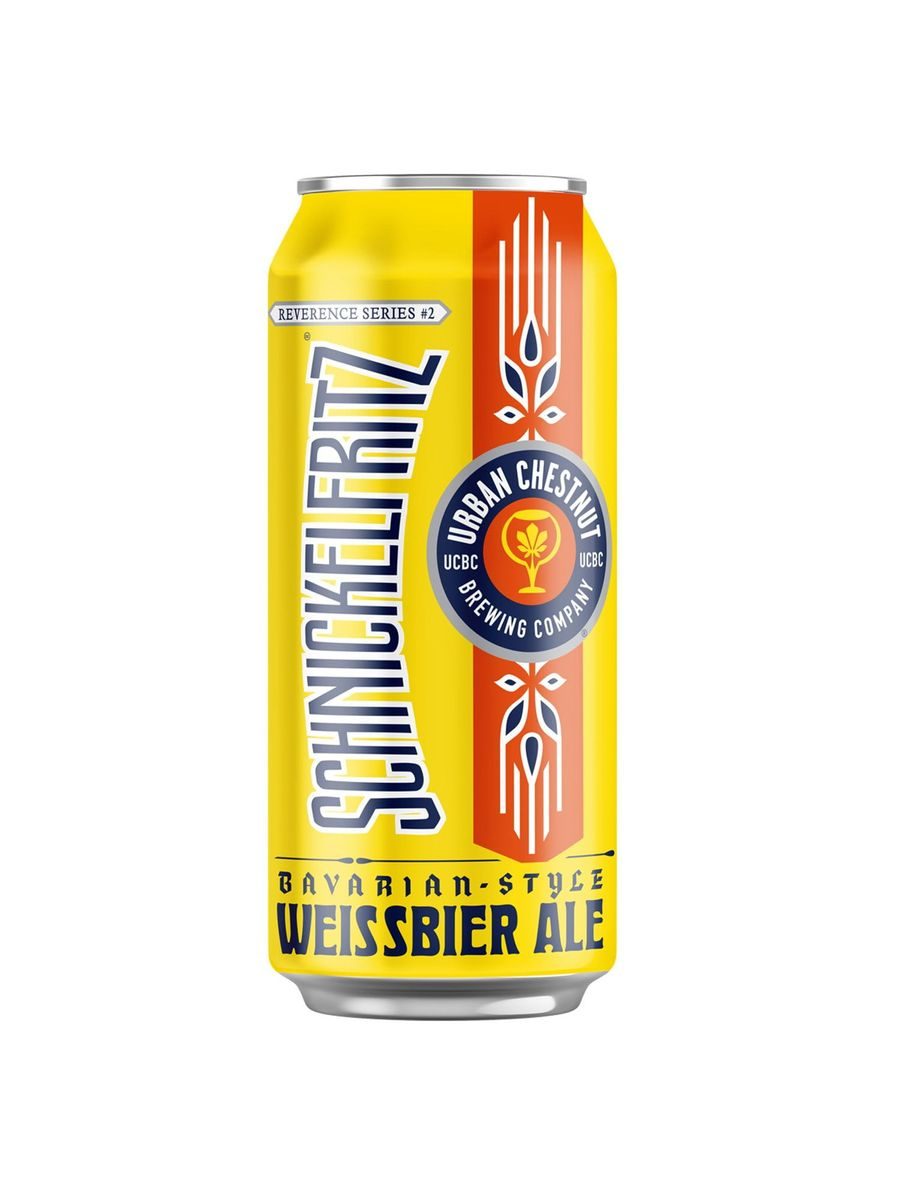
Schnickelfritz
Brewed by Urban Chestnut Brewing Company
A disciplined American weissbier with banana, clove, vanilla and bread in balance, backed by lively carbonation rather than loud hops.
BAR NOTES
Schnickelfritz belongs to Urban Chestnut’s tradition-minded Reverence series and avoids the common American temptation to reinterpret everything with citrus hops. Fermentation and wheat remain the entire point.
Serve at 44–48°F in a wheat glass. Bratwurst, roast chicken, pretzels and mild cheeses mirror its Bavarian intent and give the banana-and-clove profile savory footing.
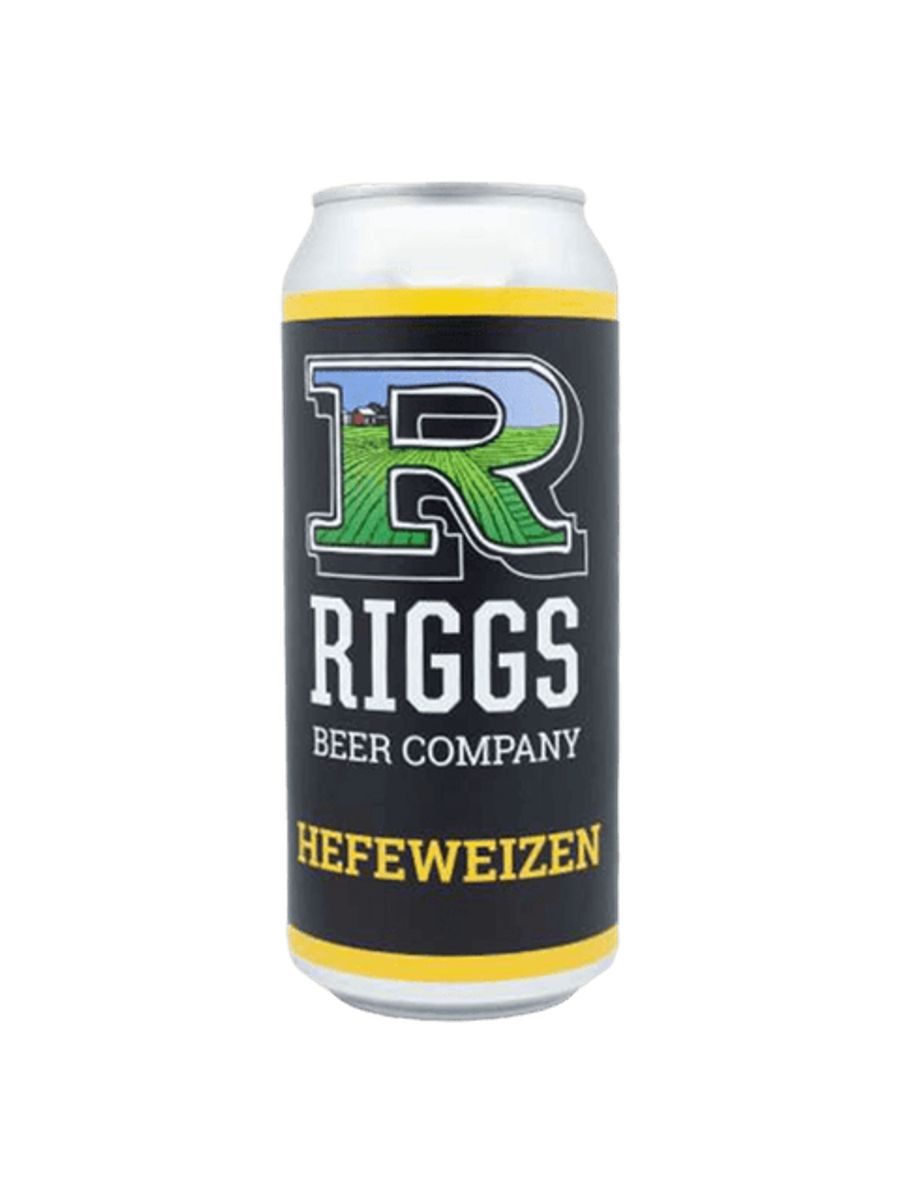
Riggs Hefeweizen
Brewed by Riggs Beer Company
A farm-rooted American hefeweizen brewed with Riggs-grown wheat by a German-trained brewmaster, delivering rich banana and a clean, slightly tart finish.
BAR NOTES
Riggs connects agricultural identity to traditional technique instead of using local grain as empty marketing. Pale wheat from the family farm gives the expressive house fermentation a soft, fresh base.
At only 11 IBU, the finish depends on acidity and carbonation rather than hop bite. Serve at 44–48°F with grilled chicken, sausages, soft cheese or a salty pretzel.
Why hefeweizen tastes like banana and clove
The banana aroma comes mainly from isoamyl acetate, while the clove impression comes from 4-vinyl guaiacol. Both are fermentation products of specialized wheat-beer yeast, not evidence that the brewer dumped breakfast fruit and baking spice into the tank.
Pitch rate, fermentation temperature, oxygen, vessel geometry and wort composition can push the balance toward fruit or spice. The best brewers use those variables deliberately, producing character that is vivid but still supported by bread-like wheat and brisk carbonation.
How to pour hefeweizen without making a foam volcano
Use a clean, tall wheat glass and tilt it for the first part of the pour. Straighten the glass gradually, stop with an ounce left, swirl the bottle gently to lift sediment, then finish beneath the rising head.
You do not have to add every bit of yeast. Leaving the sediment behind produces a brighter, leaner glass; rousing it adds haze, body and stronger fermentation character. Try both before accepting anyone’s ceremonial pouring law.
Freshness matters more than prestige
Hefeweizen’s most interesting aromas are fragile. Check dates, favor refrigerated stock and avoid bottles that have spent months under bright retail lights. A modest regional hefe can beat a famous import that crossed an ocean warm.
Most examples taste best around 44–49°F—cold enough to stay refreshing but warm enough for banana, clove and bread to register. Skip the frozen glass, which wrecks foam and mutes the reason you bought hefeweizen.
What to eat with hefeweizen
Classic pairings work because wheat softness and carbonation handle salt and fat while yeast spice echoes browned food. Weisswurst, bratwurst, schnitzel, roast chicken, pretzels, soft cheese and grilled fish all make practical sense.
Fruitier bottles can also handle mild curry, banana bread or citrus-led desserts, but keep sweetness restrained. A very sweet plate makes ordinary-strength hefeweizen taste thin and turns its refreshing tart edge unnecessarily sharp.
Hefeweizen FAQ
What does “hefeweizen” mean?
“Hefe” means yeast and “Weizen” means wheat. The name describes an unfiltered wheat beer with yeast still present, while “Weissbier”—white beer—is the common Bavarian category name for the same family.
Should hefeweizen have an orange or lemon garnish?
Traditional Bavarian service does not need one. Citrus can look festive and some drinkers enjoy it, but the oils interfere with foam and can cover the yeast character the brewer worked to create.
Is hefeweizen bitter?
Usually not. Hop bitterness is low, often roughly 8–15 IBU, because fermentation character and carbonation provide the structure. If a wheat beer tastes overtly citrusy or resinous, it likely belongs to an American or hoppy wheat branch.
Is hefeweizen supposed to be cloudy?
Yes. Protein-rich wheat and suspended yeast naturally create haze, although the amount changes with pouring and settling. Filtered kristallweizen is the clear relative; cloudiness alone does not prove quality.
Follow the wheat from sunny and spicy to dark and dangerous
Hefeweizen is only one branch of the wheat-beer family. Compare the broader Top 50, move into dark malt or German strength, then brew the banana-and-clove balance yourself.
DRINK DEEPER

better beer.
