10 Best Fruited Wheat Beers to Drink in 2026
Fruit and wheat beer work because wheat gives flavor somewhere soft to land. The grain brings body, haze and a gentle breadiness while berries, citrus, melon and tropical fruit can stay bright without fighting a wall of roast or bitterness.
This Top 10 favors beers where the fruit is obvious but the base still drinks like beer. Real fruit gets extra credit, balance matters more than sweetness, and a couple of category-edge classics stay because they helped teach American drinkers what fruit-forward wheat beer could be.
The quick answer
Golden Road Mango Cart is the best fruited wheat beer overall for its clean wheat base, unmistakable mango and broad availability. Hell or High Watermelon is the driest warm-weather pick, Samuel Adams Cherry Wheat is the old-school survivor, and Schlafly-style fruit fermentation is represented here by the beers that keep fruit from becoming candy.
The 10 best Fruited Wheat Beers
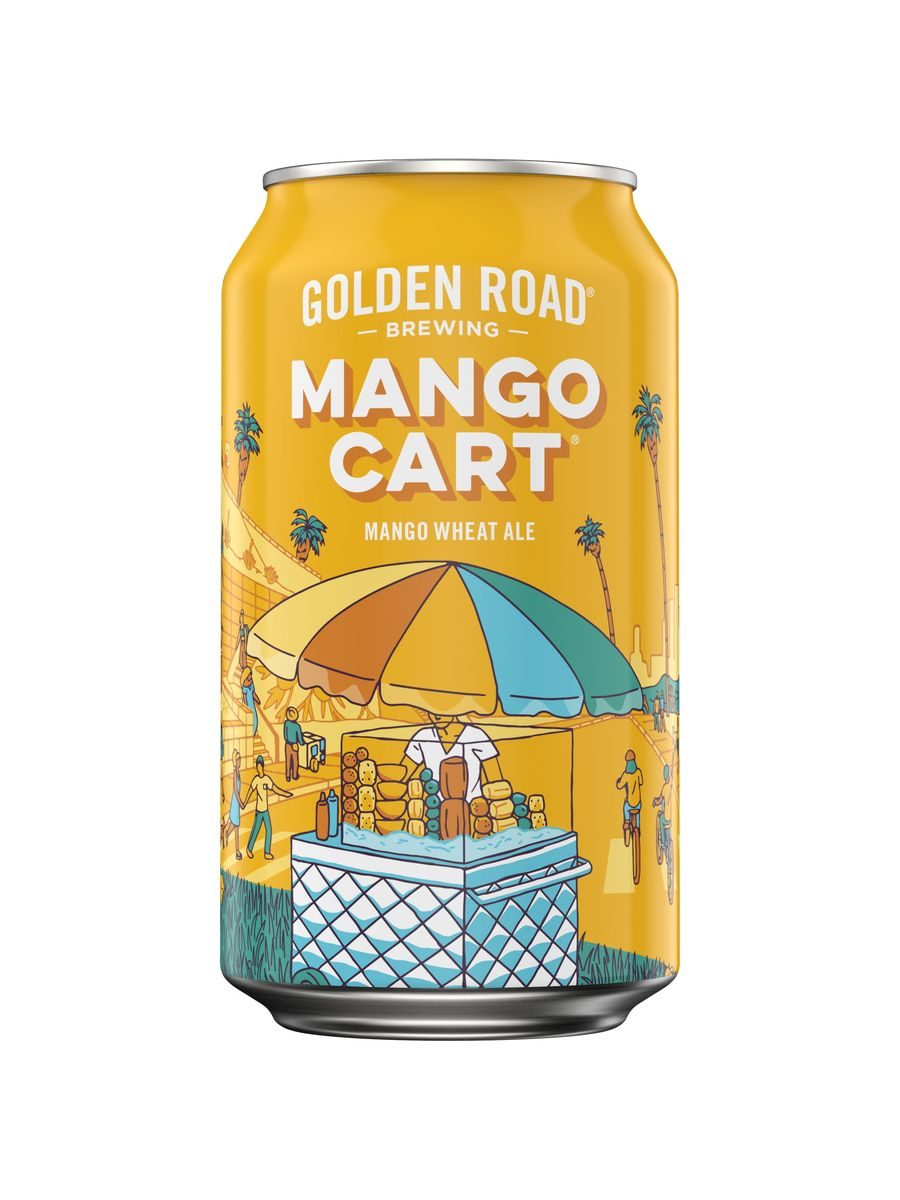
Golden Road Mango Cart
Brewed by Golden Road Brewing
Soft wheat, ripe mango and a light citrus snap make the fruit unmistakable without turning the pint into juice.
BAR NOTES
Mango Cart became one of the clearest modern examples of fruit-led wheat beer because the recipe is simple enough to understand on the first sip. Wheat supplies softness, while real mango contributes aroma and flavor without requiring sourness or pastry-level sweetness.
Serve it at 38–42°F in a pint glass and keep it fresh. Fish tacos, grilled chicken, chile-lime snacks and salty chips all play well with mango; a squeeze of lime is optional because the beer already has plenty of bright fruit.
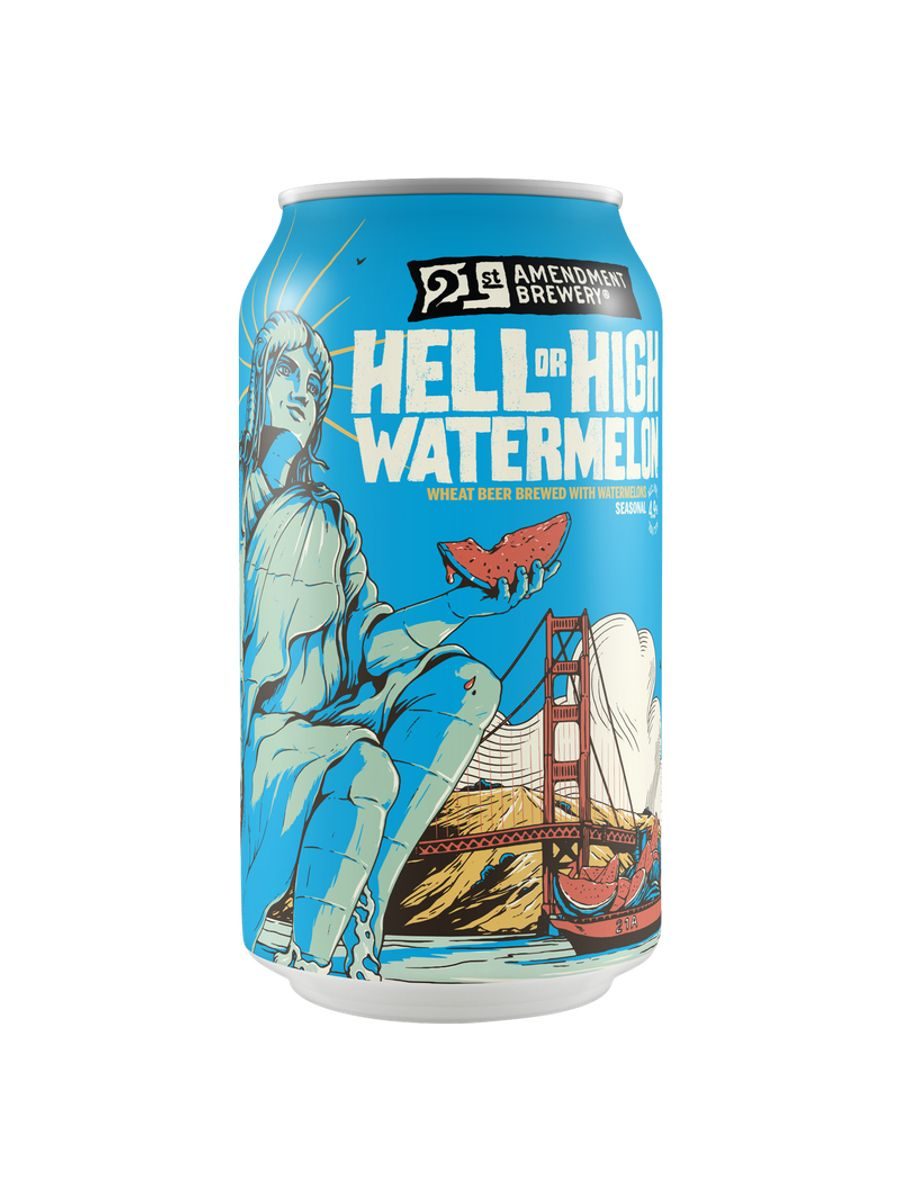
21st Amendment Hell or High Watermelon
Brewed by 21st Amendment Brewery
Fresh watermelon floats over pale wheat and a dry finish, giving summer fruit flavor without the sticky aftertaste that ruins weaker examples.
BAR NOTES
Watermelon is a difficult beer ingredient because its flavor is delicate and can quickly read as candy. Hell or High Watermelon keeps the base intentionally pale and quiet, then uses real watermelon as a finishing accent rather than asking it to carry the whole pint.
Drink it very fresh at 38–42°F. Spicy tacos, grilled shrimp, feta salad and backyard barbecue suit the cooling fruit and brisk finish; warming the can too much makes the watermelon seem sweeter and less natural.
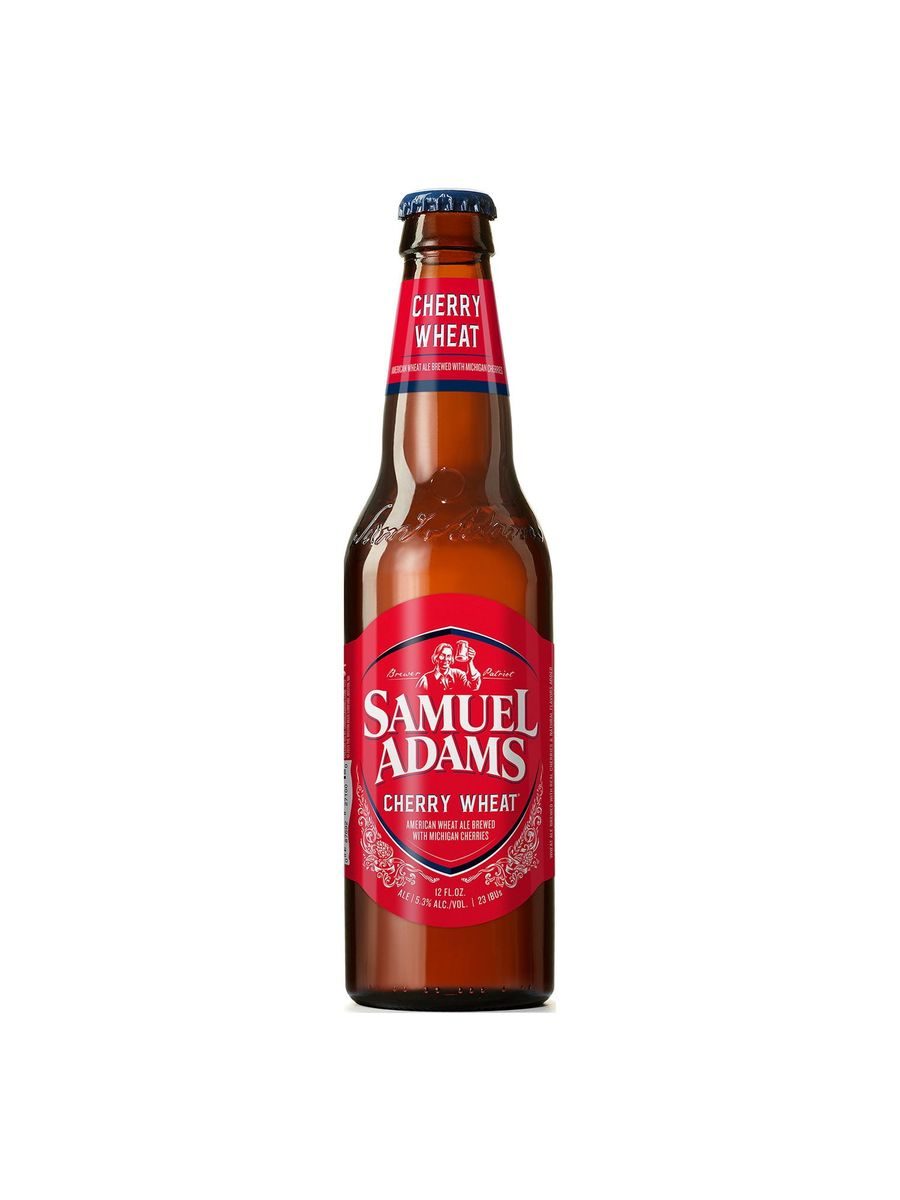
Samuel Adams Cherry Wheat
Brewed by Boston Beer Company
Cherry aroma, soft wheat and a honeyed middle make this old-school American fruit beer richer than the dry summer crushers around it.
BAR NOTES
Cherry Wheat has survived multiple craft-beer eras because it never pretended to be subtle. Michigan cherries and honey sit over a malted-wheat base, creating a recognizable cherry character that feels closer to the 1990s fruit-beer tradition than today’s smoothie-inspired releases.
Serve at 40–44°F in a pint or wheat glass. Glazed pork, roast chicken, mild blue cheese and chocolate desserts can handle the cherry-honey combination; colder service keeps the sweetness from becoming the only thing you notice.
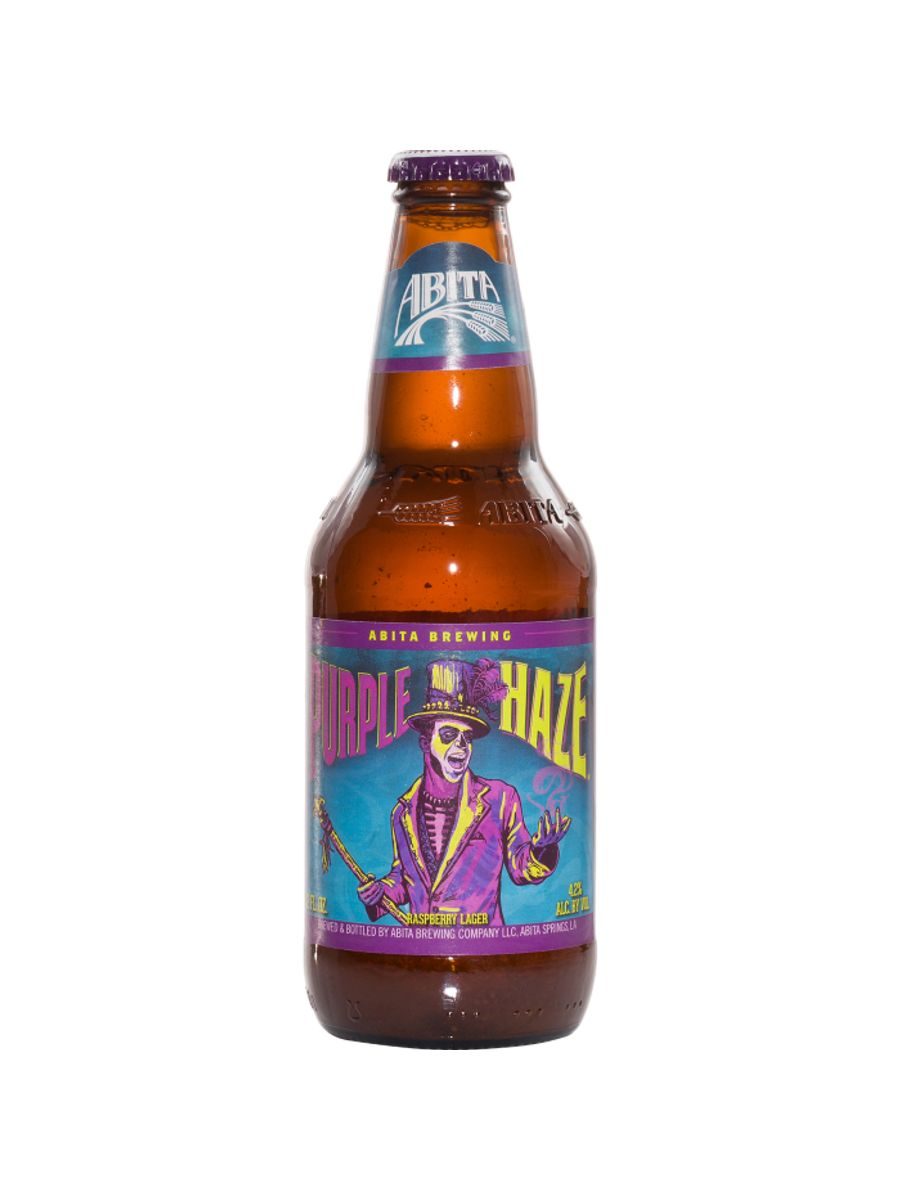
Abita Purple Haze
Brewed by Abita Brewing Company
A light raspberry nose and gentle tartness color a deliberately neutral wheat base without turning the beer into dessert.
BAR NOTES
Purple Haze is built around restraint. Raspberry arrives after filtration, so the fruit shows up clearly in aroma and flavor while the underlying wheat beer remains simple, light and drinkable. That makes it a useful counterpoint to heavily pureed modern fruit ales.
Serve at 38–42°F in a pint or flute. Goat cheese, grilled chicken, brunch dishes and dark chocolate work surprisingly well; taste the beer without extra berries first, because a garnish can overwhelm its intentionally modest fruit level.
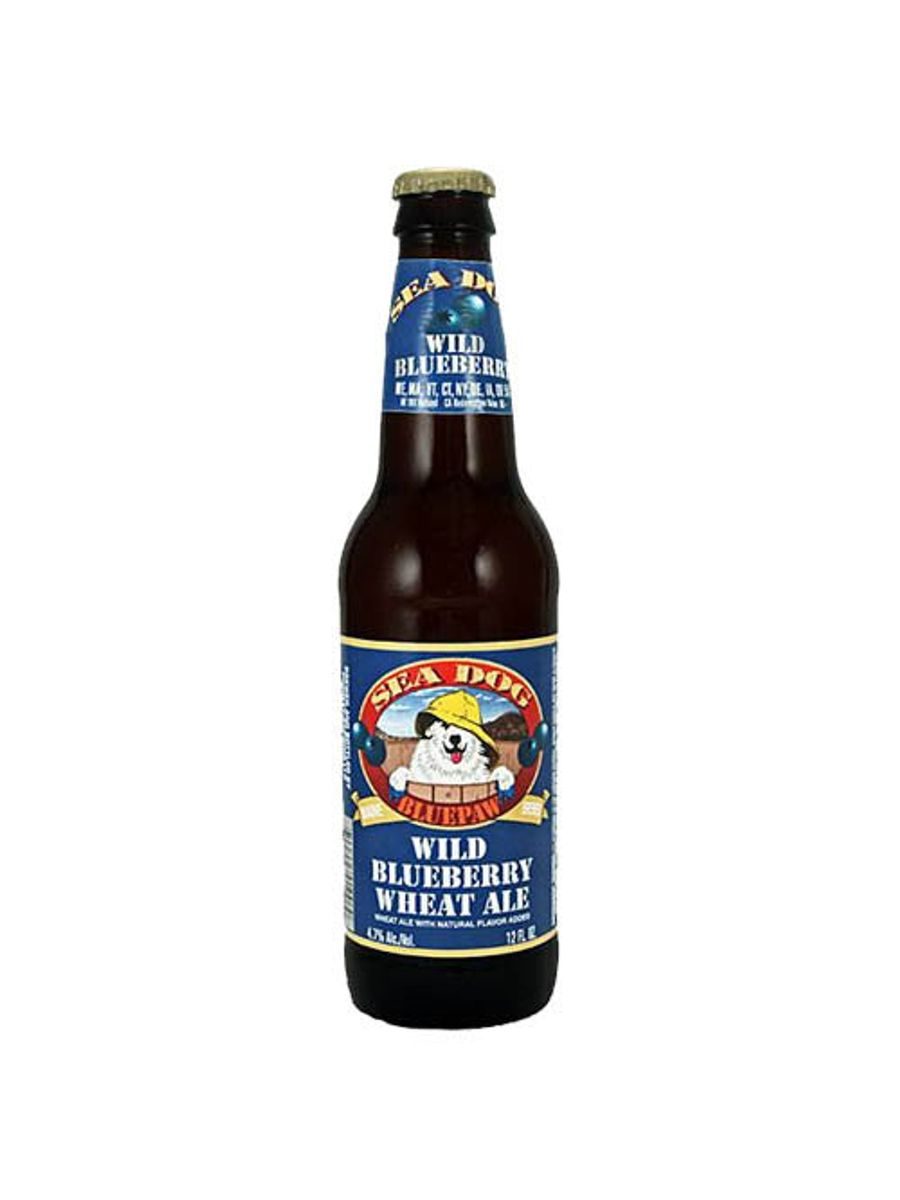
Sea Dog Wild Blueberry Wheat Ale
Brewed by Sea Dog Brewing Company
Big blueberry aroma lands over a clean, lightly sweet wheat base built for easy drinking rather than acidity or barrel complexity.
BAR NOTES
Sea Dog’s blueberry wheat is an enduring New England take on the category: obvious berry aroma, modest bitterness and a base beer that stays out of the fruit’s way. It is not trying to mimic a sour, lambic or jam-packed smoothie beer.
Serve cold at 38–42°F and prioritize a fresh package, because blueberry aroma fades faster than the grain underneath. Brunch, chèvre, grilled pork and vanilla desserts all work, especially when the pairing leaves room for the berry nose.
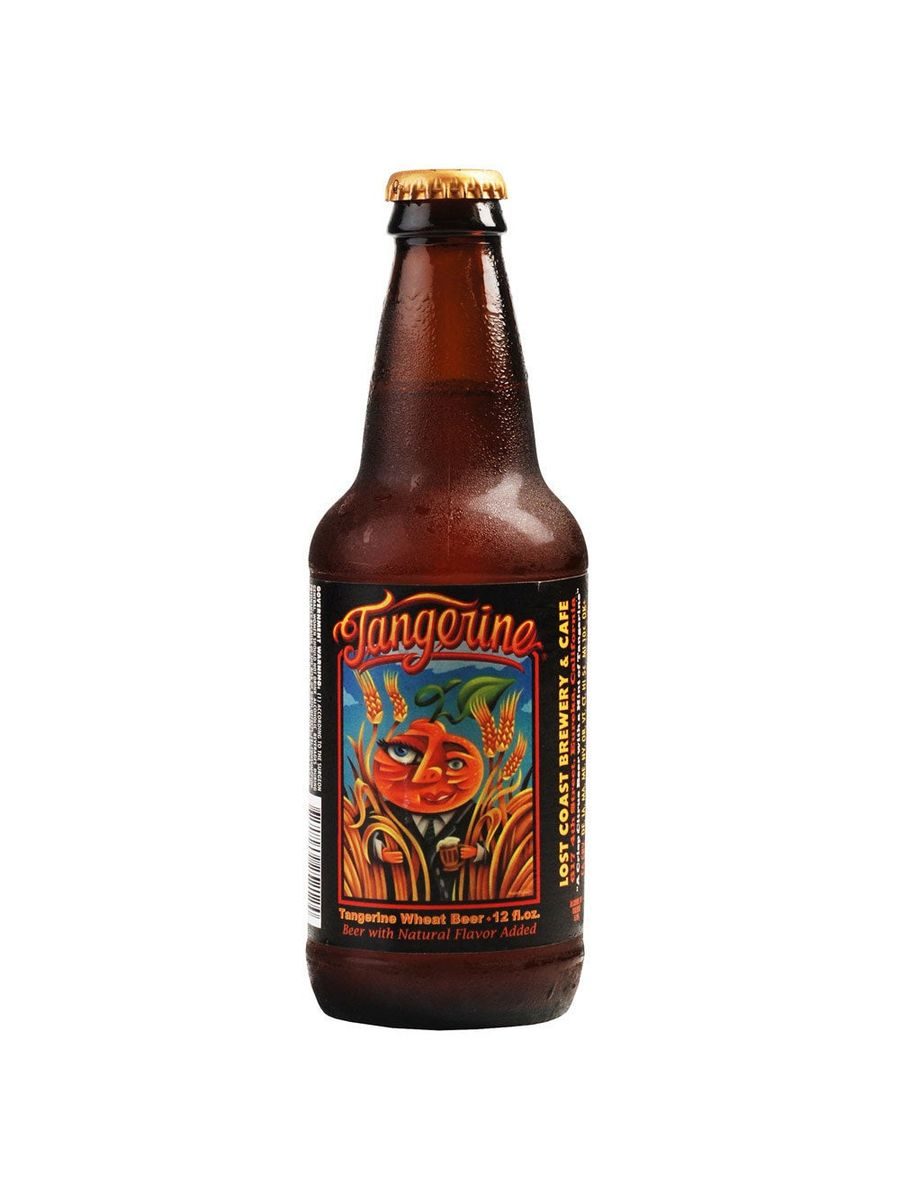
Lost Coast Tangerine Wheat
Brewed by Lost Coast Brewery
Tangerine zest and juicy citrus ride a slightly richer wheat-and-crystal-malt base, finishing crisp enough for another can.
BAR NOTES
Lost Coast gives Tangerine Wheat more malt underneath the fruit than many pale fruit wheats. Wheat and crystal malt create a soft caramel edge, which makes the citrus seem rounded rather than soda-like while the current 5.2% strength still feels easygoing.
Pour at 39–43°F in a pint or wheat glass. Fish tacos, spicy noodles, grilled chicken and soft cheese match the sweet citrus and gentle malt; this is a freshness-first beer, not something improved by cellar time.
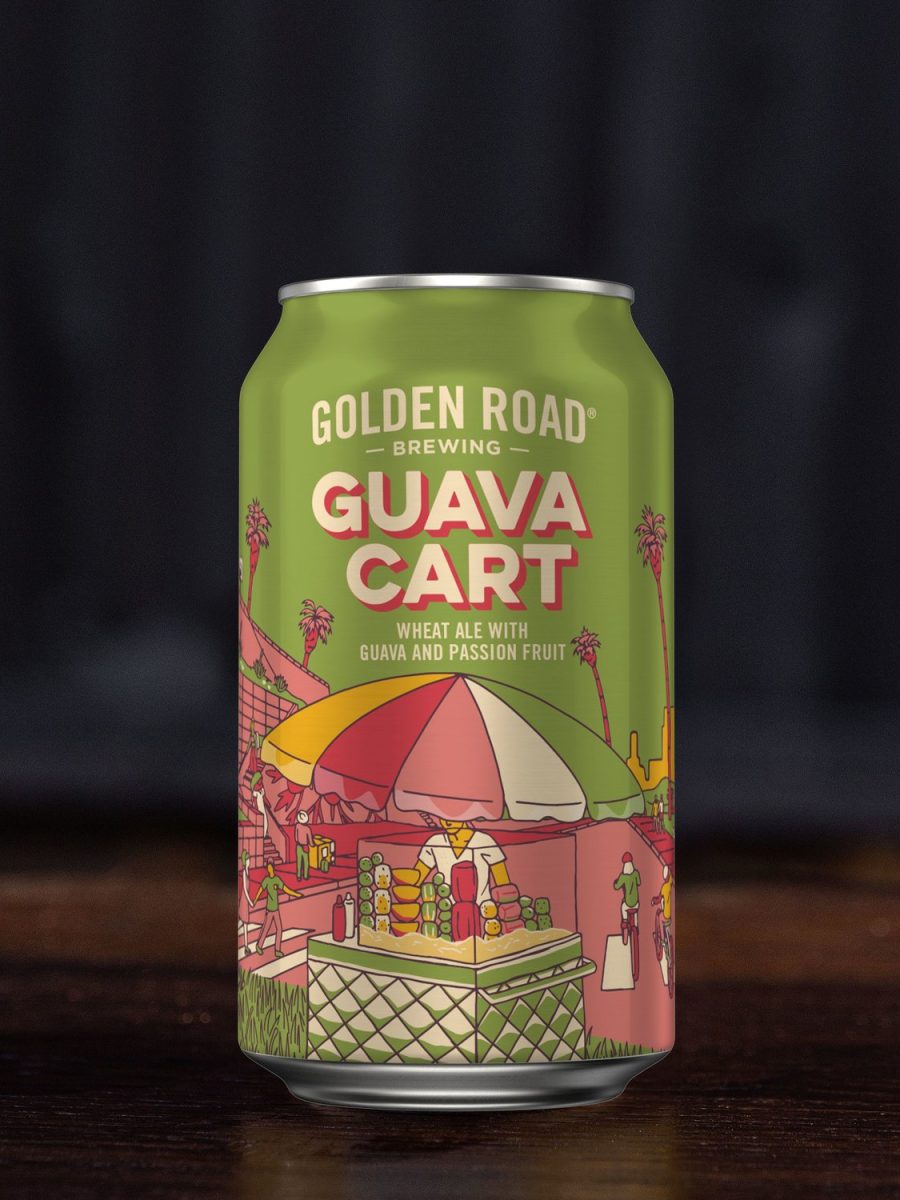
Golden Road Guava Cart
Brewed by Golden Road Brewing
Tropical guava adds a fragrant, almost floral top note to the same soft wheat framework that made the Cart family famous.
BAR NOTES
Guava Cart takes the straightforward Cart formula in a more aromatic direction. Real guava contributes tropical perfume and soft fruit sweetness, while wheat keeps the body smooth enough that the beer can still function as a hot-weather pint rather than a one-glass novelty.
Serve at 38–42°F with ceviche, shrimp tacos, grilled chicken or salty snacks. Guava becomes perfumy as it warms, so smaller pours from a cold can often show better balance than nursing one glass through an entire meal.
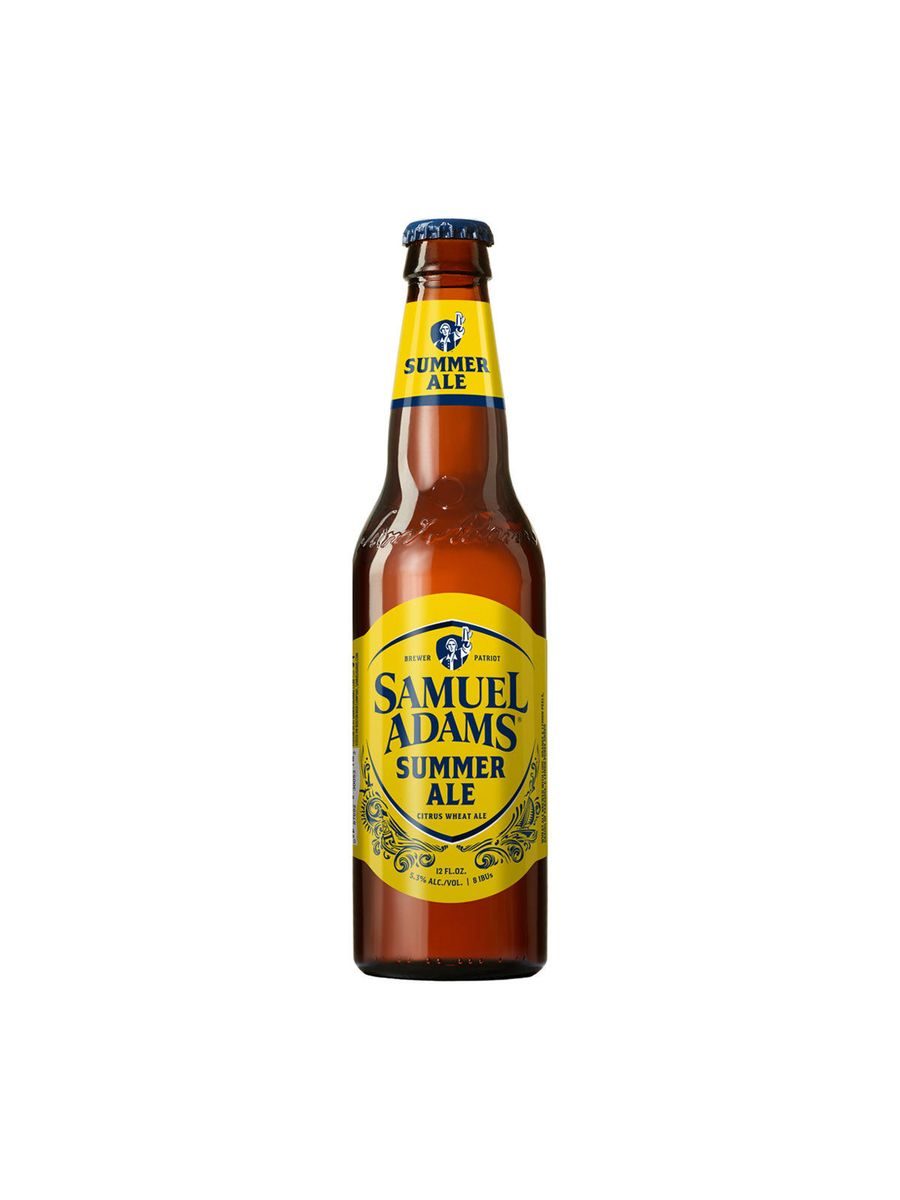
Samuel Adams Summer Ale
Brewed by Boston Beer Company
Lemon-forward citrus peel brightens a clean American wheat ale while peppery grains of paradise keep the fruit from reading like lemonade.
BAR NOTES
Summer Ale sits on the citrus edge of the fruited-wheat category rather than the puree-heavy center. Citrus peel gives the beer genuine fruit-derived aroma, while grains of paradise add enough peppery lift to keep the wheat base dry and structured.
Buy it during the seasonal window and serve at 40–44°F. Lobster rolls, grilled chicken, salads and fish tacos fit naturally; the beer is at its best when citrus feels bright and zesty instead of soft and stale.
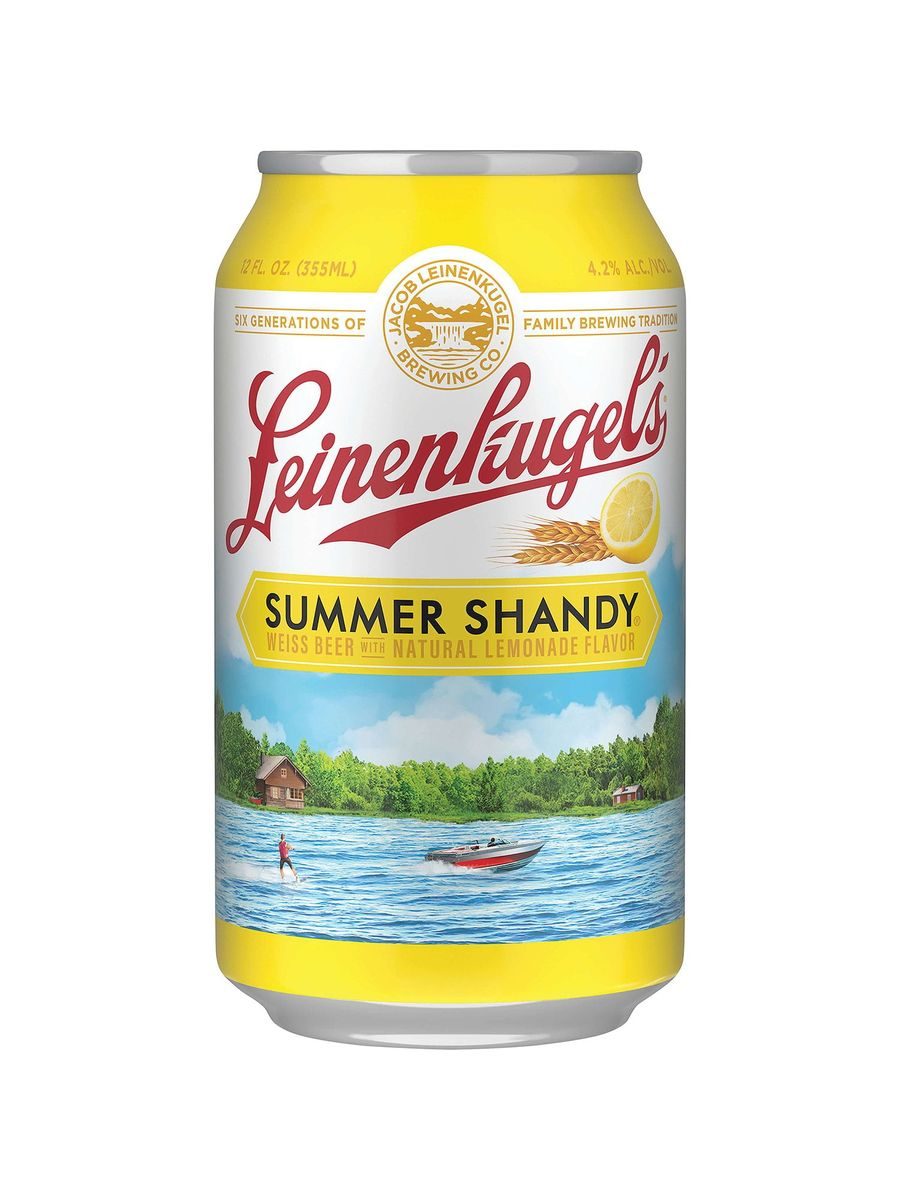
Leinenkugel's Summer Shandy
Brewed by Jacob Leinenkugel Brewing Company
The category-edge populist pick: soft wheat, assertive lemon and low alcohol built for coolers, cookouts and drinking colder than beer geeks usually admit.
BAR NOTES
Summer Shandy is technically a wheat-beer-and-lemonade hybrid, which is why it sits near the bottom rather than pretending to be a purist’s fruit wheat. Its importance is undeniable: it made lemony wheat beer a mainstream American summer ritual.
Serve very cold at 36–40°F. Brats, fried fish, picnic sandwiches and salty chips suit the sweet-tart lemon profile; subtle food gets steamrolled, so treat this as a cookout beer rather than a delicate pairing exercise.
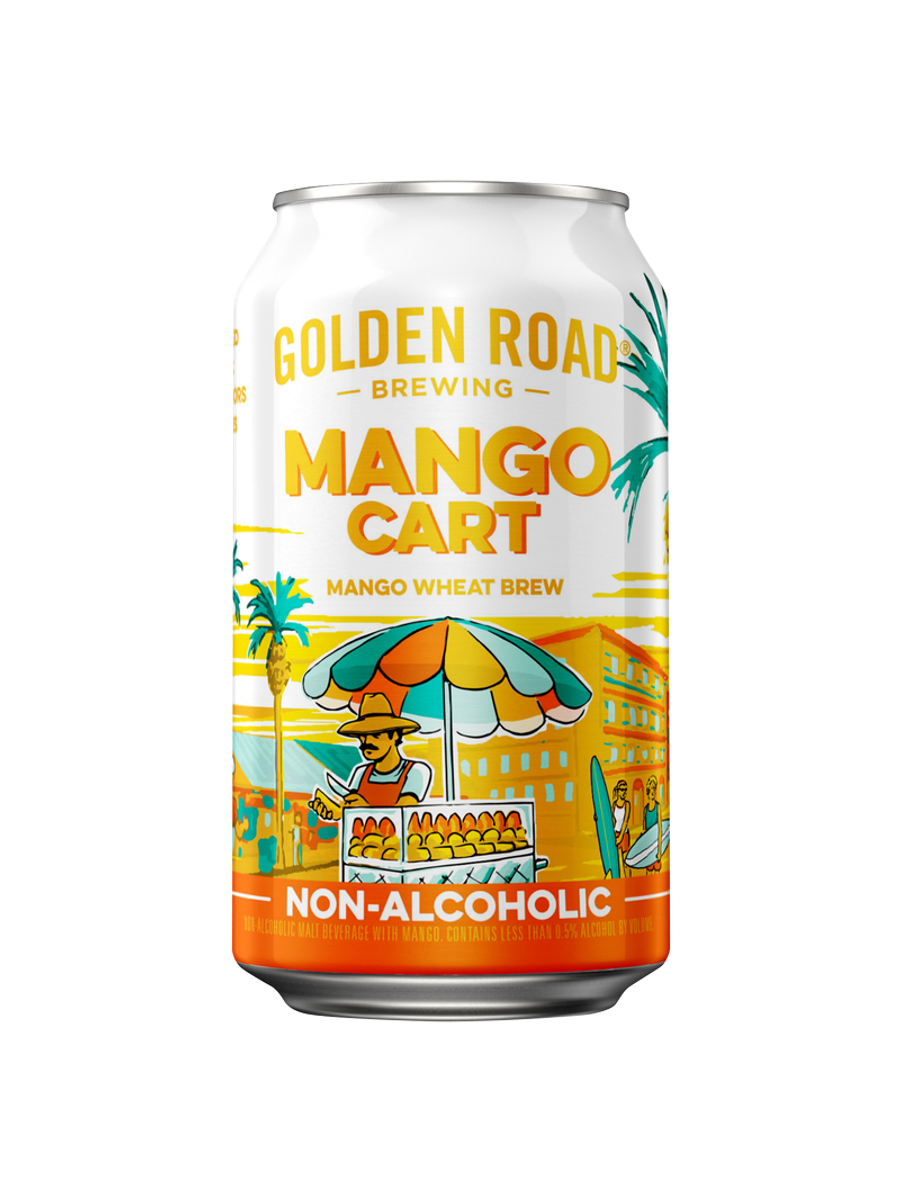
Golden Road Non-Alc Mango Cart
Brewed by Golden Road Brewing
A useful zero-proof branch of the fruit-wheat idea, keeping the familiar mango profile when alcohol is not the point of the pour.
BAR NOTES
Non-Alc Mango Cart earns the wildcard slot because Golden Road currently treats it as a real member of the Cart family rather than a separate imitation brand. The familiar mango signal survives while alcohol drops to 0.5%, giving the category a genuinely useful alternative.
Serve it colder than the full-strength version, around 36–40°F, and drink it fresh. Tacos, grilled chicken and salty snacks still work; the lighter body is especially helpful when the goal is refreshment over beer strength.
Why wheat works so well with fruit
Wheat malt contributes protein, body and a soft grain flavor without the caramel weight of darker specialty malts. That creates a neutral-but-not-empty platform where raspberry, blueberry, watermelon, mango and citrus can remain distinct.
High carbonation matters just as much. Fruit adds aroma and sometimes sugar, while bubbles keep the finish moving and stop the beer from sitting on the tongue like juice. The best examples taste fruity first and refreshing immediately afterward.
Real fruit, puree, peel and flavoring all behave differently
Whole fruit and puree can contribute fermentable sugar, acidity, color and aroma, but they also create consistency and sanitation challenges. Adding fruit during active fermentation can strip some fresh aroma while integrating the flavor more deeply into the beer.
Peel and natural flavor are more controlled tools. Citrus peel supplies concentrated aromatic oils without fruit sugar, while extracts or essences can preserve a recognizable flavor year-round. The ingredient list matters less than whether the final beer tastes integrated and believable.
Fruited wheat beer vs. sour fruit beer
A fruited wheat beer usually starts with a clean American wheat ale, weiss-inspired base or similarly gentle beer, then adds fruit without relying on aggressive acidity. Sour fruit beer uses lactic fermentation, mixed culture or acidification as a major structural element.
The overlap can get messy, especially as modern breweries blur style lines. For this list, the wheat base must remain recognizable and acidity cannot be the main event; lambic, kettle sour and smoothie sour belong on different boards.
Freshness, temperature and glassware
Fruit aroma is volatile, so most of these beers reward fresh stock and cold storage. Old fruit wheat often keeps its sweetness after the bright aroma disappears, which is exactly how a once-balanced beer starts tasting dull or artificial.
Serve most examples between 38 and 44°F in a pint, wheat glass or tulip. Colder service favors crispness; a few minutes of warming reveals fruit aroma. There is rarely a reason to push these beers toward cellar temperature.
What to eat with fruited wheat beer
Citrus and tropical versions are natural with tacos, grilled chicken, seafood and spicy food. Berry beers like goat cheese, pork and chocolate, while watermelon and lemon-heavy pours are happiest around picnic food, salty snacks and summer grilling.
Match intensity before matching flavors. A delicate raspberry wheat disappears beside smoked brisket, while a sweet shandy can overwhelm subtle fish. The safest move is salty, grilled or lightly spicy food that gives carbonation something useful to cut through.
Fruited Wheat Beer FAQ
Are fruited wheat beers sweet?
Some are, but they do not have to be. Fruit aroma can make a beer seem sweeter than its actual residual sugar, while fermentation, bitterness and carbonation can keep even strongly flavored examples surprisingly dry.
Is a fruited wheat beer the same as a sour?
No. Fruit can be added to clean wheat beer without meaningful sourness. Sour fruit beers deliberately make acidity part of the structure through mixed fermentation, kettle souring or another acidifying process.
Should fruit wheat beer be served with a fruit garnish?
Taste it plain first. A citrus wheel or handful of berries can make sense visually, but it can also bury the brewer’s intended balance and make a subtle fruit beer seem one-dimensional.
Follow wheat beer from clean grain to full fruit mode
Fruit is only one branch of the wheat-beer family. Go back to the broad board, compare clean American wheat and expressive hefeweizen, or move sideways into the larger world of fruit beer.
DRINK DEEPER

better beer.