10 Best English Porters to Drink in 2026
Porter was London’s great industrial beer before “craft beer” needed a name. Today’s best English examples still carry brown malt, chocolate, coffee, toast, dark fruit, and pub-ready balance—but they now range from historic cask recipes to nitro cans, fruit porter, and precise modern chocolate beer.
This focused Top 10 ranks porter brewed in England. The geography matters: Irish porter, American porter, and Baltic porter have their own fermentation traditions and their own boards.
The quick answer
Fuller’s London Porter is our best overall English porter because it delivers the historic London malt profile with modern consistency and enough strength to feel complete. Samuel Smith Taddy Porter is the export-friendly classic, while Five Points Railway Porter and London Black show the city still knows what to do with the style.
What makes English porter different
Porter emerged in eighteenth-century London and became one of the first beers produced and traded at enormous scale. Brown malt, dark color, and long storage shaped its early identity, while the stronger word “stout” began as a description of powerful porter rather than an entirely separate species.
Modern English porter usually sits between 4% and 6% ABV, though historical and specialty versions can run outside that range. Compared with many American porters, the hop flavor is quieter and the malt less sharply roasted. Compared with dry stout, the middle often reads rounder, toastier, and more chocolate-forward.
The 10 best English porters
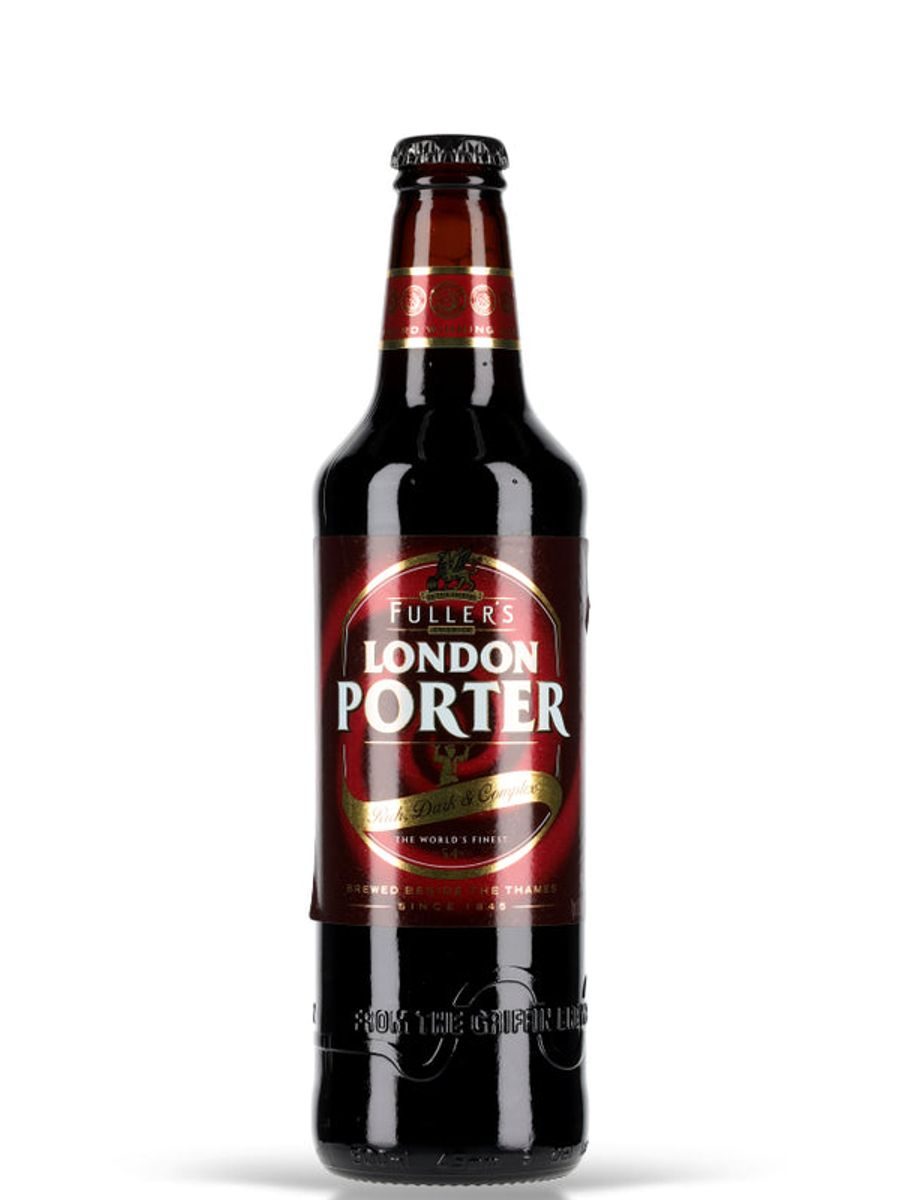
Fuller’s London Porter
Brewed by Fuller’s
The modern reference bottle balances coffee, cocoa, toast, and restrained fruit without turning porter into a small stout.
BAR NOTES
Fuller’s London Porter takes the top spot because it makes the style’s history taste current. Brown, crystal, and chocolate malt create toast, cocoa, coffee, and caramel, while the house fermentation adds quiet fruit instead of burying the beer beneath roast.
Serve the bottle around 48–52°F in a nonic pint or tulip and give the malt a few minutes to open. Roast beef, steak-and-ale pie, mushrooms, mature cheddar, and bread pudding all meet it on equal terms.
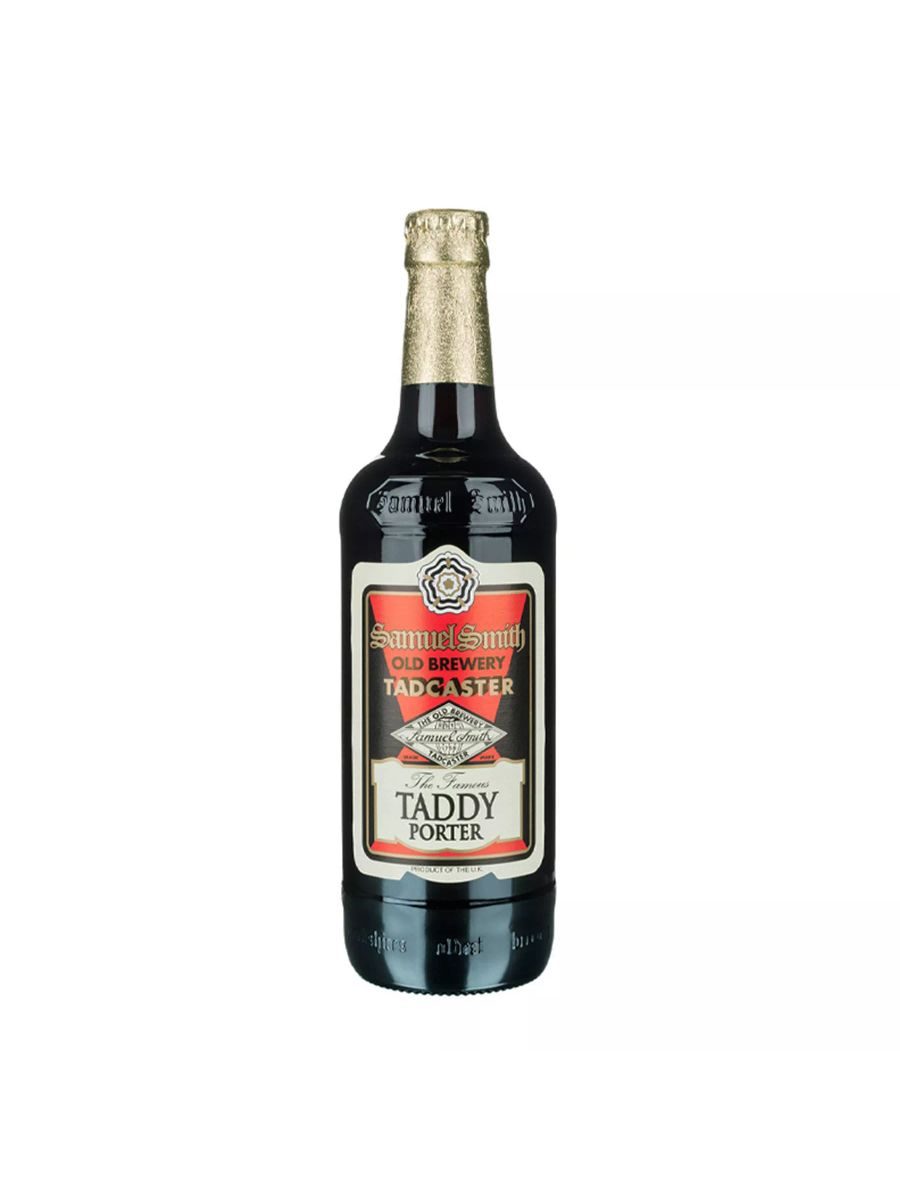
Samuel Smith Taddy Porter
Brewed by Samuel Smith Old Brewery
Cocoa, dark fruit, toast, and mineral structure make this one of England’s most dependable bottled porter lessons.
BAR NOTES
Taddy Porter carries Samuel Smith’s nineteenth-century brewery character without tasting dusty. Fermentation in Yorkshire stone squares gives the beer a distinctive house signature, while dark malt lands as cocoa, toast, molasses, and fruit rather than burnt grain.
The bottle travels well, which makes it one of the easier English benchmarks to find outside Britain. Let it warm slightly and pair it with roast pork, smoked cheese, meat pie, walnuts, or a restrained chocolate dessert.
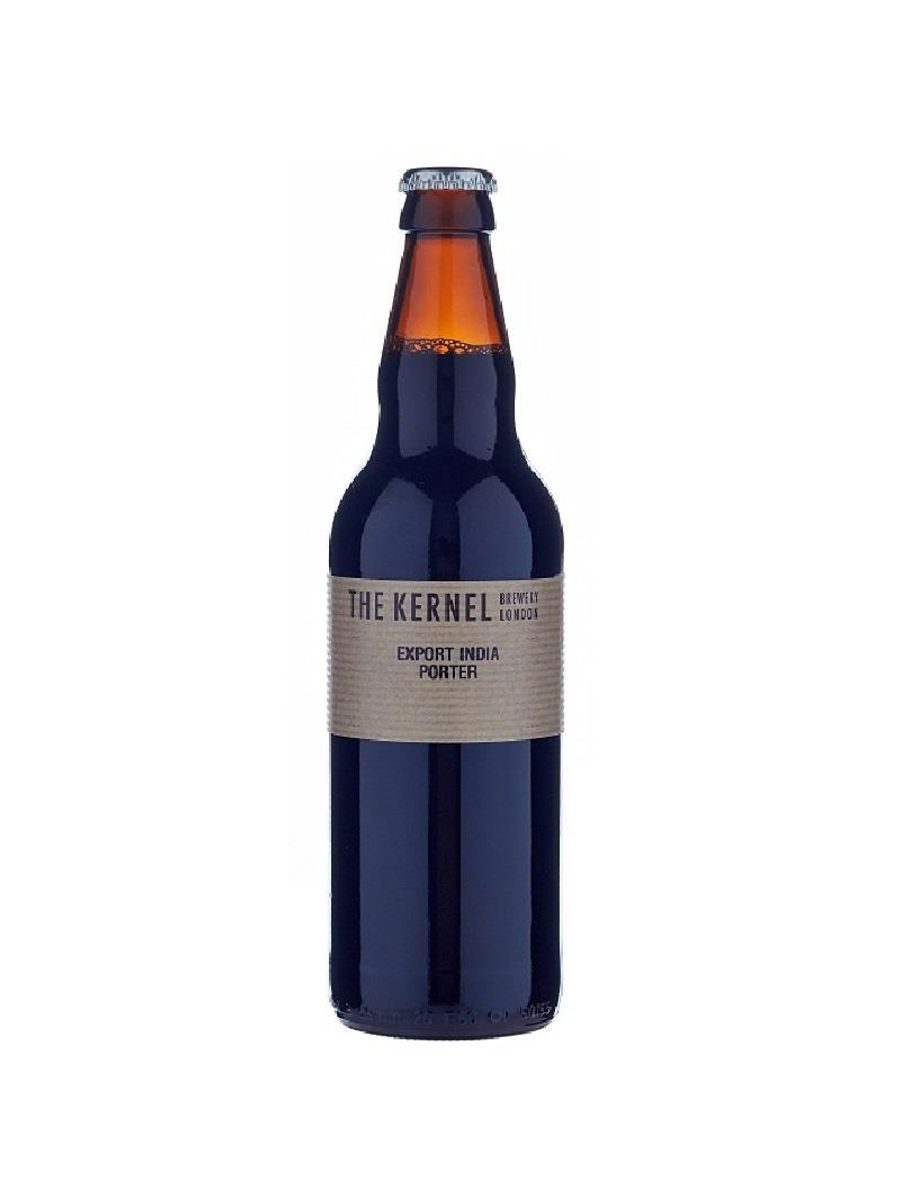
The Kernel Export India Porter
Brewed by The Kernel Brewery
Dark chocolate, coffee, fruit, and firm bitterness show why strong porter traveled long before IPA owned the export story.
BAR NOTES
The Kernel treats porter as a living recipe rather than a fixed museum reconstruction. Malt and hop choices can change by batch, but the recurring shape is clear: dark chocolate and coffee, fermented fruit, a dry edge, and enough bitterness to sharpen the finish.
Check the label for the exact strength and ingredients, then drink the bottle fresh enough to catch its hop definition. Charred lamb, smoked fish, hard cheese, mushroom pie, and dark chocolate work better than overly sweet desserts.
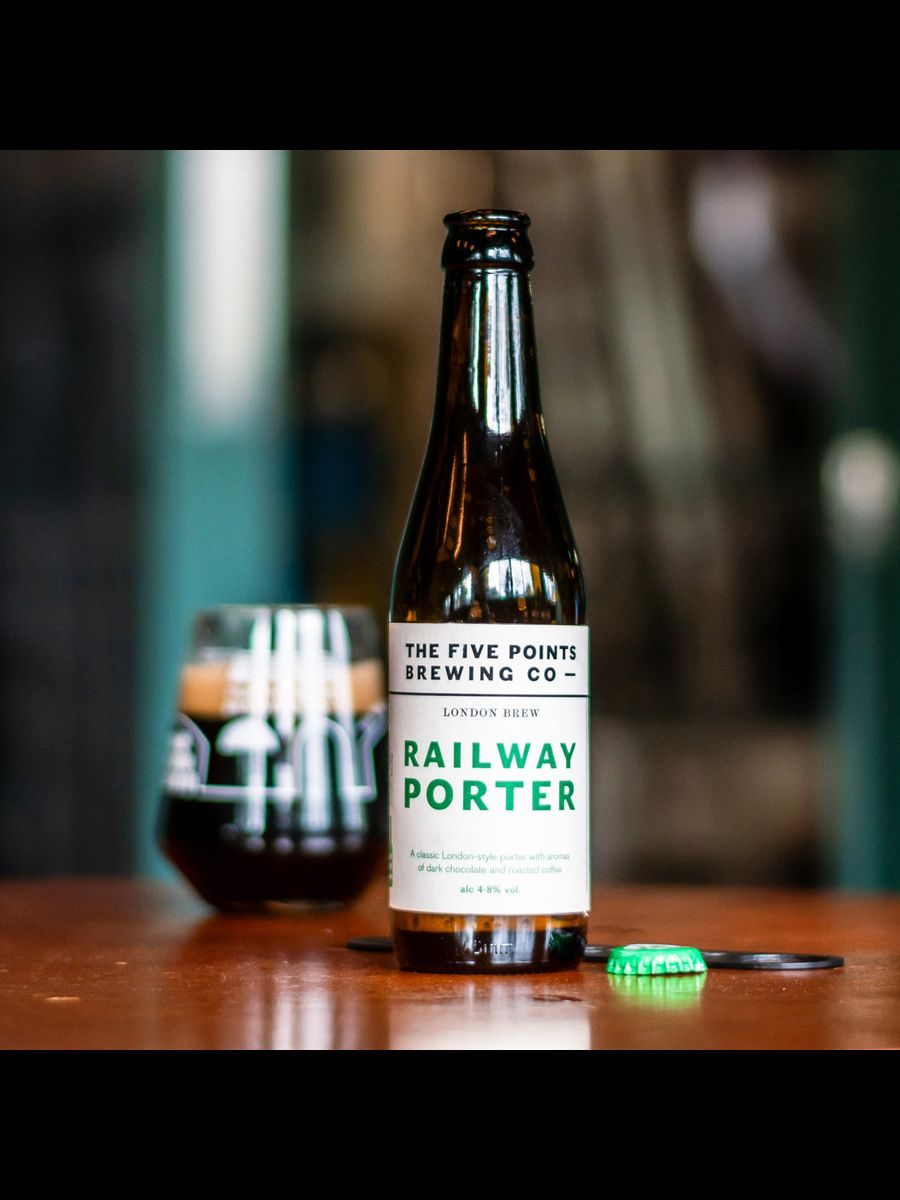
Five Points Railway Porter
Brewed by The Five Points Brewing Company
A full-bodied modern London porter with dark chocolate and roasted coffee aroma, brewed for pints rather than tiny pours.
BAR NOTES
Railway Porter is one of Five Points’ original beers, and the recipe has remained essentially unchanged. Maris Otter, brown, crystal, chocolate, Munich, dark crystal, and black malt build depth while British Goldings keep the finish composed.
The beer is unfiltered, unpasteurized, and available in cask and bottle, so compare formats when you can. Its 4.8% strength suits a full pint with sausages, cottage pie, grilled mushrooms, or sharp farmhouse cheese.
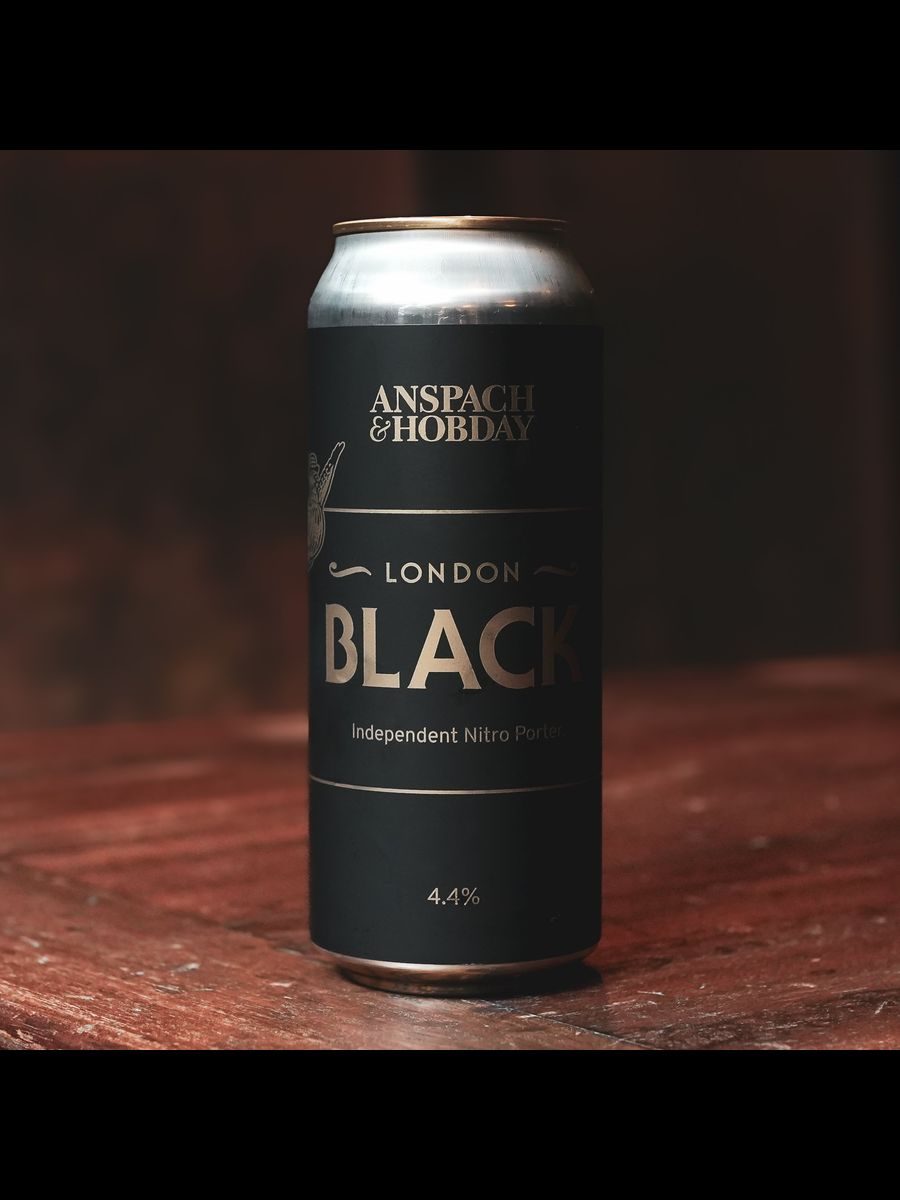
London Black
Brewed by Anspach & Hobday
Roasted coffee and chocolate meet red-fruit hops inside a creamy pint that stays light enough for another round.
BAR NOTES
London Black succeeds because nitrogen is used to serve porter, not disguise it as somebody else’s stout. Coffee and chocolate sit over a touch of red fruit from the hops, and the soft carbonation makes the 4.4% body feel polished rather than thin.
Pour the can gently, let it settle, and use a clean pint glass so the head can hold. It is a natural pub-food beer for fish and chips, a cheese toastie, bangers and mash, or a mushroom burger.
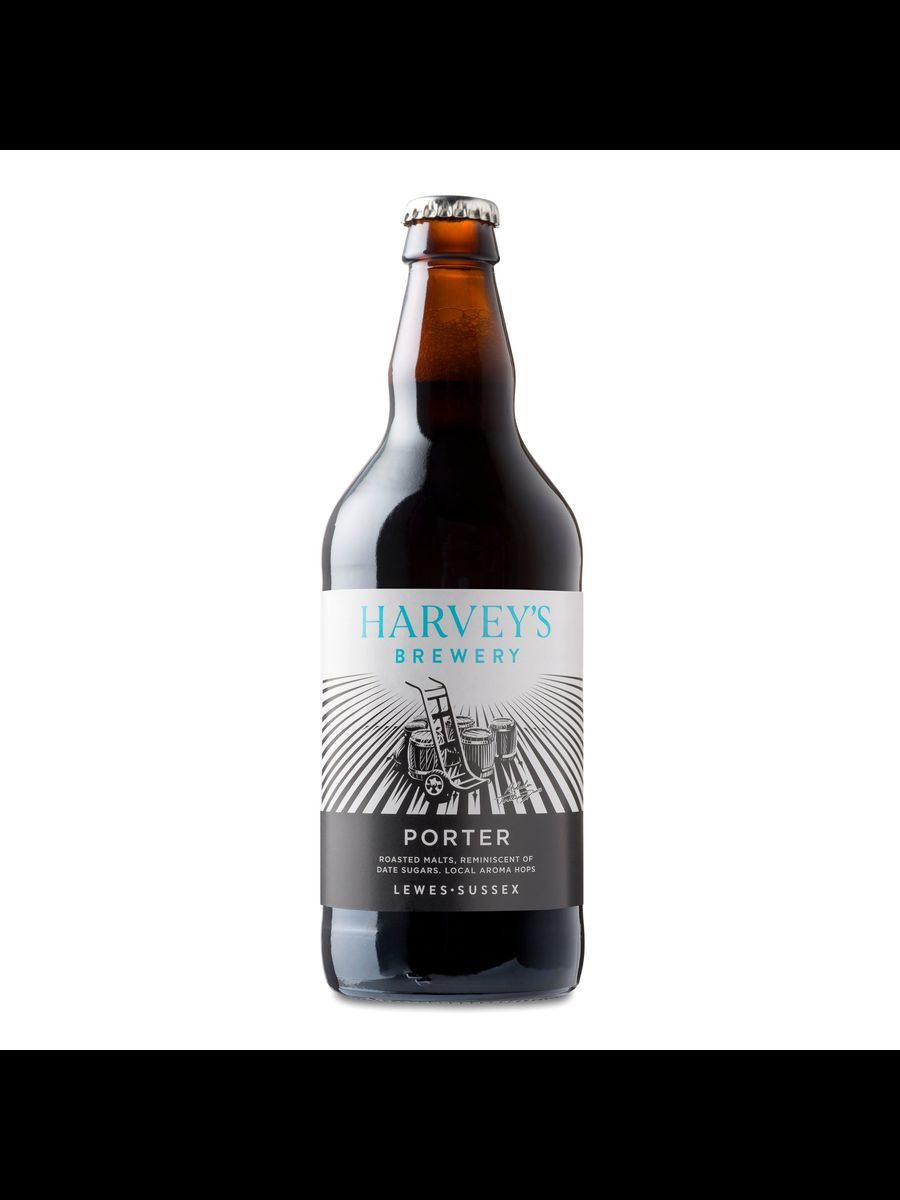
Harvey’s 1859 Porter
Brewed by Harvey’s Brewery
Coffee, molasses, date-like fruit, roast malt, and dry licorice make this seasonal release a serious piece of living brewing history.
BAR NOTES
Harvey’s brews this seasonal porter from Henry Harvey’s 1859 recipe using pale, crystal, and black malt, local water, and Fuggles and Goldings. Four weeks of cask conditioning give the roast and date-like fruit time to settle together.
Availability is concentrated in March and April, so this is a pub hunt rather than a year-round shelf default. A fresh cask pint belongs beside steak-and-ale pie, Stilton, roast mushrooms, seafood, or a simply topped pizza.
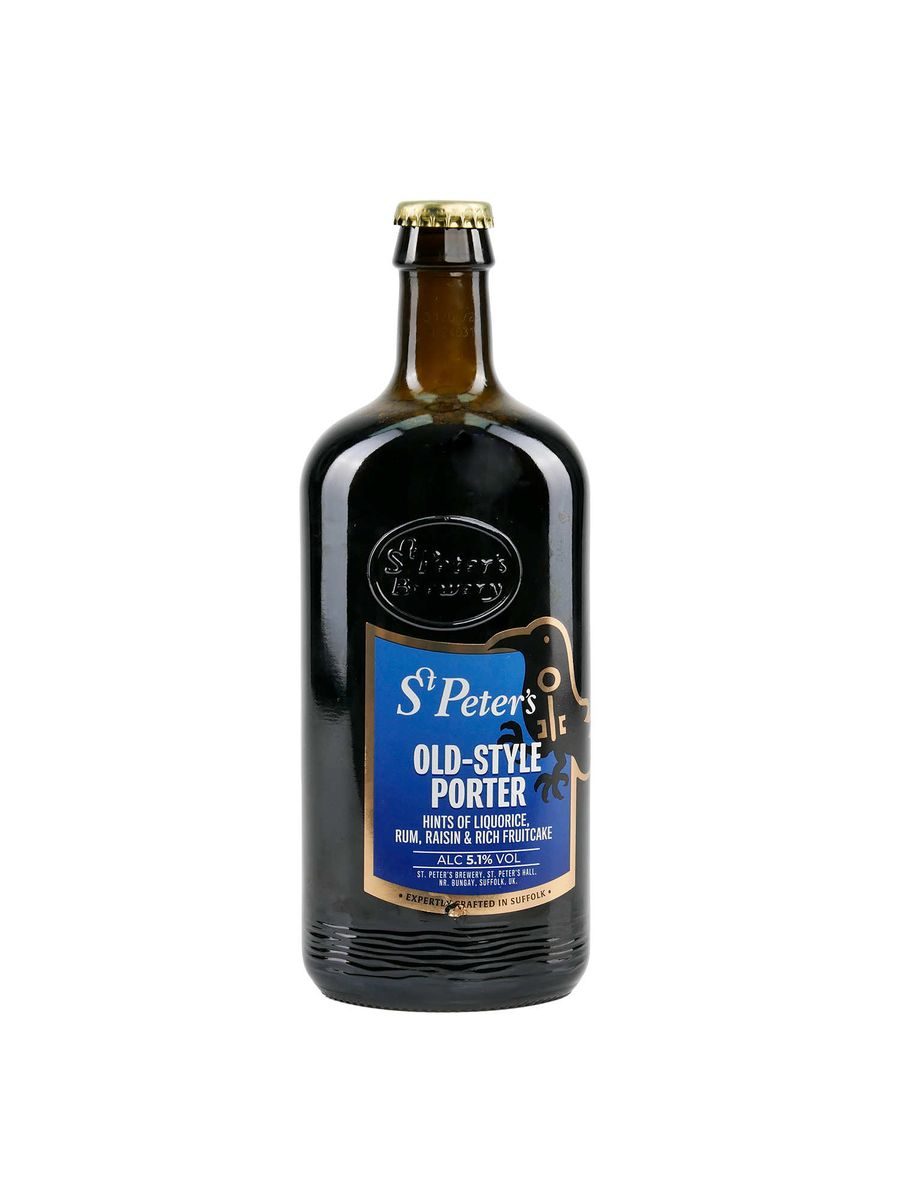
St. Peter’s Old Style Porter
Brewed by St. Peter’s Brewery
Chocolate, coffee, dark fruit, and earthy malt offer a softer rural counterpoint to the sharper modern London examples.
BAR NOTES
St. Peter’s Old Style Porter approaches the tradition from a Suffolk hall rather than a railway arch. The brewery’s distinctive oval bottle holds a rounded combination of chocolate, coffee, caramel, dark fruit, and earthy English malt.
Its softer finish makes it a useful bridge for drinkers who find black malt abrasive. Serve just below cellar temperature with pork pie, roast chicken, smoked cheese, root vegetables, or fruitcake, and avoid chilling away the malt.
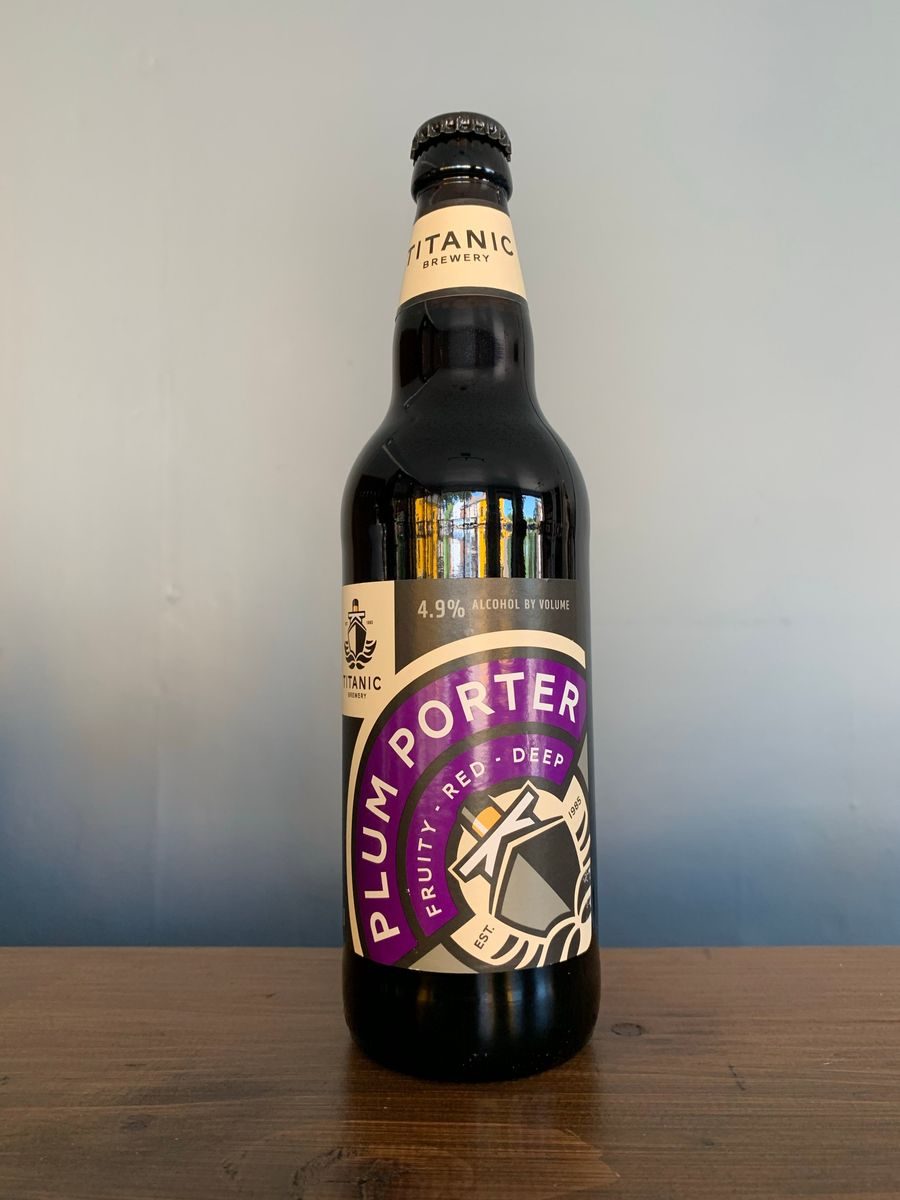
Titanic Plum Porter
Brewed by Titanic Brewery
Ripe plum brightens roast and dark malt, creating a pub-friendly fruit porter that remains recognizably English.
BAR NOTES
Titanic Plum Porter earns a place because the fruit supports the base beer instead of replacing it. Dark malt supplies chocolate, toast, and gentle roast, while plum adds aroma, acidity, and a jam-like middle that never needs pastry-stout weight.
Choose the standard porter for the clearest balance; Grand Reserve editions are stronger and richer. Serve a fresh pint or bottle with duck, pork, blue cheese, venison, or a berry dessert that is less sweet than the beer.
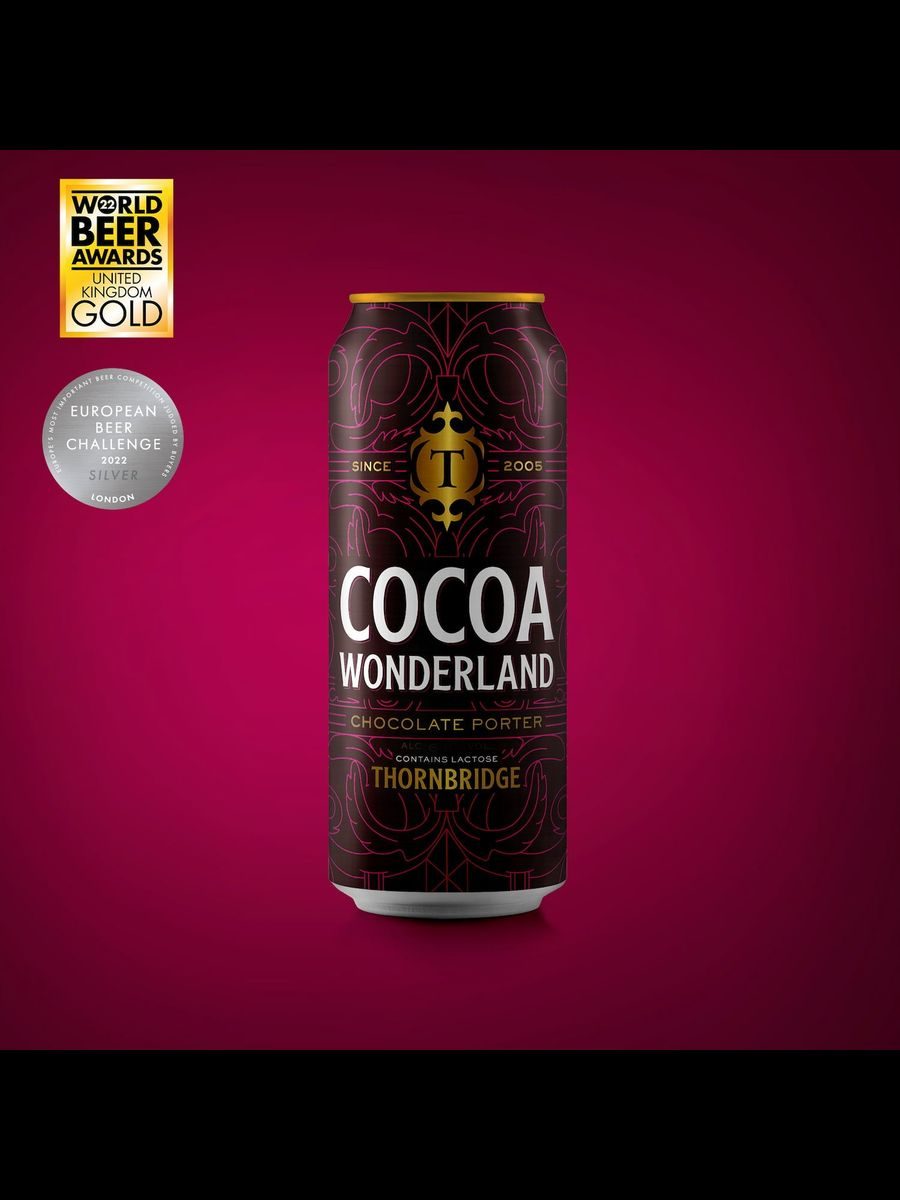
Cocoa Wonderland
Brewed by Thornbridge Brewery
Mocha, raisin, caramel, and cacao nibs make an adjunct porter whose balance survives the first chocolate hit.
BAR NOTES
Thornbridge describes Cocoa Wonderland as a porter first, and that distinction matters. Pale, Munich, brown, crystal, wheat, and black malts supply structure before cacao nibs intensify the chocolate, leaving mocha, raisin, caramel, and light roast intact.
Serve it around 41–46°F initially, then follow the flavor as it warms. Tiramisu is the brewery’s obvious match, but aged cheddar, roast nuts, vanilla ice cream, or raspberry tart reveal more contrast.
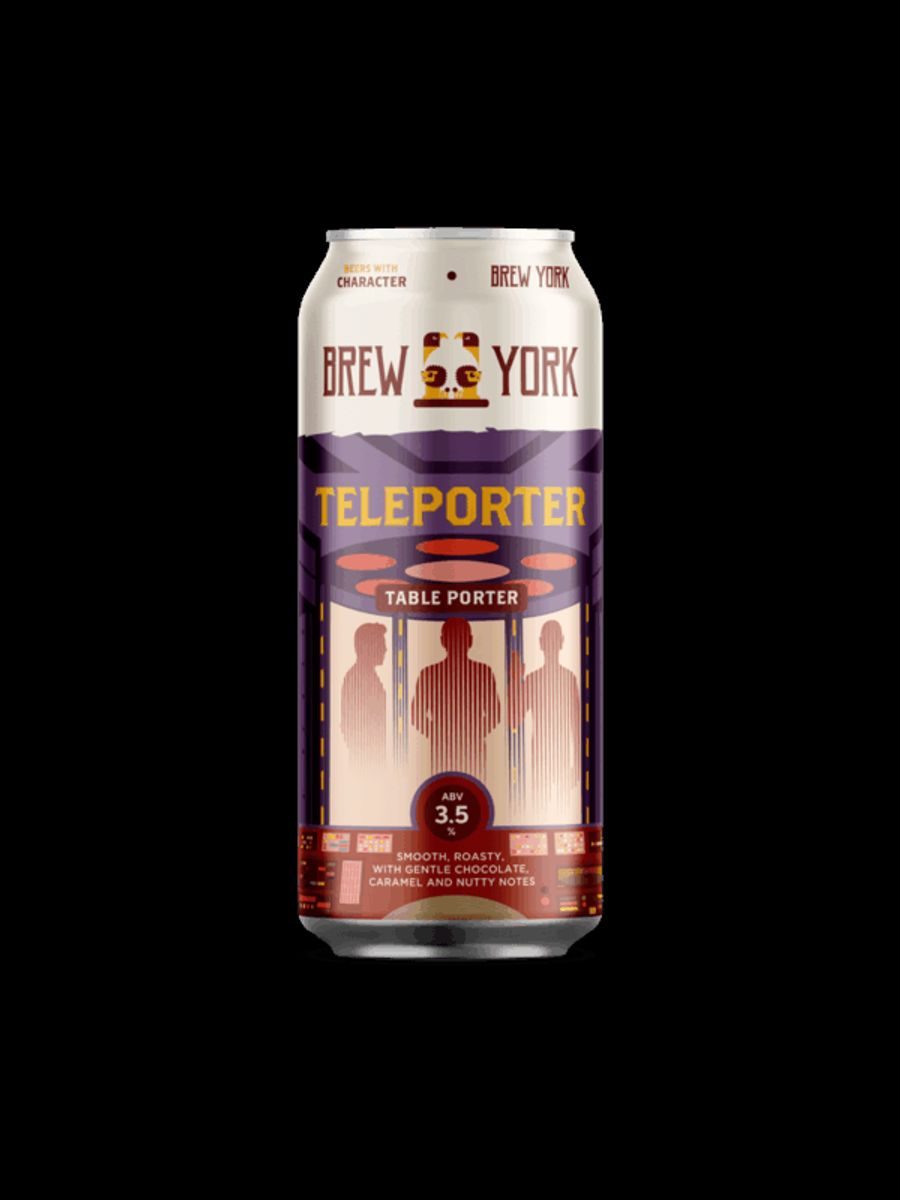
Teleporter
Brewed by Brew York
A new-school reminder that porter can be dark, flavorful, and genuinely sessionable without chasing imperial gravity.
BAR NOTES
Teleporter closes the board at the opposite end of the strength race. Oats and wheat support the 3.5% body while roast, coffee, dark chocolate, caramel, and nutty malt deliver enough flavor to keep “table porter” from sounding apologetic.
This is the choice for a long afternoon rather than a nightcap. Drink it fresh and cool with a pork pie, cheese sandwich, grilled mushrooms, or salted nuts; low alcohol exposes age and poor storage quickly.
How we ranked the board
We rewarded a clear porter base first: layered malt, controlled roast, a finish that invites another sip, and a body appropriate to the strength. Historical credibility helped, but a famous label still had to make sense as something worth drinking now.
Range mattered too. The list begins with durable classics, moves through current London pub beer, and leaves room for fruit, cacao, and table-strength porter when the underlying beer remains visible. Ten near-identical brown bottles would teach less.
How to serve English porter
Cask porter is best cool and fresh, not icy and not flat. Bottles and cans usually open up around 46–52°F. Use a clean nonic pint for session-strength beer and a smaller tulip for stronger versions; excessive chill erases the fruit, toast, and chocolate that separate porter from generic “dark beer.”
The style loves browned and savory food: meat pies, sausages, roast beef, mushrooms, cheddar, smoked fish, and grilled onions. Chocolate and fruit desserts also work, but the best pairing usually supplies salt or roast instead of piling sweetness on sweetness.
English porter FAQ
What is the difference between English porter and stout?
The words share a tangled history because stout originally meant a stronger porter. Today, English porter usually leans toward brown-malt toast, chocolate, and rounded fruit, while stout more often emphasizes roasted barley, coffee, and a drier edge.
Is London porter always brewed in London?
No. London porter describes a historical family and flavor idea, not a protected geographic designation. This ranking uses “English porter” literally, though, so every listed beer is brewed in England.
Is porter supposed to be sweet?
Porter can suggest caramel, chocolate, or dark fruit without finishing sugary. Bitterness, roast, fermentation, and carbonation should keep the malt moving. Sweet specialty versions work best when the base beer still provides structure.
Should porter be served warm?
Serve it cool rather than warm. Cellar temperature is a useful starting point for cask beer, while bottles can begin a little colder and warm in the glass. Room temperature exaggerates sweetness and tired oxidation.
Start with the London argument
Pour Fuller’s, Five Points Railway Porter, and London Black together. One protects the bottled benchmark, one rebuilds the classic cask-and-bottle pint, and one uses nitrogen to make porter effortless again. Then add Harvey’s when spring brings the history lesson back.
Follow porter beyond the London pub
Move into the full porter board, cross the Baltic, settle the stout argument, or brew the English foundation yourself.
DRINK DEEPER

better beer.