Strong Bitter: Top 10 Current Beers and Style Guide
Strong Bitter is a full-flavored British amber ale with richer biscuit and caramel malt, expressive fruit, firm bitterness and enough strength to move beyond an everyday session pint.
ESB belongs inside this range, but the initials originated as a Fuller’s brand name rather than a universal British style term.
The quick answer
Expect deep gold to deep copper color, medium-light to medium-full body and low to moderate carbonation. Malt, esters and hops are all more pronounced than in Best Bitter.
| Measure | BJCP range |
|---|---|
| Original gravity | 1.048–1.060 |
| Final gravity | 1.010–1.016 |
| Bitterness | 30–50 IBU |
| Color | 8–18 SRM |
| Alcohol | 4.6–6.2% |
What Strong Bitter tastes like
Bread, biscuit, toast, caramel and optional nutty malt support moderately high bitterness. Fruit may suggest orange, apple, pear or dried fruit, while English hops add earth, flowers, resin or spice.
The finish should remain dry enough to preserve Bitter’s identity. Strength adds warmth and fullness, but the beer should not become a barleywine, American IPA or sweet amber ale.
How Strong Bitter is brewed
British pale ale malt supplies the base, often joined by crystal, amber or restrained dark malt. Sugar or adjunct grain can improve attenuation and keep the larger malt bill from becoming heavy.
Traditional English hops and expressive yeast create the familiar pub profile, while cask conditioning softens the texture. Bottled examples may be stronger or more carbonated than their draught counterparts.
What ESB actually means
Fuller’s introduced ESB as a specific beer name, and international brewers later used the initials as shorthand for the broader strong-bitter idea. In Britain, breweries may use entirely different names for beers in the same strength range.
Top 10 current Strong Bitter references
These ten strong British ales include classic strong bitters and clearly labeled neighboring comparisons. Fuller’s 1845 is 6.3%, above the BJCP 11C strength ceiling, and Old Peculier is an Old Ale comparison. Riggwelter adds a darker strong-ale edge. Bottled specifications are kept distinct from cask and older market listings.
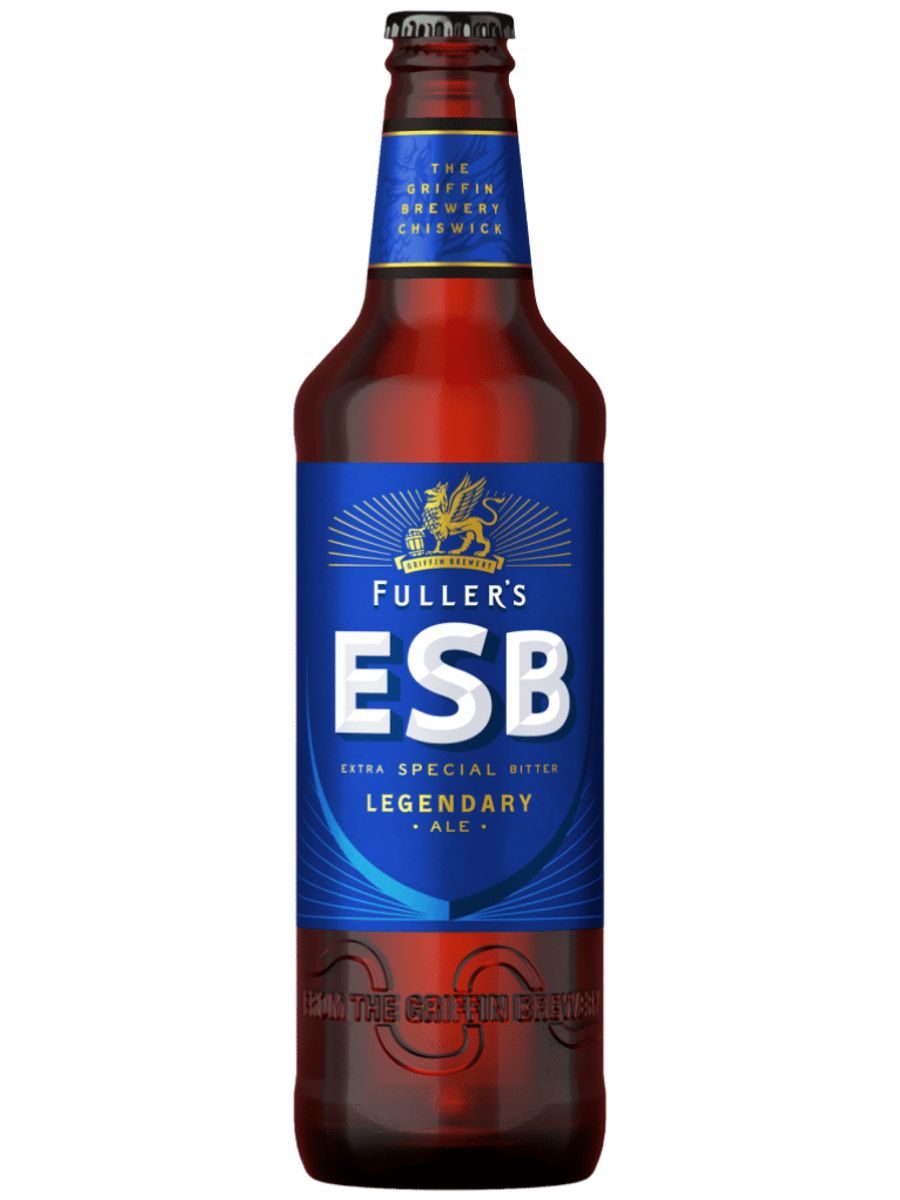
Fuller’s ESB
Brewed by Fuller’s Griffin Brewery
The classic ESB comparison, with the stronger 5.9% bottle clearly identified.
BAR NOTES
Fuller’s shop specifies 5.9% for ESB bottles, distinct from the familiar 5.5% cask beer. The deep-red ale combines a substantial malt base with several English hop varieties. ESB is also a brand identity here, not a universal recipe.
Use this as the rich end of a Chiswick, Pride and ESB comparison. Look for bitterness that steadies malt fullness rather than a dry-hop showcase. The Best Bitter guide explains the intermediate pub-strength category below Strong Bitter.
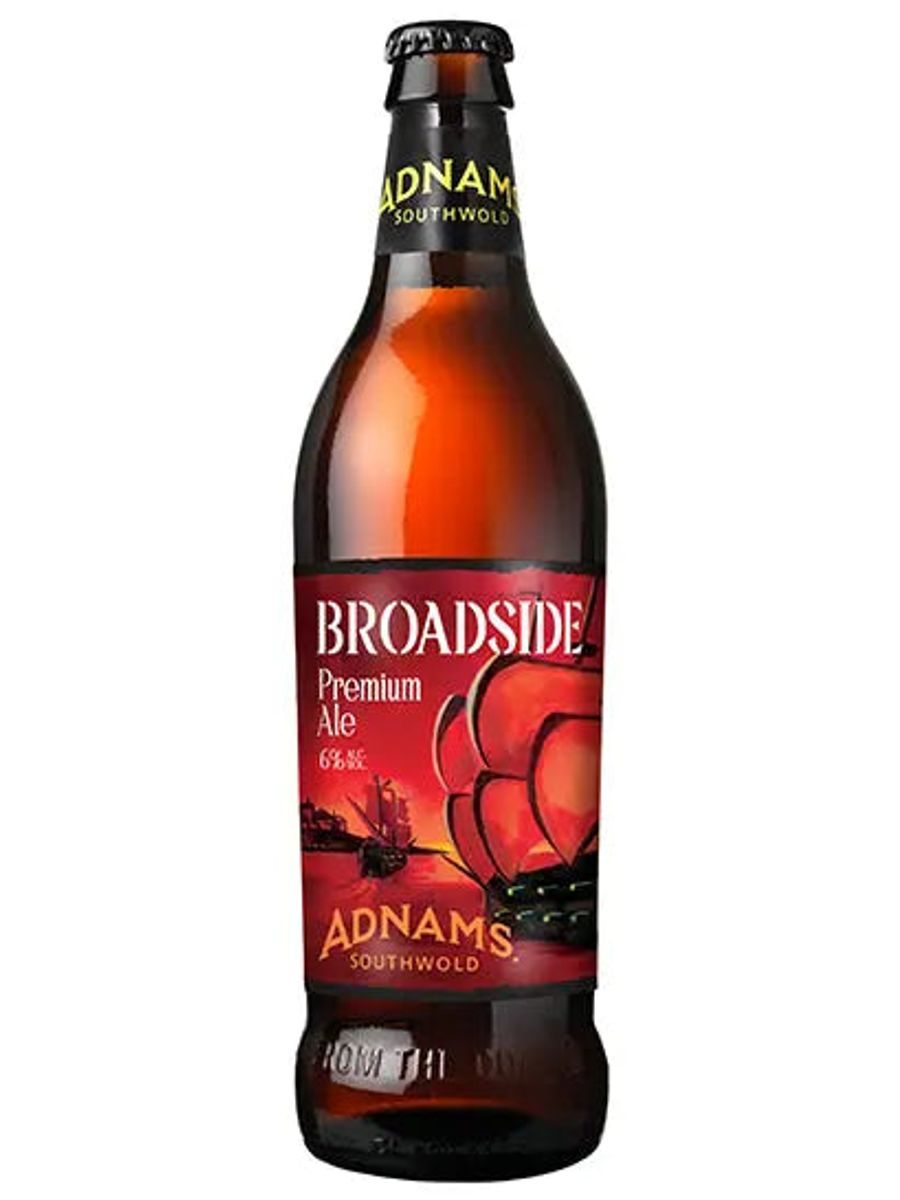
Adnams Broadside
Brewed by Adnams
Current bottle 6.0%, not the former 6.3% or the 4.7% cask version.
BAR NOTES
Adnams now lists Broadside bottles at 6.0%, replacing the older 6.3% figure. This is still a different-strength reference from its 4.7% cask product. The bottled ruby ale emphasizes a rich malt and preserved-fruit character.
Compare the bottle with Southwold Bitter to see how one brewery handles opposite ends of a malt-led flight. A smaller glass allows you to follow the warming flavor development. The Ordinary Bitter guide sets the low-strength baseline for that exercise.
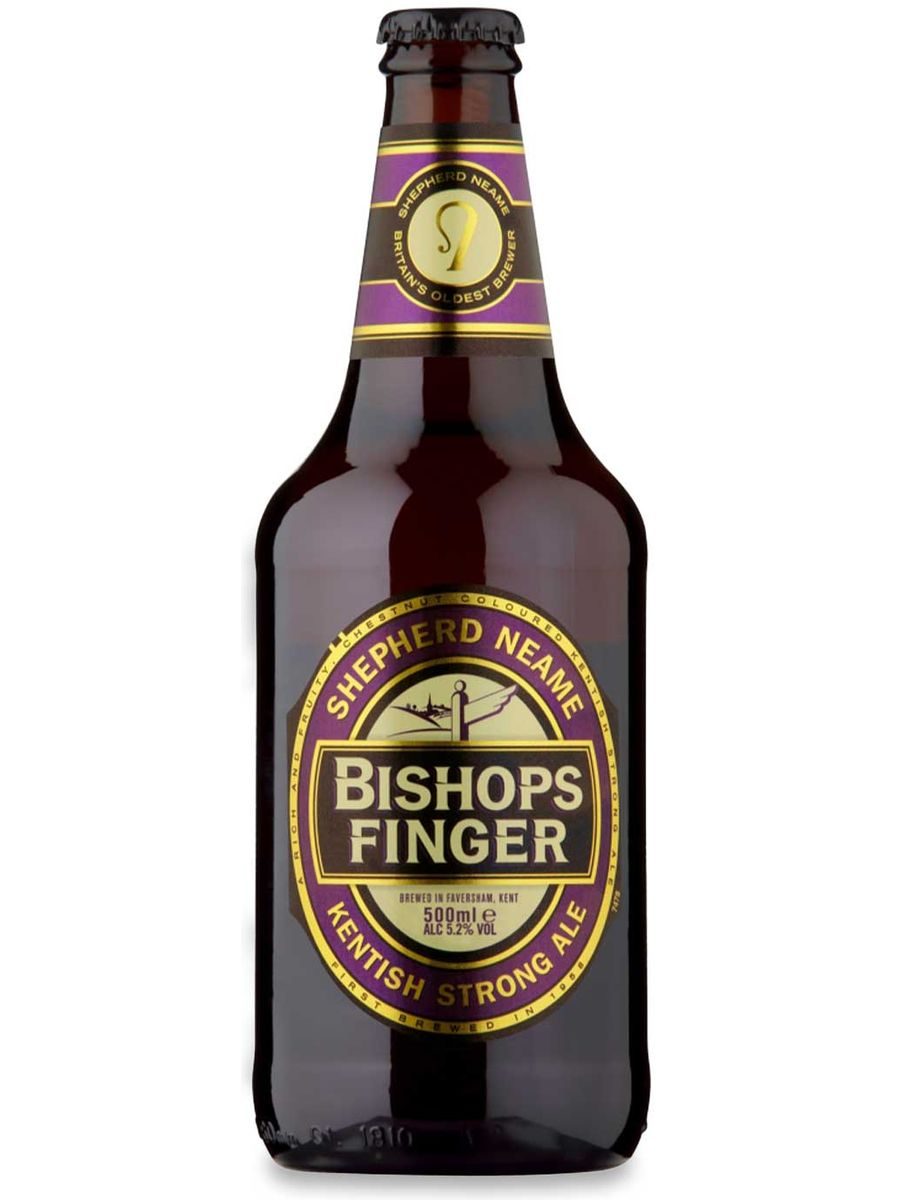
Shepherd Neame Bishops Finger
Brewed by Shepherd Neame
Use the current 5.2% bottle specification when comparing older listings.
BAR NOTES
Shepherd Neame’s current bottled product page specifies 5.2% for Bishops Finger. Its Kentish strong-ale identity supplies another regional interpretation of the style family. Check current labels rather than assuming older 5.4% listings apply to the bottle in hand.
Try this beside the lower-strength Master Brew, paying attention to added malt fullness and the bitter finish. More alcohol should not erase drinkability or regional character. The British Bitter family explains how the family’s three competition categories organize that progression.
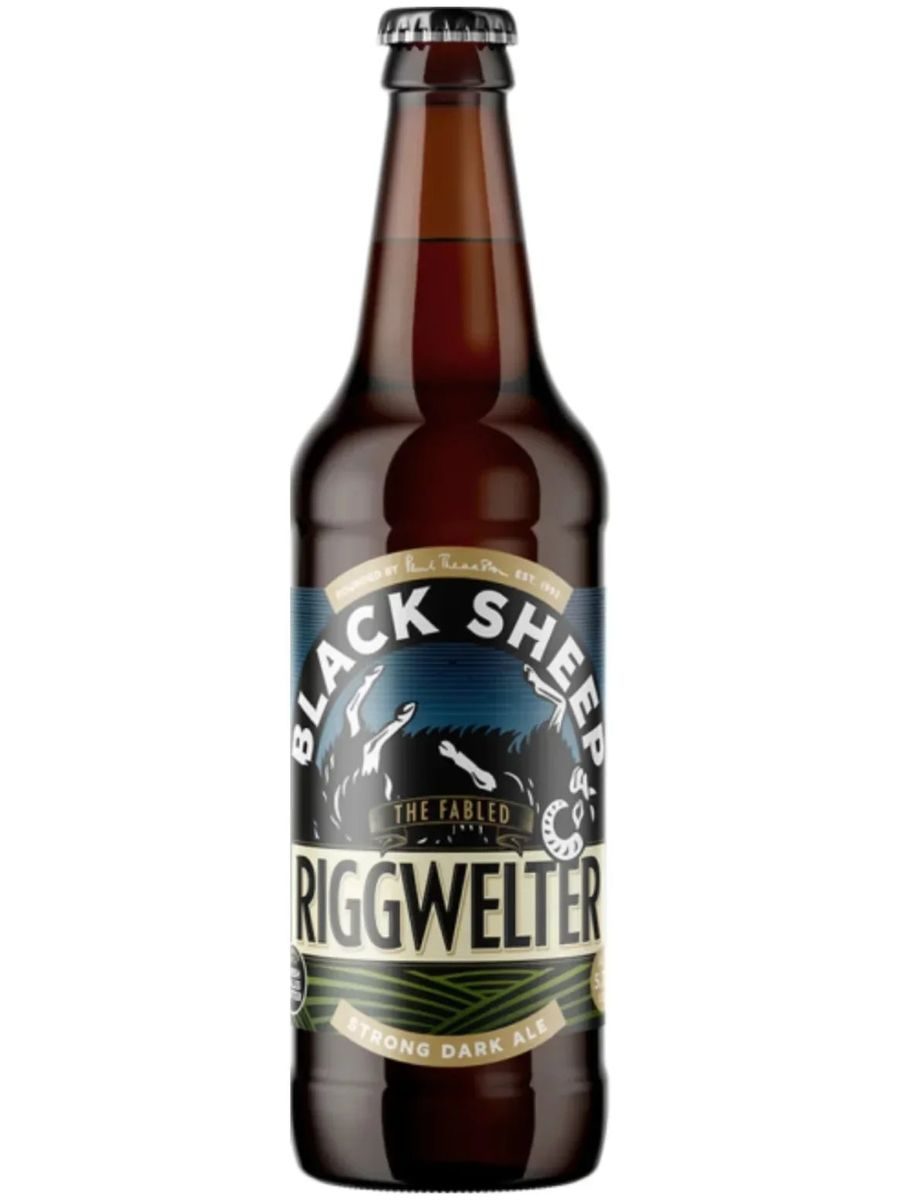
Black Sheep Riggwelter
Brewed by Black Sheep Brewery
Bottled at 5.7%; use as a dark strong-ale comparison at the style’s edge.
BAR NOTES
The current Black Sheep bottle shop specifies Riggwelter at 5.7%, although a separate brewery overview lists 5.9%. Use the packaged listing for this reference. Its dark malt expression makes it a useful comparison at the toastier edge of strong ale.
Compare the darker malt with ESB’s richer amber profile and decide where roast starts to change the style impression. The Old Ale guide supplies a neighboring British category for exploring those darker, fuller flavors without forcing every strong ale into Bitter.
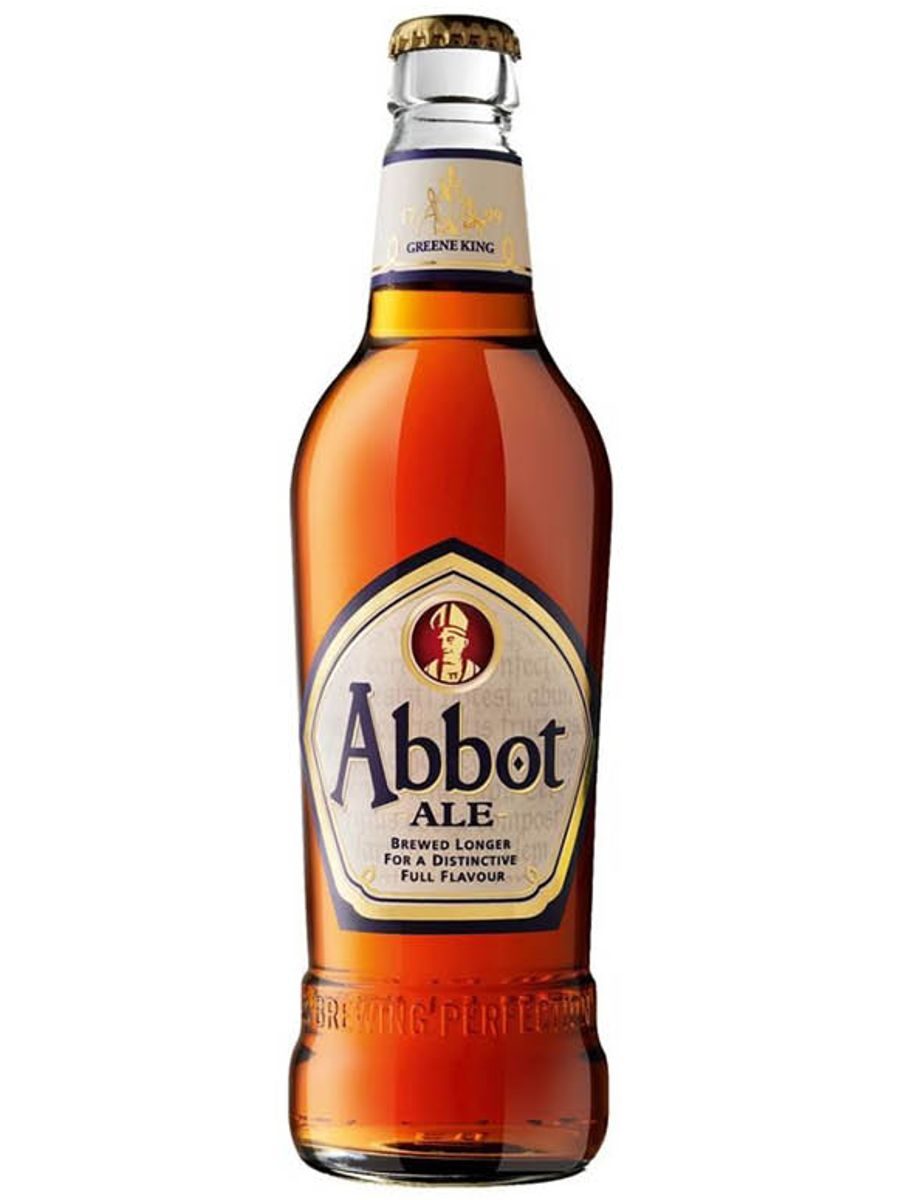
Greene King Abbot Ale
Brewed by Greene King
A 5.0% strong-ale reference to compare with Greene King’s session IPA.
BAR NOTES
Greene King identifies Abbot Ale as its 5.0% traditional ale. The beer has been part of the brewery’s range since 1951 and sits well above the strength of Greene King IPA, providing a straightforward within-brewery comparison.
Taste the two together and focus on the balance between malt richness, fermentation fruit and bitterness. The higher-strength beer should have its own shape rather than simply tasting like more IPA. The Ordinary Bitter guide clarifies that lighter beer’s role.
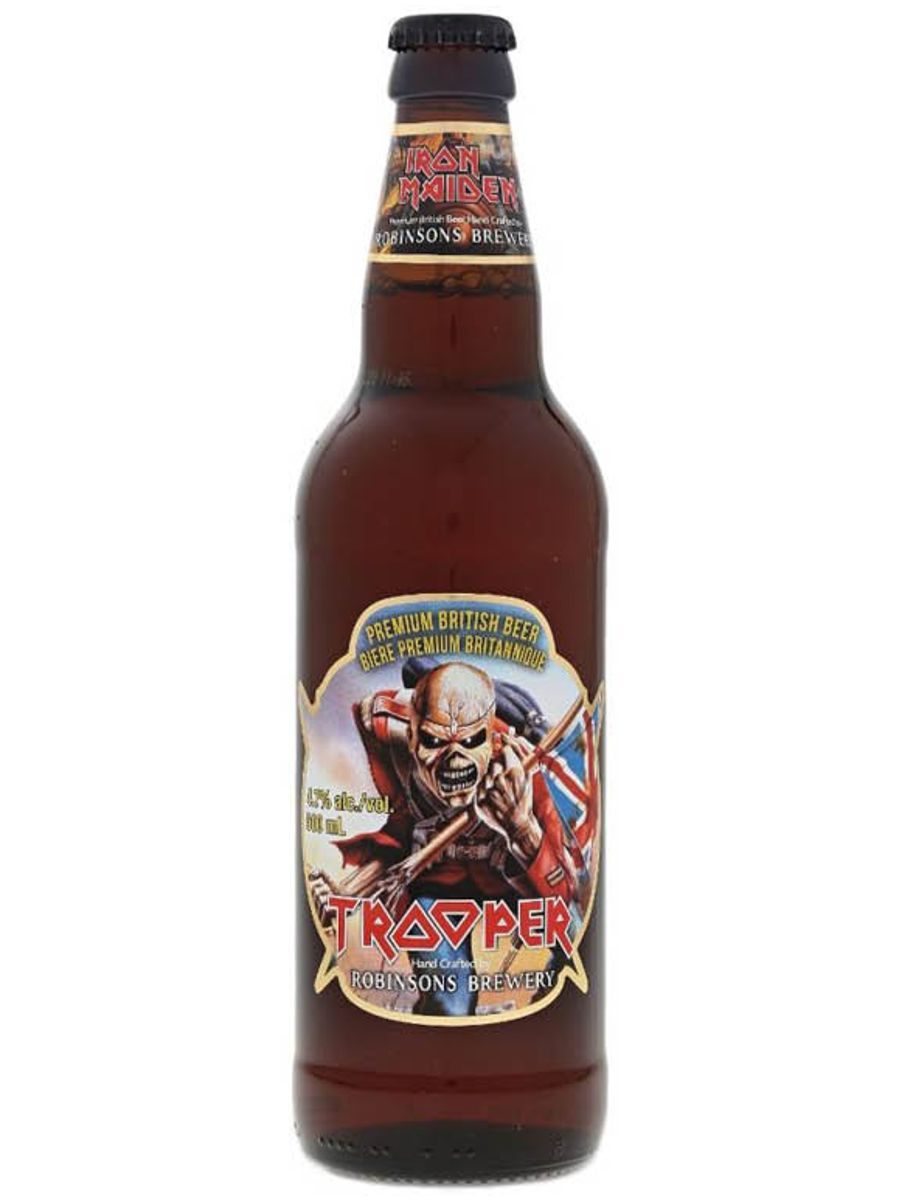
Robinsons Trooper
Brewed by Robinsons Brewery
Original 4.7% Trooper, distinct from the Nitro and IPA extensions.
BAR NOTES
The original Trooper is Robinsons’ 4.7% premium British ale created with Iron Maiden. The brewery lists the original and Nitro separately, and the brand also includes an IPA. This card refers to the original bottled beer.
Keep brand extensions out of a like-for-like comparison: Nitro changes dispense and Trooper IPA changes the beer identity. Use the British Golden Ale guide to compare neighboring British pale styles, then assess whether this stronger malt balance fits your Bitter tasting flight.
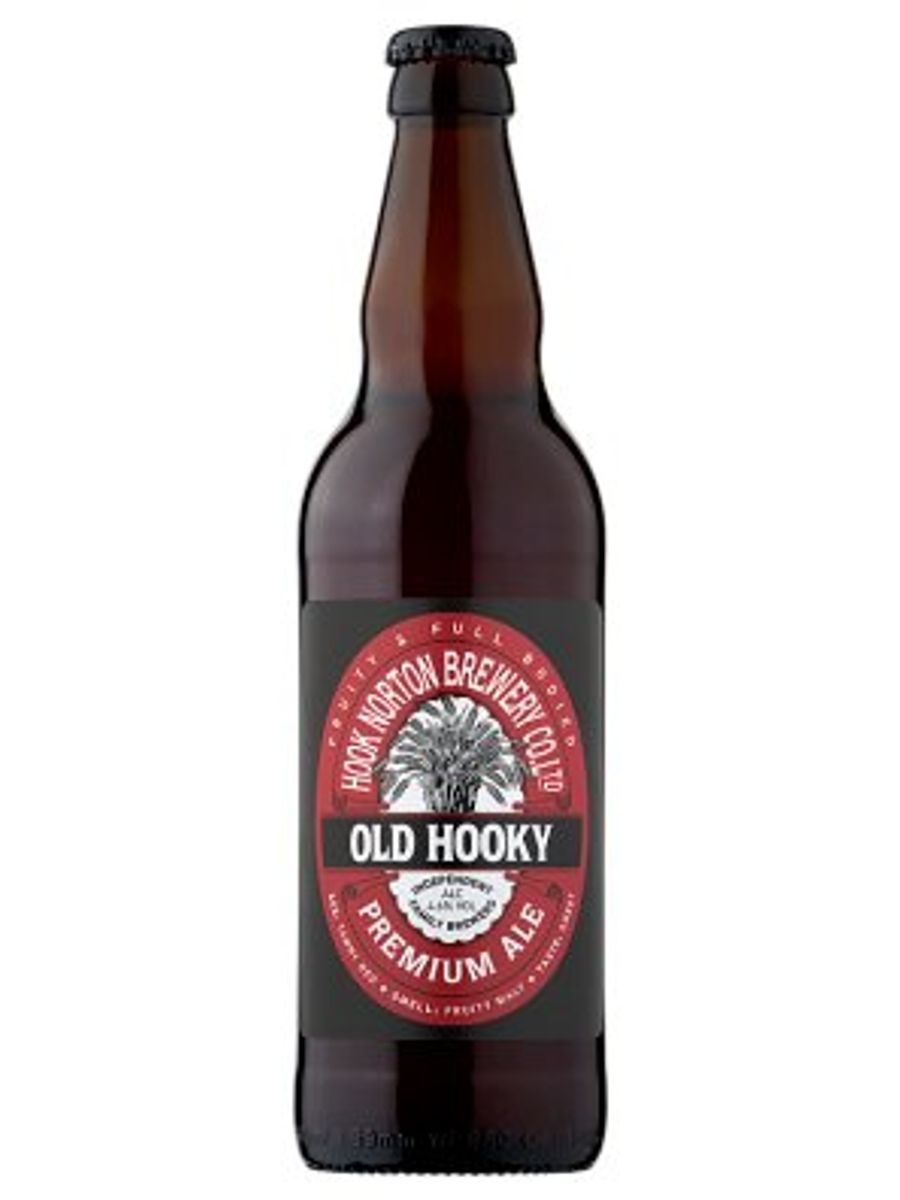
Old Hooky
Brewed by Hook Norton Brewery
A 4.6% lower-bound Strong Bitter for comparison with lighter Hooky.
BAR NOTES
Hook Norton first brewed Old Hooky for the 1977 Silver Jubilee and kept it in the range. The current 4.6% bottled ale emphasizes fruit and a rounded malt body, with crystal malt contributing to its tawny appearance.
Taste alongside 3.4% Hooky to compare the brewery’s lighter and fuller expressions. At the lower edge of Strong Bitter strength, balance matters more than a large alcohol impression. The Best Bitter guide helps explain the transition between the two neighboring categories.
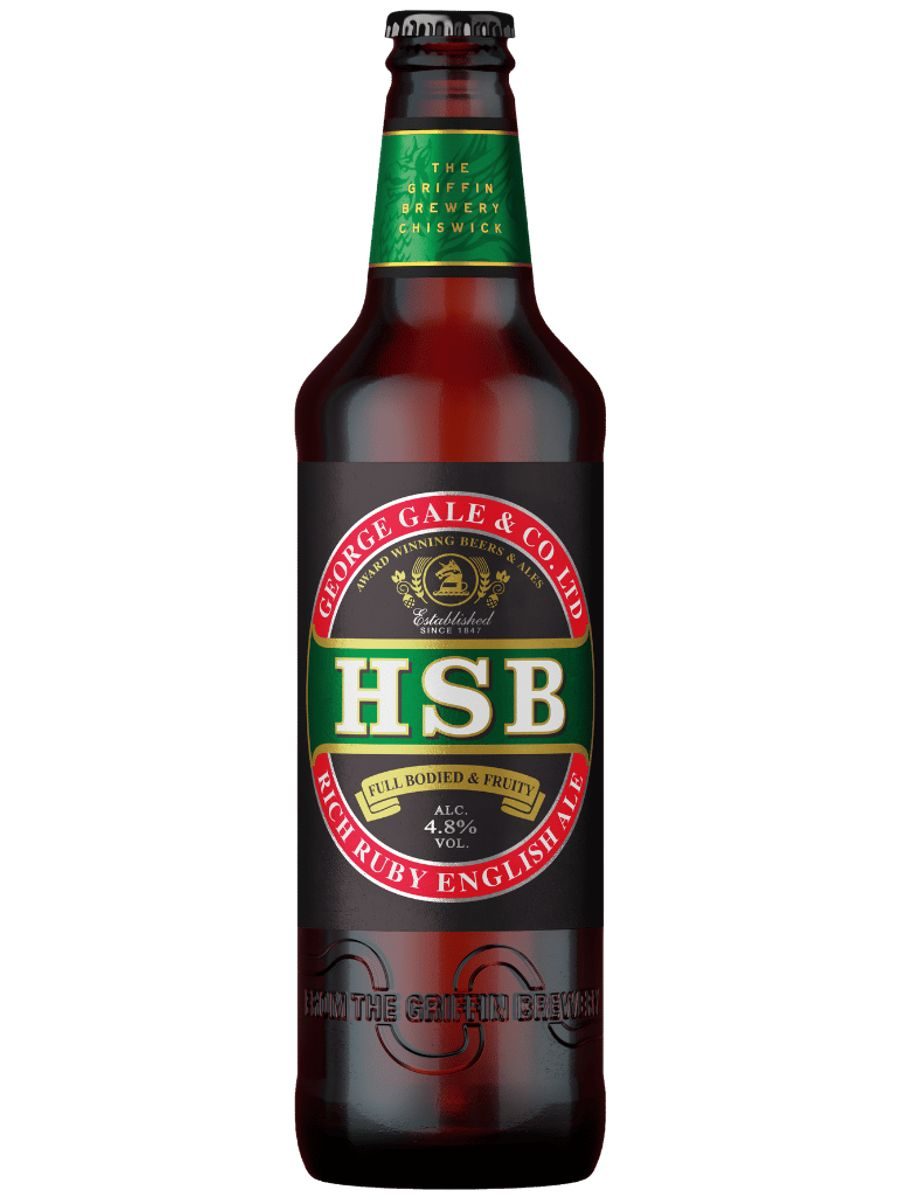
Gale’s HSB
Brewed by Fuller’s Griffin Brewery
Hampshire brand heritage in a 4.8% bottled strong bitter.
BAR NOTES
HSB stands for Horndean Special Bitter and was first launched by Gale’s in 1959. Fuller’s now offers the 4.8% bottled ale, retaining the Hampshire brand’s identity through a rich malt profile and soft-fruit emphasis.
Compare HSB with ESB at the same serving temperature, separating their shared strong-bitter role from individual malt and fruit expression. The English Bitter roundup shows the wider British field so the tasting does not become solely a comparison of Fuller’s products.
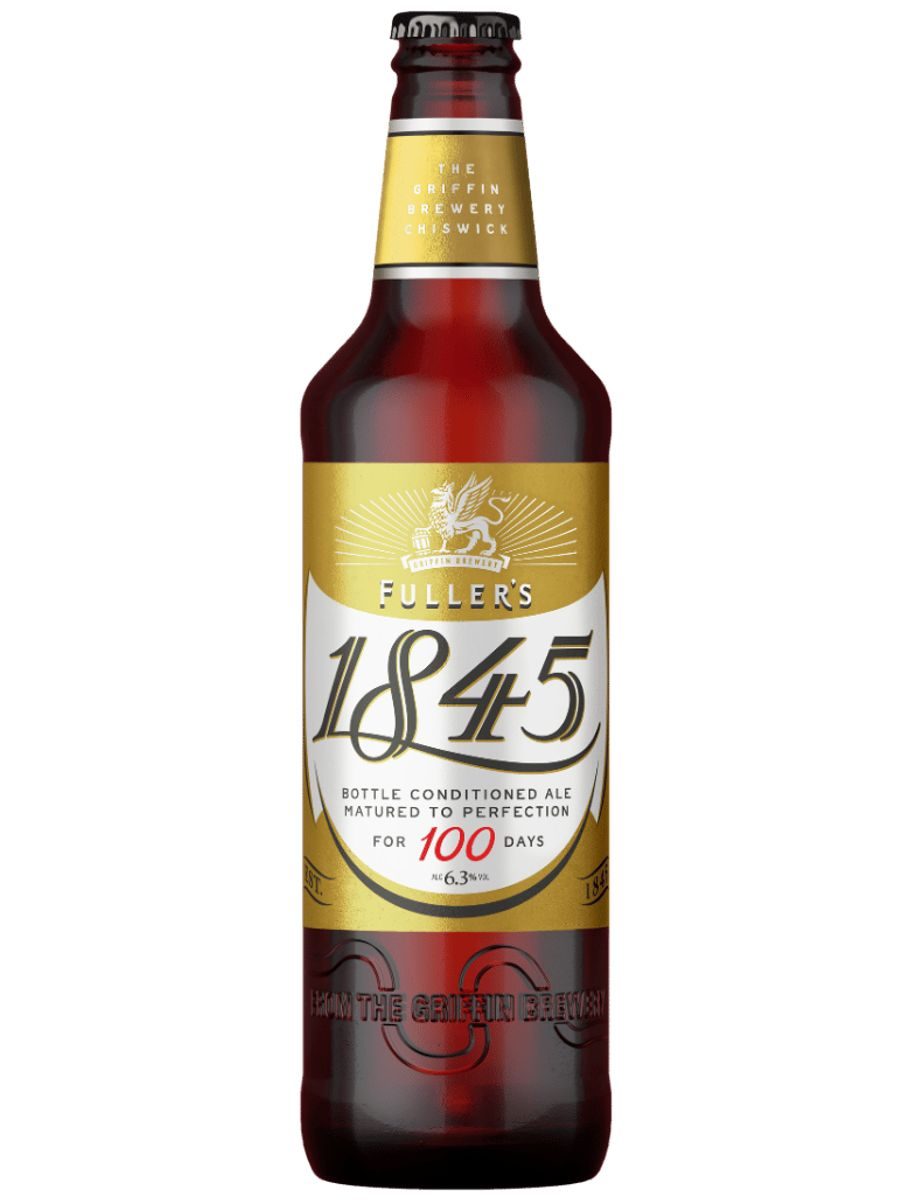
Fuller’s 1845
Brewed by Fuller’s Griffin Brewery
A bottle-conditioned comparison at 6.3%, above the BJCP 11C strength limit.
BAR NOTES
Fuller’s 1845 is a 6.3% bottle-conditioned ale brewed to mark the brewery’s anniversary in 1995. Its amber malt and Goldings hops make it a worthwhile maturation comparison, but the strength exceeds the BJCP Strong Bitter ceiling of 6.2%.
Treat this as an explicitly labeled neighboring strong ale, not a textbook competition entry. Pour gently if you want to leave sediment behind and compare fresh versus matured bottles. The Old Ale guide explains another route into richer British ale.
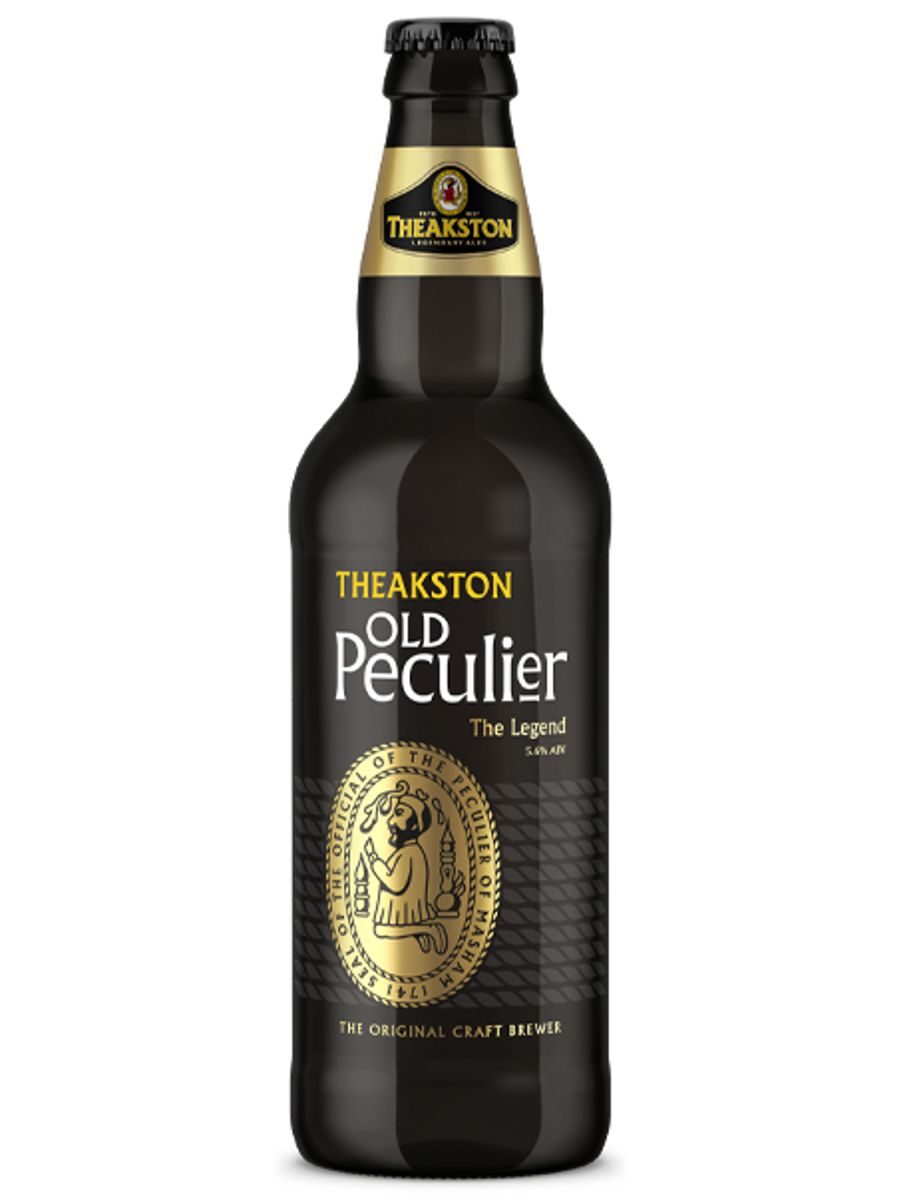
Theakston Old Peculier
Brewed by Theakston
A neighboring Old Ale comparison; shared strength does not imply shared style.
BAR NOTES
Theakston’s 5.6% Old Peculier brings pale and crystal malts together with roasted barley and Fuggle-led hop character. It belongs here as an Old Ale comparison, illustrating darker malt and fruit depth rather than a textbook Strong Bitter.
Taste it last and compare the roast-adjacent depth with a brighter strong bitter such as Trooper. The Old Ale guide is the correct destination for developing that distinction; the shared alcohol range does not make the two styles interchangeable.
Strong Bitter compared with nearby styles
Best Bitter is lighter and more sessionable. English IPA is usually paler and more hop-forward. British Strong Ale carries more alcohol and malt depth, while American Amber Ale tends to be cleaner, more carbonated and driven by modern hops.
Follow Bitter into ESB territory
Compare Strong Bitter’s malt and fruit with the lighter pub strengths that make the category complete.