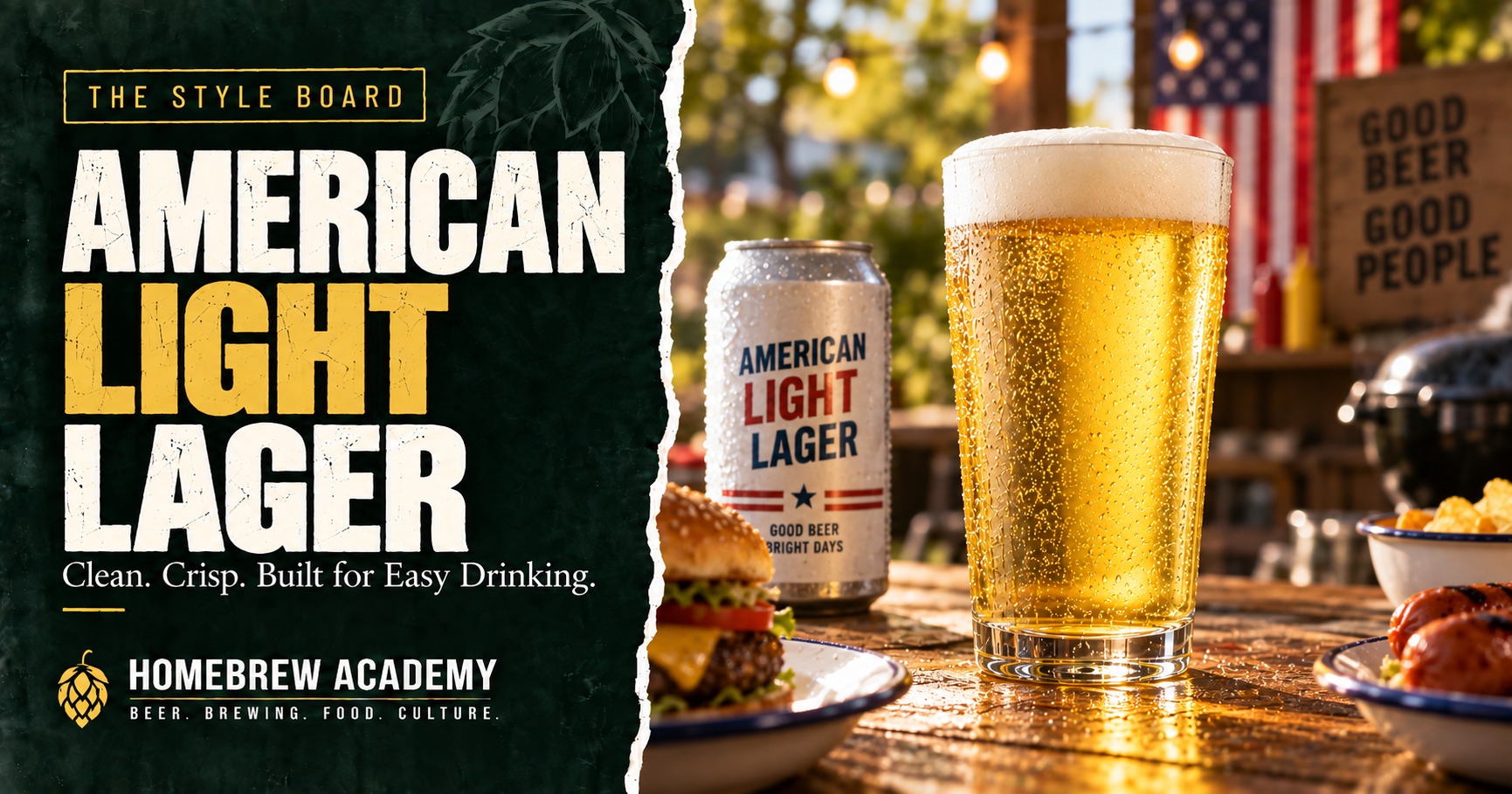
American Light Lager: Top 10 Current Beers and Style Guide
American light lager is engineered for refreshment: very pale, very light-bodied, highly carbonated and clean enough that almost nothing lingers.
That sounds simple. It is not. With no roast, caramel, heavy hops or expressive yeast to cover mistakes, this is one of the most technically exposed beers a brewery can make.
The quick answer
Expect a nearly neutral lager with faint grain or corn, optional light floral or herbal hops, very high carbonation and a crisp dry finish. It should be served cold and should never taste strongly malty, hoppy or fruity.
| Measure | BJCP range | What it means |
|---|---|---|
| ABV | 2.8–4.2% | Session strength; many familiar U.S. examples sit near the top of the range. |
| IBU | 8–12 | Very low bitterness, just enough to prevent a sweet finish. |
| SRM | 2–3 | Very pale straw to pale yellow. |
| OG / FG | 1.028–1.040 / 0.998–1.008 | Low starting gravity and high attenuation create the lean body. |
What it tastes like
The first impression is carbonation: bright, prickly and thirst-quenching. Malt may register as a whisper of grain, cracker or corn, while hop aroma is optional and very low. The finish should be dry enough to invite another sip immediately.
“Nearly flavorless” in judging language does not mean defective. A good example is clean and balanced. Stale paper, cooked vegetables, harsh bitterness, heavy sulfur or sweet wort character are easier to notice precisely because the intended profile is quiet.
How it is brewed
Brewers typically use two-row or six-row barley with rice or corn making up as much as 40% of the fermentables. Those adjuncts reduce protein and malt intensity, while enzymes may be used to push attenuation and lower residual carbohydrates.
Cold, healthy lager fermentation and careful oxygen control matter more than recipe complexity. Water should be soft enough to avoid a rough mineral finish, bitterness must stay smooth, and carbonation is usually driven high because it supplies much of the beer’s structure.
History and why the style matters
Coors briefly produced a light lager in the 1940s, but the modern category took shape with Rheingold’s Gablinger’s Diet Beer in 1967. Miller’s national rollout in the 1970s helped make “less filling” a defining selling point of the modern category.
The style now includes national macros, regional brands and technically ambitious craft versions, all chasing the same difficult target: maximum refreshment with minimum weight.
Top 10 American light lagers to understand the style
These are HBA editorial picks for style fit, useful comparisons and current availability—not a blind-tasting result or sales ranking. National benchmarks sit alongside a regional craft example, and all ten fall within the BJCP 1A strength range. Availability varies by market.
Read this guide within the Standard American Beer family. For a larger shopping list, use our expanded light-beer roundup. Nutrition details refer to a 12 fl oz serving; locations identify brewery or brand origins, rather than every production facility.
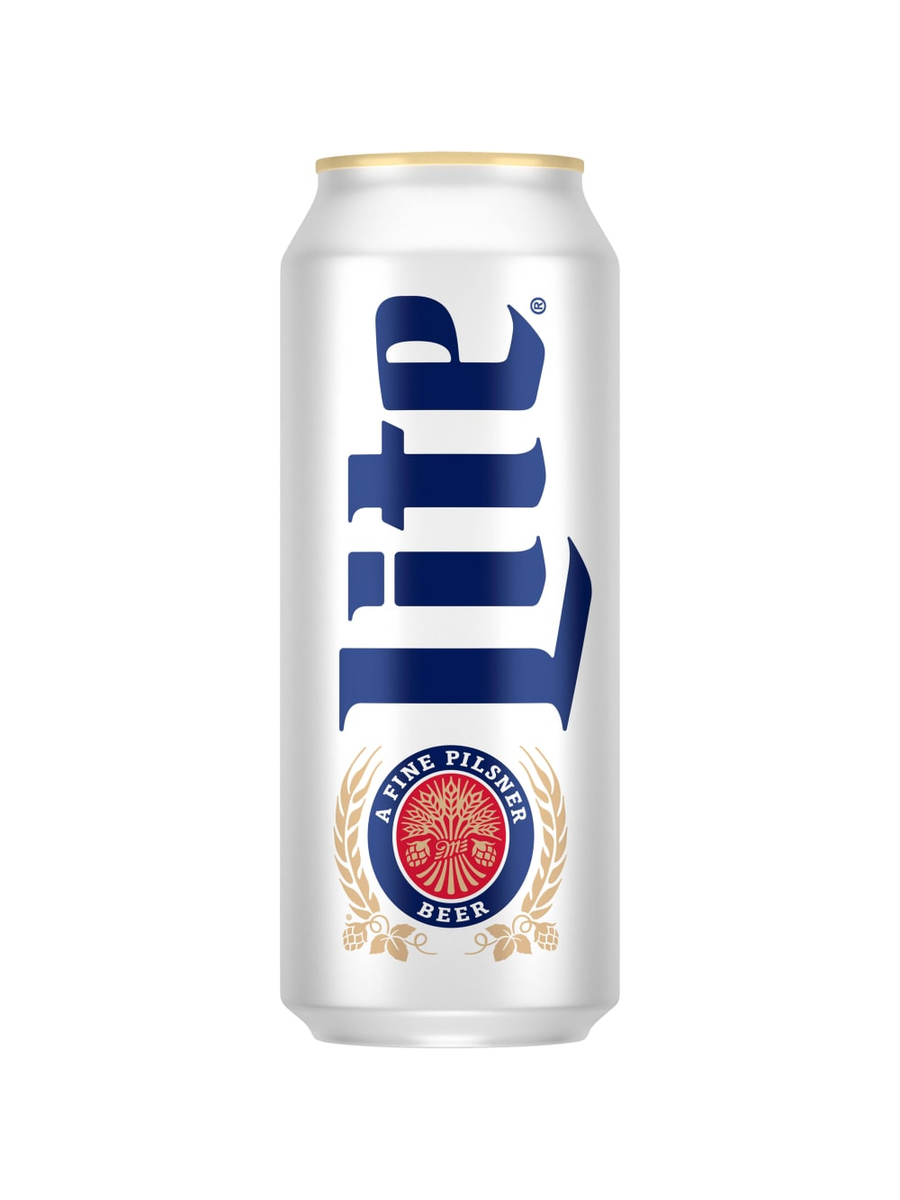
Miller Lite
Brewed by Miller Brewing Company
A crisp, gently grainy benchmark with enough hop snap to keep the finish from fading into carbonated water.
BAR NOTES
Miller Lite is the most useful starting point for understanding the style because it keeps a trace of grain and hop bitterness inside a genuinely light frame. It is lean, dry and highly carbonated without becoming completely anonymous.
Taste it beside a full-strength American lager and the differences become obvious: less body, less lingering malt and a faster finish. Serve it very cold with wings, pizza or salty snacks, where carbonation can do the heavy lifting.
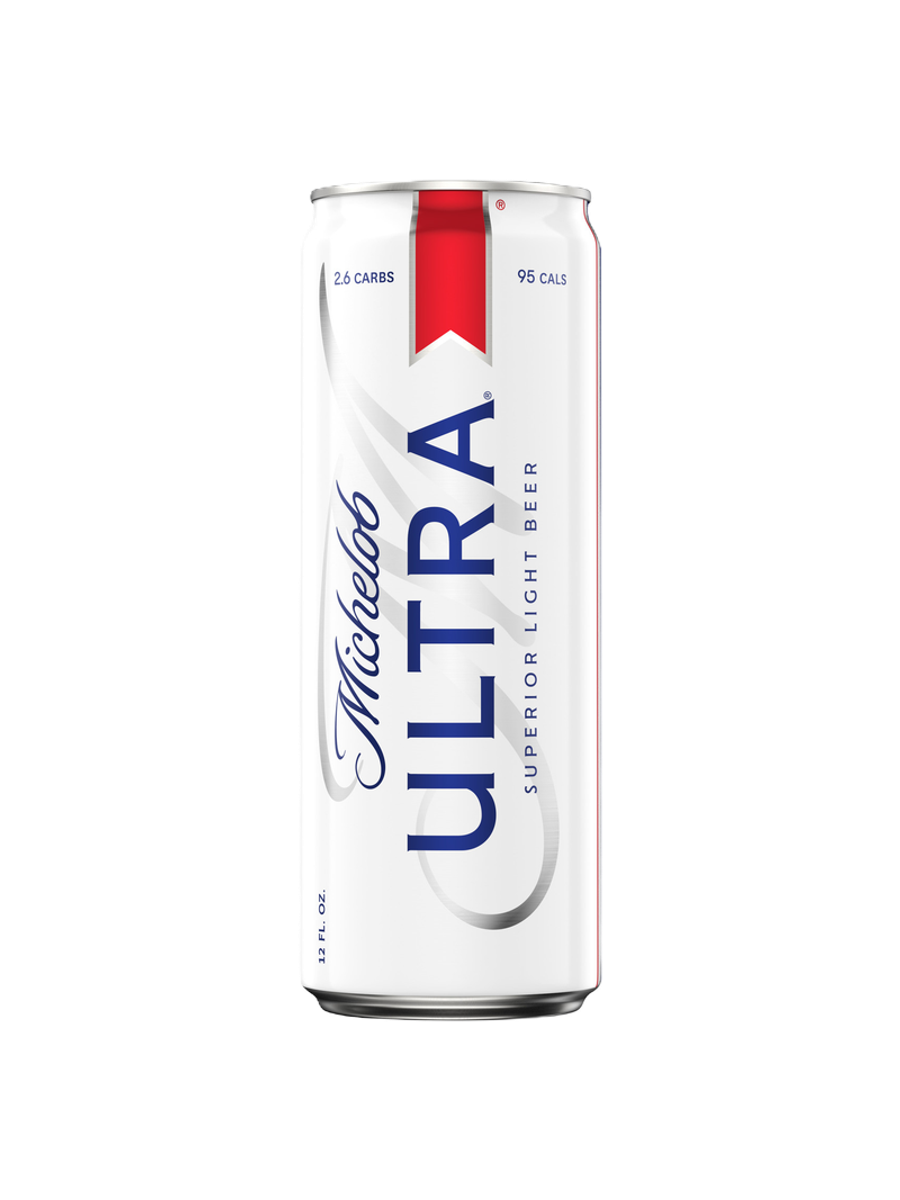
Michelob Ultra
Brewed by Anheuser-Busch
Very lean, highly carbonated and quick-finishing, with mild grain and almost no flavor left hanging around.
BAR NOTES
Michelob Ultra shows how far the light-lager idea can be pushed toward dryness and low carbohydrate content while remaining recognizably beer. The grain is quiet, bitterness is restrained and the finish gets out of the way quickly.
This is a temperature-sensitive beer: too warm and the thin body becomes obvious; properly cold, the carbonation supplies most of the structure. It works best as refreshment with grilled chicken, nachos, tacos or a long hot afternoon.
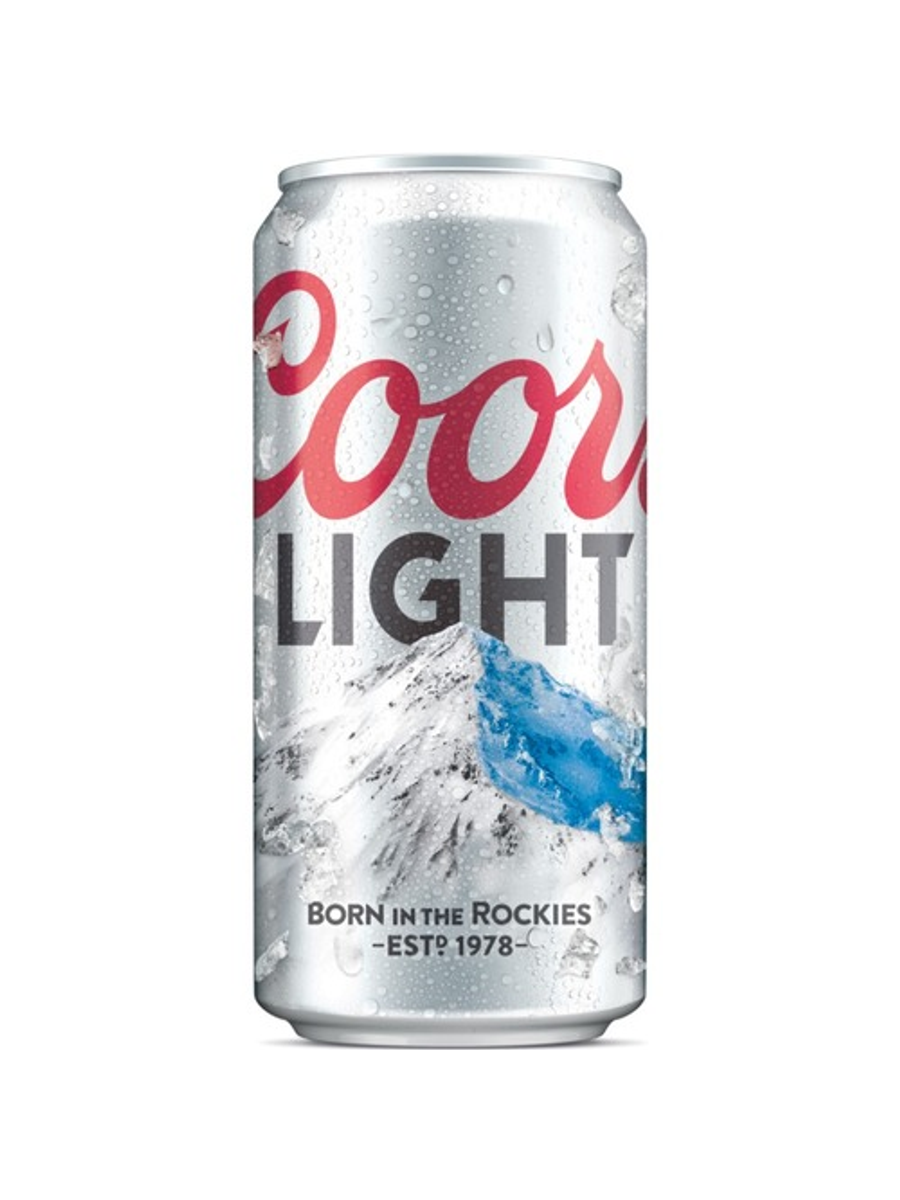
Coors Light
Brewed by Coors Brewing Company
Brisk carbonation, faint cereal sweetness and a short dry finish make this a textbook mass-market light lager.
BAR NOTES
Coors Light leans slightly softer and sweeter through the middle than the driest examples, but it still finishes clean and fast. That tiny bit of cereal character is enough to distinguish it when tasted blind beside the broader light-beer field.
The beer is built to be served cold, not examined at cellar temperature. Pair it with burgers, fried fish or barbecue where smoke, salt and fat provide flavor and the lager provides a cold, carbonated reset between bites.
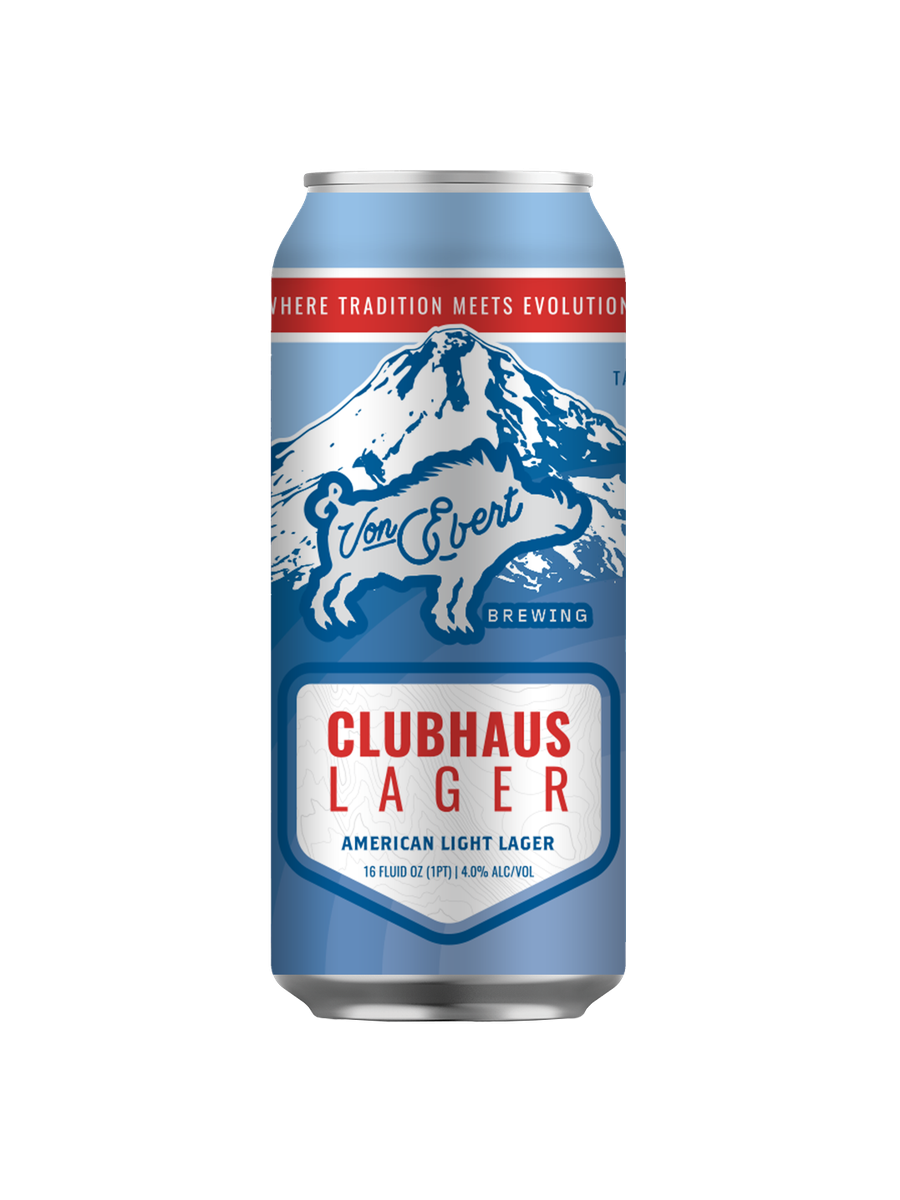
Clubhaus Lager
Brewed by Von Ebert Brewing
A modern craft example with soft cereal malt, restrained bitterness and the same crisp low-strength brief.
BAR NOTES
Clubhaus proves the category is a brewing target rather than a corporate ownership category. A small brewery can make American light lager, but there is nowhere for rough fermentation, stale grain or heavy-handed hopping to hide.
Compared with macro examples, a craft version may show more malt or hop aroma, yet it should remain restrained. The point is still clean refreshment, so drink it fresh with hot dogs, fried chicken or a backyard grill.
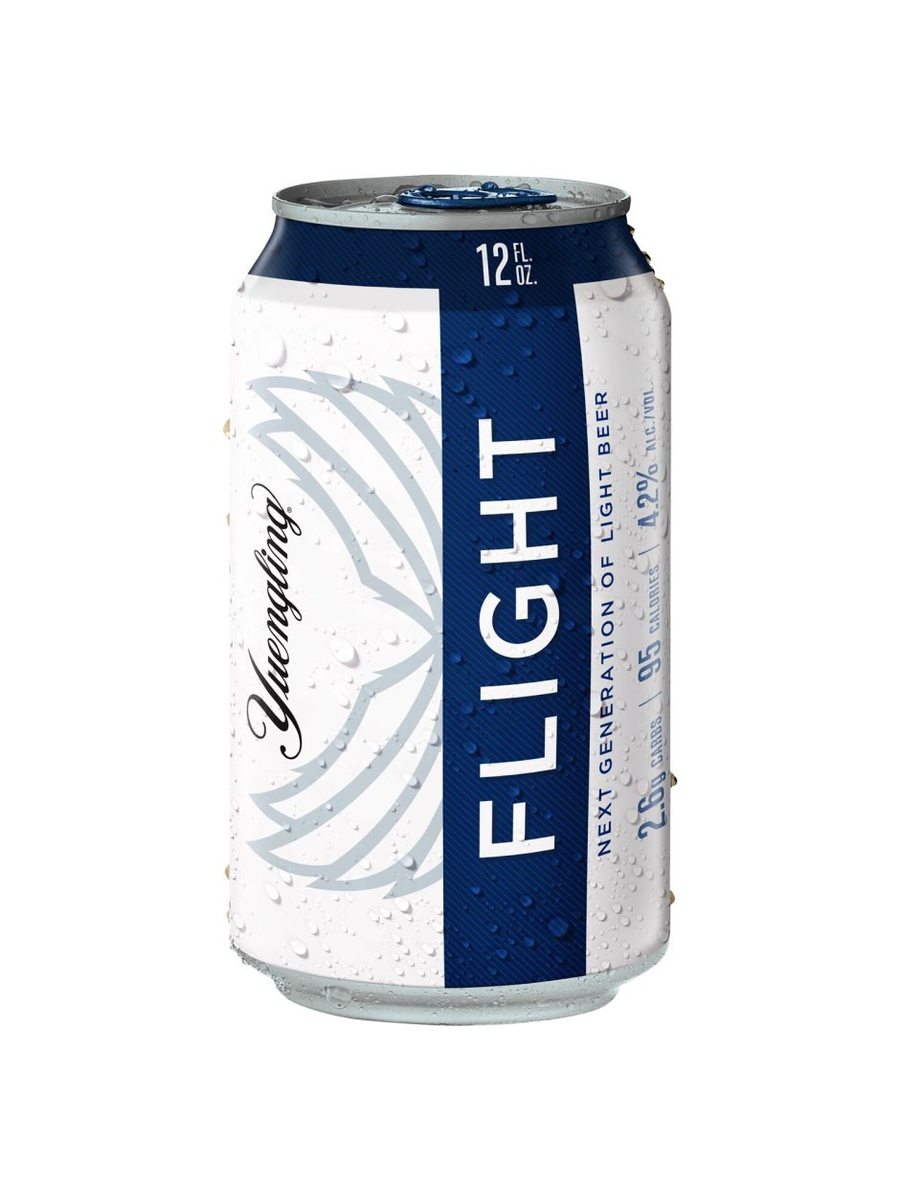
FLIGHT by Yuengling
Brewed by D. G. Yuengling & Son
A pale, lean light lager that takes a different route from Yuengling’s familiar amber flagship.
BAR NOTES
FLIGHT deserves its own place on this board because it is a distinct pale light beer, not simply a smaller version of Yuengling Traditional Lager. Its published 95 calories and 2.6 grams of carbohydrates per 12-ounce serving place it alongside the leanest mainstream options.
The comparison to make is with Yuengling’s amber Light Lager, whose roasted malt character follows a different brief. For BJCP 1A, pale color and restrained grain flavor matter; a low calorie count by itself does not establish the style.
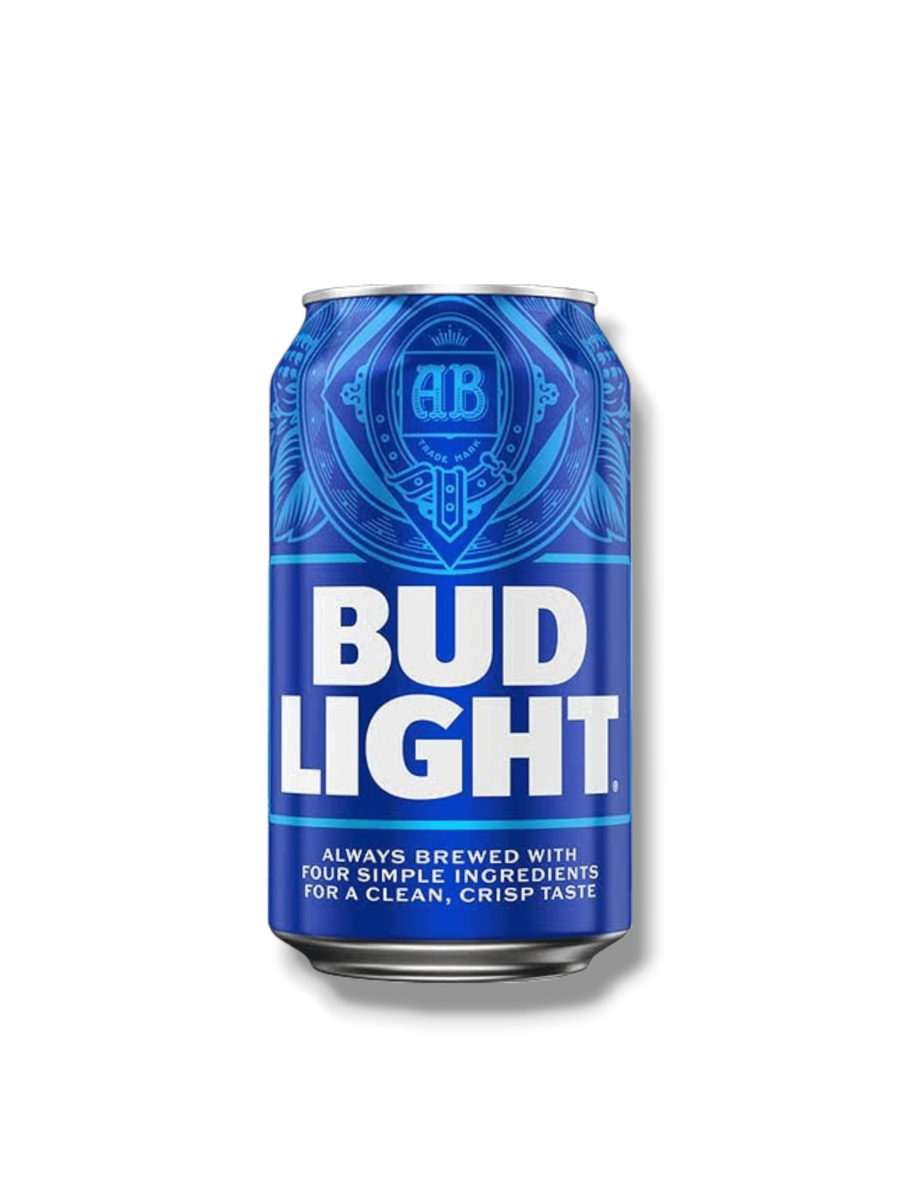
Bud Light
Brewed by Anheuser-Busch
A familiar rice-based benchmark for restrained malt, gentle bitterness and a brisk finish.
BAR NOTES
Bud Light is one of the commercial examples named in the BJCP guidelines, making it a useful reference for the category’s intentionally restrained profile. The brewery lists four ingredients and 4.2% ABV; the point is a clean light lager rather than an elaborate recipe.
Use the regular beer for a style comparison, rather than a citrus variant, Chelada or higher-strength Platinum. Those products change the flavor or strength. If you want to explore another clean American beer with more grain character, compare the cream-ale selections.
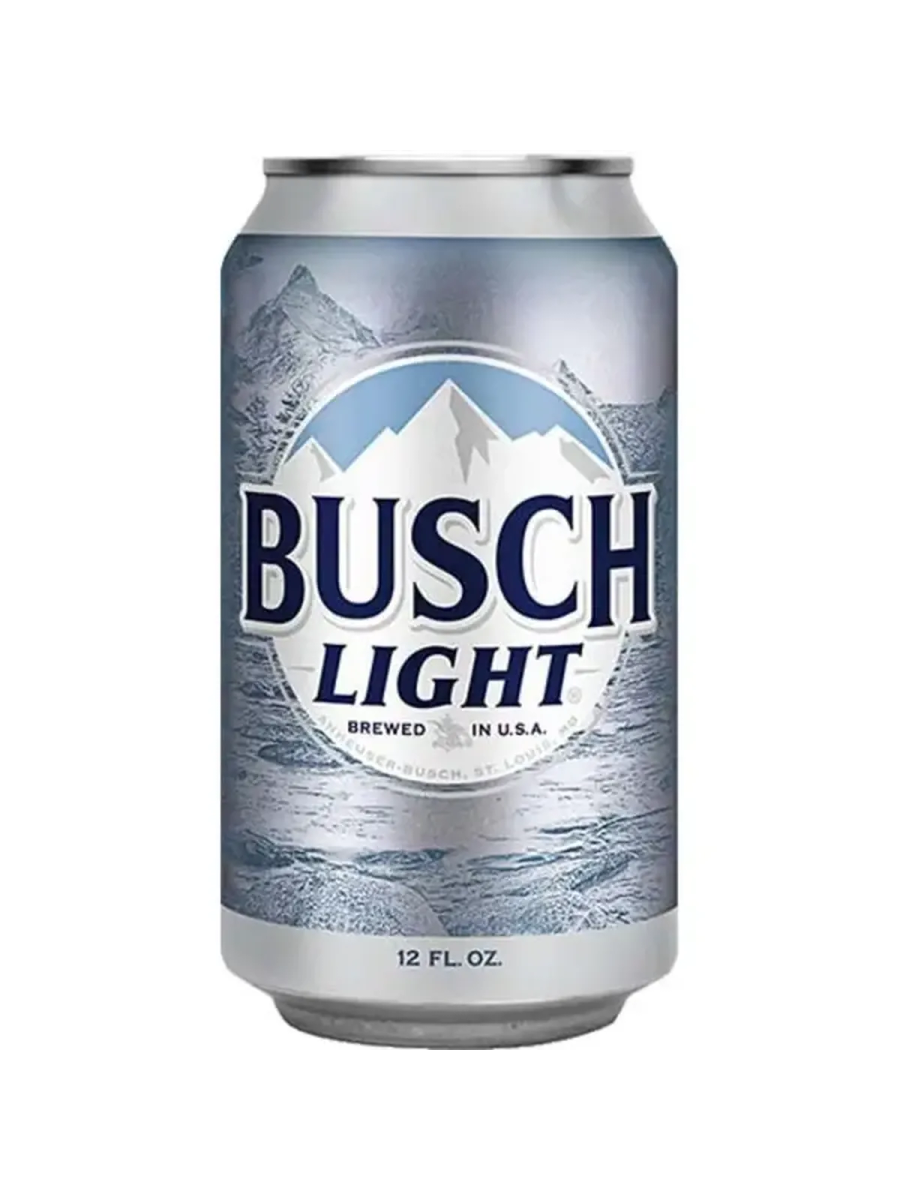
Busch Light
Brewed by Anheuser-Busch
A straightforward pale light lager selected for its restrained profile and familiar cooler appeal.
BAR NOTES
Busch Light occupies the everyday end of the American light-lager field. At 4.1% ABV, the standard beer fits the guideline’s strength range, and its pale, restrained profile makes it a more useful example here than a flavored seasonal extension.
The practical test is the finish: a light lager should leave little sweetness or bitterness behind after the carbonation settles. Drink a fresh can cold, then compare it with a fuller lager to separate low flavor intensity from stale or poorly handled beer.
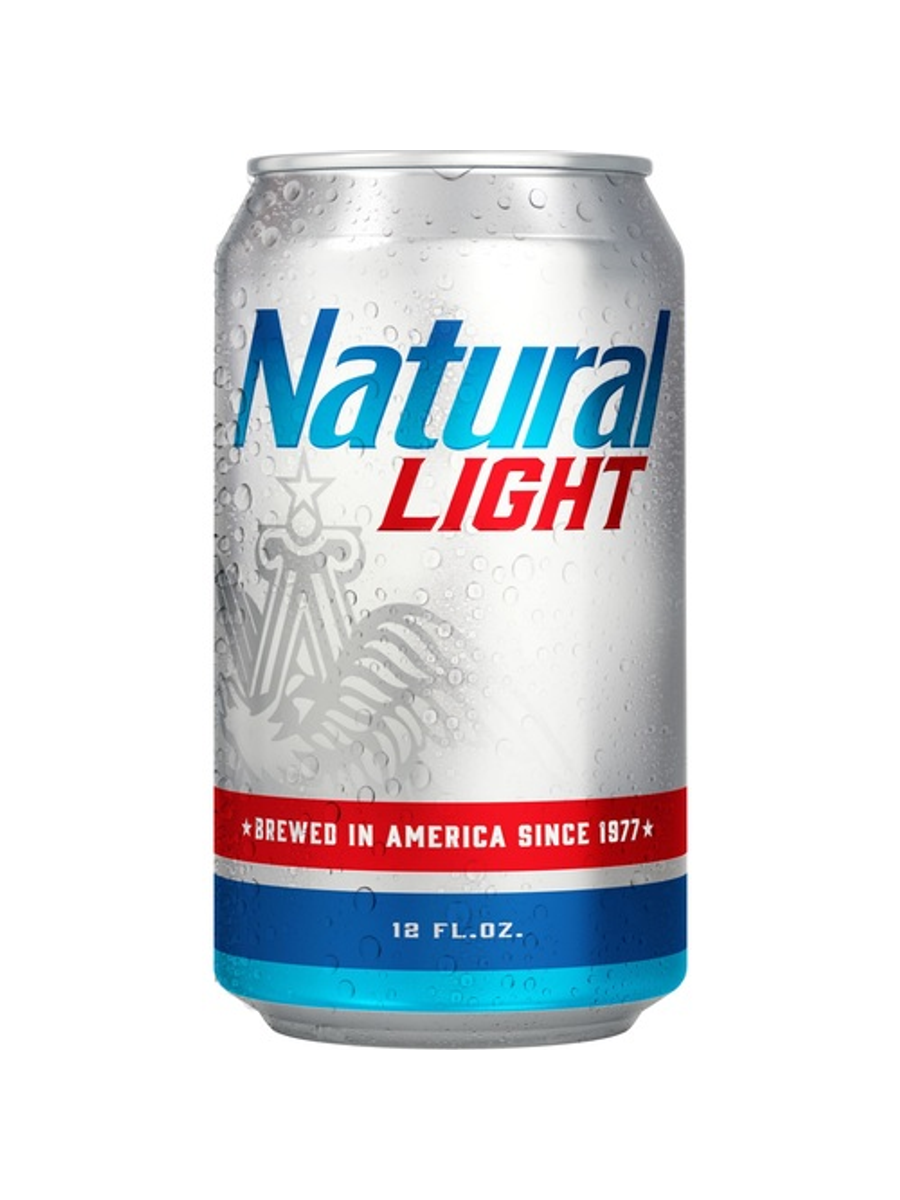
Natural Light
Brewed by Anheuser-Busch
A light-bodied American lager that illustrates how little malt weight the category needs.
BAR NOTES
Natural Light is explicitly described by its brewery as an American-style light lager, with 4.2% ABV and 95 calories. That clear product identity makes it a sensible entry in a style guide, regardless of the jokes surrounding the brand.
Its role on the board is to demonstrate restraint rather than distinctive hop aroma. For a useful next step, explore the blonde-ale roundup: approachable beers can have a more noticeable malt backbone while remaining easy to understand.
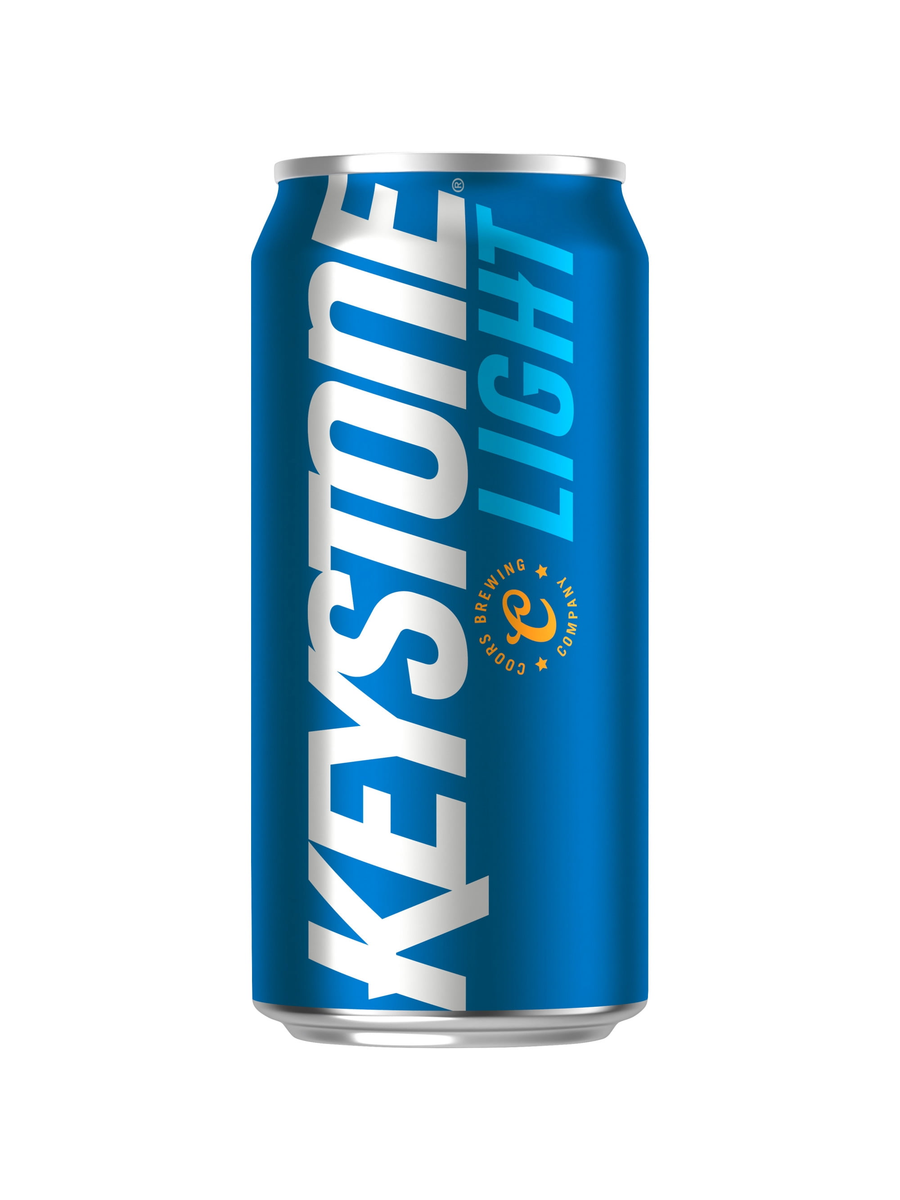
Keystone Light
Brewed by Coors Brewing Company
A clean, crisp American-style light lager with a smooth finish and modest strength.
BAR NOTES
Molson Coors describes Keystone Light as a triple-filtered American-style light lager and publishes a 4.1% ABV. The distinction is useful: filtration is a documented production detail, while claims about exactly how much smoother it tastes remain a matter of preference.
A clean finish should not be confused with a lack of brewing care. Compare its restrained hop profile with the pilsner rankings to see how a pale lager can gain floral aroma and firmer bitterness without gaining dark malt.
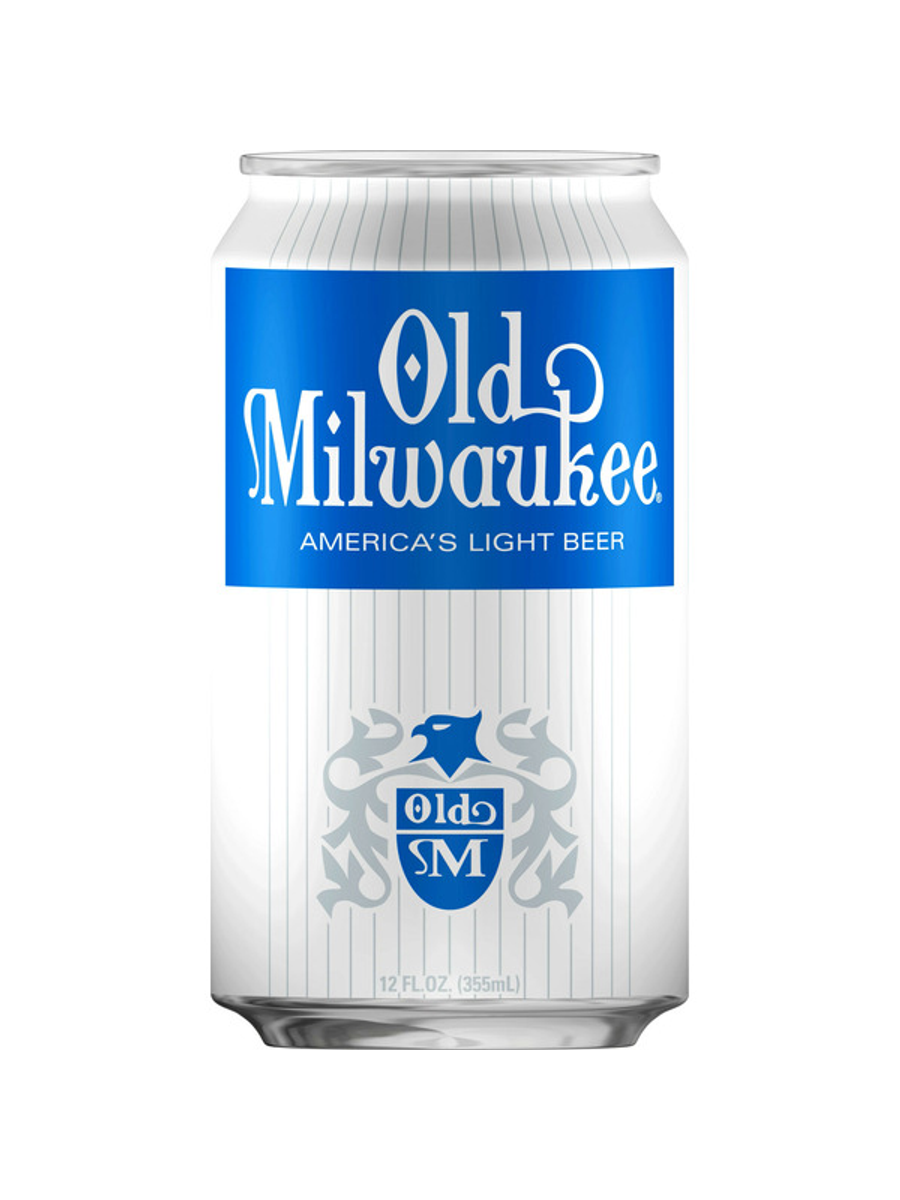
Old Milwaukee Light
Brewed by Pabst Brewing Company
A lower-strength light lager that rounds out the guide’s classic commercial benchmarks.
BAR NOTES
Old Milwaukee Light is another commercial example named by the BJCP, and current U.S. retail listings report 3.8% ABV. It sits below the cluster of 4.1–4.2% beers on this board, showing that the style’s upper boundary is not a required target.
Keep the regular Old Milwaukee lager and the light version separate when shopping or comparing labels. The brand includes several products, and the light beer has its own identity. Fresh stock and correct storage matter more to a delicate lager than elaborate serving rituals.
How to serve and pair it
Serve at 35–40°F in a clean pilsner glass, nonic pint or straight from a fresh can when the occasion is casual. The colder temperature supports the style, but frozen glassware can dull aroma and add freezer odors.
Salt, fat and heat are its best friends: wings, nachos, pizza, burgers, fried fish, hot dogs and grilled chicken. The beer rarely dominates food; its restrained flavor provides a contrast to strongly seasoned food.
What people commonly get wrong
- Light lager is not simply watered-down finished beer; breweries design fermentability, body and carbonation from the start.
- Low flavor intensity does not make fermentation flaws acceptable. Clean yeast character is central to the style.
- Not every beer marketed as “light” fits BJCP 1A. Some are international lagers, blonde ales, session IPAs or flavored products.
- Corn and rice are functional brewing ingredients. They lighten body and flavor when used intentionally.
Frequently asked questions
What is the difference between light lager and American lager?
American light lager generally has less body, malt flavor and bitterness, and is marketed with fewer calories than its full-strength counterparts. Its alcohol range overlaps American lager at 4.2%. American lager is fuller and normally falls between 4.2% and 5.3% ABV.
Why is American light lager so highly carbonated?
Carbonation supplies crispness and palate-cleansing bite in a beer with very little malt or hop structure. It helps the finish feel dry and refreshing.
Does American light lager have to use corn or rice?
No, but up to 40% corn or rice is traditional and common. A brewery can also make the style from all malt if the body and flavor remain appropriately light.
What temperature should it be served at?
About 35–40°F is appropriate. It is one of the few styles intentionally designed to taste best very cold.
Is light lager easy to brew?
The recipe can be simple, but execution is difficult. Oxidation, fermentation flaws, harsh bitterness and poor carbonation are obvious because the beer offers nowhere to hide them.
Style ranges and technical descriptions follow the BJCP 2021 Beer Style Guidelines.
Find your next crisp beer
Compare light lager with fuller American beers and hop-led pilsners, or explore the expanded light-beer rankings.