
Wood Beer: Oak, Barrels & Aging Explained
Wood beer is shaped by contact with barrels, foeders, casks, tanks, staves, spirals, or cubes—not simply stored in wood for atmosphere. Oak can contribute vanilla, coconut, caramel, toast, spice, tannin, and a measured flow of oxygen that changes the beer over time.
The most useful division is whether the wood previously held alcohol that remains evident. Noticeable wood character without added alcohol character can fit Wood-Aged Beer, provided wood is not already fundamental to the base style. Clear previous bourbon, rum, tequila, port, sherry or wine character can call for Specialty Wood-Aged Beer. Specialty wood-aged wild ales instead belong in Wild Specialty Beer; Flanders red and lambic retain their established styles.
The two wood beer styles in this category
Wood-Aged Beer
Wood-Aged Beer highlights the wood itself without added alcoholic character from a previous barrel occupant. Toasted oak may bring vanilla, caramel, nuts, cocoa, or bread crust, while tannin adds dryness and structure. The base beer must remain recognizable.
Specialty Wood-Aged Beer
Specialty Wood-Aged Beer includes clear character from whatever the barrel held before the beer. Bourbon may add vanilla, char, caramel, and spirit warmth; wine can add fruit and acidity; rum can suggest molasses and tropical sugar.
What wood actually does
Wood is chemically active. Toast and char transform lignin and other compounds into familiar vanilla, spice, smoke, and caramel notes. Tannin can make a beer feel fuller at first yet finish drier. Slow oxygen exposure rounds some flavors while eventually creating stale or sherry-like oxidation if aging runs too long.
Barrels are also individual. Two casks filled from the same batch may develop at different speeds or emphasize different flavors. Professional programs taste regularly and blend barrels to create balance rather than assuming every vessel deserves its own release.
Ten Wood Beer Family references and comparisons
Ten selections compare used ale casks, oak foeders, oak fermentation and spirit-barrel maturation. Direct wood-aged examples sit beside clearly labeled Flanders red, wild-beer and smoke comparisons. Those boundaries matter: a wooden vessel alone does not place every beer in Category 33.
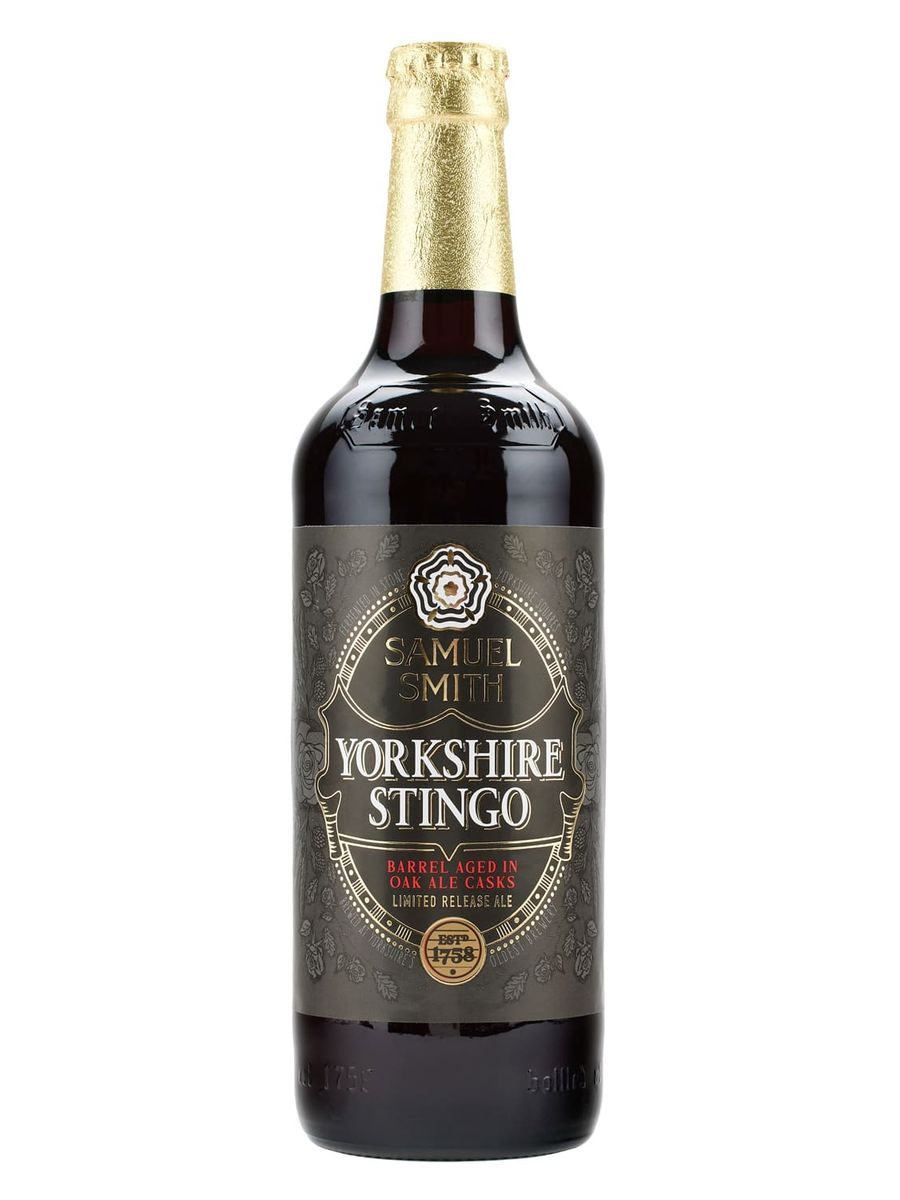
Yorkshire Stingo
Brewed by Samuel Smith Old Brewery
A direct wood-aged reference with no declared spirit contribution.
BAR NOTES
Yorkshire Stingo matures in the brewery’s used oak ale casks before bottle conditioning. The brewer gives an eight-to-nine-percent strength range; dried fruit, toffee and oak illustrate how strong English malt can support maturation without a declared bourbon or wine contribution.
Start near cellar temperature and look for malt, fruit and wood as separate layers. Stingo supplies a direct reference for the wood-focused branch; compare its used ale casks with the bourbon stouts later, avoiding the assumption that every old wooden vessel contributes liquor.
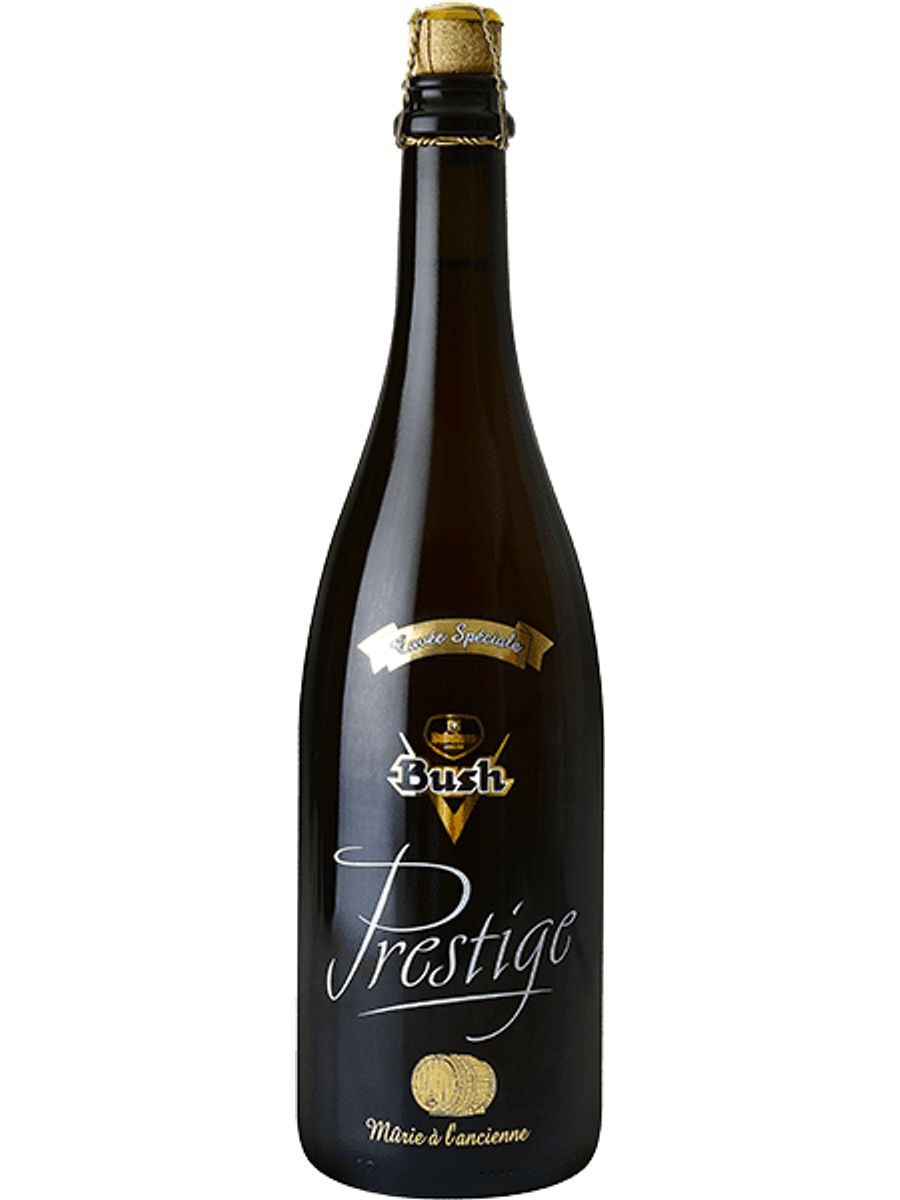
Bush Prestige
Brewed by Brasserie Dubuisson
Oak maturation extends a strong Belgian amber foundation.
BAR NOTES
Bush Prestige starts with Bush Caractère and matures for six to nine months in oak casks before refermentation in bottle. The brewery currently lists 12.5 percent alcohol. Its whisky-like aromatic description does not establish that the casks previously contained whisky.
Use a small pour to separate the beer’s Belgian fermentation from its cask character. An aromatic resemblance to whisky is not a history of whisky storage; compare Prestige with the whisky-cask beer before making claims about the previous occupant of a barrel.
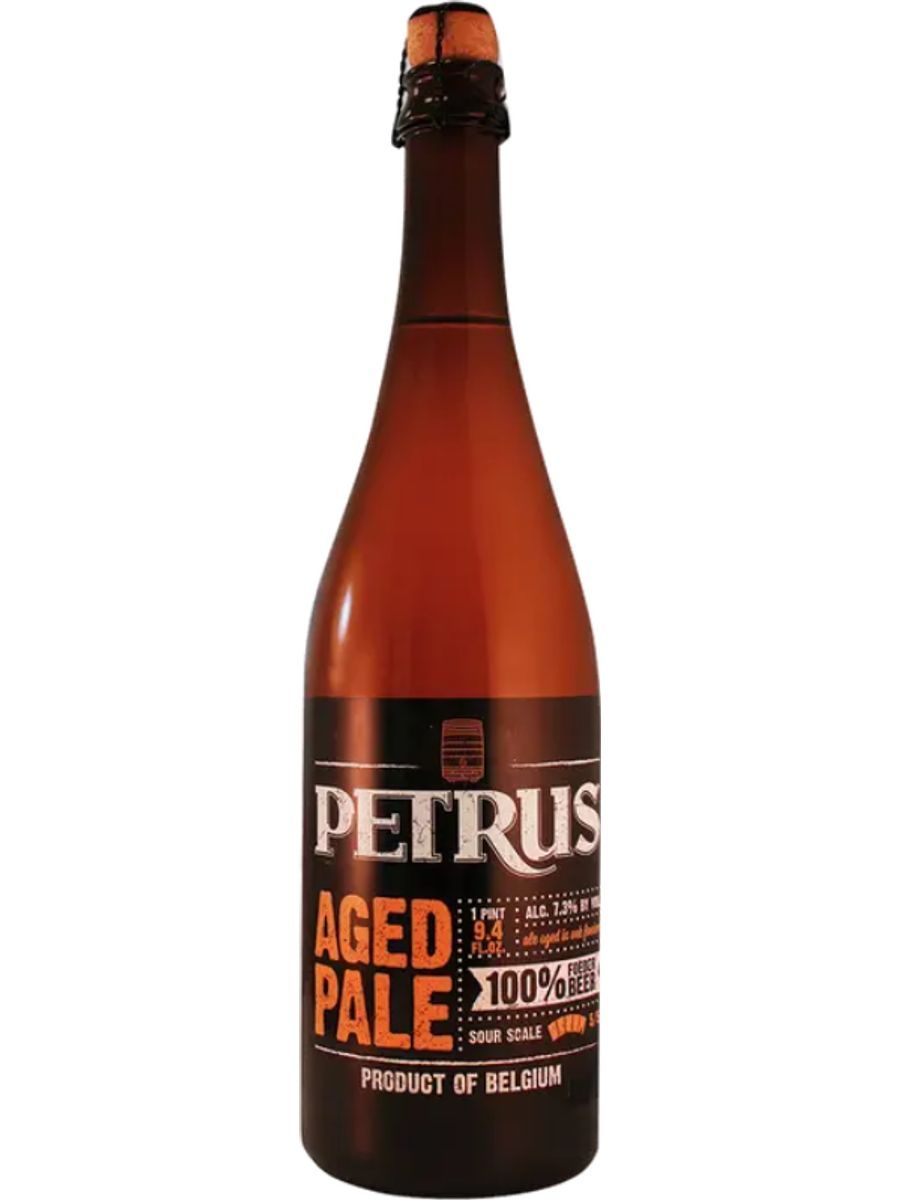
Petrus Aged Pale
Brewed by Brouwerij De Brabandere
A listed wood-aged example at the tart edge of the discussion.
BAR NOTES
Petrus Aged Pale is an unblended foeder beer matured for twenty-four months in oak. At 7.3 percent alcohol, its pale, tart profile provides a listed wood-aged example, but its acidity should not become a rule that every oak-aged sour belongs in this category.
Taste this golden sour before the darkest spirit-aged beers, with water between pours. The wood-aged guide explains the listed example and its boundary; sharply tart foeder beer and a clean oak-aged strong ale need different descriptions even when their vessels share a material.
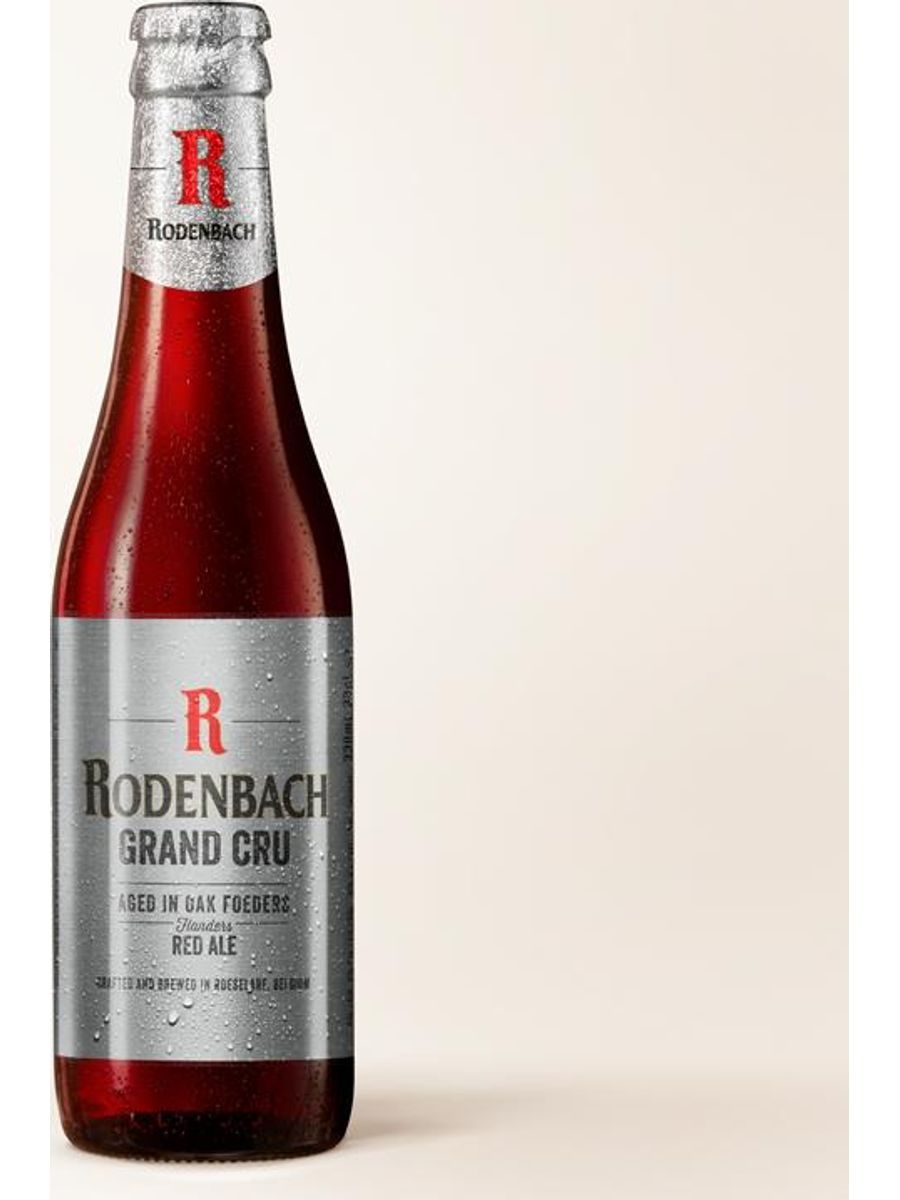
Rodenbach Grand Cru
Brewed by Brouwerij Rodenbach
A dedicated Flanders red style rather than a strict 33A example.
BAR NOTES
Rodenbach Grand Cru blends two-thirds beer matured in oak foeders with one-third young beer at six percent alcohol. Oak maturation and blending belong to its established Flanders red identity; it is a comparison for this flight, not a strict Wood-Aged Beer entry.
Compare Grand Cru with the younger Classic blend to understand what maturation contributes. Its established Flanders red identity matters: wood is already fundamental to that style, so the tasting flight can teach a wood lesson without relocating the beer into a different competition category.
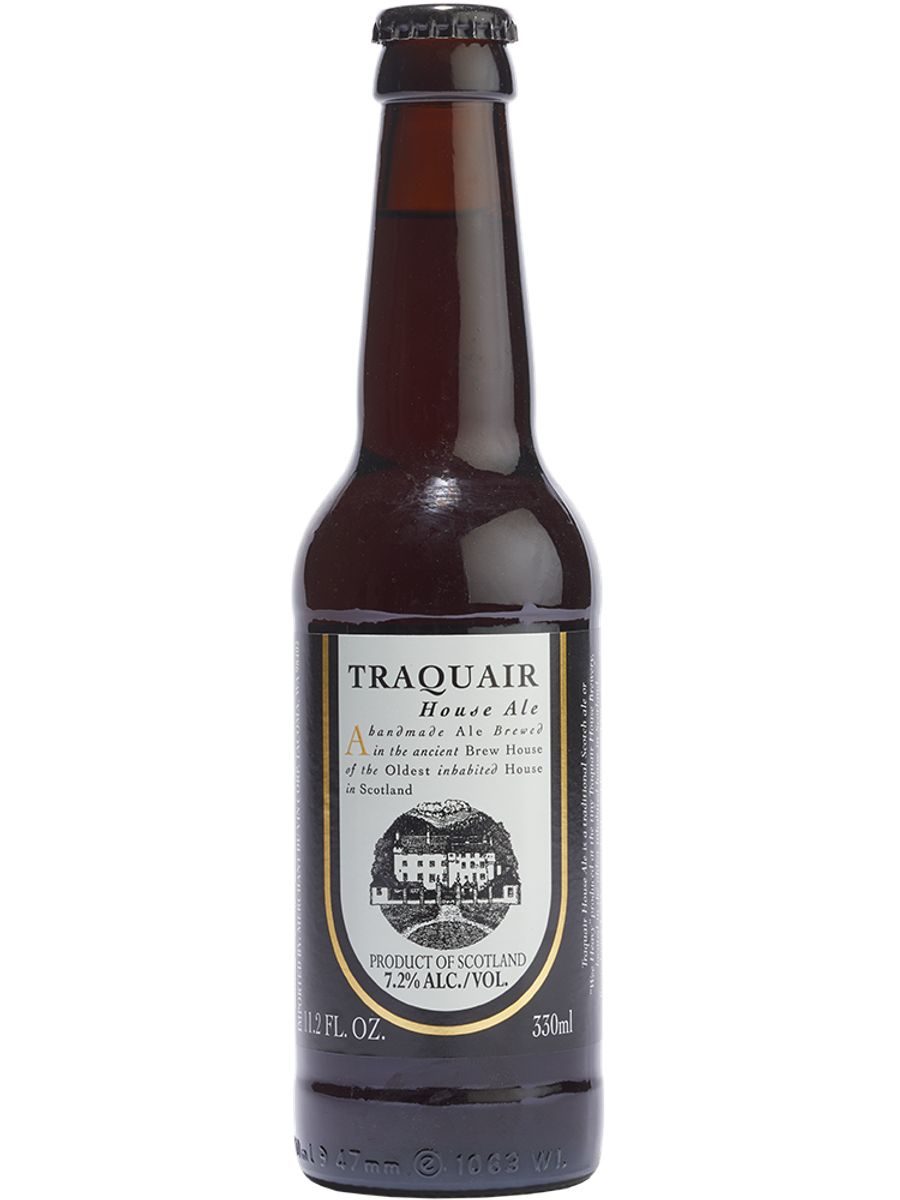
Traquair House Ale
Brewed by Traquair House Brewery
Oak fermentation is distinct from extended barrel maturation.
BAR NOTES
Traquair House Ale uses traditional oak fermentation vessels at 7.2 percent alcohol. Its malty Scottish strong-ale foundation gives the flight a process comparison: fermenting in wood is not the same claim as years of aging in a cask or acquiring character from a previous spirit.
Oak can be involved during fermentation without becoming a long-term maturation program. Compare the strong ale’s malt and finish with Stingo, asking what each brewery actually declares; the name of a wooden vessel alone cannot establish years of aging or a previous spirit.
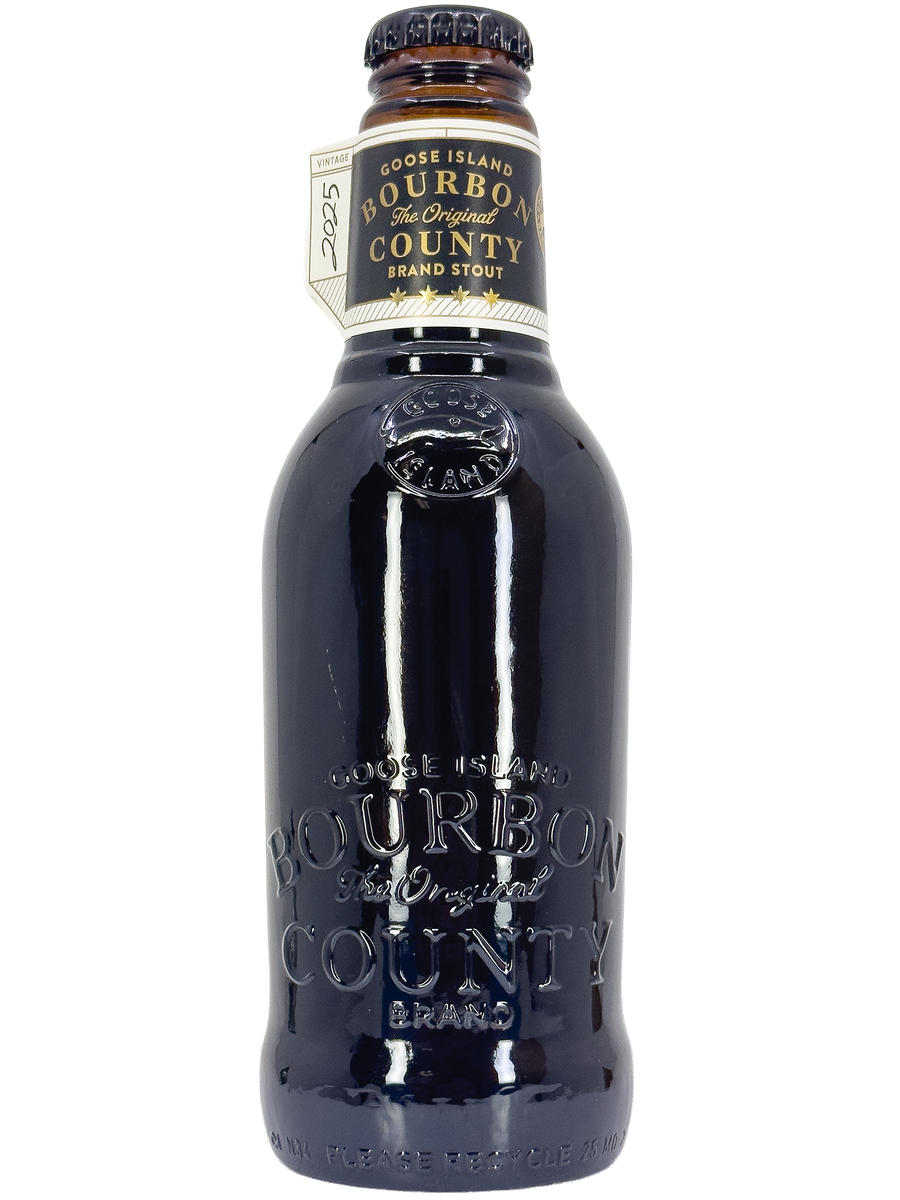
Bourbon County Brand Original Stout — 2025
Brewed by Goose Island Beer Co.
A powerful stout with unmistakable spirit-barrel character.
BAR NOTES
The photographed 2025 Bourbon County Brand Original Stout is 14.8 percent alcohol and spent an average fourteen months in bourbon barrels. Goose Island names Buffalo Trace, Heaven Hill, Four Roses and Wild Turkey; the vintage matters because strength and barrel selections can change each year.
Let a small tasting pour warm gradually so bourbon, char and dense malt can separate. The specialty wood-aged guide focuses on identifiable previous alcohol character; use the pictured vintage’s strength rather than borrowing a number from another year’s Original release.
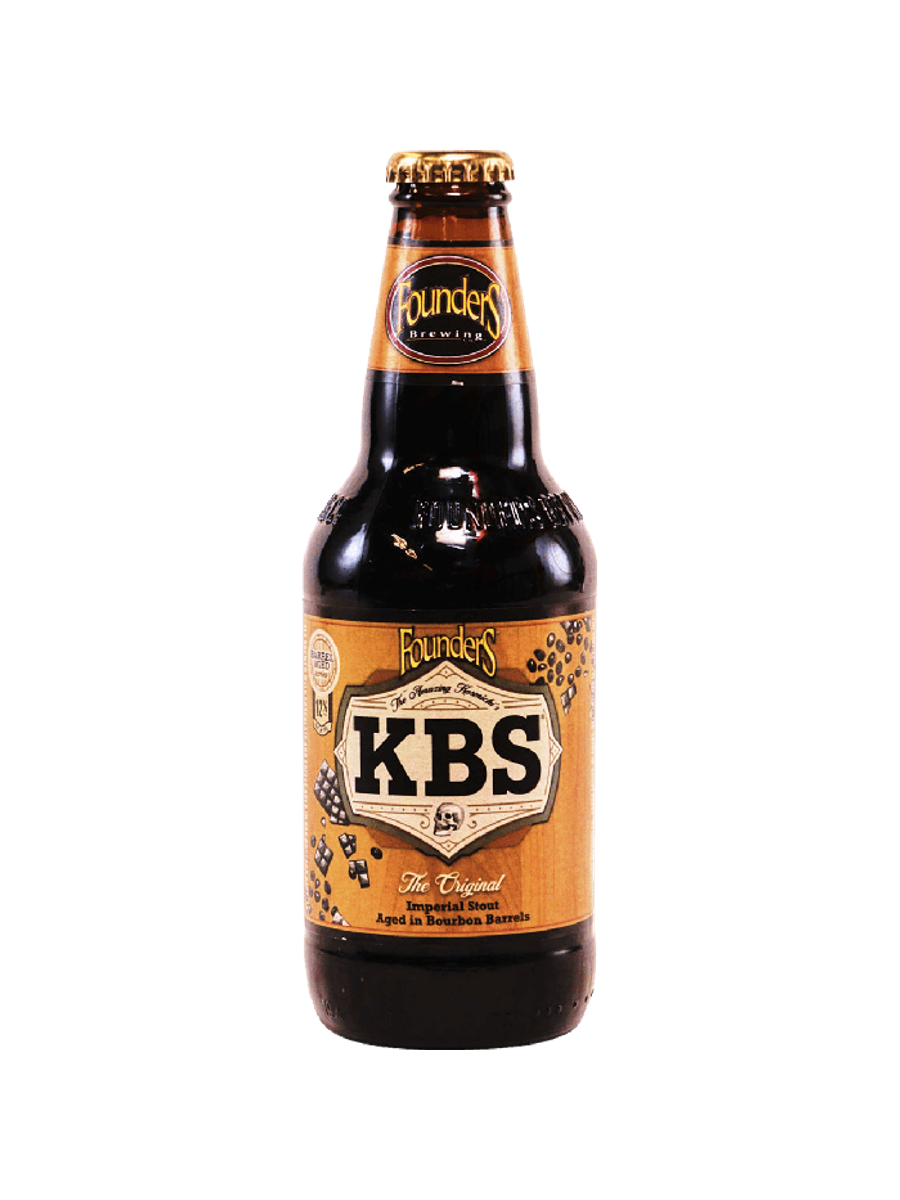
KBS
Brewed by Founders Brewing Co.
Declared coffee and chocolate accompany the bourbon barrels.
BAR NOTES
KBS combines declared coffee and chocolate with bourbon-barrel maturation in a twelve-percent imperial stout at forty-five IBU. This is a direct specialty wood-aged comparison: the barrel’s spirit character joins the recipe, while coffee and chocolate are actual ingredients rather than inferred tasting analogies.
Taste the coffee edge separately from barrel warmth and chocolate richness. Comparing KBS with Original Bourbon County reveals how declared recipe ingredients change the presentation; it does not establish that every stout tasting of espresso contains an actual coffee addition.
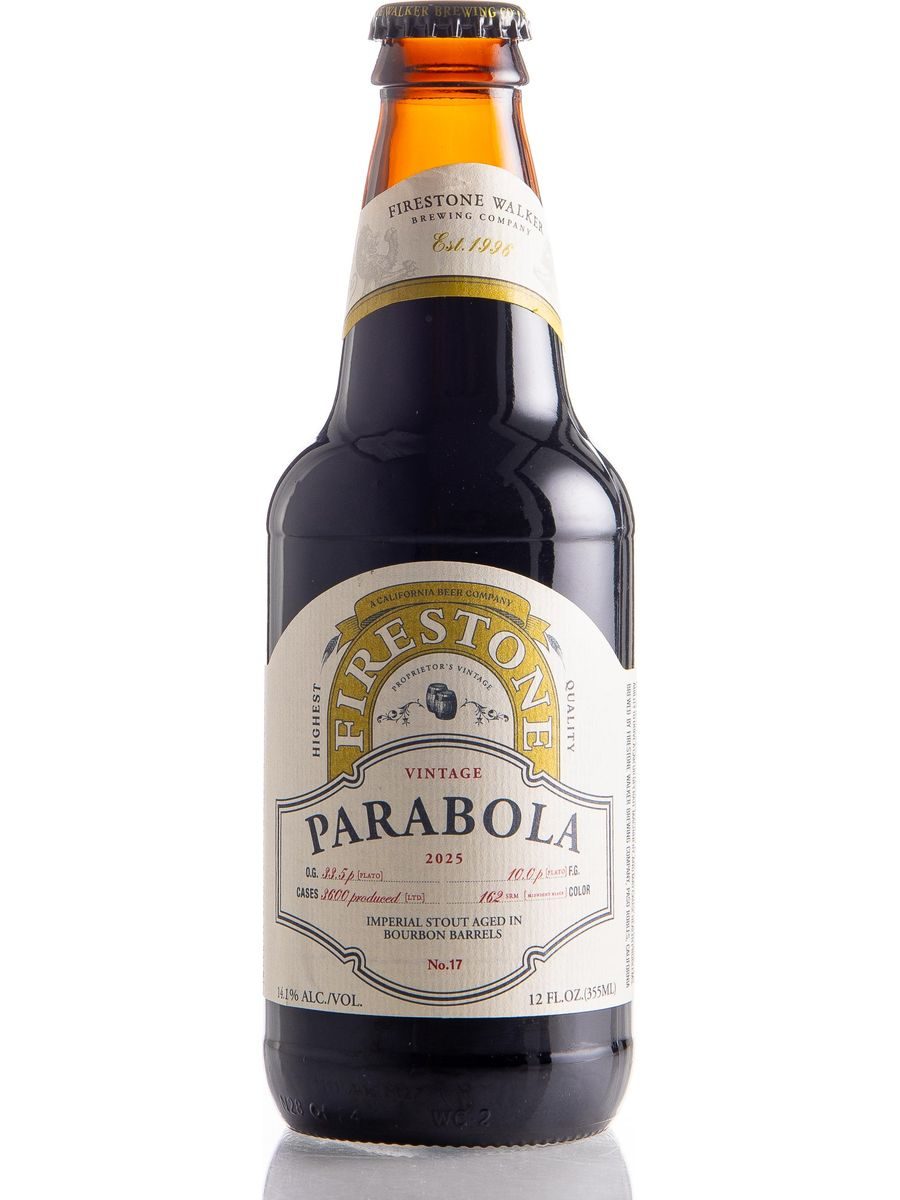
Parabola — 2025 vintage
Brewed by Firestone Walker Brewing Company
The pictured vintage has its own documented barrel blend.
BAR NOTES
The photographed 2025 Parabola bottle lists 14.1 percent alcohol. That vintage matured for twelve months in barrels formerly holding twelve-year Elijah Craig and eleven-year Henry McKenna bourbon. These are the bourbon ages, not the beer’s maturation time, and they do not describe the 2026 release.
The vintage on the bottle is part of the comparison, not a decoration. Record beer age separately from the age of the bourbon that once occupied its barrels; a twelve-year bourbon barrel does not mean a stout spent twelve years inside it.
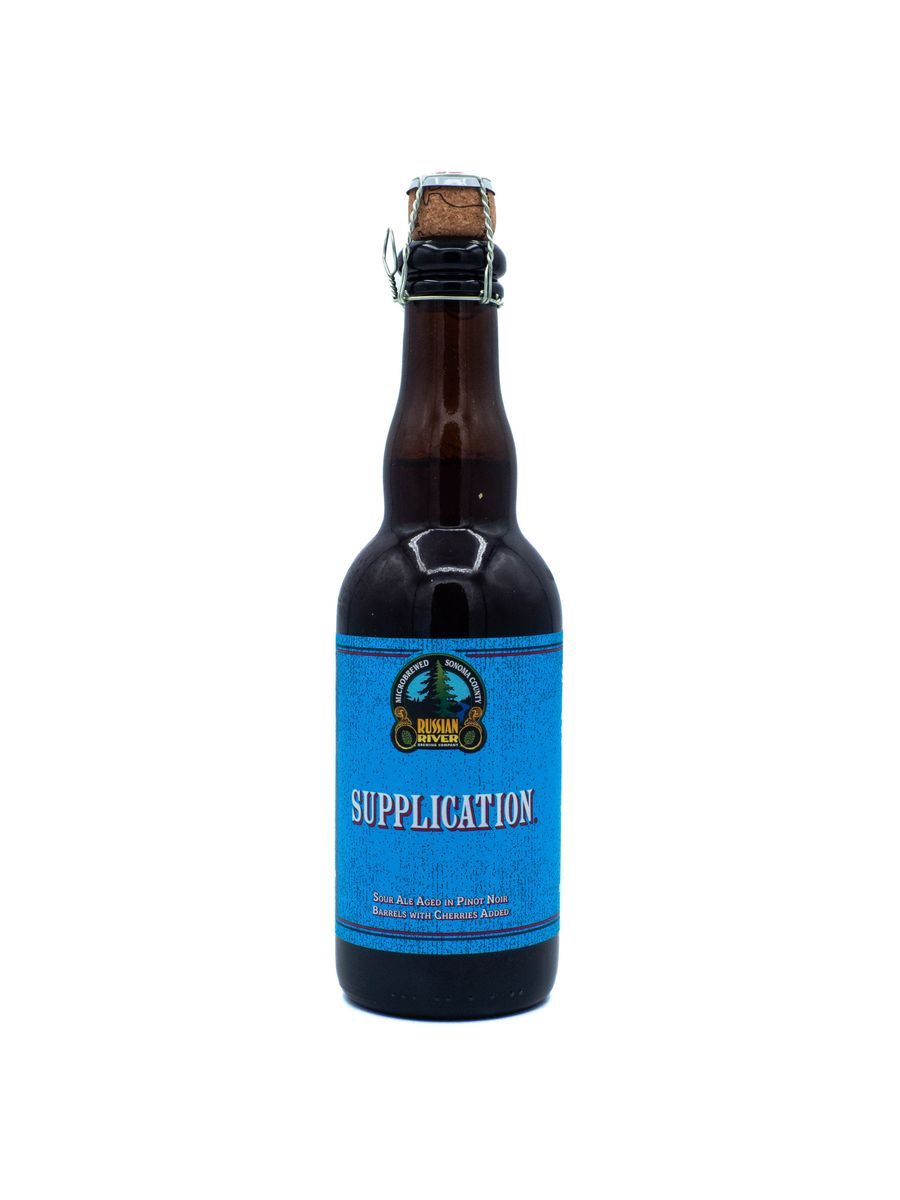
Supplication
Brewed by Russian River Brewing Company
Wine-barrel contact does not override the wild-beer classification.
BAR NOTES
Supplication is a 7.75-percent brown ale matured in Pinot Noir barrels with sour cherries, Brettanomyces and bacteria. Its wine barrels belong to a wild fermentation program; BJCP directs specialty wood-aged wild ales to 28C rather than making them automatic 33B entries because wine character is present.
This is the wild-beer boundary in the family flight. Sour cherries, mixed fermentation and wine barrels work together, but the American wild ale family offers the relevant classification context; a wine barrel alone does not move every sour beer into 33B.
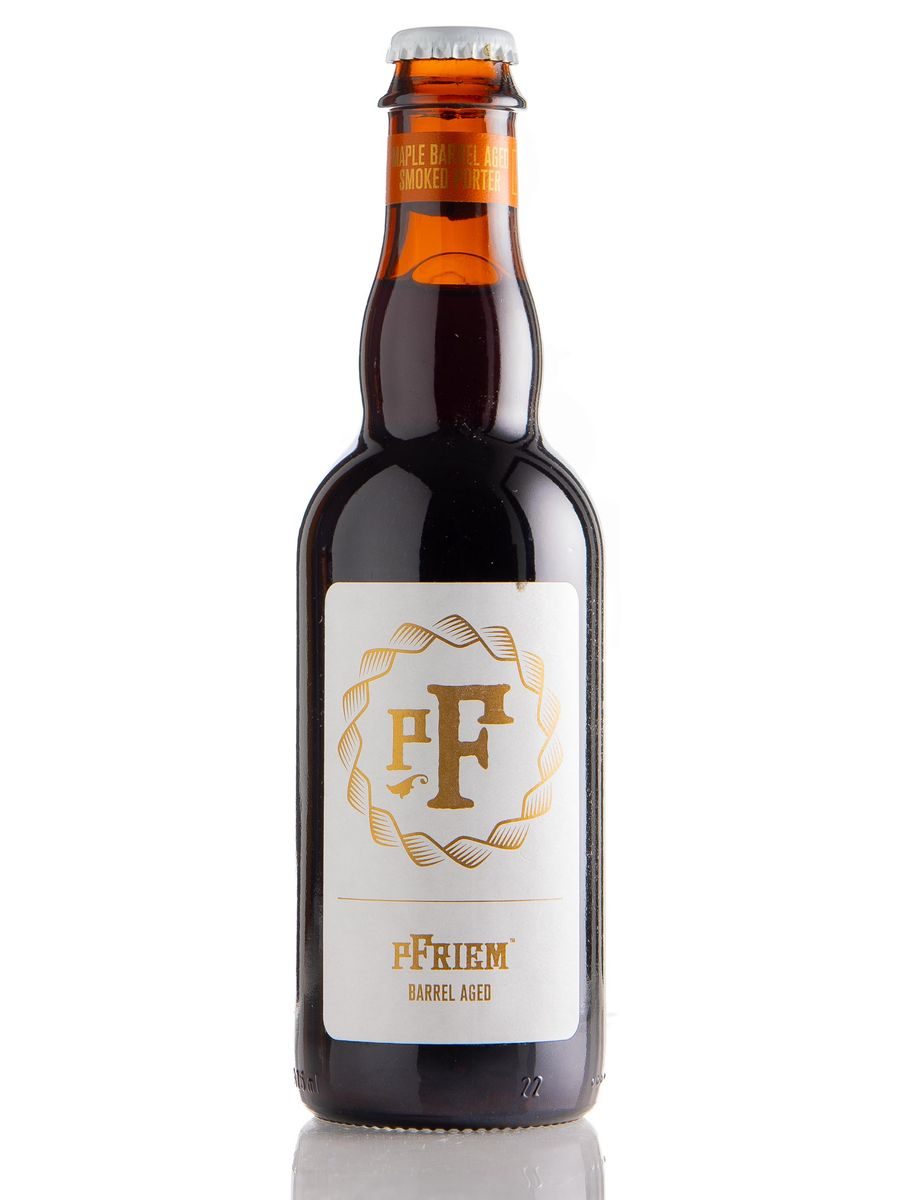
Barrel Aged Maple Smoked Porter
Brewed by pFriem Family Brewers
An enriched comparison combining smoke, syrup and spirit wood.
BAR NOTES
pFriem’s 9.1-percent porter combines beechwood-smoked malt, bourbon-barrel maturation and a finishing addition of maple syrup. Those are declared processes and ingredients; walnut or dessert-like impressions are tasting associations and should not be expanded into unsupported nut additions or a universal competition classification.
Finish with the porter’s combination of smoke, syrup and bourbon influence. The smoked beer family explains the separate smoke source; describing maturation and malt kilning independently makes this richer recipe easier to understand than calling everything an oak flavor.
Keep Exploring Wood-Aged Beer
Compare clean wood character with spirit-barrel influence, then explore related barrel-aged styles.