Specialty Wood-Aged Beer: Bourbon, Wine & Spirit Barrels
Specialty Wood-Aged Beer carries the identity of both the beer and the alcoholic product that occupied the barrel before it. Bourbon, rye, rum, tequila, port, sherry, Madeira, and wine each bring a different combination of aroma, sweetness, fruit, spice, oak, and warmth.
Previous alcohol character must be noticeable for this branch. Specialty wood-aged wild ales belong in Wild Specialty Beer (28C), even when wine-barrel character is clear; the two wild ales below are labeled comparisons rather than strict 33B entries.
The barrel should elevate the base rather than replace it. A bourbon-aged stout still needs stout structure; a wine-barrel strong ale should not taste like diluted wine with carbonation.
How barrel history changes flavor
Fresh bourbon barrels bring char, vanilla, caramel, coconut, and spirit heat because American whiskey barrels are new, heavily charred, and used only once for bourbon. Wine barrels may contribute grape, tannin, color, acidity, or cellar character. Rum and fortified-wine casks can push toward molasses, dried fruit, and oxidative richness.
What matters is the actual sensory contribution, not the barrel name on the label. An exhausted cask may act mostly as neutral oak, while a freshly emptied cask can overwhelm beer within months.
Choosing a base beer
High-gravity, full-bodied beers are common because they can carry extra alcohol, tannin, and oak. Imperial stout, barleywine, old ale, wee heavy, and Belgian strong ale all provide enough structure for extended aging.
Lighter bases can work when the barrel is carefully selected and monitored. The risk is imbalance: wine acidity can hollow out a delicate beer, while bourbon warmth and vanilla can make a moderate ale seem sweet and hot.
Blending is part of the craft
Barrels do not mature in lockstep. One may show exceptional vanilla, another deep fruit, and a third clean roast but too much spirit. Blending lets the brewer assemble a complete beer while excluding flawed or over-oaked casks.
Age character is welcome when controlled. Harsh alcohol, vinegar, papery oxidation, excessive sourness, and splinter-like tannin remain faults no matter how expensive or rare the barrel was.
Ten Specialty Wood-Aged Beer references and comparisons
Bourbon stouts, a smoked maple porter and whisky- and rum-cask beers illustrate noticeable previous-alcohol character. Two wine-barrel wild ales and Stingo supply category controls. Wood-aged wild ales belong in the wild specialty discussion; these ten cards are comparisons rather than ten strict 33B entries.
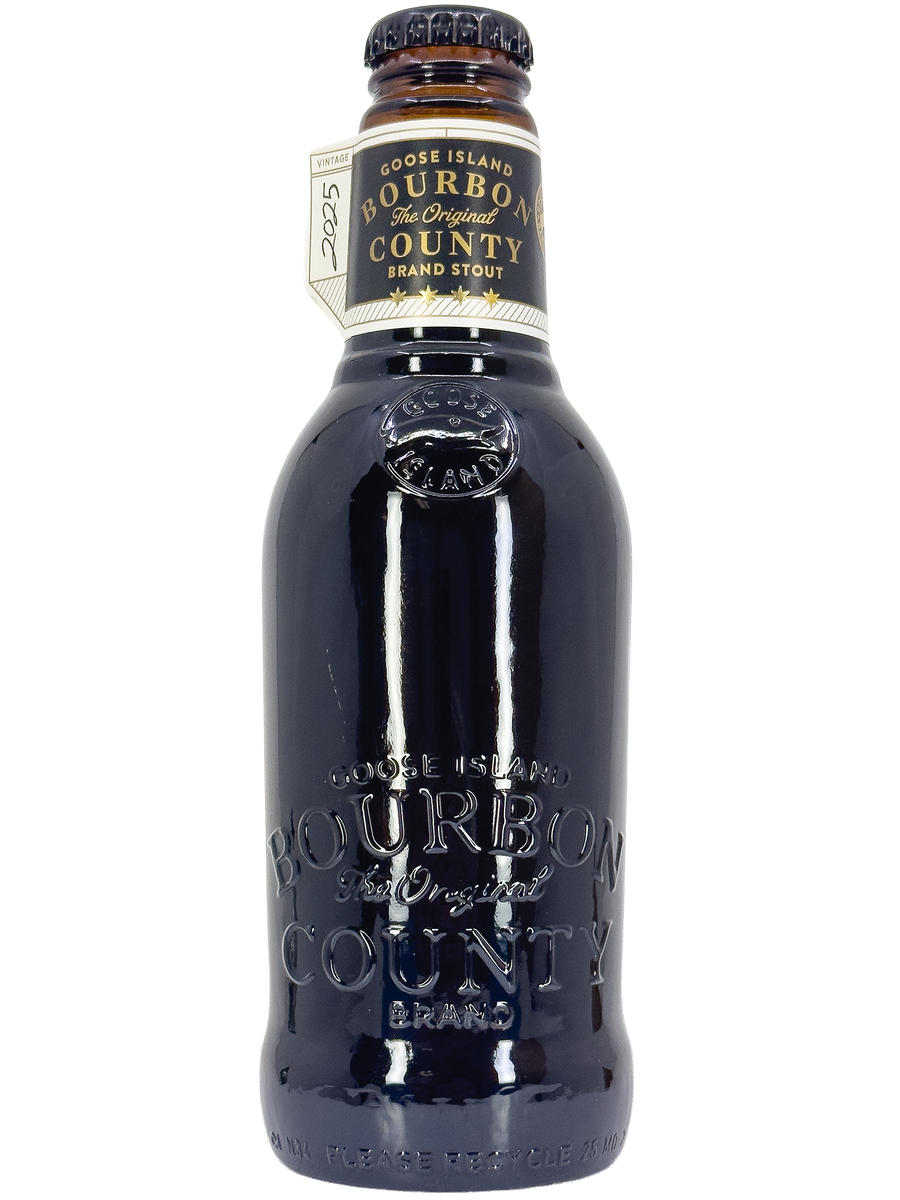
Bourbon County Brand Original Stout — 2025
Brewed by Goose Island Beer Co.
A powerful stout with unmistakable spirit-barrel character.
BAR NOTES
The photographed 2025 Bourbon County Brand Original Stout is 14.8 percent alcohol and spent an average fourteen months in bourbon barrels. Goose Island names Buffalo Trace, Heaven Hill, Four Roses and Wild Turkey; the vintage matters because strength and barrel selections can change each year.
This bourbon stout anchors the branch with a strong base that supports noticeable spirit character. Begin with a small pour and check the vintage before comparing strength; the pictured release’s barrel blend and maturation time should not be generalized to every year.
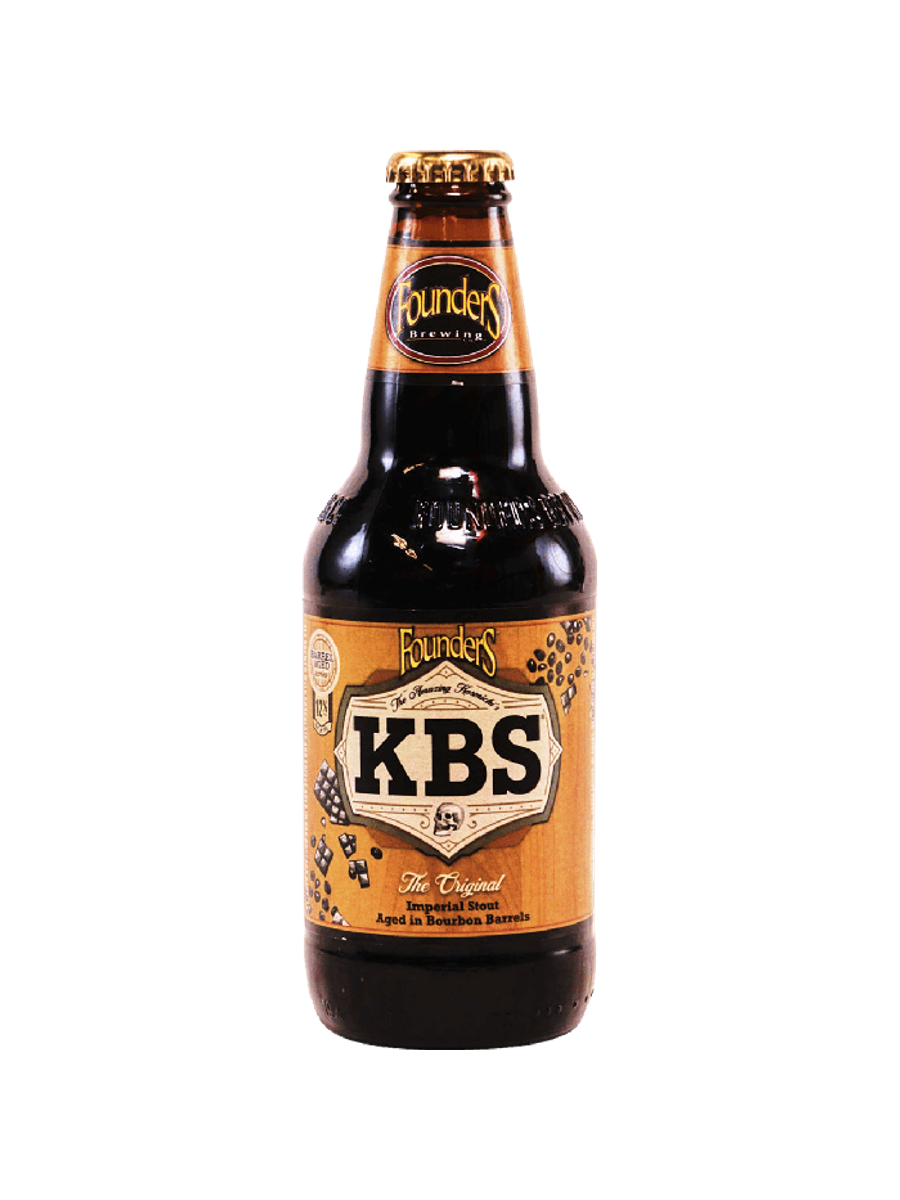
KBS
Brewed by Founders Brewing Co.
Declared coffee and chocolate accompany the bourbon barrels.
BAR NOTES
KBS combines declared coffee and chocolate with bourbon-barrel maturation in a twelve-percent imperial stout at forty-five IBU. This is a direct specialty wood-aged comparison: the barrel’s spirit character joins the recipe, while coffee and chocolate are actual ingredients rather than inferred tasting analogies.
The declared coffee and chocolate distinguish KBS from a stout whose roast simply resembles those ingredients. Compare the same small serving with Bourbon County, noticing where coffee sharpens the finish and where bourbon warmth rounds it; balanced integration matters more than maximum barrel intensity.
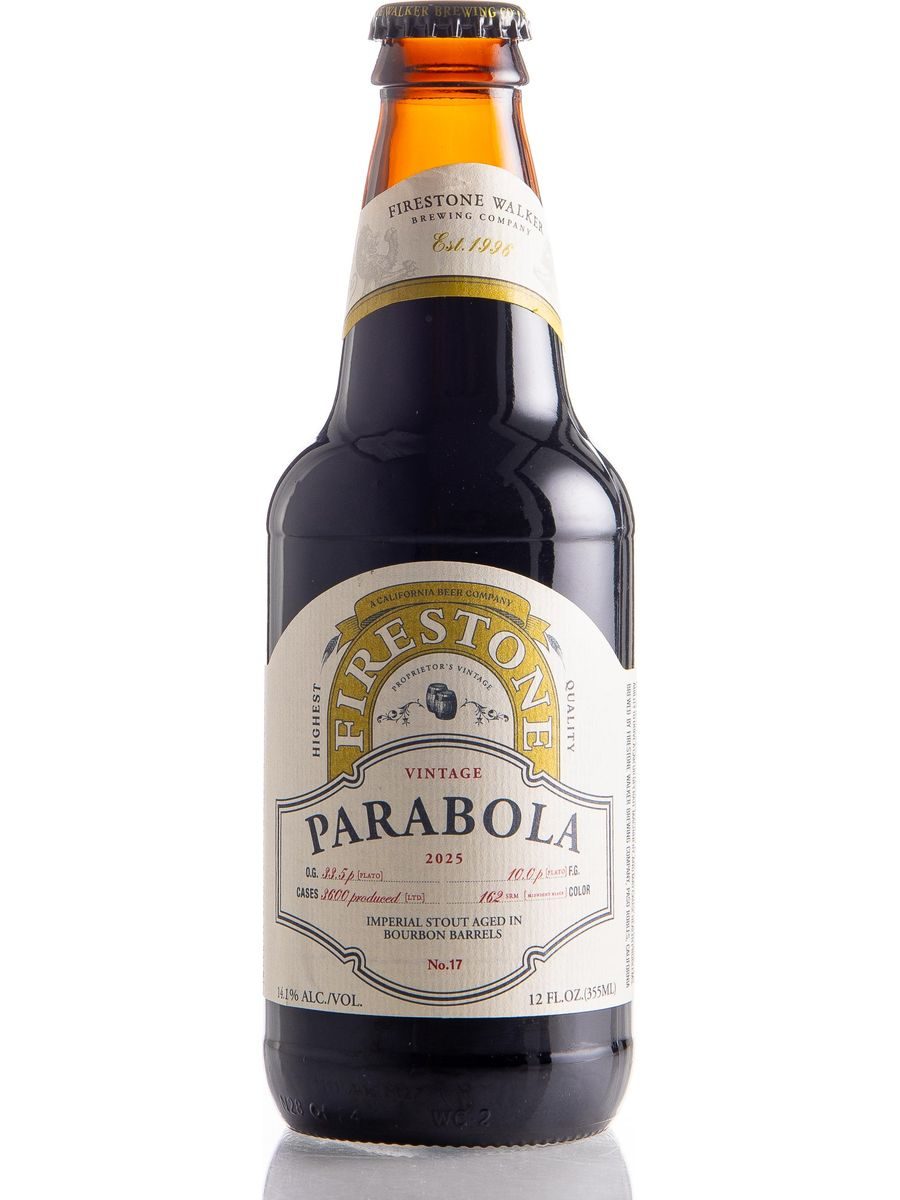
Parabola — 2025 vintage
Brewed by Firestone Walker Brewing Company
The pictured vintage has its own documented barrel blend.
BAR NOTES
The photographed 2025 Parabola bottle lists 14.1 percent alcohol. That vintage matured for twelve months in barrels formerly holding twelve-year Elijah Craig and eleven-year Henry McKenna bourbon. These are the bourbon ages, not the beer’s maturation time, and they do not describe the 2026 release.
The photographed 2025 release supplies a defined vintage comparison beside two different stout programs. Keep the stout’s twelve months of maturation separate from the bourbon’s previous age, and use the label strength rather than attaching the following year’s numbers to this bottle.
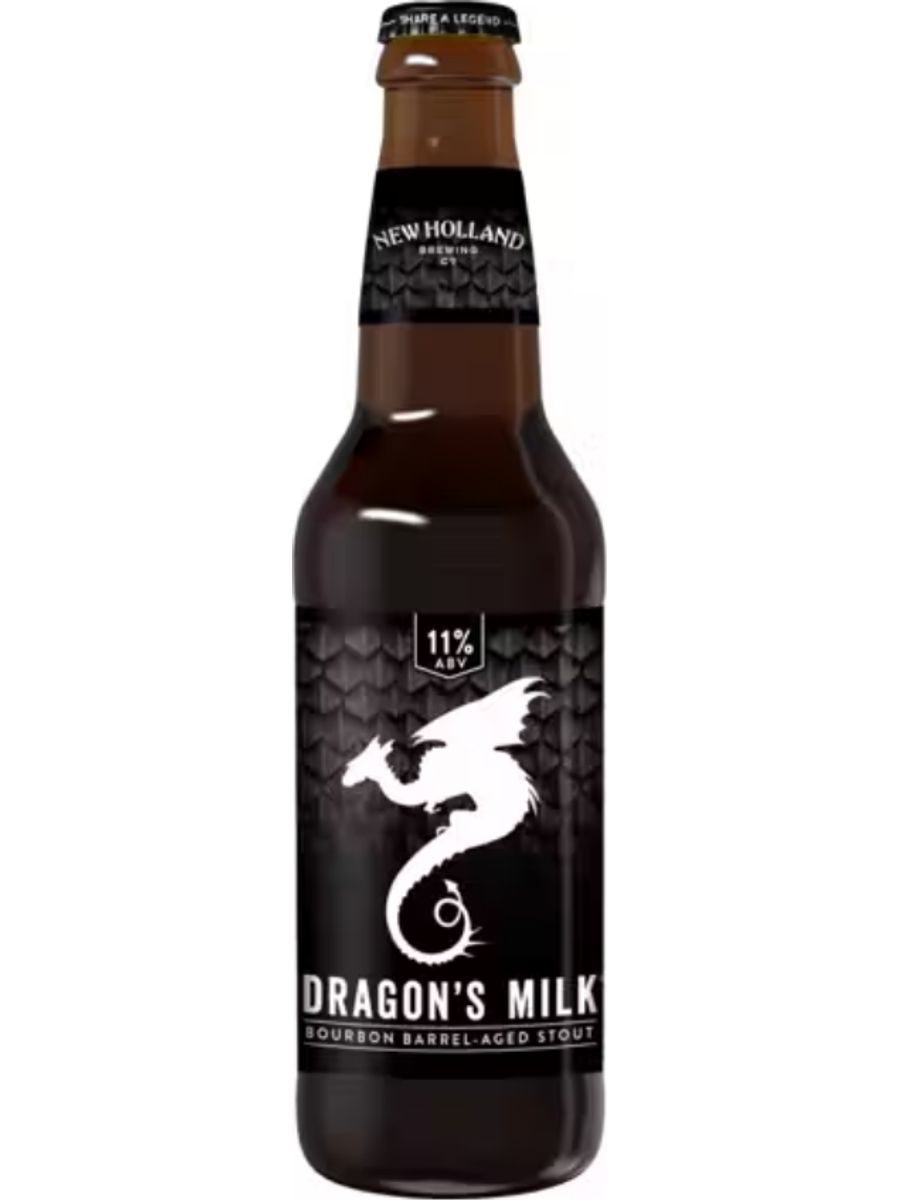
Dragon’s Milk
Brewed by New Holland Brewing
Roasted malt suggests coffee and chocolate without proving additions.
BAR NOTES
Dragon’s Milk is an eleven-percent stout matured for three months in bourbon barrels. The brewery attributes coffee and chocolate notes to roasted malt, with vanilla and oak from maturation; describing those impressions as added coffee or cocoa would misstate the documented recipe.
This stout makes a useful recipe-reading test because its coffee and chocolate are described as roasted-malt impressions. Compare it with KBS, which actually declares those additions; similar tasting language can come from different ingredients, so the distinction belongs in the notes.
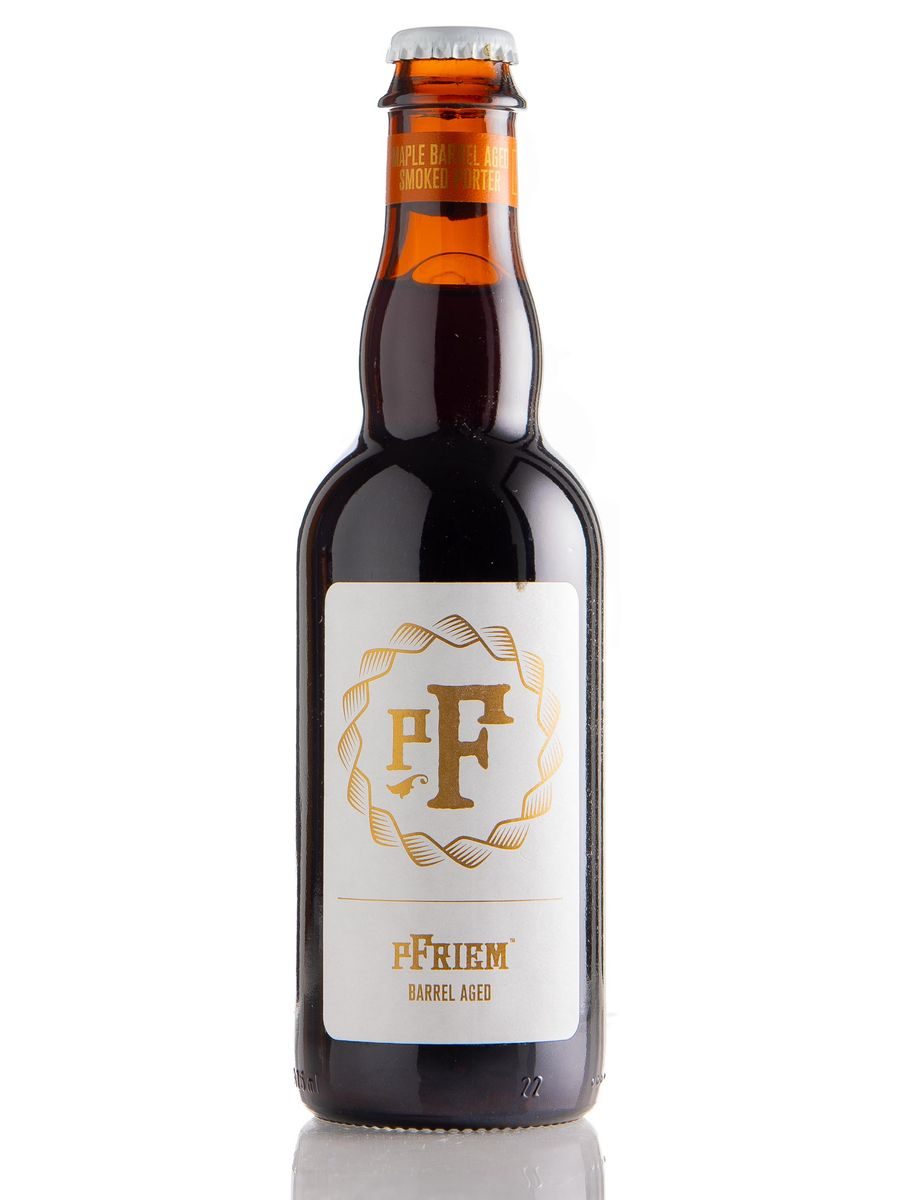
Barrel Aged Maple Smoked Porter
Brewed by pFriem Family Brewers
An enriched comparison combining smoke, syrup and spirit wood.
BAR NOTES
pFriem’s 9.1-percent porter combines beechwood-smoked malt, bourbon-barrel maturation and a finishing addition of maple syrup. Those are declared processes and ingredients; walnut or dessert-like impressions are tasting associations and should not be expanded into unsupported nut additions or a universal competition classification.
Smoked malt and maple syrup add two declared layers to the spirit-barrel porter. Compare the bourbon contribution with Dragon’s Milk before focusing on sweetness; the specialty smoked guide explains how the smoke concept extends through ingredients and maturation.
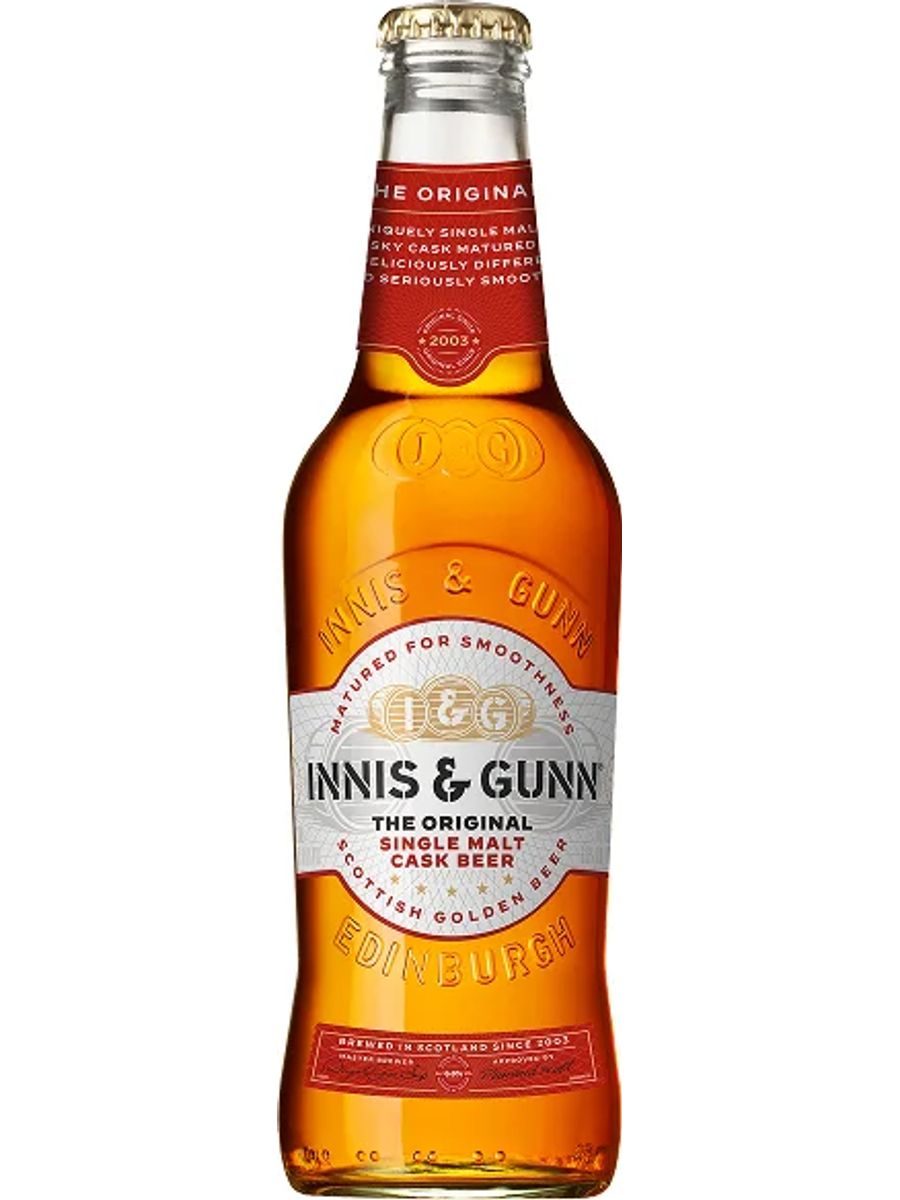
The Original
Brewed by Innis & Gunn
A lighter malt frame for identifiable whisky-cask influence.
BAR NOTES
Innis & Gunn currently describes The Original as a 6.6-percent beer matured using single malt whisky casks. This current description supplies a whisky comparison beside bourbon stouts; the card does not repeat an older generic bourbon-oak description or invent a fixed aging duration.
The Original brings whisky-cask influence into a lighter malt frame than the imperial stouts. Taste it before the densest pours when arranging your own flight; a lower alcohol figure changes the balance, but does not remove a clearly declared previous barrel occupant.
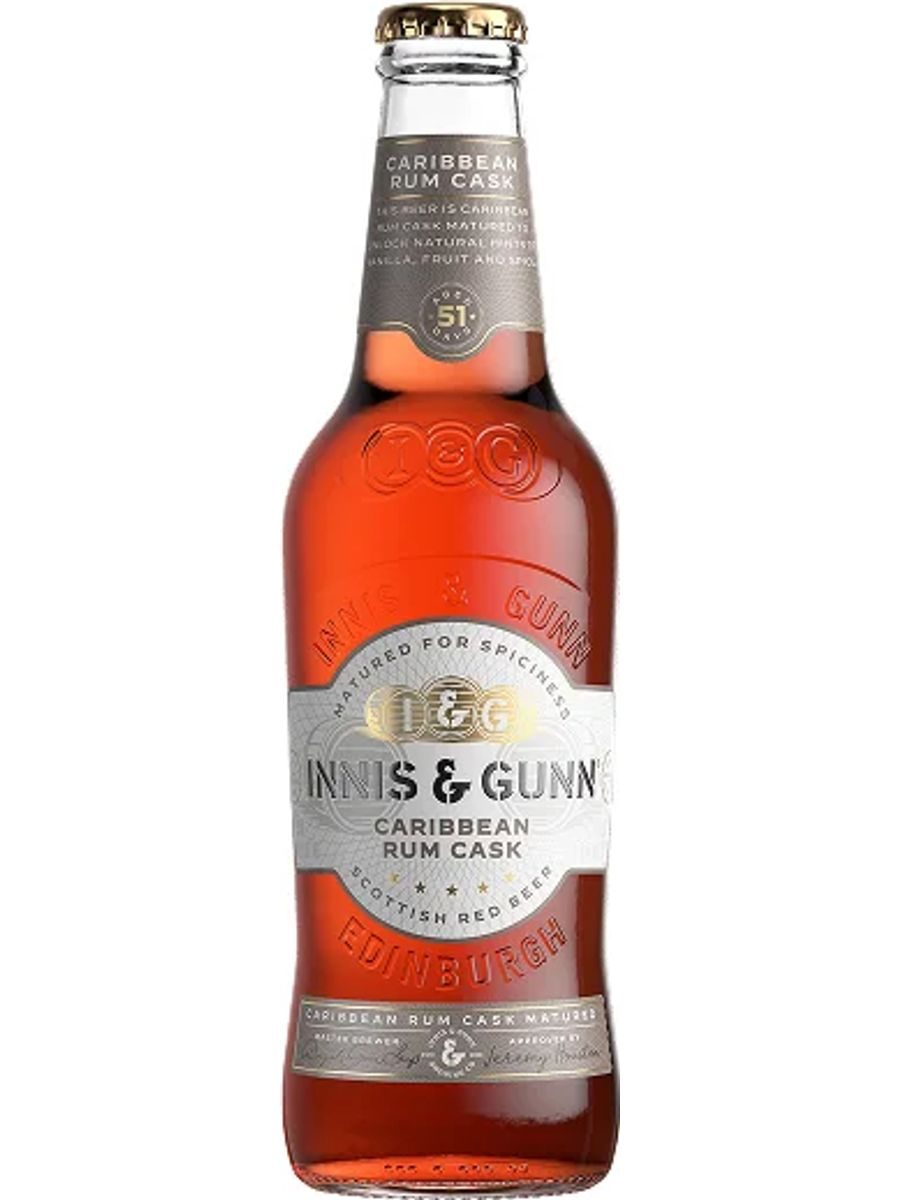
Caribbean Rum Cask
Brewed by Innis & Gunn
A different previous barrel occupant changes the comparison.
BAR NOTES
Caribbean Rum Cask is a 6.8-percent red beer matured using Caribbean rum casks. It broadens the flight beyond bourbon and whisky, showing how the previous barrel occupant can alter the beer’s character without assuming that all wood-aged beers share the same spirit influence.
Rum casks broaden the previous-alcohol discussion beyond bourbon and single malt whisky. Compare this beer with The Original while keeping its red base in mind; changing both malt and cask means the pair is a useful contrast rather than a perfectly controlled experiment.
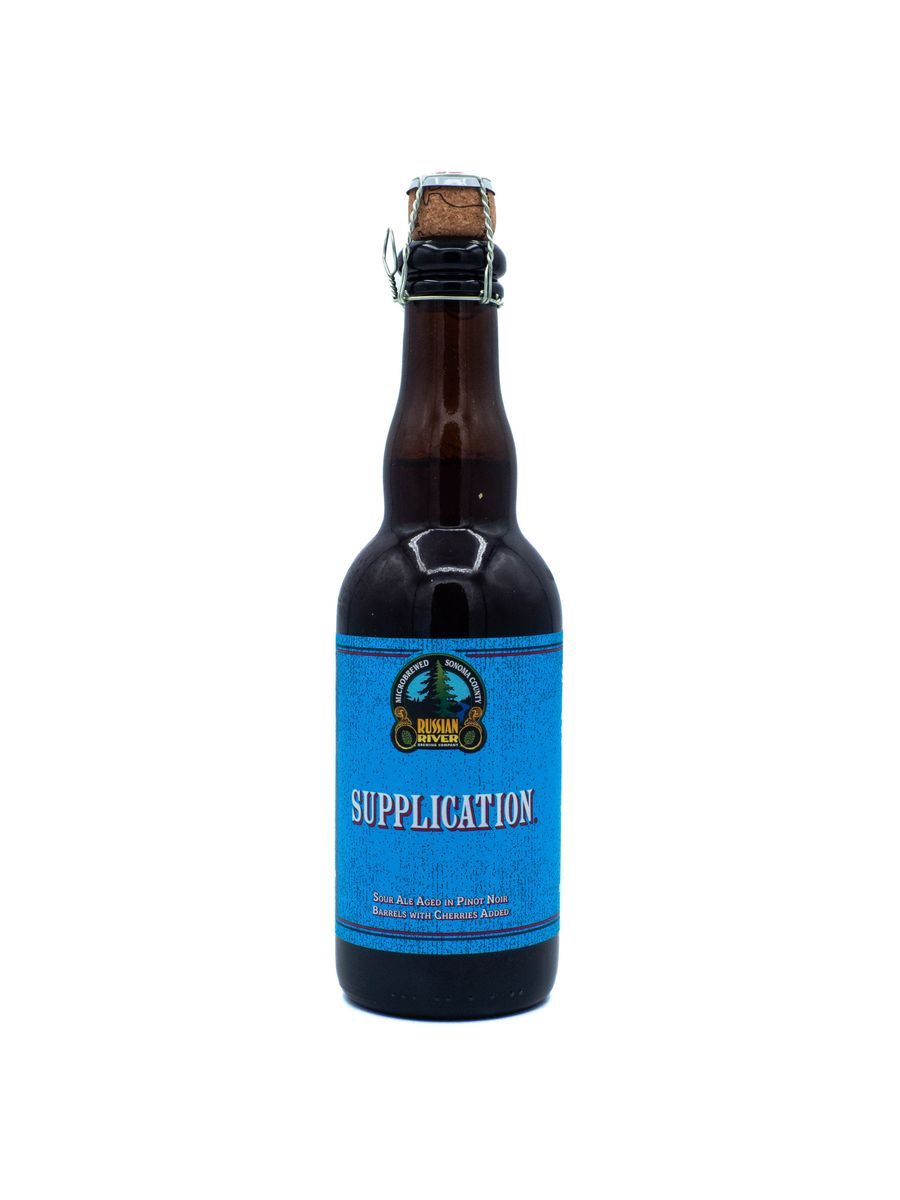
Supplication
Brewed by Russian River Brewing Company
Wine-barrel contact does not override the wild-beer classification.
BAR NOTES
Supplication is a 7.75-percent brown ale matured in Pinot Noir barrels with sour cherries, Brettanomyces and bacteria. Its wine barrels belong to a wild fermentation program; BJCP directs specialty wood-aged wild ales to 28C rather than making them automatic 33B entries because wine character is present.
This is a wood-aged wild control, not a strict 33B recommendation. The sour-cherry and mixed-culture program belongs in the wild-beer discussion, even with identifiable wine-barrel character; the classification should follow the whole fermentation story instead of stopping at the word Pinot.
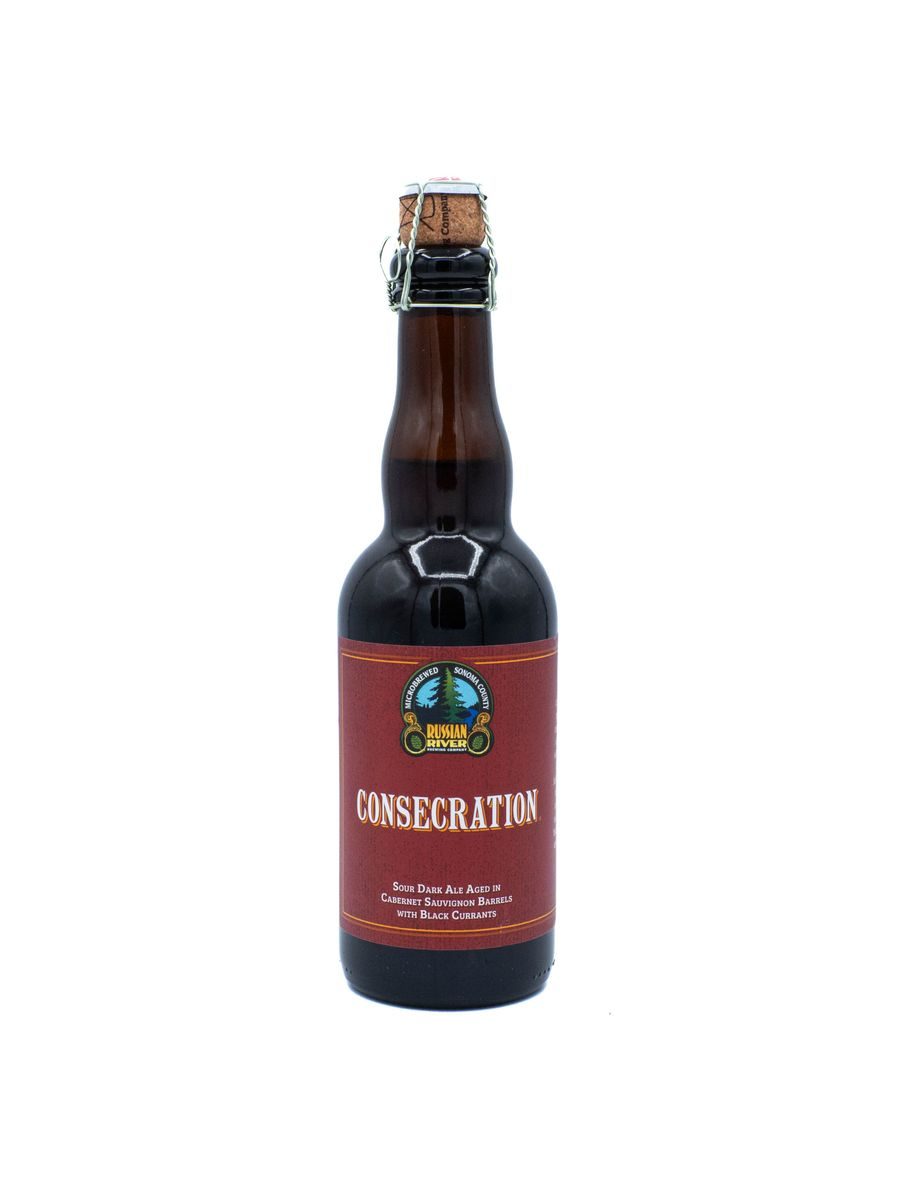
Consecration
Brewed by Russian River Brewing Company
A second wine-barrel wild ale clarifies the category boundary.
BAR NOTES
Consecration is a ten-percent dark ale matured in Cabernet Sauvignon barrels with black currants, Brettanomyces and bacteria. It provides a second wine-barrel wild comparison; its microorganisms and sour profile matter to classification, so this card does not present it as a strict 33B example.
The darker wine-barrel wild ale confirms that color and strength do not erase the sour classification boundary. Compare black currants and Cabernet influence with Supplication’s cherries and Pinot barrels, then return to the stout anchors to distinguish wild acidity from spirit warmth.
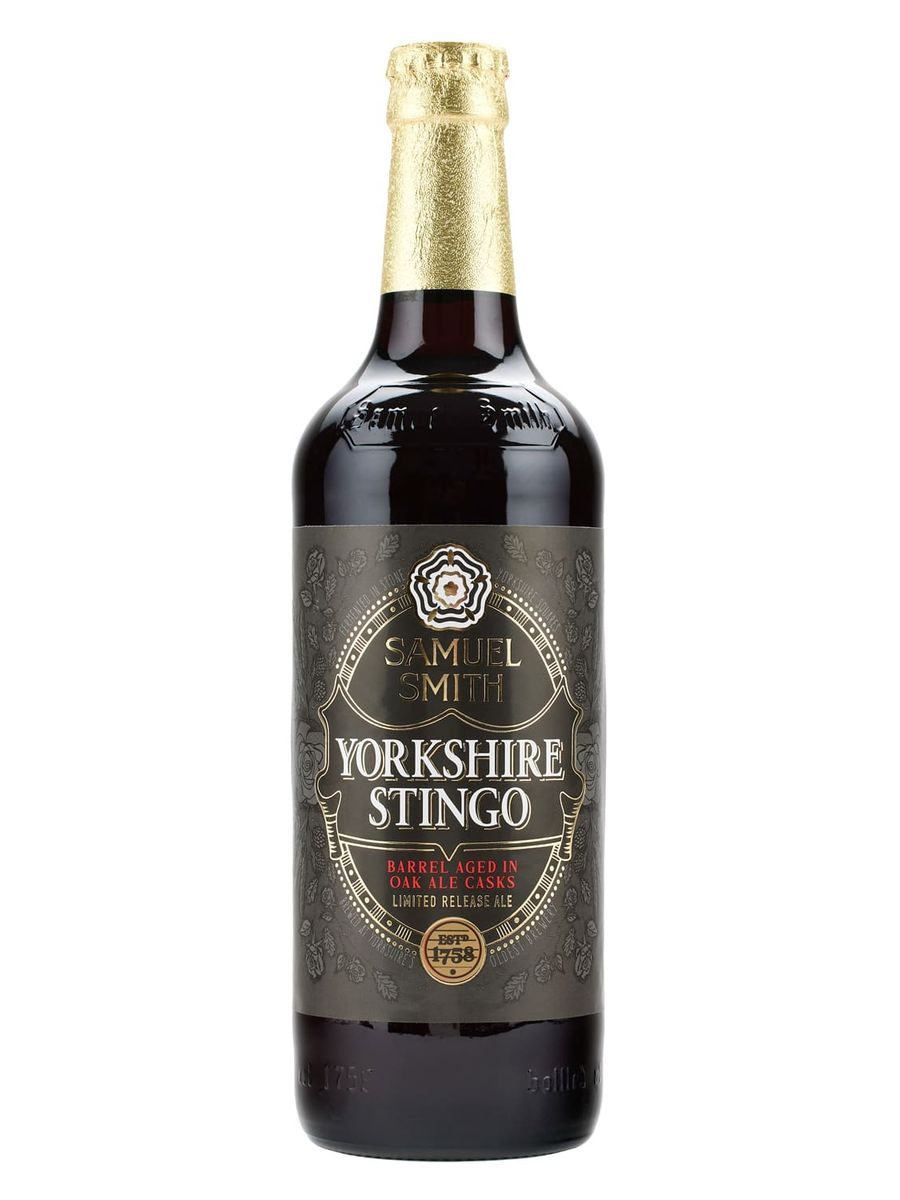
Yorkshire Stingo
Brewed by Samuel Smith Old Brewery
A direct wood-aged reference with no declared spirit contribution.
BAR NOTES
Yorkshire Stingo matures in the brewery’s used oak ale casks before bottle conditioning. The brewer gives an eight-to-nine-percent strength range; dried fruit, toffee and oak illustrate how strong English malt can support maturation without a declared bourbon or wine contribution.
Stingo is the wood-without-declared-spirit control at the end of the category discussion. The wood-aged branch explains its different role; not every cask-matured beer belongs in 33B, and this ten-card flight makes those boundaries explicit.
Keep Exploring Wood-Aged Beer
Compare clean wood character with spirit-barrel influence, then explore related barrel-aged styles.