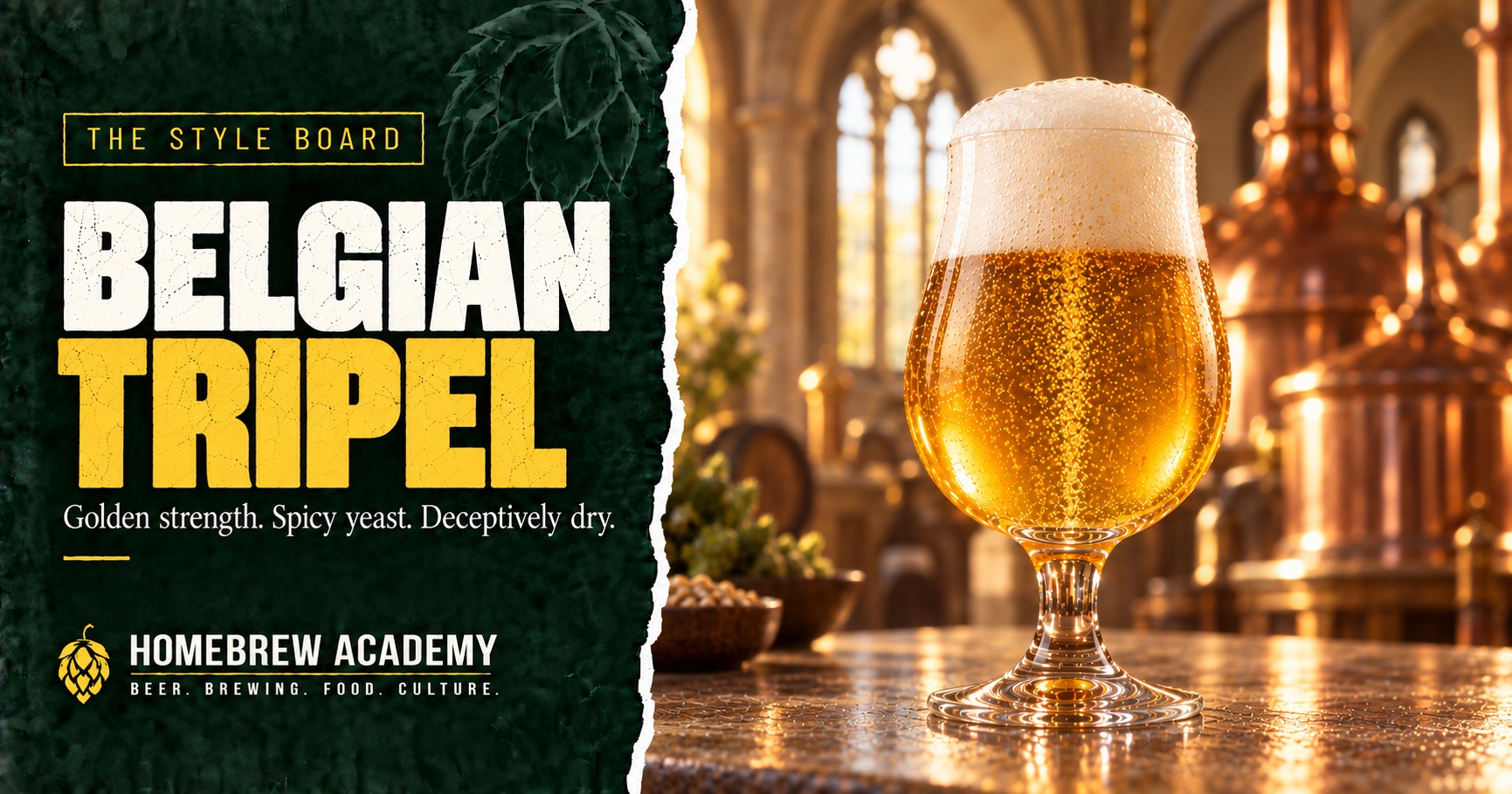
Belgian Tripel: 10-Beer Comparison Flight and Style Guide
Belgian tripel is a strong golden ale with pale malt, orchard fruit, peppery spice, firm bitterness, and very high carbonation. Its light color and dry finish can conceal alcohol that commonly reaches 8–10%.
Tripel is not a sweet, heavy beer in pale clothing. The style depends on a fermentable wort, healthy yeast, and enough hops and carbonation to keep strength bright.
At a glance
- OG: 1.075–1.085
- FG: 1.008–1.014
- IBU: 20–40
- SRM: 4.5–7
- ABV: 7.5–9.5%
What tripel tastes like
Expect pear, apple, light banana, citrus, white pepper, flowers, pale bread, and herbal hops. Alcohol may add gentle perfume and warmth, but solvent heat is a fermentation fault rather than a mark of authenticity.
The palate should feel lighter than the gravity suggests. A dry finish, firm bitterness, and prickly carbonation keep fruit and alcohol from becoming syrupy.
Westmalle and the modern template
Westmalle’s strong pale ale established the modern tripel model and gave the style its best-known name. Its balance of Pilsner malt, sugar, expressive yeast, hops, and bottle conditioning remains the reference point.
Other breweries interpret tripel with more citrus, spice, malt roundness, or hop character. The family remains recognizable as long as strength is paired with a pale, dry, effervescent structure.
Sugar creates a lighter finish
Plain sugar or clear candi syrup raises original gravity without adding the dextrins that additional malt would bring. Once fermented, it contributes alcohol and carbon dioxide rather than residual sweetness.
Sugar cannot rescue poor fermentation. High-gravity wort needs sufficient oxygen, nutrients, and a large healthy pitch. Some brewers add sugar after fermentation begins to reduce initial stress on the yeast.
Managing fermentation
Start within the strain’s controlled range, then allow the temperature to rise as fermentation gains momentum. This encourages attenuation while limiting hot fusel alcohol and uncontrolled banana or bubblegum.
Do not package until gravity is stable. Tripel is often highly carbonated, so unfinished fermentation plus priming sugar can create dangerous bottle pressure.
Serving and pairing
Serve around 45–50°F in a tulip or chalice with plenty of headroom. Tripel works with mussels, roast chicken, creamy cheese, shellfish, pork, and mild curry. Use a modest pour and respect the hidden strength.
Ten Belgian Tripel references and comparisons
Ten pale strong references compare Westmalle, Chimay White, La Trappe and St. Bernardus Tripel with Rochefort Triple Extra, Val-Dieu Triple, Bornem Tripel, St-Feuillien Triple, Gouden Carolus Tripel and Gentse Tripel. Rochefort’s selected bottle is 8.1%, distinct from the 7.6% keg. Declared spices, sugar and rice are identified only where producers document them; a shared style name does not make the recipes identical.
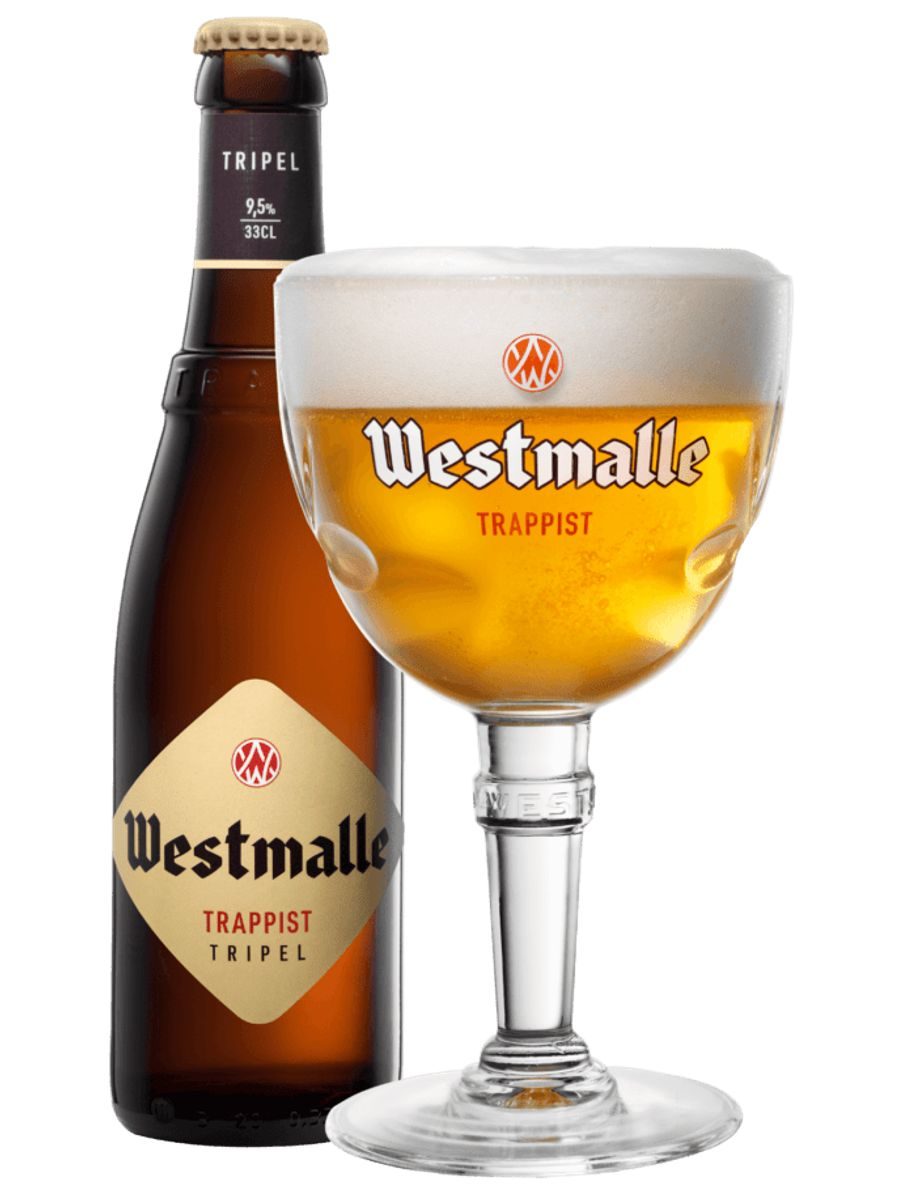
Westmalle Tripel
Brewed by Westmalle Trappist Brewery
Pale malt, banana-like fermentation and a long dry finish.
BAR NOTES
Westmalle Tripel is currently 9.5% and 38 EBU, with bottle fermentation and a clear golden appearance. The brewery dates its first Tripel to 1934, making this the central reference for a strong pale beer that remains finely balanced.
Compare it with Westmalle Dubbel to separate pale strength from deeper brown malt, then examine the drying finish beside Chimay White. A substantial alcohol level need not require syrupy body. Tripel recipe planning connects pale grist, fermentable sugar and careful fermentation.
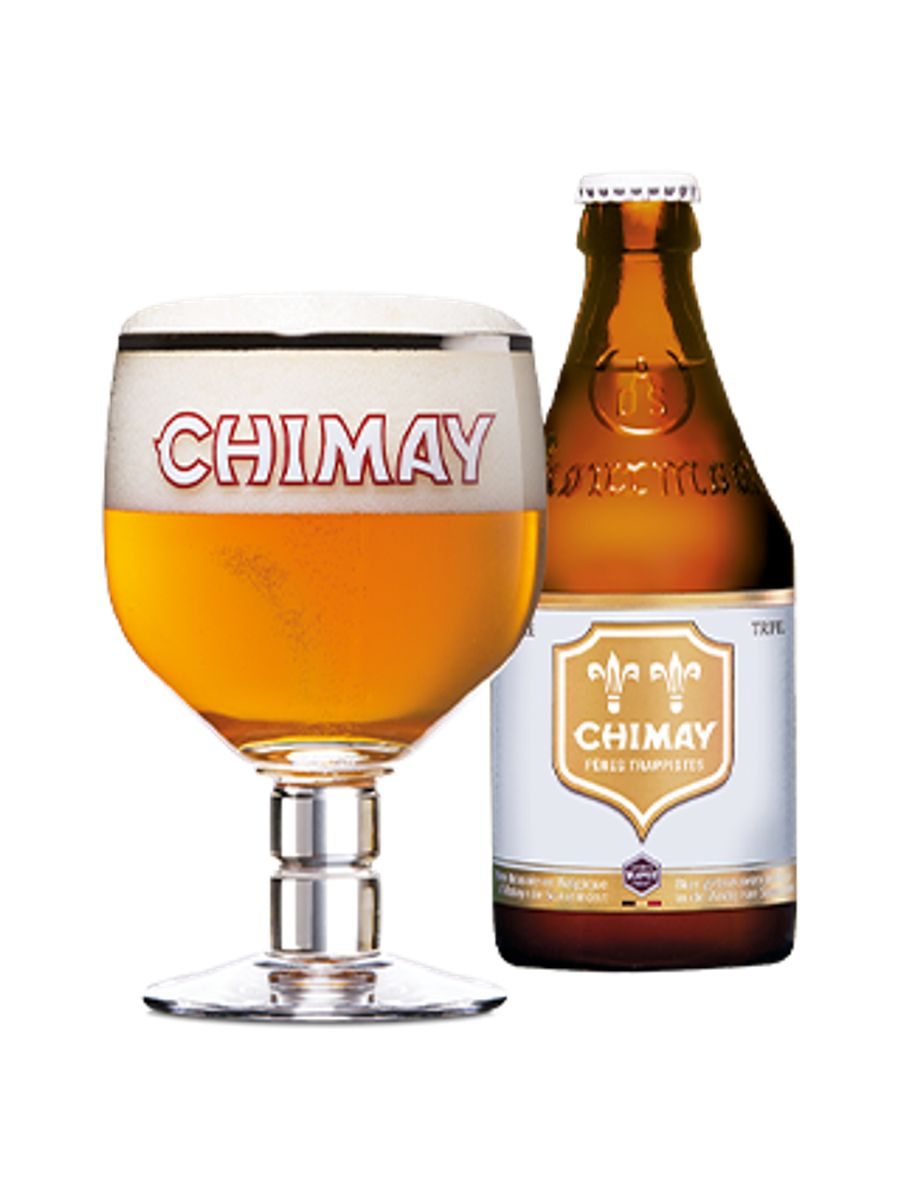
Chimay White / Cinq Cents
Brewed by Chimay
Citrus and fermentation fruit with a brighter finish.
BAR NOTES
Chimay White, called Cinq Cents in its larger-bottle presentation, is the brewery’s current 8% pale Triple. The selected white-label beer is separate from lighter Gold and stronger Green, so color-coded packaging remains useful throughout the flight.
Taste it with La Trappe Tripel and St.Bernardus Tripel at the same stated strength. Focus on the relationship between fruit aroma, pale malt and the final bitterness rather than ranking alcohol levels. Tripel fundamentals supplies the common comparison framework.
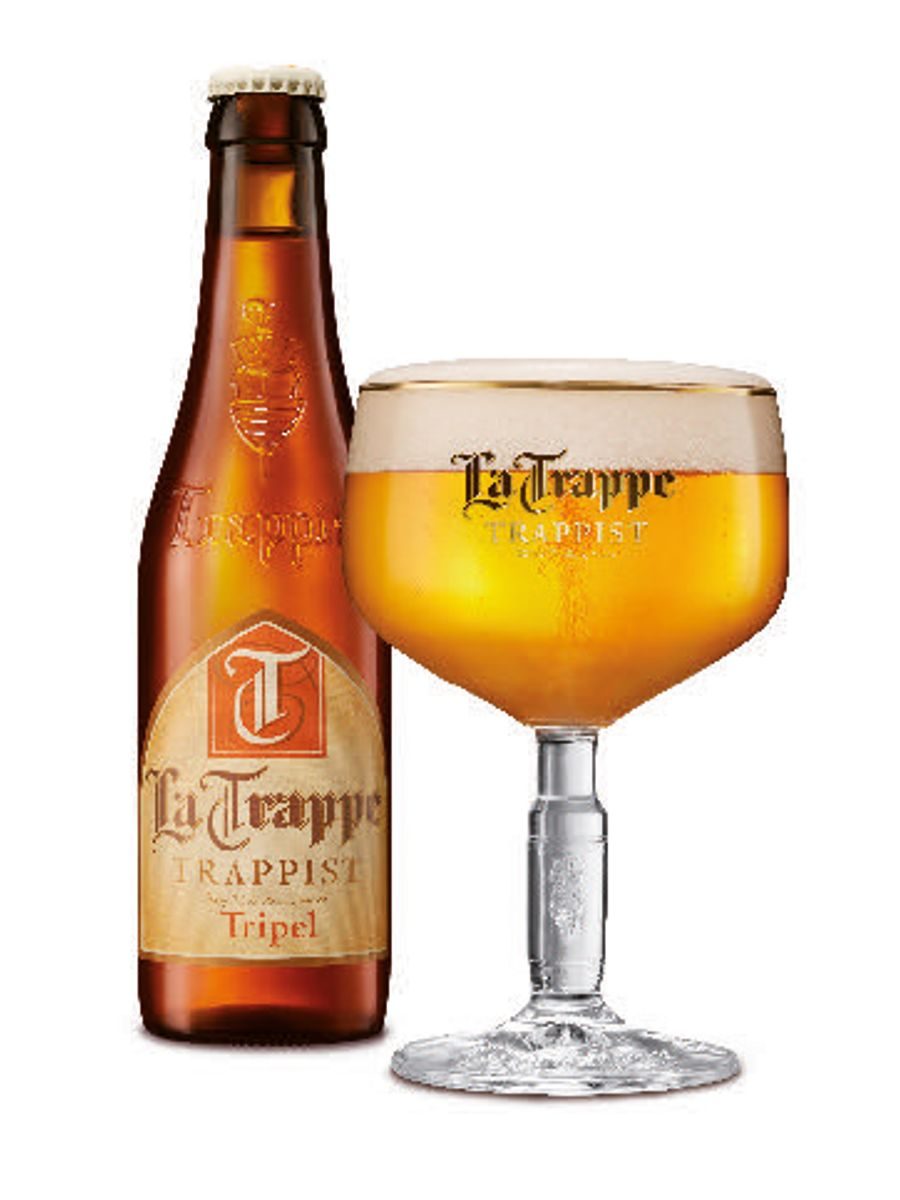
La Trappe Tripel
Brewed by Bierbrouwerij de Koningshoeven
A pale-abbey comparison within the Tripel strength band.
BAR NOTES
La Trappe Tripel is currently listed at 8% by the International Trappist Association. It is distinct from the 6.5% Blond and 10% Quadrupel, extending the pale strong-beer flight with a Dutch Trappist reference.
Compare its perceived body and fermentation fruit with Chimay White before tasting Westmalle’s stronger example. Do not infer added coriander solely from a spice-like impression or from another brewery’s recipe. brewing a balanced Tripel keeps the fermentation and attenuation target clear.
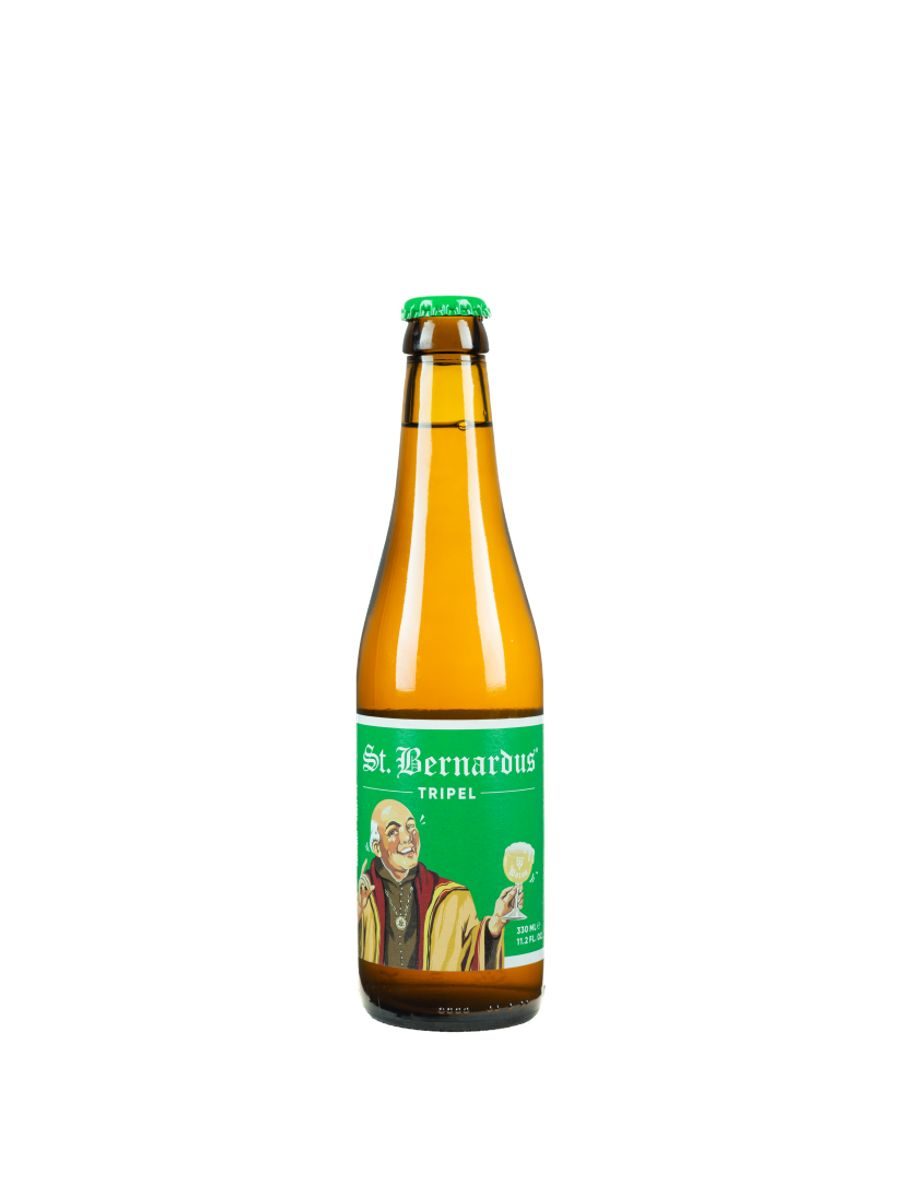
St.Bernardus Tripel
Brewed by St.Bernardus
Floral fruit and pale malt with measured bitterness.
BAR NOTES
St.Bernardus Tripel is currently 8% and 25 EBU, with a golden appearance and a fruit-and-flower profile. It adds an abbey-brand comparison to the Trappist examples without treating the brewery’s historical monastic connection as present-day Trappist certification.
Compare the final bitterness with Westmalle at 38 EBU rather than expecting all Tripels to share one hop balance. Carbonation and attenuation also shape perceived dryness. hop planning supports that recipe comparison while the family guide explains the producer distinction.
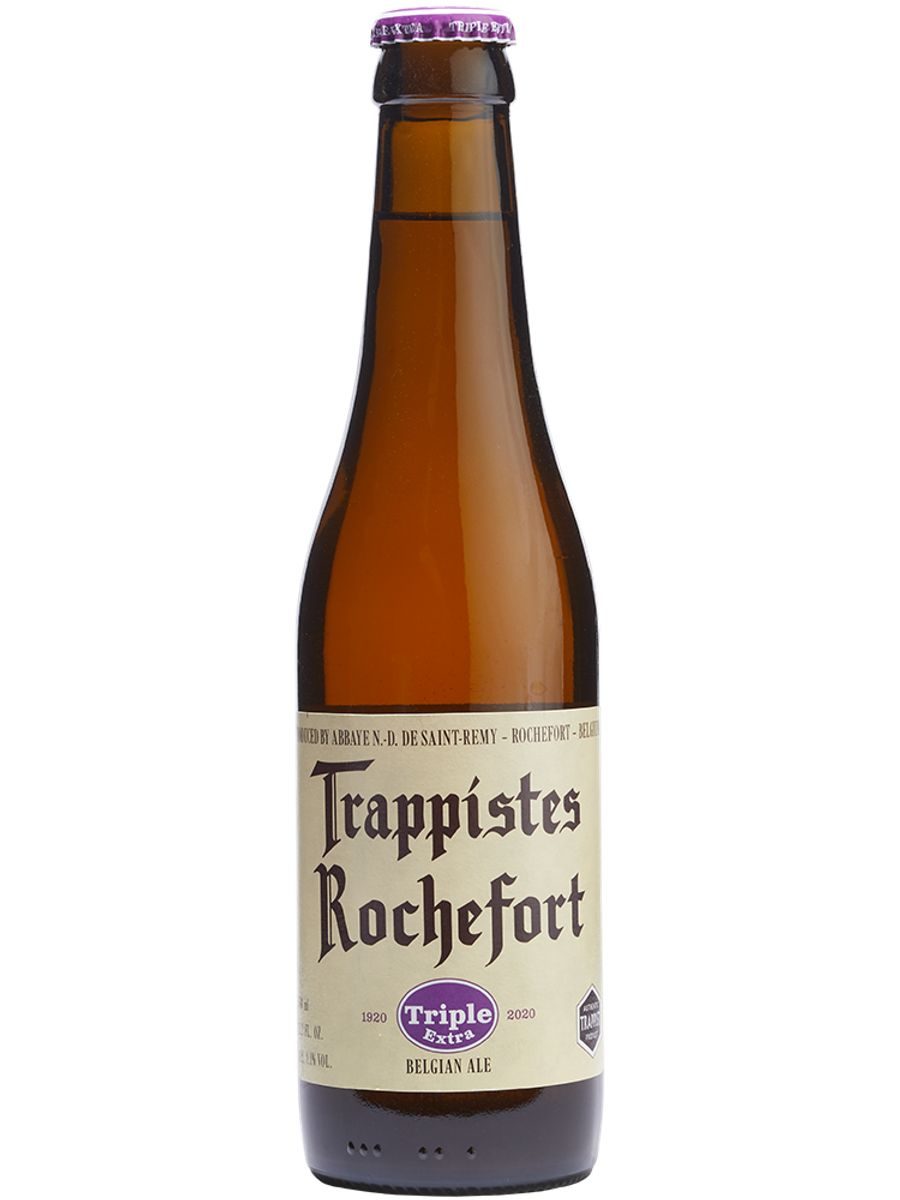
Rochefort Triple Extra
Brewed by Rochefort Trappist Brewery
Citrus and floral hops with a layered pale-beer profile.
BAR NOTES
Rochefort Triple Extra is selected here in its 8.1% bottled form; the brewery separately lists its newer keg version at 7.6%. Its citrus and floral character make a useful Trappist Tripel comparison in a strong pale-beer flight.
Rochefort Triple Extra is selected in the 8.1% bottle, distinct from the 7.6% keg specification. Compare its citrus and floral character with the other Tripels before assuming one brewery’s strength applies to every format. Tripel recipe planning connects the pale malt and drying finish.
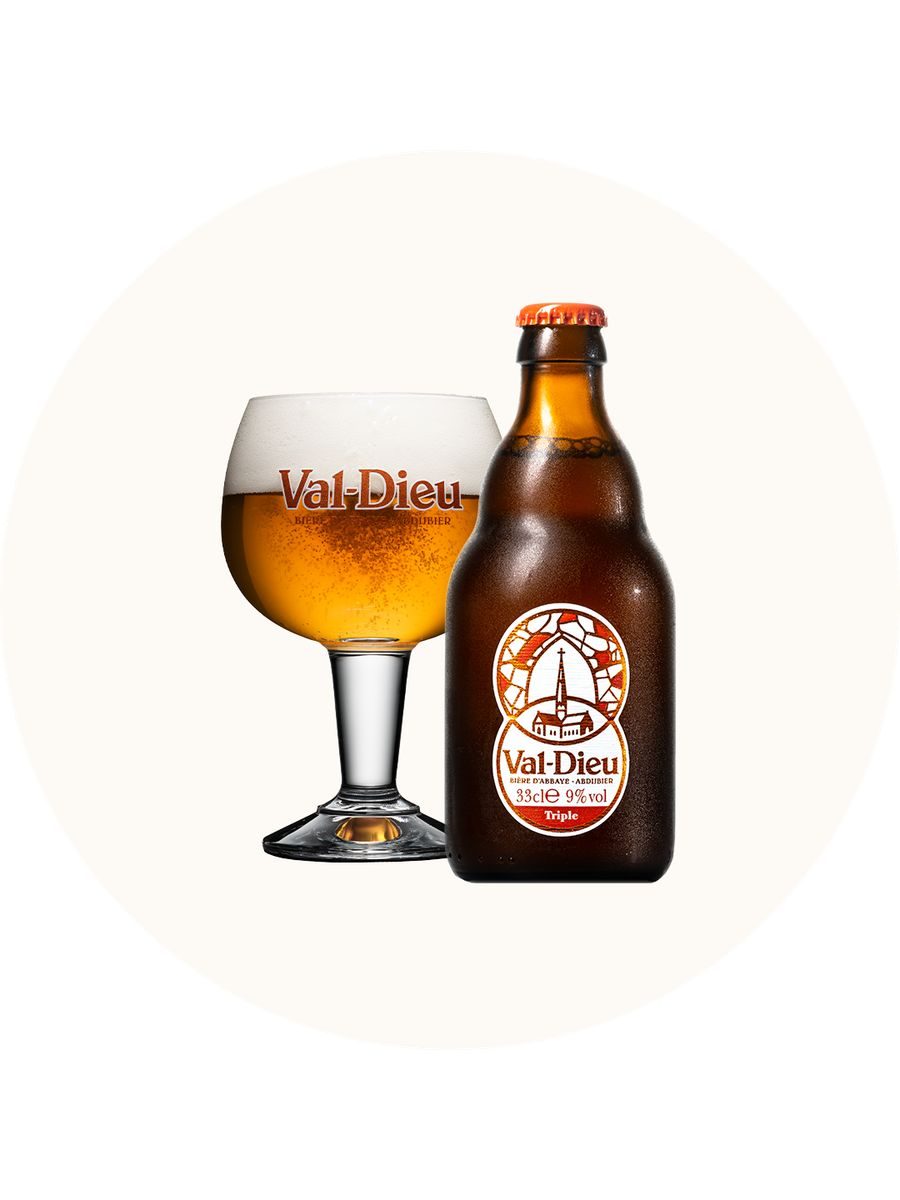
Val-Dieu Triple
Brewed by Brasserie de l’Abbaye du Val-Dieu
Cereal malt and an herbal hop accent.
BAR NOTES
Val-Dieu Triple is currently 9% and 18 IBU, with barley malt, hops, water and yeast declared by the brewery. Its grain-and-herbal profile gives a strong abbey comparison with a less assertive numerical bitterness than Westmalle.
Taste it beside Val-Dieu Blonde to isolate increased strength while preserving the brewery’s own Triple identity. The absence of sugar from the declared ingredient list should not be overwritten by a generic Tripel assumption. Tripel brewing choices explains sugar as a useful option rather than a mandatory universal ingredient.
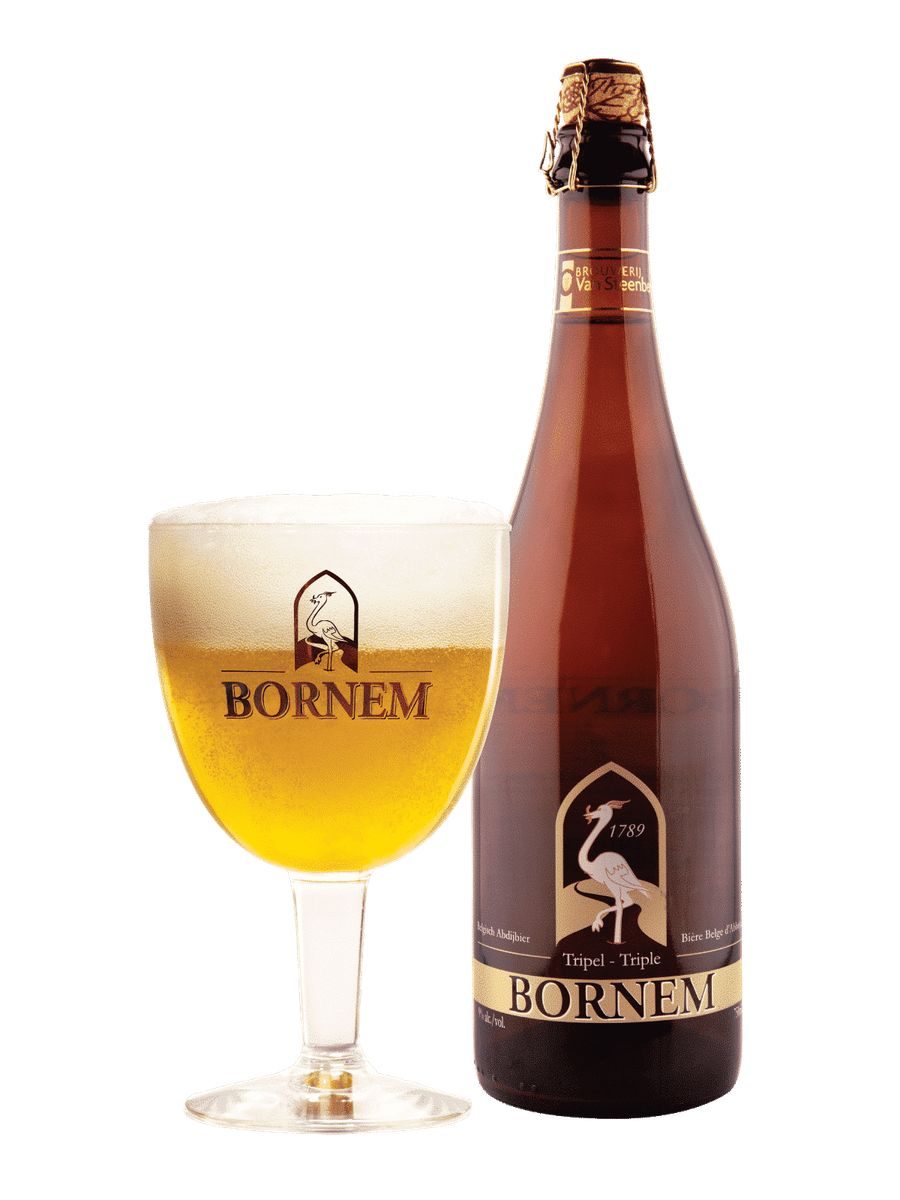
Bornem Tripel
Brewed by Brouwerij Van Steenberge
Fruit and hops with a drying pale-beer finish.
BAR NOTES
Bornem Tripel is currently 9% and 28 EBU, with barley malt, sugar and rice listed by the brewery. Bottle or keg fermentation completes this recognized abbey beer, which remains distinct from Bornem Double at 7.2%.
Compare the two Bornem beers to separate grain color and recipe strength from their shared branding. Then taste Tripel with Val-Dieu’s different declared fermentables at the same alcohol level. grain and adjunct planning makes that difference useful for a brewer.
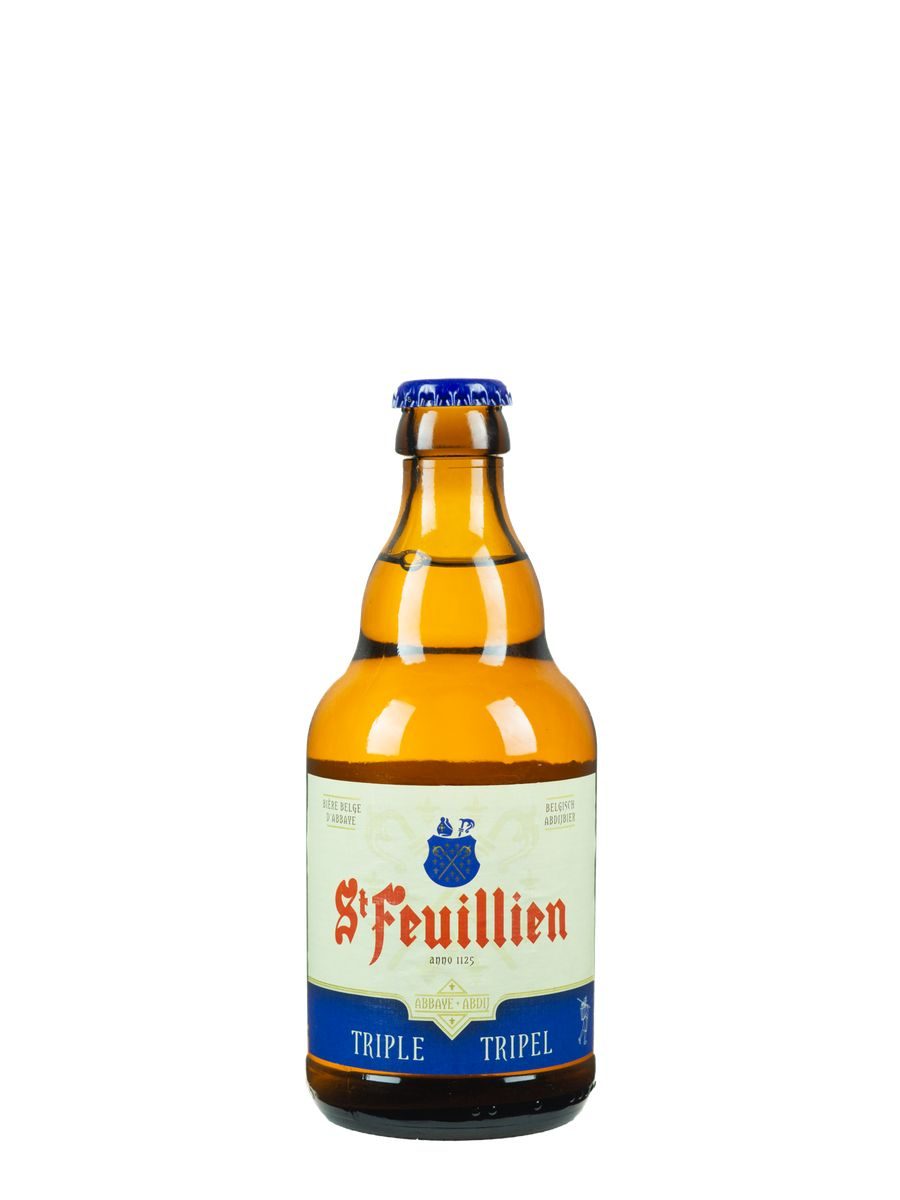
St-Feuillien Triple
Brewed by Brasserie St-Feuillien
Aromatic hops, fruit and declared spice character.
BAR NOTES
St-Feuillien Triple is currently 8.5%, with bottle fermentation and a pale amber appearance. The brewery explicitly discusses spices alongside hops and fermentation fruit, so the aromatic profile should not be attributed entirely to the yeast.
Compare it with the brewery’s stronger unspiced Grand Cru or with a simpler Tripel reference to isolate the seasoning variable. A known producer recipe does not make added spices compulsory for the style. the Tripel guide keeps that distinction visible.
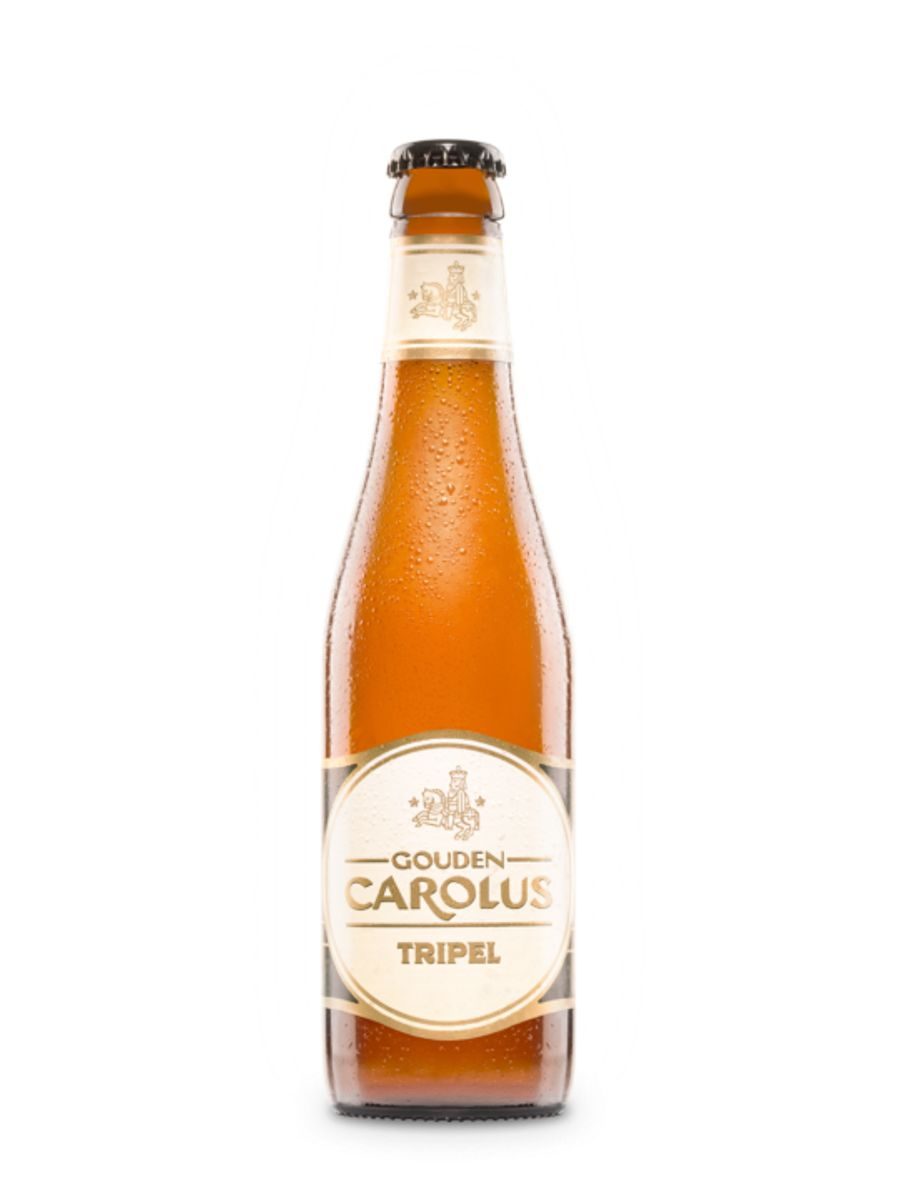
Gouden Carolus Tripel
Brewed by Het Anker
Pale malt with fresh fruit and herbal hops.
BAR NOTES
Gouden Carolus Tripel is currently 9% and 22 EBU, made with pale malt and East Kent Golding hops. Its pale color contrasts with the same brewery’s 8.5% Classic, demonstrating that comparable strength can accompany very different malt expression.
Taste the two beers in pale-to-dark order and separate malt flavor from alcohol warmth. Let the Tripel’s bitter finish settle before comparing the Classic’s caramel and chocolate-like impressions. Tripel recipe design connects that pale-strength target with fermentation and conditioning.
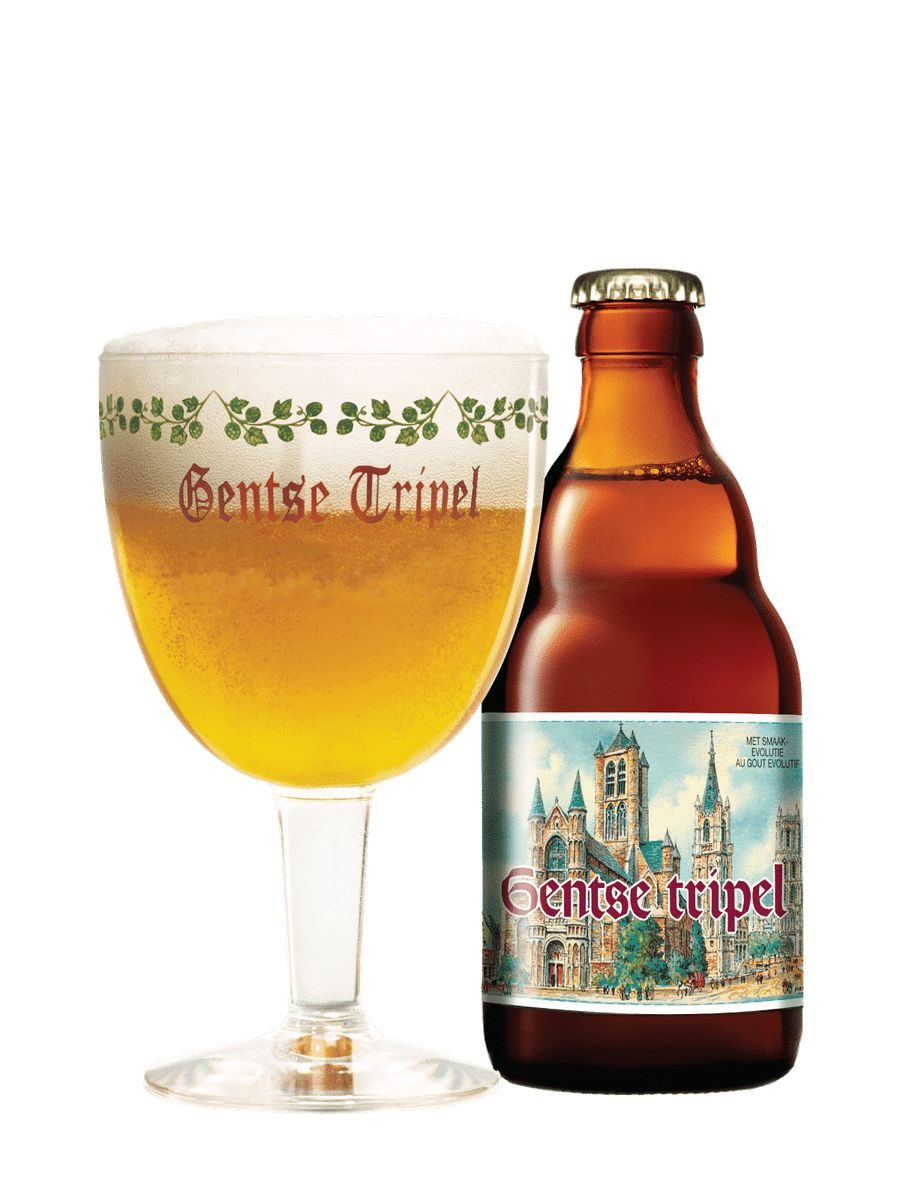
Gentse Tripel
Brewed by Brouwerij Van Steenberge
Honey-colored malt and fruit with a softer bitter balance.
BAR NOTES
Gentse Tripel is currently 8% and 18 EBU, brewed by Van Steenberge in Ertvelde and named for Ghent. Its honey-blond color is an appearance description; the declared ingredients list barley malt and sugar without honey.
Compare it with Bornem Tripel from the same brewery before assuming shared production means matching recipes. Notice how reduced strength and the stated bitterness alter the finish. Tripel fundamentals keeps the named beer’s balance in context without inventing a honey addition.
The bottom line
Tripel succeeds through contradiction: strong but not heavy, fruity but dry, pale but complex. Fermentation and carbonation carry as much responsibility as the grain bill.
Choose your next Trappist Ale comparison
Explore the complete family, or choose a recipe for the beer you want to brew.