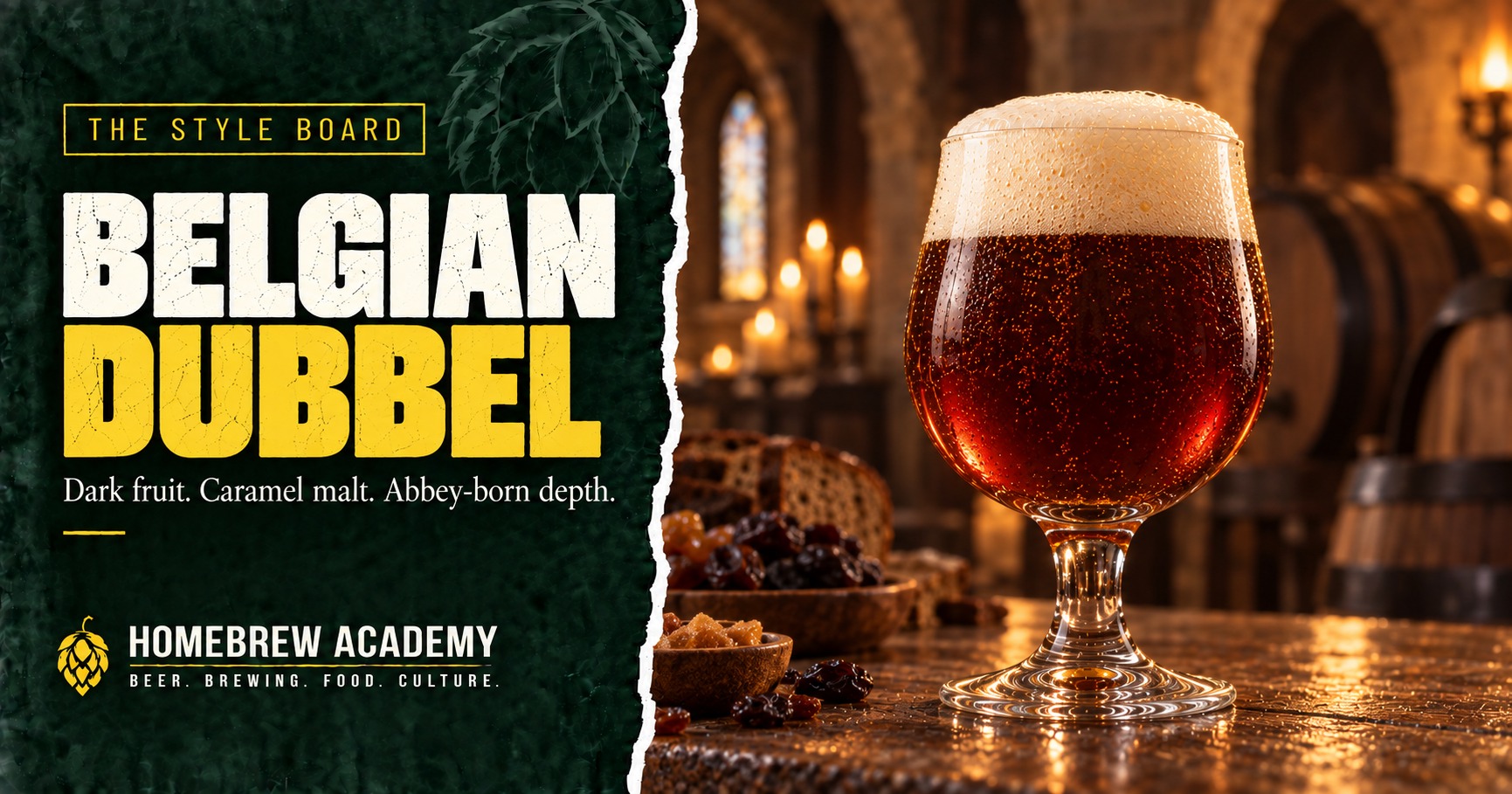
Belgian Dubbel: 10-Beer Comparison Flight and Style Guide
Belgian dubbel is a deep amber-to-brown abbey ale with bread-like malt, caramel impressions, dark fruit, gentle spice, and a dry-enough finish. It is richer than a single but usually more restrained than Belgian dark strong ale.
Raisin, plum, cherry, fig, toast, cocoa, and clove may all appear, yet a good dubbel does not taste like liquid fruitcake. Carbonation and attenuation keep the malt moving.
At a glance
- OG: 1.062–1.075
- FG: 1.008–1.018
- IBU: 15–25
- SRM: 10–17
- ABV: 6.0–7.6%
What dubbel tastes like
The aroma commonly combines dark bread, caramel, raisin, plum, cherry, and restrained pepper or clove. Hop aroma is low, and bitterness works quietly beneath the malt rather than competing with it.
Body is medium, carbonation moderately high, and alcohol gently warming. The finish may seem malt-forward but should not be sticky. Dark fruit can come from malt, candi syrup, yeast, and aging working together.
Where dubbel came from
Westmalle’s dark monastery beer helped establish the modern dubbel model in the nineteenth century. Other Trappist and abbey breweries developed their own interpretations, turning the name into a recognizable family rather than a single monastery’s formula.
The word dubbel does not mean the beer literally contains twice the malt or alcohol. Historical naming conventions are messier than a tidy arithmetic ladder, even though dubbel, tripel, and quadrupel now suggest increasing strength.
Building depth without heaviness
Pilsner malt usually forms the base, with Munich, aromatic, or carefully selected dark malt adding bread and color. Dark candi syrup can contribute raisin, caramelized sugar, and rum-like depth while remaining highly fermentable.
Avoid loading the recipe with crystal malt. Too many unfermentable sugars create a sweet, muddy finish. The goal is rich flavor carried by a beer that still finishes cleanly.
Fermentation and conditioning
A Belgian strain should contribute dark or orchard fruit and gentle spice. Pitch enough healthy yeast, begin fermentation under control, and allow a gradual rise so the beer reaches terminal gravity without harsh alcohol.
Bottle conditioning suits dubbel’s carbonation and aging potential. A few months can integrate the beer, but oxygen and warm storage will eventually flatten its fresh fruit into dull sherry and cardboard.
Serving and pairing
Serve around 48–52°F in a chalice. Dubbel is excellent with braised beef, roast pork, duck, mushrooms, aged Gouda, nutty cheese, and desserts based on bread, nuts, or dark chocolate.
Ten Belgian Dubbel references and comparisons
Ten dark references begin with Westmalle Dubbel, Chimay Red, La Trappe Dubbel, St. Bernardus Pater 6, Rochefort 6 and Bornem Double. St. Bernardus Prior 8 and Val-Dieu Brune retain their producers’ Double descriptions but exceed the ordinary Dubbel strength range. Augustijn Dark and St-Feuillien Brune are explicitly stronger dark abbey comparisons. Abbey branding and Trappist production remain separate.
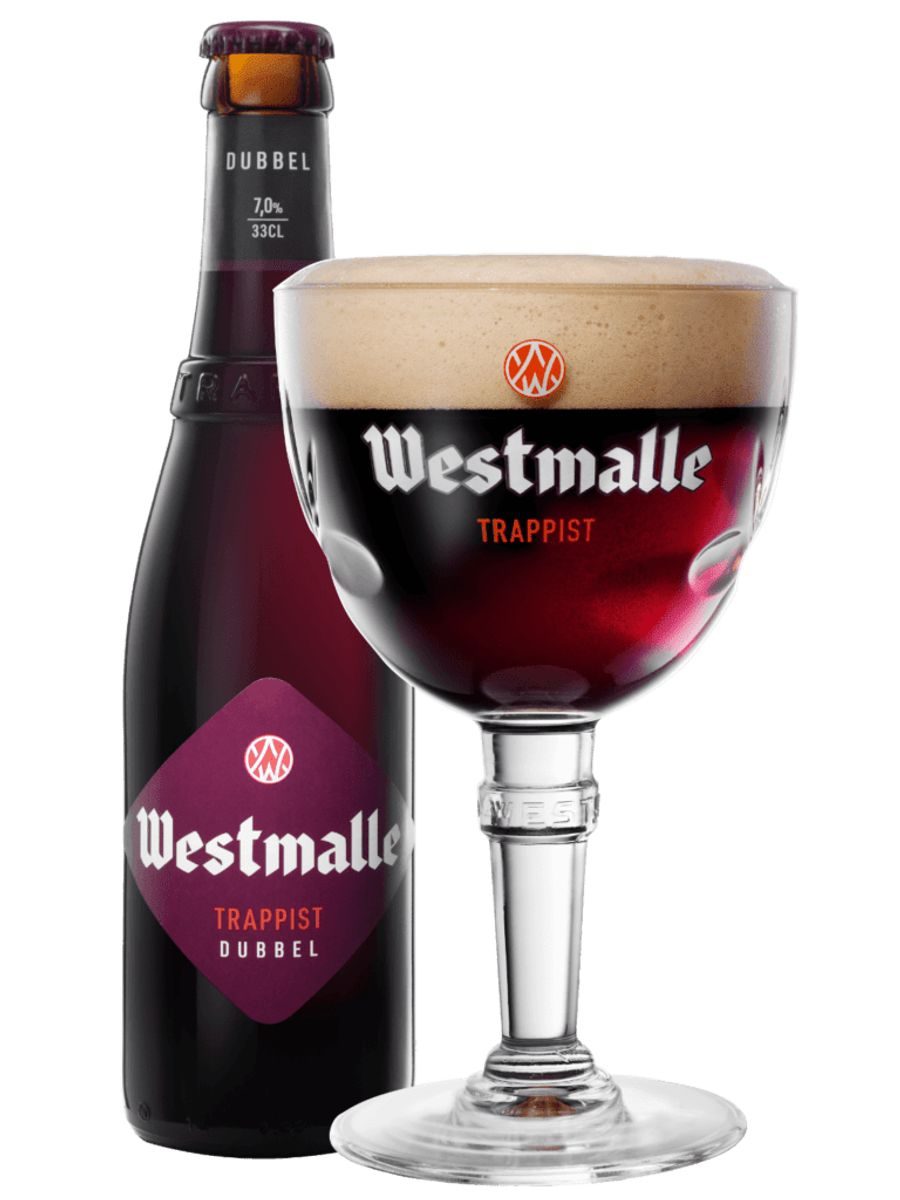
Westmalle Dubbel
Brewed by Westmalle Trappist Brewery
Caramel malt and fermentation fruit with a long dry finish.
BAR NOTES
Westmalle Dubbel is currently 7% and 30 EBU, with bottle fermentation and a red-brown appearance. Caramel malt and fermentation fruit establish the central dark-abbey reference without requiring the beer to finish as sweetly as its aroma suggests.
Taste it beside Westmalle Extra to isolate deeper malt at the same brewery, then revisit the finish beside Chimay Red. Richer color need not imply heavier residual sweetness. Dubbel recipe design connects layered malt and sugar with a finish that remains drinkable.
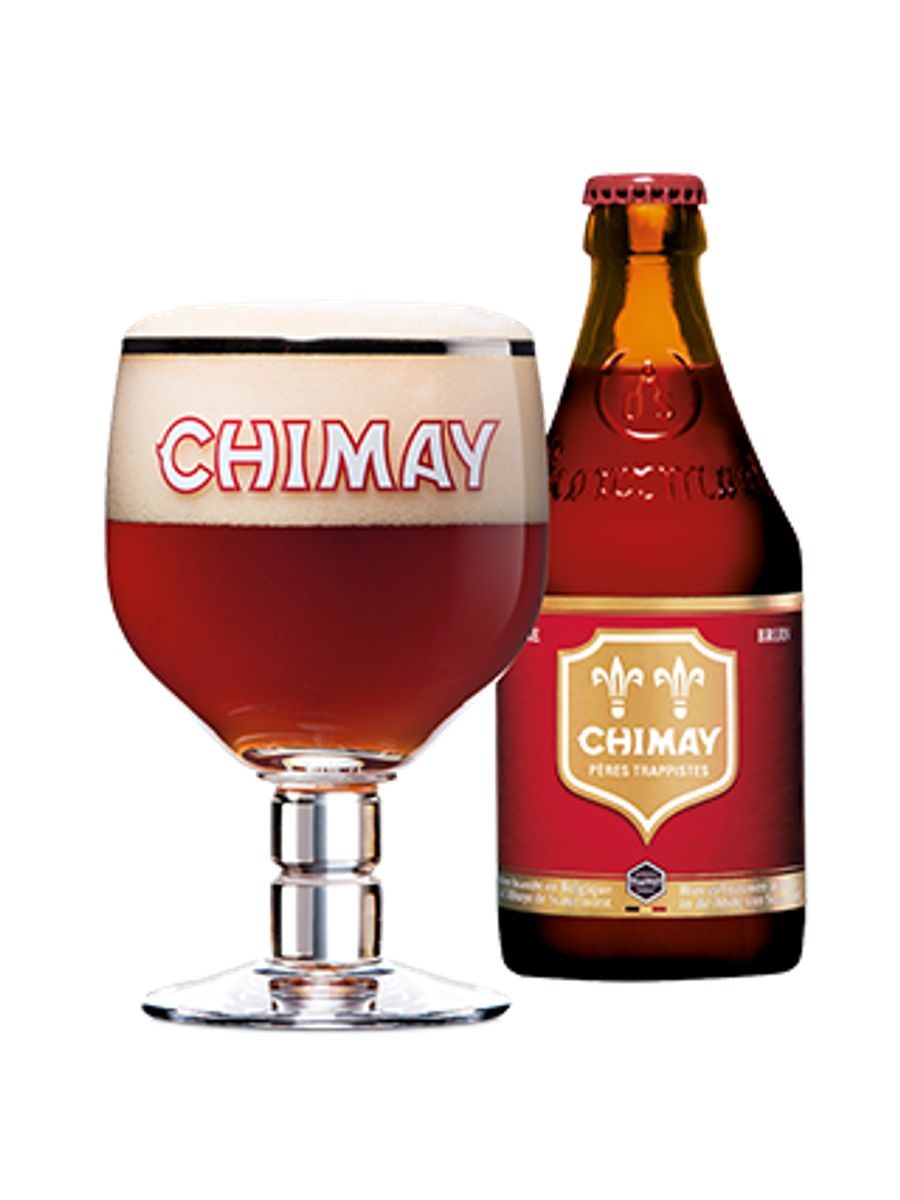
Chimay Red / Première
Brewed by Chimay
Rounded brown malt and fermentation fruit.
BAR NOTES
Chimay Red, called Première in its larger-bottle presentation, is currently 7%. It is the brewery’s brown reference, distinct from stronger Blue and pale White Triple, making the red label an important part of selecting the intended Dubbel comparison.
Compare it with Westmalle Dubbel at matched strength and temperature. Follow the fruit aroma into the rounded malt middle, then check whether the aftertaste clears or lingers sweetly. Dubbel fundamentals keeps fermentation fruit and malt richness in proportion.
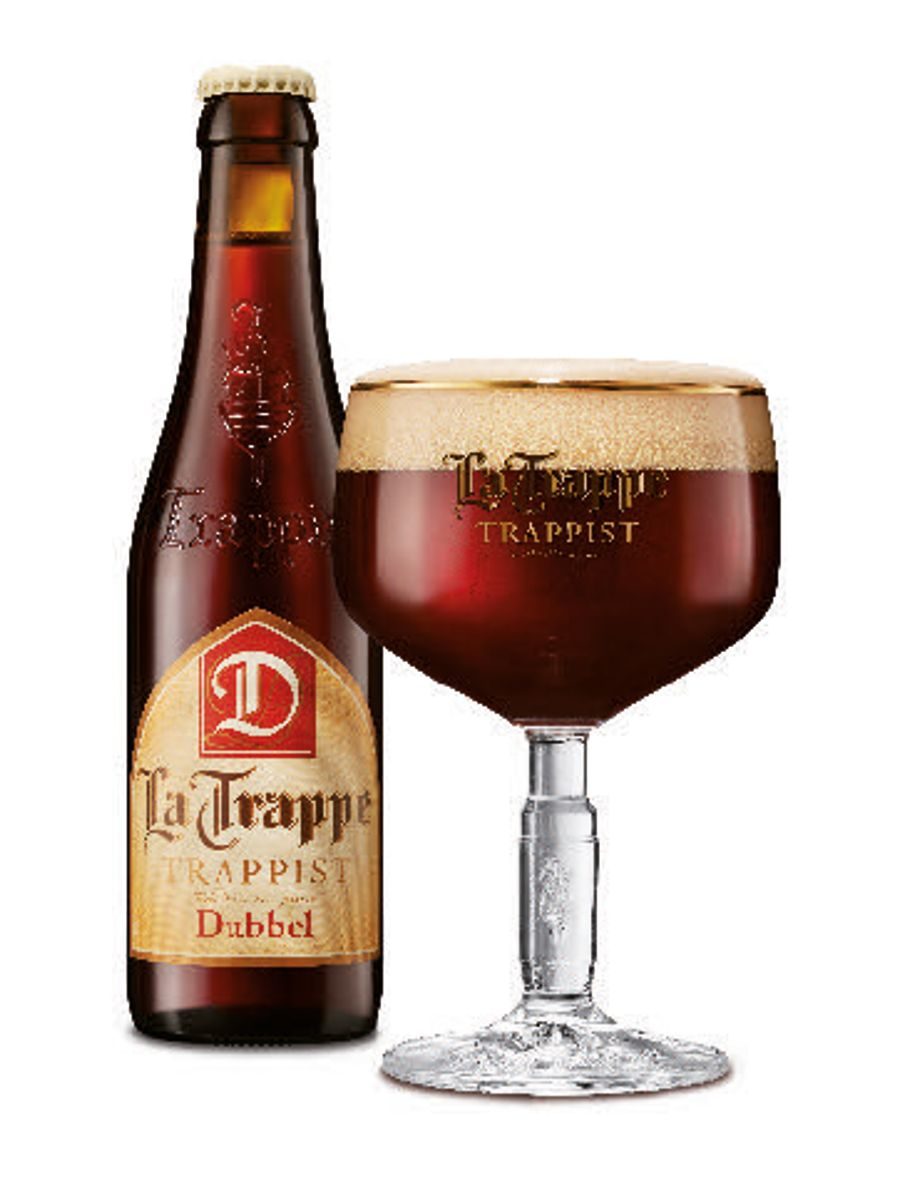
La Trappe Dubbel
Brewed by Bierbrouwerij de Koningshoeven
A dark-abbey comparison at the same strength as Westmalle.
BAR NOTES
La Trappe Dubbel is currently 7%, confirmed by the International Trappist Association. It joins Westmalle Dubbel and Chimay Red in a same-strength comparison while retaining its Dutch brewery identity and separate place within La Trappe’s range.
Taste the three before the stronger brown neighbors so alcohol does not dominate the comparison. Look for differences in fruit, toasted malt and perceived dryness rather than assuming a shared Dubbel name means one recipe. brewing Belgian Dubbel provides the common style framework.
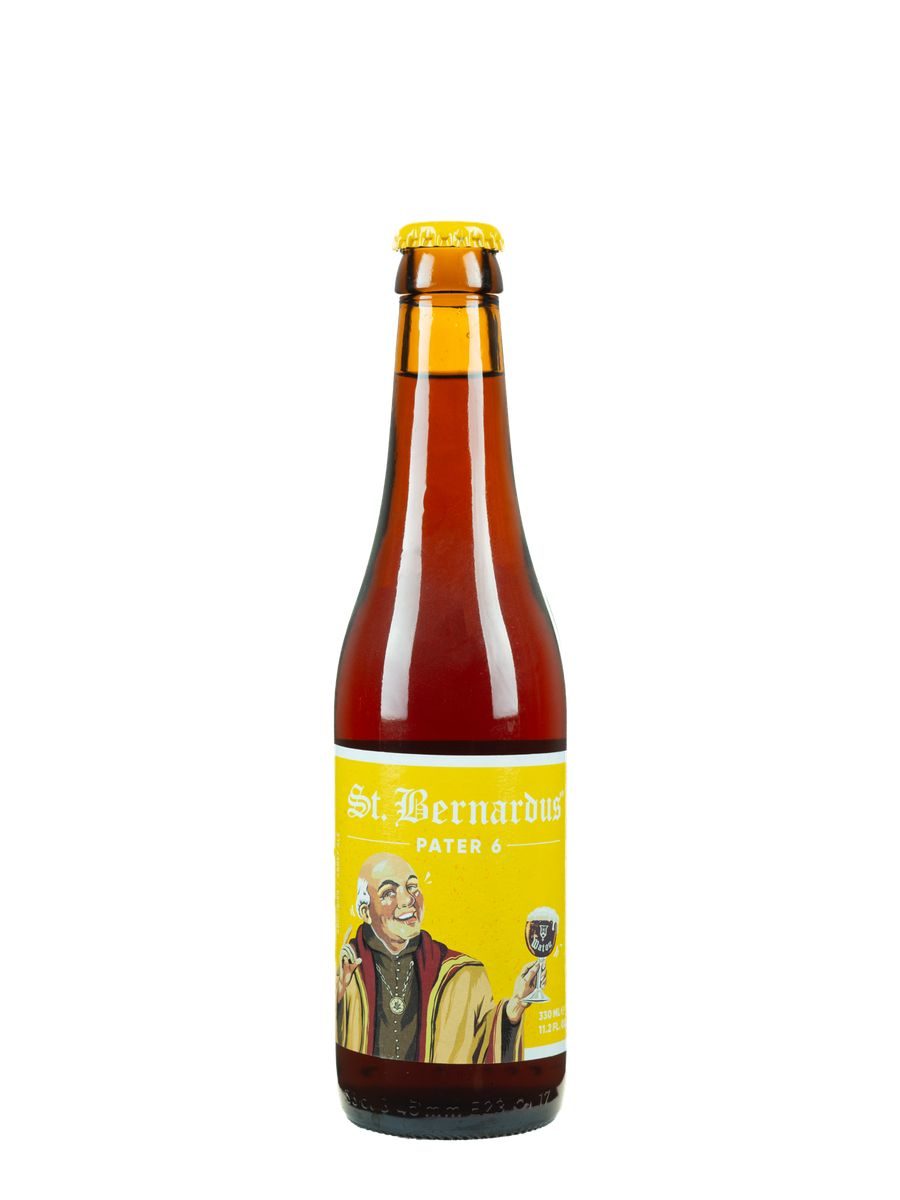
St.Bernardus Pater 6
Brewed by St.Bernardus
Hazelnut-like malt and tree-fruit fermentation impressions.
BAR NOTES
St.Bernardus Pater 6 is currently 6.7% and 25 EBU, labeled Double by the brewery. Its specialty-malt depth and fruit character provide an abbey-brand Dubbel reference; the numeral six is not its alcohol percentage.
Compare Pater 6 with the stronger Prior 8 before assuming the numbered names describe a universal strength scale. The same brewery offers useful changes in malt and body while both retain their named Double identities. Dubbel balance establishes the ordinary strength target.
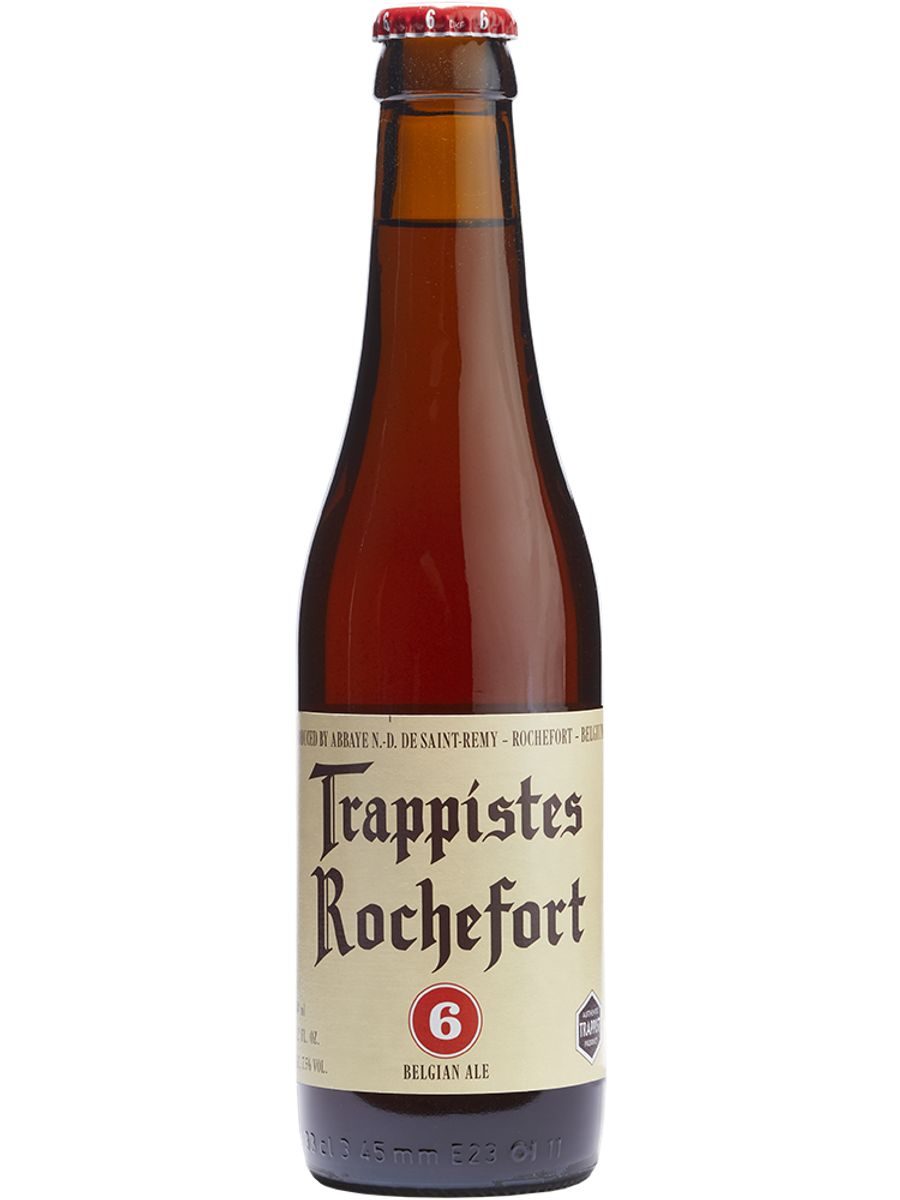
Rochefort 6
Brewed by Rochefort Trappist Brewery
Soft brown malt and earthy, herbal accents.
BAR NOTES
Rochefort 6 is currently 7.5% and 18 IBU in the importer’s specification, close to the upper end of ordinary Dubbel strength. Coriander is declared alongside candi sugar, so its spice impression is not exclusively evidence of fermentation character.
The six refers to an older brewing-gravity naming convention, not 6% alcohol. Compare this red-cap bottle with the stronger green-cap Rochefort 8 after establishing the ordinary Dubbel references. Dubbel brewing priorities focuses the comparison on malt complexity and complete fermentation.
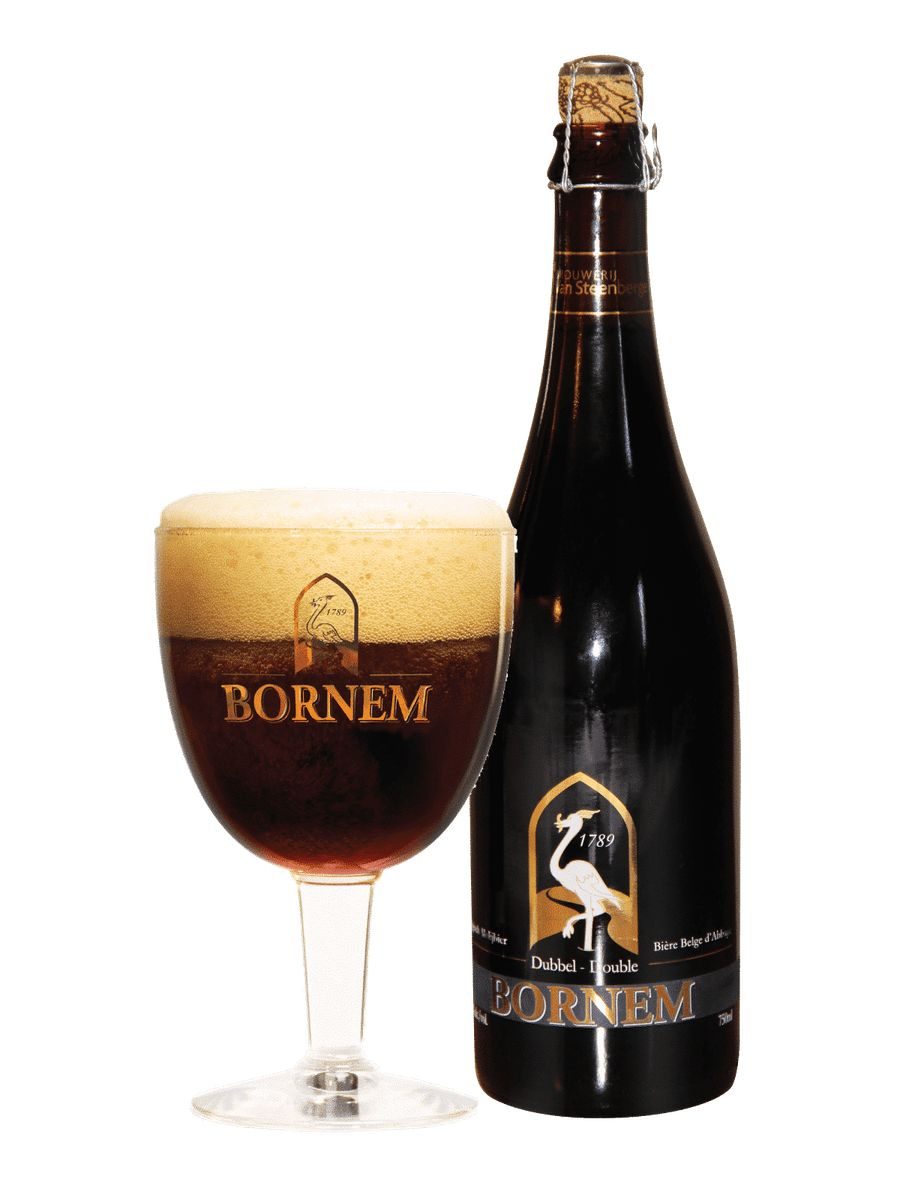
Bornem Double
Brewed by Brouwerij Van Steenberge
A fruit-led dark abbey comparison.
BAR NOTES
Bornem Double is currently 7.2%, with further fermentation in the bottle or keg. Van Steenberge brews this recognized Belgian abbey beer in Ertvelde; the Bornem abbey connection does not make it a Trappist-certified product.
Use it among the ordinary-strength Dubbels and compare the fruit-to-malt balance before moving to the 8% neighbors. Keep the stated Double identity separate from Bornem Tripel at 9%. the Trappist and abbey family explains that naming and producer certification answer different questions.
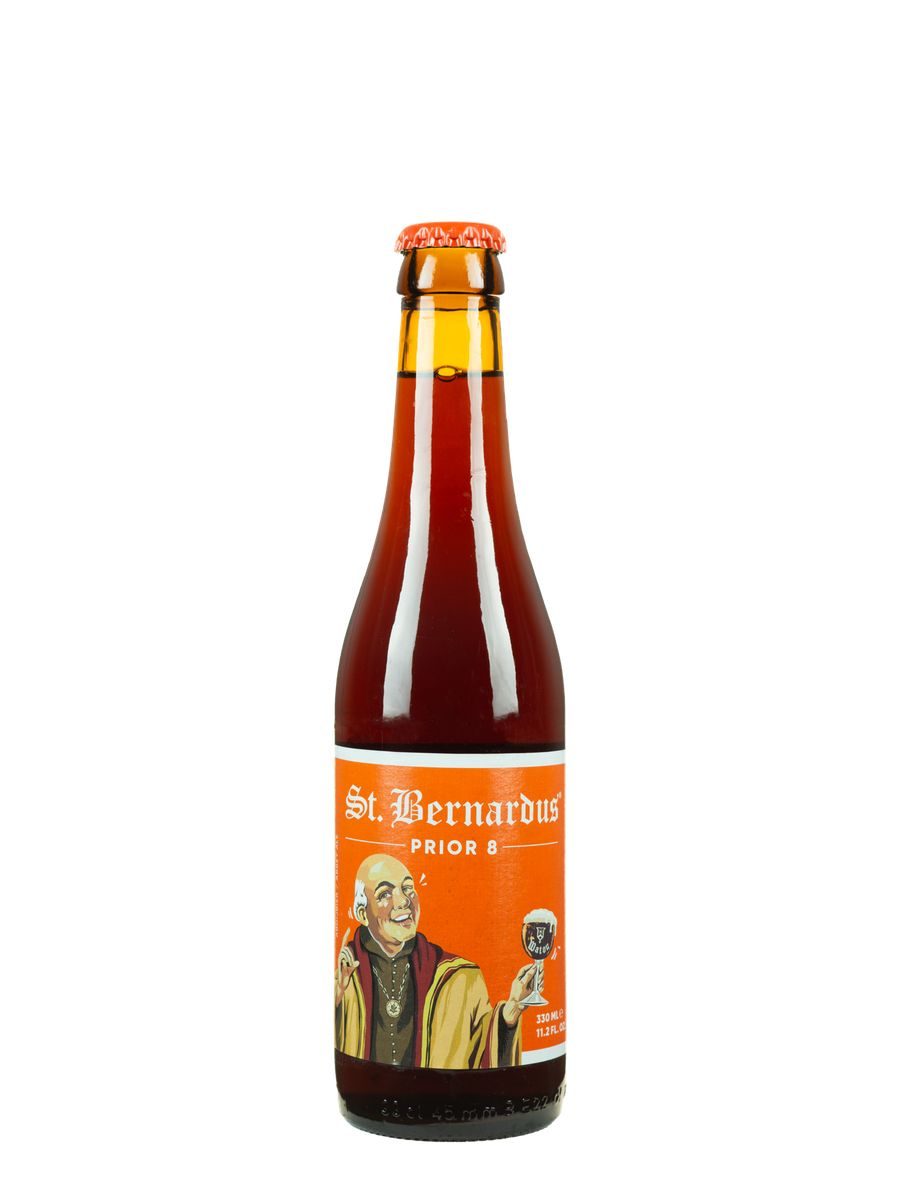
St.Bernardus Prior 8
Brewed by St.Bernardus
Fig-like fruit and deeper caramel malt.
BAR NOTES
St.Bernardus currently lists Prior 8 at 8% and 20 EBU, explicitly labeling it Double. Its stated strength exceeds Dubbel’s usual 7.6% upper bound, so it is included as a stronger brewery-named interpretation rather than an ordinary-strength example.
Compare it after Pater 6 and separate darker fruit impressions from increased alcohol and body. The brewery’s own style label and the guideline strength boundary can both be stated without erasing either. Dark Strong Ale provides the next stronger comparison.
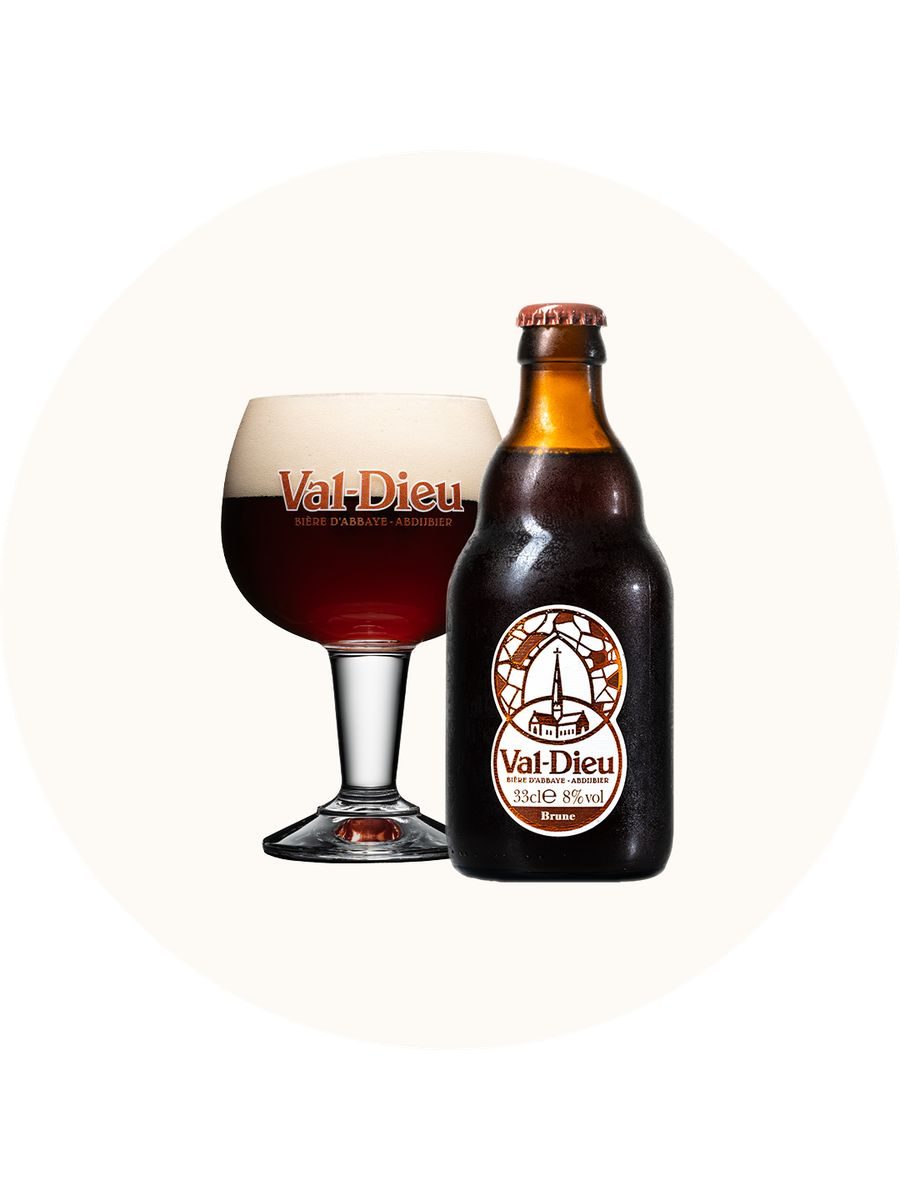
Val-Dieu Brune
Brewed by Brasserie de l’Abbaye du Val-Dieu
Ruby malt, mocha-like aroma and a softer bitter finish.
BAR NOTES
Val-Dieu Brune is currently 8% and 19 IBU, with Belgian Dubbel specified by the brewery. Its strength sits above the ordinary Dubbel range, while ruby color and mocha-like malt impressions give a distinctly brown-abbey comparison.
Assess the difference between the aroma’s coffee impression and the milder flavor in the sip. Do not turn that descriptor into a confirmed coffee addition. a shared flavor vocabulary separates roast, caramel and fruit before comparing Brune with the stronger Val-Dieu Grand Cru.
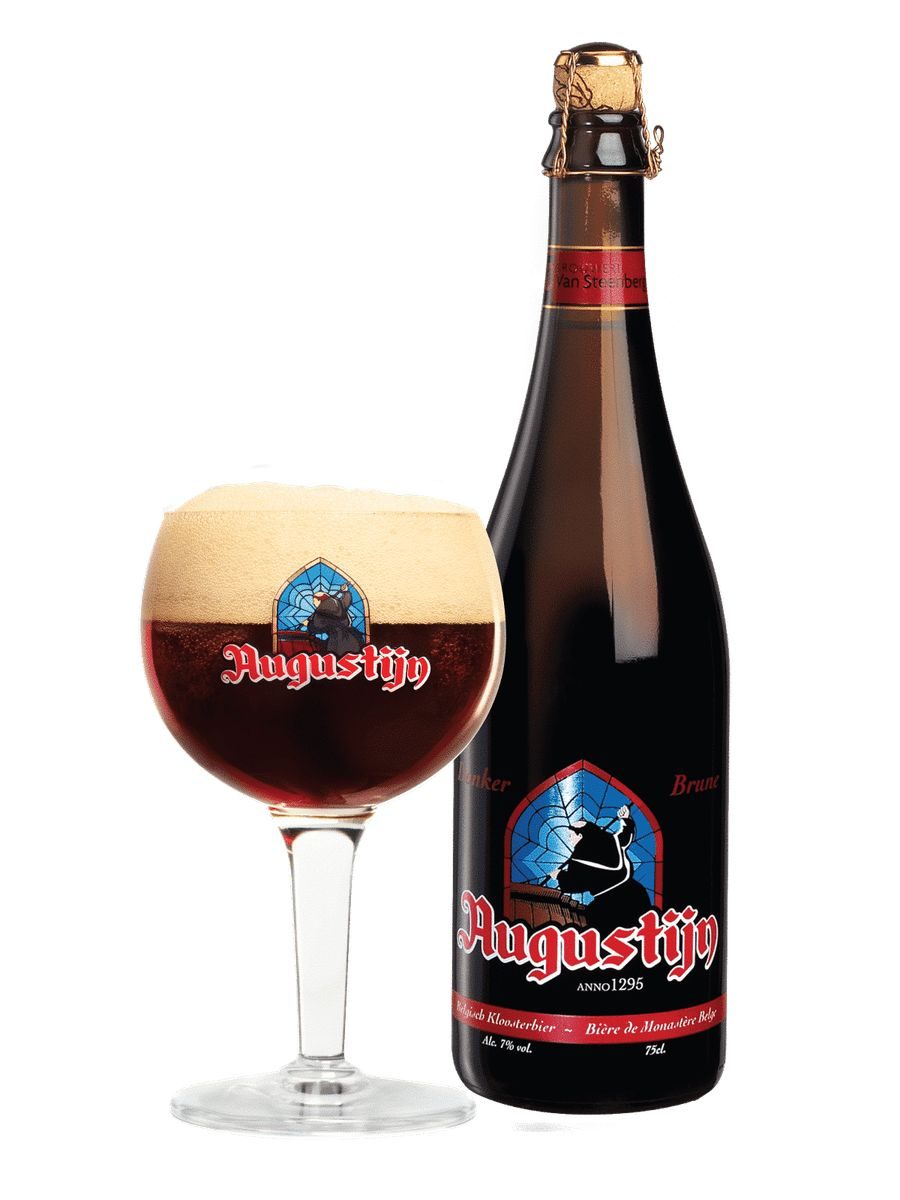
Augustijn Dark
Brewed by Brouwerij Van Steenberge
Red-fruit, nut and caramel impressions.
BAR NOTES
Augustijn Dark is currently 8% and 20 EBU, made with barley malt, sugar and rice and further fermentation in the bottle or keg. It is a dark abbey neighbor above ordinary Dubbel strength, not a substituted Augustijn Blond.
Compare it with Bornem Double to hear how another recipe from the same brewery shifts fruit, malt and perceived weight. Darker appearance does not settle the sweetness question. the Dubbel reference offers a lower-strength baseline before the fuller strong-dark flight.
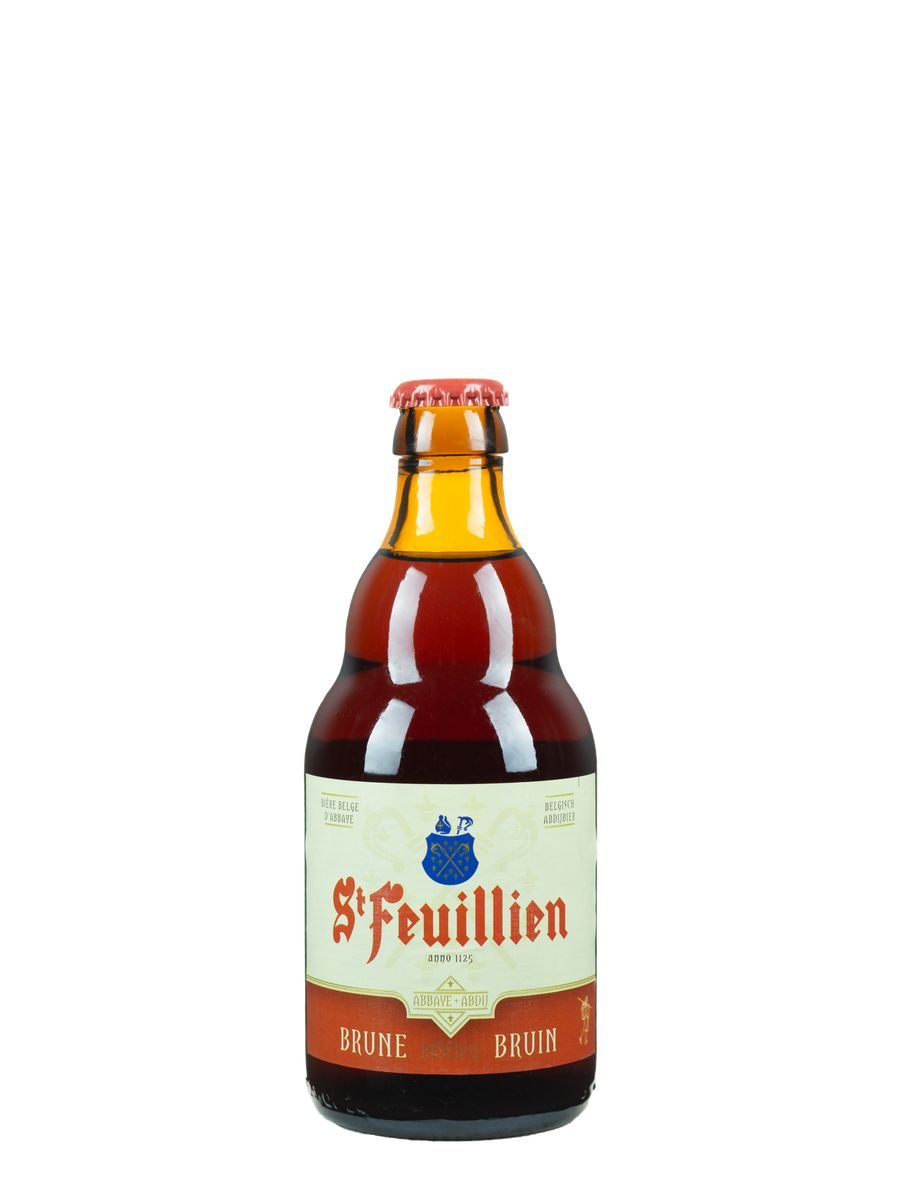
St-Feuillien Brune
Brewed by Brasserie St-Feuillien
Caramel malt and a licorice-like aromatic accent.
BAR NOTES
St-Feuillien Brune is currently 8.5%, with darker malt and fruit supporting its brown-abbey profile. It exceeds the usual Dubbel strength band and is presented as a stronger neighbor, separate from the brewery’s 11% Quadruple.
Taste a small pour after the standard Dubbels and compare warmth, malt depth and the length of the finish. Licorice-like aroma alone does not establish added licorice. Belgian Dark Strong Ale explains the stronger end of the family without relabeling every brown beer.
The bottom line
Dubbel is rich without being massive. Its best versions turn bread, dark fruit, caramel, spice, and carbonation into a balanced table beer rather than a sweet after-dinner novelty.
Choose your next Trappist Ale comparison
Explore the complete family, or choose a recipe for the beer you want to brew.