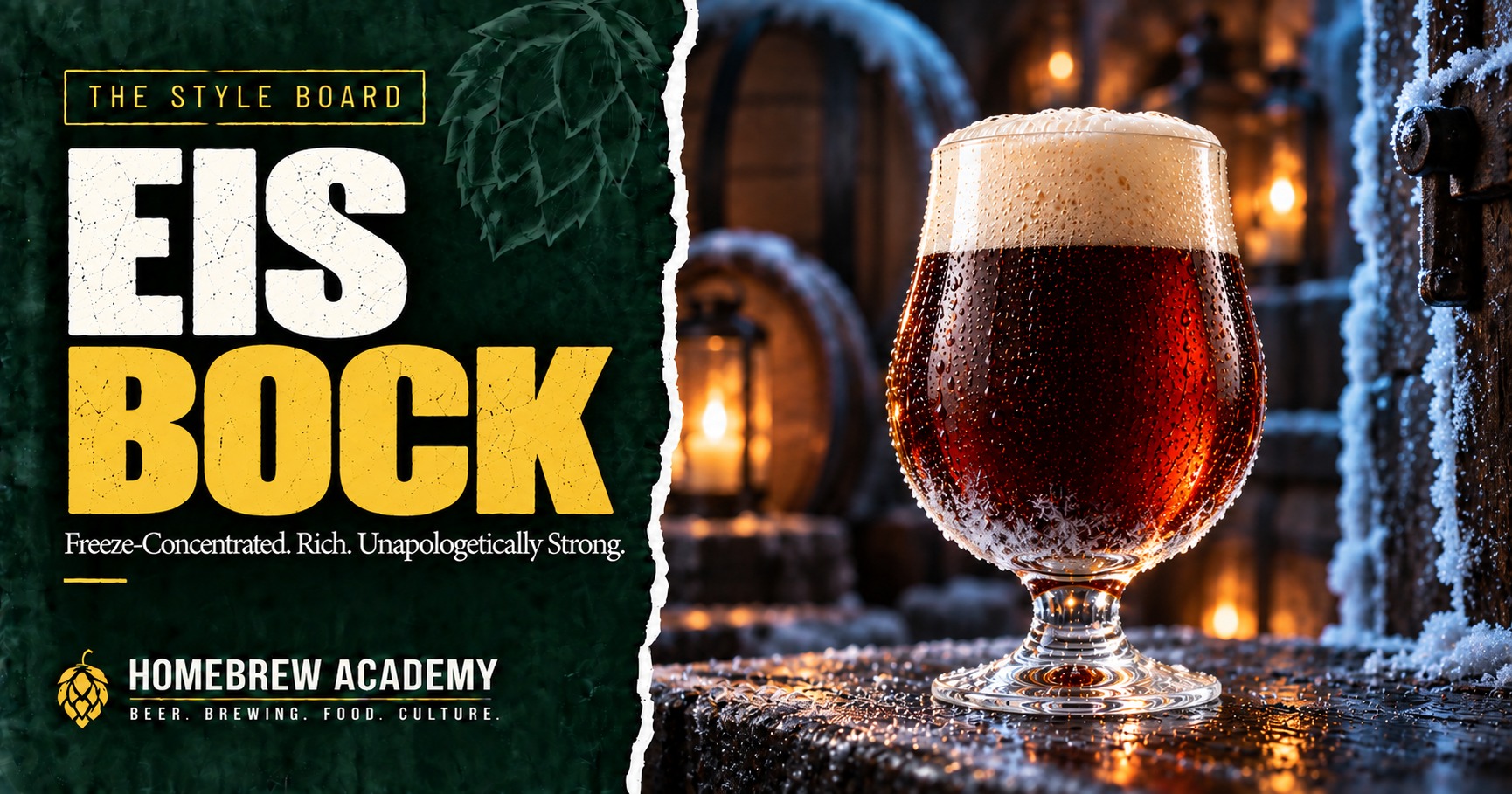
Eisbock: 10 Ice-Concentrated Beers and Style Guide
Eisbock is a strong German lager made by partially freezing a Doppelbock-like beer and removing ice, concentrating malt, dark fruit and alcohol into a smooth, deliberate sipper.
The process amplifies everything, including flaws. Great Eisbock is intense and warming but never solvent-like, sticky or rough.
The quick answer
Expect deep copper to dark brown color, rich malt, plum or grape-like fruit and a definite alcohol presence. The body is full to very full, carbonation is low and the finish gains dryness from alcohol.
| Measure | BJCP range |
|---|---|
| Original gravity | 1.078–1.120 |
| Final gravity | 1.020–1.035 |
| Bitterness | 25–35 IBU |
| Color | 17–30 SRM |
| Alcohol | 9–14% |
What Eisbock tastes like
Bread, toast, caramel, faint chocolate and dark fruit become concentrated, while hops disappear almost entirely from aroma and flavor. Bitterness exists mainly to prevent the malt from becoming cloying.
Alcohol should feel silky and warming rather than hot. The strongest examples show remarkable density, but richness must close with enough alcohol-derived dryness to avoid a syrupy finish.
How freeze concentration works
A mature Doppelbock-like beer is partially frozen so water forms ice before the alcohol-rich portion freezes. Removing some ice raises the remaining beer’s concentration, intensifying alcohol, flavor, body and any fermentation defects.
Commercial examples may remove roughly seven to thirty-three percent of the original volume. Extended conditioning after concentration is often necessary to integrate the alcohol and restore balance.
The Kulmbach origin story
Eisbock emerged in Kulmbach in Franconia during the late nineteenth century. Stories describe accidental freezing at a brewery, although the exact history is uncertain. The name refers to the freezing process, not a guaranteed alcohol level.
Ten Eisbock and ice-concentration references
This guide pairs classic barley Eisbocks with clearly labeled commercial variations and optional ice-concentration comparisons. Wheat-based beers, a lower-strength release, an IPA-derived ice beer and extreme-strength wheat beers are not interchangeable with a textbook BJCP 9B entry. The ten rows form a process-focused reference list, not a claim that ten classic Eisbocks are readily available. Check release dates, local stock and the label in hand.
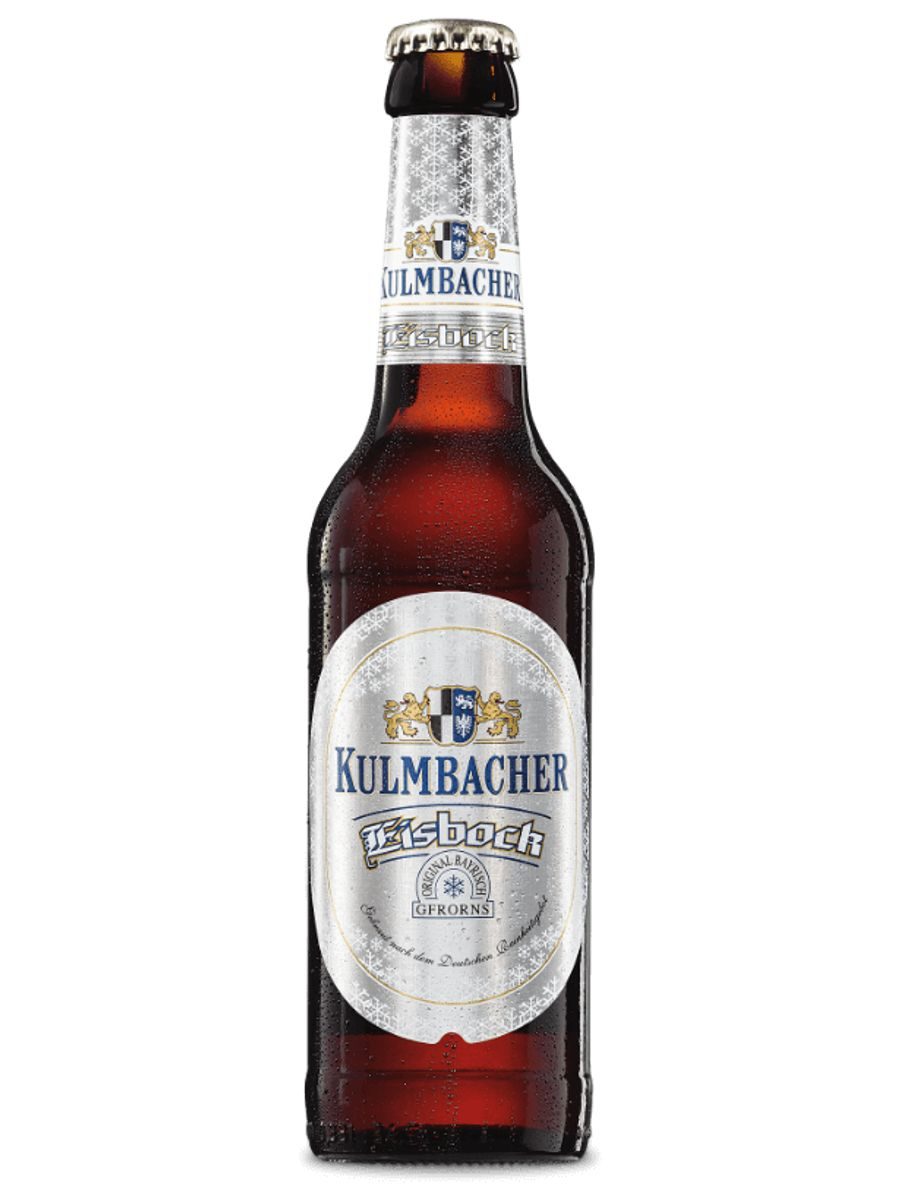
Kulmbacher Eisbock
Brewed by Kulmbacher Brauerei
Begin with a small pour beside an unfrozen Doppelbock and compare body, dried-fruit impressions and warmth.
BAR NOTES
Kulmbacher’s current product page describes a modern brewing and freezing process and frames the apprentice accident as a legend. The 9.2% commercial beer is a useful traditional starting reference; the bottle label confirms the strength.
Begin with a small pour beside an unfrozen Doppelbock and compare body, dried-fruit impressions and warmth. Treat the origin story as brewery folklore rather than evidence that every early Eisbock was made accidentally. Read our Doppelbock comparison for the technique or comparison behind this tasting exercise.
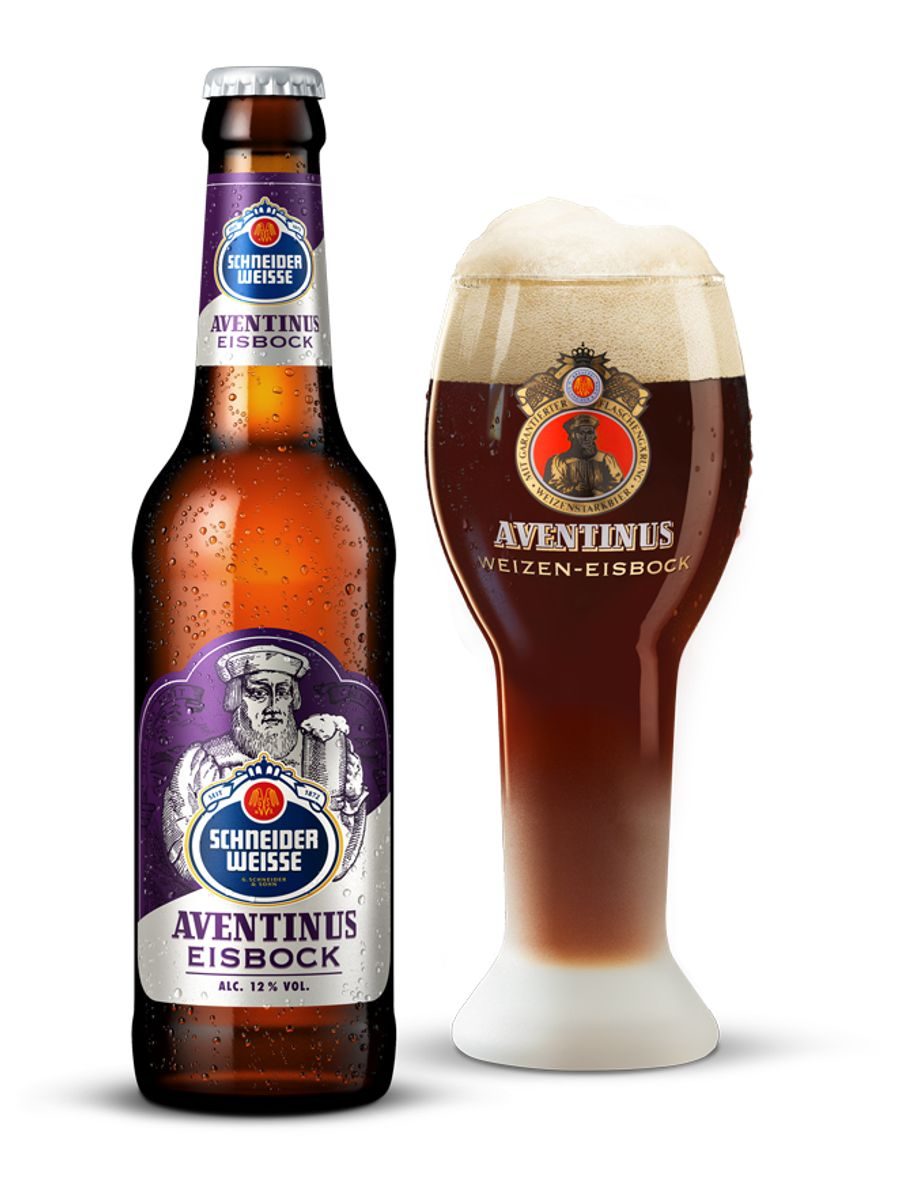
Schneider Aventinus Eisbock
Brewed by Schneider Weisse
Compare the aroma with Kulmbacher before judging intensity.
BAR NOTES
Schneider lists Aventinus Eisbock at 12% ABV and 15 IBU, using wheat and barley malt. This is a wheat-based, top-fermented variation, so its fermentation character should not be treated as a fault in a classic barley Eisbock.
Compare the aroma with Kulmbacher before judging intensity. Look for wheat-beer fermentation character as a separate dimension from concentration, and keep clove or banana associations distinct from the dried-fruit impressions of dark malt. Read our Eisbock process guide for the technique or comparison behind this tasting exercise.
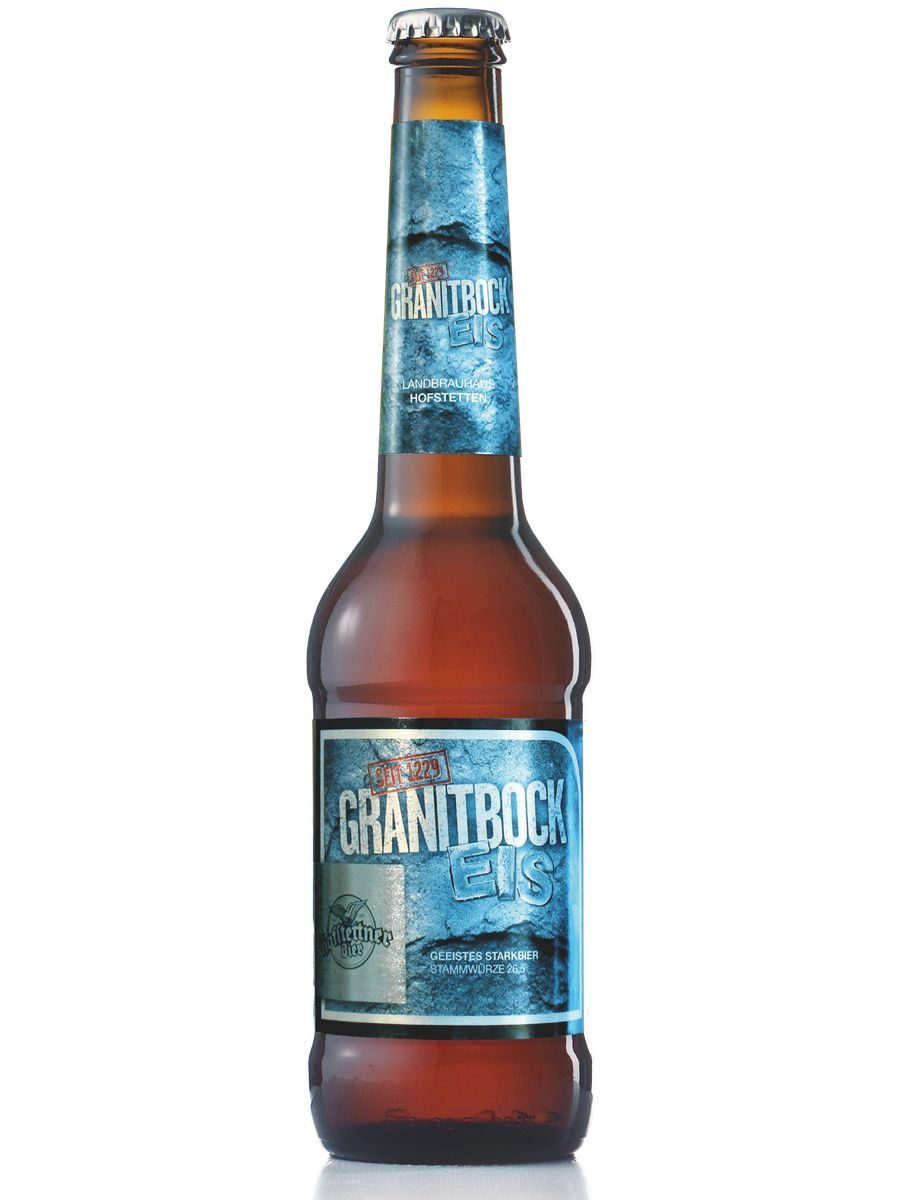
Hofstettner Granitbock EIS
Brewed by Brauerei Hofstetten
If you can obtain the base Granitbock, taste the pair at matching temperatures and write down what concentration changes.
BAR NOTES
Hofstetten makes Granitbock EIS by freeze-concentrating Granitbock and lists the result at 11.5% ABV and 26°P. That documented relationship between base beer and concentrated beer makes it particularly useful for understanding the process.
If you can obtain the base Granitbock, taste the pair at matching temperatures and write down what concentration changes. Otherwise compare with a conventional Doppelbock while acknowledging that the recipes are also different. Read our freeze-concentration explanation for the technique or comparison behind this tasting exercise.
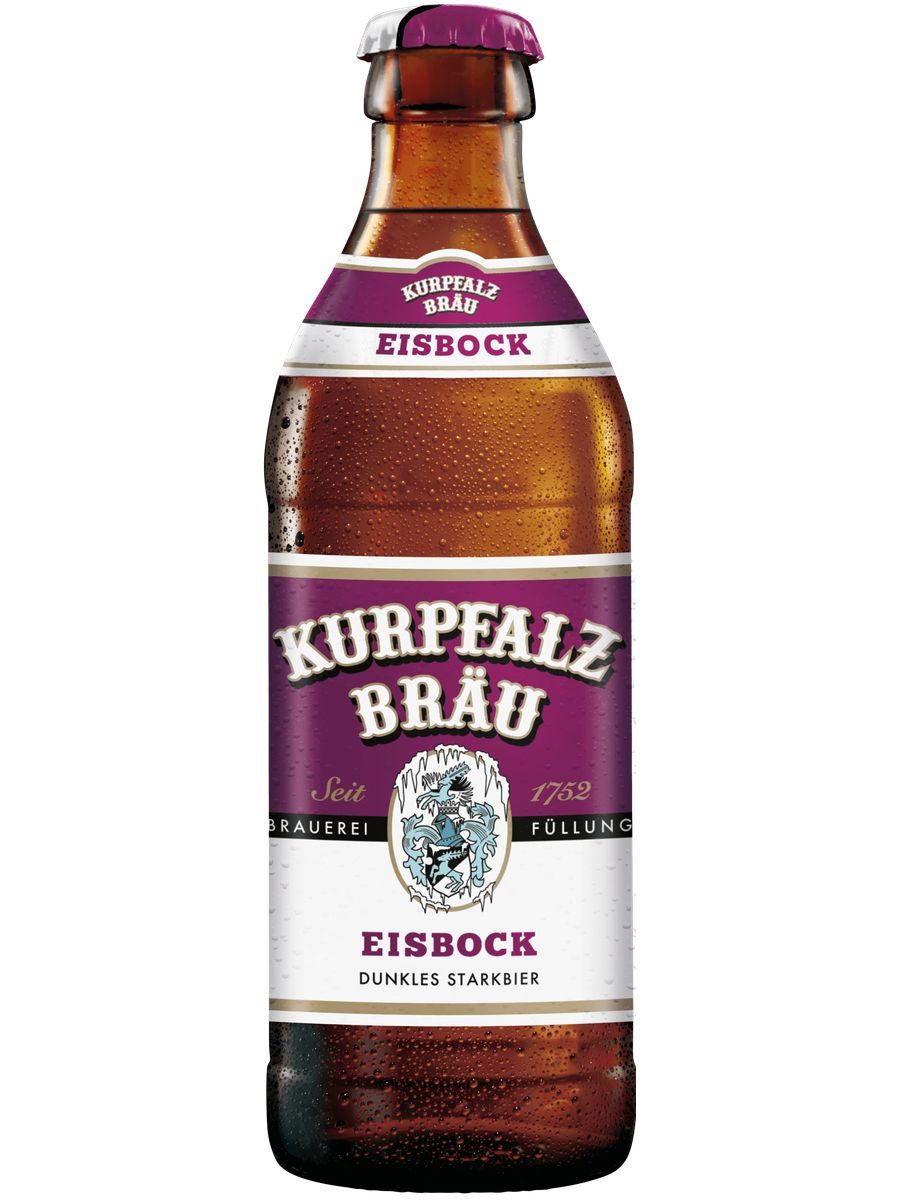
Kurpfalzbräu Eisbock
Brewed by Kurpfalzbräu
Use this as a lighter-strength comparison rather than a textbook competition reference.
BAR NOTES
The current producer page lists Kurpfalzbräu Eisbock at 8.5% ABV and 35 IBU in the newer 0.33-liter bottle. Its strength falls below the usual BJCP 9B range, illustrating that commercial naming and competition limits differ.
Use this as a lighter-strength comparison rather than a textbook competition reference. Check the current seasonal release before planning a flight, and compare balance and concentration instead of assuming the name guarantees a minimum alcohol percentage. Read our Category 9 overview for the technique or comparison behind this tasting exercise.
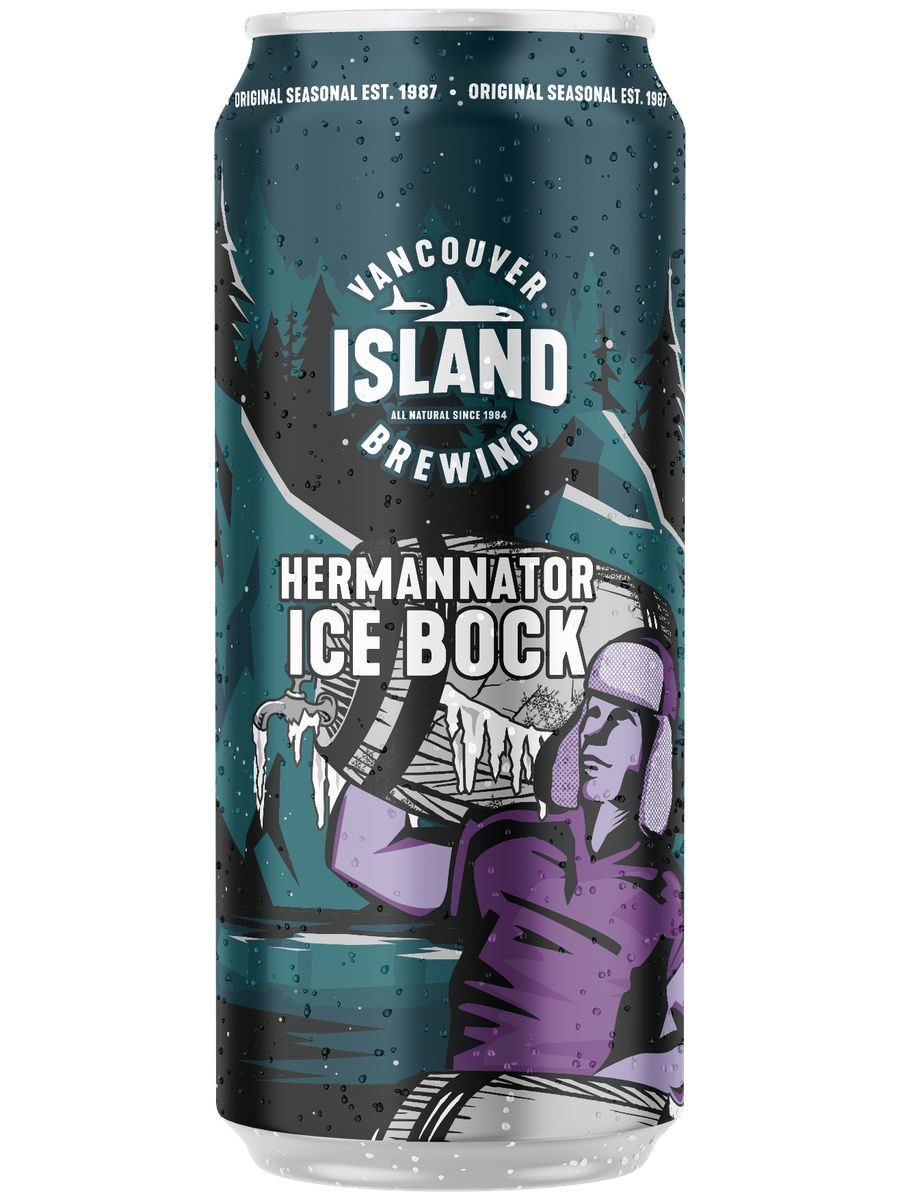
Hermannator Ice Bock
Brewed by Vancouver Island Brewing
Plan around the seasonal release rather than promising year-round availability.
BAR NOTES
Vancouver Island Brewing lists Hermannator at 9.5% ABV and 25 IBU, describing three months at subzero temperatures and a limited October release. It adds a Canadian interpretation to the strong dark ice-bock comparison.
Plan around the seasonal release rather than promising year-round availability. Taste a fresh small pour beside Granitbock EIS and compare how warmth, malt fullness and the finish interact at similar serving temperatures. Read our Eisbock tasting guide for the technique or comparison behind this tasting exercise.
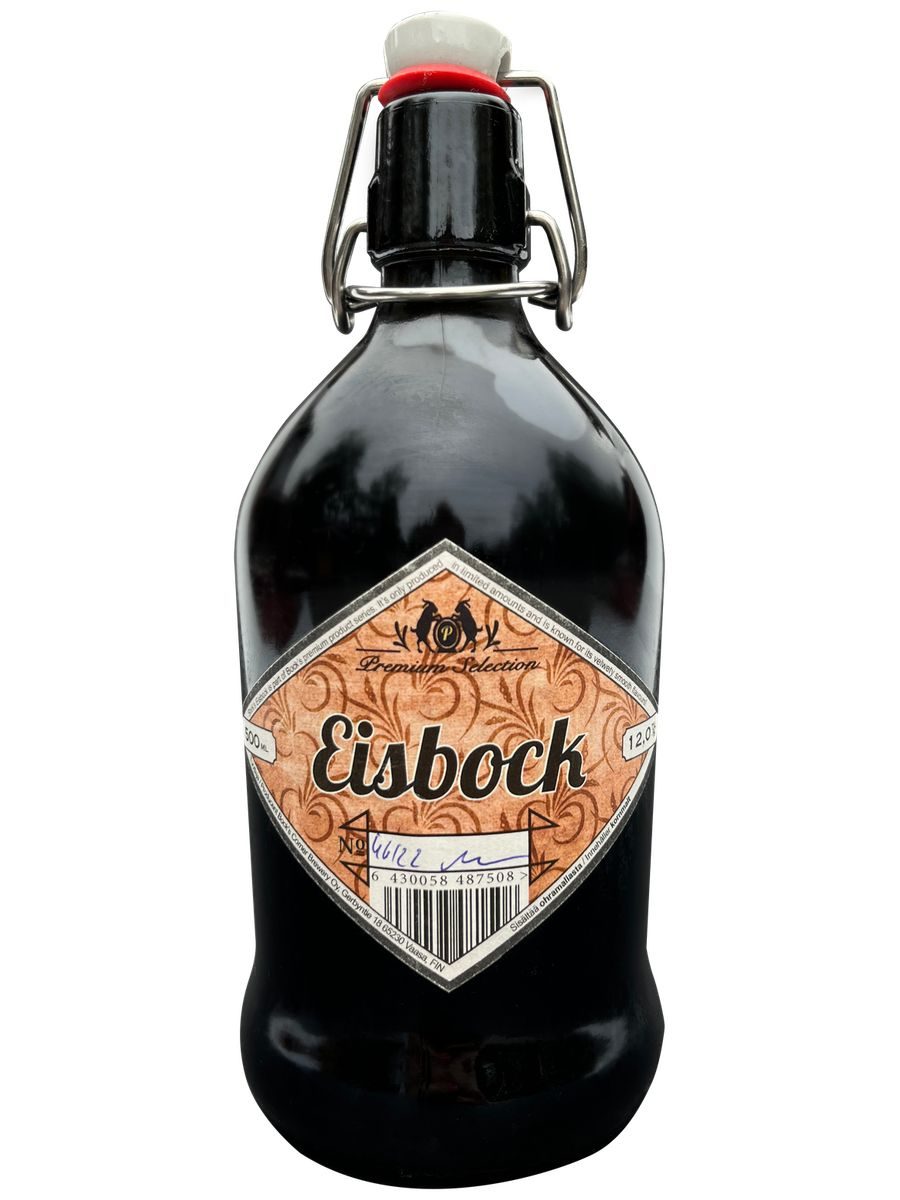
Bock’s Eisbock
Brewed by Bock’s Corner Brewery
Compare this Finnish example with Kulmbacher at the same temperature and in equal small portions.
BAR NOTES
The brewery’s current shop lists Bock’s Eisbock at 12% ABV, 40 IBU and 29°P, describing it as a concentrated expression of Doppelbock. Use this specific plain Eisbock rather than the separately named juniper wheat release.
Compare this Finnish example with Kulmbacher at the same temperature and in equal small portions. Focus on how the stronger malt concentration changes body and finishing warmth, while acknowledging that the base recipes are not identical. Read our Eisbock brewing framework for the technique or comparison behind this tasting exercise.
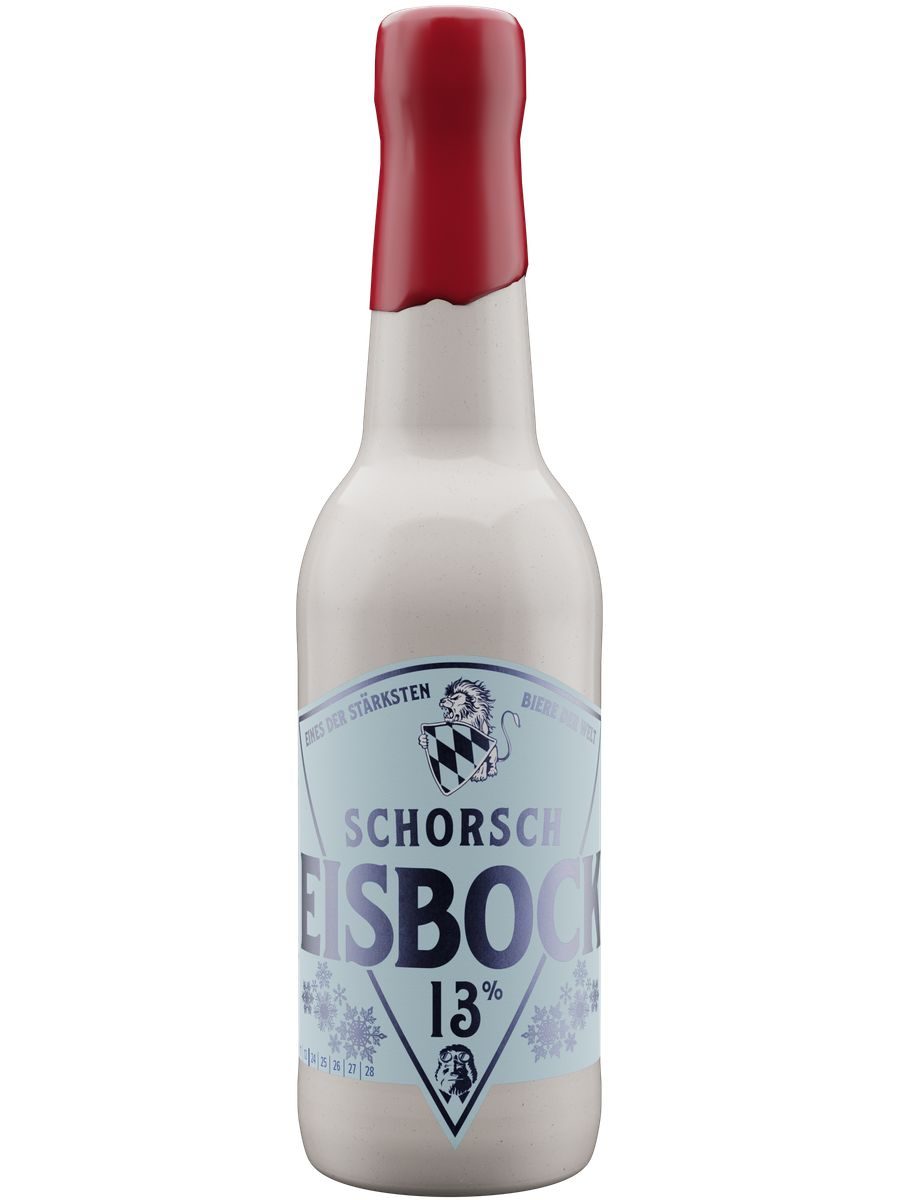
Schorschbock ICE 13%
Brewed by Schorschbräu
Place this after the lower-strength barley examples and assess whether alcohol supports or obscures the malt.
BAR NOTES
The current Schorschbräu catalogue includes Schorschbock ICE 13% alongside much stronger ice beers. At 13% it stays within the usual 9B alcohol range, making it more relevant to a classic-style comparison than the brewery’s extreme-strength releases.
Place this after the lower-strength barley examples and assess whether alcohol supports or obscures the malt. Compare equal small pours and similar temperatures; a larger serving can distort the impression of warmth and concentration. Read our Doppelbock versus Eisbock for the technique or comparison behind this tasting exercise.
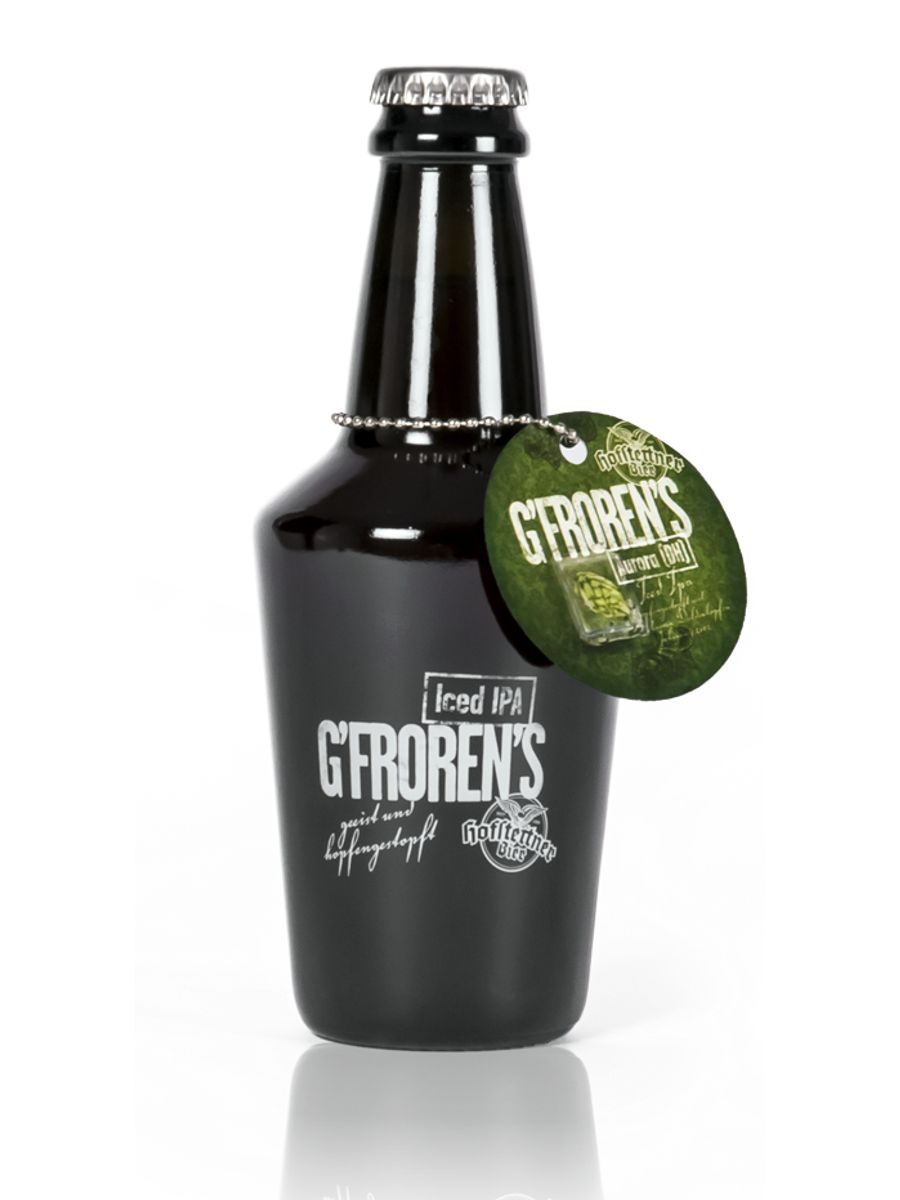
Hofstettner G’froren’s
Brewed by Brauerei Hofstetten
Taste this in a separate comparison after the Eisbocks and focus on the effect of the hop-led base beer.
BAR NOTES
Hofstetten’s G’froren’s is a 10.9% ice-concentrated IPA, not a classic barley Bock. The brewery’s edition details vary, so use the label for a particular release’s hopping rather than applying one vintage’s recipe to every bottle.
Taste this in a separate comparison after the Eisbocks and focus on the effect of the hop-led base beer. Its role is to demonstrate that freeze concentration is a process that can be applied outside the Bock family. Read our Eisbock technique for the technique or comparison behind this tasting exercise.
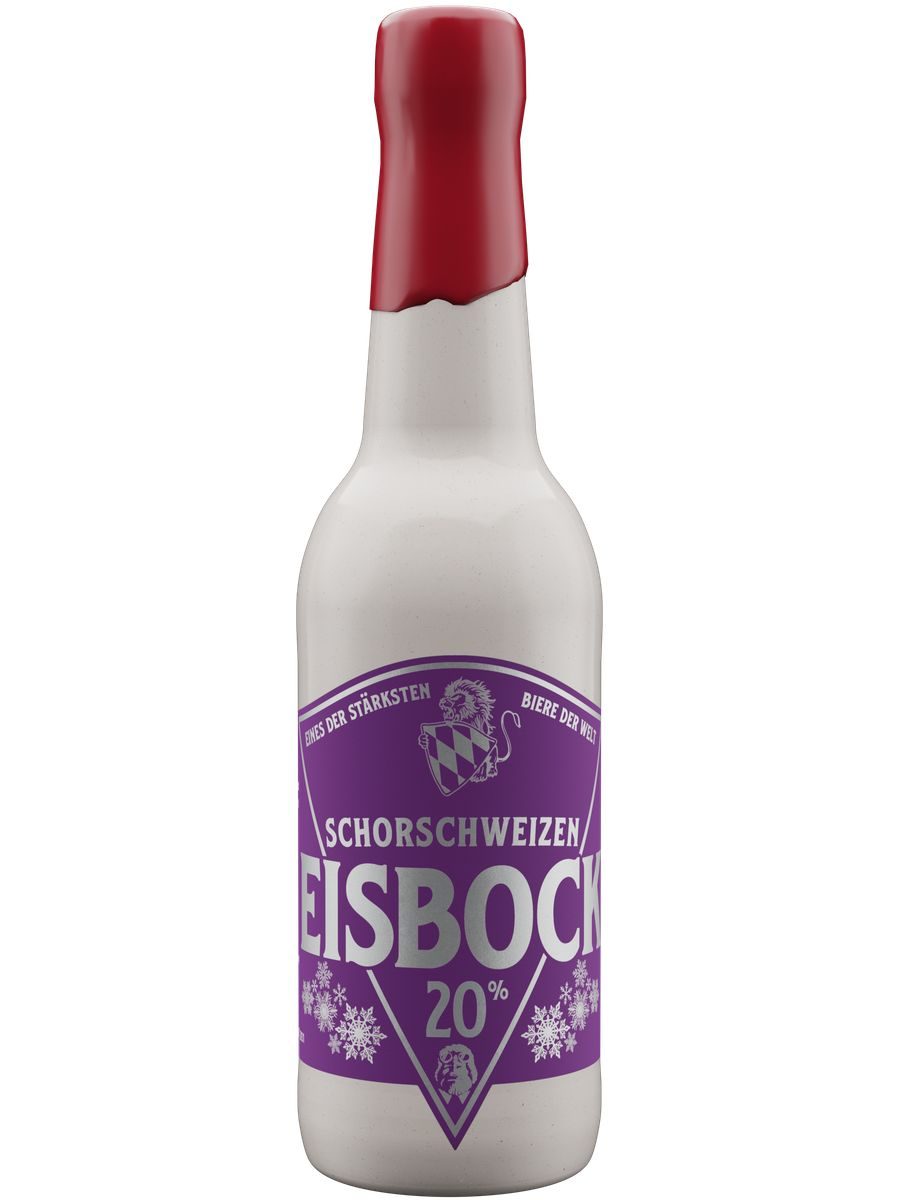
Schorschweizen ICE 20%
Brewed by Schorschbräu
Keep this outside the classic-style scoring exercise and use a very small tasting portion.
BAR NOTES
Schorschbräu’s current catalogue offers a 20% wheat Eisbock. Both its wheat base and strength move it outside a conventional BJCP 9B reference flight, so this row is an explicitly labeled commercial process comparison.
Keep this outside the classic-style scoring exercise and use a very small tasting portion. Compare aroma and texture with Aventinus Eisbock, while recognizing that differences may reflect recipe, concentration and maturation rather than alcohol alone. Read our Eisbock style boundaries for the technique or comparison behind this tasting exercise.
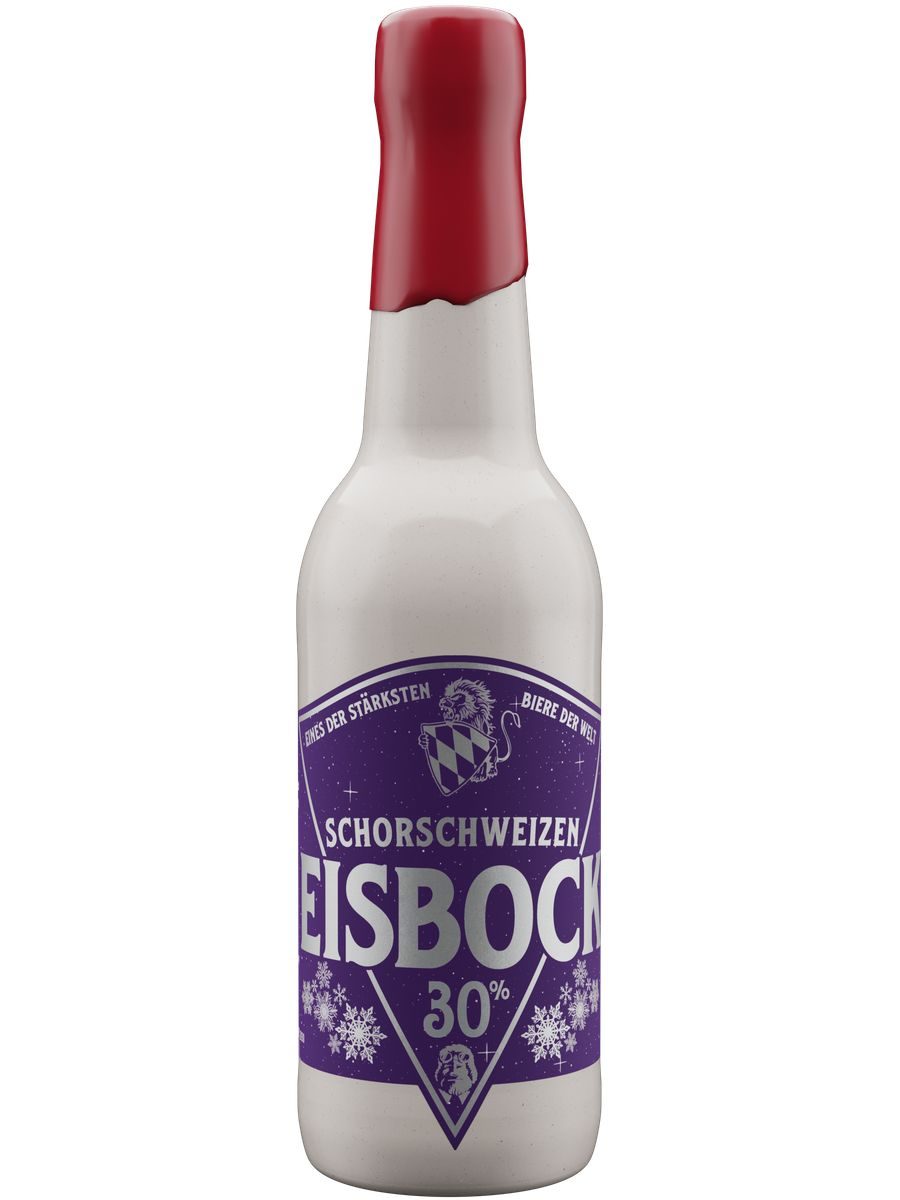
Schorschweizen ICE 30%
Brewed by Schorschbräu
Finish the optional process comparison here rather than mixing this into the everyday flight.
BAR NOTES
The current Schorschbräu listing describes its 30% dark wheat Eisbock as repeatedly freeze-concentrated. It is an extreme commercial comparison with a wheat base, not a suggested target for a traditional 9B homebrew recipe.
Finish the optional process comparison here rather than mixing this into the everyday flight. Assess whether concentrated aroma remains legible at such strength, and avoid equating the most alcoholic product with the best representation of Eisbock. Read our Category 9 style map for the technique or comparison behind this tasting exercise.
Eisbock compared with Doppelbock
Eisbock is not merely the strongest Doppelbock on a chart. It is defined by concentration. Doppelbock retains a broader lager texture and more ordinary carbonation, while Eisbock is denser, silkier and more explicitly alcohol-driven.
Brewing note: Home freeze concentration can be regulated differently by jurisdiction because it increases alcohol after fermentation. Check applicable rules before attempting the process.
Warm up to Eisbock’s concentrated side
Continue the malt, concentration and roast comparison, then choose a brewing project.