American Strong Ale: 10-Beer Comparison Flight and Style Guide
American strong ale is intentionally broad: a home for powerful ales that sit outside narrower style boxes. One brewery may build around caramel malt and American hops; another may emphasize dark fruit, brown sugar, wood, or a winter release.
The common thread is substantial strength with an American sense of scale. The best examples still have a center of gravity, so the beer tastes purposeful rather than like every strong ingredient was used at once.
At a glance
- OG: 1.062–1.090
- FG: 1.014–1.024
- IBU: 50–100
- Color: 7–19 SRM
- ABV: 6.3–10.0%
What it tastes like
Malt can range from toasted bread and caramel to toffee, light chocolate, or dark fruit. American hops often bring citrus, pine, resin, or floral lift, while the finish may be moderately sweet or surprisingly dry.
Because the style is broad, intensity matters less than integration. Harsh alcohol, burnt sugar, muddy specialty malt, and disconnected bitterness make a beer tiring. A good example reveals new detail as it warms.
Why the style stays flexible
American craft brewing produced many strong seasonal and flagship ales before every variation had a tidy label. This category preserves room for those beers instead of forcing them into IPA, barleywine, old ale, or Belgian strong ale.
That flexibility is useful to drinkers. A brewery’s strong ale often shows its house character more clearly than a tightly standardized style does: preferred hops, favorite specialty malts, barrel practice, and attitude all become visible.
Where it overlaps
A very hoppy example may approach Double IPA, while a maltier one can resemble American barleywine or old ale. The distinction usually comes down to overall intent, balance, and whether a narrower established style explains the beer more accurately.
Ten American Strong Ale references and comparisons
Arrogant Bastard, Nosferatu and Bone Head supply three BJCP-listed American Strong Ale references. Unrefined Shugga’ adds a clearly identified cane-sugar strong-ale/barleywine crossover. Six neighbors then define the boundaries: two old ales, a Double Brown IPA, a pale Double IPA and two barleywines, one rum-barrel-aged. Hibernation’s current English-style Old Ale identity is retained.
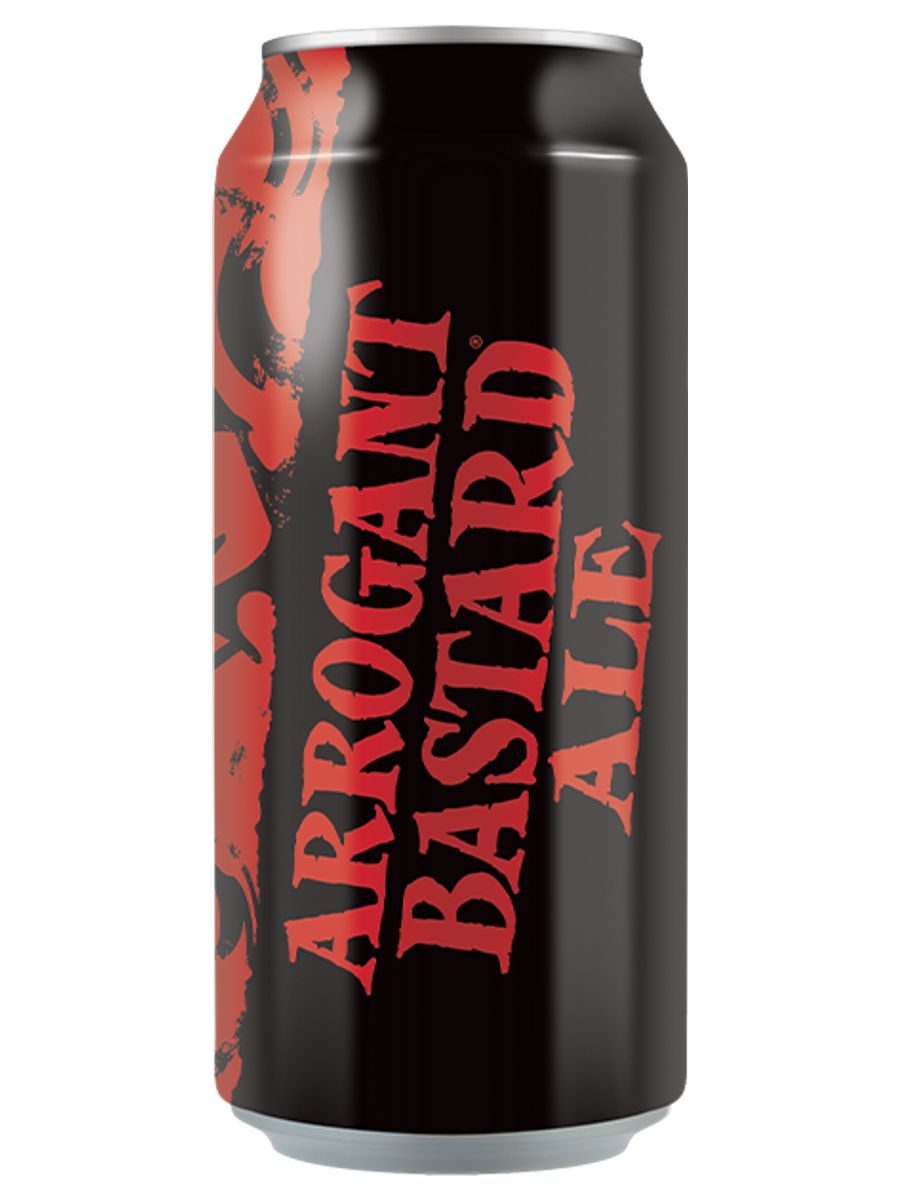
Arrogant Bastard Ale
Brewed by Arrogant Consortia / Stone Brewing
Assertive malt and hops define a strong-ale benchmark without a published hop bill.
BAR NOTES
Arrogant Bastard is a BJCP American Strong Ale example, although the brewery keeps its style, hops and bitterness specification classified. The current original is 7.2%, with sixteen-ounce six-packs and draft listed nationally.
Use the standard original rather than assuming its more powerful relatives share the same recipe. Stone recommends fresh consumption, showing that membership in the strong-ale family is not automatic permission to cellar every bottle. the broader strong American family explains why balance matters more than strength alone.
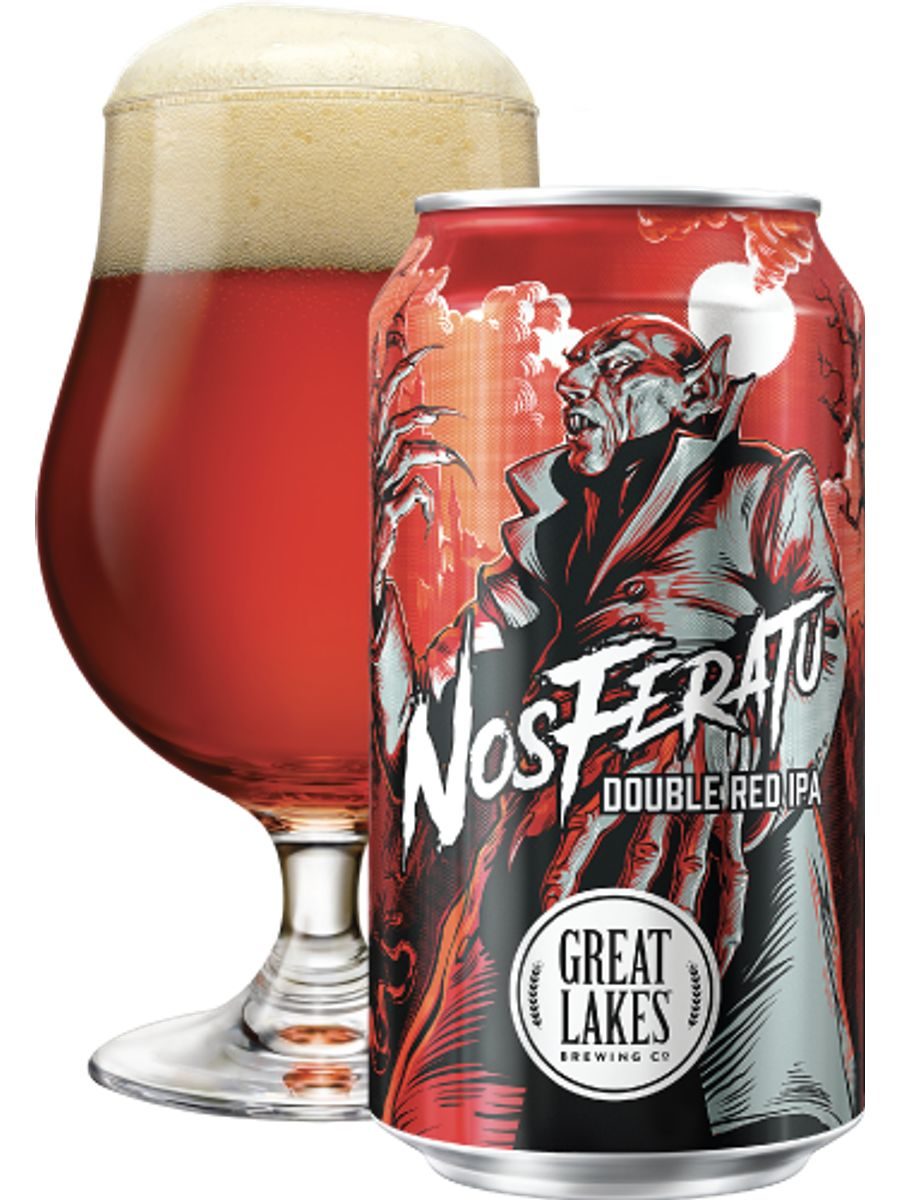
Nosferatu
Brewed by Great Lakes Brewing Company
Ruby malt, restrained roast and a firm Simcoe-and-Cascade bite.
BAR NOTES
Nosferatu is a BJCP American Strong Ale example that Great Lakes currently labels Double Red IPA. The 8.0% beer reports 70 IBU, with Simcoe and Cascade over two-row, Crystal 77 and Special Roast malt.
The overlap is useful rather than a naming error: a maltier double red can occupy the broad American Strong Ale space. Great Lakes lists an August release in twelve-ounce cans and draft. Red IPA provides a lighter neighboring comparison.
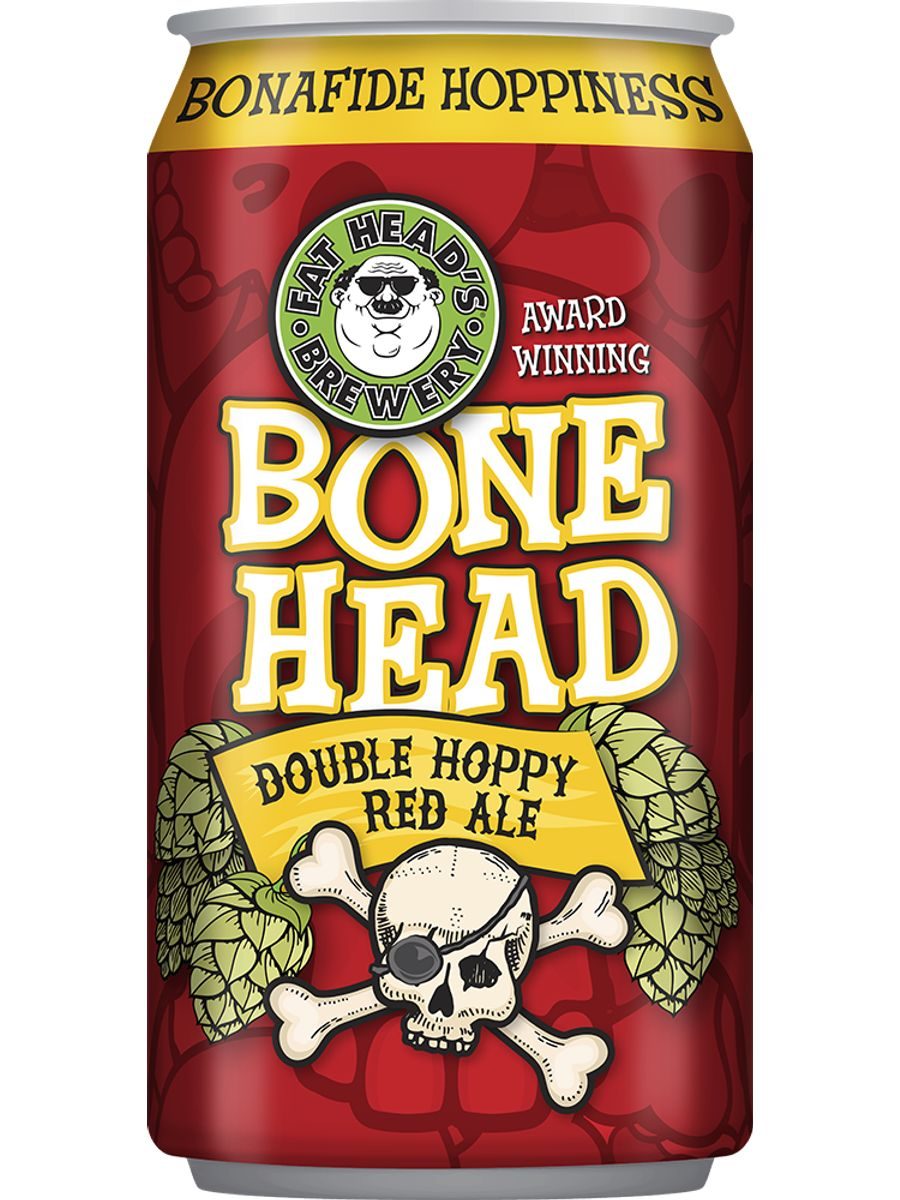
Bone Head
Brewed by Fat Head’s Brewery
Pine, ruby malt and a creamy texture demonstrate malty-but-hoppy strength.
BAR NOTES
Bone Head is another BJCP-listed American Strong Ale reference, marketed as Double Hoppy Red Ale. Its current 9.0% and 80 IBU specification accompanies Simcoe, Citra, Mosaic and Pahto plus several crystal malts and Carafa Special II.
Its deep red malt frame makes a stronger comparison with Nosferatu without requiring the concentration of barleywine. The brewery lists four-packs of twelve-ounce cans and draft; the balance should remain purposeful despite the substantial grain bill. American Strong Ale brewing develops this relationship.
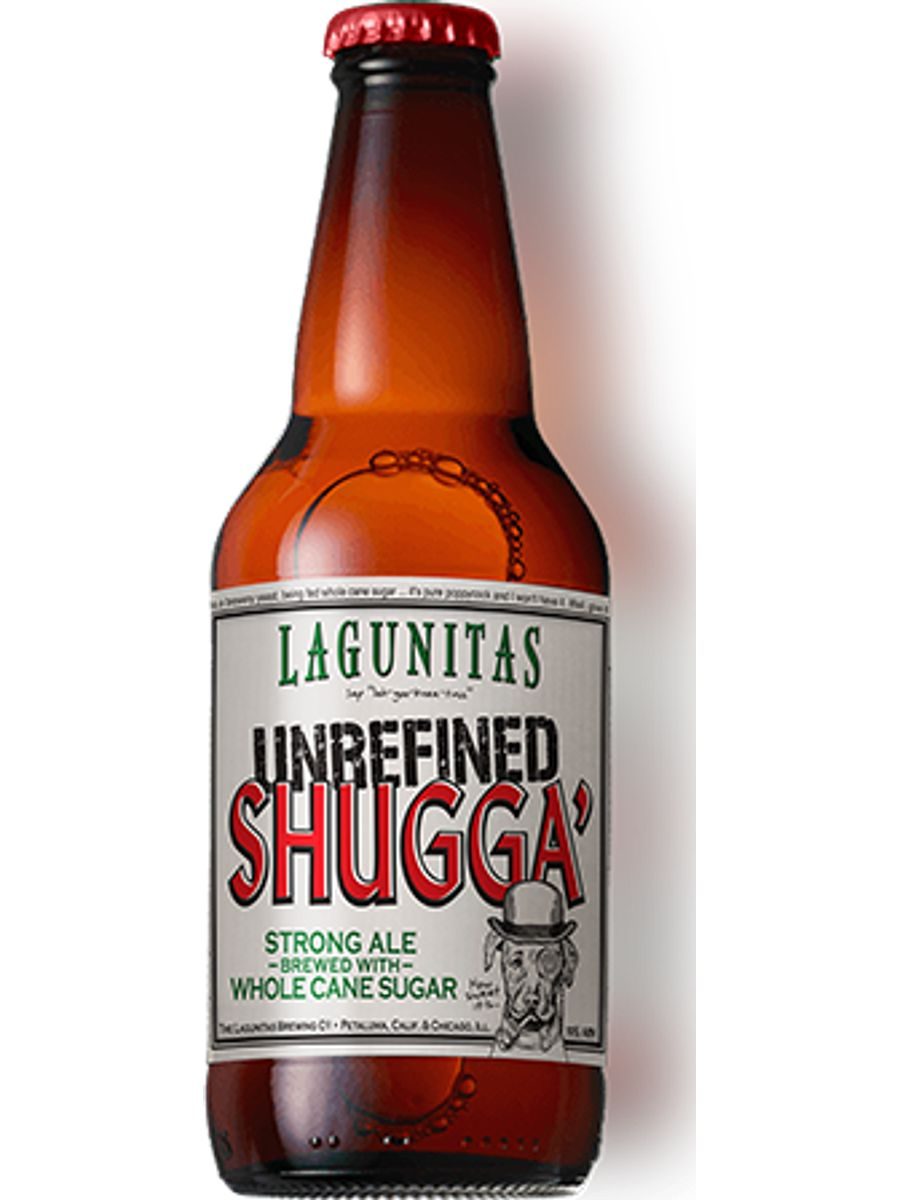
Unrefined Shugga’
Brewed by Lagunitas Brewing Company
Panela sugar, caramelized malt and classic American dry hops.
BAR NOTES
Unrefined Shugga’ is the cane-sugar revision of the Brown Shugga’ story, not simply the original recipe under a new label. Lagunitas lists it at 10.0%, with malted barley, wheat, Munich and crystal malts plus Simcoe, Columbus, Cascade and Centennial.
The brewery describes both strong-ale and barleywine territory and emphasizes fermentation of whole-cane panela sugar. Treat this selected bottle as a winter One Hitter reference, not a guarantee of current local stock. American barleywine brewing illustrates a neighboring route to concentrated malt.
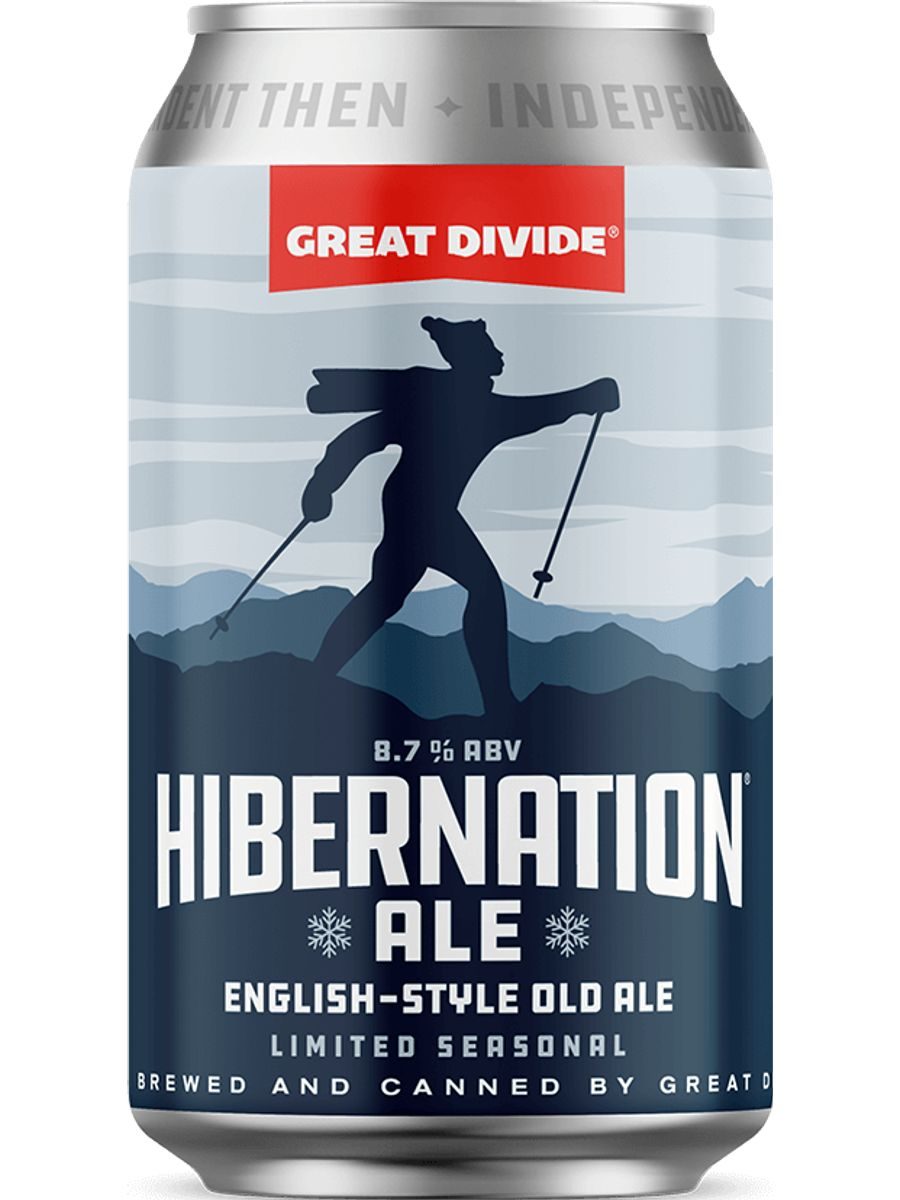
Hibernation Ale
Brewed by Great Divide Brewing Company
Brown and chocolate malt with American dry hops, without holiday spices.
BAR NOTES
Great Divide currently calls Hibernation an English-style old ale, not American Strong Ale. The winter beer is 8.7% and 37 IBU, with Cascade and Centennial plus brown, chocolate and dark crystal malt.
Its October-to-January season makes it a relevant winter neighbor, but its bitterness is below American Strong Ale’s usual 50–100 IBU band. Compare the richer dark-malt impression against the hop-led double reds. Old Ale offers the neighboring style framework. This is a neighboring comparison, not a direct American Strong Ale example; its separate style identity helps define the boundary.
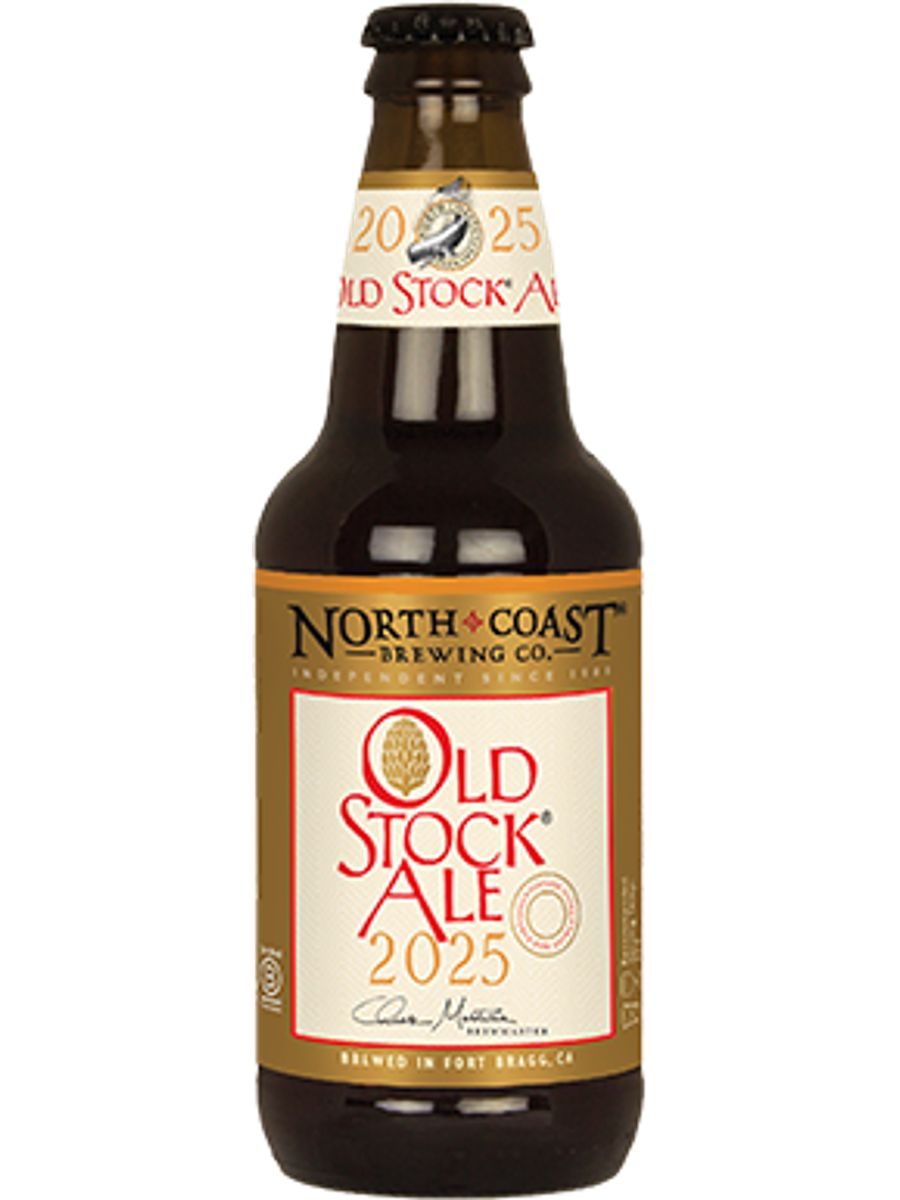
Old Stock Ale 2025
Brewed by North Coast Brewing Company
Maris Otter and English hops frame a malt-led cellar comparison.
BAR NOTES
North Coast identifies Old Stock as old ale at 11.1% and 34 IBU. Maris Otter malt, Fuggles and East Kent Goldings give it an English ingredient identity despite its California origin; the pictured bottle is the selected 2025 edition.
That makes it a neighbor, not a numerical model for American Strong Ale or American Barleywine bitterness. The brewery intends it for aging, offering a contrast to the fresh-hop priority of Double IPA. Old Ale traditions clarify its place in the flight. This is a neighboring comparison, not a direct American Strong Ale example; its separate style identity helps define the boundary.
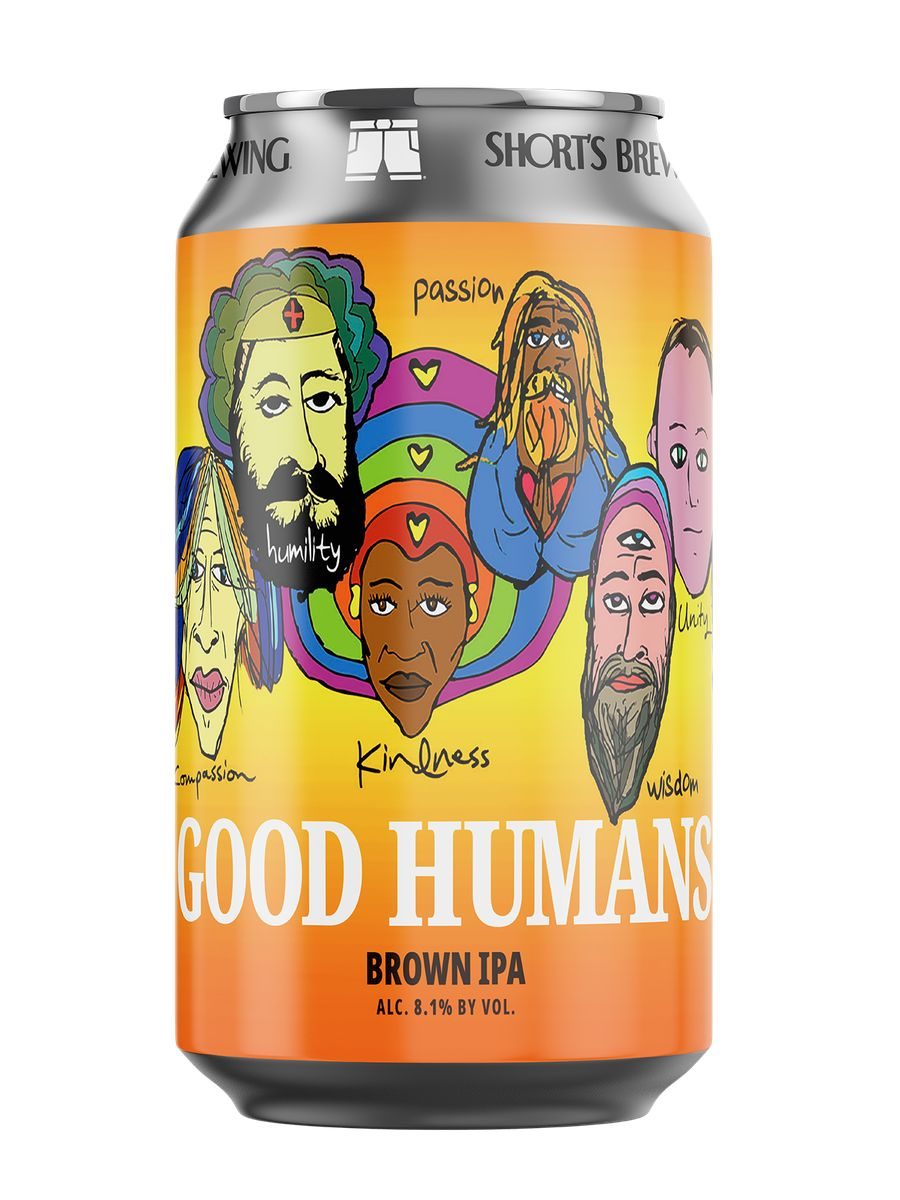
Good Humans
Brewed by Short’s Brewing Company
Caramel and toffee meet Simcoe and Golding at stronger brown-IPA strength.
BAR NOTES
Good Humans is currently labeled a dry-hopped Brown IPA at 8.1% ABV and 48 IBU. Short’s uses caramalt, Simcoe and Golding to connect caramel and toffee with a fragrant hop impression.
The current beer exceeds the standard Brown IPA alcohol band, so it is explicitly a stronger reference. Its origin story dates to a 2009 single batch and Seth Bernard’s napkin artwork; release availability remains limited. Brown IPA still needs a hop-led finish beneath its richer malt. This is a neighboring comparison, not a direct American Strong Ale example; its separate style identity helps define the boundary.
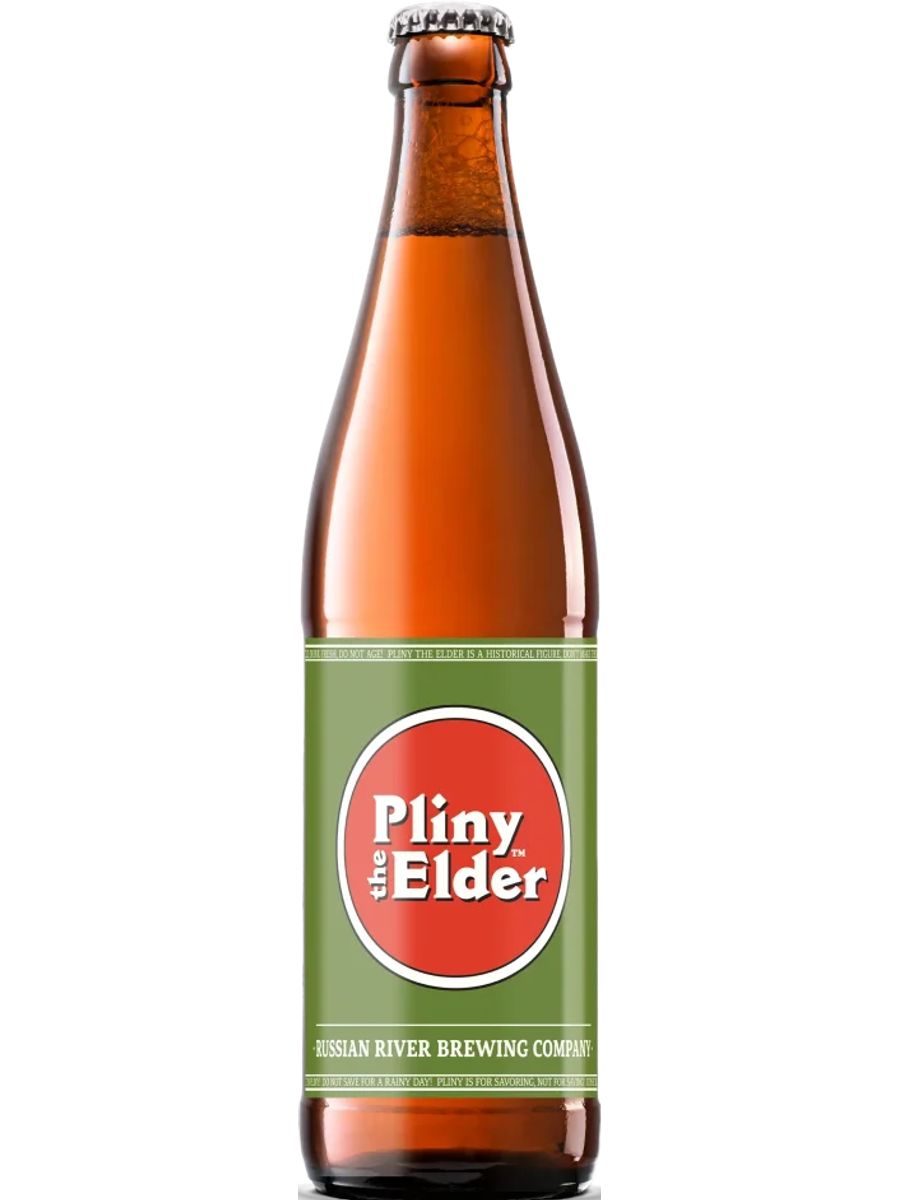
Pliny the Elder
Brewed by Russian River Brewing Company
Pine, citrus and stone fruit over a clean, hop-led frame.
BAR NOTES
Pliny the Elder helped popularize Double IPA after its debut for a festival in 2000. The current flagship combines Simcoe, Amarillo, Citra, Tangier, Nectaron and CTZ, rather than relying on an old published hop list.
The brewery sells bottles and draft year-round and specifically recommends refrigeration and fresh consumption. This is the hop-led control for the family: aging away its aroma does not turn it into a better barleywine. Double IPA recipe planning focuses on that dry balance. This is a neighboring comparison, not a direct American Strong Ale example; its separate style identity helps define the boundary.
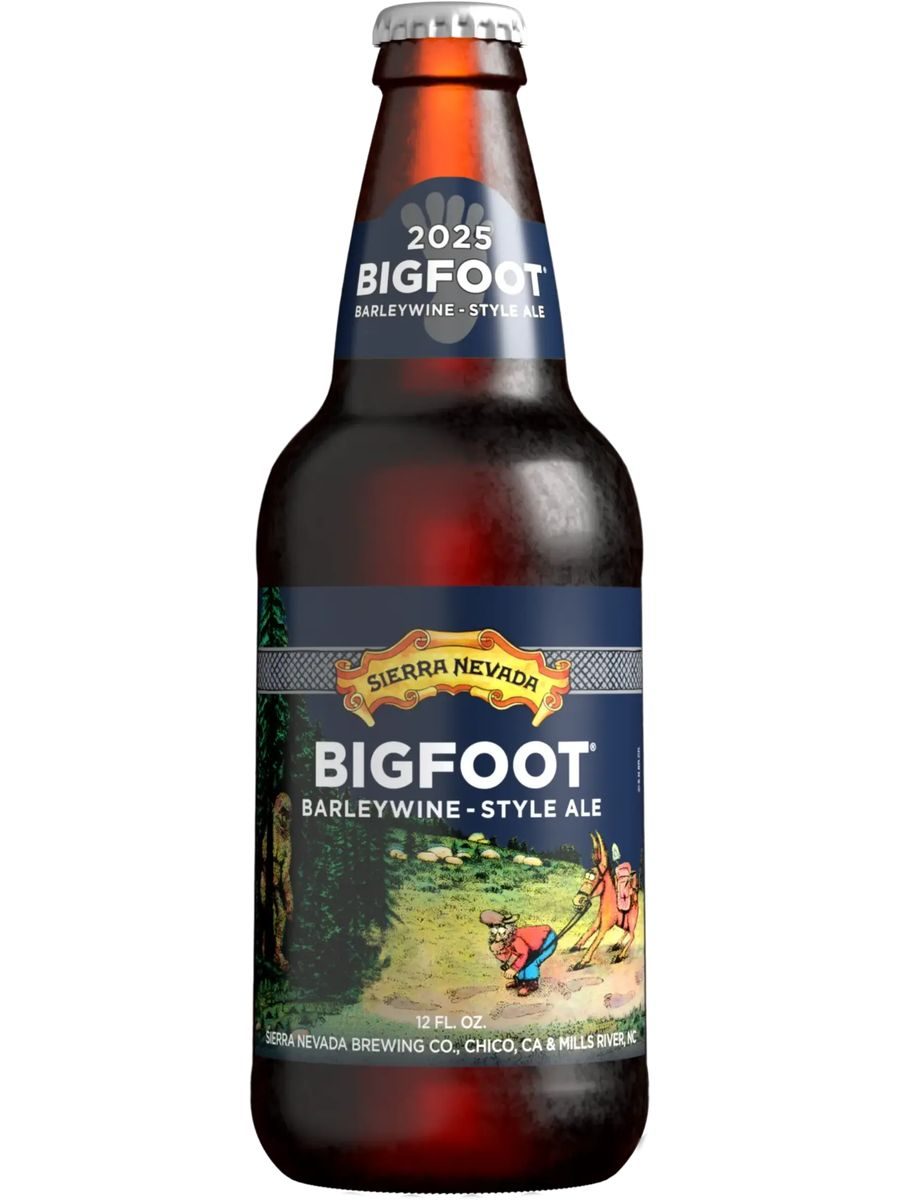
Sierra Nevada Bigfoot 2025
Brewed by Sierra Nevada Brewing Company
Massive malt and Pacific hops establish the American barleywine baseline.
BAR NOTES
Sierra Nevada specifies Bigfoot at 9.6% and 90 IBU, with Cascade, Centennial and Chinook hops. The selected 2025 bottle belongs to its seasonal January-to-April release, providing an American barleywine comparison with a substantially more hop-focused specification.
Bigfoot’s vintage date provides a starting point for a cellar comparison, while its hop intensity establishes the American branch of barleywine. Keep one sound young bottle as a reference before asking what age changes in bitterness, fruit character and malt depth. Flavor vocabulary makes the changes easier to describe.
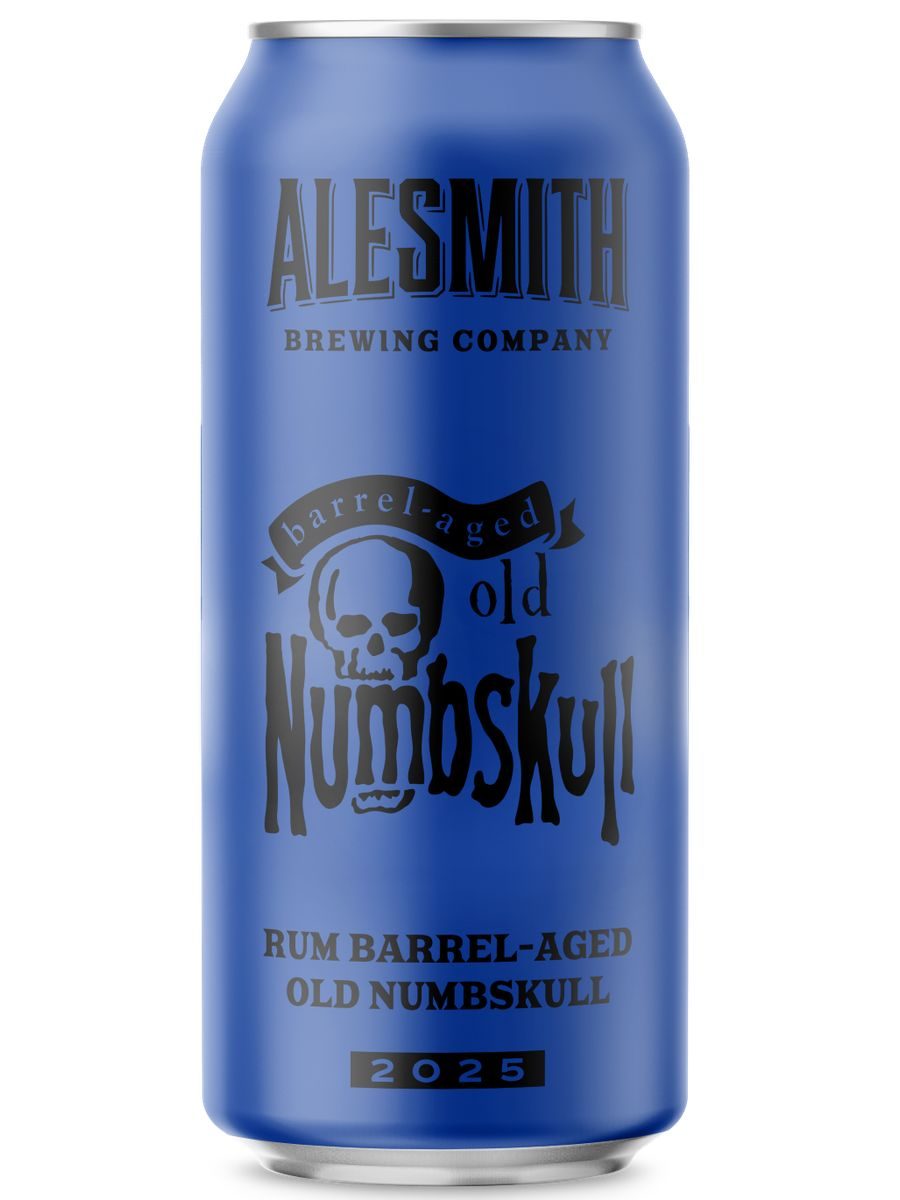
Rum Barrel-Aged Old Numbskull 2025
Brewed by AleSmith Brewing Company
Rum oak, caramel, vanilla and molasses extend the original barleywine foundation.
BAR NOTES
This is AleSmith’s selected 2025 thirtieth-anniversary rum-barrel edition at 11.65%, not standard Old Numbskull and not its bourbon-and-rye counterpart. The official shop identifies extended rum-barrel aging and a sixteen-ounce can.
Barrel character adds a separate variable, so do not use this alone to define unwooded American Barleywine. Compare the rum and oak contribution against an ordinary Bigfoot bottle before deciding whether extra sweetness comes from malt or the barrel impression. barleywine comparisons keeps the baseline visible. This is a neighboring comparison, not a direct American Strong Ale example; its separate style identity helps define the boundary.
How to serve and pair it
Serve American strong ale around 48–55°F in a tulip or snifter. Too cold, and malt and fermentation detail disappear; too warm, and sweetness and alcohol can dominate.
Pair it with smoked brisket, roast beef, sharp cheese, mushroom dishes, bread pudding, or toasted nuts. Match the food to the bottle: hoppier versions welcome spice, while malt-led versions favor roast and caramelized flavors.
Brewing perspective
Decide what leads before writing the recipe. A clear target—hop-forward, malt-rich, dark-fruited, or barrel-ready—prevents the grain bill and hop schedule from becoming crowded.
Use healthy yeast, ample oxygen, and controlled fermentation for a clean finish. The American Strong Ale recipe guide provides a practical starting point.
Common questions
Is American Strong Ale the same as Barleywine?
No. Barleywine has a more defined emphasis on very high gravity, rich malt, and often aging potential. American Strong Ale is broader and may be lower in strength or more idiosyncratic.
Can it be hop-forward?
Yes. American hops are common, and bitterness can be high. It should still differ from Double IPA by presenting a broader malt-and-strength profile rather than making fresh hop expression the sole focus.
Does it need spices or barrel aging?
Neither is required. Some examples use adjuncts or wood, but many rely entirely on malt, hops, yeast, and time.
Pick your next big American pour
Compare the family by hop weight, malt depth, and strength, or take a proven recipe into your own brewhouse.