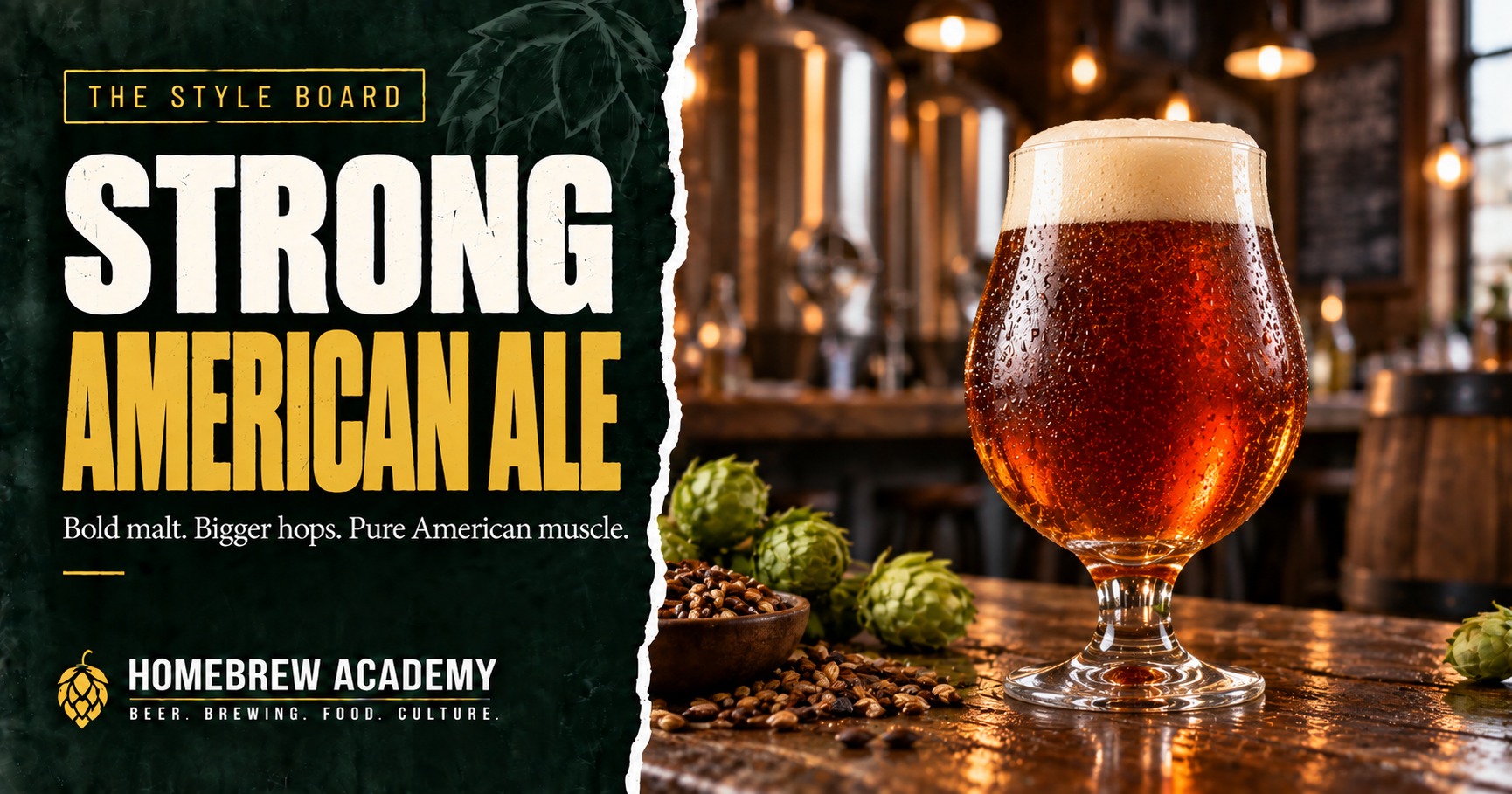
Strong American Ale Family: 10-Beer Comparison Flight and Style Guide
Strong American ale is where familiar ingredients are pushed into bigger, more deliberate shapes. The family includes hop-saturated double IPA, flexible American strong ale, cellar-worthy American barleywine, and the wheat-rich texture of wheatwine.
These styles share elevated gravity and warming strength, but they do not drink alike. The most useful way to navigate them is to ask whether hops, malt, or grain texture is meant to lead.
At a glance
- Family: High-gravity American ales
- Typical strength: About 6.3–12% ABV, depending on the style
- Main dividing line: Hop intensity versus malt depth
- Best glassware: Tulip, snifter, or stemmed tasting glass
- Best approach: Smaller pours, moderate serving temperatures, and unhurried tasting
The Four Strong American Ale Styles in This Category
These beers share American ingredients and elevated strength, but each has a different center of gravity. The key distinction is whether hops, flexible brewery character, malt depth, or wheat texture leads the glass.
Double IPA
Double IPA magnifies American IPA through greater hop aroma, bitterness, and alcohol. Despite its strength, the best examples finish dry enough to remain energetic rather than syrupy. Freshness is crucial because oxidation quickly flattens the hop character and exposes sweetness.
American Strong Ale
American Strong Ale is the family’s flexible middle ground. Brewers may emphasize caramel malt, American hops, specialty sugar, wood, or a seasonal concept, provided the result remains deliberately strong and balanced. It is less tightly defined than double IPA or barleywine, so the brewery’s intent matters.
American Barleywine
American Barleywine is a dense, malt-rich ale with dark fruit, caramelized sugar, bread crust, warming alcohol, and often substantial American hop bitterness. Fresh bottles can be aggressive; careful aging may soften bitterness and develop sherry-like complexity. Age helps only when the original beer is sound.
Wheatwine
Wheatwine reaches barleywine strength with a large proportion of wheat. The grain creates a smooth, rounded texture with bread, honey, soft fruit, and restrained spice rather than the heavier caramel profile of barleywine. It remains powerful, but its malt expression is lighter in color and silkier on the palate.
What ties the family together
All four styles begin with substantial original gravity, which means fermentation management matters as much as recipe design. A beer can have excellent ingredients and still feel hot, syrupy, or unfinished when yeast health and attenuation are treated as afterthoughts.
Balance here does not mean equal intensity. It means that sweetness, bitterness, alcohol, and aroma support a clear purpose. A great double IPA can be extremely hoppy, and a great barleywine can be massively malty, without either becoming shapeless.
How to choose one
Choose double IPA when you want hop aroma and bitterness to lead. Pick American strong ale when you want the category’s most flexible, brewery-specific expression. Reach for American barleywine when caramelized malt, dark fruit, and aging potential sound appealing.
Wheatwine is the curveball: strong like barleywine, but smoother and more grain-rich. It is especially rewarding for drinkers who enjoy high-gravity beer but want less roast and a different texture from classic barleywine.
Ten Strong American Ale Family references and comparisons
Ten references map the four existing Category 22 guides: two Double IPAs, two American Strong Ale references marketed as strong or double red ales, a cane-sugar strong-ale/barleywine crossover, three American barleywines and two clearly labeled Wheatwine variations. Current flagships sit beside selected seasonal and archive editions; the full family is not a promise of year-round local availability.
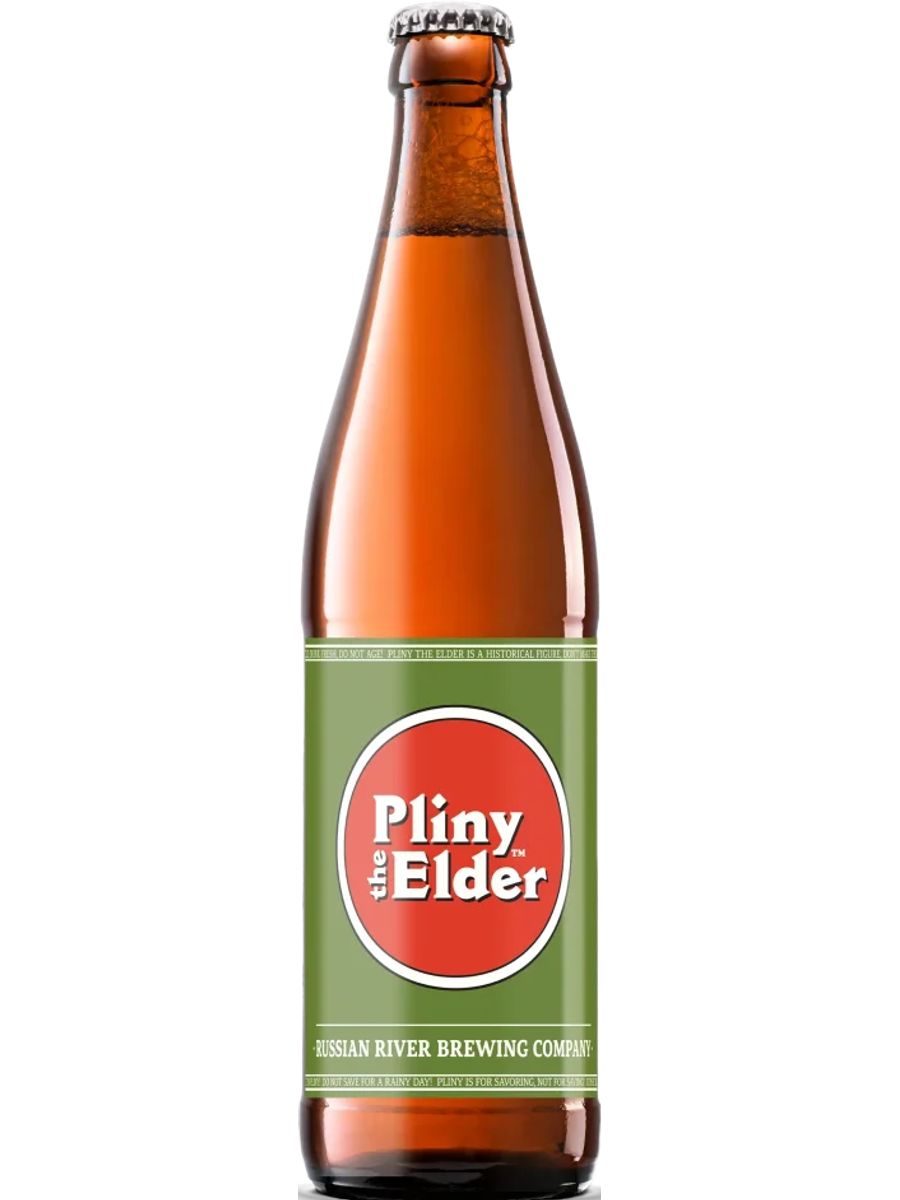
Pliny the Elder
Brewed by Russian River Brewing Company
Pine, citrus and stone fruit over a clean, hop-led frame.
BAR NOTES
Pliny the Elder helped popularize Double IPA after its debut for a festival in 2000. The current flagship combines Simcoe, Amarillo, Citra, Tangier, Nectaron and CTZ, rather than relying on an old published hop list.
The brewery sells bottles and draft year-round and specifically recommends refrigeration and fresh consumption. This is the hop-led control for the family: aging away its aroma does not turn it into a better barleywine. Double IPA recipe planning focuses on that dry balance.
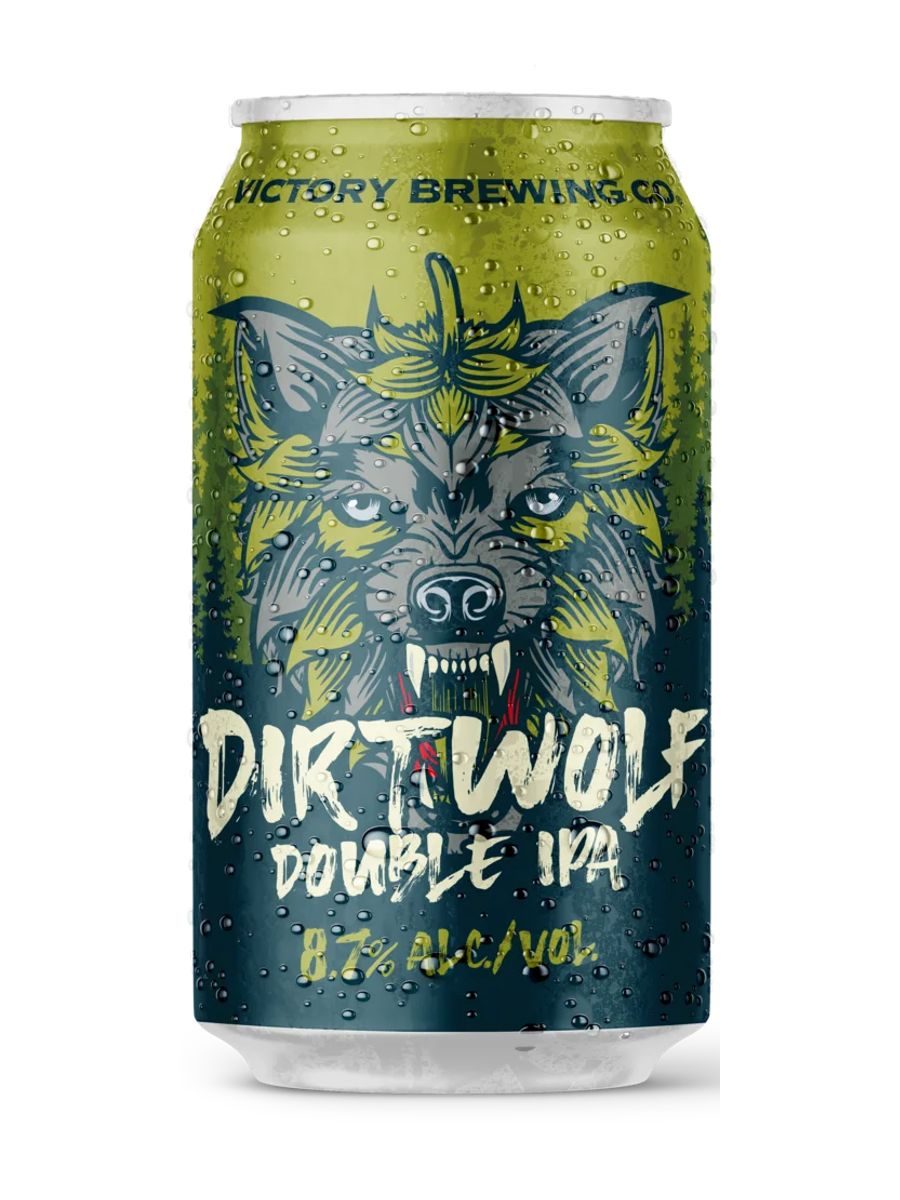
DirtWolf
Brewed by Victory Brewing Company
Citrus and earthy hops lead a lean Pilsner-malt base.
BAR NOTES
DirtWolf combines Citra, Simcoe, Mosaic and Chinook with Pilsner and pale crystal malt. Victory’s current specification is 8.7% ABV and 85 IBU, with aggressive dry hopping shaping citrusy and earthy aroma.
The current range includes twelve-ounce and nineteen-point-two-ounce cans plus draft. It is useful beside caramel-rich imperial IPAs because the malt foundation is comparatively restrained; focus on how bitterness persists after the first sip. bitterness calculations explain recipe intensity without replacing tasting.
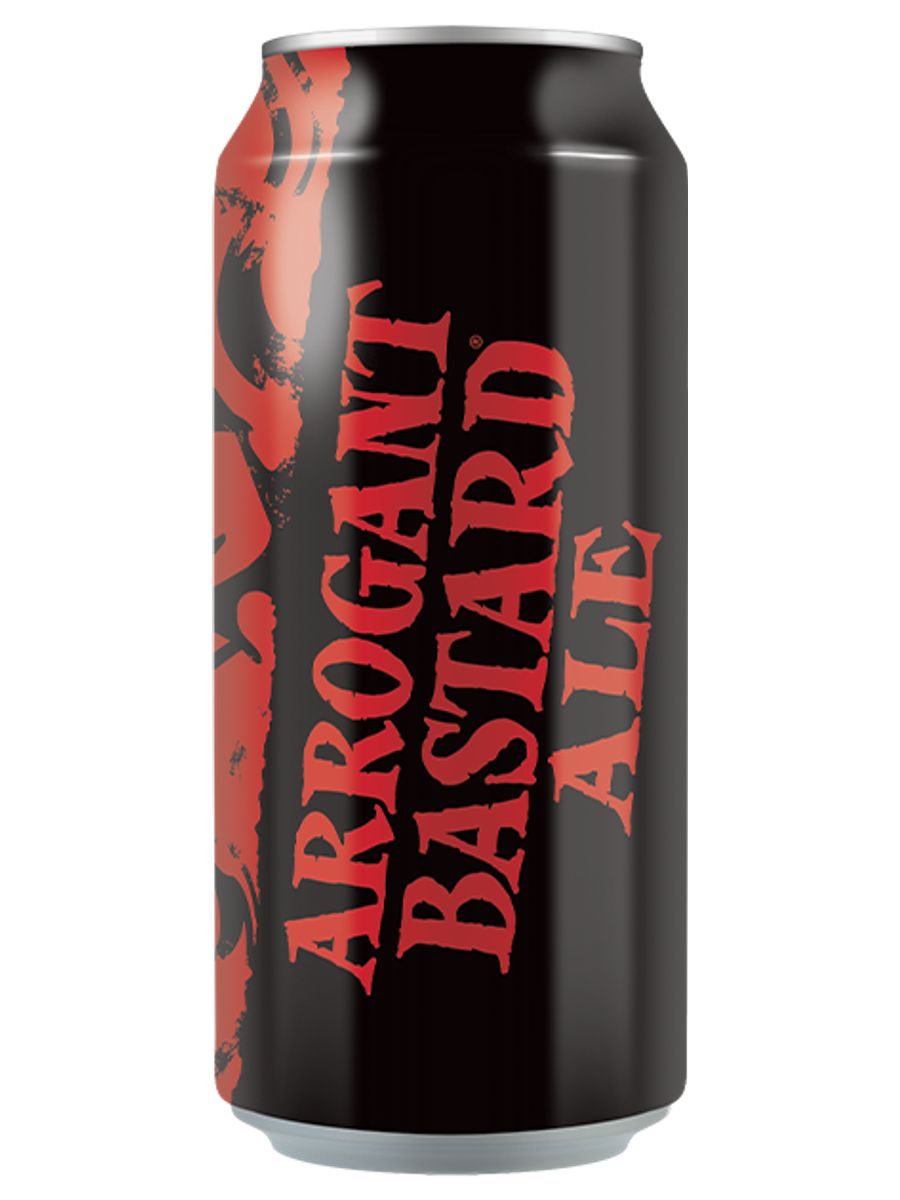
Arrogant Bastard Ale
Brewed by Arrogant Consortia / Stone Brewing
Assertive malt and hops define a strong-ale benchmark without a published hop bill.
BAR NOTES
Arrogant Bastard is a BJCP American Strong Ale example, although the brewery keeps its style, hops and bitterness specification classified. The current original is 7.2%, with sixteen-ounce six-packs and draft listed nationally.
Use the standard original rather than assuming its more powerful relatives share the same recipe. Stone recommends fresh consumption, showing that membership in the strong-ale family is not automatic permission to cellar every bottle. the broader strong American family explains why balance matters more than strength alone.
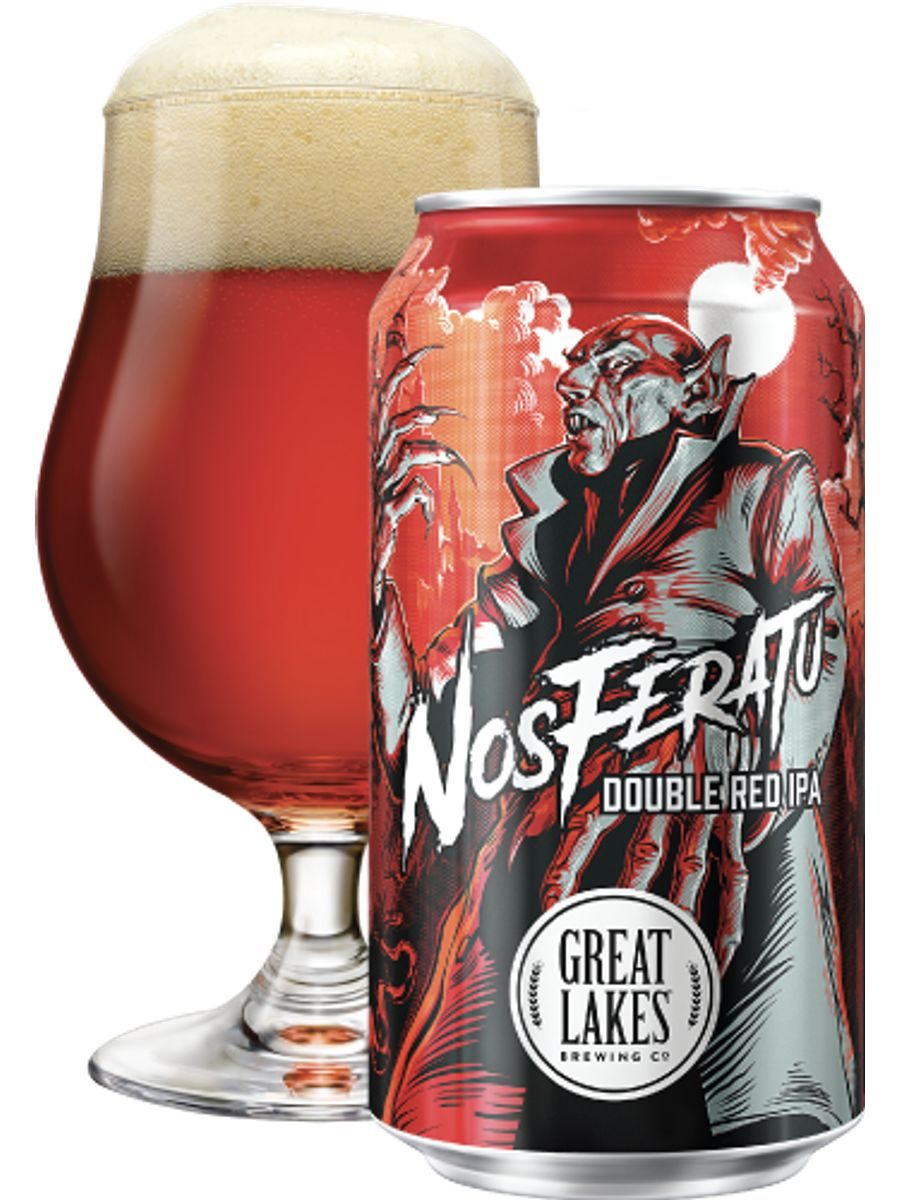
Nosferatu
Brewed by Great Lakes Brewing Company
Ruby malt, restrained roast and a firm Simcoe-and-Cascade bite.
BAR NOTES
Nosferatu is a BJCP American Strong Ale example that Great Lakes currently labels Double Red IPA. The 8.0% beer reports 70 IBU, with Simcoe and Cascade over two-row, Crystal 77 and Special Roast malt.
The overlap is useful rather than a naming error: a maltier double red can occupy the broad American Strong Ale space. Great Lakes lists an August release in twelve-ounce cans and draft. Red IPA provides a lighter neighboring comparison.
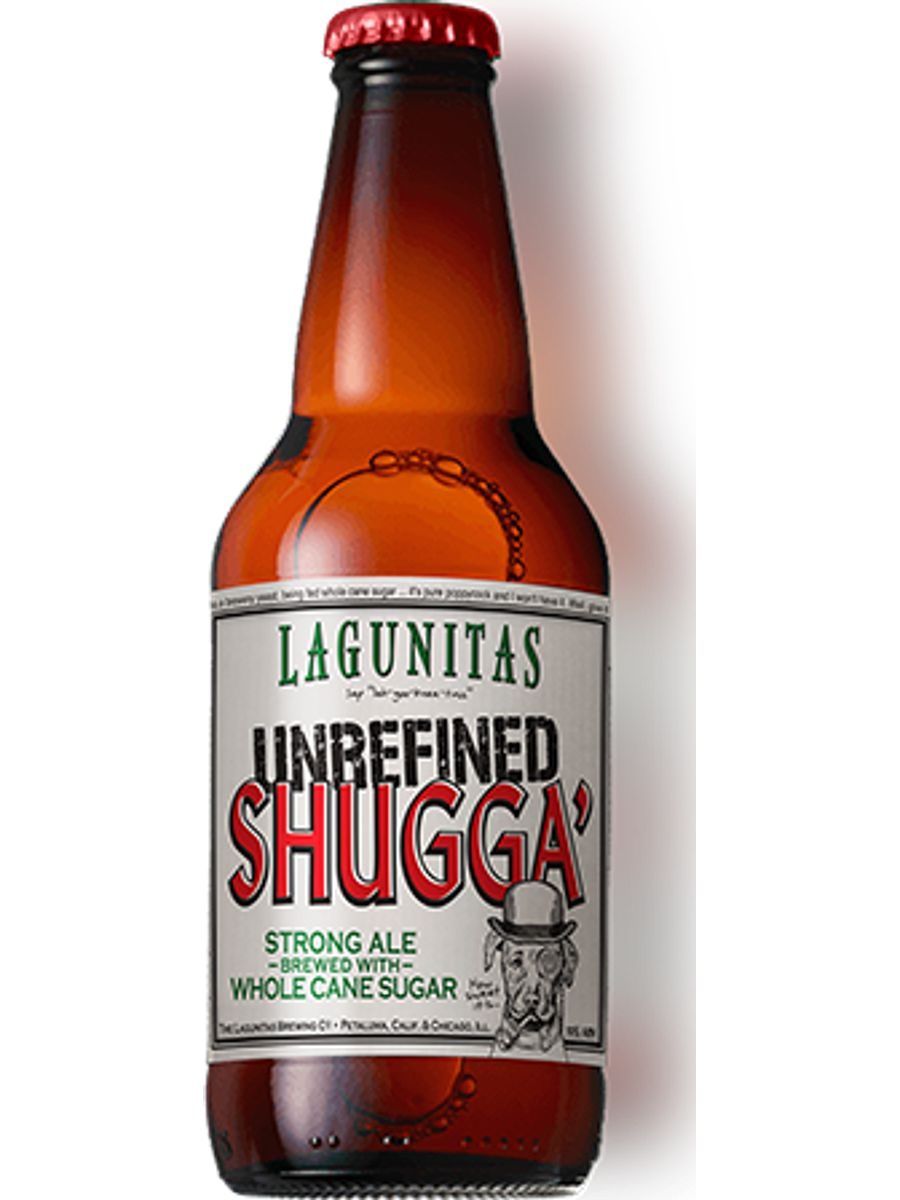
Unrefined Shugga’
Brewed by Lagunitas Brewing Company
Panela sugar, caramelized malt and classic American dry hops.
BAR NOTES
Unrefined Shugga’ is the cane-sugar revision of the Brown Shugga’ story, not simply the original recipe under a new label. Lagunitas lists it at 10.0%, with malted barley, wheat, Munich and crystal malts plus Simcoe, Columbus, Cascade and Centennial.
The brewery describes both strong-ale and barleywine territory and emphasizes fermentation of whole-cane panela sugar. Treat this selected bottle as a winter One Hitter reference, not a guarantee of current local stock. American barleywine brewing illustrates a neighboring route to concentrated malt.
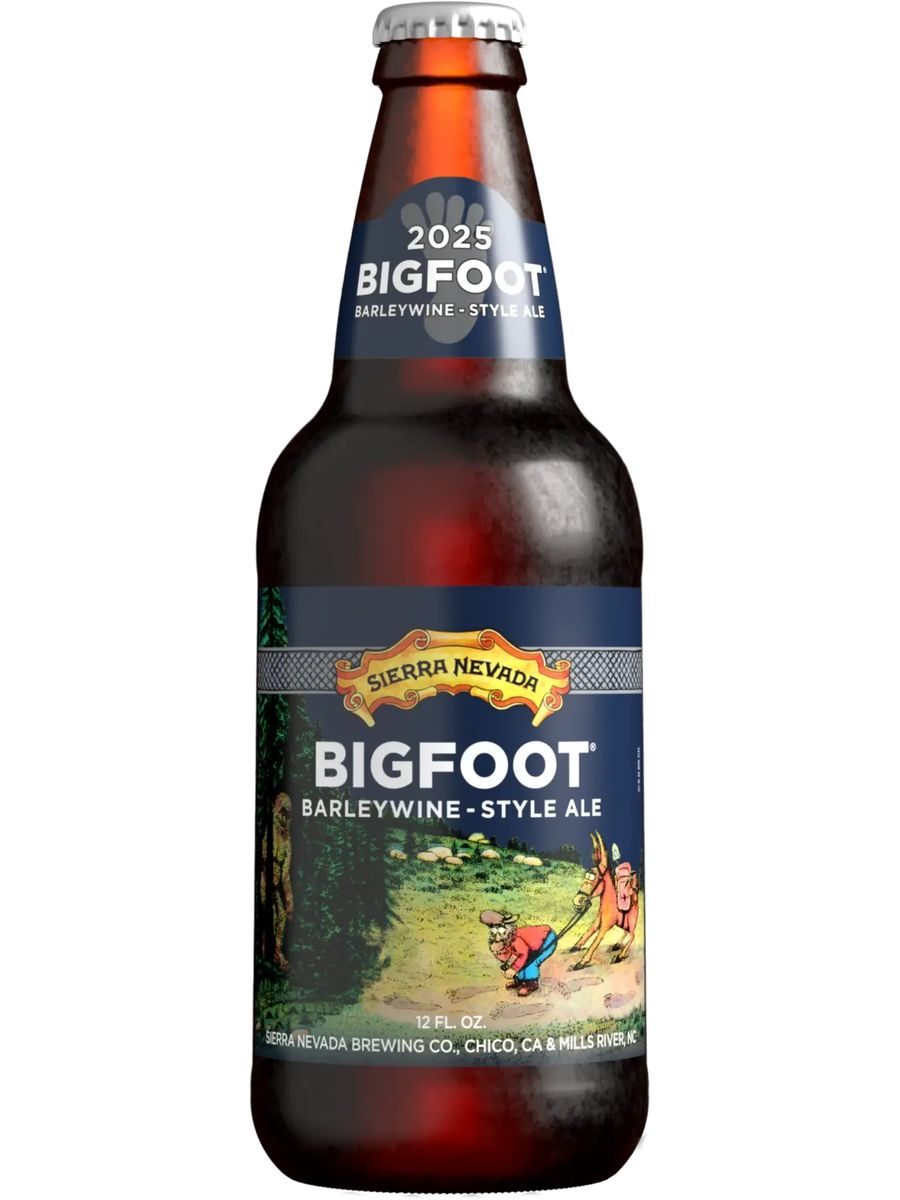
Sierra Nevada Bigfoot 2025
Brewed by Sierra Nevada Brewing Company
Massive malt and Pacific hops establish the American barleywine baseline.
BAR NOTES
Sierra Nevada specifies Bigfoot at 9.6% and 90 IBU, with Cascade, Centennial and Chinook hops. The selected 2025 bottle belongs to its seasonal January-to-April release, providing an American barleywine comparison with a substantially more hop-focused specification.
Bigfoot’s vintage date provides a starting point for a cellar comparison, while its hop intensity establishes the American branch of barleywine. Keep one sound young bottle as a reference before asking what age changes in bitterness, fruit character and malt depth. Flavor vocabulary makes the changes easier to describe.
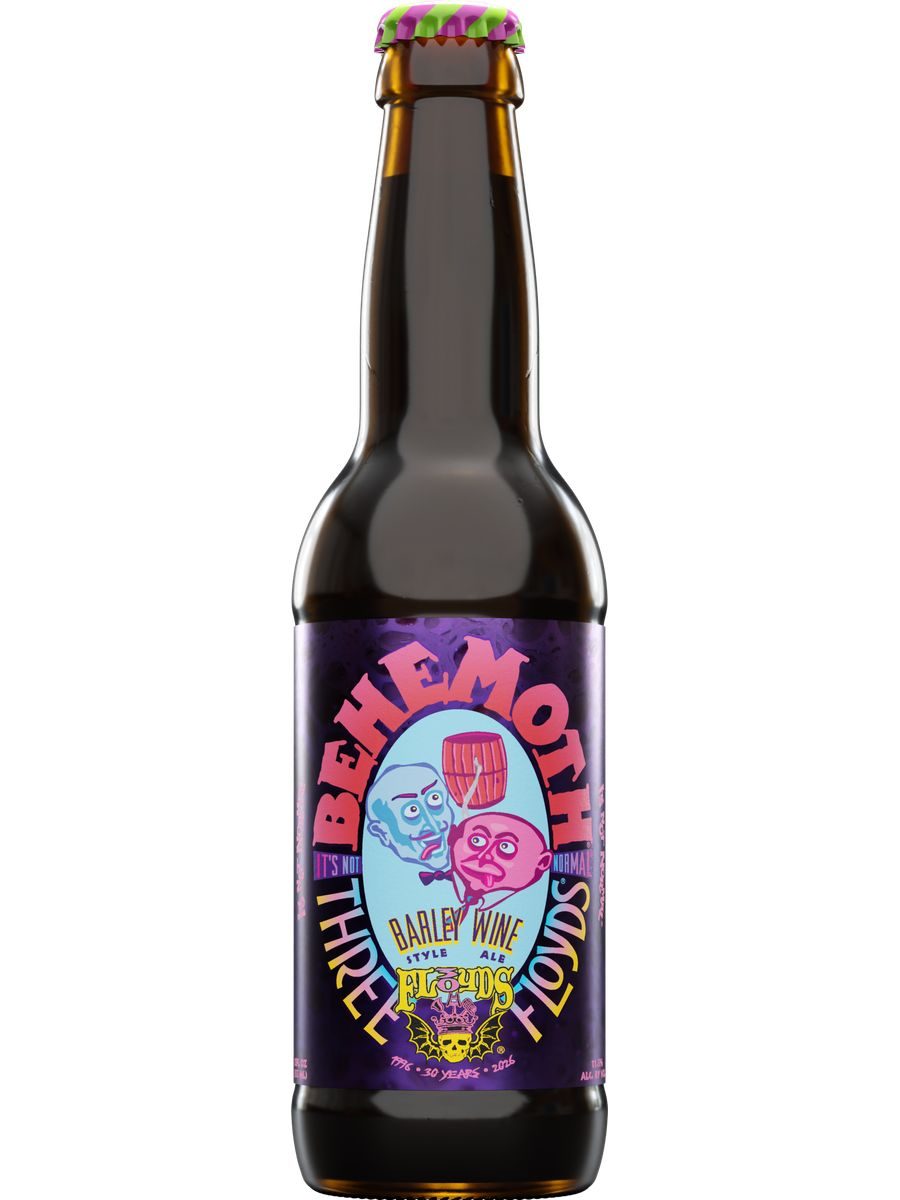
Behemoth
Brewed by 3 Floyds Brewing
An assertive barleywine benchmark with substantial warming strength.
BAR NOTES
3 Floyds lists Behemoth as an 11.5% barleywine-style ale with January availability. The selected purple-and-yellow bottle is the current 2026 packshot, so its edition is clear even when a shop offers older cellar stock.
Compare it with Bigfoot at a similar serving temperature and modest pour size. Both sit inside American Barleywine’s usual alcohol band, but concentration alone does not establish the same bitterness or hop bill. American Barleywine explains the malt-and-hop center of gravity.
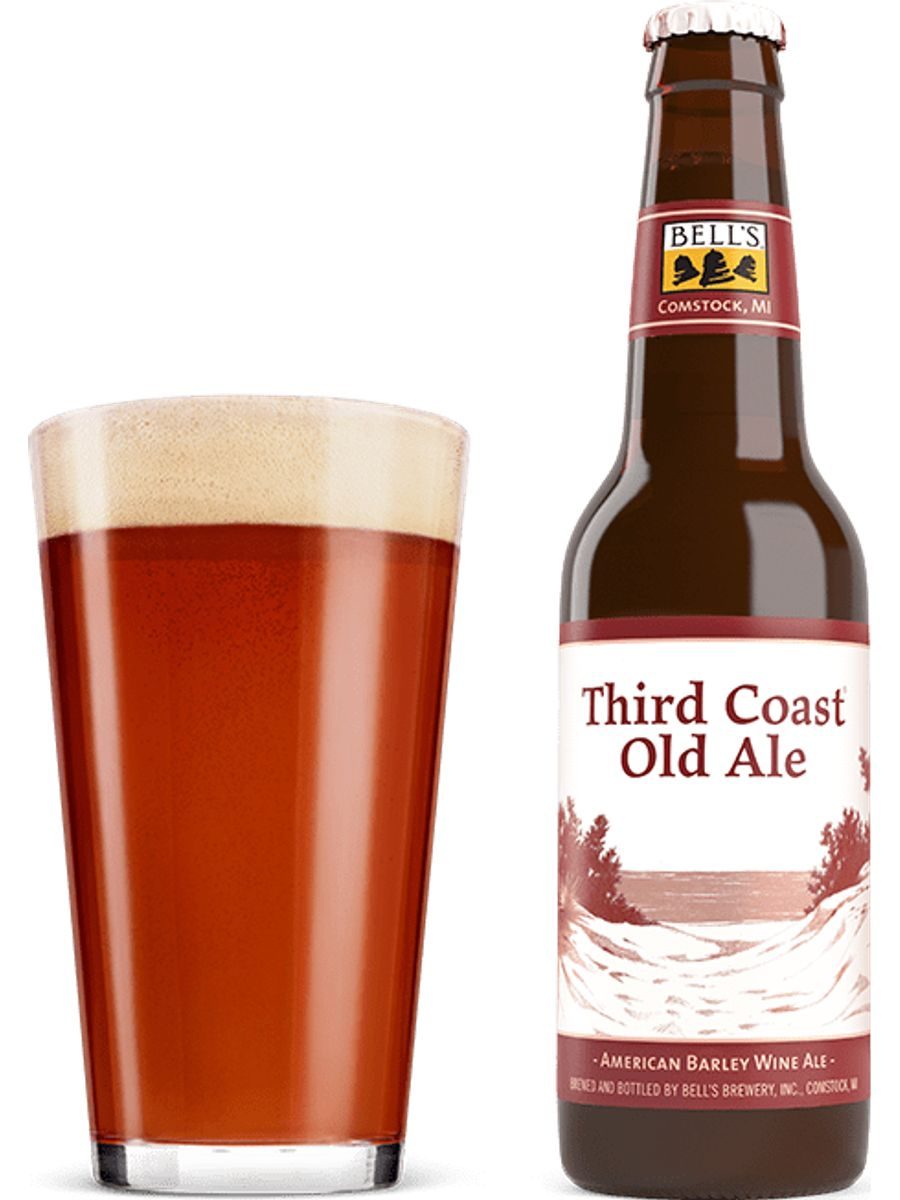
Third Coast Old Ale
Brewed by Bell’s Brewery
Rich caramel and heavy fresh bitterness develop toward a softer cellar profile.
BAR NOTES
Despite its Old Ale name, Third Coast is a BJCP American Barleywine example. Bell’s current specification is 10.2% ABV, 65 IBU and original gravity 1.101, with a rich caramel base and substantial fresh hop bitterness.
The brewery recommends it for aging, but taste a sound young sample first so later changes have a reference point. Specialty status is not a year-round availability claim; compare its softer bitter balance against Bigfoot’s 90 IBU specification. a shared flavor vocabulary helps describe the evolution.
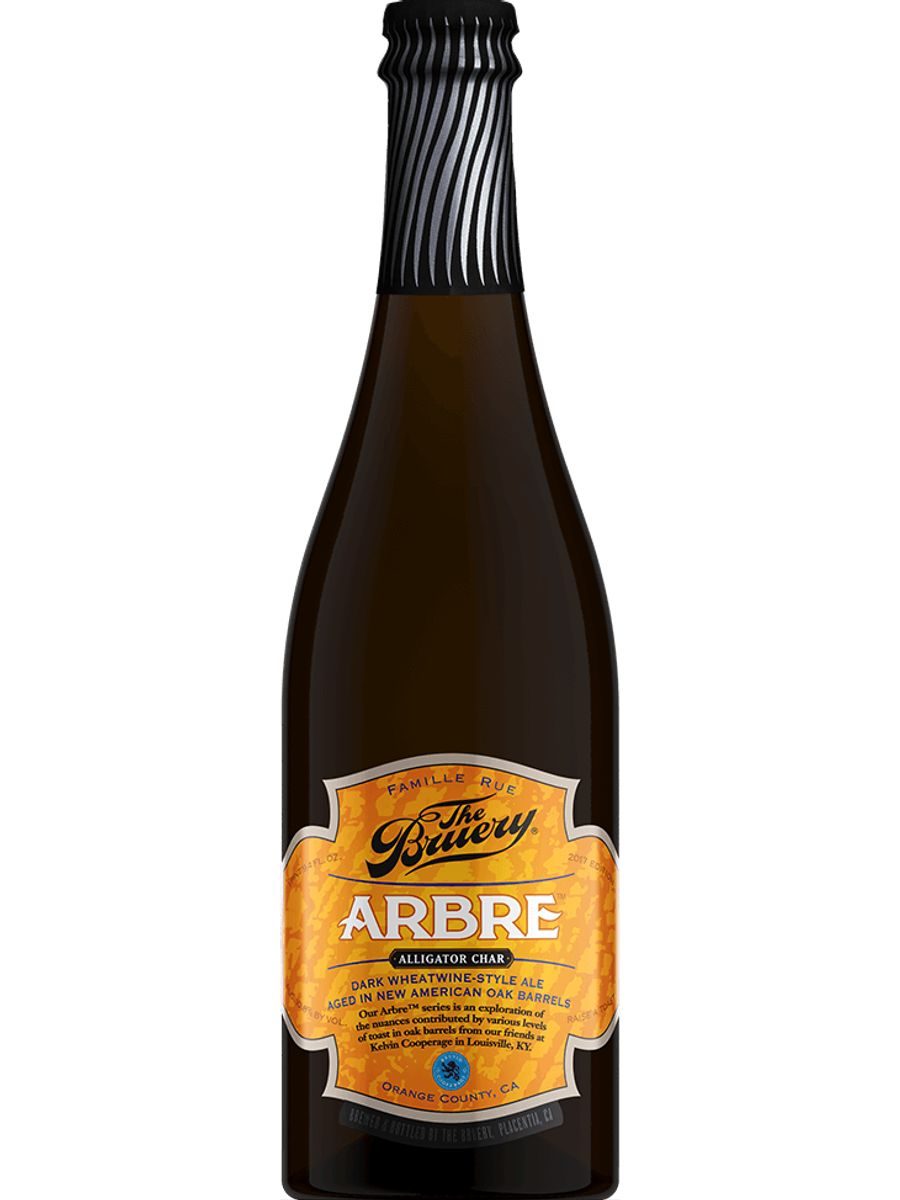
Arbre Dark Wheatwine: Alligator Char 2017
Brewed by The Bruery
Chocolate wheat and heavily charred oak show a dark variation on the style.
BAR NOTES
The selected 2017 Arbre is a dark wheatwine-style ale aged in new American oak with alligator char. Chocolate wheat malt and strong oak character intentionally move it away from a pale, unwooded Wheatwine reference.
The official archive specifies 10.8%, inside Wheatwine’s usual 8–12% alcohol band, but its darker grist and char remain specialty variables. This is an identified archive bottle rather than a claim of a new seasonal release. Wheatwine recipe design supplies the simpler grain-led baseline.
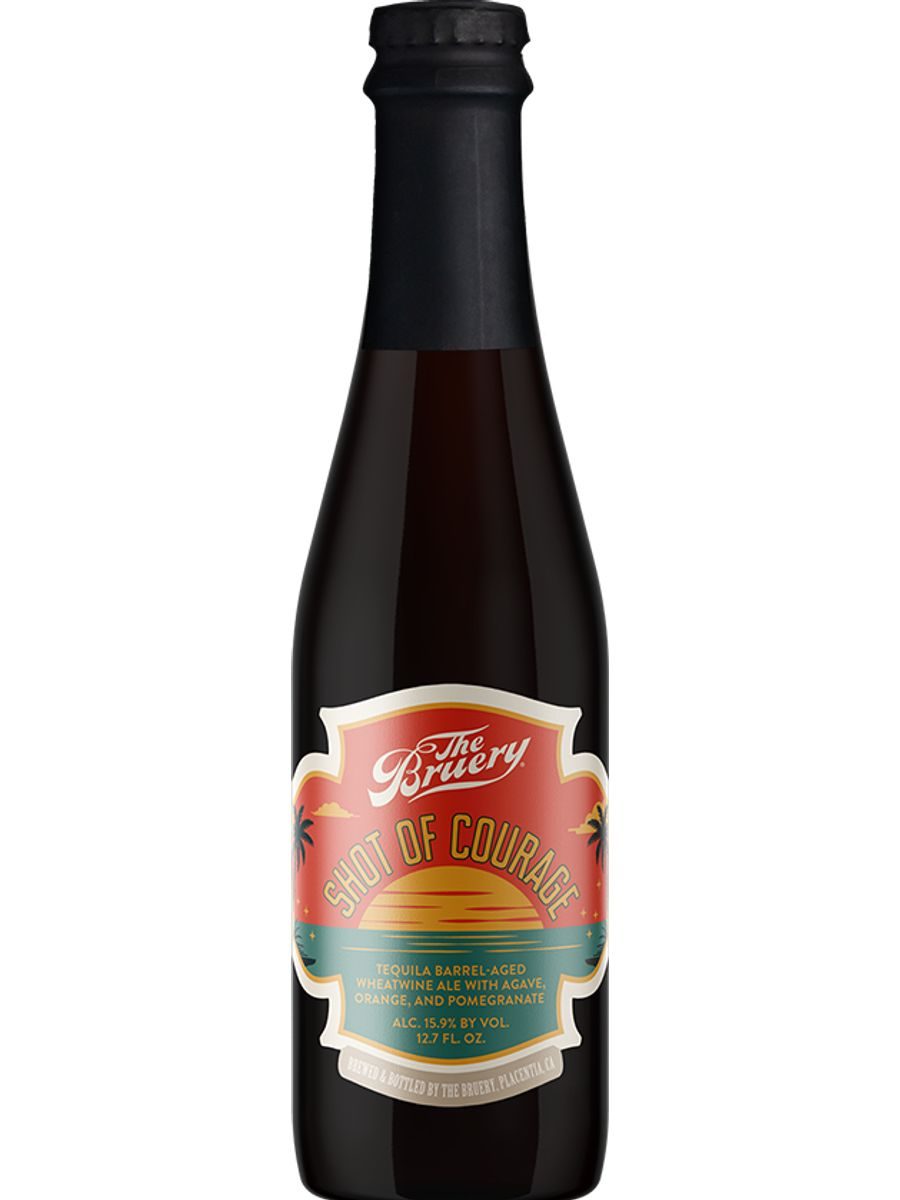
Shot of Courage 2026
Brewed by The Bruery
Tequila barrels, agave, orange and pomegranate stretch the wheatwine concept.
BAR NOTES
Shot of Courage co-ferments a wheatwine base with agave before aging in Don Julio tequila barrels. Orange and pomegranate are added afterward; the selected July 2026 release is 15.9% and packaged in a 375-milliliter bottle.
The official shop marks it sold out and identifies society access restrictions. Its strength exceeds standard Wheatwine’s 12% ceiling, while fruit and tequila make it a specialty comparison rather than a pure competition exemplar. Wheatwine fundamentals explains the grain-led starting point.
How to serve and pair it
Serve the hoppiest beers coolest, around 45–50°F, and let malt-driven bottles rise toward 50–55°F. A tulip handles double IPA well; a snifter or smaller wine glass gives barleywine and wheatwine room to open.
Strong American ales are built for food with weight. Charred steak, smoked pork, aged cheddar, blue cheese, sticky ribs, and nut-based desserts all have enough intensity to meet the beer without disappearing.
Brewing perspective
High gravity magnifies every process choice. Build a fermentable wort, oxygenate thoroughly, pitch enough healthy yeast, and control fermentation temperature before worrying about exotic ingredients.
For recipe-level detail, use the dedicated guides for double IPA, American strong ale, American barleywine, and wheatwine.
Common questions
Is strong American ale a single style?
It is both a broad family and, in BJCP usage, a specific flexible style within that family. Context matters: the category includes Double IPA, American Strong Ale, American Barleywine, and Wheatwine.
Do these beers always improve with age?
No. Fresh hop aroma fades quickly, so double IPA is usually best young. Barleywine and some strong ales can develop beautifully, but only when the bottle has enough malt, bitterness, and fermentation quality to support aging.
Why do some strong ales taste hot?
Young alcohol, under-attenuation, stressed yeast, excessive specialty malt, or a high serving temperature can all make heat feel rough. Time may soften a sound beer, but it cannot repair poor fermentation.
Pick your next big American pour
Compare the family by hop weight, malt depth, and strength, or take a proven recipe into your own brewhouse.