
Mixed-Style Beer: Hybrids, Process Twists & Balance
Mixed-Style Beer combines recognizable brewing ideas that do not already have a defined home elsewhere. It may merge two existing styles, alter one through a nontraditional process, use an unexpected yeast or hop profile, or deliberately push the strength beyond its normal range.
The category rewards a coherent result, not complexity for its own sake. A lager-saison hybrid should reveal both clean lager structure and farmhouse fermentation—not merely taste confusing.
Four paths into the category
A beer may combine existing classic or specialty styles; apply a nontraditional method such as dry hopping or eis concentration; use an ingredient character foreign to the base; or create an out-of-spec imperial, session, or unusually sweet version.
That freedom comes after a fit check. If the finished beer belongs comfortably in an existing IPA, saison, fruit, spice, smoked, or wood category, that established category is more informative.
Name the parts clearly
The declaration should identify the base style or styles and every special method, ingredient, or variation that materially affects the result. A short sensory description helps when the combination is not obvious from the name.
Drinkers benefit from the same clarity. “Dry-hopped German-style pilsner” establishes a useful expectation; “genre-defying liquid chaos” mostly establishes that the label writer had a thesaurus.
Balance beats mathematical equality
Two style components do not need equal intensity. One may supply structure while the other contributes aroma or finish. What matters is that each declared idea is perceptible and the combination remains pleasant through a full serving.
Novelty cannot excuse fermentation faults, harsh bitterness, clashing sweetness, or an exhausting palate. A mixed-style beer should taste intentional from first aroma to final aftertaste.
Ten Mixed-Style Beer references and comparisons
Tipopils and Hoponius Union are listed Mixed-Style examples. Dry-hopped wheat beer, lager blending, a Grodziskie interpretation and a low-strength smoke approach broaden the process discussion; smoke, historical, specialty-overlap and commercial-reference controls explain why earlier categories must still be checked.
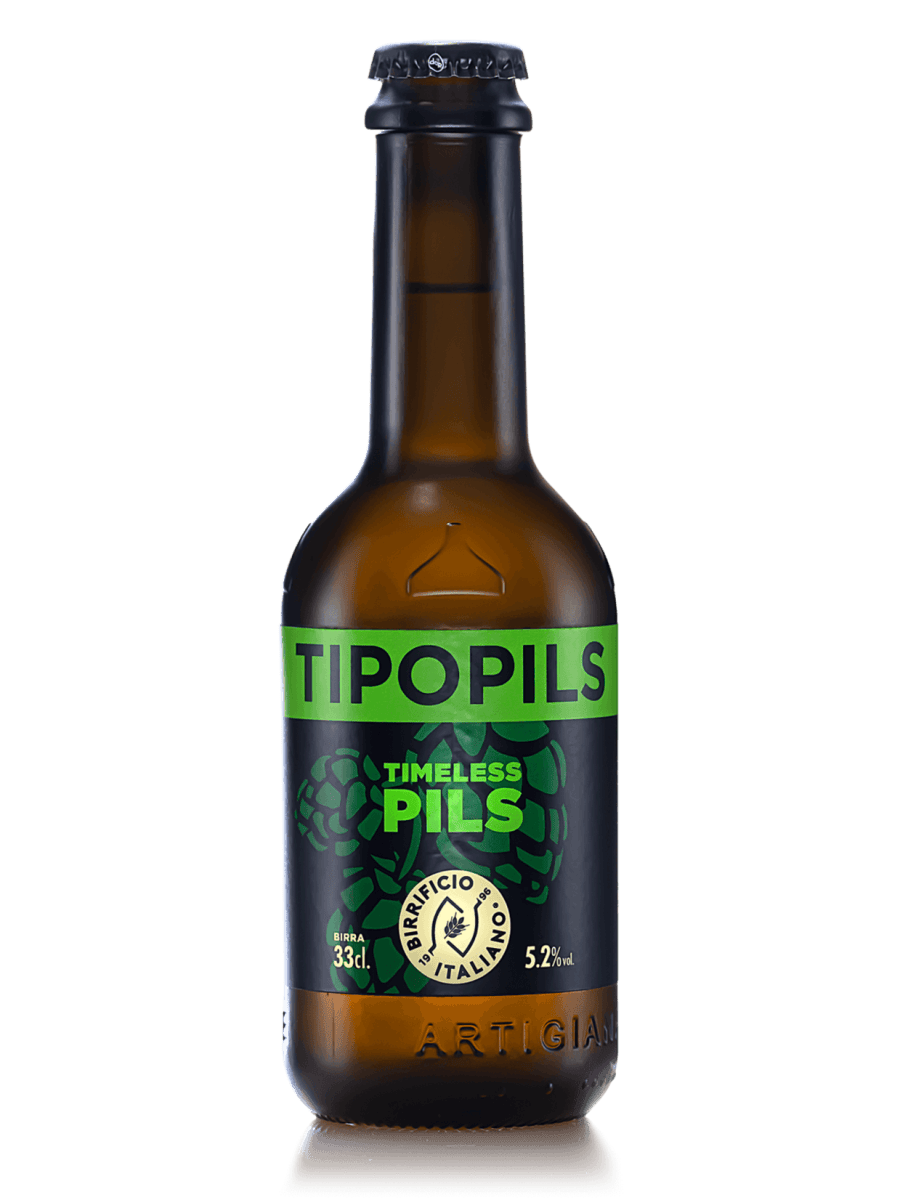
Tipopils
Brewed by Birrificio Italiano
A lager altered through dry hopping rather than ale fermentation.
BAR NOTES
Tipopils is a 5.2-percent bottom-fermented pilsner born in 1996, with dry hopping central to its identity. BJCP lists it as a Mixed-Style example. The producer advises drinking it fresh rather than aging it, so packaging date belongs in a meaningful tasting comparison.
Tipopils is the direct listed anchor for a dry-hopped pilsner, showing a process change while retaining lager structure. Taste herbal aroma, malt and finish independently; the combination succeeds when the base stays readable rather than becoming an excuse to label any aggressively hopped beer mixed-style.
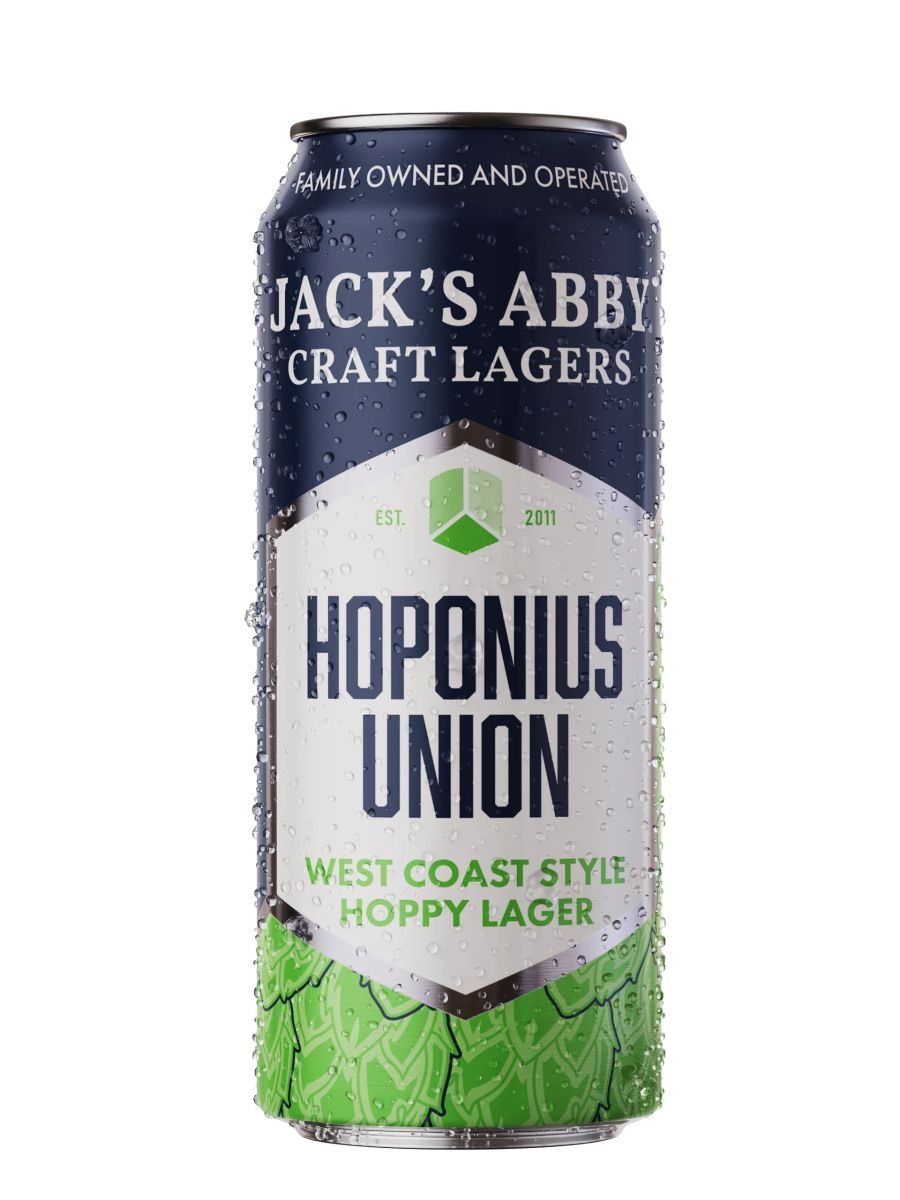
Hoponius Union
Brewed by Jack’s Abby Craft Lagers
IPA-like hop expression over a declared lager fermentation.
BAR NOTES
Hoponius Union is a 6.5-percent West Coast style hoppy lager using Citra and Centennial hops. Its producer describes a crisp lager with citrus and tropical hop aromas, and BJCP lists it as a Mixed-Style example. Hop intensity does not change the declared fermentation into ale.
The West Coast style lager provides the second official anchor with a different hop vocabulary. Compare its Citra and Centennial expression with Tipopils without assuming identical strength or bitterness; the common teaching point is how an aromatic hop approach coexists with clean lager fermentation.
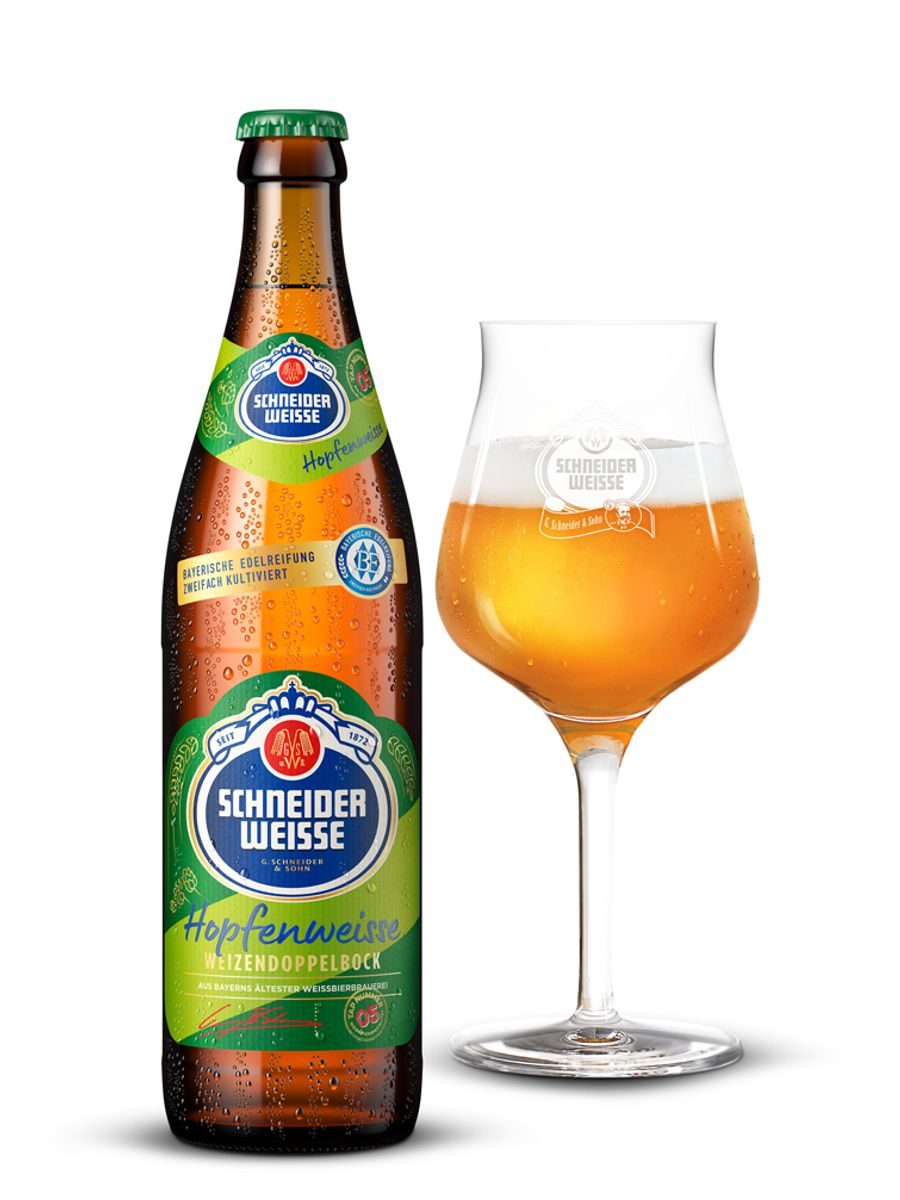
Schneider Hopfenweisse
Brewed by Schneider Weisse
A wheat-yeast foundation with a pronounced hop treatment.
BAR NOTES
Schneider Hopfenweisse is an 8.2-percent wheat beer using Hallertauer Tradition and Saphir, including dry hopping, at forty IBU. Open fermentation and bottle conditioning remain part of the producer’s method. It supplies a process comparison, not a claim that every strong or hoppy wheat beer must leave its base style.
The wheat beer shifts yeast, strength and hop treatment together, so it is a broad comparison rather than a controlled single-variable experiment. Describe the intended base and the actual departure before choosing 34B, allowing an existing wheat style to take priority when it still fits.
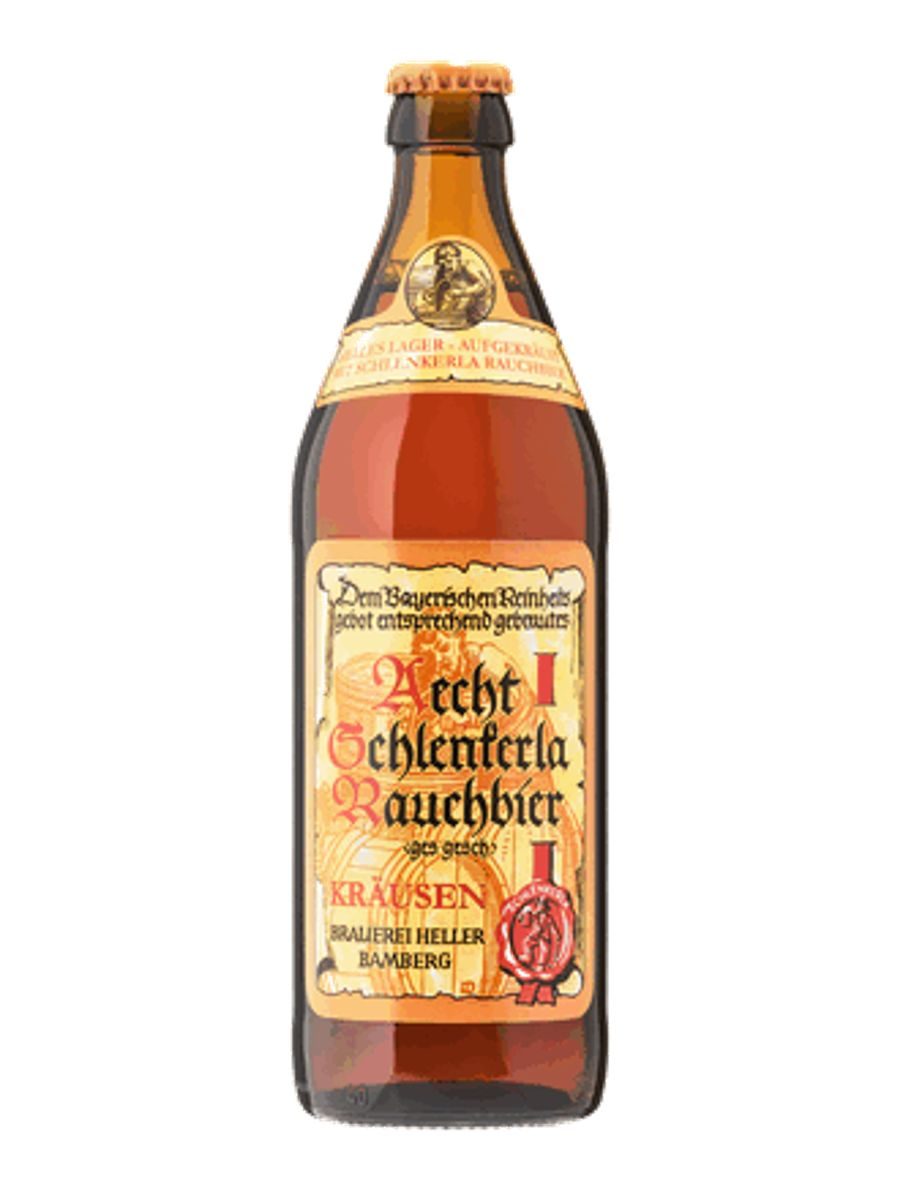
Aecht Schlenkerla Kräusen
Brewed by Schlenkerla / Heller-Bräu Trum
Blending and renewed fermentation require a clear declared target.
BAR NOTES
Kräusen combines matured Helles with young Märzen Rauchbier before renewed fermentation at 4.5 percent alcohol. Its thirty-IBU lager blend supplies a process comparison for the mixed-style discussion; the word blend alone is insufficient to decide whether the finished beer fits an existing style.
Blending and refermentation illustrate the method side of the category, provided they create a result outside earlier descriptions. Taste the finished balance instead of classifying from the process alone; smoke can remain part of an earlier specialty route even when two beers were combined.
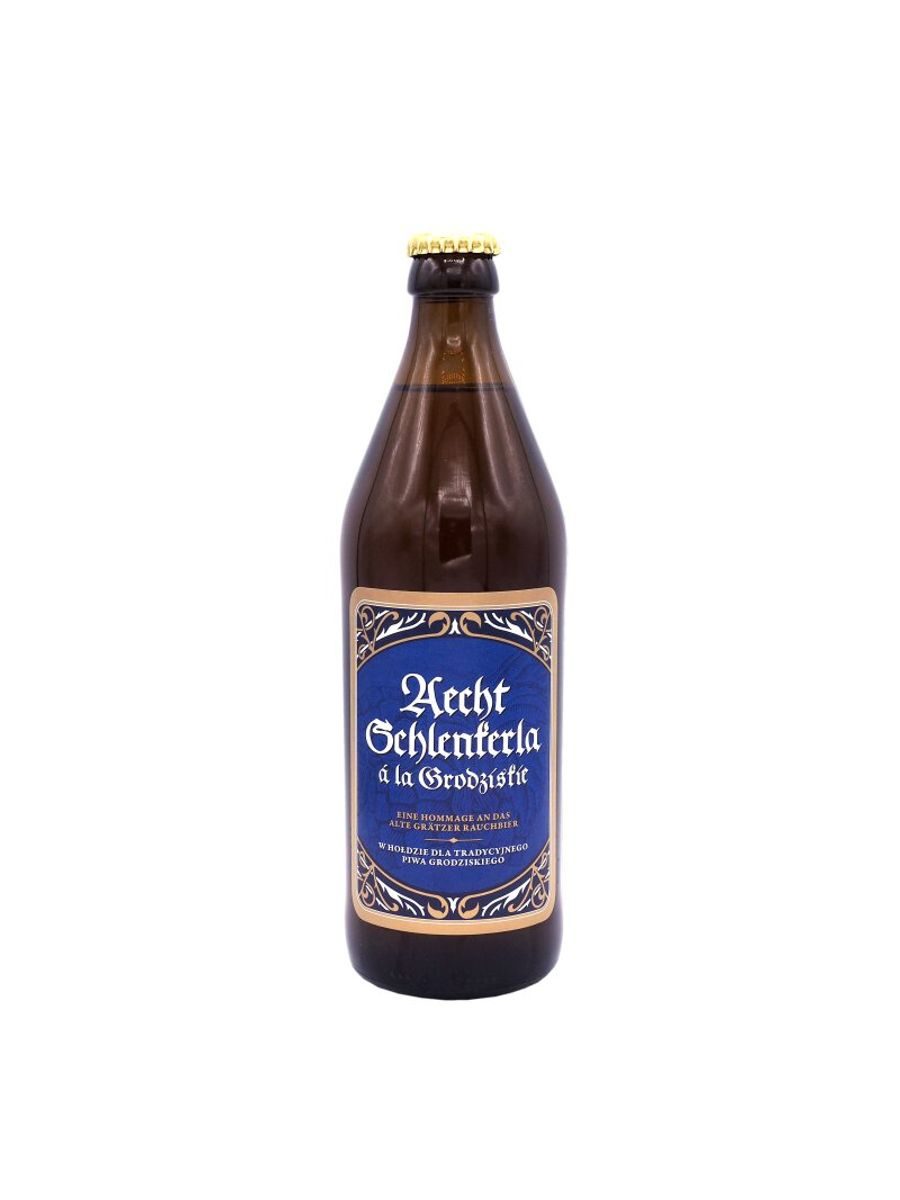
Aecht Schlenkerla à la Grodziskie
Brewed by Schlenkerla / Heller-Bräu Trum
Declared departures distinguish an interpretation from its model.
BAR NOTES
Schlenkerla’s Grodziskie interpretation uses oak-smoked wheat and Lubelski hops at 2.9 percent alcohol, with bottom fermentation and barley also declared. Those departures make a useful comparison with the Polish historical beer; sharing an inspiration does not make the two recipes or fermentation methods identical.
The interpretation makes departures from its historical model explicit through bottom fermentation and additional barley. Compare it with Polish Grodziskie later in the flight, noting shared oak-smoked wheat while preserving the fermentation distinction; a hybrid description should identify both common ground and the actual change.
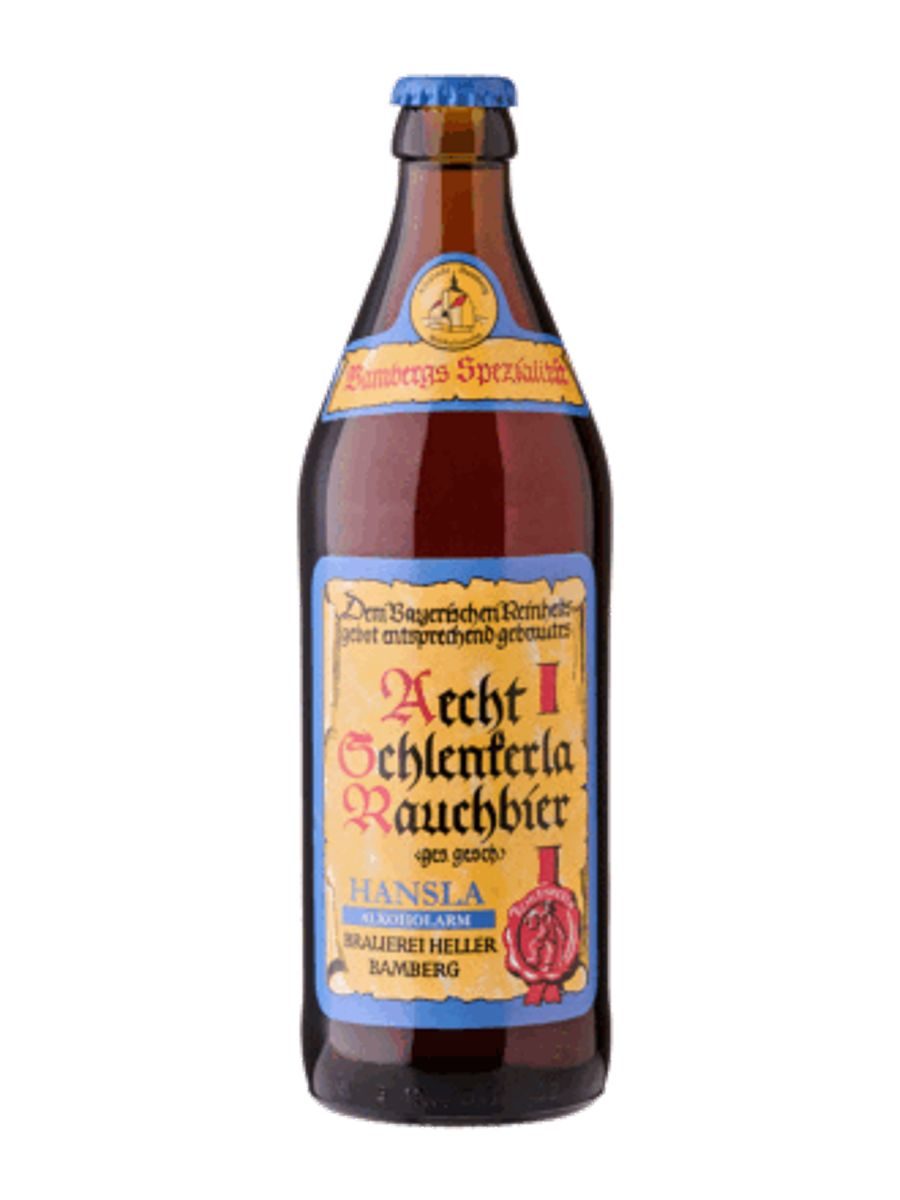
Aecht Schlenkerla Rauchbier Hansla
Brewed by Schlenkerla / Heller-Bräu Trum
Small strength is a comparison rather than a category shortcut.
BAR NOTES
Hansla is a 0.9-percent hoppy smoked beer at thirty-five IBU. It broadens the strength discussion with a historical low-alcohol approach, while its stated alcohol remains above zero. A strength variation needs a declared base and sensory target before being treated as a mixed-style entry.
Low strength prompts the out-of-spec discussion, but the stated base remains the first question. Use the smoked beer family to consider an earlier smoke route and avoid equating less than one percent with zero; the finished sensory target determines whether a mixed-style declaration is useful.
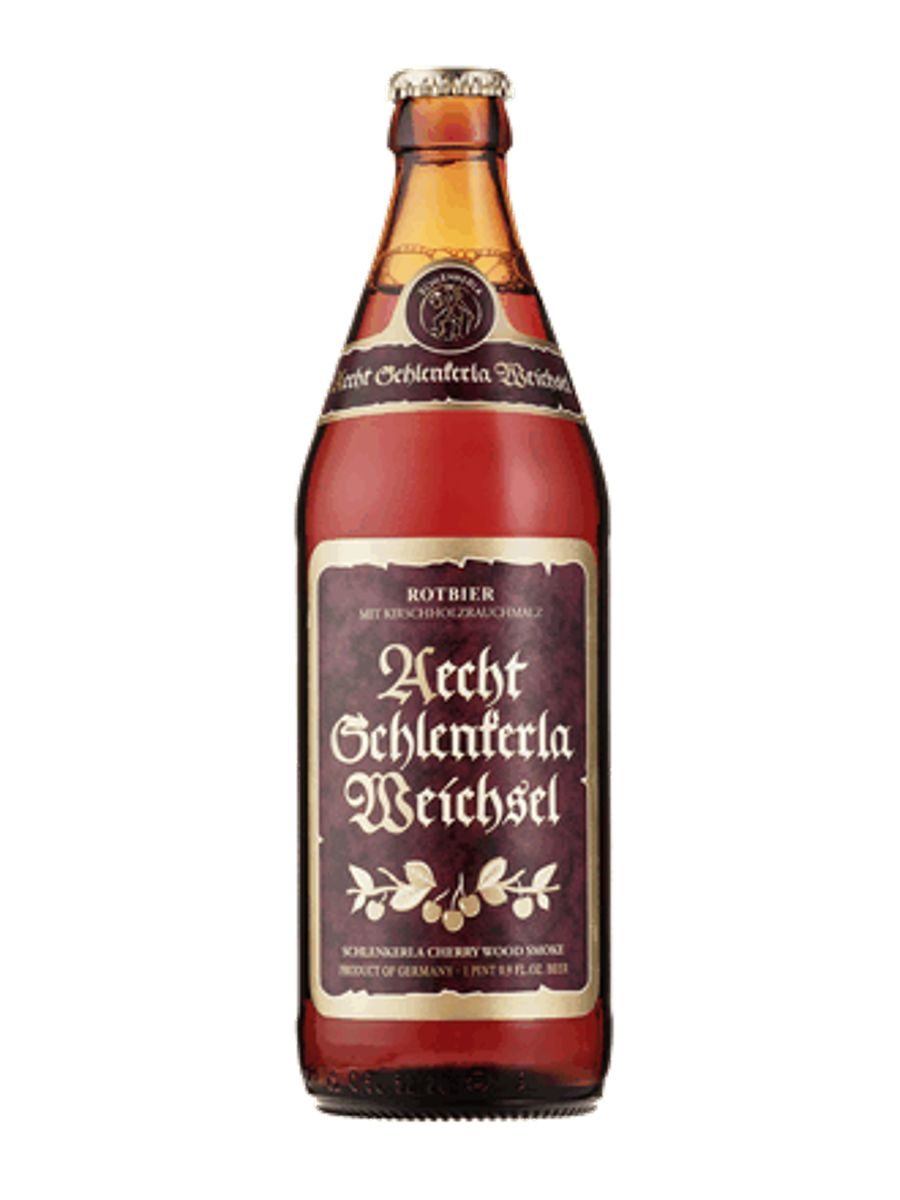
Aecht Schlenkerla Weichsel Rotbier
Brewed by Schlenkerla / Heller-Bräu Trum
Cherrywood identifies a smoke source rather than added fruit.
BAR NOTES
Weichsel is a 4.6-percent red lager using cherrywood-smoked malt at twenty-eight IBU. Its unusual smoke wood can provoke a category question, but cherrywood does not establish cherry fruit in the recipe. The declared base and actual ingredients deserve priority over an aromatic association.
The red lager provides the unusual-wood control rather than proof of a new fruit hybrid. Cherrywood identifies malt kilning, not cherries added to fermentation; judge the recognizable base and smoke before assigning a mixed-style category merely because the tree sounds like a fruit ingredient.
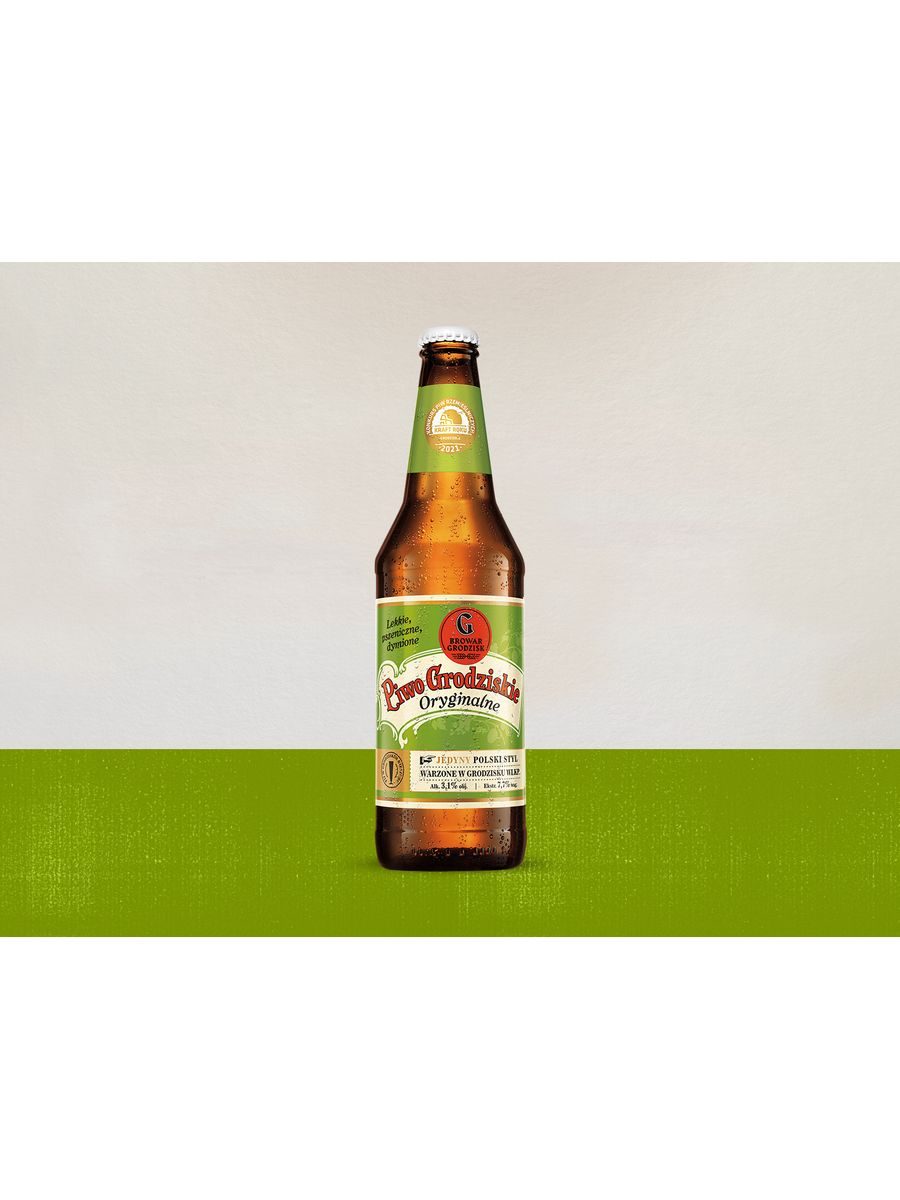
Piwo Grodziskie
Brewed by Browar Grodzisk
An established historical style provides the classification control.
BAR NOTES
Piwo Grodziskie is a 3.1-percent historical Polish beer made with oak-smoked wheat and bottle conditioning. Its faithful traditional recipe already has an established style description. Historical rarity and smoke do not automatically turn it into Mixed-Style or Experimental Beer when that earlier category describes the result.
This is the established historical control beside the German interpretation, not a strict 34B claim. The Grodziskie guide explains the all-wheat, oak-smoked tradition; shared smoke and a rare commercial name cannot erase an earlier category that already describes the beer.
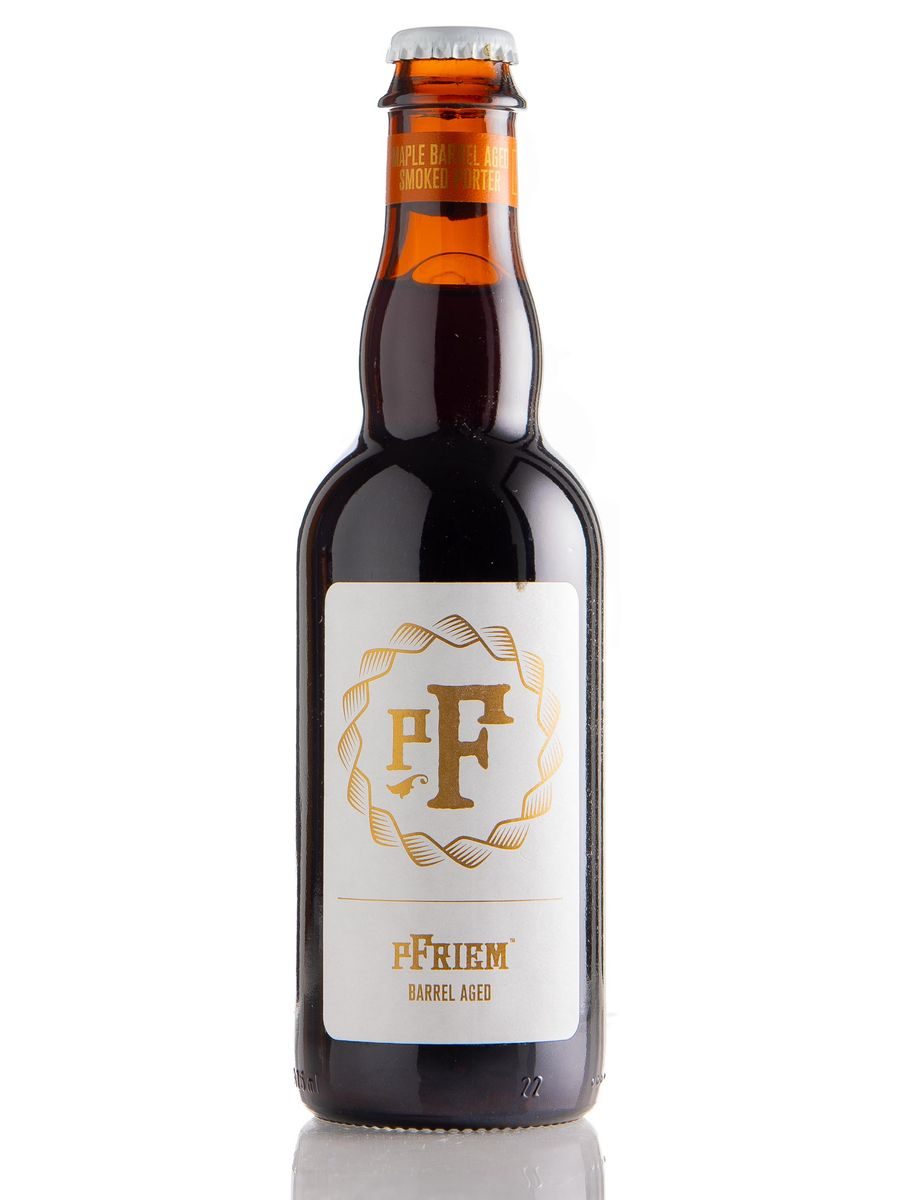
Barrel Aged Maple Smoked Porter
Brewed by pFriem Family Brewers
A multi-process recipe tests whether an earlier category still fits.
BAR NOTES
pFriem’s 9.1-percent porter combines beechwood-smoked malt, bourbon-barrel maturation and an explicit finishing addition of maple syrup. It illustrates overlap among existing specialty descriptions. The entrant must assess which category accommodates the finished combination before choosing Mixed-Style, and Experimental is not justified merely by three simultaneous features.
The porter tests how overlapping specialty concepts can be described as a complete result. Smoke, maple syrup and spirit wood are explicit, yet an earlier category may still accommodate them; 34B is useful only after those routes have been checked rather than as a default for ingredient count.
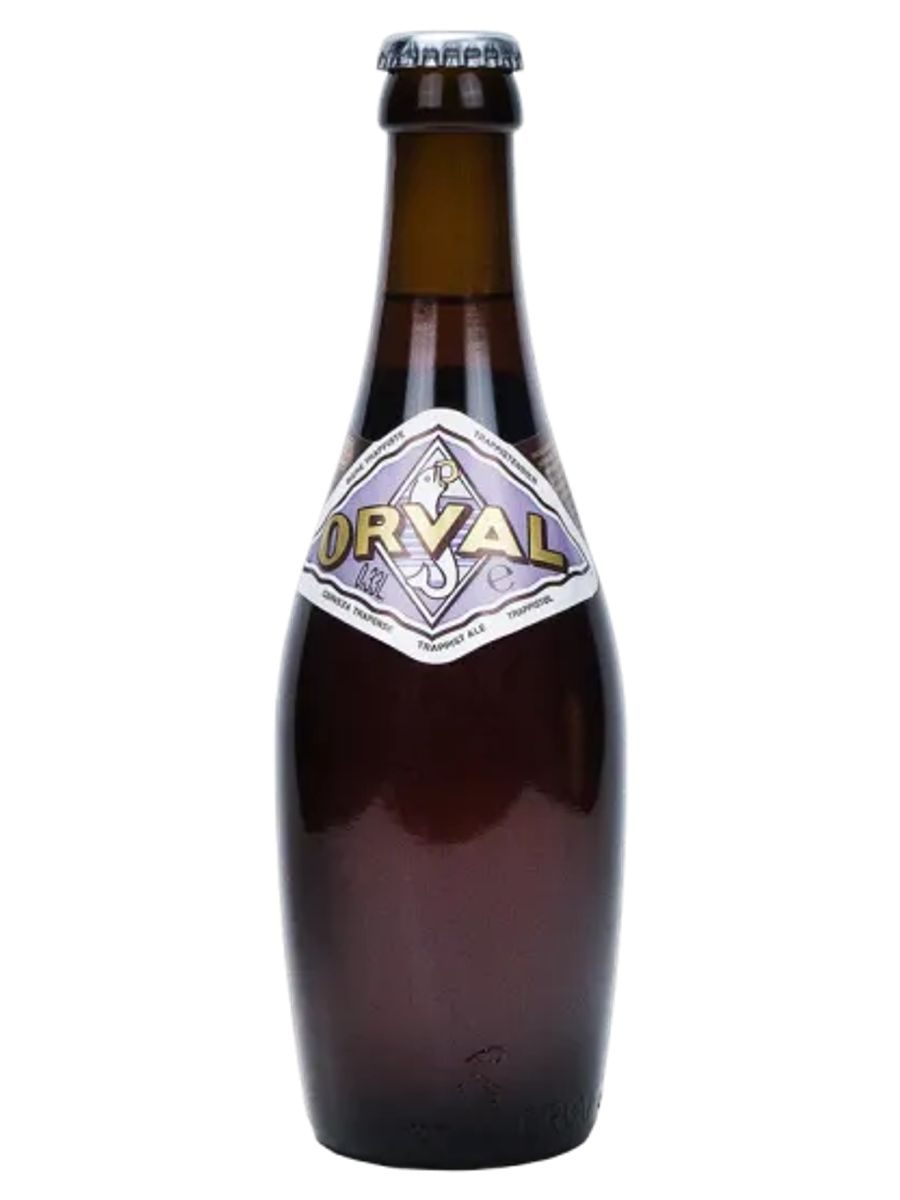
Orval
Brewed by Brasserie d’Orval
A named commercial reference whose bottle age matters.
BAR NOTES
Orval combines dry hopping with bottle conditioning involving Brettanomyces at its labeled 6.2 percent alcohol. It is one of the two listed Commercial Specialty examples. Fresh hop character and later fermentation development create different sensory targets, so an interpretation should declare which expression it intends to reproduce.
Orval is the direct Commercial Specialty control, illustrating a different route for a singular named beer. The commercial specialty guide explains its listed example status; varied fermentation and dry hopping can inspire a mixed-style discussion without relocating every distinctive commercial-reference interpretation into 34B.
Keep Exploring Specialty Beer
Follow the category from commercial reference beers to mixed styles and true last-resort experiments.