
Weizenbock: Top 10 Current Beers and Style Guide
Weizenbock combines German wheat-beer yeast character with the malt richness, body and alcohol of Bock or Doppelbock.
Pale versions emphasize bread, banana and clove. Dark versions add toast, caramel and dried fruit, but both must keep their strength smooth and their wheat identity clear.
The quick answer
Expect a thick head, wheat haze and a medium-full to full body. Banana, clove and bread remain recognizable beneath richer malt and mild alcohol warmth.
| Measure | BJCP range |
|---|---|
| Original gravity | 1.064–1.090 |
| Final gravity | 1.015–1.022 |
| Bitterness | 15–30 IBU |
| Color | 6–25 SRM |
| Alcohol | 6.5–9% |
What Weizenbock tastes like
Pale Weizenbock brings grainy wheat, toast, honeyed malt, banana and clove. Dark versions layer in deep bread, caramel, plum, raisin and optional light chocolate without crossing into roast.
Alcohol should warm rather than burn, and the finish normally remains drier than the rich palate suggests. Hop aroma and flavor are absent, leaving malt, yeast and maturation to create complexity.
How Weizenbock is brewed
At least half malted wheat joins Pilsner, Vienna or Munich malt. Dark versions may use restrained color malt, while decoction can deepen bread and Maillard character.
High-gravity fermentation demands healthy weizen yeast and strong temperature control. Carbonation remains moderate to high, giving the beer more lift than a similarly strong barley-based bock.
Aventinus and the birth of the style
Schneider created Doppelbock-strength Aventinus in 1907, establishing the classic dark model. Pale Weizenbock developed much later and shows that the style’s defining idea is strength plus wheat fermentation, not one color.
Top 10 current Weizenbock references
These ten strong wheat beers compare pale and dark malt at bock strength. Schneider Hopfenweisse is explicitly a dry-hopped variation. Riegele lists its traditional Weizendoppelbock and Augustus 8 separately; their shared alcohol figure does not make them the same beer. Producer specifications guide the numbers and the order is editorial.
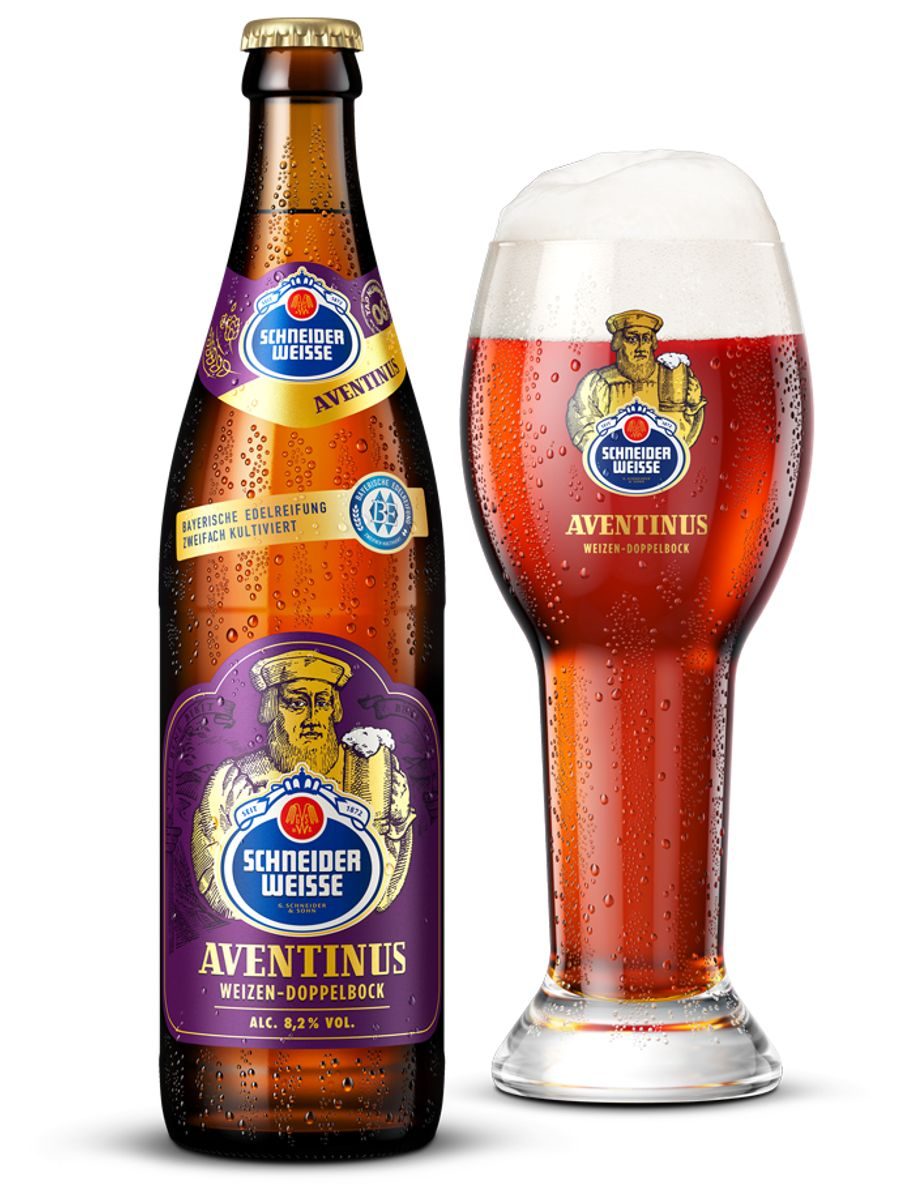
Schneider Aventinus
Brewed by Schneider Weisse
Compare Aventinus with pale Vitus and look for how darker malt changes fruit and spice impressions.
BAR NOTES
Schneider lists Aventinus at 8.2% alcohol, 16 IBU and 18.5% original wort, with open fermentation and bottle maturation. Choose regular Aventinus here; Aventinus Eisbock is a separate, freeze-concentrated product with higher strength.
Compare Aventinus with pale Vitus and look for how darker malt changes fruit and spice impressions. For a later process comparison, the Eisbock guide distinguishes normal wheat-bock fermentation from the concentration used for the separately named ice beer.
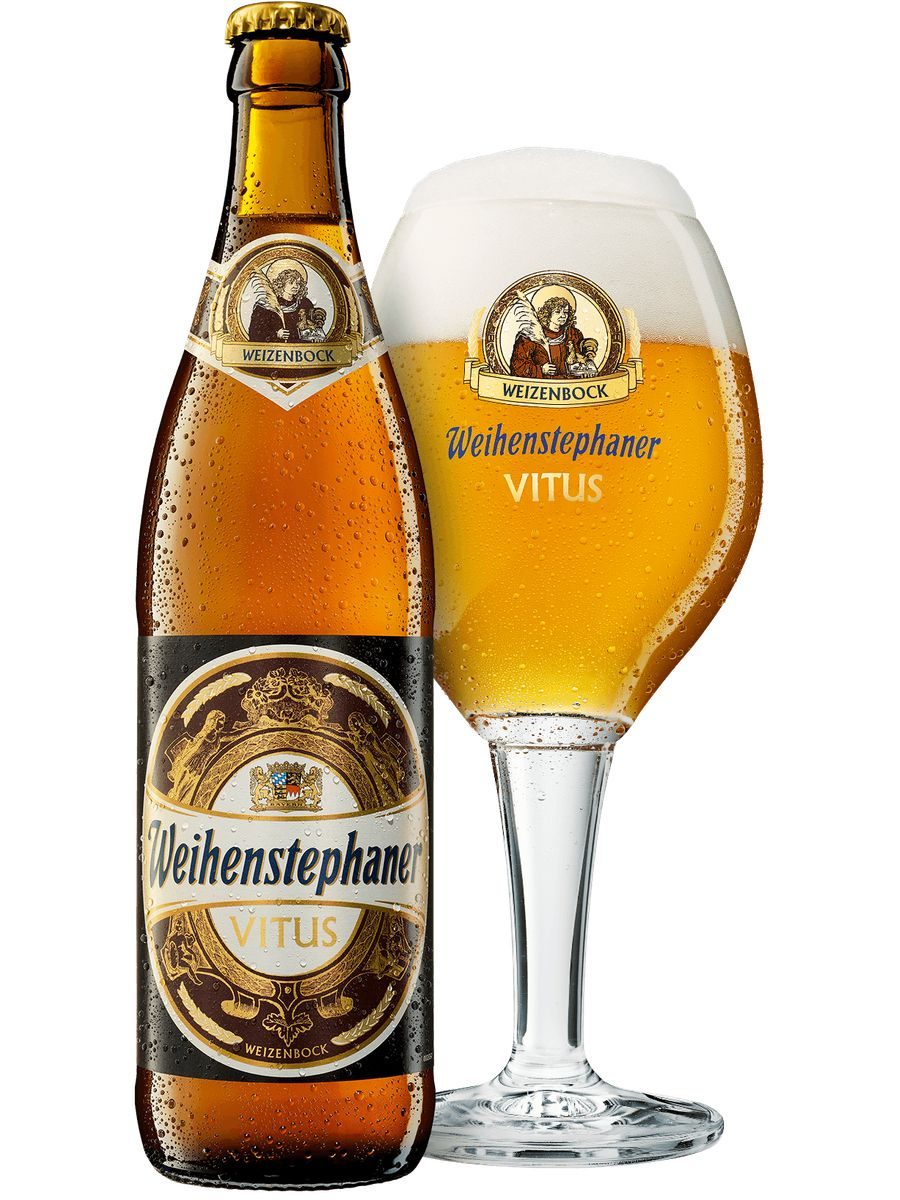
Weihenstephaner Vitus
Brewed by Bayerische Staatsbrauerei Weihenstephan
Set Vitus beside the brewery’s ordinary Hefeweissbier and compare aroma, texture and finish in that order.
BAR NOTES
Weihenstephan’s current Vitus specification gives 7.7% alcohol, 17 IBU and 16.5% original extract, with a recommended 8–10°C serving temperature. It supplies the pale counterpart to darker Weizenbocks without removing the wheat-yeast family resemblance.
Set Vitus beside the brewery’s ordinary Hefeweissbier and compare aroma, texture and finish in that order. The Weissbier guide provides the lower-strength baseline, helping separate stronger malt concentration from a simple increase in banana-like aroma.
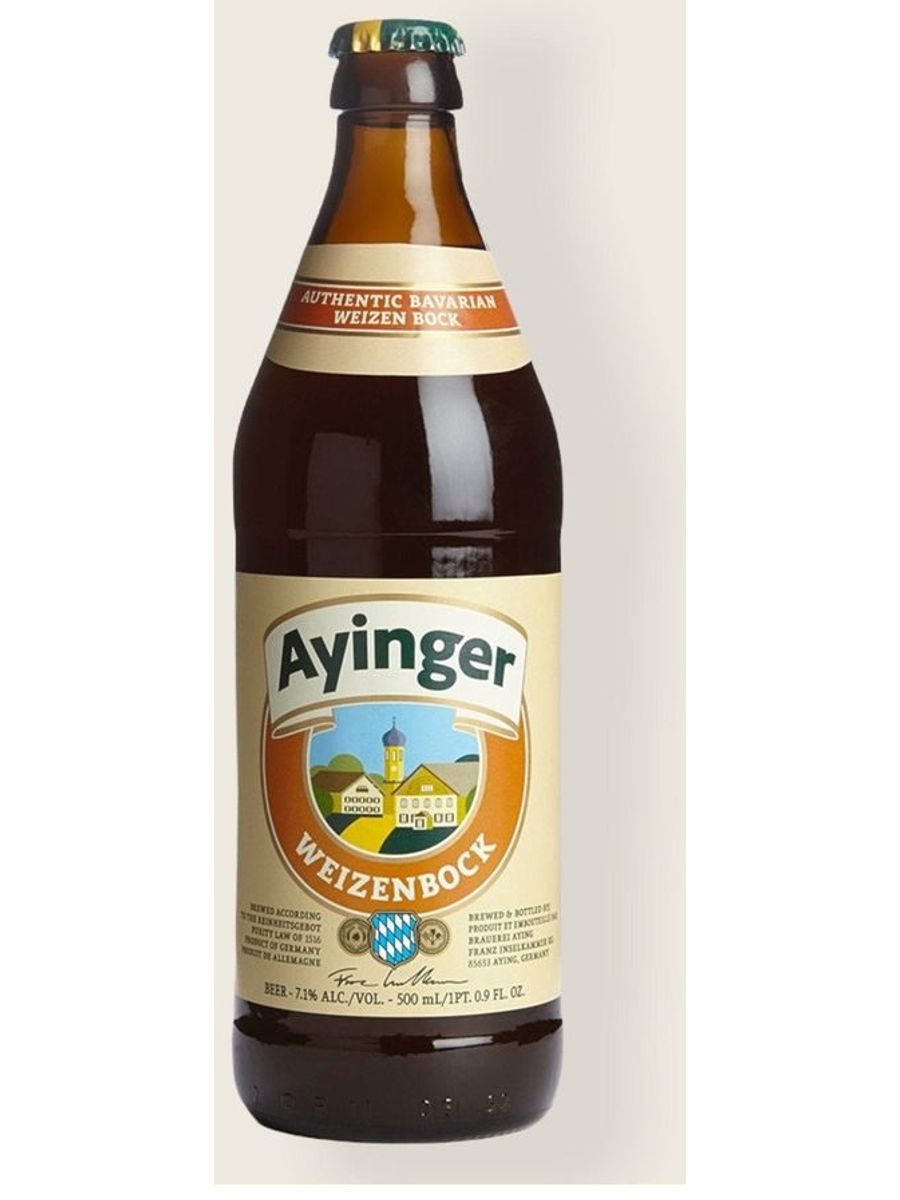
Ayinger Weizenbock
Brewed by Ayinger
Compare this with Bräuweisse to explore how the stronger recipe changes fullness while retaining fermentation fruit.
BAR NOTES
Ayinger’s current brewery page specifies 7.0% alcohol and 16.5°P for Weizenbock, rather than the 7.1% figure in some older export listings. It describes a golden-to-copper strong wheat beer and identifies it as a winter specialty.
Compare this with Bräuweisse to explore how the stronger recipe changes fullness while retaining fermentation fruit. Consult the Bock overview for the broader strong-beer family, keeping wheat-bock yeast character distinct from the lager-focused examples there.
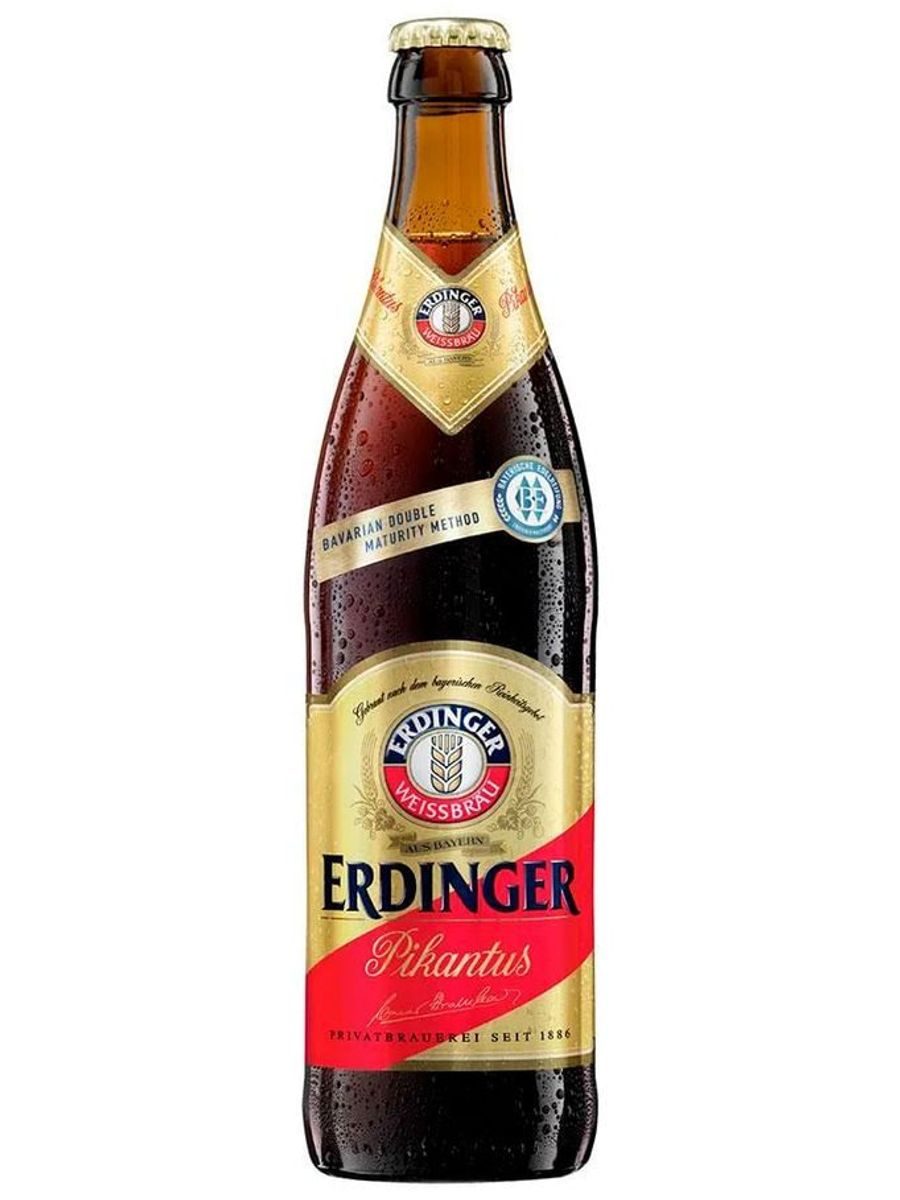
Erdinger Pikantus
Brewed by Erdinger Weissbräu
Try Pikantus with a modest dessert portion and then taste it plain.
BAR NOTES
Erdinger currently lists Pikantus at 7.3% alcohol and presents it as a wheat bock with a complex, intensive character. It is the strong dark branch of the brewery’s wheat portfolio, not another name for regular Dunkel.
Try Pikantus with a modest dessert portion and then taste it plain. Decide whether the food emphasizes malt or makes the beer seem drier; the Dunkles Weissbier guide supplies the regular-strength dark-wheat baseline for comparison.
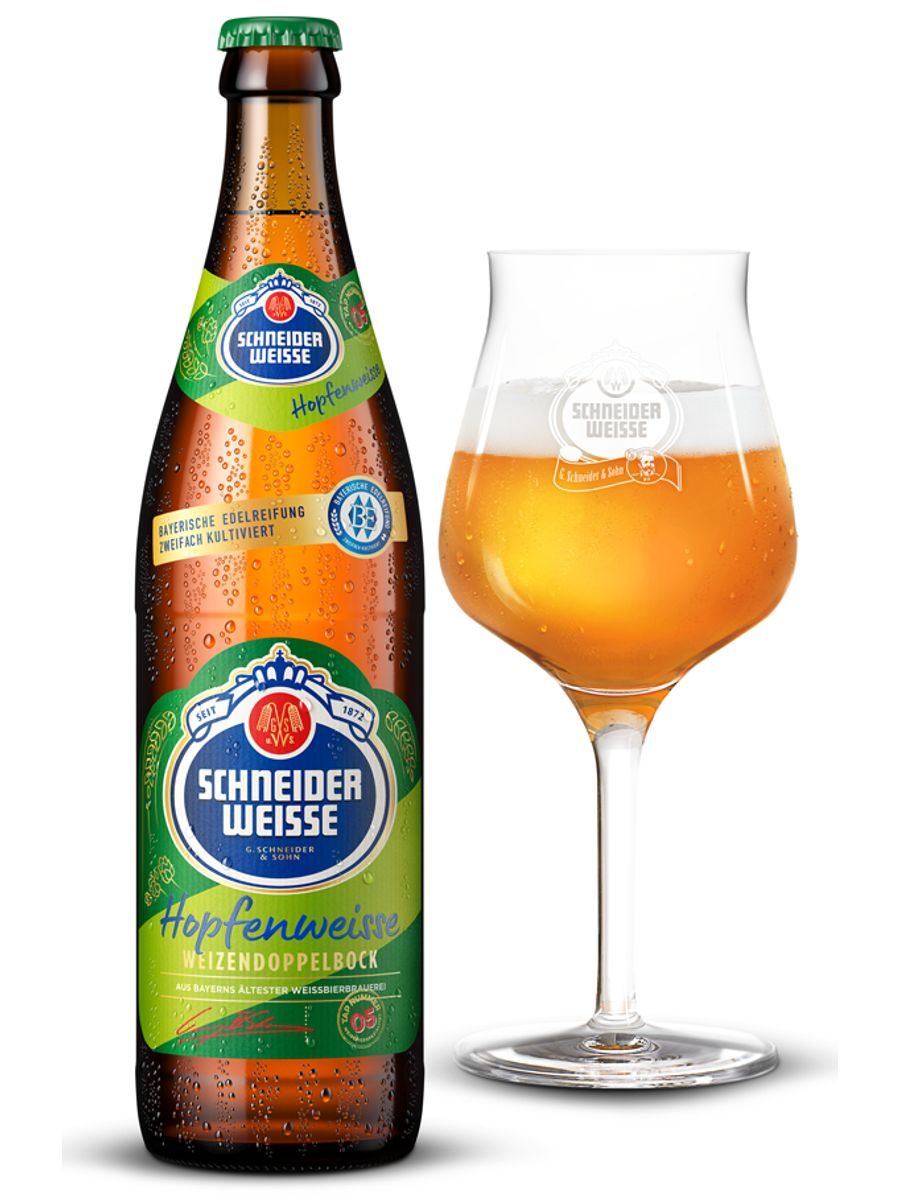
Schneider Hopfenweisse
Brewed by Schneider Weisse
Compare it with Aventinus at the same headline strength and record hop aroma separately from fermentation fruit.
BAR NOTES
Schneider’s current Hopfenweisse page gives 8.2% alcohol and 40 IBU, with dry hopping and 18.5% original wort. It is a deliberately hop-forward variation, so its bitterness should not be used as the default target for classic Weizenbock.
Compare it with Aventinus at the same headline strength and record hop aroma separately from fermentation fruit. The Weizenbock guide gives the classic malt-and-yeast framework against which this dry-hopped commercial variation can be understood.
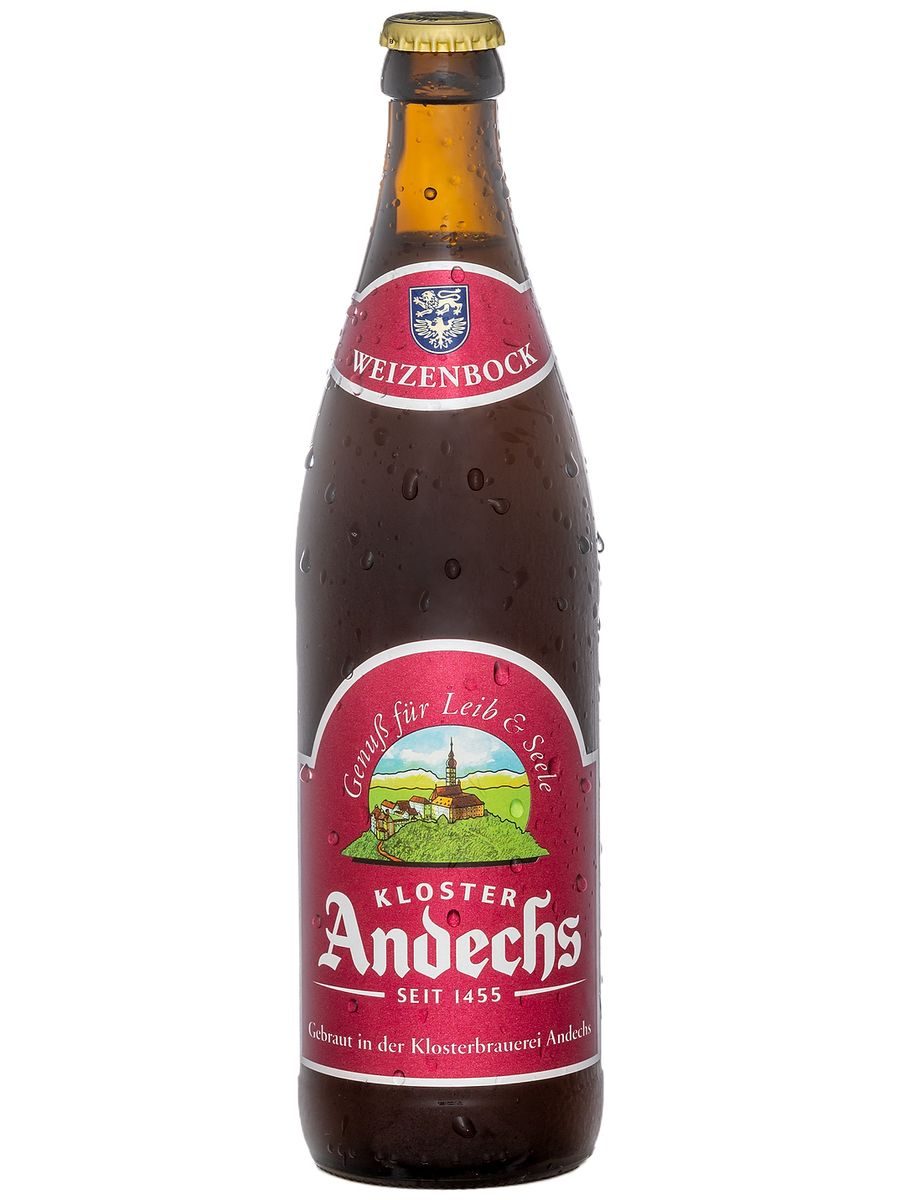
Andechser Weizenbock
Brewed by Klosterbrauerei Andechs
Place the two Andechs Bock traditions side by side in separate small glasses.
BAR NOTES
Andechs specifies Weizenbock at 7.0% alcohol, 15 IBU and 16.5% original wort, recommending 6–8°C. The brewery identifies it as its top-fermented Bock specialty, distinct from the bottom-fermented Doppelbock Dunkel in its portfolio. Product photo: Kloster Andechs.
Place the two Andechs Bock traditions side by side in separate small glasses. The Doppelbock guide frames the lager comparison; listen for wheat-yeast fruit and spice in the Weizenbock instead of expecting the same clean malt expression.
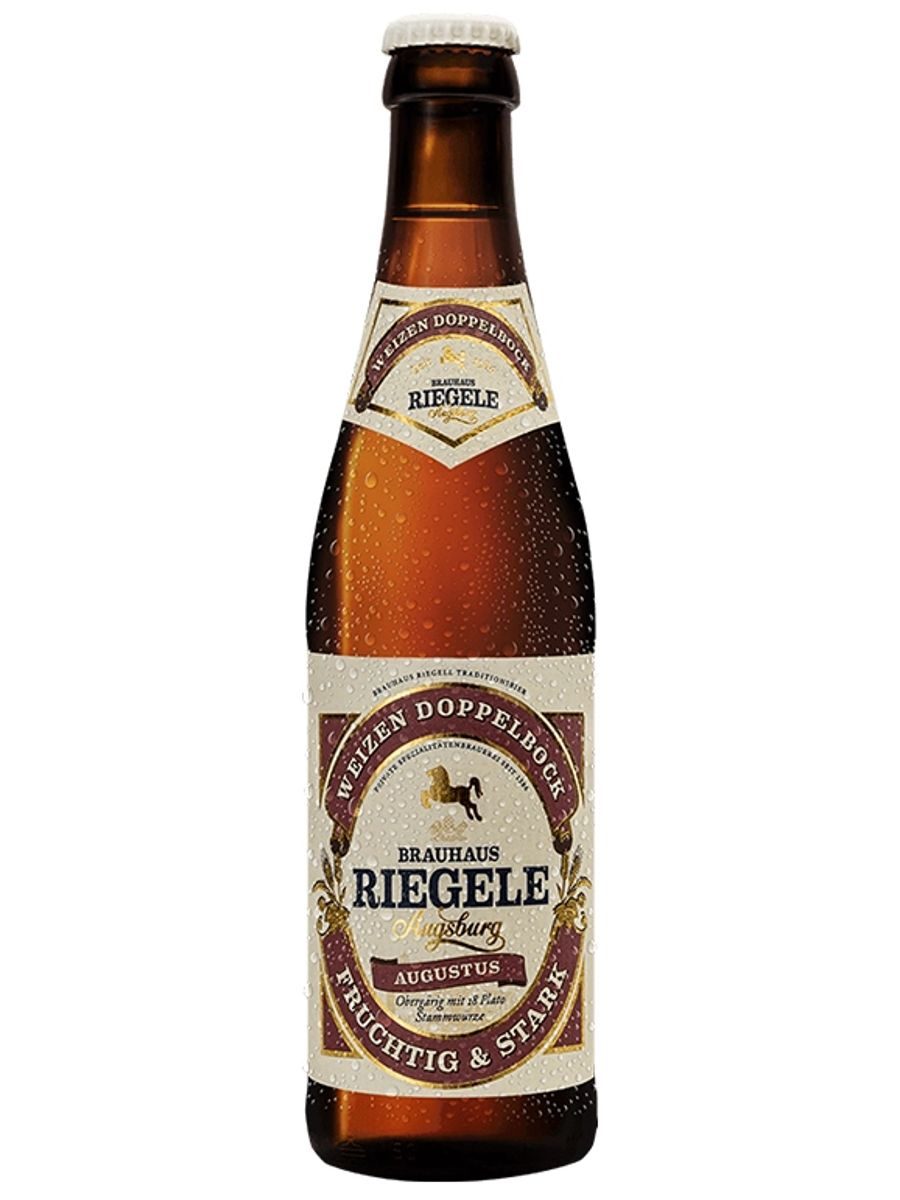
Riegele Weizendoppelbock
Brewed by Brauhaus Riegele
Pour this beside the separately listed Augustus 8 and compare malt depth before aroma.
BAR NOTES
Riegele currently lists Weizendoppelbock at 8% alcohol and 18.5°P, describing a chestnut-colored unfiltered top-fermented beer. Its displayed bitterness is a three-out-of-ten brewery scale, which is not an IBU measurement.
Pour this beside the separately listed Augustus 8 and compare malt depth before aroma. The Weizenbock guide explains the pale-to-dark range, while both Riegele product names should be checked carefully so one bottle does not substitute for two references.
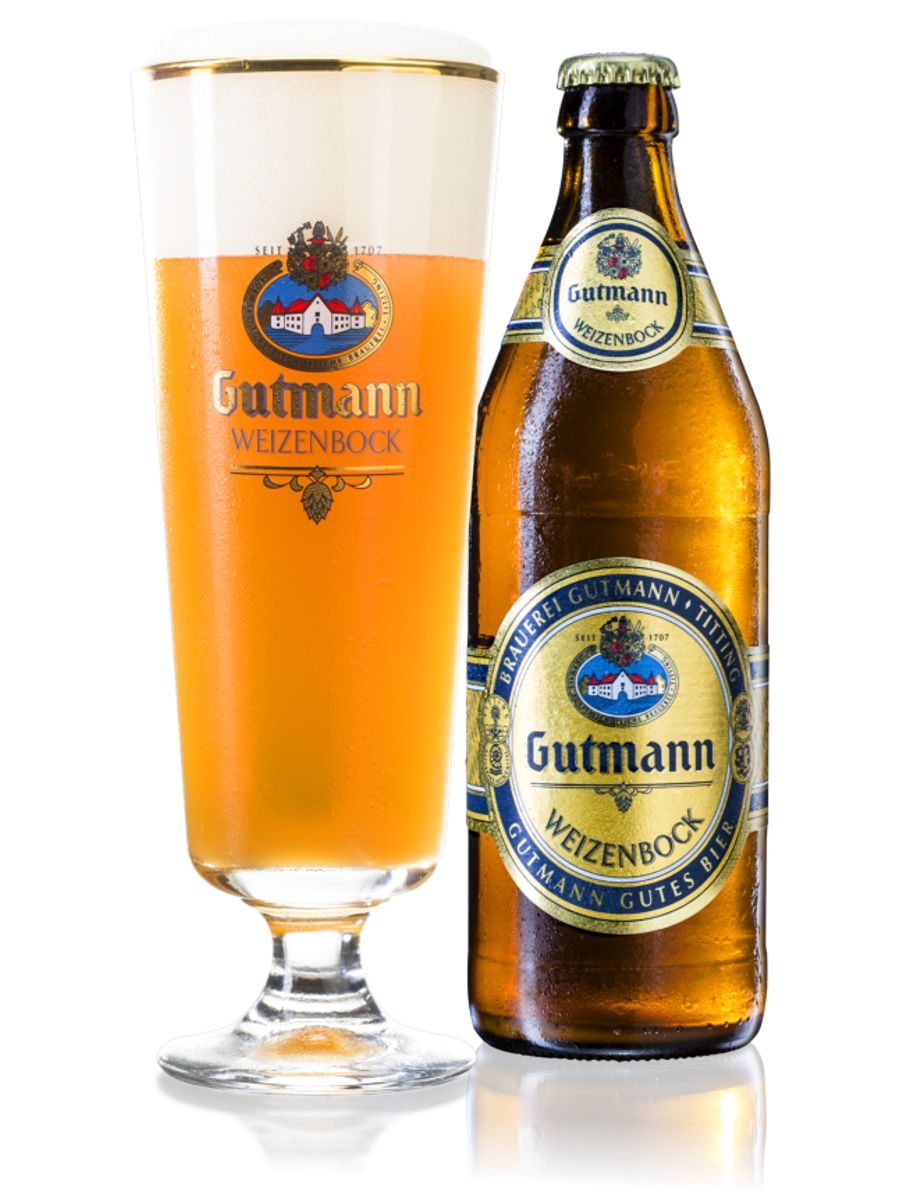
Gutmann Heller Weizenbock
Brewed by Brauerei Gutmann
Compare the pale Bock with ordinary Gutmann Hefeweizen while keeping freshness and temperature consistent.
BAR NOTES
Gutmann’s current portfolio lists Heller Weizenbock at 7.2% alcohol and recommends 7–9°C. The brewery emphasizes original bottle fermentation and fresh yeast, placing the strong beer within the same production philosophy as its regular Hefeweizen.
Compare the pale Bock with ordinary Gutmann Hefeweizen while keeping freshness and temperature consistent. Use the German wheat-beer family to explore how greater strength changes the tasting experience without erasing the wheat-beer identity shared across all three category branches.
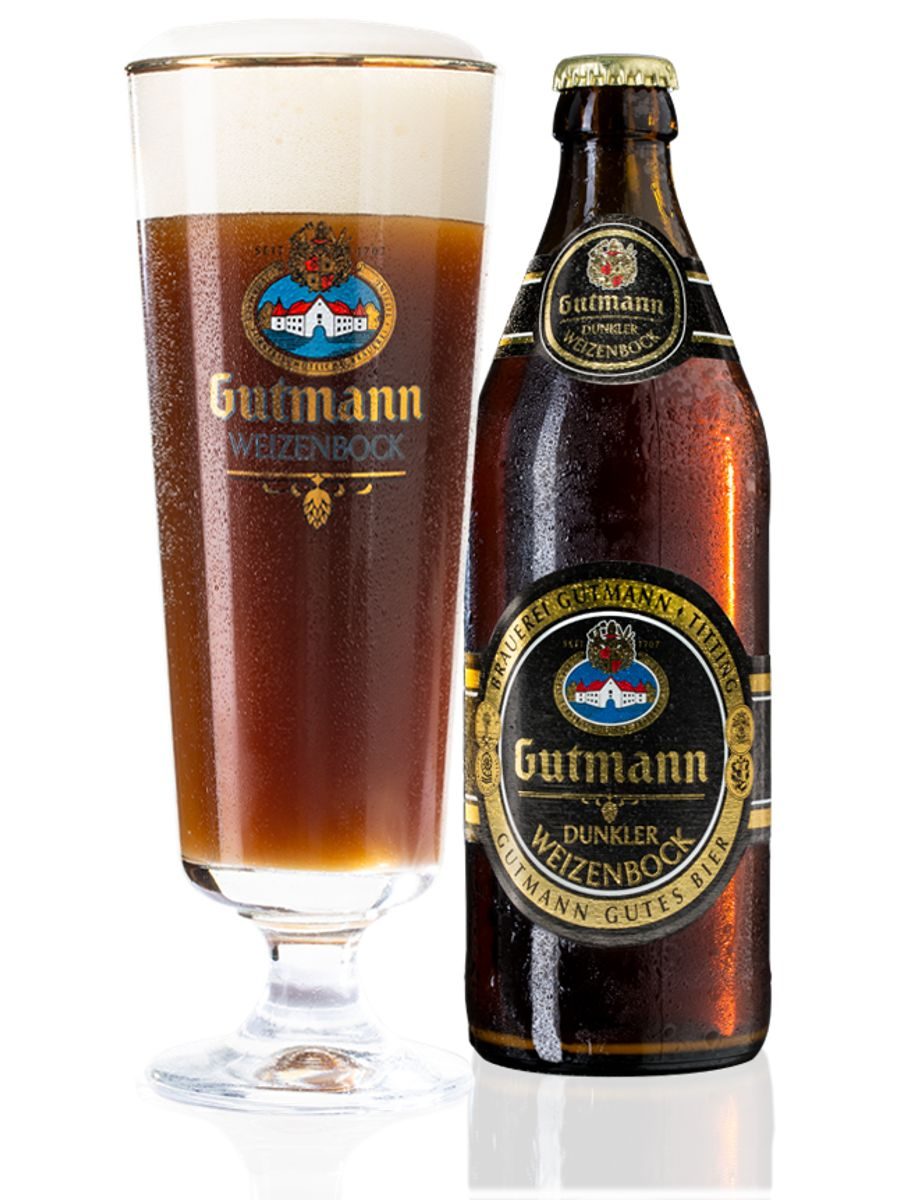
Gutmann Dunkler Weizenbock
Brewed by Brauerei Gutmann
Compare pale and dark Gutmann Bocks before looking back at their alcohol figures.
BAR NOTES
Gutmann’s current specification gives its dark Weizenbock 7.0% alcohol, slightly below the pale version’s 7.2%. Wheat, barley and roasted barley malt appear in the ingredient list, making this a useful stronger counterpart to regular Dunkles Hefeweizen.
Compare pale and dark Gutmann Bocks before looking back at their alcohol figures. Assess whether malt depth changes perceived warmth or sweetness; the Dunkles Weissbier guide helps separate dark grain character from the effects of the higher-gravity recipe.
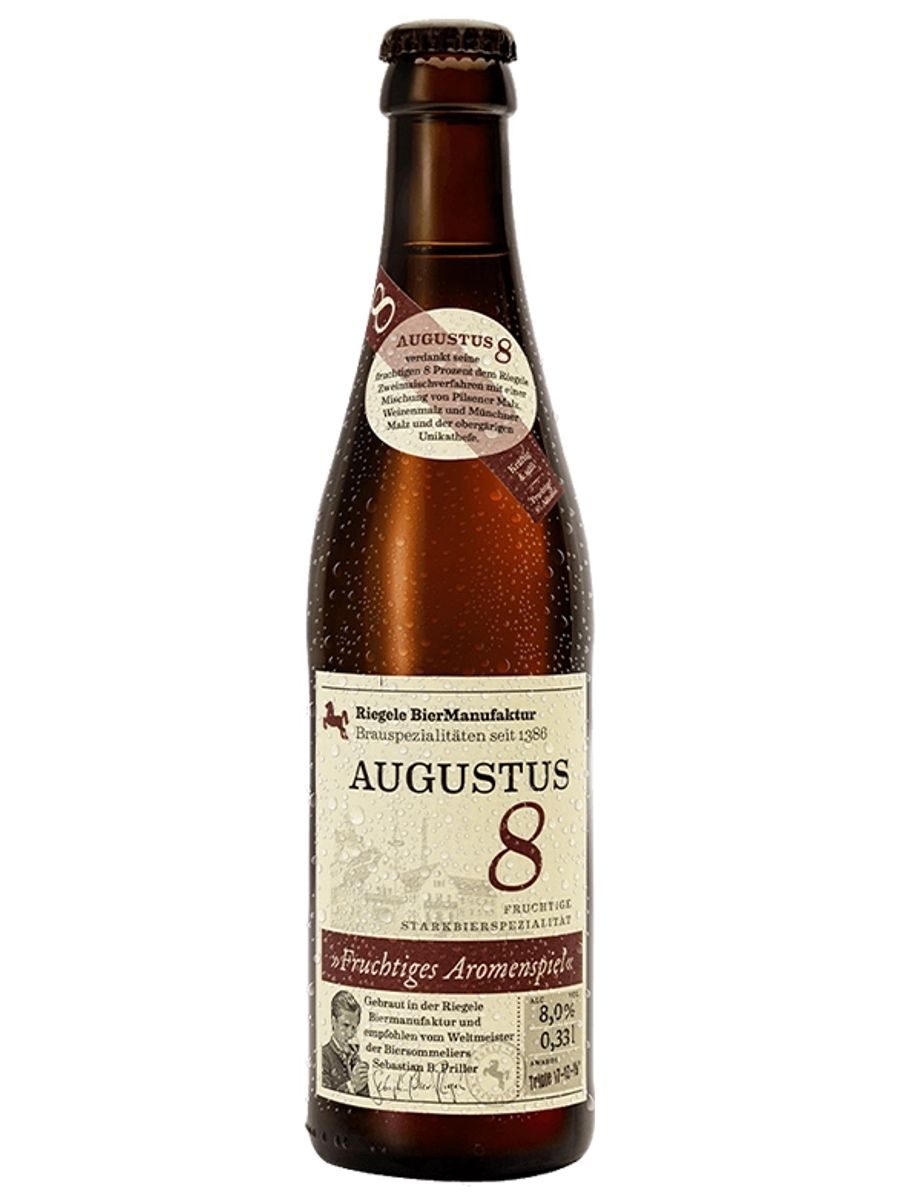
Riegele Augustus 8
Brewed by Brauhaus Riegele
Finish the wheat-bock comparison by tasting Augustus against Riegele’s traditional dark version.
BAR NOTES
Riegele lists Augustus 8 as an 8% top-fermented specialty using its own yeast and a selected malt blend. This is a separately listed modern product alongside the traditional Weizendoppelbock, with its own package and product specification.
Finish the wheat-bock comparison by tasting Augustus against Riegele’s traditional dark version. Focus on malt, fermentation fruit and the finish rather than the matching alcohol percentage; the Weizenbock guide keeps the judging vocabulary tied to wheat-bock balance.
Weizenbock compared with nearby styles
It is stronger and richer than Weissbier or Dunkles Weissbier but retains their banana-and-clove yeast character. Doppelbock reaches similar strength through lager fermentation and lacks the same expressive wheat profile.
Take wheat beer to bock strength
Compare pale and dark Weizenbock with the lighter German wheat styles that supply its yeast character.