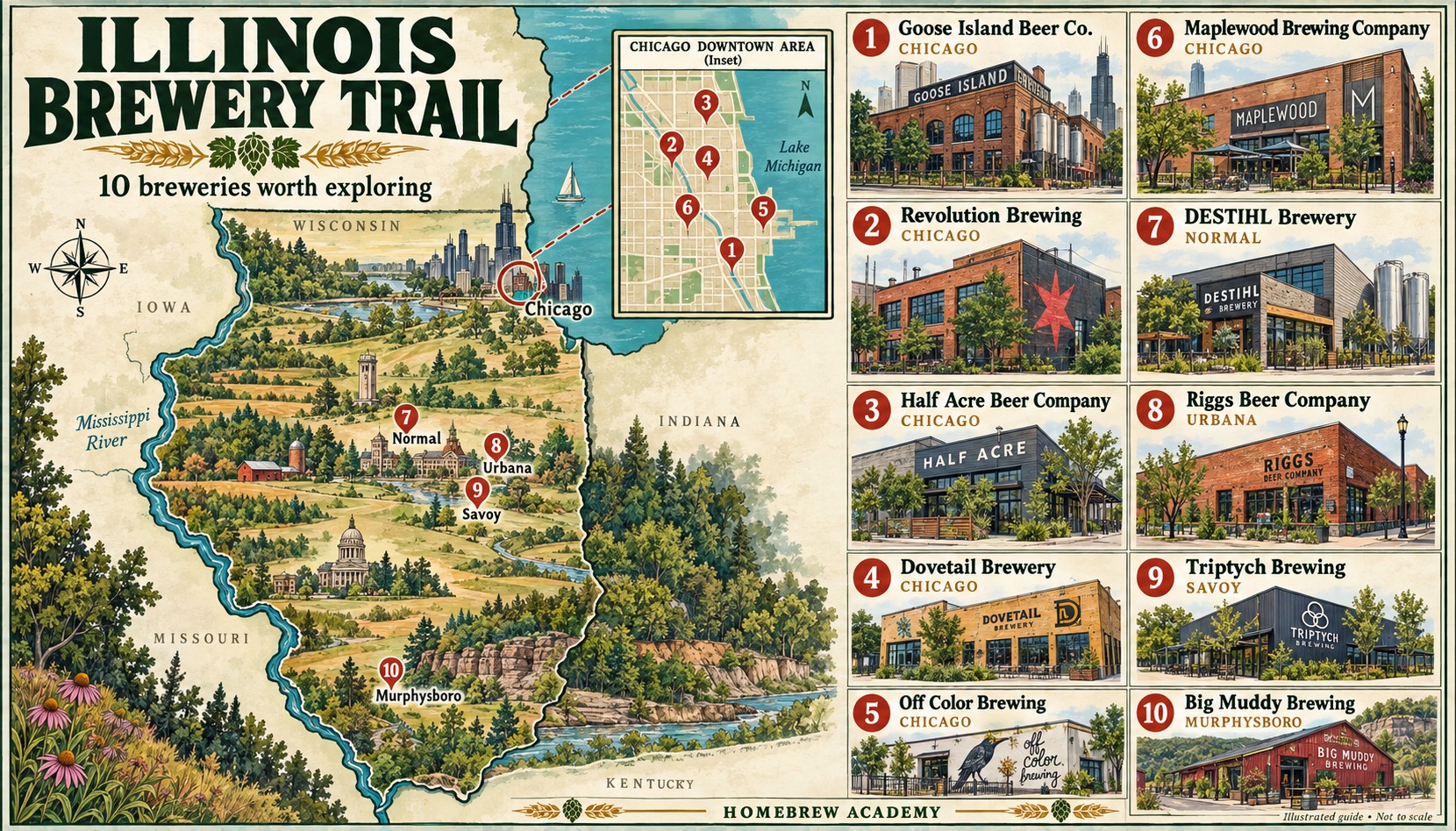
10 Best Breweries in Illinois with 30 Beers Worth Trying
Illinois rewards a brewery route that extends beyond Chicago. These ten editorial picks combine six Chicago producers with stops in Normal, Urbana, Savoy and Murphysboro. Each brewery comes with three current beer selections, chosen to show useful differences in ingredients, production and style.
The order is an editorial starting point, not an objective statewide tasting score. Thirty numbered beer cards connect the selections to detailed BAR NOTES. Producer pages and current sell sheets supply the specifications; check the batch label and exact taproom menu before traveling for a particular beer.
Illinois brewery picks at a glance
| Brewery | Base | Three beers to explore |
|---|---|---|
| Goose Island Beer Co. | Chicago, Illinois | 312 Urban Wheat Ale · Goose IPA · Full Pocket Pilsner |
| Revolution Brewing | Chicago, Illinois | Anti-Hero IPA · Rev Pils · Fist City |
| Half Acre Beer Company | Chicago, Illinois | Daisy Cutter Pale Ale · Bodem · Pony |
| Dovetail Brewery | Chicago, Illinois | Hefeweizen · Helles · Rauchbier |
| Off Color Brewing | Chicago, Illinois | Apex Predator · Tooth & Claw · Beer for Tacos |
| Maplewood Brewing Company | Chicago, Illinois | Son of Juice · Charlatan · Fat Pug |
| DESTIHL Brewery | Normal, Illinois | Deadhead IPA Series: West Coast IPA · Deadhead IPA Series: TourBus · Wild Sour Series: Blackberry Gose |
| Riggs Beer Company | Urbana, Illinois | American Lager · Hefeweizen · Red Lager |
| Triptych Brewing | Savoy, Illinois | Dank Meme · Little Secret · Savoy’s Best Mild |
| Big Muddy Brewing | Murphysboro, Illinois | Saluki Dunkeldog · Blueberry Blonde · Vanilla Stout |
1. Goose Island Beer Co.
Goose Island gives the guide a familiar Chicago starting point, with current visitor options at the Fulton Street taproom and Salt Shed Pub. This selection focuses on approachable recurring beers rather than chasing a future Bourbon County release. Wheat ale, IPA and Illinois-listed pilsner show three different sides of the producer’s range.
Choose the venue as carefully as the beer: a taproom visit and a pub meal are different plans. The current producer pages supply the specifications used here, and the exact beer board determines what is pouring when you arrive. Full Pocket’s listed Illinois availability gives the trio an especially local comparison.
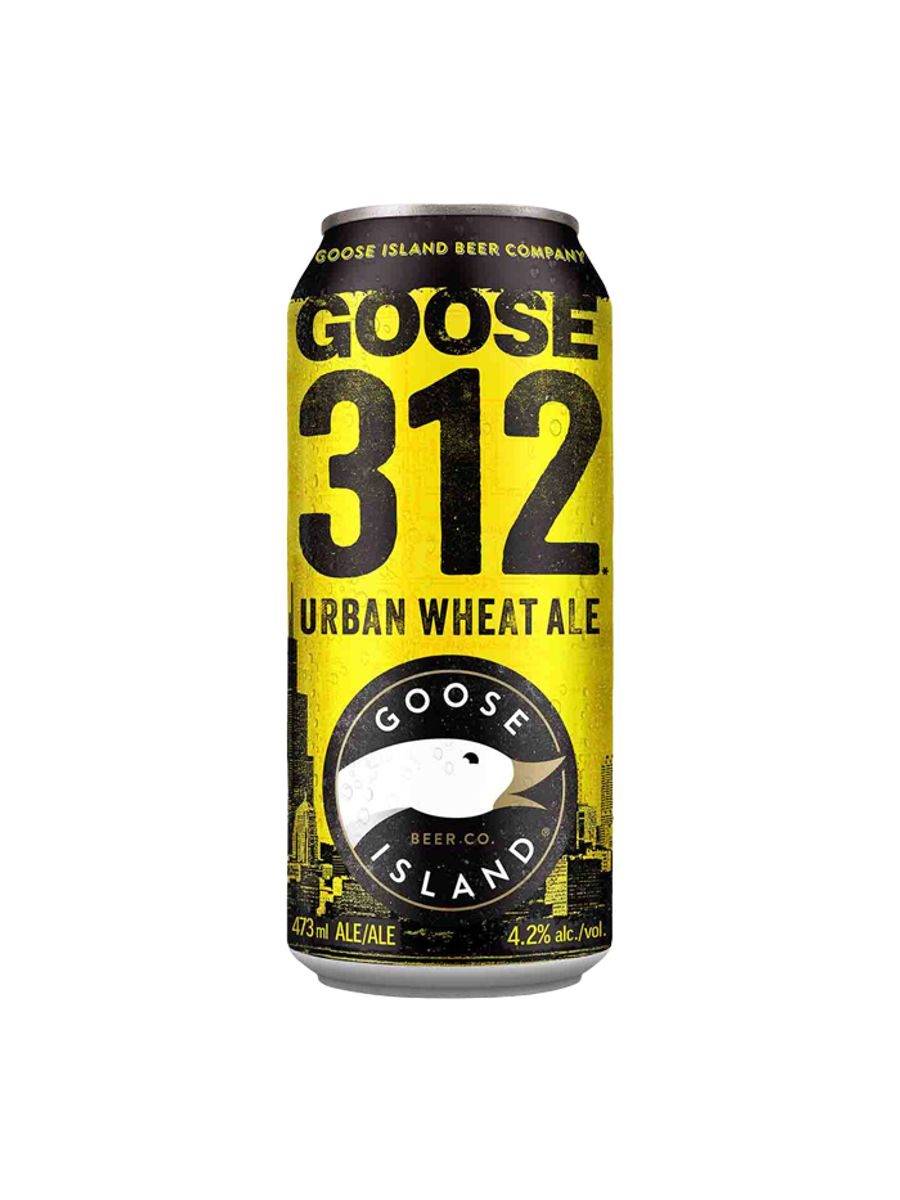
312 Urban Wheat Ale
Brewed by Goose Island Beer Co.
312 is Goose Island’s 4.2% wheat-beer reference, with the producer describing lemon-like brightness and a little haze.
BAR NOTES
312 is Goose Island’s 4.2% wheat-beer reference, with the producer describing lemon-like brightness and a little haze. Wheat is explicitly listed among its allergens. Its lower strength and restrained hop direction make it a useful opening comparison before the brewery’s IPA and pilsner.
Start with an unadorned pour so a citrus garnish does not drive the comparison. A simple grilled chicken sandwich gives the wheat beer room to show its texture. The American wheat beer guide explains the approachable ale framework behind this Chicago staple.
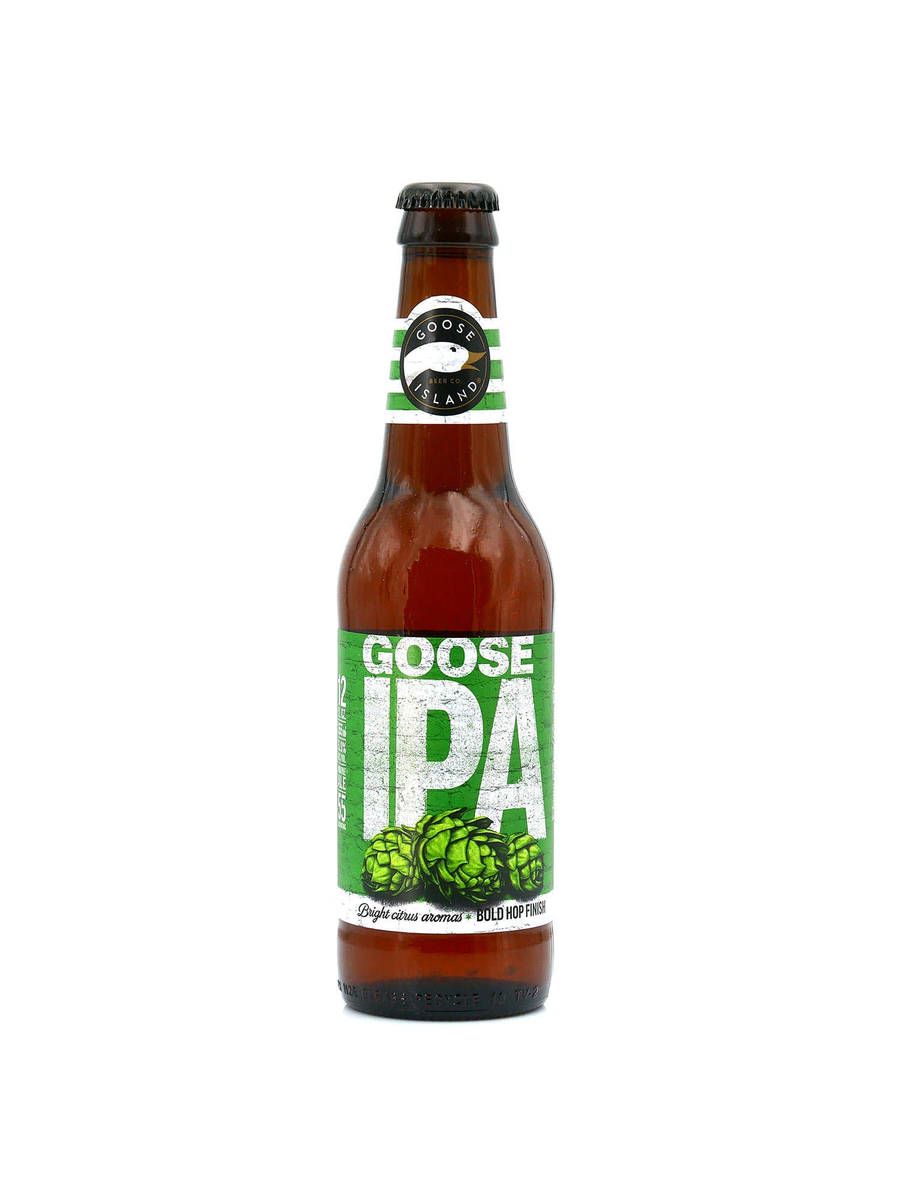
Goose IPA
Brewed by Goose Island Beer Co.
Goose IPA is the brewery’s 5.9% classic hop-led selection.
BAR NOTES
Goose IPA is the brewery’s 5.9% classic hop-led selection. Its current producer page lists Pilgrim, Celeia, Cascade and Centennial hops, with grapefruit among the aroma associations. The recipe offers a bridge between English-style IPA framing and familiar American citrus-hop character.
Check the package date when choosing a can, then compare the finish with Full Pocket in equally sized glasses. Aroma strength and bitterness deserve separate attention. Our English IPA brewing guide puts this interpretation in a broader historical style context.
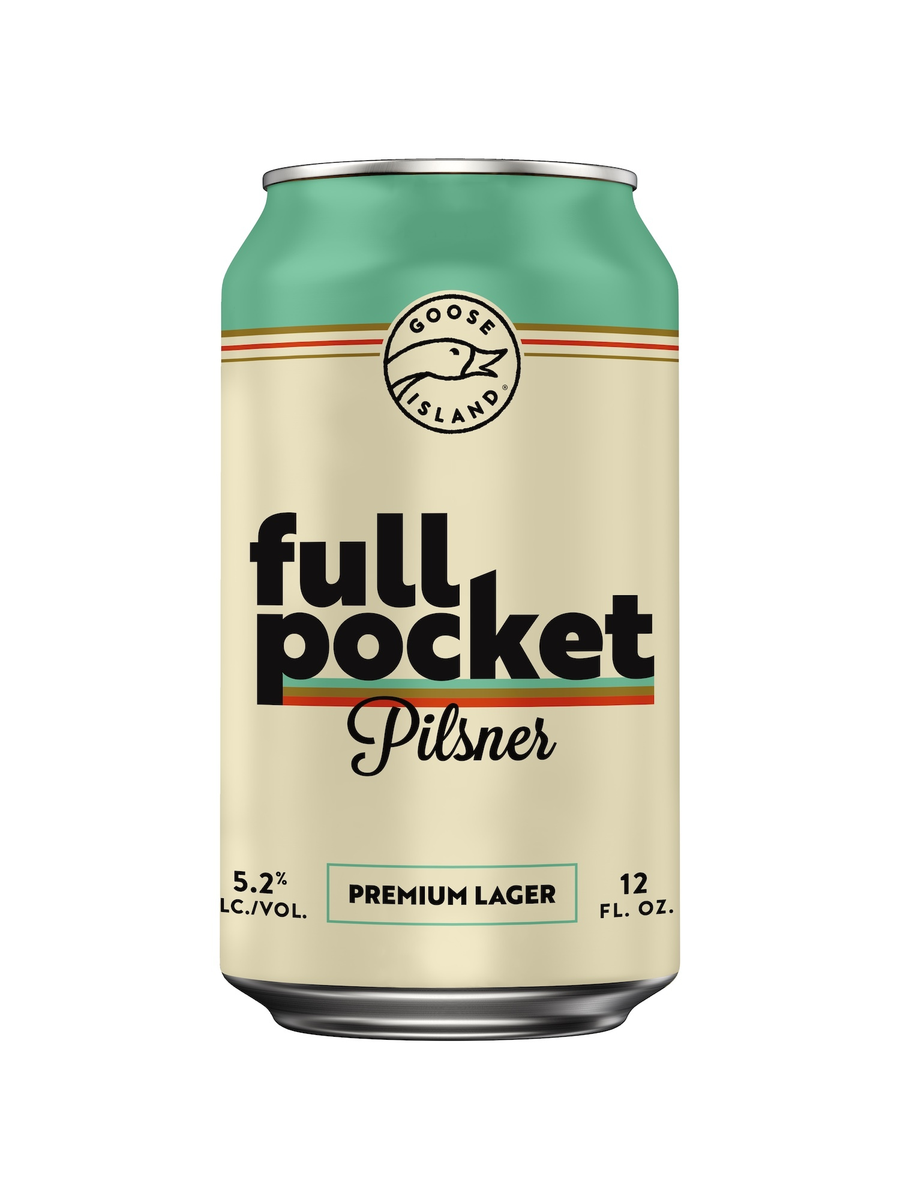
Full Pocket Pilsner
Brewed by Goose Island Beer Co.
Full Pocket is a 5.2% pilsner with Illinois-specific availability on Goose Island’s current product page.
BAR NOTES
Full Pocket is a 5.2% pilsner with Illinois-specific availability on Goose Island’s current product page. Hallertau Mittelfrüh, Hallertau Tradition and Olicana make up the listed hop selection. It adds a clean lager direction beside 312’s wheat-ale texture and Goose IPA’s stronger hop emphasis.
Give the pilsner a fresh, modest pour with plain pretzels before adding mustard or a heavier meal. Follow the grain and hop finish after swallowing. The German pilsner guide helps explain why a pale lager can have detail without a large alcohol level.
2. Revolution Brewing
Revolution’s current visitor page centers the production brewery and taproom at 3340 North Kedzie Avenue in Chicago. Anti-Hero, Rev Pils and Fist City provide a compact introduction to its year-round range. The selection moves from German-style lager through Chicago pale ale into a stronger American IPA.
Older guides may describe different Revolution visitor arrangements or earlier beer specifications. Use the current Kedzie taproom information when planning your stop, and compare the present Anti-Hero figure with the package in hand. A small flight makes the different malt and hop balances easier to notice than three full servings.
Anti-Hero IPA
Brewed by Revolution Brewing
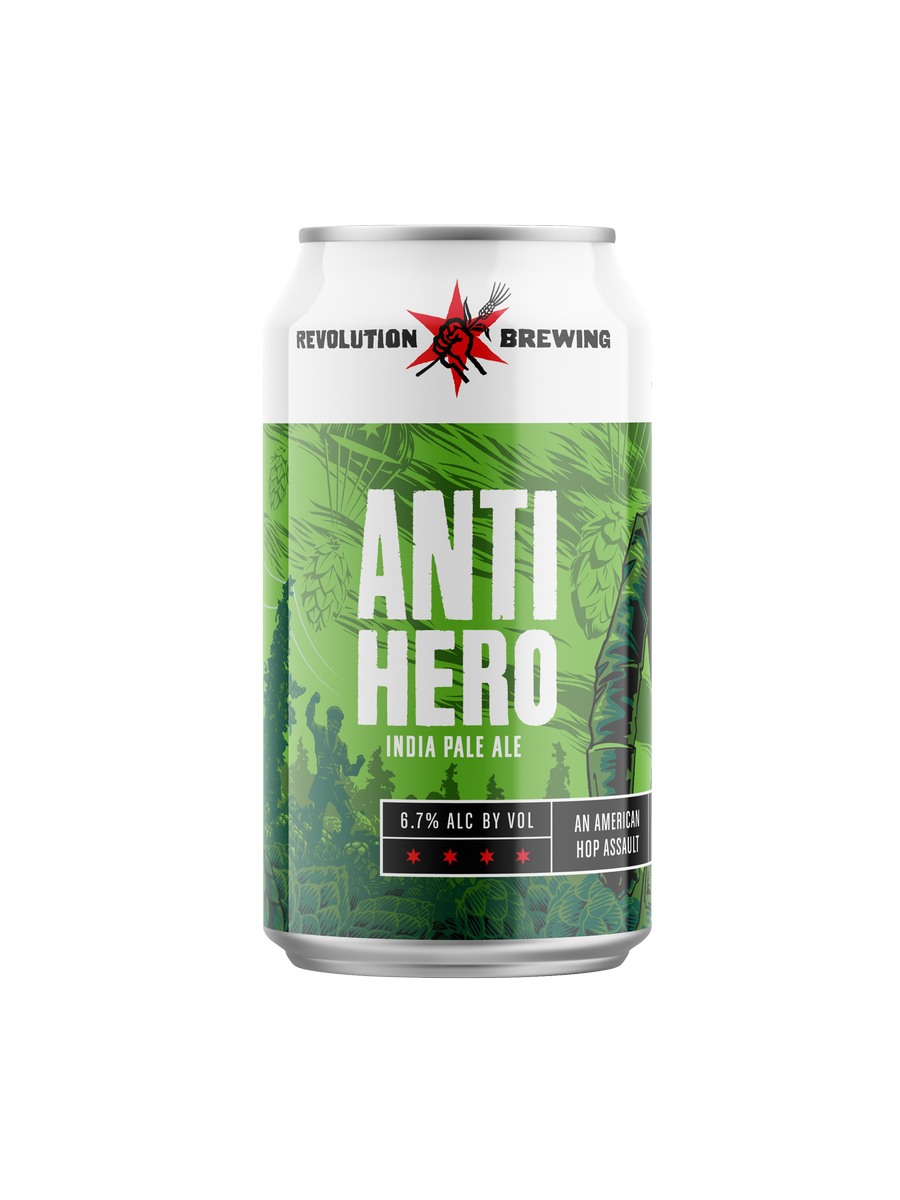
Anti-Hero is Revolution’s flagship-style American IPA, currently specified at 6.7% and 65 IBU.
BAR NOTES
Anti-Hero is Revolution’s flagship-style American IPA, currently specified at 6.7% and 65 IBU. The producer describes five U.S. hop varieties and citrus, floral and pine associations. Use that current figure when ordering rather than repeating the 6.5% strength found in older beer directories.
Try Anti-Hero after Fist City when building a flight by hop intensity. A small sip with a savory burger can reveal how the malt support changes beside food. Our IPA brewing guide explains the relationship between hopping, aroma and a firm finish.
Rev Pils
Brewed by Revolution Brewing
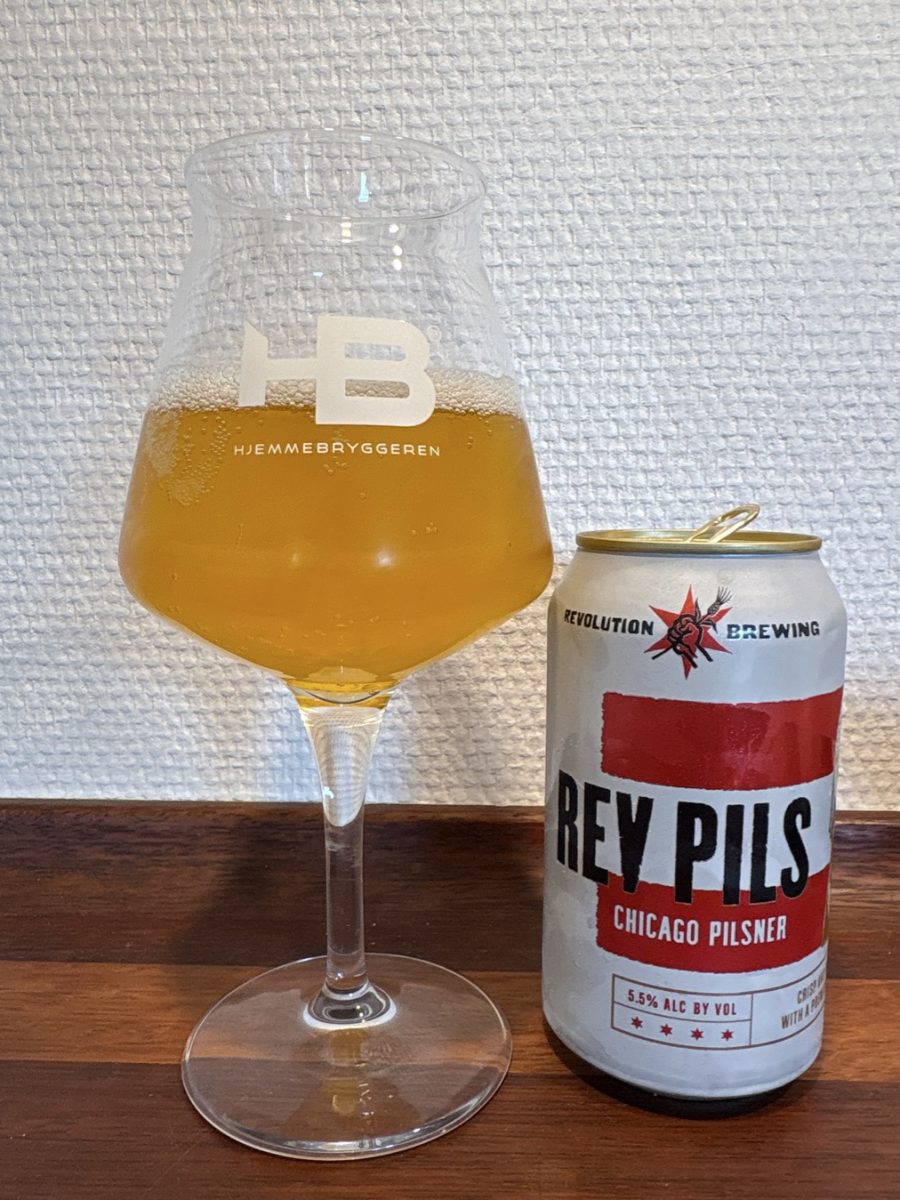
Rev Pils is Revolution’s 5.5% German-style pilsner, built around German malt and hops.
BAR NOTES
Rev Pils is Revolution’s 5.5% German-style pilsner, built around German malt and hops. It supplies a lager reference within this trio, making a useful contrast with the two American ales. Pale color alone will not tell you which glass has the most assertive bitterness.
Pour Rev Pils before Anti-Hero and notice how long the hop finish remains. A bite of lightly salted bread is an easier starting pairing than a hot sauce. The pilsner collection offers other examples for comparing grain character and hop restraint.
Fist City
Brewed by Revolution Brewing
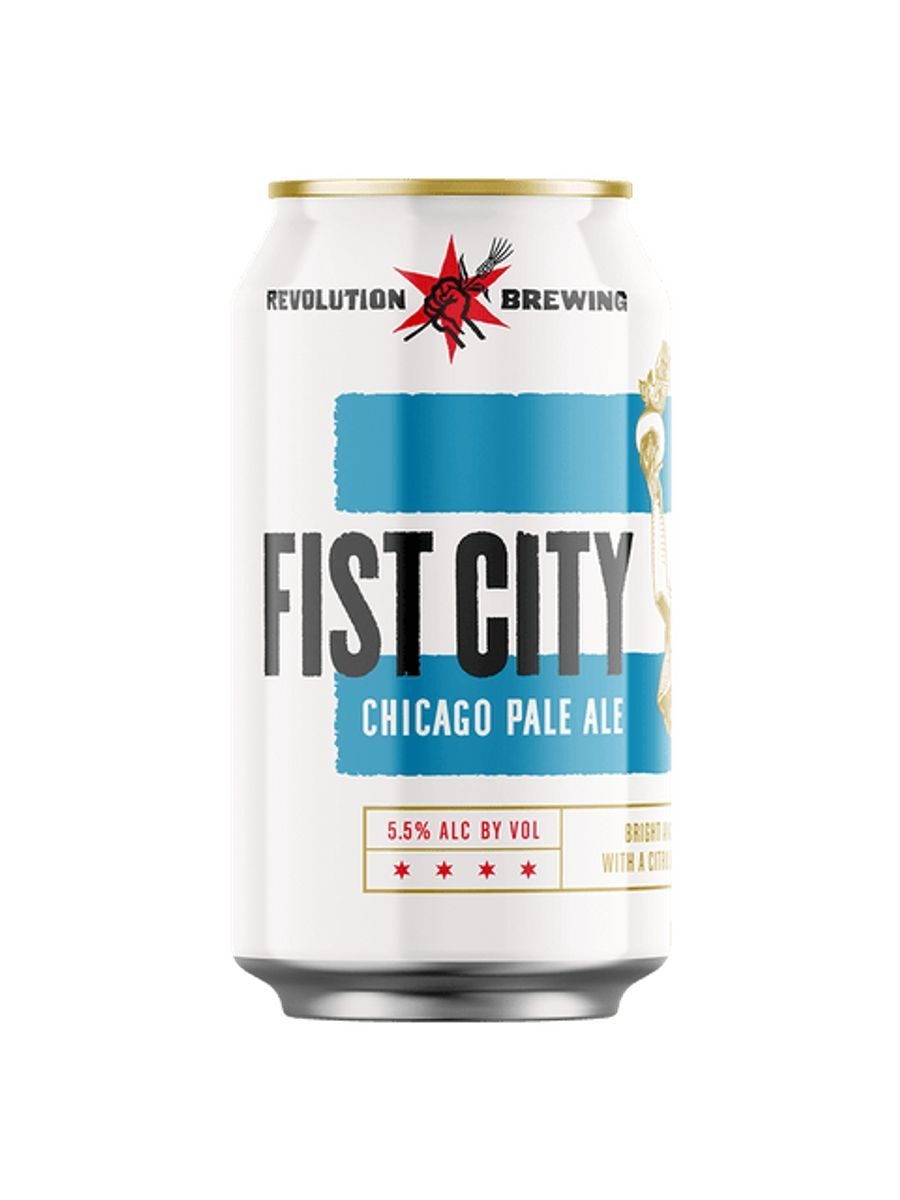
Fist City is Revolution’s 5.5% Chicago pale ale, named in connection with the Republic statue in Jackson Park.
BAR NOTES
Fist City is Revolution’s 5.5% Chicago pale ale, named in connection with the Republic statue in Jackson Park. The producer lists 45 IBU. It provides the middle position between Rev Pils and Anti-Hero without assuming a pale ale must be a miniature version of the IPA.
Compare its body and finish with Anti-Hero while keeping the servings small and equally cool. Then try a grilled vegetable bite to see which hop quality persists. Our American pale ale guide explores the balance that makes this style so flexible.
3. Half Acre Beer Company
Half Acre’s current beer pages direct visitors to 2050 West Balmoral Avenue in Chicago. Daisy Cutter carries the history of the earlier Lincoln Avenue brewery, while Bodem and Pony broaden the range. All three are producer-listed year-round beers with current packaging and draft options.
Build the flight with Pony first, then Daisy Cutter and Bodem. This gives a clean lager reference before the stronger hop aroma takes over. The original Daisy Cutter is the pale ale intended here; special double versions and family extensions are separate beers with their own specifications.
Daisy Cutter Pale Ale
Brewed by Half Acre Beer Company
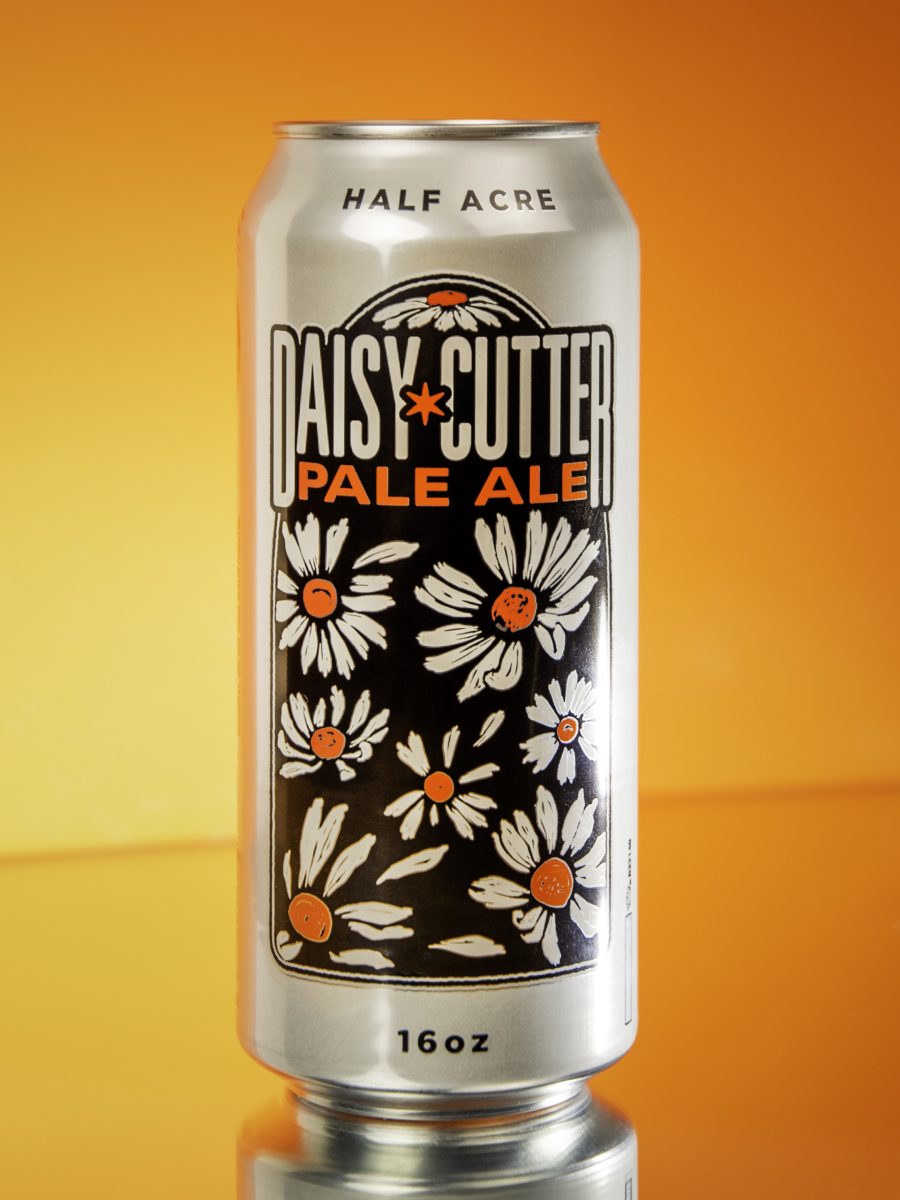
Daisy Cutter began as a special bomber release at Half Acre’s Lincoln Avenue brewery in 2009.
BAR NOTES
Daisy Cutter began as a special bomber release at Half Acre’s Lincoln Avenue brewery in 2009. The current 5.2% pale ale remains year-round, with the producer describing pine, citrus and tropical-fruit associations over a biscuit-like malt foundation. Its longstanding identity makes it the reference for this Half Acre selection.
Smell a fresh pour before taking a bite of food, then follow how the dry finish changes with a roasted chicken sandwich. The fruit descriptors describe aroma, rather than proving fruit additions. Our American pale ale roundup gives Daisy Cutter useful stylistic company.
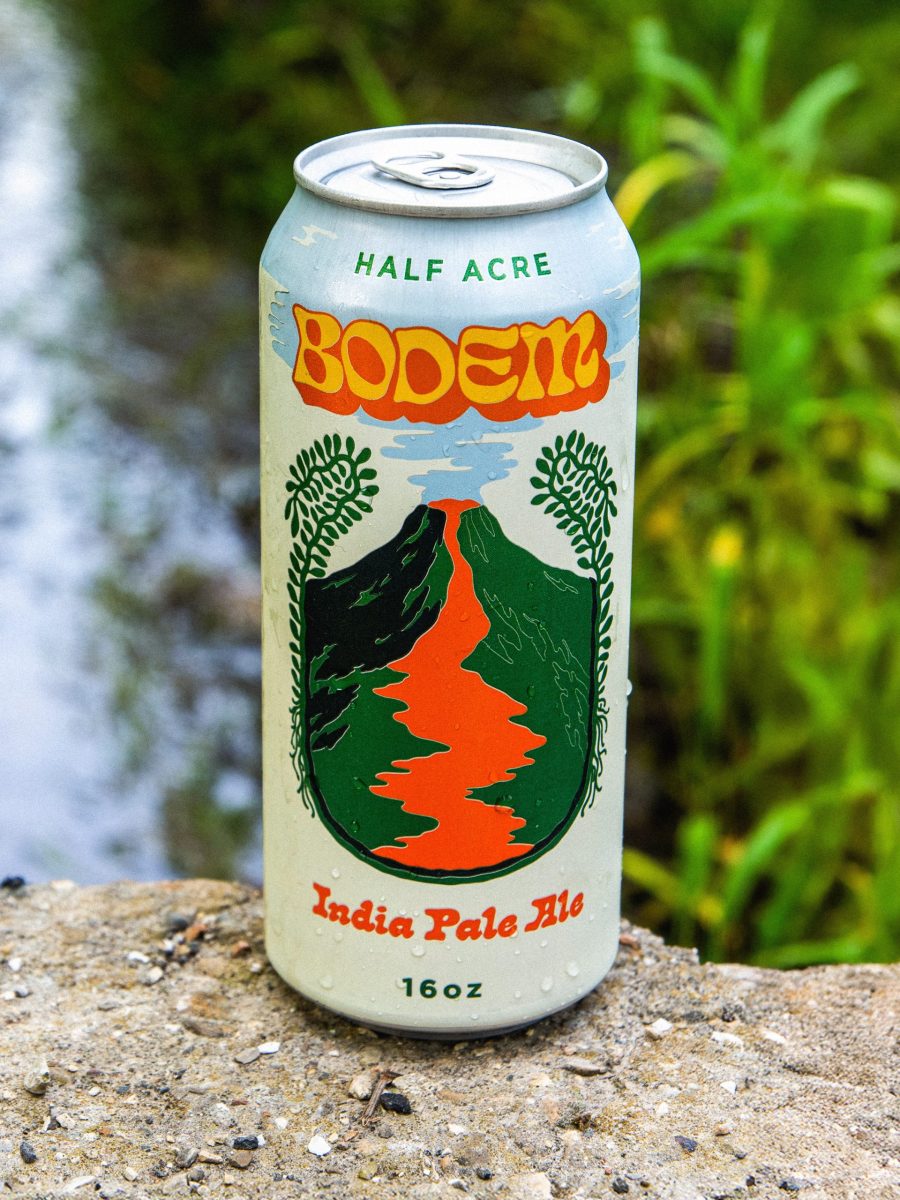
Bodem
Brewed by Half Acre Beer Company
Bodem is Half Acre’s current 6.7% year-round IPA.
BAR NOTES
Bodem is Half Acre’s current 6.7% year-round IPA. Its producer page lists Idaho 7, Mosaic Cryo and Cashmere hops over a texture-focused grain base. The updated strength matters because older listings often give a lower number for a beer with the same familiar name.
Set Bodem beside Daisy Cutter and pay attention to texture as well as hop aroma. Matching the glasses and serving temperature makes that comparison easier to follow. The IPA style guide offers a wider vocabulary for distinguishing bitterness, aroma and body.
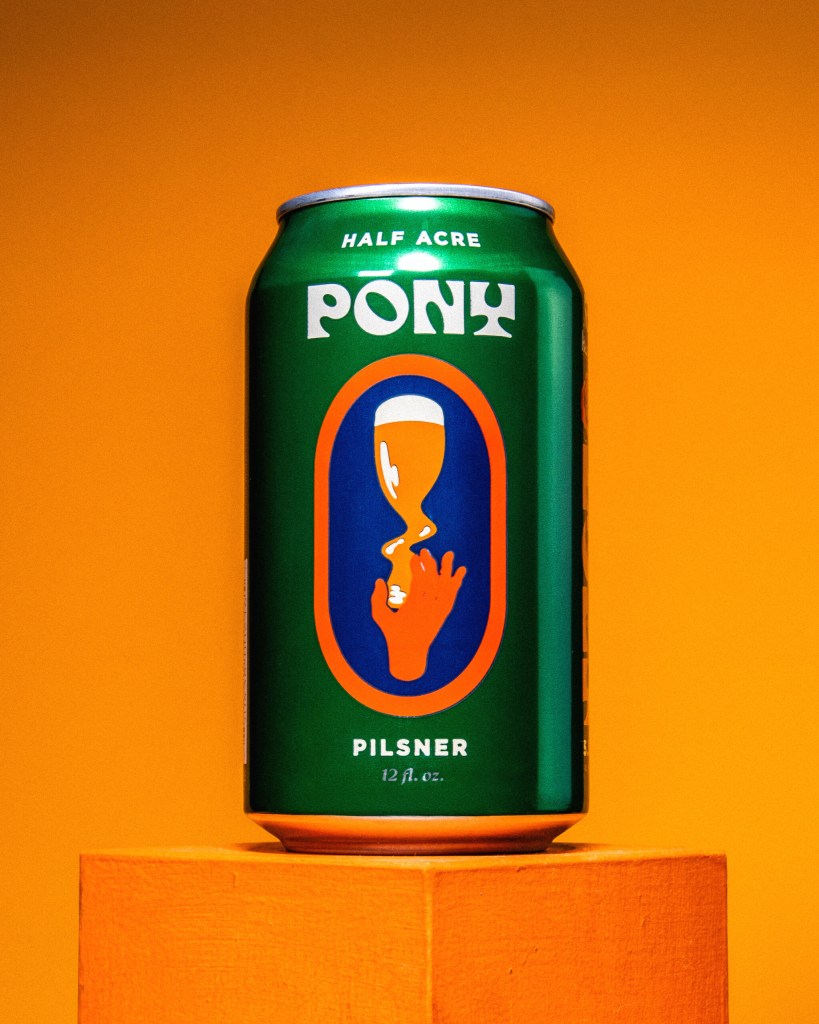
Pony
Brewed by Half Acre Beer Company
Pony is Half Acre’s 5.5% pilsner, described with bready malt and delicate herbal, floral and lightly spicy hop qualities.
BAR NOTES
Pony is Half Acre’s 5.5% pilsner, described with bready malt and delicate herbal, floral and lightly spicy hop qualities. It changes the conversation from the brewery’s pale ale and IPA to a restrained lager. The producer lists it year-round in draft and twelve-ounce six-packs.
Use Pony as the first glass in a Half Acre flight, before the stronger hop aromas occupy your attention. A simple cracker can emphasize its grain character. Our lager selection shows how much variation fits inside the broad pale-lager family.
4. Dovetail Brewery
Dovetail’s Chicago brewery at 1800 West Belle Plaine Avenue emphasizes traditional European brewing processes. Its current core beer page provides unusually helpful production details, including decoction, open fermentation, coolship use and lagering. Hefeweizen, Helles and Rauchbier reveal wheat yeast, restrained pale malt and smoked malt within that approach.
These selections give the guide a brewery section that does not need an IPA to make its point. Start with Helles if you want a quiet baseline, move to the wheat beer, and leave smoke until later. Check the current taproom board and takeaway options for each exact beer.
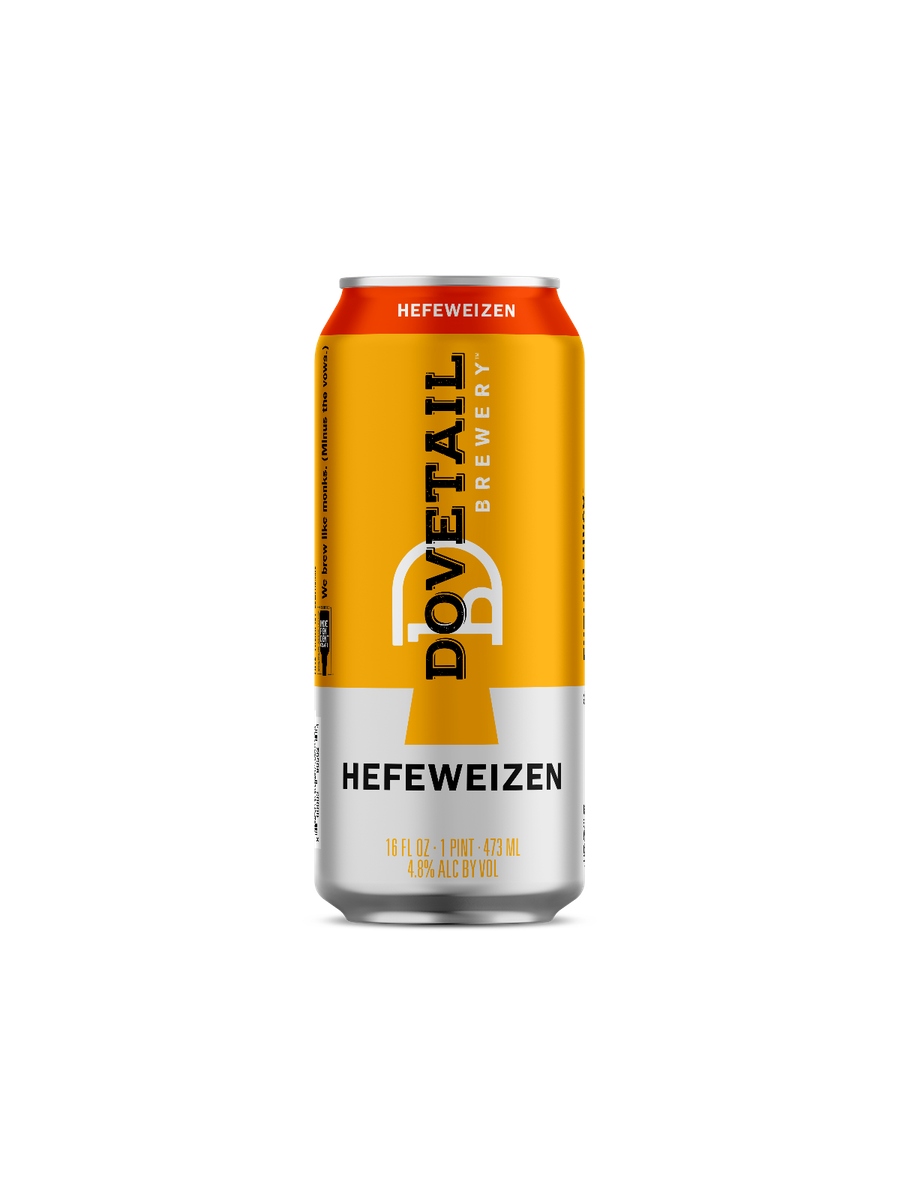
Hefeweizen
Brewed by Dovetail Brewery
Dovetail’s 4.8% Hefeweizen uses a double decoction, open fermentation and a coolship as part of its traditional process.
BAR NOTES
Dovetail’s 4.8% Hefeweizen uses a double decoction, open fermentation and a coolship as part of its traditional process. The producer describes a Bavarian wheat-beer direction. Yeast expression and wheat texture make it a different comparison from the same brewery’s pale and smoked lagers.
Compare a small pour with Riggs Hefeweizen later in the guide, keeping the glasses and temperatures similar. Notice the yeast-led aroma before judging sweetness. Our weissbier brewing guide explains the wheat and fermentation choices that can shape these impressions.
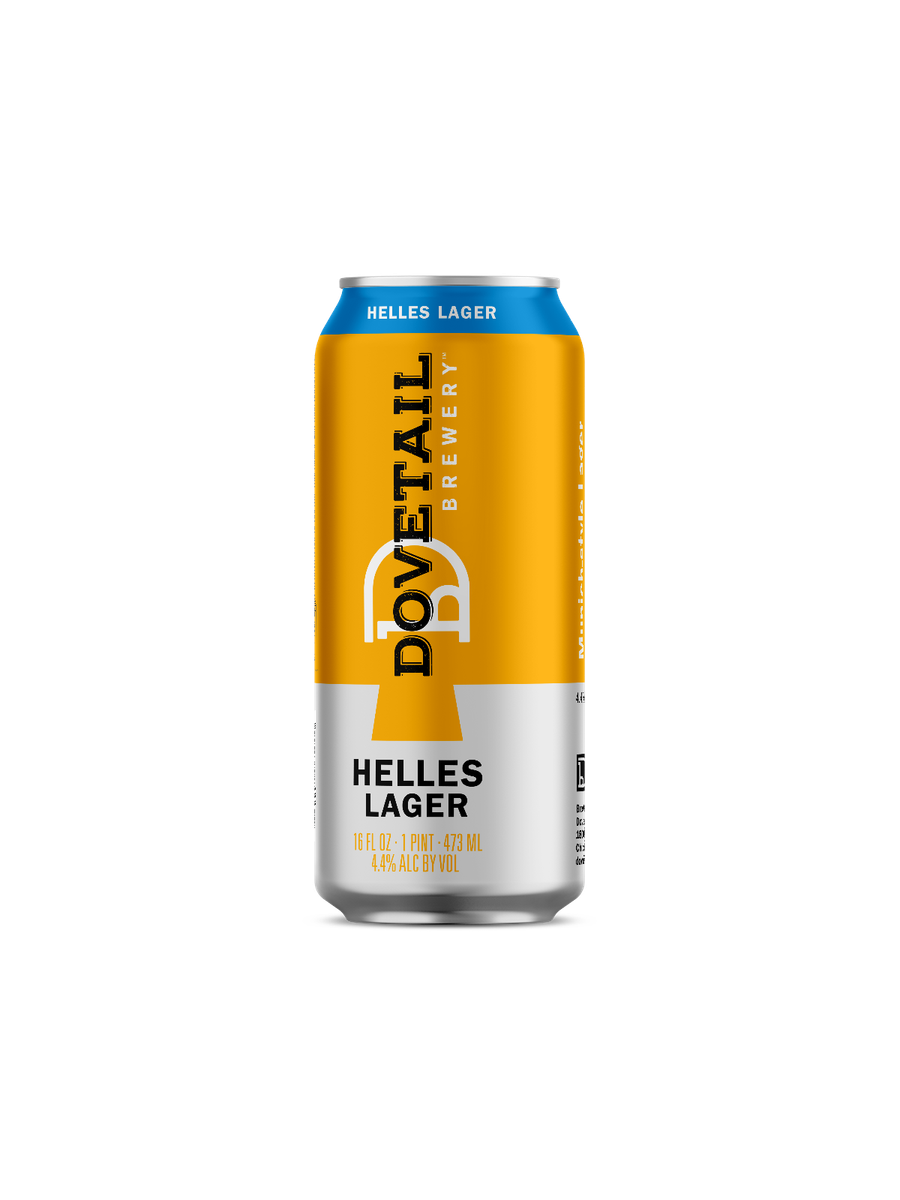
Helles
Brewed by Dovetail Brewery
Dovetail Helles is a 4.4% pale lager with Saphir hops and a grain-led foundation.
BAR NOTES
Dovetail Helles is a 4.4% pale lager with Saphir hops and a grain-led foundation. The producer describes single-decoction brewing, open fermentation, coolship use and horizontal lagering. Those production details give this relatively modest-strength beer an interesting place beside the brewery’s more obviously aromatic wheat and smoked beers.
Taste Helles before Rauchbier to preserve the quieter grain and floral-hop comparison. Lightly roasted vegetables or plain bread make useful first pairings. The Munich helles guide explores the malt-led balance behind this particularly approachable lager style.
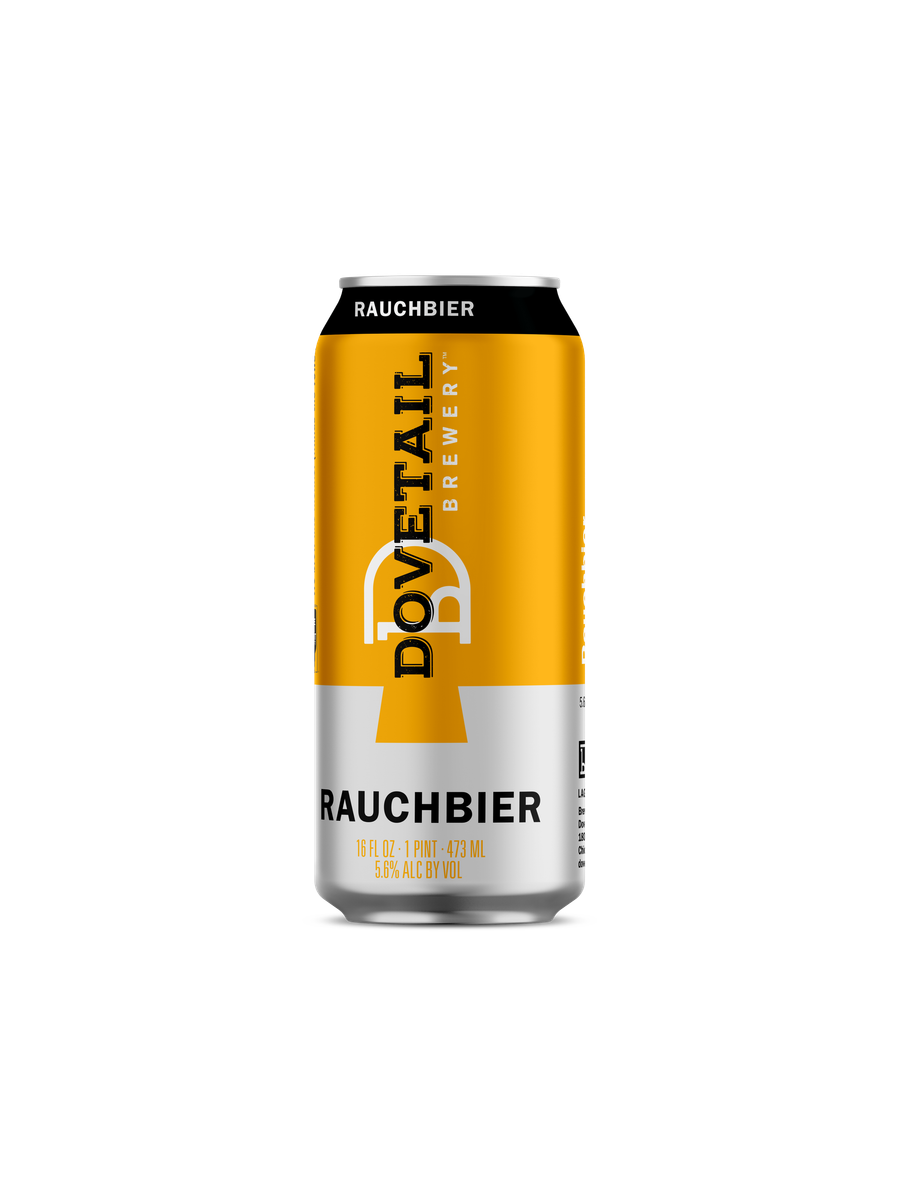
Rauchbier
Brewed by Dovetail Brewery
Dovetail Rauchbier is a 5.3% lager made with beechwood-smoked malt.
BAR NOTES
Dovetail Rauchbier is a 5.3% lager made with beechwood-smoked malt. The producer lists double-decoction brewing and horizontal lagering among its methods. Its smoke comes from the malt treatment, adding a direct ingredient contrast to Helles rather than simply marking a darker or stronger beer.
Give smoke some breathing room by tasting a small pour alone before adding a smoked meat pairing. Then compare it with a roasted mushroom bite. Our rauchbier brewing guide explains how smoked malt can shape aroma without replacing lager structure.
5. Off Color Brewing
Off Color’s Mousetrap taproom brings a different Chicago brewing vocabulary to the route. Its current range includes farmhouse ale, dry-hopped lager and lime gose, the three chosen here. The producer pages explain techniques and ingredients in enough detail to make the comparison more useful than a list of novelty names.
Apex Predator’s fruit associations come from fermentation and hops, while Beer for Tacos explicitly includes lime. Tooth & Claw adds a Field Museum connection and Czech-style lager balance. That trio rewards reading the beer description before ordering; beers with similar color can have very different acidity and yeast expression.
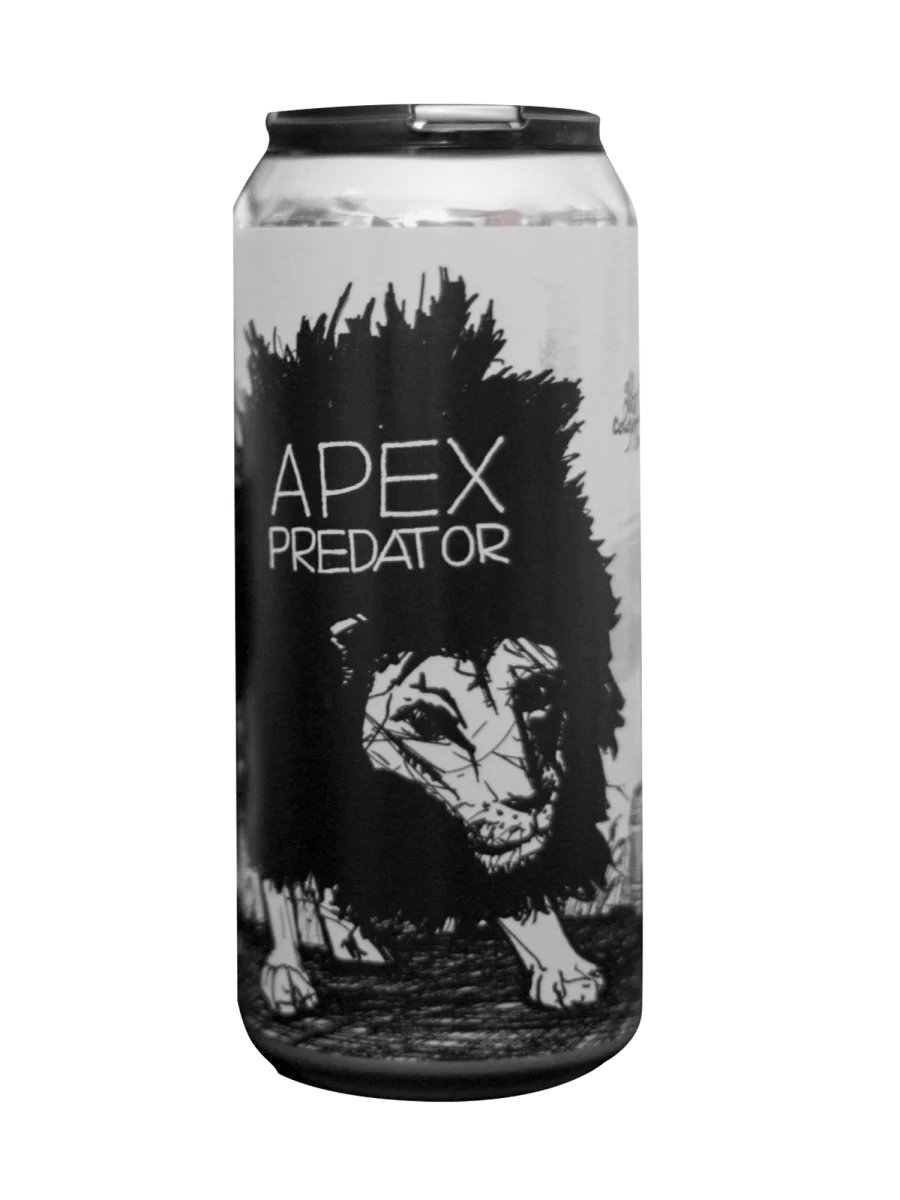
Apex Predator
Brewed by Off Color Brewing
Apex Predator is Off Color’s 6.5% farmhouse ale, pairing saison yeast with American-style dry hopping.
BAR NOTES
Apex Predator is Off Color’s 6.5% farmhouse ale, pairing saison yeast with American-style dry hopping. The producer allows fermentation temperature to rise and later adds Crystal hops. The resulting fruit associations have a yeast-and-hop explanation, rather than establishing pineapple or other fruit as recipe additions.
Let a small serving lose a little refrigerator chill and compare its aroma again before finishing it. A peppery salad provides an interesting second taste after the beer alone. The saison brewing guide puts expressive yeast and a dry finish in context.
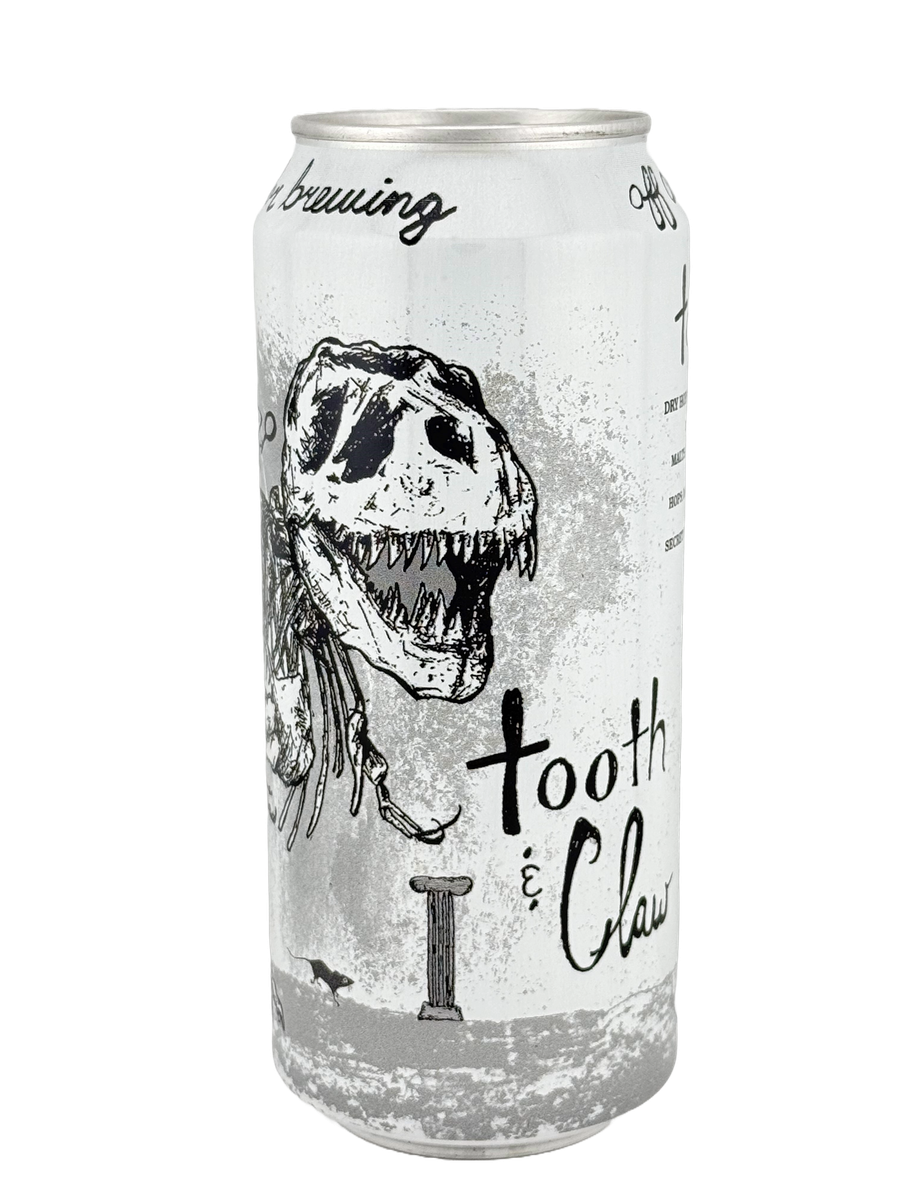
Tooth & Claw
Brewed by Off Color Brewing
Tooth & Claw is Off Color’s 5.0% dry-hopped Czech-style lager, brewed as a house beer for the Field Museum.
BAR NOTES
Tooth & Claw is Off Color’s 5.0% dry-hopped Czech-style lager, brewed as a house beer for the Field Museum. Its listed hops are Magnum, Perle and Tettnanger. The producer describes delicate malt and a semi-dry finish, giving this museum connection a practical beer-style identity.
Set Tooth & Claw beside a German-style pilsner in the guide and follow the malt into the finish. Keep the pours small enough for an attentive comparison. Our Czech pale lager guide helps explain the richer malt balance associated with this tradition.
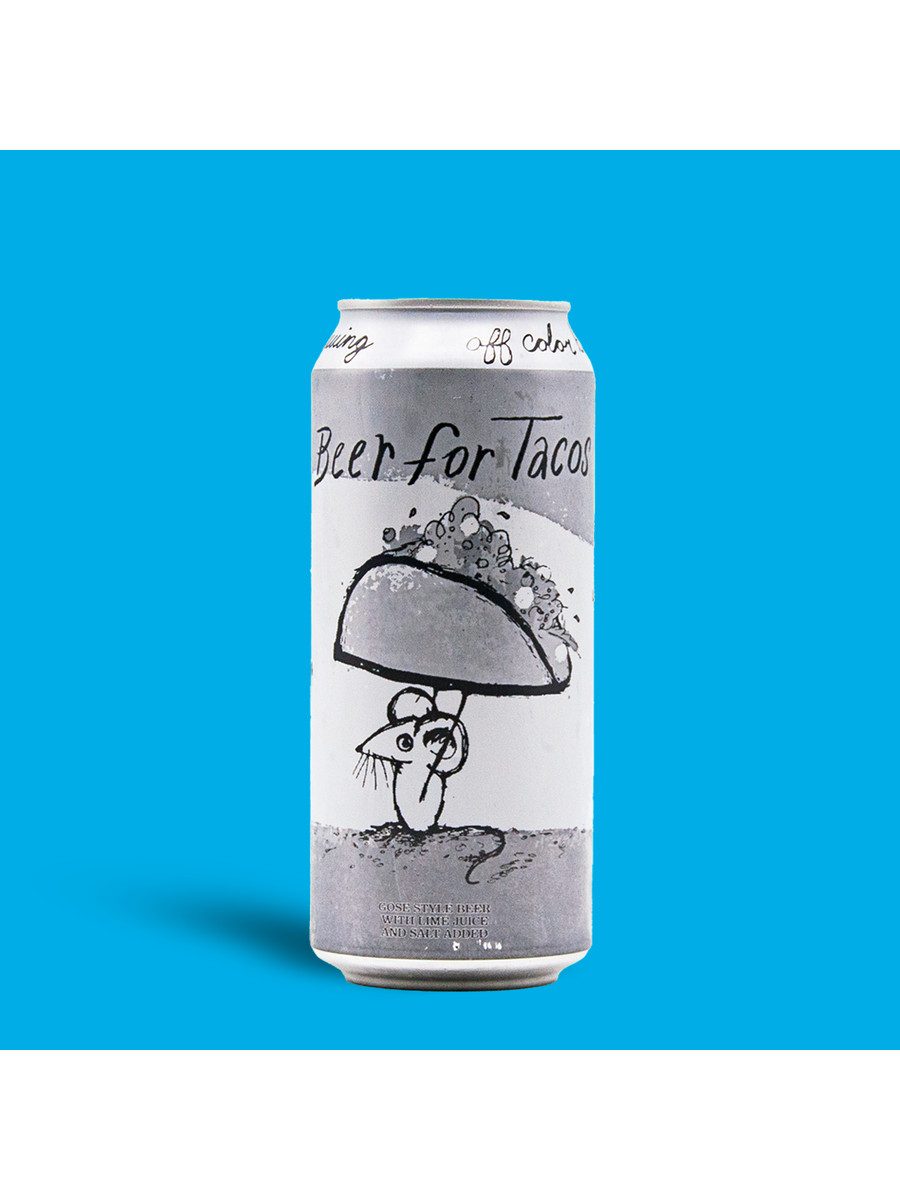
Beer for Tacos
Brewed by Off Color Brewing
Beer for Tacos is Off Color’s 4.5% lime gose with pink Himalayan salt and coriander.
BAR NOTES
Beer for Tacos is Off Color’s 4.5% lime gose with pink Himalayan salt and coriander. The producer blends a Belgian-yeast beer with a Lactobacillus-fermented beer, then referments the blend with lime. That process supplies several distinct sources of tartness rather than relying on a margarita-like name alone.
Taste the beer before adding a squeeze of lime to your taco, so the food does not obscure the recipe’s own acidity. Then compare a plain and sauced bite. The gose brewing guide explains the wheat, salt and sourness framework underneath this version.
6. Maplewood Brewing Company
Maplewood combines Chicago brewing with a distillery identity and also lists a Glen Ellyn visitor location in its current site navigation. This section focuses on beer: Son of Juice, Charlatan and Fat Pug. The three year-round selections contrast hazy hops, more conventional pale-ale balance and lactose-containing dark malt.
Check the location-specific menu before choosing between Chicago and Glen Ellyn. Fat Pug contains lactose, a concrete recipe detail that distinguishes it from the hop-led beers. Son of Juice and Charlatan also show why a pale ale can be close to an IPA in strength without sharing its texture or balance.
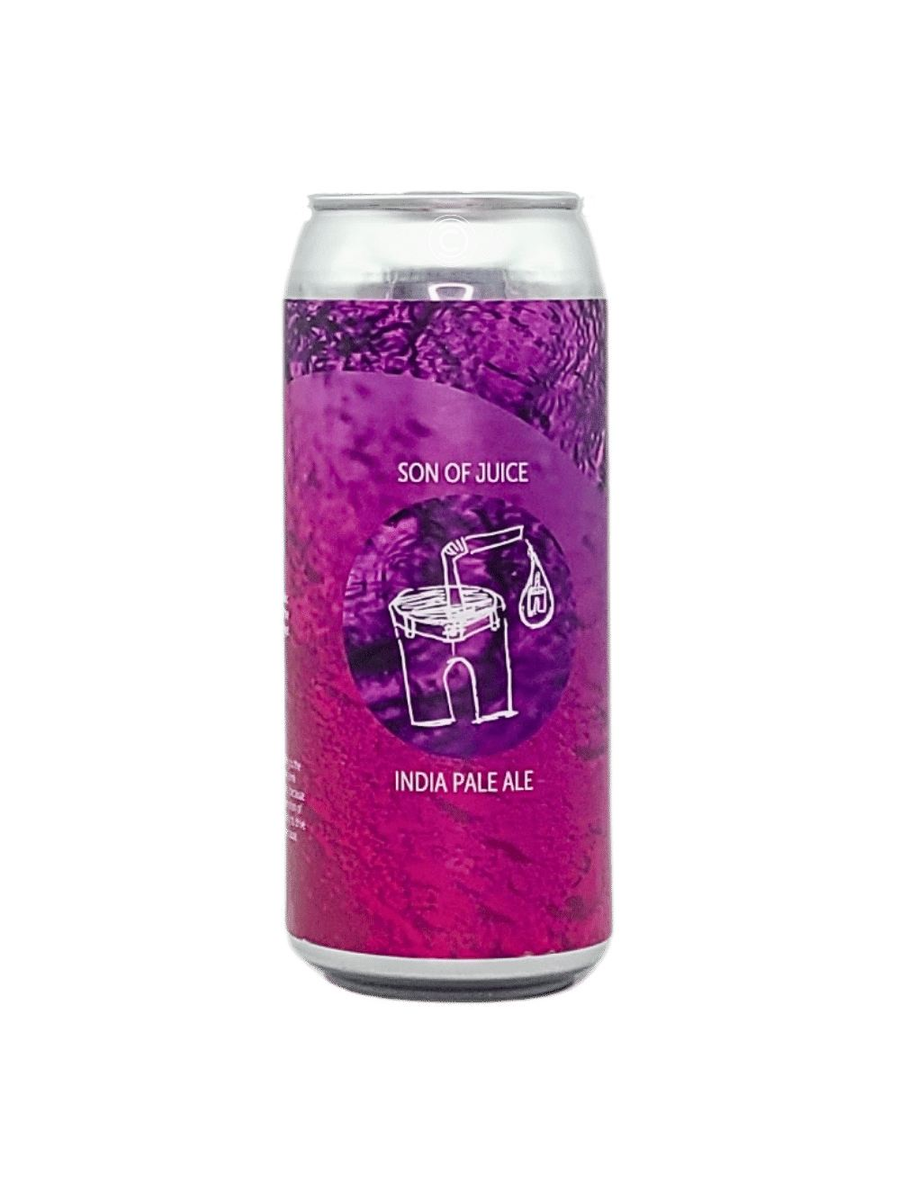
Son of Juice
Brewed by Maplewood Brewing Company
Son of Juice is Maplewood’s year-round 6.3% IPA, using Mosaic, Simcoe and Nugget alongside Cryo versions of the first two.
BAR NOTES
Son of Juice is Maplewood’s year-round 6.3% IPA, using Mosaic, Simcoe and Nugget alongside Cryo versions of the first two. Pilsner malt, oats and wheat support its hazy texture. The brewery describes tropical hop associations and lower bitterness, giving it a different emphasis from Charlatan.
Choose a fresh package and compare a small pour with Bodem, focusing on mouthfeel before deciding which has stronger aroma. Haze does not by itself establish sweetness. Our hazy IPA collection offers more reference points for this softer hop-led direction.
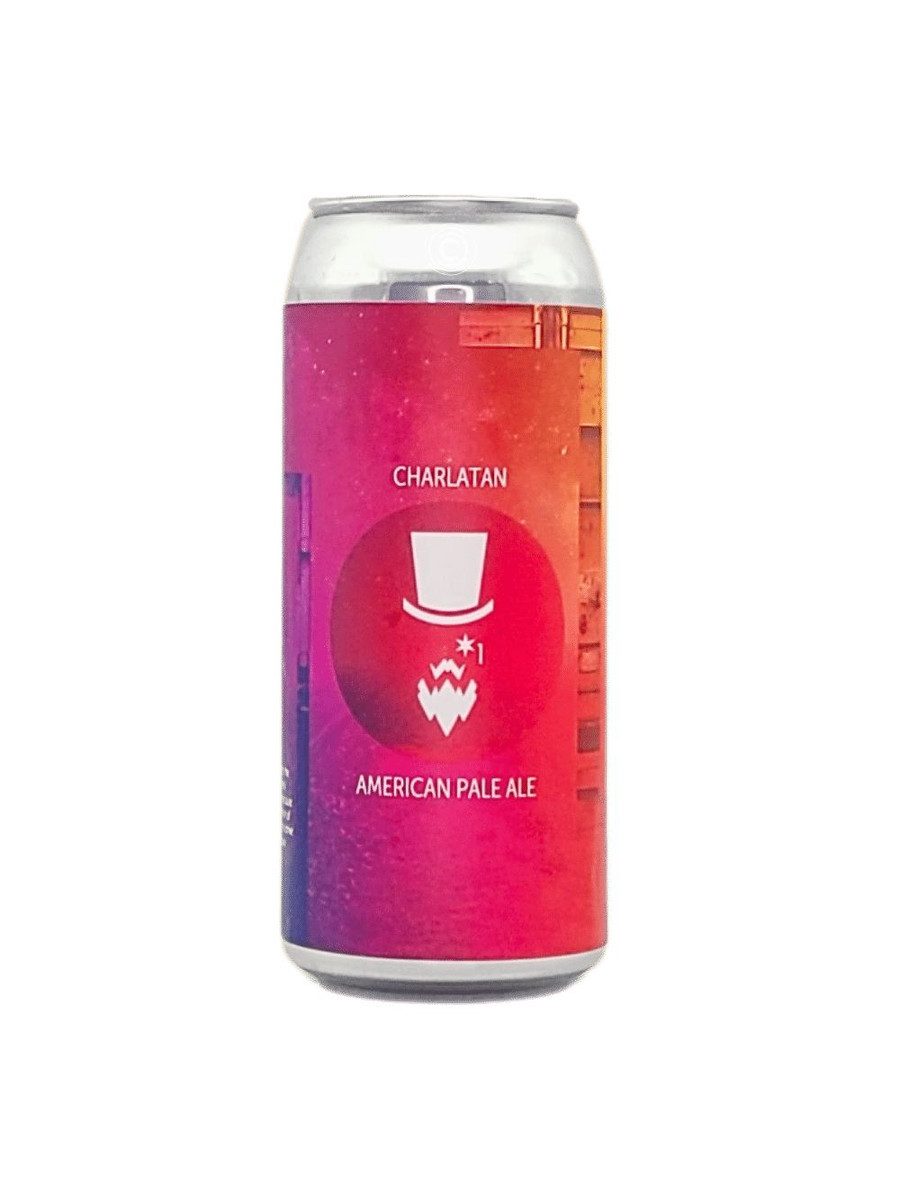
Charlatan
Brewed by Maplewood Brewing Company
Charlatan is Maplewood’s 6.1% American pale ale, with Citra, Centennial and Simcoe prominent in the producer’s description.
BAR NOTES
Charlatan is Maplewood’s 6.1% American pale ale, with Citra, Centennial and Simcoe prominent in the producer’s description. Citrus and earthy-pine associations sit alongside a malt base that includes light Munich. Its strength overlaps many IPAs, showing why style names and alcohol levels deserve separate attention.
Make the comparison with Son of Juice about balance rather than rank or intensity alone. A bite of sharp cheese can change the way the hop finish feels. The pale ale selection extends the exploration of this broad, hop-friendly category.
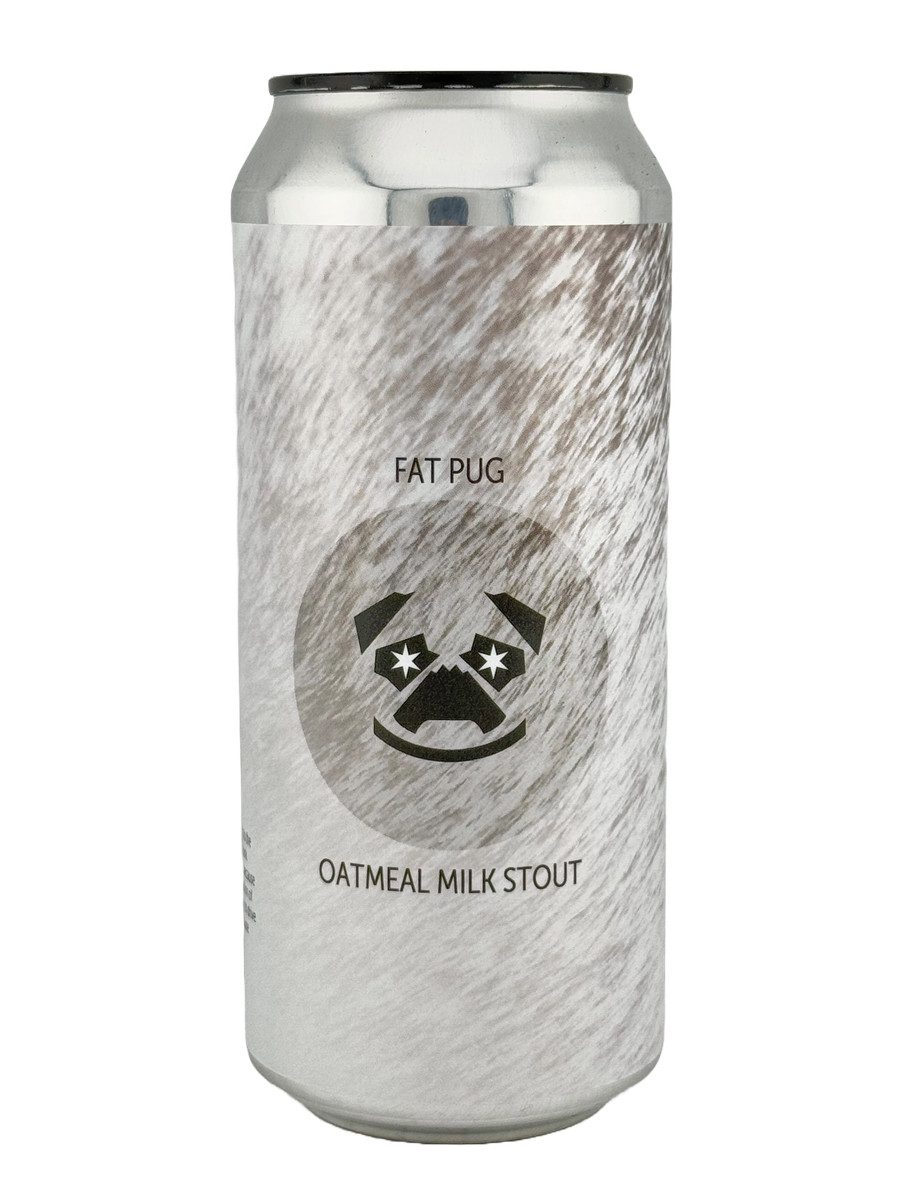
Fat Pug
Brewed by Maplewood Brewing Company
Fat Pug is Maplewood’s 5.9% oatmeal milk stout, named for head brewer Adam’s pug, Otto.
BAR NOTES
Fat Pug is Maplewood’s 5.9% oatmeal milk stout, named for head brewer Adam’s pug, Otto. Roasted grains provide coffee and chocolate associations, while lactose is explicitly included for sweetness. It brings both a darker malt palette and a clear ingredient distinction to the Chicago brewery’s trio.
Try it by itself before moving to dessert, which can change the apparent sweetness and bitterness. Let the small pour warm gently and follow the roasted aroma. Our milk stout brewing guide explains the role of lactose in this style.
7. DESTIHL Brewery
DESTIHL adds Normal and its Beer Hall and Barrel Room to the statewide route. The current main beer page lists the Deadhead IPA and Wild Sour series alongside a much broader portfolio. West Coast IPA, TourBus and Blackberry Gose give this section a clear contrast between firm hops, hazy texture and fruit acidity.
Read the exact series and variant name on the menu or package. TourBus World Tour editions are separate from the standard TourBus beer, and the sour range extends well beyond blackberry. Current main-page ABVs take precedence over older reservation-page numbers, with the batch label providing the final check when ordering.
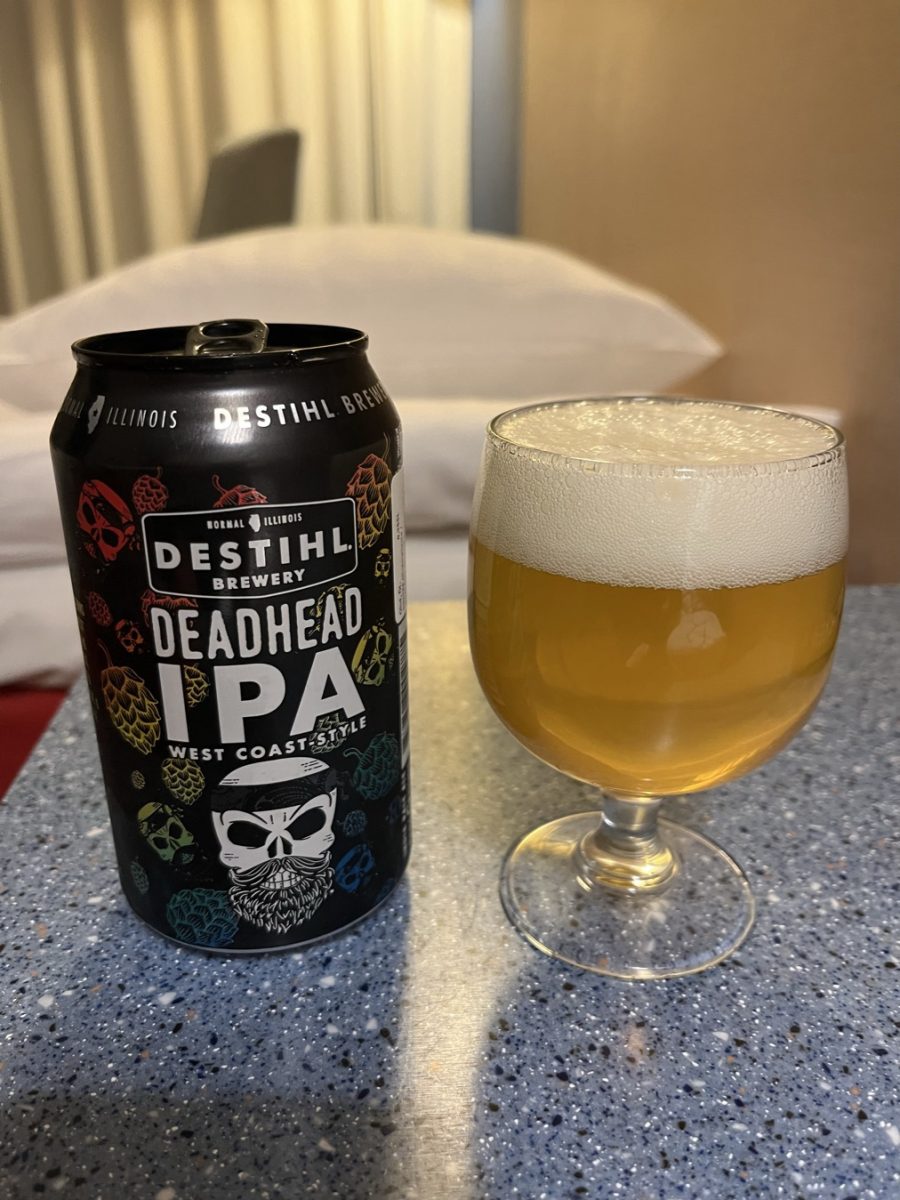
Deadhead IPA Series: West Coast IPA
Brewed by DESTIHL Brewery
DESTIHL’s Deadhead West Coast IPA is currently listed at 7.0% on the producer’s main beer page.
BAR NOTES
DESTIHL’s Deadhead West Coast IPA is currently listed at 7.0% on the producer’s main beer page. Its hop-led West Coast direction contrasts with TourBus’s hazy texture and the sour series. Check the batch label because some older reservation pages retain different alcohol figures for these recurring names.
Choose a fresh can and pay particular attention to the finish after the initial aroma. A savory grilled sandwich gives a useful second tasting after the beer alone. Our West Coast IPA picks provides broader comparisons for this firmer hop direction.
Deadhead IPA Series: TourBus
Brewed by DESTIHL Brewery
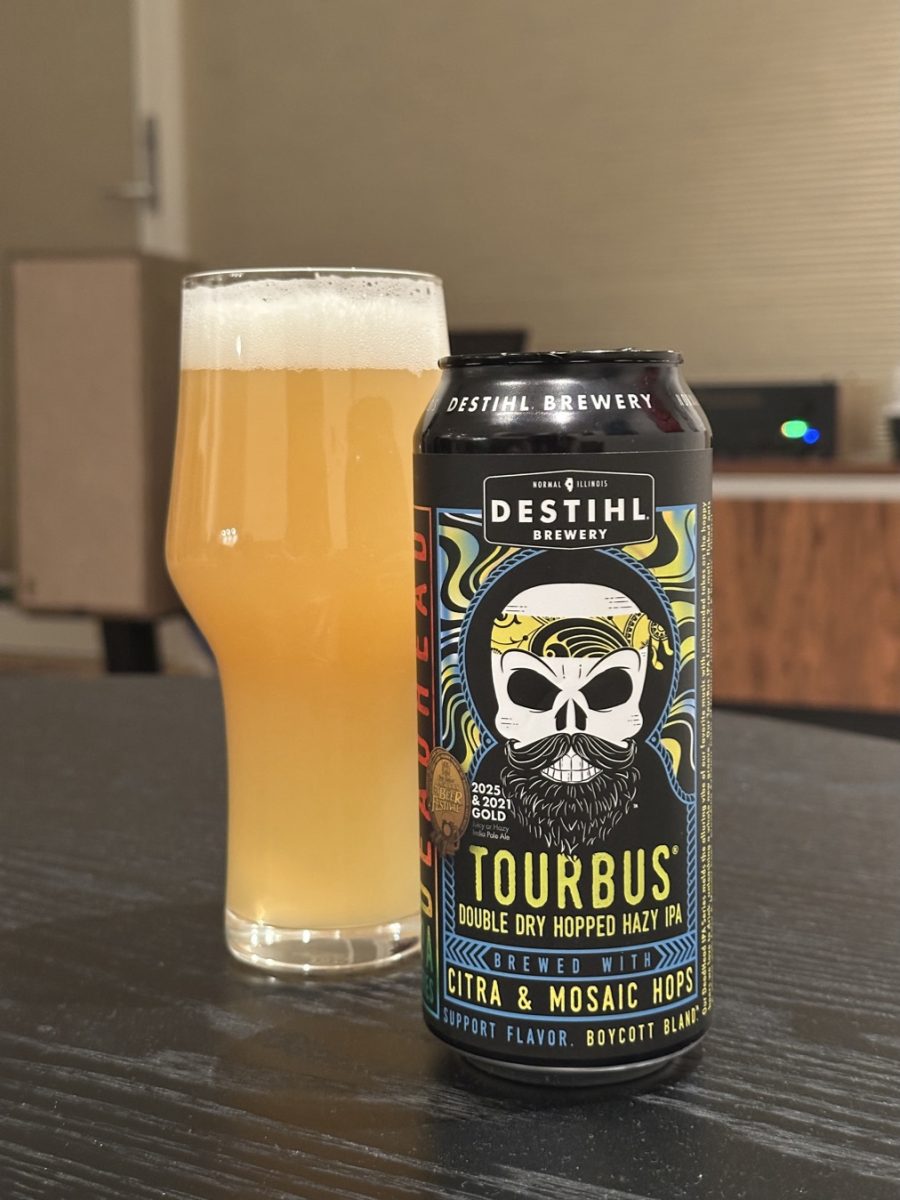
TourBus is the double dry-hopped hazy IPA in DESTIHL’s Deadhead range, currently specified at 7.4%.
BAR NOTES
TourBus is the double dry-hopped hazy IPA in DESTIHL’s Deadhead range, currently specified at 7.4%. It should be distinguished from the separately named World Tour hop variants. The brewery’s main current listing supplies the figure here; older keg pages can describe a different strength.
Keep the serving modest and compare TourBus with the standard West Coast IPA at the same temperature. Focus on the texture before judging aroma intensity. The New England IPA guide explains the grain and hopping choices behind many hazy interpretations.
Wild Sour Series: Blackberry Gose
Brewed by DESTIHL Brewery
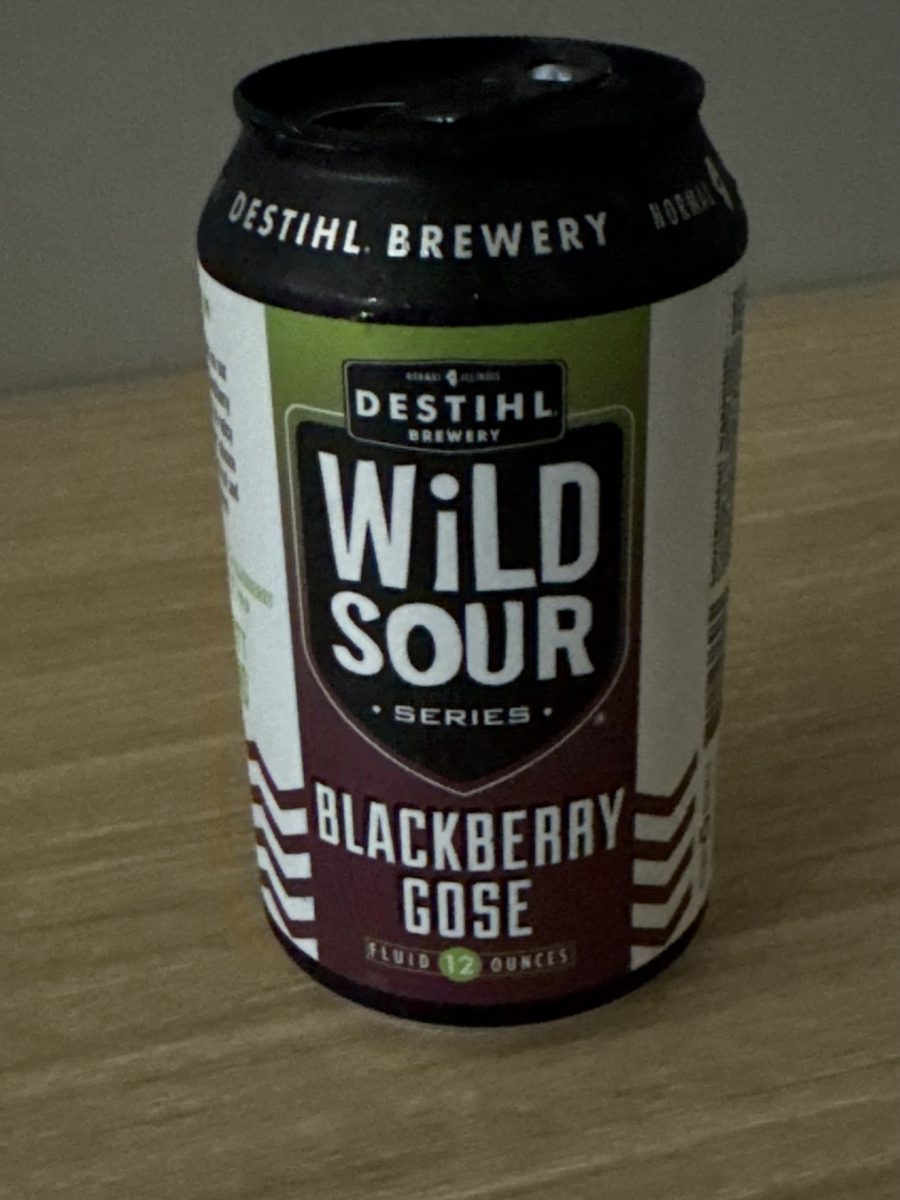
Blackberry Gose is DESTIHL’s 5.2% Wild Sour Series fruit selection.
BAR NOTES
Blackberry Gose is DESTIHL’s 5.2% Wild Sour Series fruit selection. It shifts the brewery trio away from hop-led IPA toward acidity and blackberry character. Use the exact fruit name when checking stock, because the wider sour series includes several different recipes and stronger dessert-oriented variants.
Start without a strongly acidic food, then try a mild cheese or plain cracker to see how the fruit and sourness change together. Small pours make this a useful flight contrast. Our sour beer collection offers more ways to compare fruit and acidity.
8. Riggs Beer Company
Riggs Beer Company supplies the Urbana stop and a specific farm-to-brewery connection. The producer describes its own grain in American Lager and Hefeweizen, while Red Lager adds a richer malt and hop comparison. These are current year-round selections, distinct from the brewery’s seasonal lager range.
Urbana and nearby Savoy can form a useful regional pair with Triptych, provided transportation is planned before tasting. The Riggs trio makes an excellent grain-focused flight: corn and barley in the pale lager, farm-grown wheat in the hefeweizen, and red malt in the stronger lager.
American Lager
Brewed by Riggs Beer Company
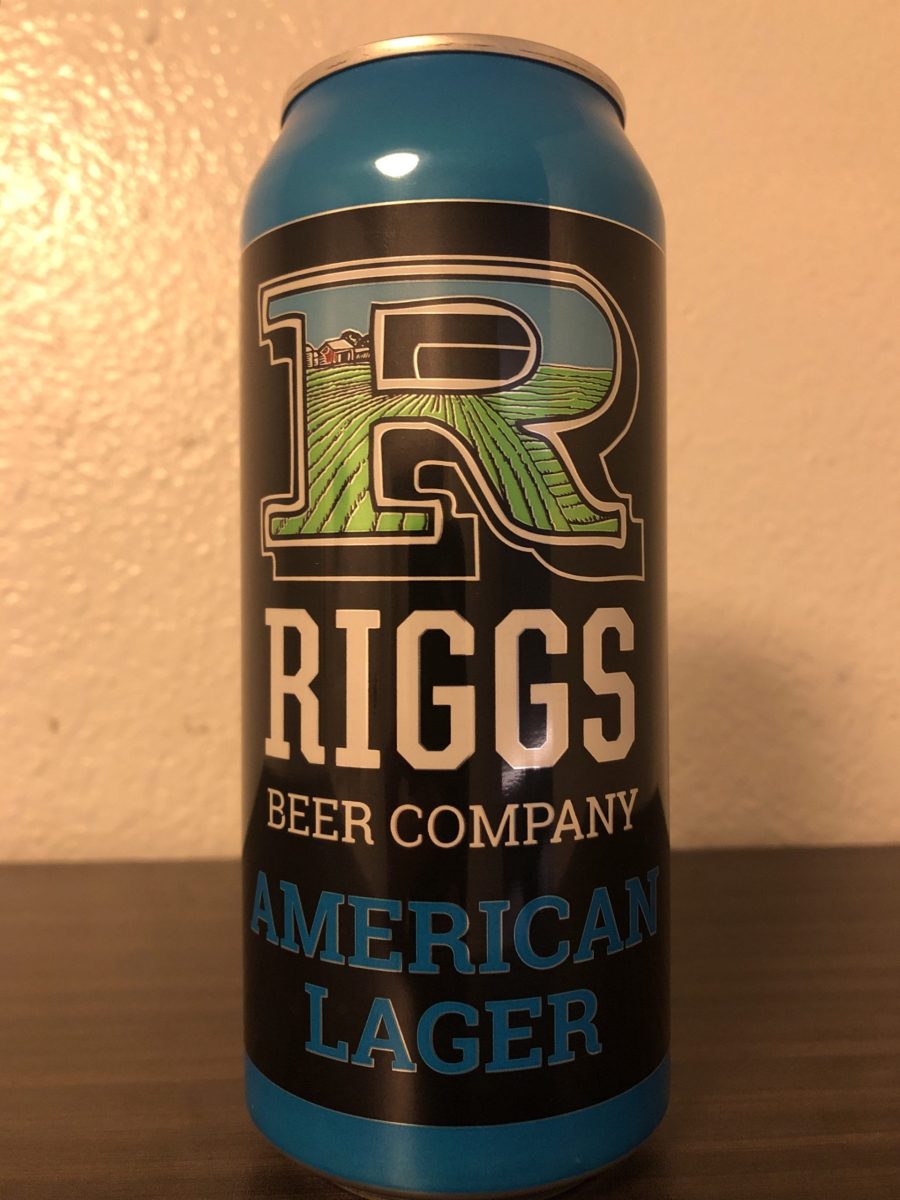
Riggs American Lager is a 5.0% year-round lager made with the brewery’s own six-row barley and low-oil white corn.
BAR NOTES
Riggs American Lager is a 5.0% year-round lager made with the brewery’s own six-row barley and low-oil white corn. The producer describes six weeks of fermentation, conditioning and lagering. Its agricultural connection gives a concrete reason to include a familiar pale beer alongside wheat and red lager.
Taste American Lager before Red Lager and follow the grain character without using color as a strength estimate. A lightly salted corn snack makes an interesting comparison with its ingredients. Our American lager guide explains the role of adjunct grains in this tradition.
Hefeweizen
Brewed by Riggs Beer Company
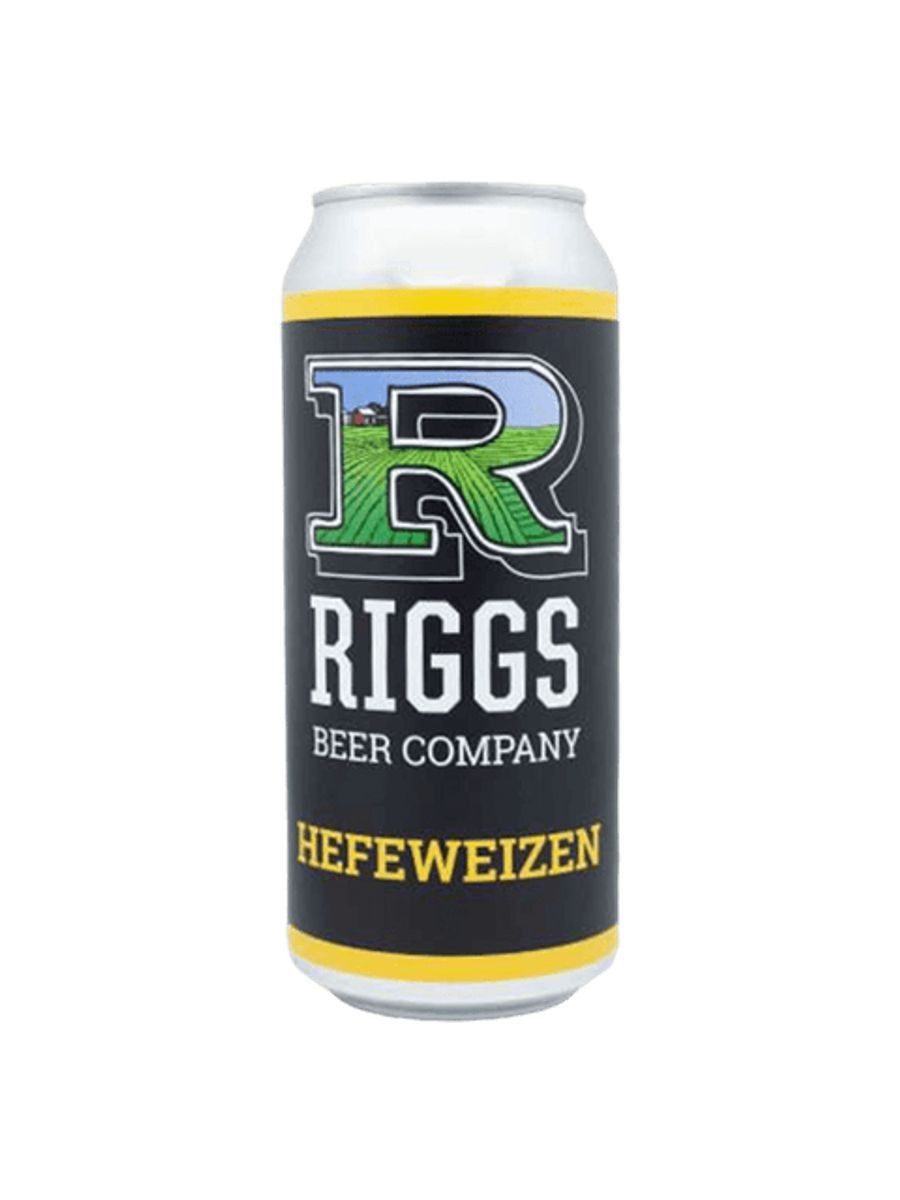
Riggs Hefeweizen is a 5.2% German-style wheat beer using Riggs-grown wheat.
BAR NOTES
Riggs Hefeweizen is a 5.2% German-style wheat beer using Riggs-grown wheat. The producer highlights a banana-like fermentation aroma, which does not imply added banana. It offers a clear contrast with American Lager even though the two sit close together in alcohol strength.
Compare the aroma with Dovetail’s Hefeweizen using similar glasses and equally small servings. Save a citrus garnish for after the initial tasting if you use one. The wheat beer collection gives this yeast-led style a wider set of comparisons.
Red Lager
Brewed by Riggs Beer Company
Riggs Red Lager is a 6.0% year-round selection with Red X malt and Magnum and Mosaic Cryo hops in the current producer specification.
BAR NOTES
Riggs Red Lager is a 6.0% year-round selection with Red X malt and Magnum and Mosaic Cryo hops in the current producer specification. It is the strongest beer in this Riggs trio. Its red color and hop choice offer a different reference from both pale lager and hefeweizen.
Pair a small pour with roasted mushrooms and notice how the malt-led impression changes after a savory bite. Then return to American Lager for a simpler grain comparison. Our Vienna lager brewing guide supplies a related malt-focused reference without treating every red lager as identical.
9. Triptych Brewing
Triptych’s taproom at 1703 Woodfield Drive in Savoy contributes two pale ales and a traditional dark mild. Its individual beer pages show recent September 2026 releases for these selections. Dank Meme and Little Secret compare hazy and West Coast-inspired hop directions, while Savoy’s Best Mild changes both strength and malt emphasis.
Recent releases establish that these are current producer references, but do not guarantee stock on a later visit. Check the current taproom or pickup menu before traveling for the mild. The contrast is especially useful for drinkers who want to compare dark-beer flavor with the alcohol level of pale, hop-led beers.
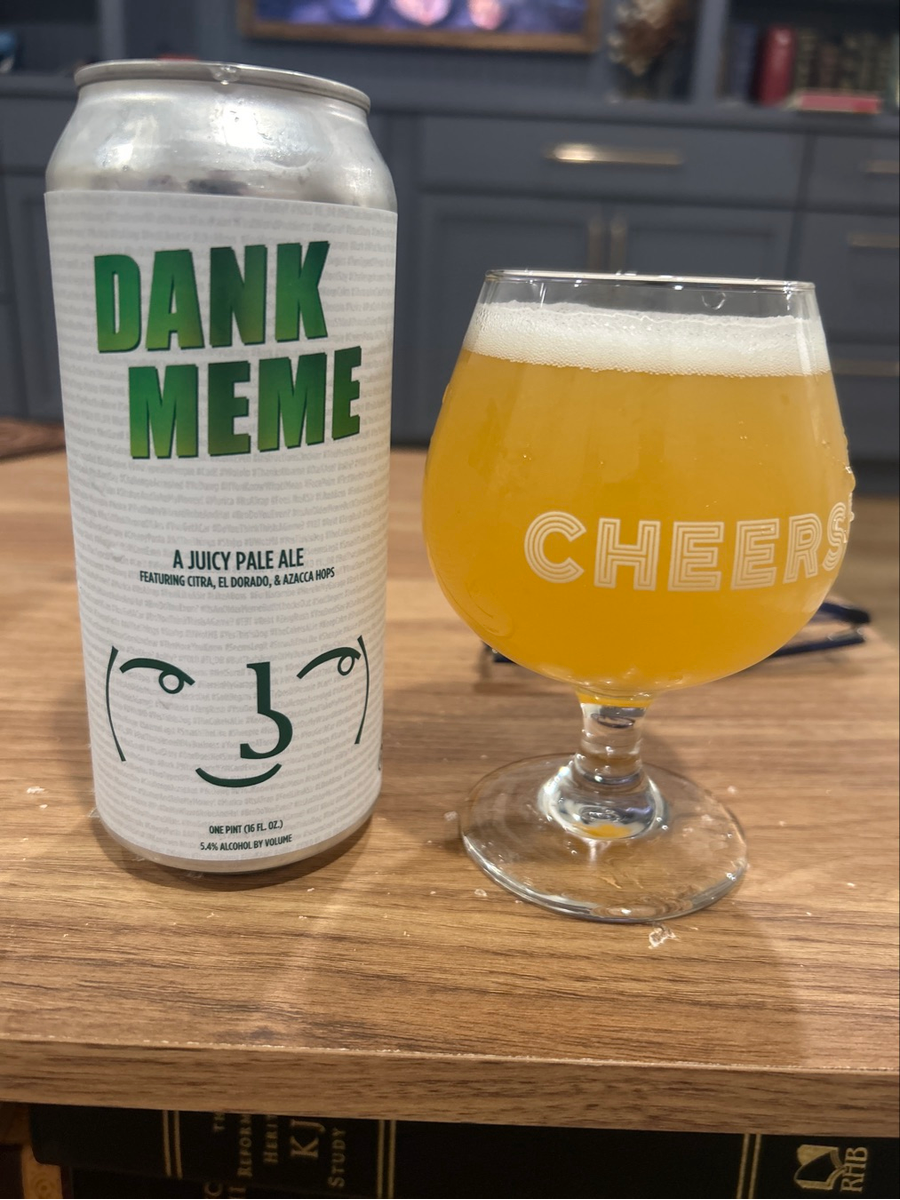
Dank Meme
Brewed by Triptych Brewing
Dank Meme is Triptych’s 5.3% hazy pale ale, first brewed in 2016.
BAR NOTES
Dank Meme is Triptych’s 5.3% hazy pale ale, first brewed in 2016. Oats and wheat support the grain base, with El Dorado and Citra among its hop references. Its current producer page records a September 2026 release, making it a recent recurring beer rather than a purely historical listing.
Use a fresh pour to compare Dank Meme with Little Secret, concentrating on texture and finish as separate questions. Neither pale ale needs to be judged only by haze. The hazy beer roundup offers related hop-led comparisons beyond this lower-strength pale ale.
Little Secret
Brewed by Triptych Brewing
Little Secret is Triptych’s 5.4% West Coast-inspired pale ale, listing Nugget, Cascade, Simcoe and Citra hops.
BAR NOTES
Little Secret is Triptych’s 5.4% West Coast-inspired pale ale, listing Nugget, Cascade, Simcoe and Citra hops. The producer describes a beer that began as a staff favorite and now has a current September 2026 release listing. It makes a particularly useful side-by-side comparison with Dank Meme.
Follow the pine and grapefruit associations before adding a spicy meal, then judge the finish after a plain bite. Choose freshness over collecting an older package for its label. Our American IPA collection extends the firmer hop direction into a neighboring style.
Savoy’s Best Mild
Brewed by Triptych Brewing
Savoy’s Best Mild is Triptych’s 3.6% English dark mild, with Golden Promise, light crystal and pale chocolate malts, Bullion hops and a little invert sugar.
BAR NOTES
Savoy’s Best Mild is Triptych’s 3.6% English dark mild, with Golden Promise, light crystal and pale chocolate malts, Bullion hops and a little invert sugar. Its current producer listing records a September 2026 release. The modest alcohol level makes a valuable contrast with the guide’s many hop-led pale beers.
Let a small pour warm slightly and follow the cocoa, toast and caramel associations described by the brewery. Dark color should not be used as a shortcut for strength. The dark mild brewing guide explains this traditional pub-beer direction.
10. Big Muddy Brewing
Big Muddy Brewing anchors the southern Illinois part of the guide in Murphysboro. Its current beer page places Saluki Dunkeldog, Blueberry Blonde and Vanilla Stout in the year-round range. Producer sell sheets supply the specifications and recipe framing, making amber malt, actual fruit and vanilla stout the central comparison.
Murphysboro belongs to a separate southern itinerary from Chicago and the central Illinois stops. Check the current visitor information and stock before traveling for a specific bottle. These selections are the original recurring beers; barrel-aged or coffee versions should not inherit the base beer’s card details automatically.
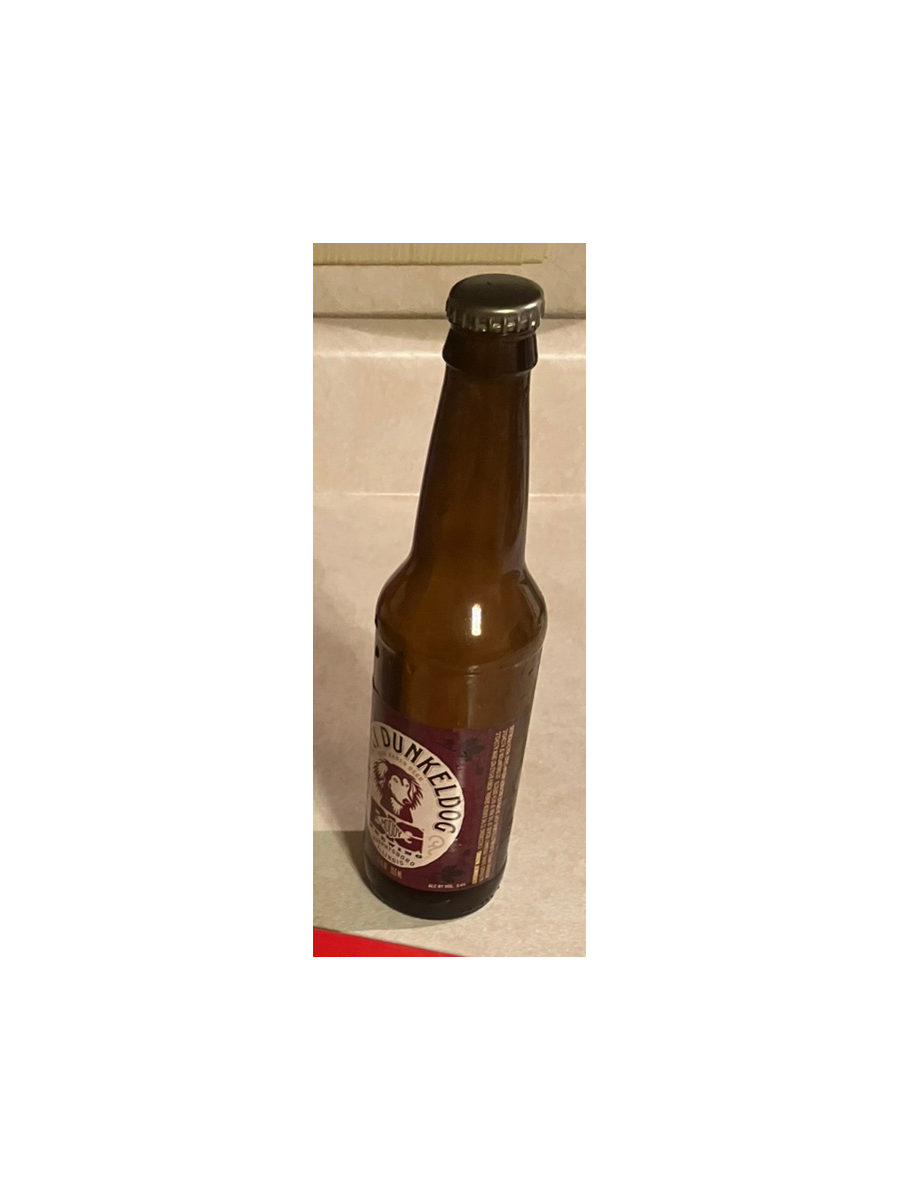
Saluki Dunkeldog
Brewed by Big Muddy Brewing
Saluki Dunkeldog is Big Muddy’s 5.4% dark amber selection, listed year-round on its current beer page.
BAR NOTES
Saluki Dunkeldog is Big Muddy’s 5.4% dark amber selection, listed year-round on its current beer page. The producer’s sell sheet frames it as an American amber meeting German dunkel malt character. Aromatic and Munich malts contribute sweetness and a restrained chocolate-roast association without turning it into a stout.
Compare a small serving with Vanilla Stout after first tasting it alone. A roasted vegetable bite offers a useful way to follow the malt through food. Our American amber ale guide gives the ale side of this hybrid framing more context.
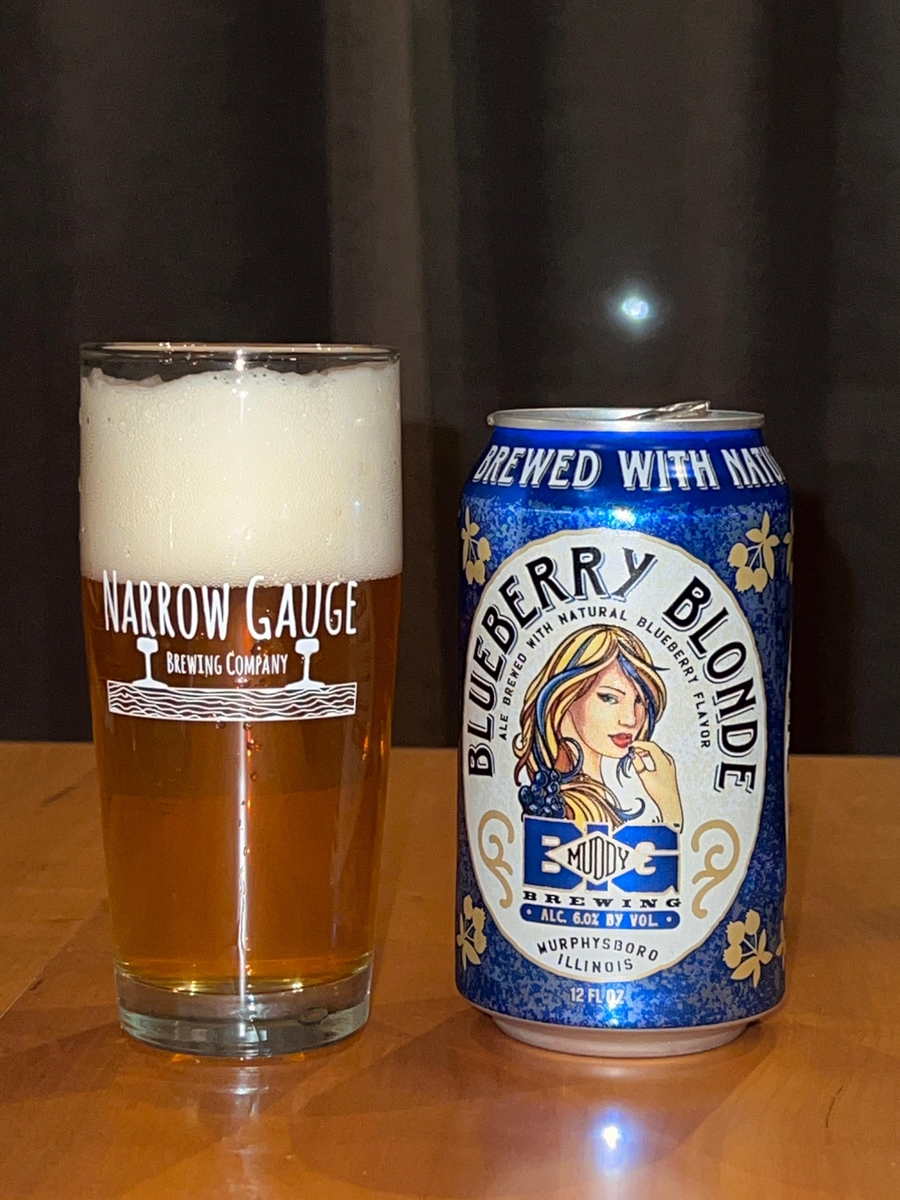
Blueberry Blonde
Brewed by Big Muddy Brewing
Blueberry Blonde is Big Muddy’s 6.0% fruit-infused blonde ale.
BAR NOTES
Blueberry Blonde is Big Muddy’s 6.0% fruit-infused blonde ale. Its current beer page places it in the year-round selection, while the sell sheet emphasizes summertime refreshment. The producer explicitly identifies natural blueberries, making this a fruit-ingredient comparison rather than a hop aroma that merely resembles berries.
Taste it alone before placing it beside fruit dessert, since a sweeter dish may change the beer’s apparent dryness. A mild cheese makes a useful alternative comparison. Our fruit beer selection explores other ways fruit can interact with a beer’s base style.
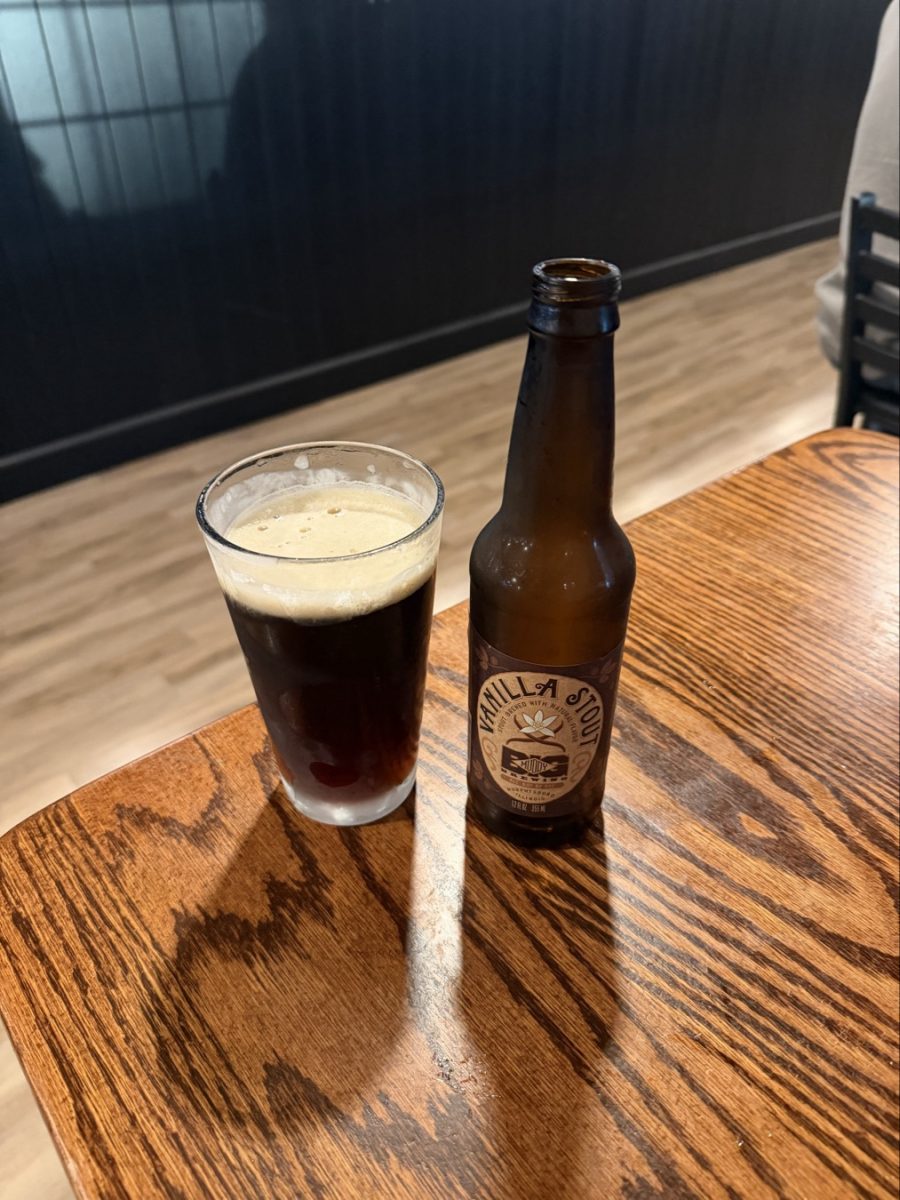
Vanilla Stout
Brewed by Big Muddy Brewing
Vanilla Stout is Big Muddy’s year-round 6.0% milk stout infused with Madagascar vanilla.
BAR NOTES
Vanilla Stout is Big Muddy’s year-round 6.0% milk stout infused with Madagascar vanilla. The producer’s current sell sheet confirms its strength and describes a gently sweet, roasted direction. Use the original version for this selection, keeping bourbon-barrel and coffee variants separate from the base beer.
Compare it with Fat Pug in small servings if you want to explore two Illinois milk stouts. Taste both before adding dessert and follow how roast balances sweetness. The stout collection offers additional dark-beer reference points beyond this vanilla-led version.
Plan an Illinois brewery route by region
Give Chicago its own itinerary and group stops around the current venue addresses. Normal belongs to a separate central Illinois visit; Urbana and Savoy can be paired for another regional day. Murphysboro deserves a southern Illinois plan. Arrange transportation before tasting and use small flights to compare the selected styles.
Illinois brewery questions
Are all thirty beers always on tap?
No. A current producer listing identifies the beer, while the location’s current board establishes availability. Triptych’s selected beers have recent release listings, and stock can change. Confirm the exact beer and batch before making a special trip.
Does every brewery in this guide make an IPA?
This selection does not require one. Dovetail and Riggs show wheat, pale lager and smoked or red lager directions, while Triptych adds a low-strength dark mild. The range is intended to make style comparisons useful beyond hop intensity.
Why do older guides give different ABVs?
Recipes and product specifications can change under a familiar name. This guide uses current producer figures, including Anti-Hero at 6.7%, Bodem at 6.7% and the current main DESTIHL beer listings. Read the batch label for the serving you order.
Are these the only Illinois breweries worth visiting?
No. These ten editorial selections combine geographic coverage with a useful range of beers. They are a starting route rather than an exhaustive directory or statewide tasting competition. The full US brewery guide helps extend your travel plan.
Choose your next Illinois beer comparison.
Follow the styles in this flight, then explore the brewing choices behind them.