50 Best Japanese Beers to Drink in 2026
Japanese beer is not just four pale lagers and a sushi pairing. This Top 50 moves from Asahi, Sapporo, Kirin, Yebisu and Orion into pale ale, IPA, wheat beer, porter, stout, saison, rice beer and ingredient-driven craft brewing.
The ranking favors beers that explain something useful about Japan: the dry-lager revolution, obsessive fermentation control, local ingredients and the craft-brewing generation that turned imported styles into something recognizably its own.
50 Best Japanese Beers to Drink in 2026
Start with the first ten for the shortest useful tour, then keep going as the list gets darker, hoppier, wheatier and considerably stranger.
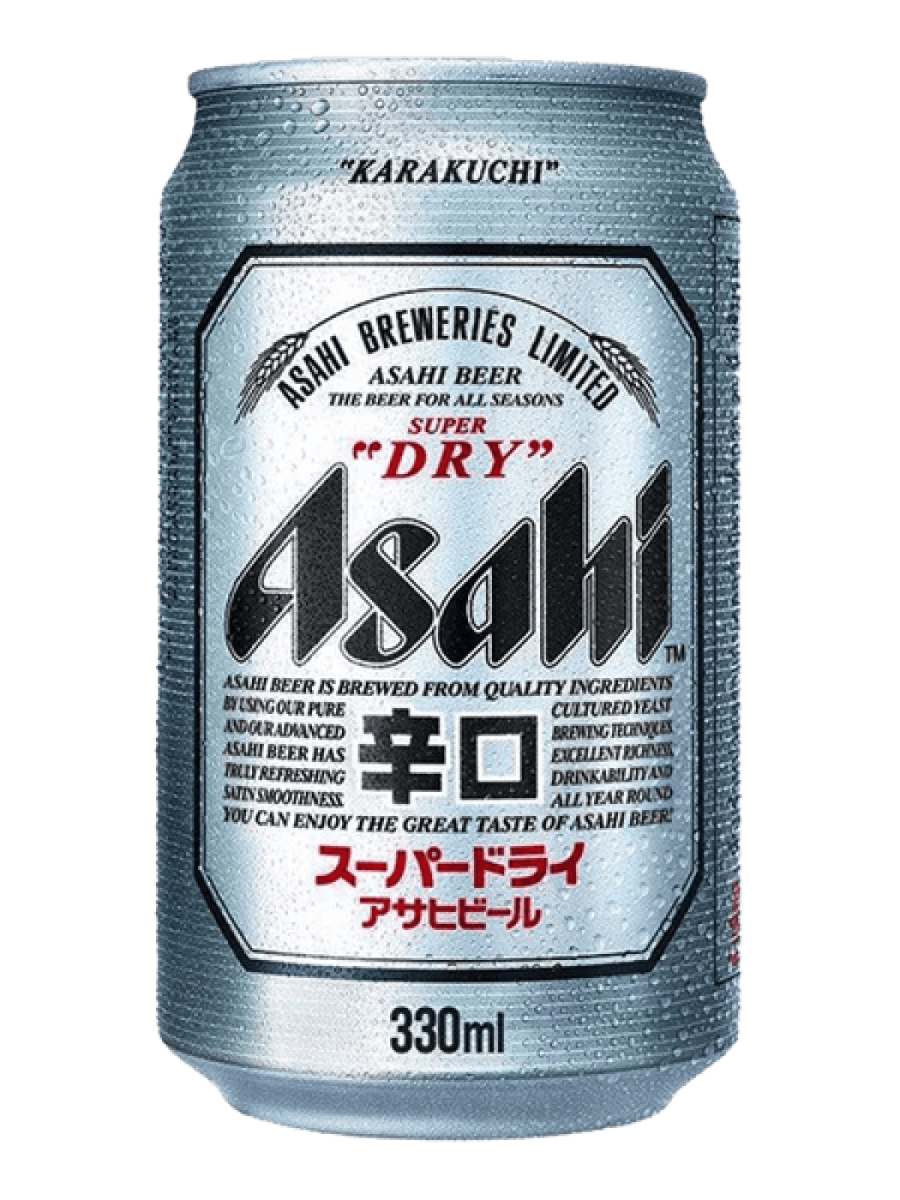
Asahi Super Dry
Brewed by Asahi Breweries
crisp grain, restrained hop bitterness, brisk carbonation and a famously dry finish
BAR NOTES
Asahi Super Dry earns its place because it represents dry-lager benchmark. Expect crisp grain, restrained hop bitterness, brisk carbonation and a famously dry finish. At 5.0%, it keeps the Japanese dry lager identity clear while showing the precision and balance that make modern Japanese beer worth exploring.
Try it with sushi, yakitori or salty snacks. The pairing makes the beer’s malt, fermentation and bitterness easier to read, and comparing it with a very different beer on this list reveals more than drinking it in isolation.
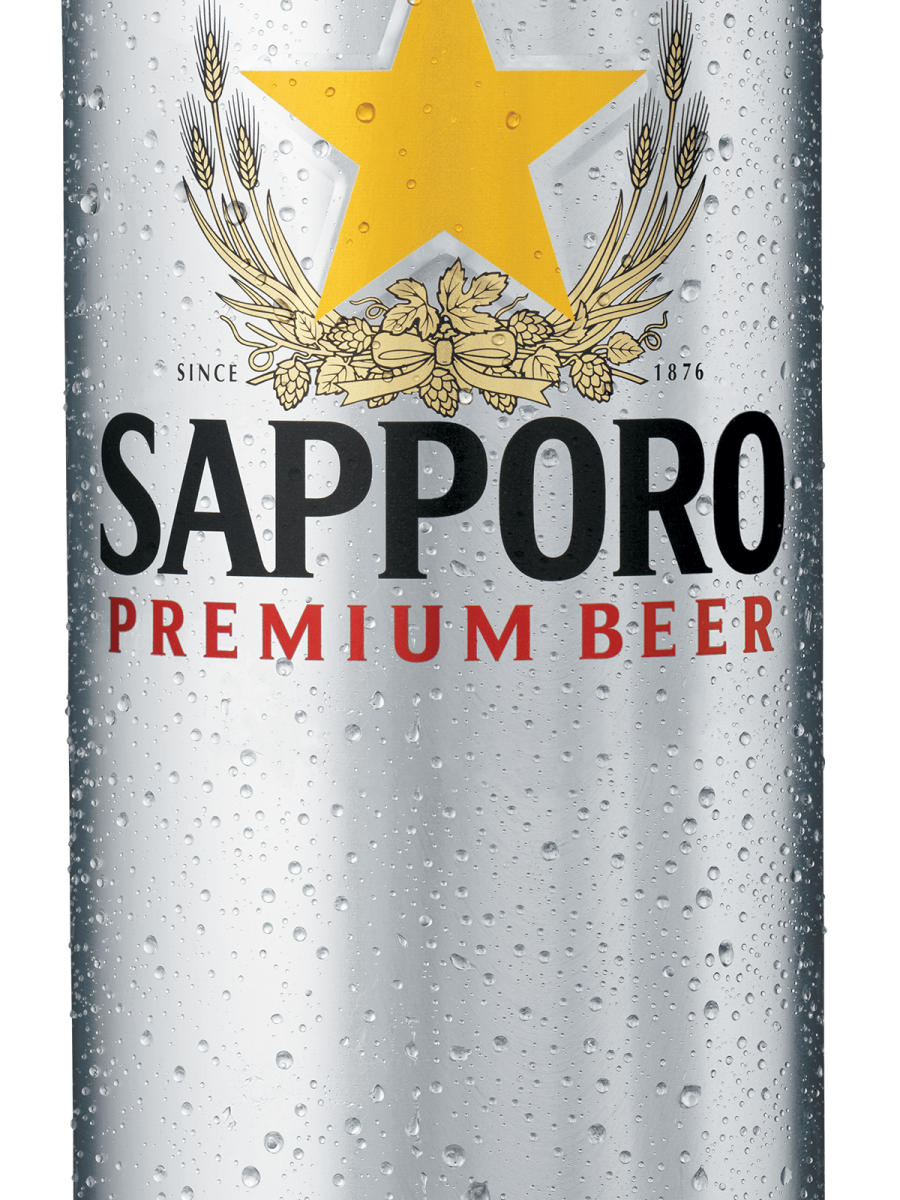
Sapporo Premium
Brewed by Sapporo Breweries
clean grain, light biscuit, mild bitterness and a refreshing dry close
BAR NOTES
Sapporo Premium earns its place because it represents iconic premium lager. Expect clean grain, light biscuit, mild bitterness and a refreshing dry close. At 4.9%, it keeps the Japanese pale lager identity clear while showing the precision and balance that make modern Japanese beer worth exploring.
Try it with grilled fish, karaage or sharp cheese. The pairing makes the beer’s malt, fermentation and bitterness easier to read, and comparing it with a very different beer on this list reveals more than drinking it in isolation.
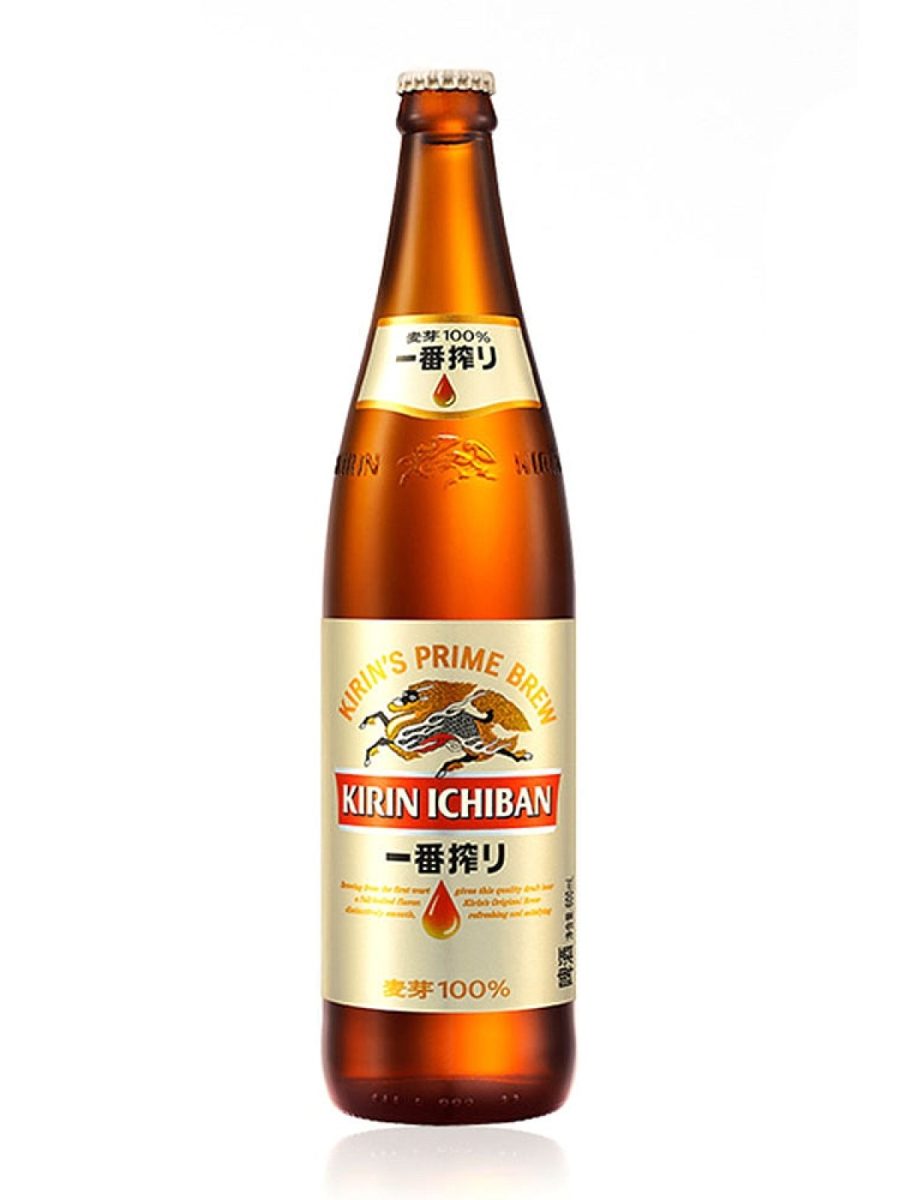
Kirin Ichiban
Brewed by Kirin Brewery
soft malt sweetness, cereal grain, restrained hops and a smooth clean finish
BAR NOTES
Kirin Ichiban earns its place because it represents first-press lager icon. Expect soft malt sweetness, cereal grain, restrained hops and a smooth clean finish. At 5.0%, it keeps the Japanese pale lager identity clear while showing the precision and balance that make modern Japanese beer worth exploring.
Try it with ramen, grilled pork or tempura. The pairing makes the beer’s malt, fermentation and bitterness easier to read, and comparing it with a very different beer on this list reveals more than drinking it in isolation.
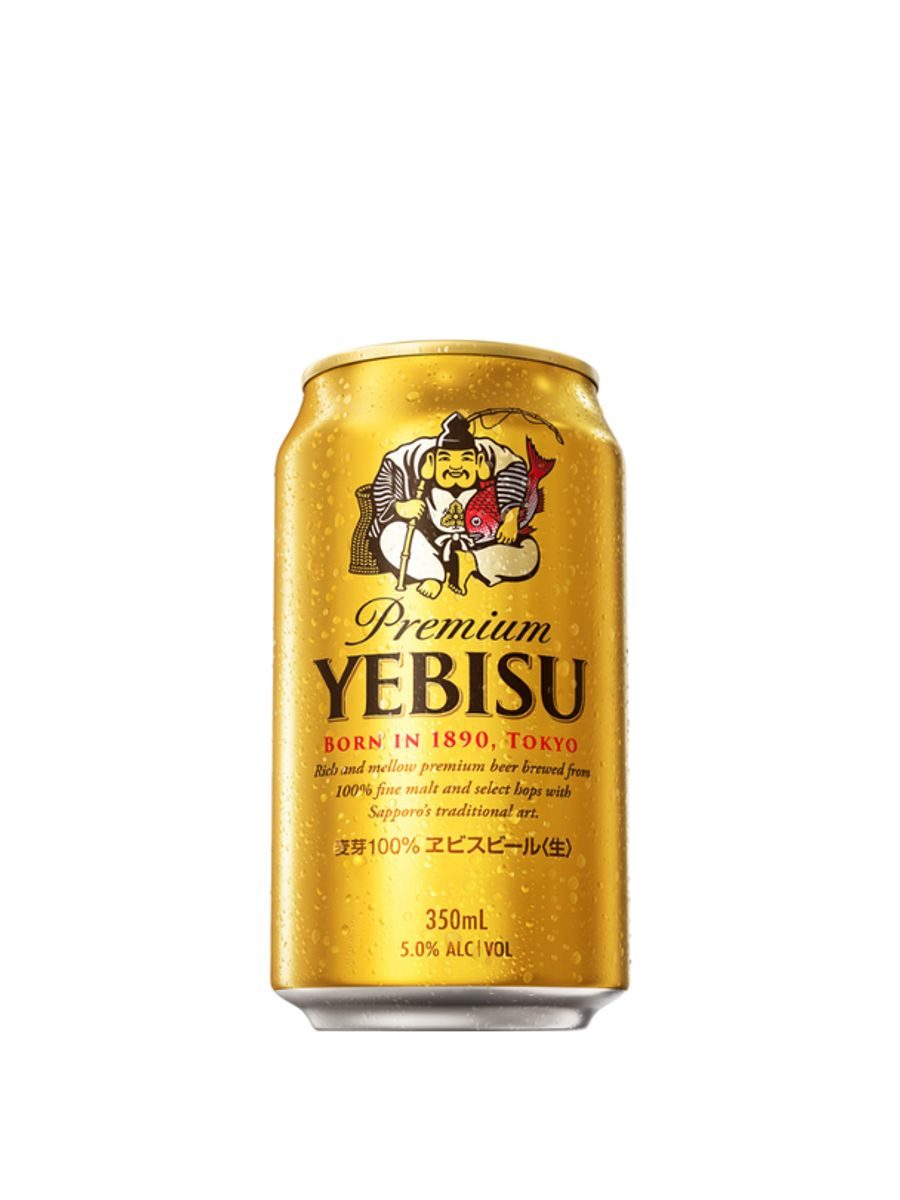
Yebisu Premium
Brewed by Sapporo Breweries
toasty malt, light honey, herbal hops and a fuller lager finish
BAR NOTES
Yebisu Premium earns its place because it represents all-malt premium classic. Expect toasty malt, light honey, herbal hops and a fuller lager finish. At 5.0%, it keeps the all-malt premium lager identity clear while showing the precision and balance that make modern Japanese beer worth exploring.
Try it with yakitori, pizza or mature cheese. The pairing makes the beer’s malt, fermentation and bitterness easier to read, and comparing it with a very different beer on this list reveals more than drinking it in isolation.
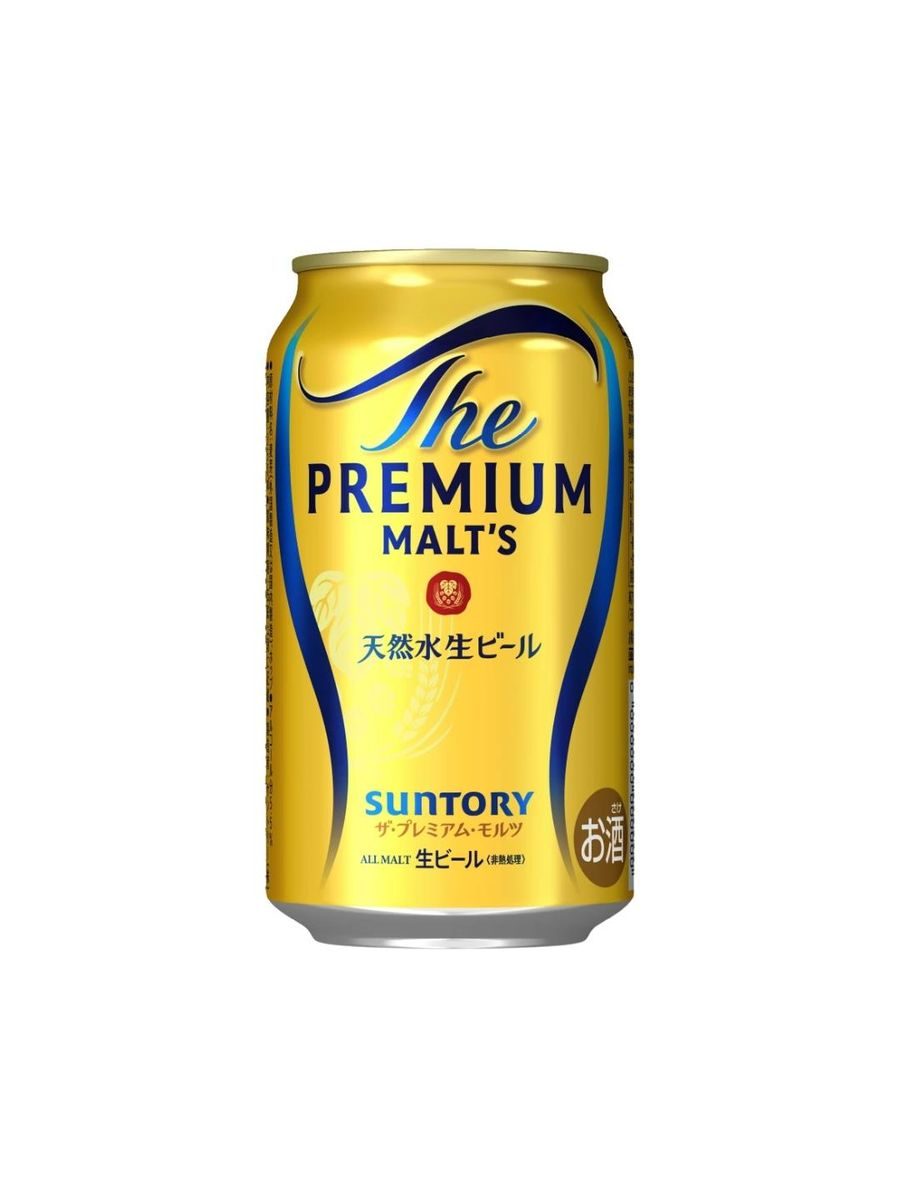
The Premium Malt's
Brewed by Suntory
rich pils malt, floral hops, fine bitterness and a polished lingering finish
BAR NOTES
The Premium Malt’s earns its place because it represents Suntory’s premium flagship. Expect rich pils malt, floral hops, fine bitterness and a polished lingering finish. At 5.5%, it keeps the premium pilsner identity clear while showing the precision and balance that make modern Japanese beer worth exploring.
Try it with seafood, noodles or fried chicken. The pairing makes the beer’s malt, fermentation and bitterness easier to read, and comparing it with a very different beer on this list reveals more than drinking it in isolation.
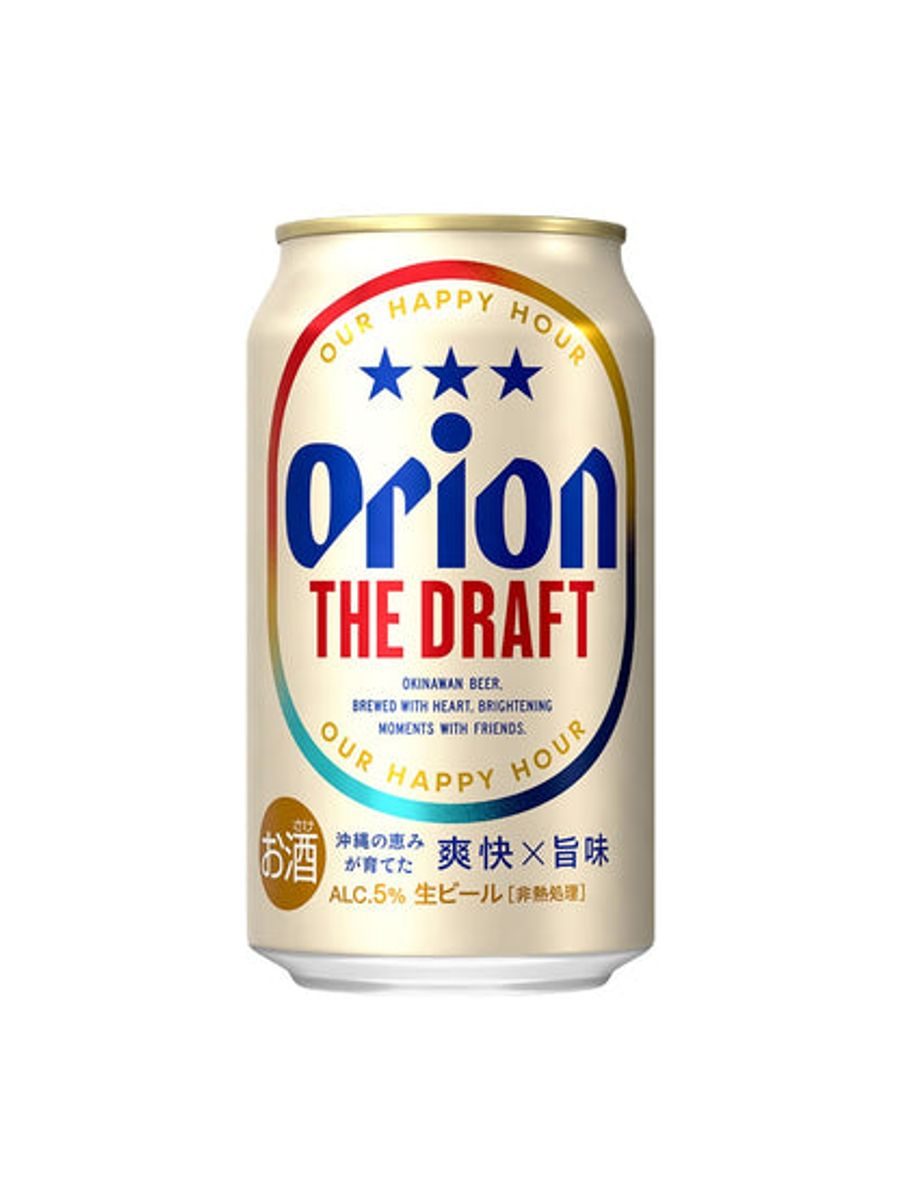
Orion The Draft
Brewed by Orion Breweries
light grain, gentle sweetness, mild hops and an exceptionally easy dry finish
BAR NOTES
Orion The Draft earns its place because it represents Okinawa’s defining lager. Expect light grain, gentle sweetness, mild hops and an exceptionally easy dry finish. At 5.0%, it keeps the Okinawan lager identity clear while showing the precision and balance that make modern Japanese beer worth exploring.
Try it with sushi, yakitori or salty snacks. The pairing makes the beer’s malt, fermentation and bitterness easier to read, and comparing it with a very different beer on this list reveals more than drinking it in isolation.
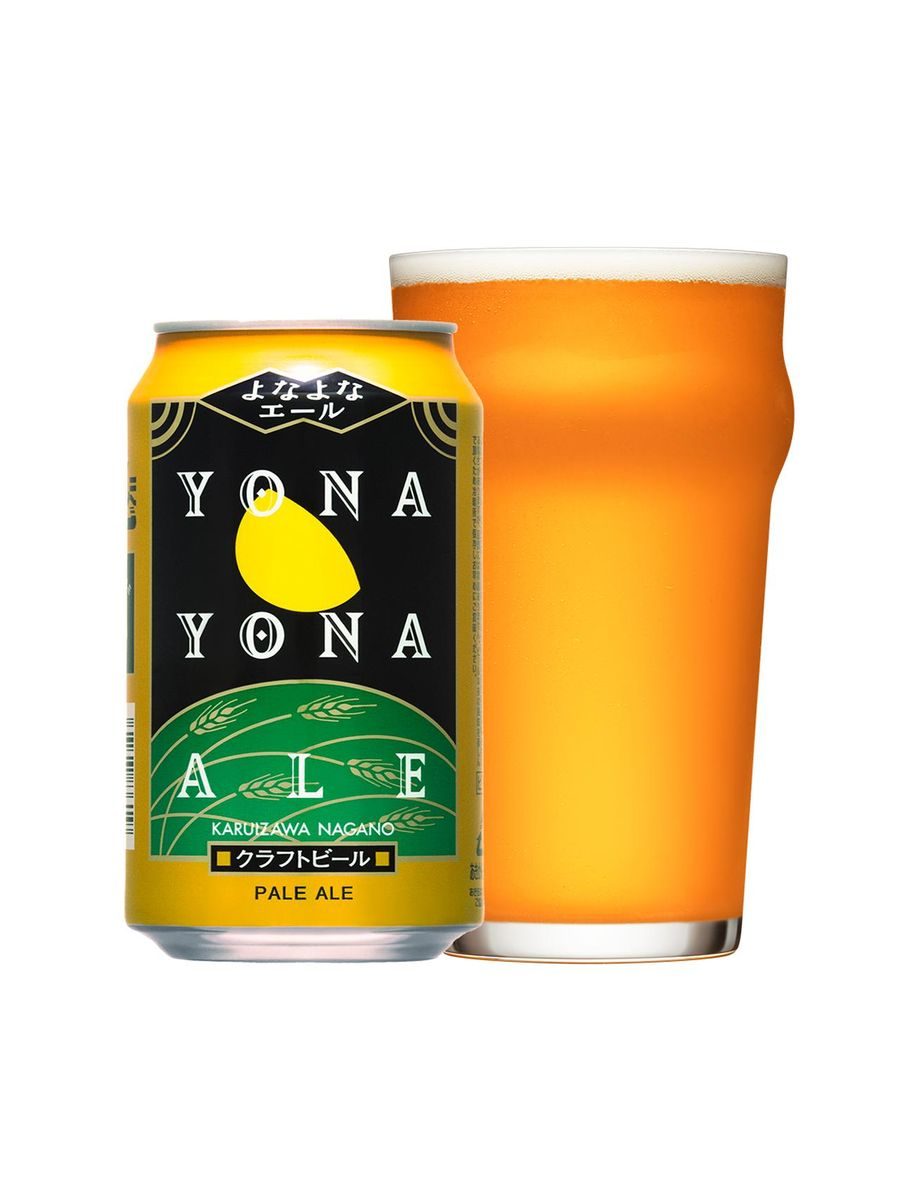
Yona Yona Ale
Brewed by Yo-Ho Brewing
Cascade citrus, floral hops, gentle caramel malt and balanced bitterness
BAR NOTES
Yona Yona Ale earns its place because it represents Japanese craft pale-ale landmark. Expect Cascade citrus, floral hops, gentle caramel malt and balanced bitterness. At 5.5%, it keeps the American pale ale identity clear while showing the precision and balance that make modern Japanese beer worth exploring.
Try it with grilled fish, karaage or sharp cheese. The pairing makes the beer’s malt, fermentation and bitterness easier to read, and comparing it with a very different beer on this list reveals more than drinking it in isolation.
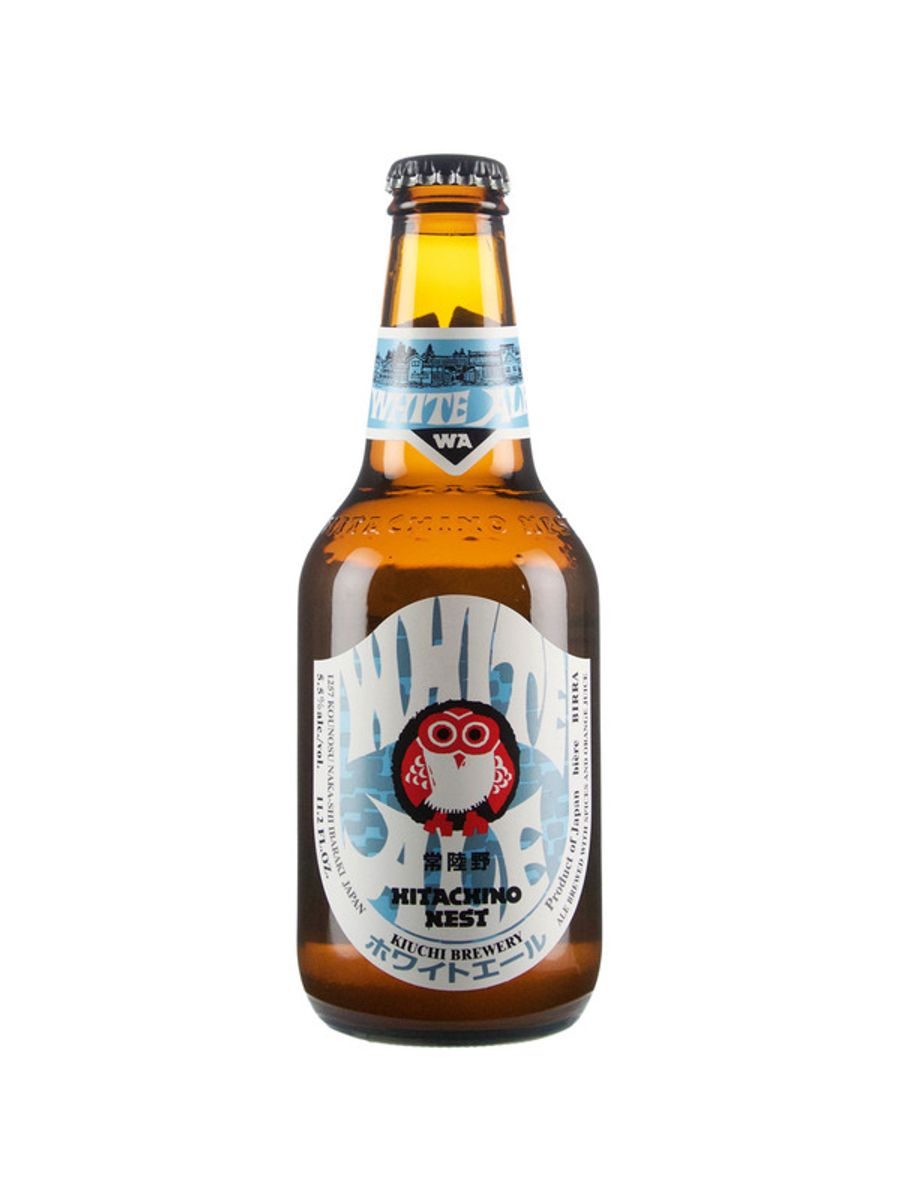
Hitachino Nest White Ale
Brewed by Kiuchi Brewery
orange peel, coriander, nutmeg, soft wheat and bright yeast spice
BAR NOTES
Hitachino Nest White Ale earns its place because it represents globally known Japanese wheat beer. Expect orange peel, coriander, nutmeg, soft wheat and bright yeast spice. At 5.5%, it keeps the Belgian-style witbier identity clear while showing the precision and balance that make modern Japanese beer worth exploring.
Try it with ramen, grilled pork or tempura. The pairing makes the beer’s malt, fermentation and bitterness easier to read, and comparing it with a very different beer on this list reveals more than drinking it in isolation.
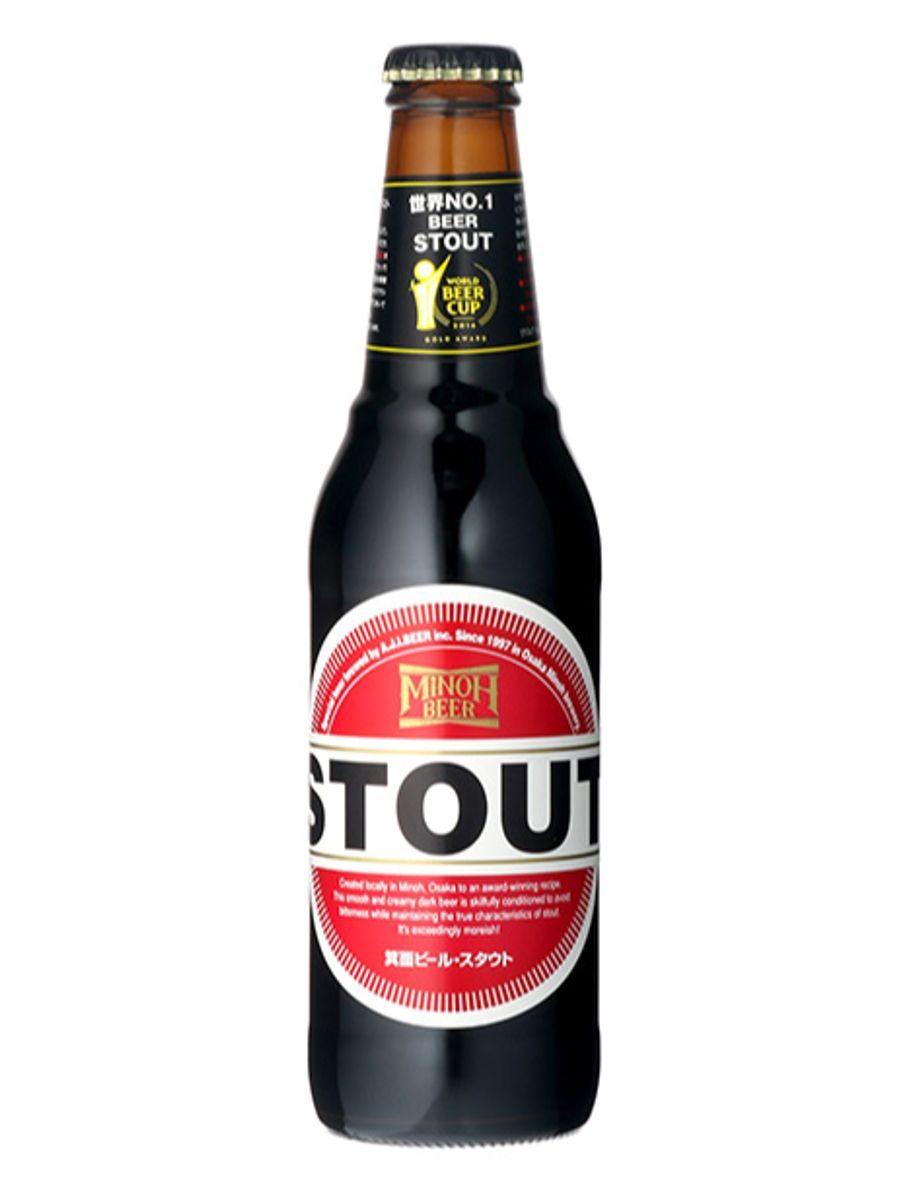
Minoh Stout
Brewed by Minoh Beer
coffee, bitter chocolate, roasted malt, creamy texture and a dry finish
BAR NOTES
Minoh Stout earns its place because it represents award-winning dry dark-beer benchmark. Expect coffee, bitter chocolate, roasted malt, creamy texture and a dry finish. At 5.5%, it keeps the stout identity clear while showing the precision and balance that make modern Japanese beer worth exploring.
Try it with yakitori, pizza or mature cheese. The pairing makes the beer’s malt, fermentation and bitterness easier to read, and comparing it with a very different beer on this list reveals more than drinking it in isolation.
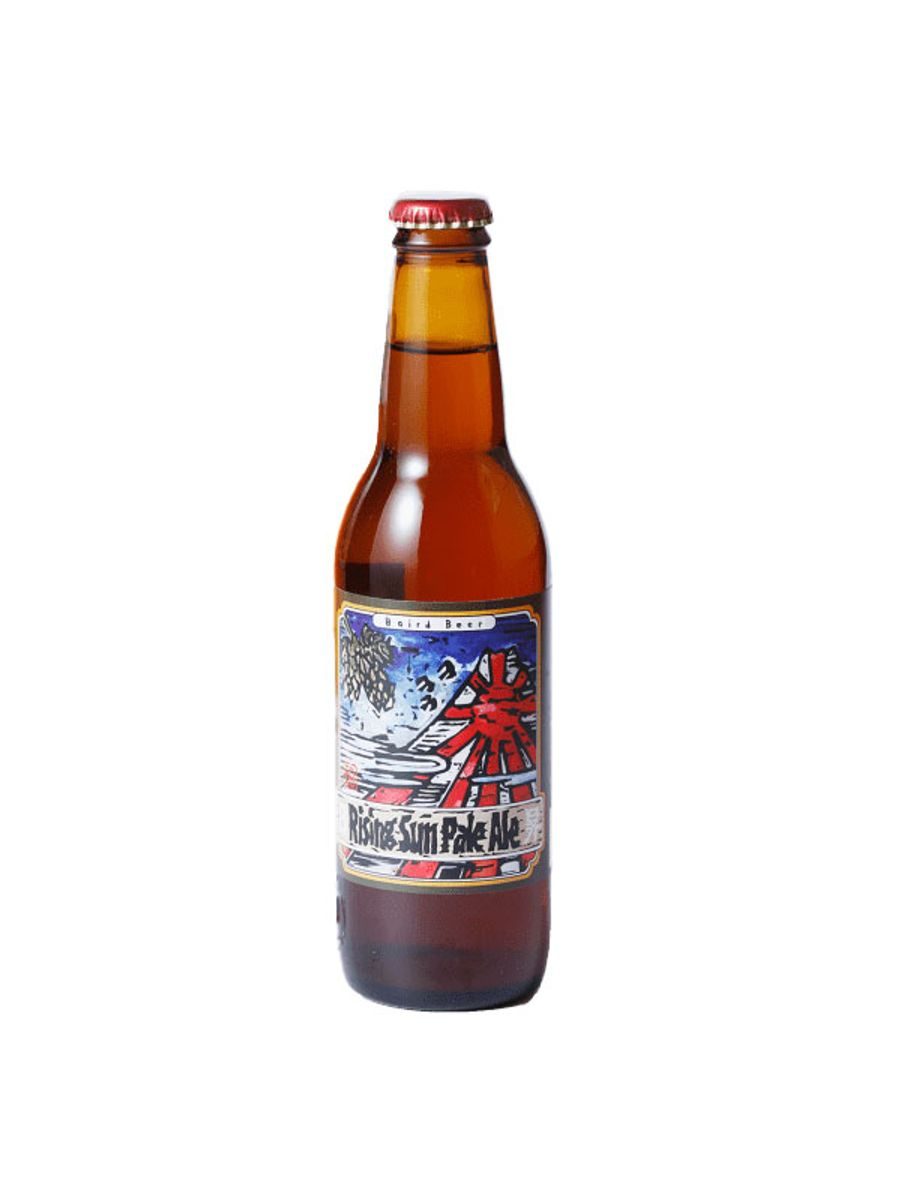
Rising Sun Pale Ale
Brewed by Baird Beer
citrus, floral hops, pale malt, light caramel and brisk bitterness
BAR NOTES
Rising Sun Pale Ale earns its place because it represents Baird’s balanced pale-ale flagship. Expect citrus, floral hops, pale malt, light caramel and brisk bitterness. At 5.5%, it keeps the pale ale identity clear while showing the precision and balance that make modern Japanese beer worth exploring.
Try it with seafood, noodles or fried chicken. The pairing makes the beer’s malt, fermentation and bitterness easier to read, and comparing it with a very different beer on this list reveals more than drinking it in isolation.
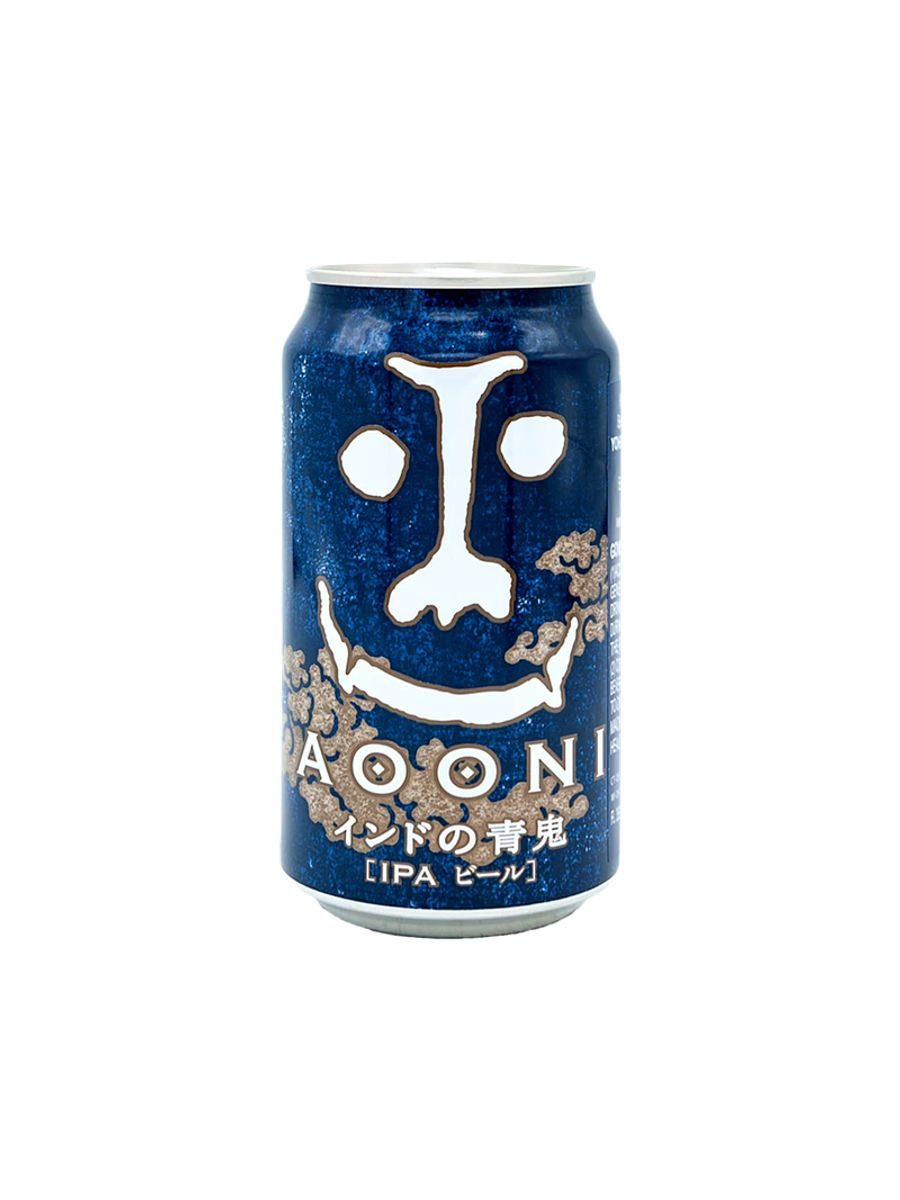
Aooni IPA
Brewed by Yo-Ho Brewing
grapefruit, pine, tropical fruit, firm malt and assertive bitterness
BAR NOTES
Aooni IPA earns its place because it represents nationwide Japanese IPA reference. Expect grapefruit, pine, tropical fruit, firm malt and assertive bitterness. At 7.0%, it keeps the India pale ale identity clear while showing the precision and balance that make modern Japanese beer worth exploring.
Try it with sushi, yakitori or salty snacks. The pairing makes the beer’s malt, fermentation and bitterness easier to read, and comparing it with a very different beer on this list reveals more than drinking it in isolation.
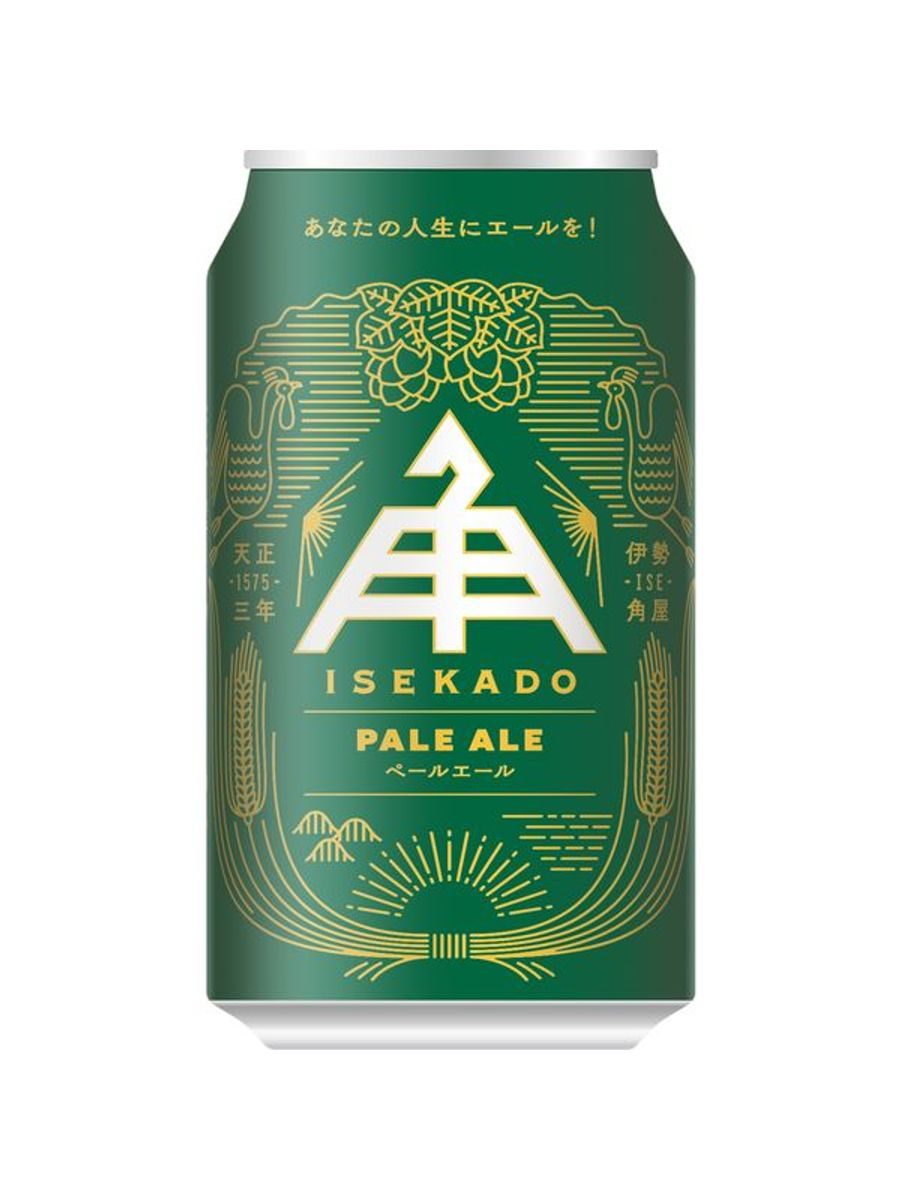
ISEKADO Pale Ale
Brewed by ISEKADO
citrus, stone fruit, pale malt and clean American-hop bitterness
BAR NOTES
ISEKADO Pale Ale earns its place because it represents modern Ise craft standard. Expect citrus, stone fruit, pale malt and clean American-hop bitterness. At 5.0%, it keeps the American pale ale identity clear while showing the precision and balance that make modern Japanese beer worth exploring.
Try it with grilled fish, karaage or sharp cheese. The pairing makes the beer’s malt, fermentation and bitterness easier to read, and comparing it with a very different beer on this list reveals more than drinking it in isolation.
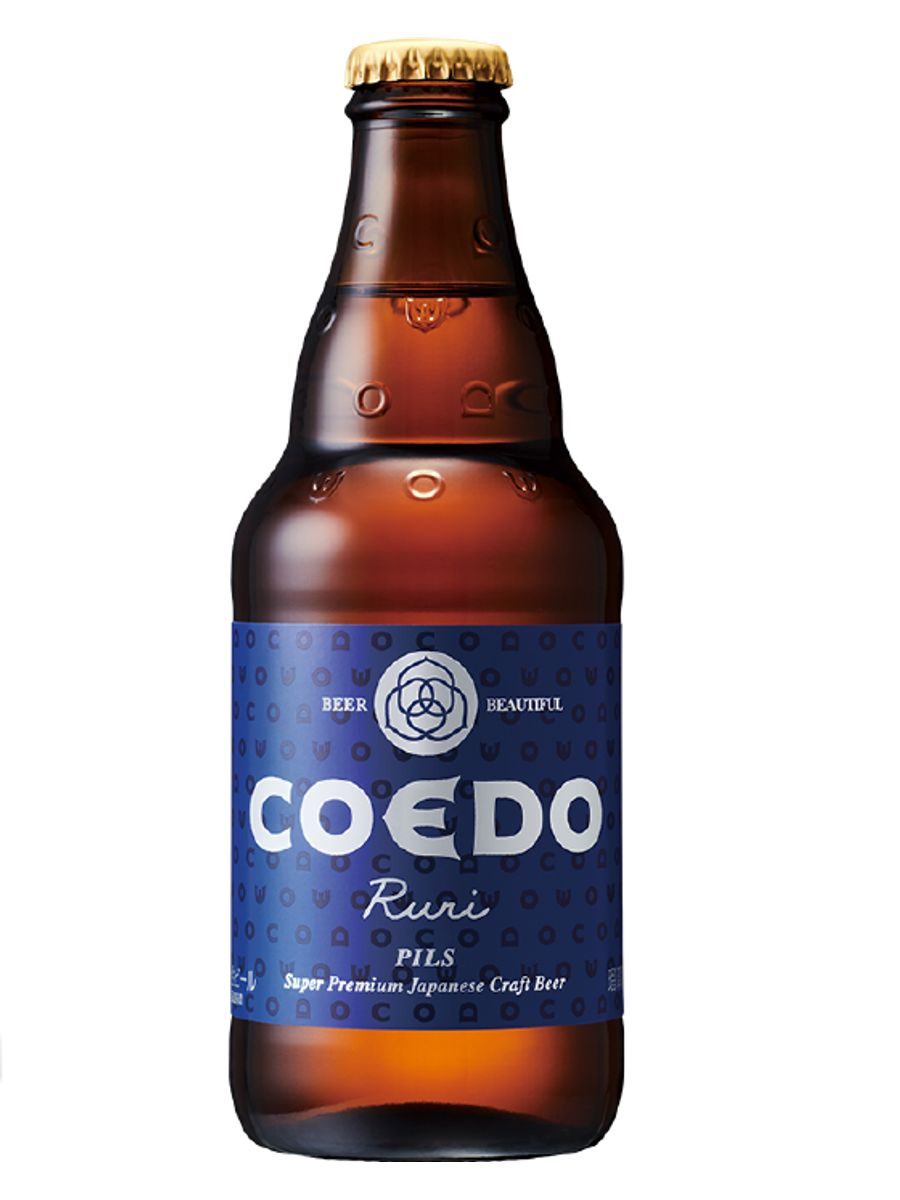
COEDO Ruri
Brewed by COEDO Brewery
clean barley, floral hops, light citrus and a dry bitter finish
BAR NOTES
COEDO Ruri earns its place because it represents COEDO’s crisp pilsner lane. Expect clean barley, floral hops, light citrus and a dry bitter finish. At 5.0%, it keeps the pilsner identity clear while showing the precision and balance that make modern Japanese beer worth exploring.
Try it with ramen, grilled pork or tempura. The pairing makes the beer’s malt, fermentation and bitterness easier to read, and comparing it with a very different beer on this list reveals more than drinking it in isolation.
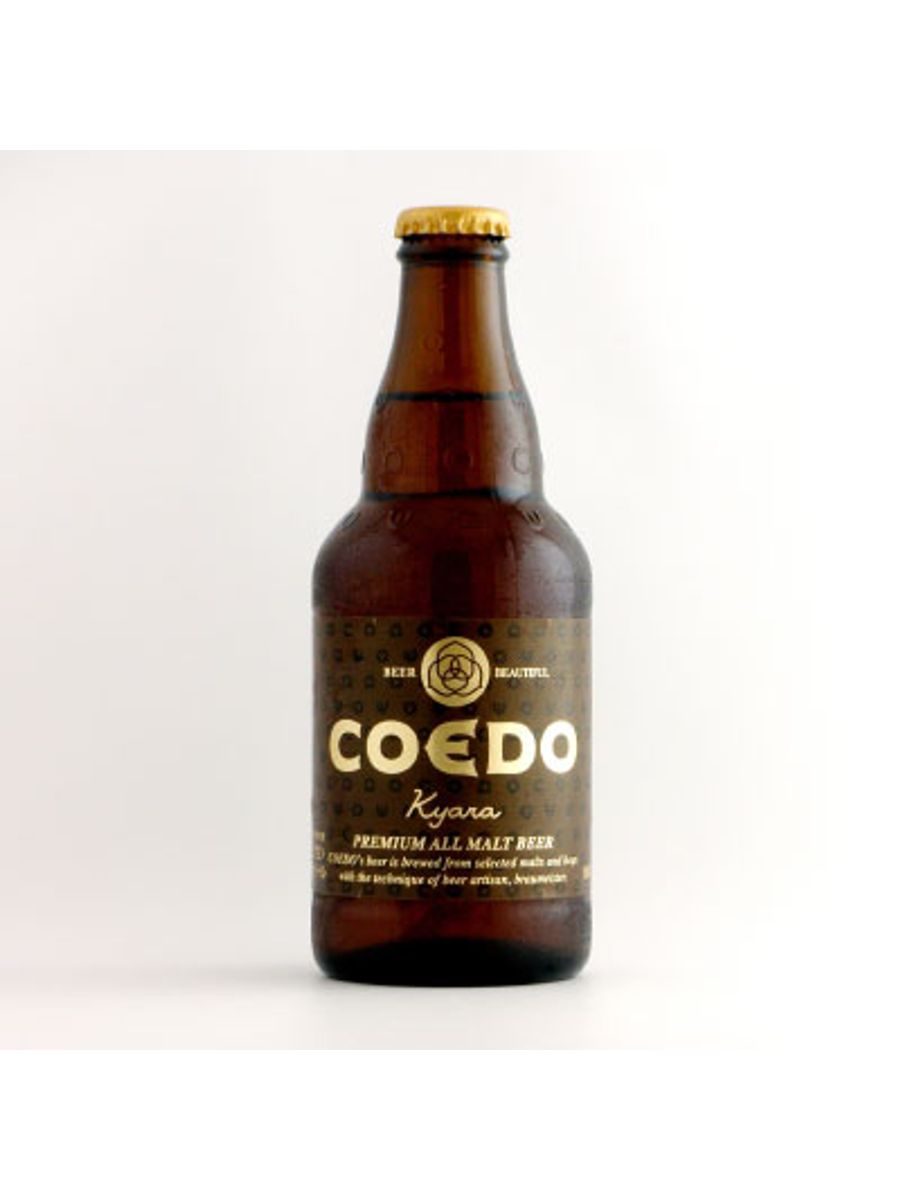
COEDO Kyara
Brewed by COEDO Brewery
white grape, tropical hops, rich malt and firm clean bitterness
BAR NOTES
COEDO Kyara earns its place because it represents aromatic IPL flagship. Expect white grape, tropical hops, rich malt and firm clean bitterness. At 5.5%, it keeps the India pale lager identity clear while showing the precision and balance that make modern Japanese beer worth exploring.
Try it with yakitori, pizza or mature cheese. The pairing makes the beer’s malt, fermentation and bitterness easier to read, and comparing it with a very different beer on this list reveals more than drinking it in isolation.
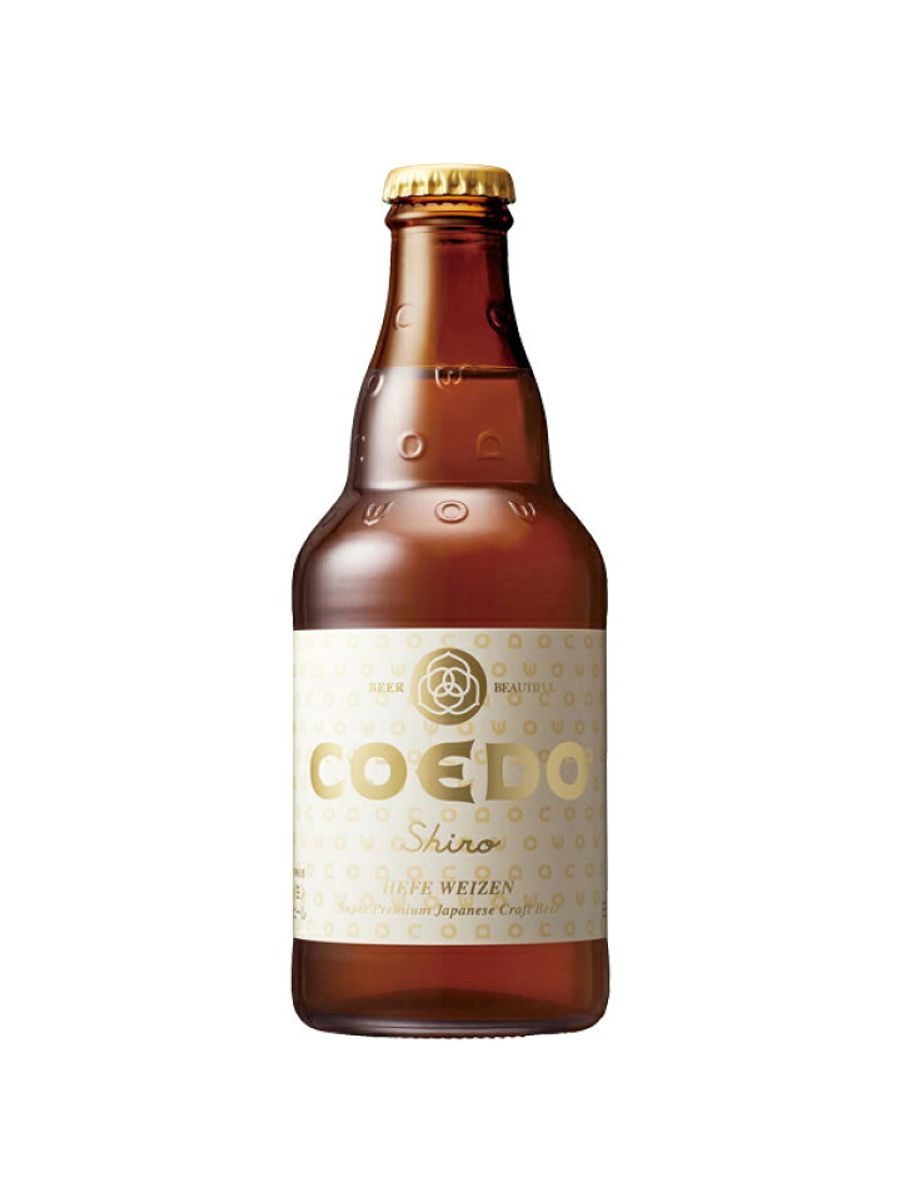
COEDO Shiro
Brewed by COEDO Brewery
banana, apple, soft wheat, clove-like spice and low bitterness
BAR NOTES
COEDO Shiro earns its place because it represents unfiltered wheat-beer classic. Expect banana, apple, soft wheat, clove-like spice and low bitterness. At 5.5%, it keeps the hefeweizen identity clear while showing the precision and balance that make modern Japanese beer worth exploring.
Try it with seafood, noodles or fried chicken. The pairing makes the beer’s malt, fermentation and bitterness easier to read, and comparing it with a very different beer on this list reveals more than drinking it in isolation.
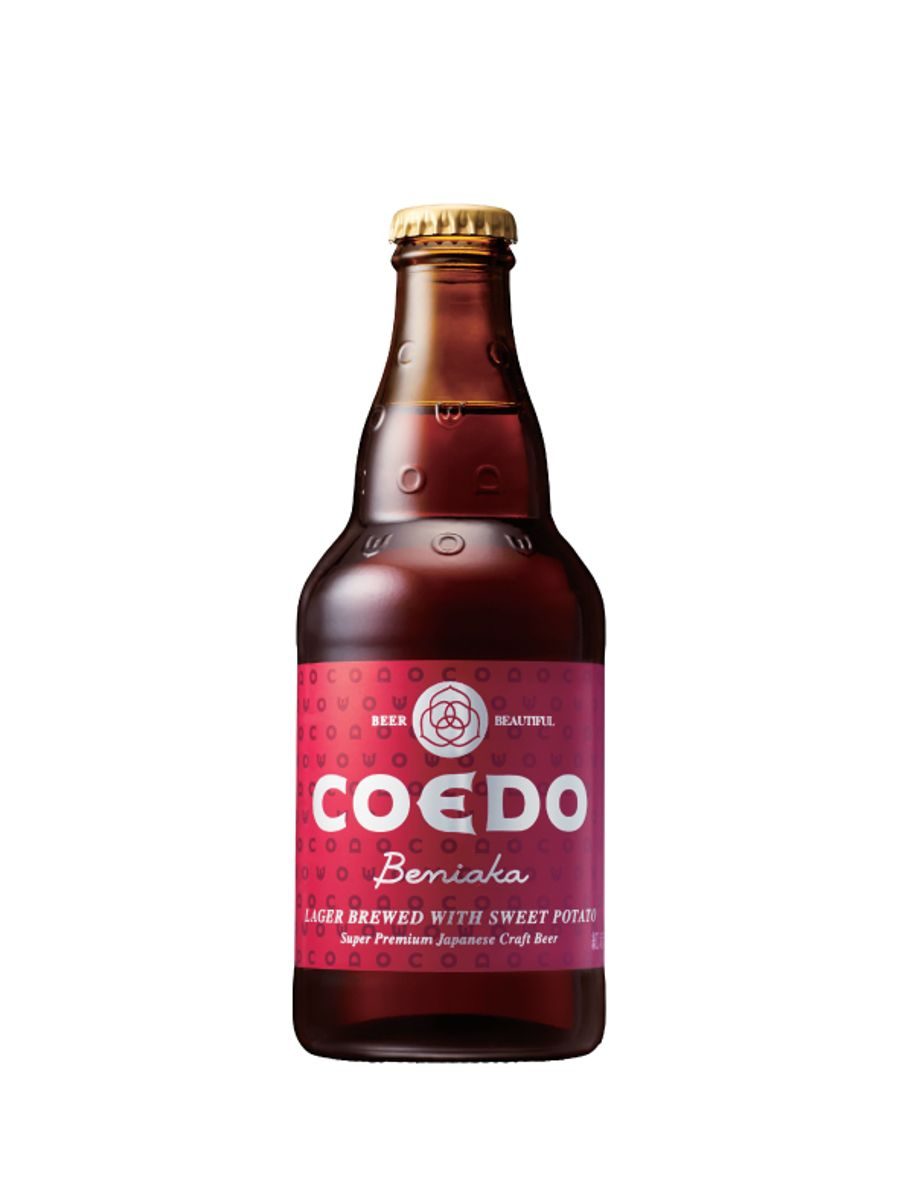
COEDO Beniaka
Brewed by COEDO Brewery
caramelized malt, earthy sweetness, toast, fruit and warming depth
BAR NOTES
COEDO Beniaka earns its place because it represents sweet-potato signature beer. Expect caramelized malt, earthy sweetness, toast, fruit and warming depth. At 7.0%, it keeps the imperial sweet potato amber identity clear while showing the precision and balance that make modern Japanese beer worth exploring.
Try it with sushi, yakitori or salty snacks. The pairing makes the beer’s malt, fermentation and bitterness easier to read, and comparing it with a very different beer on this list reveals more than drinking it in isolation.
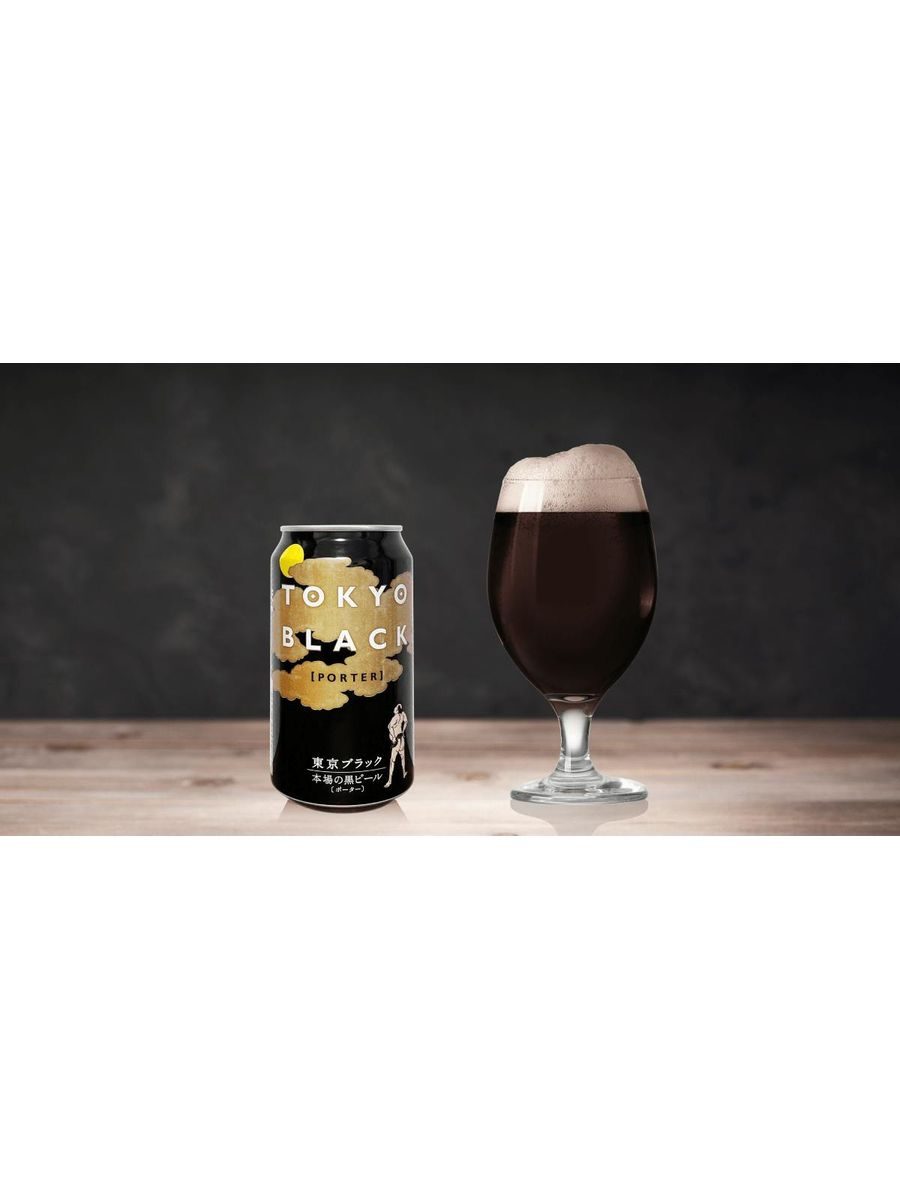
Tokyo Black
Brewed by Yo-Ho Brewing
cocoa, coffee, roasted grain, dark bread and a smooth dry finish
BAR NOTES
Tokyo Black earns its place because it represents Japanese porter mainstay. Expect cocoa, coffee, roasted grain, dark bread and a smooth dry finish. At 5.0%, it keeps the porter identity clear while showing the precision and balance that make modern Japanese beer worth exploring.
Try it with grilled fish, karaage or sharp cheese. The pairing makes the beer’s malt, fermentation and bitterness easier to read, and comparing it with a very different beer on this list reveals more than drinking it in isolation.
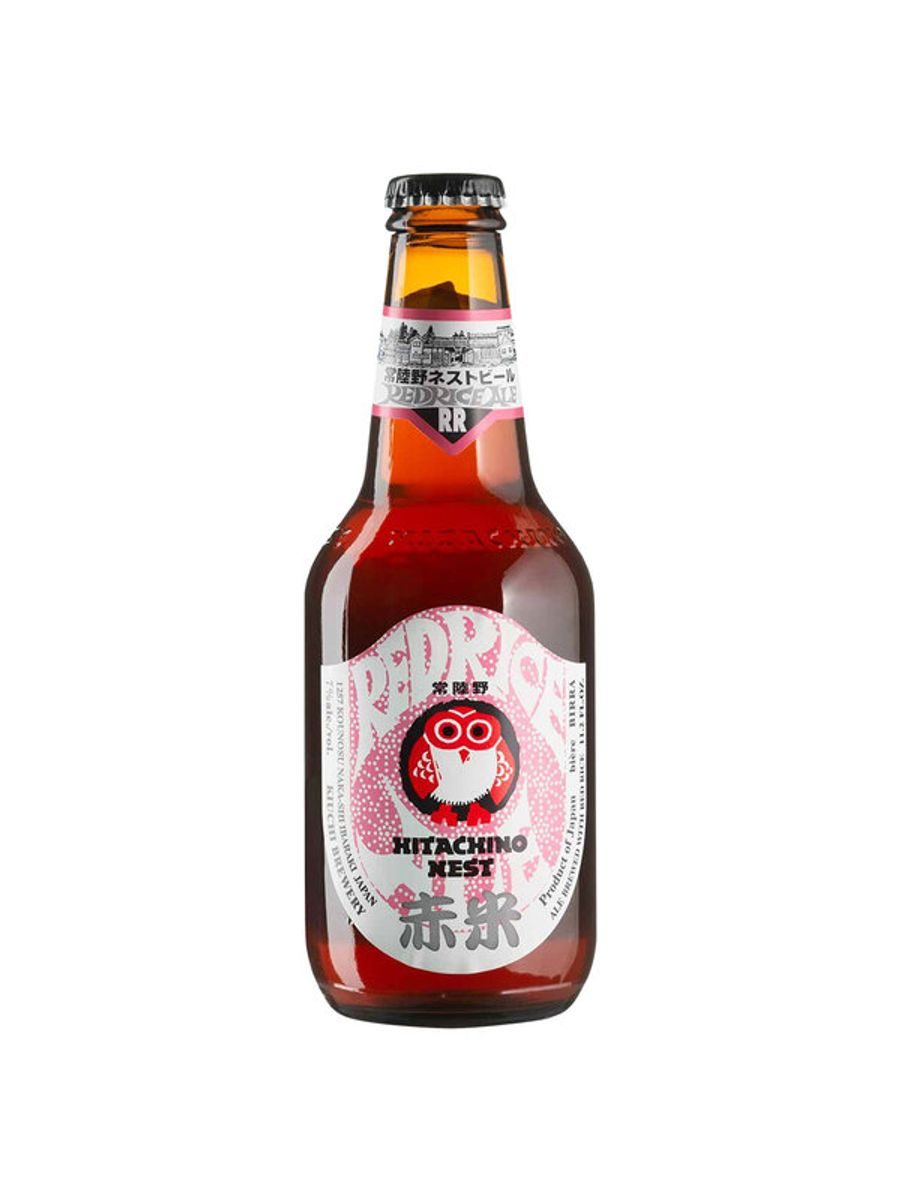
Hitachino Nest Red Rice Ale
Brewed by Kiuchi Brewery
berry-like fruit, sake-like fermentation notes, malt sweetness and a dry warming finish
BAR NOTES
Hitachino Nest Red Rice Ale earns its place because it represents Japanese rice-driven specialty ale. Expect berry-like fruit, sake-like fermentation notes, malt sweetness and a dry warming finish. At 7.0%, it keeps the red rice ale identity clear while showing the precision and balance that make modern Japanese beer worth exploring.
Try it with ramen, grilled pork or tempura. The pairing makes the beer’s malt, fermentation and bitterness easier to read, and comparing it with a very different beer on this list reveals more than drinking it in isolation.
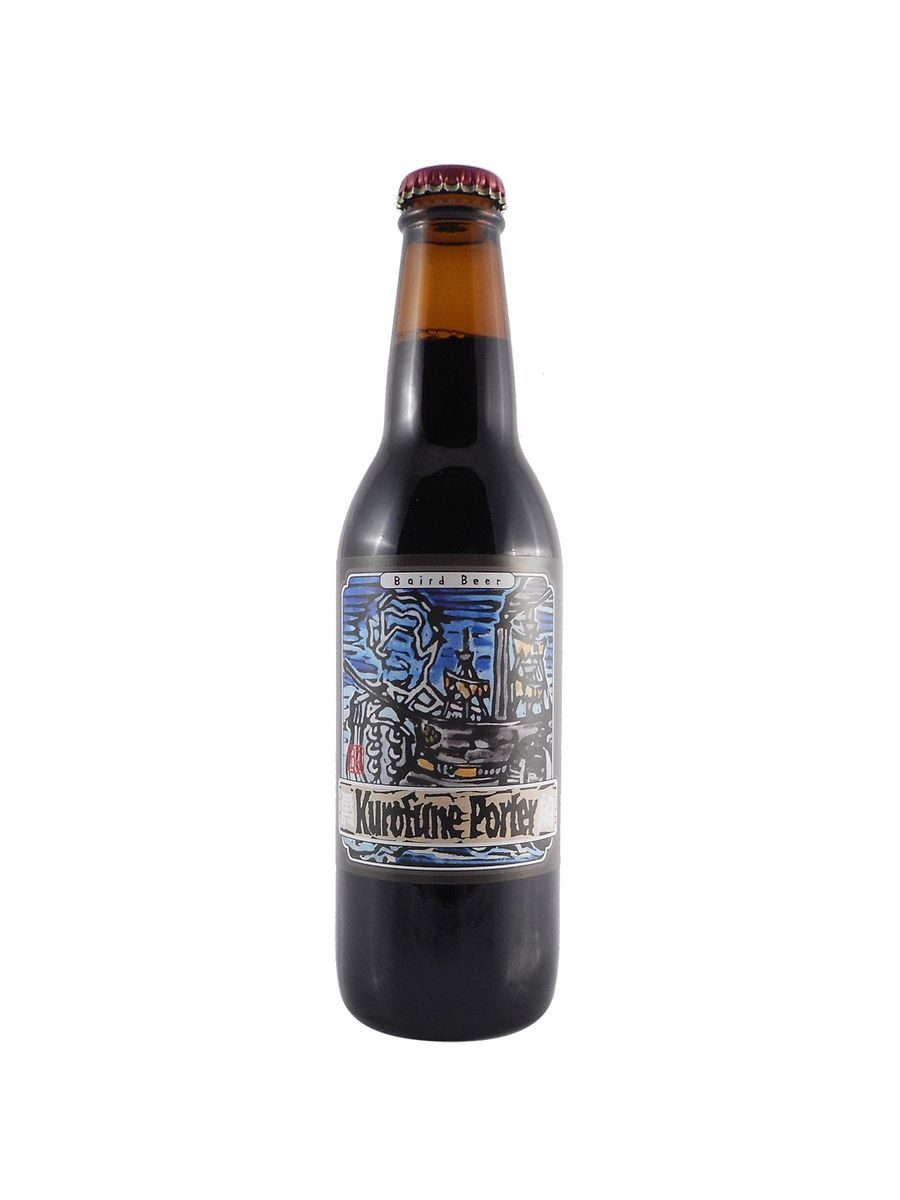
Kurofune Porter
Brewed by Baird Beer
bittersweet chocolate, coffee, roast malt and a silky understated finish
BAR NOTES
Kurofune Porter earns its place because it represents Baird’s dark-beer flagship. Expect bittersweet chocolate, coffee, roast malt and a silky understated finish. At 6.0%, it keeps the robust porter identity clear while showing the precision and balance that make modern Japanese beer worth exploring.
Try it with yakitori, pizza or mature cheese. The pairing makes the beer’s malt, fermentation and bitterness easier to read, and comparing it with a very different beer on this list reveals more than drinking it in isolation.
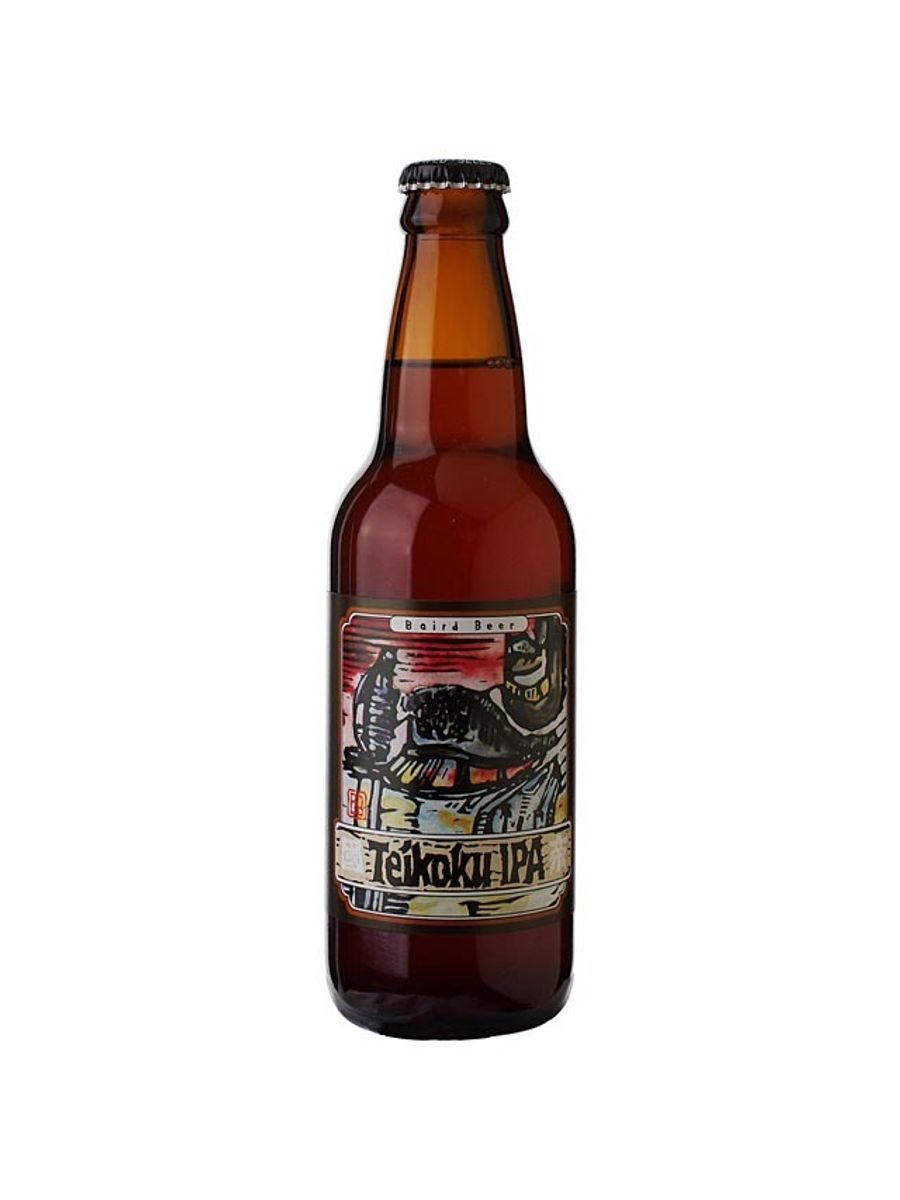
Teikoku IPA
Brewed by Baird Beer
earthy and floral hops, biscuit malt, orange peel and firm bitterness
BAR NOTES
Teikoku IPA earns its place because it represents malt-balanced English-rooted IPA. Expect earthy and floral hops, biscuit malt, orange peel and firm bitterness. At 6.5%, it keeps the English-style IPA identity clear while showing the precision and balance that make modern Japanese beer worth exploring.
Try it with seafood, noodles or fried chicken. The pairing makes the beer’s malt, fermentation and bitterness easier to read, and comparing it with a very different beer on this list reveals more than drinking it in isolation.

Hitachino Nest Espresso Stout
Brewed by Kiuchi Brewery
espresso, cacao, dark fruit, caramel and roasted bitterness
BAR NOTES
Hitachino Nest Espresso Stout turns coffee into part of the beer rather than a syrupy add-on. Espresso, cacao and dark fruit ride over a firm roasted base, with enough caramel underneath to keep the bitterness from becoming severe.
This is one of the clearest examples of Japanese craft beer taking an imported style and sharpening the details. Pair it with chocolate, grilled beef or coffee dessert; the roast overlap makes the fermentation character and dark-fruit notes easier to notice.
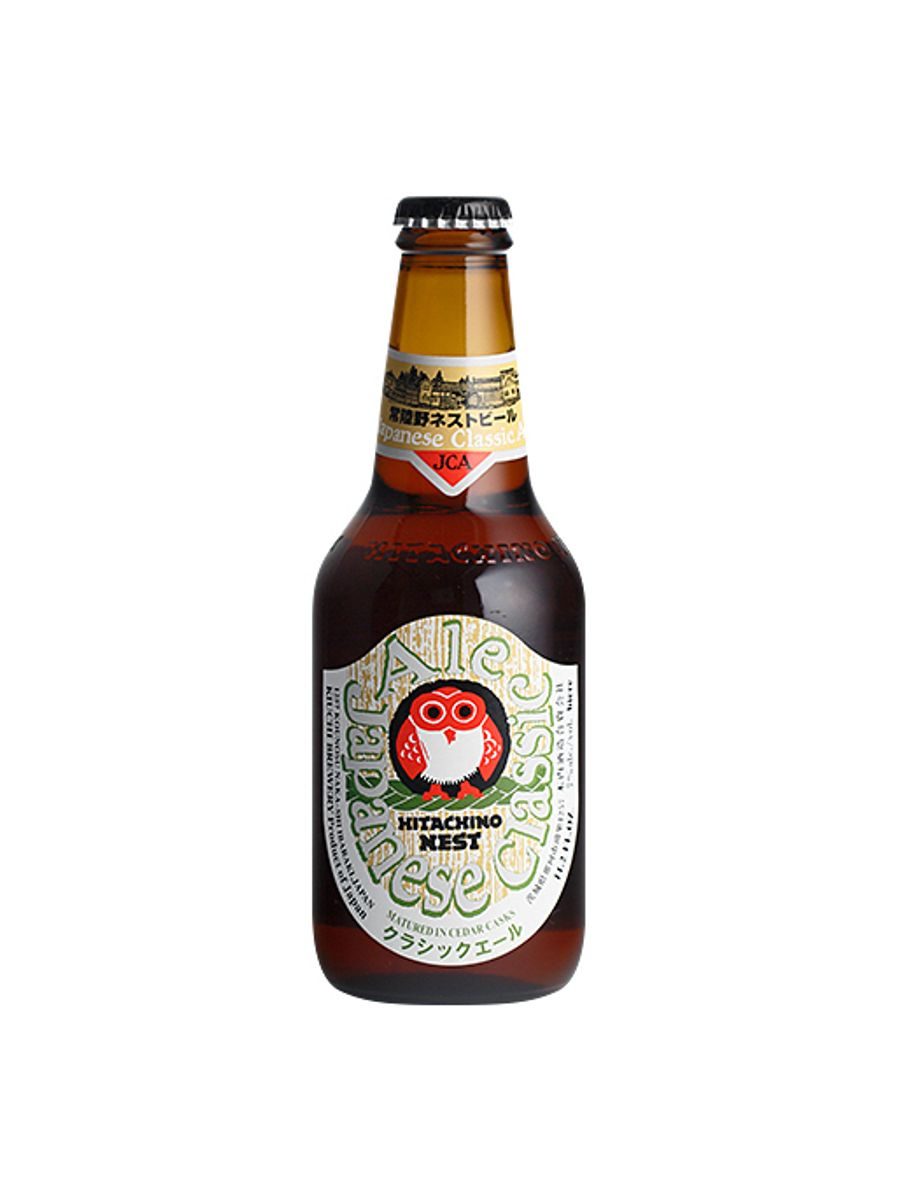
Hitachino Nest Japanese Classic Ale
Brewed by Kiuchi Brewery
woody cedar, citrus hops, caramel malt, spice and a dry resinous finish
BAR NOTES
Japanese Classic Ale is where the list stops feeling like a tour of recognizable Western styles. Cedar pushes a woody, incense-like edge into citrus hops and caramel malt, giving the beer a distinctly Japanese aromatic signature.
At 7.0%, it has enough body to carry the wood without turning harsh. Try it with grilled eel, yakitori or aged cheese and compare it directly with a clean IPA; the cedar changes the whole frame of the beer.
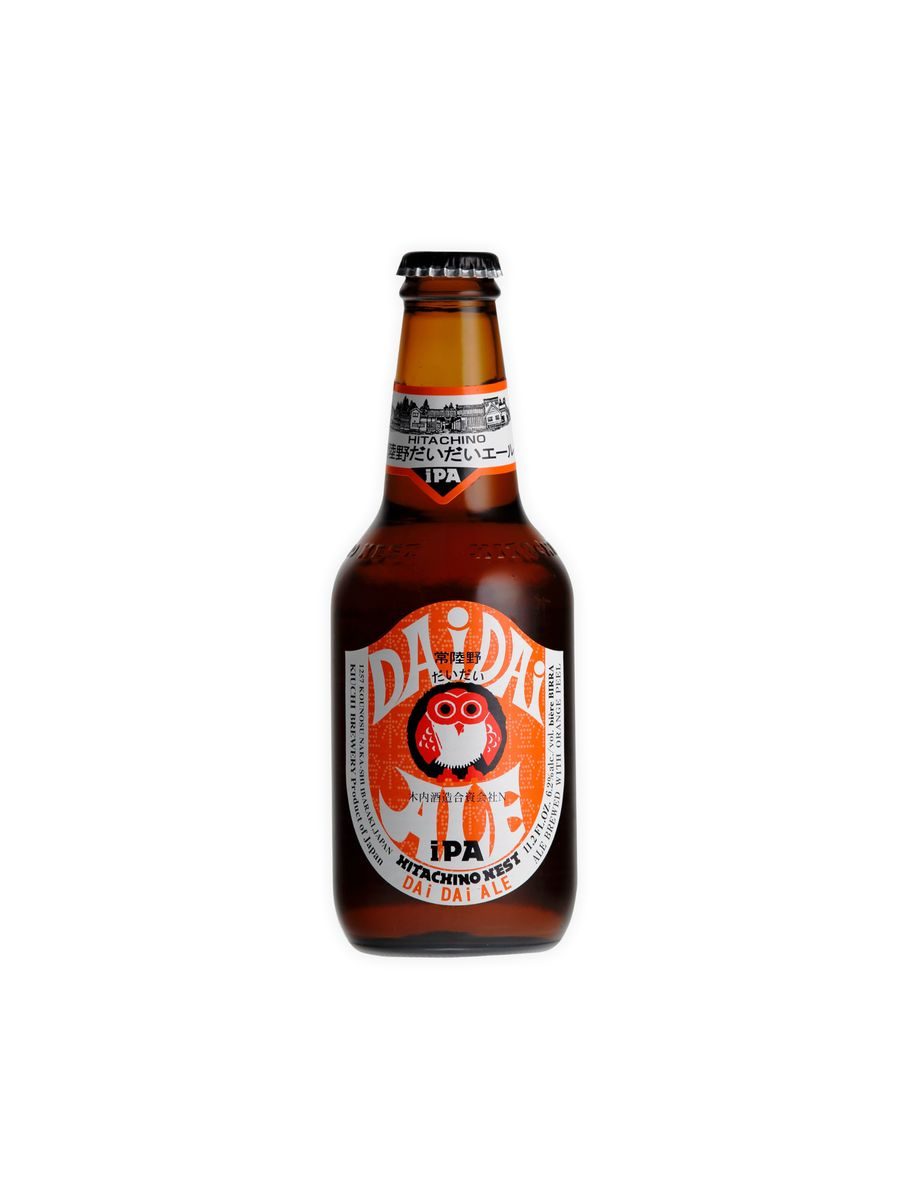
Hitachino Nest Dai Dai Ale
Brewed by Kiuchi Brewery
mandarin-like citrus, floral hops, soft malt and a bright bitter finish
BAR NOTES
Dai Dai Ale uses Japanese citrus as a flavor bridge rather than a novelty trick. The fruit brings mandarin and orange-peel brightness while hops add floral lift and bitterness over a soft malt center.
Serve it with fried seafood, karaage or spicy noodles. The citrus cleans up rich food without erasing the beer underneath, making this a useful stop between Japan’s pale ales and its more ingredient-driven specialties.
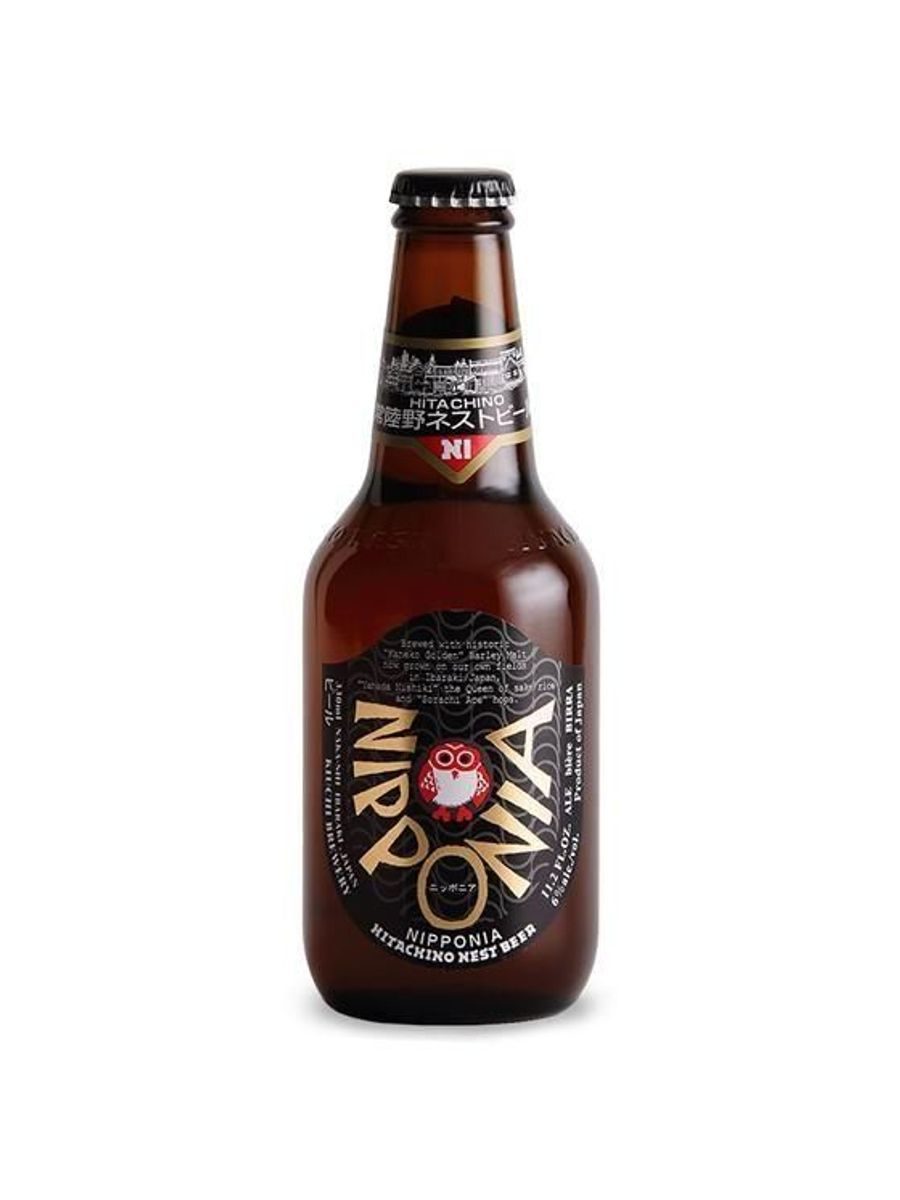
Hitachino Nest Nipponia
Brewed by Kiuchi Brewery
citrus, spice, grain, honeyed malt and a dry warming close
BAR NOTES
Nipponia is a stronger, more contemplative side of Hitachino. Honeyed malt and grain support citrus and spice, while the higher strength gives those flavors room to stretch without finishing cloying.
It belongs here because the ingredient story is tied to Japan rather than simply copying a foreign template. Sip it warmer than lager temperature with roast pork, blue cheese or glazed chicken and let the malt open up.
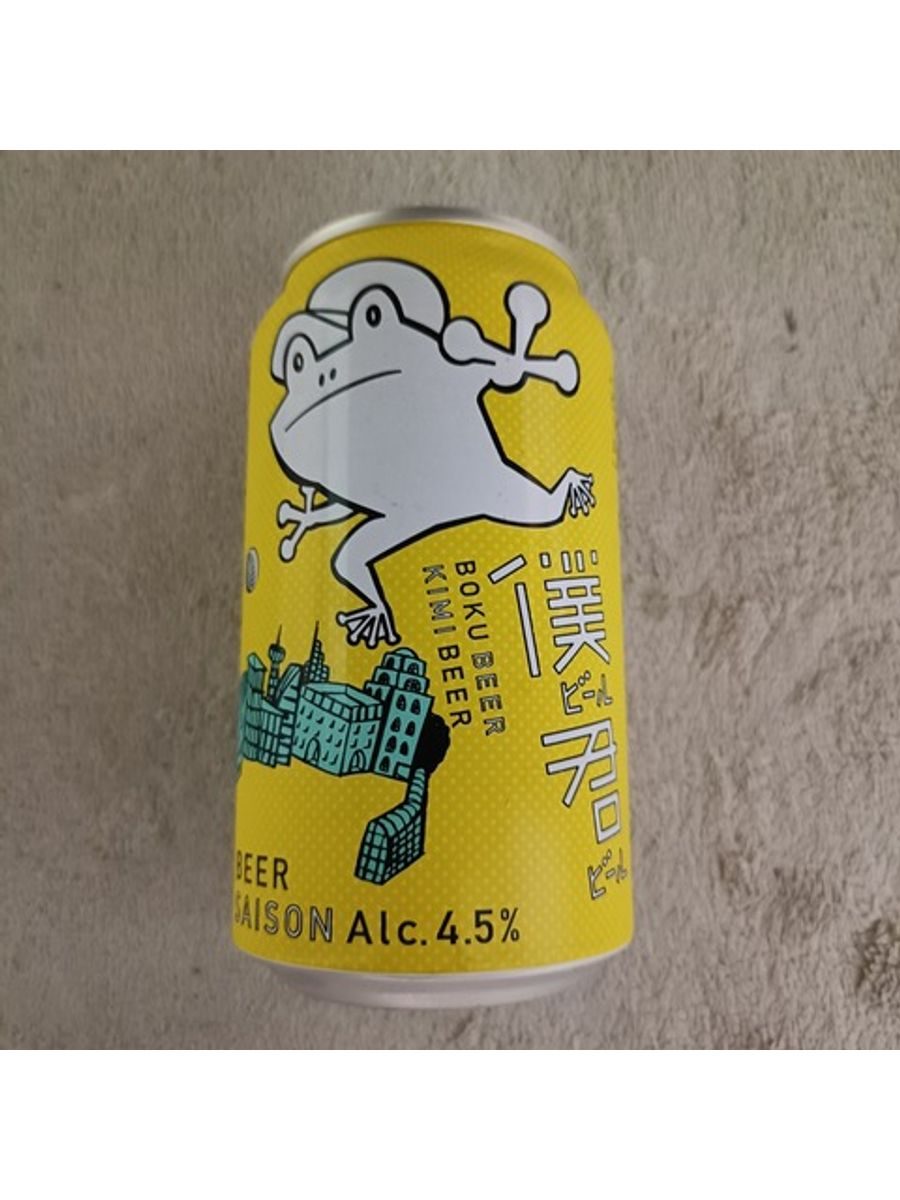
Boku Beer Kimi Beer
Brewed by Yo-Ho Brewing
lemon, peppery yeast, pale grain and a spritzy dry finish
BAR NOTES
Boku Beer Kimi Beer keeps saison light, dry and very easy to drink. Lemon and peppery fermentation lead, while pale grain and lively carbonation stop the beer from getting perfumy or sweet.
The low strength is part of the appeal. Drink it with tempura, grilled vegetables or salty snacks; it shows how Japanese breweries often value precision and drinkability even when working outside lager.
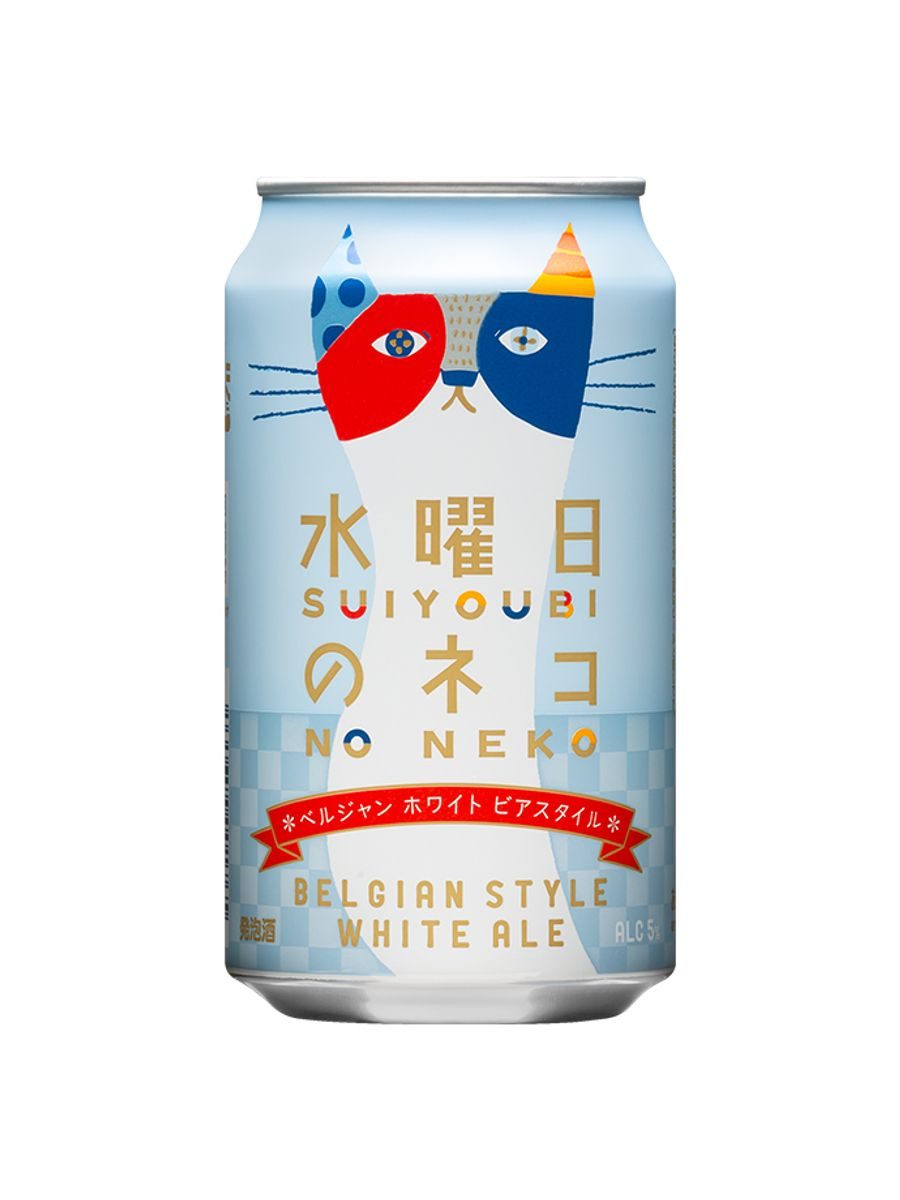
Suiyoubi no Neko
Brewed by Yo-Ho Brewing
orange peel, coriander, soft wheat and smooth citrus
BAR NOTES
Suiyoubi no Neko takes the familiar Belgian-white formula and keeps it unusually clean. Orange peel and coriander stay bright over soft wheat, with yeast character present but never muddy.
That restraint makes it an excellent food beer. Pair it with sushi rolls, steamed dumplings or a light curry, where the carbonation and citrus can refresh without overpowering delicate flavors.
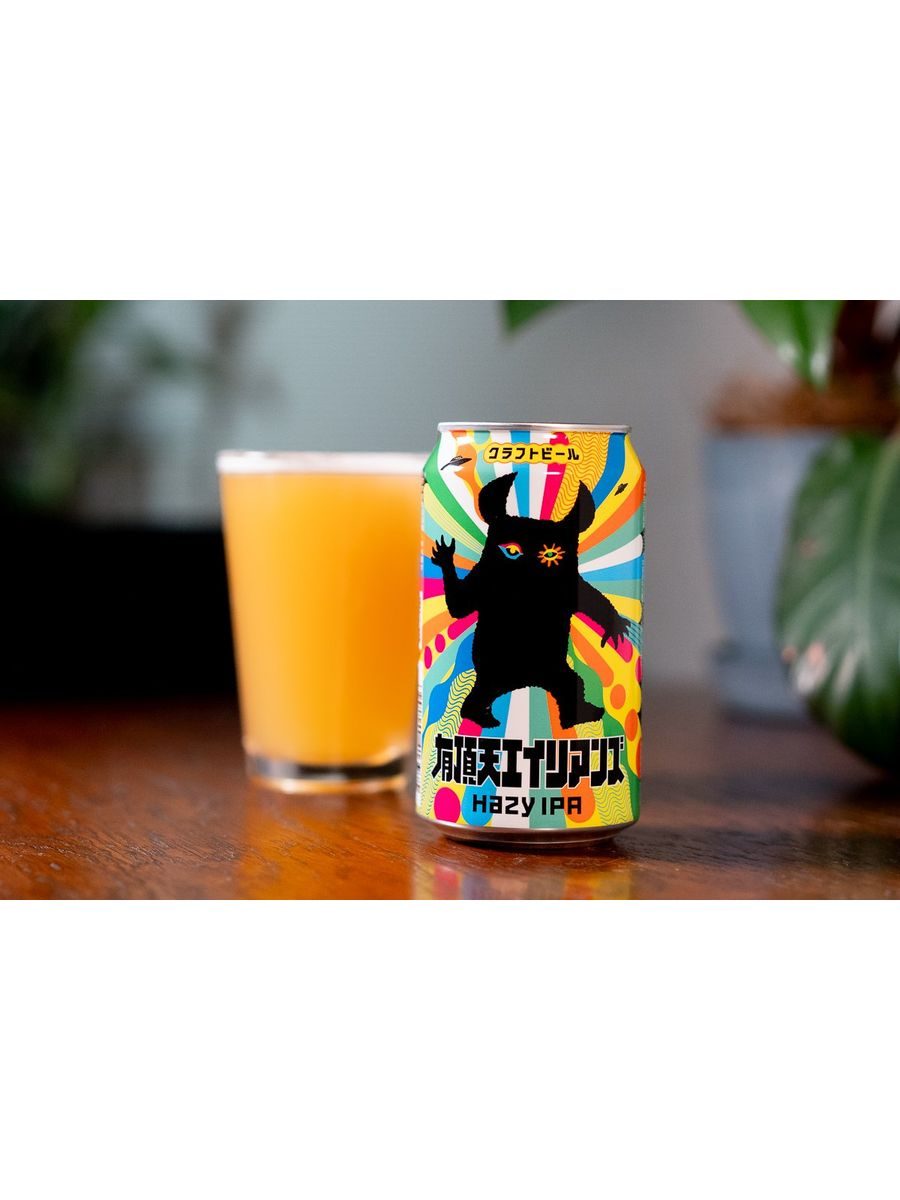
Uchoten Aliens
Brewed by Yo-Ho Brewing
mango, pineapple, citrus, silky grain and moderate bitterness
BAR NOTES
Uchoten Aliens shows the modern hazy side of Yo-Ho. Mango, pineapple and citrus sit over a softer grain body than Aooni, while the bitterness stays moderate enough to keep the fruit in front.
It is useful in this ranking because it proves Japanese craft beer is participating in the same global hop conversation as everyone else without abandoning polish. Try it with spicy chicken, curry or a cheeseburger.
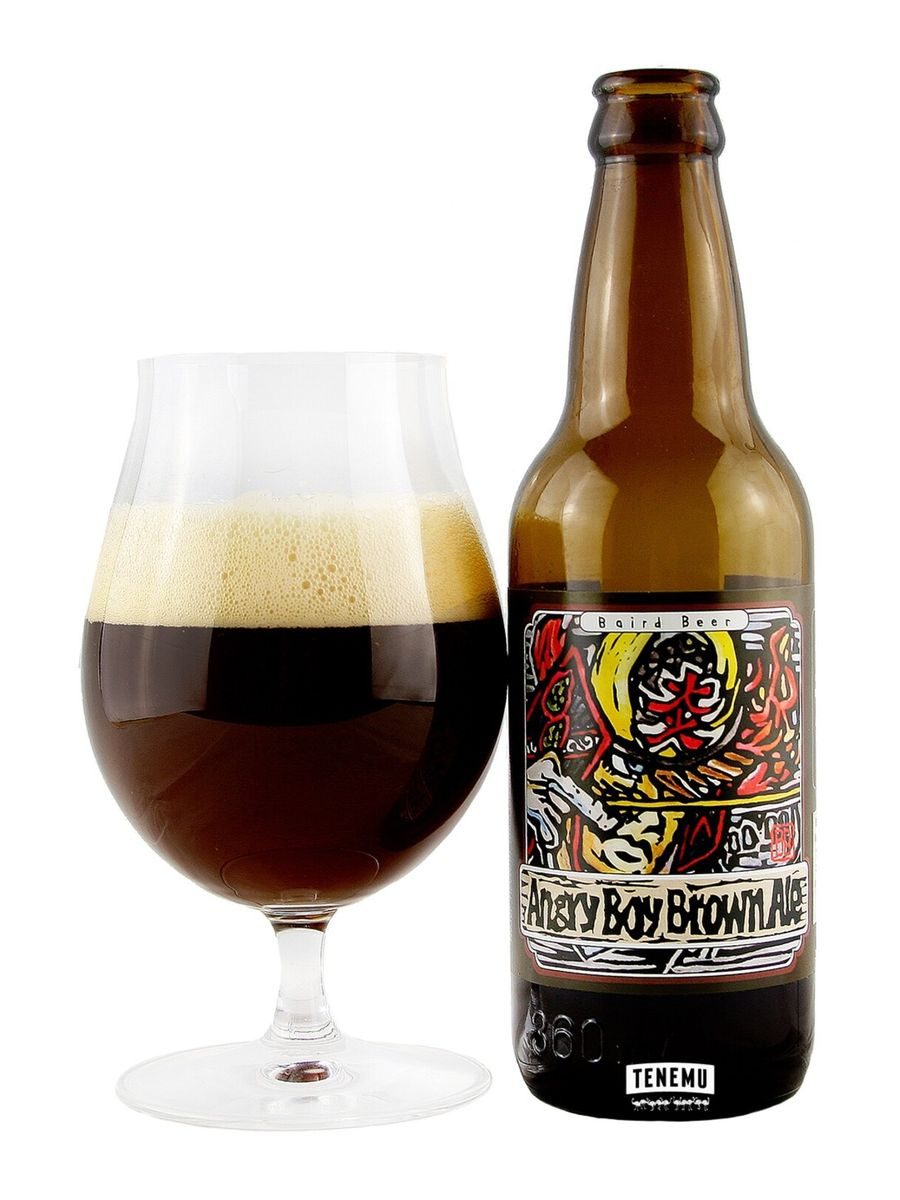
Angry Boy Brown Ale
Brewed by Baird Beer
caramel, toasted nuts, dark fruit, earthy hops and a firm bitter edge
BAR NOTES
Angry Boy Brown Ale has more muscle than a polite pub brown. Caramel, toasted nuts and dark fruit meet a real hop bite, giving the beer enough tension to avoid the soft sweetness that can flatten the style.
At 7.0%, it works best a little warmer with roast meat, mushrooms or aged cheddar. The beer is a good reminder that Baird’s house character is built as much on assertive fermentation and bitterness as on novelty.
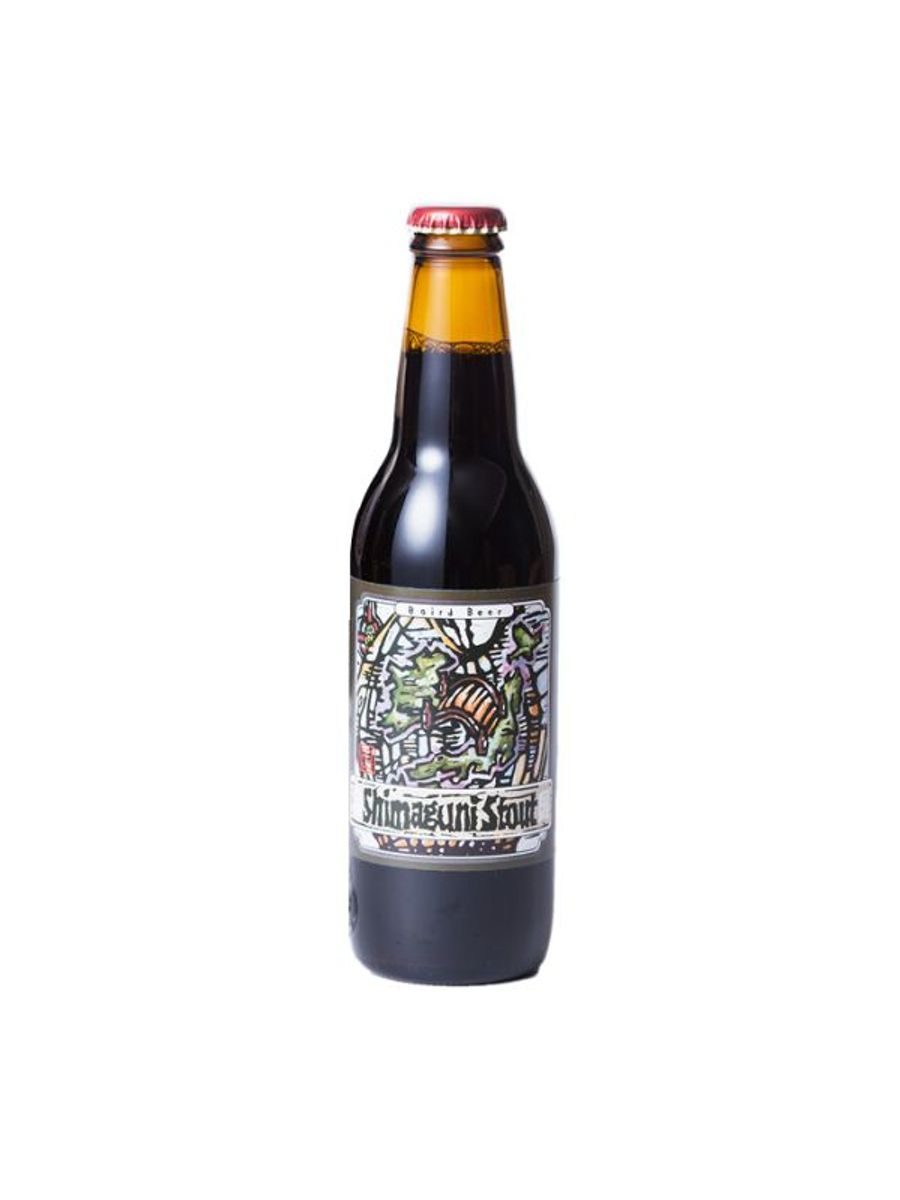
Shimaguni Stout
Brewed by Baird Beer
roast barley, coffee, dark cocoa and faint smoky dryness
BAR NOTES
Shimaguni Stout keeps the dark side of Baird lean. Roast barley, coffee and dark cocoa lead, with a faint smoky dryness that makes the beer feel more pub-ready than dessert-like.
Drink it with grilled meat, oysters or dark chocolate. Its restraint makes it especially useful beside Hitachino Espresso Stout or Minoh Stout, because the three beers show very different Japanese approaches to dark beer.
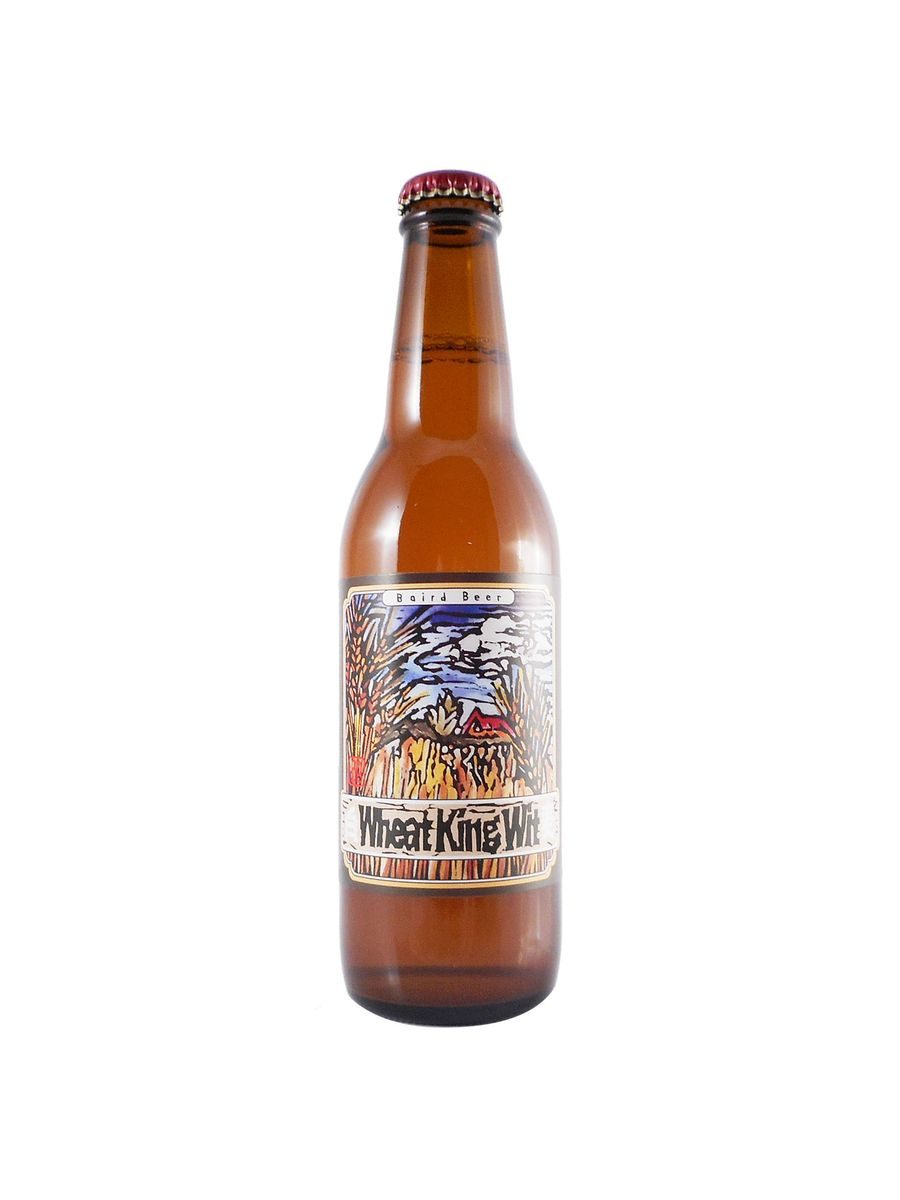
Wheat King Wit
Brewed by Baird Beer
soft wheat, citrus, pepper, orchard fruit and restrained hopping
BAR NOTES
Wheat King Wit is softer and more fermentation-led than Baird’s hop-heavy beers. Wheat gives the body a round base while citrus, pepper and orchard fruit keep the aroma lively.
Pair it with shellfish, salads or grilled chicken. Compared with Hitachino White and COEDO Shiro, it helps map how broadly Japanese breweries interpret the wheat-beer family.
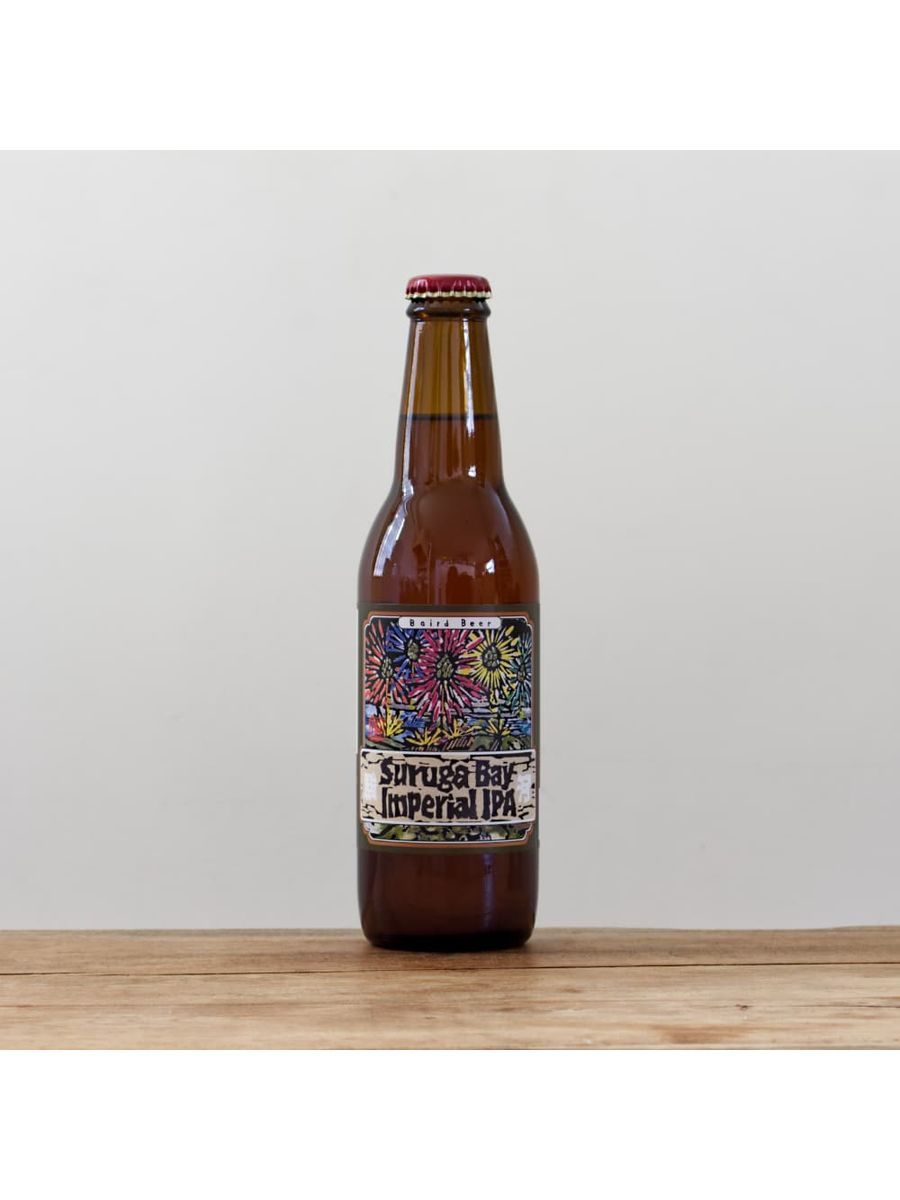
Suruga Bay Imperial IPA
Brewed by Baird Beer
citrus, pine, tropical fruit, firm malt and a long resinous bitter finish
BAR NOTES
Suruga Bay Imperial IPA pushes Baird’s hop side into full-strength territory. Citrus, pine and tropical fruit arrive over enough malt to support the 8.5 percent alcohol, while the finish stays unapologetically resinous and bitter.
This is a slower pour than Rising Sun or Single Take. Give it a few minutes above refrigerator temperature and pair it with spicy grilled meat, blue cheese or a rich curry so the bitterness has something substantial to work against.
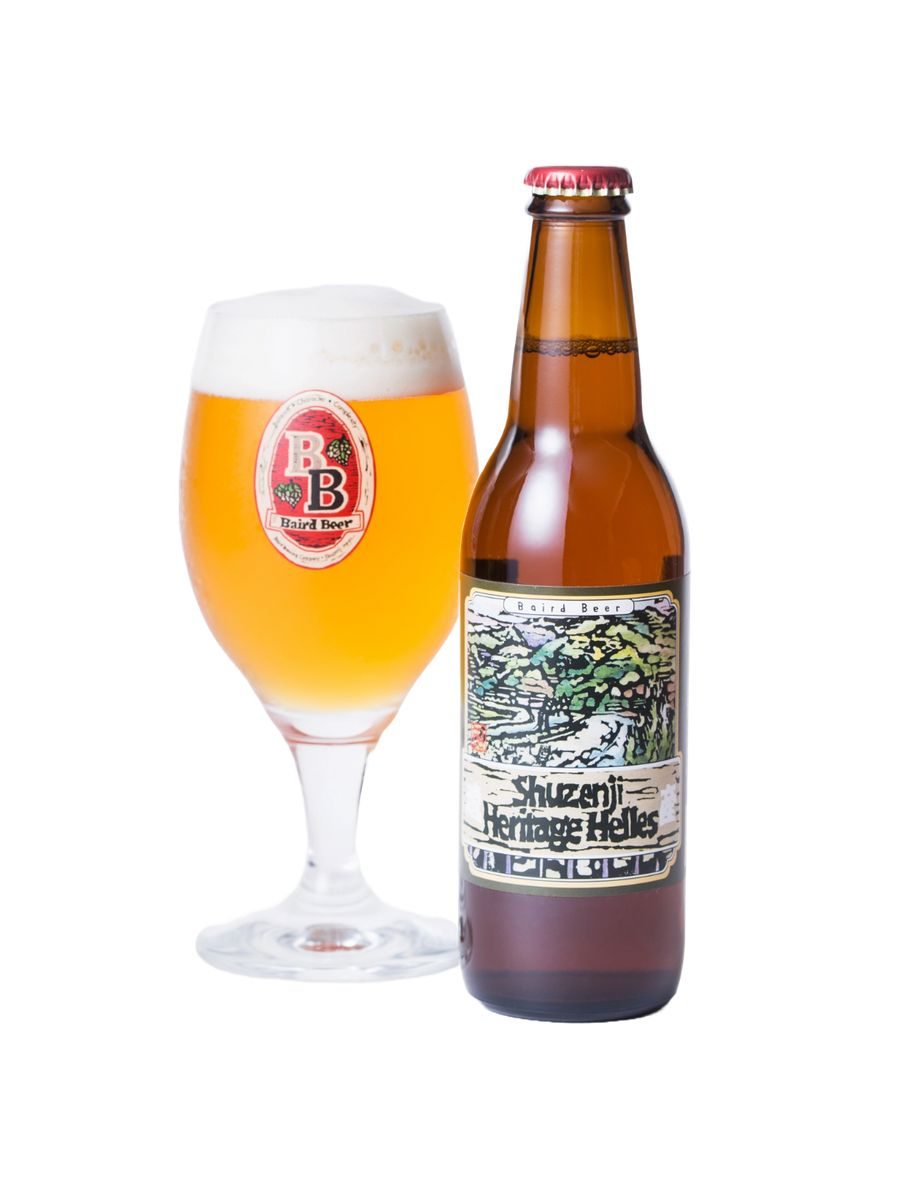
Shuzenji Heritage Helles
Brewed by Baird Beer
fresh bread, honeyed grain, floral hops and a rounded clean finish
BAR NOTES
Shuzenji Heritage Helles proves Baird does not need aggressive hops to make a memorable beer. Fresh bread and honeyed grain lead, with floral hopping and clean fermentation keeping the malt from feeling heavy.
Try it with grilled chicken, tempura or mild cheese. It is especially useful beside Asahi or Sapporo because it shows a fuller, malt-first expression of Japanese lager brewing.
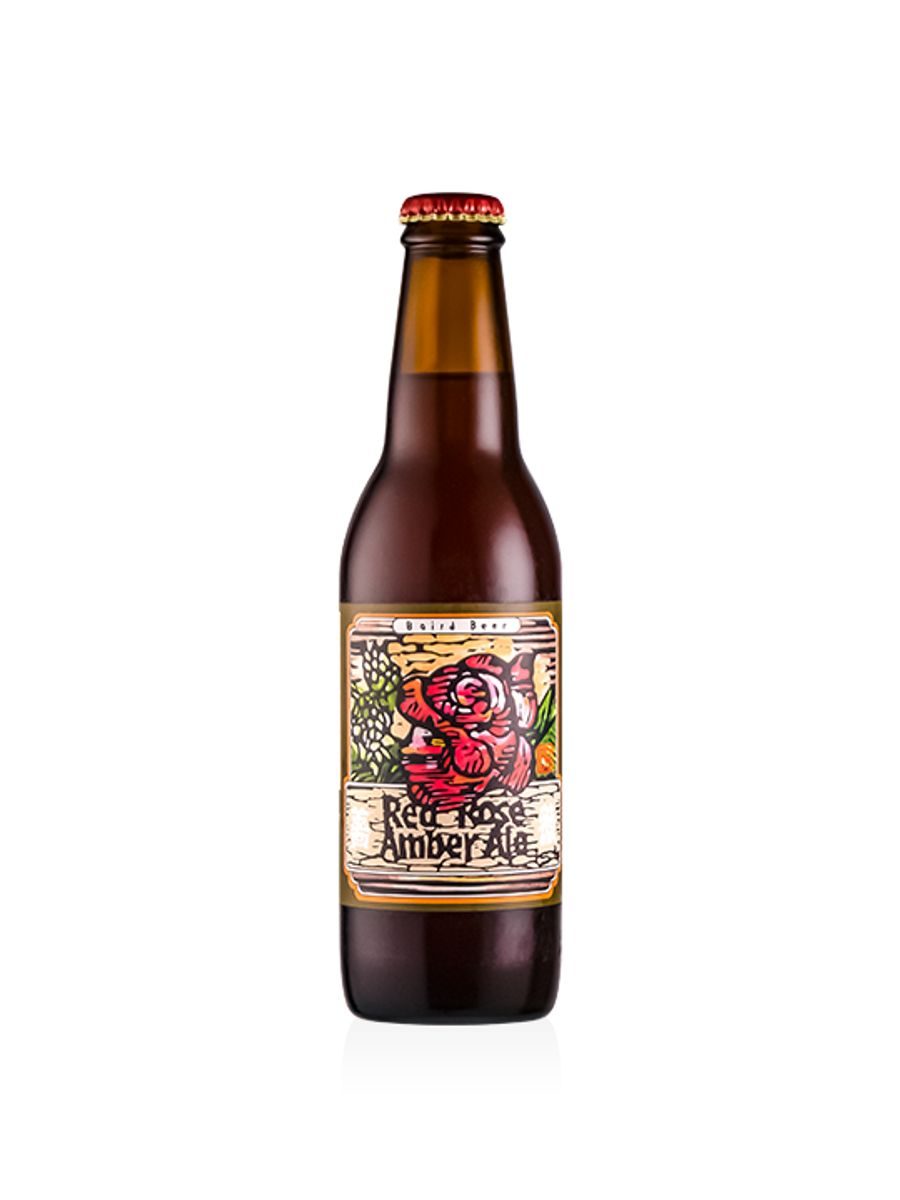
Red Rose Amber Ale
Brewed by Baird Beer
caramel, toast, red fruit, citrus hops and a dry bitter close
BAR NOTES
Red Rose Amber Ale lands between brown ale richness and pale-ale brightness. Caramel and toast give it depth, while red fruit and citrusy hops keep the 6.0 percent beer from becoming sticky.
Pair it with yakitori, burgers or roast pork. The beer is a good midpoint in a Baird flight because both the malt and hop sides of the brewery are easy to read at once.
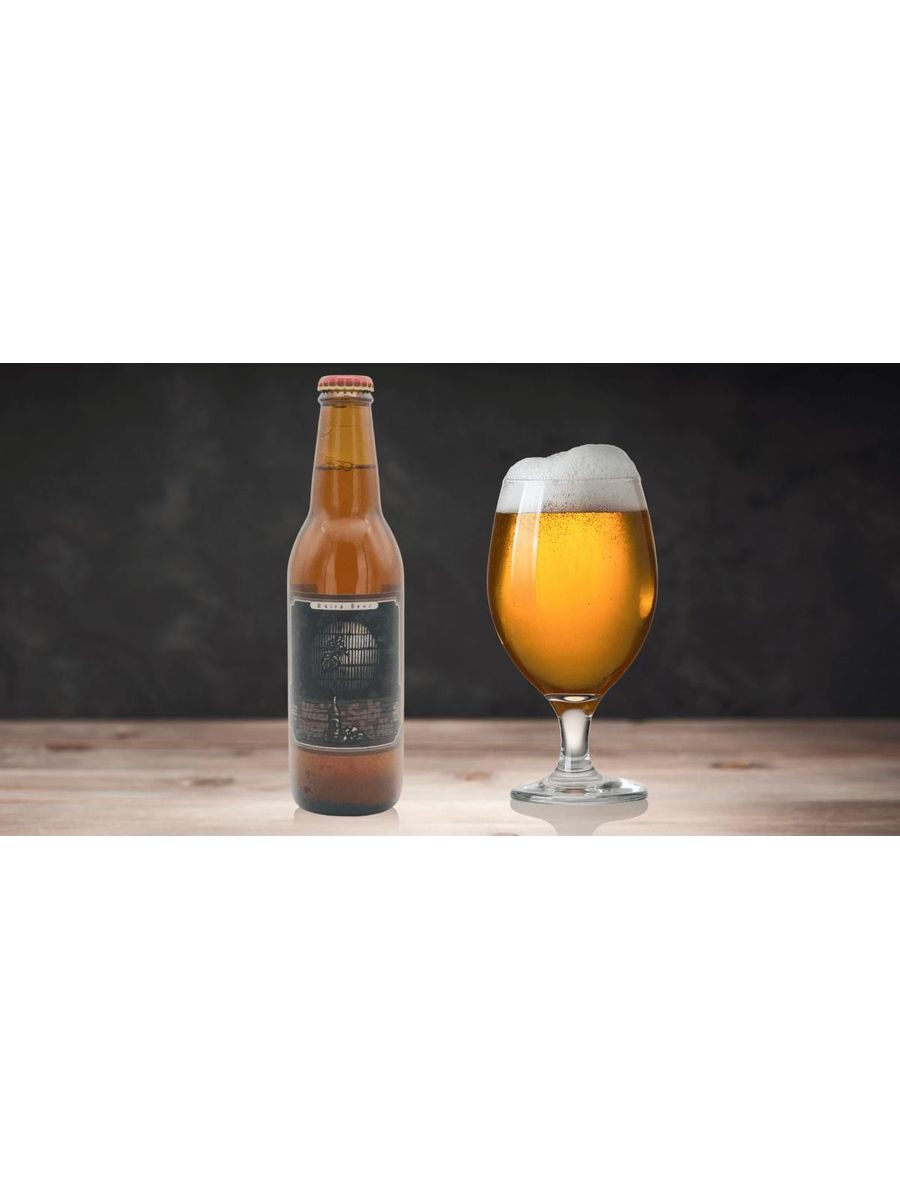
Wabi-Sabi Japan Pale Ale
Brewed by Baird Beer
citrus hops, green-tea-like herbs, pale malt and a dry aromatic finish
BAR NOTES
Wabi-Sabi Japan Pale Ale earns its name by bringing a distinctly Japanese aromatic layer into a familiar pale-ale frame. Citrus hops meet herbal, tea-like notes over a clean malt base.
Drink it with sashimi, grilled fish or herb-heavy dishes. It is one of the better examples on this list of local flavor cues becoming part of the beer rather than being bolted on as a gimmick.
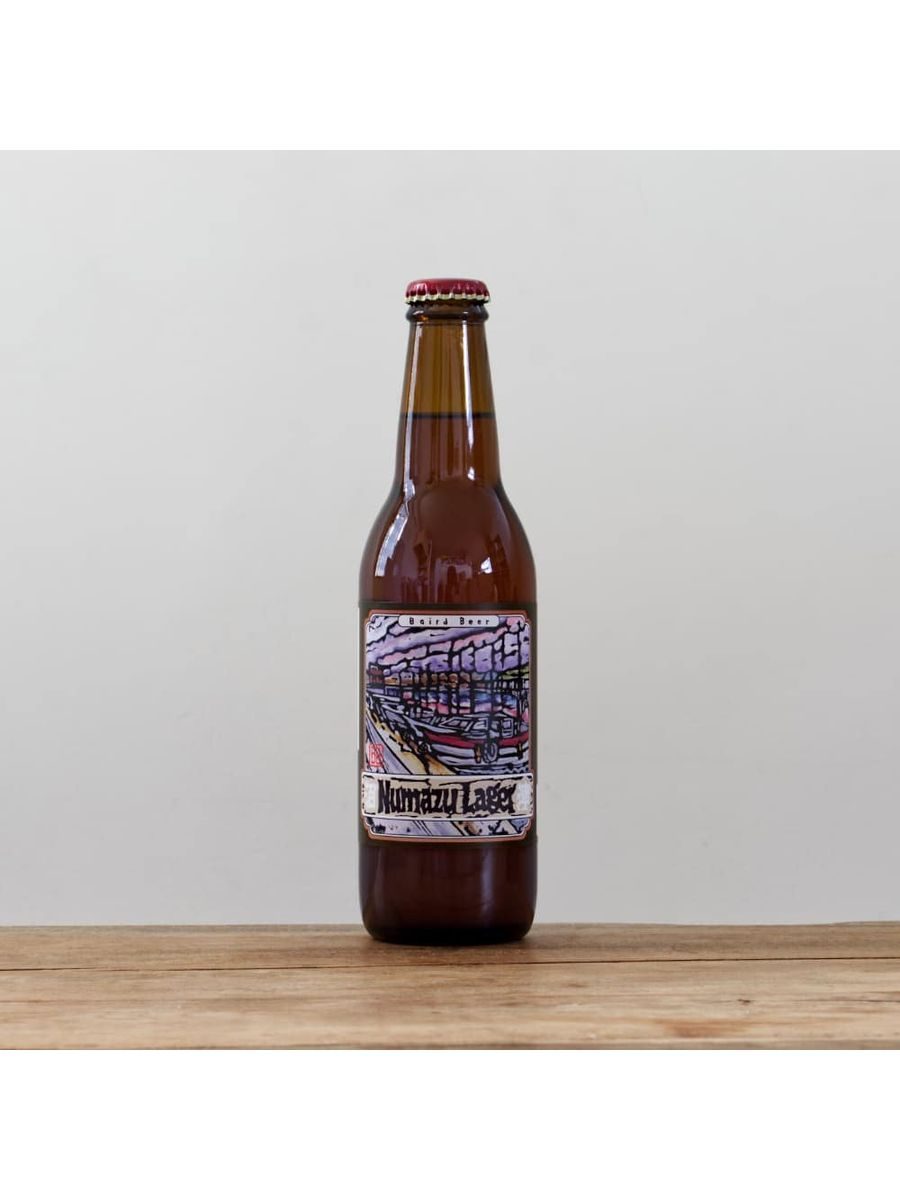
Numazu Lager
Brewed by Baird Beer
toasty grain, floral hops, light citrus and a crisp moderately bitter finish
BAR NOTES
Numazu Lager keeps lager fermentation clean but lets the hops speak more clearly than Japan’s biggest national brands. Toasty grain, flowers and light citrus lead into a crisp, moderately bitter finish.
Pair it with gyoza, grilled seafood or fried chicken. Side by side with Shuzenji Helles, it shows how Baird can move the same broad lager family from malt-first to hop-aware without losing precision.
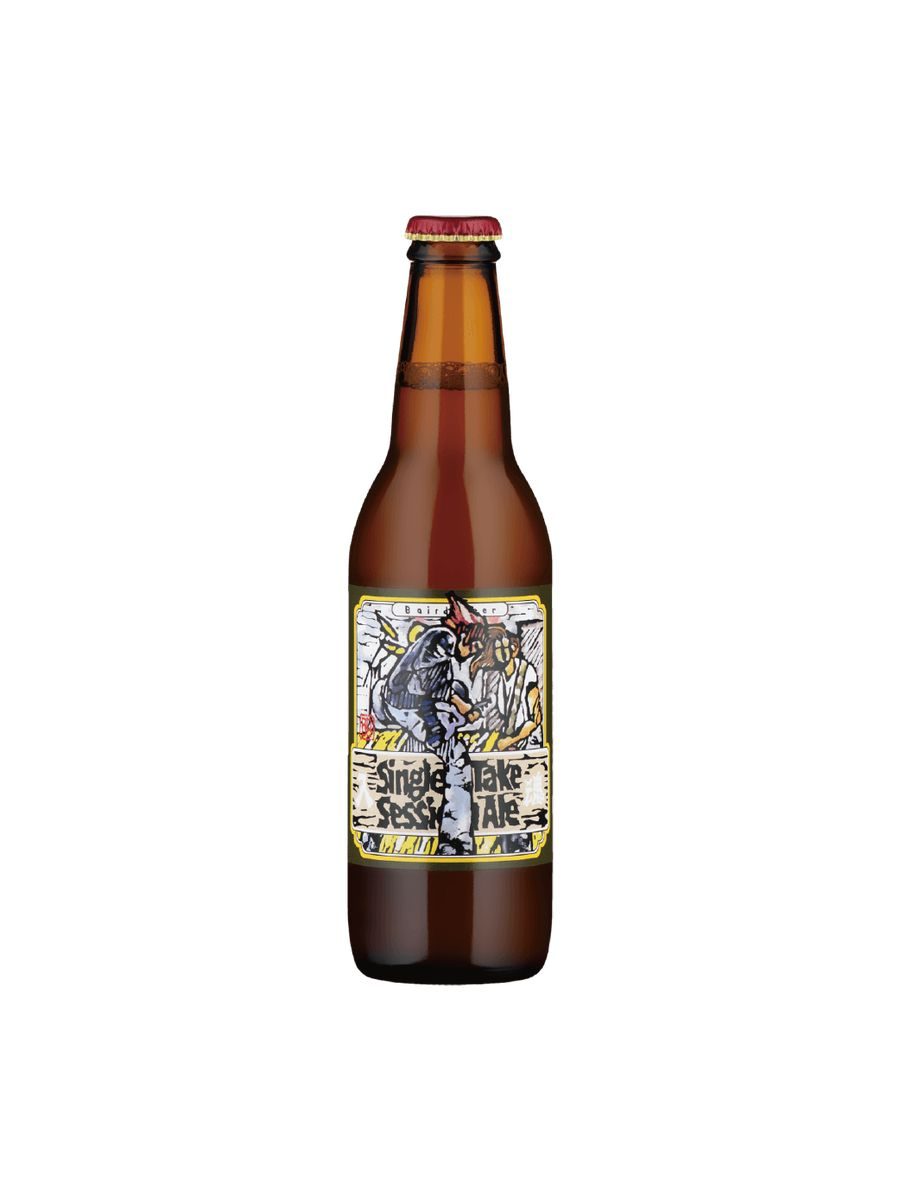
Single Take Session Ale
Brewed by Baird Beer
citrus, flowers, pale malt, gentle caramel and a clean snappy finish
BAR NOTES
Single Take Session Ale is built around the idea that lower strength should not mean lower character. Citrus and floral hops sit over pale malt and a touch of caramel, finishing dry enough for another pint.
Use it as a reset beer in a larger Japanese flight. With sandwiches, fried food or simple grilled chicken, its restrained bitterness and clean fermentation become the point rather than a lack of intensity.
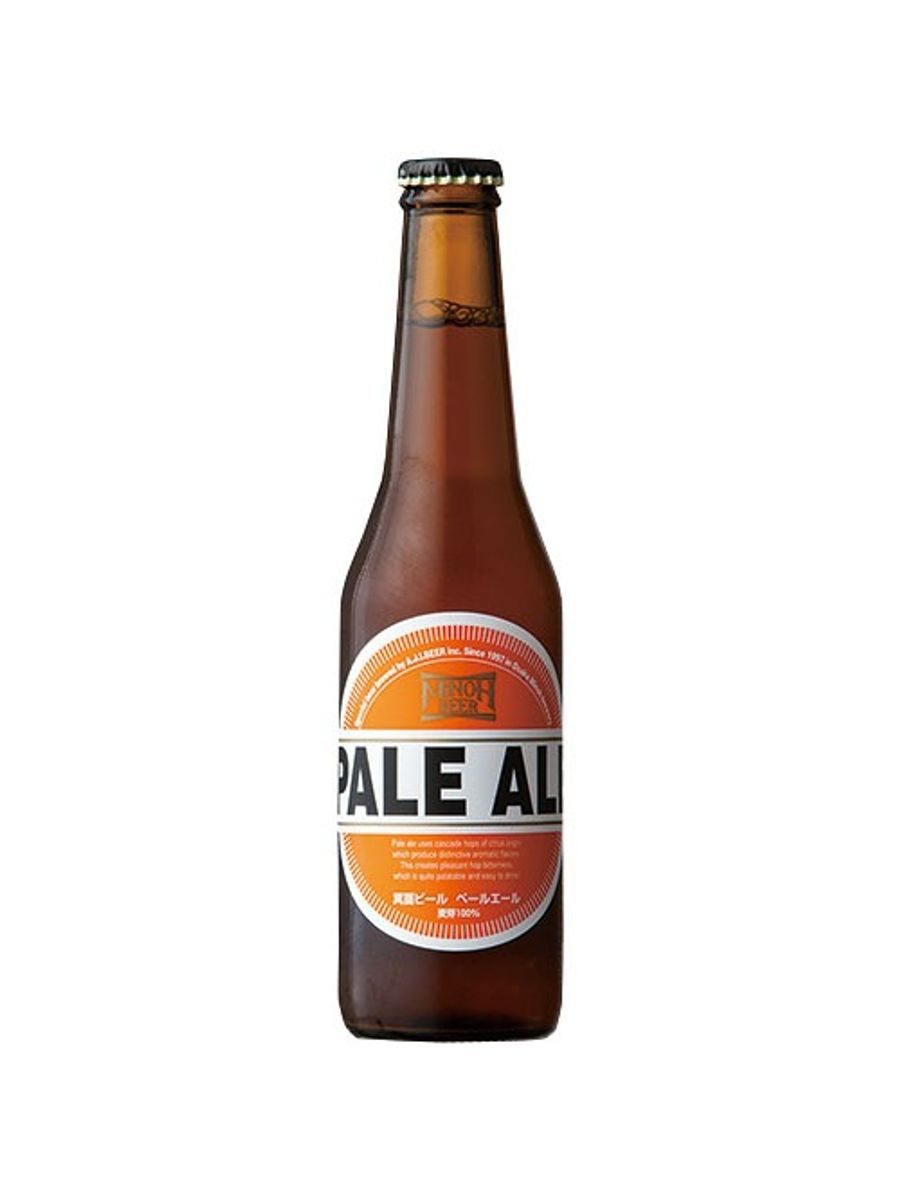
Minoh Pale Ale
Brewed by Minoh Beer
citrus, pine, caramel malt, light fruit and a firm clean bitterness
BAR NOTES
Minoh Pale Ale is straightforward in the best way: citrus and pine up front, caramel malt underneath, then a clean bitter finish. Nothing is exaggerated, which makes the balance easy to appreciate.
Pair it with karaage, burgers or grilled pork. It sits comfortably between Yona Yona’s softer pale-ale approach and Baird’s more assertive hop character.
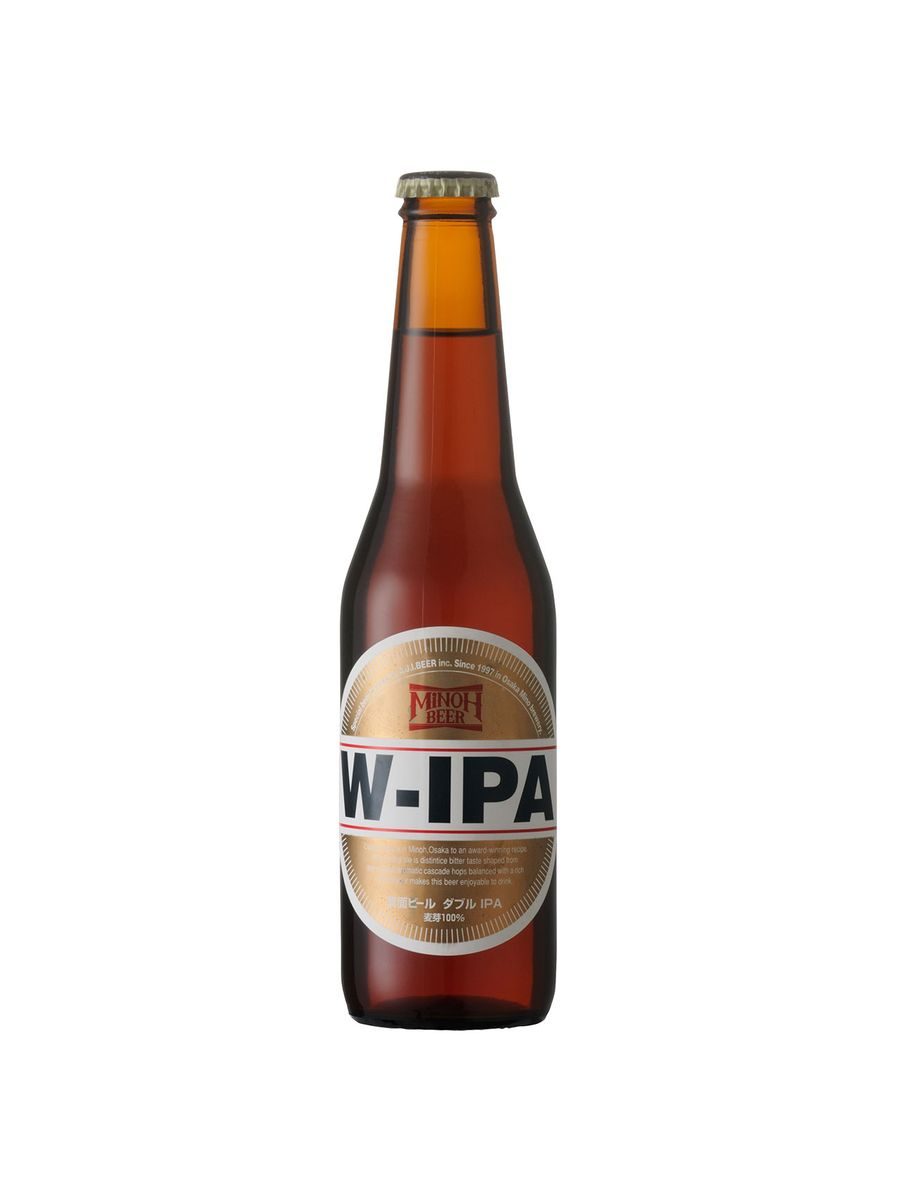
Minoh W-IPA
Brewed by Minoh Beer
grapefruit, pine, tropical fruit, caramel malt and a long warming bitter finish
BAR NOTES
Minoh W-IPA is the brewery’s big hammer. Grapefruit, pine and tropical fruit ride over enough caramel malt to support nine percent alcohol, while the finish stays bitter rather than syrupy.
Give this one time to warm slightly and pair it with spicy meat, blue cheese or curry. It is a useful contrast with the brewery’s 5.5 percent Pale Ale because the same hop language becomes much broader and heavier.
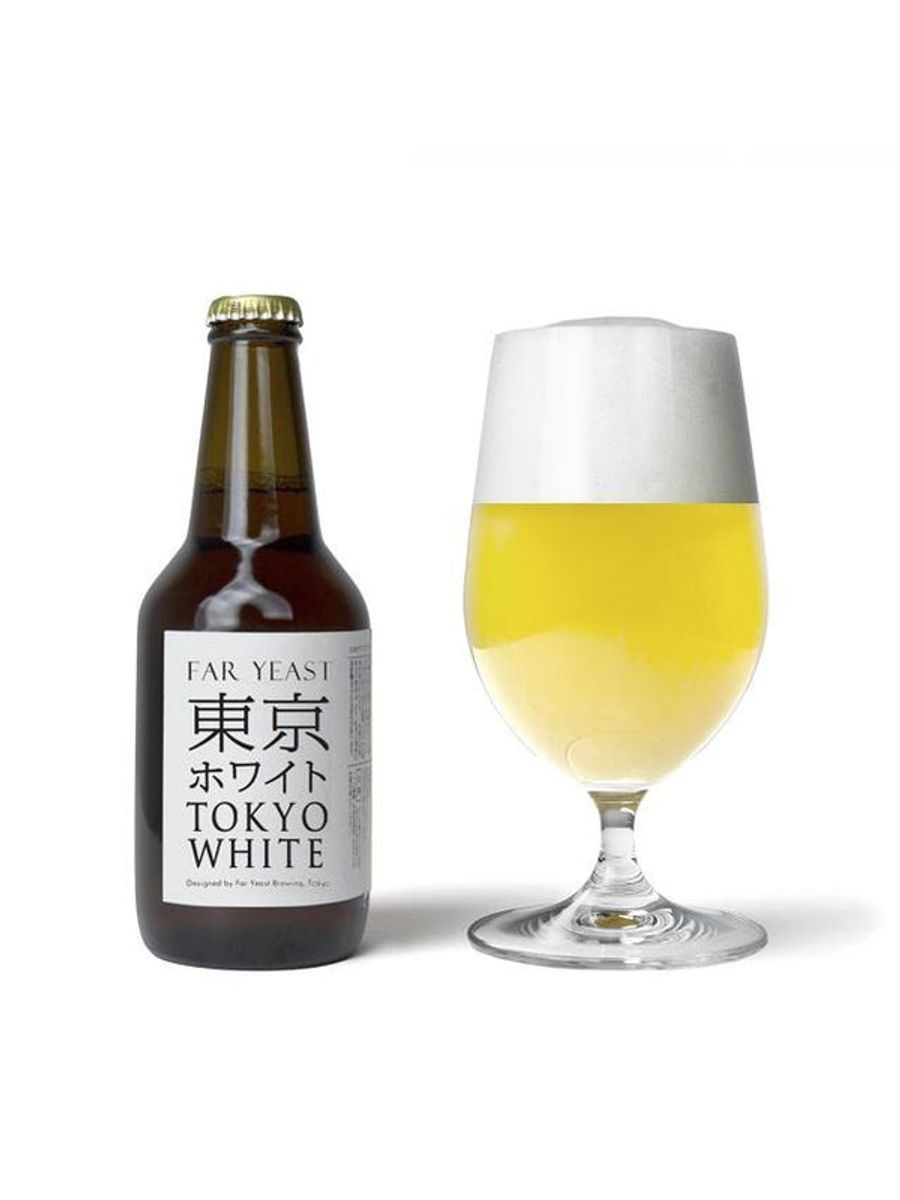
Far Yeast Tokyo White
Brewed by Far Yeast Brewing
lemon, pepper, herbs, pale grain and a lively bone-dry finish
BAR NOTES
Far Yeast Tokyo White is all about dryness and fermentation character. Lemon, pepper and herbs stay lifted by lively carbonation, while the pale grain underneath keeps the beer from feeling hollow.
Try it with tempura, salads or shellfish. It shows how saison can fit Japanese food culture naturally: aromatic enough to be interesting, but dry enough not to dominate the table.
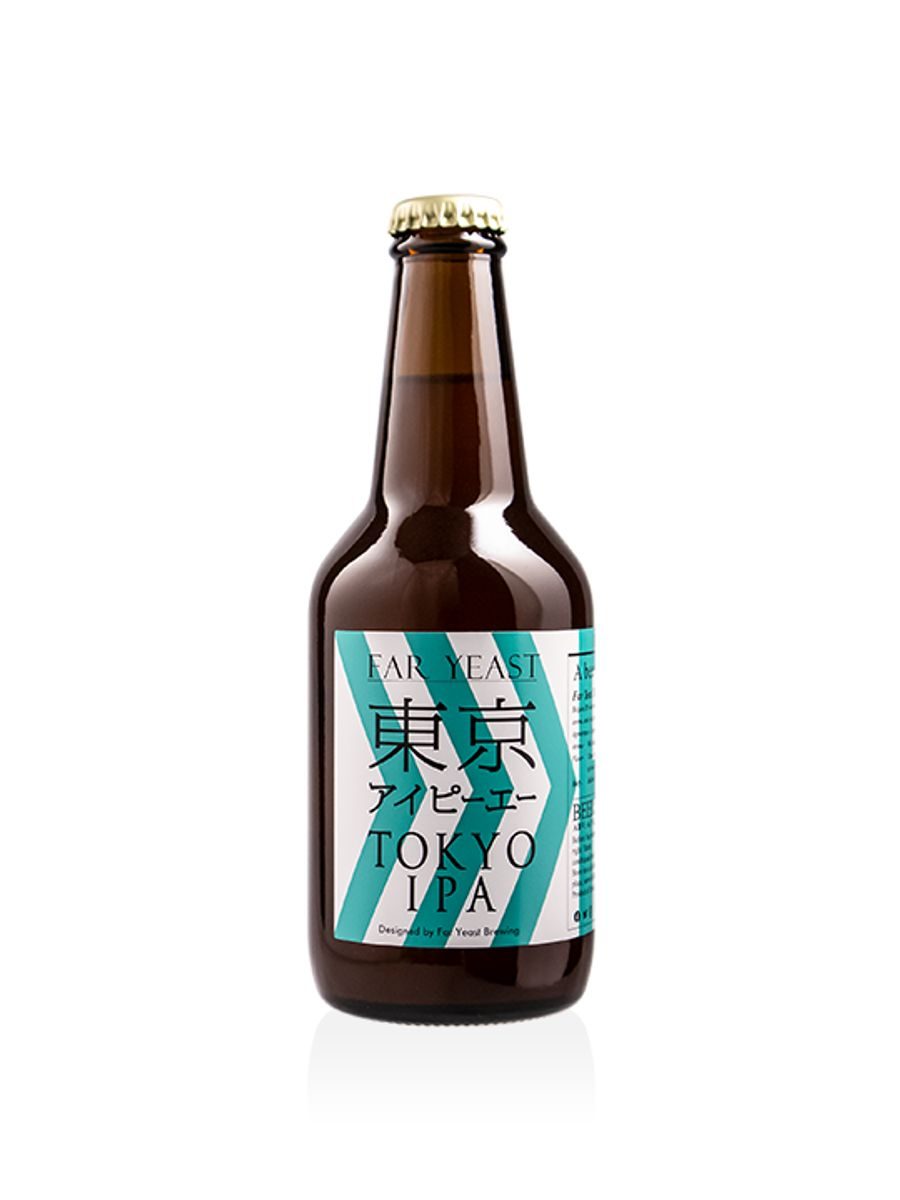
Far Yeast Tokyo IPA
Brewed by Far Yeast Brewing
citrus hops, peppery yeast, tropical fruit, pale malt and firm bitterness
BAR NOTES
Tokyo IPA mixes hop aroma with a more expressive yeast profile than most modern IPAs. Citrus and tropical fruit meet peppery fermentation, giving the beer a layered character without burying its bitterness.
Pair it with spicy noodles, grilled chicken or washed-rind cheese. It sits neatly between Far Yeast’s saison-like White and the cleaner American-style IPAs elsewhere on this list.
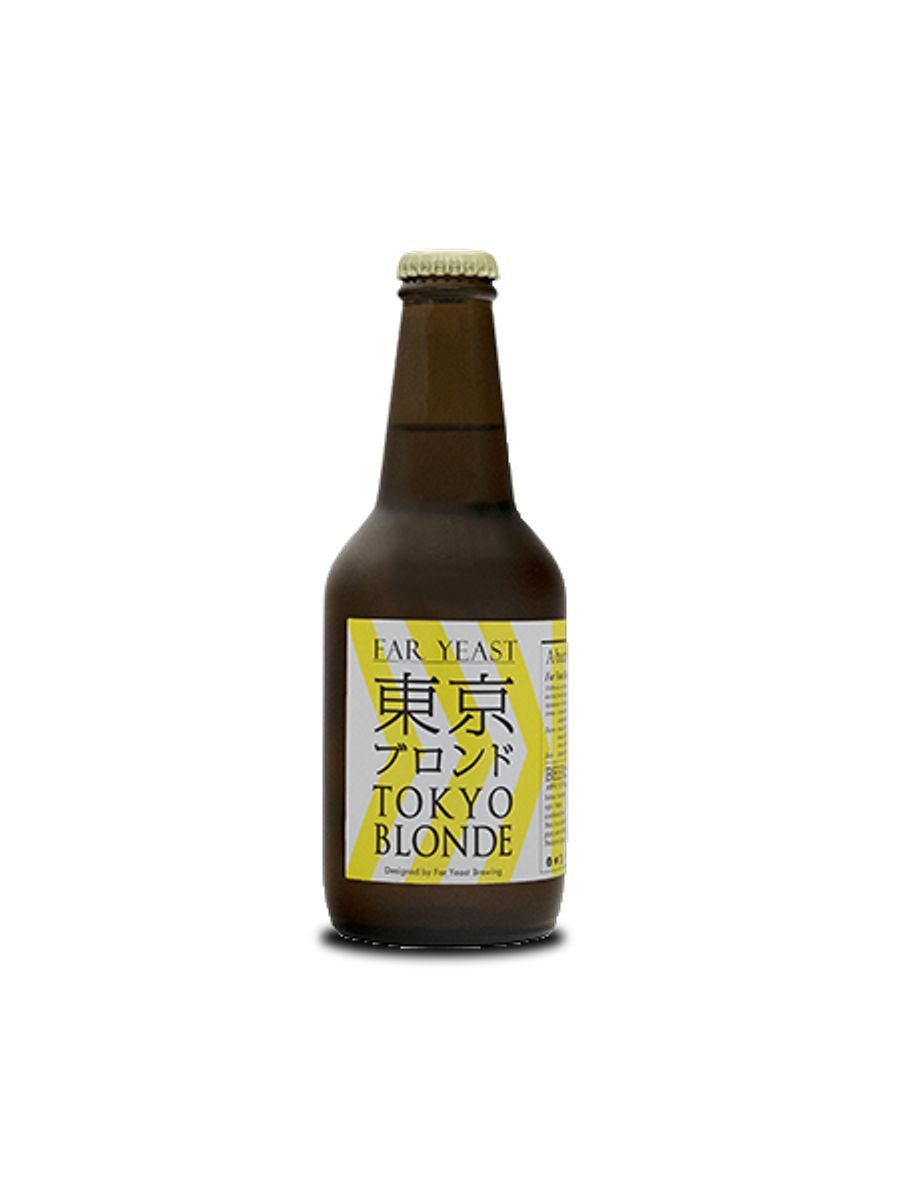
Far Yeast Tokyo Blonde
Brewed by Far Yeast Brewing
pale malt, citrus, light fruit, floral hops and a crisp dry finish
BAR NOTES
Far Yeast Tokyo Blonde is the quietest of the brewery’s Tokyo trio, and that is useful. Pale malt, citrus and light fruit stay clean and direct, with floral hops adding just enough lift before a dry finish.
Drink it with grilled fish, sandwiches or tempura. Its strength is versatility, and it works well as a reset between Japan’s stronger IPAs, dark beers and ingredient-driven specialties.
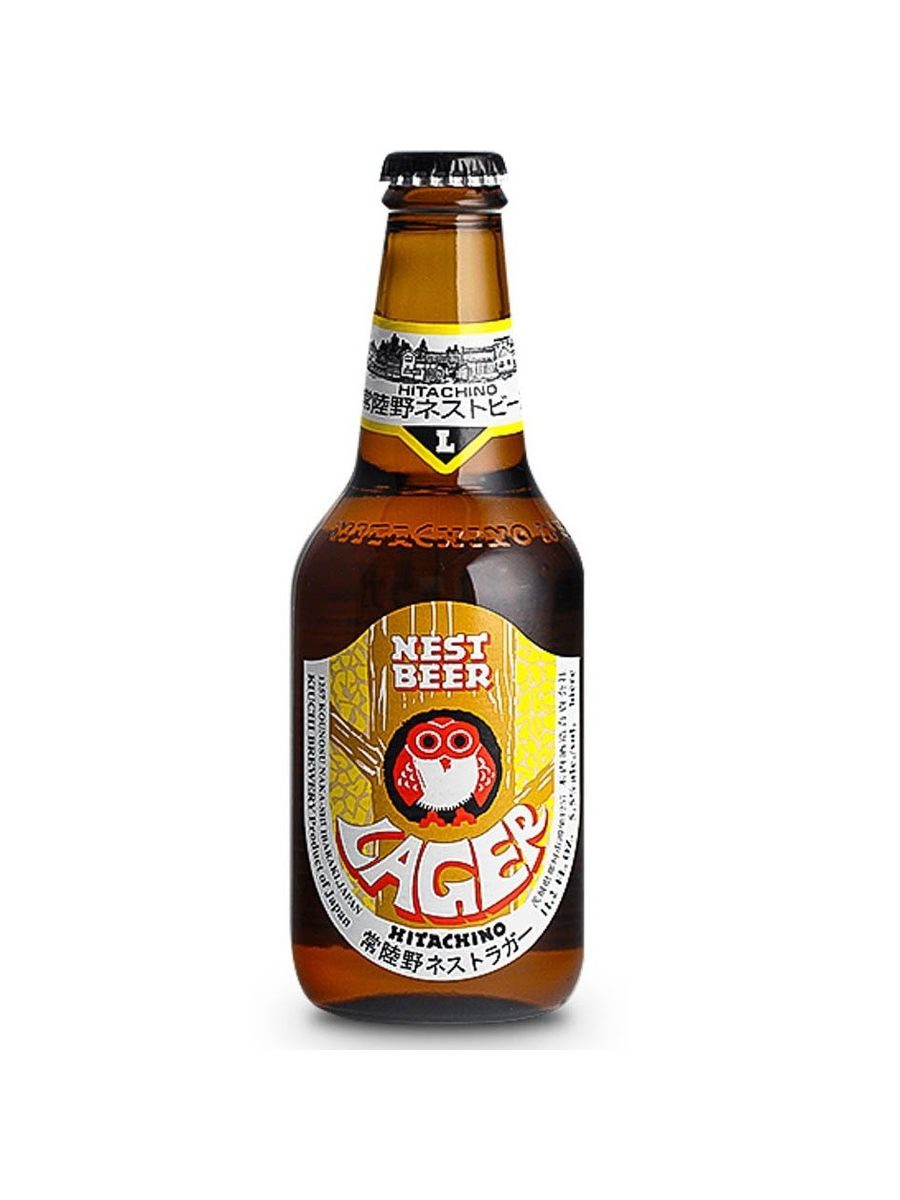
Hitachino Nest Lager
Brewed by Kiuchi Brewery
bread crust, floral hops, citrus, light honey and a clean bitter finish
BAR NOTES
Hitachino Nest Lager is fuller and more aromatic than the country’s mass-market dry lagers. Bread crust, flowers and light honey give the malt real presence while citrus and bitterness keep the finish brisk.
Pair it with yakitori, dumplings or grilled seafood. It is a useful reminder that Japanese lager brewing is not one narrow flavor profile even when clean fermentation remains the shared discipline.
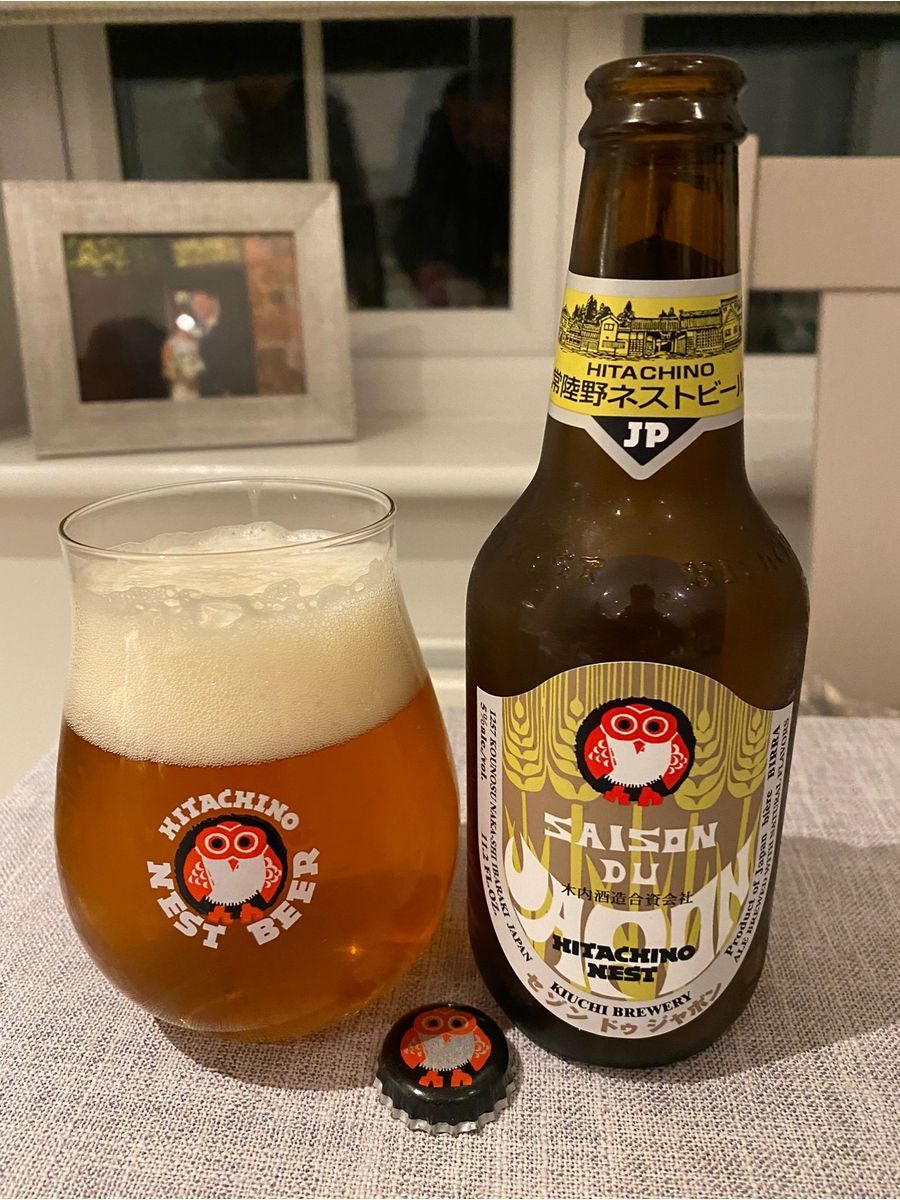
Hitachino Nest Saison du Japon
Brewed by Kiuchi Brewery
citrus, pepper, herbal yeast, pale grain and a dry lively finish
BAR NOTES
Saison du Japon keeps the farmhouse frame recognizable while pulling it toward a cleaner Japanese sensibility. Citrus, pepper and herbs ride lively carbonation, with pale grain underneath and very little residual sweetness.
Try it with grilled vegetables, seafood or a light curry. Compared with Far Yeast Tokyo White, it shows how two Japanese breweries can land in the same broad saison family with noticeably different emphasis.
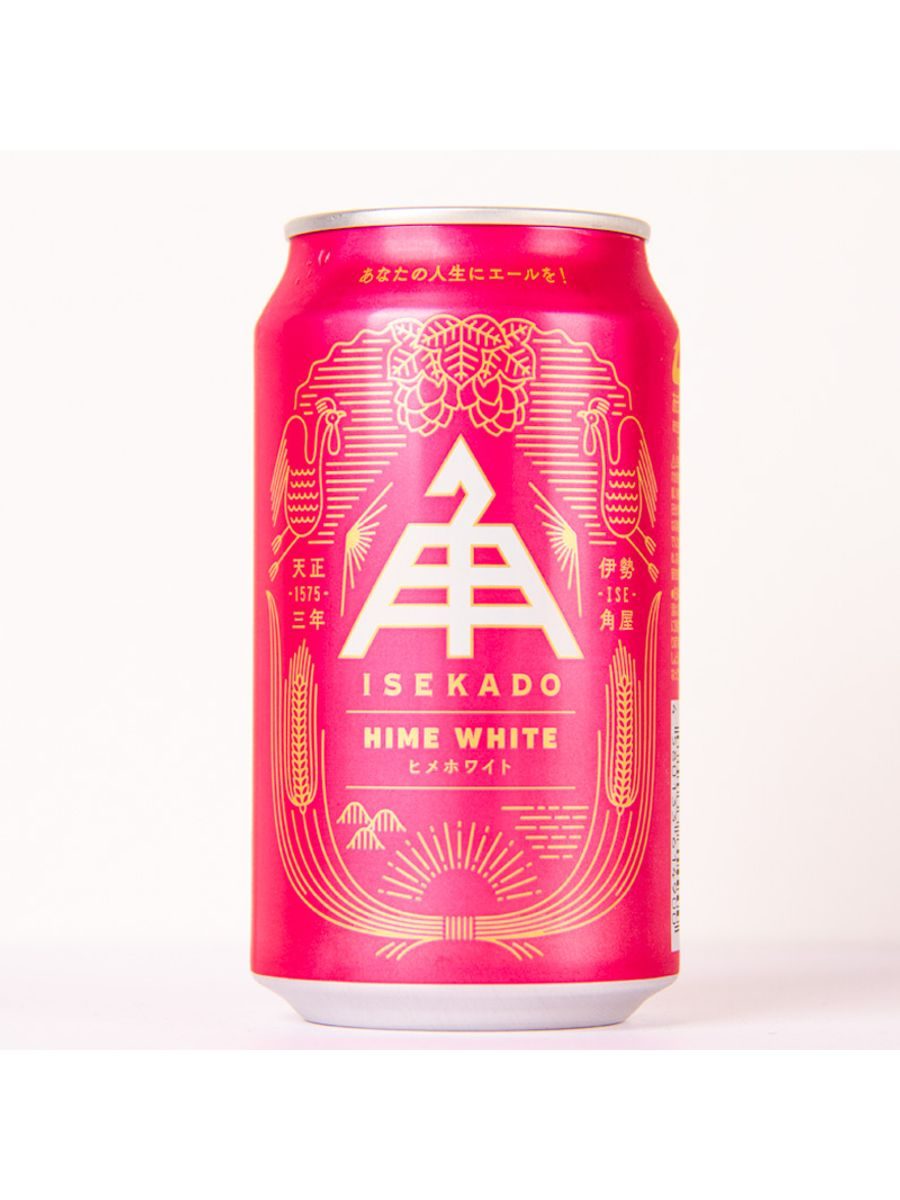
ISEKADO Hime White
Brewed by ISEKADO
soft wheat, orange-like citrus, coriander, gentle yeast spice and a clean finish
BAR NOTES
Hime White is a soft, citrusy counterpoint to ISEKADO’s pale ale. Wheat gives the beer a smooth center while orange-like fruit, coriander and gentle yeast spice keep the aroma bright.
Pair it with sushi, salads or lightly fried seafood. It belongs in the Top 50 because Japan’s craft scene is as comfortable with yeast-driven European styles as it is with American hops.
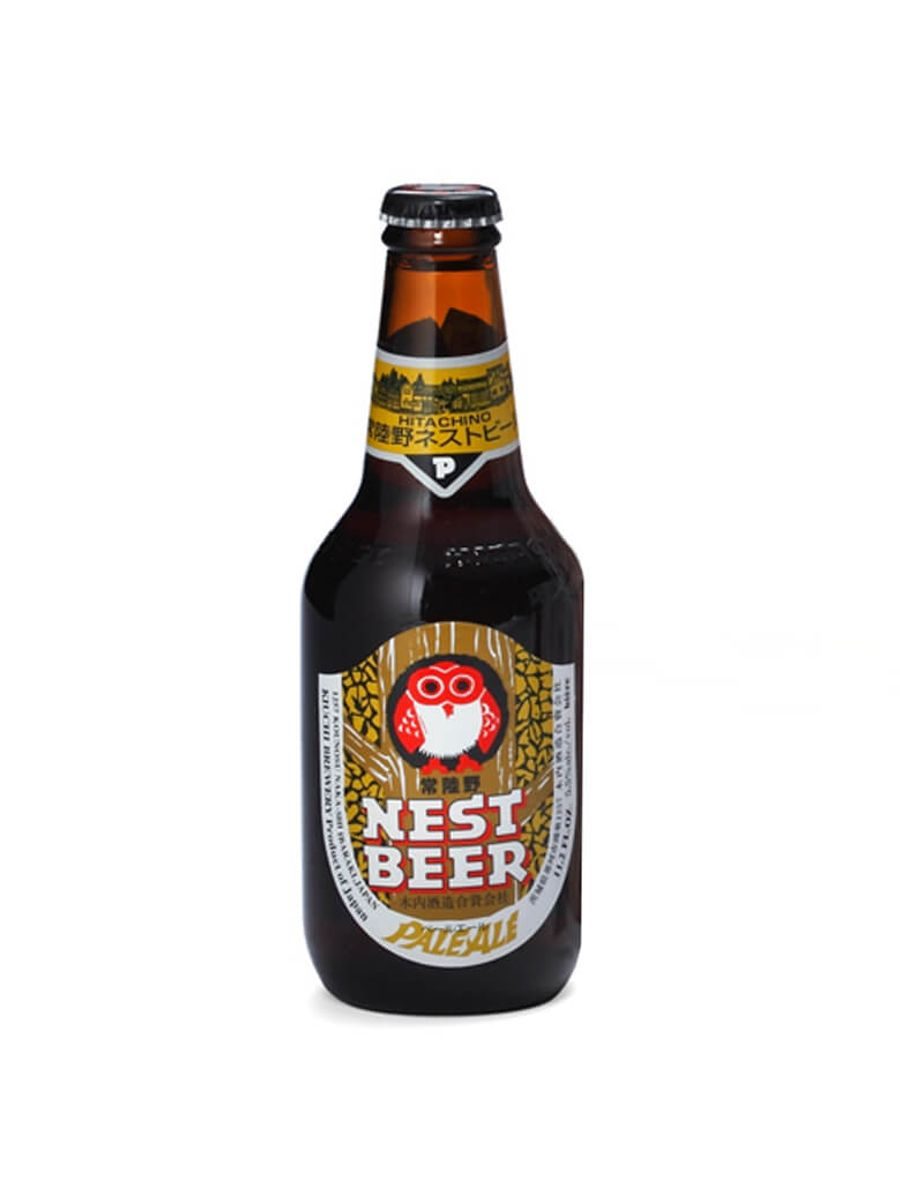
Hitachino Nest Pale Ale
Brewed by Kiuchi Brewery
citrus, floral hops, light caramel, biscuit and balanced bitterness
BAR NOTES
Hitachino Nest Pale Ale strips away the brewery’s more unusual ingredients and lets the basics work. Citrus and floral hops sit over biscuit and light caramel, with bitterness firm enough to keep the pint crisp.
Drink it with burgers, grilled chicken or ramen. Its value on this list is context: once you taste the straightforward pale ale, the brewery’s cedar, citrus, rice and spice-driven beers make more sense.
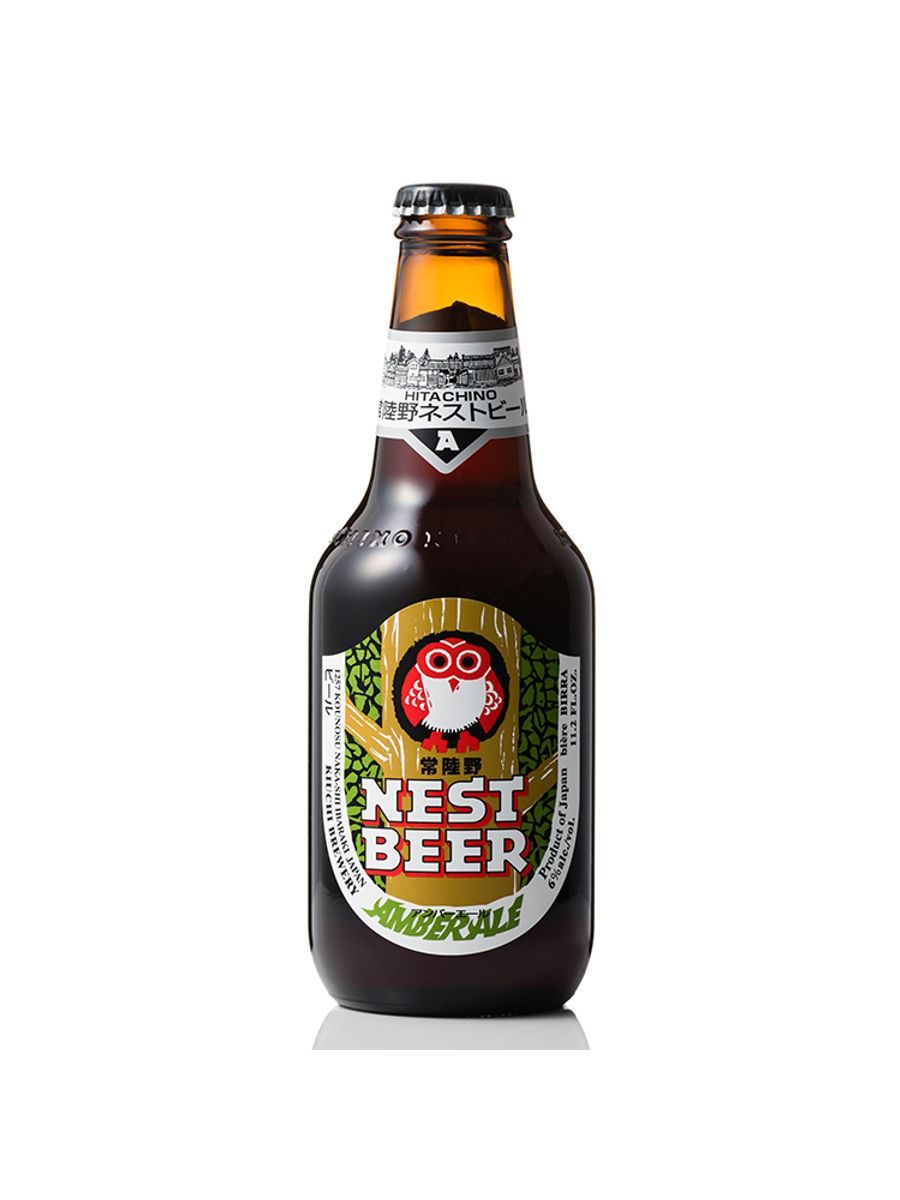
Hitachino Nest Amber Ale
Brewed by Kiuchi Brewery
caramel, toast, orange peel, dark fruit and earthy hop bitterness
BAR NOTES
Hitachino Nest Amber Ale gives the owl lineup a maltier center. Caramel and toast meet orange peel and darker fruit, while earthy hops stop the six-percent beer from drifting into sweetness.
Pair it with pork, mushrooms or aged cheese. It makes a strong side-by-side with Baird Red Rose because both breweries use amber ale to show balance rather than chase extremes.
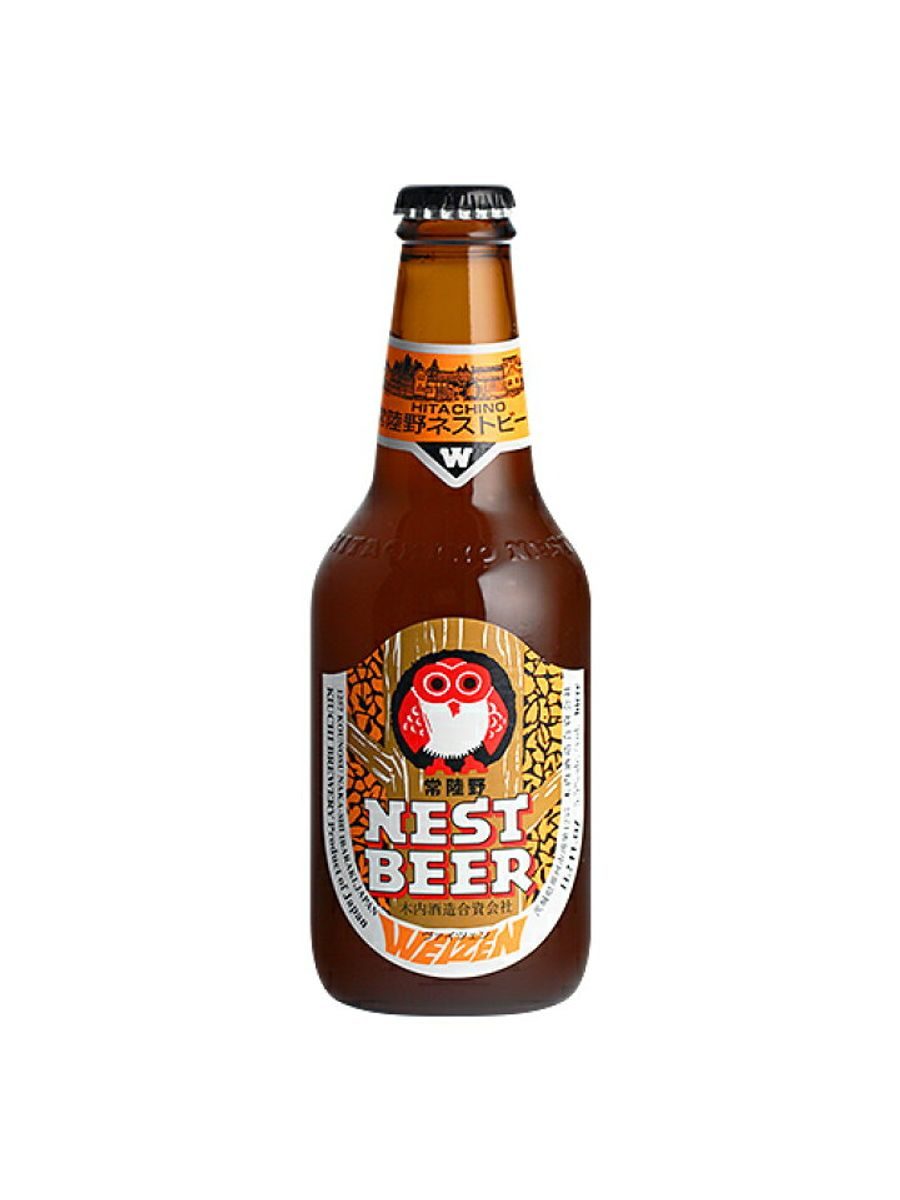
Hitachino Nest Weizen
Brewed by Kiuchi Brewery
banana, clove, soft wheat, citrus and a rounded yeast-driven finish
BAR NOTES
Hitachino Nest Weizen leans into classic wheat-beer fermentation: banana, clove and citrus over a soft wheat body. The finish stays rounded but not heavy, letting yeast rather than hops carry the beer.
Try it with sausage, grilled chicken or mild cheese. In a wheat-beer flight beside Hitachino White, Hime White and COEDO Shiro, the differences between witbier and weizen become much easier to taste.
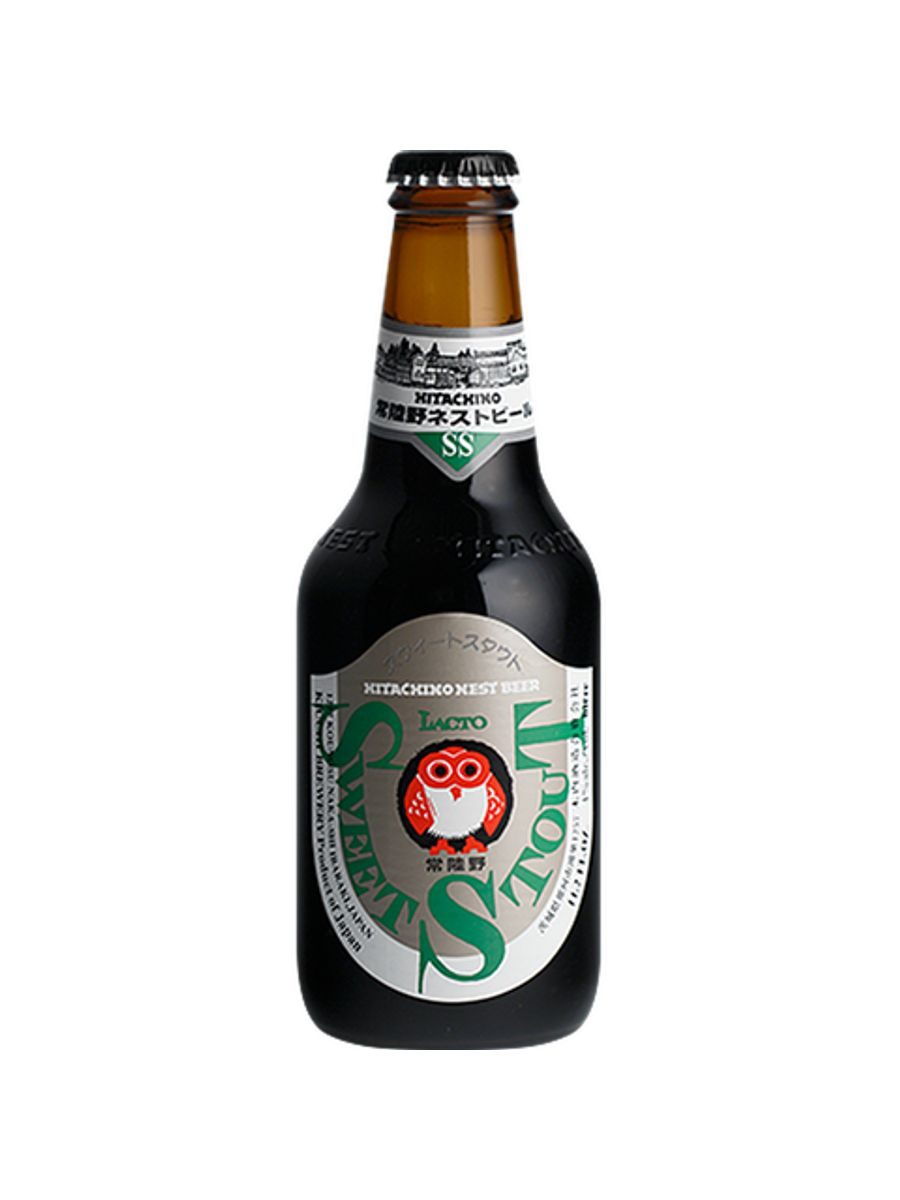
Hitachino Nest Sweet Stout
Brewed by Kiuchi Brewery
milk chocolate, coffee, caramel, roast malt and a soft sweet finish
BAR NOTES
Sweet Stout proves dark flavor does not require huge alcohol. Milk chocolate, coffee and caramel sit over roast malt, while four percent strength keeps the beer closer to a full pint than a dessert pour.
Pair it with chocolate cake, roasted nuts or a burger. Compared with Espresso Stout, it shows the softer and more sessionable edge of Hitachino’s dark-beer range.
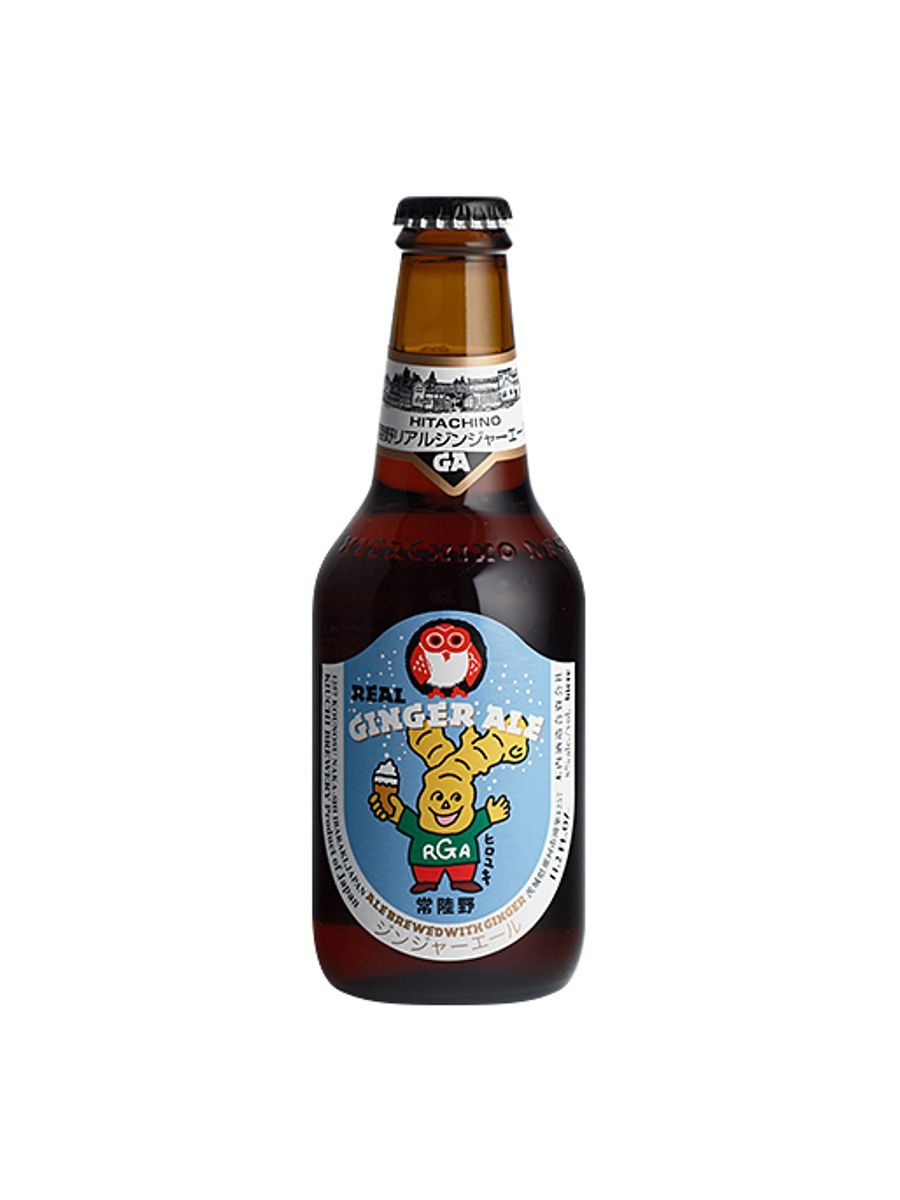
Hitachino Nest Real Ginger Ale
Brewed by Kiuchi Brewery
fresh ginger, caramel malt, citrus, spice and a warming dry finish
BAR NOTES
Real Ginger Ale is unapologetically ingredient-driven. Fresh ginger cuts through caramel malt and eight percent alcohol with heat, citrus and spice, making the finish feel drier than the strength suggests.
Drink it with pork, curry or ginger-forward desserts. The beer belongs near the end of the list because it is less universal than the classics above it, but it captures Japan’s willingness to build serious beer around distinctive ingredients.
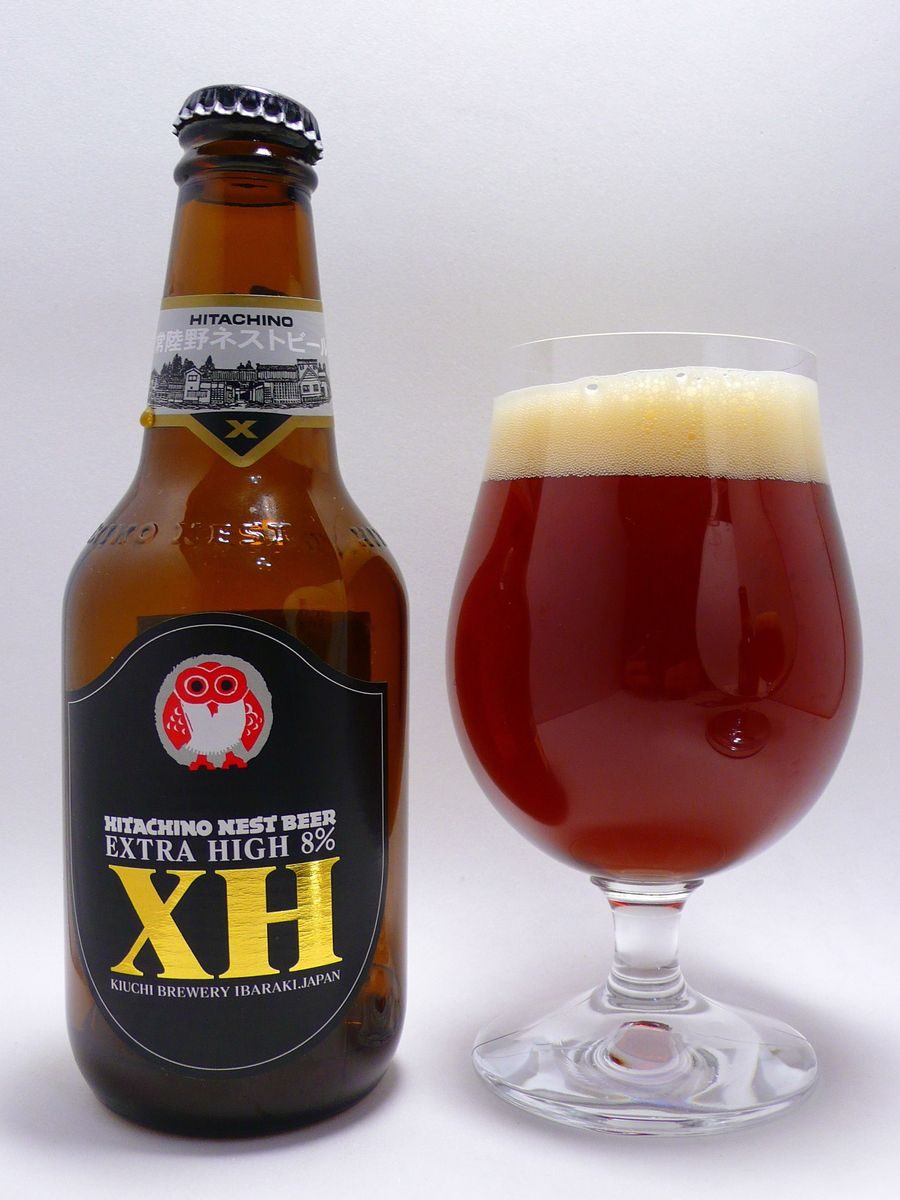
Hitachino Nest XH
Brewed by Kiuchi Brewery
dark fruit, caramel, oak, sake-like fermentation notes and warming spice
BAR NOTES
XH closes the board with a beer that makes little sense outside Japan. Dark fruit and caramel meet oak, warming spice and sake-like fermentation character, giving the strong ale a bridge into another Japanese drinking tradition.
Serve it slowly with aged cheese, grilled beef or rich dessert. It is not the first Japanese beer to hand a newcomer, but it is a fitting final rank because the country’s brewing identity becomes most interesting when it stops trying to fit a simple category.
What makes Japanese beer different?
Japan’s mass-market reputation was built on pale lager, especially the dry, highly attenuated style popularized in the late twentieth century. The craft side is much broader: modern breweries work comfortably with IPA, porter, wheat beer, saison and strong ale while also folding in rice, Japanese citrus, sweet potato, tea-like botanicals, cedar and sake-cask character.
The common thread is less a single ingredient than control. Even expressive beers on this list tend to value clean fermentation, deliberate balance and food-friendly finishes, which is why the best way to understand Japanese beer is to drink across styles instead of treating Asahi or Sapporo as the whole story.
How to drink through this list
For a five-beer crash course, pour Asahi Super Dry, Yona Yona Ale, Hitachino Nest White Ale, Minoh Stout and COEDO Beniaka. That single flight moves from national lager precision through modern hops, wheat-and-spice fermentation, dark beer and a distinctly Japanese ingredient-driven specialty.
Pick your next Japanese beer rabbit hole
Go from crisp national lagers into Japanese craft beer, rice-and-citrus experiments, dark ales and hop-forward releases, then brew something clean or hoppy at home.
DRINK DEEPER
BREW IT YOURSELF

better beer.