Wild Specialty Beer: 10-Beer Comparison Flight and Style Guide
Wild specialty beer begins where a wild or mixed fermentation meets another defining ingredient or brewing idea. Fruit, spice, smoke, unusual grain, wine or spirit barrels, and unconventional base styles can all expand the beer—provided the fermentation and specialty character remain clear.
This is not a miscellaneous drawer for any sour beer with an addition. A strong example has an intelligible base, a purposeful fermentation, and a specialty ingredient that changes the experience without flattening everything into sweetness or novelty.
Wild specialty beer at a glance
| Base beer | Any recognizable or purpose-built base style |
|---|---|
| Fermentation | Brett, mixed culture, spontaneous fermentation, or a house wild culture |
| Specialty element | Fruit, spice, wood, smoke, unusual grain, or another declared ingredient |
| Acidity | Variable; not every example must be strongly sour |
| Alcohol | Determined by the base beer and additions |
Fruit is fermentation material, not just flavoring
Whole fruit and purée contribute sugar, acid, tannin, aroma, color, water, and microorganisms. Fermenting the fruit dries its sugar and changes its aroma, often creating a more vinous result than sweet fruit concentrate. Skin and seeds can add useful grip or excessive bitterness depending on contact time.
Cherries, raspberries, currants, peaches, grapes, and plums are natural partners because their acidity and tannin hold up through fermentation. Tropical fruit can work equally well, though delicate aromas may require careful timing and oxygen control.
Wood and the base beer still matter
Wine barrels can contribute fruit, tannin, and acidity; spirit barrels add warmth and extracted oak; neutral barrels mainly provide slow oxygen transfer and a resident culture. The best choice reinforces the beer rather than turning the barrel into the only story.
A pale farmhouse base highlights delicate fruit and fermentation. Brown or dark ale supports cherry, currant, cocoa, and red wine. Stronger wort can carry more oak and fruit, but high alcohol makes fermentation health and aging time even more important.
Ten Wild Specialty Beer references and comparisons
Five American fruit-influenced wild beers meet four Belgian fruit lambics and Liefmans Kriek-Brut, a fruit-beer comparison rather than a lambic. The selected Oude Tart with Boysenberries is the pictured 2020 release, not a promise of current stock. Fruit, base beer, fermentation and wood must be considered together; a fruit addition alone does not establish a wild fermentation.
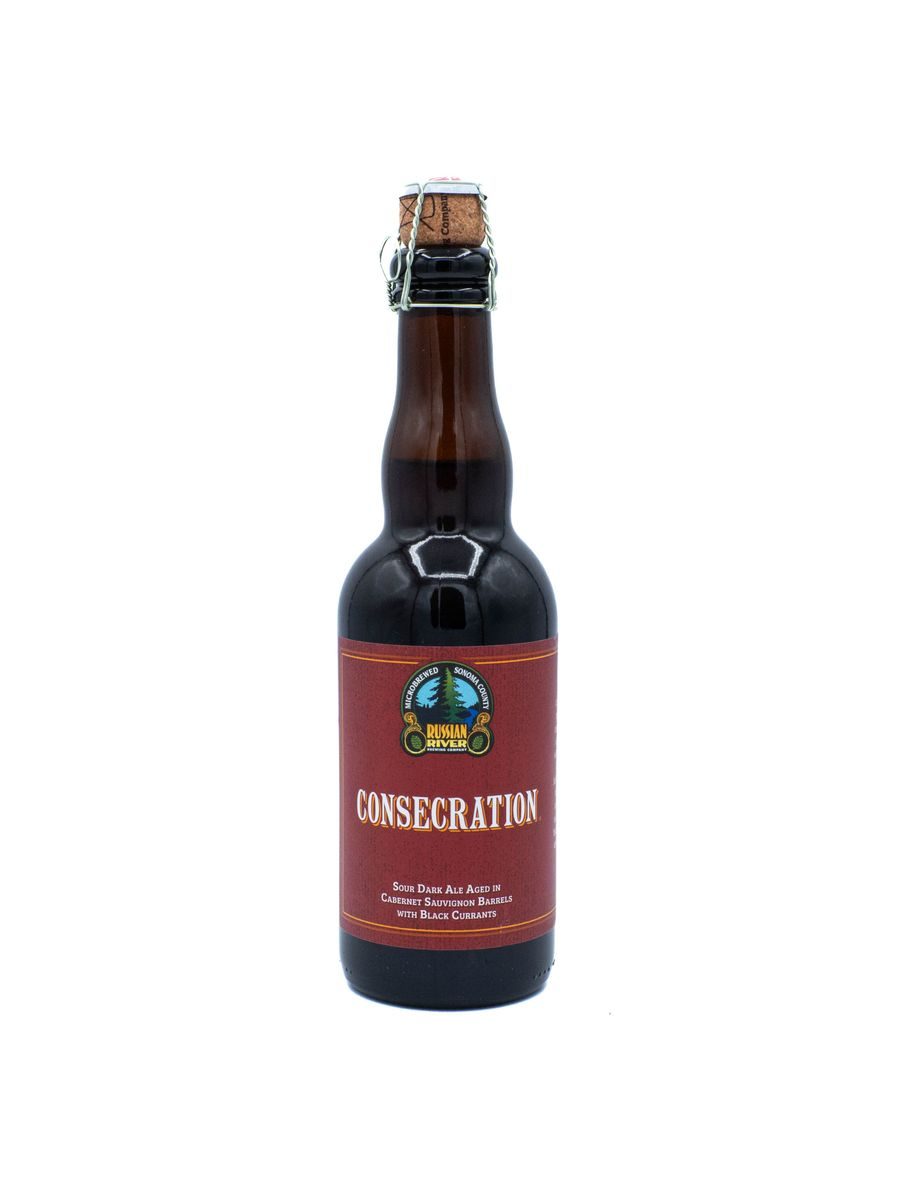
Consecration
Brewed by Russian River Brewing Company
Dark malt, black currants and Cabernet barrels.
BAR NOTES
Consecration combines a dark malt base with black currants, Brettanomyces and bacteria in used Cabernet Sauvignon barrels. Russian River lists 10% alcohol and natural bottle refermentation, with fruit, chocolate,