American Porter and Stout: 10-Beer Comparison Flight and Style Guide
American porter and stout share a dark-malt vocabulary, but they do not say the same thing. Porter favors chocolate, caramel and coffee in a rounded, balanced frame. American stout sharpens the roast and adds firmer bitterness. Imperial stout turns every dial upward—gravity, alcohol, malt depth, hops and patience.
Color alone cannot settle the difference. A black porter may taste softer than a deep-brown stout, and recipe traditions overlap. The clearest guide is the overall impression: porter is layered and smooth, stout is more roasty and assertive, and imperial stout is built for concentrated intensity.
Explore all three companion guides: American Porter, American Stout and Imperial Stout. Each expands the tasting references, brewing approach and comparisons for its branch of BJCP Category 20.
American porter and stout at a glance
| Style | ABV | IBU | Color | Defining impression |
|---|---|---|---|---|
| American Porter | 4.8–6.5% | 25–50 | 22–40 SRM | Chocolate and coffee with moderate roast and American hop balance |
| American Stout | 5.0–7.0% | 35–75 | 30–40 SRM | Assertive roast, firm bitterness and a clean American finish |
| Imperial Stout | 8.0–12.0% | 50–90 | 30–40 SRM | Massive dark malt, warming alcohol and long, complex flavor |
The dark-malt spectrum
All three styles can suggest cocoa, coffee, toast and caramel. What changes is the weight and sharpness of those flavors. Porter normally keeps roast below the level of burnt grain. American stout welcomes a more obvious espresso or charred edge. Imperial stout layers dark fruit, molasses and alcohol around an even larger malt bill.
American hops can appear in every style. Citrus, pine, resin, earth and flowers cut through dark malt and prevent the finish from becoming sticky. They are most obvious in American stout, while imperial stout often uses high bitterness simply to balance a wort with enormous sweetness and body.
American porter: dark without heaviness
American porter is the most immediately drinkable member of the family. Chocolate malt, caramel, toast and coffee sit in a medium-bodied beer with enough bitterness to finish cleanly. It can be robust, but it should not feel burnt or exhausting.
American stout: roast takes the lead
American stout places roast and hops closer to the front. Espresso, bittersweet chocolate and char can meet citrus or resinous hops, creating a drier and more angular pint than porter. The style remains broad enough for subtle caramel or dark fruit, but the finish should stay assertive.
Imperial stout: scale and patience
Imperial stout begins at eight percent alcohol and can climb well beyond the formal range. Dense malt can suggest dark chocolate, espresso, raisins, prunes, molasses and burnt sugar. The strongest examples need healthy fermentation and months of conditioning before heat and sweetness settle into shape.
A ten-beer American porter and stout tasting flight
This ten-beer route pairs three American porters, three American stouts and four imperial stouts. The companion guides expand each branch into a ten-beer comparison flight, distinguishing specialty ingredients, neighboring styles, barrel aging, release availability and guideline exceptions. Move from balanced chocolate-and-coffee malt through more assertive roast to concentrated imperial strength.
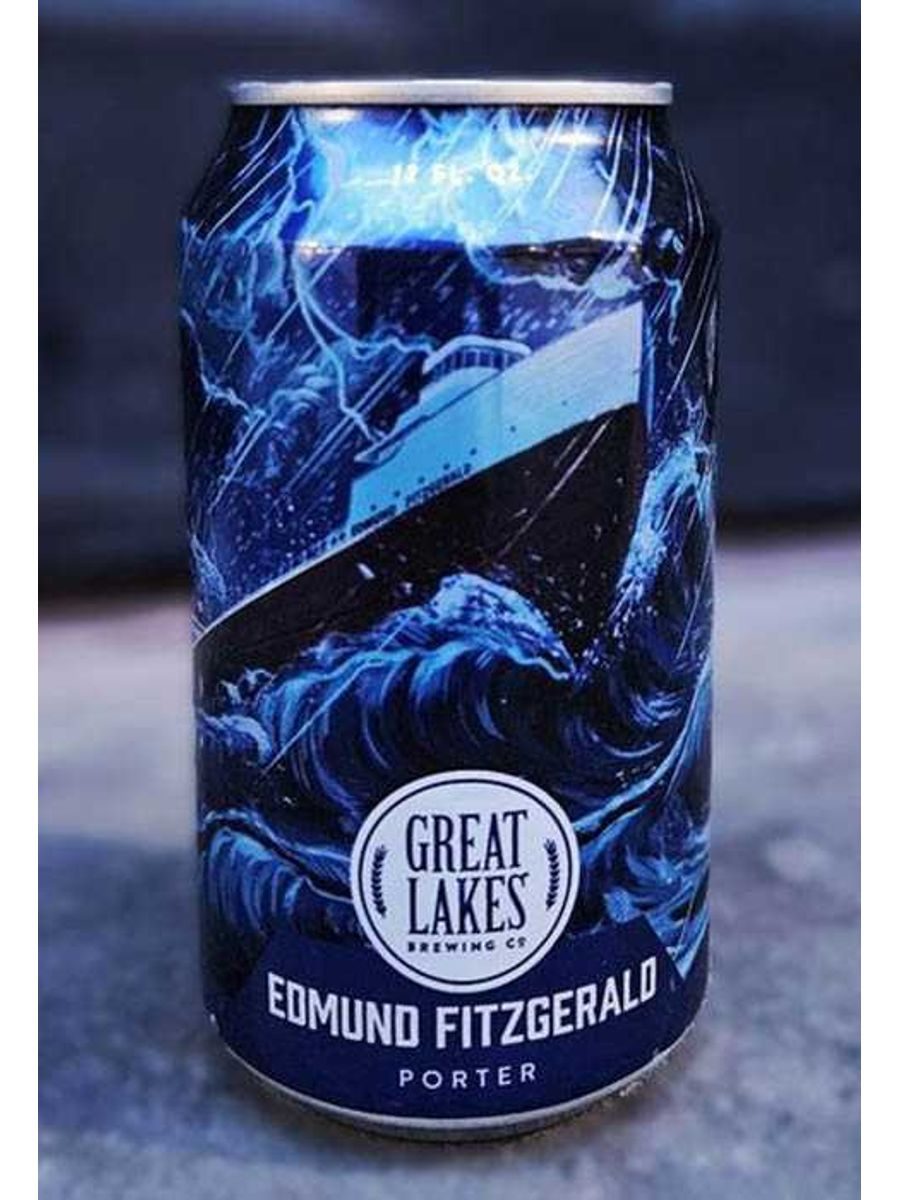
Edmund Fitzgerald Porter
Brewed by Great Lakes Brewing Company
Chocolate, coffee and defined bitterness make a useful first American porter.
BAR NOTES
Edmund Fitzgerald balances chocolate malt and roasted barley with Apollo, Willamette and Cascade hops. At 6.0% and 37 IBU, it supplies a sturdy porter reference without requiring smoke, coffee additions or imperial strength to make its point.
Pour it beside Black Butte and follow the finish rather than judging by color. Oysters, short ribs and dark chocolate can meet its bittersweet malt depth; the brewery’s freighter tribute also gives this Cleveland beer a distinct Great Lakes identity. Continue with more American porter references.
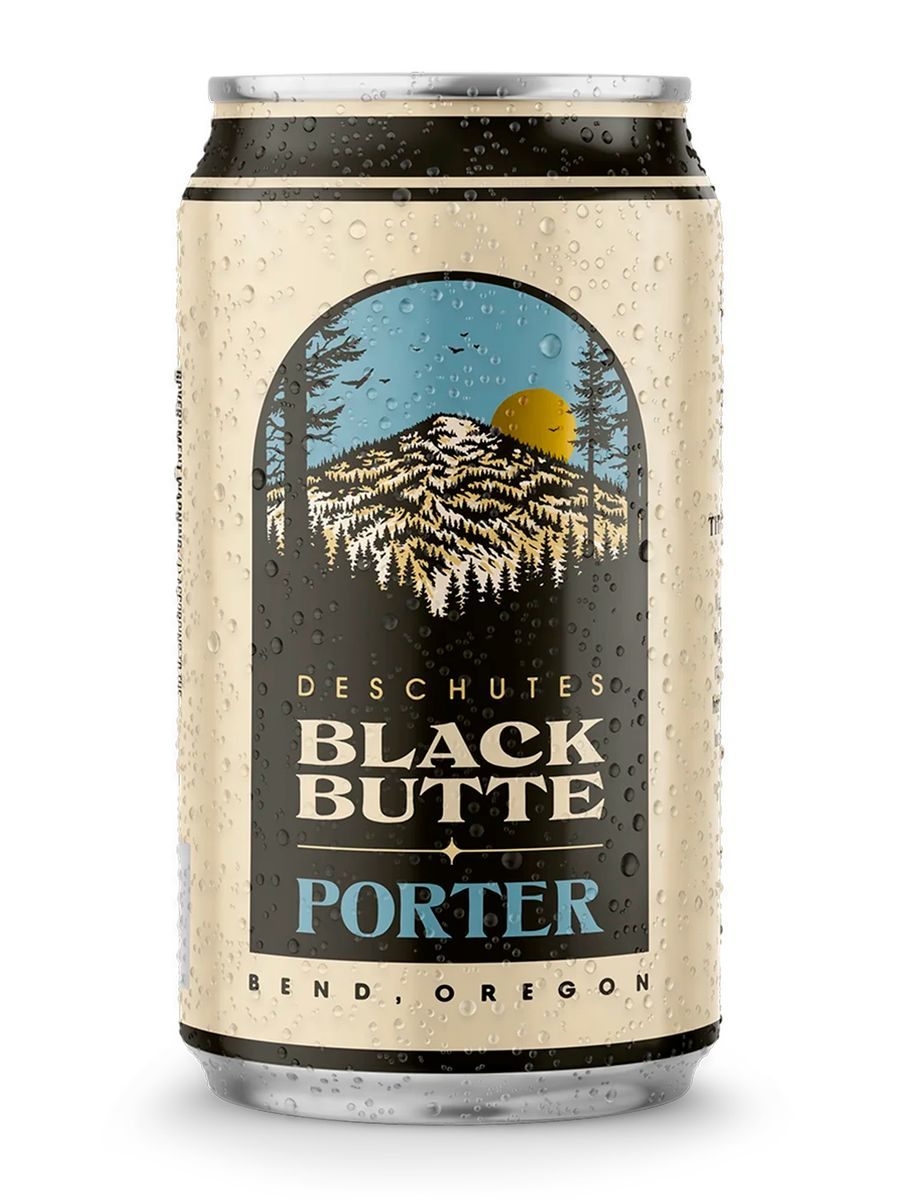
Black Butte Porter
Brewed by Deschutes Brewery
Deschutes’ founding beer keeps dark malt approachable at ordinary porter strength.
BAR NOTES
Black Butte remains a year-round 5.5% porter with 30 IBU. Dark chocolate malt, wheat and crystal malt support chocolate, coffee and a creamy texture, while Cascade and Tettnang keep the roasted finish from becoming an exercise in sweetness.
Taste it before the stronger Founders Porter to notice how body and roast can change without introducing coffee or barrel aging. The direct brewery shop currently shows sold out, which describes that shop’s inventory rather than the beer’s year-round release schedule. Explore the American Porter brewing approach.
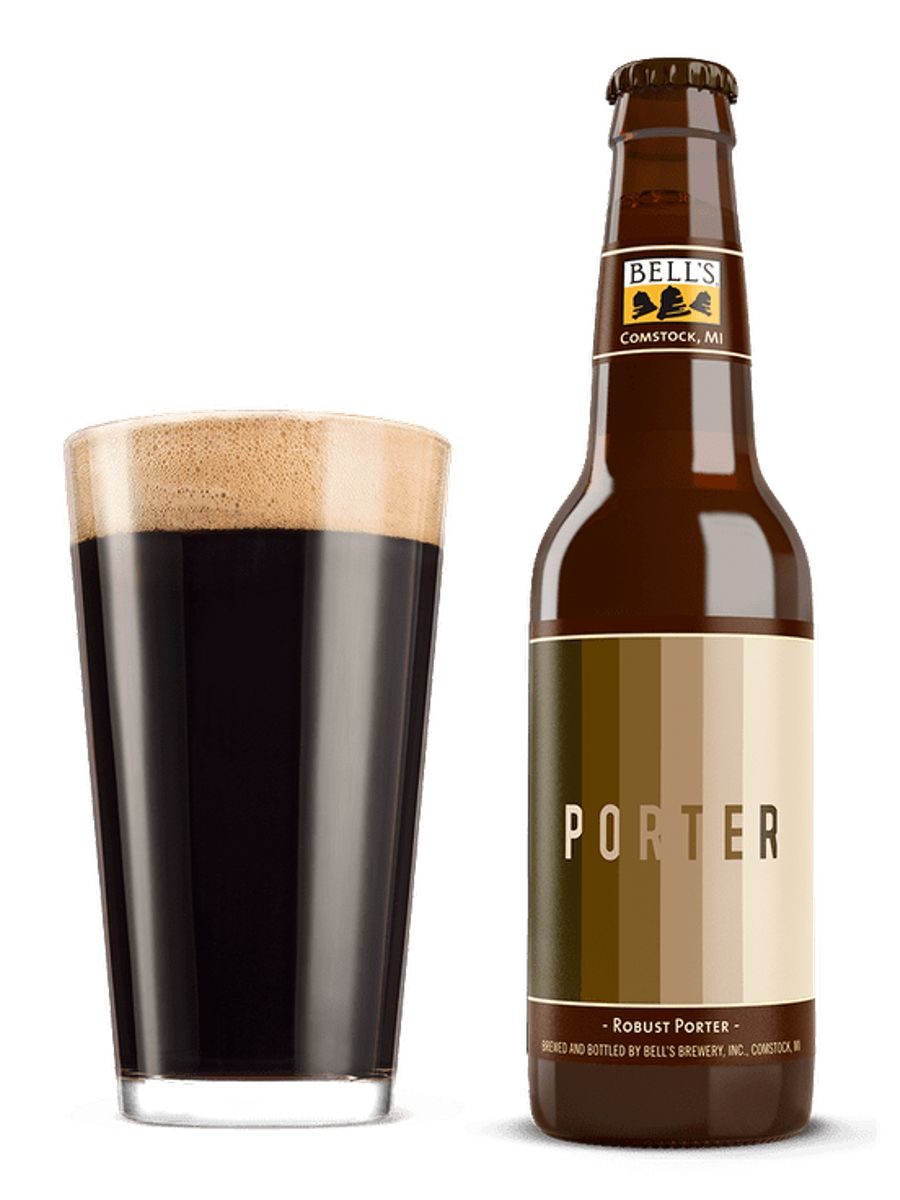
Bell’s Porter
Brewed by Bell’s Brewery
Chocolate, mild coffee and roasted barley explain the porter’s middle ground.
BAR NOTES
Bell’s describes its year-round 5.6% Porter as the bridge between malty brown ales and more heavily roasted stouts. Chocolate, mild coffee and roasted barley are the center, supported by house ale fermentation and a comparatively restrained hop impression.
Use that bridge as a tasting exercise: start with a brown ale, then try Porter, then Kalamazoo Stout. Keep the pour temperature similar and notice where cocoa gives way to sharper roast instead of treating every dark beer as interchangeable. Compare American Brown Ale.
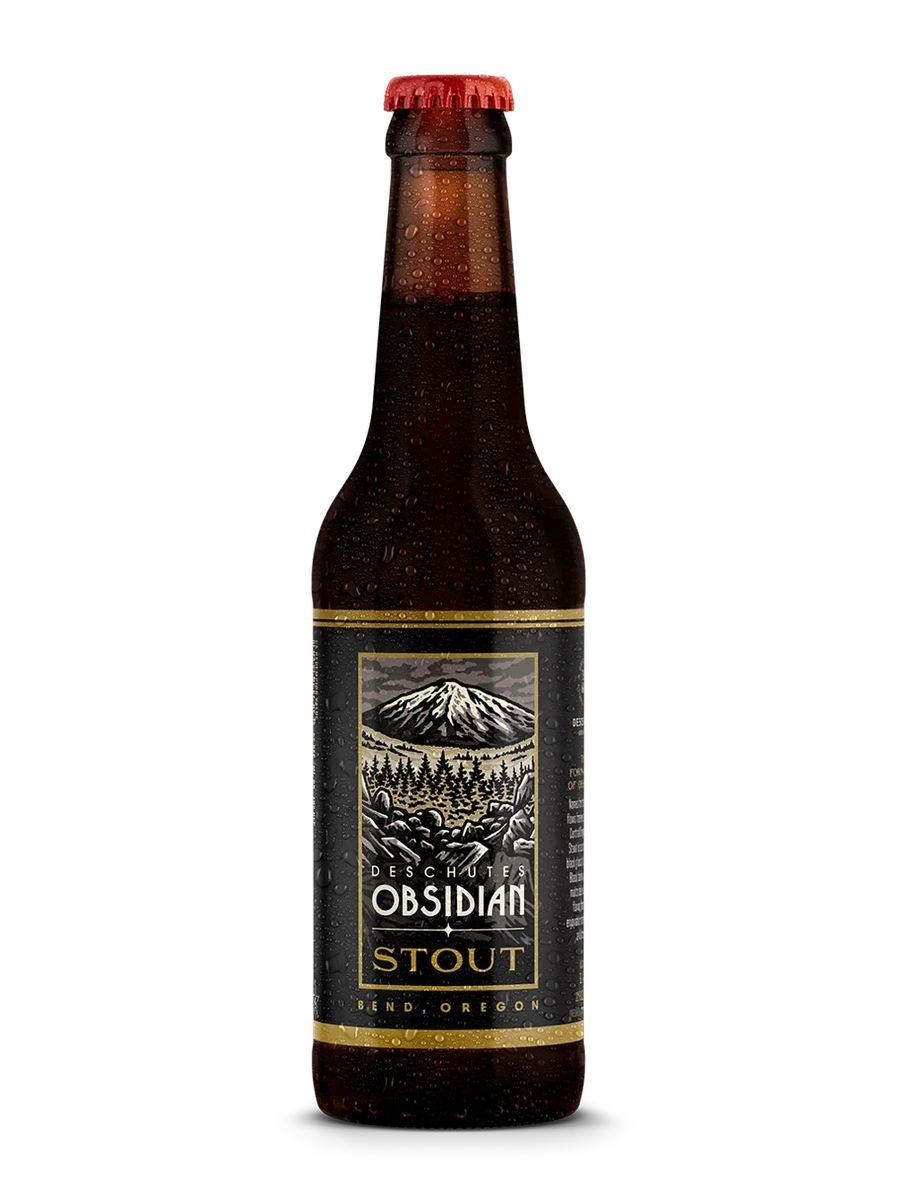
Obsidian Stout
Brewed by Deschutes Brewery
Black barley and roasted malt make a clear American stout reference.
BAR NOTES
Obsidian’s current recipe is a year-round 6.4% stout with 55 IBU. Roasted barley and black barley provide espresso and chocolate depth, supported by Munich, crystal and wheat malts; Delta and Northern Brewer hops add structure to that dark-malt center.
The brewery’s current shop lists bottles, with online stock presently sold out. Compare the beer with Black Butte to isolate sharper roast and firmer bitterness at the same brewery; those differences matter more than whether both pours appear nearly black. Explore the American Stout recipe.
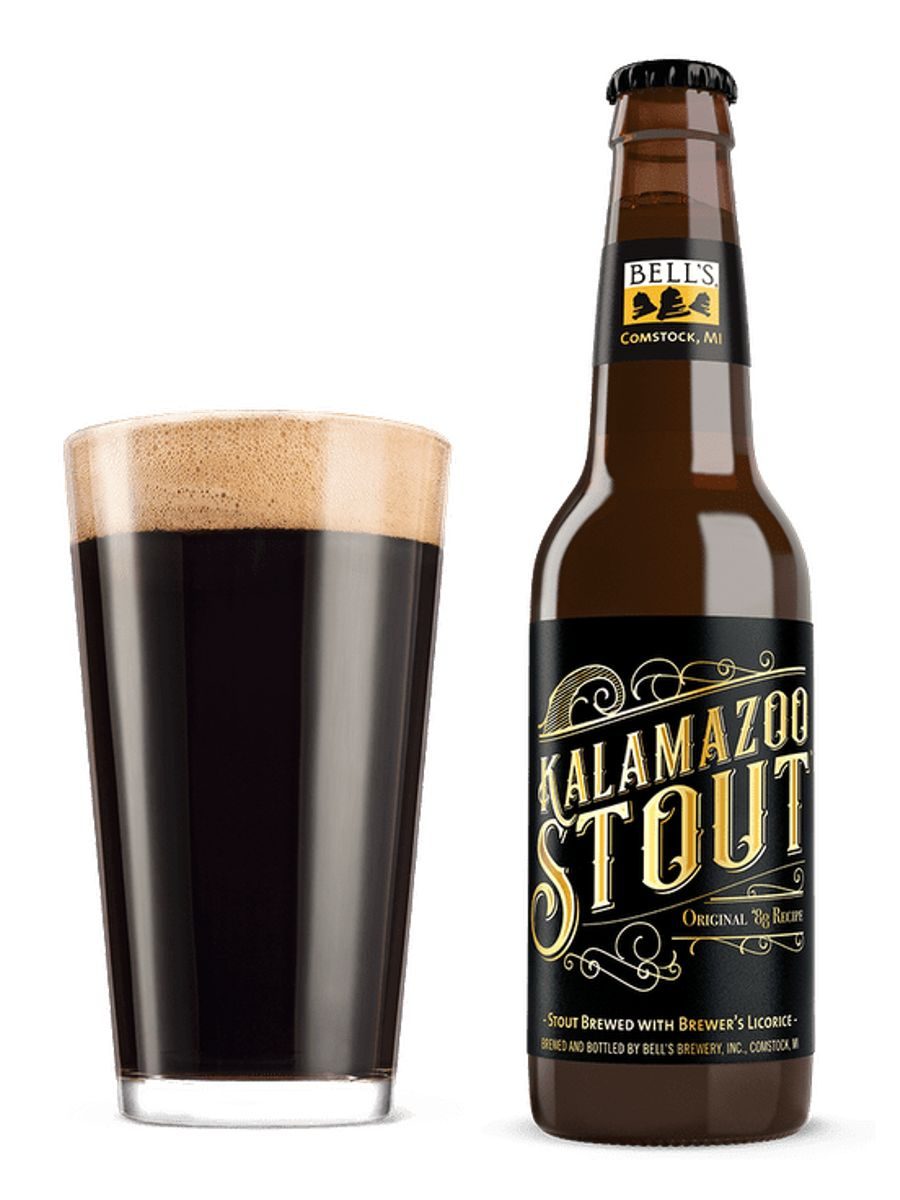
Kalamazoo Stout
Brewed by Bell’s Brewery
A full-bodied Michigan stout with a distinctive licorice-supported recipe.
BAR NOTES
Kalamazoo Stout is currently a year-round 6.0% beer with dark chocolate, freshly roasted coffee and a significant hop presence. Bell’s also lists gelatin-free brewer’s licorice among the ingredients, a useful detail that distinguishes this familiar Michigan recipe from a generic stout.
Taste it beside Bell’s Porter and follow roast, hop intensity and body in separate passes. Licorice contributes another layer, but the beer still makes a practical American-stout reference; broader stout families show how roast can be shaped through several different traditions. Continue with American stout comparisons.
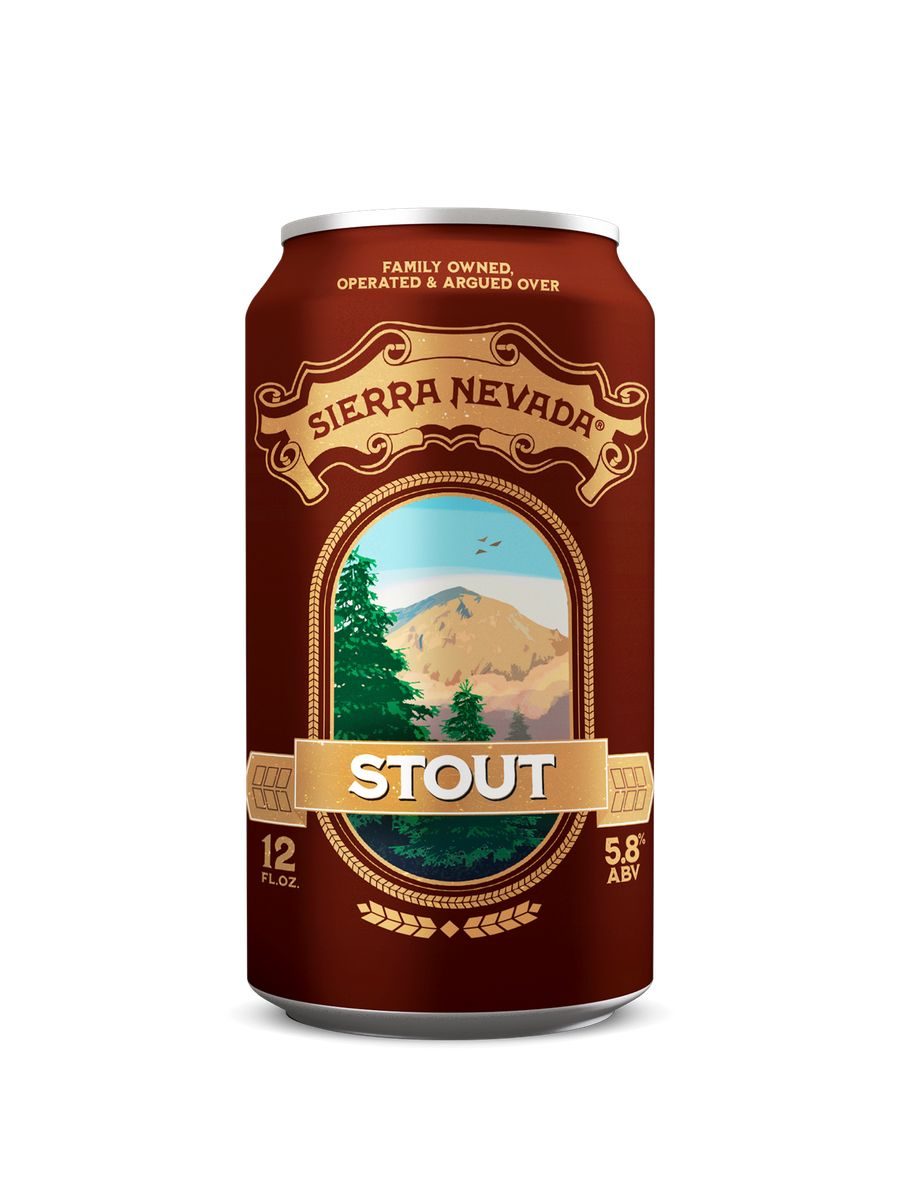
Sierra Nevada Stout
Brewed by Sierra Nevada Brewing Company
The brewery’s original dark style pairs roasted grain with West Coast hop character.
BAR NOTES
Sierra Nevada’s current Stout can gives 5.8% and 50 IBU. Black, chocolate and roasted-barley components sit alongside Munich and caramelized malts, with Bravo, Cascade and Yakima Golding hops; the result keeps coffee-like roast connected to an American hop frame.
The web shop currently shows sold out and cautions that its stock does not represent gift-shop availability. This is a useful comparison with its 32-IBU Porter, provided the actual cans are fresh; neither a store listing nor a familiar name guarantees broad distribution. Explore the American Porter guide.
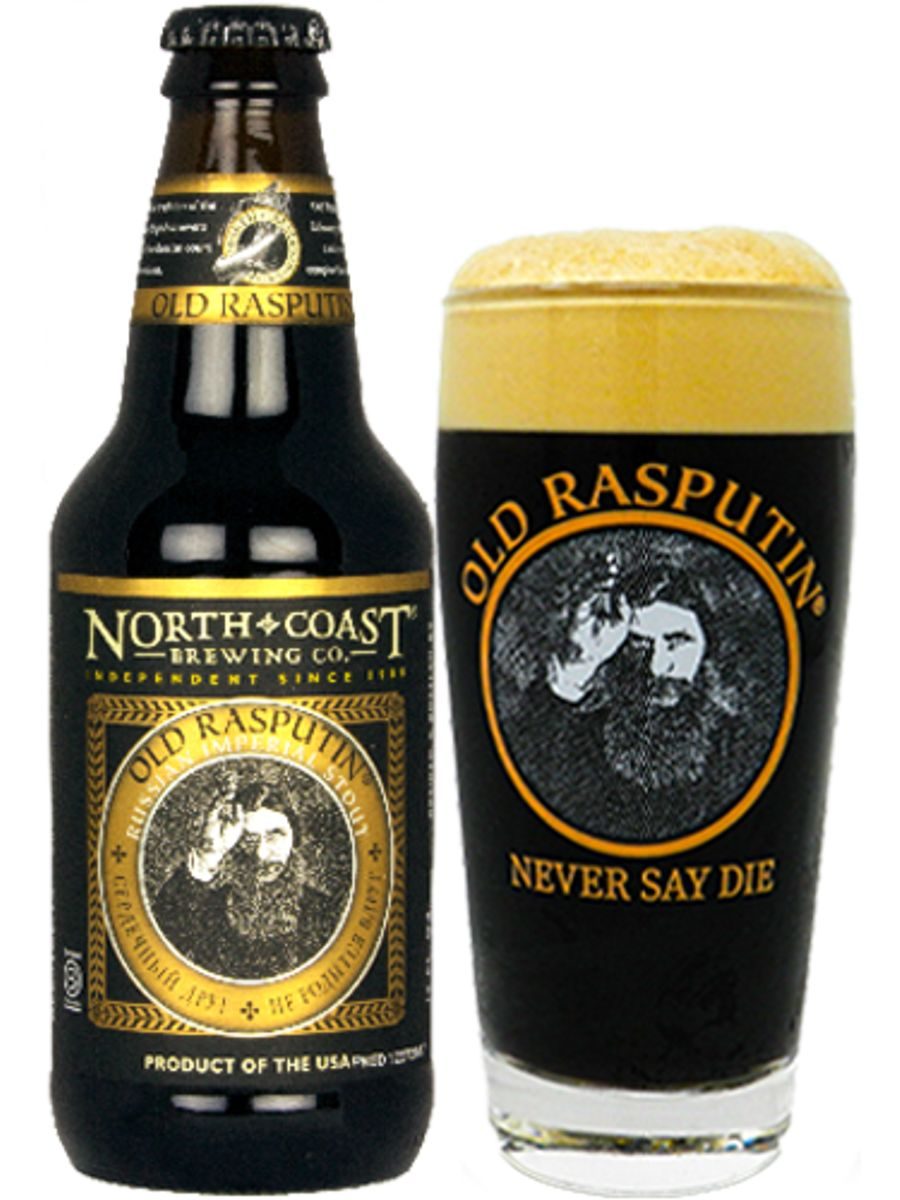
Old Rasputin
Brewed by North Coast Brewing Company
Rich dark malt, substantial bitterness and warming strength establish the imperial step.
BAR NOTES
Old Rasputin is currently 9.0% and 75 IBU, a rich Russian Imperial Stout with a warming finish. It makes a useful unbarreled reference before tasting bourbon, coffee additions or nitrogenated versions, because its dark-malt structure can be assessed on its own.
Let a small pour warm gradually and follow roast, dried-fruit impressions and bitterness separately. The Russian name refers to the imperial-stout tradition rather than a current Russian origin; this beer is a North Coast creation from Fort Bragg, California. Explore more imperial stout references.
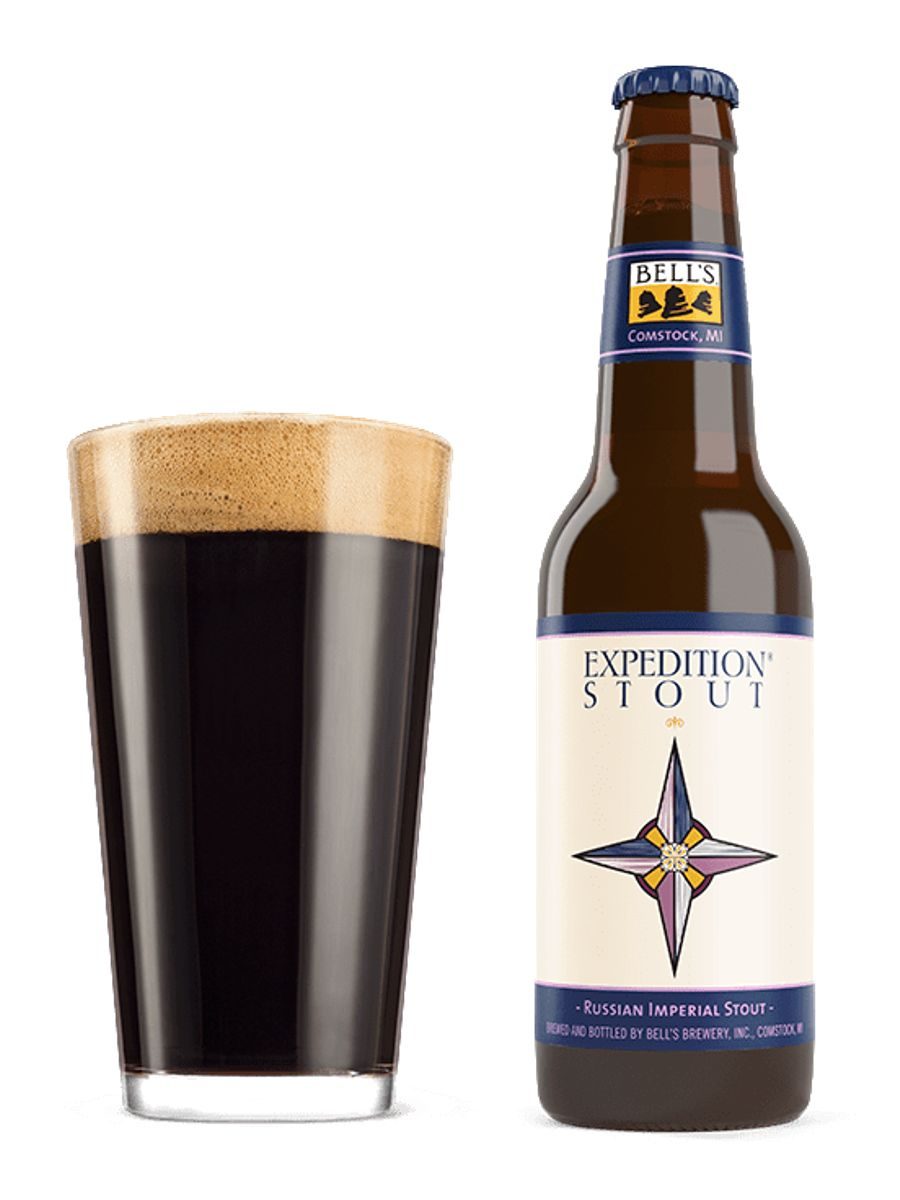
Expedition Stout
Brewed by Bell’s Brewery
Chocolate, dark fruit and a huge malt body are built with aging in mind.
BAR NOTES
Expedition’s current specifications are 10.5%, 77 IBU and a substantial 1.115 original gravity. Bell’s lists it as a limited-time specialty beer designed around chocolate, dark-fruit malt and a heavy body, with flavors intended to develop during cellar time.
Compare a fresh bottle with a carefully stored older one only when you know the dates and storage conditions. Aging can soften and change flavor without guaranteeing improvement; the brewery’s generous shelf-life statement is an invitation to experiment thoughtfully, not ignore the package history. Explore the imperial-stout brewing process.
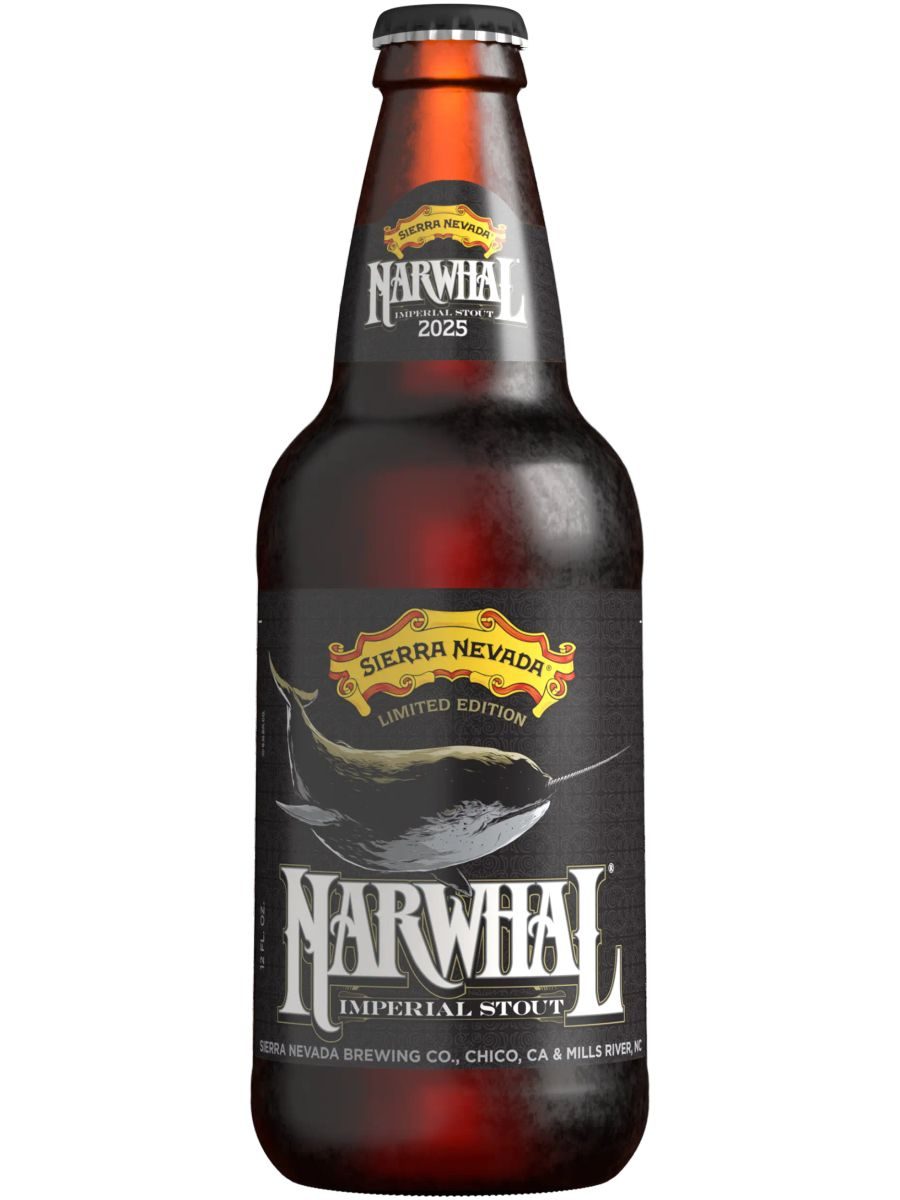
Narwhal Imperial Stout
Brewed by Sierra Nevada Brewing Company
Espresso, baker’s cocoa and a trace of smoke meet a velvety finish.
BAR NOTES
Narwhal’s current standard edition is 10.2% and 60 IBU, released September through December. Its large malt bill includes roasted barley, chocolate, honey and smoked malt, while Cascade and Chinook supply bitterness around espresso, baker’s cocoa and roasted grain.
Keep the standard bottle distinct from Barrel-Aged Narwhal, which is a separate release with different specifications. Taste this unbarreled edition alongside Expedition to compare roast and dark fruit before moving into oak or bourbon; similar alcohol does not imply identical malt balance. Continue with the Beer Flavor Wheel.
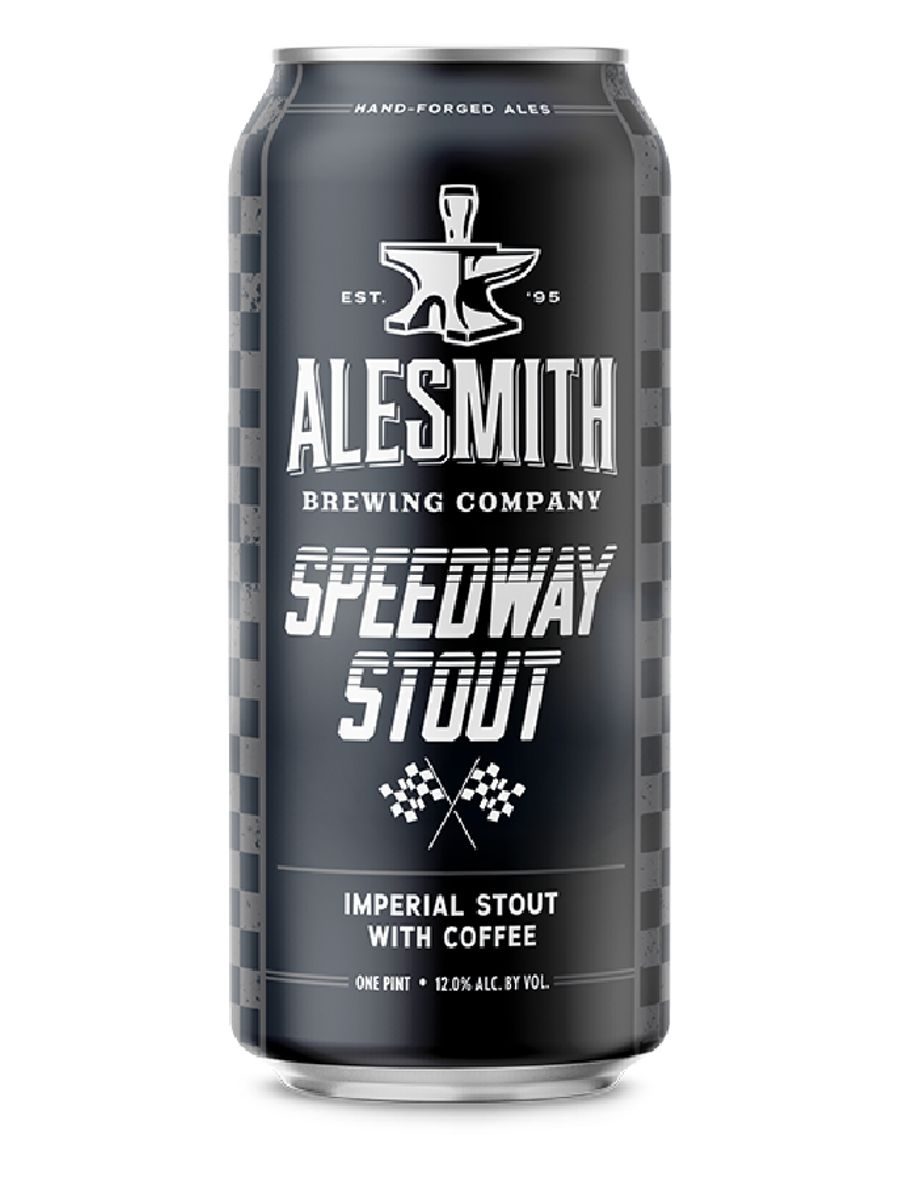
Speedway Stout
Brewed by AleSmith Brewing Company
Locally roasted coffee emphasizes dark chocolate at the upper imperial strength boundary.
BAR NOTES
Speedway’s standard year-round edition is 12.0% and 70 IBU. AleSmith adds locally roasted coffee to chocolate and roasted malts, with supporting toffee, caramel and dark-fruit impressions; cans and bottles make this a distinctive coffee-imperial reference without requiring a barrel.
The brewery suggests serving at 50–55°F in a tulip or goblet. Pair a small pour with aged Gouda, a rich beef dish or chocolate dessert, and compare it with Breakfast Stout to separate coffee contribution from the much larger alcohol and malt structure. Explore coffee-focused beers.
How to tell porter from stout
- Follow the roast: porter generally emphasizes chocolate and toast; stout leans harder into coffee, roast and char.
- Notice the finish: porter is often rounder, while American stout finishes drier, firmer and more bitter.
- Ignore color as a verdict: both can pour nearly black, and ingredient choices overlap heavily.
- Check the strength: imperial stout is a separate experience, with far more gravity, alcohol and aging potential.
Brewing priorities across the family
A good dark beer starts with a clear plan for every roasted grain. Chocolate malt can supply cocoa and coffee; roasted barley adds sharper espresso and char; dark crystal can contribute caramel and dried fruit. Using all of them heavily creates generic darkness rather than complexity.
Mash pH matters because dark grain is acidic. Brewers may add roasted grain late, use dehusked malts or adjust water alkalinity to preserve smoothness. Fermentation also deserves more attention as gravity rises: a standard porter is forgiving, while imperial stout demands a large healthy yeast pitch, oxygen and temperature control.
Serving and pairing
Serve porter and regular-strength stout around 46–50°F. Imperial stout opens closer to 50–55°F in a smaller glass. Burgers, smoked meat, roast beef, mushrooms and aged cheese work across the family; chocolate, coffee and caramel desserts become especially effective as strength rises.
American porter and stout FAQ
Is stout always stronger than porter?
No. Regular American stout and porter overlap in alcohol. Stout usually tastes more roasty and bitter, while imperial stout is clearly stronger than either.
Does stout have to use roasted barley?
Roasted barley is historically associated with stout, but modern recipes use many combinations of roasted barley, chocolate malt and black malt. The finished flavor matters more than a single ingredient rule.
Can dark beer be hoppy?
Absolutely. American versions often use citrusy, piney or resinous hops. The challenge is keeping hop character distinct without making the roast harsh or turning the beer into a black IPA.
Keep exploring American porter and stout
Follow dark malt from the chocolate-and-coffee balance of American porter through assertive American stout and into the immense depth of imperial stout.