
Dunkles Bock: Top 10 Current Beers and Style Guide
Dunkles Bock is a strong dark German lager built around bread, toast and rich continental malt, with enough attenuation to finish smooth rather than cloying.
It is stronger and deeper than Märzen, darker than Helles Bock, and less massive than Doppelbock.
The quick answer
Expect light copper to brown color, garnet highlights, good clarity and a persistent off-white head. Aroma and flavor center on rich bread, toast and Maillard depth, sometimes with restrained dark fruit and gentle alcohol.
| Measure | BJCP range |
|---|---|
| Original gravity | 1.064–1.072 |
| Final gravity | 1.013–1.019 |
| Bitterness | 20–27 IBU |
| Color | 14–22 SRM |
| Alcohol | 6.3–7.2% |
What Dunkles Bock tastes like
Malt is medium-high to high, with bread crust, toast and rich melanoidin character leading the glass. Some dark caramel or dried-fruit nuance may appear, but roast, burnt grain and dry biscuit are inappropriate.
Bitterness is only high enough to support the malt, and hop flavor is absent. The body is medium to medium-full, alcohol may gently warm, and clean attenuation prevents the finish from becoming syrupy.
Top 10 current Dunkles Bock references
These ten current HBA editorial picks focus on dark bock and bottom-fermented autumn-bock interpretations rather than substituting pale bocks, wheat bocks or stronger Doppelbocks. The order is a tasting route, not a blind-tasting result. Schell’s 6.1% and Hummel’s 7.5% sit outside the usual BJCP 6C alcohol range and are identified as commercial variations. Some Dutch and regional examples also emphasize sweeter or more roasted malt than the competition ideal. Seasonal listings mean a recurring product, not guaranteed October availability.
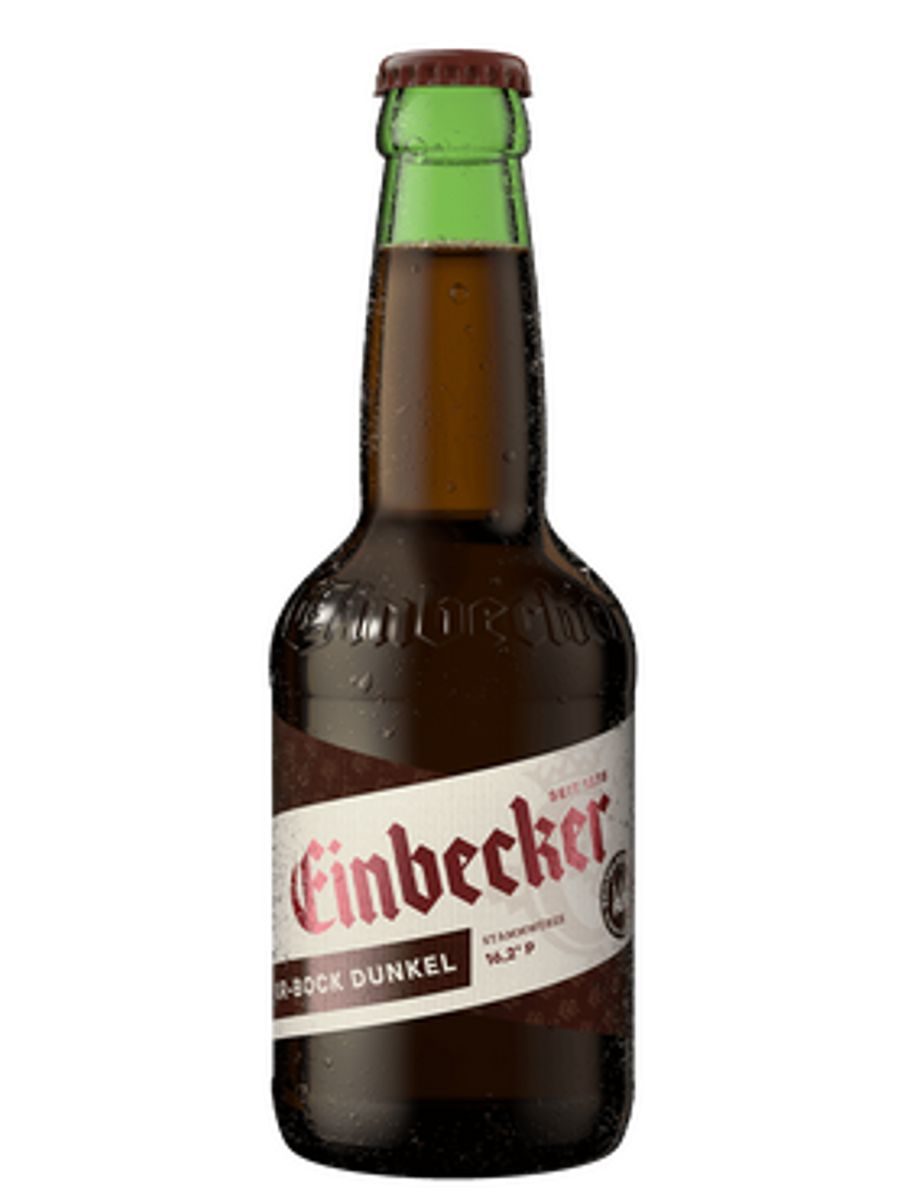
Einbecker Ur-Bock Dunkel
Brewed by Einbecker Brauhaus
Mahogany malt depth with a firm balancing finish.
BAR NOTES
Start with the dark Ur-Bock rather than Einbecker’s pale, winter or alcohol-free bocks. Its mahogany malt profile and 6.5% strength make a useful reference for separating richer lager from simply darker everyday beer.
Look for the relationship between malt fullness and bitterness as the glass warms. Compare it with the stronger examples in our bock beer roundup to understand why dark bock need not have Doppelbock’s weight.
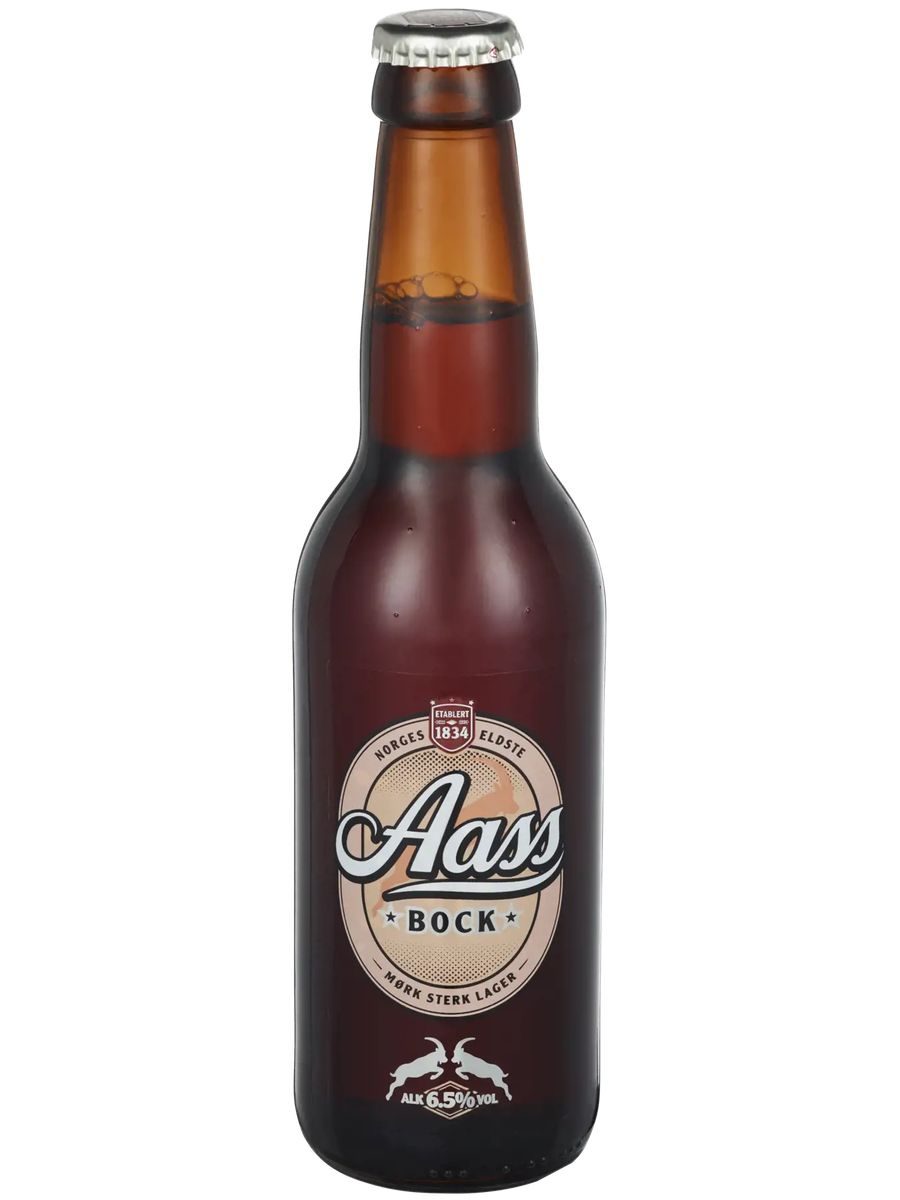
Aass Bock
Brewed by Aass Bryggeri
Chestnut color, roasted grain and a sweet-bitter malt balance.
BAR NOTES
Aass offers a Norwegian perspective on a style associated with Germany. The brewery describes chestnut color, roasted grain, malt fruitiness and clear sweetness, supported by 20 IBU rather than a prominent hop aroma.
Taste for the point where that sweetness meets the bitter finish, rather than expecting stout-like roast. The producer recommends warmer service, so let a refrigerator-cold bottle open gradually beside roast meat or a nutty cheese.
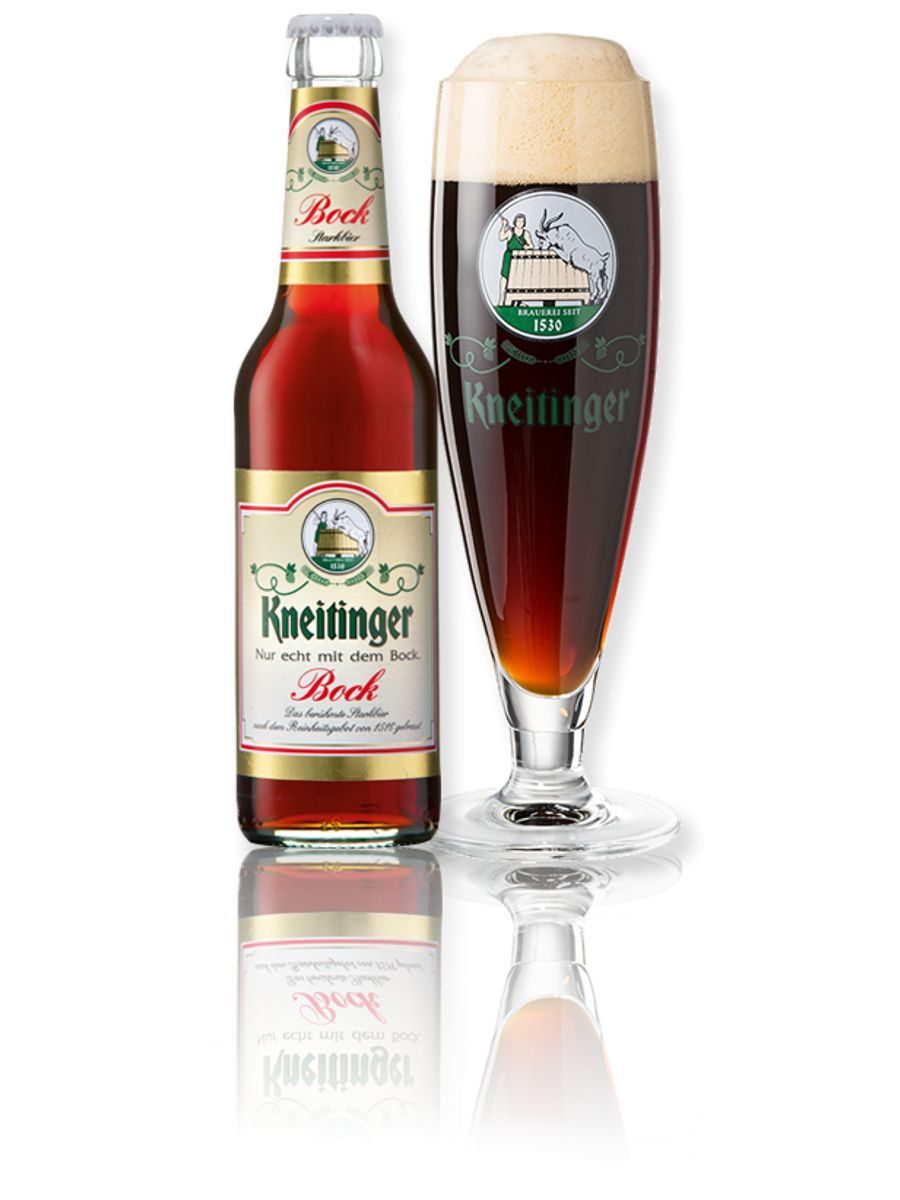
Kneitinger Bock
Brewed by Brauerei Kneitinger
Deep dark malt and a smooth, full-bodied finish.
BAR NOTES
Kneitinger’s dark seasonal bock belongs in the flight for its substantial malt structure at 6.8%. Choose the bottle labeled Bock; the brewery also makes a lower-strength Dunkel that answers a different tasting question.
Use a small pour to compare body and lingering malt with Einbecker, allowing both glasses to warm at the same pace. Check the current Bock season locally rather than assuming year-round distribution outside Regensburg.
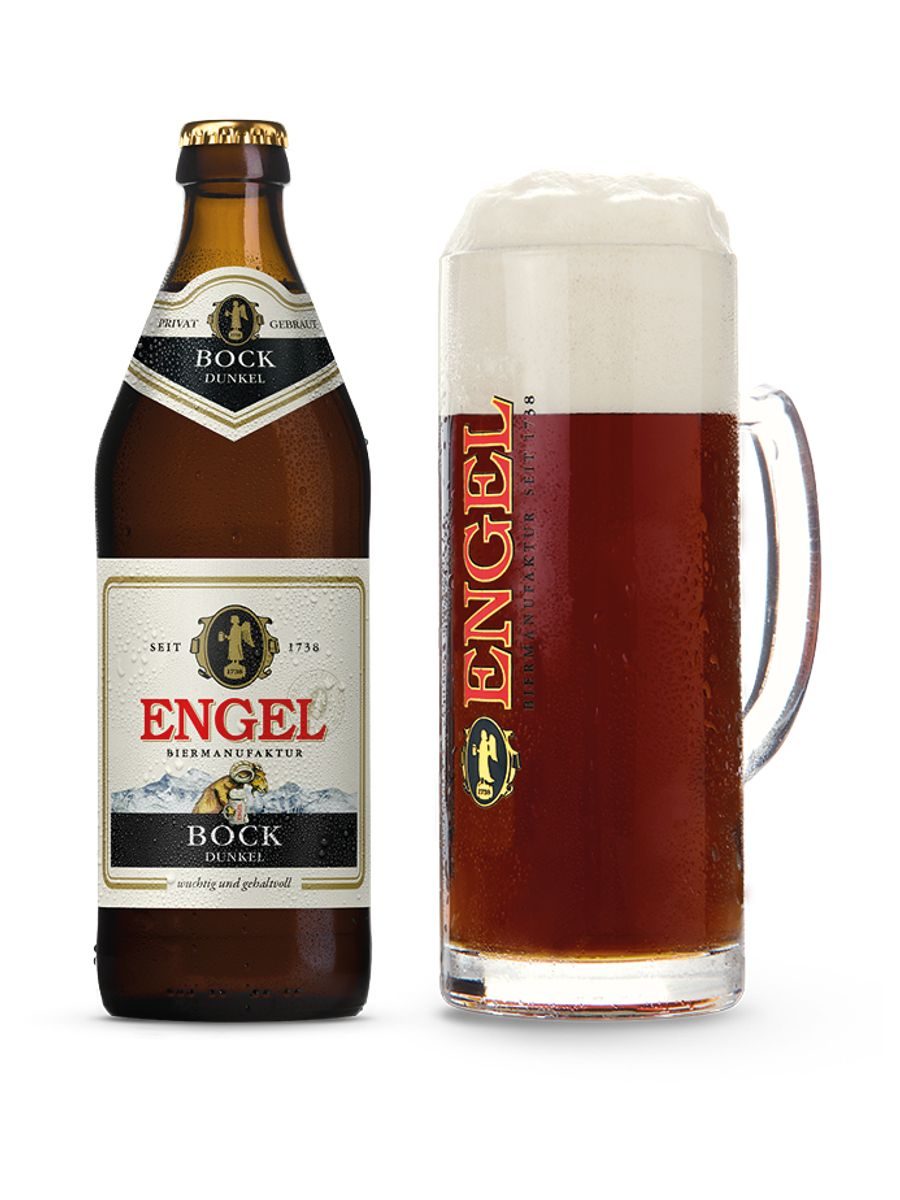
Engel Bock Dunkel
Brewed by Crailsheimer Engelbräu
A dark bock at the upper end of the usual style strength.
BAR NOTES
Engel puts dark bock at 7.2%, the upper edge of the usual BJCP 6C alcohol range. That makes it a useful stopping point before moving into heavier strong lagers with a different balance.
Compare the impression of strength with the toasted malt underneath, looking for warmth that supports rather than dominates the glass. Our dark lager roundup helps show how this differs from darker beers built around lighter drinking strength.
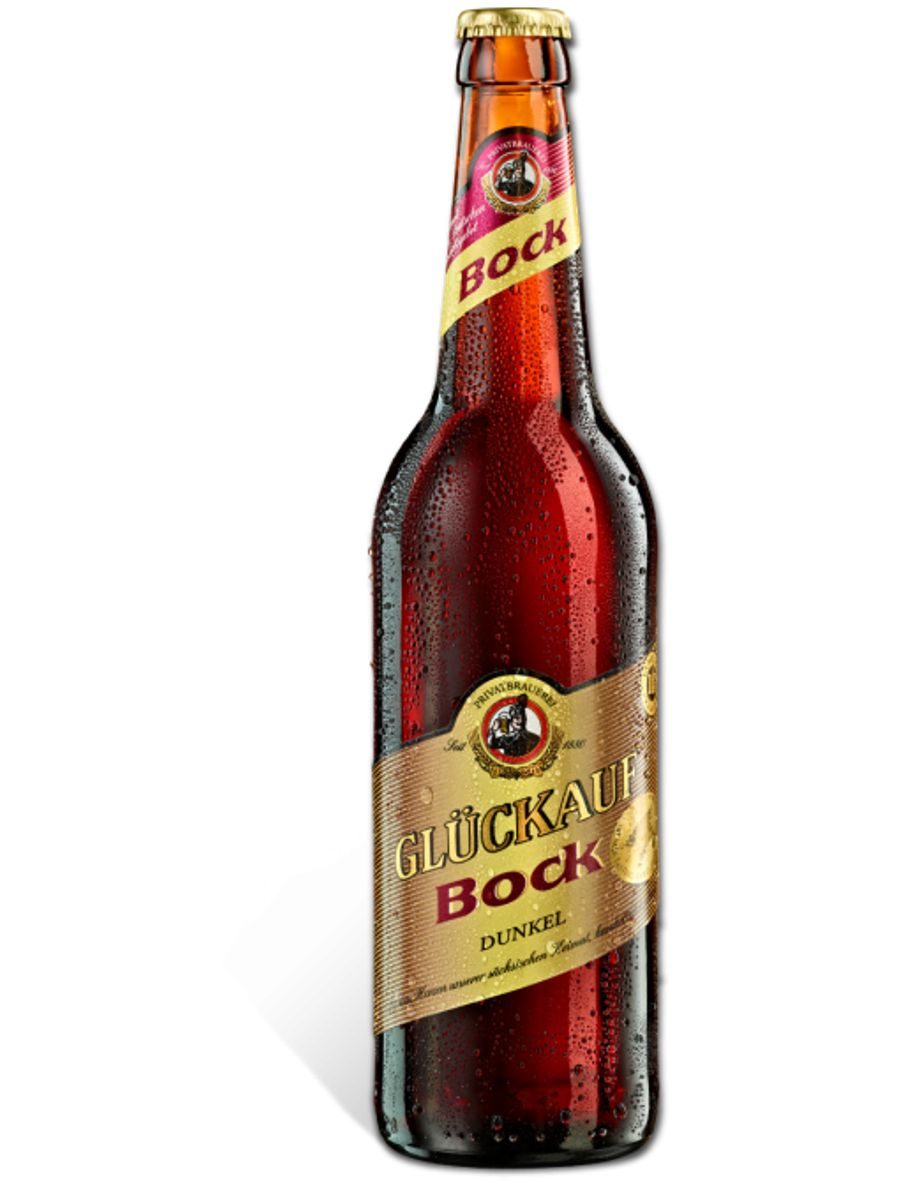
Glückauf Bock
Brewed by Glückauf-Brauerei
Dark malt character at the lower edge of the strength band.
BAR NOTES
Glückauf’s current dark Bock is 6.3%, not the similarly named pale Gersdorfer Heller Bock. The producer emphasizes dark-malt roast character, making this an instructive regional interpretation at the lower end of standard bock strength.
Notice whether the roasted impression stays gentle enough to leave malt fullness in charge. BJCP dark bock favors toast and bread over harsh roast; use this comparison to distinguish a commercial interpretation from a competition ideal.
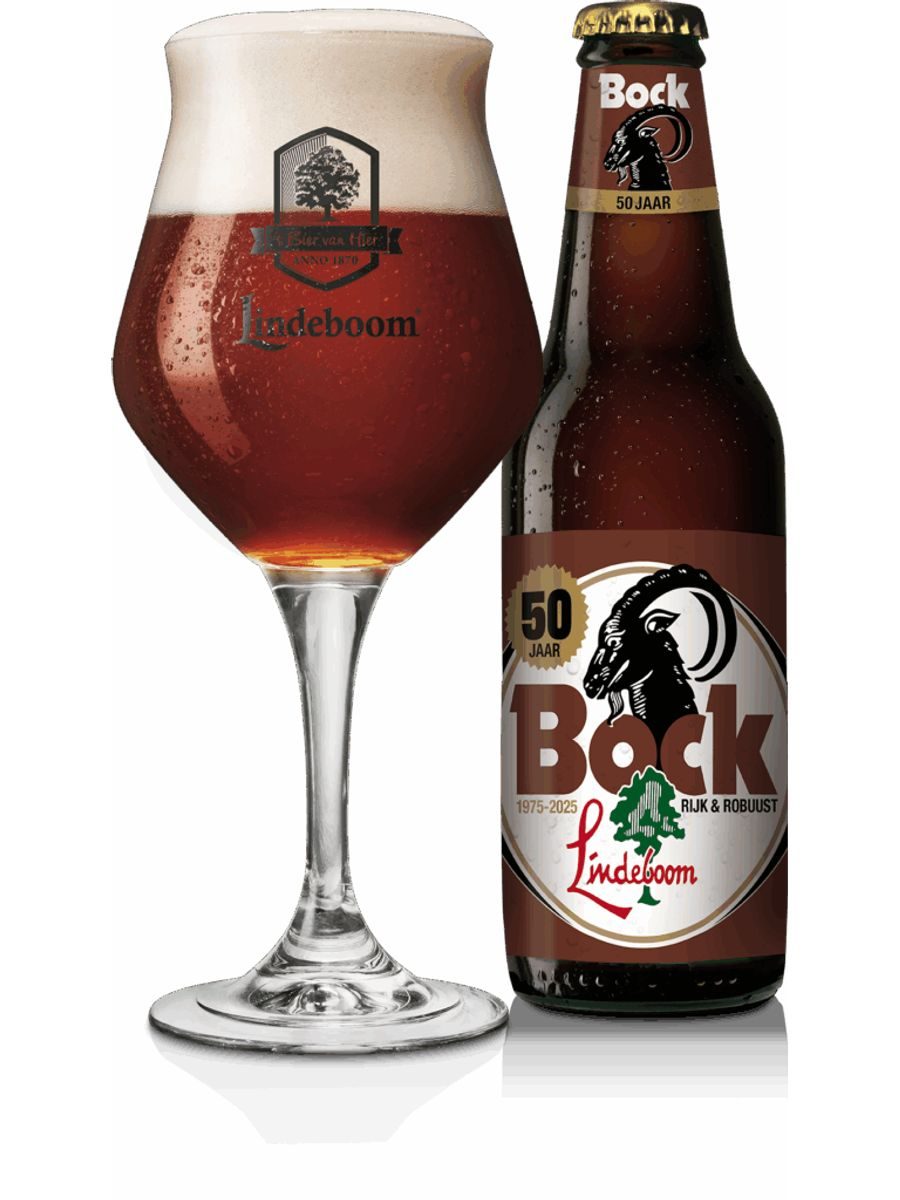
Lindeboom Bock
Brewed by Lindeboom Bierbrouwerij
Dutch bock with a full malt foundation and long lagering.
BAR NOTES
Lindeboom is a Dutch bock that explicitly uses bottom-fermenting yeast, so it fits this lager-focused comparison. The brewery’s five-malt formulation and extended aging offer a different route to richness from adding more alcohol.
Serve near the producer’s 8–10°C recommendation and compare its full body with Aass at the same strength. Treat the brewery’s anniversary packaging as the same named beer, rather than assuming the label signals a separate stronger release.
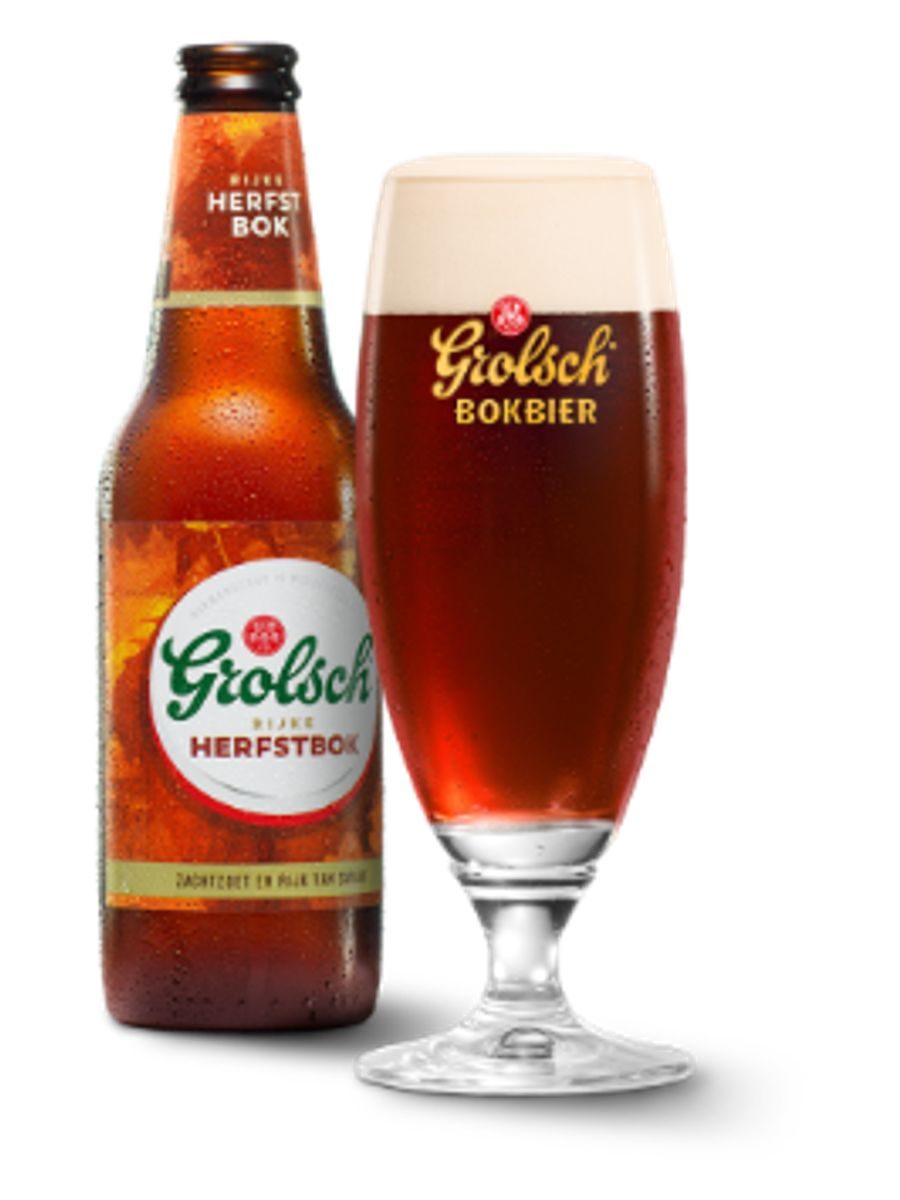
Grolsch Rijke Herfstbok
Brewed by Grolsch
Soft caramel and a richer Dutch autumn-bock balance.
BAR NOTES
The regular Rijke Herfstbok is a ruby-red, bottom-fermented autumn bock at 6.6%. Grolsch also lists an aged Herfstbok and a Winterbok; choose the exact regular product when following this comparison.
Its producer-described soft sweetness and caramel make a useful contrast with the German examples. Taste it alongside braised meat, then return to Einbecker to assess how sweetness changes your impression of malt depth and finish.
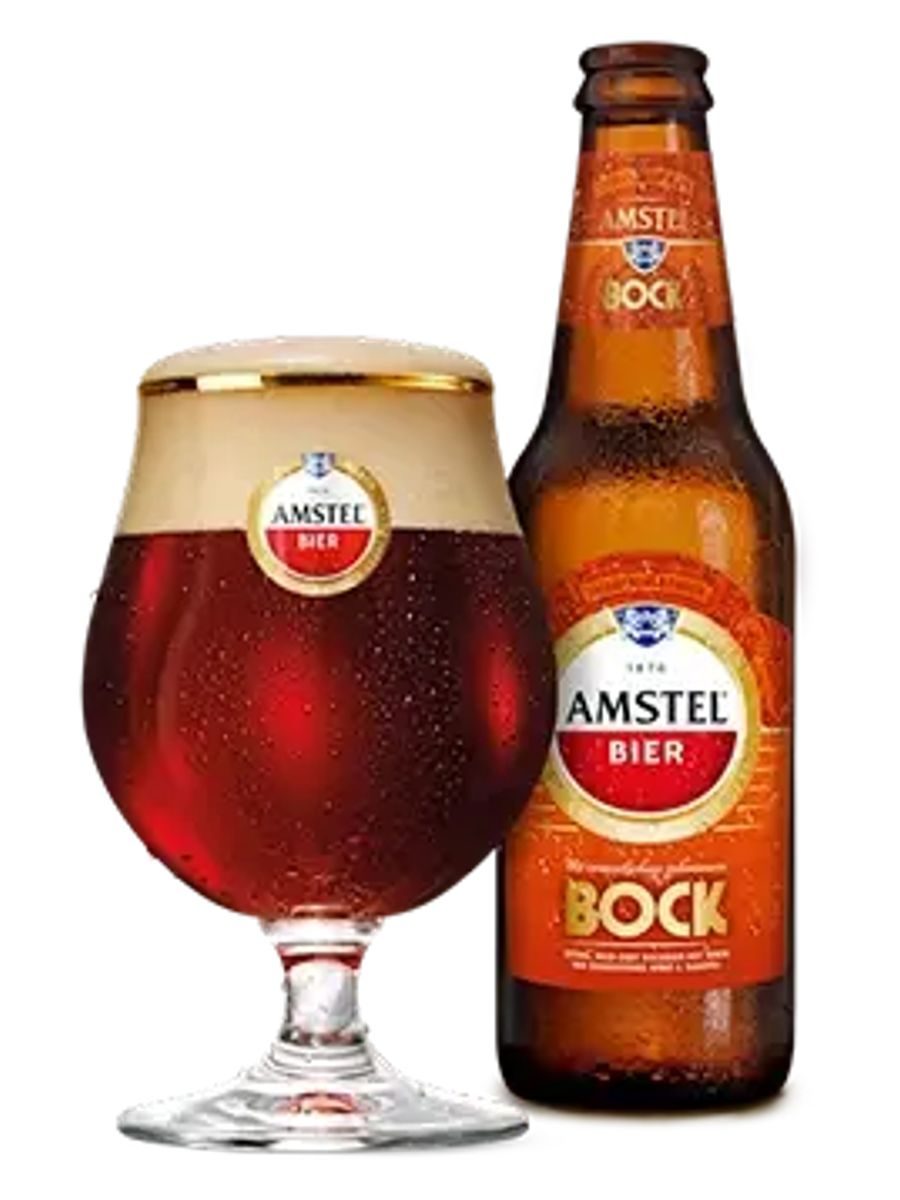
Amstel Bock
Brewed by Amstel
A stronger Dutch autumn bock with dark-fruit impressions.
BAR NOTES
Amstel’s current Bock specification is 7.0%, with the brewery describing dark fruit, caramel and a mildly sweet profile. Pick Bock rather than Amstel’s everyday lager or the separate lower-strength Blond product.
Use it to compare the Dutch autumn-bock tradition with a German dark bock of similar strength. Match small pours and serving temperatures; a sweeter impression can feel heavier even when the difference in alcohol is modest.
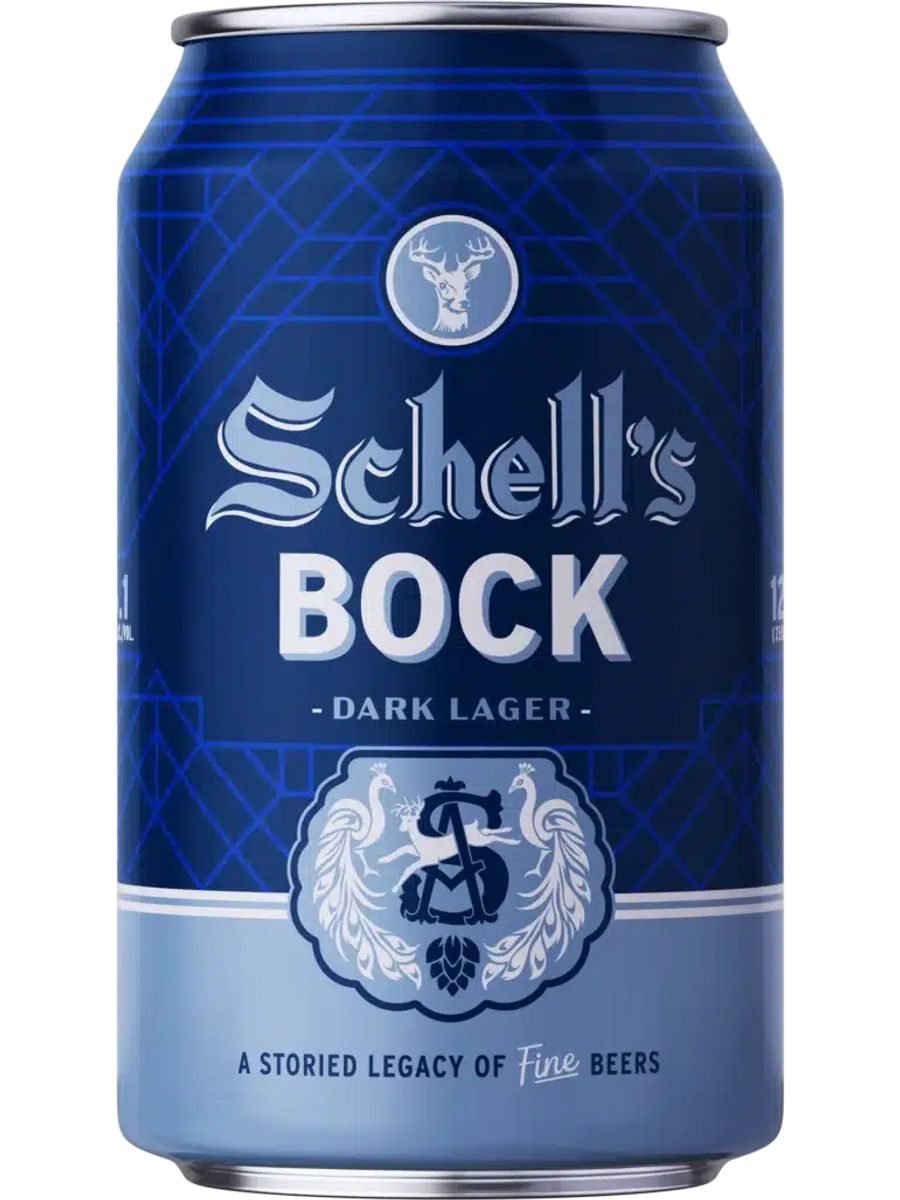
Schell’s Bock
Brewed by Schell’s Brewery
An American dark bock with toasted caramel malt.
BAR NOTES
Schell’s current Bock is 6.1% and 24 IBU, with toasted caramel malt and a smooth finish. Its alcohol falls slightly below the usual 6C band, although BJCP names it among the style’s commercial references.
The brewery lists a January–April release window, so consider this a winter tasting target rather than a promise of October shelf stock. Compare it with Oktoberfest beers to judge what additional strength contributes beyond amber color.
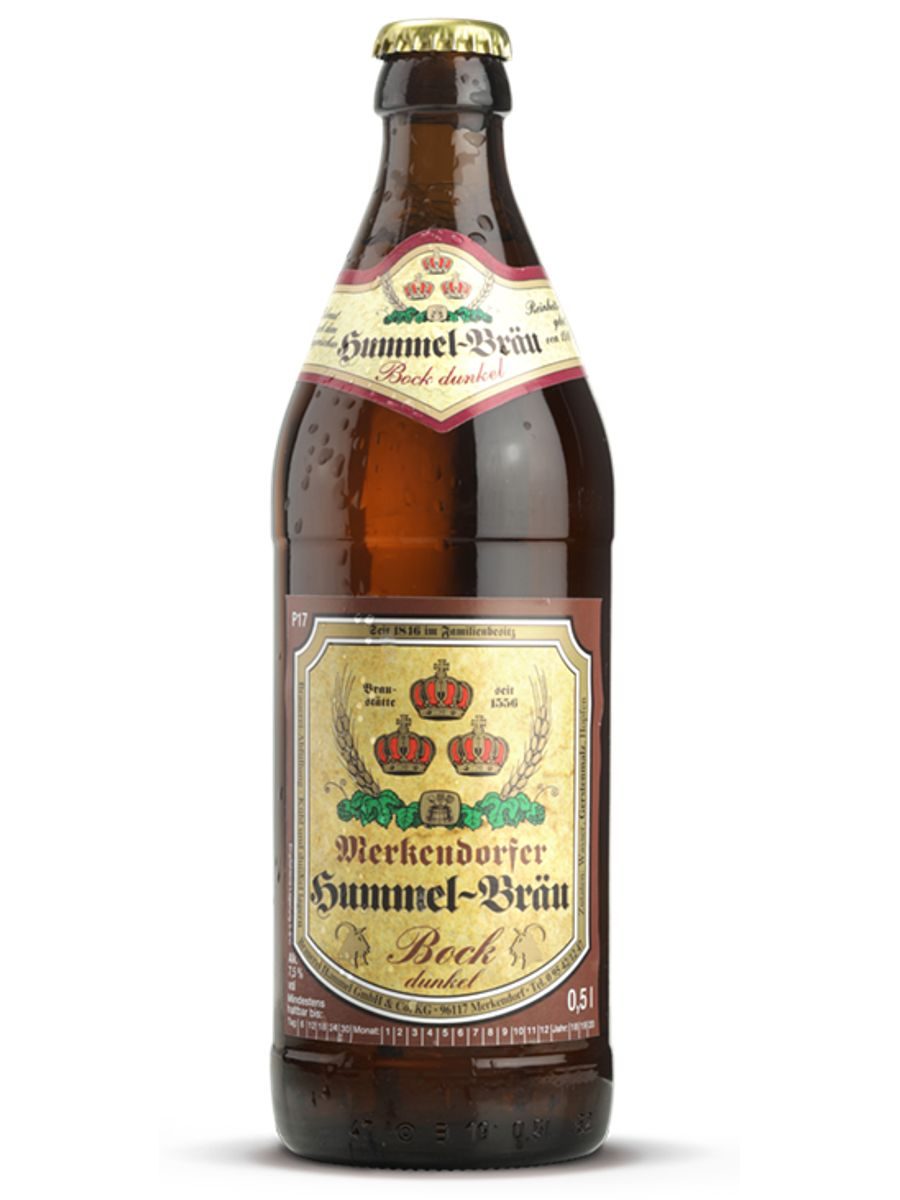
Hummel Dunkler Bock
Brewed by Brauerei Hummel
A stronger dark-bock interpretation with coffee-chocolate notes.
BAR NOTES
Hummel labels this beer Dunkler Bock and describes a dark-brown, full-bodied profile with coffee-chocolate notes. At about 7.5%, it exceeds the usual 6C strength band and should be read as a stronger commercial variation.
Choose Dunkler Bock rather than the brewery’s pale Leonhardibock, Weizenbock or smoked Räucherator Doppelbock. The regular product page gives a November window; its current 2026 calendar also announces an October bock tapping, so regional release timing needs checking.
How Dunkles Bock is brewed
Munich and Vienna malts form the core, sometimes with a tiny amount of dark malt for color adjustment. Decoction mashing can intensify bread crust and Maillard depth, but roasted grain and non-malt adjuncts are not traditional tools here.
Continental hops stay in the background, while healthy German lager yeast and careful temperature control keep the fermentation clean. The challenge is reaching high strength without leaving excessive sweetness or producing hot alcohol.
From Einbeck to Munich
Bock originated in Einbeck, a major northern German brewing and export center during the Hanseatic era. Munich brewers later recreated the beer, and the name became associated with the German word for goat, which explains the animal on many labels.
The style sits between Märzen and Doppelbock in both strength and malt concentration. Its identity depends on substantial grain flavor, not simply dark color or a high alcohol number.
Dunkles Bock compared with nearby styles
Helles Bock is paler and shows more hop character. Doppelbock is stronger and richer. Märzen is lighter in strength and malt concentration, while Czech Amber Lager is generally more attenuated and hop-forward.
Keep following dark malt
Compare bock with neighboring lager styles, then choose a recipe that changes color, strength or malt depth.