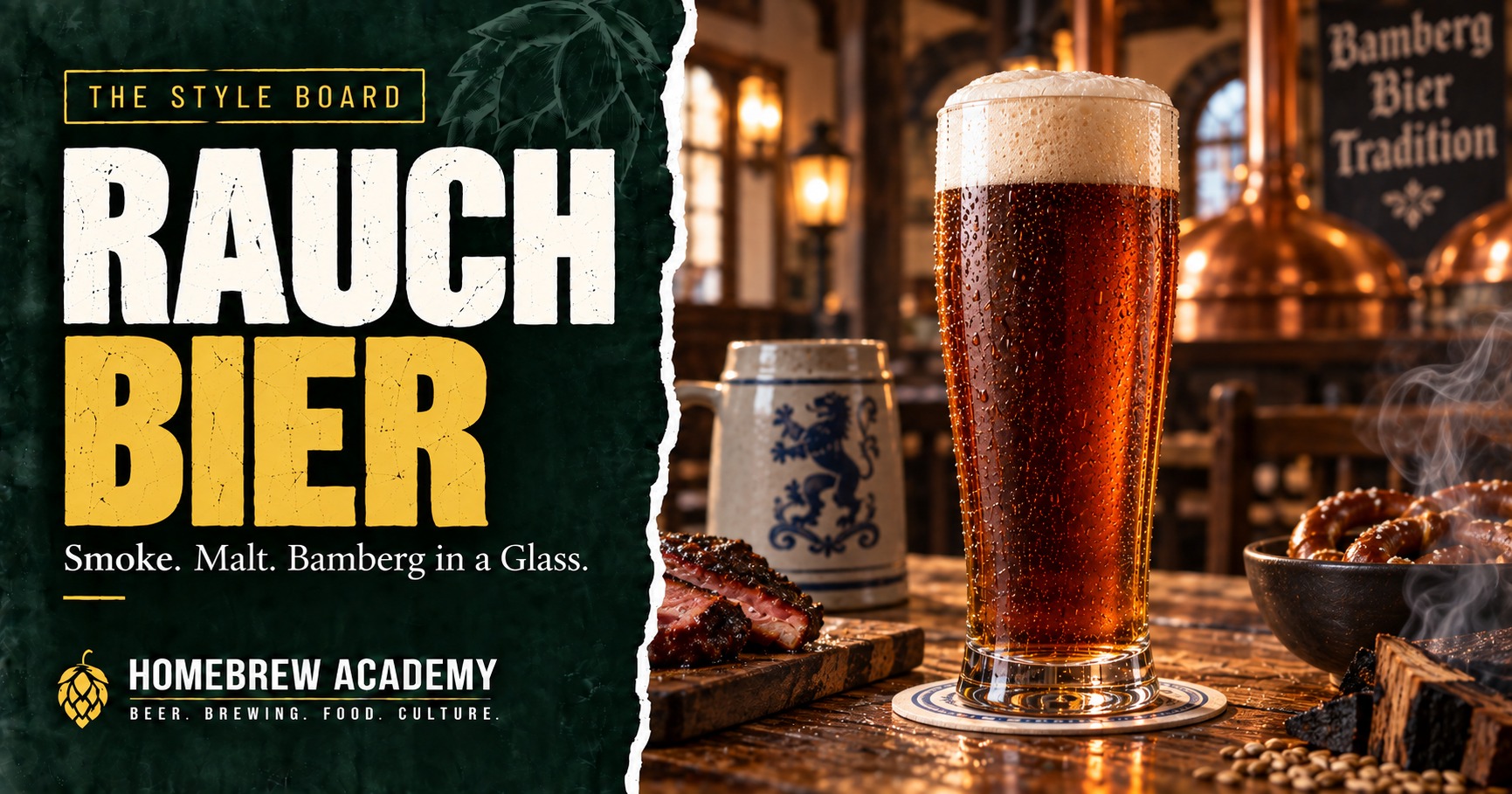
Rauchbier: Top 10 Current Beers and Style Guide
Rauchbier is a Märzen-like amber lager in which beechwood-smoked malt adds a clear smoky aroma and flavor without erasing clean fermentation or toasty malt.
The style can be intense, but intensity is not the same as harshness. The best examples feel integrated, smooth and unexpectedly dry.
The quick answer
Expect a deep amber to copper-brown lager with excellent clarity and a large cream-colored head. Smoke may suggest wood, hearth, ham or bacon, while the underlying malt supplies toast and bread crust.
| Measure | BJCP range |
|---|---|
| Original gravity | 1.050–1.057 |
| Final gravity | 1.012–1.016 |
| Bitterness | 20–30 IBU |
| Color | 12–22 SRM |
| Alcohol | 4.8–6.0% |
What Rauchbier tastes like
Smoke and malt should support one another. A stronger smoky impression can make the beer seem drier, while a milder example may reveal more toast and malt richness. Bitterness remains moderate and the lager fermentation stays clean.
Harsh ash, burnt rubber, creosote, medicinal phenols and greasy smoke are faults, not signs of authenticity. The texture should be smooth, medium-bodied and free from astringency.
Top 10 current Rauchbier references
These ten current HBA editorial picks focus on smoked barley lagers rather than adding smoked porters, wheat beers or bocks to reach ten. The order is a tasting route, not a blind-tasting result. Weiherer’s paler appearance and Fastenbier’s higher original extract are identified as commercial variations. Fastenbier is a recurring spring specialty, not a promise of October stock; regional availability also varies.
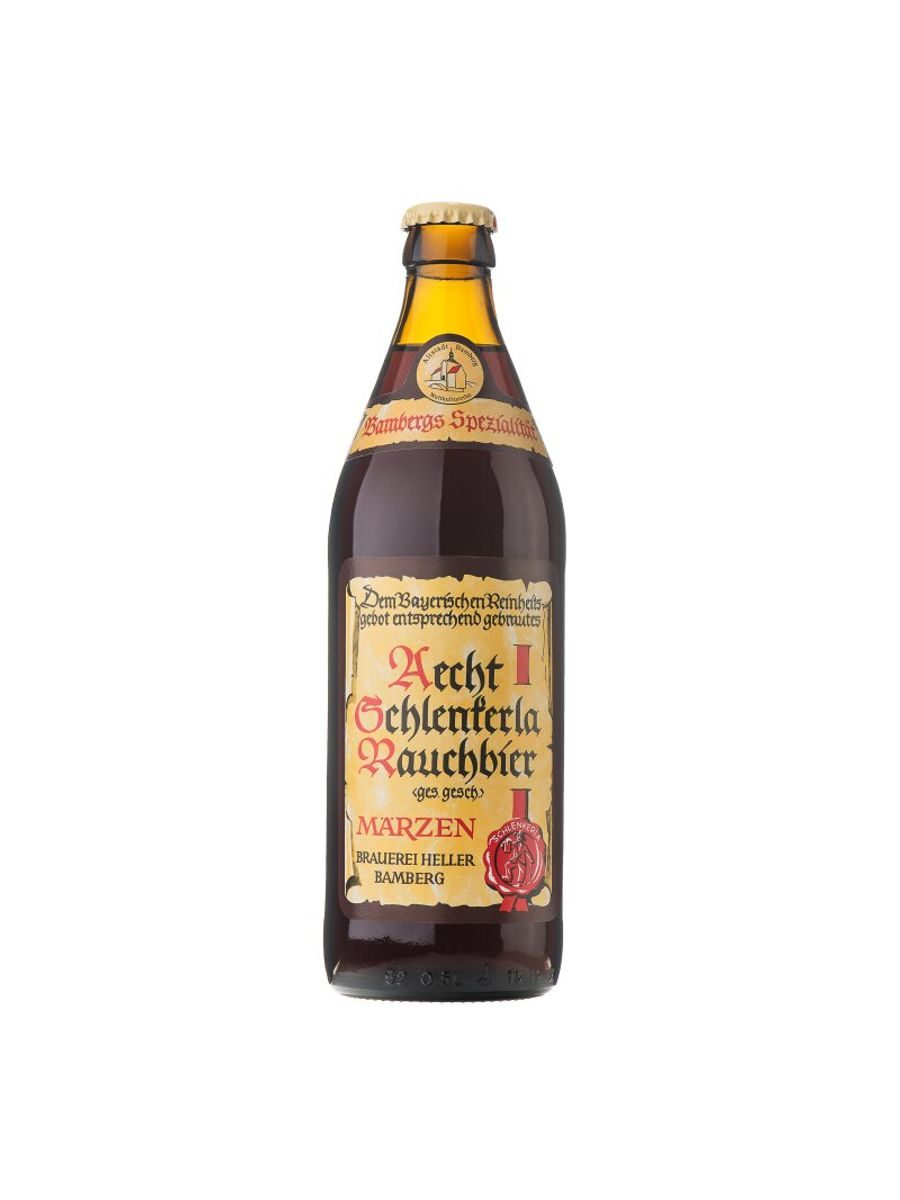
Aecht Schlenkerla Rauchbier Märzen
Brewed by Schlenkerla / Heller-Bräu Trum
The classic Märzen-based smoked-lager starting point.
BAR NOTES
Schlenkerla Märzen is the defining opening reference for this flight: a dark, bottom-fermented lager made with the brewery’s own smoked malt. Its 5.1% ABV keeps the lesson centered on smoke over a substantial amber malt base rather than on bock strength.
Allow the aroma and the first few sips to develop before deciding that smoke has overwhelmed the beer. The comparison with an unsmoked Märzen reveals how much malt structure remains underneath. Roast pork, mushrooms or smoked cheese bring the savory elements into a familiar setting.
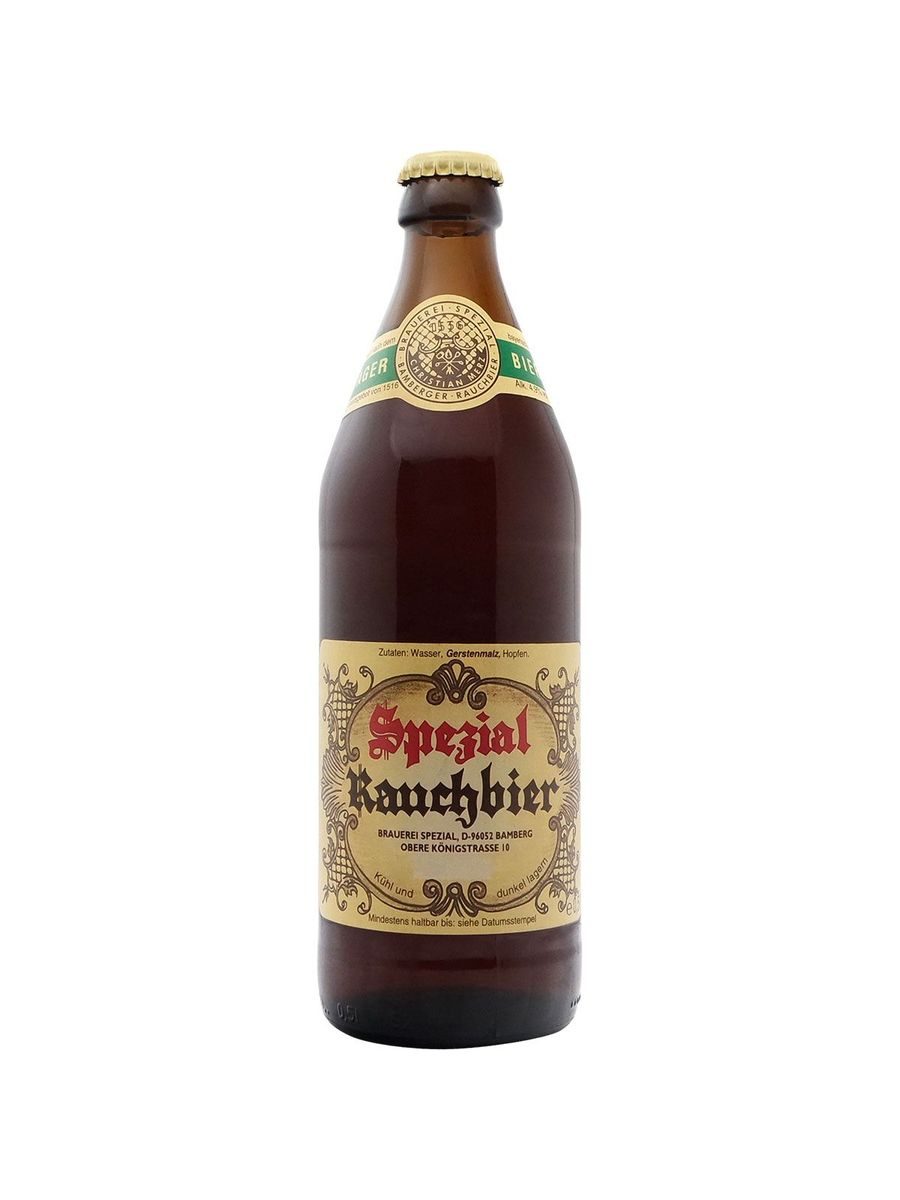
Spezial Lager Rauchbier
Brewed by Brauerei Spezial
A gentler smoke reference from a brewery with its own maltings.
BAR NOTES
Spezial’s best-known Rauchbier is its amber Lager, listed at approximately 4.9% ABV. The brewery makes its smoked malt in-house over beechwood fire and describes a fine, mild smoke character. This provides a useful starting point for readers uncertain about stronger smoky aromas.
Put it beside Schlenkerla Märzen and focus on intensity and balance, not on choosing a single universal winner. Both belong to Bamberg’s smoke tradition, yet they offer different introductions. The Rauchbier roundup expands the comparison into other smoked-beer interpretations.
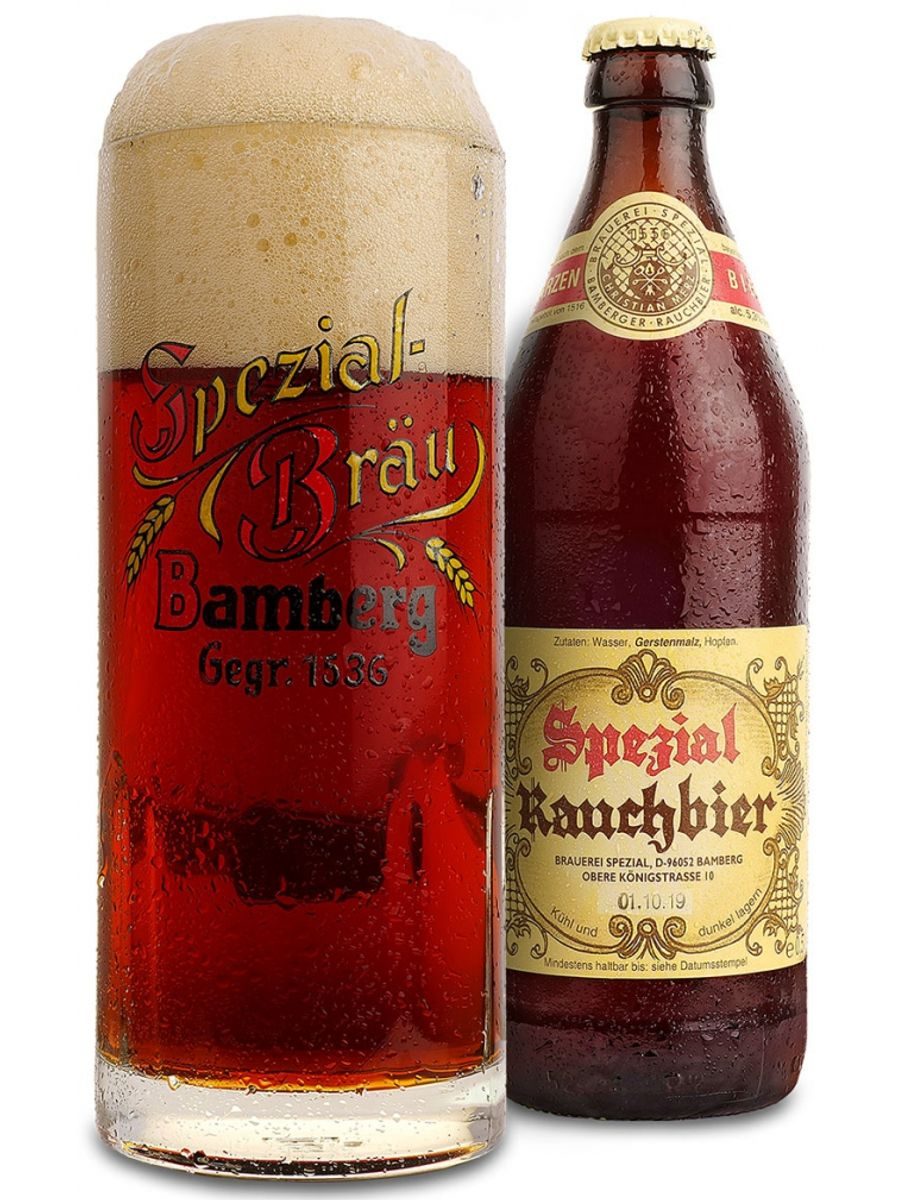
Spezial Rauchbier Märzen
Brewed by Brauerei Spezial
A distinct beer from Spezial Lager, with a fuller malt comparison.
BAR NOTES
Spezial’s Märzen is a separate dark, malt-aromatic Rauchbier at approximately 5.3% ABV. Including it beside the brewery’s Lager makes the tasting more useful: the smoke tradition stays consistent while the malt base and strength change. Do not substitute Spezial’s wheat beer or seasonal bock.
Compare this pair before moving to another brewery so the effect of a fuller base stays easy to track. Look at how smoke joins malt instead of treating smoky aroma as a score by itself. Roast duck, pork or earthy mushrooms make appropriate food comparisons.
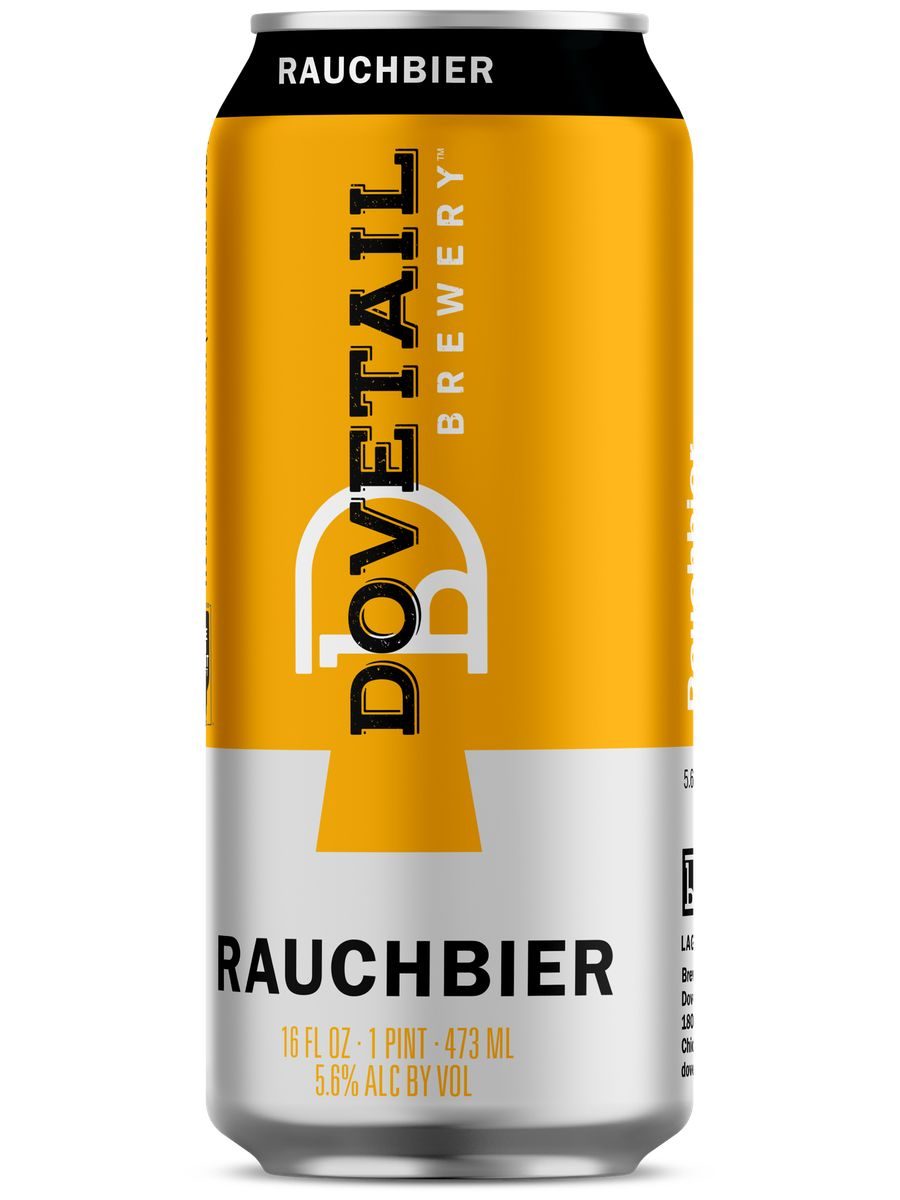
Dovetail Rauchbier
Brewed by Dovetail Brewery
An American reference built around beechwood smoke and traditional lager methods.
BAR NOTES
Dovetail lists Rauchbier at 5.3% ABV and describes beechwood-smoked malt balanced by a smooth lager base. Double decoction, open fermentation, coolship rest and horizontal lagering make this a useful modern American comparison with the Franconian examples, without changing the underlying tasting question.
Taste it with Spezial Märzen to compare beers of similar strength made in different settings. The interest is how malt, smoke and fermentation fit together, not whether geography guarantees a flavor. Bratwurst, smoked cheese and grilled vegetables give those components something savory to work with.
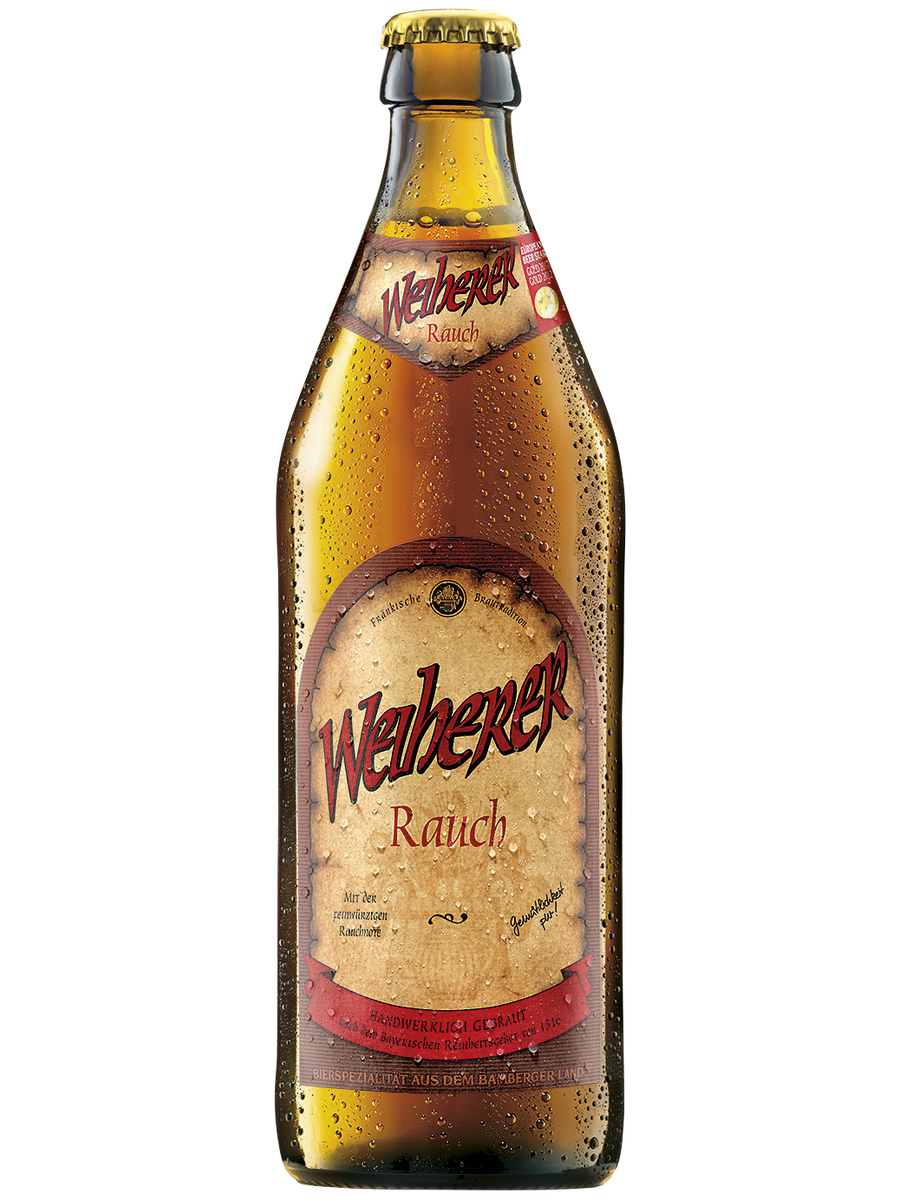
Weiherer Rauch
Brewed by Brauerei Kundmüller
A golden commercial variation rather than the copper-brown 6B appearance benchmark.
BAR NOTES
Kundmüller lists Weiherer Rauch at 5.3% ABV and describes a bright golden appearance with gently spicy smoked-malt notes. That paler color is a commercial variation from the usual copper-to-brown BJCP 6B presentation, so use it to compare balance rather than to set the color standard.
Its lingering bitterness adds another way to keep smoke and malt from becoming heavy. Compare it with a fuller, darker Rauchbier and look for the difference in finish. The pilsner roundup offers an unsmoked hop-led contrast when you want to reset the flight.
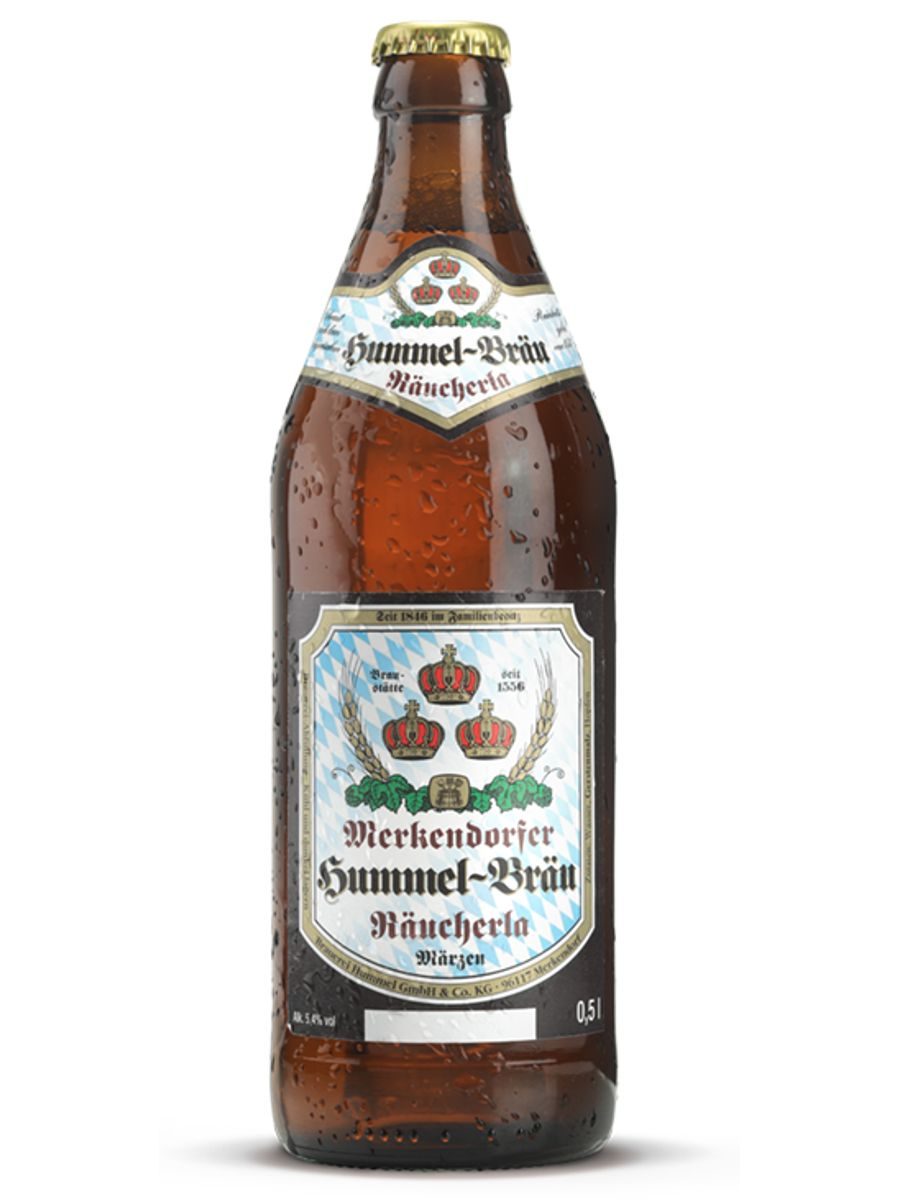
Hummel Räucherla
Brewed by Brauerei Hummel
Current producer specification is approximately 5.4%, distinct from the 5.6% pale 1162.
BAR NOTES
Hummel describes Räucherla as a Märzen-style smoke specialty brewed with dark malt and a measured smoked-malt share. The current producer listing gives approximately 5.4% ABV and year-round availability. This is the dark Räucherla, not Hummel’s separate pale 1162 or stronger Räucherator.
Pair it with the brewery’s unsmoked Märzen for an unusually direct comparison at the same listed strength. Smoke should change the aroma and savory impression without erasing the lager underneath. For another malt-focused tasting route, the dark lager roundup broadens the base-style comparison.
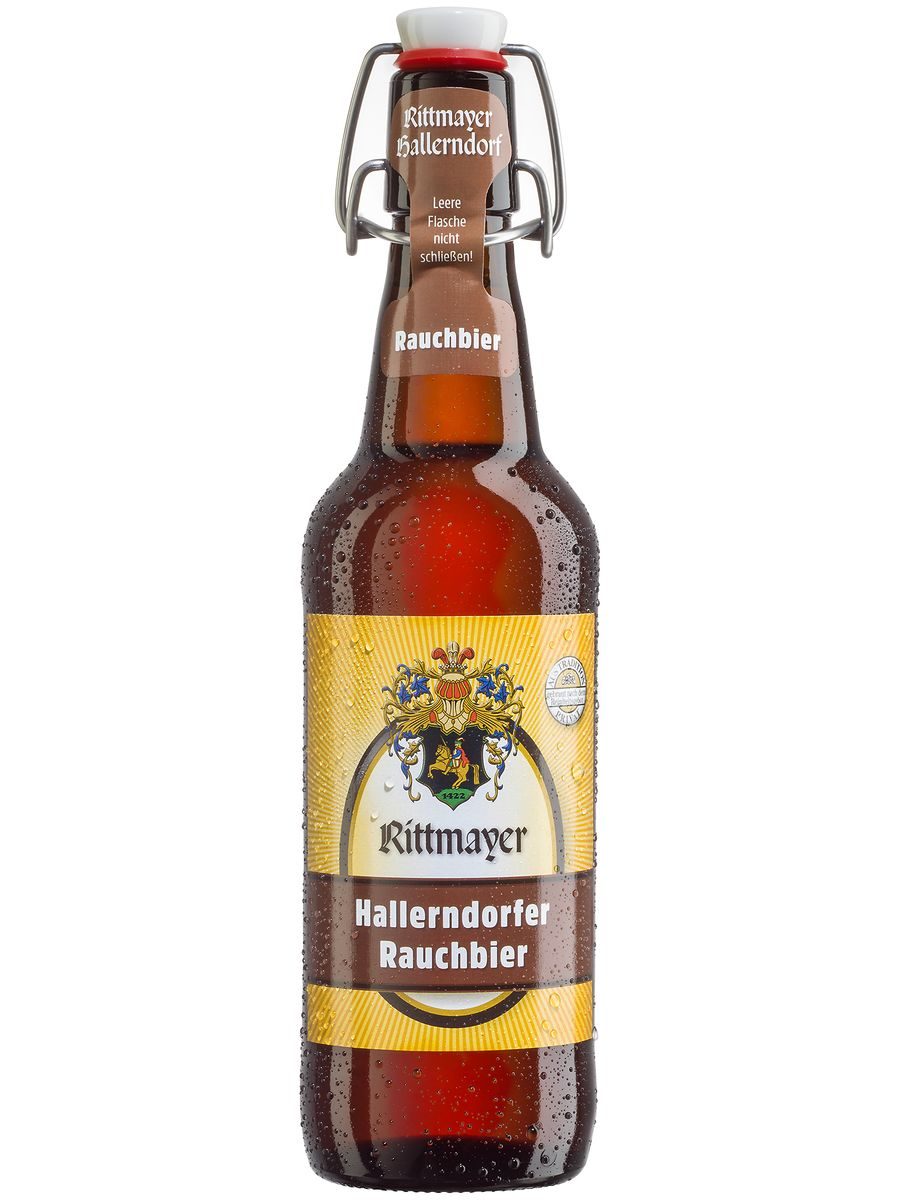
Rittmayer Hallerndorfer Rauchbier
Brewed by Brauerei Rittmayer Hallerndorf
Choose regular Hallerndorfer Rauchbier, not the smoky whisky-malt bock.
BAR NOTES
Rittmayer lists its regular Rauchbier at 5.0% ABV and describes a copper, bottom-fermented beer with barley malt, smoked barley malt and Tettnang aroma hops. Its emphasis on a balanced union of malt, smoke and restrained roast gives this flight another Franconian reference.
Keep the product identity precise because Rittmayer also makes a distinct smoky bock using Scottish malt. The regular Rauchbier here is the lower-strength comparison. Try roast meat or aged cheese and ask whether smoke stays integrated as the beer warms slightly in the glass.
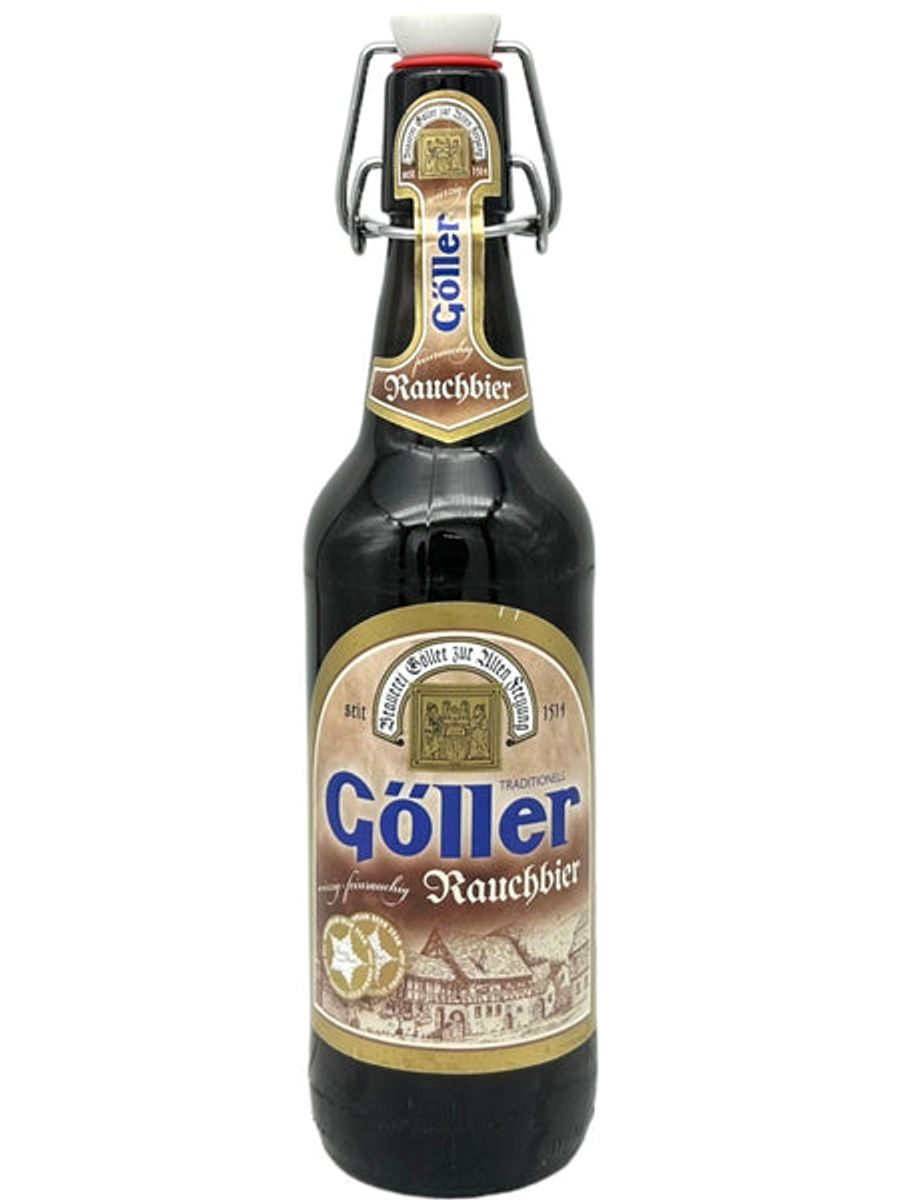
Göller Rauchbier
Brewed by Brauerei Göller
A current BJCP-listed commercial reference with a softer smoke emphasis.
BAR NOTES
Göller lists its dark Rauchbier at 4.9% ABV and emphasizes a comparatively mild smoke character. It is also a named BJCP commercial example, making it valuable alongside better-known Bamberg labels. Its role here is a quieter smoke comparison rather than an exercise in maximum intensity.
Taste it next to Spezial Lager and compare how each beer presents smoke against malt at similar strength. A darker appearance need not mean more smoke. Bread, mild sausage and roasted mushrooms let that distinction remain clear without bringing an aggressive sauce into the comparison.
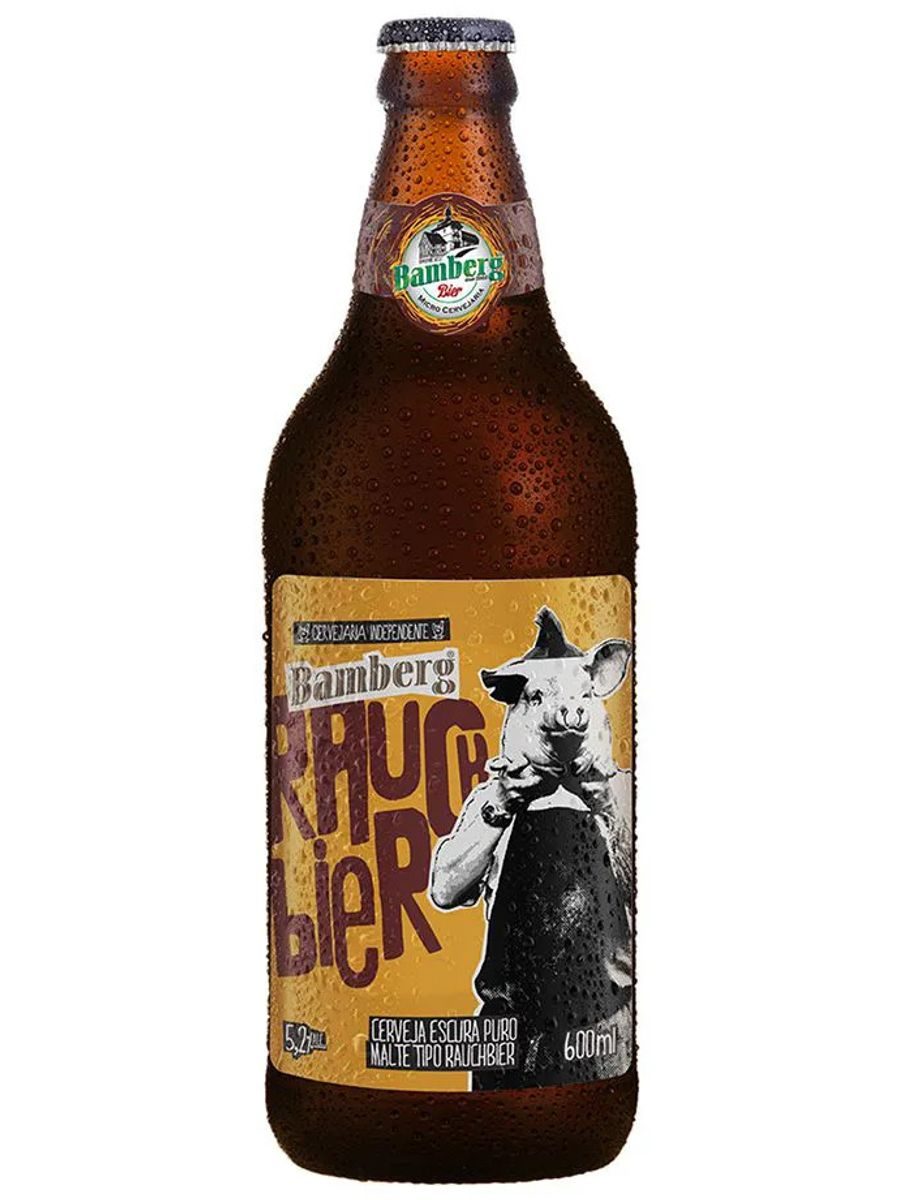
Bamberg Rauchbier
Brewed by Cervejaria Bamberg
A Brazilian BJCP-listed reference, verified through the producer’s current shop.
BAR NOTES
Cervejaria Bamberg’s current producer shop lists Rauchbier at 5.2% ABV and 25 IBU, with a dark copper-brown color specification. The brewery smokes its own barley malt, carrying the Franconian idea into Brazil. This is the regular Rauchbier, not the collaborative Weiherer Rauchbock.
Use it to compare the same central smoke-and-lager relationship outside Germany and the United States. The producer suggests grilled meats; browned vegetables and grilled mushrooms also fit the savory theme. The broader bock roundup provides a separate route for stronger malt-led comparisons.
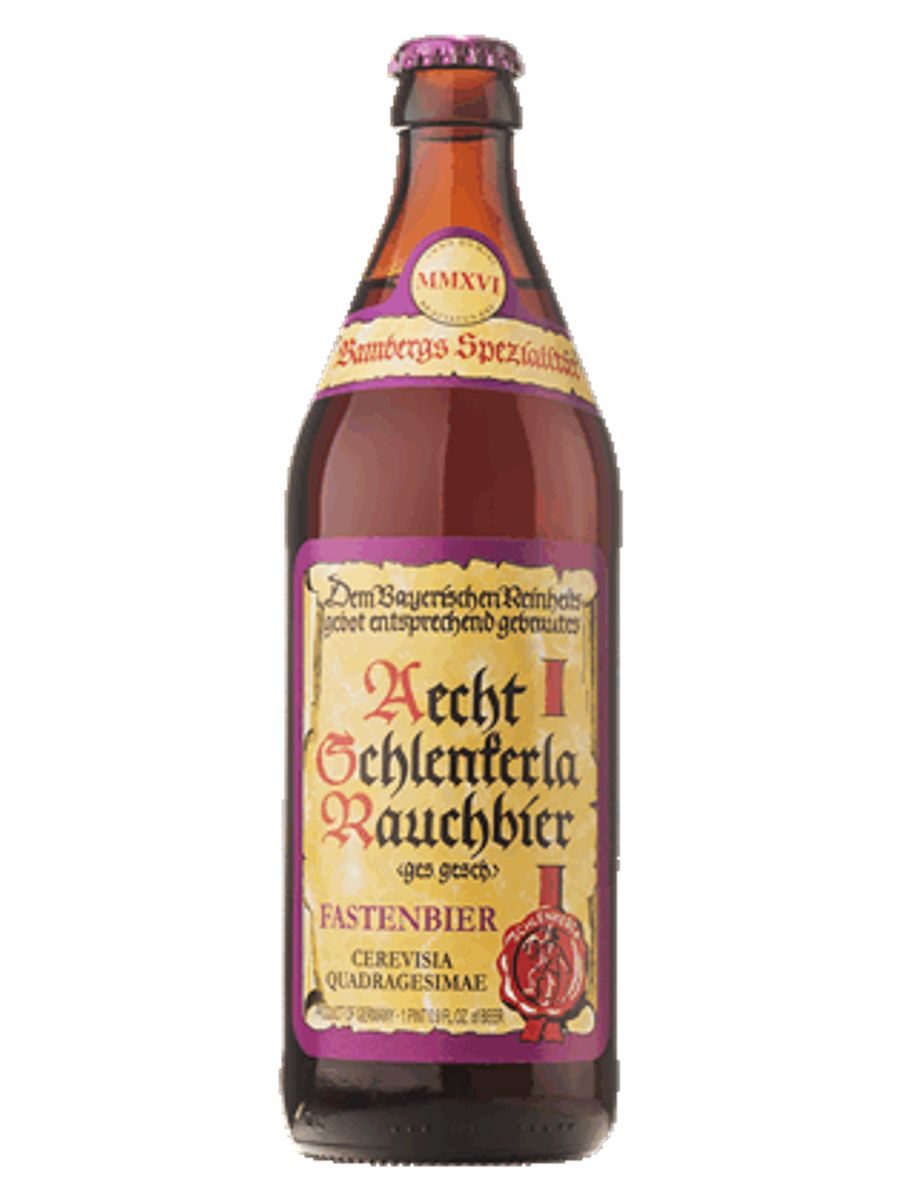
Schlenkerla Fastenbier
Brewed by Schlenkerla / Heller-Bräu Trum
A recurring spring specialty with higher original extract than usual 6B; not autumn shelf stock.
BAR NOTES
Fastenbier is Schlenkerla’s unfiltered reddish-brown smoked lager for Lent, served from Ash Wednesday through Easter. The current producer page lists 5.9% ABV and 16°P original extract. Its higher extract is a commercial boundary variation beyond the usual BJCP 6B starting-gravity band.
This final selection is a spring tasting target, not a promise of October availability. Compare the retained yeast, fuller malt and smoke with regular Schlenkerla Märzen when the seasonal returns. The malty beer guide helps describe the base without reducing everything to smoke intensity.
How Rauchbier is brewed
The grist starts with a Märzen framework and adds a substantial portion of German Rauchmalz, traditionally Vienna-type malt dried over beechwood smoke. The exact percentage depends on the maltster and the intensity the brewer wants.
German lager yeast and cool fermentation protect the beer from fruity distraction. Traditional German or Czech hops supply balance, while patient cold conditioning allows smoke, toast and bitterness to settle into one profile.
Why Bamberg matters
Rauchbier is a specialty of Bamberg in Franconia, where breweries preserved smoked-malt traditions after indirect kilning made smoke-free malt standard elsewhere. The BJCP style specifically describes the common Märzen-based form.
Other smoked versions of porter, wheat beer, bock or specialty beer belong under different smoked-beer categories. The base style matters because it determines which flavors the smoke should be joining.
Serving and pairing
Serve Rauchbier around 45–50°F in a mug, stein or tall lager glass. The smoke works with grilled sausage, roast pork, mushrooms, smoked cheese and lentils, while carbonation keeps rich food from settling too heavily.
Keep following the smoke
Explore smoke across beer styles, compare an unsmoked amber lager, and plan a balanced Rauchbier brew day.