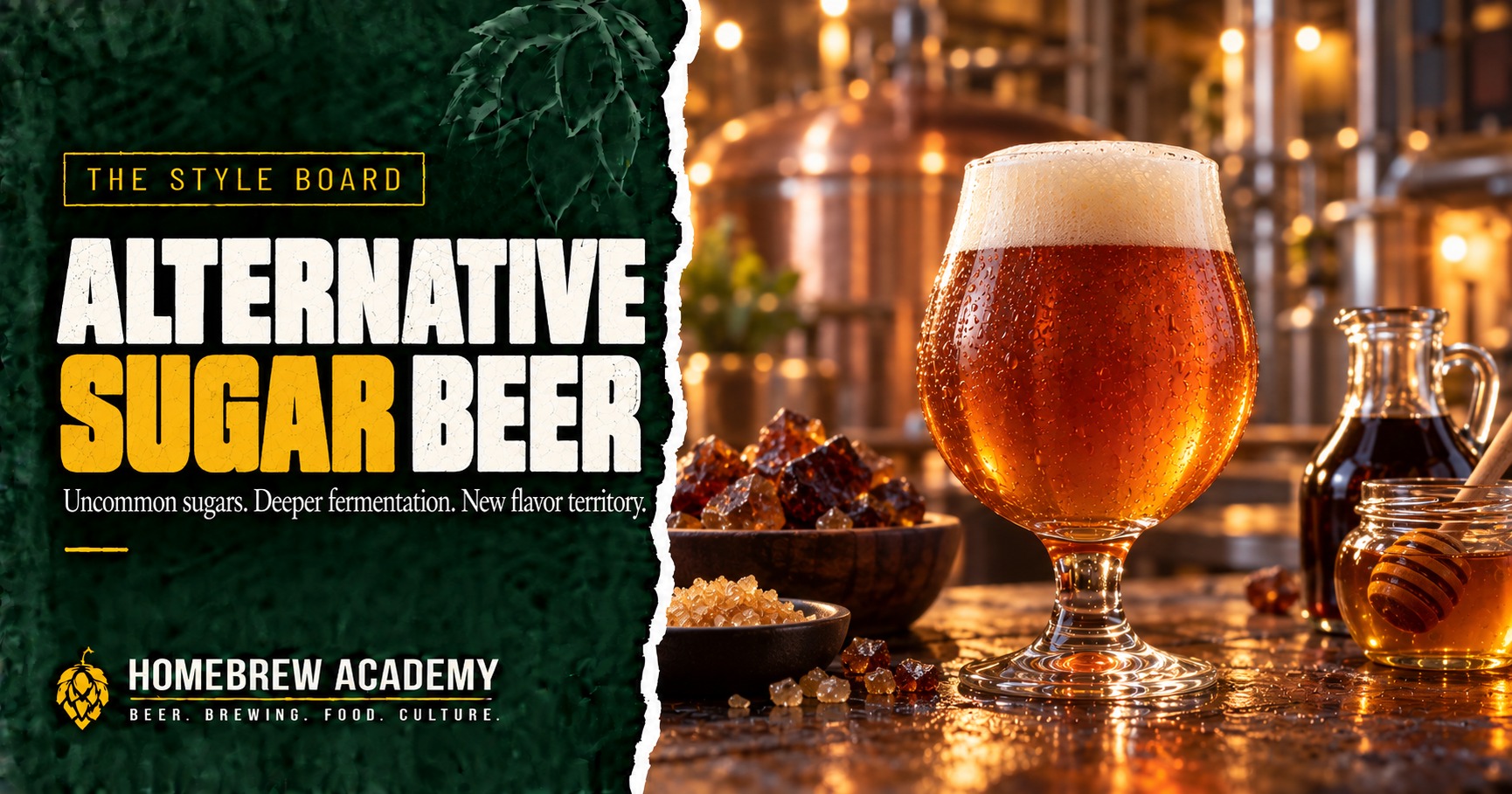
Alternative Sugar Beer: 10-Beer Comparison Flight and Style Guide
Alternative sugar beer uses honey, maple, molasses, palm sugar, jaggery, or another distinctive sugar to create a flavor that ordinary malt and table sugar cannot provide. The ingredient must matter in the finished beer, even when yeast consumes most of its sweetness.
This is why the category often surprises drinkers. A honey beer can finish crisp and dry; maple may appear as wood, earth, or faint caramel rather than pancake syrup; molasses can bring minerals, licorice, and bitterness alongside dark sugar.
Sugar changes more than sweetness
Simple sugar increases fermentability. Used in place of some malt, it can raise alcohol while making the body lighter and the finish drier. Less refined sugars also carry acids, minerals, color, and aromatic compounds that remain after fermentation.
The type and processing method matter. Wildflower honey differs from orange blossom or buckwheat honey. Light maple syrup is more delicate than dark robust grades. Blackstrap molasses is considerably more bitter and mineral than lighter cane syrup.
When to add it
Kettle additions sanitize and integrate sugar but can drive away volatile aroma. Fermentation additions preserve more character while still allowing yeast to consume the sugars. Post-fermentation additions maximize aroma but demand careful sanitation, renewed fermentation management, and stable packaging.
Honey and syrup also contain water, so replacing malt pound for pound will not produce the same gravity. Recipe calculations should use the ingredient’s actual sugar content rather than treating every sweetener as dry sucrose.
Balance and labeling
A declared ingredient should be recognizable without becoming crude. Delicate honey is easily buried by aggressive hops or roast; molasses can dominate a pale base; maple aroma can fade before the beer reaches the drinker.
Alternative sugar beer can overlap historical, Belgian, strong, or specialty styles. The best label identifies both ideas clearly, helping the drinker understand the base and what the added sugar changes.
Ten Alternative Sugar Beer references and comparisons
Six honey beers and one directly declared maple ale anchor the ingredient discussion. Yorkshire Stingo provides a declared cane-sugar and maturation comparison without an invented molasses addition. Traquair House Ale is the malt-only control and Jacobite the coriander-spiced control. These established identities remain visible; the flight does not claim ten strict Alternative Sugar specialty entries.
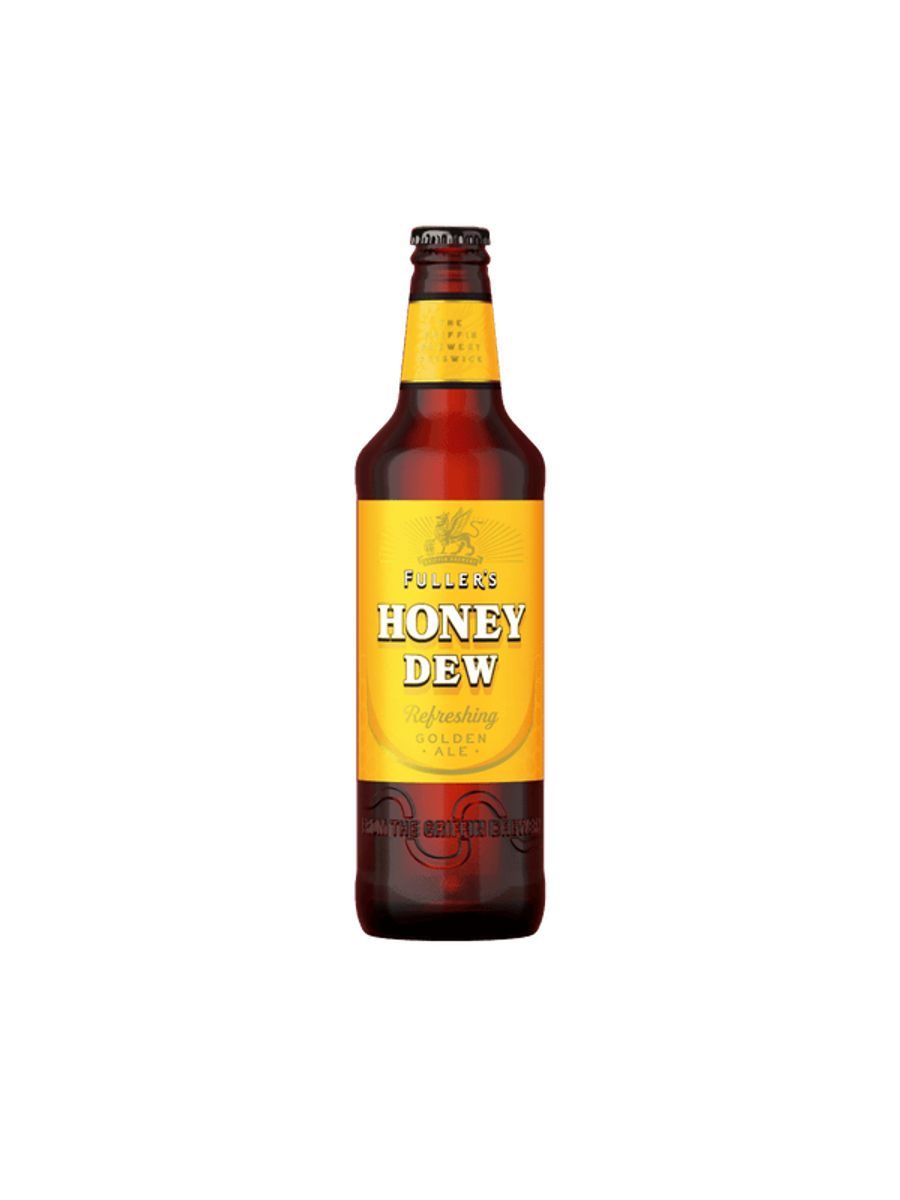
Honey Dew
Brewed by Fuller’s Brewery
The current beer is no longer certified organic.
BAR NOTES
Fuller’s current Honey Dew listing describes English malt and honey at five percent alcohol, with First Gold hops and yeast-derived orange impressions. It explicitly says the beer is no longer certified organic, so the old Organic Honey Dew designation is not retained.
Start with this comparatively light golden base and identify honey separately from yeast-derived orange and hop citrus. The honey beer collection expands the comparison across styles; current certification language matters as much as an old familiar name on a shelf.
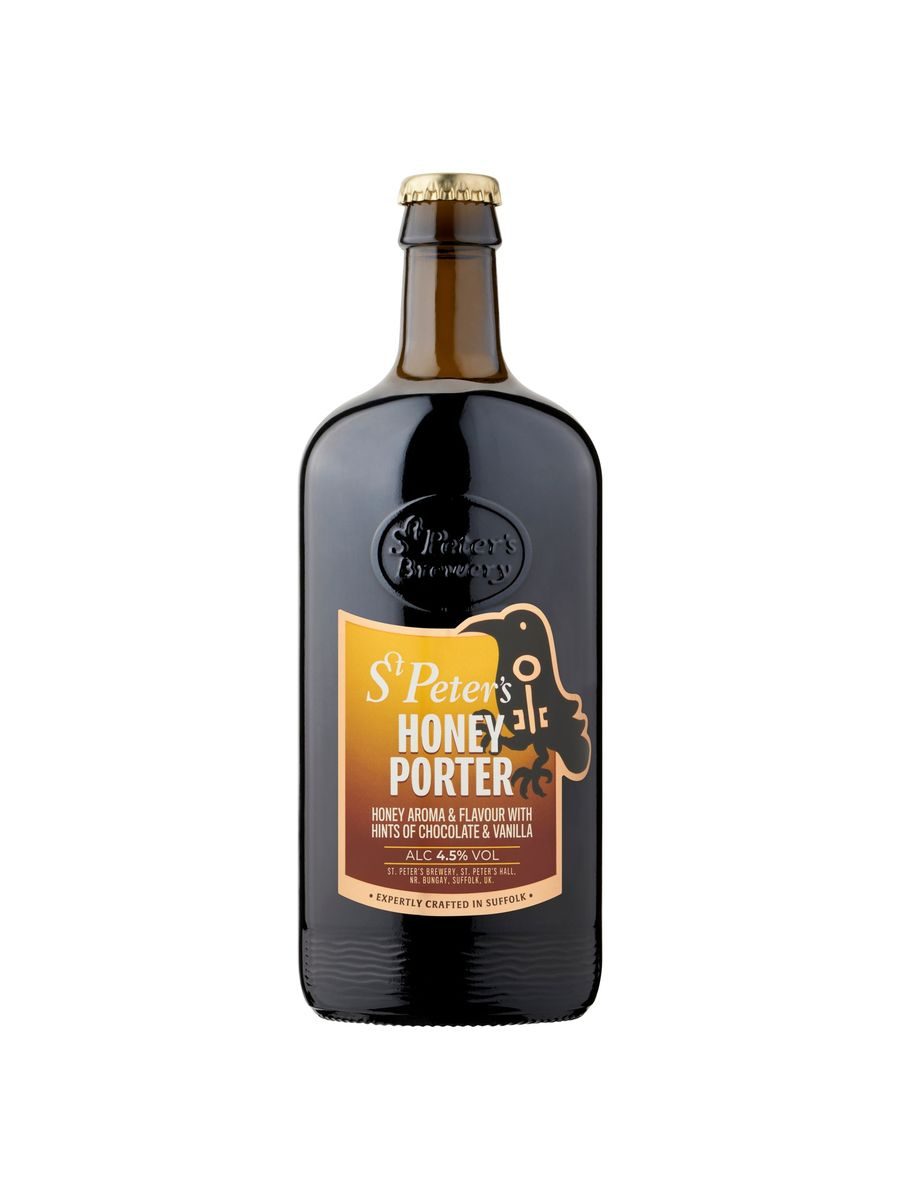
Honey Porter
Brewed by St. Peter’s Brewery
A darker foundation for a declared honey treatment.
BAR NOTES
St. Peter’s lists Honey Porter at 4.5 percent alcohol and describes a traditional auburn English porter finished with honey. Its honey, chocolate and vanilla impressions belong to that description; the barley-containing beer is not relabeled as mead or as a gluten-free alternative.
Honey Porter moves the same ingredient discussion onto a darker foundation. Roast and honey can alter one another’s perceived sweetness; compare with Honey Dew at similar temperatures before deciding whether a stronger honey aroma necessarily means a sweeter beer or a larger addition.
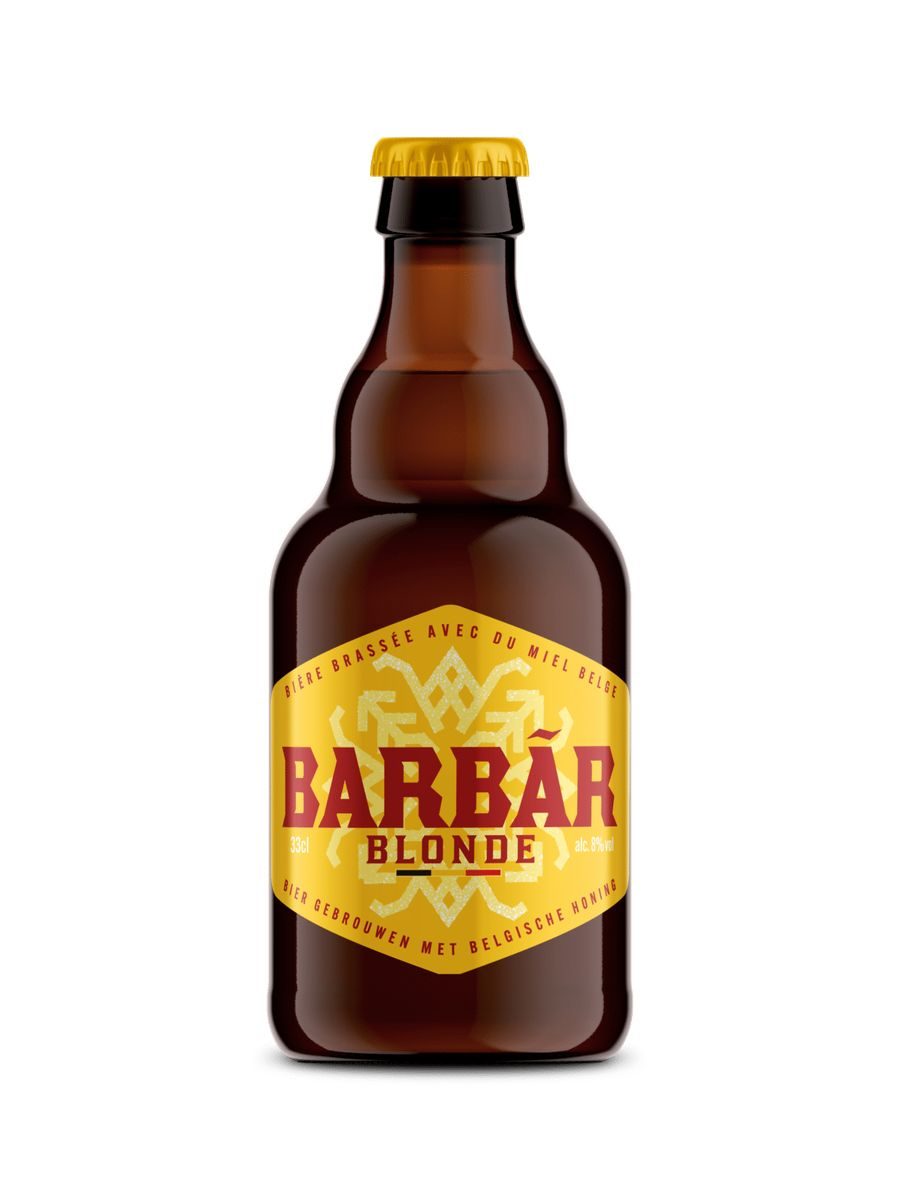
Barbãr Blonde
Brewed by Brasserie Lefebvre
Honey sourcing changed to fully Belgian in 2025.
BAR NOTES
Lefebvre lists Barbãr Blonde at eight percent alcohol and describes a blond ale brewed with honey. The brewery says its honey sourcing became fully Belgian in 2025 through its beekeeper partnership; this means the honey’s origin, not that the entire beer is honey.
The blond honey ale provides the Belgian fermentation comparison beside the English examples. Honey sourcing and honey intensity are separate questions; taste floral aroma, body and finish individually, using smaller pours so eight-percent strength does not obscure the ingredient’s contribution.
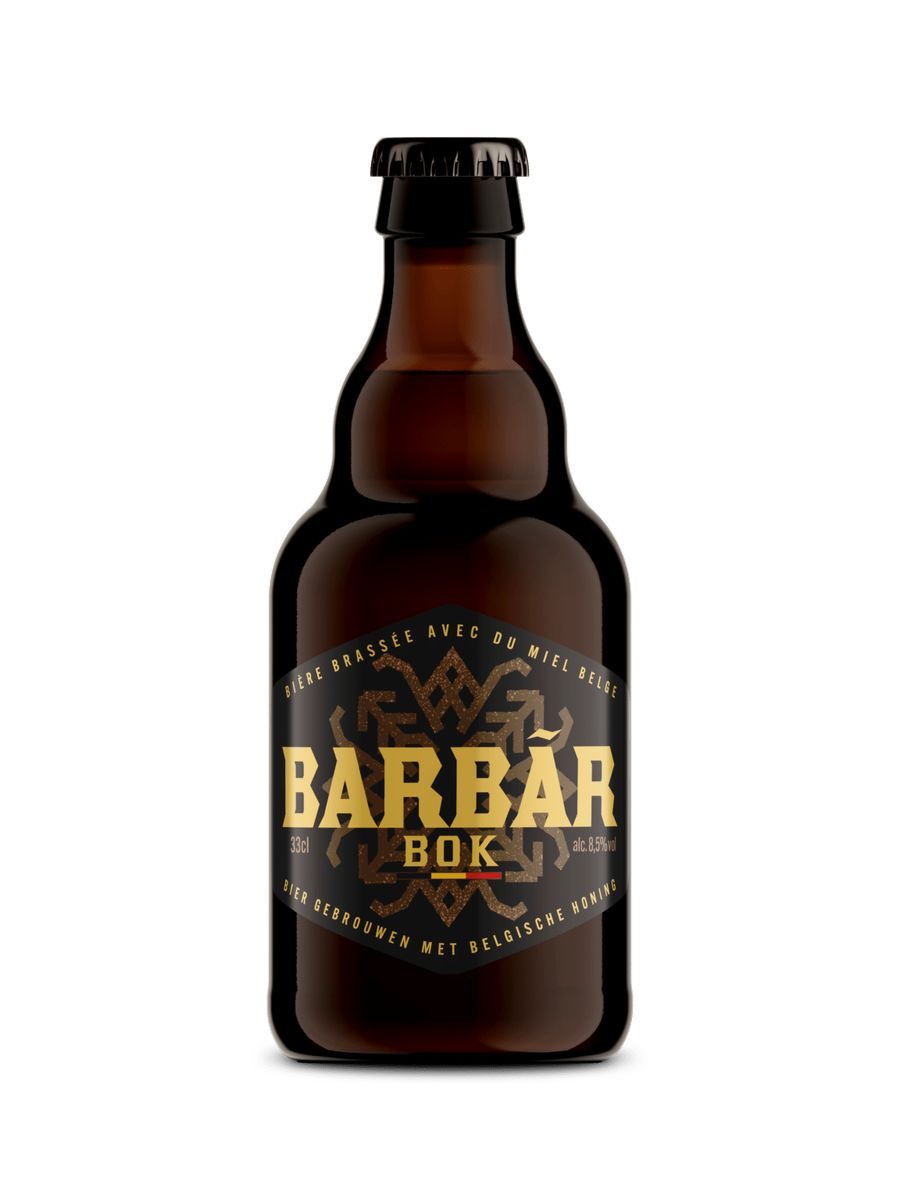
Barbãr Bok
Brewed by Brasserie Lefebvre
A dark honey interpretation, not a German Bock claim.
BAR NOTES
Lefebvre’s current Barbãr Bok specification is 8.5 percent alcohol, with Belgian honey and a dark, malty interpretation. Chocolate-like tasting notes describe the malt character; no cocoa addition is invented, and the brand name does not automatically make this a German Bock.
Taste Bok beside Blonde to compare a dark and pale interpretation from one producer. Malt-derived chocolate impressions can coexist with honey without added cocoa; the botanical ingredient guide supplies direct cocoa examples that help keep those two ideas separate.
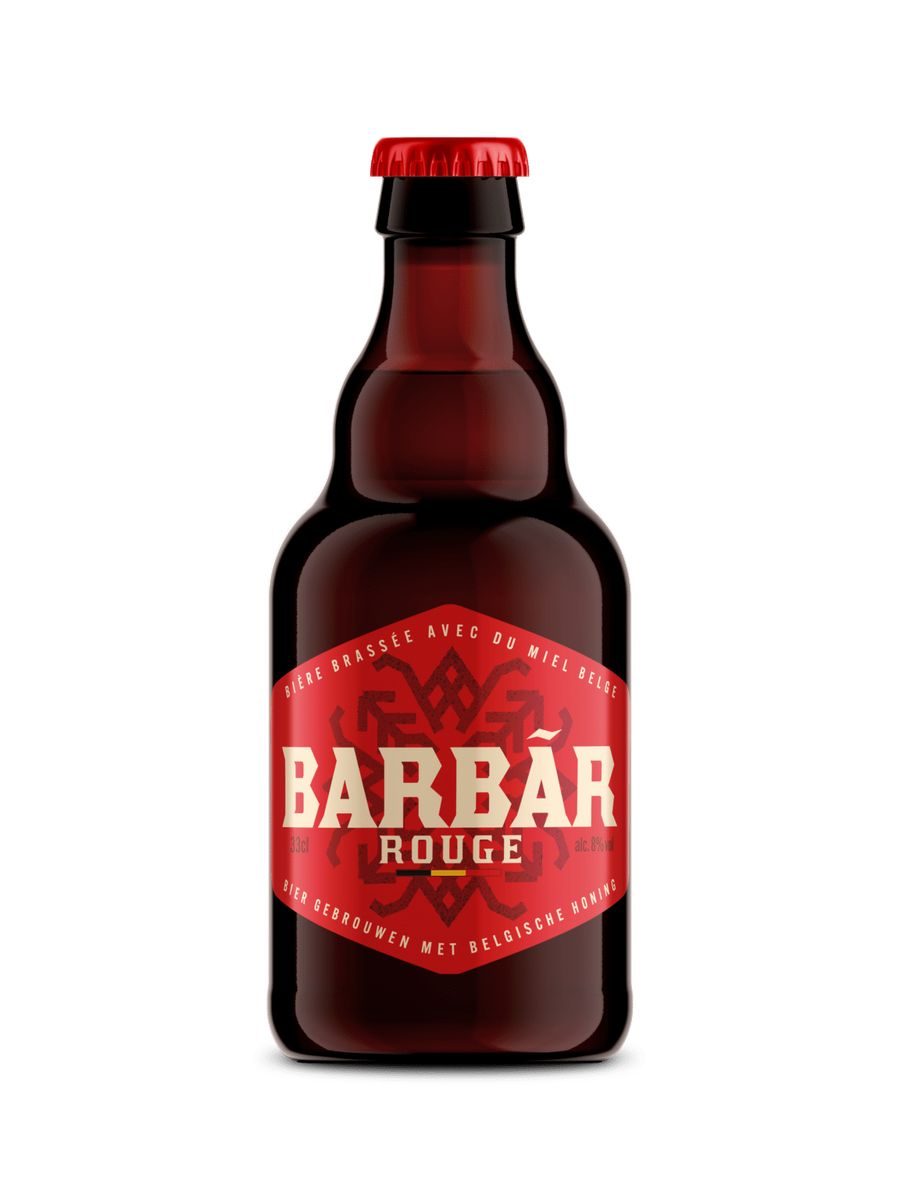
Barbãr Rouge
Brewed by Brasserie Lefebvre
Fruit and sugar categories overlap here.
BAR NOTES
Barbãr Rouge is described by Lefebvre as an eight-percent beer with Belgian honey, flavored with cherry. Its fruit-and-honey concept overlaps specialty fruit beer; cherry, spice and herbal tasting notes are retained without turning every descriptor into a separately confirmed botanical ingredient.
Rouge brings fruit into the sugar-led discussion without pretending it is a honey-only recipe. Compare with Blonde to hear how cherry flavor changes acidity and perceived sweetness; the specialty fruit guide explains why meaningful category overlap should remain visible.
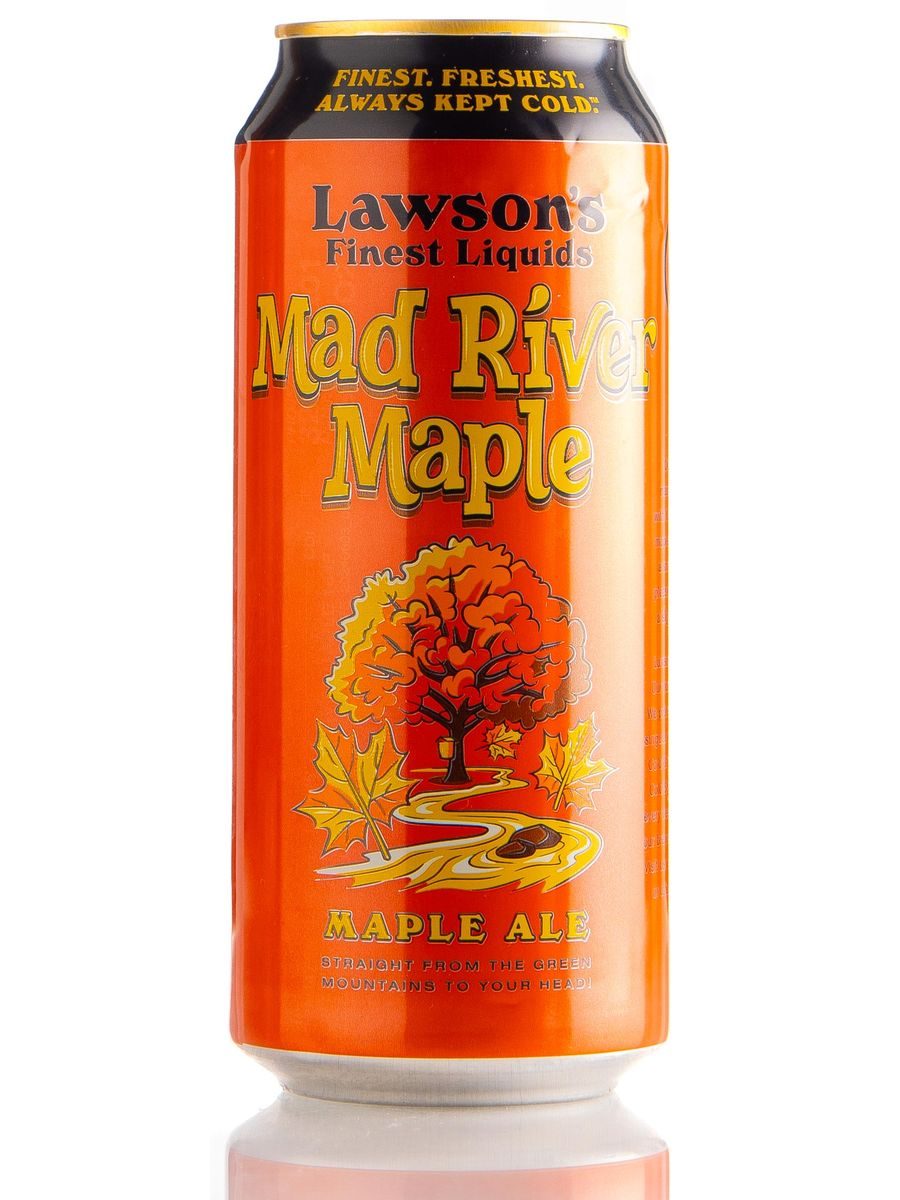
Mad River Maple
Brewed by Lawson’s Finest Liquids
The declared maple ingredient supplies the sugar-led contrast.
BAR NOTES
Lawson’s describes Mad River Maple as an eight-percent rich maple ale made with pure Vermont maple syrup and a slightly sweet finish. Its current calendar lists an October 2026 limited release; inclusion here does not promise immediate stock at a particular retailer.
Maple provides a distinct ingredient beside the honey beers, with a Vermont syrup identity rather than maple-barrel flavor alone. Compare aroma and the slightly sweet finish after the beer warms modestly; an October release schedule is a seasonal reference, not a guarantee of local inventory.
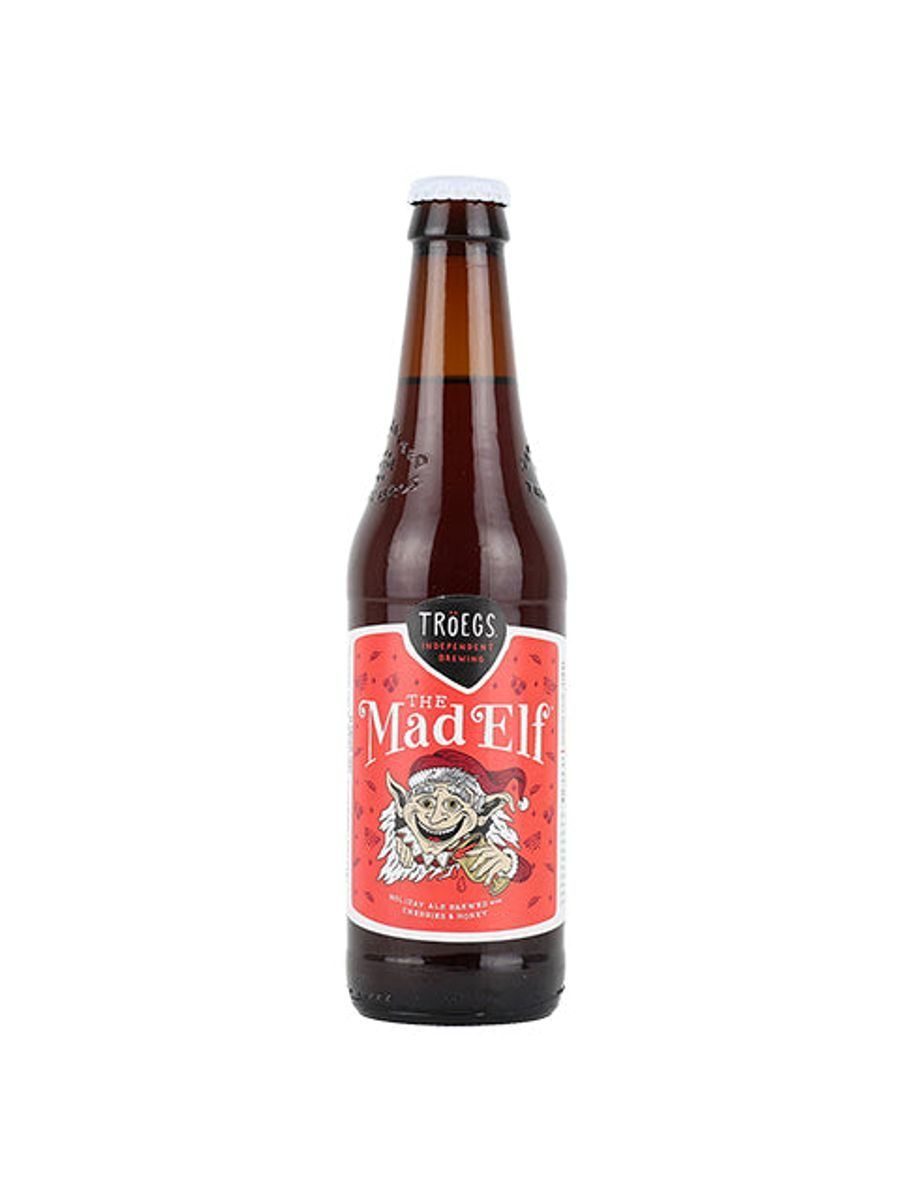
Mad Elf
Brewed by Tröegs Independent Brewing
Wildflower honey and cherries over a Belgian-style base.
BAR NOTES
Tröegs brews Mad Elf with wildflower honey and five cherry varieties at eleven percent alcohol. The honey-and-fruit holiday concept overlaps other specialty categories; chocolate malt and yeast-derived spice impressions remain distinct from an invented cocoa or culinary-spice addition.
Mad Elf is the stronger fruit-and-honey comparison, so serve a small pour after the lighter honey ales. Cherry, honey fermentation and Belgian yeast all affect the impression; the winter flight distinguishes holiday identity from a confirmed added-spice recipe.
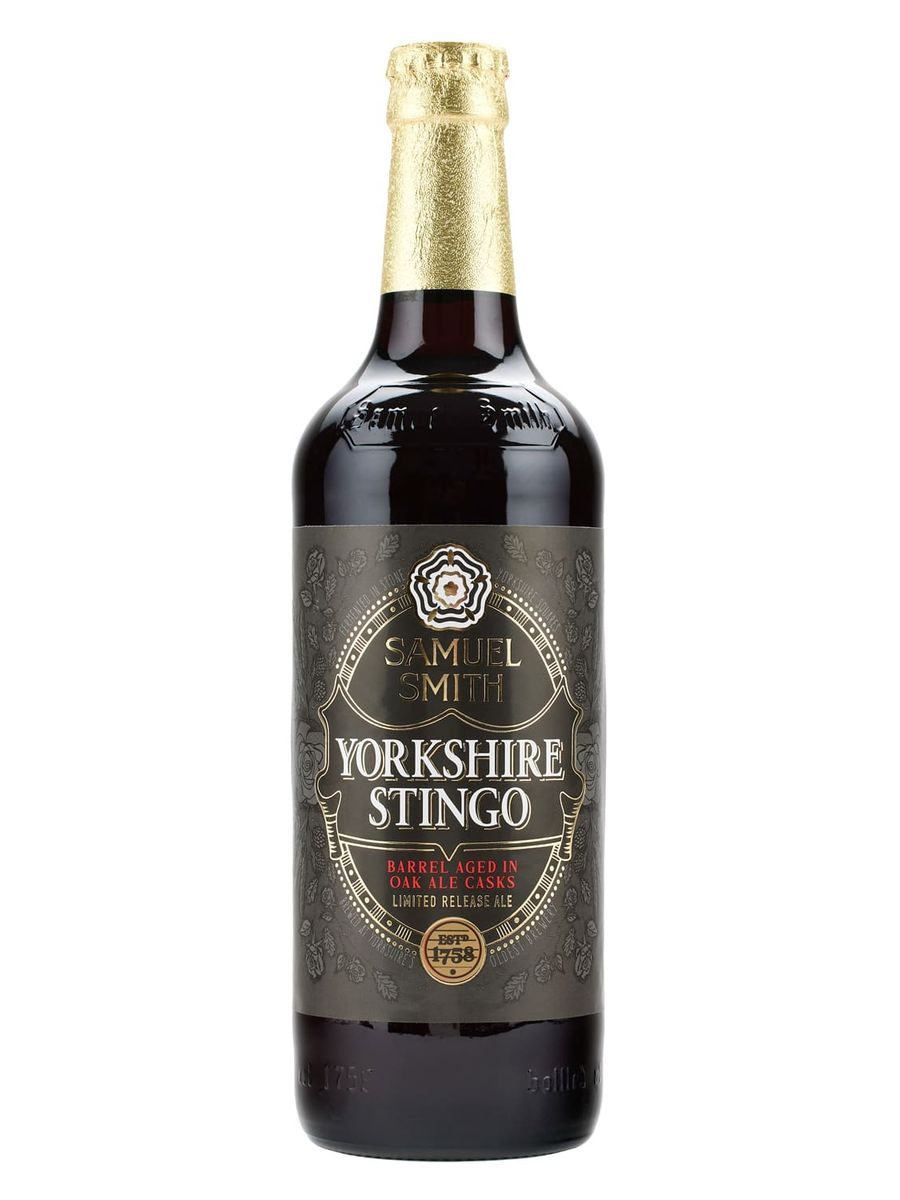
Yorkshire Stingo
Brewed by Samuel Smith’s Brewery
Cane sugar is declared; treacle is a tasting impression.
BAR NOTES
Samuel Smith lists cane sugar among Yorkshire Stingo’s ingredients and gives a current strength range of eight to nine percent. Oak maturation and bottle conditioning contribute raisin, treacle-toffee and fruit impressions; the ingredient list does not separately declare molasses or maple.
Use Stingo as the declared cane-sugar and maturation comparison rather than calling its treacle aroma a molasses ingredient. Sugar source, oak history and bottle conditioning deserve separate observations; check the selected bottle’s strength within the brewery’s range before comparing alcohol warmth.
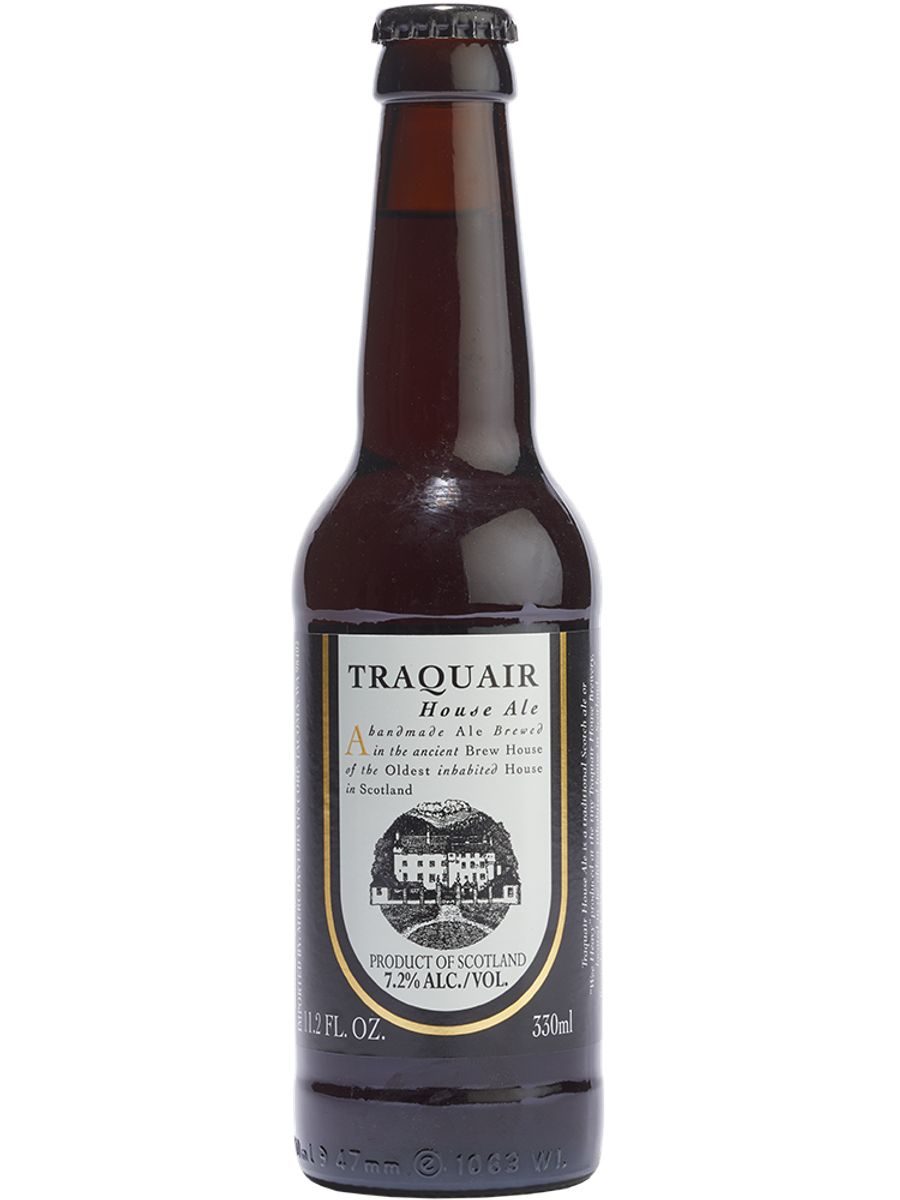
Traquair House Ale
Brewed by Traquair House Brewery
The importer’s ingredient list has no separate added sugar.
BAR NOTES
Traquair House Ale is the malt-only comparison in this sugar flight. Merchant du Vin lists water, barley malt, hops and yeast, with isinglass fining, at 7.2 percent alcohol and twenty-six IBU; oak-like and fruity impressions do not establish a separate sugar addition.
House Ale is the explicitly malt-only control beside Stingo and the honey selections, preserving its Scottish strong-ale identity. Its richness shows why sweet or toffee-like flavor cannot establish an alternative sugar recipe; the category overview keeps that ingredient test central.
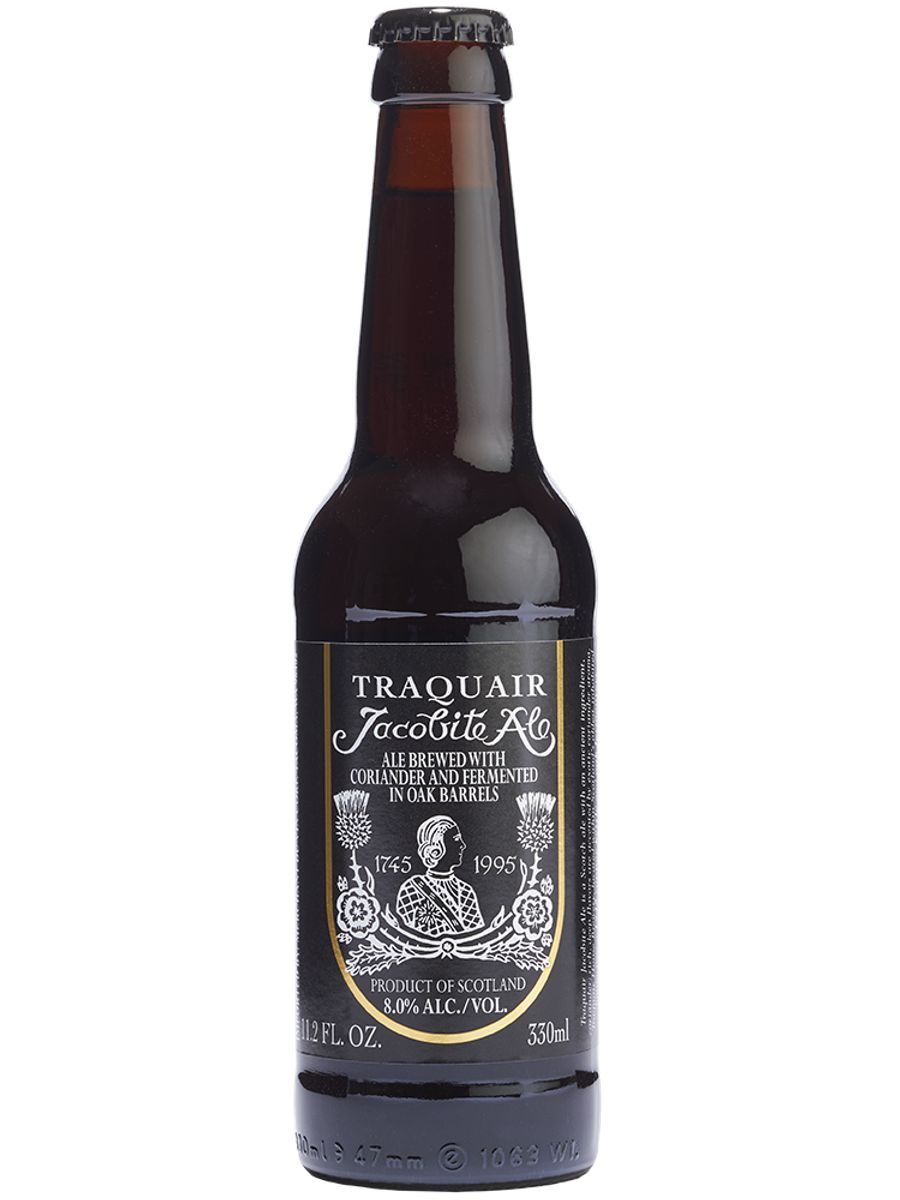
Traquair Jacobite Ale
Brewed by Traquair House Brewery
Spice supplies character without a declared alternative sugar.
BAR NOTES
Jacobite Ale is the spiced, no-declared-alternative-sugar comparison beside House Ale. Its importer lists barley malt, hops, coriander and yeast with isinglass fining, at eight percent alcohol and twenty-three IBU; chocolate and rich spice impressions are not evidence of added cocoa or molasses.
Jacobite adds coriander to the control comparison while leaving its declared malt foundation visible. Compare with House Ale to isolate spice and fermentation impressions; dark color and richness should not automatically be translated into molasses, maple or honey additions that the ingredient list does not establish.
Keep Exploring Alternative Fermentables
Compare grain-led and sugar-led specialty beers, then dig into ingredients that change both fermentation and flavor.