10 Best Baltic Porters to Drink in 2026
Baltic porter is what happened when British porter sailed east and local brewers rebuilt it for colder cellars. The best versions are strong, dark, malt-driven, and remarkably smooth, with chocolate, caramel, dark bread, dried fruit, and coffee held together by patient fermentation.
This focused Top 10 starts in Poland and Finland, crosses Estonia, and then follows the style’s modern interpreters into the United States and Canada. It rewards regional credibility and drinkability, not merely the highest alcohol number.
The quick answer
Żywiec Porter is our best overall Baltic porter because its 1881 lineage, powerful Polish malt character, and smooth 9.5% frame deliver the style in one bottle. Sinebrychoff is the essential Finnish counterpoint, while Põhjala Öö and pFriem show how modern brewers can push the tradition without losing it.
What makes a porter Baltic
The family descends from strong British porter exported around the Baltic Sea. Brewers in Poland and neighboring countries adapted the beer to local ingredients, stronger gravities, and increasingly lager-oriented breweries. That history explains both the style’s maritime name and its unusual place between porter, strong lager, and imperial stout.
Expect roughly 6.5% to 10% ABV, deep brown to black color, restrained hop aroma, and a malt profile that can suggest toasted bread, caramel, molasses, plum, raisin, chocolate, coffee, or licorice. The defining pleasure is intensity without harshness.
The 10 best Baltic porters
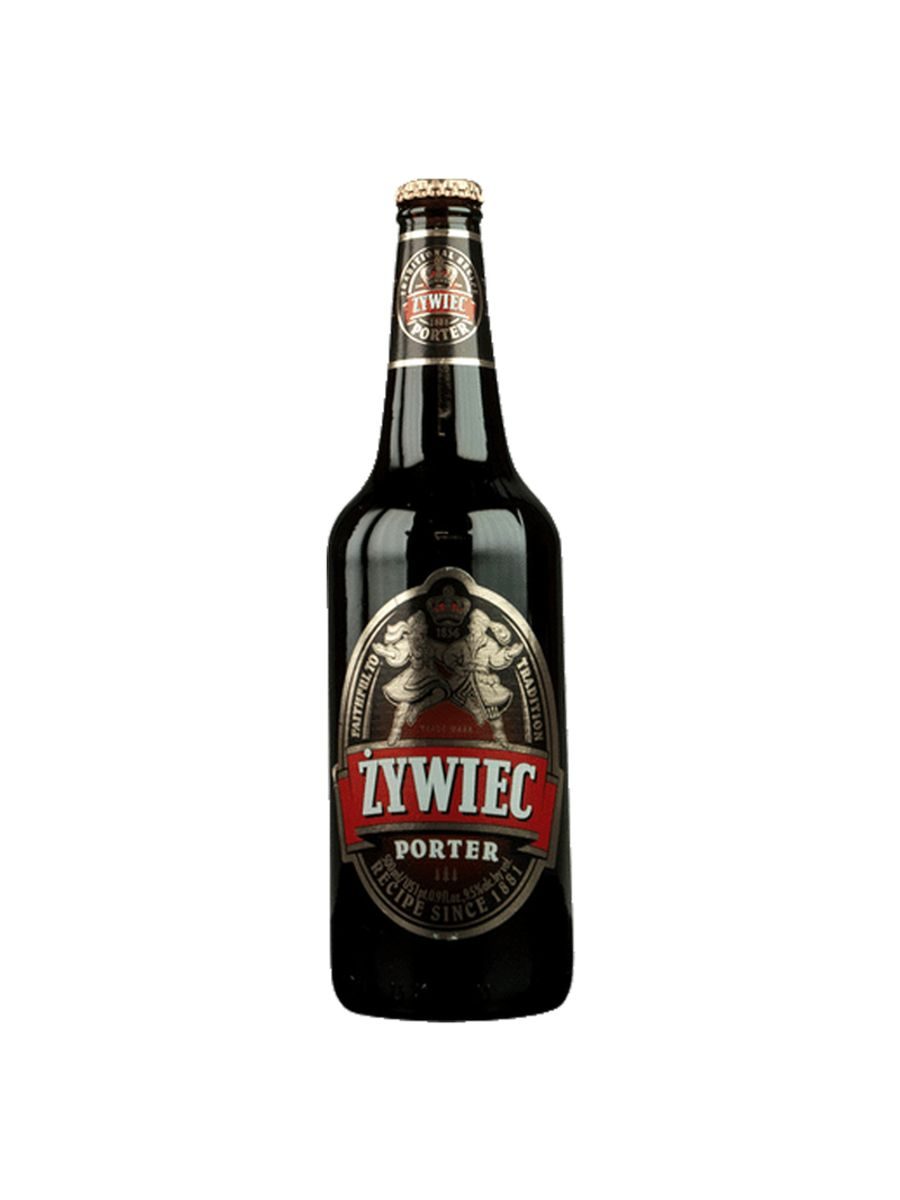
Żywiec Porter
Brewed by Browar Żywiec
Dense chocolate, caramel, espresso, and dark fruit delivered with the smoothness that separates Baltic porter from imperial stout.
BAR NOTES
Żywiec Porter is the board’s clearest benchmark because it joins Polish history to a profile that still feels complete rather than archival. The beer has been brewed since 1881, and its deep malt, coffee, chocolate, and dried-fruit character explains why Poland became Baltic porter’s spiritual center.
Give the bottle time to rise toward 50–54°F and use a tulip or small snifter. It is strong enough for braised beef, smoked sausage, gingerbread, blue cheese, or dark chocolate, yet its clean fermentation keeps the finish from becoming syrupy.
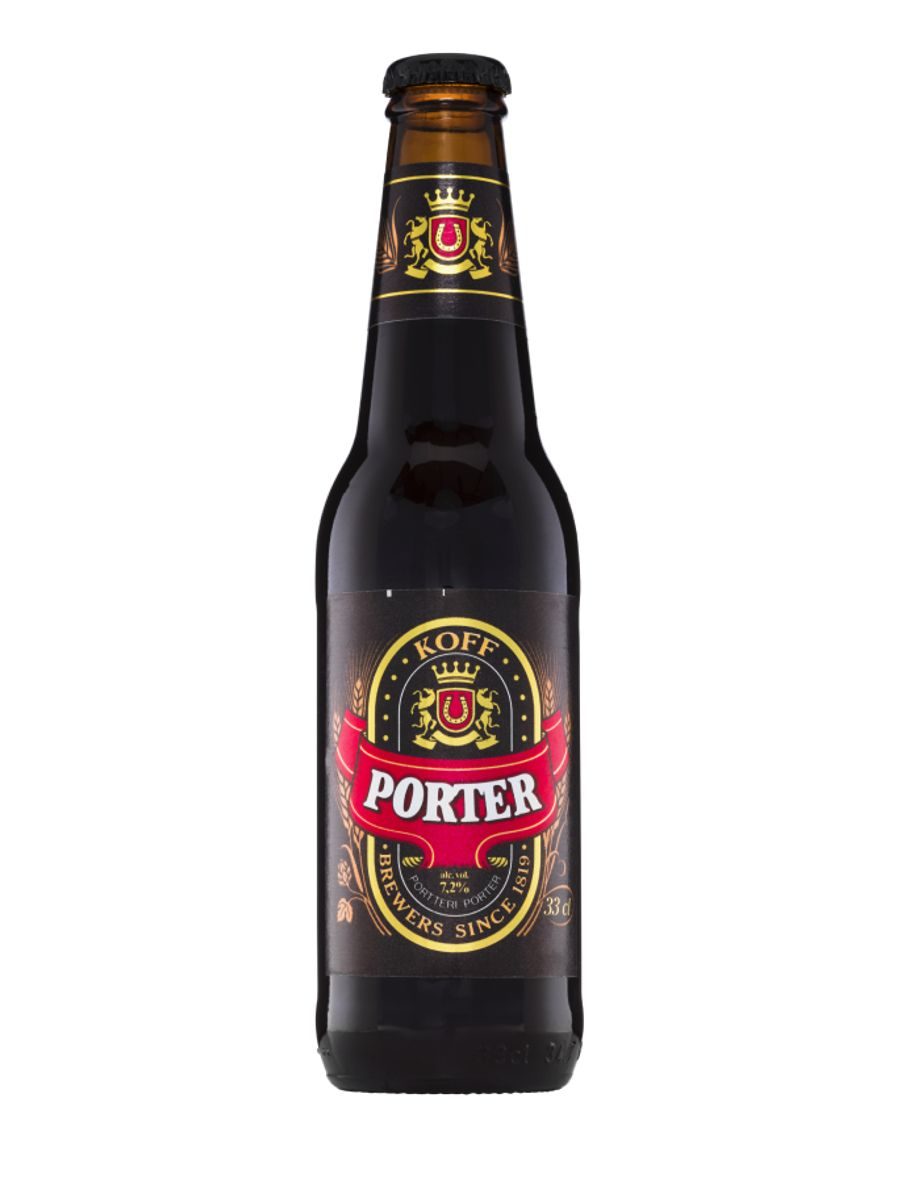
Sinebrychoff Porter
Brewed by Sinebrychoff
A famously firm Finnish porter whose toast, cocoa, coffee, and bitter-herbal finish prove the family is not limited to lager fermentation.
BAR NOTES
Often labeled simply KOFF Porter, Sinebrychoff is the useful exception to the claim that every Baltic porter must be a lager. It is top fermented, then matured into a compact combination of dark bread, coffee, cocoa, licorice, and restrained fruit.
This is the bottle to pour beside Żywiec when teaching the style: one shows the Polish lagered center, the other its older ale-fermented branch. Try it around 50°F with rye bread, smoked fish, roast pork, mushrooms, or salty hard cheese.
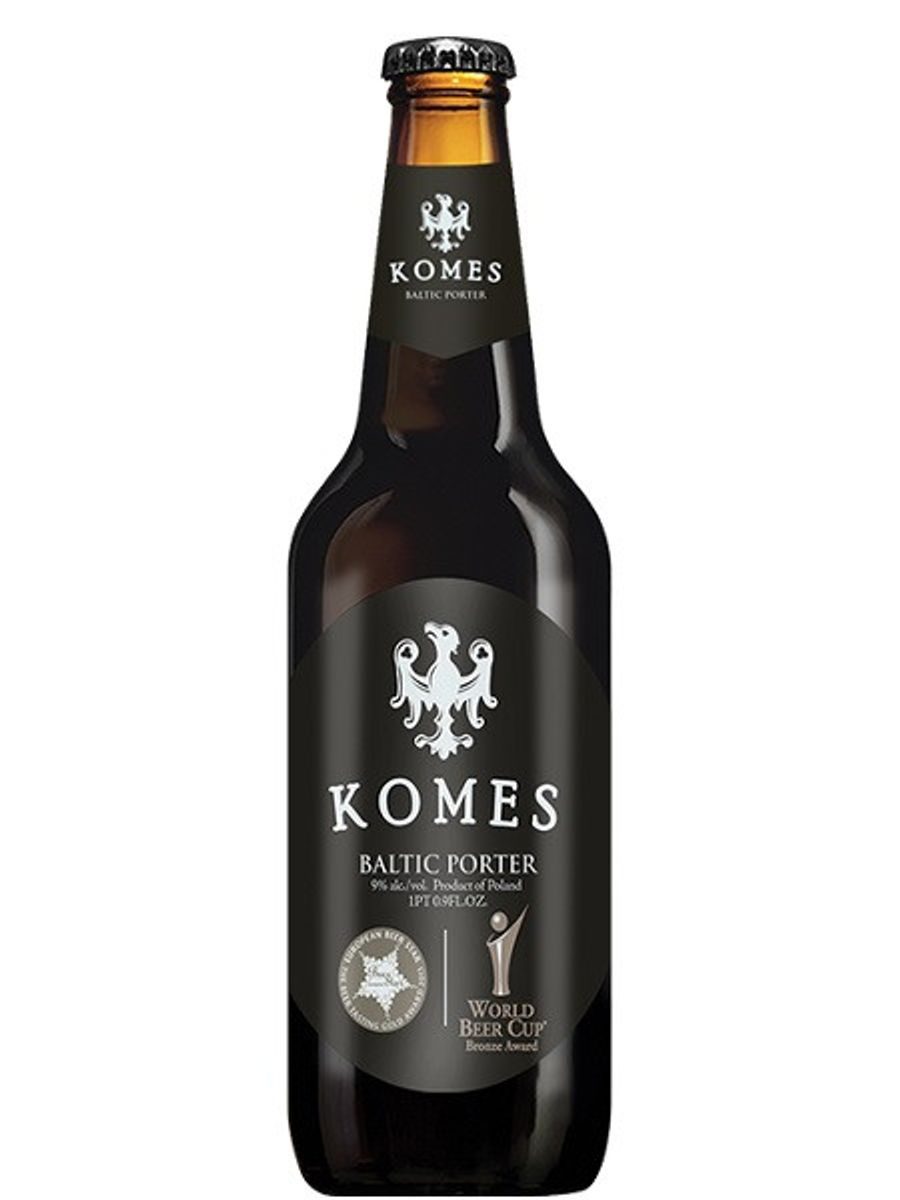
Komes Porter Bałtycki
Brewed by Browar Fortuna
Plum, raisin, caramel, chocolate, and warming strength arrive in layers instead of one blunt wave of roast.
BAR NOTES
Komes earns its place by making patience taste obvious. Browar Fortuna ferments the beer slowly at low temperature and gives it at least three months to mature, allowing caramelized malt, dried fruit, cocoa, and alcohol warmth to knit together before release.
Look for the freshest standard bottling before chasing special editions; the base beer is the best lesson in the brewery’s process. Pour it into a stemmed glass with roast duck, venison, fruitcake, aged Gouda, or a not-too-sweet chocolate dessert.
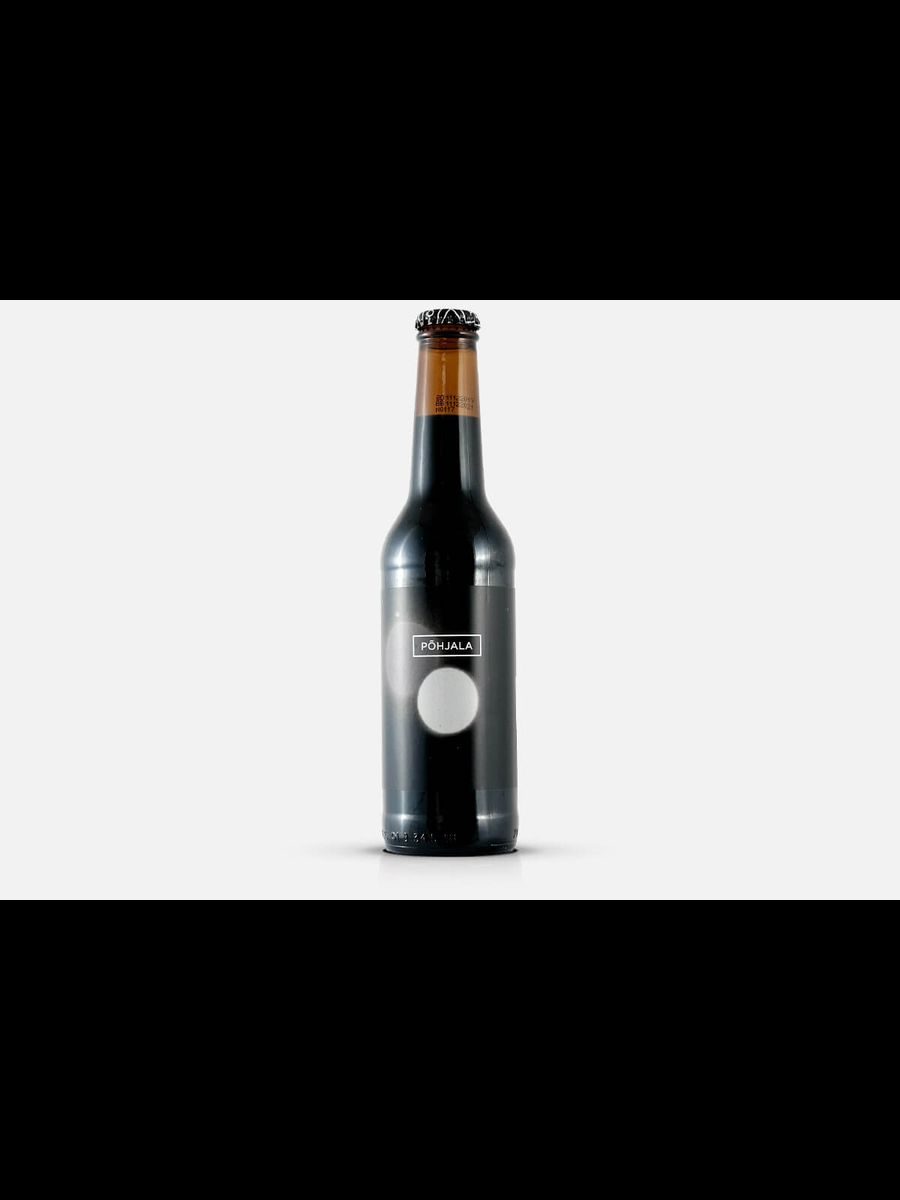
Põhjala Öö
Brewed by Põhjala Brewery
Estonia’s modern classic stretches Baltic porter toward imperial scale while keeping dark fruit and lager-like composure in the frame.
BAR NOTES
Öö means “night,” and this was Põhjala’s first commercial beer—a fittingly serious calling card for an Estonian brewery. Burnt sugar and dark fruit lead, espresso adds a bright roasted edge, and redcurrant, toffee, chocolate, and light smoke emerge as it warms.
Do not serve it refrigerator-cold. Ten to twelve degrees Celsius, roughly 50–54°F, lets the fruit and caramel catch up with the roast. Barbecue, game, smoked beef, washed-rind cheese, cheesecake, and salted dark chocolate can all handle its weight.
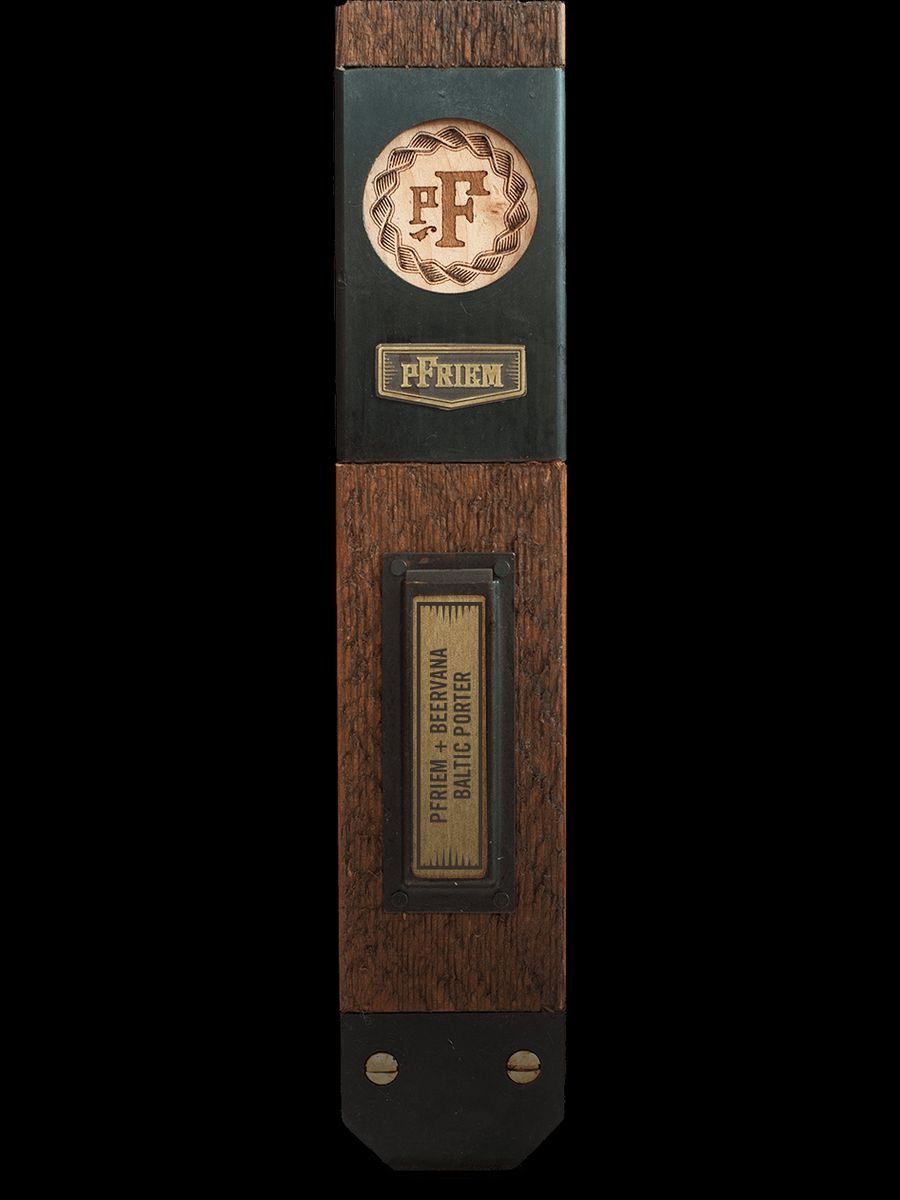
pFriem + Beervana Baltic Porter
Brewed by pFriem Family Brewers
A historian-assisted American interpretation that tastes of brown sugar, cherry, chocolate, caramel, and freshly roasted coffee.
BAR NOTES
pFriem brewed this limited porter with beer historian Jeff Alworth, and the recipe treats Poland’s version as the center rather than an afterthought. Vienna and Munich malts provide bread, darker malts add chocolate and coffee, and four percent smoked malt supplies quiet depth.
Perle and Saaz hops keep the malt from closing in, while lager yeast and extended conditioning leave the finish unexpectedly polished. Serve it with shellfish, short ribs, cured pork, root vegetables, berry tart, or crème brûlée when the seasonal release appears.
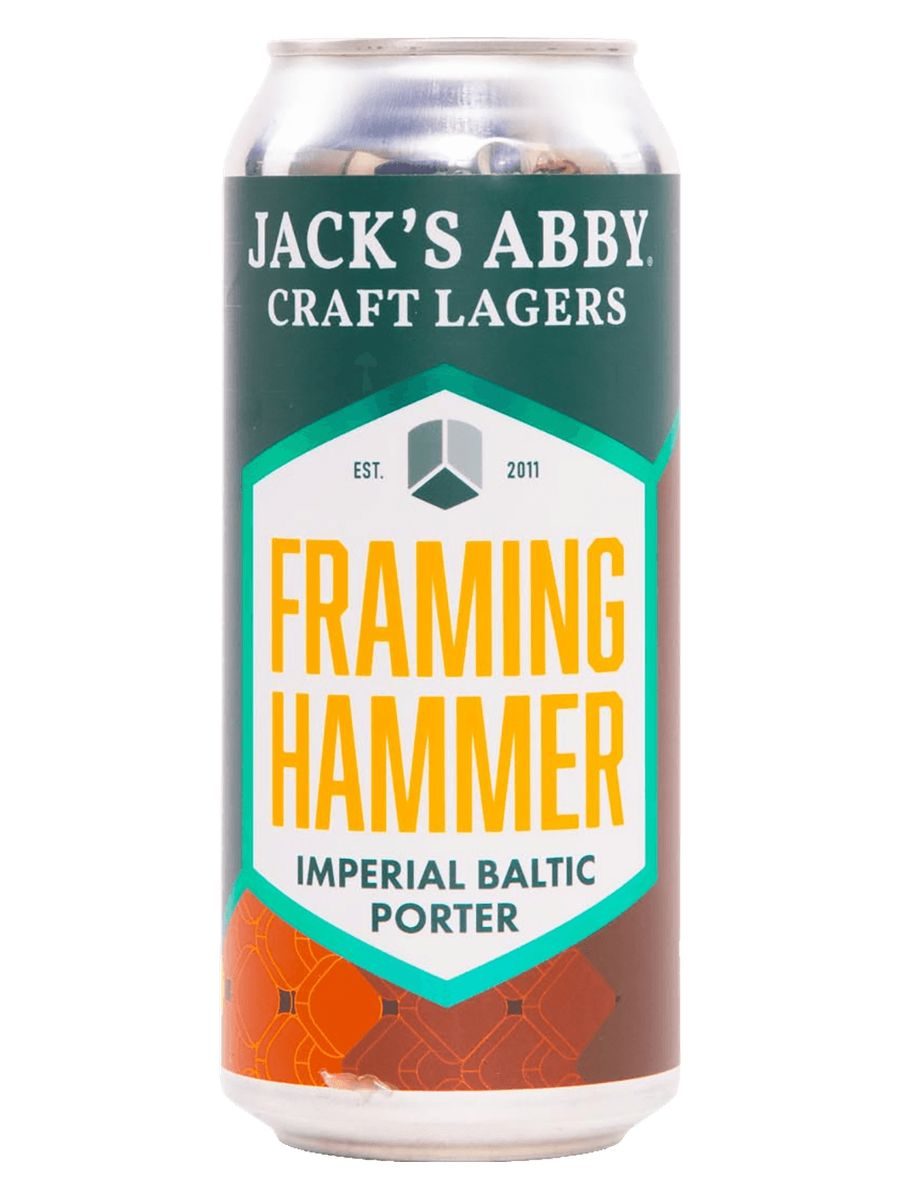
Framinghammer
Brewed by Jack’s Abby Craft Lagers
Brown sugar, chocolate, and roasted malt ride a dense body without losing the precise fermentation that made Jack’s Abby famous.
BAR NOTES
Framinghammer is an American Baltic porter with no identity crisis: Jack’s Abby is a lager brewery, so the beer’s clean fermentation is structural rather than a marketing detail. Brown sugar, dark chocolate, and roasted malt fill the glass while lengthy conditioning smooths the alcohol.
Start with the unflavored original before the barrel-aged and adjunct variants; it shows what the base beer can actually do. A small pour around 52°F fits brisket, glazed ham, pecan pie, chocolate cake, or a quiet cold-weather night.
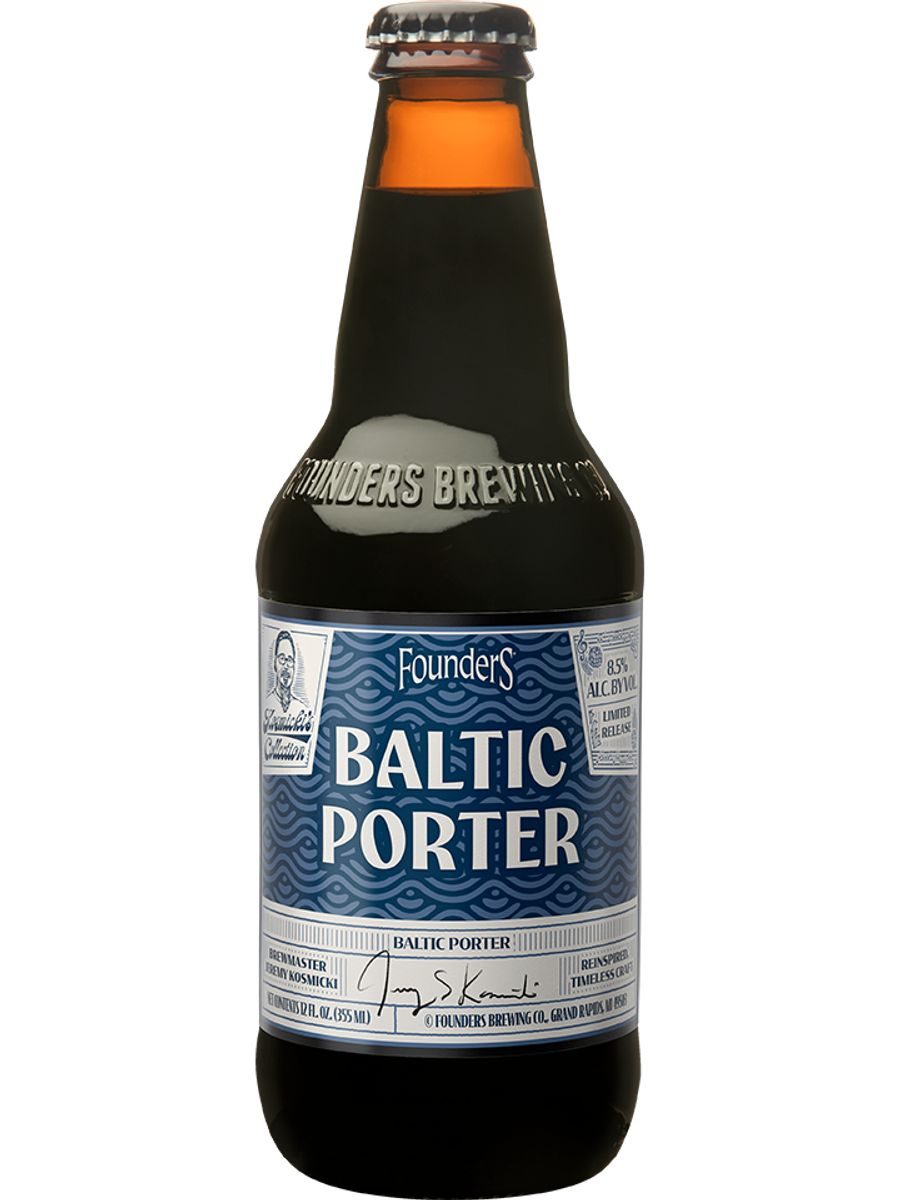
Founders Baltic Porter
Brewed by Founders Brewing Co.
A revived American interpretation that favors smooth malt depth and moderate sweetness over stout-like burnt intensity.
BAR NOTES
Founders brought Baltic Porter back through its Kosmicki Collection, a line devoted to overlooked traditional styles. The beer’s brown sugar, graham cracker, and dark-fruit notes sit over lager yeast, making the difference between rich porter malt and aggressive imperial-stout roast easy to taste.
It is a limited seasonal release, so use the brewery finder and call before making a special trip. Serve a fresh bottle with roast beef, mushroom stew, smoked cheddar, bread pudding, or spice cake; the graham-like malt loves browned food.
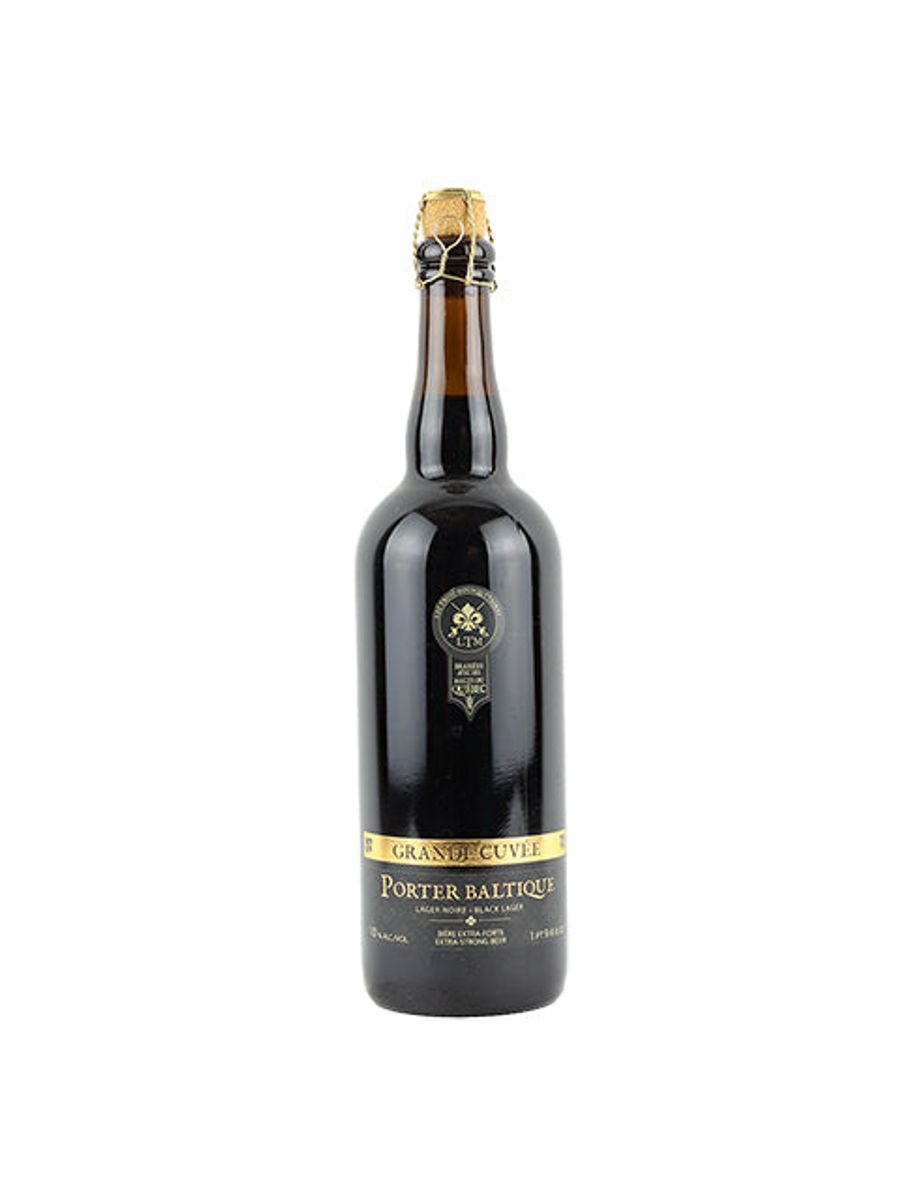
Grande Cuvée Porter Baltique
Brewed by Les Trois Mousquetaires
Molasses, dark fruit, cocoa, and warming alcohol make this a cellar-friendly porter that still remembers it is a lager.
BAR NOTES
Les Trois Mousquetaires helped establish Baltic porter as a serious North American specialty well before every tap list needed an imperial dark beer. The large-format bottle layers molasses, cocoa, toast, plum, and warming alcohol over a smooth lagered foundation.
Check the label carefully because barrel-aged editions can be substantially different from the standard Grande Cuvée. The base beer can develop gracefully for a few years, but it is already ready for tourtière, duck, blue cheese, or dark chocolate.
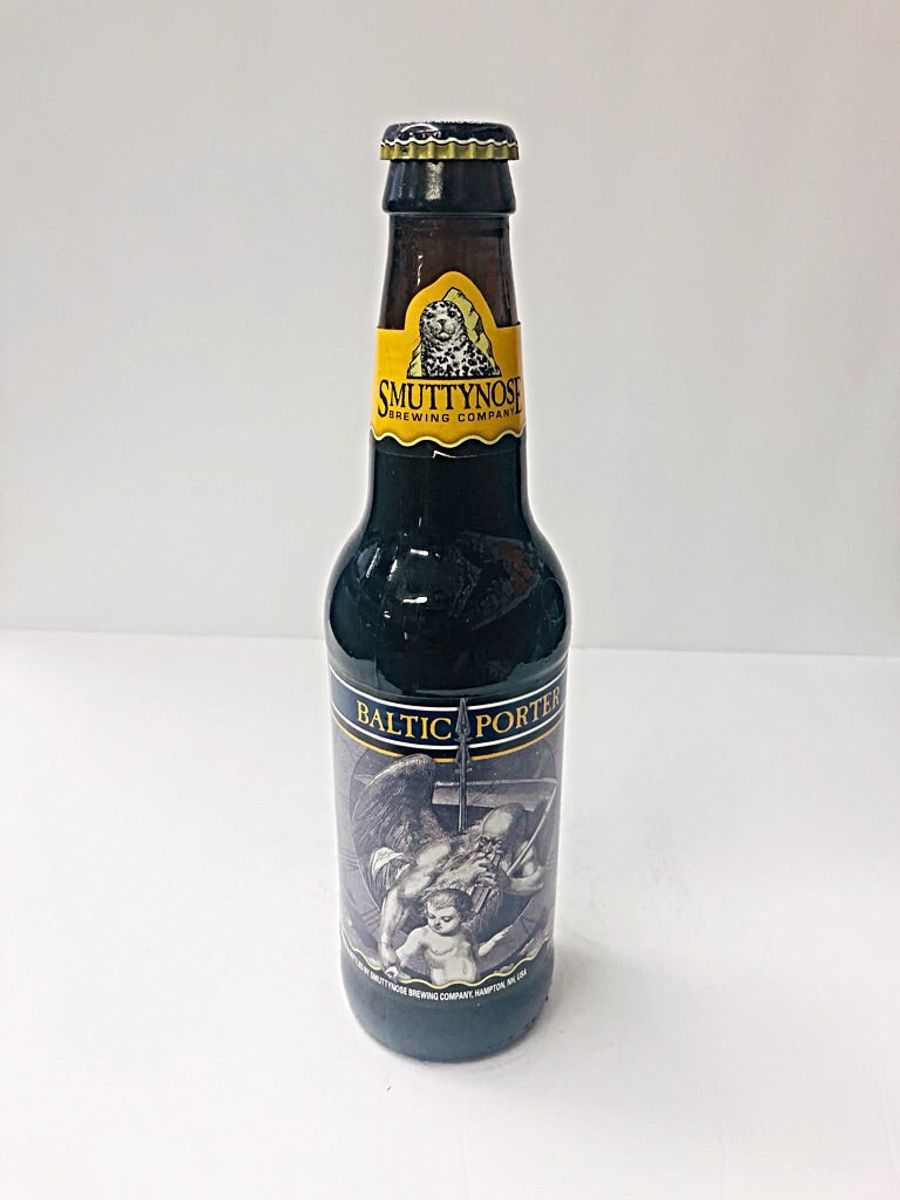
Smuttynose Baltic Porter
Brewed by Smuttynose Brewing Co.
Toffee, cocoa, dark fruit, and warming strength recall the era when Baltic porter was a prized specialty bottle rather than a trend.
BAR NOTES
Smuttynose’s version is a veteran of the American strong-beer shelf, and it still makes a persuasive case for malt-first brewing. Caramel and toffee meet cocoa, raisin, and gentle roast, with enough fermentation cleanliness to prevent an imperial-stout impression.
Because distribution and release timing can be uneven, check package dates and buy from a shop that treats strong beer well. Let the bottle warm slightly and pair it with short ribs, Stilton, sticky toffee pudding, or roasted nuts.
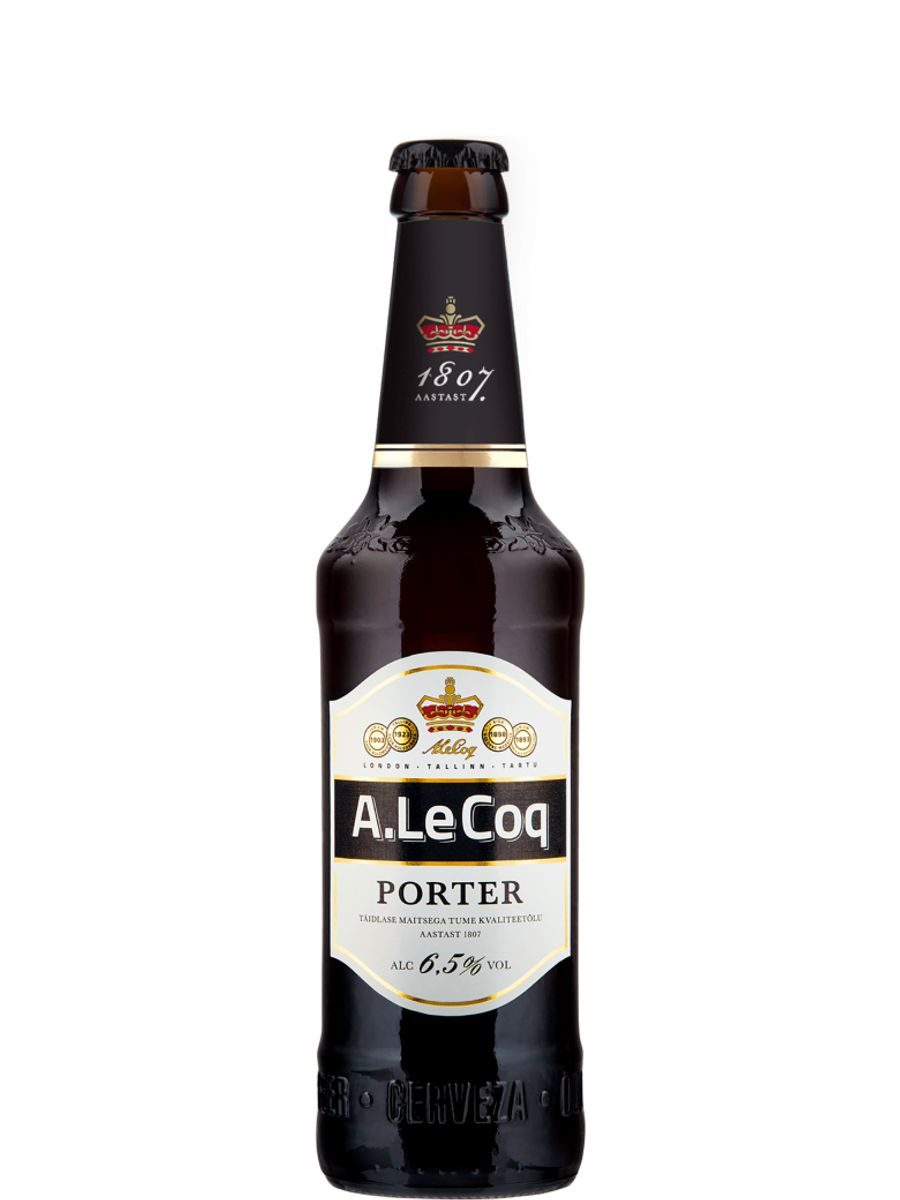
A. Le Coq Porter
Brewed by A. Le Coq
Less massive than many modern examples, this Estonian porter shows that regional character does not require double-digit alcohol.
BAR NOTES
A. Le Coq closes the ranking with a useful correction: Baltic porter is a family, not a strength contest. Its more moderate frame emphasizes toast, caramel, dark bread, cocoa, and a clean warming finish rather than trying to behave like liquid dessert.
The lighter body makes it an excellent dinner bottle rather than a nightcap. Serve around 48–52°F with grilled sausage, roast pork, buckwheat, dark bread, mushrooms, or semi-hard cheese, and finish it while the malt remains lively.
How we ranked the board
We weighted style character first: layered malt, clean fermentation, controlled alcohol, and enough structure to finish a glass without fatigue. Historical importance helped the European classics, but age alone did not outrank balance, freshness, or a clear reason to seek the bottle now.
The final board deliberately mixes the Polish center with Finnish and Estonian traditions, then tests North American interpretations against them. Availability varies by market, so a well-stored local bottle can be a better purchase than a famous import that crossed an ocean badly.
How to serve Baltic porter
Start around 48–52°F and let stronger examples warm a few degrees in the glass. A tulip, snifter, or small wine glass concentrates dark-fruit and malt aroma without encouraging an oversized pour. Heavy chill makes the beer seem sweet and mute; excessive warmth makes the alcohol look clumsy.
Malt richness makes Baltic porter a natural match for smoked sausage, roast pork, braised beef, mushrooms, rye bread, aged cheese, gingerbread, and dark chocolate. The best pairing has salt, browning, smoke, or fruit—not simply more sugar.
Baltic porter FAQ
Is Baltic porter a lager?
Usually, but not universally. Polish-style examples are commonly fermented with lager yeast and cold conditioned. Historically important beers such as Sinebrychoff Porter are top fermented, which is why fermentation method alone cannot define the entire family.
What is the difference between Baltic porter and imperial stout?
Baltic porter usually emphasizes smooth fermentation, bread, caramel, dark fruit, and rounded chocolate, while imperial stout more readily displays assertive roast and American hop or adjunct character. Strength overlaps, and individual beers can blur the border.
Can Baltic porter be aged?
Strong, well-packaged bottles can develop for several years, trading fresh coffee and fruit for softer oxidation, sherry, and leather. Aging is optional, not automatically an upgrade. Taste one fresh before deciding whether to cellar another.
Why is Poland so important to the style?
Polish brewers transformed imported British strong porter into a local specialty, eventually combining high gravity and dark malt with lager brewing. Modern examples such as Żywiec and Komes preserve that distinct national tradition.
Build a three-bottle Baltic lesson
Start with Żywiec for the Polish center, add Sinebrychoff for Finland’s top-fermented branch, and finish with Põhjala Öö or pFriem for a modern interpretation. Taste them at the same temperature and watch fermentation character—not darkness—separate the glasses.
Follow porter from London docks to Baltic cellars
Compare the larger porter family, settle the stout argument, or build the strong dark lager yourself.
DRINK DEEPER

better beer.