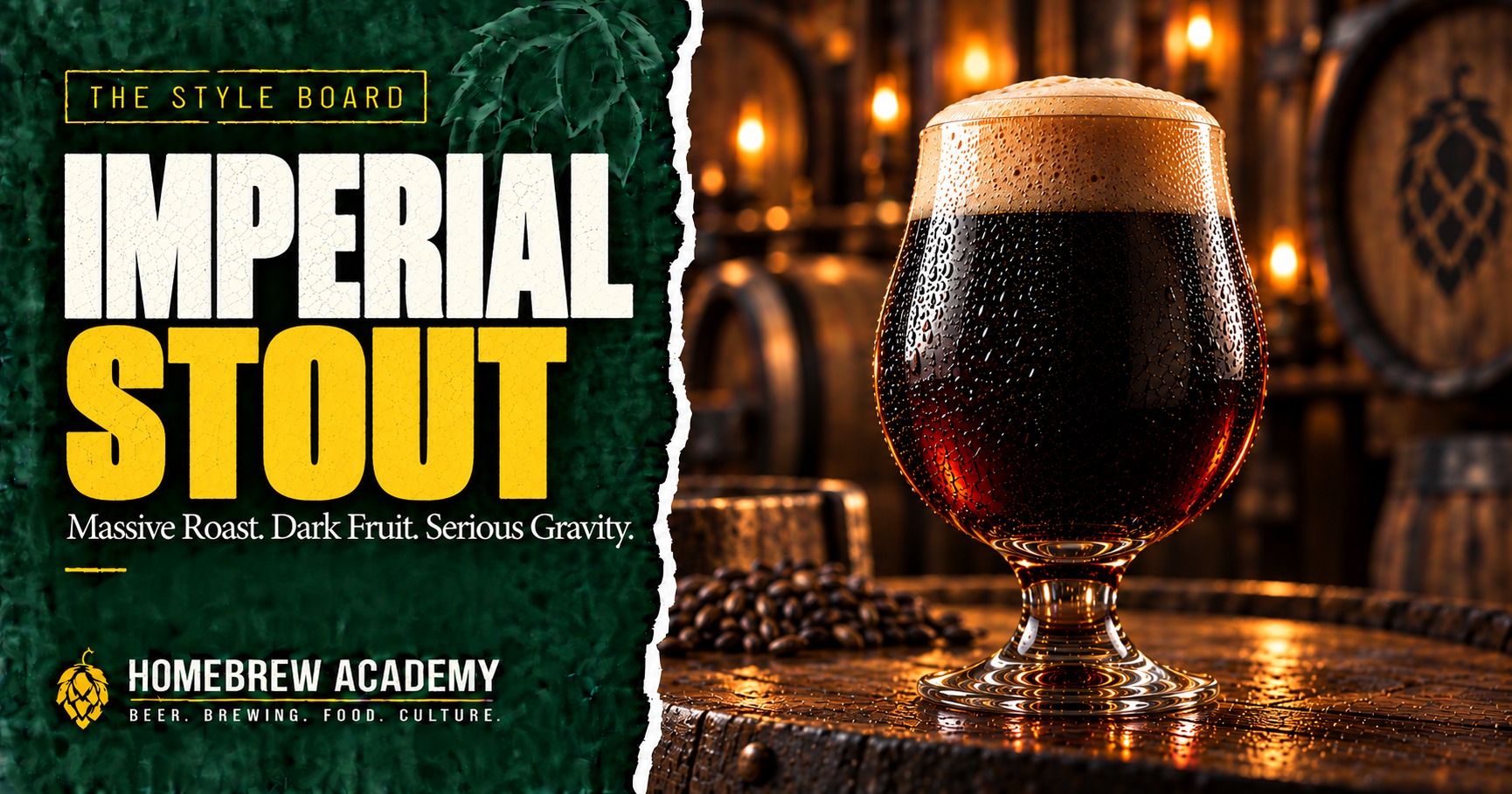
Imperial Stout: 10-Beer Comparison Flight and Style Guide
Imperial stout is not simply stout with more alcohol. It is a balancing act built from enormous malt flavor, strong bitterness, warming strength and a fermentation capable of finishing the job. When those parts align, the beer can taste of espresso, dark chocolate, molasses, raisins and char without collapsing into sweetness.
The style has roots in strong British export stout, but American brewing amplified it with assertive hops, high gravity, barrels and adjuncts. The unadorned base remains the real test.
Imperial stout style profile
| Measure | BJCP range |
|---|---|
| Original gravity | 1.075–1.115 |
| Final gravity | 1.018–1.030 |
| Bitterness | 50–90 IBU |
| Color | 30–40 SRM |
| Alcohol | 8.0–12.0% ABV |
What imperial stout tastes like
Aroma can range through roasted grain, espresso, bittersweet chocolate, burnt sugar, caramel, dark fruit and molasses. American versions may add noticeable citrus, pine or resinous hops. Alcohol can be warming, but should not smell like solvent.
The body is full and the flavor is intense, yet the beer needs structure. High bitterness offsets residual sweetness, roast adds dryness and carbonation keeps the finish moving. Oxidation can eventually add sherry or port-like notes, though paper and soy-like character signal decline.
Imperial stout compared with American stout
Imperial stout begins where regular American stout ends. It carries more gravity, alcohol, body and flavor concentration, requires a larger bittering load and normally benefits from longer conditioning. A strong stout that tastes merely hot and sweet has missed the point.
Ten Imperial Stout references and comparisons
Six imperial-stout references include the coffee-led Speedway and the nitrogenated Wake Up Dead edition. Breakfast Stout adds a stronger coffee-oatmeal comparison, Dragon’s Milk and KBS add two barrel-aged interpretations, and Lion supplies one tropical-stout neighbor at overlapping strength. Seasonal releases, selected editions and bitterness-band exceptions remain explicit rather than implying ten interchangeable beers.
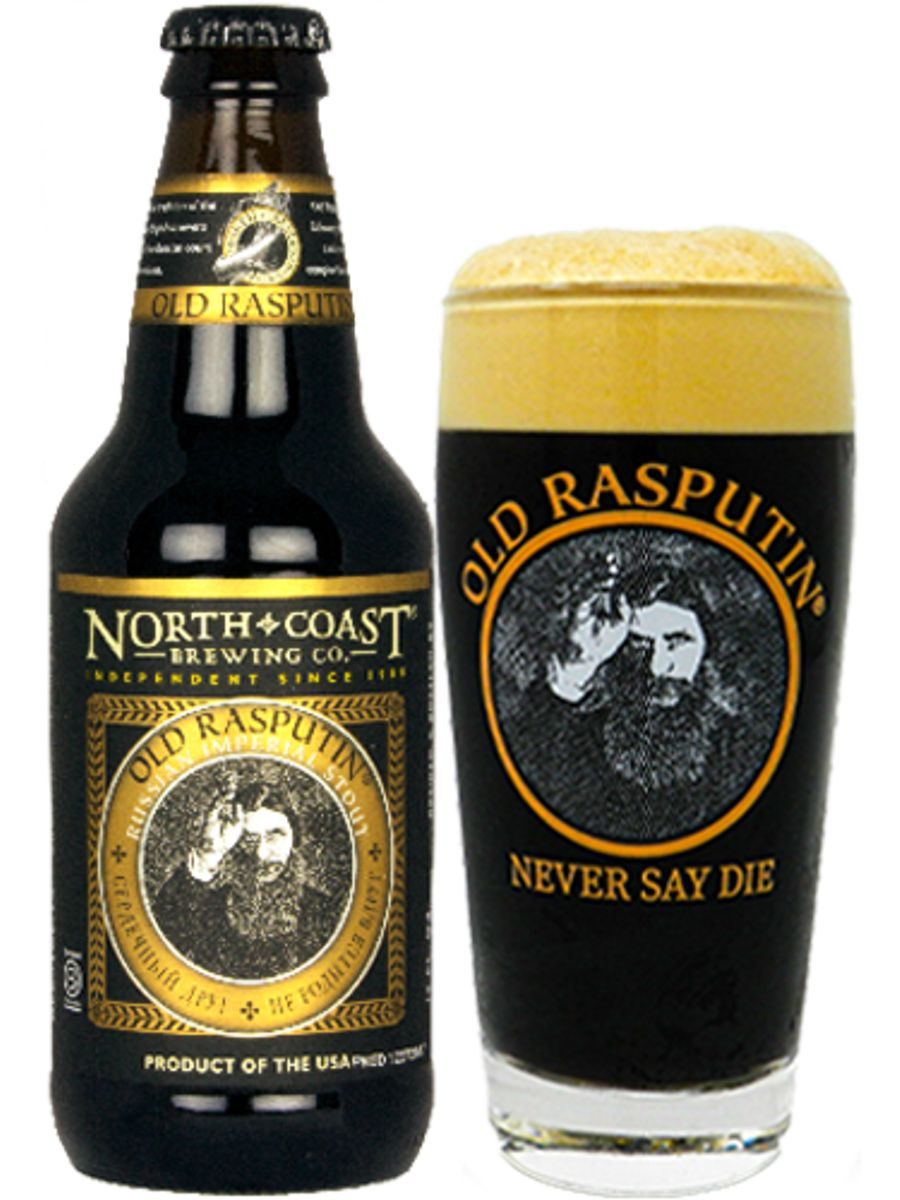
Old Rasputin
Brewed by North Coast Brewing Company
Rich dark malt, substantial bitterness and warming strength establish the imperial step.
BAR NOTES
Old Rasputin is currently 9.0% and 75 IBU, a rich Russian Imperial Stout with a warming finish. It makes a useful unbarreled reference before tasting bourbon, coffee additions or nitrogenated versions, because its dark-malt structure can be assessed on its own.
Let a small pour warm gradually and follow roast, dried-fruit impressions and bitterness separately. The Russian name refers to the imperial-stout tradition rather than a current Russian origin; this beer is a North Coast creation from Fort Bragg, California. Explore more imperial stout references.
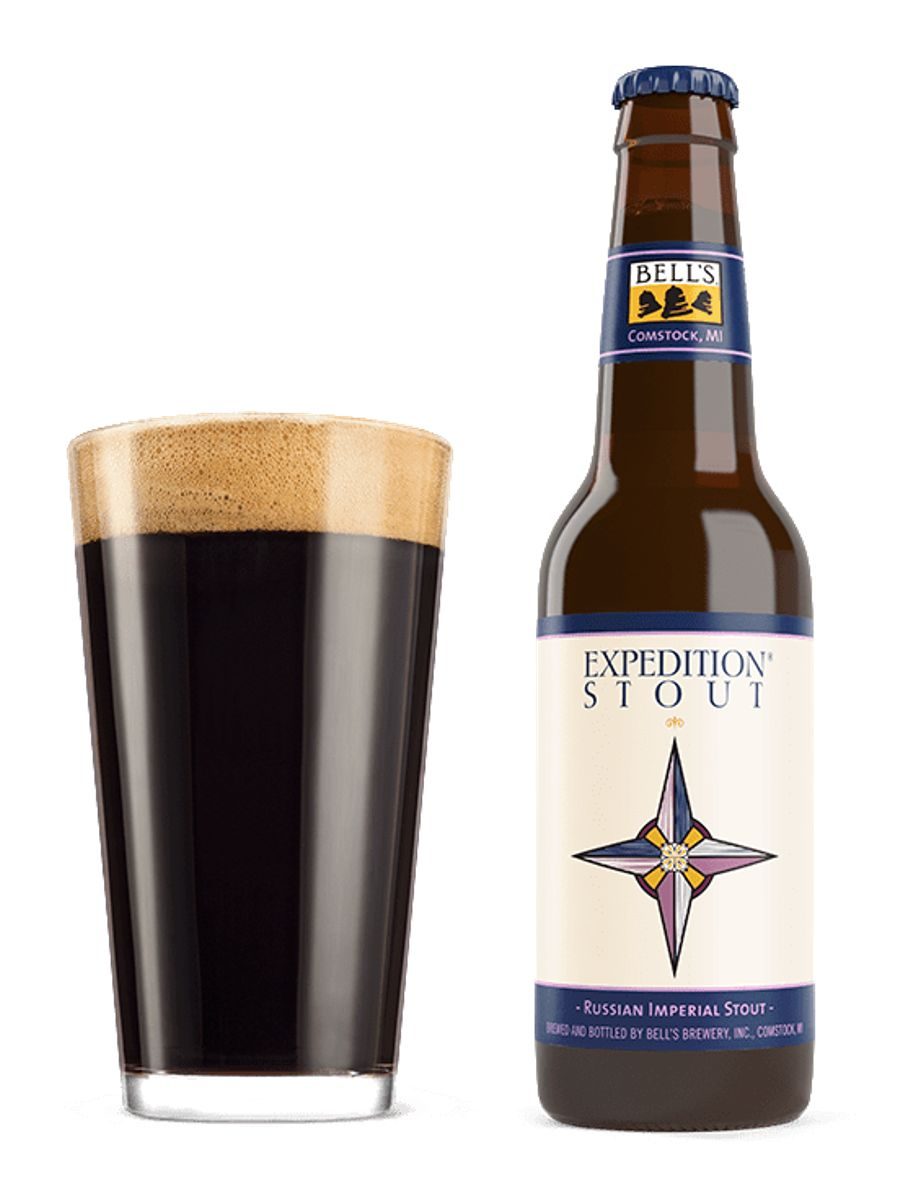
Expedition Stout
Brewed by Bell’s Brewery
Chocolate, dark fruit and a huge malt body are built with aging in mind.
BAR NOTES
Expedition’s current specifications are 10.5%, 77 IBU and a substantial 1.115 original gravity. Bell’s lists it as a limited-time specialty beer designed around chocolate, dark-fruit malt and a heavy body, with flavors intended to develop during cellar time.
Compare a fresh bottle with a carefully stored older one only when you know the dates and storage conditions. Aging can soften and change flavor without guaranteeing improvement; the brewery’s generous shelf-life statement is an invitation to experiment thoughtfully, not ignore the package history. Explore the imperial-stout brewing process.
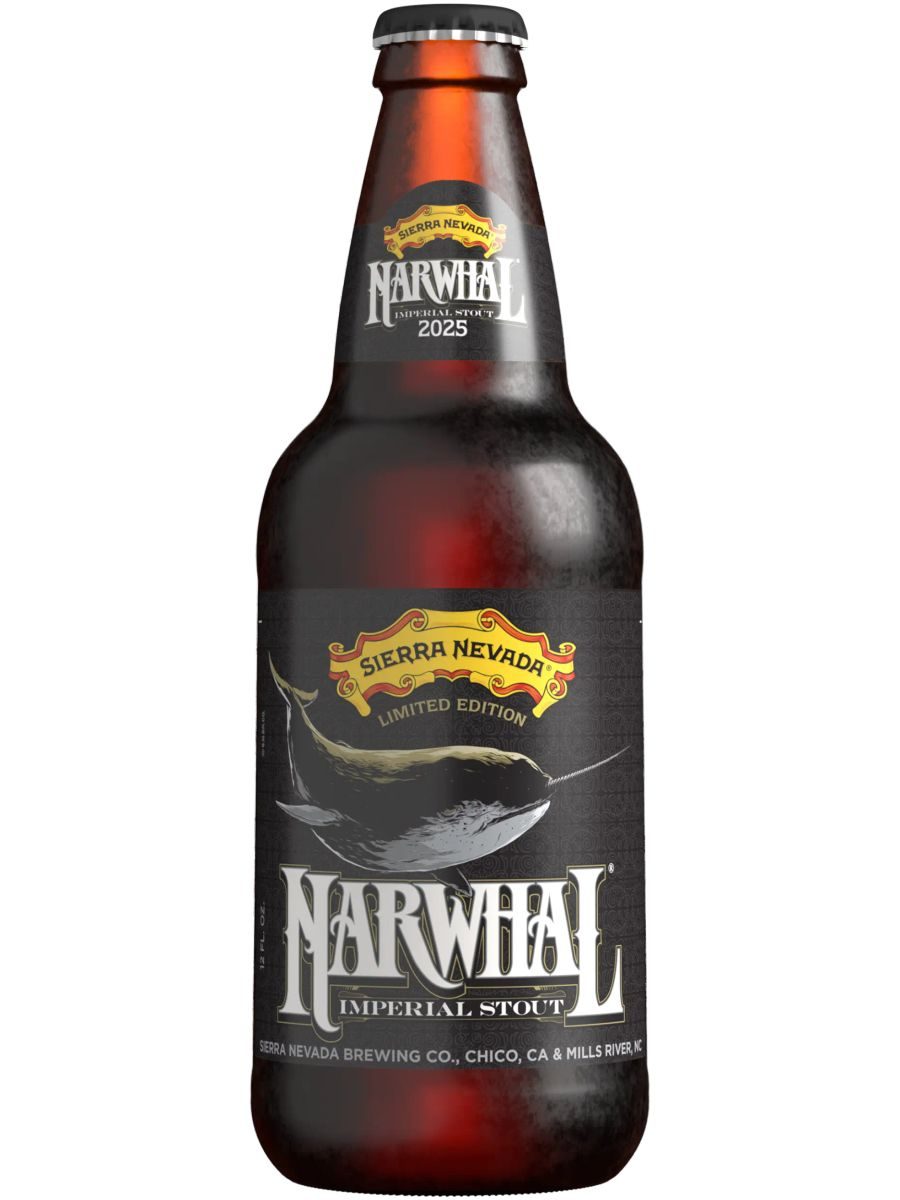
Narwhal Imperial Stout
Brewed by Sierra Nevada Brewing Company
Espresso, baker’s cocoa and a trace of smoke meet a velvety finish.
BAR NOTES
Narwhal’s current standard edition is 10.2% and 60 IBU, released September through December. Its large malt bill includes roasted barley, chocolate, honey and smoked malt, while Cascade and Chinook supply bitterness around espresso, baker’s cocoa and roasted grain.
Keep the standard bottle distinct from Barrel-Aged Narwhal, which is a separate release with different specifications. Taste this unbarreled edition alongside Expedition to compare roast and dark fruit before moving into oak or bourbon; similar alcohol does not imply identical malt balance. Continue with the Beer Flavor Wheel.
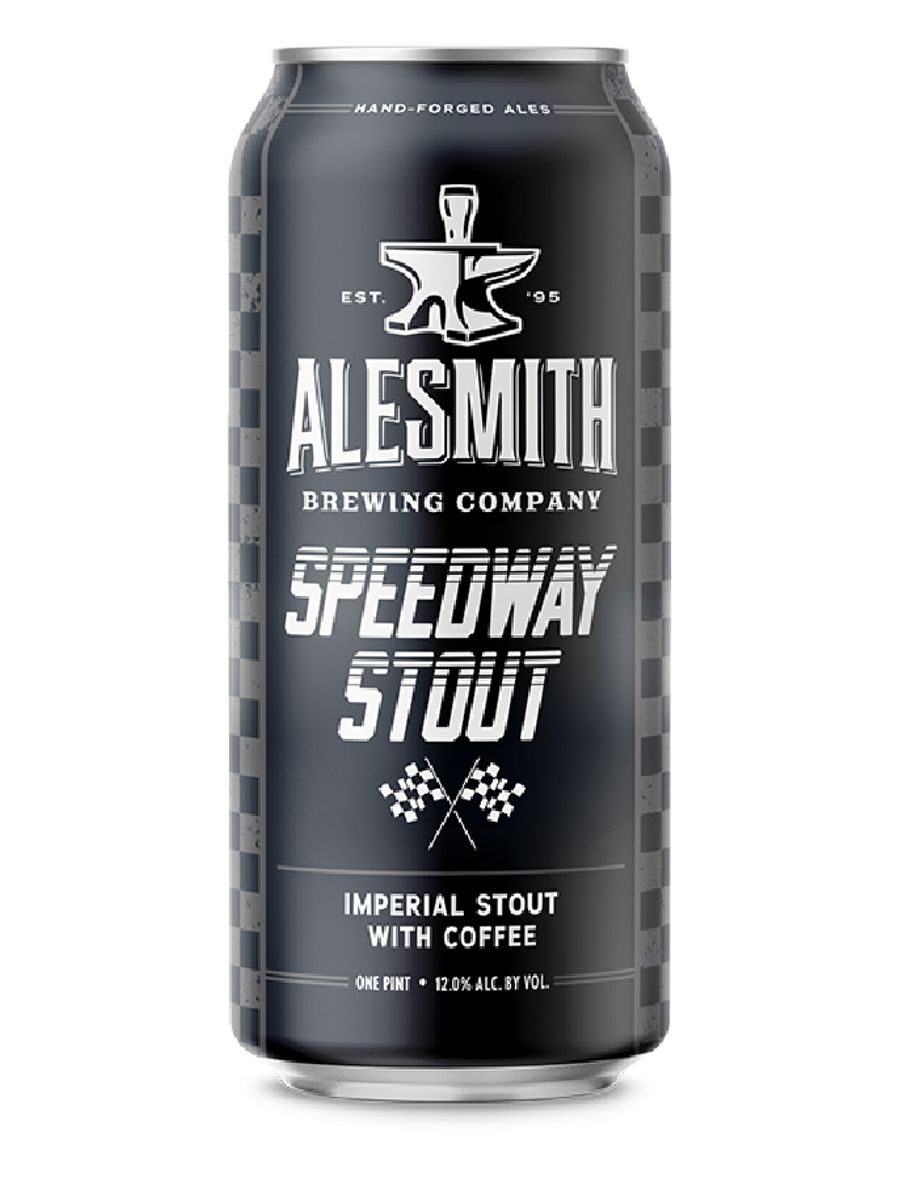
Speedway Stout
Brewed by AleSmith Brewing Company
Locally roasted coffee emphasizes dark chocolate at the upper imperial strength boundary.
BAR NOTES
Speedway’s standard year-round edition is 12.0% and 70 IBU. AleSmith adds locally roasted coffee to chocolate and roasted malts, with supporting toffee, caramel and dark-fruit impressions; cans and bottles make this a distinctive coffee-imperial reference without requiring a barrel.
The brewery suggests serving at 50–55°F in a tulip or goblet. Pair a small pour with aged Gouda, a rich beef dish or chocolate dessert, and compare it with Breakfast Stout to separate coffee contribution from the much larger alcohol and malt structure. Explore coffee-focused beers.
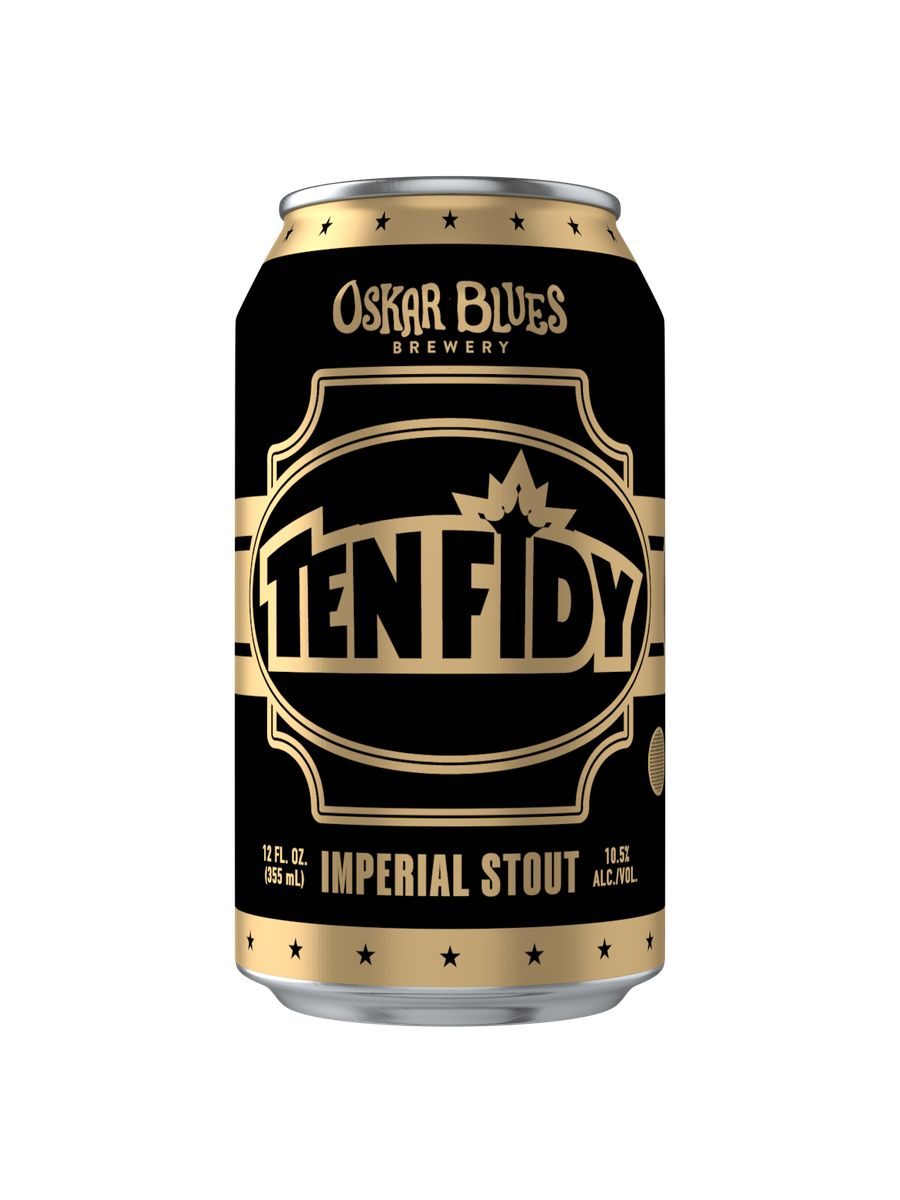
Ten FIDY
Brewed by Oskar Blues Brewery
Chocolate malt, roasted barley and flaked oats support the current seasonal can.
BAR NOTES
The current Ten FIDY listing gives 10.5% and 65 IBU, with seasonal availability. Two-row and chocolate malts, roasted barley and flaked oats build a broad dark-malt body that supports chocolate, caramel and coffee impressions without adding those foods as required ingredients.
Keep this standard edition distinct from Barrel-Aged Ten FIDY, and avoid importing older bitterness figures from previous descriptions. Taste it beside Old Rasputin to compare rounded malt weight with a more sharply bitter finish while holding the pour size deliberately small. Explore the separate barrel-aged stout lane.
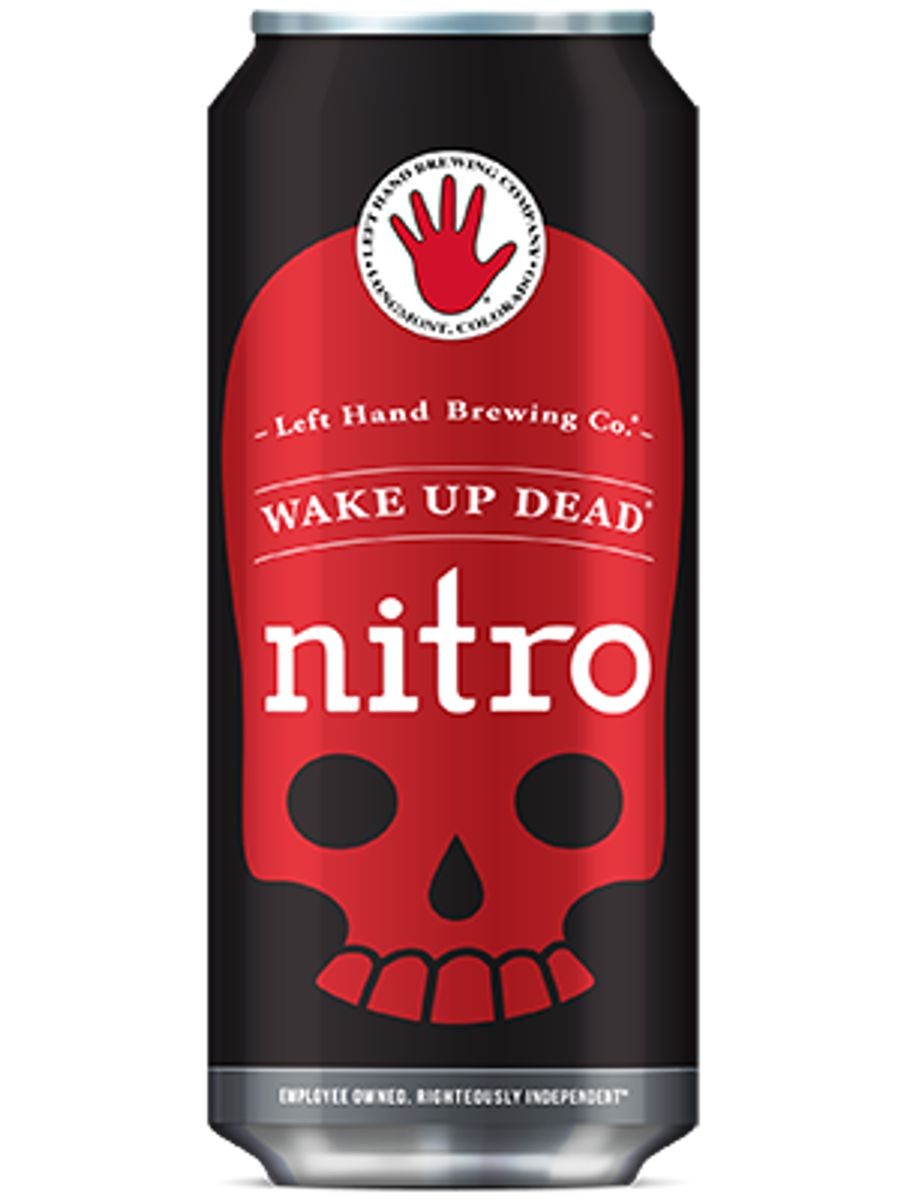
Wake Up Dead Nitro
Brewed by Left Hand Brewing Company
Nitrogen changes the presentation of a strong cocoa-and-dried-fruit stout.
BAR NOTES
Wake Up Dead Nitro is a 10.2% Russian Imperial Stout at 45 IBU, below the usual imperial bitterness band of 50–90. Left Hand lists small batches throughout the year and a 13.65-ounce widget can, making this specific nitrogenated edition an explicit texture comparison.
Follow the instructions on the actual can to develop its intended head. Cocoa, dried fruit and licorice meet CTZ and Golding hops, but nitrogen changes how the beer arrives on the palate; do not treat this package as interchangeable with regular Wake Up Dead. Explore serving-glass comparisons.
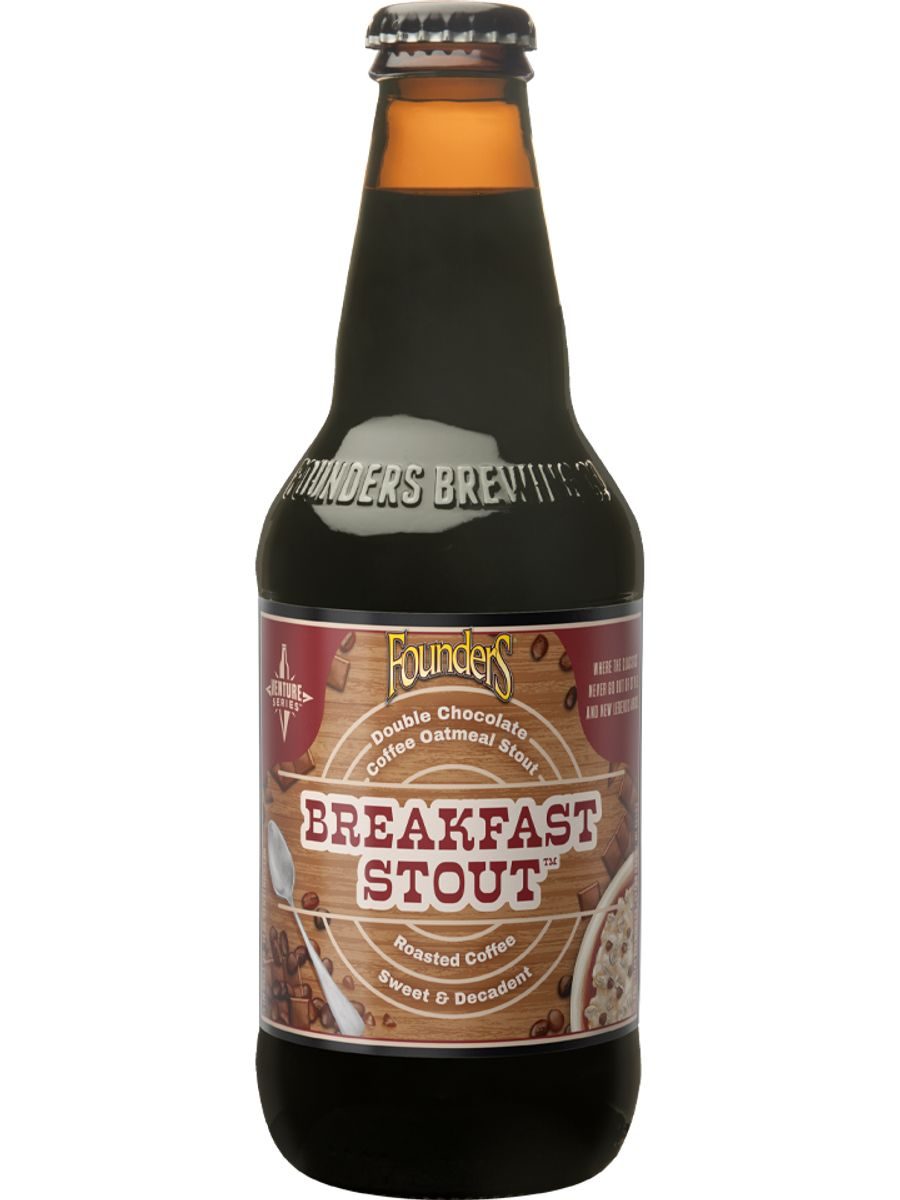
Founders Breakfast Stout
Brewed by Founders Brewing Company
Oats, two coffees and specialty chocolate extend the stout comparison into stronger territory.
BAR NOTES
Breakfast Stout is a year-round 8.3% beer with 60 IBU, flaked oats, specialty chocolates and two types of coffee. That strength exceeds the usual American Stout band of 5.0–7.0%, so this is explicitly a stronger adjunct comparison rather than a standard-strength example.
Compare its coffee aroma with the grain-driven espresso impression in Obsidian before judging which seems more roasty. Oats, chocolate additions and alcohol can change body and perceived sweetness at the same time; use a smaller pour to keep those differences readable. Continue with the oatmeal-stout collection.
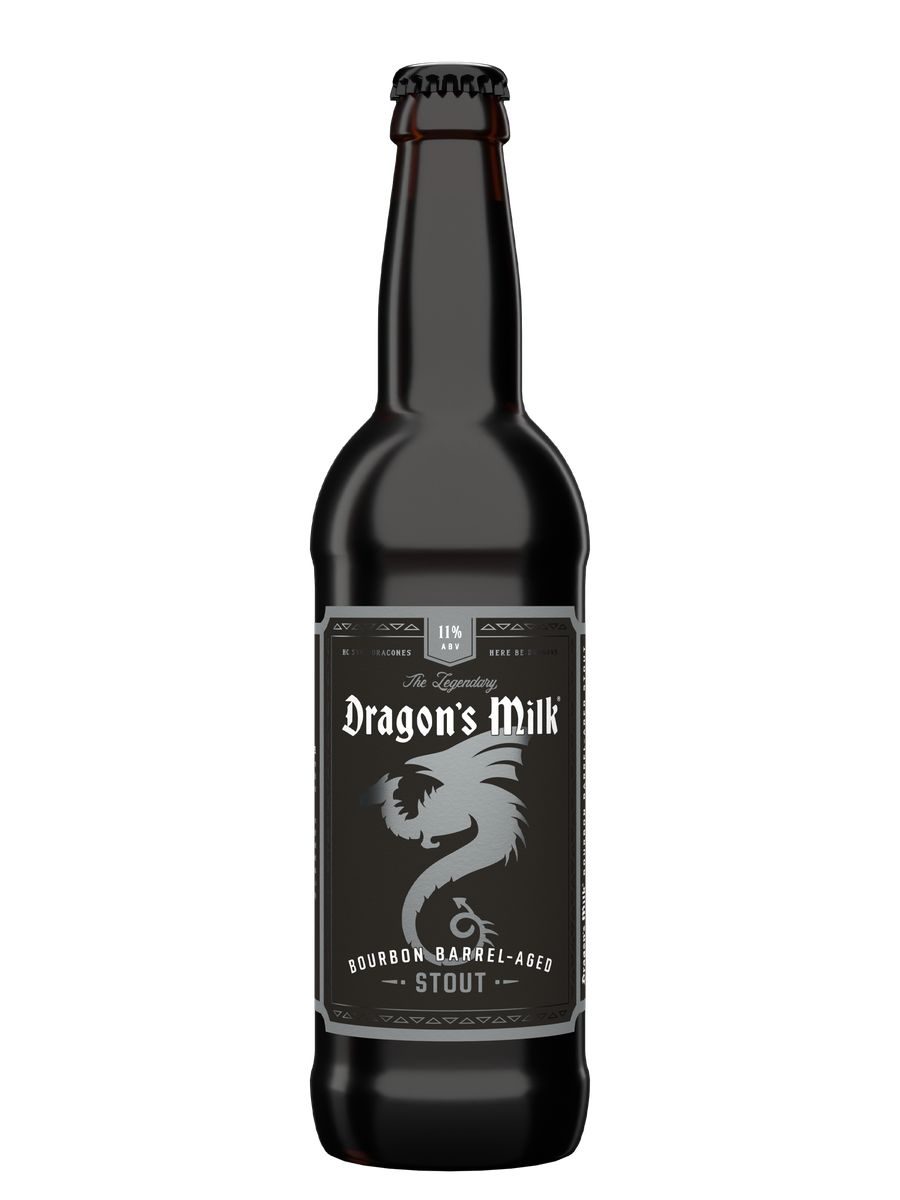
Dragon’s Milk
Brewed by New Holland Brewing Company
Coffee-like roast meets vanilla and oak in the standard year-round edition.
BAR NOTES
The standard Dragon’s Milk is an 11.0% year-round bourbon barrel-aged stout. Its roasted coffee-and-chocolate malt impression meets vanilla and oak from approximately three months in barrels, so wood and spirit character are deliberate additions to the imperial-strength comparison.
Use the original edition rather than silently substituting Triple Mash or a Reserve flavor, whose specifications can differ. Serve a smaller pour around 50–55°F and taste after the unbarreled stouts so oak does not obscure the cleaner malt comparisons that came first. Explore barrel-aged stouts.
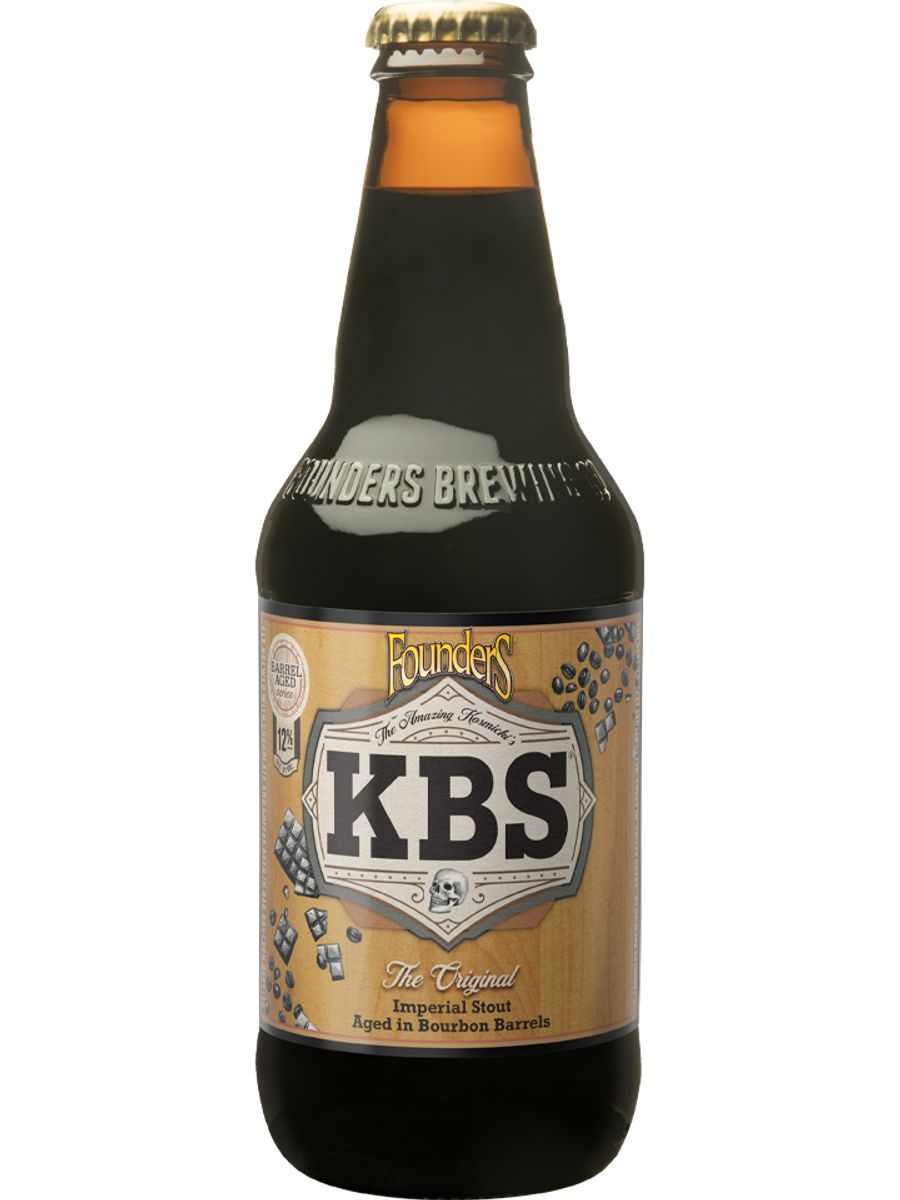
KBS
Brewed by Founders Brewing Company
The standard year-round KBS adds barrel-derived vanilla and charred oak.
BAR NOTES
Founders currently lists standard KBS at 12.0% and 45 IBU, with year-round availability. Coffee and premium chocolate enter the stout before bourbon-barrel aging adds vanilla, cocoa and charred oak; its bitterness figure sits below the usual 50–90 imperial guideline band.
Compare it with Dragon’s Milk to identify where coffee additions end and barrel influence begins. Keep standard KBS separate from its named variants, and expect a full-bodied small pour; high alcohol, rich adjuncts and oak all contribute to the impression of intensity. Continue with chocolate beer comparisons.
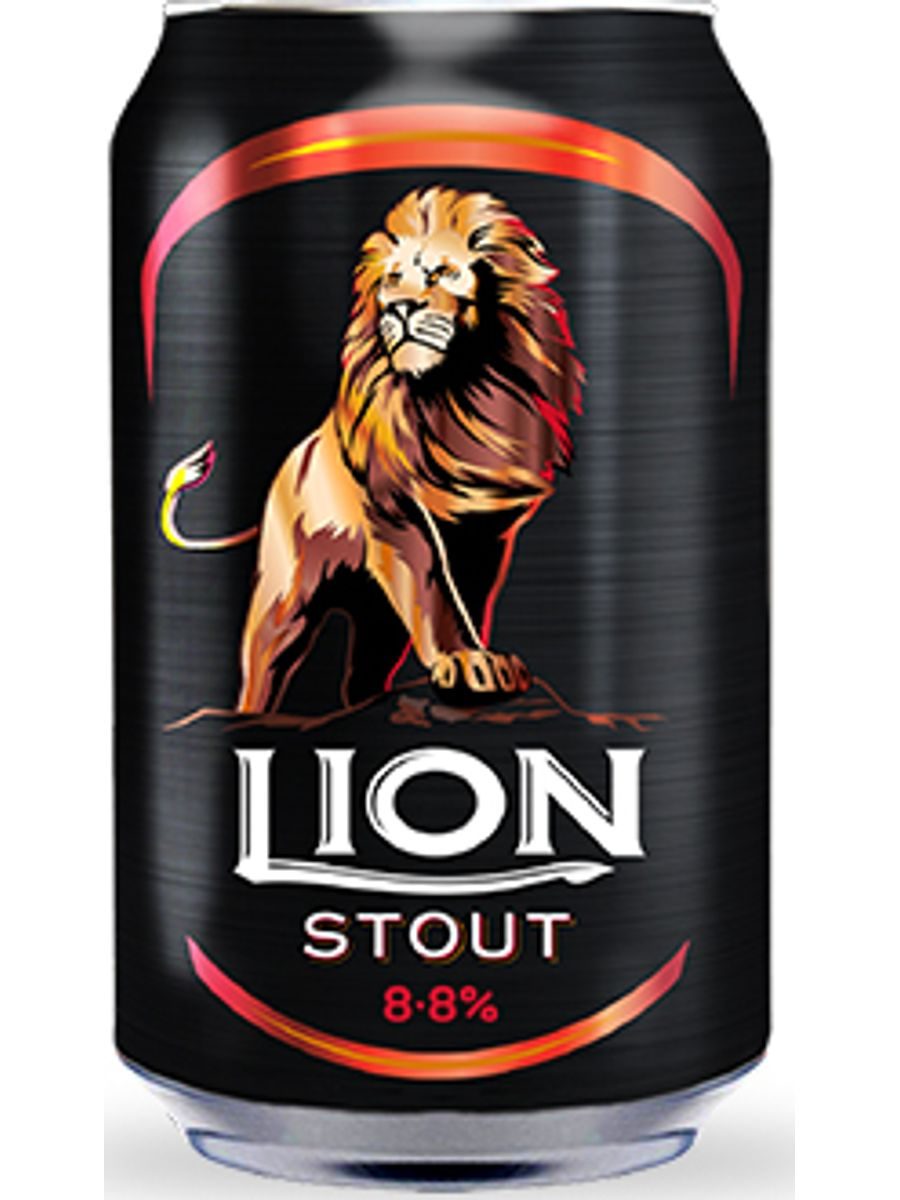
Lion Stout
Brewed by Lion Brewery
8.8%; Sri Lankan style comparison.
BAR NOTES
The selected current Lion Stout edition is 8.8%, a Sri Lankan tropical-stout benchmark that overlaps imperial strength. It belongs here as a deliberately labeled neighboring comparison rather than an American or Russian Imperial Stout simply because the alcohol number is high.
Taste its rounded dark-malt body beside the bitter unbarreled imperial references and follow warmth, sweetness and roast separately. A numerical overlap can make a productive tasting pair without erasing the different brewing traditions behind the beers. Use a small pour and explore Tropical Stout.
Building a massive but coherent grist
Pale malt still supplies most fermentable sugar. Munich and dark crystal can add bread, caramel and dried fruit, while chocolate malt and roasted barley build cocoa, coffee and char. Every specialty grain becomes more intense at imperial gravity, so percentages often need restraint.
A long boil concentrates wort and develops rich sugar flavors, but excessive heat can create scorched notes. Brewers also need enough mash capacity, efficient lautering and a plan for lower brewhouse efficiency when working with an unusually large grain bill.
Yeast management is the main event
Imperial stout demands a large, healthy pitch and ample oxygen. Many brewers use a fresh yeast cake from a smaller beer or prepare a substantial starter. Temperature should be controlled early, then allowed to rise enough for complete attenuation.
High gravity stresses yeast and can leave sweetness, fusel alcohol or stalled fermentation. Nutrient additions, adequate zinc, oxygen at pitching and realistic expectations for final gravity are more important than adding another specialty malt.
Bitterness, water and conditioning
Fifty to ninety IBU may sound extreme, but dense wort reduces the apparent bite and months of aging soften hop bitterness. Sulfate can sharpen the finish, while chloride supports body; neither should become a distraction. Mash pH must account for the large dark-grain load.
- Plan capacity before brewing: grain volume, boiloff and fermentation headspace all increase.
- Pitch for the gravity: use enough healthy yeast rather than hoping a single packet will survive.
- Control the first days: most unwanted heat and solvent character begins during vigorous early fermentation.
- Condition patiently: several months can integrate roast, bitterness and alcohol.
- Package for aging: minimize oxygen, store cool and taste periodically instead of assuming stronger always means immortal.
Serving, pairing and aging
Serve around 50–55°F in a small tulip or snifter. Four to eight ounces is often enough. Blue cheese, smoked meat, chocolate cake, tiramisu and pecan pie can stand beside the beer’s intensity.
Many examples improve for one to three years, especially when fresh alcohol and bitterness are aggressive. Hop aroma and adjunct character may fade, while dark fruit and oxidation grow. Aging is a trade, not an automatic improvement.
Imperial stout FAQ
Does imperial stout need barrel aging?
No. Barrel aging can add vanilla, oak and spirit character, but a well-made base stout should already be complete. The classic style does not require wood.
Why is imperial stout so bitter?
Dense malt and residual sugar need substantial bitterness for balance. The finished beer may taste less bitter than its IBU number suggests because sweetness, alcohol and roast change perception.
How long should homebrewed imperial stout condition?
Many batches become more integrated after three to six months, though fermentation quality and recipe determine the timeline. Taste regularly and package with very low oxygen.
Keep exploring American porter and stout
Follow dark malt from the chocolate-and-coffee balance of American porter through assertive American stout and into the immense depth of imperial stout.