10 Best Czech Lagers to Drink in 2026
Czech lager is a family, not one green bottle. The tradition runs from lighter 10° and 11° pub beers through full 12° pale lagers, amber polotmavé and dark tmavé, all tied together by soft malt, expressive Czech hops, dense foam and a fermentation culture built around patience.
This Top 10 stays focused on current Czech-brewed lagers that show different parts of that spectrum. Pilsner Urquell is the historical anchor, but the board also rewards bitterness, cellar character, fuller 11° lagers and regional breweries that still make Czech lager taste like a local craft rather than a generic international style.
The quick answer
Pilsner Urquell remains the best Czech lager overall because it still defines the balance the rest of the category argues with: rounded pale malt, unmistakable Saaz spice, firm bitterness and a finish made softer by rich foam. Budweiser Budvar Original is the deeper, rounder alternative; Bernard and Radegast are the bottles to choose when you want Czech bitterness to speak louder.
The 10 best Czech lagers
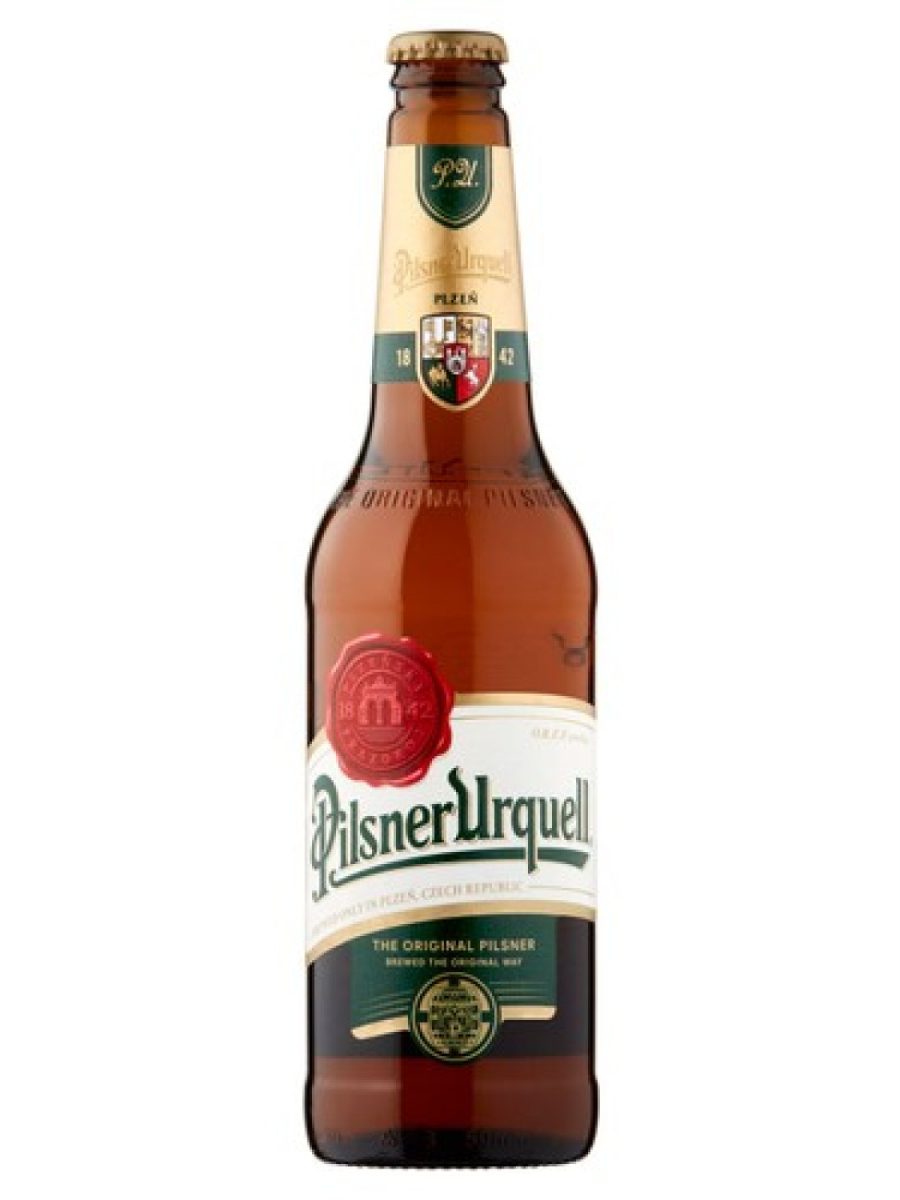
Pilsner Urquell
Brewed by Plzeňský Prazdroj
Bread-crust malt, spicy Saaz hops and a rounded bitter finish make the 1842 original more layered than the word pilsner usually suggests.
BAR NOTES
Pilsner Urquell matters because it created a new visual and flavor language for beer: pale malt, brilliant gold color and assertive hop bitterness in a clean lager. What gets lost in imitation is the softness. The malt is substantial, the Saaz character is floral and peppery, and the finish is bitter without becoming thin or metallic.
Try it from a fresh can or brown bottle, then compare different Czech pours if you ever get the chance. A tall hladinka-style foam cap softens bitterness and traps aroma, while a more beer-forward pour feels sharper. Fried cheese, schnitzel, pork and salty pub snacks all make sense beside it.
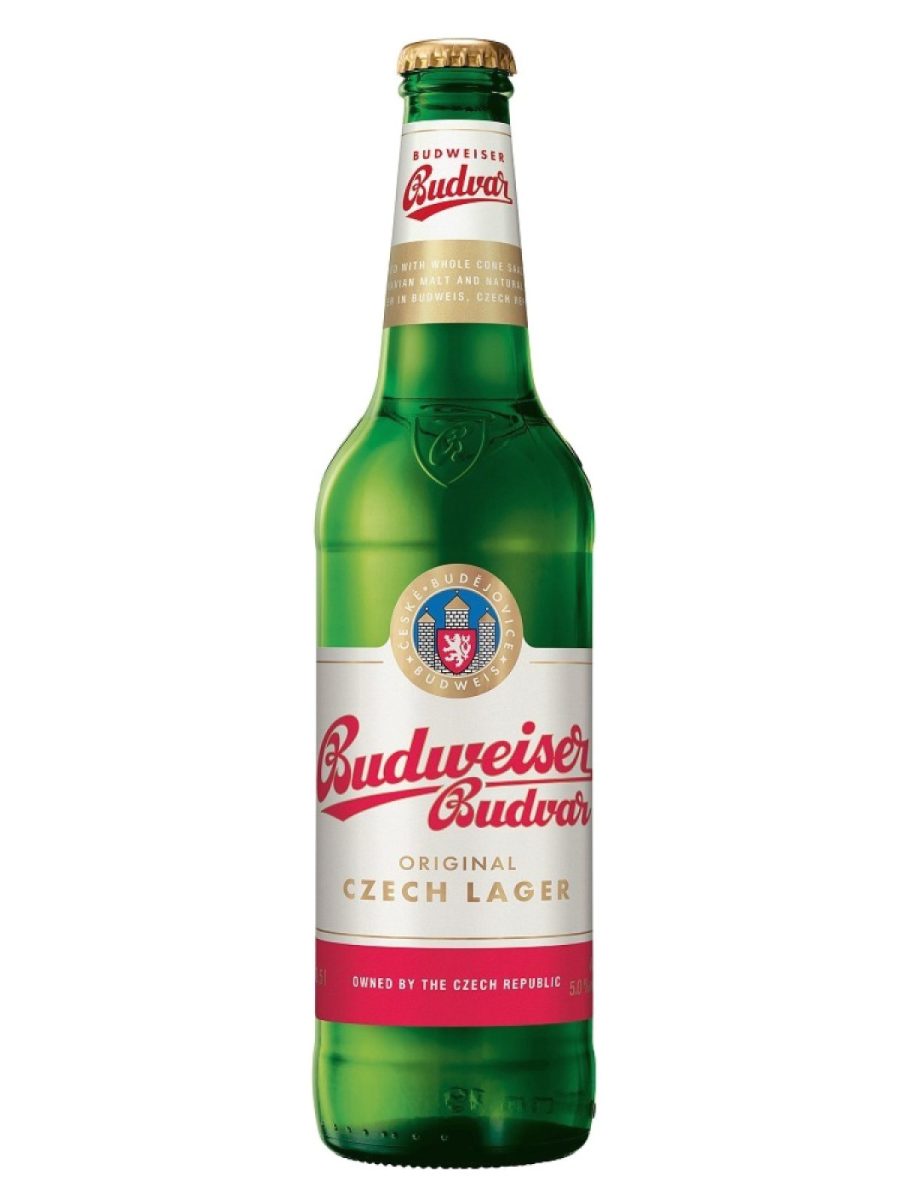
Budweiser Budvar Original
Brewed by Budějovický Budvar
Moravian barley, whole-cone Saaz hops and extended cold conditioning create a richer, rounder Czech lager with serious foam.
BAR NOTES
Budvar Original is less angular than Urquell and that is exactly why the comparison is useful. The brewery leans into a deep golden body, bready malt and aromatic foam, while whole-cone Saaz hops keep the sweetness from spreading out. The long cold-conditioning regimen gives the beer a composed, polished center.
Serve it a little less icy than a mass-market pale lager so the malt can open up. Roast pork, dumplings, grilled sausage and semi-firm cheeses are easy matches. If your idea of Czech lager is only sharp pilsner bitterness, Budvar shows how much roundness the tradition can carry.
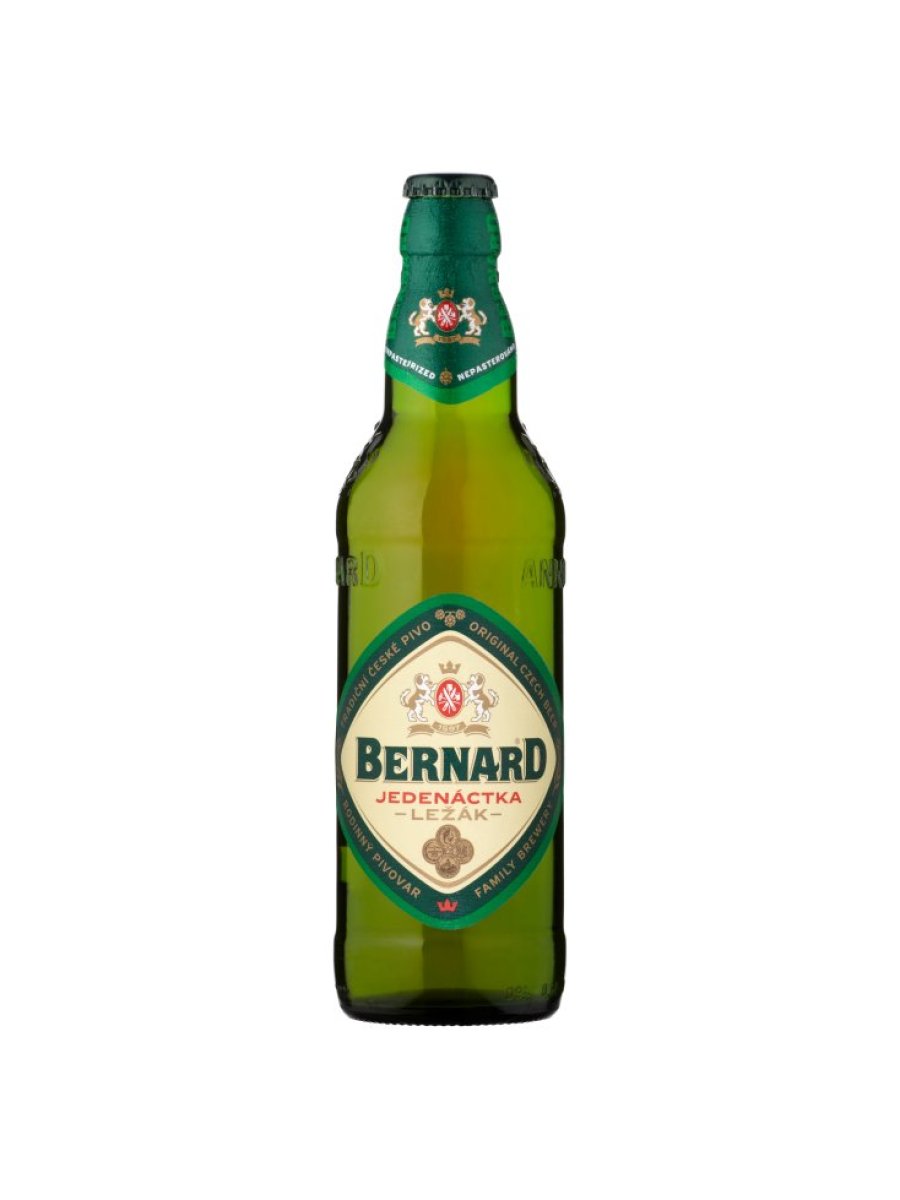
Bernard Jedenáctka
Brewed by Rodinný pivovar Bernard
An unpasteurized 11° lager with a fuller pub-beer body, distinct hop aroma and a bitterness level that refuses to disappear politely.
BAR NOTES
Bernard’s Jedenáctka sits in one of the most useful Czech zones: enough body to feel like a real lager, but still built for repeat pours. At 4.5% ABV with a stated 34 EBU, the bitterness is more obvious than the alcohol, and the malt stays present enough to keep the beer from turning hard-edged.
This is a great bottle for understanding why 11° lager deserves its own identity. It is not merely a weaker 12°. The slightly leaner body makes the hop snap more noticeable and keeps the finish lively. Pair it with roast chicken, smoked sausage, fried cheese or a plate of pickled pub snacks.
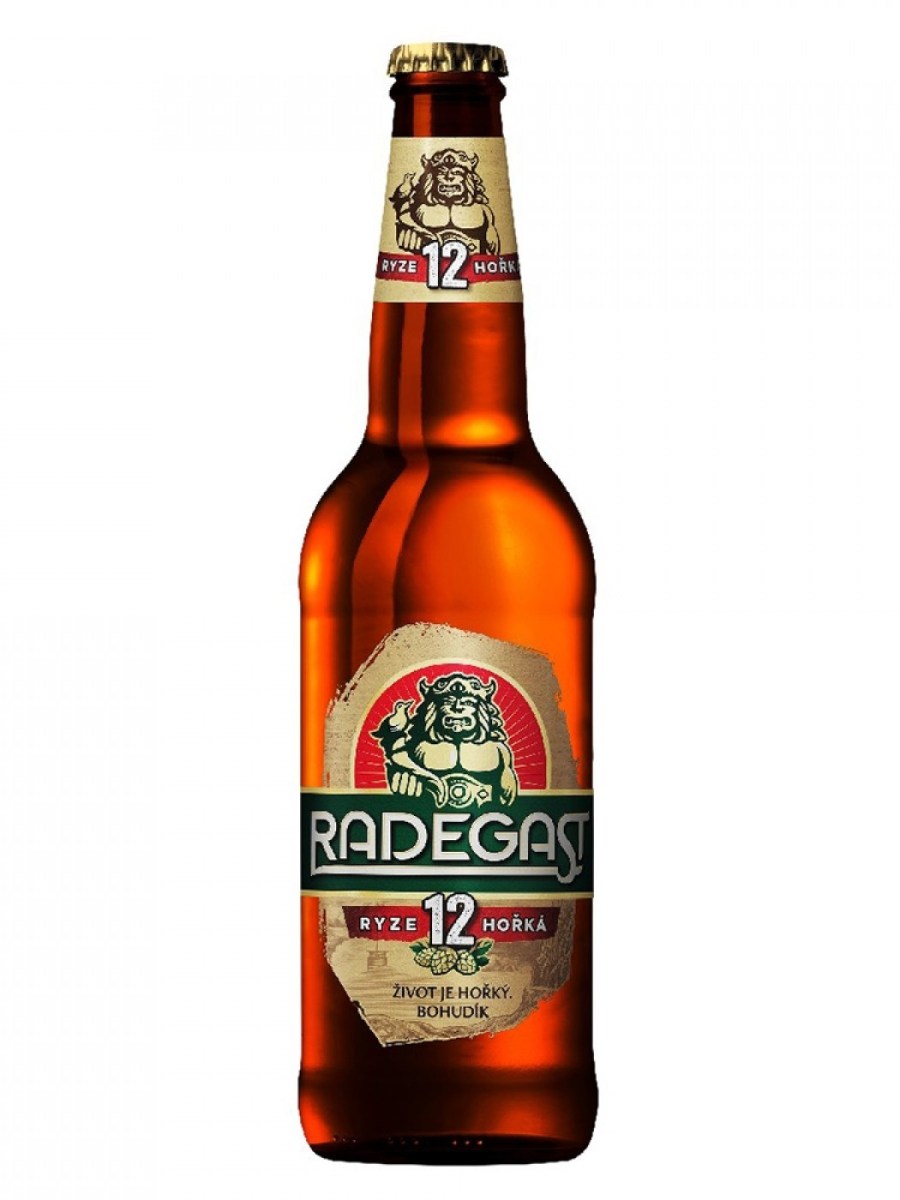
Radegast Ryze Hořká 12
Brewed by Pivovar Radegast
Radegast takes the bitter side of Czech lager seriously, with a dry herbal finish and enough malt underneath to keep the beer balanced.
BAR NOTES
Radegast’s identity is built around bitterness, and Ryze Hořká 12 makes that obvious without abandoning Czech lager structure. The beer carries enough 12° malt depth to support a long herbal finish, so the bitterness feels purposeful rather than like a generic high-IBU flex.
It is especially good with fatty or salty food because the finish scrubs the palate clean. Think pork cutlet, smoked meats, roast potatoes or sharp pickles. Serve it with a healthy foam cap; the creamy top rounds the edges and makes the hop aroma feel more integrated.
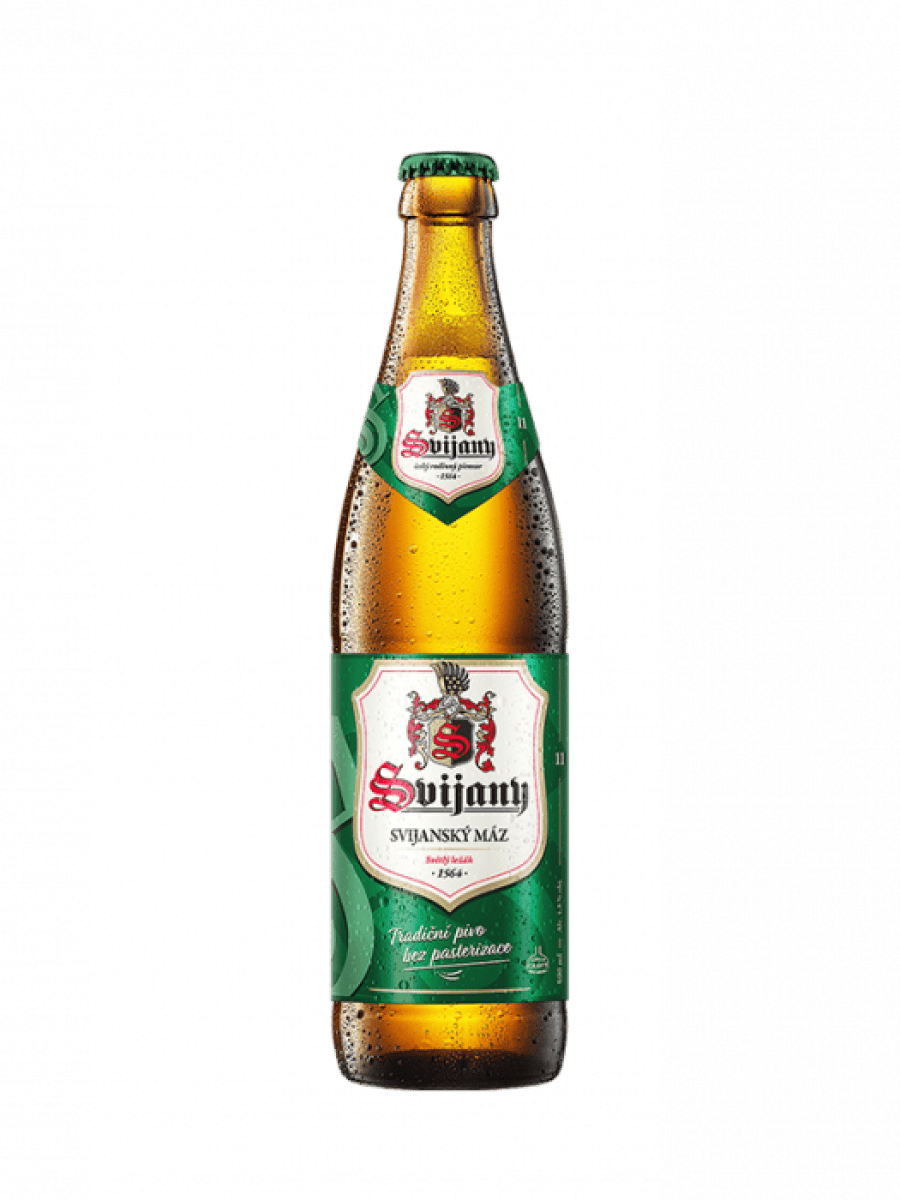
Svijanský Máz 11
Brewed by Pivovar Svijany
Honey-gold malt, 34 IBU of measured bitterness and an unpasteurized profile make Máz a classic Czech 11° drinking lager.
BAR NOTES
Máz has been a core Svijany beer since the late 1990s and fills the space between a thirst-quencher and a stronger 12° lager. The brewery lists it at 4.8% ABV and 34 IBU, which is a useful snapshot of the Czech approach: moderate alcohol does not require timid bitterness.
Freshness matters here because the beer’s appeal is in the interaction between soft malt and herbal hop character rather than big flavor gimmicks. Drink it cool but not numb. Roast chicken, grilled pork, pretzels and creamy cheeses all let the malt-hops balance stay visible.
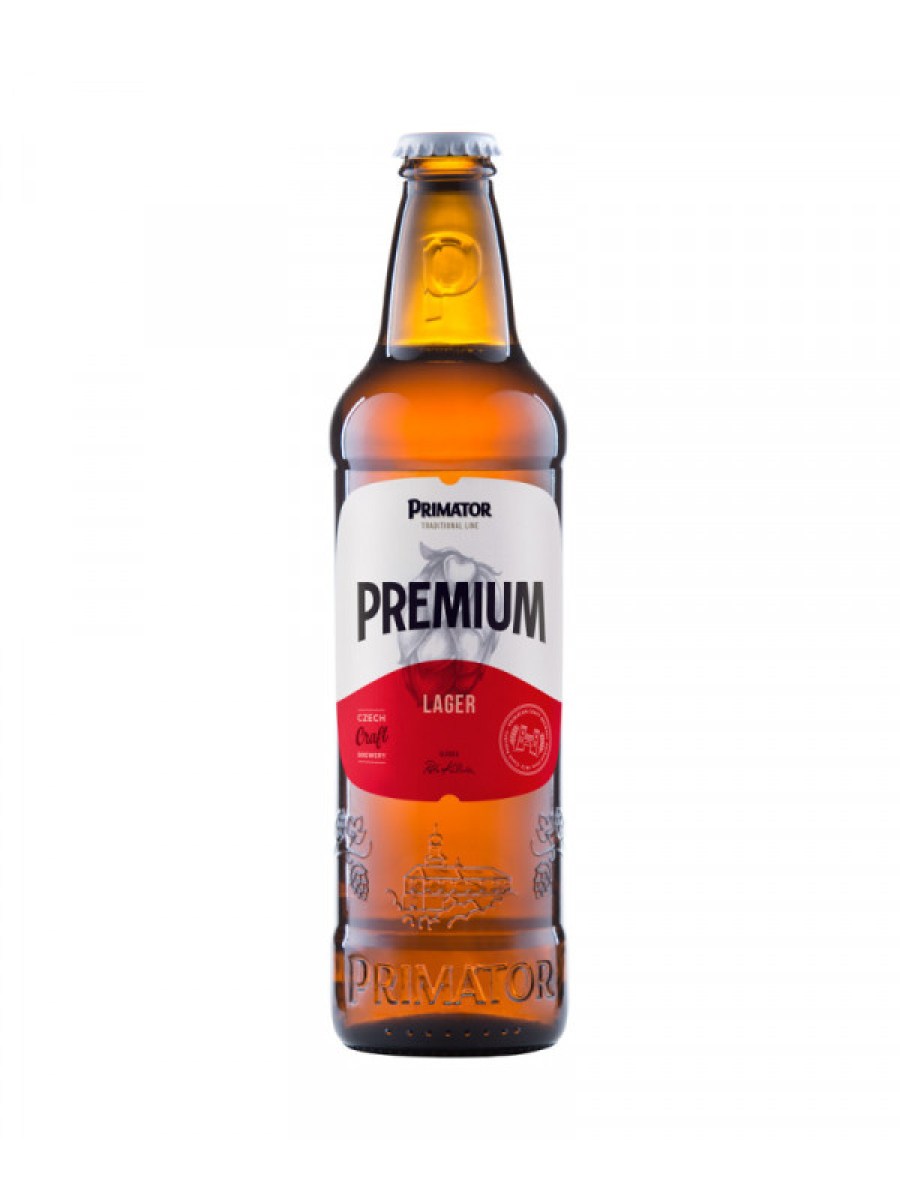
Primátor Premium
Brewed by Pivovar Primátor
Double-decocted malt, open fermentation and long cellar maturation give Primátor Premium an old-school Czech brewery-process fingerprint.
BAR NOTES
Primátor’s own description is unusually useful because it names the process: two-mash decoction, open fermentation and extended lager-cellar maturation. Those steps do not automatically make a beer better, but they help explain the rounded grain depth and fermentation character that distinguish Czech lager from sterile international pale lager.
The brewery uses Pilsner malt with Saaz-family and Sládek hops, so the beer lands on familiar Czech ground while still feeling house-specific. Serve it around 42°F in a tall lager glass. Pork, bread dumplings, roast poultry and fried foods are natural companions.
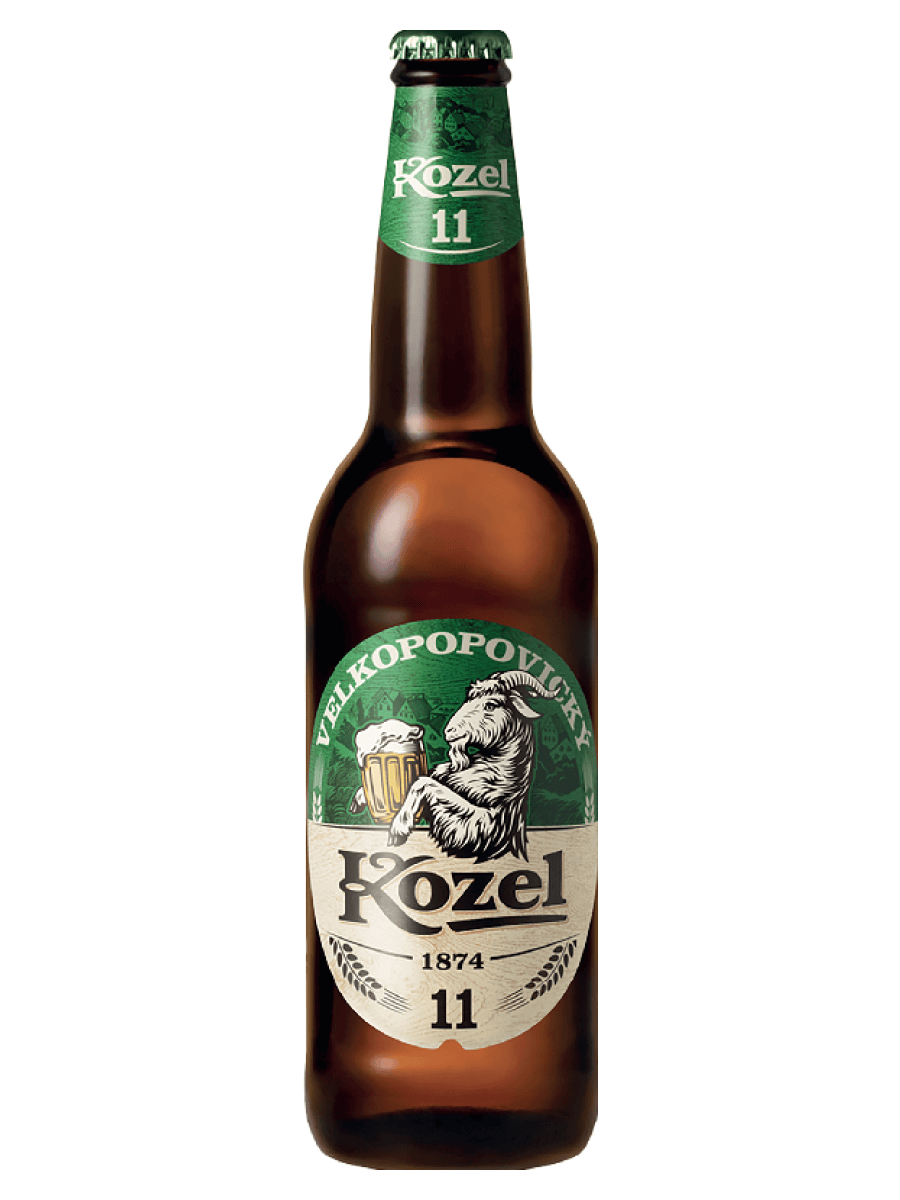
Velkopopovický Kozel 11
Brewed by Velkopopovický Kozel
Three malts give Kozel 11 a fuller, gently caramelized middle while restrained hop bitterness keeps it firmly in easy-drinking lager territory.
BAR NOTES
Kozel 11 is a reminder that Czech pale lager does not have to be laser-focused on hop bitterness. The brewery builds a fuller profile from three malts, giving the beer more bread and gentle caramel than the palest pilsner benchmarks while keeping the fermentation clean and the bitterness controlled.
That makes it one of the friendlier transition beers for drinkers coming from amber lager or maltier European styles. It works with sausages, roast pork, burgers and grilled onions. A generous foam cap keeps the finish soft and prevents the malt from feeling heavy.
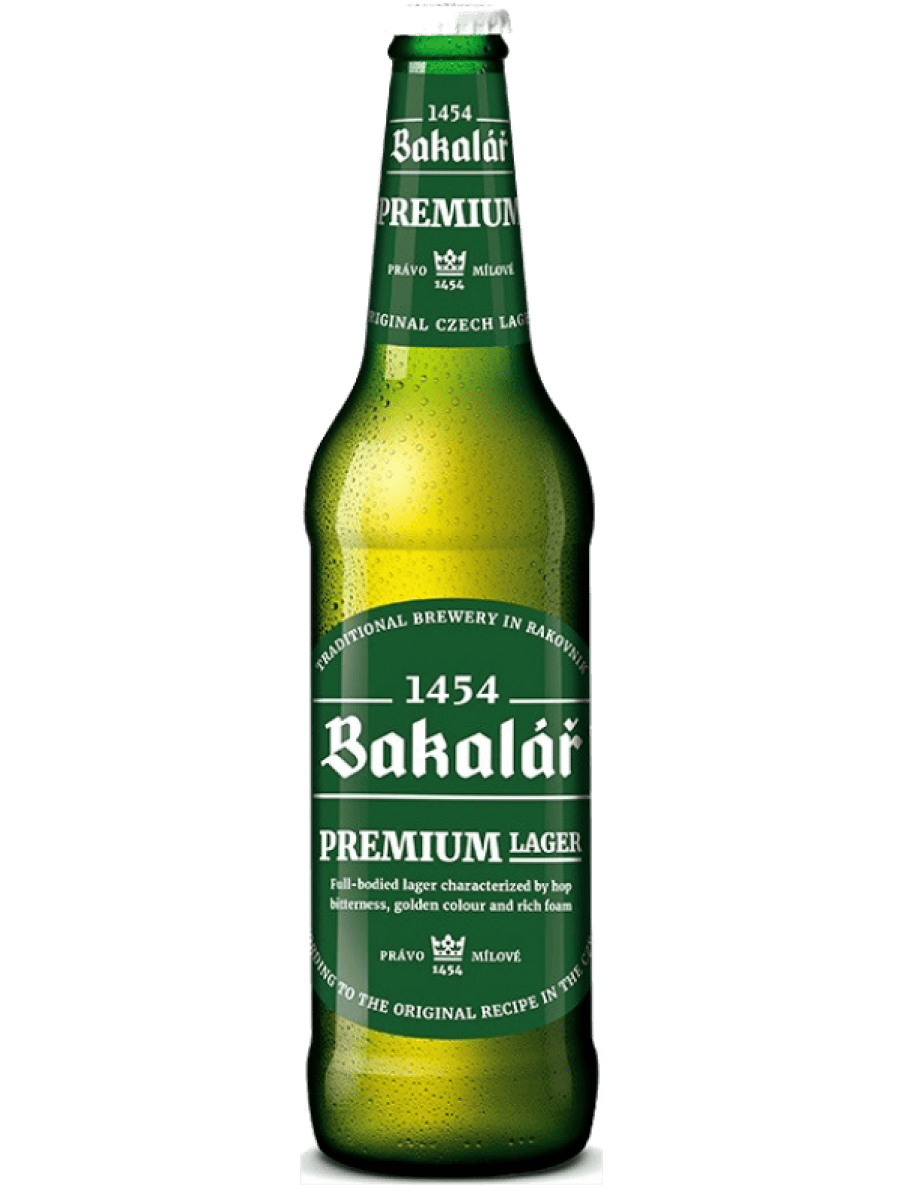
Bakalář Rakovnický Ležák za studena chmelený
Brewed by Tradiční pivovar v Rakovníku
A traditional Czech lager pushed toward brighter whole-hop aroma through cold hopping, without losing its dense malt-and-cellar foundation.
BAR NOTES
Bakalář’s cold-hopped lager is useful because it shows that aromatic hopping is not an American invention bolted onto lager. The brewery uses Žatec hop material to lift the floral, herbal aroma while keeping the underlying beer recognizably Czech: full-bodied, golden and built around traditional bottom fermentation.
At 5.2% ABV and 34 IBU, it has enough structure to carry that extra aroma without tasting like an IPL. Drink it fresh. Grilled sausage, sharp cheeses, roast chicken and salty snacks all benefit from the beer’s more perfumed hop edge.
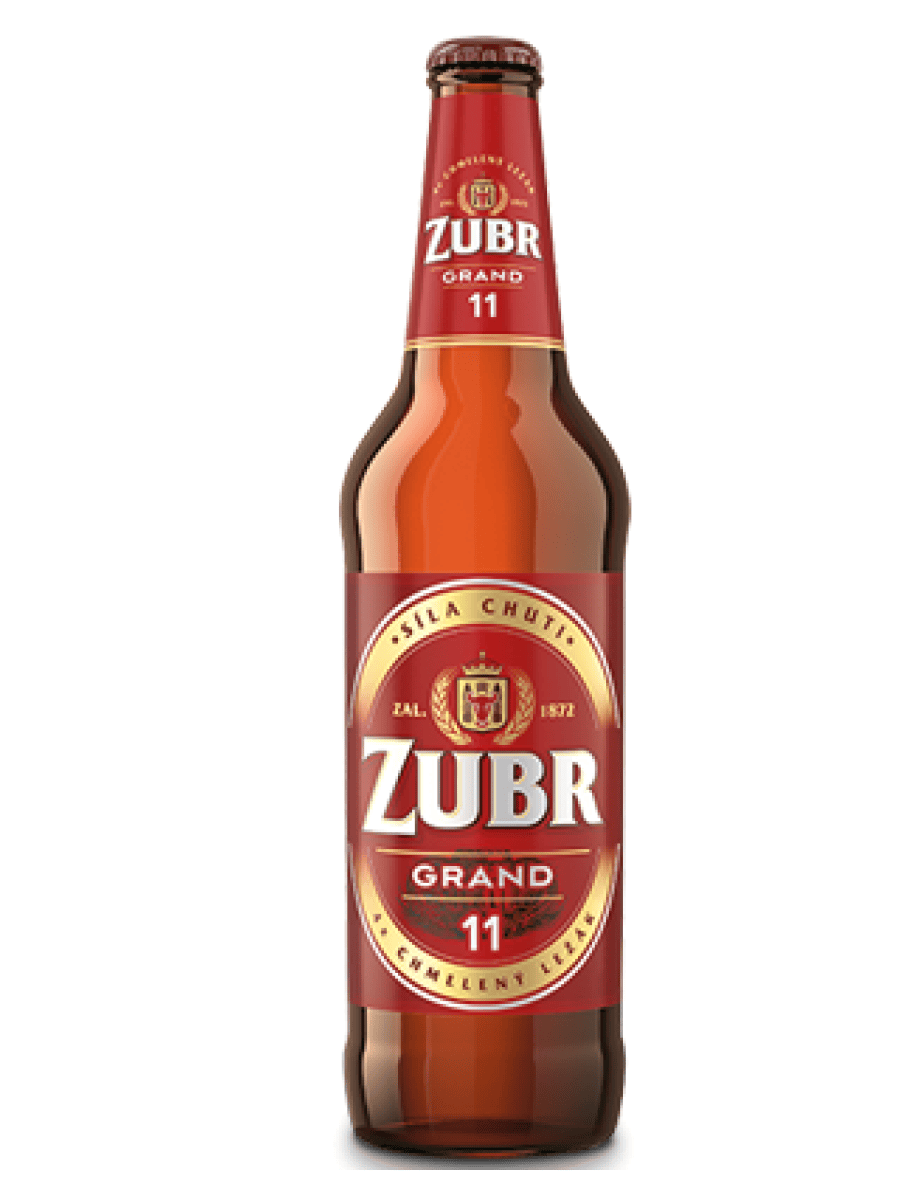
Zubr Grand 11
Brewed by Pivovar Zubr
Four hop additions, honey-colored malt and a persistent bitter finish give Zubr Grand more bite than its easygoing 4.8% ABV suggests.
BAR NOTES
Zubr introduced Grand as a four-times-hopped 11° lager, and that formulation explains its personality. The beer keeps the session-friendly strength of the 11° lane but pushes the hop finish long enough to become the defining feature rather than a background seasoning.
It is a smart buy for anyone who wants Czech lager bitterness without jumping to a stronger beer. Serve it with roast meat, breaded cutlets, smoked sausage or salty cheese. The fuller honey-toned malt gives the bitterness something to push against instead of leaving a thin finish.
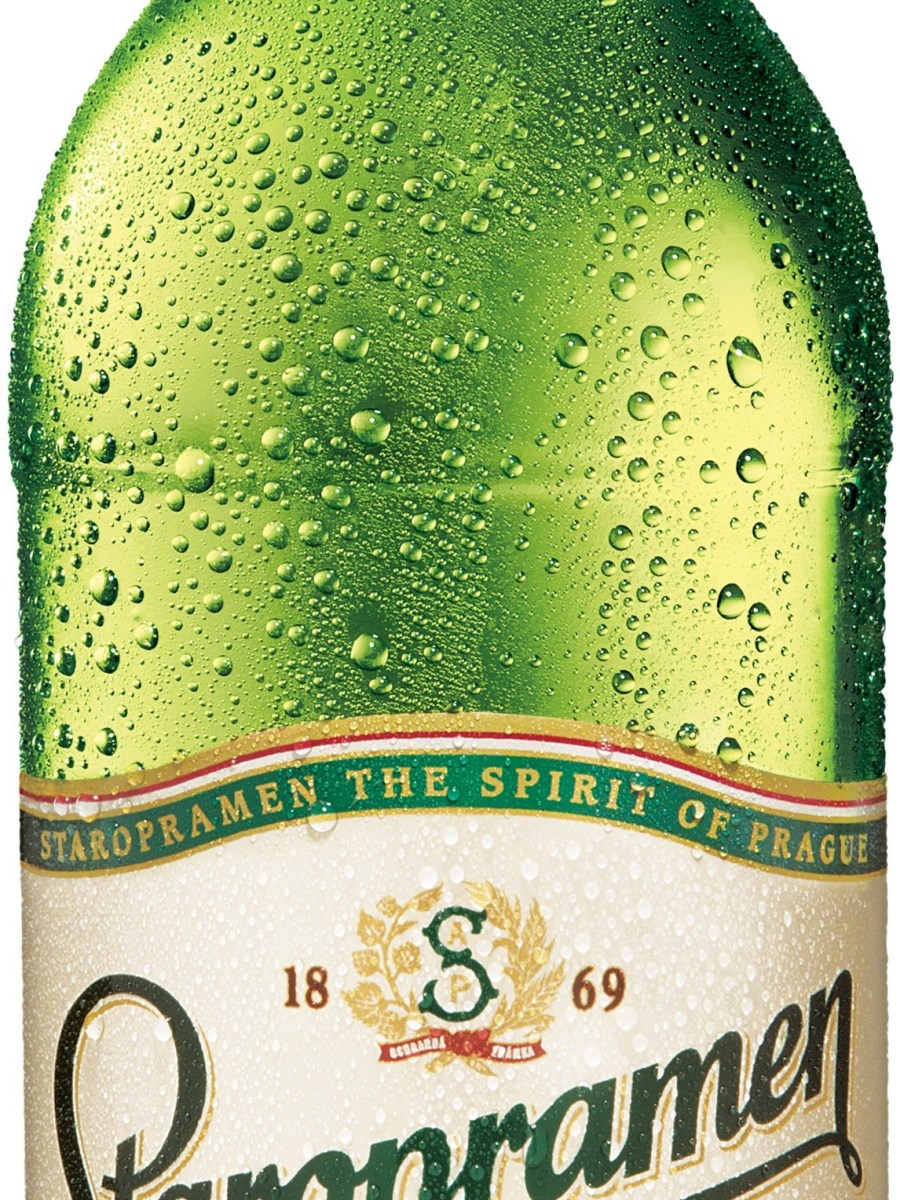
Staropramen Premium
Brewed by Pivovary Staropramen
Soft pale malt, gentle bitterness and broad availability make Staropramen the easy Prague gateway into Czech lager.
BAR NOTES
Staropramen is the most internationally familiar Prague lager on this board, and its value is accessibility. The profile is smoother and less hop-aggressive than Radegast or Urquell: soft malt up front, a measured bitter close and very little fermentation noise.
That restraint makes it a useful baseline bottle when comparing Czech lagers side by side. Try it with burgers, roast chicken, sausages or mild cheese. If the beer seems simple alone, food reveals why a balanced pale lager can disappear from the glass faster than a more dramatic specialty beer.
Why Czech lager tastes softer than the bitterness number suggests
Czech lager often carries more bitterness than casual drinkers expect, but several things make that bitterness feel rounded. Malt bills tend to leave a substantial grain center, noble Czech hops bring herbal and floral flavor rather than only sharp resin, and traditional service puts a thick wet foam cap between the beer and your palate. The result can be 30-plus IBU without the beer drinking like a bitter modern IPA.
Decoction mashing and longer lagering also show up frequently in the tradition. Neither is a magic checkbox, but both can contribute to the deep bread-crust malt and polished fermentation character people associate with Czech pub lager. When these beers are fresh, the best examples feel simultaneously soft, bitter, aromatic and frighteningly easy to drink.
10°, 11° and 12°: the Czech strength ladder
The number on a Czech beer is not the alcohol percentage. It refers to the concentration of dissolved extract in the wort before fermentation, expressed in degrees Plato. In practical drinking terms, a 10° is usually lighter and more sessionable, 11° occupies the middle, and 12° carries more body and often a little more alcohol.
That framework is one reason Czech drinkers can talk about lager with more precision than simply pale versus dark. A bitter 11° can feel completely different from a plush 12°, even when both are golden and only a few tenths of alcohol apart. It is worth using the degree as part of the style description rather than treating it as decoration on the label.
Foam is part of the beer
Czech draft culture treats foam as an ingredient in the drinking experience. A wet, dense head is not wasted glass space: it changes aroma, texture and perceived bitterness. The classic hladinka pour gives you a substantial foam cap over a full glass of beer, while other pours can emphasize foam or liquid differently.
You cannot perfectly recreate a Czech side-pull faucet from a bottle at home, but you can stop fearing foam. Use a clean glass, pour with enough energy to build a creamy head, and leave room for the beer to breathe. These lagers usually show more malt and hop aroma when they are not served ice-cold and flat.
Czech lager is one cellar. These are the next doors.
Stay pale and hoppy, go darker and maltier, or take the same fermentation obsession into the brew house.
DRINK DEEPER

better beer.


