10 Best Vienna Lagers to Drink in 2026
Vienna lager lives in the sweet spot between pale refreshment and dark malt. Toasted bread, light caramel, clean lager fermentation and restrained hops should build a copper beer that tastes richer than Helles without drifting into sugary amber ale.
This Top 10 starts with five current beers that explicitly carry the Vienna-style flag, then follows the style’s migration into American and Mexican amber lager. The lower ranks are useful descendants and border cases, not an excuse to call every copper lager Vienna.
The quick answer
Great Lakes Eliot Ness is the best Vienna-style lager overall for its combination of toasted malt, clean fermentation and enough bitterness to stay crisp. Devils Backbone is the most direct American classic, von Trapp is the Austrian-minded specialist, and Dovetail is the process-nerd pick.
The 10 best Vienna lagers
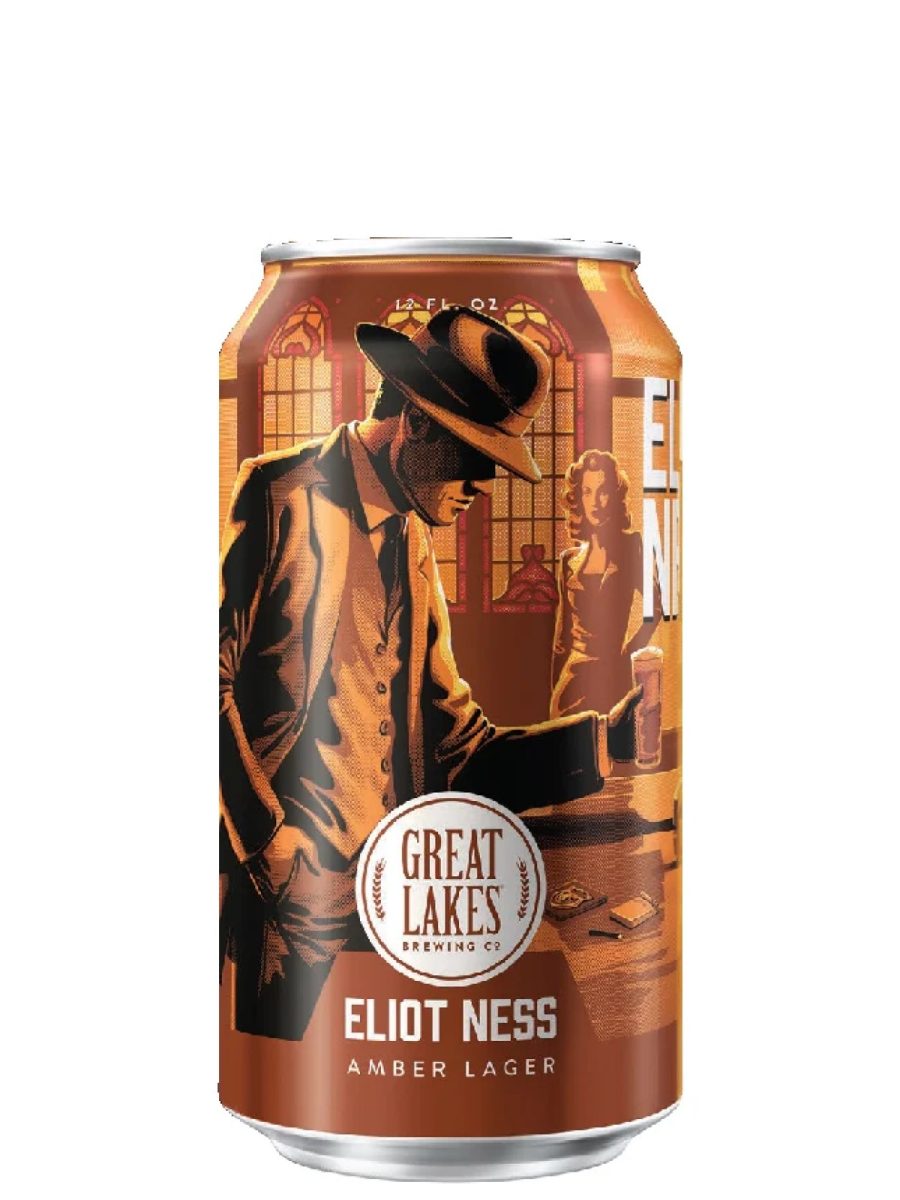
Great Lakes Eliot Ness
Brewed by Great Lakes Brewing Company
A deeper American Vienna with bread crust, caramel and enough hop bitterness to keep six-percent malt from turning heavy.
BAR NOTES
Eliot Ness sits near the robust edge of Vienna lager, but the extra strength never erases the style. Toasted bread, light caramel and clean lager fermentation stay organized by a firmer bitter finish.
Serve around 43–47°F with sausages, roast pork, burgers or aged cheddar. Its extra malt and bitterness make it more forgiving with grilled food than the softest traditional Vienna examples.
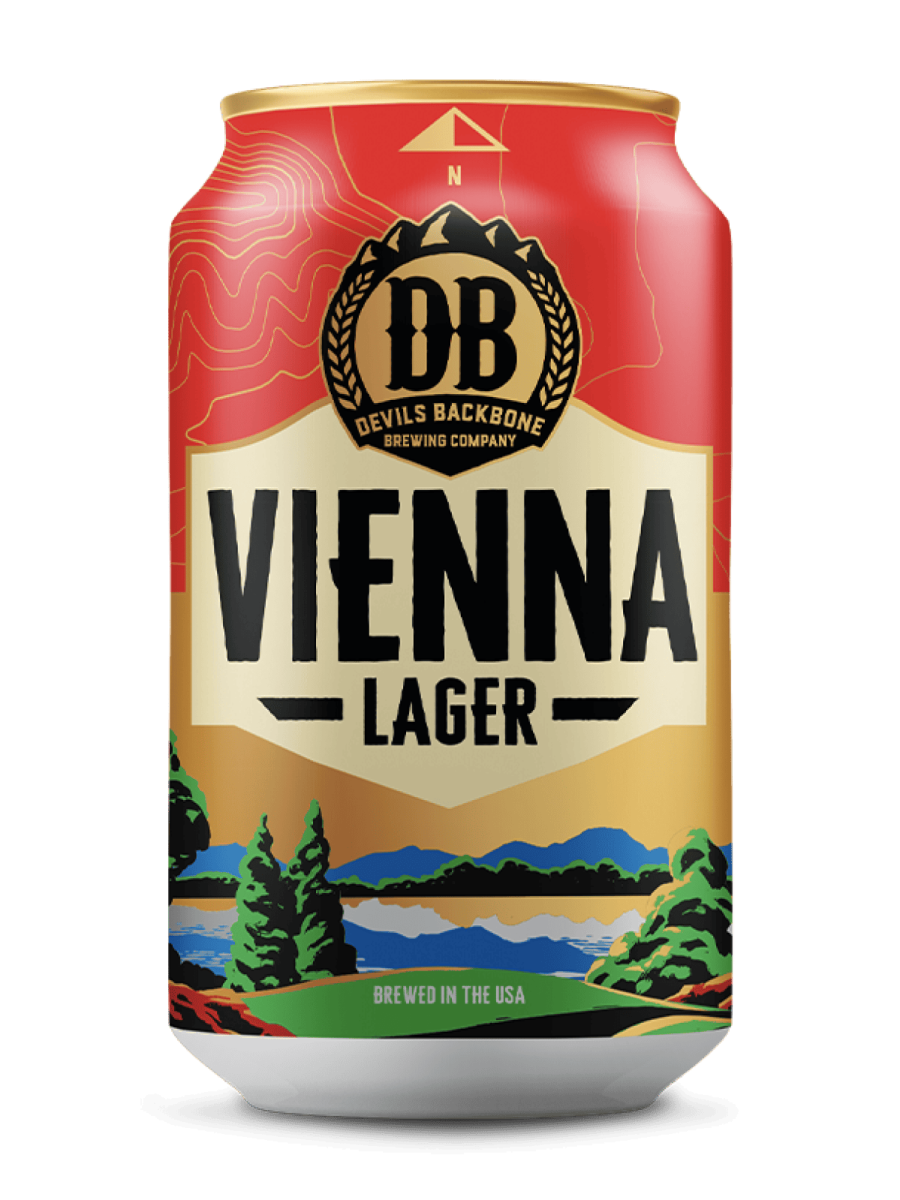
Devils Backbone Vienna Lager
Brewed by Devils Backbone Brewing Company
Copper, toasted, clean and balanced—the straightforward American interpretation that helped keep Vienna lager visible through the IPA years.
BAR NOTES
Devils Backbone built a reputation on traditional lager before lager became trendy again. Vienna Lager is especially useful as a style reference because toast and caramel remain obvious while fermentation stays almost invisible.
Pour at 42–46°F with bratwurst, roast chicken, pretzels or a cheeseburger. It has enough malt to meet browned food while its clean finish keeps the pairing from stacking sweetness.
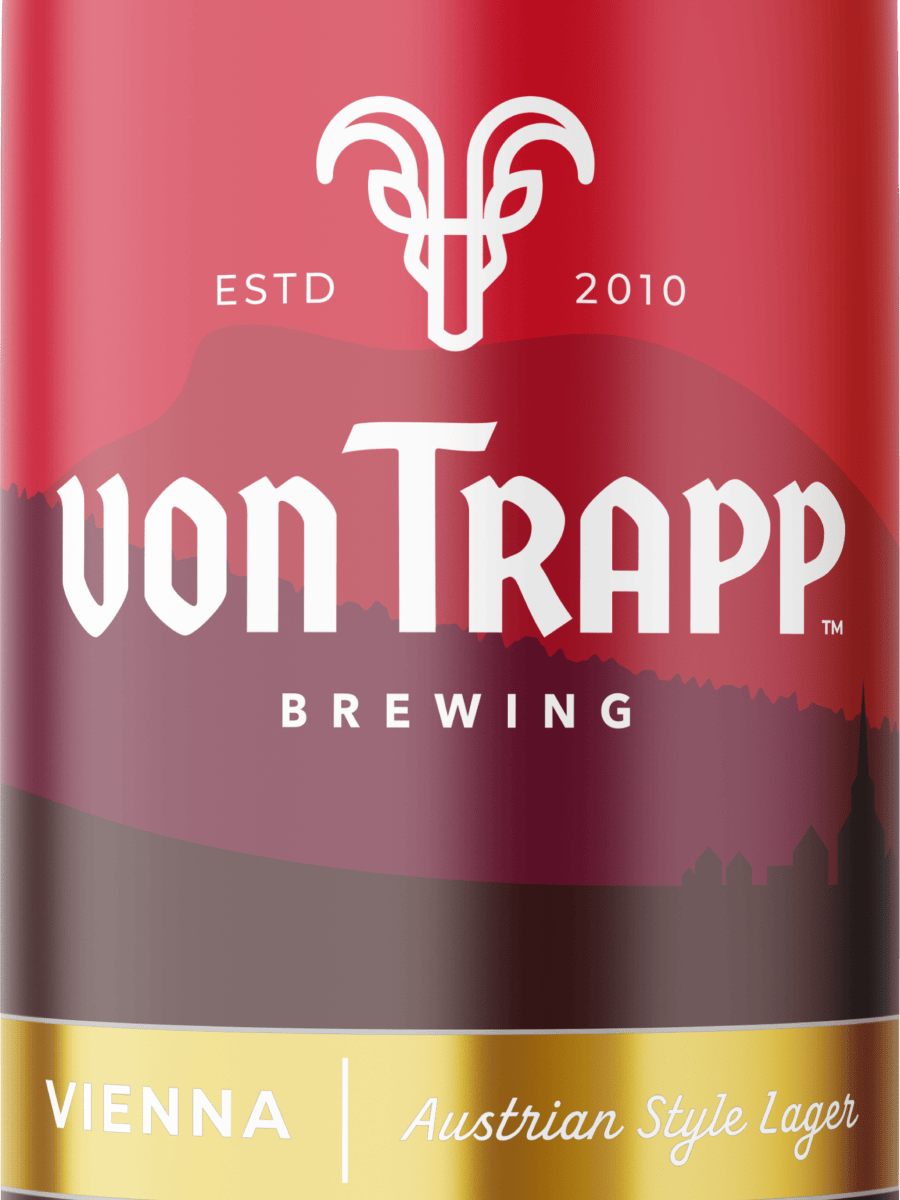
von Trapp Vienna
Brewed by von Trapp Brewing
Bread crust, toffee and toast meet grassy-floral hops in an Austrian-minded lager built by a brewery that treats lager as its entire identity.
BAR NOTES
von Trapp makes the historical connection unusually explicit. The brewery describes Vienna with bread crust, toffee and toast beneath grassy and floral hops, keeping the Austrian template alive in Vermont.
Serve around 42–46°F with schnitzel, sausages, roast pork or Alpine cheese. The 33-IBU hop structure gives the malt a cleaner frame than sweeter American amber lagers.
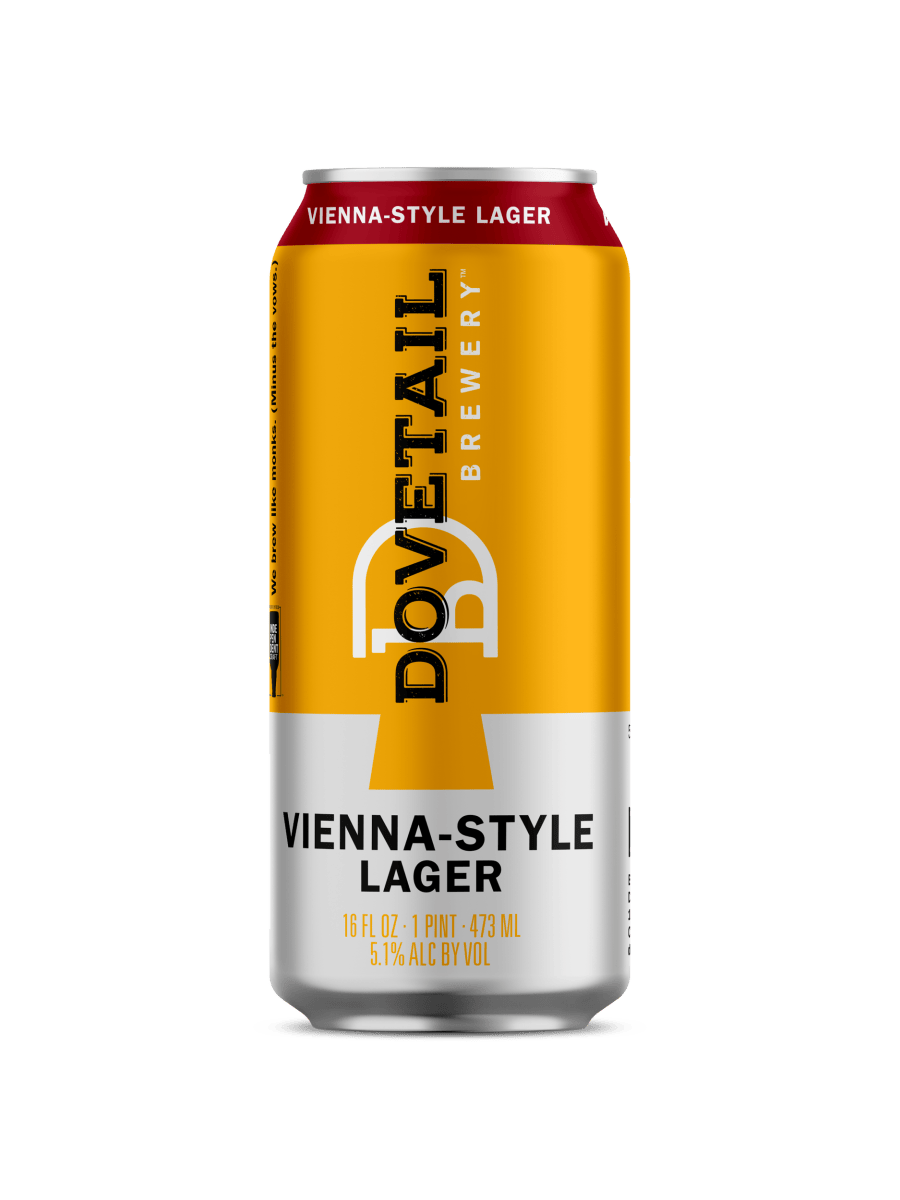
Dovetail Vienna Lager
Brewed by Dovetail Brewery
A process-driven Vienna built from Vienna malt, decoction and traditional lager fermentation, with toast and bread kept dry rather than candy-like.
BAR NOTES
Dovetail leans hard into traditional process: Vienna malt, decoction, open fermentation and extended lagering. That work produces layered toast without needing caramel sweetness or modern hop theatrics.
Drink it fresh at 43–47°F with roast chicken, grilled sausage or breaded pork. The grain character is detailed enough that overly sweet sauces can make the beer seem simpler than it is.
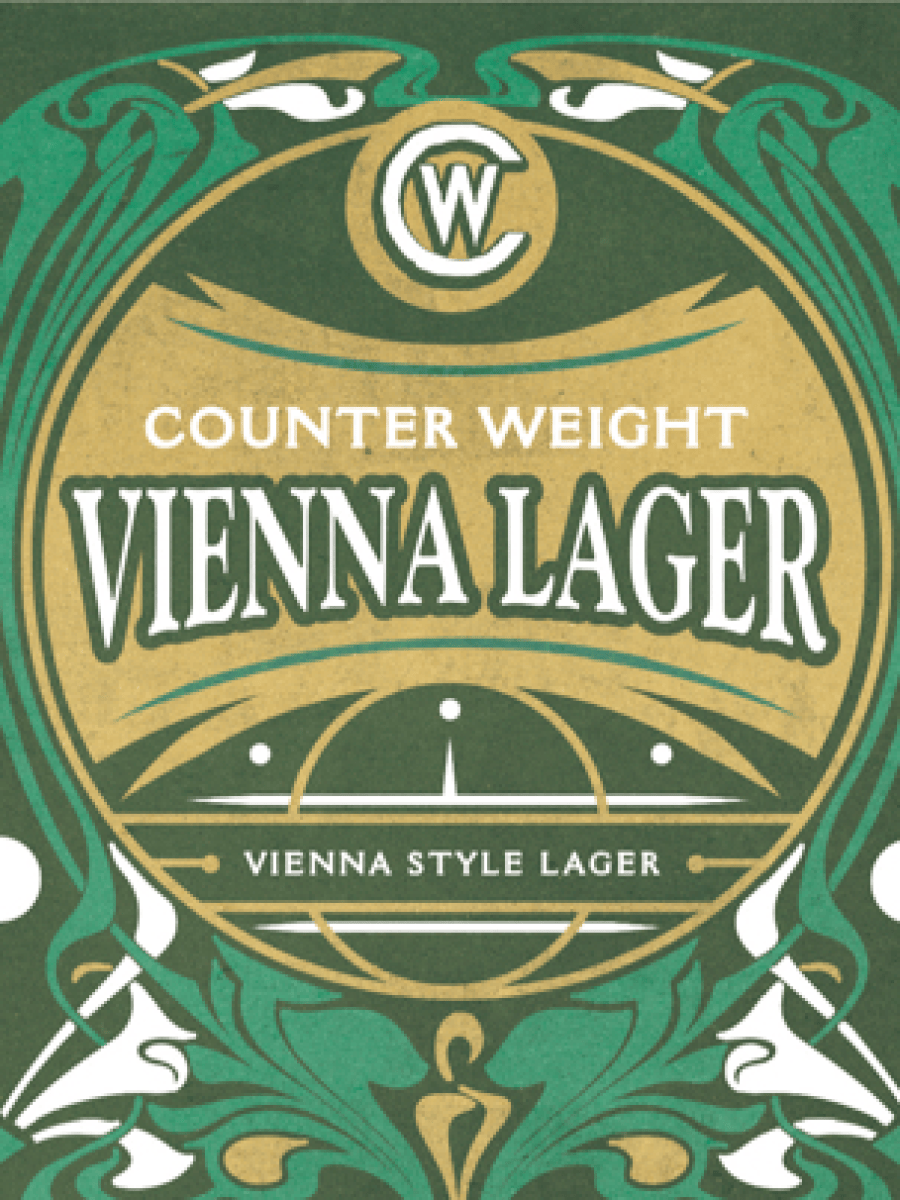
Counter Weight Vienna Lager
Brewed by Counter Weight Brewing Co.
Brown bread, light toffee and subtle herbal hops in a clean, open-fermented Vienna that keeps malt flavor robust but the finish disciplined.
BAR NOTES
Counter Weight’s version emphasizes the savory side of amber malt: brown bread, gentle toffee and herbal hops rather than dessert caramel. Open-top fermentation is followed by conditioning that leaves the beer clean and composed.
Serve around 43–47°F with grilled pork, roast vegetables or nutty cheese. The subtle hop finish works especially well with browned edges and salt rather than aggressive spice.
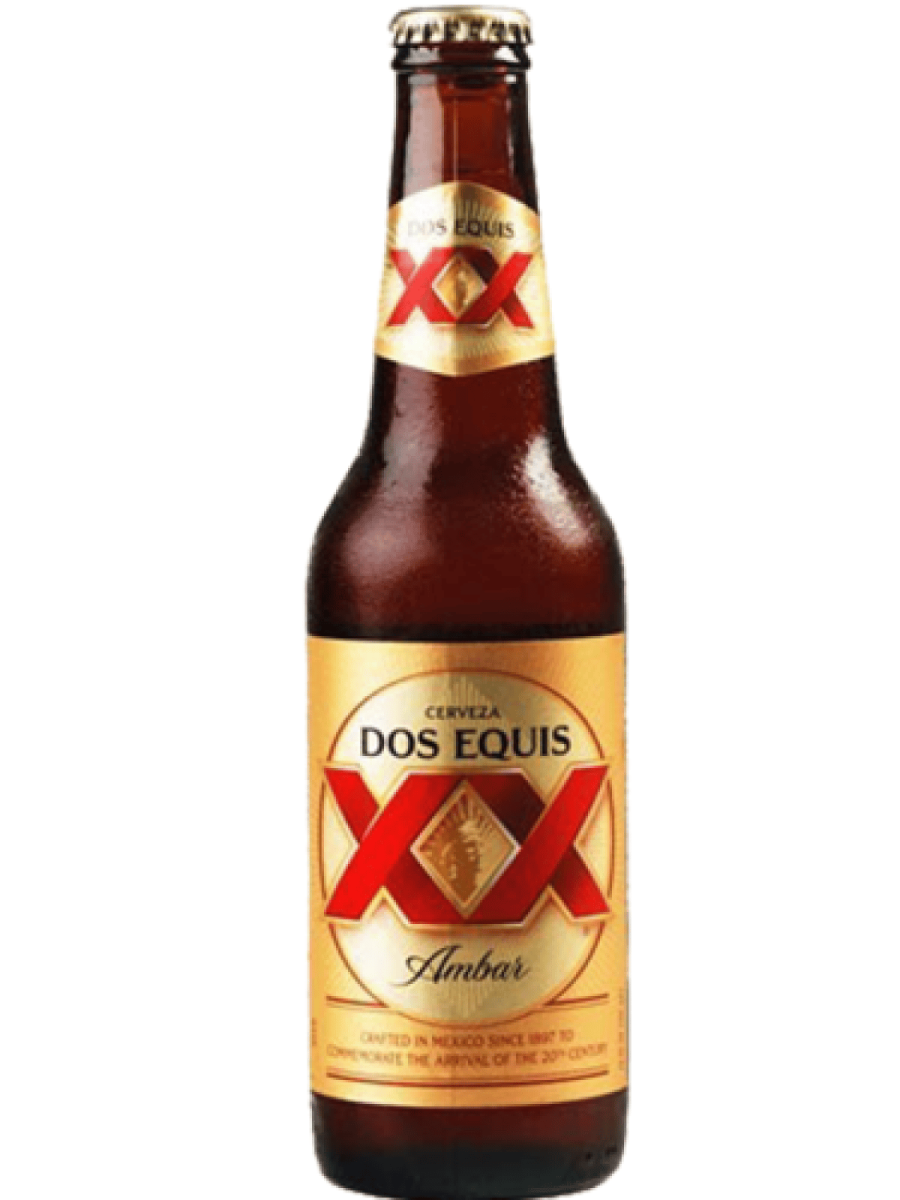
Dos Equis Amber
Brewed by Cervecería Cuauhtémoc Moctezuma
Light caramel, toast and a clean finish show how Vienna-style amber lager found a durable second home in Mexico.
BAR NOTES
Dos Equis Amber belongs here as a descendant rather than a perfect textbook example. Mexican amber lager preserved the toasted, copper-colored lager idea after Vienna lager itself faded in much of Europe.
Serve cold at 39–43°F with tacos, grilled pork, roasted peppers or salty chips. Lime is optional; taste the beer plain first if you want to notice the malt connection.
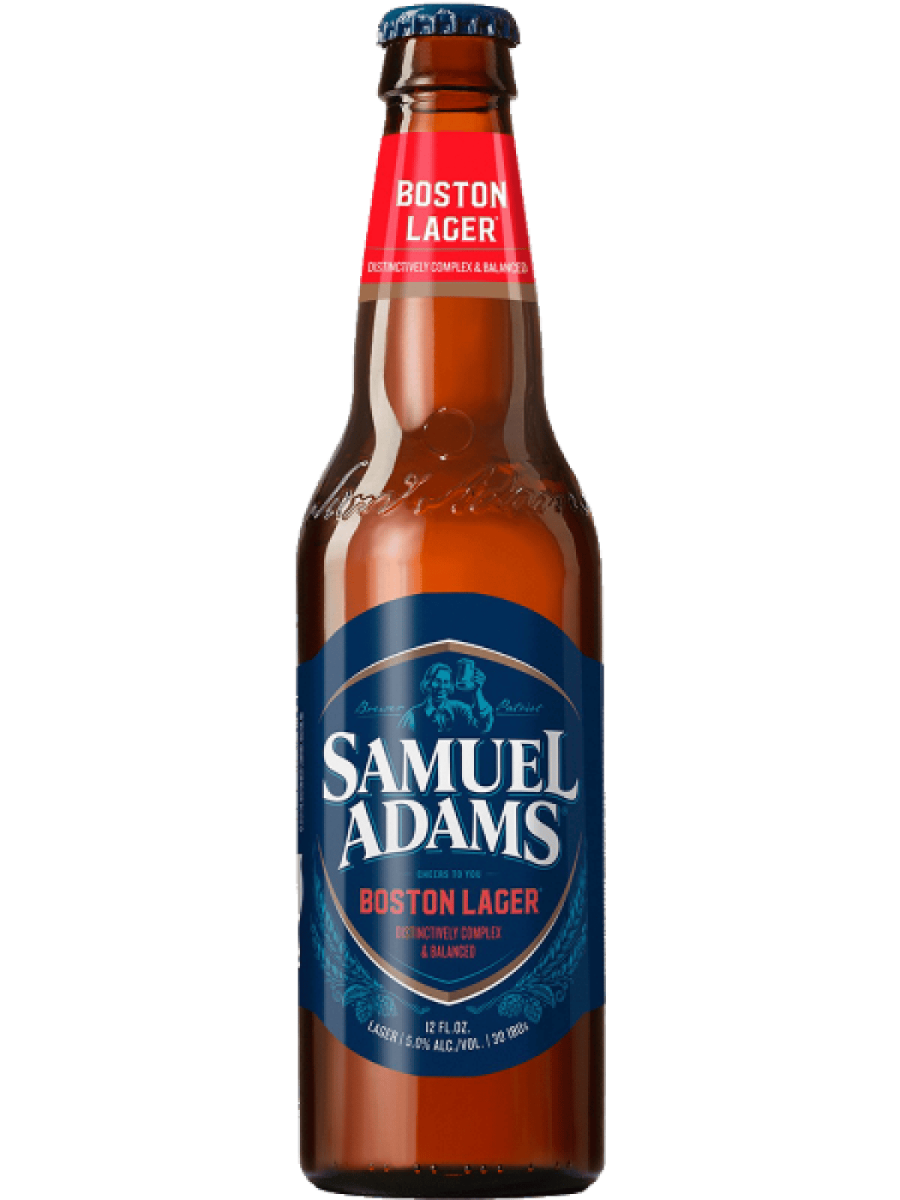
Samuel Adams Boston Lager
Brewed by Boston Beer Company
Toasty malt and noble-hop structure helped make amber lager a foundational American craft flavor even as the modern recipe evolved.
BAR NOTES
Boston Lager is not sold as strict Vienna lager, but its toasted amber-lager architecture helped teach early American craft drinkers that lager could carry real malt and hop flavor beyond mass-market pale beer.
Serve around 40–44°F with pizza, burgers, roast chicken or cheddar. Its hop presence is firmer than classic Vienna, which makes it especially useful with greasy pub food.
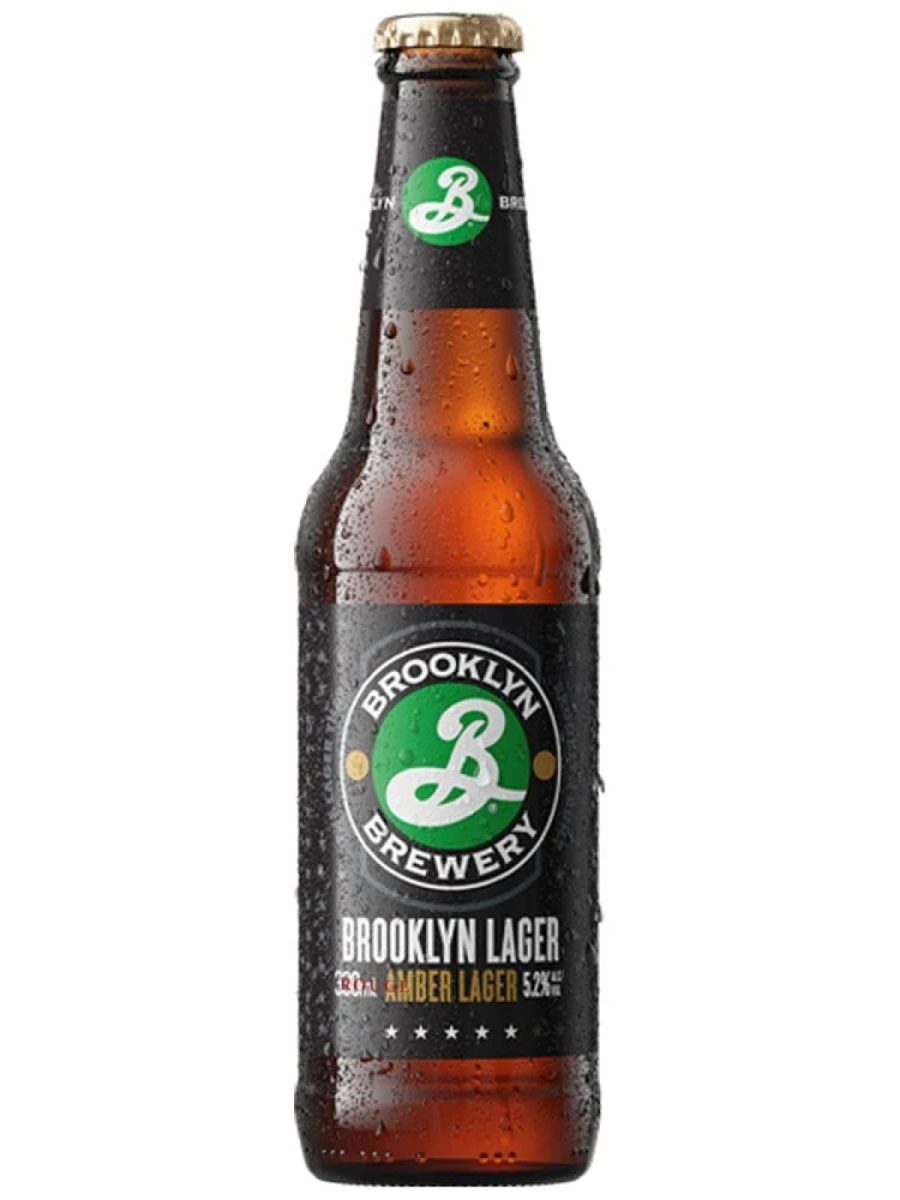
Brooklyn Lager
Brewed by Brooklyn Brewery
Toasted malt plus a more aromatic hop profile turns the Vienna idea into a distinctly American amber lager rather than a museum-piece reproduction.
BAR NOTES
Brooklyn Lager pushes hops more aggressively than classic Vienna, but the toasted amber-lager base keeps the historical connection recognizable. Think evolution rather than exact reproduction.
Serve around 40–44°F with pizza, grilled sausage or burgers. The extra hop aroma makes it a better match for stronger seasoning than the softer Austrian-inspired bottles above.
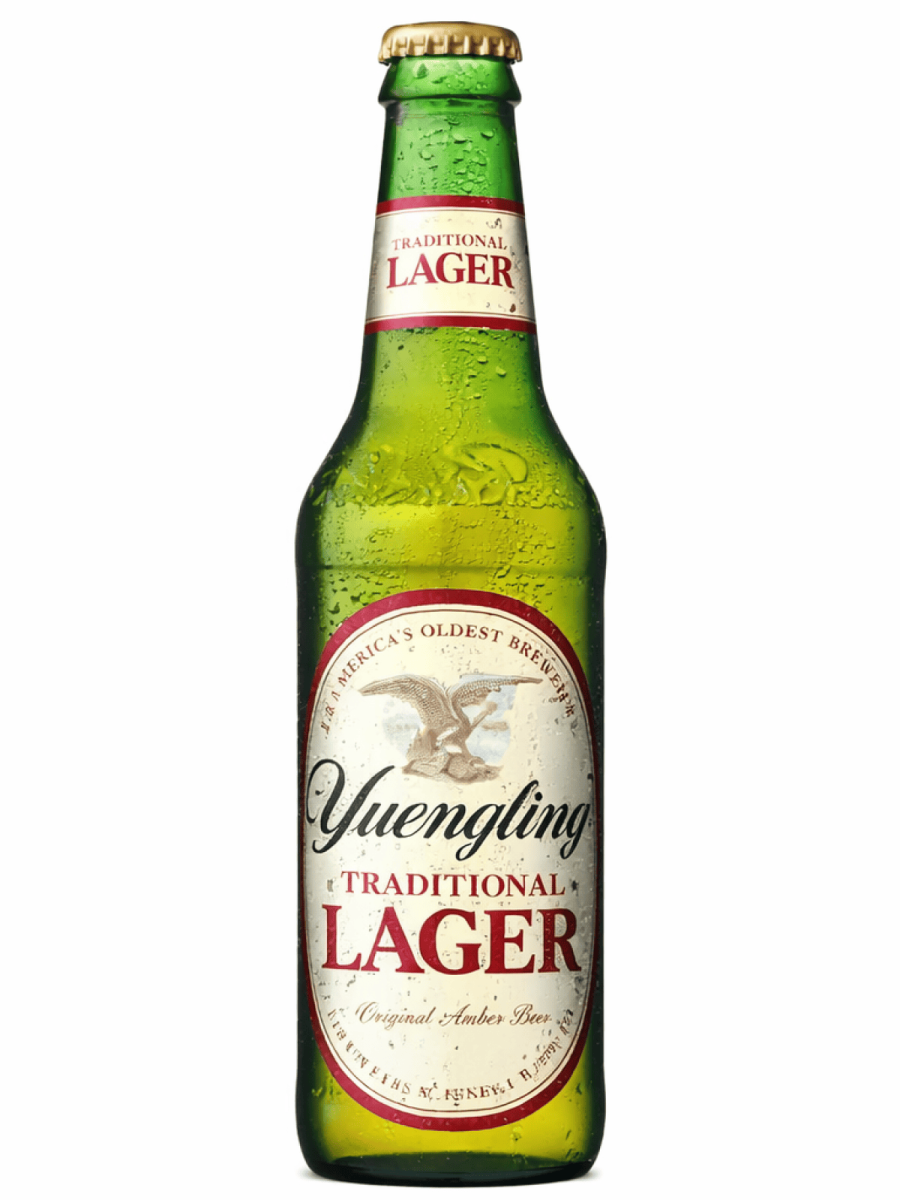
Yuengling Traditional Lager
Brewed by D.G. Yuengling & Son
Light toast, caramel and clean lager fermentation show the everyday American side of the amber-lager family tree.
BAR NOTES
Yuengling is much broader and lighter than a traditional Vienna lager, but it preserves the basic amber-lager promise: more toast and caramel than pale lager without moving into ale-like fruitiness.
Serve cold at 38–42°F with burgers, pizza, wings or barbecue. This is less a style-study bottle than proof that amber lager still survives as an everyday American bar beer.
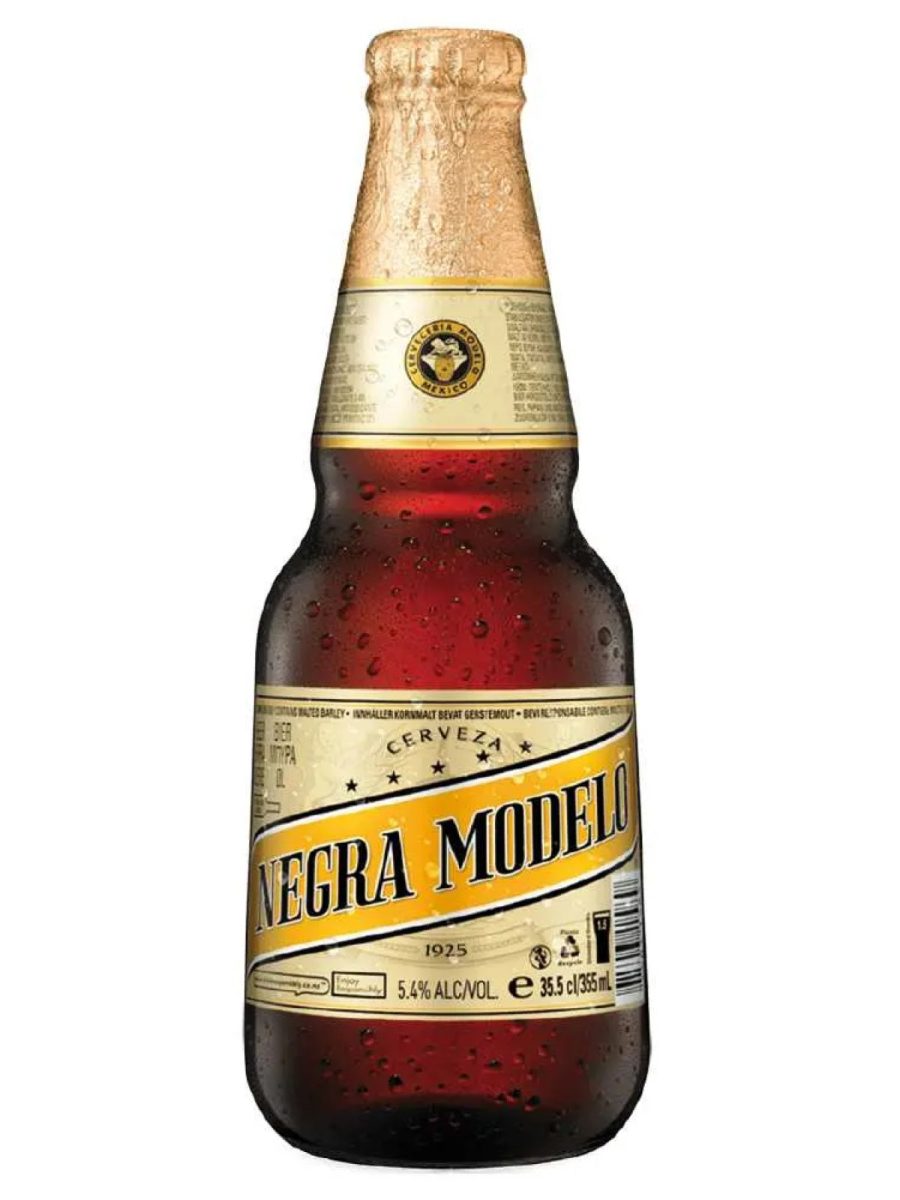
Modelo Negra
Brewed by Grupo Modelo
A darker, richer Mexican lager edge case that shows where Vienna-derived immigrant brewing traditions overlap with Munich-style malt depth.
BAR NOTES
Modelo Negra is deliberately the border case at number ten. It leans darker and closer to Munich-style lager, but it belongs in the historical conversation about Central European lager traditions taking root in Mexico.
Serve around 41–45°F with carne asada, mole, grilled pork or roasted vegetables. The richer malt can handle char and spice better than a delicate textbook Vienna.
Vienna lager vs. Märzen
Both styles live in toasted amber territory, but Vienna lager is generally lighter, drier and more everyday in strength. Märzen traditionally carries more Munich-malt richness and a fuller festival-beer impression.
The overlap is real enough that labels are inconsistent. When choosing by flavor, expect Vienna to emphasize elegant toast and drinkability while Märzen usually pushes deeper bread crust and malt fullness.
How Vienna lager ended up thriving in Mexico
Central European brewing traditions traveled with nineteenth-century immigration and investment, and amber lager became deeply rooted in Mexico even as the original style became less common in Austria. That is why Mexican amber lagers remain part of the Vienna conversation today.
The descendants are not identical. Modern Mexican amber and dark lagers can be lighter, sweeter or darker than textbook Vienna, but the family resemblance—copper color, toasted malt and clean fermentation—remains useful.
Why Vienna malt tastes toasted without tasting roasted
Vienna malt is kilned more deeply than pale or pilsner malt, building bread-crust and biscuit flavors while stopping far short of coffee or burnt roast. That lets brewers add color and malt complexity without making a dark beer.
Great Vienna lager protects that subtlety with clean fermentation and moderate bitterness. Heavy crystal malt can create sticky caramel, while roasted grain can turn the profile muddy and push it toward dunkel.
Serving temperature and food
Serve Vienna lager around 42–47°F—cool enough for snap but warm enough for toast and bread to show. A mug, nonic pint or straight-sided lager glass all work well.
Roast pork, schnitzel, sausages, burgers, grilled vegetables and nutty cheese are easy wins. Browned crust and caramelized food echo the malt while lager carbonation keeps the plate moving.
Follow toasted lager from Vienna into the wider amber cellar
Vienna sits between pale lager and fuller festival malt. Compare the master lager board, Oktoberfest cousins and Mexican descendants—or brew the original amber idea yourself.
DRINK DEEPER

better beer.


