Blonde Ale: Flavor, Style Guide, and Brewing Tips
Blonde ale is the quiet test of a brewhouse. It is pale, clean and easy to drink, yet it has enough character to avoid tasting anonymous. Light bread, a touch of fruit and restrained hop flavor should arrive in balance, with no single ingredient demanding the microphone.
That simplicity is exactly why the style is difficult to execute. There is no roast, huge dry hop or barrel character to cover stale malt, stressed yeast or an awkward mineral profile. When everything is right, blonde ale feels effortless.
Blonde ale style profile
| Measure | BJCP range |
|---|---|
| Original gravity | 1.038–1.054 |
| Final gravity | 1.008–1.013 |
| Bitterness | 15–28 IBU |
| Color | 3–6 SRM |
| Alcohol | 3.8–5.5% ABV |
What blonde ale tastes like
Expect a soft grainy or bready malt aroma, sometimes with a faint honey or biscuit impression. Fermentation may add a low fruity note, while hops can contribute flowers, herbs, citrus or gentle spice. The key word is restrained: each part should be noticeable without dominating.
The palate is light to medium in body with moderate carbonation. Bitterness balances the malt but rarely lingers, and the finish can range from gently malty to dry. Strong caramel, harsh bitterness, heavy esters and obvious diacetyl all pull the beer away from the style.
Blonde ale compared with similar beers
- Versus Kölsch: blonde ale is generally less delicate and need not show Kölsch’s subtle vinous fruit or highly polished German fermentation profile.
- Versus cream ale: blonde ale tends to feel maltier and more ale-like; cream ale can be lighter, more neutral and sometimes adjunct-driven.
- Versus American pale ale: blonde ale carries less hop aroma and bitterness, with balance rather than hops as the defining feature.
- Versus international pale lager: blonde ale may show more fruit and bread, while lager fermentation is normally crisper and more neutral.
Commercial examples worth knowing
These beers show how much room exists inside the style without losing its easy-drinking center. One is a stripped-back modern benchmark, one adds a tropical aromatic lift and one uses a light body as a stage for fresh hops.
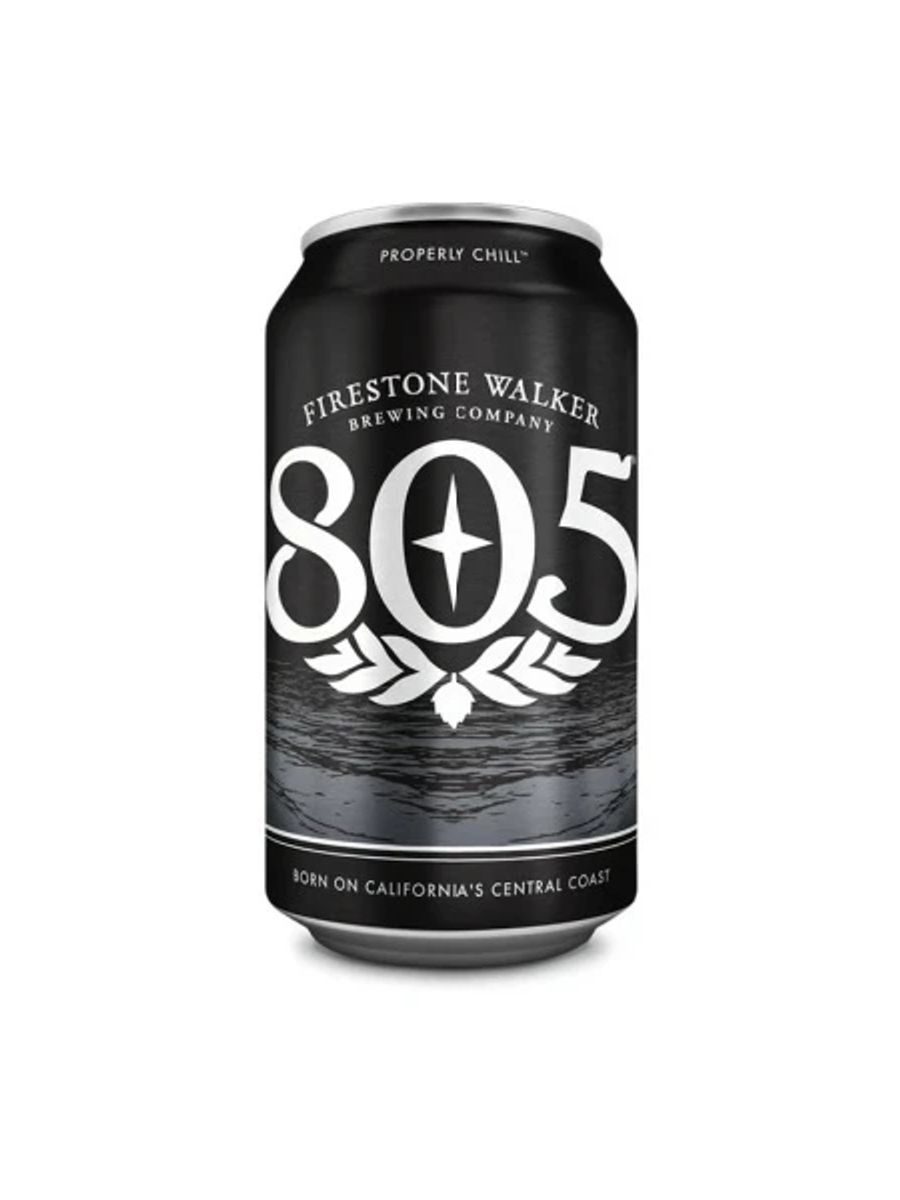
805
Brewed by Firestone Walker Brewing Co.
The modern mass-market benchmark: simple, dry, balanced and almost impossible to argue with cold.
BAR NOTES
Firestone Walker built 805 for California’s Central Coast, using a soft malt center and restrained hops to make a craft beer that behaves like an exceptionally polished bar lager. Its scale has not erased the clean fermentation underneath.
Serve at 39–42°F with tri-tip, tacos, pizza or anything coming off a grill. Fresh cans are forgiving, but a clean glass reveals the fine carbonation and faint floral note that disappear when drunk ice-cold.
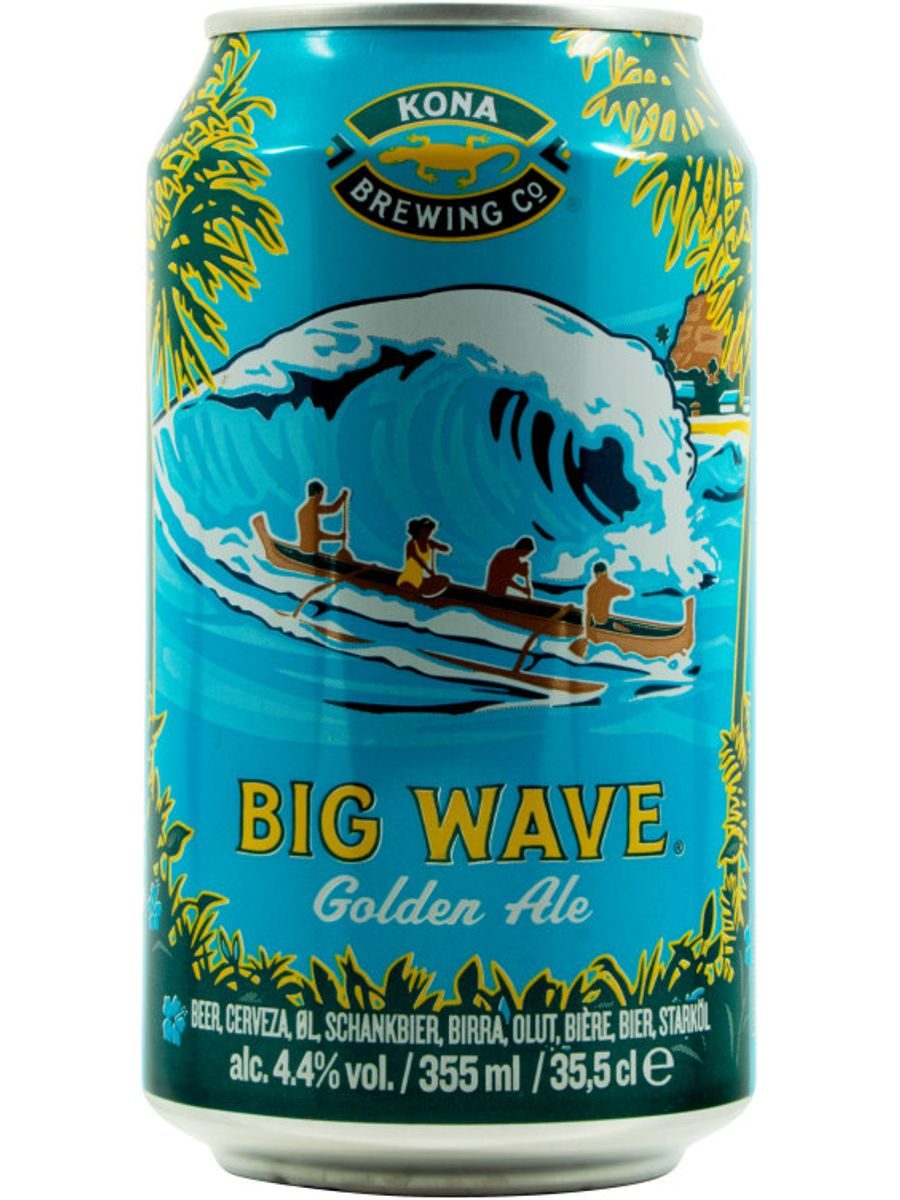
Big Wave Golden Ale
Brewed by Kona Brewing Co.
One of the most recognizable golden ales uses a little tropical hop lift without becoming pale ale.
BAR NOTES
Big Wave balances light caramel malt with fruity hop aroma, historically drawing on varieties such as Galaxy and Citra. The finish is soft and easy, but the aromatic top note gives it more identity than anonymous blonde lager.
Serve at 39–43°F with grilled mahi-mahi, poke, chicken or a citrusy salad. Clear bottles need protection from bright light, so cans or boxed multipacks are the safer freshness choice.
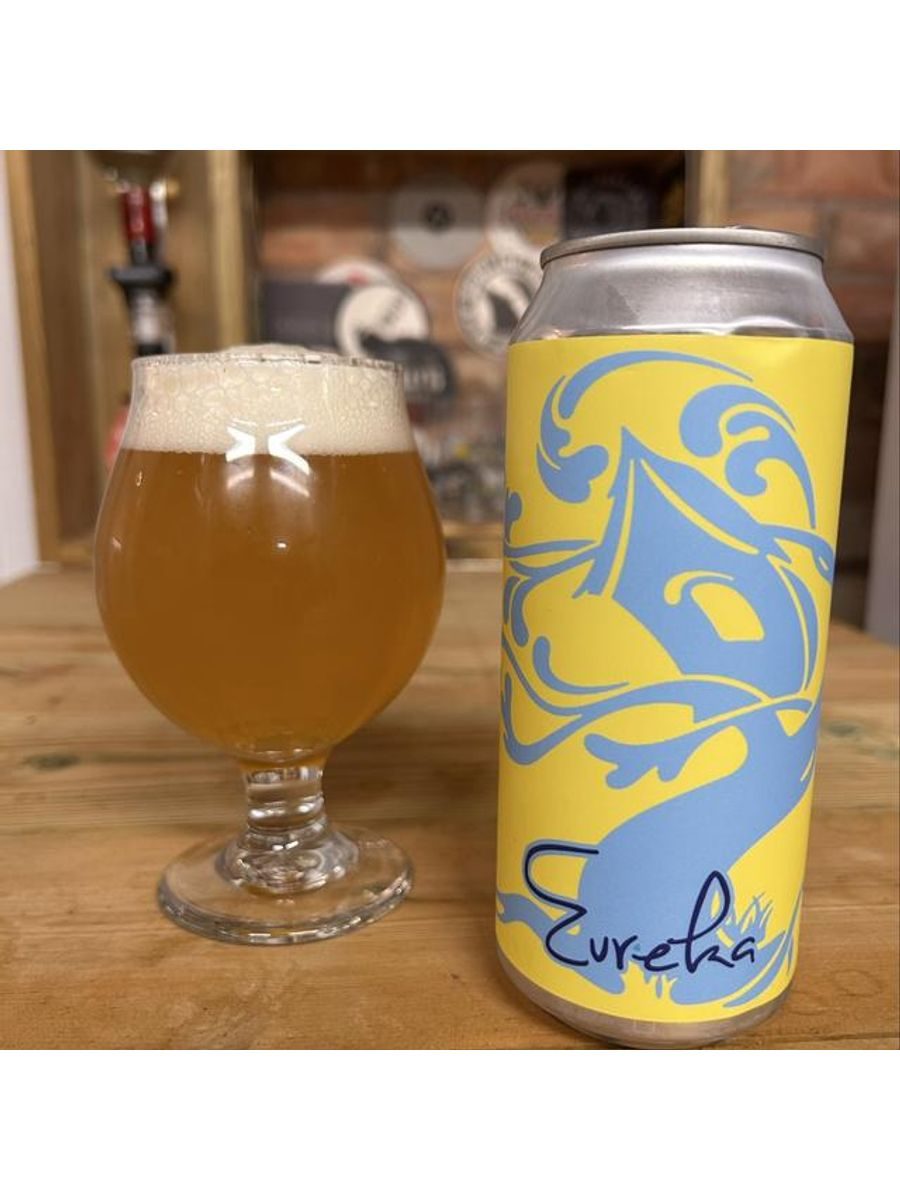
Eureka Citra
Brewed by Tree House Brewing Co.
A tiny blonde ale carrying an absurd amount of fresh Citra aroma without IPA weight.
BAR NOTES
Tree House uses Eureka as a stripped-back stage for individual hop varieties, and the Citra edition is the clearest expression of the idea. Citrus, peach and tropical aroma ride above pale grain while bitterness stays crisp rather than punishing.
Drink it brewery-fresh at 40–43°F, because the entire point is volatile hop character in a light frame. Fish tacos, grilled shrimp and salty chips provide enough flavor without flattening the beer’s delicate body.
Ingredients that work
Start with American two-row or another clean pale malt for most of the grist. Small portions of wheat can improve foam and soften the palate; Vienna or light Munich can add bread depth. Crystal malt should be limited because even a little sweetness becomes obvious in such a pale beer.
Hop choice is flexible. American citrus varieties work when used gently, while noble or noble-like hops create a floral, herbal profile. A clean American ale strain is the safest option, though a subtle English strain can add fruit if it attenuates well and does not leave the finish sweet.
How to brew blonde ale
- Mash for drinkability: a moderately low mash temperature encourages a clean, fermentable wort.
- Keep bitterness smooth: use a measured bittering addition and modest late hops rather than chasing IPA intensity.
- Pitch healthy yeast: under-pitching creates the exact fruit, sulfur and sluggish finish this beer cannot hide.
- Control fermentation: begin toward the cool end of the yeast’s range, then allow a complete finish.
- Condition patiently: a brief cold rest helps yeast settle and lets the delicate grain and hop balance become clear.
Serving and food pairing
Serve blonde ale around 40–44°F in a clean shaker, nonic pint or simple tulip. Too cold and the beer tastes like carbonation; too warm and its small sweetness can feel loose. Freshness matters, especially in hoppy interpretations.
The style suits grilled chicken, mild fish, tacos, pizza, salads and young cheeses. Its carbonation clears salt and fat, while its restrained flavor leaves room for the food. Very sweet desserts or intensely smoked dishes usually overwhelm it.
Blonde ale FAQ
Is blonde ale sweet?
It can have a soft malty impression, but a well-made example should not finish sugary. Moderate attenuation and enough bitterness keep the beer lively.
Can blonde ale be hazy?
A slight haze is possible, especially with wheat or heavy hopping, but the classic presentation is clear. Persistent murk should have a flavor reason rather than being treated as mandatory.
What makes blonde ale good for new craft-beer drinkers?
Its familiar color and moderate strength reduce the barrier to entry, while fresh malt, subtle fruit and restrained hops offer more flavor than a neutral light lager.
Keep exploring pale American beer
Compare the clean ease of blonde ale with the brighter hop expression of American pale ale, then take either style into the brewhouse.