10 Best Breweries in Massachusetts with 30 Beers Worth Trying
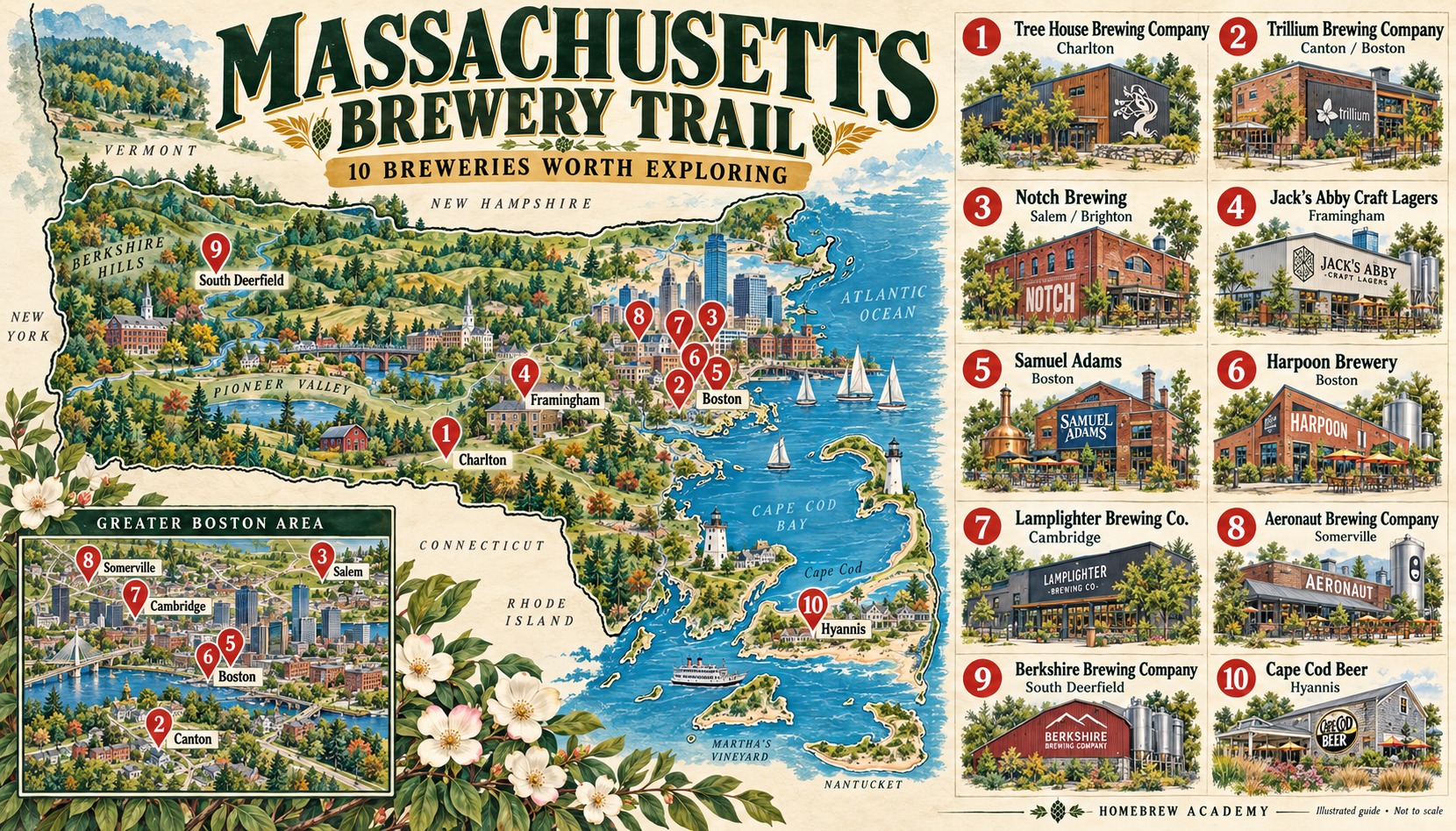
Massachusetts brewery trips can begin around Boston and Cambridge, branch west toward Framingham and Charlton, head north to Salem or continue toward the Pioneer Valley and Cape Cod. These ten editorial picks offer thirty beers across hazy and West Coast IPA, session IPA, pilsner, helles, smoked black lager, amber lager, seasonal Märzen, pale ale, porter and blonde ale.
Three beers per brewery make the differences useful without treating IPA as the whole state. The order is an editorial selection, not a statewide tasting score. Current producer specifications and brewery-authored profiles support the cards. Check the chosen venue, package and batch before travel; seasonal listings, historical beer directories and a brewery’s national production network are different kinds of information.
Massachusetts brewery picks at a glance
| Brewery | Base | Three beers to explore |
|---|---|---|
| Tree House Brewing Company | Charlton, Massachusetts | Julius · Green · Haze |
| Trillium Brewing Company | Canton and Boston, Massachusetts | Fort Point · Congress Street · Pilsner |
| Notch Brewing | Salem and Brighton, Massachusetts | Notch Pils · Left of the Dial IPA · Salem Lager |
| Jack’s Abby Craft Lagers | Framingham, Massachusetts | House Lager · Hoponius Union · Smoke & Dagger |
| Samuel Adams | Boston, Massachusetts; national production network | Boston Lager · American Light · Octoberfest |
| Harpoon Brewery | Boston, Massachusetts; additional New England breweries | Harpoon IPA · Rec. League · Harpoon Octoberfest |
| Lamplighter Brewing Co. | Cambridge, Massachusetts | Birds of a Feather · Lamp Pils · Cloud City |
| Aeronaut Brewing Company | Somerville, Massachusetts | A Year With Dr. Nandu · Hop Hop & Away · Robot Crush |
| Berkshire Brewing Company | South Deerfield, Massachusetts | Steel Rail · Coffeehouse Porter · Lost Sailor IPA |
| Cape Cod Beer | Hyannis, Massachusetts | Cape Cod Beach Blonde Ale · Cape Cod Red · Cape Cod IPA |
1. Tree House Brewing Company
Tree House’s Charlton brewery is a starting point for three of its recurring hazy beers: Julius, Green and Haze. Their different aromatic emphasis and strengths make an instructive comparison without treating every variation of the Julius family as the same beer. The brewery also operates other destinations, so select the actual location before planning travel.
The full beer directory contains both current and historical entries and describes regular rotational beers. It is a reference to recipes, not a guarantee of today’s stock. Check the current pickup or draft menu for the chosen Massachusetts location, especially when a similar name carries extra letters, stronger alcohol or different hopping.
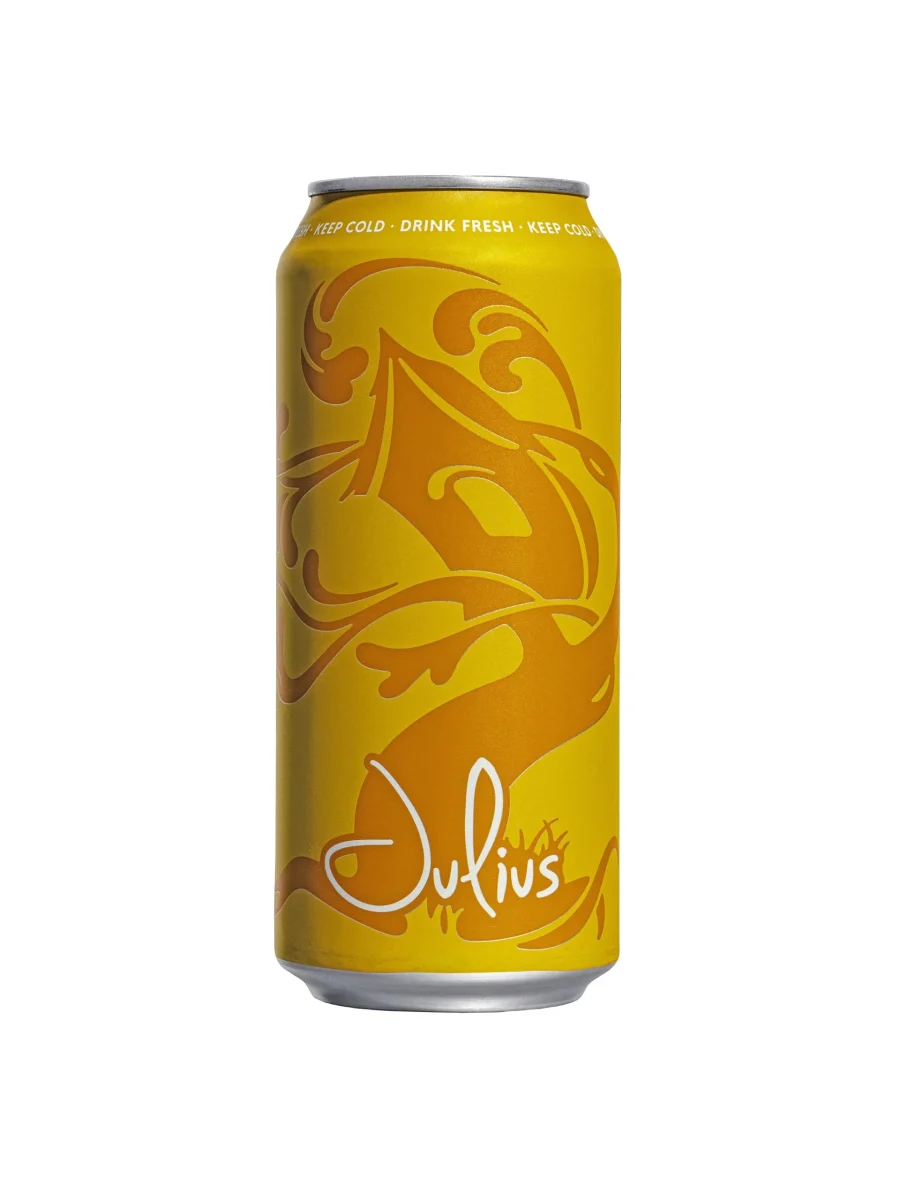
Julius
Brewed by Tree House Brewing Company
A flagship hazy IPA with mango, peach and passionfruit aromas at 6.8%.
BAR NOTES
Julius is Tree House’s flagship IPA at 6.8%. Its producer description pairs tropical fruit and citrus aromas with a soft mouthfeel and rounded bitterness. Those mango, peach and passionfruit impressions describe the beer’s hop character; the page does not identify an actual fruit addition.
A small Julius pour establishes a useful reference before Green and Haze. Follow aroma, texture and the finish separately instead of ranking the three only by strength. The hazy IPA guide explores how fermentation and hopping contribute to this family without presenting a verified Julius clone.
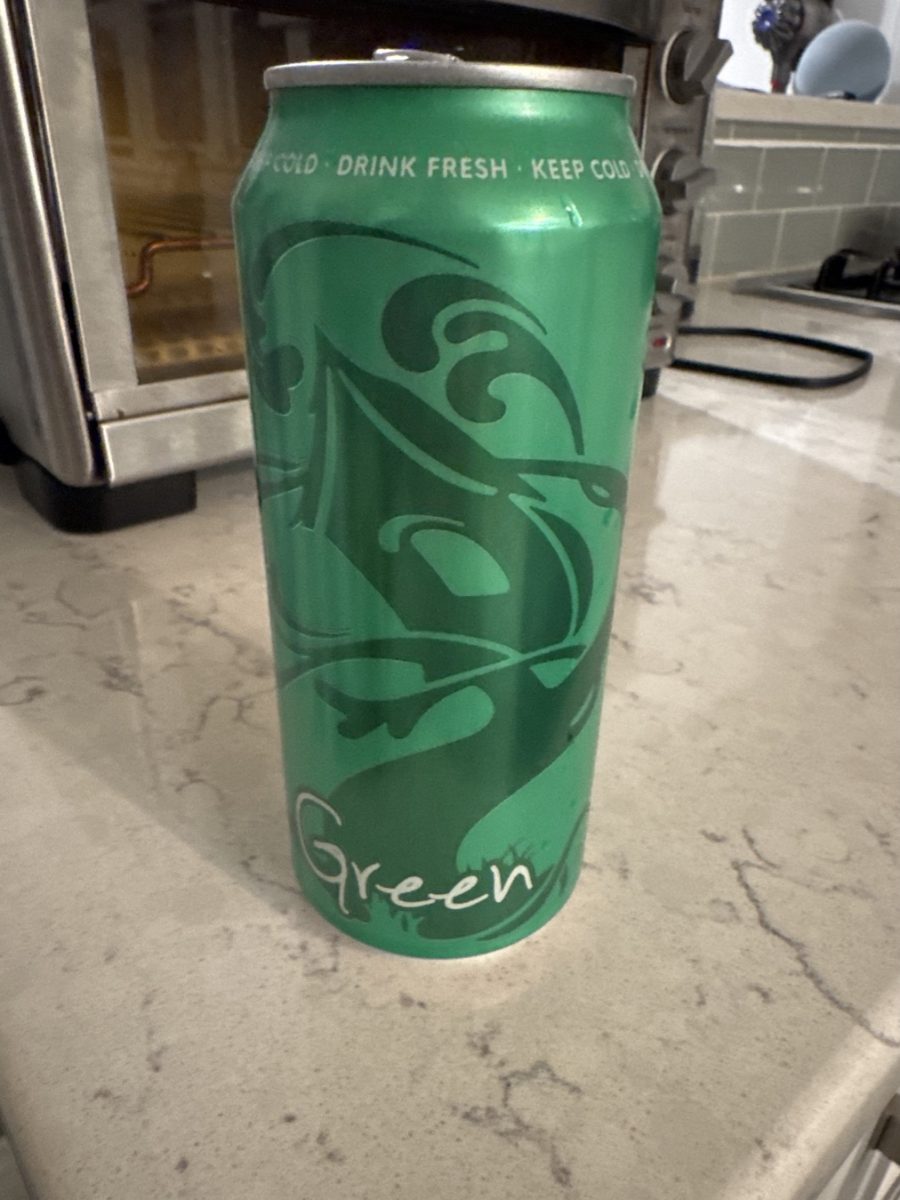
Green
Brewed by Tree House Brewing Company
Australian and American hops bring pineapple and lemon-lime over a velvety body.
BAR NOTES
Green is Tree House’s 7.5% cross-continental IPA, using Australian and American hops. The producer emphasizes pineapple, orange-sorbet, lemon-lime and tangerine impressions, with a rich mouthfeel and more pointed bitterness. Its directory does not disclose a complete hop bill, so specific varieties should not be guessed.
Compare Green with Julius while both are still cool enough to retain fresh hop aromas, then revisit their finishes as the glasses warm slightly. Green’s citrus emphasis offers another route through the IPA guide. Similar haze and neighboring alcohol figures do not make two beers interchangeable.
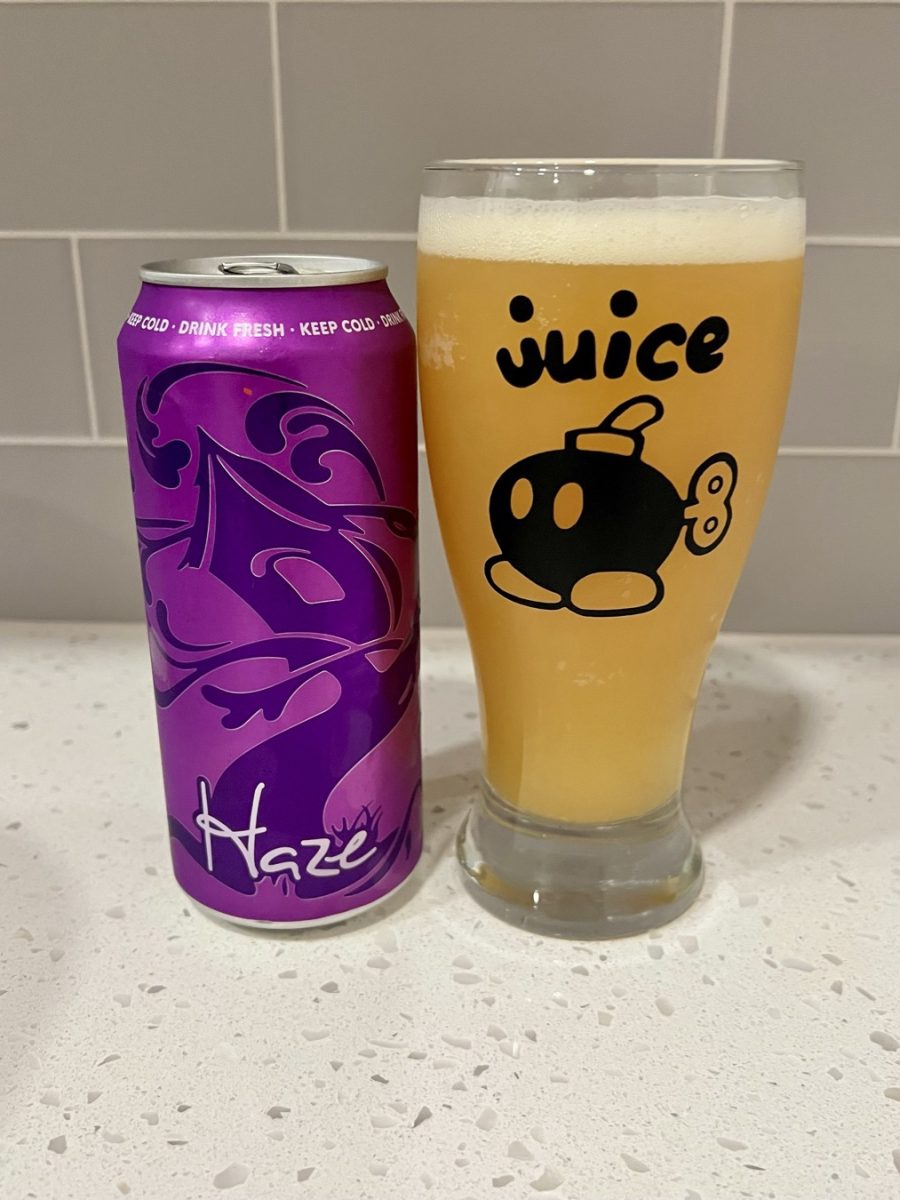
Haze
Brewed by Tree House Brewing Company
An 8.2% double IPA with peach-led aroma and a lingering hop-oil finish.
BAR NOTES
Haze is Tree House’s 8.2% double IPA, explicitly described as unfiltered and intensely kettle- and dry-hopped. Peach leads the producer’s aromatic description, followed by orange and tropical fruit. The lasting hop-oil finish distinguishes it from choosing an IPA solely for a soft first impression.
Place Haze last in this three-beer comparison because its greater strength and lingering hop character change the palate. A modest serving makes the distinctions easier to follow. The double IPA guide supplies further examples, while Haze and Very Hazy remain separately named beers requiring their own labels.
2. Trillium Brewing Company
Trillium’s Massachusetts destinations include Canton and Boston, with menus that vary by venue. The selected Fort Point, Congress Street and Pilsner offer a comparison between two hop-forward ales and a restrained lager. The standard beer names matter because double-dry-hopped editions and differently hopped family members have separate profiles.
Trillium currently classifies Fort Point as an IPA at 6.6%, rather than relying on older pale-ale descriptions. Congress Street features Galaxy and Columbus at 7.2%; Pilsner is 4.7%. Match the current format and exact beer name when checking cans, and confirm the venue’s present draft selection before a visit.
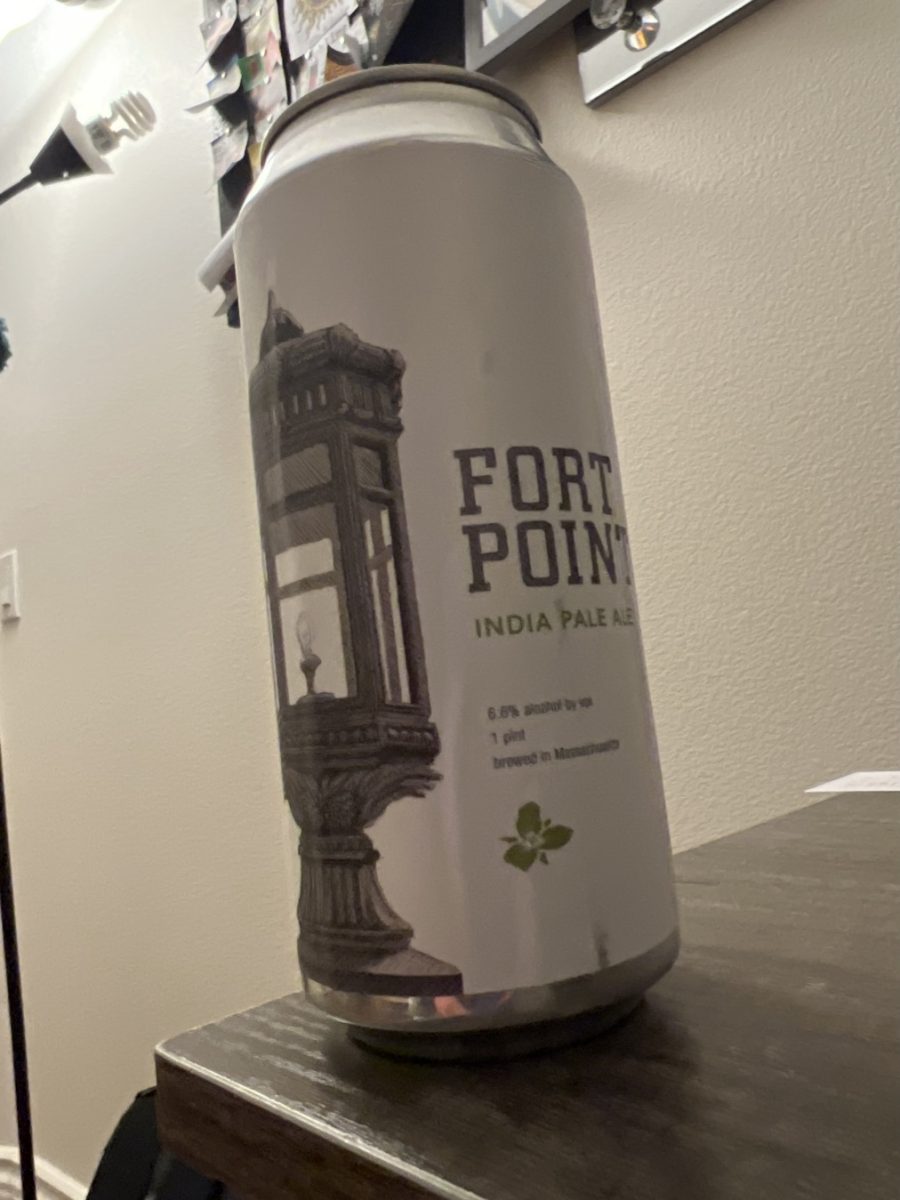
Fort Point
Brewed by Trillium Brewing Company
Citra and Columbus support a 6.6% IPA with a dry finish and gentle bitterness.
BAR NOTES
Fort Point is currently identified by Trillium as a 6.6% IPA. Citra and Columbus provide citrus, tropical fruit and pine notes over American two-row barley, white wheat and C-15 malt. Older references may call it a pale ale; the current producer classification is retained here.
Use the standard Fort Point when comparing this flight: Double Dry Hopped Fort Point and other hop-specific versions are different products. Its wheat-containing malt bill provides a practical example alongside the American IPA recipe, although the linked formulation is a general homebrewing reference rather than Trillium’s commercial recipe.
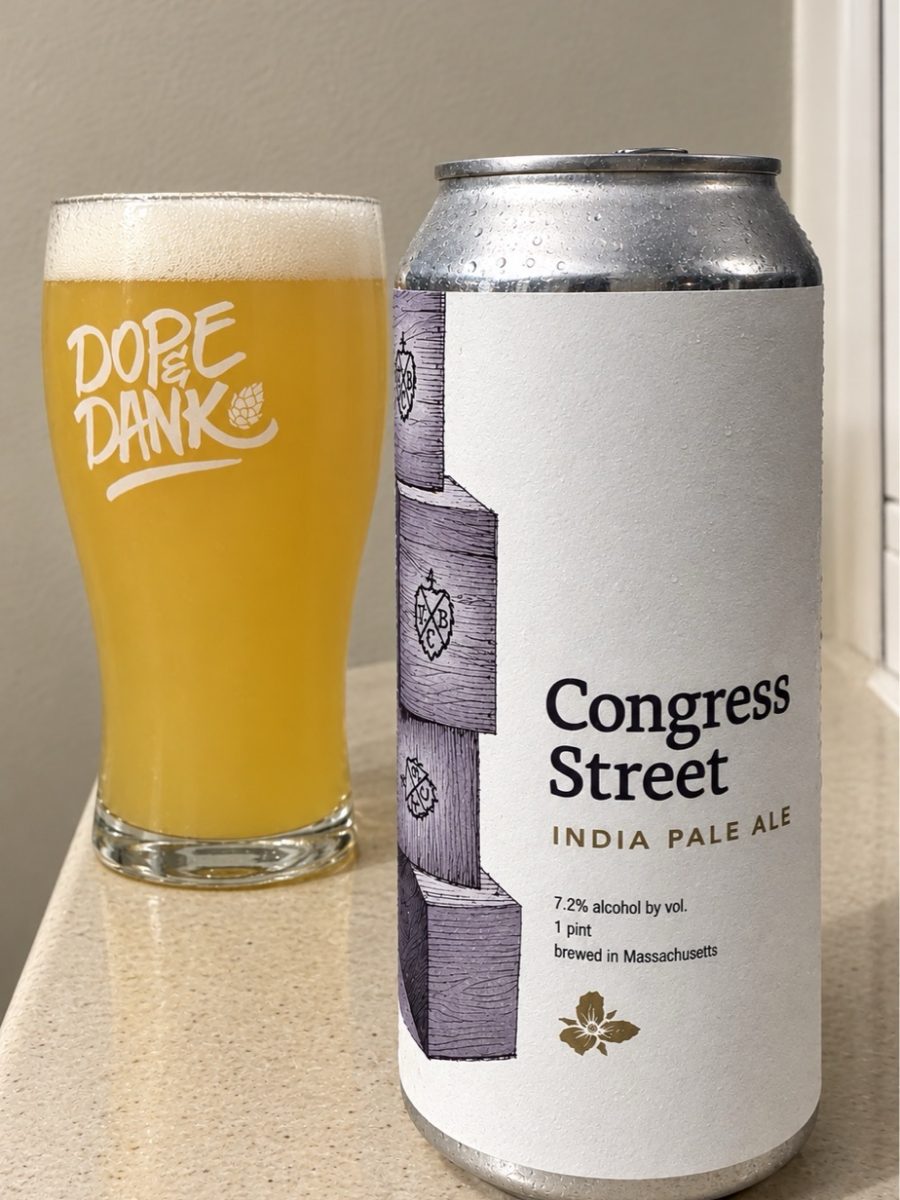
Congress Street
Brewed by Trillium Brewing Company
Galaxy and Columbus give Trillium’s 7.2% flagship IPA its aromatic direction.
BAR NOTES
Congress Street is Trillium’s flagship American IPA at 7.2%, featuring Australian Galaxy alongside Columbus. The published grain list includes two-row barley, white wheat, C-15, dextrine and dextrose. The producer describes peach and clementine flavors balanced by moderate bitterness and a light biscuit-like malt impression.
Congress Street and Fort Point both include Columbus, but their other hops and grain details differ. Taste them side by side to follow that change rather than using haze as the entire comparison. The American IPA selections broaden the range; the standard beer is distinct from its double-dry-hopped version.
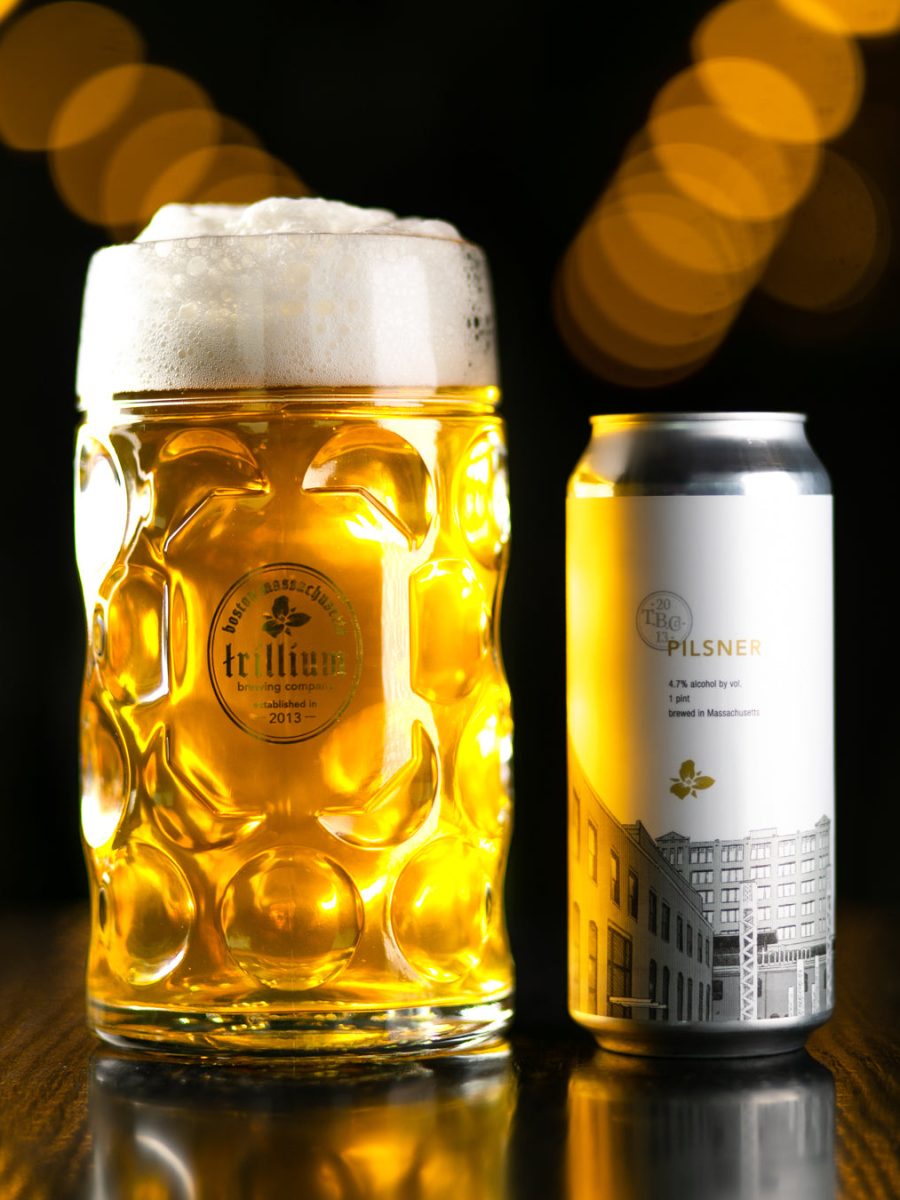
Pilsner
Brewed by Trillium Brewing Company
A 4.7% pilsner with floor-malted grain, noble hops and extended lagering.
BAR NOTES
Trillium’s Pilsner is a 4.7% German-influenced lager. Its producer description specifies primarily Bohemian floor-malted pilsner malt, Hallertau Magnum and Saaz hops, and extended lagering in horizontal tanks. Bread-crust malt character and a subtle noble-hop bite supply a clear contrast with the brewery’s two selected IPAs.
Order this before the IPAs if arranging your own flight, then revisit its finish after the richer hop aromas. Pilsner, Foeder Pilsner and Tipico are separately named products. The German pilsner recipe explains a related style balance without claiming to reproduce Trillium’s specific grain percentages or maturation schedule.
3. Notch Brewing
Notch’s Salem and Brighton taprooms provide a lower-strength alternative to the state’s famous hazy IPA destinations. Its current year-round portfolio lists Notch Pils, Left of the Dial and Salem Lager, spanning Czech session lager, session IPA and Bavarian-style helles at 4.0%, 4.3% and 4.5%.
The brewery’s lager approach includes traditional equipment and serving practices at its taprooms, but a portfolio page should not be mistaken for the precise draft list at both locations. These selections focus on three recurring beers; their restrained strength leaves room to compare fermentation, malt and herbal or fruit-like hop character.
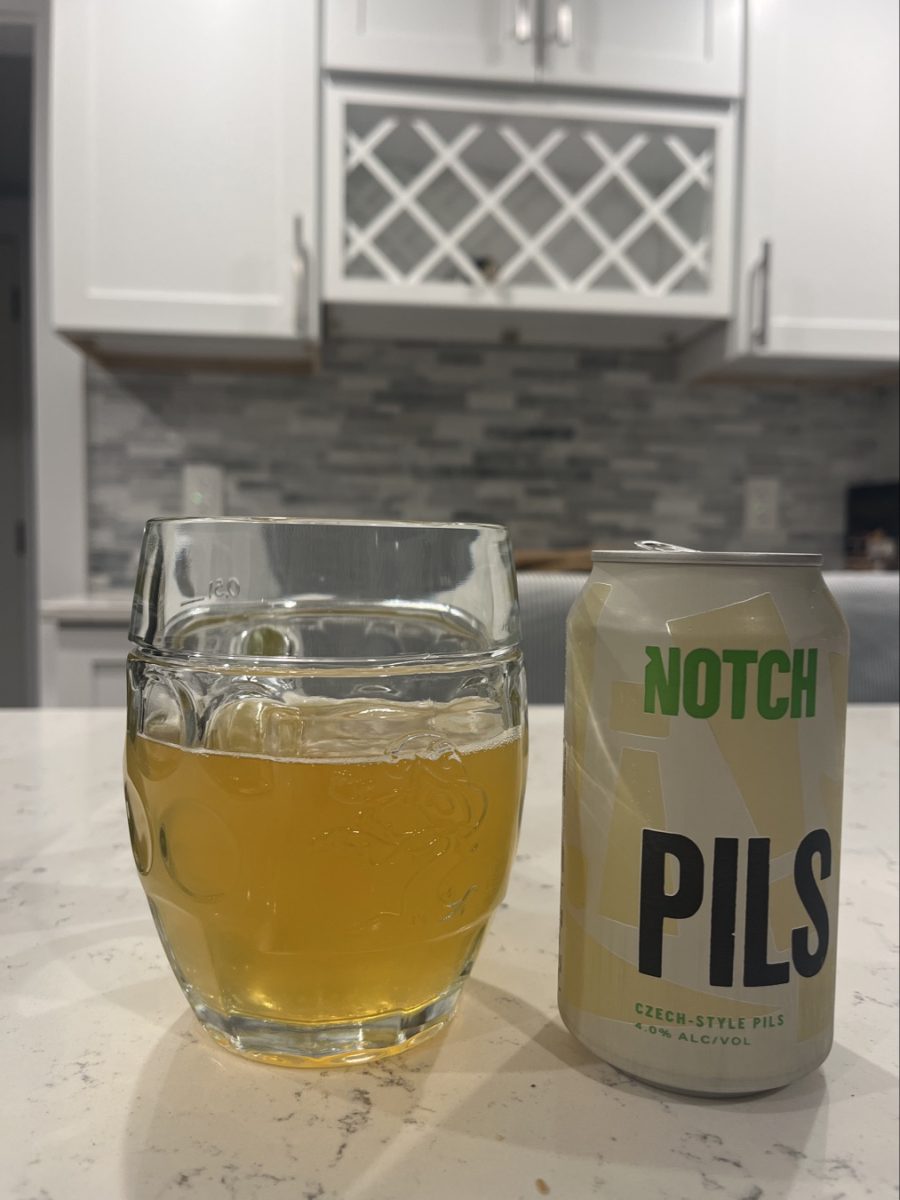
Notch Pils
Brewed by Notch Brewing
A 4.0% Czech-style session pilsner built around pilsner malt and Saaz.
BAR NOTES
Notch Pils is the brewery’s 4.0% Czech-style session lager, also described by the producer as Session Pils. Its year-round page lists pilsner malt, Saaz hops and lager yeast. The Czech low-strength tradition provides the context for a crisp, herbal beer with meaningful hop character at modest alcohol.
Compare Notch Pils with Salem Lager to follow herbal hopping against a more malt-focused helles within one brewery’s low-strength portfolio. The Czech pale lager recipe offers a stronger neighboring style reference; its target strength should not be mistaken for the recipe or alcohol level of this session pilsner.
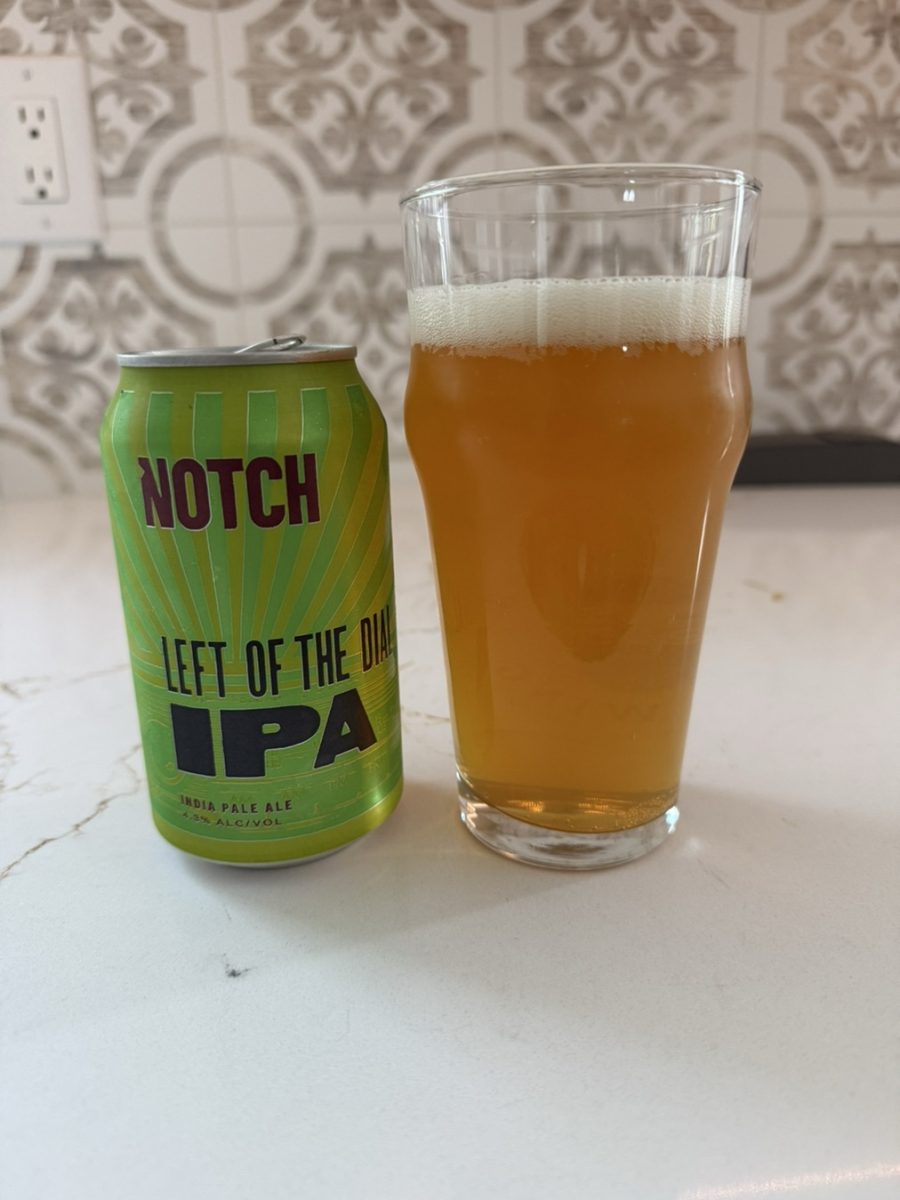
Left of the Dial IPA
Brewed by Notch Brewing
British malt and Citra–Mosaic hopping meet at a session-strength 4.3%.
BAR NOTES
Left of the Dial is Notch’s 4.3% session IPA. Golden Promise, Caramalt and oat malt meet Citra and Mosaic hops, with the producer also naming hard water as part of its approach. British malt foundations and American hop aromas make it distinct from treating every IPA as high-strength beer.
Follow the stone-fruit aroma, then look for the grain underneath rather than demanding double-IPA weight from a session beer. Left of the Dial makes a useful comparison with Harpoon Rec. League later in the guide. Explore the session IPA collection for further examples of aroma at lower alcohol.
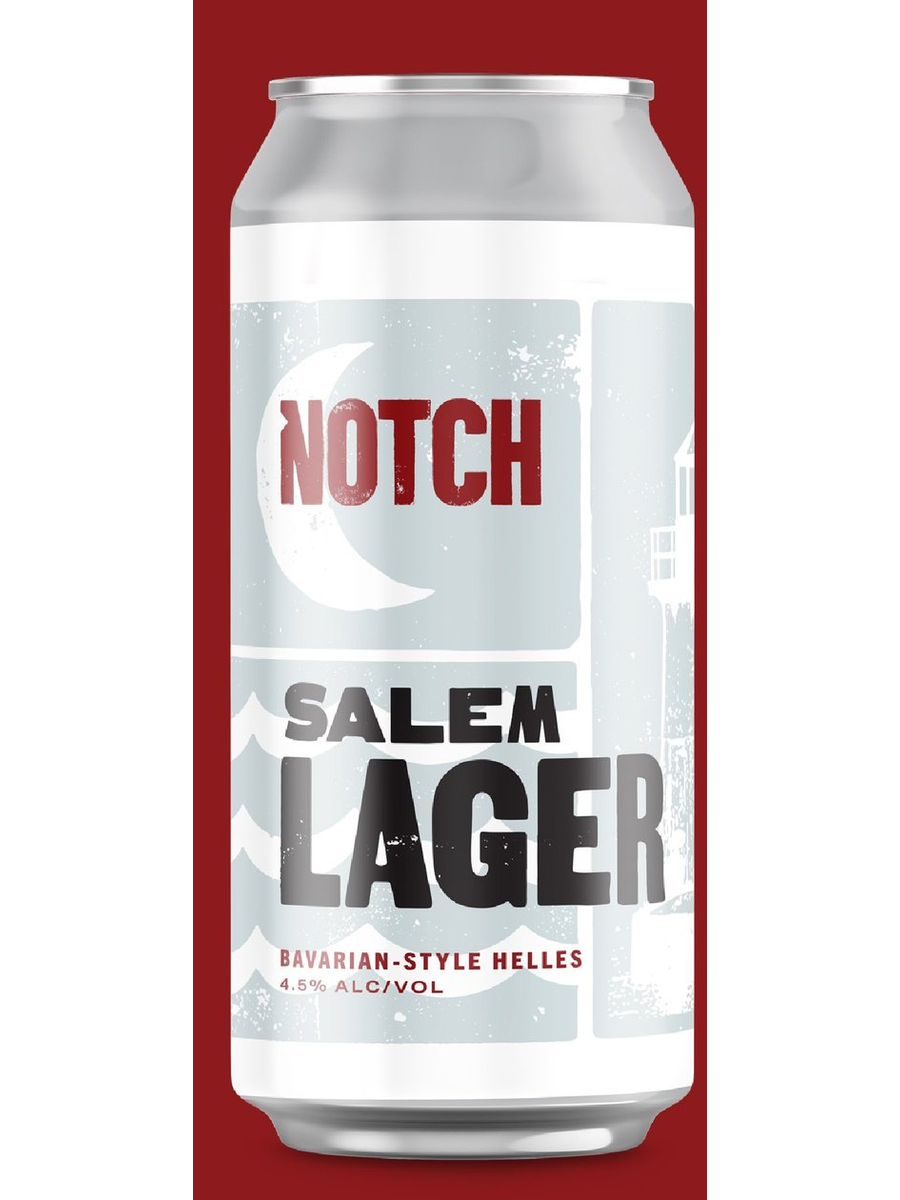
Salem Lager
Brewed by Notch Brewing
A 4.5% helles emphasizing bread-like malt and Spalt hopping.
BAR NOTES
Salem Lager is Notch’s year-round Bavarian-style helles at 4.5%. Bamberg pilsner malt and Spalt hops support the producer’s bread, grape and honey aromatic descriptions. Those tasting notes do not establish a honey addition; the stated recipe identifies malt, hops and lager yeast.
Let Salem Lager open a Notch flight if you want to follow grain before moving toward the more herbal pilsner and hoppy IPA. The lager guide helps distinguish these families. A simple roast-chicken or bread-based accompaniment can keep the restrained malt and hop comparison easy to perceive.
4. Jack’s Abby Craft Lagers
Jack’s Abby’s Beer Hall & Kitchen is at 100 Clinton Street in Framingham. House Lager, Hoponius Union and Smoke & Dagger are all listed year-round on the producer’s current site. The trio moves from malt-led helles to American hopping and then smoked dark grain while retaining lager fermentation.
The beer hall’s wood-fired pizza and food menu provide a useful reason to plan a meal around the flight. Current producer pages specify process details and pairing suggestions for each selection. Use the exact package and current tap list because the brewery also offers specialty releases and beer-hall exclusives beyond these three recurring beers.
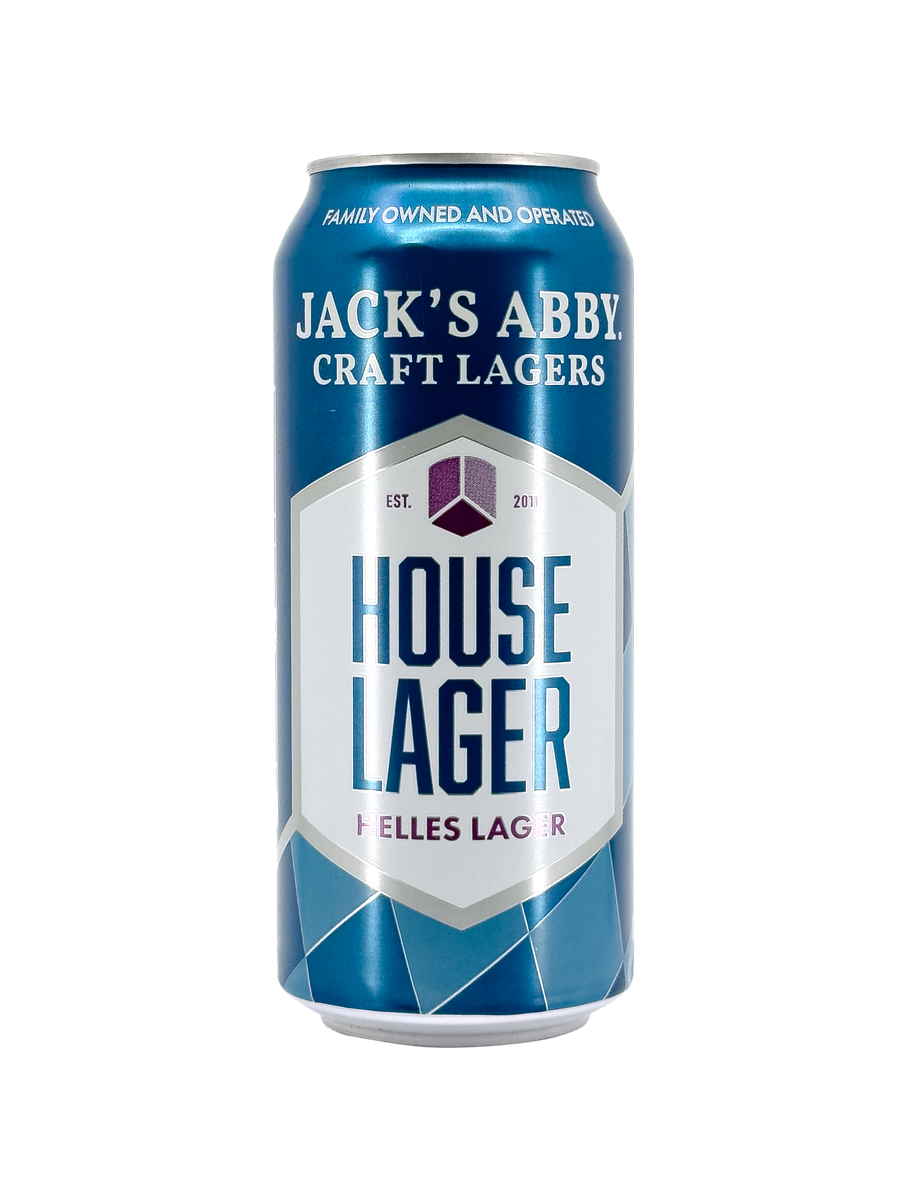
House Lager
Brewed by Jack’s Abby Craft Lagers
A decoction-mashed, naturally carbonated 5.2% helles with Bavarian malt.
BAR NOTES
House Lager is Jack’s Abby’s year-round 5.2% helles. The current producer page names imported Bavarian malt and Seitz family hops, with decoction mashing and natural carbonation. Its pale-gold appearance and toasted-grain aroma give a malt-led starting point before the brewery’s stronger hopping and smoked dark lager.
The producer suggests pork and seafood dishes, providing a concrete pairing direction for a brewery meal. Compare its grain expression with Notch’s Salem Lager, allowing the strength difference to remain explicit. The lager comparisons add further context; the House Lager name does not mean every location serves identical rotating draft selections.
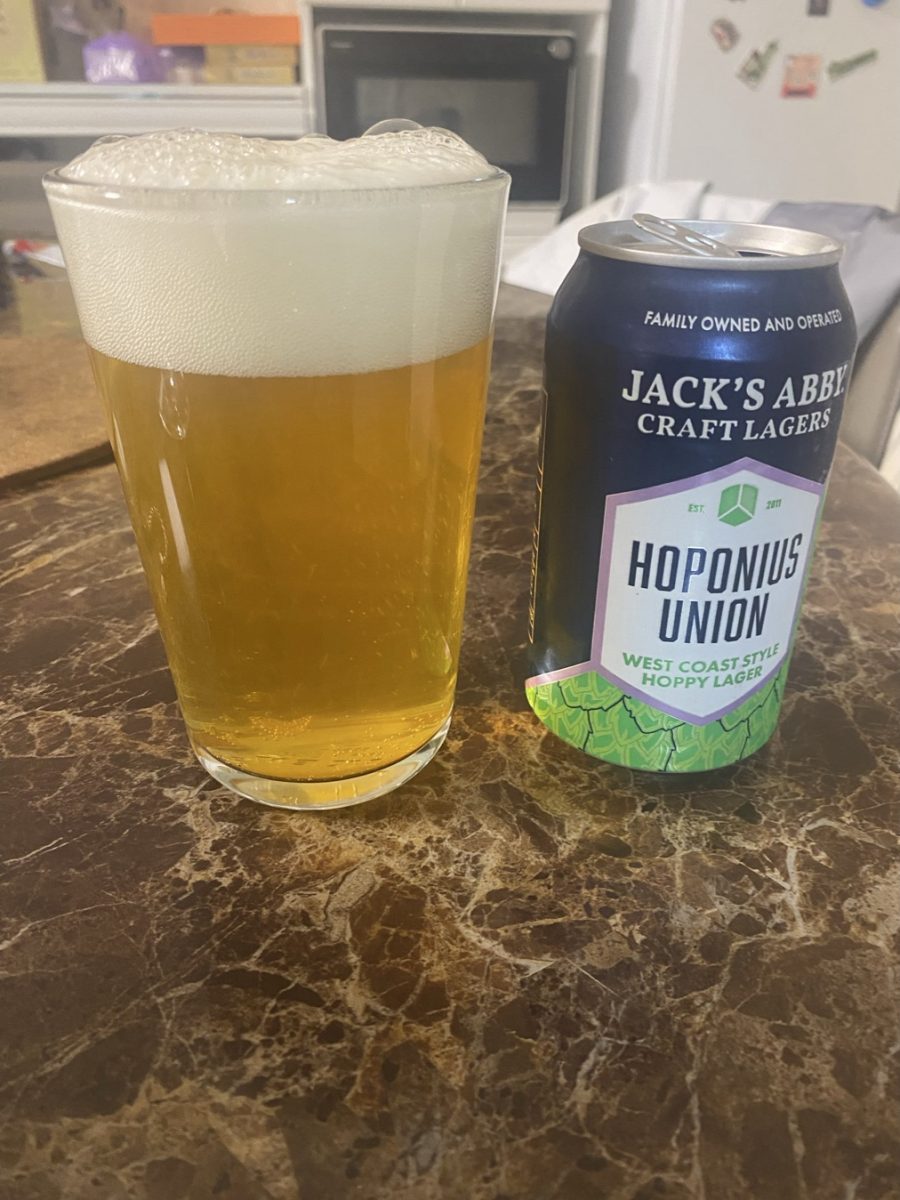
Hoponius Union
Brewed by Jack’s Abby Craft Lagers
Citra and Centennial bring West Coast hopping to a crisp 6.5% lager.
BAR NOTES
Hoponius Union is Jack’s Abby’s 6.5% West Coast-style hoppy lager. The year-round producer page lists Citra and Centennial, step-infusion mashing, and packages in both 16-ounce four-packs and 12-ounce twelve-packs. Clear appearance and lager fermentation coexist with assertive citrus and tropical hop character.
A grilled steak or chili follows the producer’s pairing suggestions and gives the bitterness a substantial food counterweight. Compare Hoponius Union with an IPA without changing its lager identity merely because both are hop-forward. The hop-and-malt balancing reference explains a related design problem rather than this beer’s fermentation process.
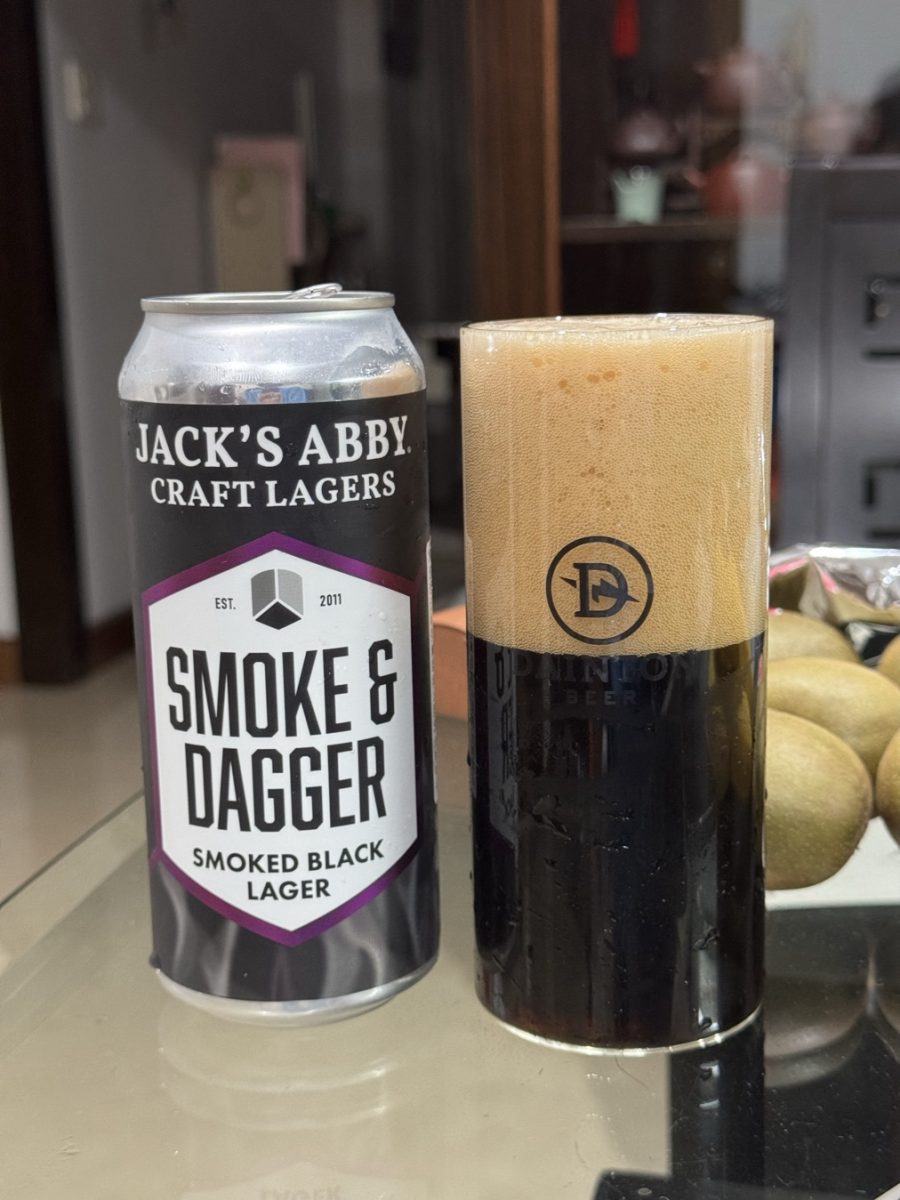
Smoke & Dagger
Brewed by Jack’s Abby Craft Lagers
Smoked and roasted Bavarian malts define a smooth 5.6% black lager.
BAR NOTES
Smoke & Dagger is Jack’s Abby’s 5.6% smoked black lager. Imported Bavarian smoked and roasted malts supply wood-smoke and roast aromas, with natural carbonation and step-infusion mashing specified on the current producer page. Chocolate-like malt character is a tasting description rather than proof of an added chocolate ingredient.
The brewery suggests smoked barbecue or Buffalo wings. A small pour beside House Lager reveals how much color and smoke can change while both remain lagers. The dark lager recipe supplies a roast-balancing reference, although Smoke & Dagger’s deliberate smoke character makes it a different commercial interpretation.
5. Samuel Adams
Samuel Adams anchors an important part of Boston’s brewing history, with Boston Lager, American Light and seasonal Octoberfest offering three different lager directions. The Boston visitor experience and the nationally distributed production network are different parts of the same brand; a Boston identity does not prove the origin of every retail package.
Treat Jamaica Plain’s brewery and the downtown Boston taproom as distinct destinations when checking menus and visits. American Light is its own 4.2% product, not the older Sam Adams Light. Octoberfest is a fall release, and the non-alcoholic edition has a separate specification; confirm the actual beer being served.
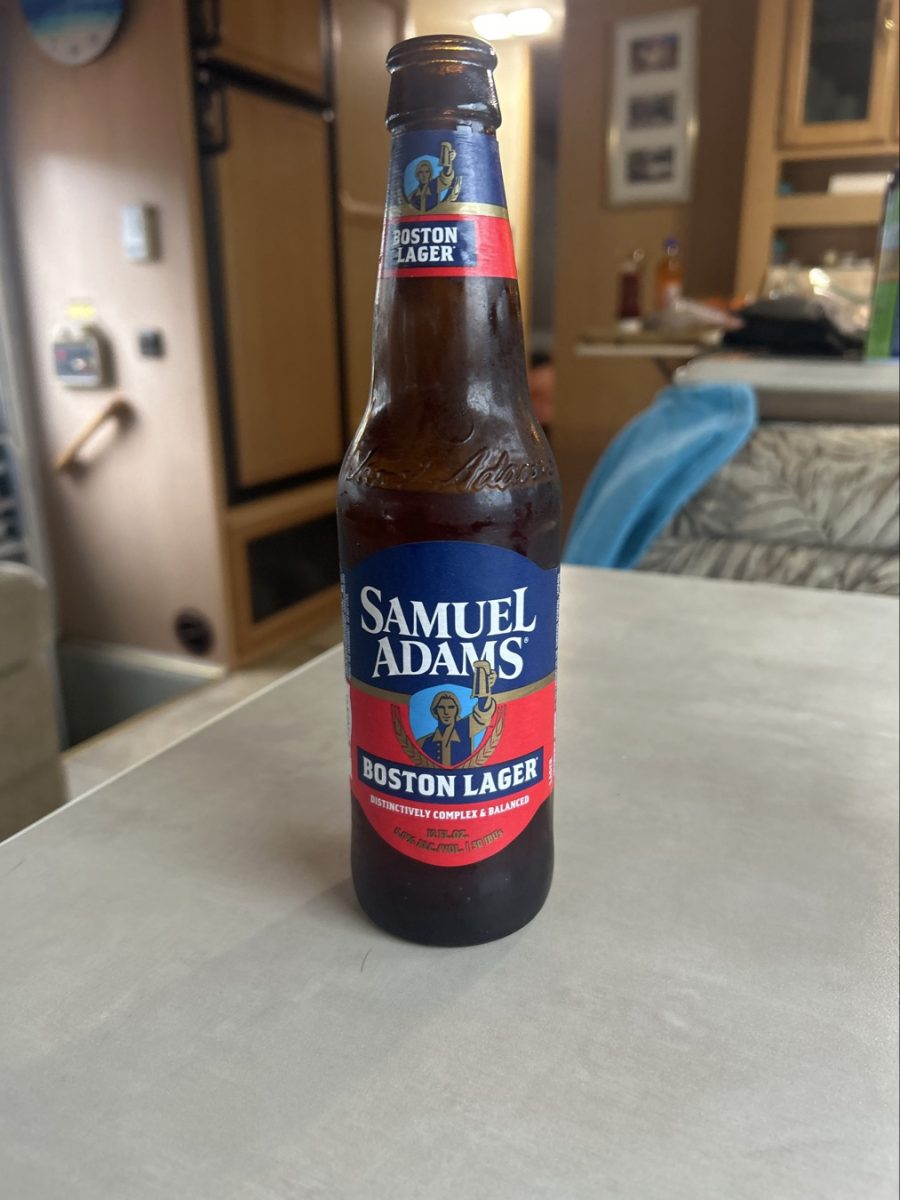
Boston Lager
Brewed by Samuel Adams
Boston’s flagship amber lager balances caramel malt with spicy hop bitterness.
BAR NOTES
Boston Lager is Samuel Adams’ 5.0% flagship, with caramel malt sweetness and spicy hop bitterness in its brewery-authored profile. The brand’s Boston history belongs in this guide, but it does not establish that every nationally distributed bottle was produced at the visitor brewery in Jamaica Plain.
Compare Boston Lager with American Light to follow grain intensity and body rather than assuming all lagers taste alike. The lager overview provides useful context. Confirm the current Boston venue menu for taproom-specific beers and consult the actual package when the precise production location matters.
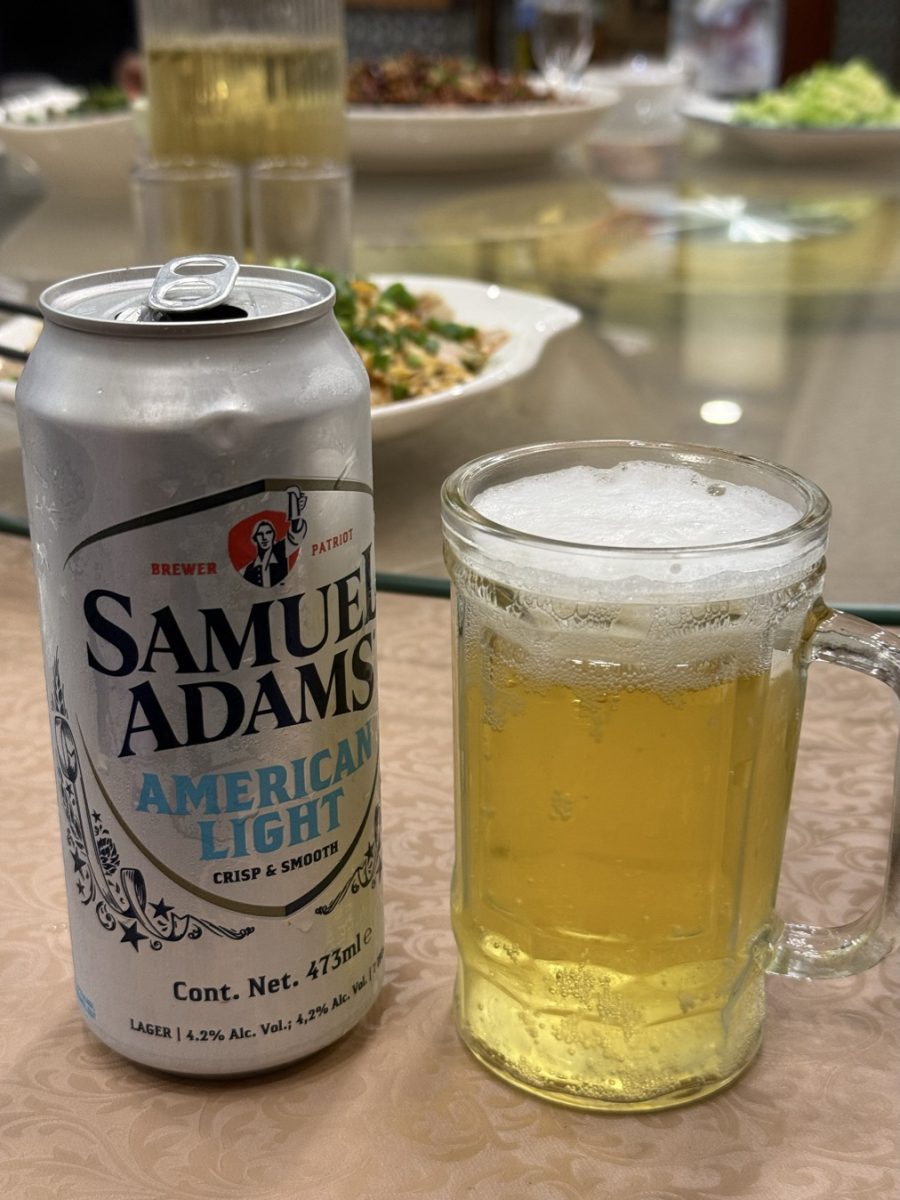
American Light
Brewed by Samuel Adams
An all-American-ingredient light lager at 4.2% with floral hop notes.
BAR NOTES
American Light is Samuel Adams’ 4.2% light lager, launched regionally in 2024 and nationally in 2025. Boston Beer identifies American-sourced ingredients, including Montana barley and Washington hops. Its brewery-authored description pairs floral hopping with gentle sweetness; it is distinct from the separately named older Sam Adams Light.
Use American Light as the lower-strength opening before Boston Lager and the fall seasonal. Light is a style and body comparison, not evidence of zero alcohol. The American lager recipe explores a related brewing framework, while the commercial recipe and current package remain the relevant product-specific references.
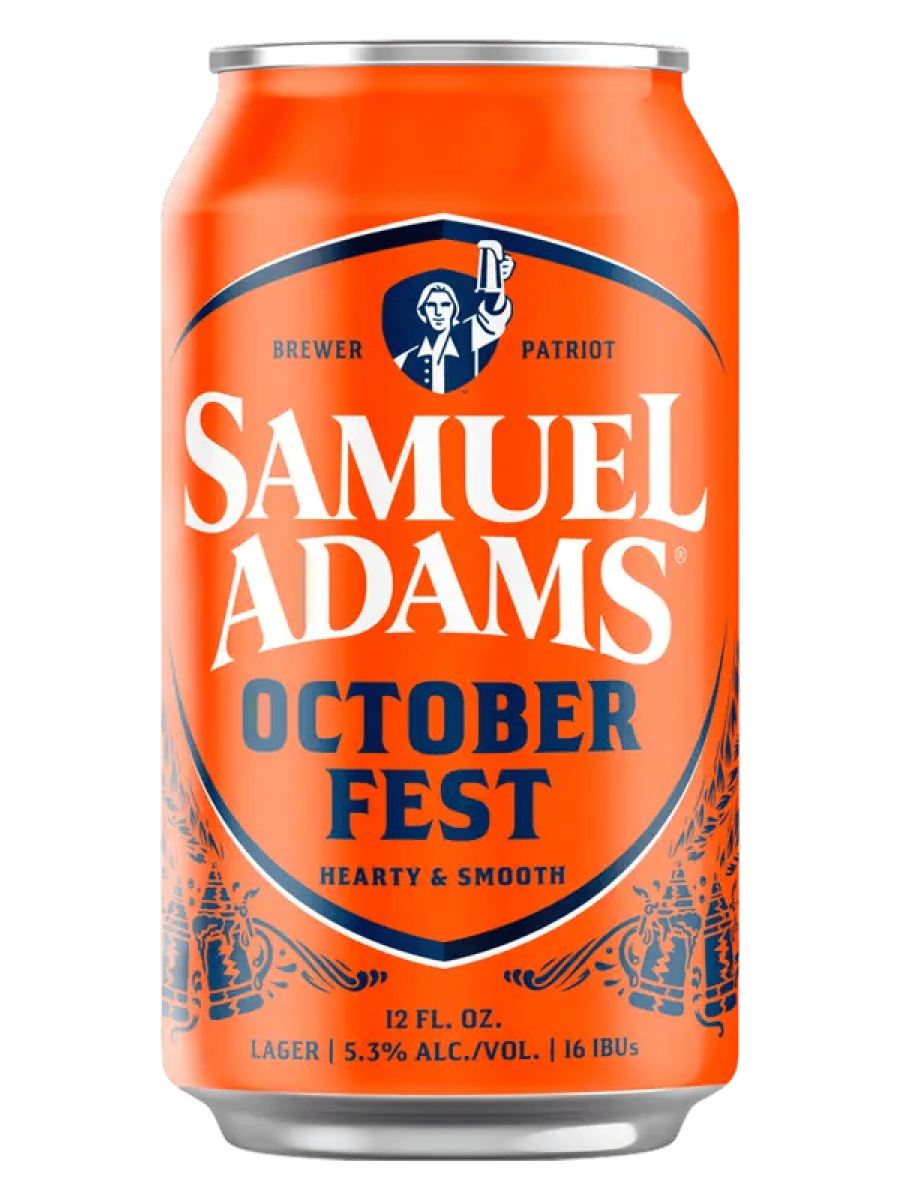
Octoberfest
Brewed by Samuel Adams
A fall 5.3% Märzen-style lager with caramel and toasted malt character.
BAR NOTES
Samuel Adams Octoberfest is the brewery’s 5.3% fall Märzen-style lager. Boston Beer’s seasonal materials describe hearty malt, caramel notes and a deep red-amber color; its September 2026 announcement confirms the seasonal return. Octoberfest and the newer non-alcoholic Octoberfest are different products with different alcohol specifications.
Compare Samuel Adams Octoberfest with Harpoon’s identically named seasonal to explore two breweries’ malt balance at the same listed strength. A pretzel or roasted sausage offers a straightforward grain-and-toast pairing. The Oktoberfest beer guide helps distinguish darker Märzen interpretations from the paler festbier served at modern Munich celebrations.
6. Harpoon Brewery
Harpoon’s Boston brewery is a separate stop from its other New England locations. The producer’s current IPA page lists 6.0%, Rec. League is 4.0%, and Octoberfest is 5.3%. These selections compare the original English-inspired hopping direction, a lower-strength hazy interpretation and a malt-driven seasonal lager.
Harpoon’s history records an IPA refresh in 2026, so current producer specifications and package details are the useful reference. Rec. League explicitly uses buckwheat kasha, chia seeds and sea salt. Seasonal festival material should be checked separately from the beer’s availability; an archived event does not establish a current visit schedule.
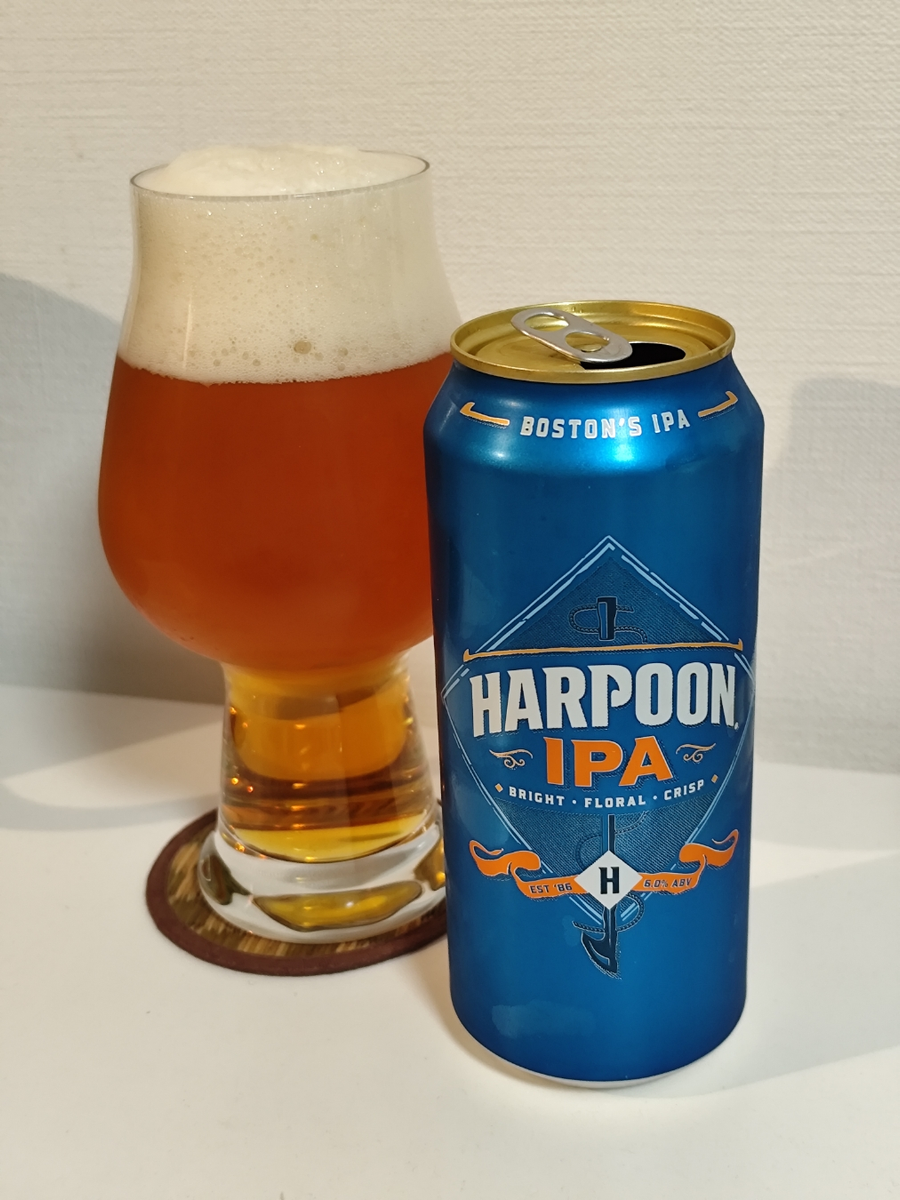
Harpoon IPA
Brewed by Harpoon Brewery
The current 6.0% Harpoon IPA keeps its English-inspired, American-hop direction.
BAR NOTES
Harpoon IPA is currently listed at 6.0% and 42 IBU on its producer page. Harpoon describes an English-inspired IPA brewed with American hops and identifies its origin as 1993. The brewery’s 2026 history entry records a refresh, so current label and producer details take priority over older recipe assumptions.
Taste the standard IPA before its Octoberfest companion if comparing hop bitterness with malt-driven lager character. A fresh pour gives its citrus aroma a fair chance beside newer hazy styles. The English IPA recipe provides historical style context without claiming that Harpoon uses that specific homebrew formulation.
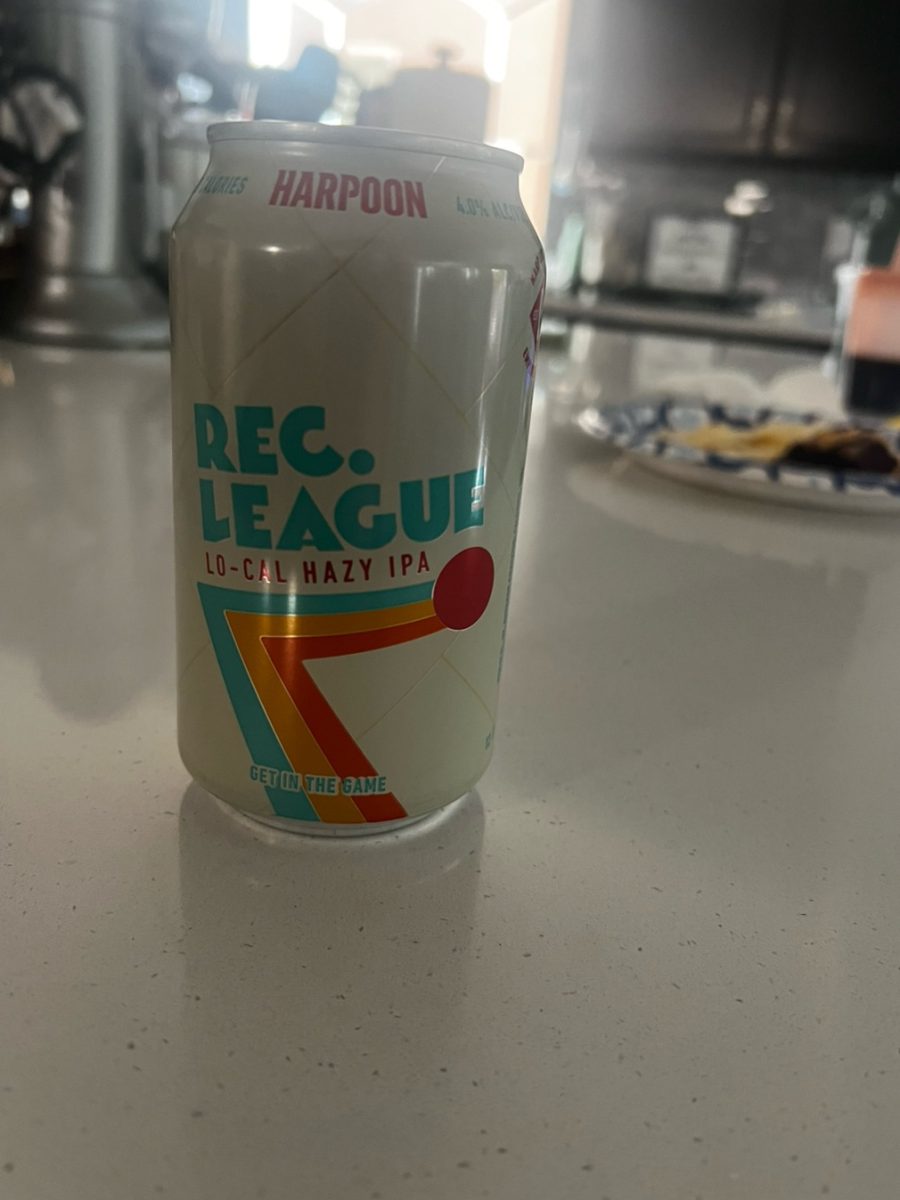
Rec. League
Brewed by Harpoon Brewery
Buckwheat kasha, chia seeds and sea salt join tropical hops in a 4.0% hazy IPA.
BAR NOTES
Rec. League is Harpoon’s 4.0% session hazy IPA. The producer explicitly lists buckwheat kasha, chia seeds and sea salt among its ingredients and gives 35 IBU. These named additions distinguish the beer from assigning one generic recipe to every low-strength hazy IPA in the state.
Put Rec. League beside Left of the Dial to compare two session beers with different grain and ingredient directions. The session IPA guide expands that comparison. Its modest alcohol is useful information for choosing a serving, while the unusual ingredients are brewing facts rather than a promise of health or sports performance.
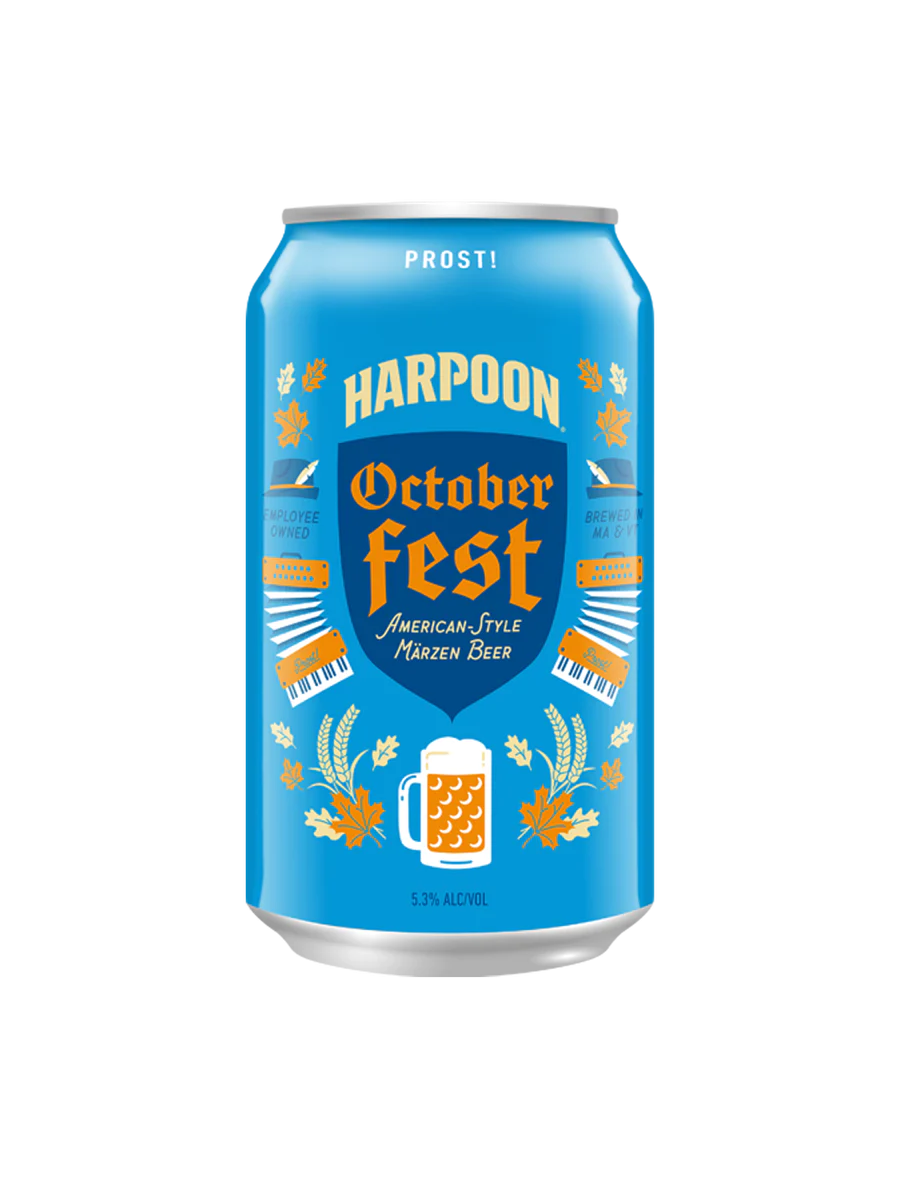
Harpoon Octoberfest
Brewed by Harpoon Brewery
A 5.3% fall lager connecting Harpoon’s seasonal beer with its Octoberfest tradition.
BAR NOTES
Harpoon Octoberfest is a 5.3% Märzen-style seasonal, described by its producer as a malt-led interpretation of a Munich favorite. The brewery dates its second seasonal beer to 1989 and connects it with its long-running festival tradition. A historical festival association does not guarantee current tickets or venue service.
Order the beer by its exact brewery name when comparing it with Samuel Adams Octoberfest, which shares the listed strength but has its own recipe. The Oktoberfest style guide adds context for the malt emphasis. The current product page lists limited-market 16 oz four-packs and The Fall Mix Pack. Check local package availability and the current draft menu before travel.
7. Lamplighter Brewing Co.
Lamplighter’s Cambridge taprooms include 284 Broadway and its Cambridge Crossing location at 110 North First Street. Birds of a Feather, Lamp Pils and Cloud City are three distinct choices from its current portfolio, combining two hazy ales with a Czech-style pilsner. Stock and tap lists vary by location.
The label themes have specific origins: Birds of a Feather references a Phish song and Cloud City references Star Wars. Those names do not replace ingredient facts. Cloud City names Strata as its sole hop variety, while Lamp Pils names Saaz; the three selected strengths are 6.8%, 5.3% and 6.6%.
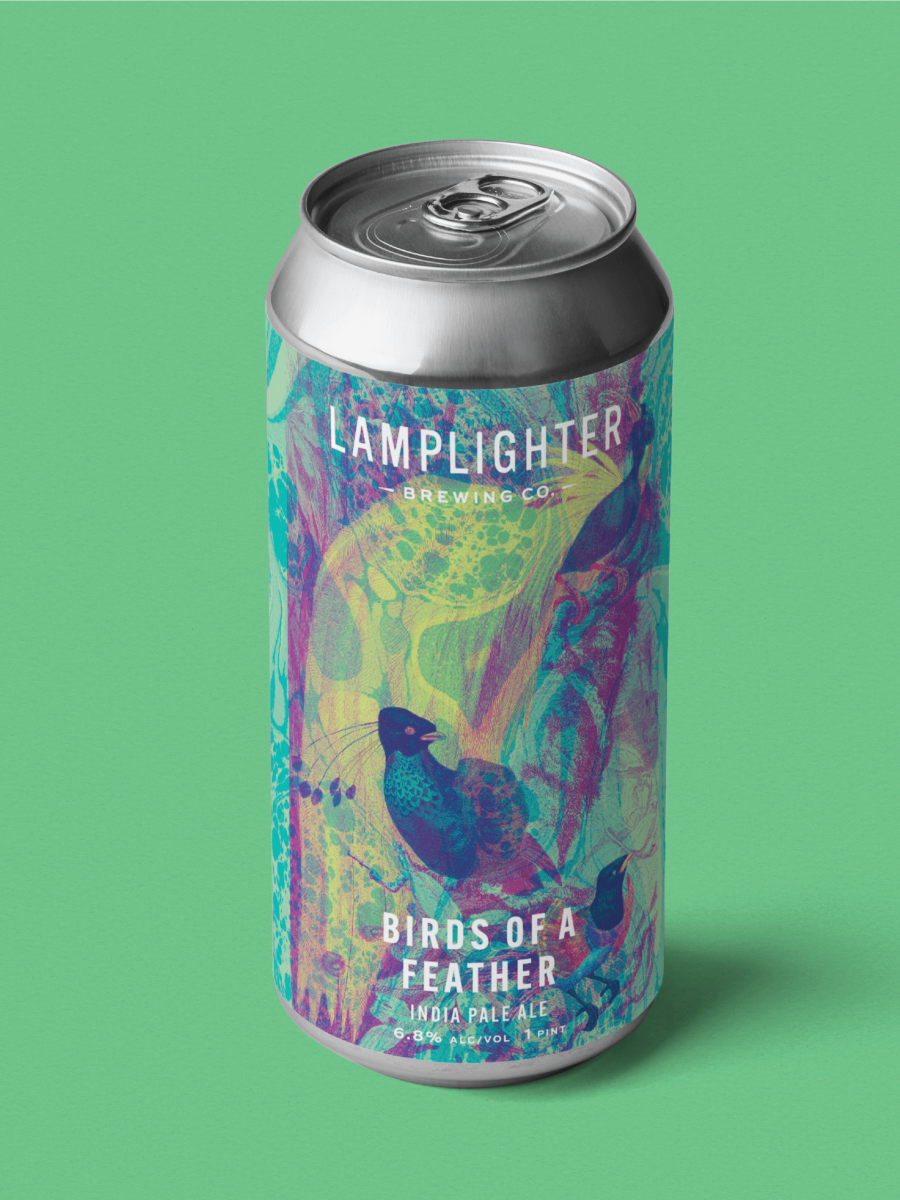
Birds of a Feather
Brewed by Lamplighter Brewing Co.