10 Best Breweries in Idaho with 30 Beers Worth Trying
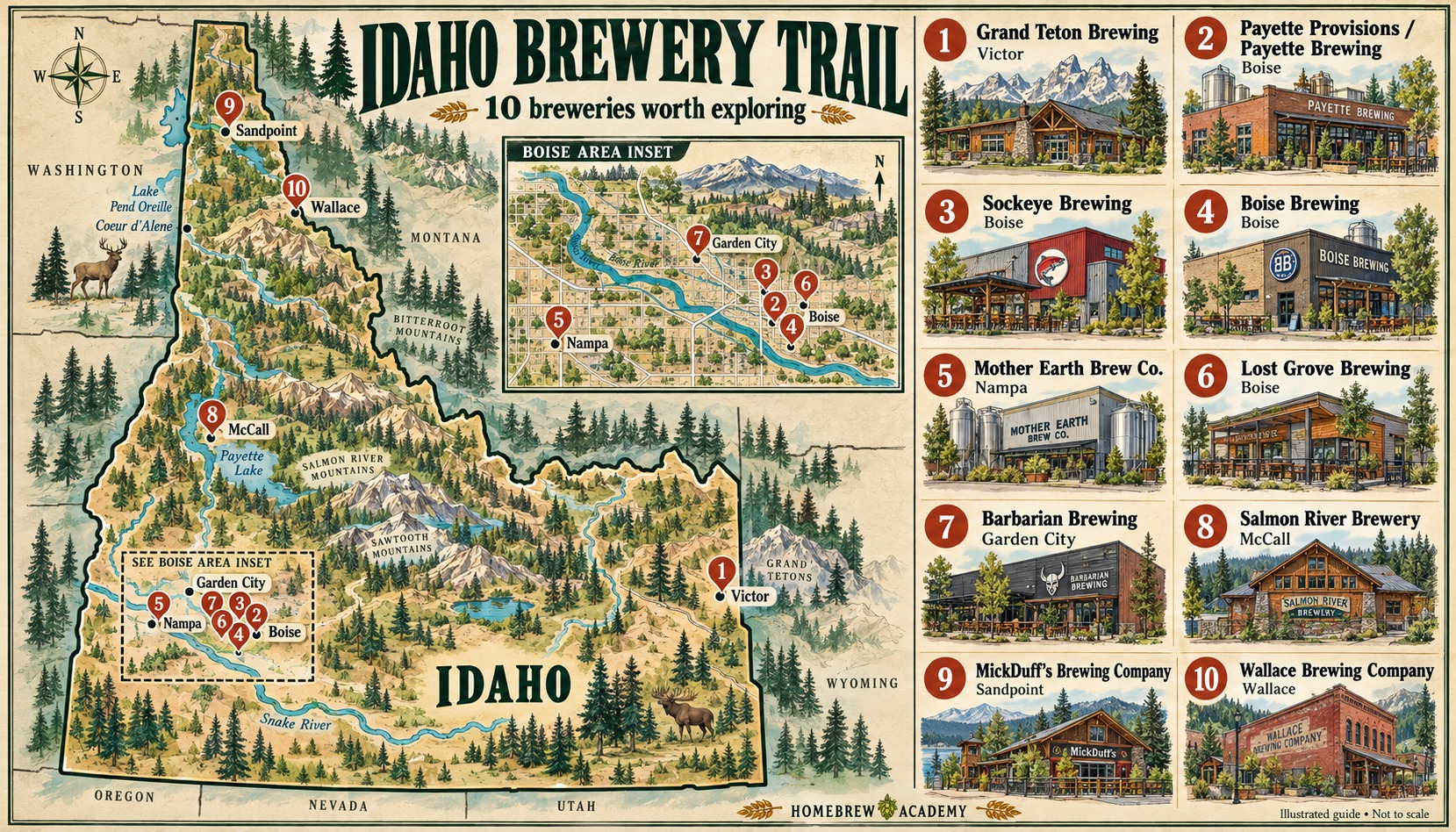
Idaho’s breweries reward a route planned by region: the Treasure Valley around Boise and Nampa, Victor near the Tetons, McCall in the mountains, and Sandpoint and Wallace farther north. These ten editorial picks each come with three beers that reveal something useful about the brewery’s range.
The order is an editorial starting point, not an objective statewide tasting score. The thirty numbered beer cards make the selections easy to follow. We use current producer listings and identify seasonal or vintage-specific beers; check the current taproom menu and batch label before traveling for a particular release.
Idaho brewery picks at a glance
| Brewery | Base | Three beers to explore |
|---|---|---|
| Grand Teton Brewing | Victor, Idaho | 208 Idaho’s Golden Ale · Sweetgrass Pale Ale · Teton Range Juicy IPA |
| Payette Provisions / Payette Brewing | Boise, Idaho | North Fork Lager · Sunny Hazy Pale Ale · Rustler IPA |
| Sockeye Brewing | Boise, Idaho | Dagger Falls IPA · Angel’s Perch · Powerhouse Porter |
| Boise Brewing | Boise, Idaho | Syringa Pale Ale · Fair Dig Irish Red Ale · Black Cliffs |
| Mother Earth Brew Co. | Nampa and Boise, Idaho | Cali Creamin’ · Boo Koo IPA · Milk Truck |
| Lost Grove Brewing | Boise, Idaho | Teddy Bear Picnic · First Sight IPA · Ghost Town Porter |
| Barbarian Brewing | Garden City and Boise, Idaho | Tropic Like It’s Hot · Pickleback Sour · Old Man Dirk (2026) |
| Salmon River Brewery | McCall, Idaho | Udaho Gold · Shiver IPA · Buzz Buzz Coffee Porter |
| MickDuff’s Brewing Company | Sandpoint, Idaho | Blonde Ale · Irish Redhead · Knot Tree Porter |
| Wallace Brewing Company | Wallace, Idaho | 1910 Black Lager · RedLight Irish Red Ale · Vindicator IPA |
1. Grand Teton Brewing
Grand Teton supplies the Victor stop on an eastern Idaho route, at 430 Old Jackson Highway. Its current lineup supports a straightforward golden ale, pale ale and juicy IPA comparison. Use the brewery’s own current beer list rather than building an itinerary around every historical label still found in older directories.
208, Sweetgrass and Teton Range move from 4.7% to 6.5% while changing hop emphasis. Their year-round listing makes them practical reference beers, although individual taps and package stock still vary. Victor deserves its own travel day; it is not a nearby extension of a downtown Boise brewery walk.
208 Idaho’s Golden Ale
Brewed by Grand Teton Brewing
208 is Grand Teton’s year-round golden ale at 4.7%, and the gentlest introduction to this Victor trio.
BAR NOTES
208 is Grand Teton’s year-round golden ale at 4.7%, and the gentlest introduction to this Victor trio. Its appeal is a familiar pale-beer framework rather than the assertive hop emphasis of Sweetgrass. The area-code name ties it directly to the brewery’s Idaho identity.
Give 208 the first position in a small flight. A lightly salted snack makes it easier to notice the beer’s body before stronger hops enter the comparison. Our blonde and golden ale collection gives this approachable starting point a wider context.
Sweetgrass Pale Ale
Brewed by Grand Teton Brewing
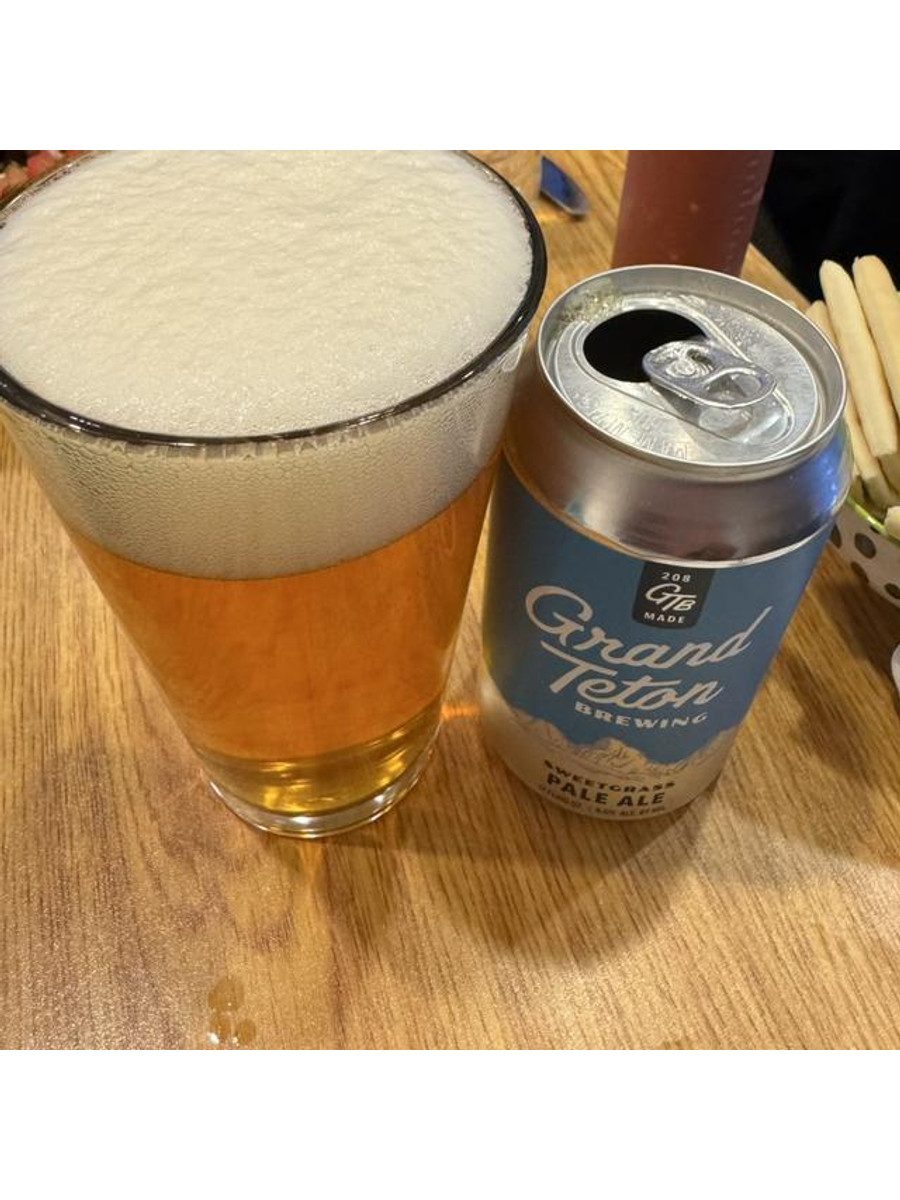
Sweetgrass is the 6.0% pale ale in Grand Teton’s current core lineup.
BAR NOTES
Sweetgrass is the 6.0% pale ale in Grand Teton’s current core lineup. The brewery describes citrus, resin and spice, and traces the beer back to 2002. It is a useful reminder that pale ale can carry substantial hop character without adopting an IPA name.
Compare Sweetgrass with 208 in matching glasses, then move to Teton Range. Look at bitterness and aroma separately: one can rise without the other following in lockstep. The American pale ale brewing guide explains the malt-and-hop balance behind this broad style.
Teton Range Juicy IPA
Brewed by Grand Teton Brewing
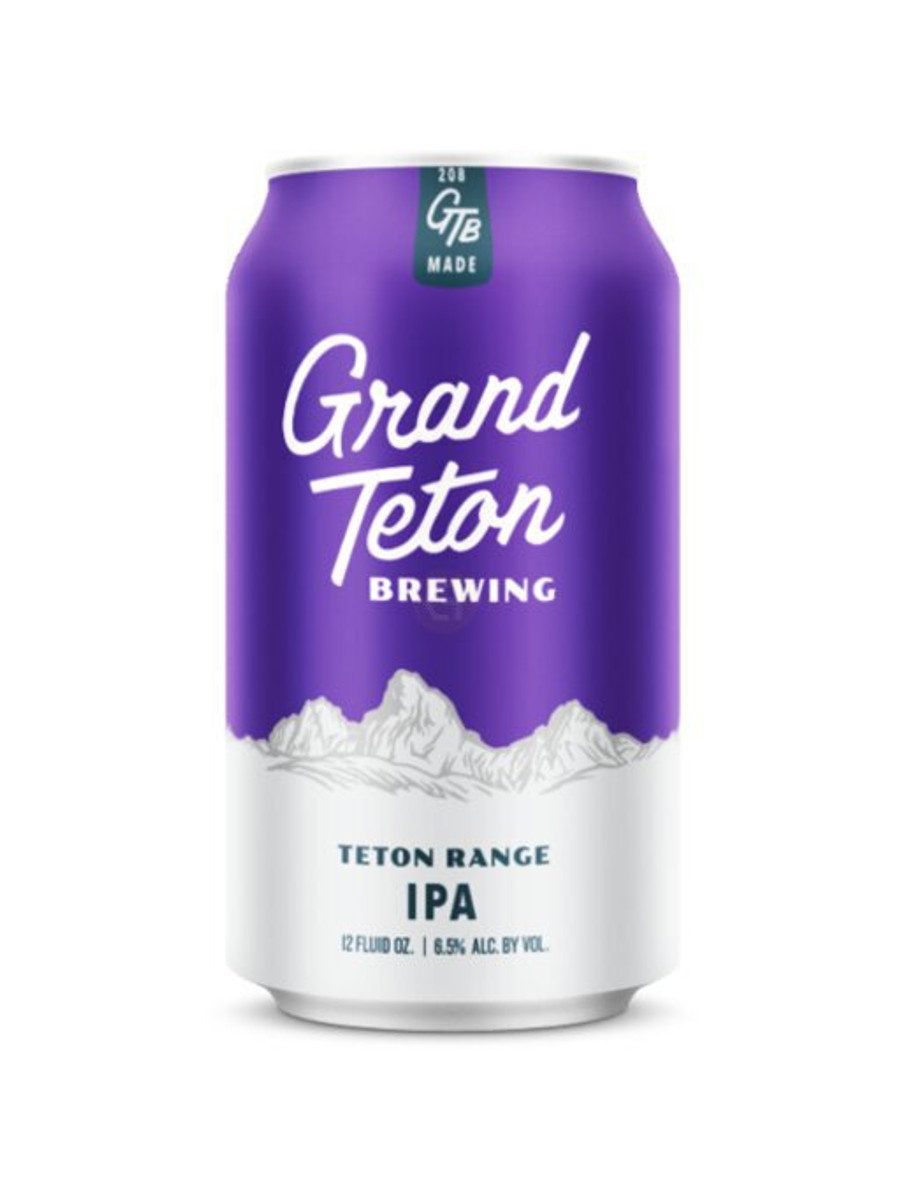
Teton Range is Grand Teton’s year-round juicy IPA at 6.5%.
BAR NOTES
Teton Range is Grand Teton’s year-round juicy IPA at 6.5%. It provides a fuller hop-led finish to the brewery selection after golden ale and pale ale. Use the producer’s current specification rather than assuming every beer carrying a Teton name has the same strength or recipe.
Choose a fresh serving and smell it before tasting a strongly seasoned meal. Then compare its texture with Sweetgrass rather than using color alone to decide how intense it will be. Our IPA style guide helps separate hop aroma, bitterness and mouthfeel.
2. Payette Provisions / Payette Brewing
Payette’s current umbrella name is Payette Provisions, reflecting a range that now includes canned cocktails as well as beer. The beer selection remains part of the Boise operation. North Fork, Sunny and Rustler give this guide three current year-round references instead of relying on older limited releases as permanent flagship promises.
The light lager, hazy pale ale and copper IPA make a useful three-way comparison of body and hop character. Sunny may still appear under its longer Sofa King Sunny name in older listings. Check the Boise taproom’s current menu and use the exact can label when comparing strengths.
North Fork Lager
Brewed by Payette Provisions / Payette Brewing
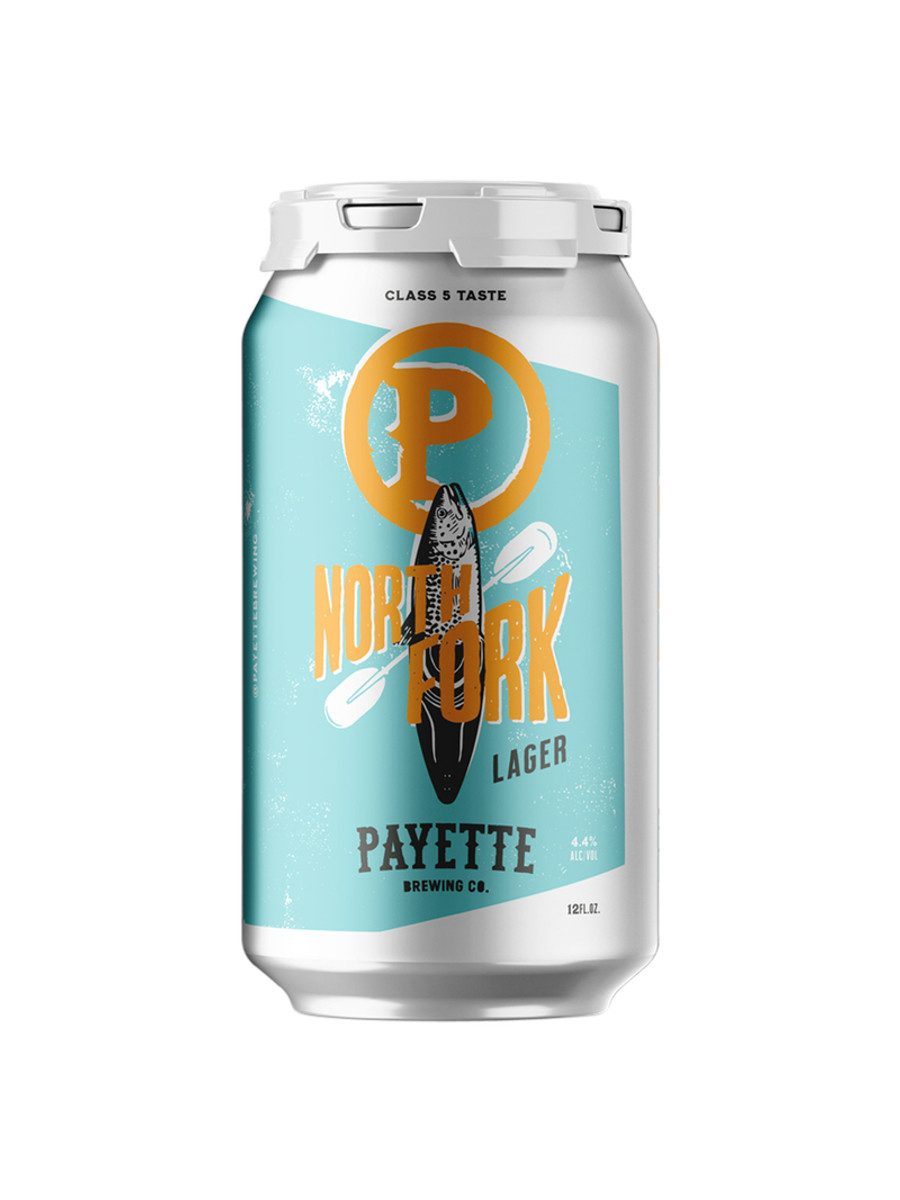
North Fork is a 4.4% light lager, a contrast to Payette’s stronger ales.
BAR NOTES
North Fork is a 4.4% light lager, a contrast to Payette’s stronger ales. The producer lists Hallertauer Mittelfruh, Magnum and Saaz alongside Pilsner and Dextrapils malt. Its clean lager direction makes a useful reference before Sunny’s haze and Rustler’s copper-colored malt structure.
Pour North Fork without a citrus wedge for the first taste. A simple taco or grilled chicken lets you test how its light body handles food before adding a heavier sauce. Our lager selection offers more examples of this restrained pale-beer approach.
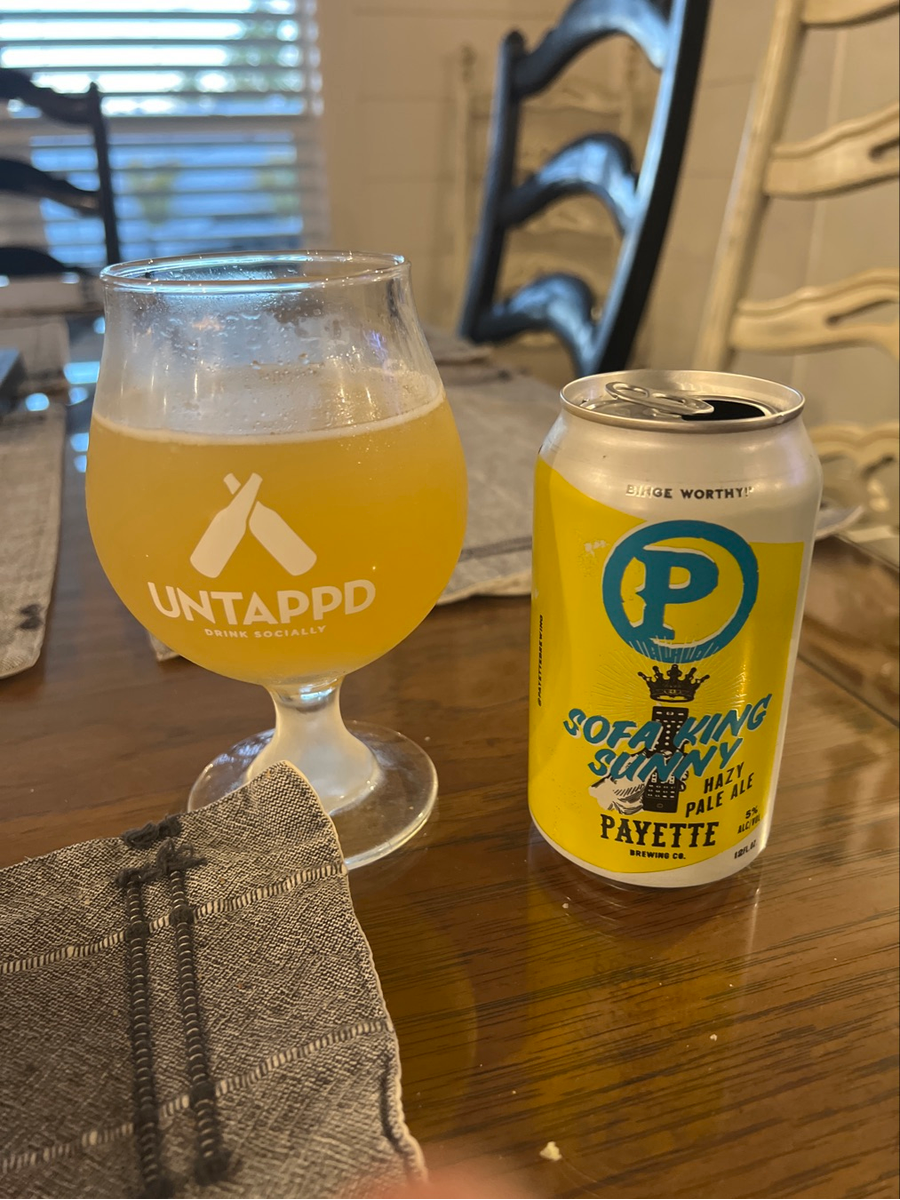
Sunny Hazy Pale Ale
Brewed by Payette Provisions / Payette Brewing
Sunny is the hazy pale ale in Payette’s current year-round lineup.
BAR NOTES
Sunny is the hazy pale ale in Payette’s current year-round lineup. The producer’s detailed Sofa King Sunny page gives 5.0% ABV and lists oats, wheat and several citrus-associated hops. The shortened current name matters when looking for it on a tap list or can shelf.
Set it beside Rustler and focus first on aroma and texture. Haze does not establish fruit additions or automatically make a beer stronger. The hazy beer collection supplies useful comparisons, while this pale ale keeps the exercise at a lower alcohol level than many IPAs.
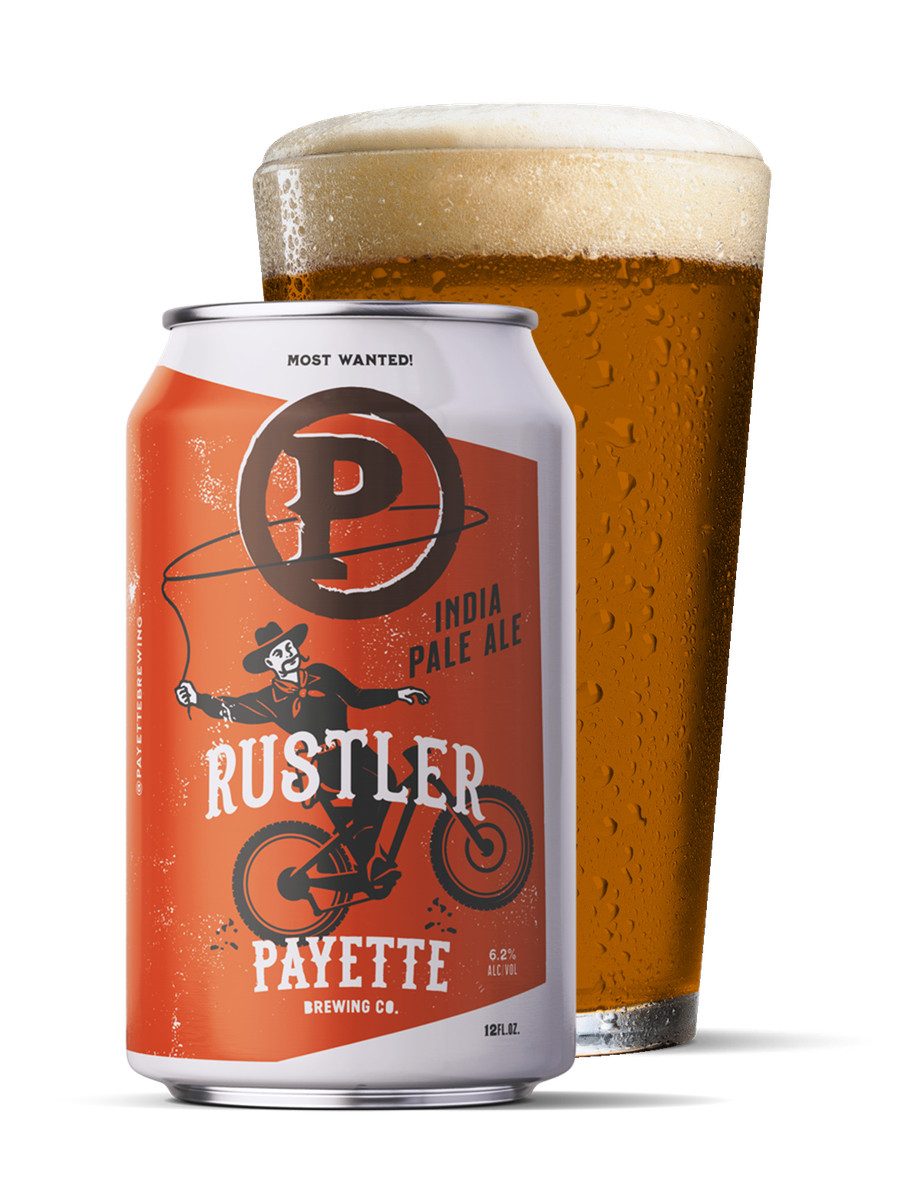
Rustler IPA
Brewed by Payette Provisions / Payette Brewing
Rustler is Payette’s 6.2% IPA, with a copper-colored malt base and pine-associated bitterness.
BAR NOTES
Rustler is Payette’s 6.2% IPA, with a copper-colored malt base and pine-associated bitterness. The producer lists caramel, honey and Munich malts with Cascade, Centennial, Chinook, Magnum and Zappa hops. That structure distinguishes it from the paler, softer-looking Sunny in the same lineup.
A savory burger makes a useful pairing experiment after tasting Rustler by itself. Compare a plain bite with one carrying sharp cheese to see how the malt and bitterness change together. Our West Coast IPA picks extend the exploration of firmer hop balance.
3. Sockeye Brewing
Sockeye keeps a broad year-round range in Boise, with Dagger Falls IPA, Angel’s Perch amber and Powerhouse porter giving three clear directions. The producer currently lists Angel’s Perch at 4.5%, an important update when older articles use a different strength. These selections explain more of the brewery than a row of similar IPAs.
For tasting order, begin with the amber, move to the IPA, and finish with a small porter sample. That sequence differs from the card numbering because the numbers identify the guide’s selections rather than prescribe every flight. Current producer pages list all three in cans and on draft.
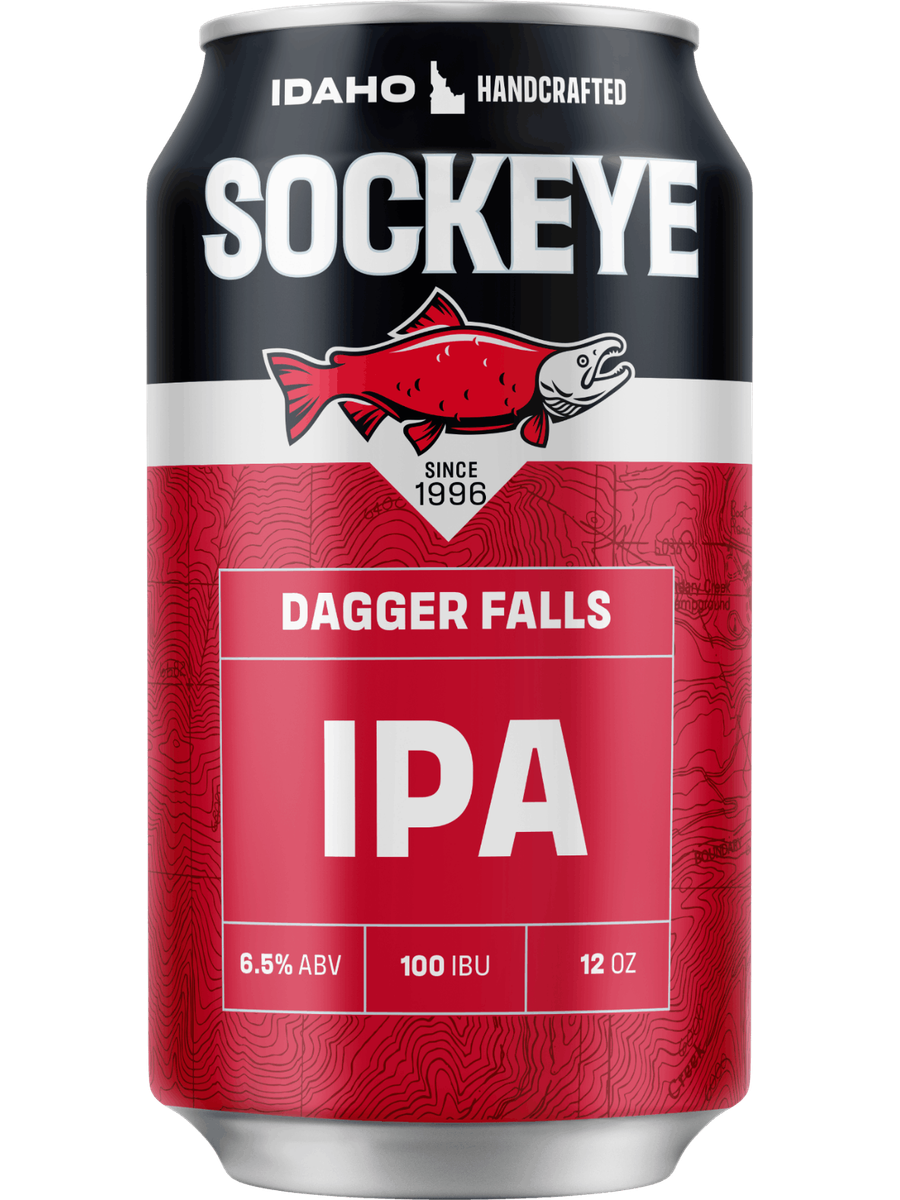
Dagger Falls IPA
Brewed by Sockeye Brewing
Dagger Falls is Sockeye’s year-round 6.5% Northwest-style IPA.
BAR NOTES
Dagger Falls is Sockeye’s year-round 6.5% Northwest-style IPA. Five hop additions and a supporting malt base define the producer’s description; the listed hop blend includes Simcoe, Cascade, Chinook, Bravo and Idaho 7. It remains the flagship reference in a broader lineup of pale and dark beers.
Taste this after Angel’s Perch if you are building a flight by intensity. Compare the finish as carefully as the aroma, especially once food enters the tasting. Our IPA brewing guide explains how timing and malt support affect hop expression.
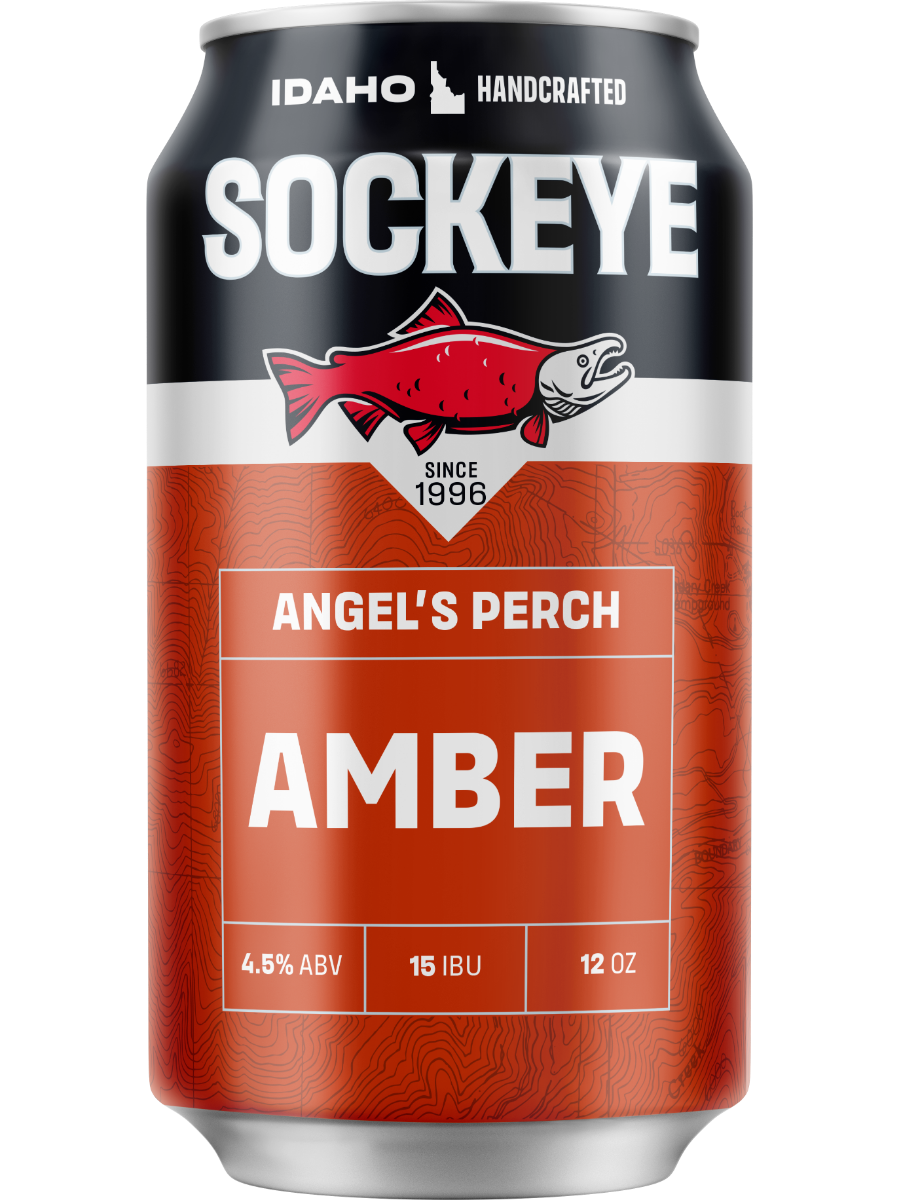
Angel’s Perch
Brewed by Sockeye Brewing
Angel’s Perch is now listed at 4.5% by Sockeye, so older amber-beer figures should not drive the card.
BAR NOTES
Angel’s Perch is now listed at 4.5% by Sockeye, so older amber-beer figures should not drive the card. Its mahogany color comes with toast and caramelized malt associations. Vienna, Munich, brown and chocolate malts give it a different emphasis from the brewery’s flagship IPA.
Try a small serving with roasted mushrooms, then compare it with the same food alongside Dagger Falls. Notice whether malt warmth or hop bitterness leads after each bite. Our American amber brewing guide offers a closer look at this middle ground.
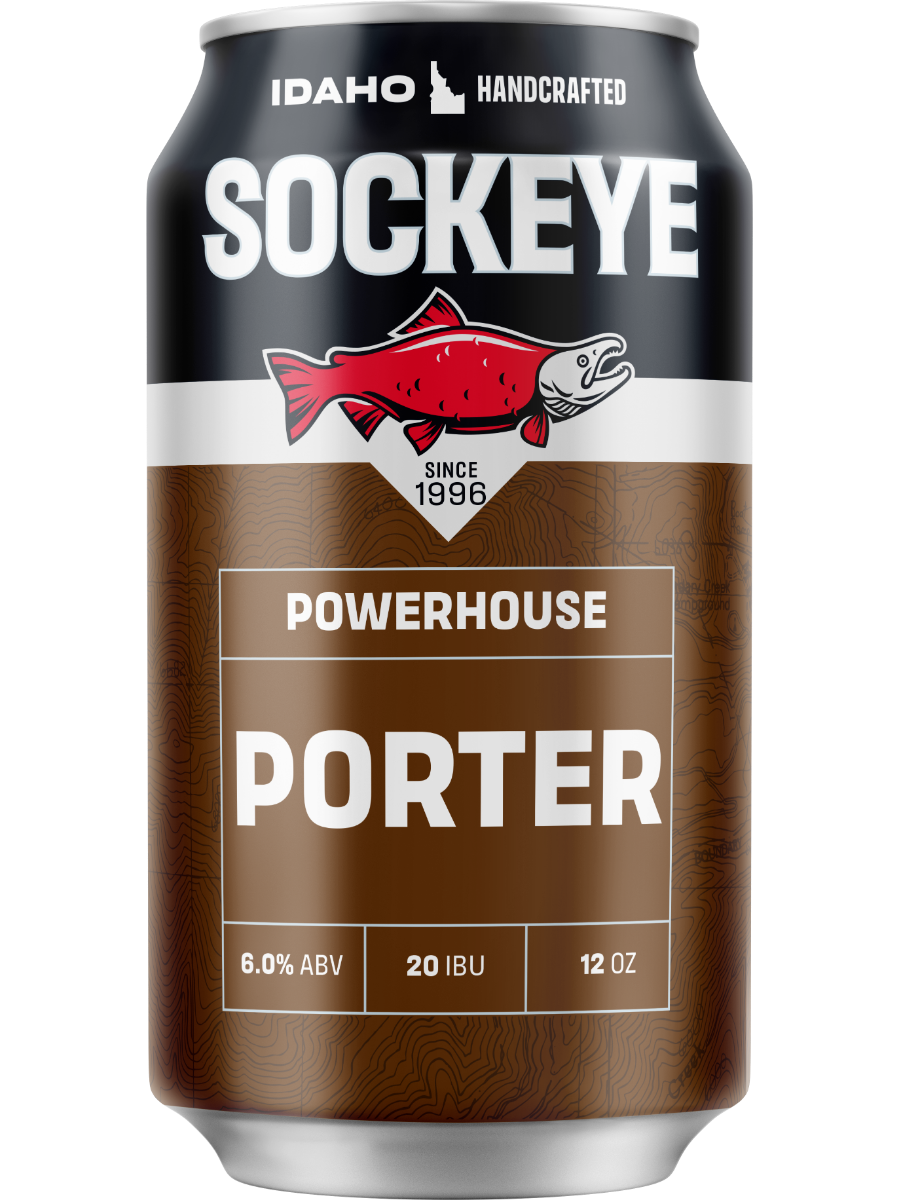
Powerhouse Porter
Brewed by Sockeye Brewing
Powerhouse is Sockeye’s 6.0% brown porter, described as lighter bodied with roast, baking-chocolate and dark-bread associations.
BAR NOTES
Powerhouse is Sockeye’s 6.0% brown porter, described as lighter bodied with roast, baking-chocolate and dark-bread associations. Its listed malt bill includes two chocolate malts, flaked barley and wheat. Those flavor descriptions do not establish added chocolate or coffee in the recipe.
Allow the porter to lose a little refrigerator chill before comparing its aroma with the finish. A toasted nut snack can help reveal the malt’s different associations without overwhelming them. Our porter brewing guide explains the darker grains behind this traditional direction.
4. Boise Brewing
Boise Brewing’s downtown address is 521 West Broad Street. Syringa, Fair Dig and Black Cliffs draw from its producer-listed seasonal range, so confirm what is pouring before making a beer-specific trip. The trio pairs an Idaho pale ale with Irish red malt character and a fuller American stout.
Black Cliffs belongs here as a dark beer with both roast and hop character. Fair Dig gives it a useful malt-focused comparison rather than another stout beside it. Seasonal listing is not a guarantee of scarcity, but it is a reason to check the current board rather than promise these three all year.
Syringa Pale Ale
Brewed by Boise Brewing
Syringa is Boise Brewing’s 5.5% Idaho pale ale, named for the state flower.
BAR NOTES
Syringa is Boise Brewing’s 5.5% Idaho pale ale, named for the state flower. The producer describes a light caramel-malt body and balanced pine-and-citrus aromas. It makes the hop reference in a trio that moves through Irish red malt character into a stronger American stout.
Take a small sip before eating, then compare it with a simply grilled sandwich. This makes a better test of balance than judging the beer only by a bitterness number. Our American pale ale roundup offers other interpretations of the same flexible style.
Fair Dig Irish Red Ale
Brewed by Boise Brewing
Fair Dig is Boise Brewing’s 5.5% Irish red ale, using noble hops and Irish ale yeast.
BAR NOTES
Fair Dig is Boise Brewing’s 5.5% Irish red ale, using noble hops and Irish ale yeast. Its producer describes caramel sweetness balanced by roasted barley’s drier quality. It is a useful comparison with Wallace’s RedLight and MickDuff’s Irish Redhead, which have their own strengths and malt descriptions.
Look beyond the shared red color when comparing these beers. Keep the glass size and serving temperature similar, then follow the malt into a small savory pie or roasted vegetable dish. The Irish red ale guide explains why the finish matters as much as caramel aroma.
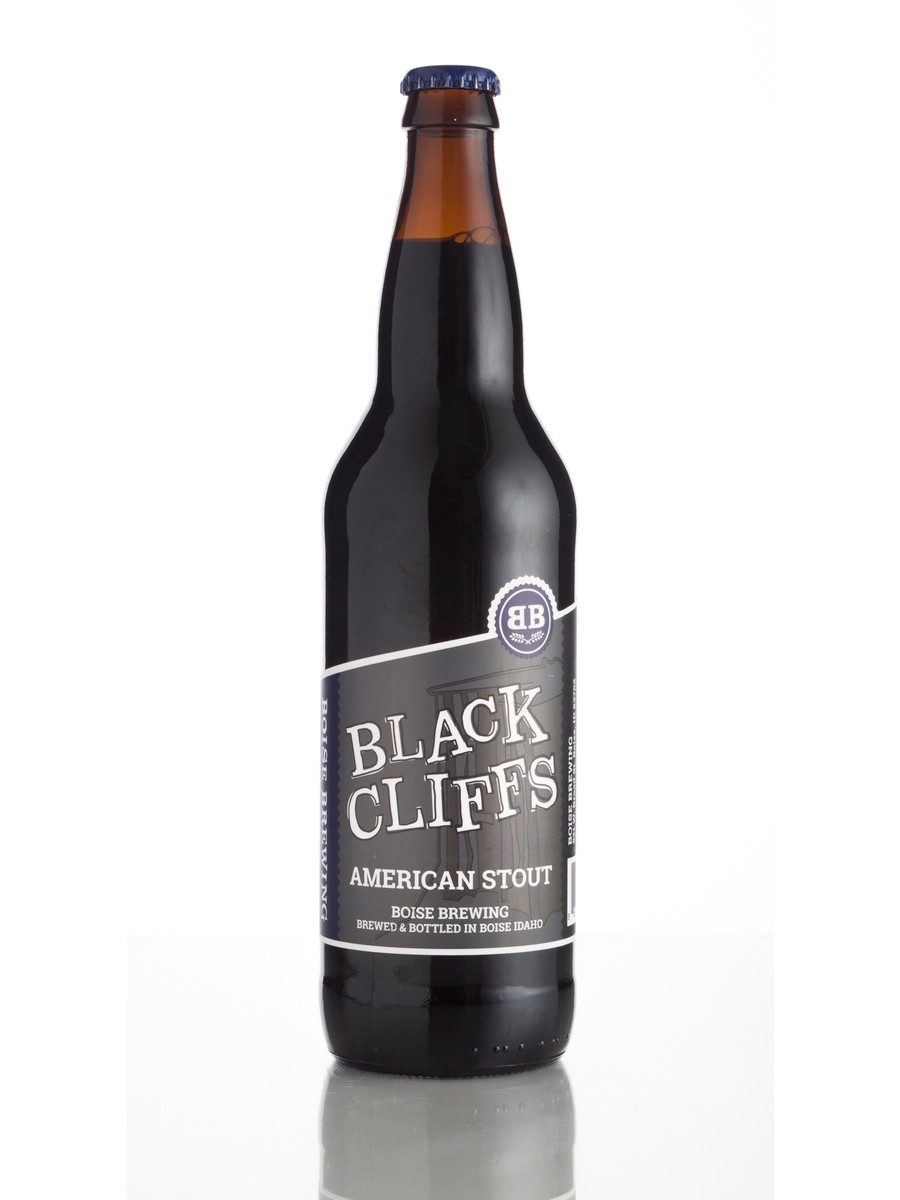
Black Cliffs
Brewed by Boise Brewing
Black Cliffs is Boise Brewing’s 7.0% American stout, combining dark-malt, chocolate and coffee associations with Northwest hop character.
BAR NOTES
Black Cliffs is Boise Brewing’s 7.0% American stout, combining dark-malt, chocolate and coffee associations with Northwest hop character. The coffee description here is flavor language, unlike the explicit coffee addition in Buzz Buzz. This is the strongest selection in the Boise Brewing trio.
Keep the pour modest and compare the roast with the hop finish as it warms. A piece of unsweetened dark chocolate makes an interesting second taste after the beer alone. Our American stout brewing guide gives the roasty, hoppy combination further context.
5. Mother Earth Brew Co.
Mother Earth has Idaho operations in Nampa and Boise as well as its California roots. Including it here recognizes an active Idaho brewing presence without presenting the brand as Idaho-only. Its year-round beers offer a particularly useful ingredient comparison: vanilla cream ale, hop-led IPA and a lactose-containing latte stout.
Choose the original Cali Creamin’ when following this guide; the cream-soda-like vanilla ale is distinct from its orange and peach variants. Boo Koo changes the focus to hops, while Milk Truck uses oats, vanilla and lactose. Confirm which Idaho location suits your route and what each is serving.
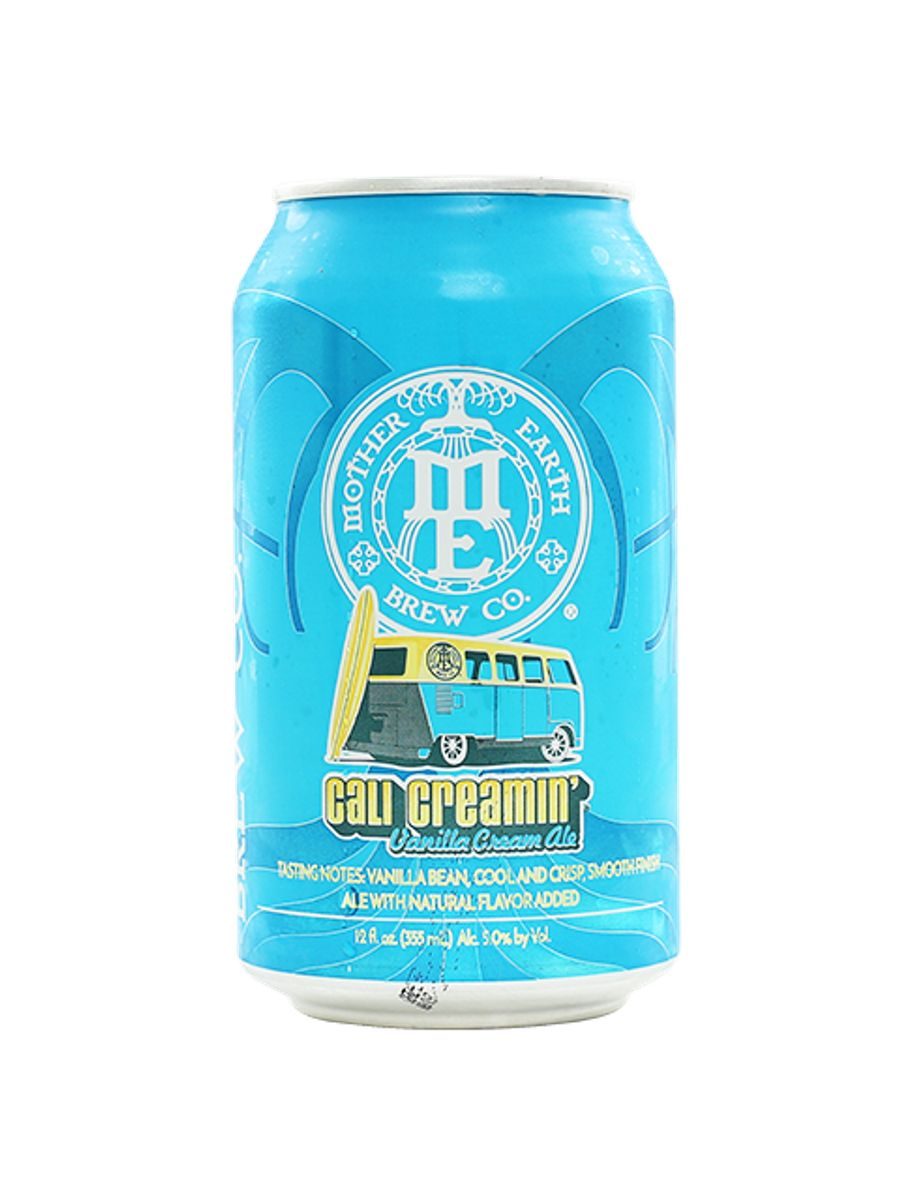
Cali Creamin’
Brewed by Mother Earth Brew Co.
Cali Creamin’ is Mother Earth’s 5.0% vanilla cream ale.
BAR NOTES
Cali Creamin’ is Mother Earth’s 5.0% vanilla cream ale. Madagascar vanilla gives it a cream-soda association, while the producer describes a dry finish and identifies the original beer as vegan. Do not confuse this version with the orange Creamsicle variant, which lists lactose.
Taste the regular carbonated version before comparing any nitro serving; dispensing changes texture even when the underlying beer is related. Start without dessert to judge the vanilla impression clearly. Our cream ale brewing guide explains the light ale framework underneath the added flavor.
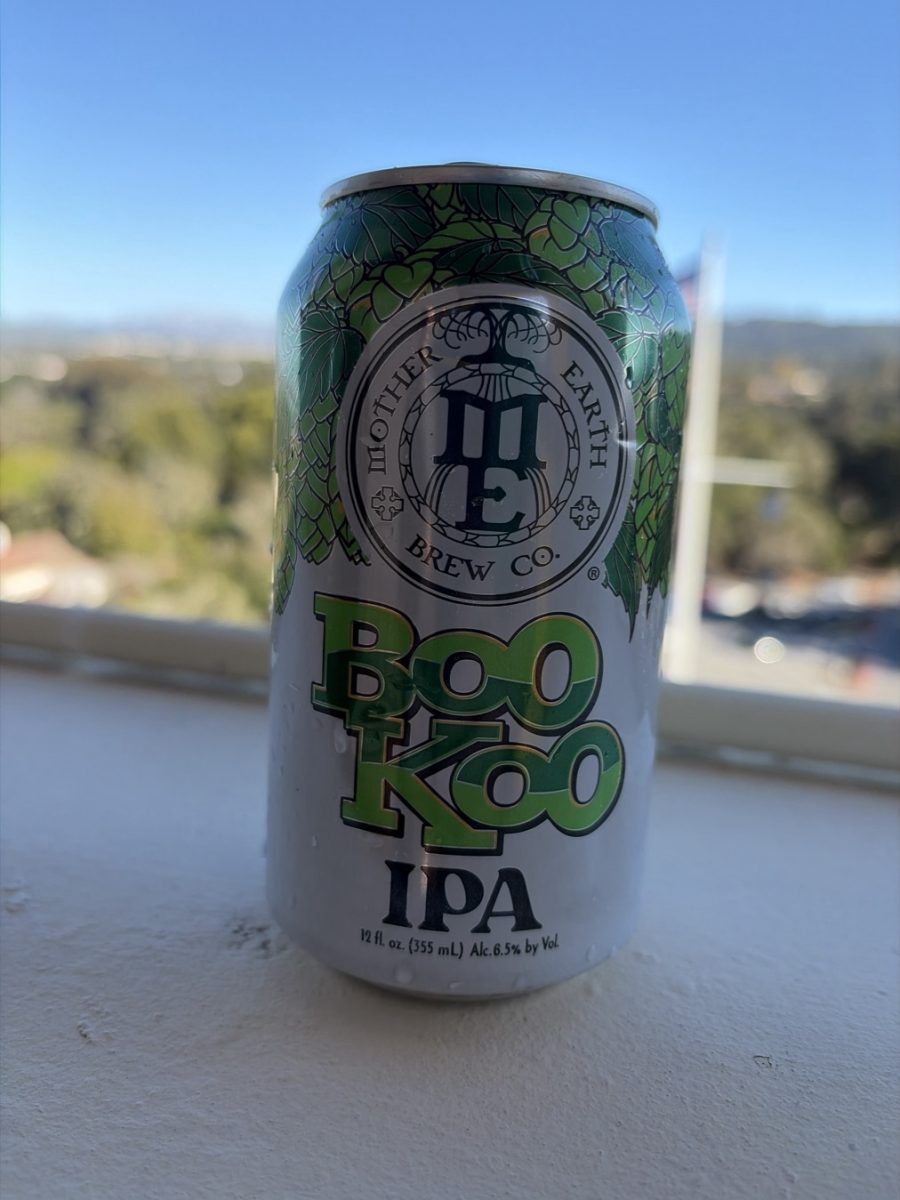
Boo Koo IPA
Brewed by Mother Earth Brew Co.
Boo Koo is the 6.5% IPA in Mother Earth’s year-round lineup.
BAR NOTES
Boo Koo is the 6.5% IPA in Mother Earth’s year-round lineup. The producer describes fruit and pine associations with a dry finish and hop emphasis. Those are hop-flavor descriptors rather than an ingredient list promising fruit additions, and the pale color does not establish low alcohol.
Use the packaging date to guide your selection when buying cans. A fresh small pour gives a fairer comparison with Cali Creamin’ than a warm-stored older can. Our American IPA selection provides more hop-led beers to investigate after this one.

Milk Truck
Brewed by Mother Earth Brew Co.
Milk Truck is Mother Earth’s 5.8% latte stout, built with vanilla, lactose and oats alongside selected roasted malts.
BAR NOTES
Milk Truck is Mother Earth’s 5.8% latte stout, built with vanilla, lactose and oats alongside selected roasted malts. The producer describes a full body and coffee aroma. It differs from Cali Creamin’ in both malt color and recipe, including the explicit lactose ingredient.
Compare the beer alone before putting it beside dessert; sweetness from food can make a stout seem drier or more bitter. Let a small serving warm gently to follow the aroma. Our sweet stout guide explains lactose’s role in beers of this family.
6. Lost Grove Brewing
Lost Grove offers Boise taproom options at La Pointe and Hyde Park. Its current producer menus list Teddy Bear Picnic, First Sight and Ghost Town, giving a pale golden ale, IPA and coffee hazelnut porter in one brewery selection. The exact menu is especially useful because the Robot and Disappointed series rotate.
These three recurring names provide a stable starting point amid that changing range. Ghost Town’s hazelnut extract is explicitly identified by the producer, so keep that ingredient in mind when ordering. The two locations are separate stops with their own current boards; do not assume every special release reaches both.
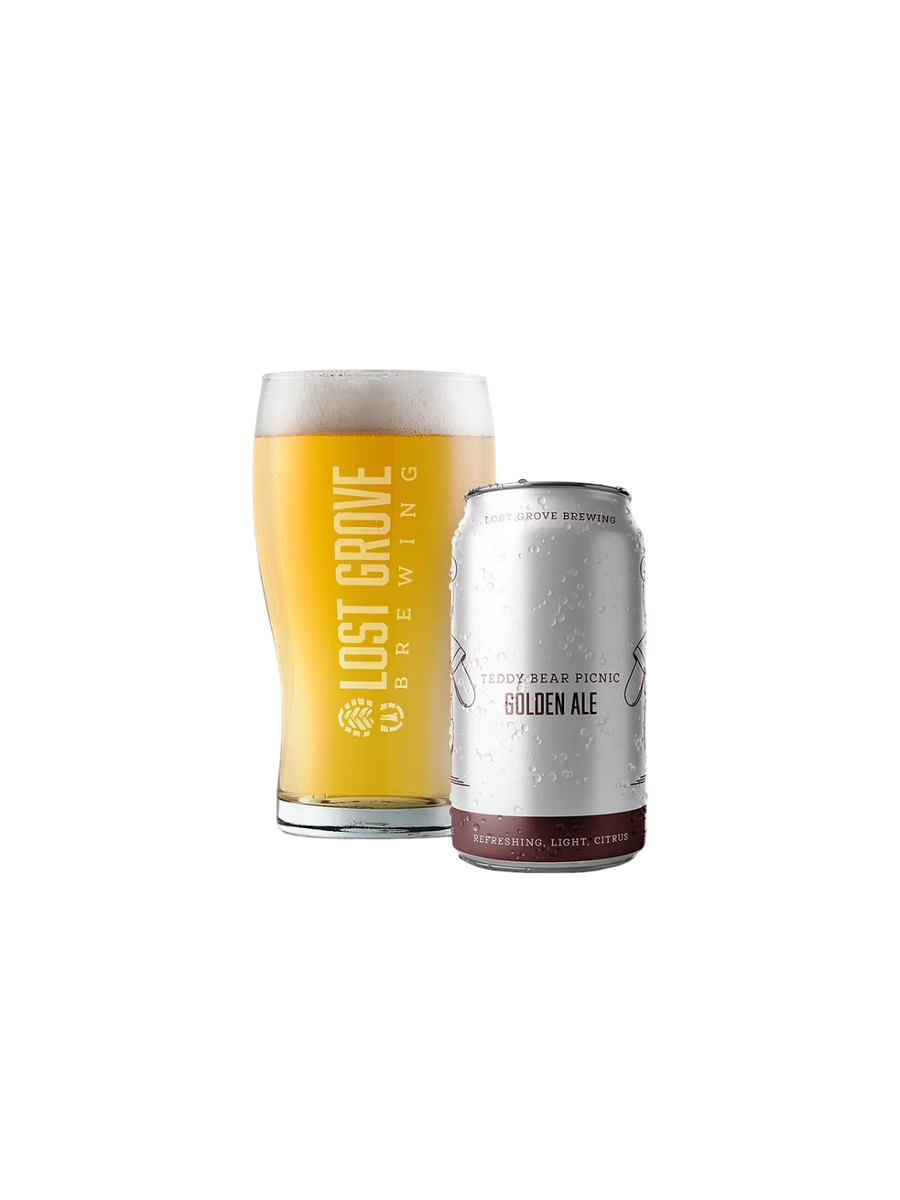
Teddy Bear Picnic
Brewed by Lost Grove Brewing
Teddy Bear Picnic is Lost Grove’s 5.0% golden session ale on both producer taproom menus.
BAR NOTES
Teddy Bear Picnic is Lost Grove’s 5.0% golden session ale on both producer taproom menus. Tangerine and grapefruit associations give it a brighter hop direction within an easy pale-beer frame. Those descriptions should not be read as proof that the recipe contains either fruit.
Begin the Lost Grove comparison with this beer before First Sight and Ghost Town. A small serving with a lightly dressed salad lets you inspect the balance without a heavy sauce. Our golden and blonde ale picks broaden the comparison beyond the brewery.
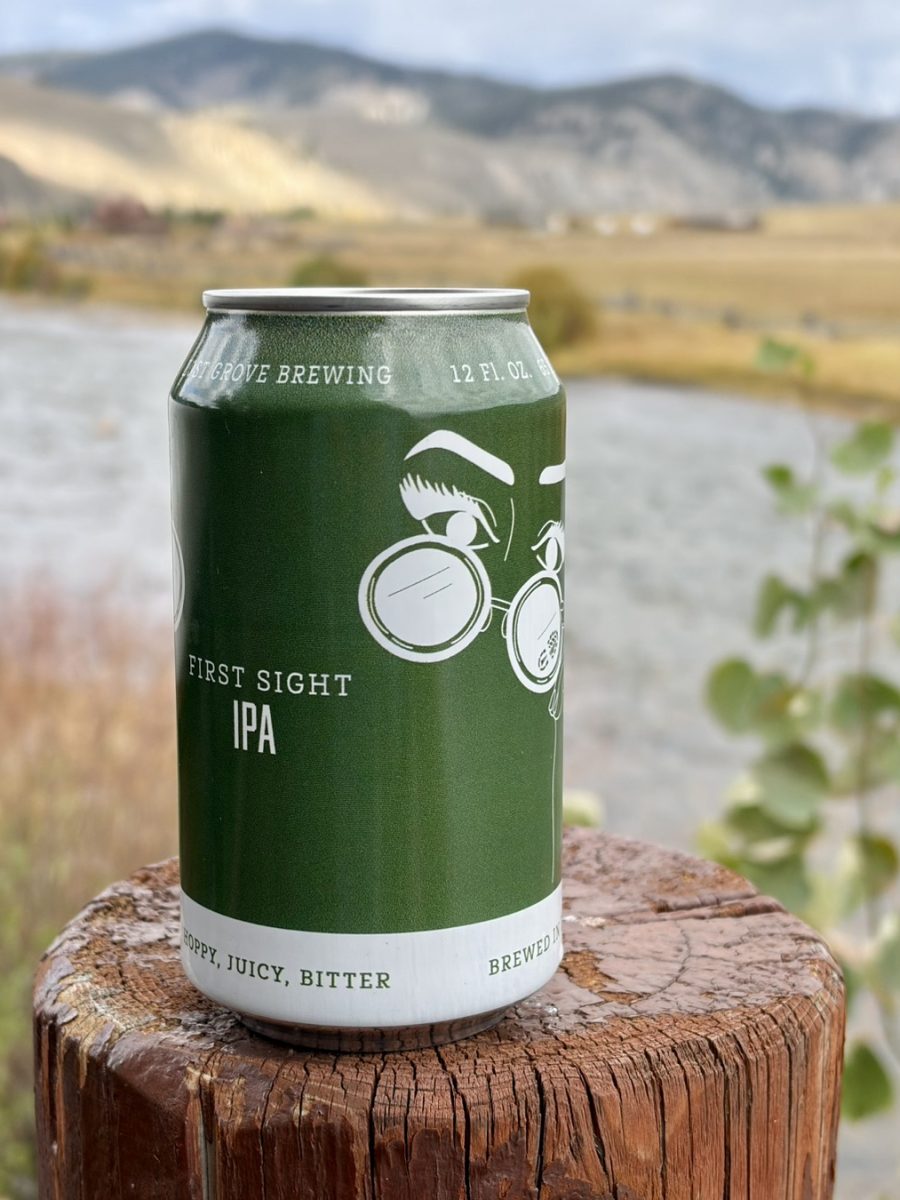
First Sight IPA
Brewed by Lost Grove Brewing
First Sight is Lost Grove’s 6.5% IPA, described as using four hop varieties for juicy character and balanced bitterness.
BAR NOTES
First Sight is Lost Grove’s 6.5% IPA, described as using four hop varieties for juicy character and balanced bitterness. The producer menus distinguish it from the stronger Crumblin’ and the rotating Robot hazy series. It is a recurring named reference rather than a catch-all for every Lost Grove IPA.
Compare First Sight with Teddy Bear Picnic while both are fresh. Smell them before tasting, then notice whether the greater strength changes the body as much as the hop impression. Our IPA style comparison helps keep those different dimensions of the tasting separate.
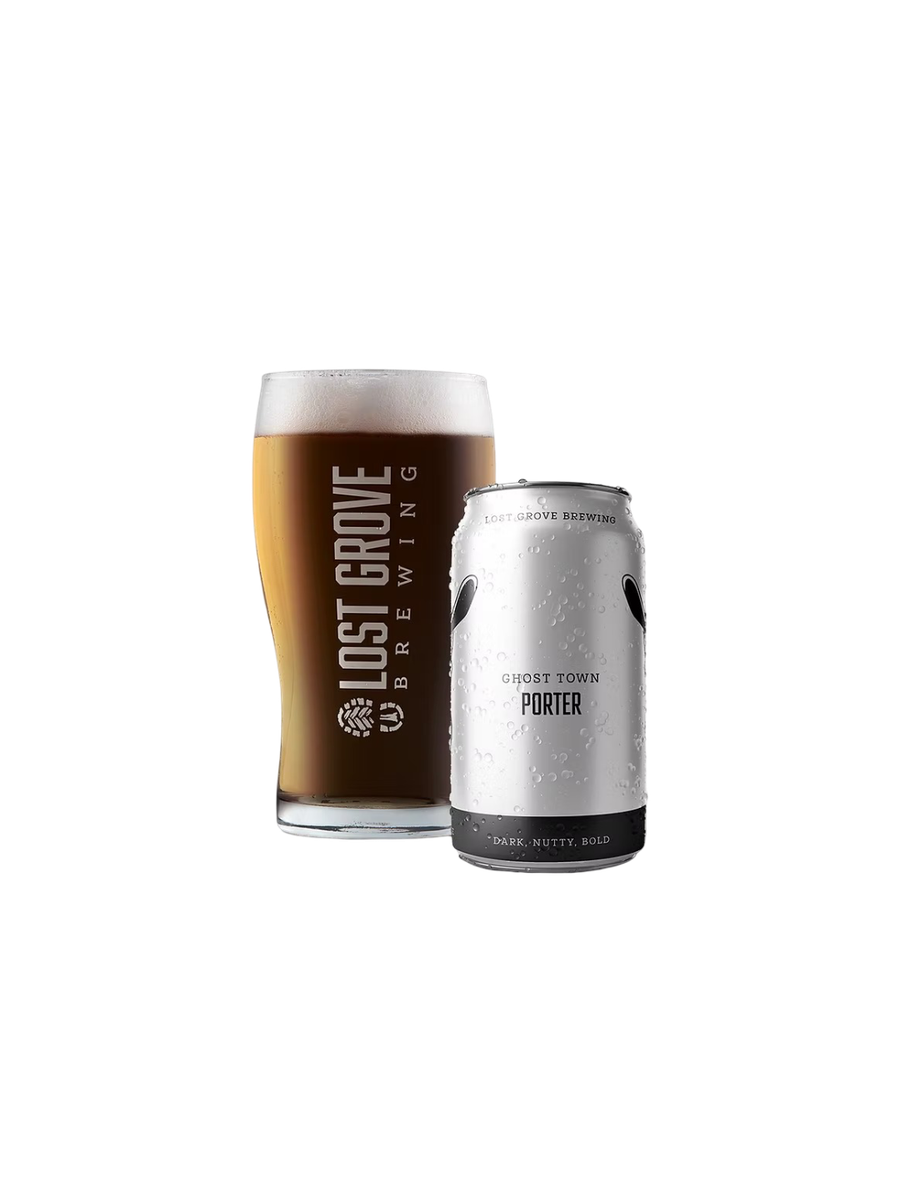
Ghost Town Porter
Brewed by Lost Grove Brewing
Ghost Town is Lost Grove’s 6.4% coffee hazelnut porter.
BAR NOTES
Ghost Town is Lost Grove’s 6.4% coffee hazelnut porter. Dawson Taylor coffee and hazelnut extract give it an ingredient-led identity beyond the roast associations common to dark beer. The producer explicitly identifies the extract, a useful detail when choosing between this porter and a simpler malt-focused beer.
Try Ghost Town alongside Buzz Buzz in separate small glasses if both are available locally. The comparison asks how hazelnut changes the coffee impression, not which dark beer looks blackest. Our coffee beer roundup explores more ways that brewers handle this ingredient.
7. Barbarian Brewing
Barbarian brings Garden City and downtown Boise into the route with a deliberately changing beer range. Tropic Like It’s Hot and Pickleback Sour were announced as September 2026 releases, while Old Man Dirk is a specific 2026 barrel-aged vintage. Their limited availability is part of the selection, not a promise of permanent taps.
This trio shows hazy hops, an experimental savory sour and strong barrel-aged malt. Ask what remains from each release before planning your order. Old Man Dirk is 12%, so compare a small sample at the end rather than matching the serving size of the other two beers.
Tropic Like It’s Hot
Brewed by Barbarian Brewing
Tropic Like It’s Hot is Barbarian’s September 2026 hazy IPA release at 6.5%.
BAR NOTES
Tropic Like It’s Hot is Barbarian’s September 2026 hazy IPA release at 6.5%. Its announced hop blend includes El Dorado, Motueka, Anchovy and Peacharine, plus Tropical Fusion extract. This is a rotating selection; its inclusion introduces Barbarian’s changing releases without promising year-round stock.
Ask for the current batch when ordering and treat freshness as part of the comparison. Try a small pour before the pickle sour, since an assertive flavored sour can shift your palate. Our hazy IPA guide provides a broader reference for the softer hop direction.
Pickleback Sour
Brewed by Barbarian Brewing
Pickleback Sour returned in September 2026 as a 6.5% kettle sour with pickle juice and pickling spices.
BAR NOTES
Pickleback Sour returned in September 2026 as a 6.5% kettle sour with pickle juice and pickling spices. Here the savory ingredient is explicit, rather than a playful name attached to an ordinary pale ale. It shows the experimental side of Barbarian alongside its IPA and barrel-aged Scottish ale.
Order a sample first and see whether the acidity and pickle character suit your taste. Compare a sip alone with a plain potato snack before adding condiments. The gose brewing guide offers context for savory sour-beer ideas, although Barbarian calls this beer a kettle sour.
Old Man Dirk (2026)
Brewed by Barbarian Brewing
Old Man Dirk’s 2026 vintage is the bourbon barrel-aged version of Barbarian’s Scottish ale, announced at 12.0%.
BAR NOTES
Old Man Dirk’s 2026 vintage is the bourbon barrel-aged version of Barbarian’s Scottish ale, announced at 12.0%. The name honors the founders’ first dog. This specific vintage matters: a barrel-aged release should not inherit an alcohol figure or availability promise from an older bottle.
Make this the final, smallest pour of the Barbarian comparison. Allow the aroma to open before tasting it with a roasted dish, and check current bottle stock if this release motivates your visit. Our strong Scottish ale guide explains the malty starting point before barrel aging.
8. Salmon River Brewery
Salmon River Brewery adds McCall and the old train depot area near Payette Lake to this guide. Its beer selection page lists Udaho Gold, Shiver and Buzz Buzz alongside a much wider range. The producer explicitly cautions that not every beer is available all the time.
The golden ale, firmer IPA and coffee porter give a compact introduction to that range. McCall is a separate mountain-town visit from the Treasure Valley breweries, so plan transport and check the current menu before traveling for a particular beer. Fruit-infused Gold variants are separate comparisons from the base beer used here.
Udaho Gold
Brewed by Salmon River Brewery
Udaho Gold is Salmon River’s 4.7% golden ale.
BAR NOTES
Udaho Gold is Salmon River’s 4.7% golden ale. The producer lists a light body and a clean, refreshing direction, with fruit-infused variations identified separately. The unflavored base is the useful reference here, allowing Shiver’s hop intensity and Buzz Buzz’s coffee roast to stand apart.
Start with the base beer before trying any huckleberry or citrus variation. That keeps the ingredient comparison clear and lets you judge what the infusion changes. Our blonde and golden ale guide provides more light ales for a similarly simple opening flight.
Shiver IPA
Brewed by Salmon River Brewery
Shiver is Salmon River’s 6.7% American IPA, described as deeply golden with a dry finish and assertive hops.
BAR NOTES
Shiver is Salmon River’s 6.7% American IPA, described as deeply golden with a dry finish and assertive hops. The producer lists over 100 IBU, but that number alone cannot predict a drinker’s entire bitterness impression. Supporting malt still matters when comparing it with the lighter Udaho Gold.
Use a small sample and compare the first sip with the finish after a savory bite. A fresh pour gives the hops their fairest showing. Our West Coast IPA collection explores other beers with a firmer bitterness profile and a relatively dry finish.
Buzz Buzz Coffee Porter
Brewed by Salmon River Brewery
Buzz Buzz is Salmon River’s 6.2% coffee brown porter, combining roasted malt with an explicit dark-coffee aroma and flavor.
BAR NOTES
Buzz Buzz is Salmon River’s 6.2% coffee brown porter, combining roasted malt with an explicit dark-coffee aroma and flavor. It gives the McCall selection an ingredient-led dark finish. Compare it with Ghost Town when you want to explore coffee porter without assuming all versions include hazelnut.
Let the porter open slightly in the glass, then taste it alongside a plain chocolate cake or toasted snack. Compare the coffee aroma before and after a bite. Our coffee beer collection gives you further examples of roast and added coffee working together.
9. MickDuff’s Brewing Company
MickDuff’s keeps the northern part of the guide in Sandpoint, with the brewpub at 419 North Second Avenue and the Beer Hall at 220 Cedar Street. Its September 29, 2026 menu gives the current core specifications used here. Blonde Ale, Irish Redhead and Knot Tree make a malt-focused introduction.
The current menu lists growlers and aluminum crowlers for takeaway; that does not mean every core beer has a permanent retail can design. Knot Tree is 5.9% in this menu, so older directory numbers need updating. Check the specific venue’s current service and beer list before your visit.
Blonde Ale
Brewed by MickDuff’s Brewing Company
MickDuff’s September 2026 menu lists Blonde Ale at 4.9% and identifies it as the lightest ale in its regular lineup.
BAR NOTES
MickDuff’s September 2026 menu lists Blonde Ale at 4.9% and identifies it as the lightest ale in its regular lineup. Its mild body and low bitterness make an accessible opening before Irish Redhead and Knot Tree. Older Tipsy Toehead references belong to the beer’s naming history.
Use the current menu name when ordering at the Sandpoint brewpub or Beer Hall. Taste it before adding a strongly flavored dish so the gentle malt can show. The blonde ale brewing guide explains the straightforward balance that makes this style useful in a flight.
Irish Redhead
Brewed by MickDuff’s Brewing Company
Irish Redhead is MickDuff’s 5.4% Irish red ale in the September 2026 core menu.
BAR NOTES
Irish Redhead is MickDuff’s 5.4% Irish red ale in the September 2026 core menu. The brewery emphasizes biscuity malt and a balanced strength, and notes its place in the core lineup since 2011. It brings a distinct malt comparison without moving into imperial-beer alcohol levels.
Set it beside Fair Dig or RedLight if you can obtain fresh examples. Similar color does not make their sweetness, finish or malt impression interchangeable. Our Irish red brewing guide provides a useful checklist for tasting beyond the shared style name.
Knot Tree Porter
Brewed by MickDuff’s Brewing Company
Knot Tree is listed at 5.9% in MickDuff’s September 2026 menu, overriding older figures in general beer directories.
BAR NOTES
Knot Tree is listed at 5.9% in MickDuff’s September 2026 menu, overriding older figures in general beer directories. Two chocolate malts create the dark color and espresso-and-chocolate associations. The producer describes medium bitterness and a slightly sweet finish, giving the trio a robust porter conclusion.
The espresso description does not automatically mean coffee was added; compare this with the explicitly coffee-led Buzz Buzz to test that distinction. Try small servings at similar temperatures. Our porter brewing guide explains how dark malt can create coffee-like impressions on its own.
10. Wallace Brewing Company
Wallace Brewing’s Orehouse Tasting Room supplies the Wallace stop at 610 Bank Street. Its producer beer page lists 1910 Black Lager, RedLight and Vindicator, connecting a schwarzbier, Irish red and American IPA to the brewery’s mining-town identity. This selection also adds a useful dark lager comparison to the statewide guide.
Dark color does not make 1910 a porter or stout: it is the lager reference at 4.9%. RedLight moves toward caramel malt, and Vindicator supplies the strongest hops of the three. Wallace and Sandpoint belong to different northern travel stops rather than one compact brewery neighborhood.
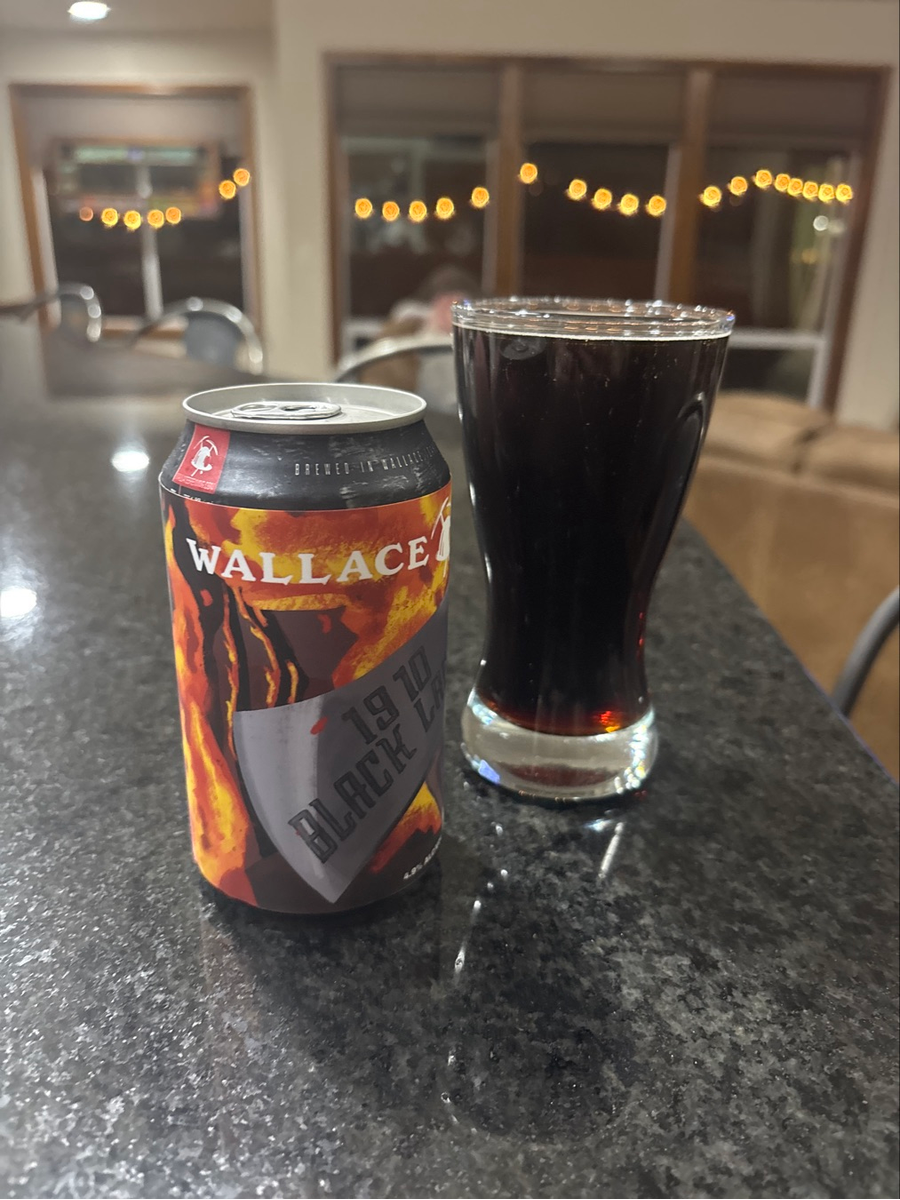
1910 Black Lager
Brewed by Wallace Brewing Company
1910 is Wallace’s 4.9% schwarzbier, bringing a dark lager to a guide with several porters and stouts.
BAR NOTES
1910 is Wallace’s 4.9% schwarzbier, bringing a dark lager to a guide with several porters and stouts. The brewery cold-steeps dark malts and uses Idaho-grown pilsner malt as the base. Coffee and chocolate associations sit within a lighter lager approach rather than proving stout-like strength.
Compare 1910 with a small serving of Powerhouse or Knot Tree, paying attention to body and finish as well as roast. Similar darkness can conceal very different fermentation and malt choices. Our schwarzbier brewing guide explores the clean, dark-lager balance behind this selection.
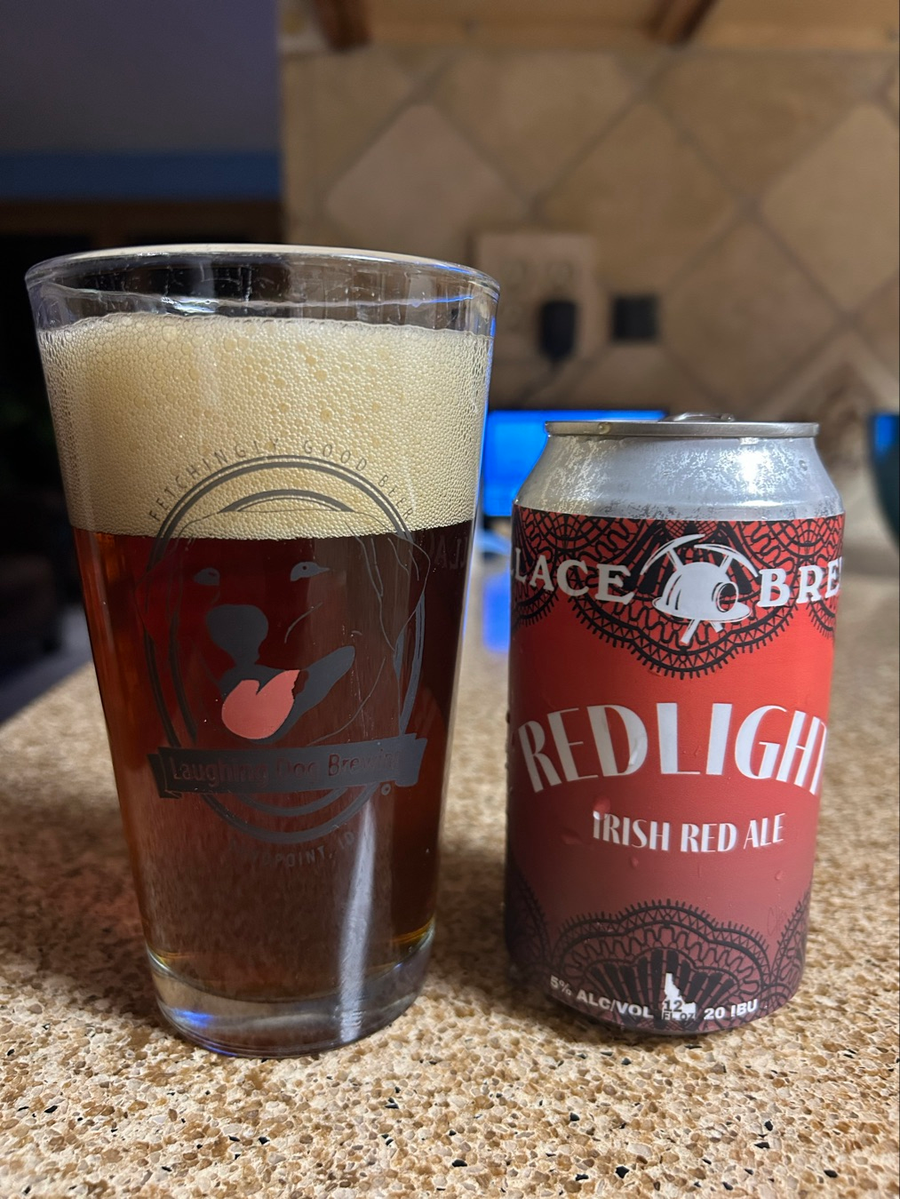
RedLight Irish Red Ale
Brewed by Wallace Brewing Company
RedLight is Wallace’s 5.0% Irish red ale, with caramel, biscuit, nut and toffee associations from its malt structure.
BAR NOTES
RedLight is Wallace’s 5.0% Irish red ale, with caramel, biscuit, nut and toffee associations from its malt structure. The producer identifies chocolate malt as part of the roast character. Cherry and plum in the tasting description are associations, not an announced fruit addition.
Put a small glass alongside a simple roasted vegetable dish, then compare the same bite with Vindicator. The exercise highlights malt depth before the IPA’s stronger hop contribution. Our amber ale collection gives additional caramel-and-toast comparisons across neighboring beer styles.
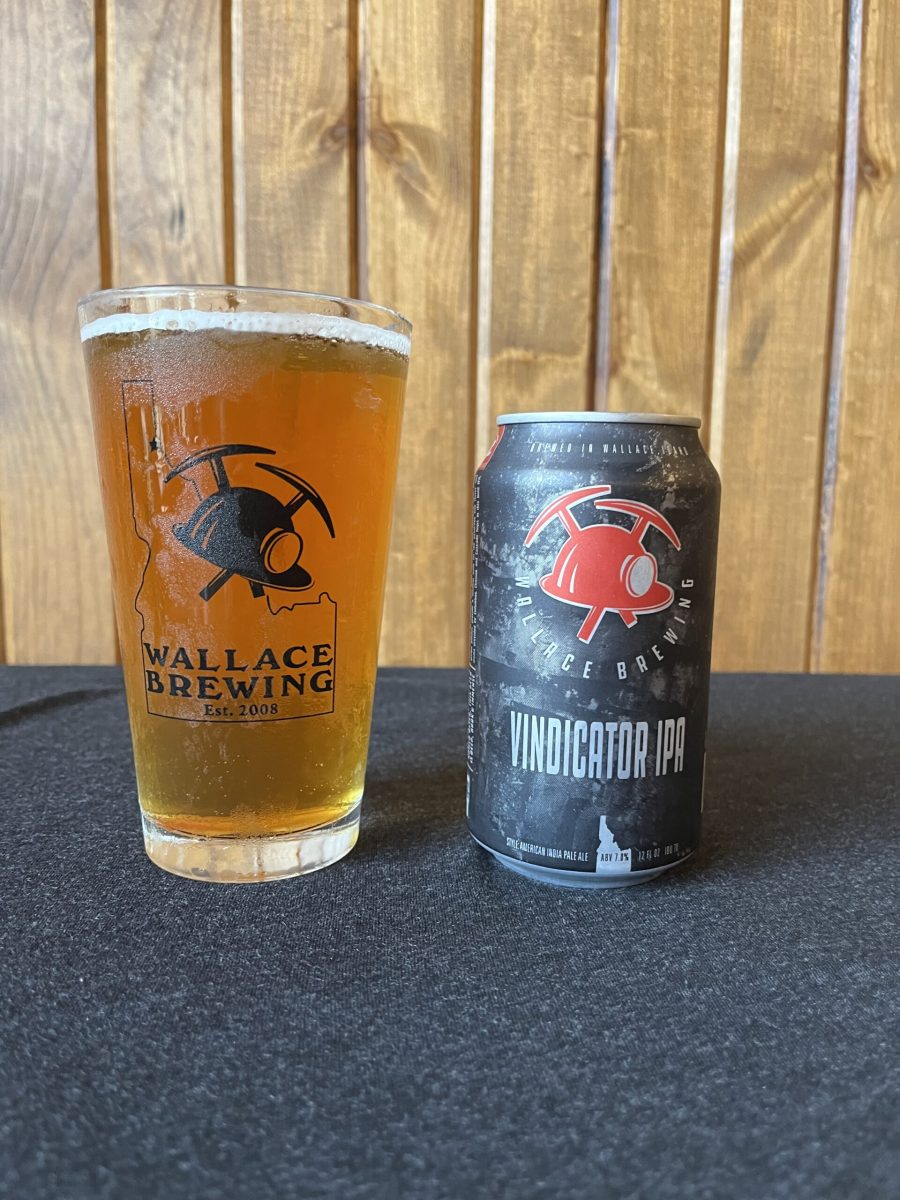
Vindicator IPA
Brewed by Wallace Brewing Company
Vindicator is Wallace’s 7.0% American IPA, with Columbus, Chinook and Cascade hops over caramel and specialty malts.
BAR NOTES
Vindicator is Wallace’s 7.0% American IPA, with Columbus, Chinook and Cascade hops over caramel and specialty malts. Idaho-grown pilsner malt is part of its base. It supplies the assertive hop finish to Wallace’s trio after the gentler dark lager and malt-led Irish red ale.
Choose a fresh can or current draft serving, then compare its aroma with the malt impression before food. A salty snack can change how the bitterness feels on a second taste. Our IPA brewing guide explains how hop timing works with that supporting malt structure.
Plan an Idaho brewery route by region
In the Treasure Valley, group the downtown Boise stops before making separate plans for Garden City and Nampa. McCall is a mountain-town trip, Victor belongs to an eastern Idaho itinerary, and the northern breweries in Sandpoint and Wallace deserve their own travel plan. Arrange transportation before tasting and use small flights to compare styles.
Idaho brewery questions
Are all thirty beers always on tap?
No. Producer listings identify the beers and specifications, while current taproom boards determine availability. Boise Brewing’s selections are seasonal references and Barbarian’s are specific rotating releases. Check the exact location and vintage before making a special trip.
Is Payette still called Payette Brewing?
The current umbrella name is Payette Provisions, covering beer, canned cocktails and the broader operation. Payette Brewing remains familiar in beer listings. The current year-round beer selection includes North Fork, Sunny, Recoil and Rustler.
Are these the only breweries worth visiting in Idaho?
No. These ten selections provide regional coverage and varied beer styles rather than an exhaustive directory. Taprooms open, close and move, so verify the current address of any brewery from an older travel guide. The full US brewery guide helps plan another state’s route.
Can I buy every beer in a regular retail can?
No. Some are widely packaged, while others are rotating releases or taproom beers offered in freshly filled takeaway containers. MickDuff’s current menu lists growlers and crowlers. Ask about the exact beer rather than assuming every selection has a permanent retail package.
Pick your next Idaho pour—or cross a state line
Compare Idaho beers, explore a neighboring brewery route, or turn one of these tasting ideas into a homebrewing project.