50 Best European Beers to Drink in 2026
Europe did not invent fermentation, but it turned beer into a map. Monastery walls, city wells, farmhouse cellars, industrial lager breweries, and modern taprooms all left recognizable fingerprints on what ended up in the glass.
This ranking deliberately crosses borders and styles. It includes foundational classics, everyday national standards, and modern beers that changed their local scenes. Sixteen countries are represented, and no country receives more than five places.
The order weighs influence, distinctiveness, drinking quality, and how clearly each beer explains its home culture. Availability varies widely, so use the list as both a shopping guide and a travel itinerary with better refreshments.
How we chose the best European beers
The list favors beers with a defensible reason to represent their country or style. Historic importance matters, but a famous label does not automatically outrank a better-made regional classic or a modern release that redirected its national scene.
Packaging freshness, draft quality, and regional availability can change the experience dramatically. We used the current product selections and approved imagery from the countries guides, then balanced the final board so one powerhouse nation could not crowd out the rest of Europe.

Westvleteren 12
Brewed by Brouwerij De Sint-Sixtusabdij
caramel, dark fruit, cocoa, soft spice, and a warming finish
BAR NOTES
Westvleteren 12 earns its place because its monastery production, restrained distribution, and profound dark-fruit complexity turned a small Belgian release into a worldwide pilgrimage beer. Brewed in Vleteren, West Flanders, Belgium, it gives the wider European list a distinctly Belgium point of view.
Expect caramel, dark fruit, cocoa, soft spice, and a warming finish. For the best showing, let it warm beyond refrigerator temperature so the fruit, cocoa, and fermentation spice can open fully; put it beside aged Gouda, beef stew, or a quiet chair with nowhere else to be.

Pilsner Urquell
Brewed by Plzeňský Prazdroj
fresh bread, honeyed malt, floral Saaz hops, and firm bitterness
BAR NOTES
Pilsner Urquell earns its place because the 1842 original established the pale pilsner template and still balances rounded malt with unmistakably spicy Saaz hop bitterness. Brewed in Plzeň, Czechia, it gives the wider European list a distinctly Czechia point of view.
Expect fresh bread, honeyed malt, floral Saaz hops, and firm bitterness. For the best showing, seek the freshest package possible or try the unfiltered tank version when traveling in Czechia; put it beside roast chicken, fried cheese, sausages, or anything salty enough to demand another sip.
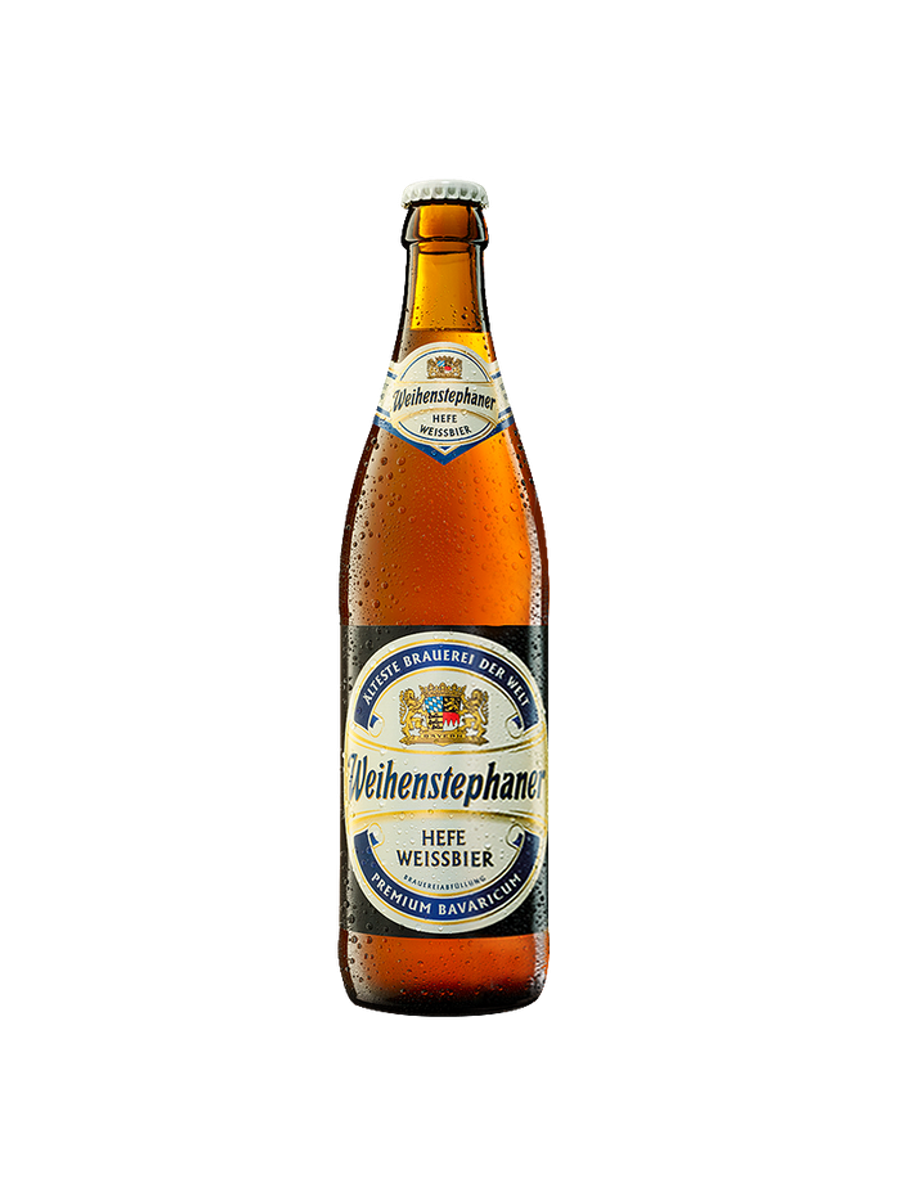
Weihenstephaner Hefeweissbier
Brewed by Bayerische Staatsbrauerei Weihenstephan
banana, clove, soft wheat, lively carbonation, and creamy yeast
BAR NOTES
Weihenstephaner Hefeweissbier earns its place because it delivers the banana, clove, wheat, and high carbonation that define traditional Bavarian hefeweizen with uncommon precision. Brewed in Freising, Bavaria, Germany, it gives the wider European list a distinctly Germany point of view.
Expect banana, clove, soft wheat, lively carbonation, and creamy yeast. For the best showing, roll the bottle gently before pouring if you want the full yeast haze and a rounder texture; put it beside weisswurst, pretzels, brunch dishes, or grilled chicken with lemon.

Grolsch Premium Pilsner
Brewed by Grolsch
cracker, cereal grain, grass, lemon, herbal hops, and brisk carbonation
BAR NOTES
Grolsch Premium Pilsner earns its place as the sturdier Dutch lager in the famous swing-top bottle. Its herbal bitterness and cracker-like malt give the Netherlands more range than one globally dominant green label.
Expect cracker, cereal grain, grass, lemon, herbal hops, and brisk carbonation. Pour it fresh into a tall glass and serve it with fried snacks, grilled sausage, Gouda, or a plate of bitterballen.
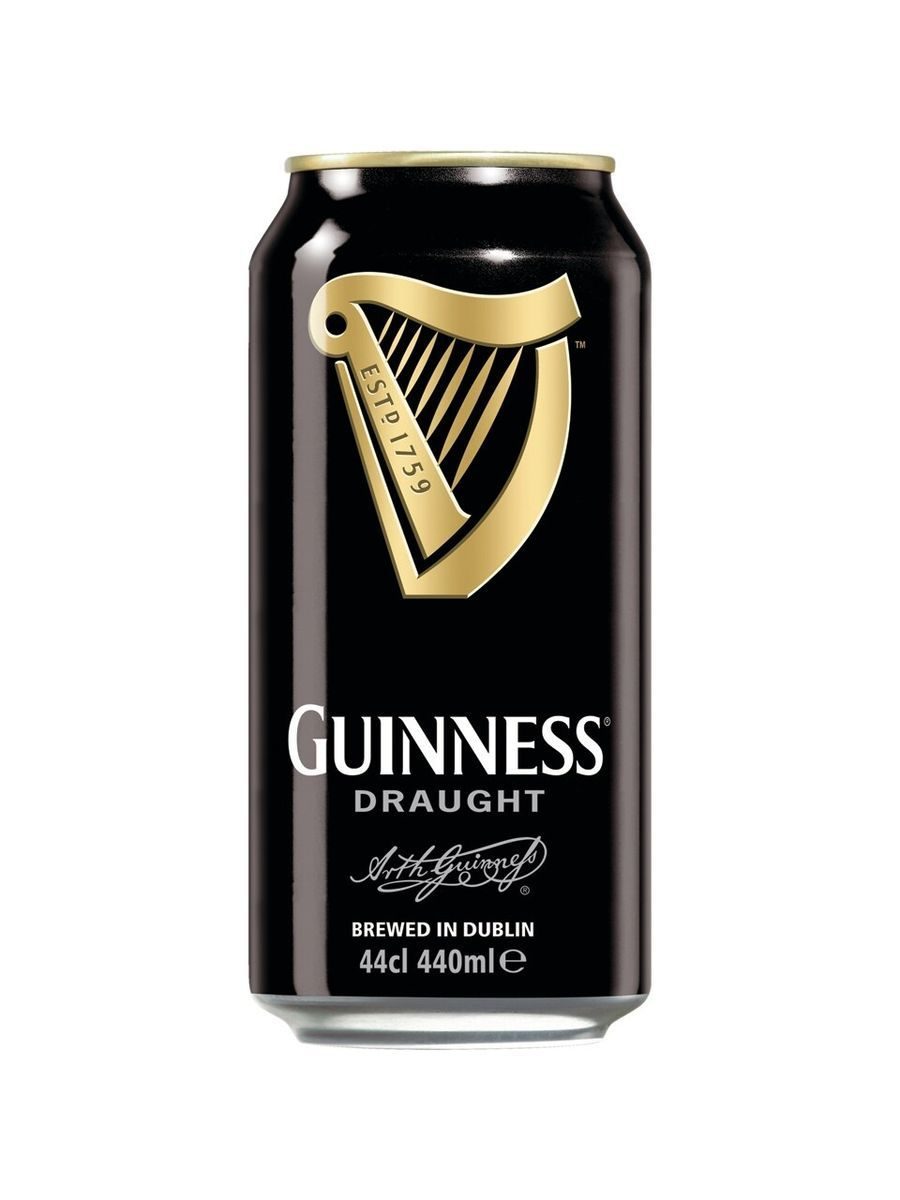
Guinness Draught
Brewed by Guinness
roasted barley, cocoa, gentle bitterness, and a creamy nitro head
BAR NOTES
Guinness Draught earns its place because its nitrogenated pour turned a lean dry stout into one of the most recognizable rituals in pub culture without making the beer heavy. Brewed in Dublin, Ireland, it gives the wider European list a distinctly Ireland point of view.
Expect roasted barley, cocoa, gentle bitterness, and a creamy nitro head. For the best showing, drink it fresh from a well-maintained draft system, where the roast remains crisp beneath the famously dense head; put it beside oysters, beef stew, shepherd’s pie, or sharp Irish cheddar.

Rochefort 10
Brewed by Brasserie de Rochefort
plum, raisin, chocolate, caramel, spice, and warming alcohol
BAR NOTES
Rochefort 10 earns its place because it layers dark fruit, caramelized malt, yeast spice, and formidable strength while remaining composed enough to reward slow drinking. Brewed in Rochefort, Namur, Belgium, it gives the wider European list a distinctly Belgium point of view.
Expect plum, raisin, chocolate, caramel, spice, and warming alcohol. For the best showing, use a chalice and allow the bottle to warm gradually, but leave the final yeast sediment behind if you prefer clarity; put it beside blue cheese, braised beef, fruitcake, or dark chocolate.

Ottakringer Wiener Original
Brewed by Ottakringer Brauerei
toast, biscuit, caramel, nuts, and gentle herbal bitterness
BAR NOTES
Ottakringer Wiener Original brings Vienna lager back to the city that gave the amber style its name. Toasted malt leads, but the finish remains dry enough to preserve real lager drinkability.
Expect toast, biscuit, caramel, nuts, and gentle herbal bitterness. Let it lose the deepest refrigerator chill, then pair it with schnitzel, roast pork, pretzels, or nutty alpine cheese.
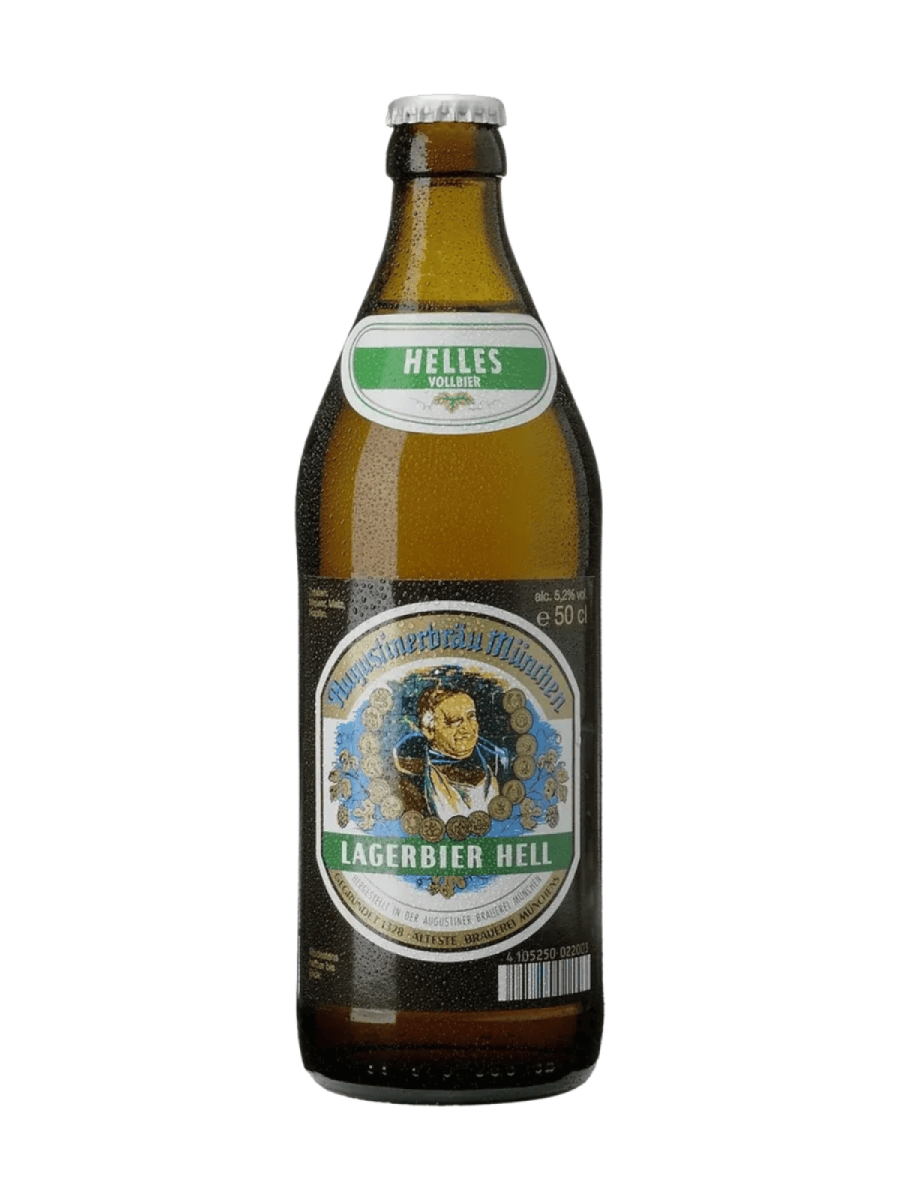
Augustiner Lagerbier Hell
Brewed by Augustiner-Bräu
fresh bread, soft grain, floral hops, and a remarkably clean finish
BAR NOTES
Augustiner Lagerbier Hell earns its place because it captures the quiet difficulty of Munich helles, giving soft bread-like malt center stage without becoming sweet or losing its clean finish. Brewed in Munich, Bavaria, Germany, it gives the wider European list a distinctly Germany point of view.
Expect fresh bread, soft grain, floral hops, and a remarkably clean finish. For the best showing, freshness matters more than intensity here, so check dates and choose a half-liter glass rather than overthinking the occasion; put it beside pretzels, roast chicken, schnitzel, mild sausage, or simply another helles.

Bernard Celebration Lager
Brewed by Bernard Family Brewery
bread dough, flowers, soft yeast, honey, and crisp herbal bitterness
BAR NOTES
Bernard Celebration Lager shows what Czech pale lager gains from unpasteurized, bottle-conditioned presentation. The independent brewery keeps a soft yeast character around the bread-like malt and herbal hop finish.
Expect bread dough, flowers, soft yeast, honey, and crisp herbal bitterness. Pour the swing-top bottle into a mug with a generous foam cap and serve it beside roast pork, sausage, or fried cheese.
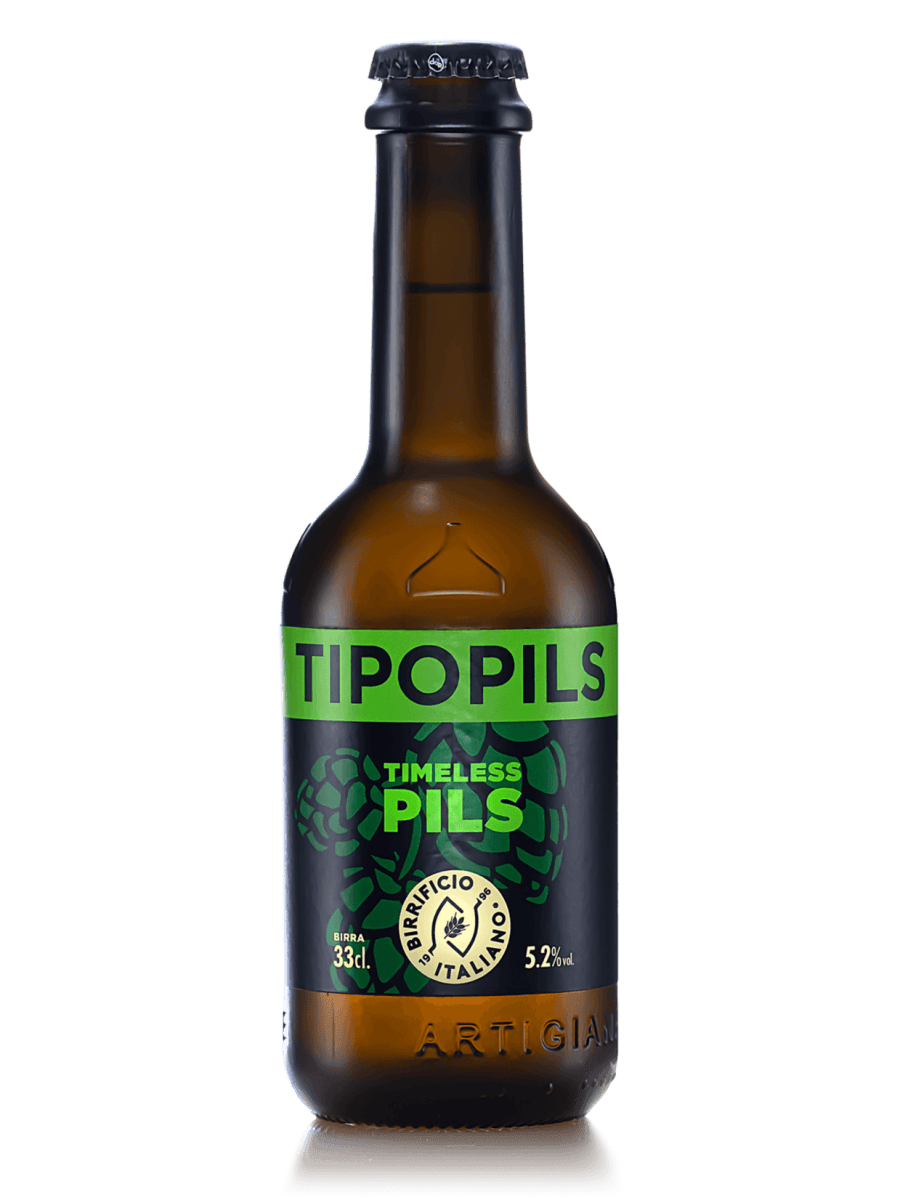
Tipopils
Brewed by Birrificio Italiano
fresh bread, herbal hops, lemon zest, and a firm dry finish
BAR NOTES
Tipopils earns its place because its dry-hopped take on pale lager helped establish Italian pilsner as an influential modern variation rather than a geographic marketing phrase. Brewed in Lurago Marinone, Lombardy, Italy, it gives the wider European list a distinctly Italy point of view.
Expect fresh bread, herbal hops, lemon zest, and a firm dry finish. For the best showing, buy it cold and fresh, since its fine herbal aroma is the first thing time and warm storage will erase; put it beside pizza bianca, fried calamari, prosciutto, or herb-driven pasta.

La Trappe Quadrupel
Brewed by Bierbrouwerij De Koningshoeven
dates, raisins, caramel, banana, vanilla, and warming spice
BAR NOTES
La Trappe Quadrupel earns its place because the Trappist brewery helped turn quadrupel from its own strength designation into a widely understood family of powerful dark abbey ales. Brewed in Berkel-Enschot, Netherlands, it gives the wider European list a distinctly Netherlands point of view.
Expect dates, raisins, caramel, banana, vanilla, and warming spice. For the best showing, a wide glass and moderate warmth expose more dried fruit and spice, while colder service emphasizes carbonation and alcohol; put it beside aged cheese, braised lamb, bread pudding, or toasted nuts.
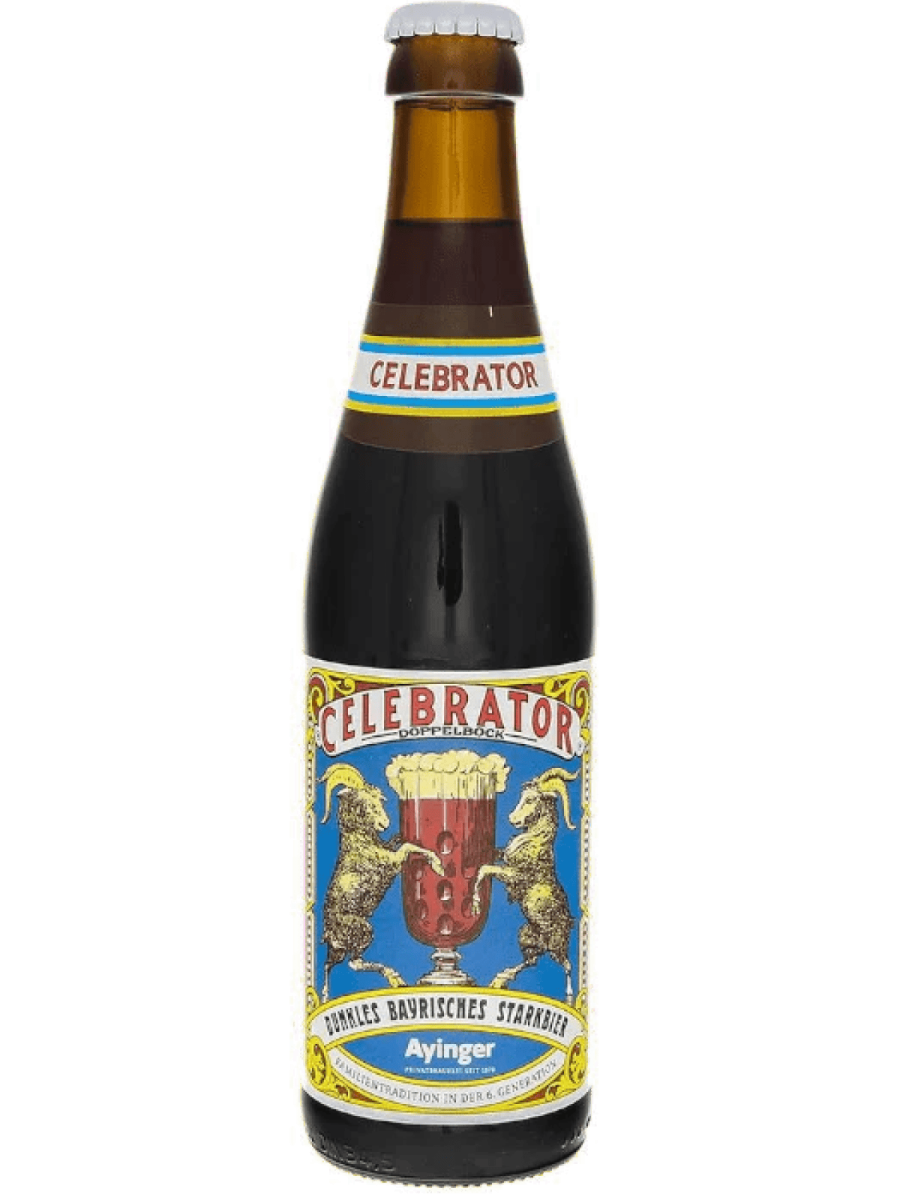
Ayinger Celebrator
Brewed by Ayinger Privatbrauerei
dark bread, caramel, dried fruit, cocoa, and clean lager warmth
BAR NOTES
Ayinger Celebrator earns its place because it shows that doppelbock can deliver immense malt depth, dark bread, and fruit without collapsing into syrup or harsh alcohol. Brewed in Aying, Bavaria, Germany, it gives the wider European list a distinctly Germany point of view.
Expect dark bread, caramel, dried fruit, cocoa, and clean lager warmth. For the best showing, let the beer lose its refrigerator chill and use a smaller glass that concentrates its bread-crust and cocoa aromas; put it beside roast pork, smoked sausage, mushroom dishes, or nutty alpine cheese.

Budweiser Budvar Original
Brewed by Budějovický Budvar
bread crust, honey, soft fruit, herbs, and rounded hop bitterness
BAR NOTES
Budweiser Budvar Original earns its place because extended maturation gives this state-owned brewery’s flagship a rounded malt depth that distinguishes it from thinner international pale lagers. Brewed in České Budějovice, Czechia, it gives the wider European list a distinctly Czechia point of view.
Expect bread crust, honey, soft fruit, herbs, and rounded hop bitterness. For the best showing, pour it into a dimpled mug or pilsner glass and give the foam room to soften the beer’s firm herbal edge; put it beside roast pork, potato pancakes, grilled sausage, or sharp mustard.
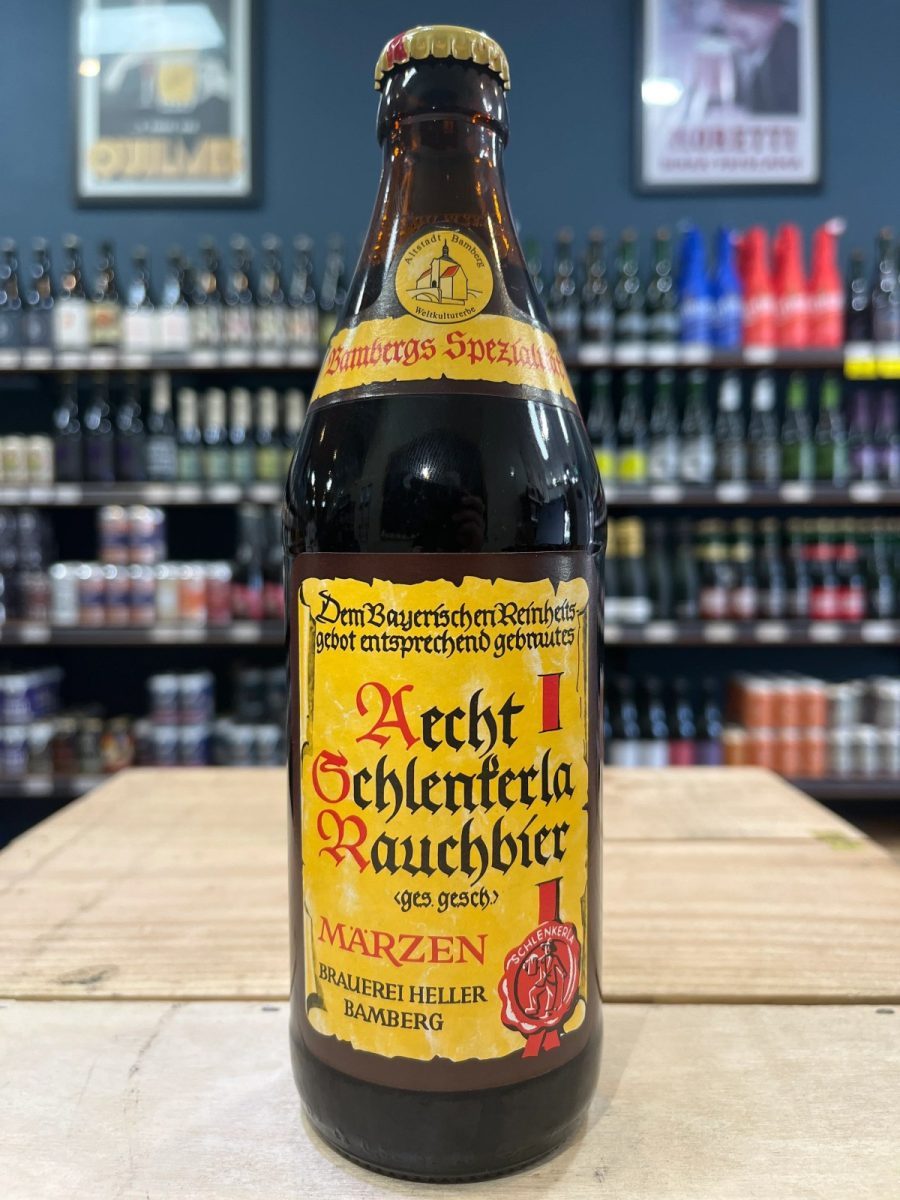
Aecht Schlenkerla Rauchbier Märzen
Brewed by Schlenkerla
beechwood smoke, toasted malt, bread crust, and a dry lager finish
BAR NOTES
Aecht Schlenkerla Rauchbier Märzen earns its place because malt dried over beechwood fire gives the beer its famous smoke character while a properly dry Märzen base keeps it drinkable. Brewed in Bamberg, Bavaria, Germany, it gives the wider European list a distinctly Germany point of view.
Expect beechwood smoke, toasted malt, bread crust, and a dry lager finish. For the best showing, do not judge it from the first smoky sip; the malt becomes clearer as your palate adjusts through the glass; put it beside smoked pork, grilled sausage, roast duck, or hearty lentil stew.

Nøgne Ø Imperial Stout
Brewed by Nøgne Ø
coffee, cocoa, dark chocolate, dried fruit, and roasted bitterness
BAR NOTES
Nøgne Ø Imperial Stout earns its place because it helped prove that Norway’s modern breweries could compete internationally with bold, disciplined interpretations of strong American-influenced beer. Brewed in Grimstad, Agder, Norway, it gives the wider European list a distinctly Norway point of view.
Expect coffee, cocoa, dark chocolate, dried fruit, and roasted bitterness. For the best showing, a cool cellar temperature keeps the roast focused while allowing dried fruit and chocolate to emerge as the glass warms; put it beside blue cheese, chocolate cake, smoked meat, or a cold Scandinavian night.

Beer Geek Breakfast
Brewed by Mikkeller