20 Best Barrel-Aged Stouts to Drink in 2026
Barrel-aged stout is what happens when a huge dark beer borrows oak, spirits, oxygen, and time—then has to prove it can carry all four.
This Top 20 rewards a complete stout beneath the bourbon, thoughtful barrel selection, controlled sweetness, and a finish that still invites another small pour. Limited releases appear because they shaped the category; accessible bottles appear because a useful ranking should contain beer people can actually buy.
What barrel aging actually adds
Fresh spirits barrels contribute more than bourbon flavor. Toasted and charred oak can bring vanilla, coconut, caramel, spice, tannin, smoke, and drying structure. The spirit trapped in the wood adds aroma and heat, while slow oxygen exposure changes roast, fruit, and alcohol over time.
The base beer matters most. A stout that begins thin or sugary rarely becomes profound in wood; it usually becomes thinner, sweeter, or hotter. Great programs brew for evaporation and extraction, then blend multiple barrels so the finished beer tastes deliberate rather than like whichever cask happened to be ready.
Bourbon, rye, and other barrels
Bourbon barrels dominate because American distillers can use them only once, leaving brewers a steady supply of oak rich with vanilla, caramel, coconut, and char. Rye whiskey barrels often add peppery spice, while rum, brandy, wine, and maple-syrup barrels can pull the beer toward fruit, sweetness, acidity, or distinctive spirit character.
More exotic does not automatically mean better. The ranking favors integration: barrel character should frame the stout, not erase it. When coffee, cacao, vanilla, maple, or pastry adjuncts appear, they need to connect the malt and wood rather than turn the barrel into an expensive flavoring prop.
How to buy, serve, and cellar barrel-aged stout
Check the vintage, strength, barrel type, and exact variant before buying. Annual releases change, and similarly named bottles may use different barrels or adjuncts. Store bottles upright in a consistently cool, dark place. A kitchen cabinet above the refrigerator is not a cellar.
Serve most examples around 50–56°F in a small snifter or tulip. Four ounces is often plenty. Cold suppresses aroma; excessive warmth magnifies alcohol and sweetness. Age a second bottle only after tasting one fresh, because time can soften heat while also erasing coffee, vanilla, hops, and vivid barrel aroma.
The 20 best barrel-aged stouts
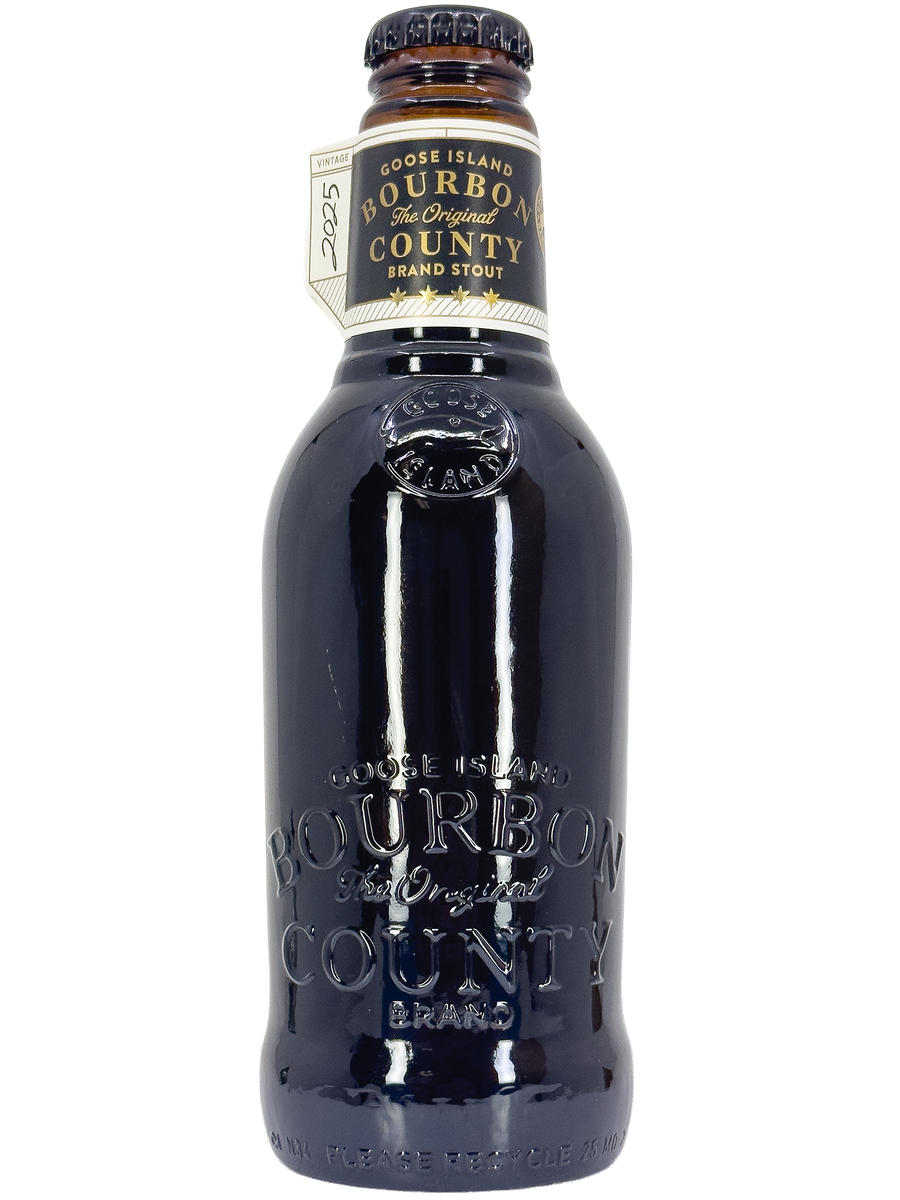
Bourbon County Brand Original Stout
Brewed by Goose Island Beer Co.
Bourbon, char, vanilla, coconut, and dark malt in the bottle that changed the category.
BAR NOTES
Bourbon County Original did not invent aging beer in wood, but its 1990s origin story made bourbon-barrel imperial stout a commercial category. The important part is still the base beer: it is dense enough to absorb spirit, oak, char, vanilla, and coconut without disappearing.
Release strength and barrel blend can change, so read the current bottle. Serve a modest pour around 52–56°F with blue cheese, bread pudding, or a deeply seared steak. Fresh bottles show louder bourbon; careful age can round the heat and pull dark fruit forward.
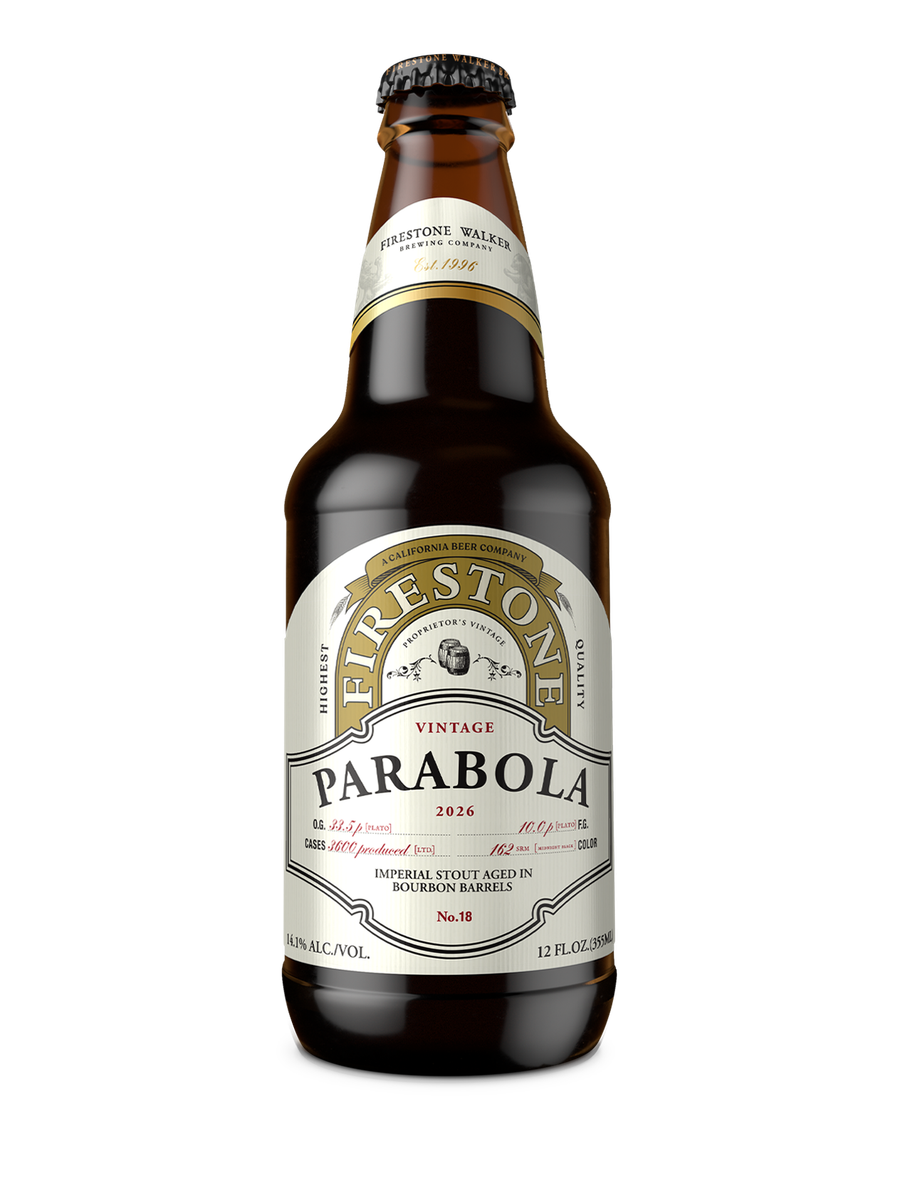
Parabola 2026
Brewed by Firestone Walker Brewing Co.
Polished bourbon oak, dark chocolate, vanilla, and roast assembled by obsessive blending.
BAR NOTES
Parabola is a blending beer as much as a barrel beer. Firestone Walker evaluates individual barrels and assembles a final release that feels broader and calmer than any one cask, joining bittersweet chocolate, vanilla, toasted oak, and bourbon warmth without obvious seams.
The 2026 edition is the reference here; older vintages will not taste identical. Split the bottle in small snifters and pair it with roast beef, toasted pecans, or bread pudding. Cellaring can soften the spirit edge, but fresh bottles best show the blend team’s intended balance.
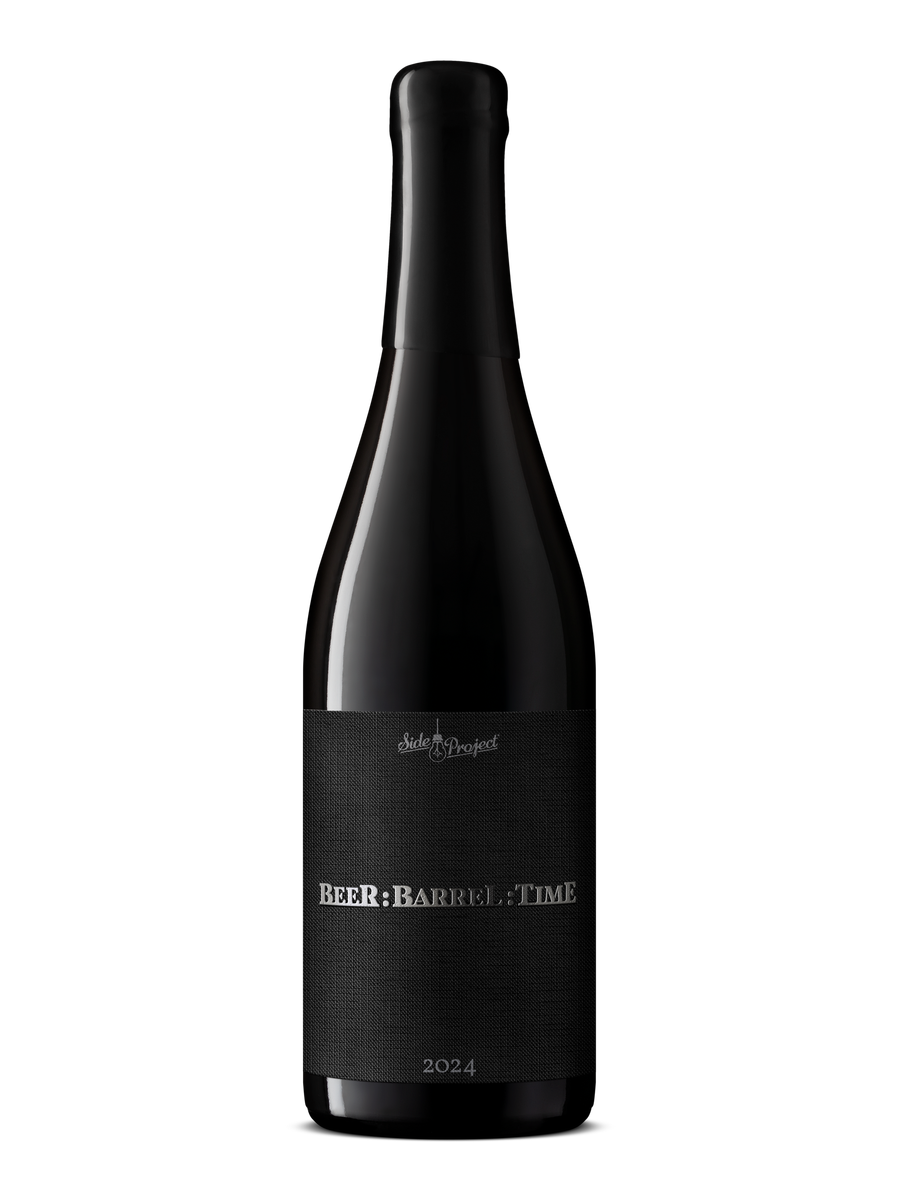
Beer:Barrel:Time 2024
Brewed by Side Project Brewing
A pure barrel-aged stout prized for deep malt, expressive whiskey oak, and patient blending.
BAR NOTES
Beer:Barrel:Time is the useful counterargument to the overloaded adjunct stout. Side Project builds complexity from a huge base beer, carefully selected whiskey barrels, oxidation, and blending. Cocoa, caramelized sugar, dark fruit, vanilla, and spirit all emerge without a flavoring list doing the work.
This is scarce, expensive, and best shared rather than chased as a trophy. Serve two to four ounces near 55°F and let oxygen open the glass. Aged Gouda, roasted nuts, or short ribs are better partners than an equally sweet dessert.
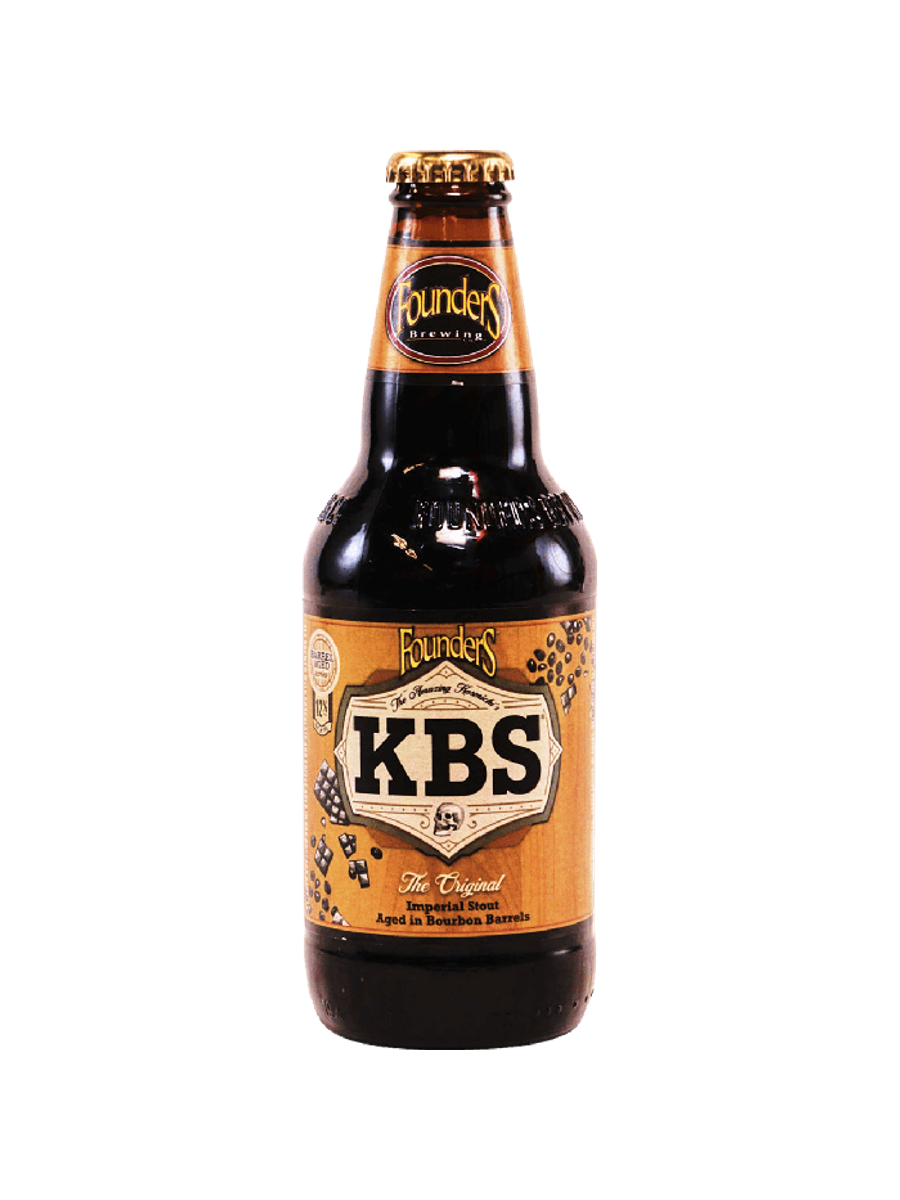
KBS
Brewed by Founders Brewing Co.
A Michigan landmark where espresso, cocoa, bourbon, and oak remain clearly layered.
BAR NOTES
KBS takes the coffee-and-chocolate logic of Breakfast Stout into bourbon barrels. Coffee sharpens the roasted malt, chocolate fills the middle, and the barrel contributes vanilla, char, and spirit warmth. That layered construction helped make barrel stout understandable beyond bottle-share obsessives.
Drink it relatively fresh when coffee aroma is the priority; longer age shifts attention toward bourbon, dark fruit, and softer cocoa. Serve around 52°F with coffee-rubbed beef, tiramisu, or sharp cheddar. Twelve percent alcohol deserves a small glass even when the texture feels smooth.
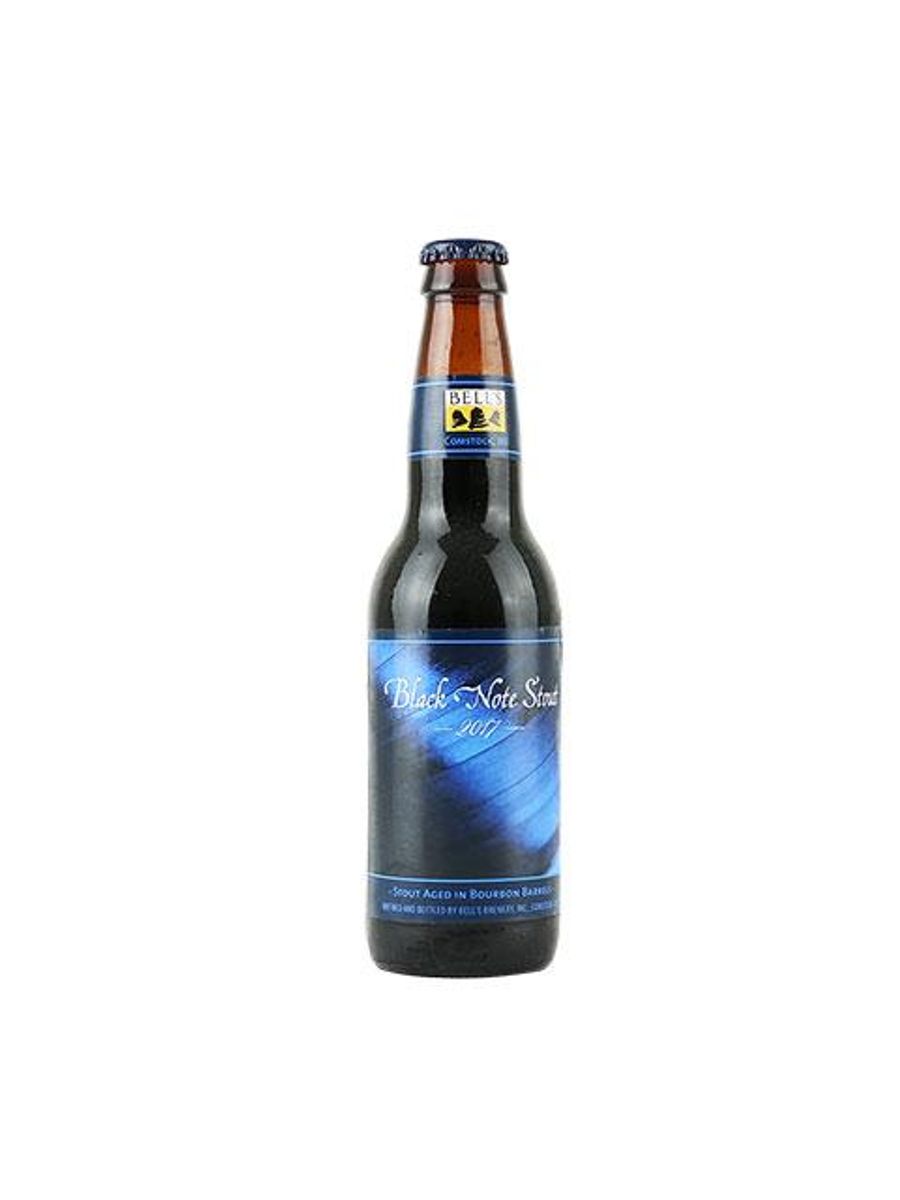
Black Note Stout
Brewed by Bell's Brewery
Dark fruit, cocoa, vanilla, and oak carried by one of Michigan’s best stout foundations.
BAR NOTES
Black Note begins with a blend of Expedition Stout and Special Double Cream Stout before bourbon-barrel maturation. That decision gives it both the dark-fruit and roast intensity of a classic imperial stout and the rounder texture needed to integrate vanilla and oak.
Do not serve it refrigerator-cold; ten minutes in the glass reveals cherry, raisin, chocolate, and bourbon. It works with duck, blue cheese, or flourless cake. The stout is capable of aging, though the cleanest barrel aromatics belong to younger bottles.
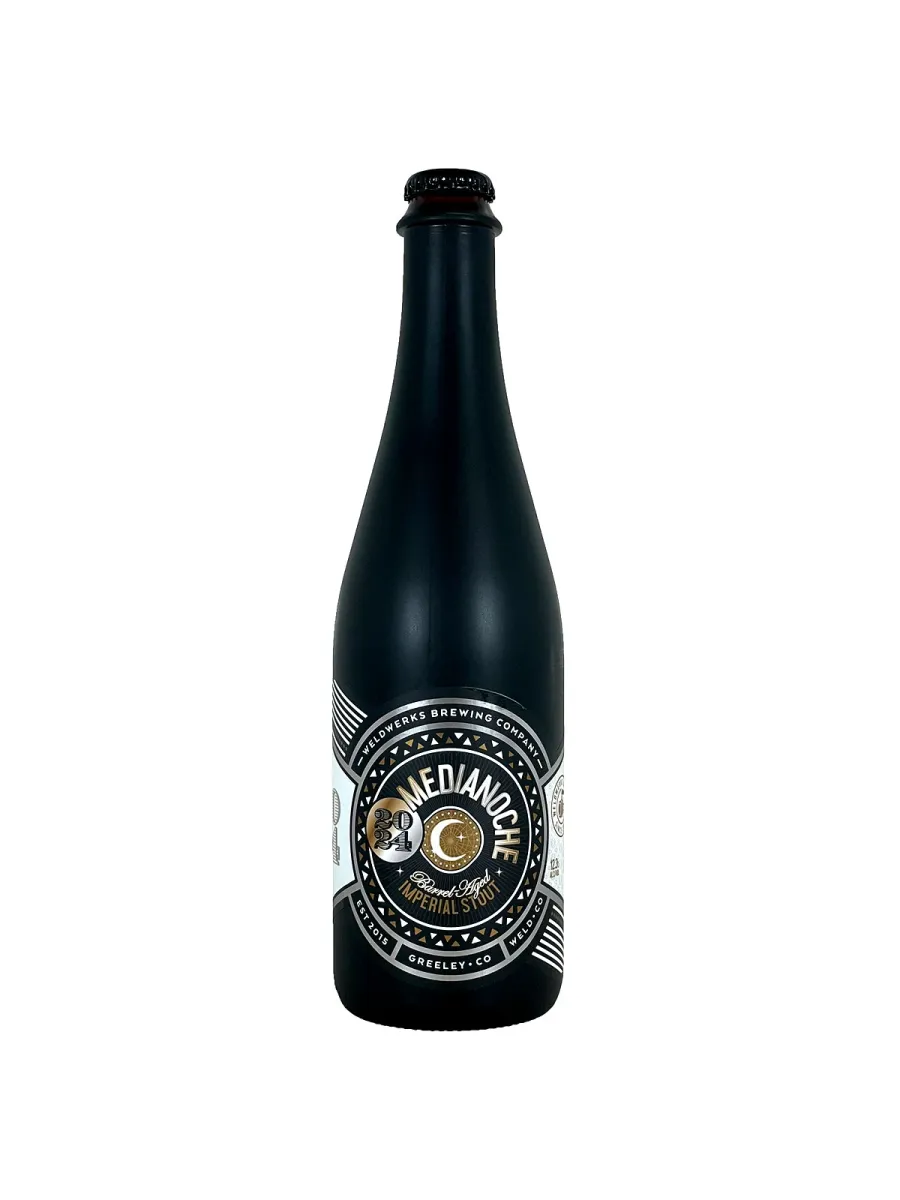
Medianoche
Brewed by WeldWerks Brewing Co.
Modern luxury stout with immense body, bourbon vanilla, fudge, and carefully managed oak.
BAR NOTES
Medianoche is not a regular stout that happens to visit a barrel. WeldWerks designs the base beer for extended wood contact, giving it enough body and malt concentration to survive evaporation and spirit extraction. The result is fudge-like without losing its roasted foundation.
Variants can become elaborate, but the core release is the best way to understand the program. Serve a small pour around 54°F with pecan pie, smoked brisket, or blue cheese. Check the exact edition because barrels, adjuncts, and strength can change dramatically.
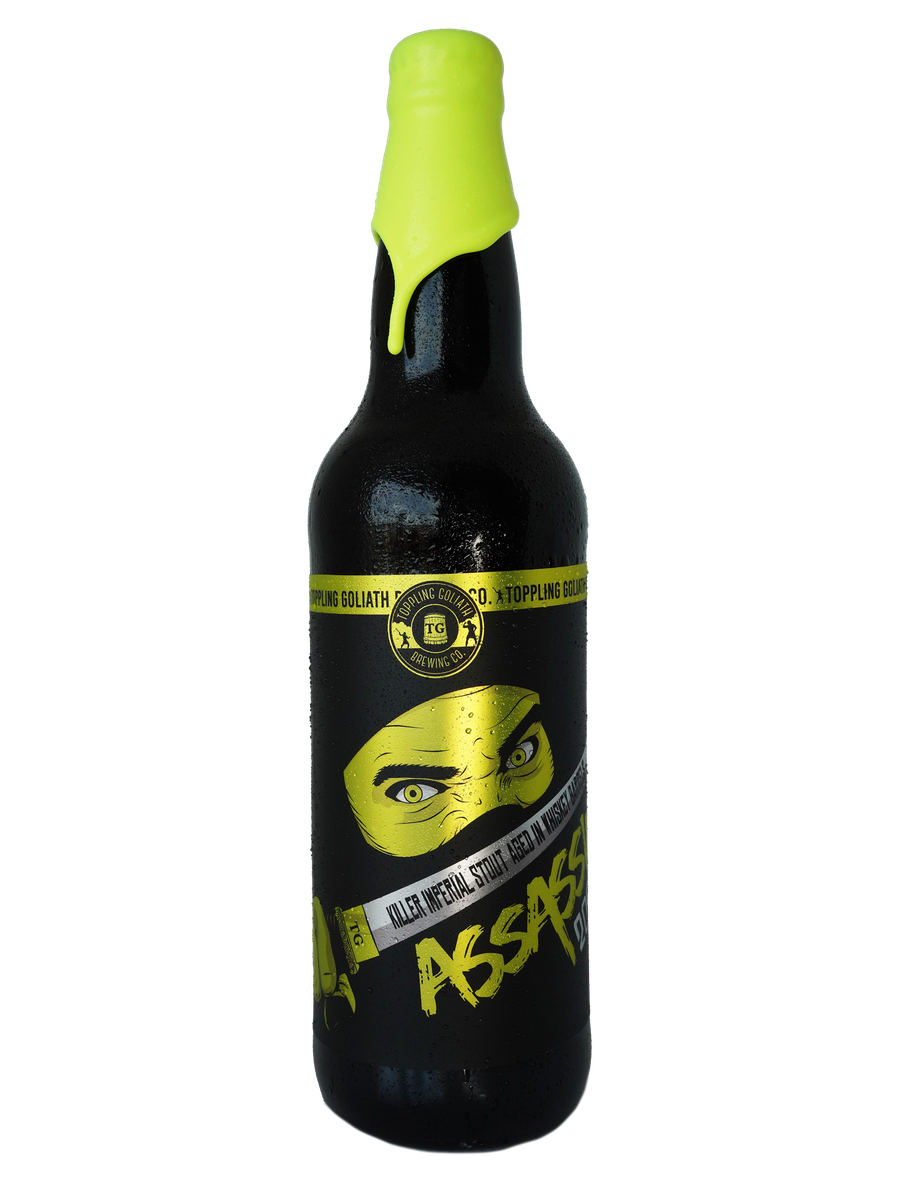
Assassin
Brewed by Toppling Goliath Brewing Co.
A cult Iowa stout with concentrated roast, molasses, dark fruit, and deep whiskey character.
BAR NOTES
Assassin represents the bottle-release era of American barrel stout: enormous base beer, long whiskey-barrel contact, tiny distribution, and a reputation built through shared pours. Beneath the rarity are molasses, cocoa, roast, vanilla, and dark fruit arranged with surprising control.
Treat provenance and storage as part of the purchase when buying an older bottle. Serve around 54–56°F in two-ounce pours with venison, aged cheese, or roasted nuts. It can mature, but scarcity does not magically protect beer from heat or poor storage.
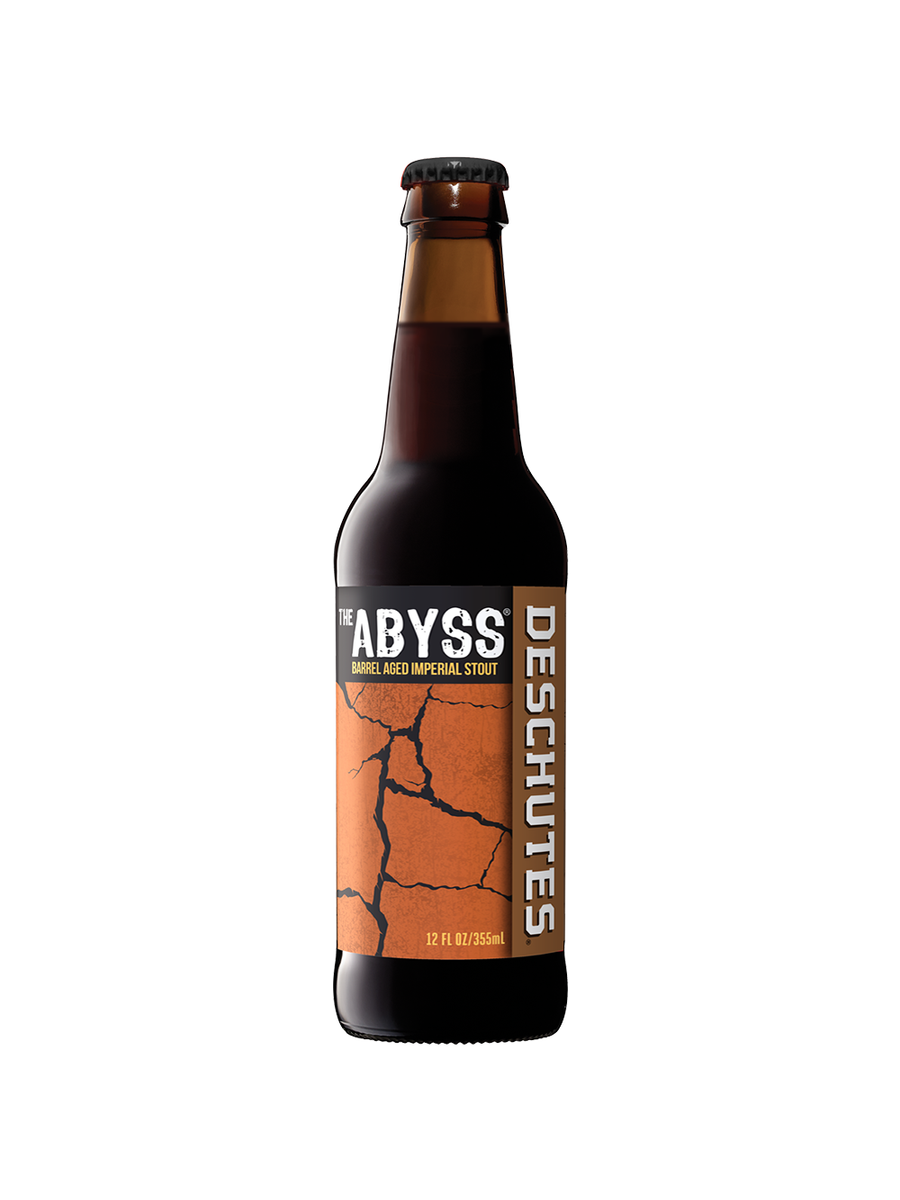
The Abyss
Brewed by Deschutes Brewery
Molasses, licorice, roast, dark fruit, and oak in a distinctly layered cellar beer.
BAR NOTES
The Abyss uses barrel aging as one part of a larger composition. Different barrel components, molasses, licorice, roast, and dark fruit create a beer that keeps changing as it warms. It tastes engineered for depth rather than for the loudest possible bourbon aroma.
Vintage matters, so compare labels before assuming two bottles are equivalent. Serve near 52–55°F with braised short ribs, mushrooms, or aged Gouda. A few years can soften it gracefully, but upright, cool, dark storage is non-negotiable.
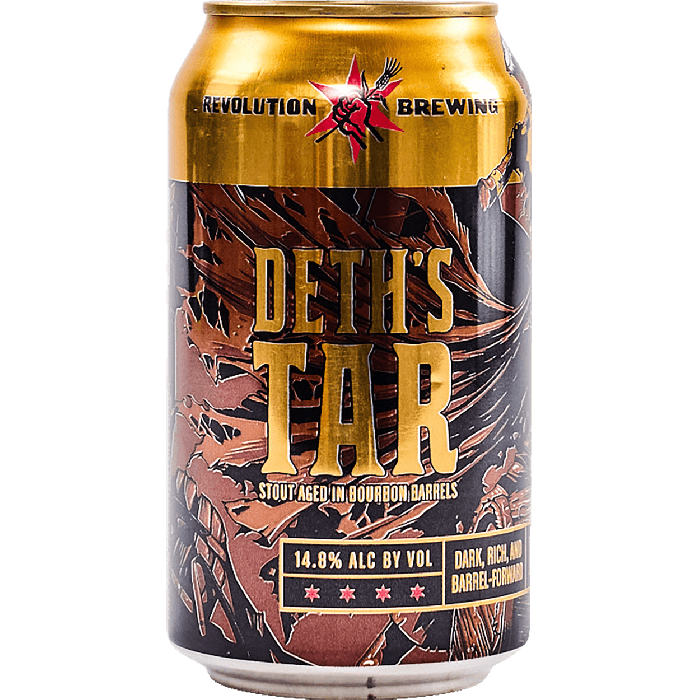
Deth's Tar
Brewed by Revolution Brewing
A hulking but composed Deep Wood release with silky grain, chocolate, oak, and spirit warmth.
BAR NOTES
Deth’s Tar uses oats to solve one of barrel stout’s hardest problems: maintaining texture after a long, drying stay in wood. The oatmeal base carries bourbon, chocolate, char, and vanilla while keeping the beer broad rather than thin or sharply alcoholic.
The 2025 release is substantial enough to divide among several glasses. Start around 52°F, then follow the bourbon and cocoa as it warms. Smoked meat, pecan pie, or a salty blue cheese gives the dense middle somewhere to go.
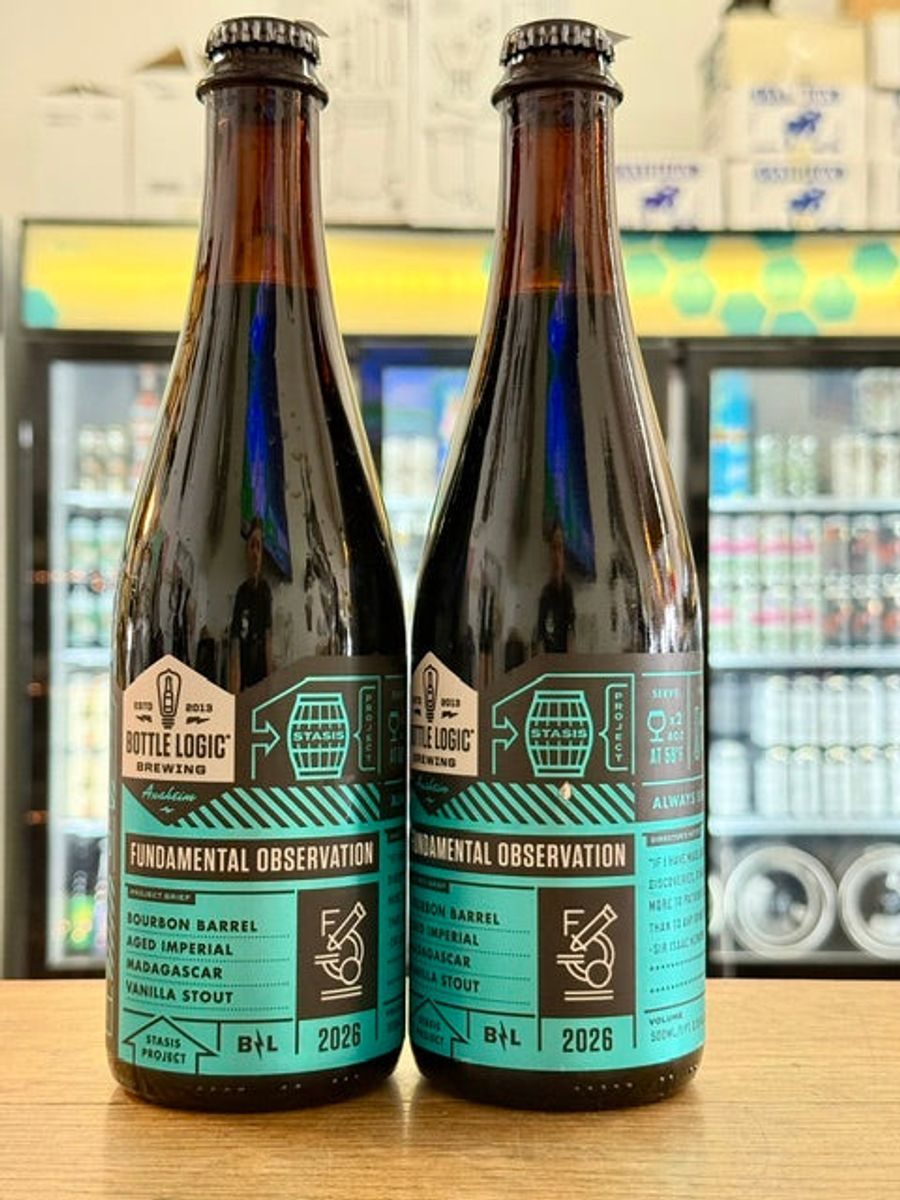
Fundamental Observation 2026
Brewed by Bottle Logic Brewing
Vanilla-forward barrel stout with enough chocolate, roast, and tannin to avoid tasting like extract.
BAR NOTES
Fundamental Observation made vanilla a headline ingredient in prestige barrel stout. The beans amplify compounds already present in bourbon and toasted oak, so the flavor feels connected to the barrel rather than pasted onto it. Dense chocolate malt keeps the sweetness anchored.
Vanilla aroma is most vivid in a comparatively fresh bottle, while age brings softer oak and darker fruit. Serve around 53–55°F with crème brûlée, roasted pecans, or salty cheese. Confirm the release year because Bottle Logic’s editions and variants are deliberately specific.
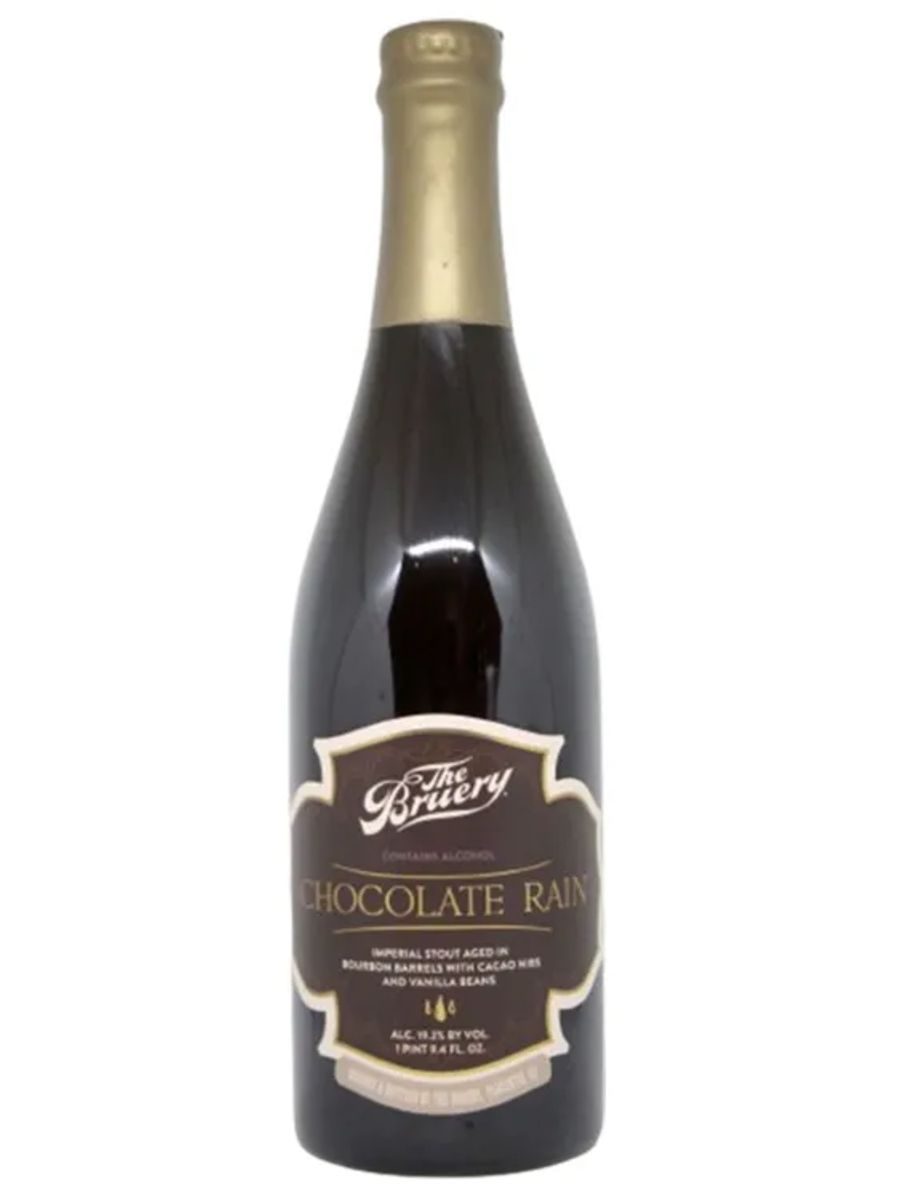
Chocolate Rain
Brewed by The Bruery
An extreme bourbon-aged stout where cacao and vanilla wrestle with fortified-wine strength.
BAR NOTES
Chocolate Rain grows from The Bruery’s Black Tuesday lineage, adding cacao nibs and vanilla to a staggeringly strong bourbon-aged base. The adjuncts are not subtle, but they have a structural job: cocoa meets roast while vanilla links the malt sweetness to the barrel.
Think in two-ounce servings and allow the beer plenty of air. Around 55°F, the sharp alcohol begins to resemble a fortified dessert wine. Pair it with salted pecans, blue cheese, or plain dark chocolate; adding a frosted dessert is overkill.
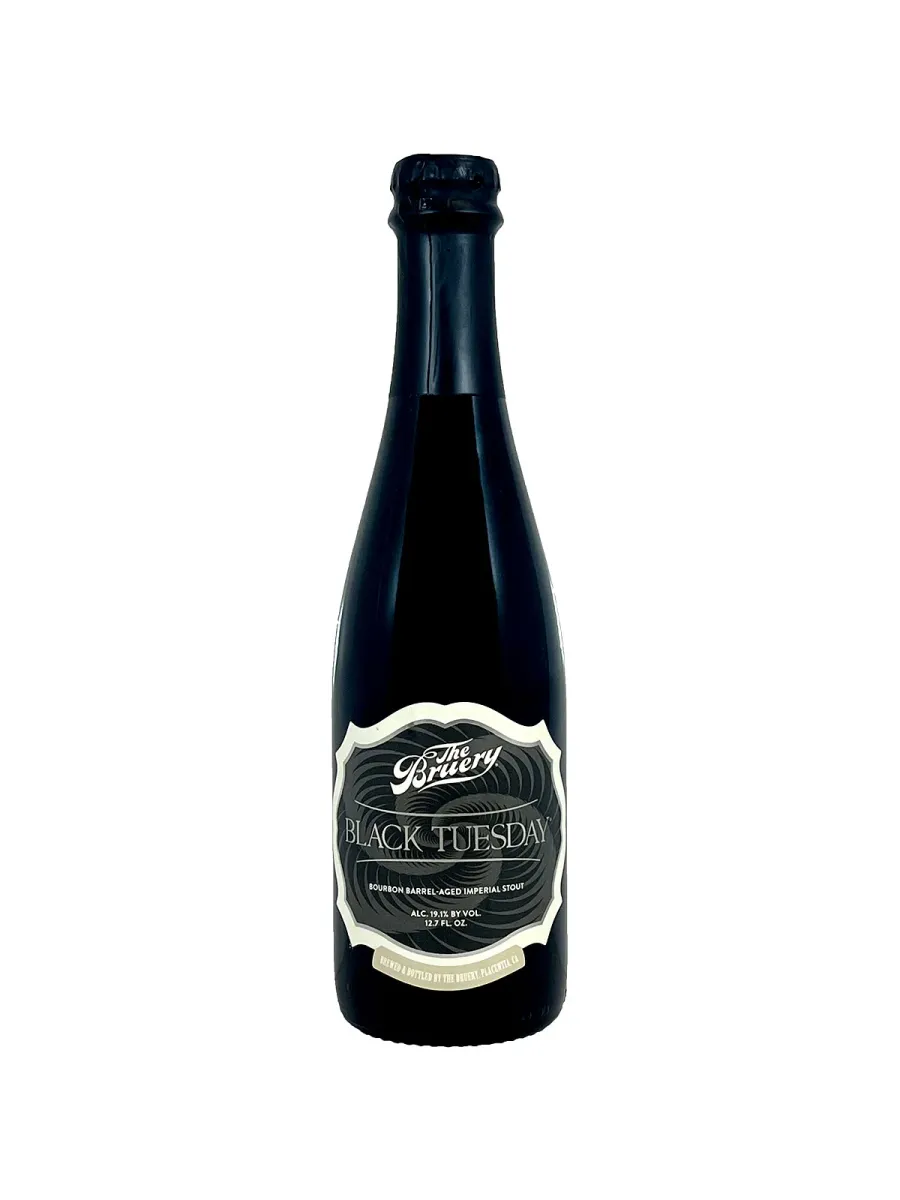
Black Tuesday 2025
Brewed by The Bruery
An annual behemoth of bourbon, dark fruit, caramelized malt, and unapologetic alcohol.
BAR NOTES
Black Tuesday is a demonstration of extremity rather than an everyday ideal. Its massive gravity and bourbon aging create caramelized sugar, dark fruit, vanilla, oak, and warming spirit at a strength closer to wine than ordinary beer. Balance here means coherence, not restraint.
The release year belongs in the name because the blend and strength can move. Serve two ounces near 55°F and revisit the glass slowly. Blue cheese, walnuts, or a simple chocolate tart can stand beside it; a full pint would be absurd.
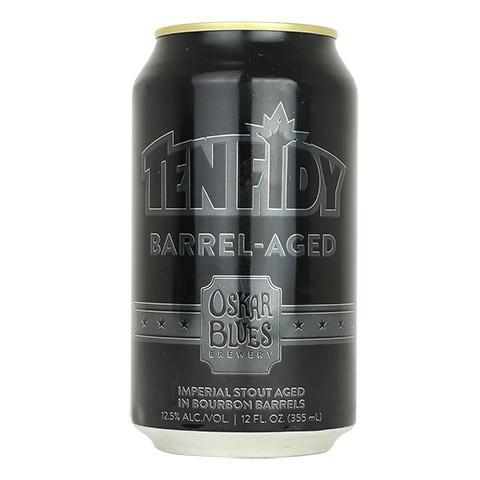
Barrel-Aged Ten FIDY
Brewed by Oskar Blues Brewery
Ten FIDY returns from barrels with more vanilla, char, caramel, and whiskey heat.
BAR NOTES
Regular Ten FIDY already has the density and roast needed for barrel duty. Bourbon aging stretches its espresso, dark chocolate, and caramel into vanilla, char, coconut, and spirit warmth without erasing the muscular canned-stout personality underneath.
A small pour around 52–54°F shows more than serving it ice cold. Match it with barbecue, brownies, or smoked Gouda. The can protects the beer from light, but it still needs cool storage; aluminum is not a substitute for a cellar.
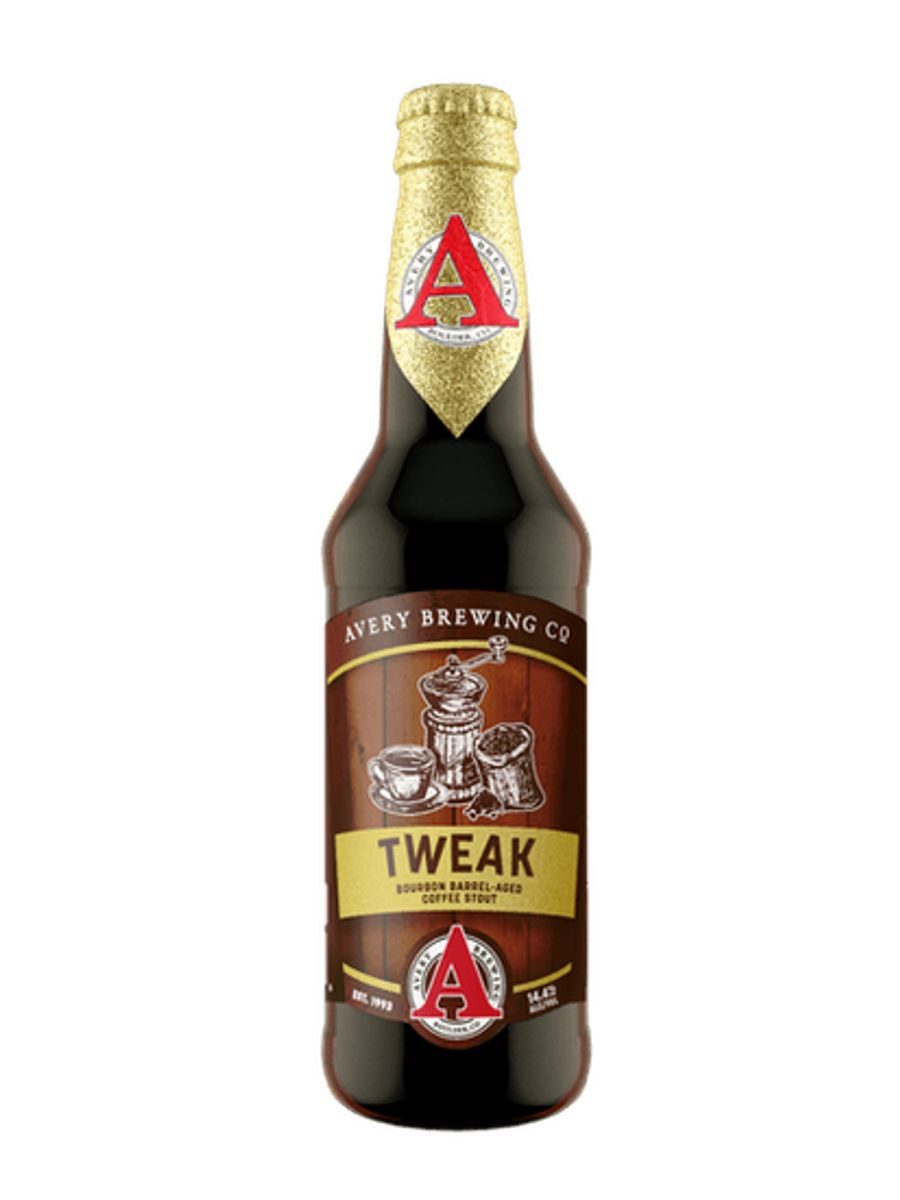
Tweak
Brewed by Avery Brewing Co.
Coffee, molasses, chocolate, oak, and bourbon packed into a deceptively polished Colorado heavyweight.
BAR NOTES
Tweak adds coffee to Avery’s long-running interest in high-gravity barrel beer. Espresso bitterness reinforces roasted malt and helps separate molasses-like sweetness from bourbon vanilla. The result is enormous, but the coffee gives the finish a useful point of resistance.
Drink it fresher when espresso aroma matters most; extended age favors dark fruit and spirit. Serve near 53°F with tiramisu, coffee-rubbed beef, or hard cheese. The smoothness hides the 14.2 percent strength, so keep the pour deliberately small.