50 Best Amber Ales to Drink in 2026
Amber ale is the center of the American craft-beer map: more malt than pale ale, more hop lift than brown ale, and infinitely more useful at the dinner table than either side admits. The best versions taste of toast, caramel and bread crust, then finish with enough citrus, pine, flowers or earthy bitterness to demand another swallow.
This Top 50 begins with balanced American flagships, moves through hoppy reds and imperial bruisers, and finishes with a few Belgian and English-leaning boundary beers that reveal what “amber” actually means. It rewards drinkability, freshness, distinctiveness and the quality of the malt-hop handoff—not darkness for its own sake.
The quick answer
Maine Beer Company Zoe is the best amber ale overall. It has the biscuit, dark-fruit and cocoa depth that amber needs, but its pine-citrus hop load gives the beer modern energy. Bell’s Amber is the most dependable everyday choice, Alaskan Amber is the smoothest malt-first option, and Boont Amber remains the great California original.
The 50 best amber ales
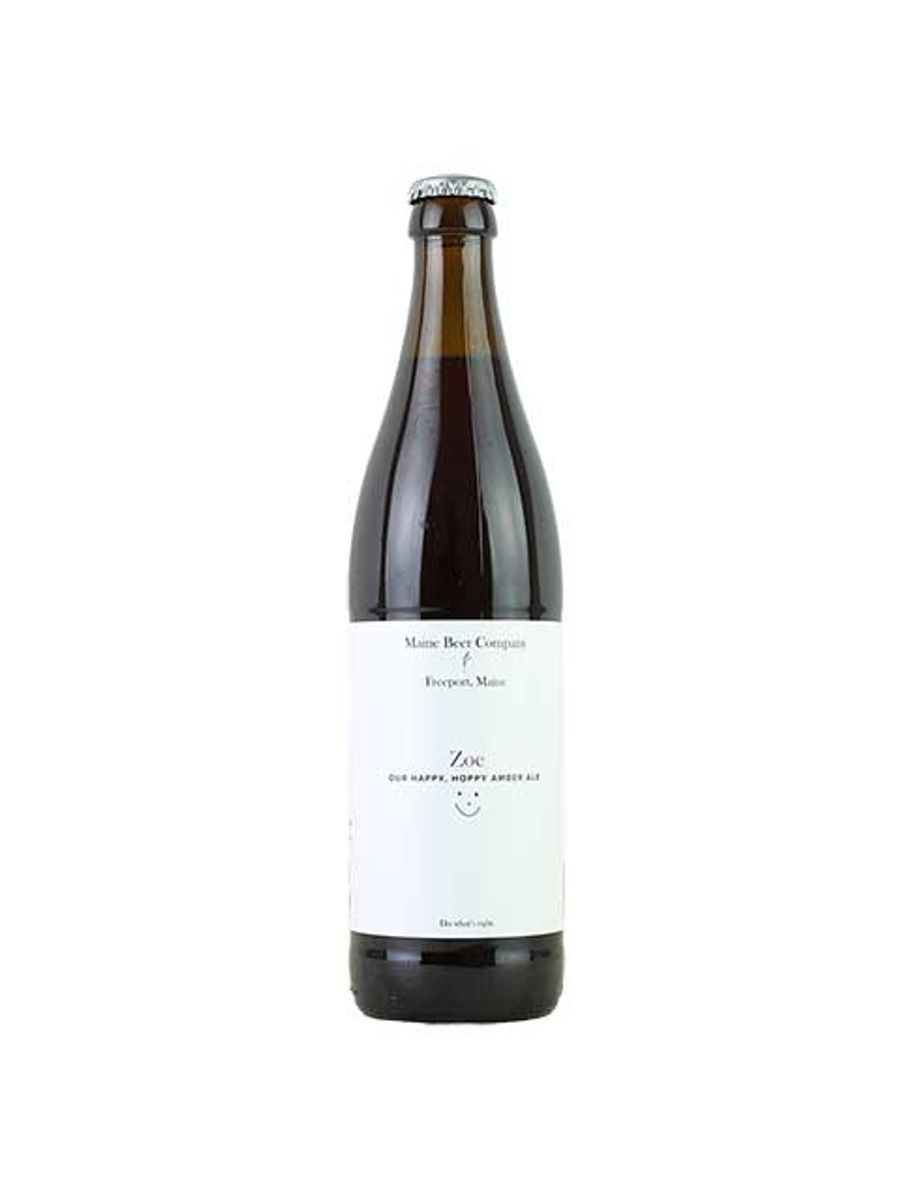
Zoe
Brewed by Maine Beer Company
The benchmark for a modern, hop-saturated amber.
BAR NOTES
Dark raisin, biscuit and cocoa-like malt sit under pine, citrus and a firm dry finish. Zoe proves amber ale can carry IPA-level aroma without surrendering its malt center.
Serve it at 46°F in a tulip and give the large bottle time to open. Roast pork, aged cheddar and mushroom pizza meet both its caramel depth and resinous edge.
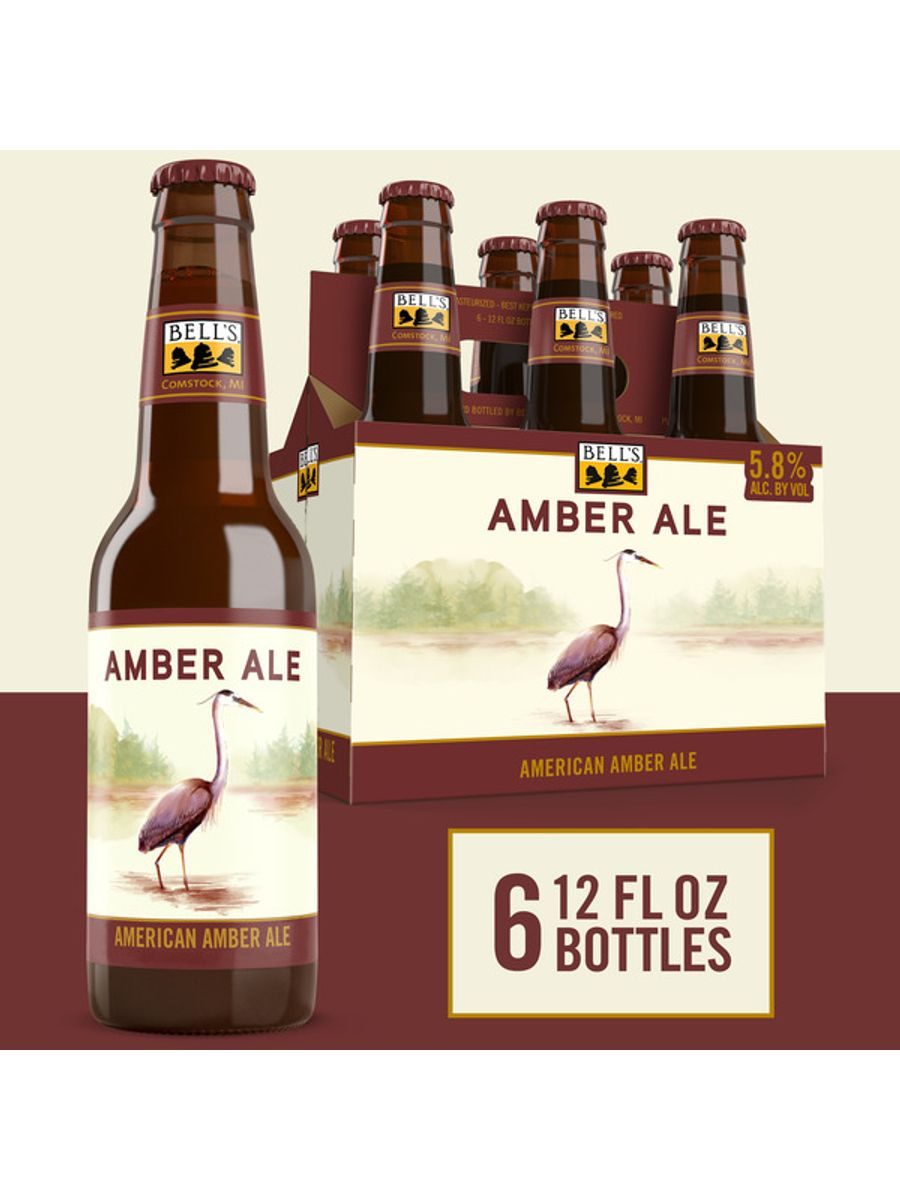
Bell's Amber Ale
Brewed by Bell's Brewery
The all-purpose American amber that still tastes complete.
BAR NOTES
Bell’s built its first flagship around toasted grain, sweet caramel and a floral-citrus hop lift. The fermentation adds a faint fruit note that keeps the malt from reading heavy.
This is the refrigerator anchor of the list: reliable with burgers, chili, roast chicken or nothing at all. Pour around 44°F and let the toasted character emerge.
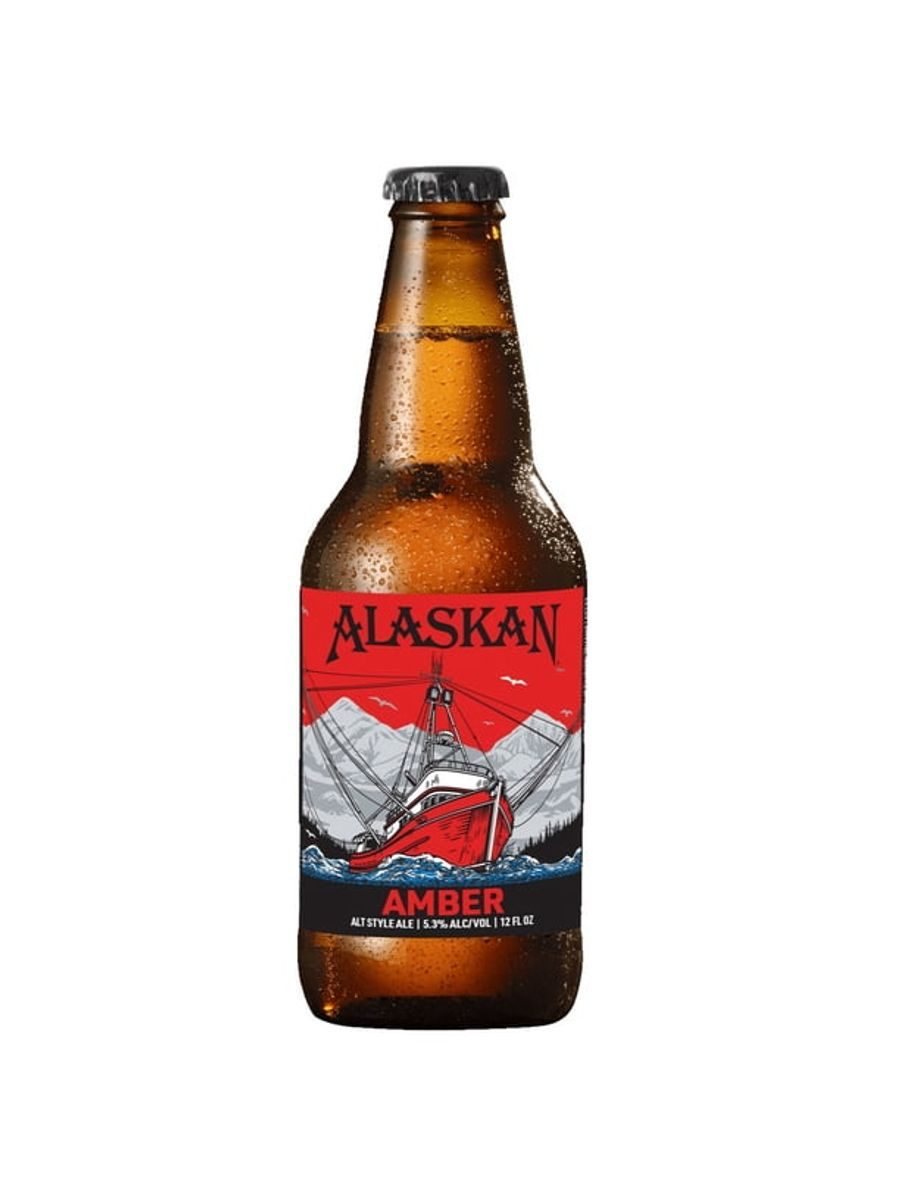
Alaskan Amber
Brewed by Alaskan Brewing Co.
A smooth, cold-country amber with gentle fruit and toast.
BAR NOTES
Inspired by an early twentieth-century Alaska recipe, this ale uses an altbier-like fermentation profile for clean bread crust, restrained caramel and a lightly fruity top note.
Its softness makes it excellent with salmon, smoked sausage and nutty cheeses. Serve in a nonic pint around 44°F; colder temperatures mute the subtle malt layers.
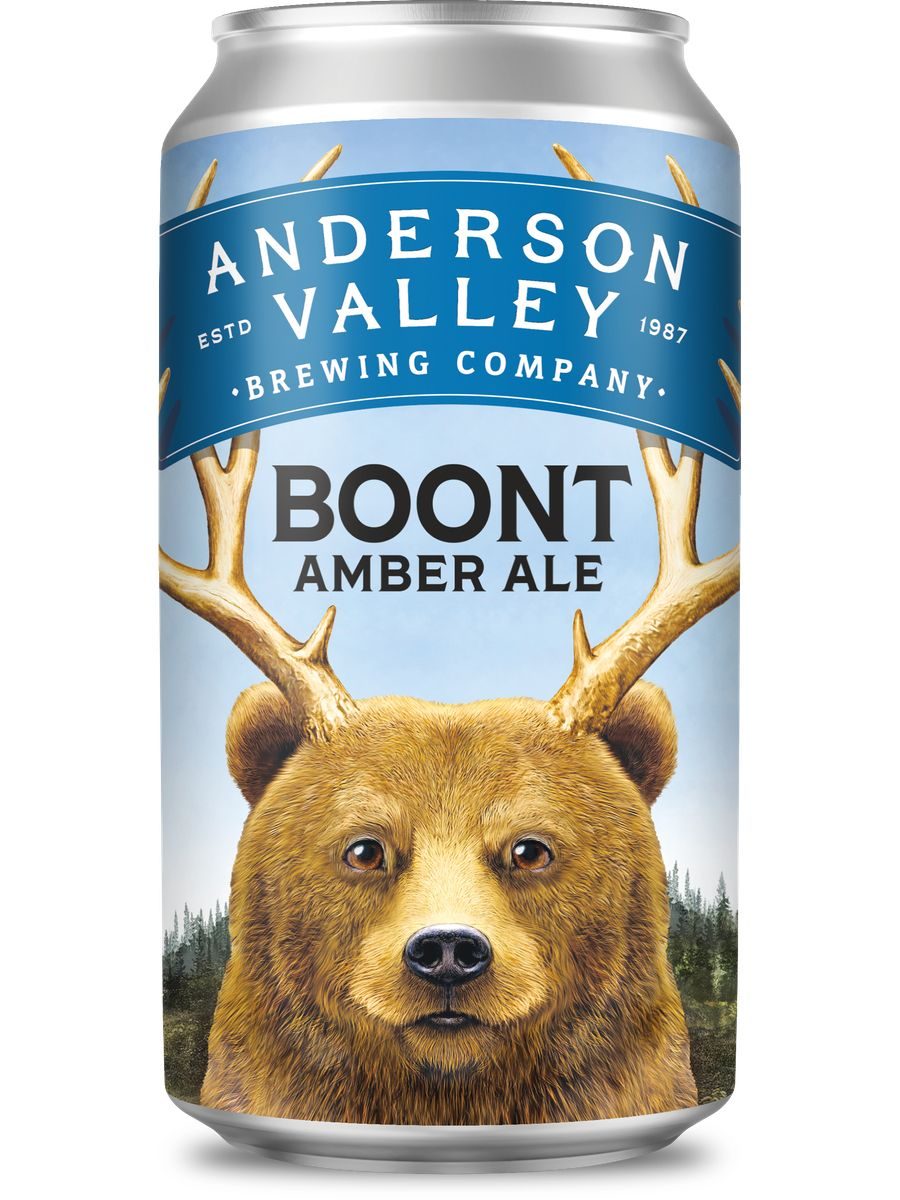
Boont Amber Ale
Brewed by Anderson Valley Brewing Co.
NorCal amber history with unusually easy drinkability.
BAR NOTES
Boont has been a Northern California fixture since 1987, joining sun-toasted grain and toffee with mild fruit esters and a spicy, low-pressure hop finish that stays remarkably gentle.
Onion rings, steak and herbed goat cheese all flatter its caramel core. Check cans for freshness, then serve around 43°F to keep the finish lively.
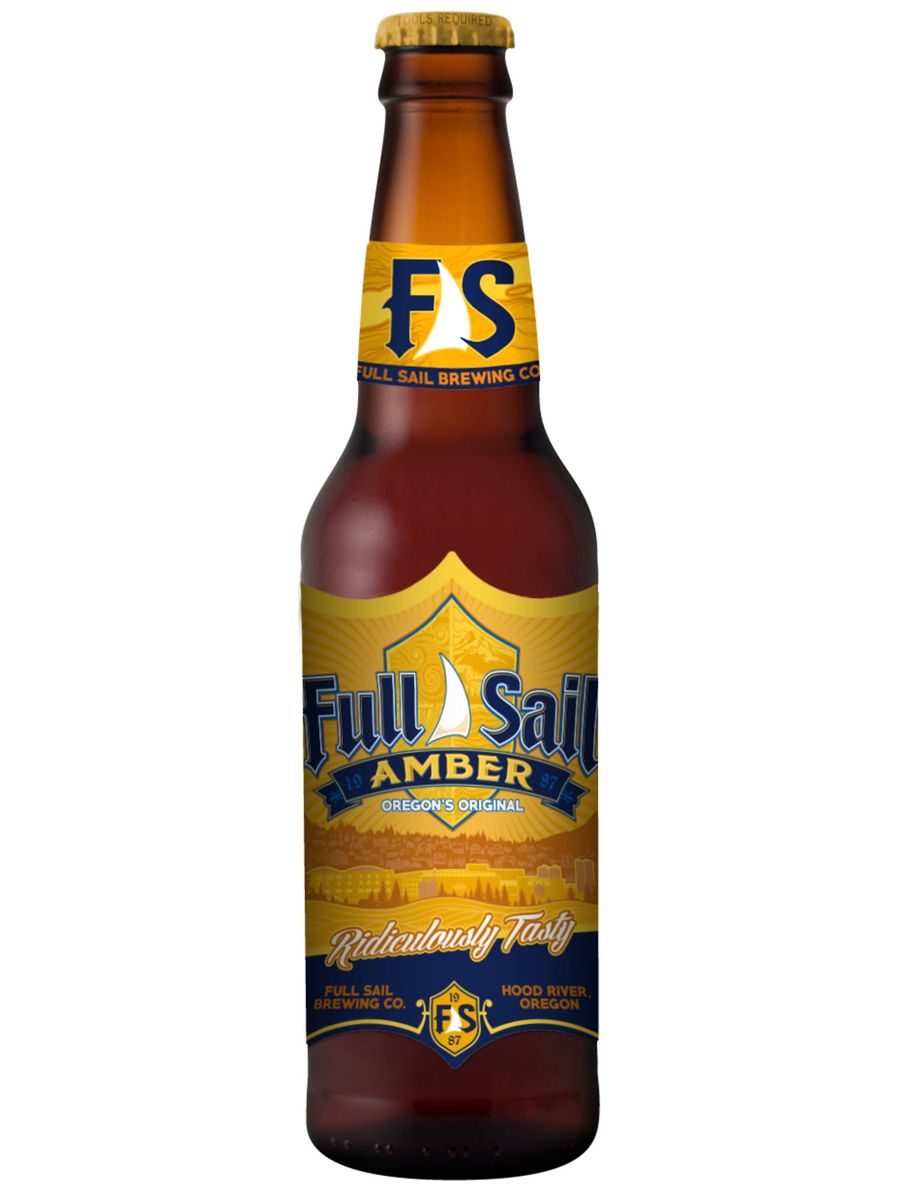
Full Sail Amber
Brewed by Full Sail Brewing Co.
One of the foundational Pacific Northwest ambers.
BAR NOTES
First brewed in 1989, Full Sail Amber layers caramel and toasted malt over a spicy-floral Northwest hop finish. It is sturdier than many modern easy ambers without becoming sweet.
The clean bitterness makes this a dependable pizza and burger beer. A shaker pint works, but 45°F reveals more toast and dried-fruit nuance than refrigerator-cold service.
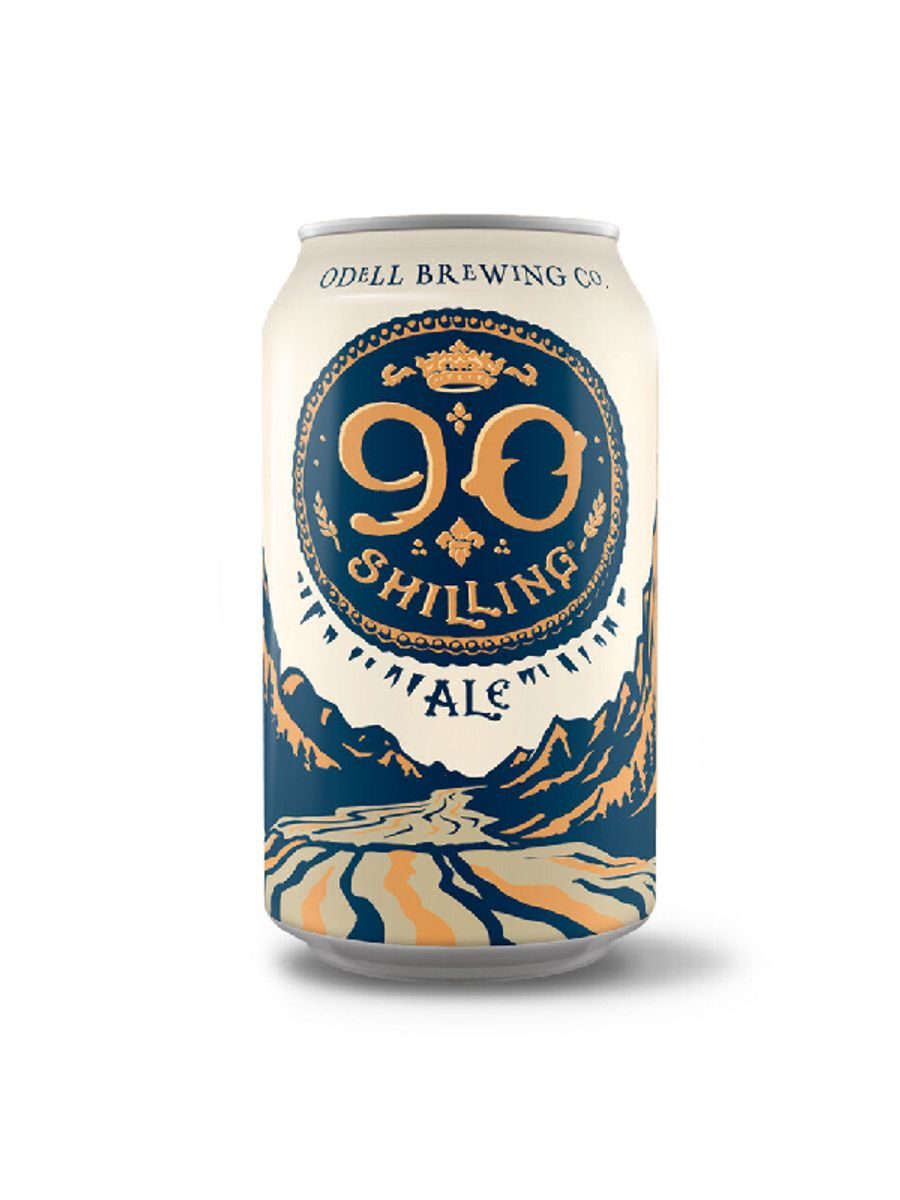
90 Shilling
Brewed by Odell Brewing Co.
A Colorado flagship that lands squarely in the amber sweet spot.
BAR NOTES
Odell conceived 90 Shilling through a Scottish lens, yet its biscuit, caramel and light chocolate malt read naturally beside American ambers. Perle and Nugget keep the finish tidy.
Pair it with bratwurst, shepherd’s pie or sharp cheddar. Its moderate strength rewards a full pint, served cool rather than icy so the biscuit character stays visible.
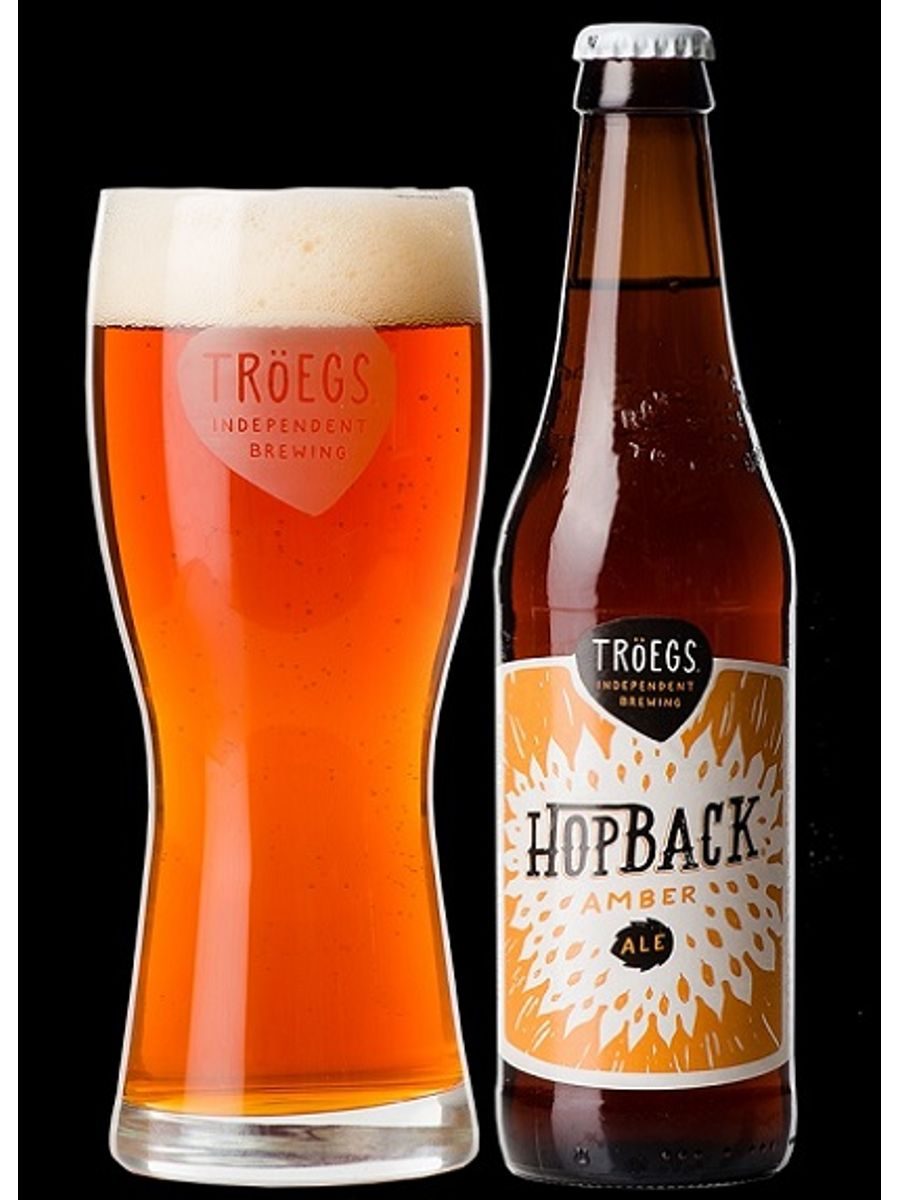
Hopback Amber Ale
Brewed by Tröegs Independent Brewing
A hopback-built classic for drinkers who want snap with their caramel.
BAR NOTES
Whole-flower hops meet hot wort in the hopback, extracting a vivid spicy-citrus aroma before fermentation. Caramel malt supplies enough weight to absorb the extra bitterness.
Drink Hopback fresh and refrigerated; hop aroma is the point. It cuts through pepperoni pizza, wings and smoked pork, especially when served near 44°F in a clean pint.
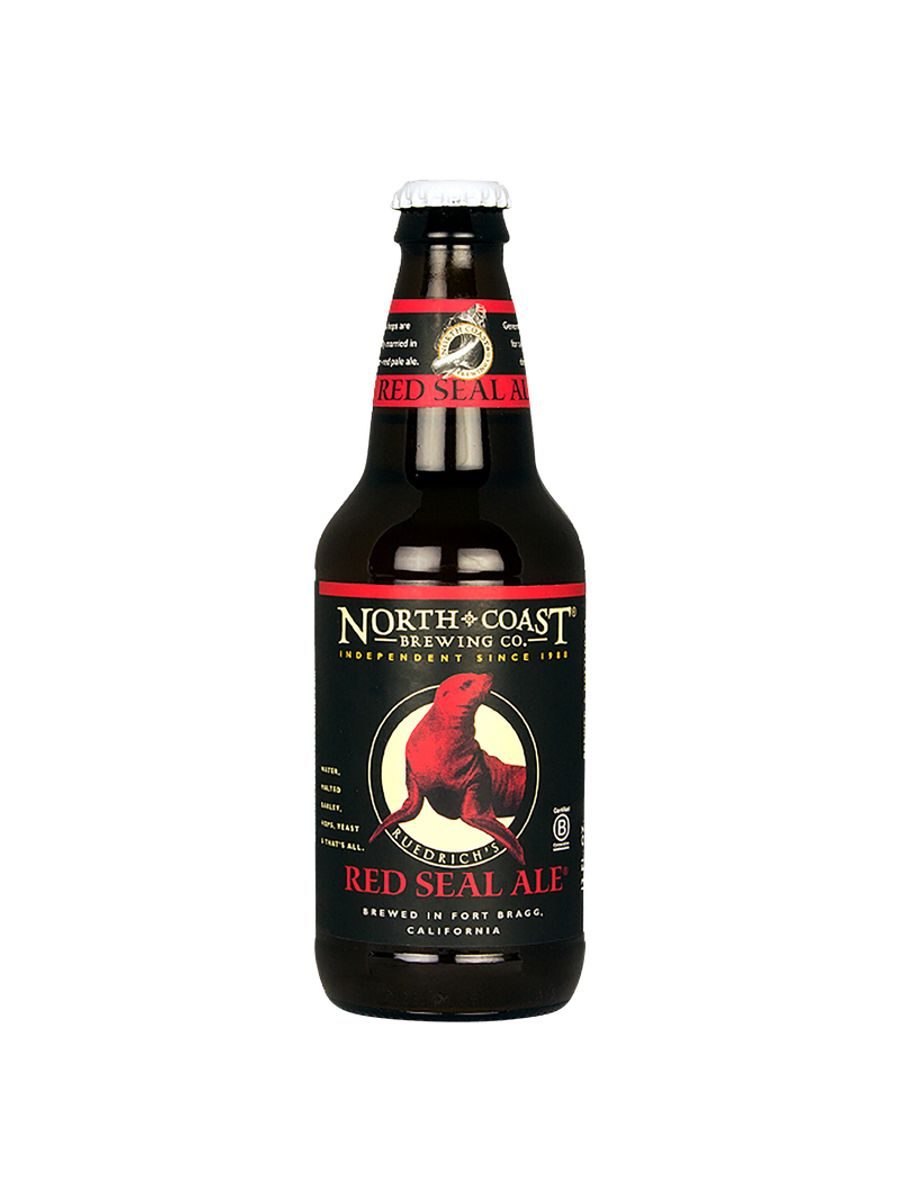
Red Seal Ale
Brewed by North Coast Brewing Co.
A dry, quietly hoppy bridge between pale and amber ale.
BAR NOTES
Red Seal predates the red-IPA craze yet already understood the equation: caramelized malt color, citrusy American hops and a lean finish that invites another swallow.
Its dryness works with fish tacos, roast chicken and grilled vegetables. Buy the freshest bottles you can find and use a clean nonic pint at about 43°F.
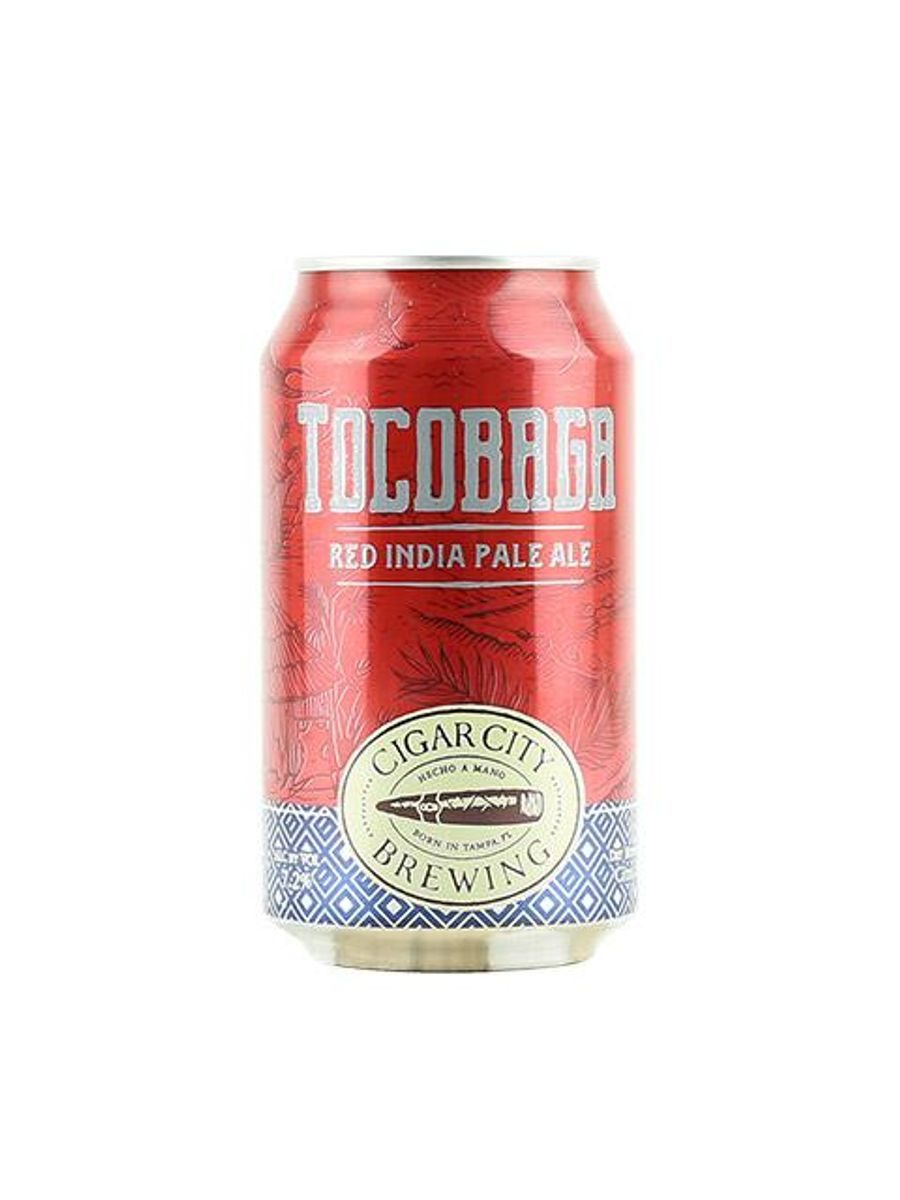
Tocobaga Red Ale
Brewed by Cigar City Brewing
Florida citrus and pine riding a substantial red malt base.
BAR NOTES
Tocobaga pushes amber toward red IPA with Citra-driven orange, grapefruit and resin over caramel and toasted bread. The richer malt prevents the hops from feeling one-dimensional.
Treat cans like IPA and prioritize package date and cold storage. Barbecue, Cuban sandwiches and smoked gouda stand up to its sweetness, bitterness and elevated strength.
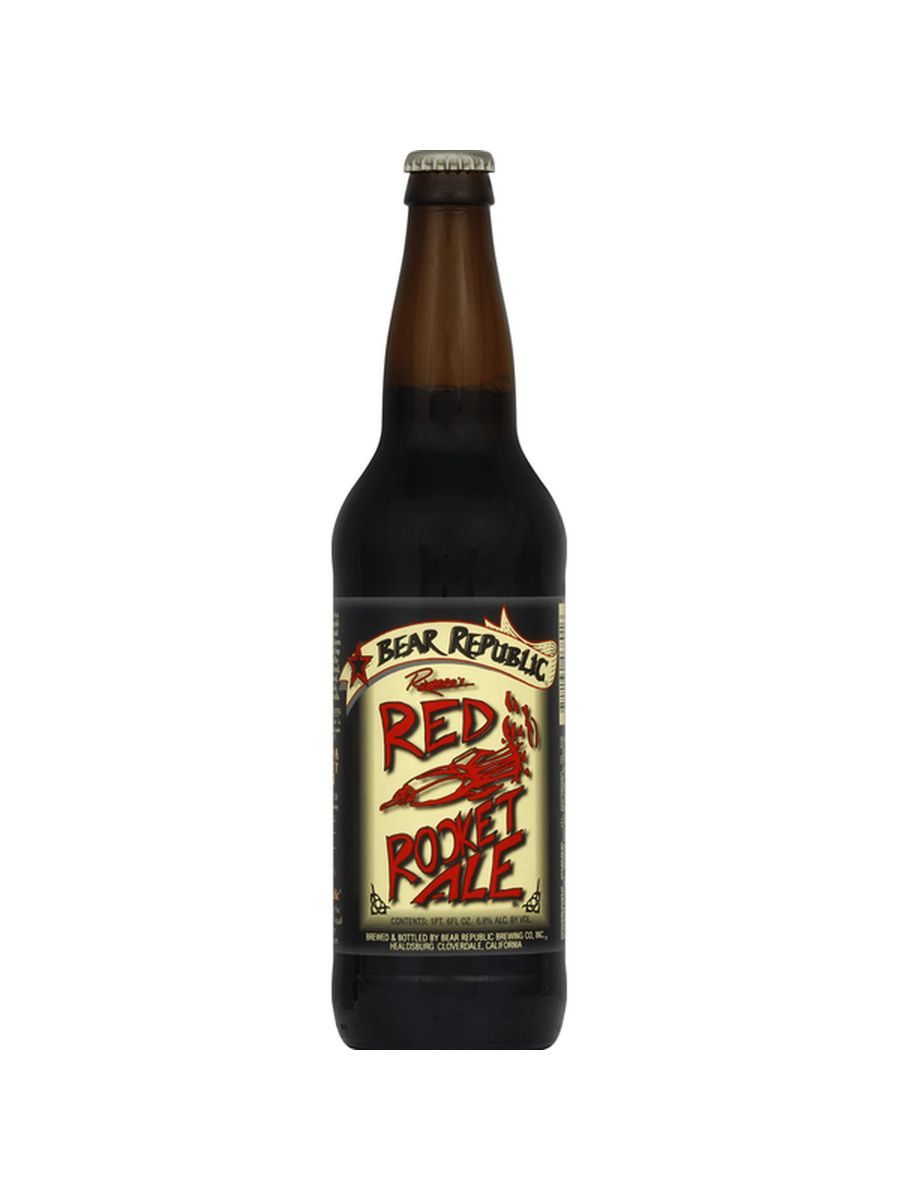
Red Rocket Ale
Brewed by Bear Republic Brewing Co.
A muscular old-school red with Scottish malt cues and California hops.
BAR NOTES
Red Rocket combines caramel, toast and faint roast with an assertive evergreen bitterness. Bottle conditioning and a full malt bill give it more texture than most supermarket ambers.
Serve at 46–48°F and expect sediment in older bottles. Grilled lamb, barbecue ribs and smoked cheddar give its dark malt and pine somewhere useful to land.
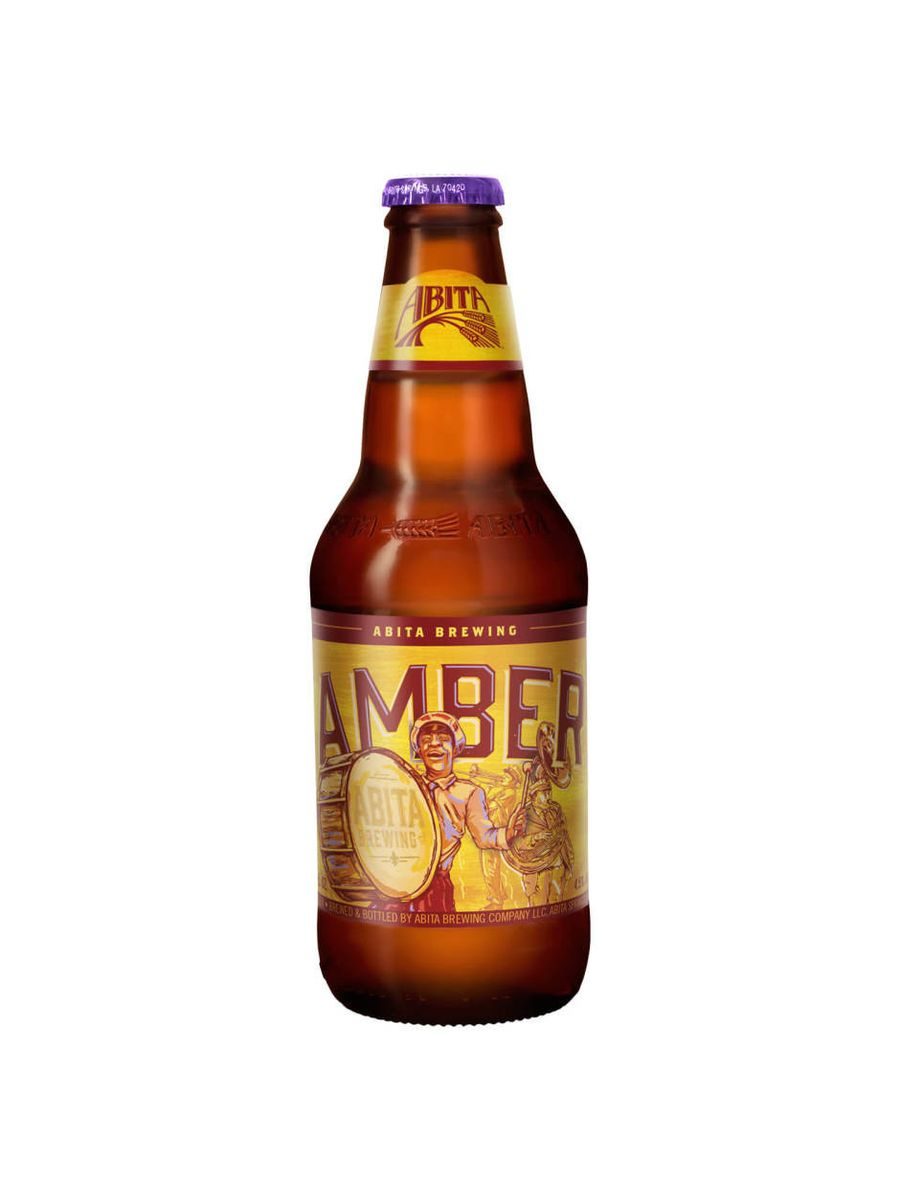
Abita Amber
Brewed by Abita Brewing Co.
The lightest, most food-friendly amber near the top of the board.
BAR NOTES
Abita Amber uses a lager-like Munich malt profile but drinks with the softness associated with ale. Toast, light caramel and restrained bitterness make it unusually accessible.
This belongs beside boiled crawfish, gumbo or fried seafood, where malt calms spice without adding weight. Serve cold at first and let the glass warm naturally.
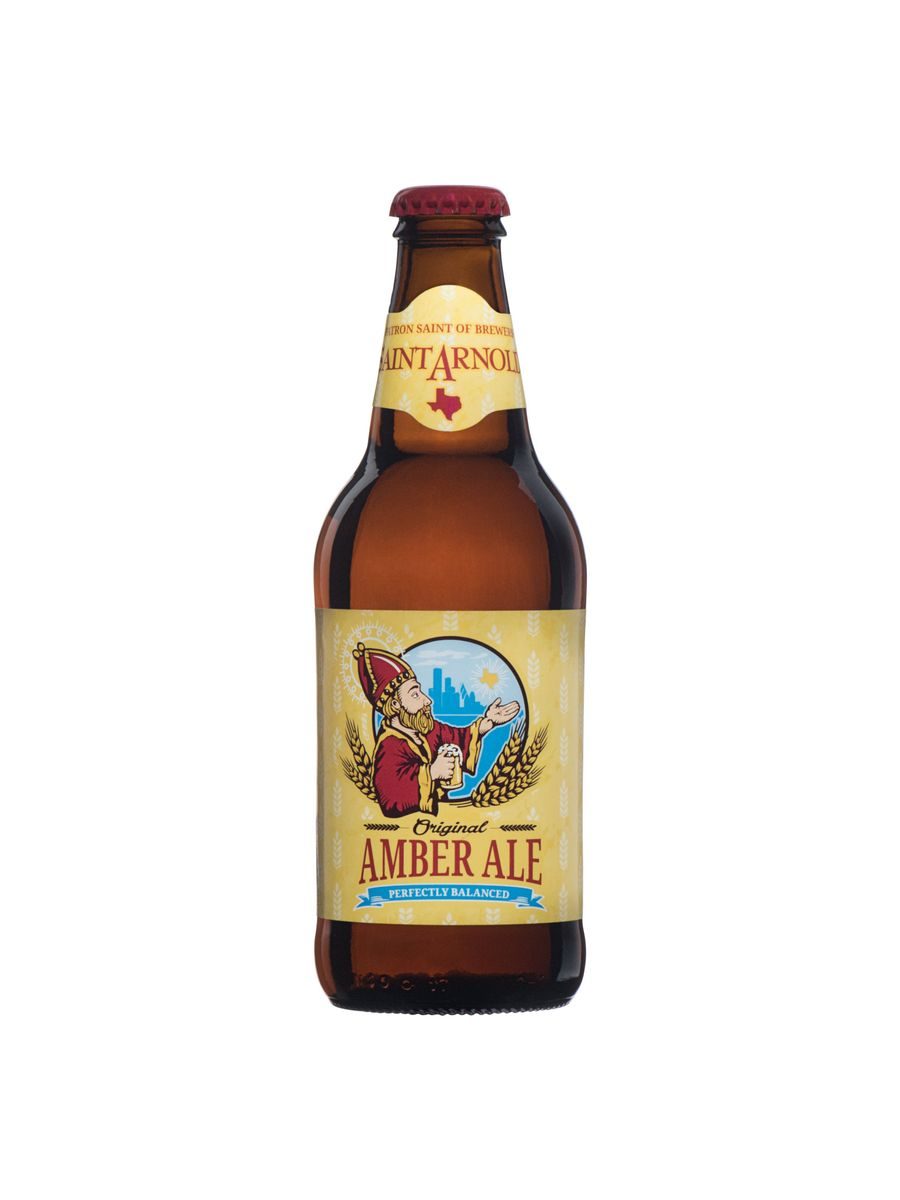
Original Amber Ale
Brewed by Saint Arnold Brewing Co.
Texas craft-beer history built on caramel malt and measured hops.
BAR NOTES
Saint Arnold’s original flagship favors bread crust, caramel and gentle fruit, then applies enough hop bitterness to stop short of sticky. It tastes designed for repeat pints.
The balance is especially good with brisket, burgers and Tex-Mex. A standard pint at 44°F keeps both the malt sweetness and cleansing finish in proportion.
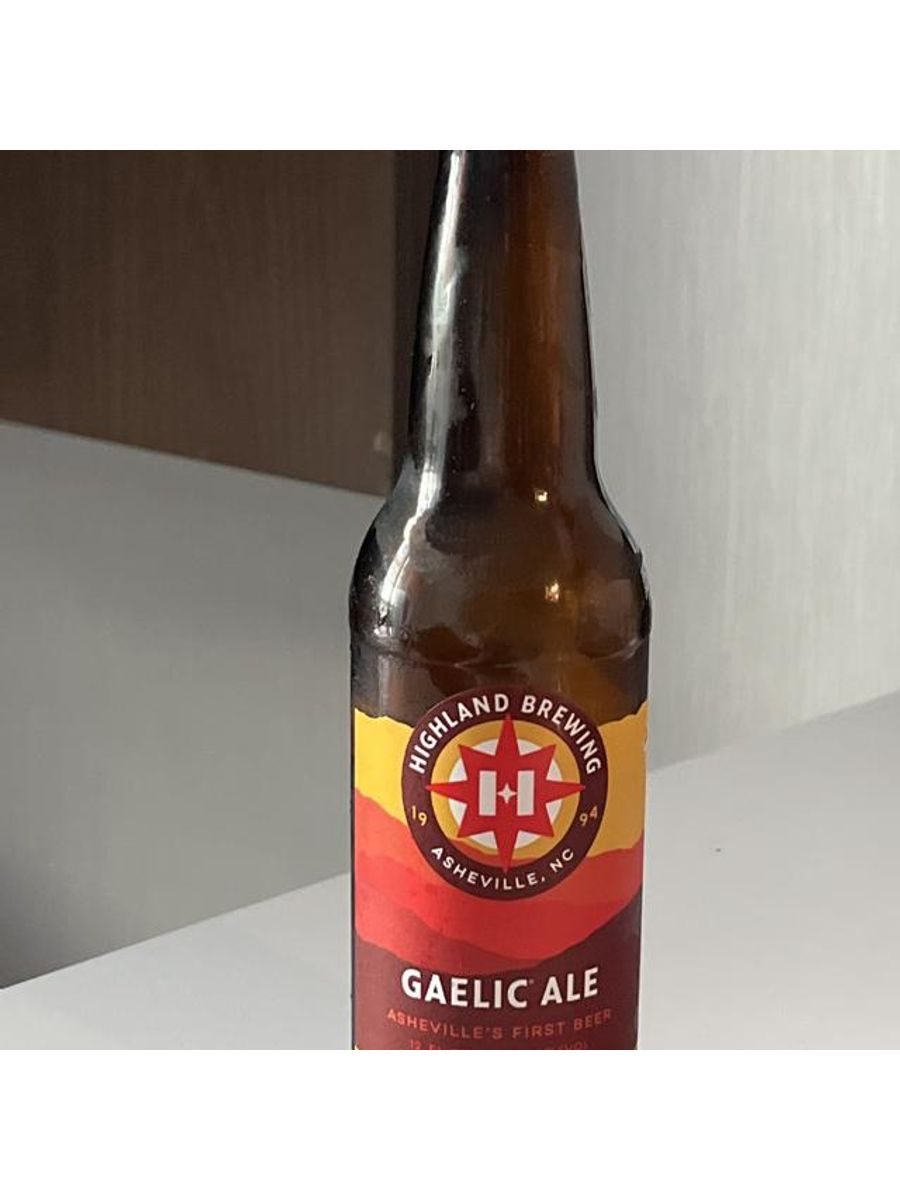
Gaelic Ale
Brewed by Highland Brewing Co.
Asheville’s first flagship remains a model of restrained amber brewing.
BAR NOTES
Gaelic Ale presents caramel, toasted grain and a faint nuttiness before a delicate hop close. The moderate body makes the flavor feel richer than the alcohol number suggests.
Serve with pulled pork, roast chicken or cheddar biscuits around 45°F. Its malt-forward profile also makes a forgiving introduction for drinkers moving beyond pale lager.
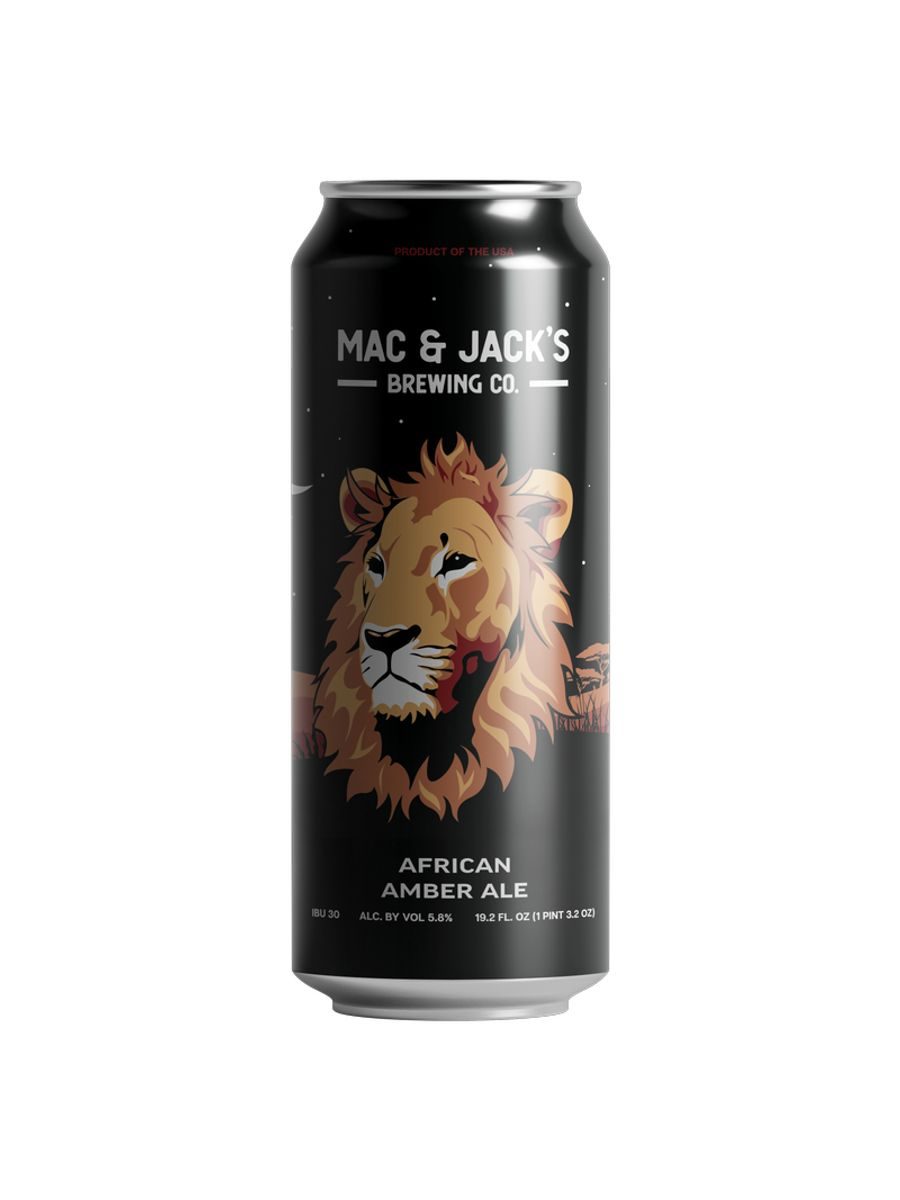
African Amber
Brewed by Mac & Jack's Brewing Co.
A cloudy Northwest institution that finally became a packaged beer.
BAR NOTES
African Amber is unfiltered and dry-hopped, joining floral, citrusy hops to a rounded caramel middle. The haze is intentional, adding texture rather than signaling careless service.
Roll the can gently if you want the full yeast character, then pour at 43°F. It is excellent with salmon, spicy sausage and cedar-plank chicken.
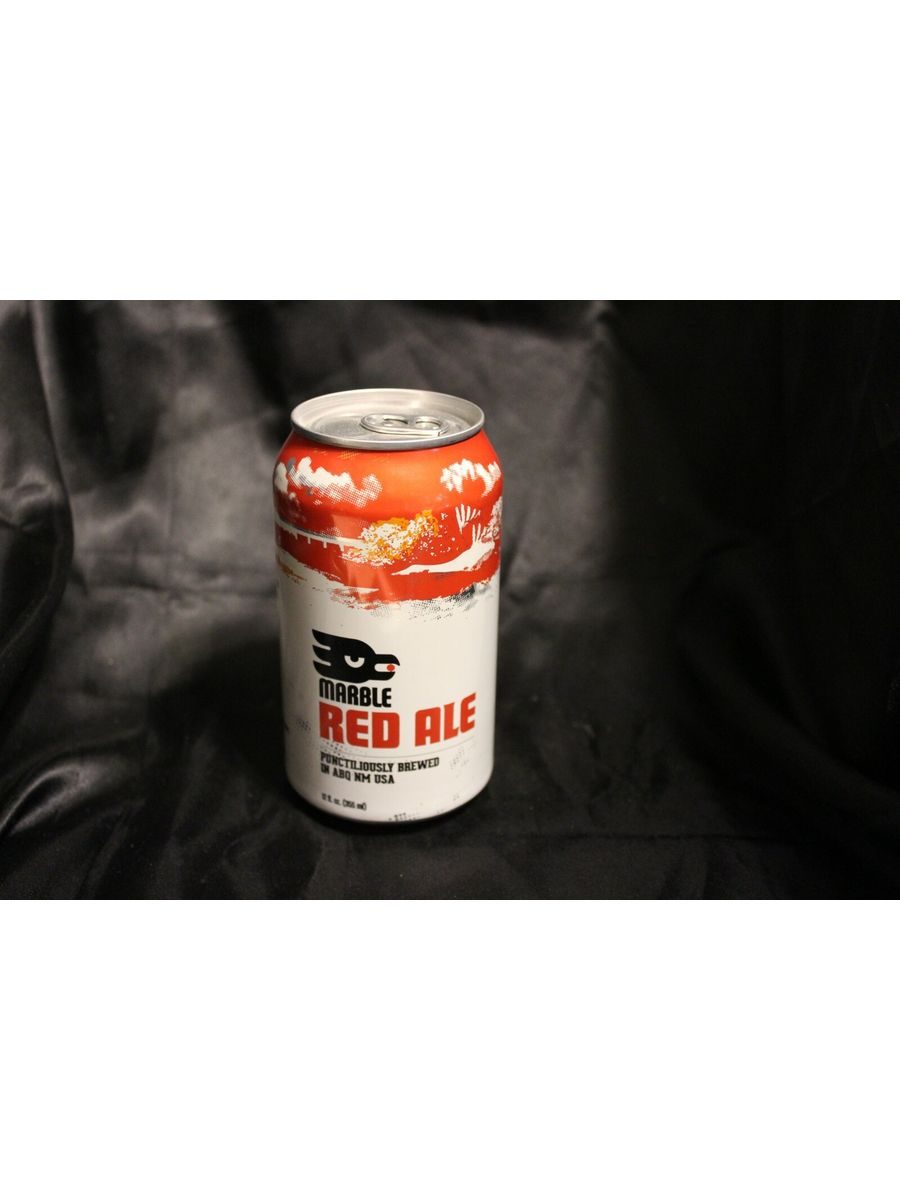
Marble Red Ale
Brewed by Marble Brewery
A polished desert red with enough hops to stay bright.
BAR NOTES
Marble’s red ale builds on caramel and toasted malt, then adds citrus and pine for a firm but orderly finish. The result sits between classic amber and modern red ale.
Green chile cheeseburgers are the obvious match, though smoked turkey and pizza work too. Serve around 44°F and avoid letting an older can sit warm.
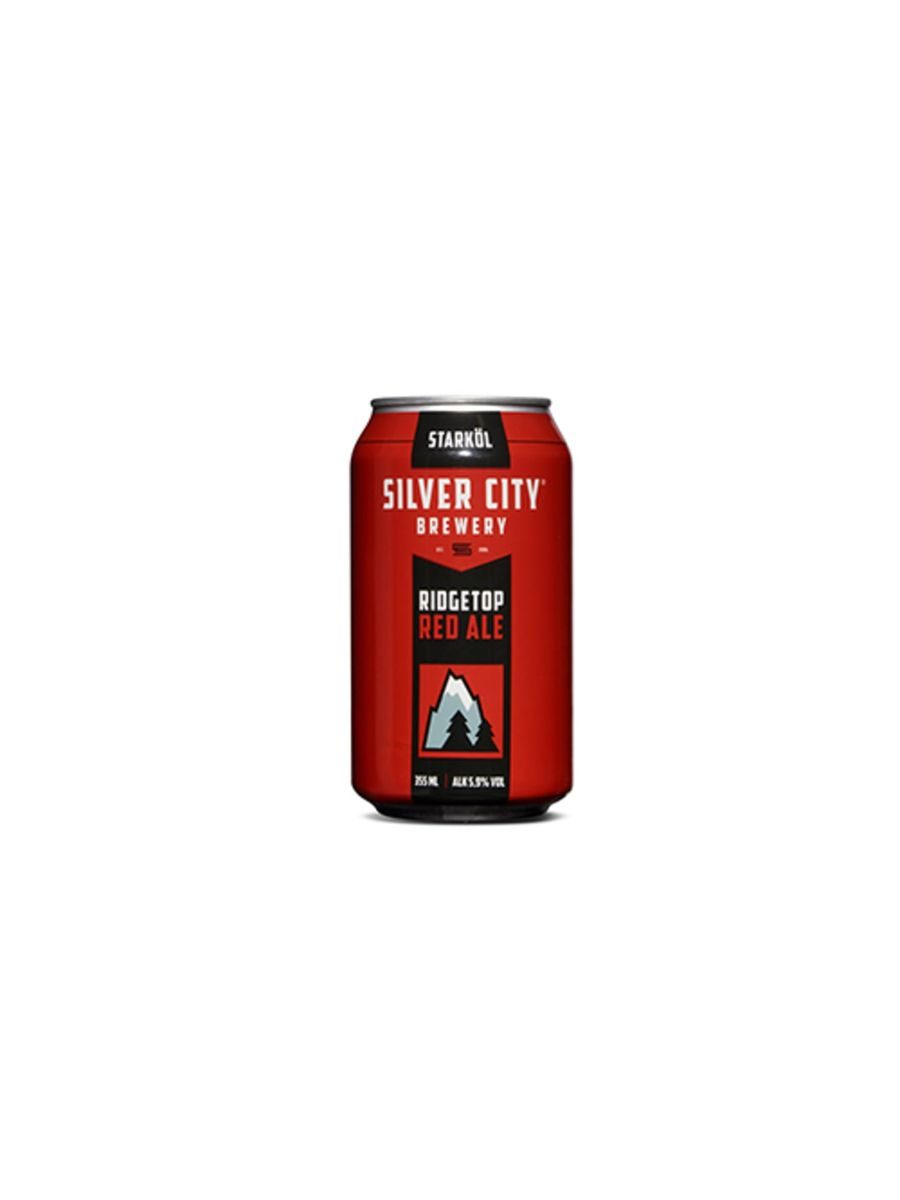
Ridgetop Red
Brewed by Silver City Brewery
A medal-winning Pacific Northwest red with plush caramel depth.
BAR NOTES
Ridgetop Red emphasizes toffee, bread and caramel while Liberty hops provide a soft floral counterweight. Its full body is smooth rather than syrupy when the beer is fresh.
Buffalo wings, smoked brisket and aged cheddar suit its richer build. Let the can warm to 45°F, where the malt becomes rounder and the finish more defined.