50 Best Bock Beers to Drink in 2026
Bock is where lager stops pretending to be light. The family runs from copper traditional bock and bright spring maibock to monk-built doppelbock, banana-and-clove weizenbock, and freeze-concentrated eisbock.
This Top 50 rewards malt depth without syrup, fermentation precision, historical importance, and the ability to carry strength cleanly. Expect bread crust, caramel, toast, dried fruit, and warmth—but very little room for sloppy sweetness.
The 50 Best Bock Beers to Drink in 2026
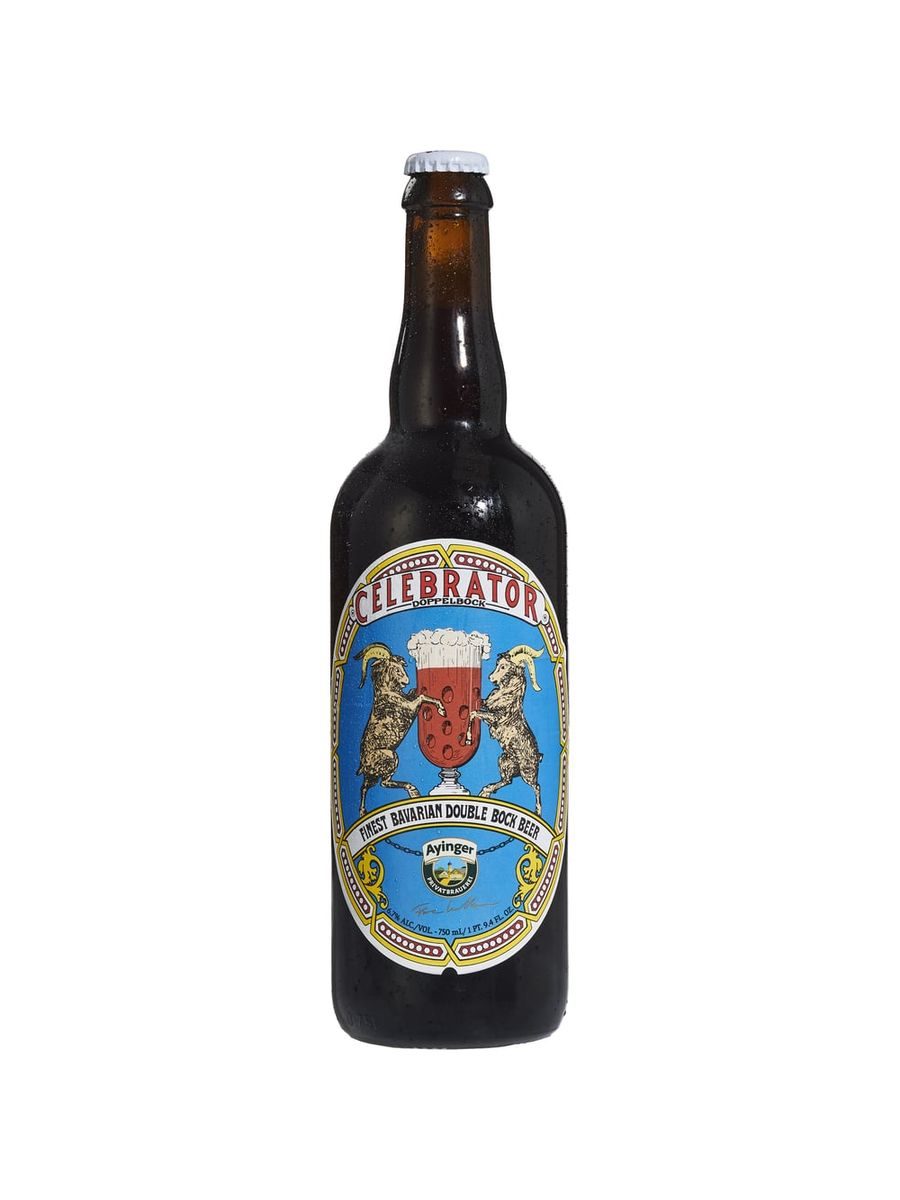
Ayinger Celebrator
Brewed by Ayinger Privatbrauerei
dark bread, caramel, fig and restrained roast.
BAR NOTES
Ayinger Celebrator shows why bock is a test of malt discipline: dark bread, caramel, fig and restrained roast build depth without turning the finish sticky. Ayinger Privatbrauerei keeps fermentation character controlled so the grain, not estery noise or aggressive hops, remains the center of the glass.
Serve this around 45–52°F in a mug, tulip, or dimpled stein. Roast pork, sausages, braised beef, nutty cheese, mushrooms, and bread pudding all work because browning and salt meet the beer’s malt while carbonation clears the palate.
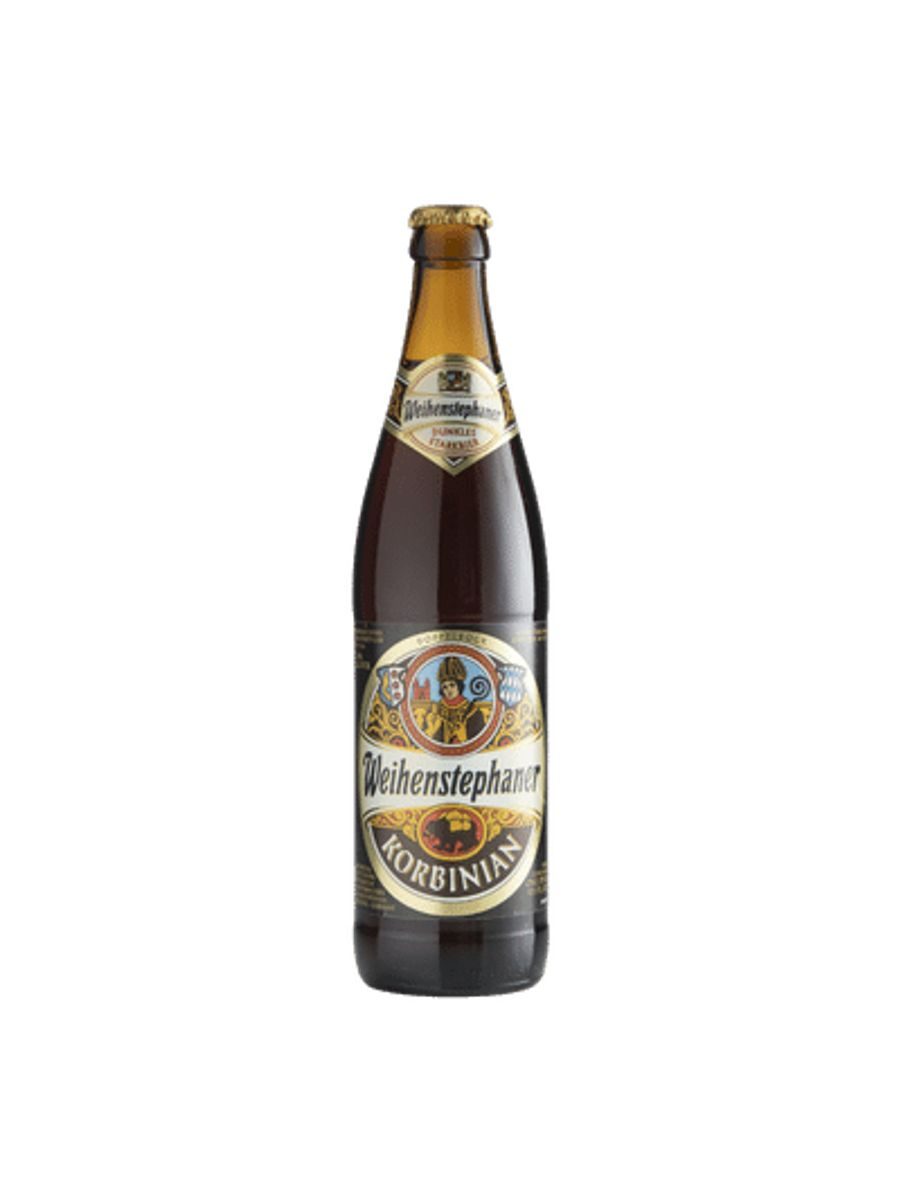
Weihenstephaner Korbinian
Brewed by Bayerische Staatsbrauerei Weihenstephan
toffee, plum, dark bread and cocoa.
BAR NOTES
Weihenstephaner Korbinian shows why bock is a test of malt discipline: toffee, plum, dark bread and cocoa build depth without turning the finish sticky. Bayerische Staatsbrauerei Weihenstephan keeps fermentation character controlled so the grain, not estery noise or aggressive hops, remains the center of the glass.
Serve this around 45–52°F in a mug, tulip, or dimpled stein. Roast pork, sausages, braised beef, nutty cheese, mushrooms, and bread pudding all work because browning and salt meet the beer’s malt while carbonation clears the palate.
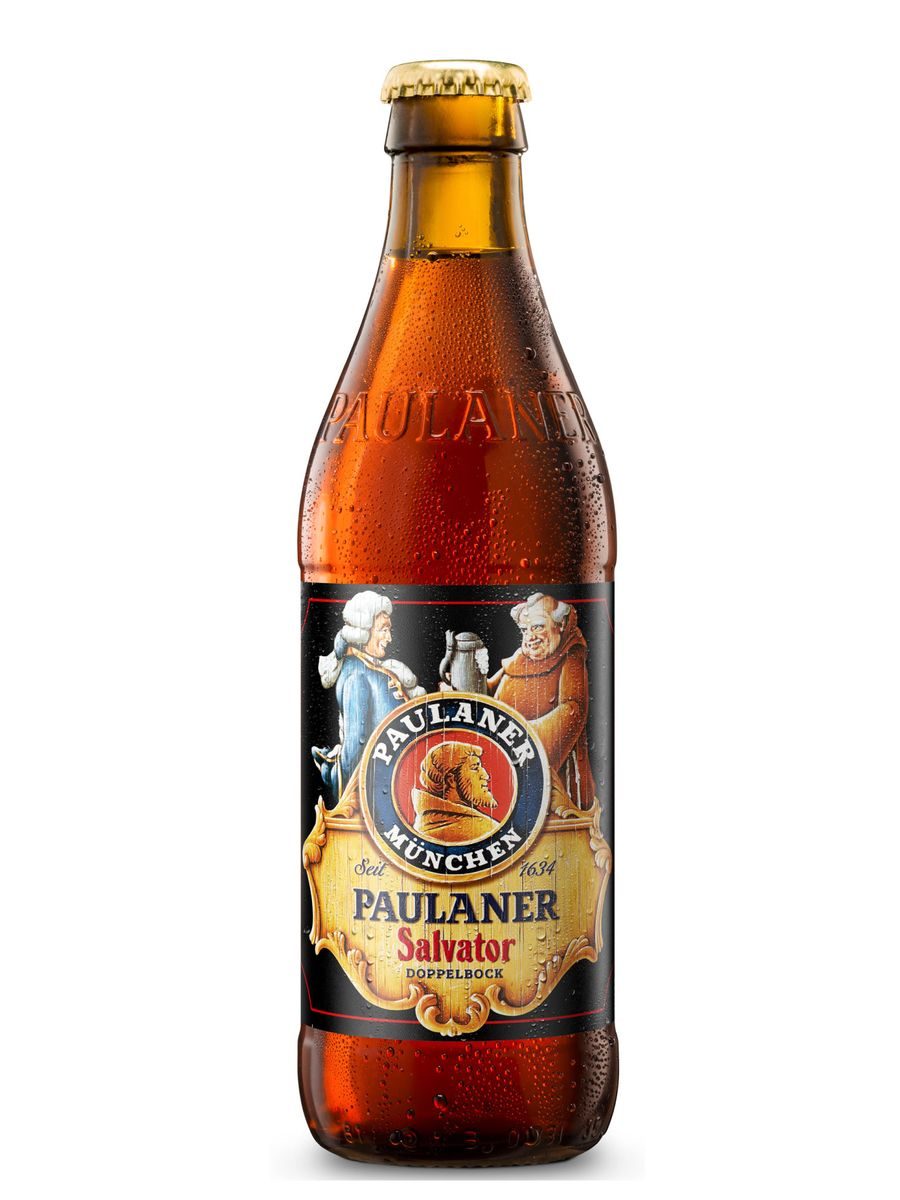
Paulaner Salvator
Brewed by Paulaner Brauerei
caramelized malt, bread crust and chocolate.
BAR NOTES
Paulaner Salvator shows why bock is a test of malt discipline: caramelized malt, bread crust and chocolate build depth without turning the finish sticky. Paulaner Brauerei keeps fermentation character controlled so the grain, not estery noise or aggressive hops, remains the center of the glass.
Serve this around 45–52°F in a mug, tulip, or dimpled stein. Roast pork, sausages, braised beef, nutty cheese, mushrooms, and bread pudding all work because browning and salt meet the beer’s malt while carbonation clears the palate.
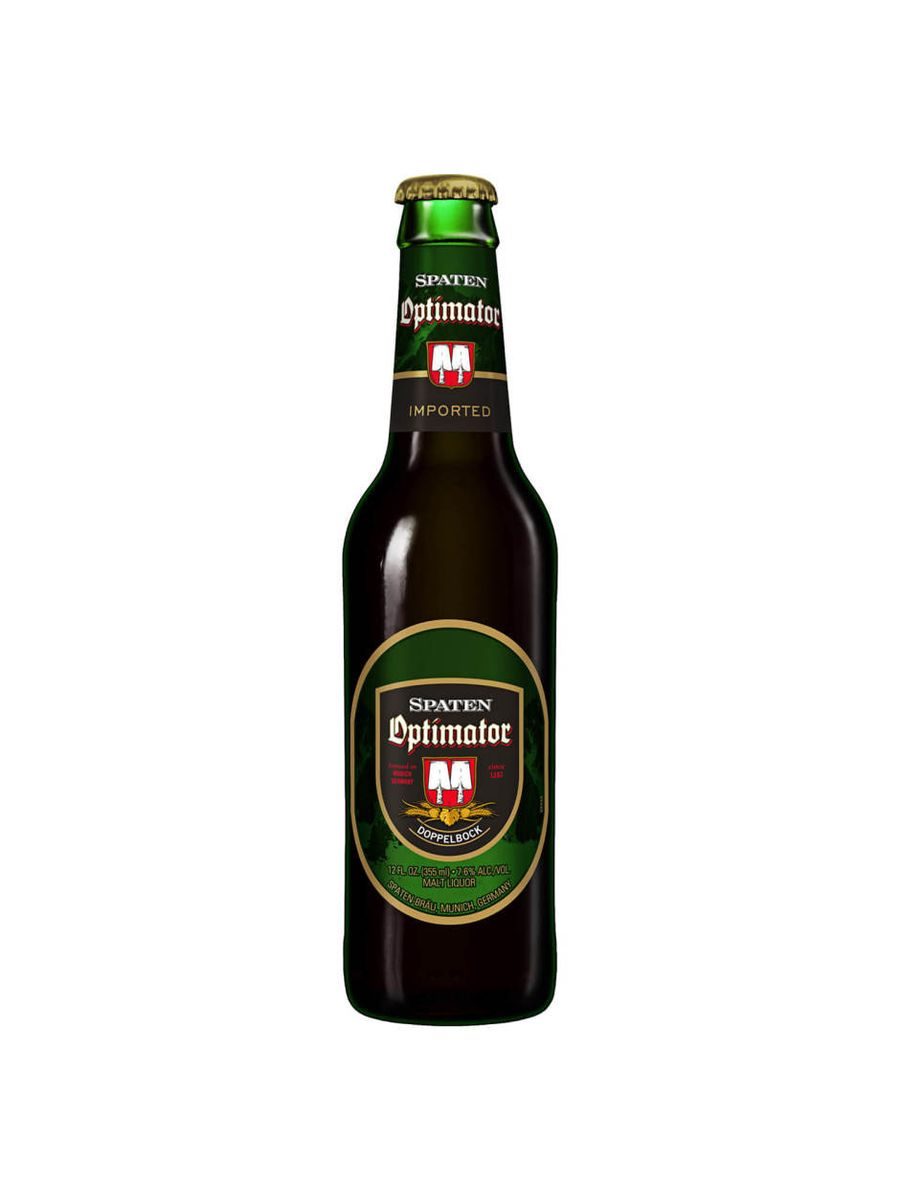
Spaten Optimator
Brewed by Spaten-Franziskaner-Bräu
raisin, toasted malt and gentle roast.
BAR NOTES
Spaten Optimator shows why bock is a test of malt discipline: raisin, toasted malt and gentle roast build depth without turning the finish sticky. Spaten-Franziskaner-Bräu keeps fermentation character controlled so the grain, not estery noise or aggressive hops, remains the center of the glass.
Serve this around 45–52°F in a mug, tulip, or dimpled stein. Roast pork, sausages, braised beef, nutty cheese, mushrooms, and bread pudding all work because browning and salt meet the beer’s malt while carbonation clears the palate.
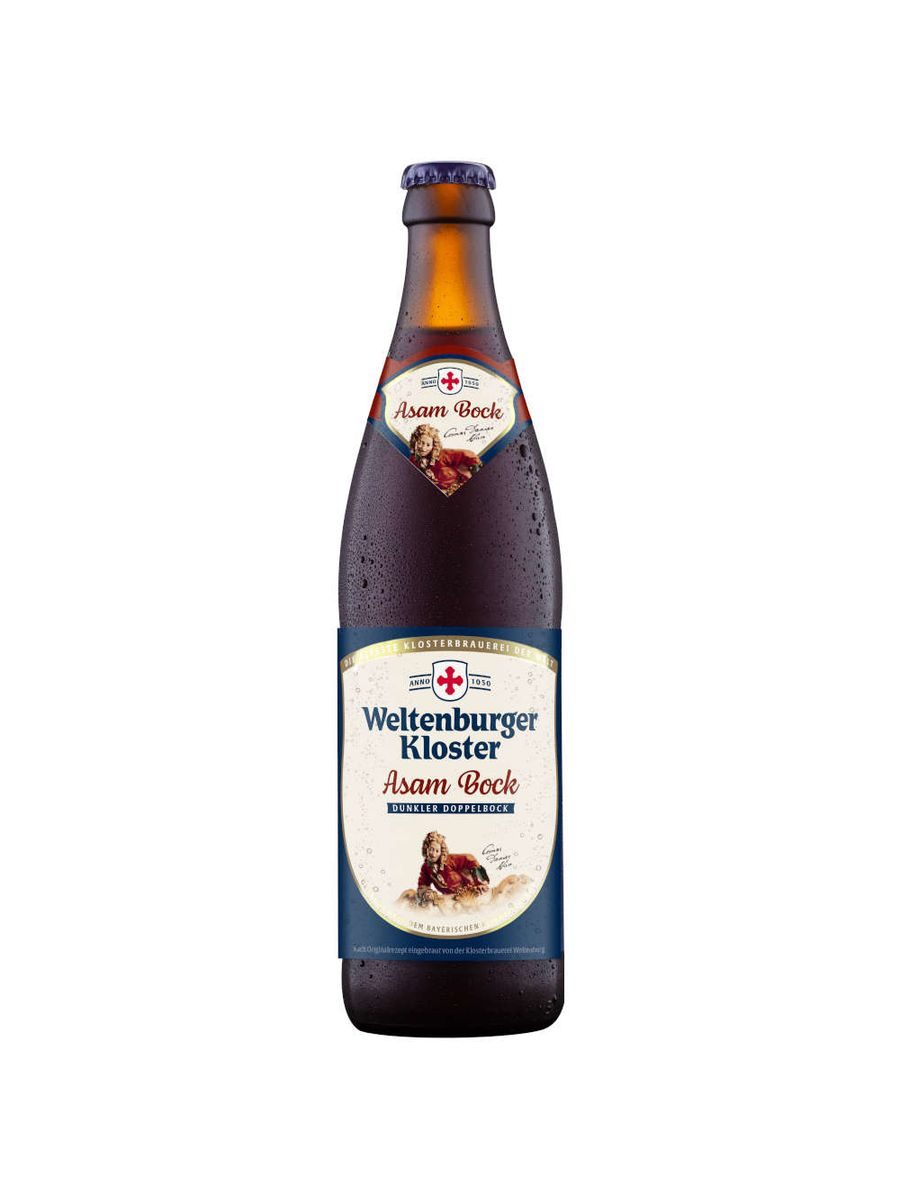
Weltenburger Kloster Asam Bock
Brewed by Klosterbrauerei Weltenburg
dark caramel, bread, dried fruit and cocoa.
BAR NOTES
Weltenburger Kloster Asam Bock shows why bock is a test of malt discipline: dark caramel, bread, dried fruit and cocoa build depth without turning the finish sticky. Klosterbrauerei Weltenburg keeps fermentation character controlled so the grain, not estery noise or aggressive hops, remains the center of the glass.
Serve this around 45–52°F in a mug, tulip, or dimpled stein. Roast pork, sausages, braised beef, nutty cheese, mushrooms, and bread pudding all work because browning and salt meet the beer’s malt while carbonation clears the palate.
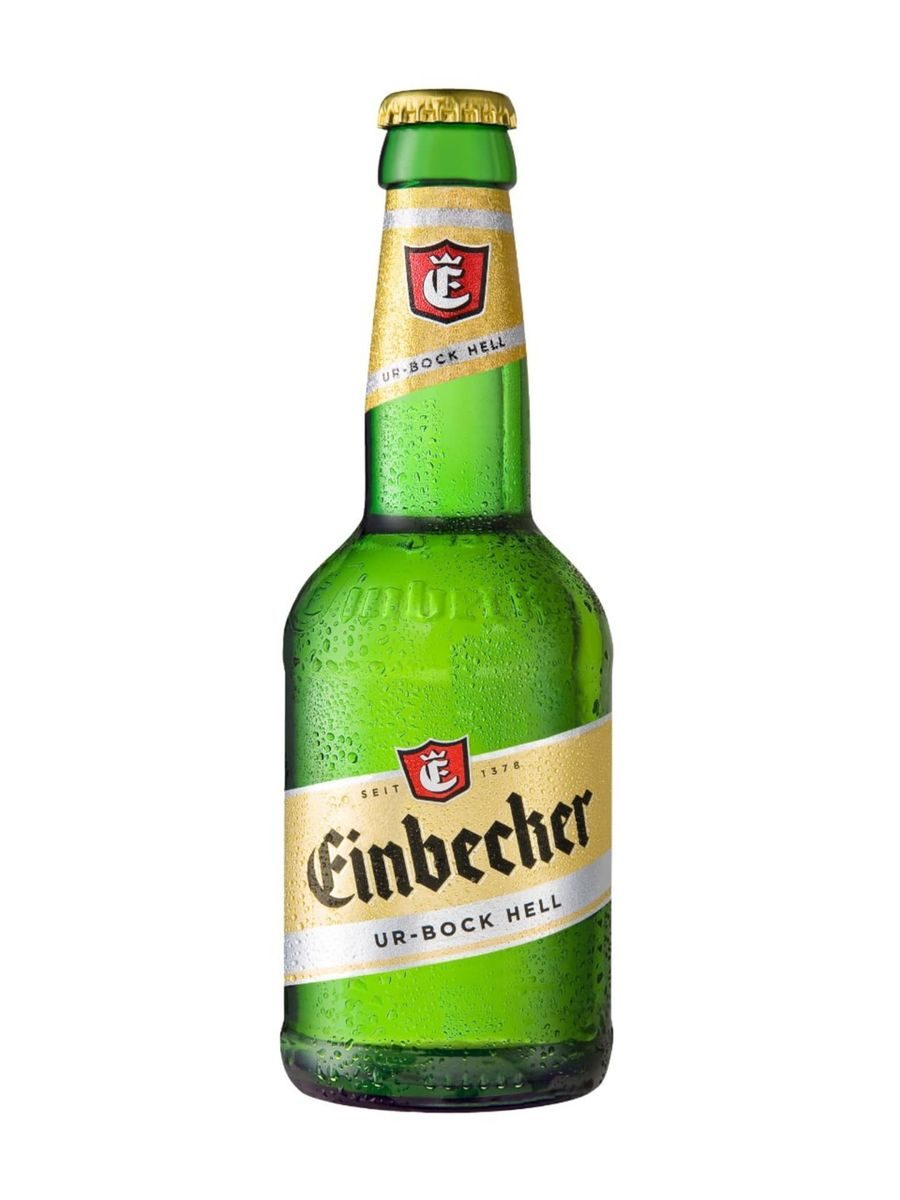
Einbecker Ur-Bock Hell
Brewed by Einbecker Brauhaus
golden malt, honey, herbs and firm bitterness.
BAR NOTES
Einbecker Ur-Bock Hell shows why bock is a test of malt discipline: golden malt, honey, herbs and firm bitterness build depth without turning the finish sticky. Einbecker Brauhaus keeps fermentation character controlled so the grain, not estery noise or aggressive hops, remains the center of the glass.
Serve this around 45–52°F in a mug, tulip, or dimpled stein. Roast pork, sausages, braised beef, nutty cheese, mushrooms, and bread pudding all work because browning and salt meet the beer’s malt while carbonation clears the palate.
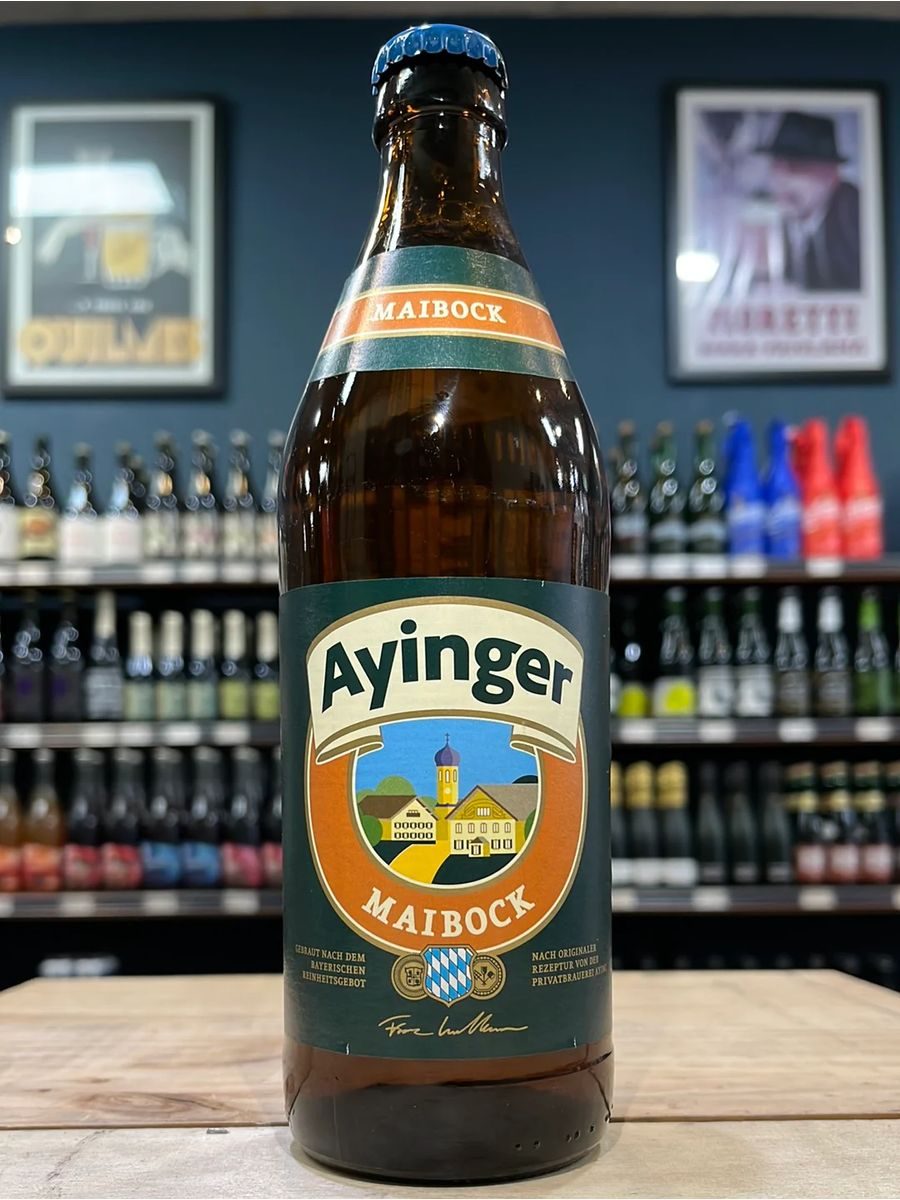
Ayinger Maibock
Brewed by Ayinger Privatbrauerei
golden bread, honey and floral-spicy hops.
BAR NOTES
Ayinger Maibock shows why bock is a test of malt discipline: golden bread, honey and floral-spicy hops build depth without turning the finish sticky. Ayinger Privatbrauerei keeps fermentation character controlled so the grain, not estery noise or aggressive hops, remains the center of the glass.
Serve this around 45–52°F in a mug, tulip, or dimpled stein. Roast pork, sausages, braised beef, nutty cheese, mushrooms, and bread pudding all work because browning and salt meet the beer’s malt while carbonation clears the palate.
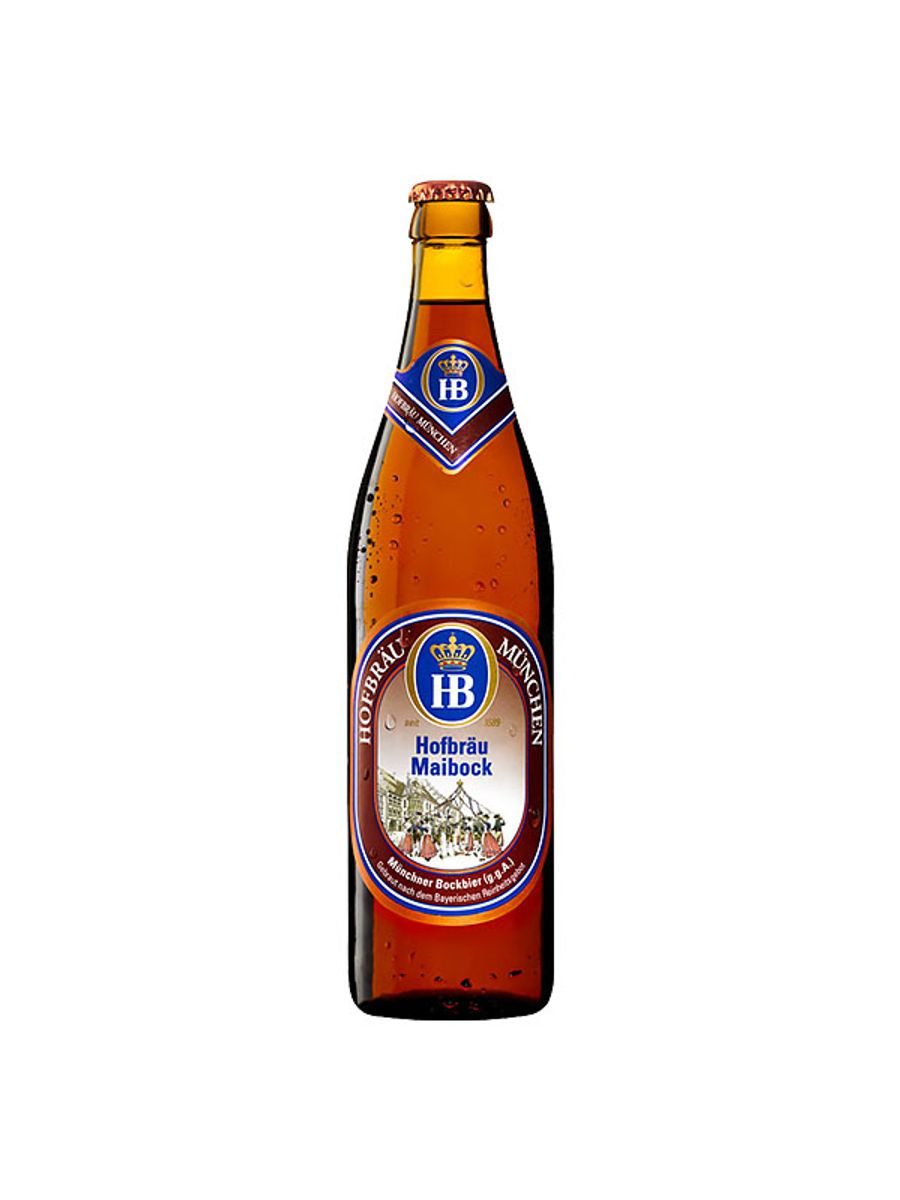
Hofbräu Maibock
Brewed by Hofbräu München
toast, caramel, herbs and peppery hops.
BAR NOTES
Hofbräu Maibock shows why bock is a test of malt discipline: toast, caramel, herbs and peppery hops build depth without turning the finish sticky. Hofbräu München keeps fermentation character controlled so the grain, not estery noise or aggressive hops, remains the center of the glass.
Serve this around 45–52°F in a mug, tulip, or dimpled stein. Roast pork, sausages, braised beef, nutty cheese, mushrooms, and bread pudding all work because browning and salt meet the beer’s malt while carbonation clears the palate.
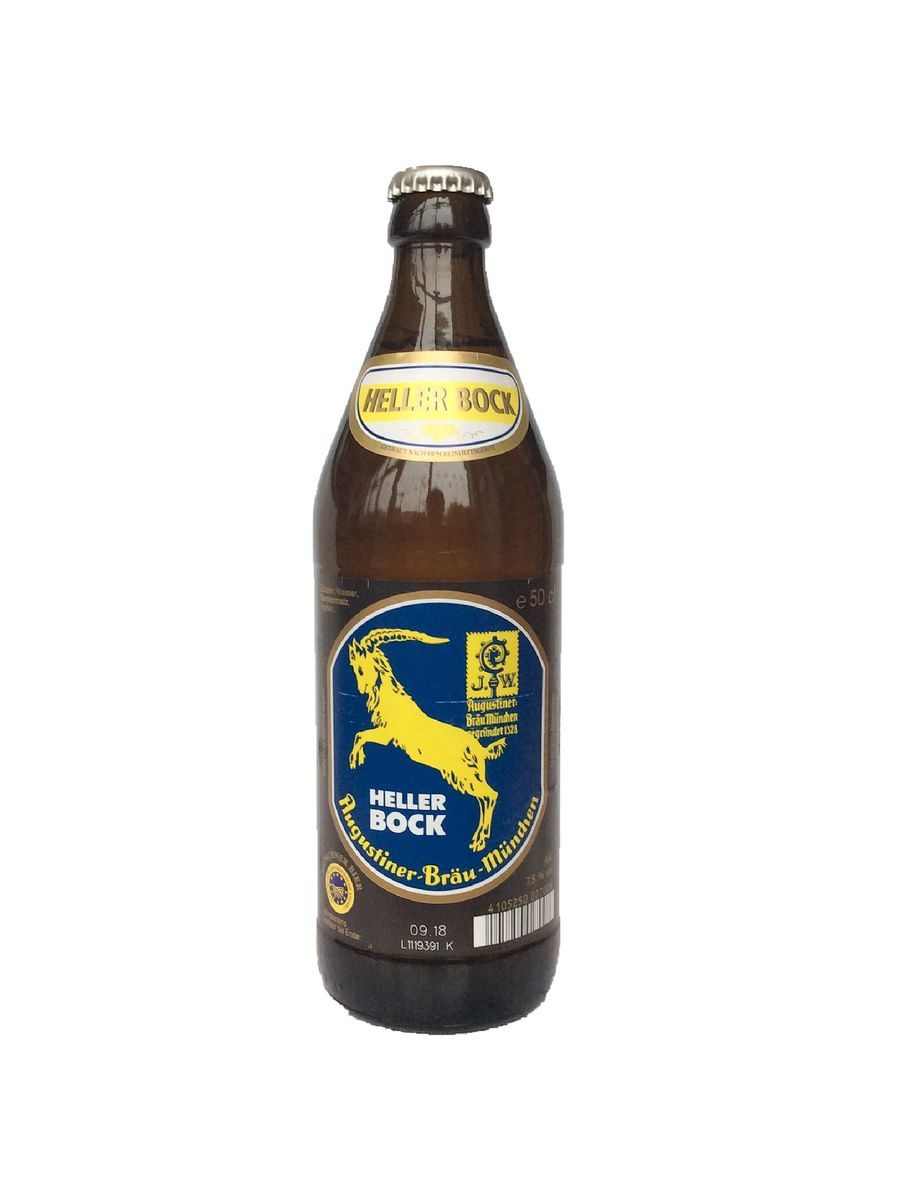
Augustiner Heller Bock
Brewed by Augustiner-Bräu
clean pale malt, honey and noble hops.
BAR NOTES
Augustiner Heller Bock shows why bock is a test of malt discipline: clean pale malt, honey and noble hops build depth without turning the finish sticky. Augustiner-Bräu keeps fermentation character controlled so the grain, not estery noise or aggressive hops, remains the center of the glass.
Serve this around 45–52°F in a mug, tulip, or dimpled stein. Roast pork, sausages, braised beef, nutty cheese, mushrooms, and bread pudding all work because browning and salt meet the beer’s malt while carbonation clears the palate.
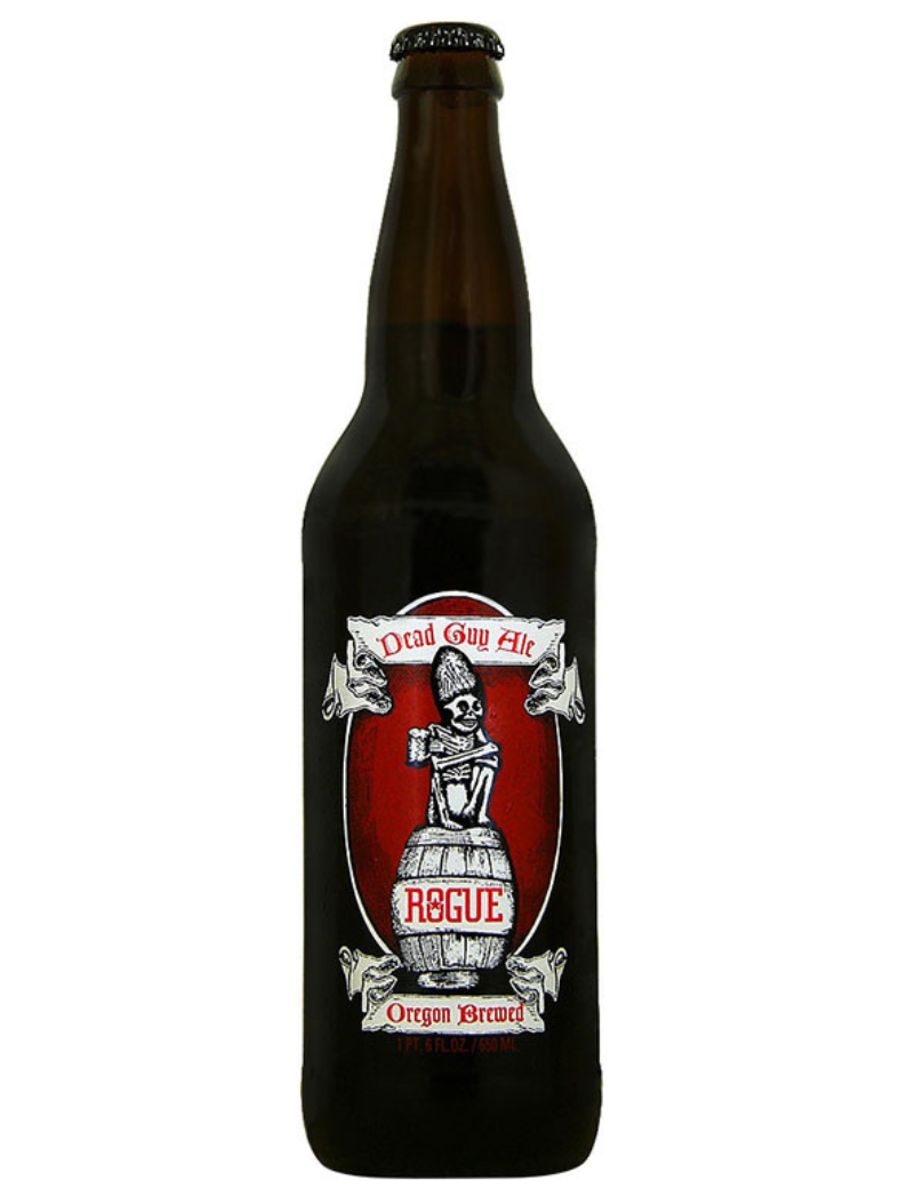
Rogue Dead Guy Ale
Brewed by Rogue Ales
toast, caramel and earthy hop balance.
BAR NOTES
Rogue Dead Guy Ale shows why bock is a test of malt discipline: toast, caramel and earthy hop balance build depth without turning the finish sticky. Rogue Ales keeps fermentation character controlled so the grain, not estery noise or aggressive hops, remains the center of the glass.
Serve this around 45–52°F in a mug, tulip, or dimpled stein. Roast pork, sausages, braised beef, nutty cheese, mushrooms, and bread pudding all work because browning and salt meet the beer’s malt while carbonation clears the palate.
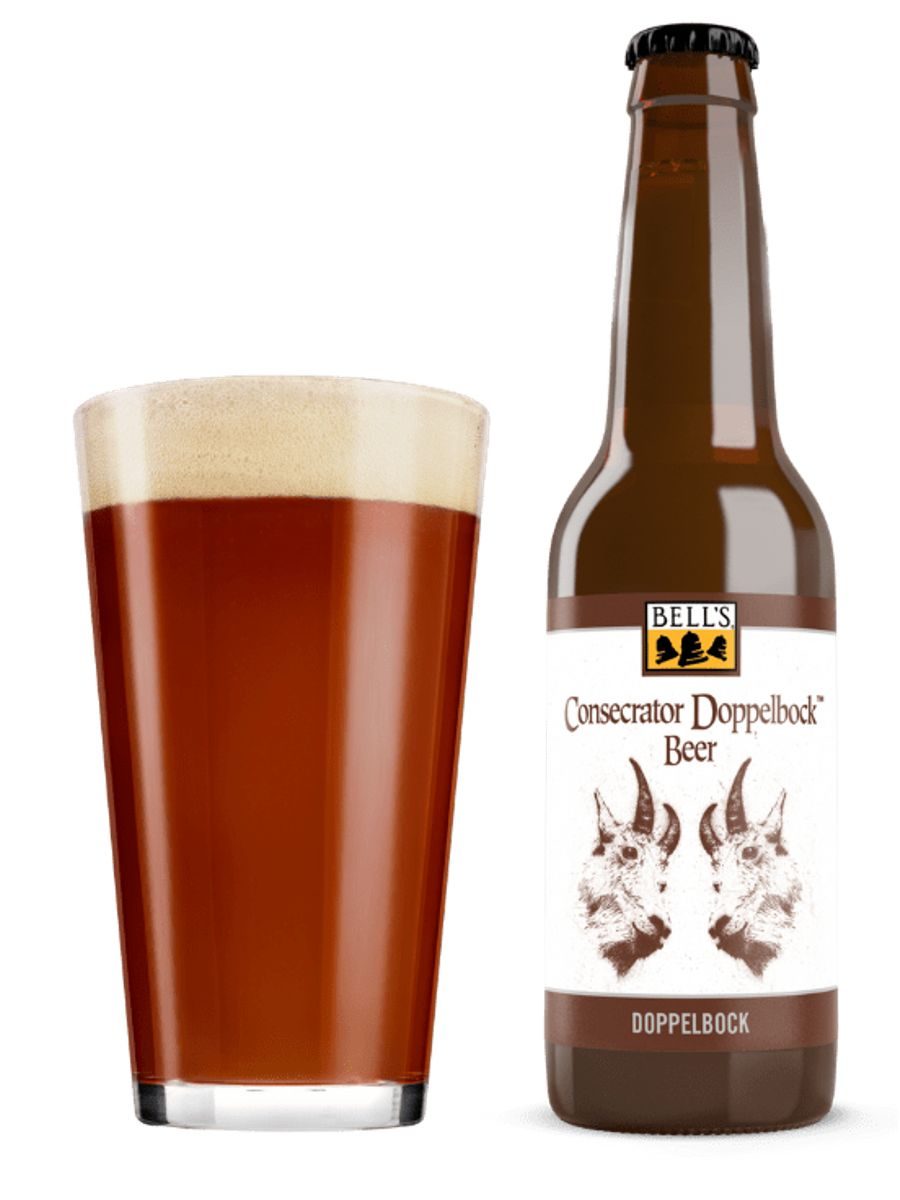
Bell’s Consecrator
Brewed by Bell’s Brewery
dark bread, caramel, dried cherry and cocoa.
BAR NOTES
Bell’s Consecrator shows why bock is a test of malt discipline: dark bread, caramel, dried cherry and cocoa build depth without turning the finish sticky. Bell’s Brewery keeps fermentation character controlled so the grain, not estery noise or aggressive hops, remains the center of the glass.
Serve this around 45–52°F in a mug, tulip, or dimpled stein. Roast pork, sausages, braised beef, nutty cheese, mushrooms, and bread pudding all work because browning and salt meet the beer’s malt while carbonation clears the palate.
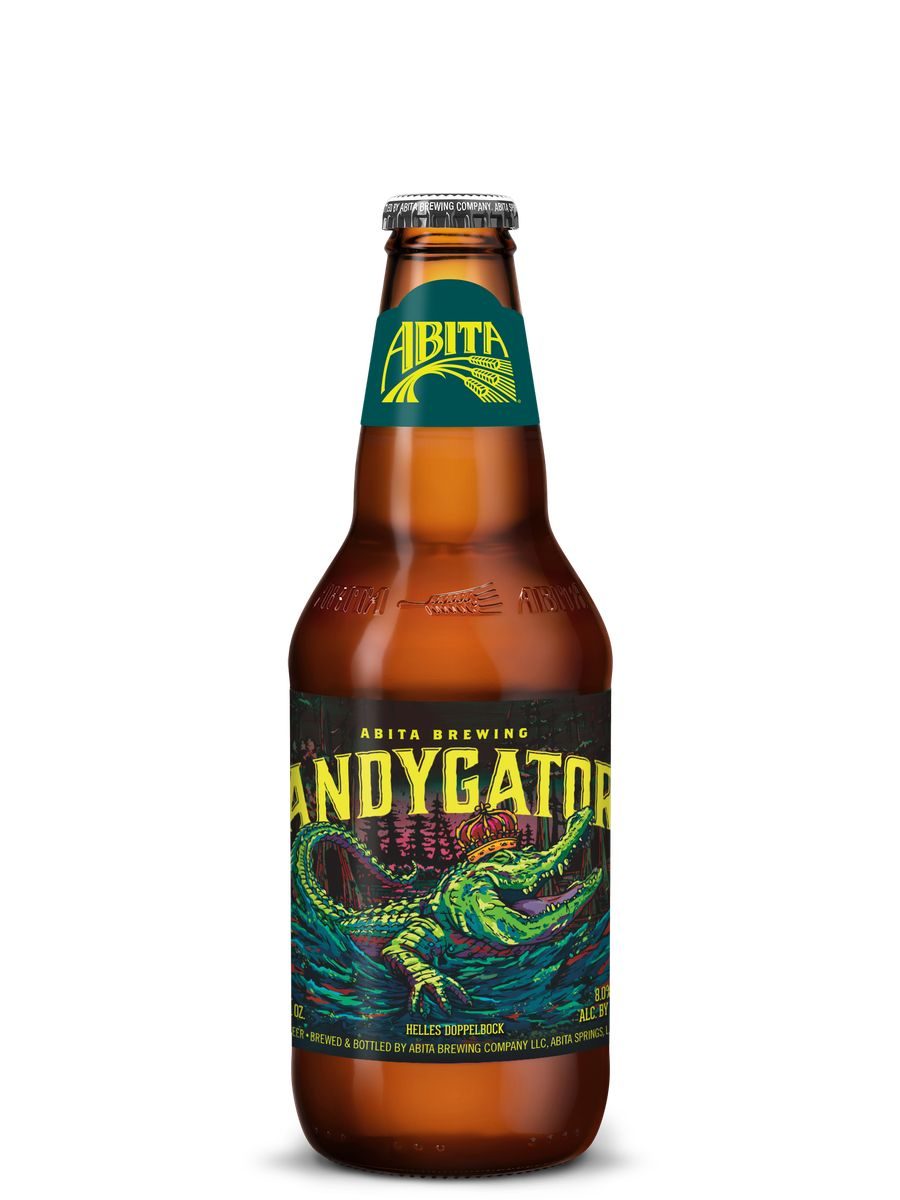
Abita Andygator
Brewed by Abita Brewing Company
pilsner malt, honey and clean lager fruit.
BAR NOTES
Abita Andygator shows why bock is a test of malt discipline: pilsner malt, honey and clean lager fruit build depth without turning the finish sticky. Abita Brewing Company keeps fermentation character controlled so the grain, not estery noise or aggressive hops, remains the center of the glass.
Serve this around 45–52°F in a mug, tulip, or dimpled stein. Roast pork, sausages, braised beef, nutty cheese, mushrooms, and bread pudding all work because browning and salt meet the beer’s malt while carbonation clears the palate.
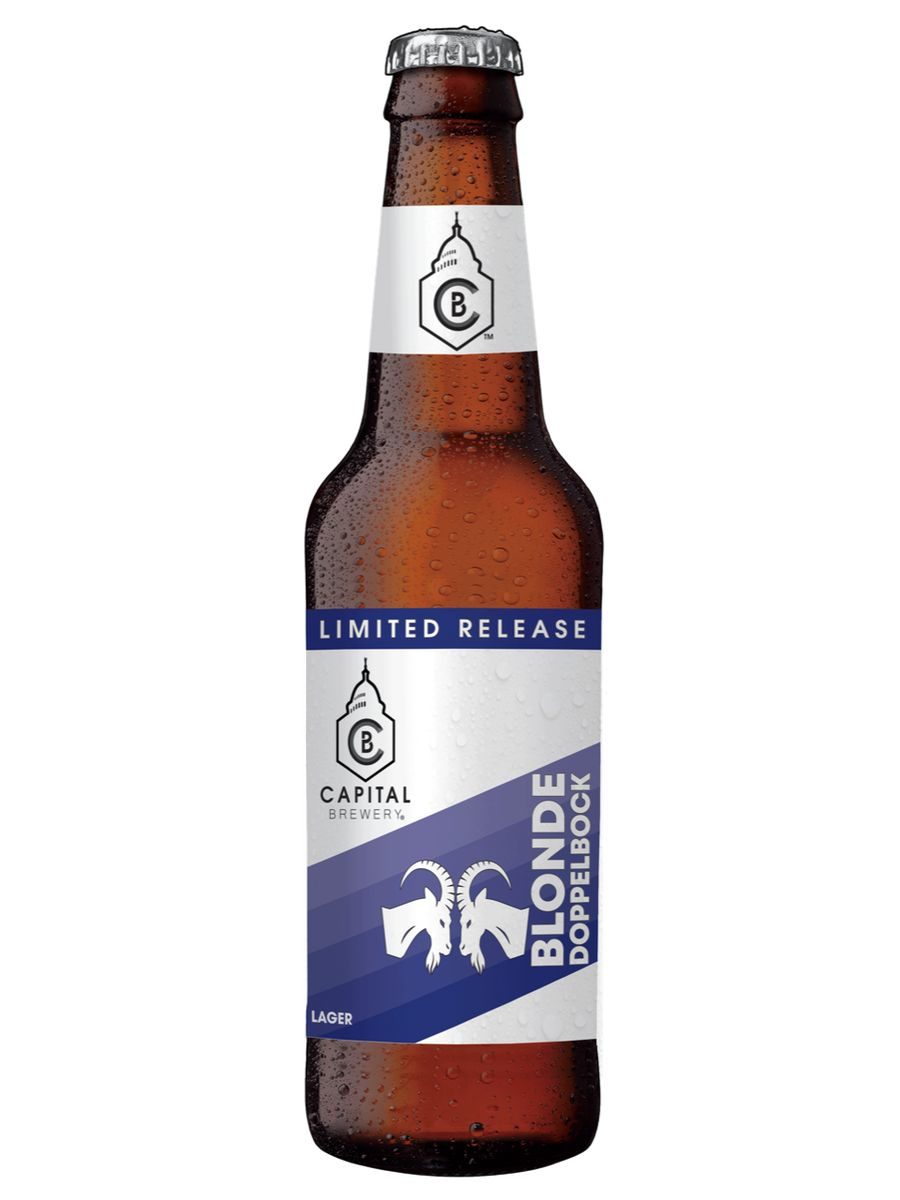
Capital Blonde Doppelbock
Brewed by Capital Brewery
rich golden malt, caramel and smooth warmth.
BAR NOTES
Capital Blonde Doppelbock shows why bock is a test of malt discipline: rich golden malt, caramel and smooth warmth build depth without turning the finish sticky. Capital Brewery keeps fermentation character controlled so the grain, not estery noise or aggressive hops, remains the center of the glass.
Serve this around 45–52°F in a mug, tulip, or dimpled stein. Roast pork, sausages, braised beef, nutty cheese, mushrooms, and bread pudding all work because browning and salt meet the beer’s malt while carbonation clears the palate.
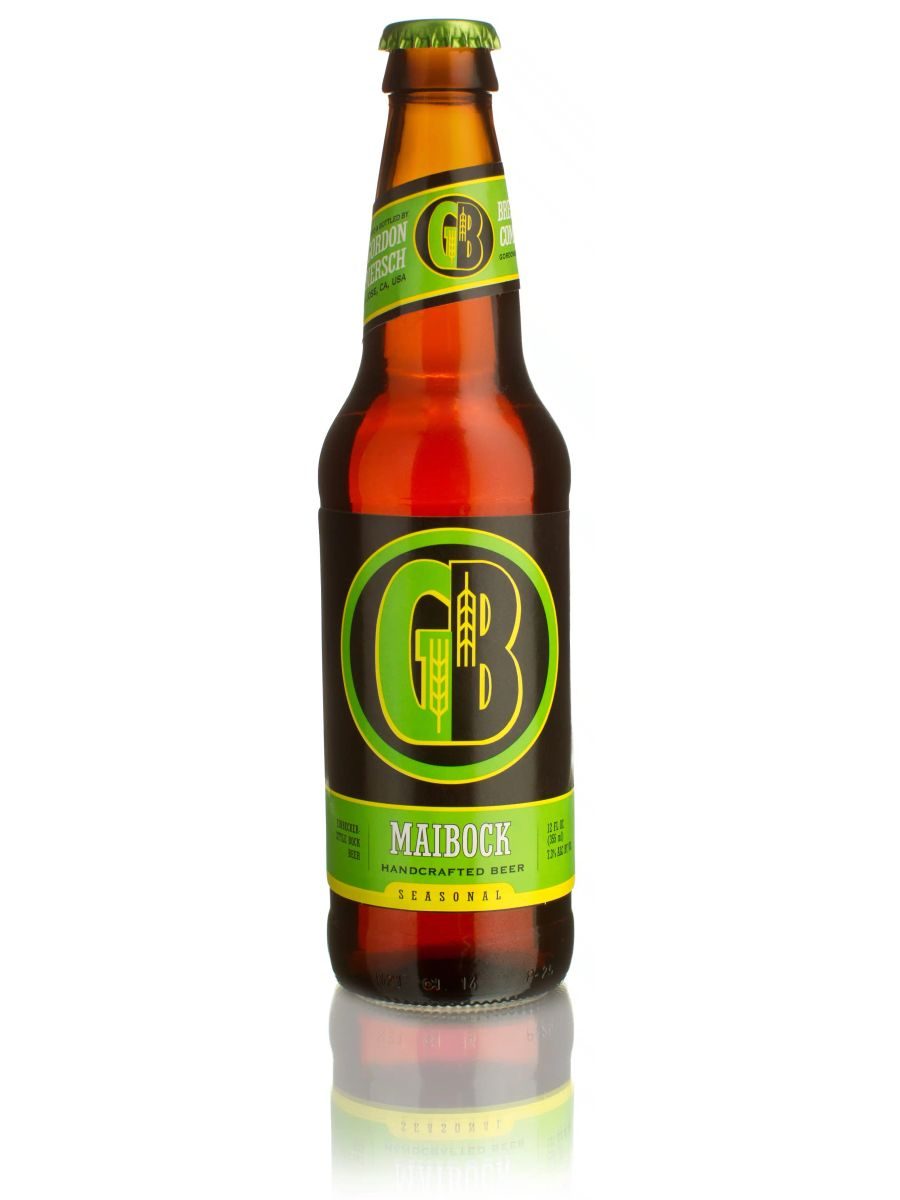
Gordon Biersch Maibock
Brewed by Gordon Biersch Brewing
caramel malt, toast and restrained hops.
BAR NOTES
Gordon Biersch Maibock shows why bock is a test of malt discipline: caramel malt, toast and restrained hops build depth without turning the finish sticky. Gordon Biersch Brewing keeps fermentation character controlled so the grain, not estery noise or aggressive hops, remains the center of the glass.
Serve this around 45–52°F in a mug, tulip, or dimpled stein. Roast pork, sausages, braised beef, nutty cheese, mushrooms, and bread pudding all work because browning and salt meet the beer’s malt while carbonation clears the palate.
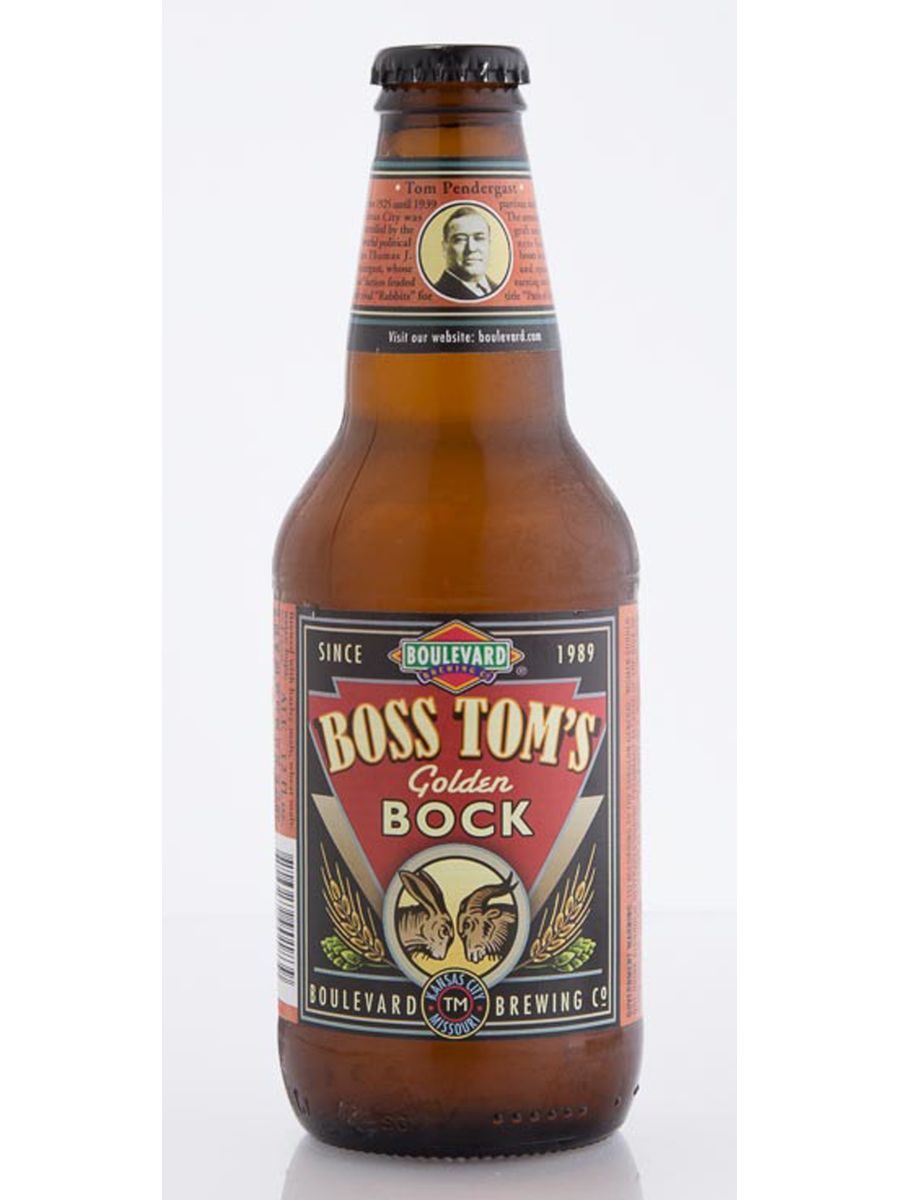
Boulevard Boss Tom’s Golden Bock
Brewed by Boulevard Brewing Company
toasted malt, caramel and spicy hops.
BAR NOTES
Boulevard Boss Tom’s Golden Bock shows why bock is a test of malt discipline: toasted malt, caramel and spicy hops build depth without turning the finish sticky. Boulevard Brewing Company keeps fermentation character controlled so the grain, not estery noise or aggressive hops, remains the center of the glass.
Serve this around 45–52°F in a mug, tulip, or dimpled stein. Roast pork, sausages, braised beef, nutty cheese, mushrooms, and bread pudding all work because browning and salt meet the beer’s malt while carbonation clears the palate.
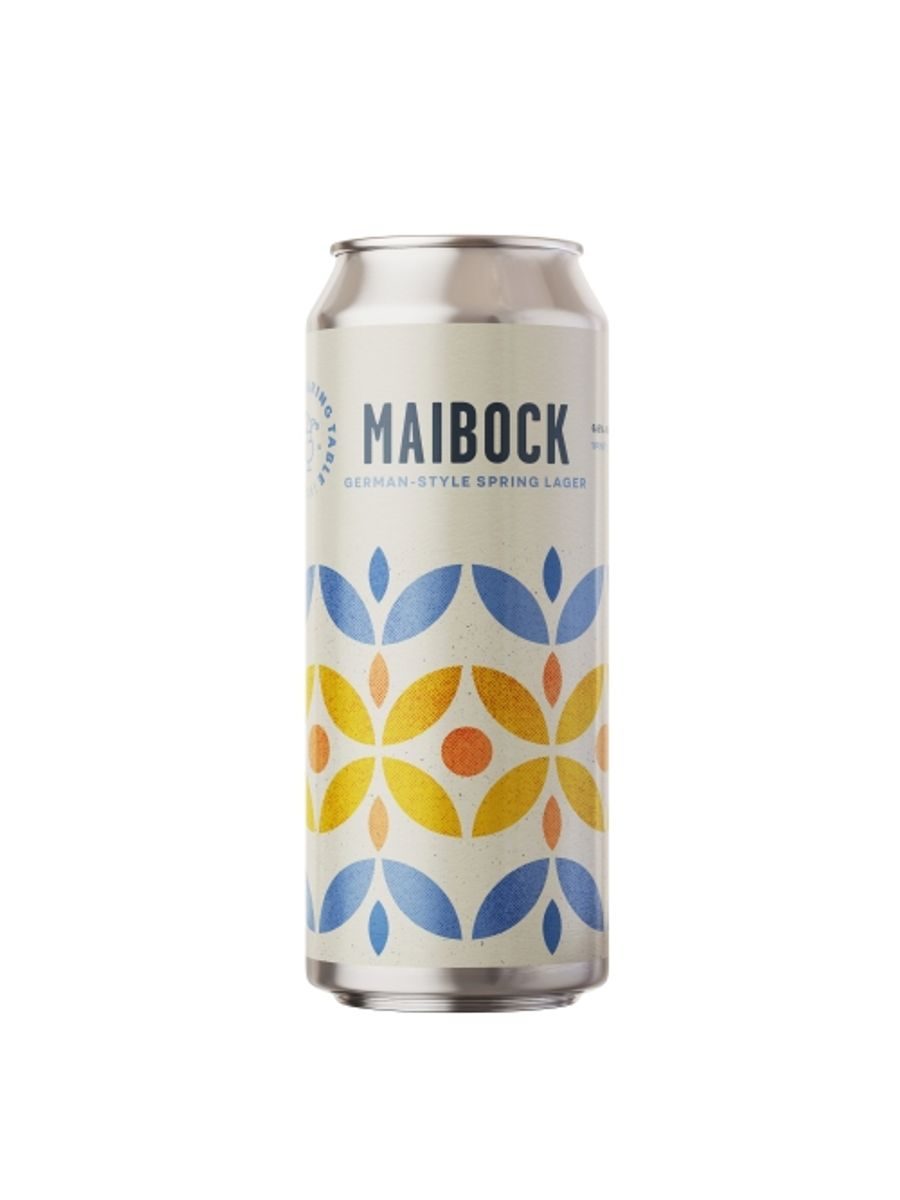
Roaring Table Maibock
Brewed by Roaring Table Brewing
bread crust, honey and springy noble hops.
BAR NOTES
Roaring Table Maibock shows why bock is a test of malt discipline: bread crust, honey and springy noble hops build depth without turning the finish sticky. Roaring Table Brewing keeps fermentation character controlled so the grain, not estery noise or aggressive hops, rema