10 Best Weizenbocks to Drink in 2026
Weizenbock is what happens when Bavarian wheat beer stops being polite. Banana, clove and pillowy grain remain, but bock-level gravity adds honey, bread crust, dark fruit, caramel and warming alcohol. The best examples can be pale or dark; strength and wheat fermentation matter more than color.
This focused Top 10 starts with the historic benchmarks, then follows the style through hoppy, organic and American interpretations. Ordinary hefeweizen, dark-but-normal-strength Dunkelweizen and clean-fermented Doppelbock stay in their own lanes.
The quick answer
Schneider Weisse TAP6 Mein Aventinus is the best Weizenbock overall and the dark historical benchmark. Weihenstephaner Vitus is the best pale example, Ayinger is the polished winter bottle, and Schneider TAP5 is the hop-forward detour that still respects the style.
The 10 best Weizenbocks
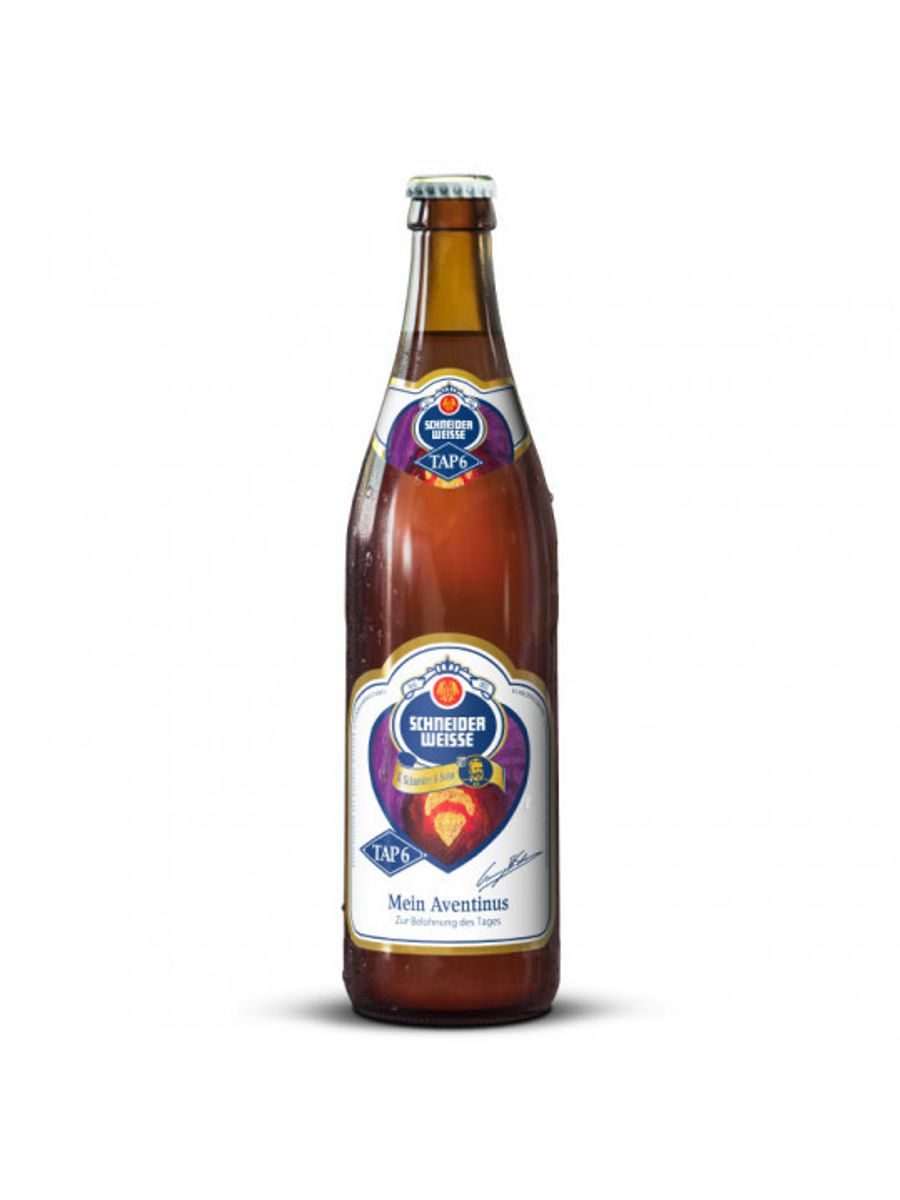
Schneider Weisse TAP6 Mein Aventinus
Brewed by Schneider Weisse
The dark benchmark: banana, clove, raisin, plum and caramelized wheat layered into a strong beer that remains lively instead of turning syrupy.
BAR NOTES
Aventinus is the historical and sensory center of this list. First brewed in 1907, it joins dark-fruit and bread-crust malt to unmistakable wheat-yeast character with extraordinary density and control.
Serve around 50–54°F in a stemmed wheat glass or tulip. Braised beef, duck, aged Gouda and fruitcake can meet its strength; a fresh bottle still carries enough carbonation to reset the palate.
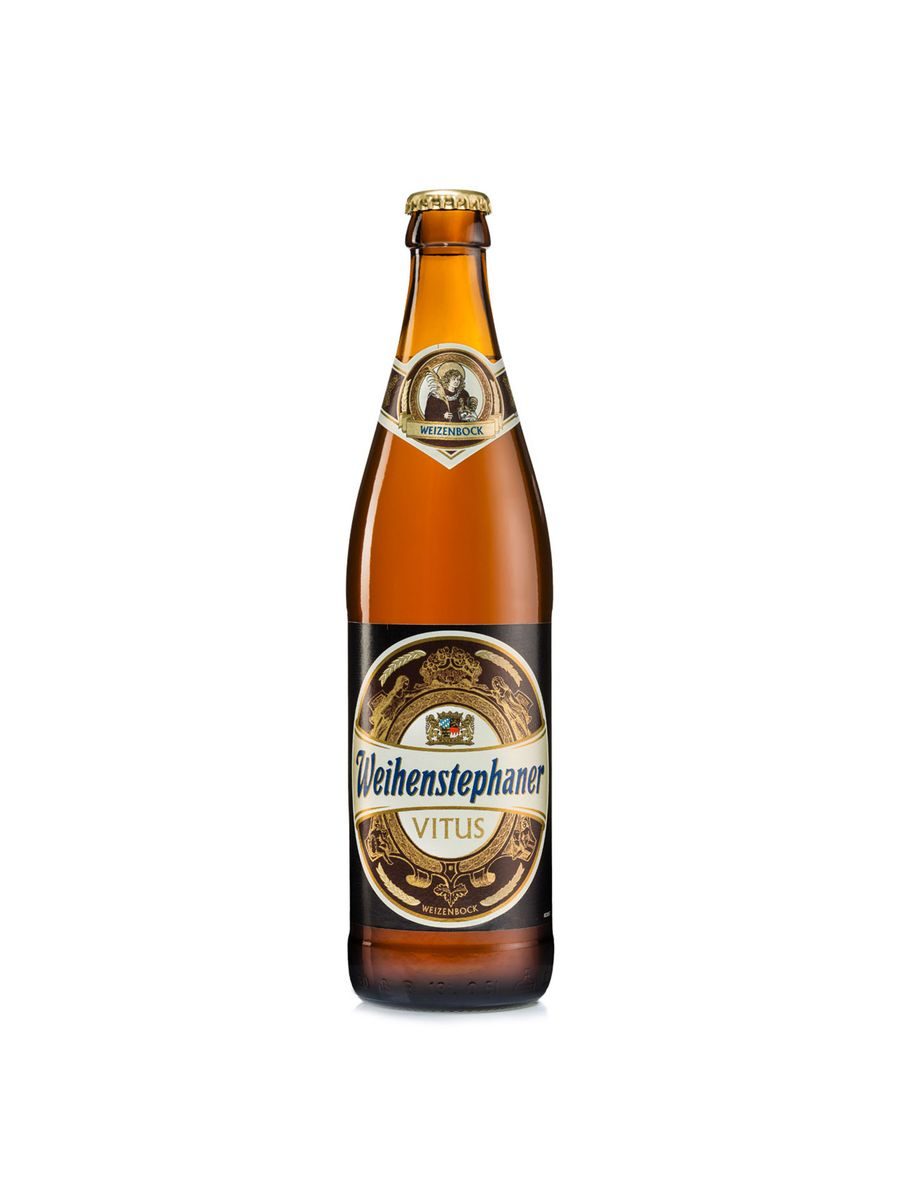
Weihenstephaner Vitus
Brewed by Bayerische Staatsbrauerei Weihenstephan
Apricot, banana, clove and honeyed wheat prove that Weizenbock does not need dark malt to deliver bock-level weight and complexity.
BAR NOTES
Vitus is the essential pale counterargument to Aventinus. Its golden haze hides serious strength, while ripe fruit, clove, vanilla and soft bread stay remarkably buoyant for a beer near eight percent.
Pour at 46–50°F into a tall wheat glass and give the head room to climb. Roast chicken, pork loin, Alpine cheese and apricot-glazed dishes complement its fruit without making it seem sugary.
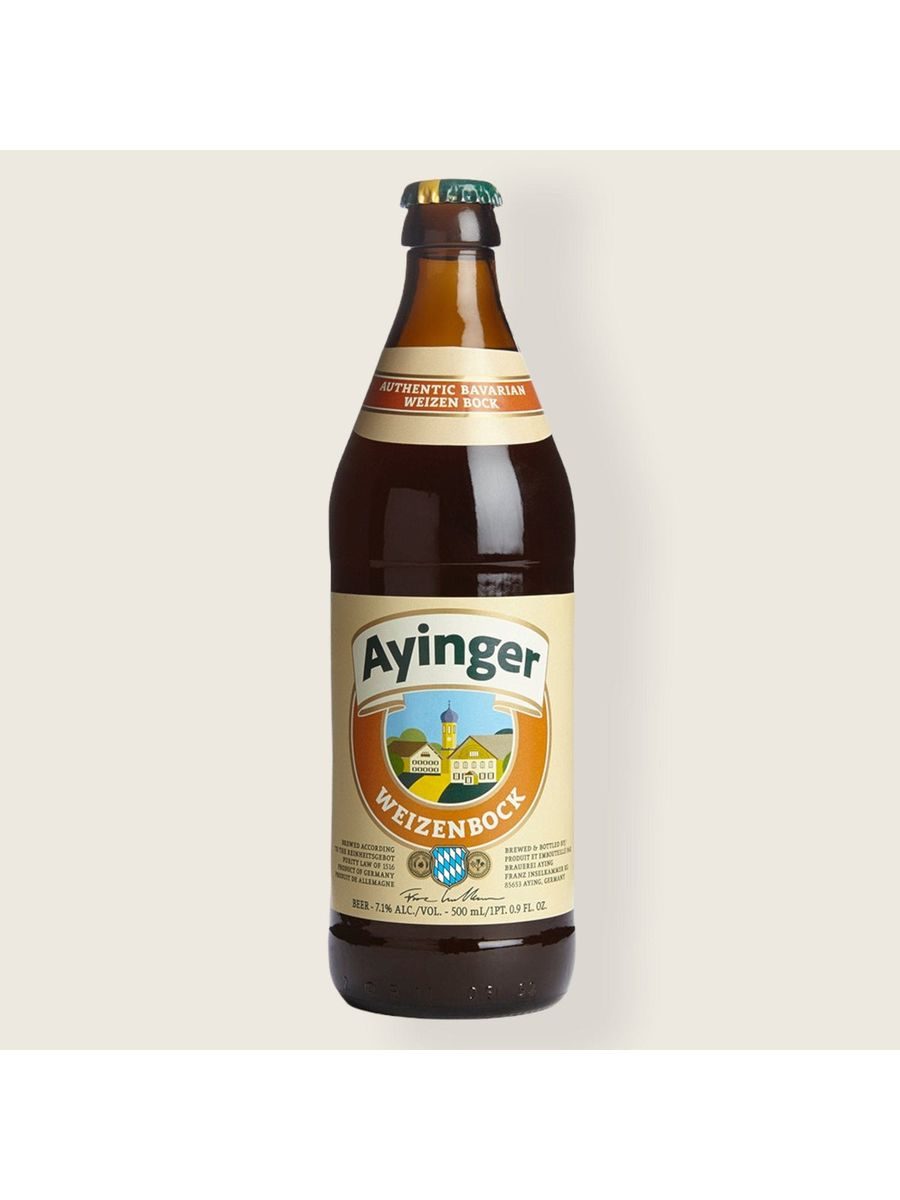
Ayinger Weizenbock
Brewed by Ayinger Privatbrauerei
A polished winter specialty with banana, clove, pale bread and gentle honey, finishing drier and calmer than its substantial starting gravity suggests.
BAR NOTES
Ayinger uses four malts and a wort-separation method to build strength without muddying the profile. The beer remains pale, finely carbonated and unmistakably tied to the brewery’s expressive wheat-beer yeast.
Serve around 48–52°F and buy it fresh enough for the banana-and-clove aromatics to remain vivid. Roast poultry, pork, pretzels and washed-rind cheese all appreciate its soft grain and warming finish.
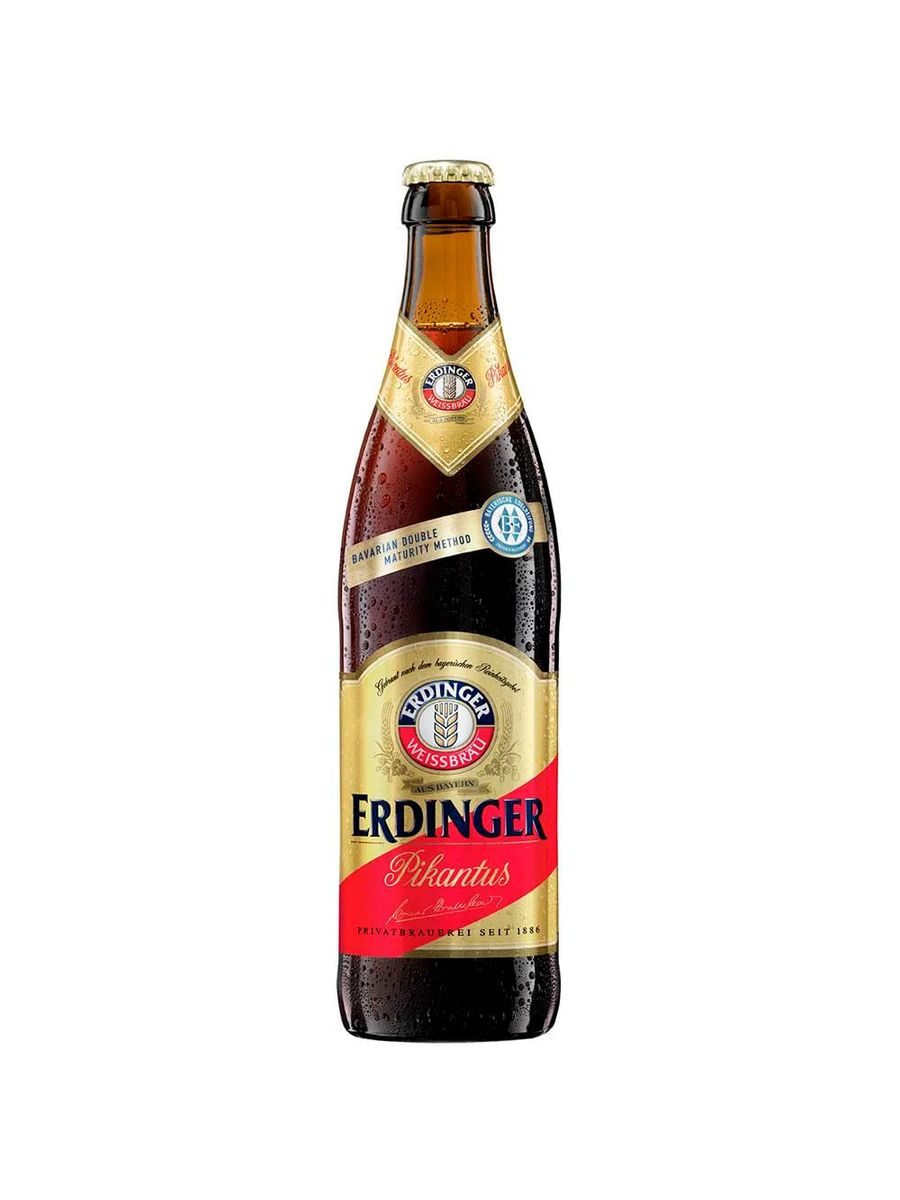
Erdinger Pikantus
Brewed by Erdinger Weissbräu
Dark bread, plum, banana and warming spice in a smooth, bottle-matured wheat bock that is easier to find than many niche German competitors.
BAR NOTES
Pikantus leans toward malt richness and dark fruit while retaining enough yeast spice to avoid becoming a generic strong brown beer. Fine carbonation keeps the dense middle from feeling static.
Pour it at 48–52°F and gently lift the sediment if you want maximum body. Roast pork, venison, mushroom dishes and nutty cheese echo the malt; avoid overly sweet chocolate desserts.
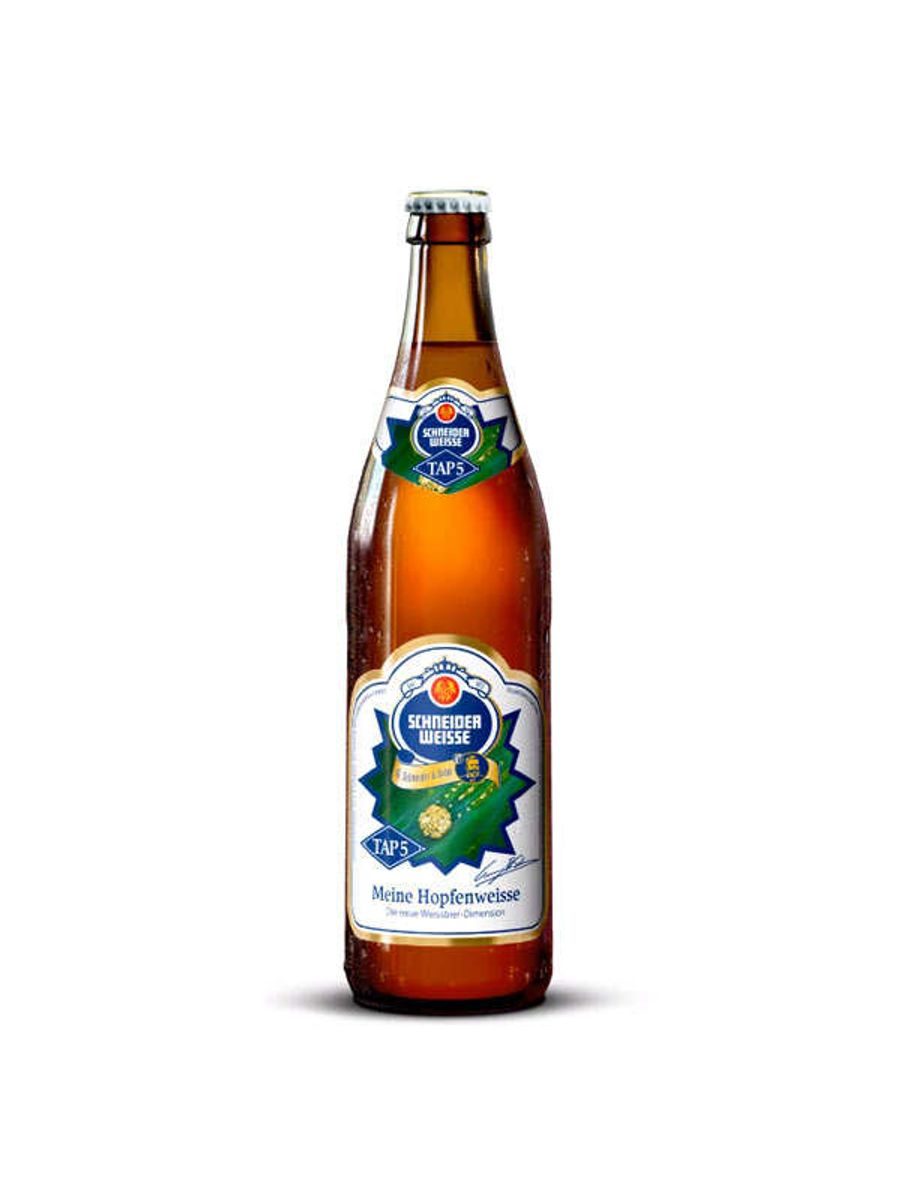
Schneider Weisse TAP5 Meine Hopfenweisse
Brewed by Schneider Weisse
Aventinus-level strength redirected through citrusy, floral hops—banana, clove and bread beneath a bitter aromatic top layer that makes the category feel modern.
BAR NOTES
TAP5 began as a transatlantic collaboration with Brooklyn Brewery and remains the clearest demonstration that Weizenbock can carry assertive hops. The trick is integration, not simply turning wheat beer into an IPA.
Serve around 46–50°F in a tulip while the hop aroma is fresh. Spicy sausage, grilled pork, sharp cheese and curry work because bitterness and carbonation can handle fat and heat.
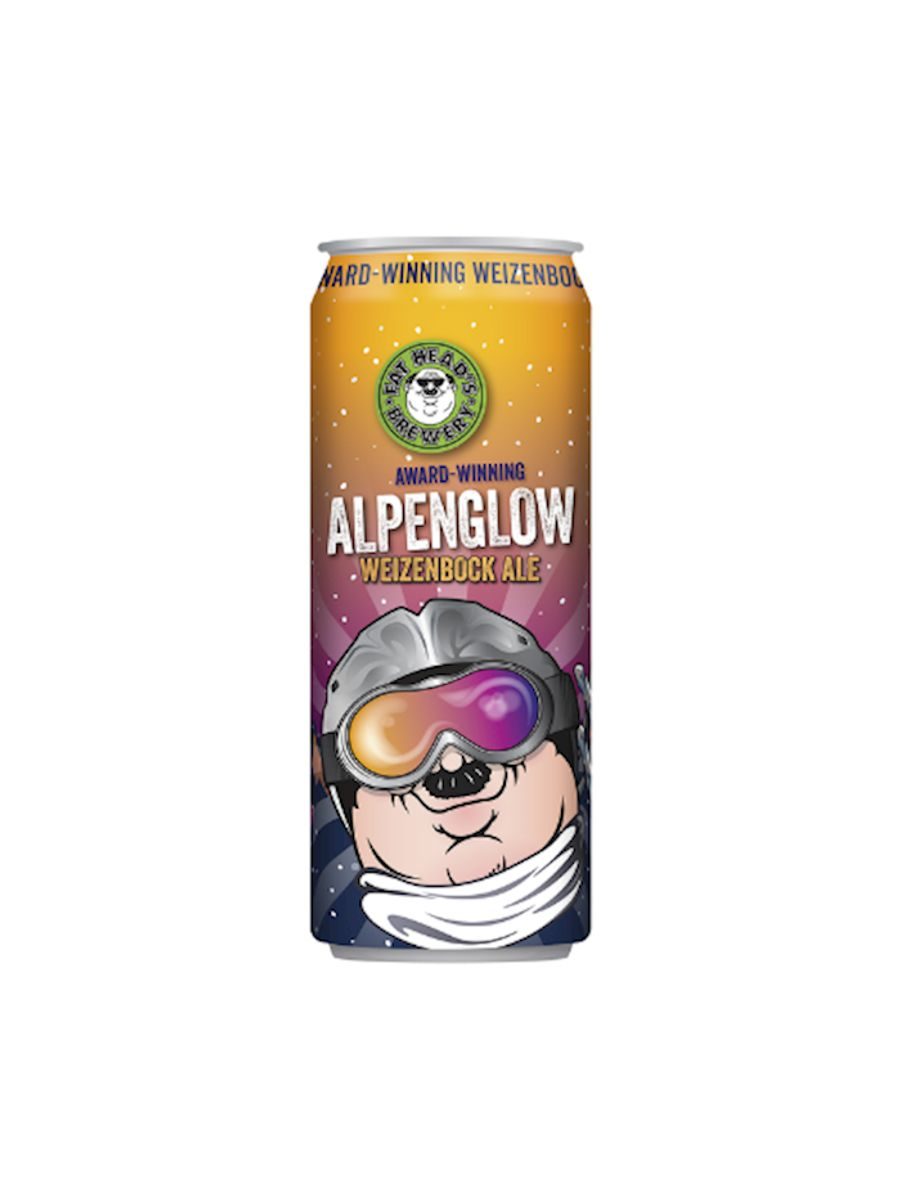
Fat Head's AlpenGlow
Brewed by Fat Head's Brewery
An American brewery-only heavyweight whose banana, clove, bread and warming malt have repeatedly beaten traditional competition on the world stage.
BAR NOTES
AlpenGlow gives this list a meaningful American entry rather than token geography. It won World Beer Cup gold for South German-style Weizenbock in 2018 and again in 2023, proving precision travels.
Availability is brewery-only, so treat it as a destination pour rather than a shelf staple. Serve near 50°F with roast pork, smoked sausage or aged cheese and let the yeast warm gradually.
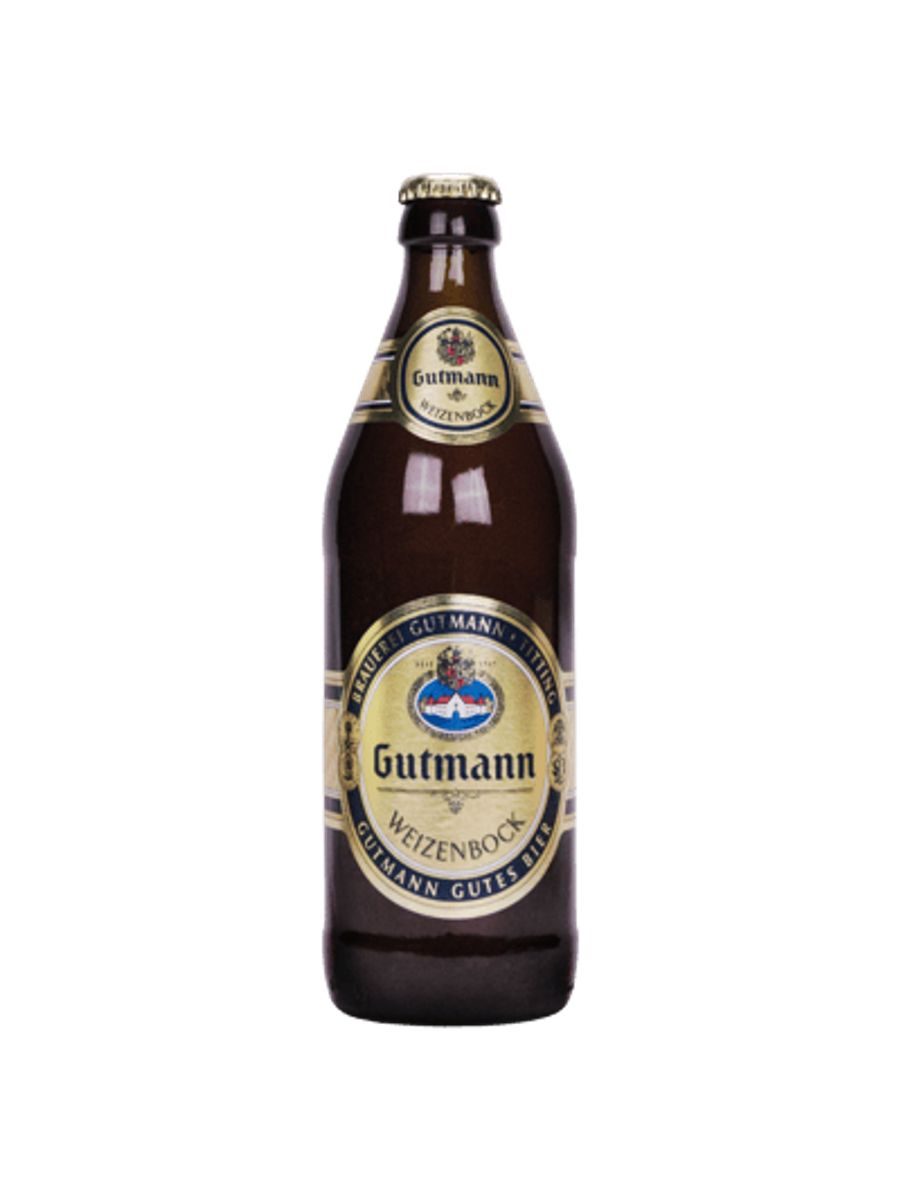
Gutmann Heller Weizenbock
Brewed by Brauerei Gutmann
Creamy banana, clove, pale bread and warming strength from a family wheat-beer specialist that maintains its own yeast culture and brewery maltings.
BAR NOTES
Gutmann’s pale Weizenbock makes fermentation the main event. The brewery specializes in wheat beer, and the combination of house yeast, regional grain and restrained color keeps banana and spice unusually clear.
Look for the seasonal release fresh and keep it cold before serving at 47–51°F. Roast chicken, pork, creamy cheese and bread dumplings suit its soft malt and active carbonation.
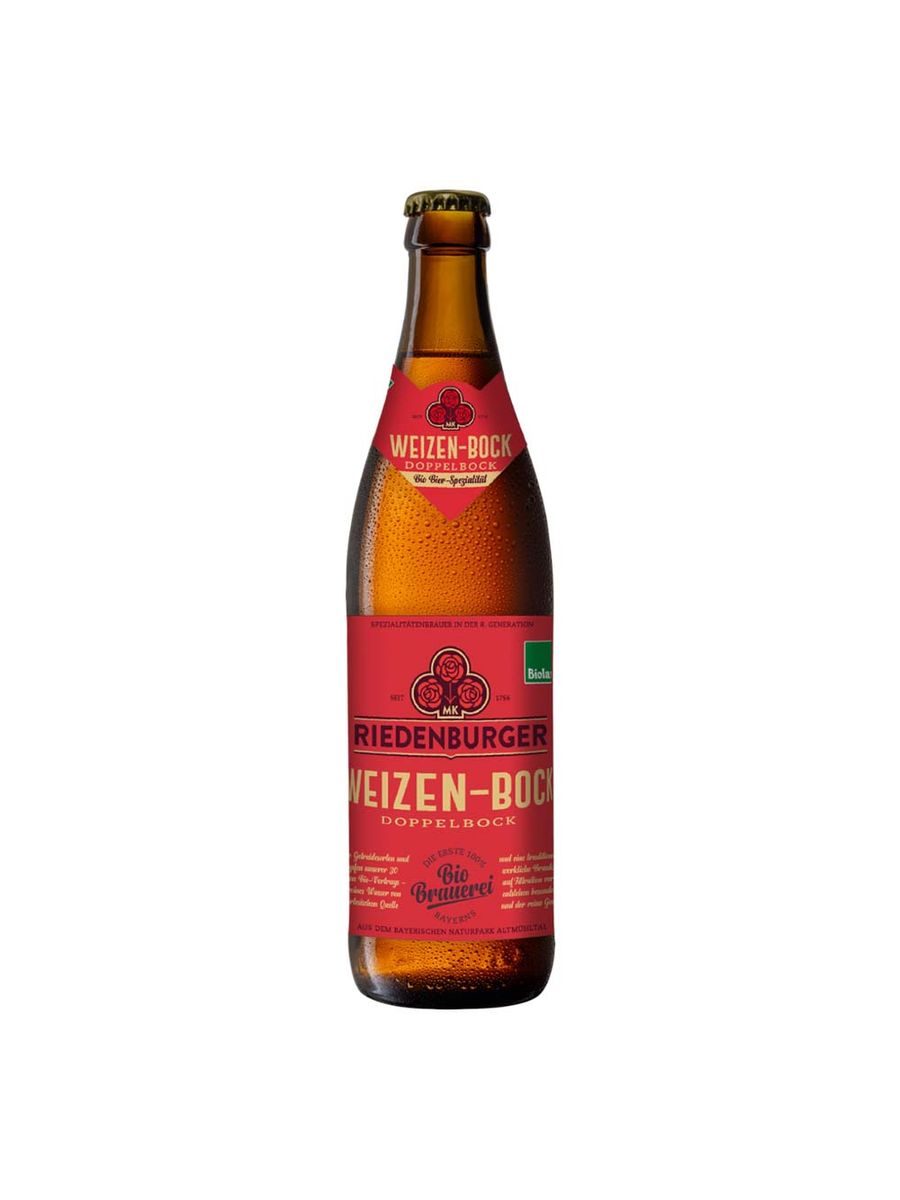
Riedenburger Weizen-Doppelbock
Brewed by Riedenburger Brauhaus
Plum, ripe banana, clove and caramel from an unfiltered organic Bavarian brewery known for treating grain choice as more than package decoration.
BAR NOTES
Riedenburger has brewed entirely to organic standards since the 1990s, and its seasonal wheat doppelbock brings that grain-first identity into a stronger frame. Fruit and fermentation remain visible beneath the malt.
Serve around 49–53°F in a tulip or stemmed wheat glass. Duck, pork roast, mushroom dumplings and aged cheese can stand beside its strength, while carbonation prevents the pairing from bogging down.
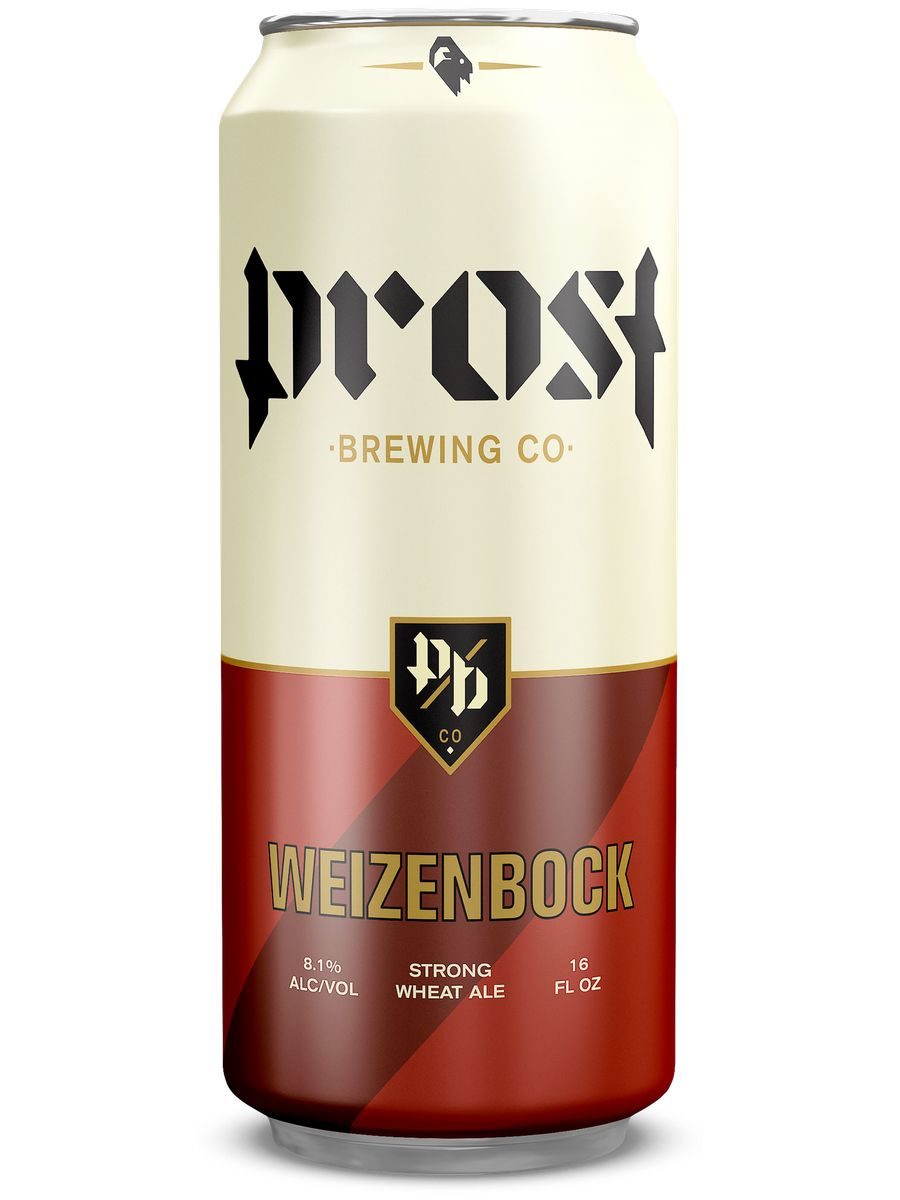
Prost Weizenbock
Brewed by Prost Brewing Company
A modern Colorado interpretation built like intensified banana bread: wheat softness, German yeast, malt richness and enough bitterness to keep eight-percent strength organized.
BAR NOTES
Prost applies German ingredients and process to an American taproom context without loading the beer with pastry additions. At 8.1% and 18 IBU, it is strong, malty and still recognizably wheat-driven.
Find it fresh at the brewery or within its regional footprint and serve around 48–52°F. Bratwurst, pork schnitzel, roast chicken and Alpine cheese fit the beer’s bread-and-spice shape.
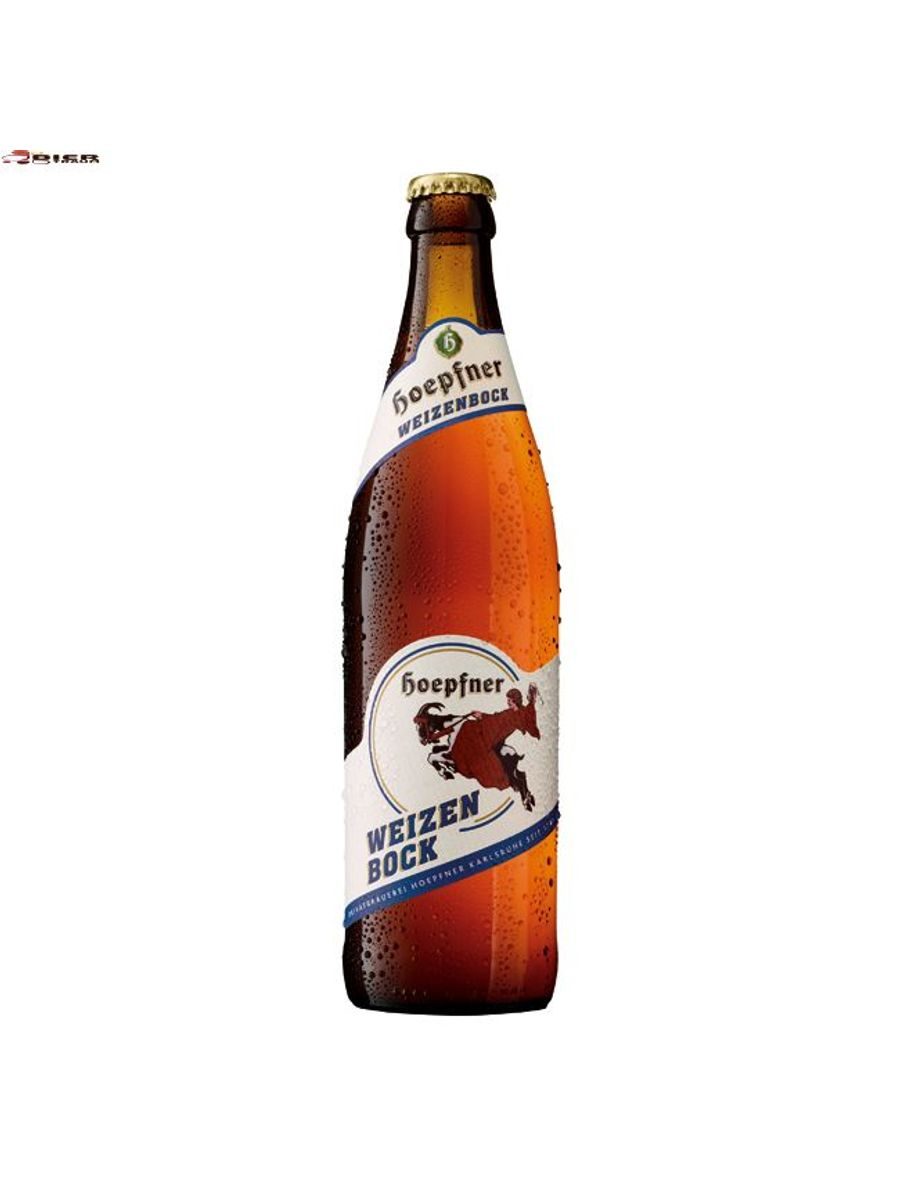
Hoepfner Weizenbock
Brewed by Privatbrauerei Hoepfner
A lower-strength seasonal amber bock balancing sweet fruit, banana, clove and robust malt without the alcohol weight of the list's biggest pours.
BAR NOTES
Hoepfner shows that Weizenbock does not need to cross eight percent to feel substantial. Its 16.8° Plato wort and 6.8% strength deliver bock fullness while preserving wheat-beer lift.
The early-summer release is best treated as fresh seasonal beer, not a cellar project. Serve at 46–50°F with grilled sausage, roast poultry, pretzels or semisoft cheese.
How Weizenbock became its own thing
Schneider’s Aventinus, first brewed in 1907, established the dark wheat-bock template: traditional Weissbier fermentation pushed into the gravity and malt complexity associated with stronger bock beer. It remains the style’s most important reference.
Modern examples proved the concept was broader than dark malt. Pale versions emphasize apricot, banana, honey and bread, while hop-forward interpretations use bitterness and aroma to sharpen a style historically built around yeast and grain.
Pale vs. dark Weizenbock
Pale Weizenbock resembles a supersized Hefeweizen: golden to amber, fruit-forward, spicy and deceptively airy. Dark versions add raisin, plum, caramel, toast and bread crust, often feeling closer to liquid holiday baking.
Neither side should become sugary or harsh. High carbonation, attenuation and fermentation character must keep the malt moving, while alcohol should feel warming and integrated rather than solvent-like or aggressively hot.
Weizenbock vs. Dunkelweizen and Doppelbock
Dunkelweizen shares the dark wheat, banana and clove profile but usually sits near five percent. Weizenbock raises gravity, body and alcohol. A pale Weizenbock proves that darkness is optional; strength is not.
Doppelbock can match the malt and strength, but it is a clean lager. If banana-and-clove wheat fermentation disappears and lager smoothness takes over, the beer belongs on the bock board instead.
Freshness, temperature and glassware
Most Weizenbocks are strong enough to survive modest aging, but their defining yeast aromatics still fade. Buy cold stock, check dates and prioritize freshness unless the specific bottle is designed for cellaring.
Serve roughly 46–54°F, cooler for pale and hoppy versions and warmer for dark, fruit-heavy bottles. A tulip or stemmed wheat glass concentrates aroma while leaving room for aggressive foam.
What to eat with Weizenbock
Roast pork, duck, smoked sausage, braised beef, mushrooms and aged cheese can match its scale. Banana, clove and dark fruit also connect naturally with browned crusts, warm spice and fruit-based sauces.
For dessert, choose restrained bread pudding, fruitcake, apple pastry or nut-based dishes. Extremely sweet frosting and dense chocolate can flatten carbonation and make even a well-attenuated Weizenbock seem thin.
Weizenbock FAQ
Is Weizenbock always dark?
No. The style can range from pale gold through deep brown. Weihenstephaner Vitus and Ayinger Weizenbock are important pale examples, while Aventinus and Pikantus represent the darker side.
Is Weizenbock a lager?
No. It uses top-fermenting wheat-beer yeast and belongs to the ale family. “Bock” describes its strength and malt scale here, not the cold-fermented lager method used for traditional bock.
Can Weizenbock be aged?
Dark, strong examples can develop dried-fruit and oxidative depth, but aging trades away banana, clove and carbonation. Taste one fresh before sacrificing another bottle to the back of a closet.
Follow wheat beer from easy foam to full bock strength
Weizenbock sits where expressive Bavarian yeast meets serious gravity. Step down into brighter or darker wheat beer, compare the lager side of bock, or build the strong version yourself.
DRINK DEEPER

better beer.