25 Best Red Ales to Drink in 2026
Red ale is a color family with two very different drinking speeds. Traditional Irish versions use caramel, toast and a faint roasted edge for an easy pub pint. American reds keep that malt, then turn up the hops, strength or both.
This Top 25 starts with the Irish core and current medal winners, crosses into nitro and flavored variations, and finishes with the hoppy red ales that helped create red IPA. Flanders red is deliberately absent: that tart, mixed-fermentation tradition belongs with sour beer, not this malt-forward flight.
The quick answer
Sullivan’s Maltings Irish Ale is the best red ale overall for its layered biscuit-and-toffee malt, dry balance and genuine pub drinkability. O’Quinn’s is the current GABF champion, Smithwick’s is the easiest benchmark to find, and Blood of the Unicorn is the pick when you want the color family with IPA energy.
The 25 best red ales
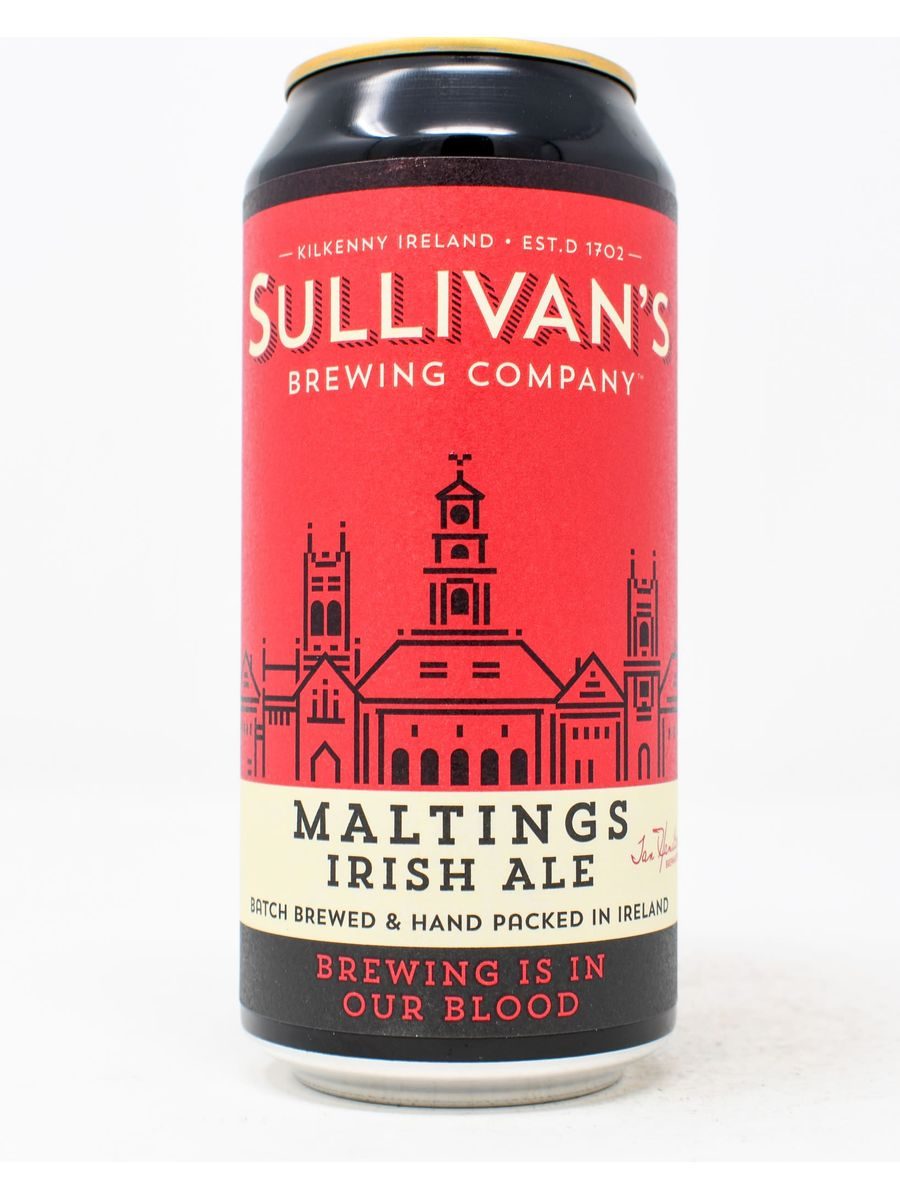
Maltings Irish Ale
Brewed by Sullivan's Brewing Company
The modern Irish red benchmark: layered toasted malt, restrained fruit and a finish dry enough for a second pint.
BAR NOTES
Sullivan’s revives a Kilkenny brewing family name with a red ale built around biscuit, caramel and lightly toasted grain. It ranks first because the malt tastes deep without becoming sugary, while the quiet hop bitterness keeps the finish pub-friendly.
Serve it at 44–48°F in a nonic pint with roast chicken, shepherd’s pie or mature cheddar. The canned nitro version pours best with a hard inversion into a clean glass, followed by a short pause for the cascade to settle.
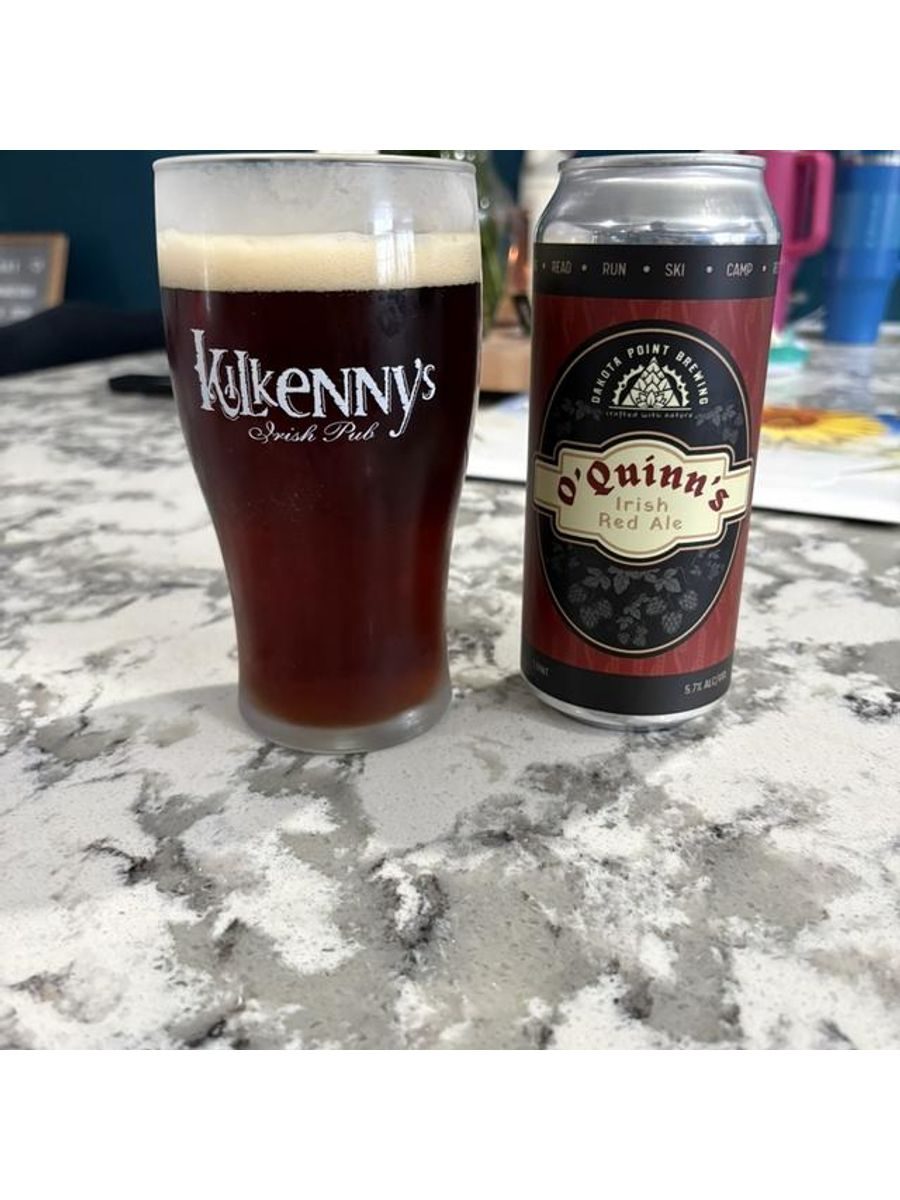
O'Quinn's Irish Red
Brewed by Dakota Point Brewing
A current national champion with plush caramel malt, a dry roasted edge and unusually precise balance.
BAR NOTES
O’Quinn’s earned gold in Irish-Style Red Ale at the 2025 Great American Beer Festival, beating a field of 54 entries. Its strength is control: caramel and toast arrive clearly, then a faint roast note and moderate bitterness prevent a sticky finish.
Drink it fresh at 43–47°F with corned beef, grilled sausages or sharp cheddar. The beer is especially useful as a style calibration pour because the medal-winning recipe keeps fruit, roast and hops within traditional proportions.
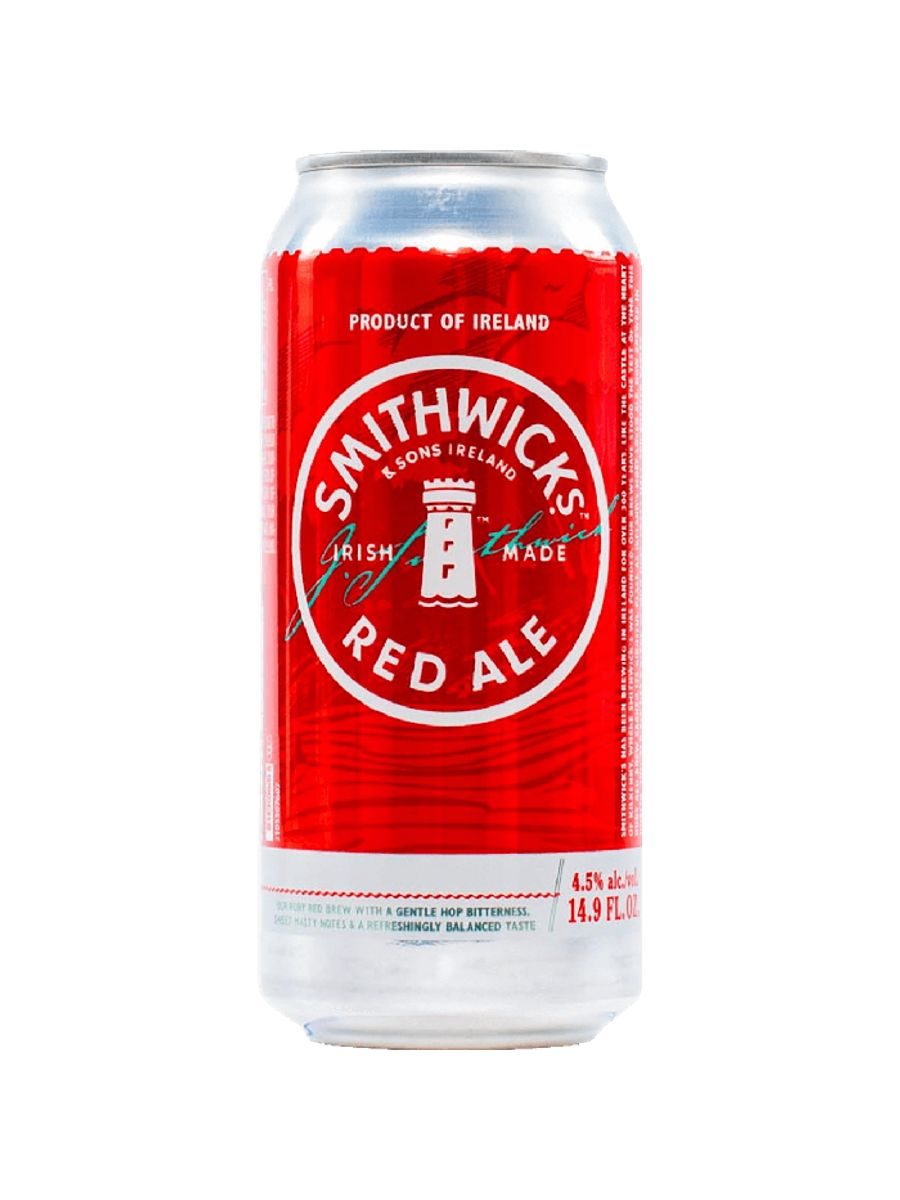
Smithwick's Red Ale
Brewed by Smithwick's
The global reference point: light caramel, toasted grain and gentle bitterness in a genuinely sessionable pint.
BAR NOTES
Smithwick’s traces its brewing story to Kilkenny in 1710, although production later moved to Dublin. The beer remains the most accessible introduction to Irish red ale, favoring balance and drinkability over the heavier caramel sweetness common in American interpretations.
Serve it around 42–45°F with fish and chips, roast pork or a pub sandwich. Draft can feel softer than packaged beer, but freshness matters more than format; stale bottles flatten the subtle fruit and make the malt seem papery.
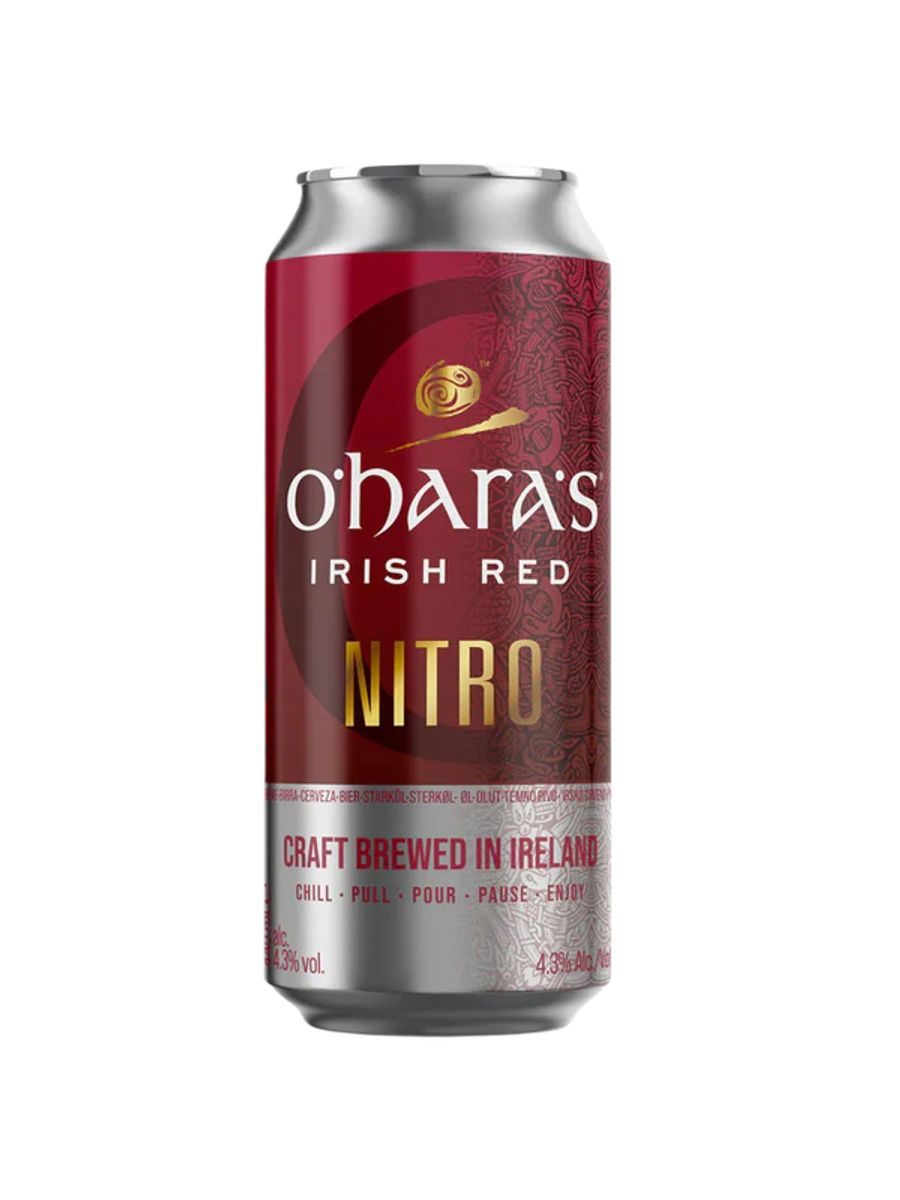
O'Hara's Irish Red Nitro
Brewed by Carlow Brewing Company
A smooth nitro red with nutty biscuit, caramel and a roasted snap hiding beneath the creamy head.
BAR NOTES
O’Hara’s gives the traditional red-ale malt bill a nitrogenated texture, creating a dense cascade and softer carbonation. Caramel and biscuit lead, while roasted barley and Mount Hood hops supply enough dryness to keep the pint from drifting toward dessert.
Chill the can, open it fully and pour straight down into a clean glass so the widget can build the proper head. Serve with beef stew, aged cheddar or mushroom pie, where the silky texture complements savory richness.

Outraged Daughters
Brewed by Wise Man Brewing
A highly rated American Irish red that brings cocoa-dark malt detail without turning into brown ale.
BAR NOTES
Outraged Daughters layers bread crust, caramel and a restrained cocoa note over a firm but clean base. Its reputation among dedicated red-ale drinkers comes from keeping that darker malt character distinct without allowing roast to dominate the pint.
Serve at 44–47°F with smoked sausage, meatloaf or a grilled portobello sandwich. A slightly warmer pour reveals the toasted complexity, while excessive cold reduces the beer to sweetness and color.
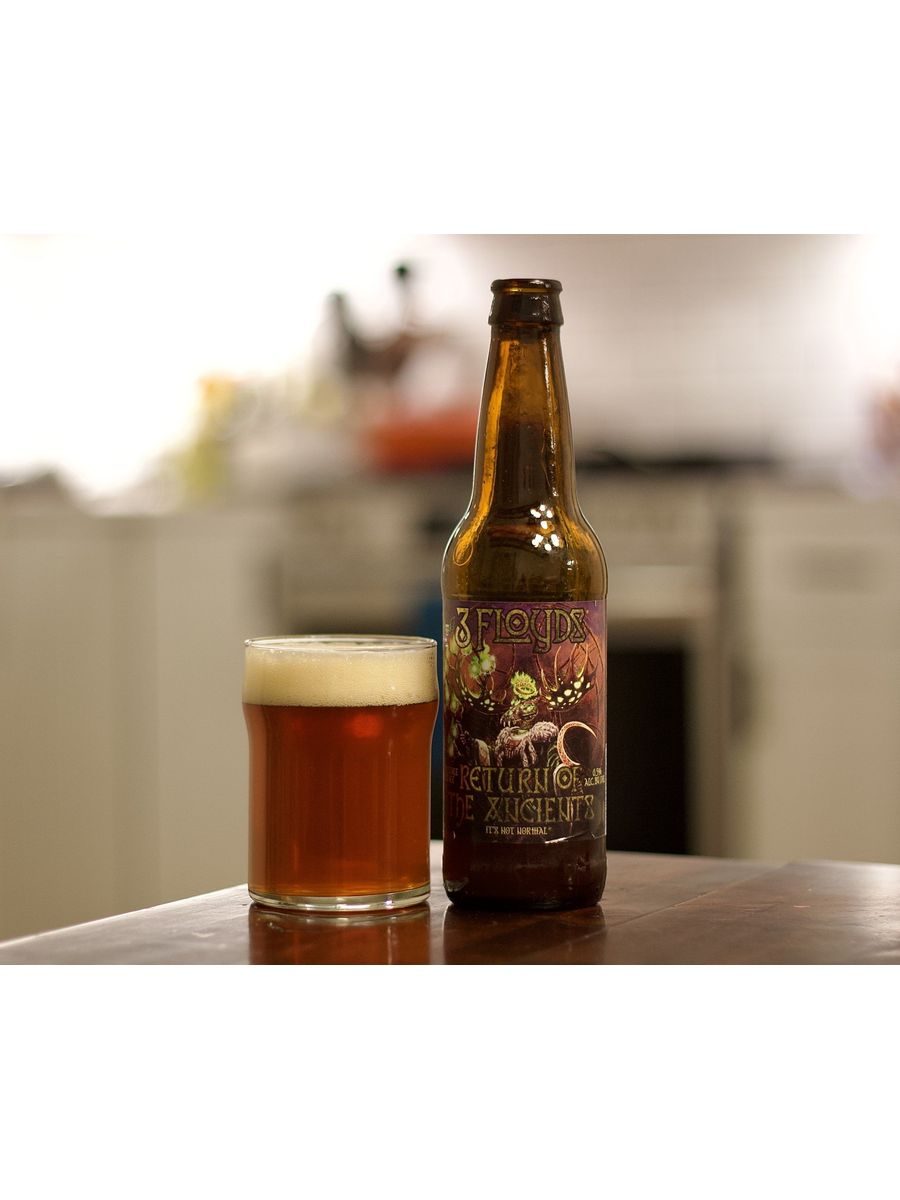
Return of the Ancients
Brewed by 3 Floyds Brewing
A muscular red ale that pushes caramel, fruit and hops harder while retaining the style's dry roasted finish.
BAR NOTES
Return of the Ancients takes the Irish red framework into unmistakably 3 Floyds territory. The malt is richer, the hop presence more assertive and the alcohol higher, yet the beer still finishes with the toasted dryness that separates red ale from generic amber sweetness.
Pour at 45–48°F with burgers, smoked brisket or an aged Gouda. Its additional strength rewards a full glass and a slower pace, and fresh bottles preserve the hop edge that holds the malt in check.
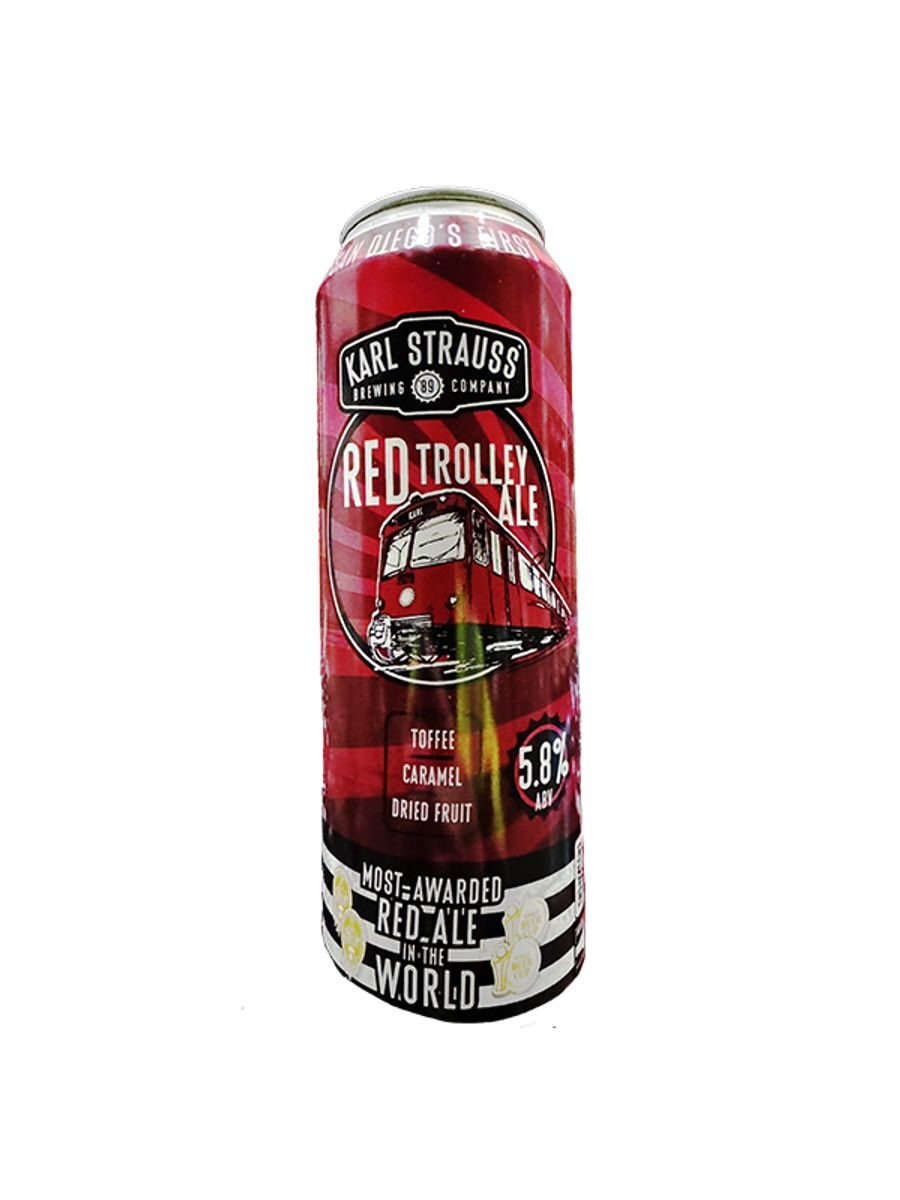
Red Trolley Ale
Brewed by Karl Strauss Brewing Company
A famously decorated red ale with toffee, raisins and a clean lager-like finish from cool fermentation.
BAR NOTES
Red Trolley uses caramelized malts to build toffee and dried-fruit depth, then ferments cool for a polished finish. Its long medal history made it a West Coast reference before intensely hopped red ales became their own recognizable branch.
Serve at 44–47°F with grilled pork, roasted root vegetables or bread pudding. The malt welcomes caramelized food, but enough bitterness remains to handle a salty plate without tasting cloying.
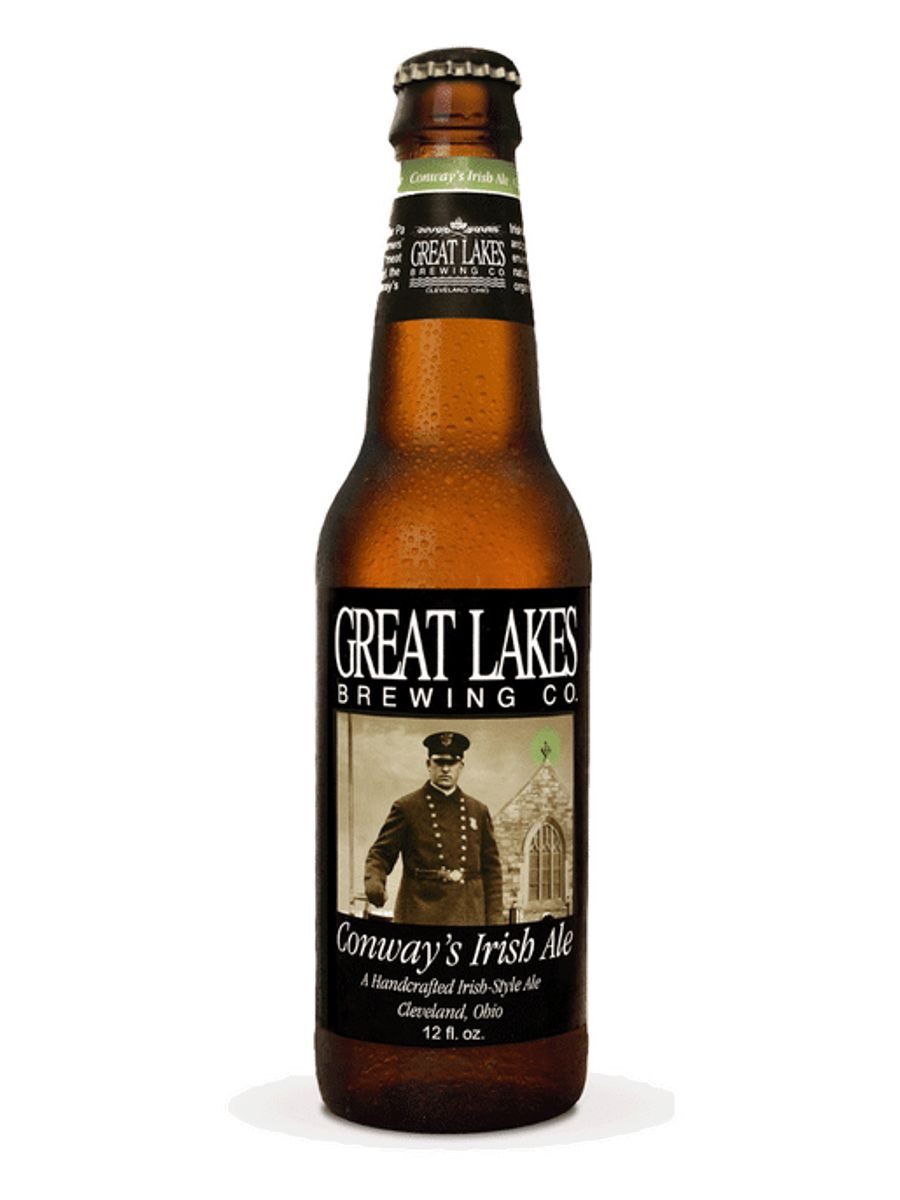
Conway's Irish Ale
Brewed by Great Lakes Brewing Company
A robust spring seasonal where toasted malt and caramel meet Great Lakes' characteristically firm bitterness.
BAR NOTES
Great Lakes named Conway’s for a brewery co-founder’s grandfather, a Cleveland police officer with Irish roots. The beer is fuller and stronger than the Irish pub norm, giving caramel and biscuit enough weight to stand beside a noticeable hop finish.
Serve at 44–48°F with corned beef, cabbage, roast turkey or nutty cheese. Buy it during its late-winter release window; fresher bottles keep the hop bitterness lively and the malt from feeling heavy.
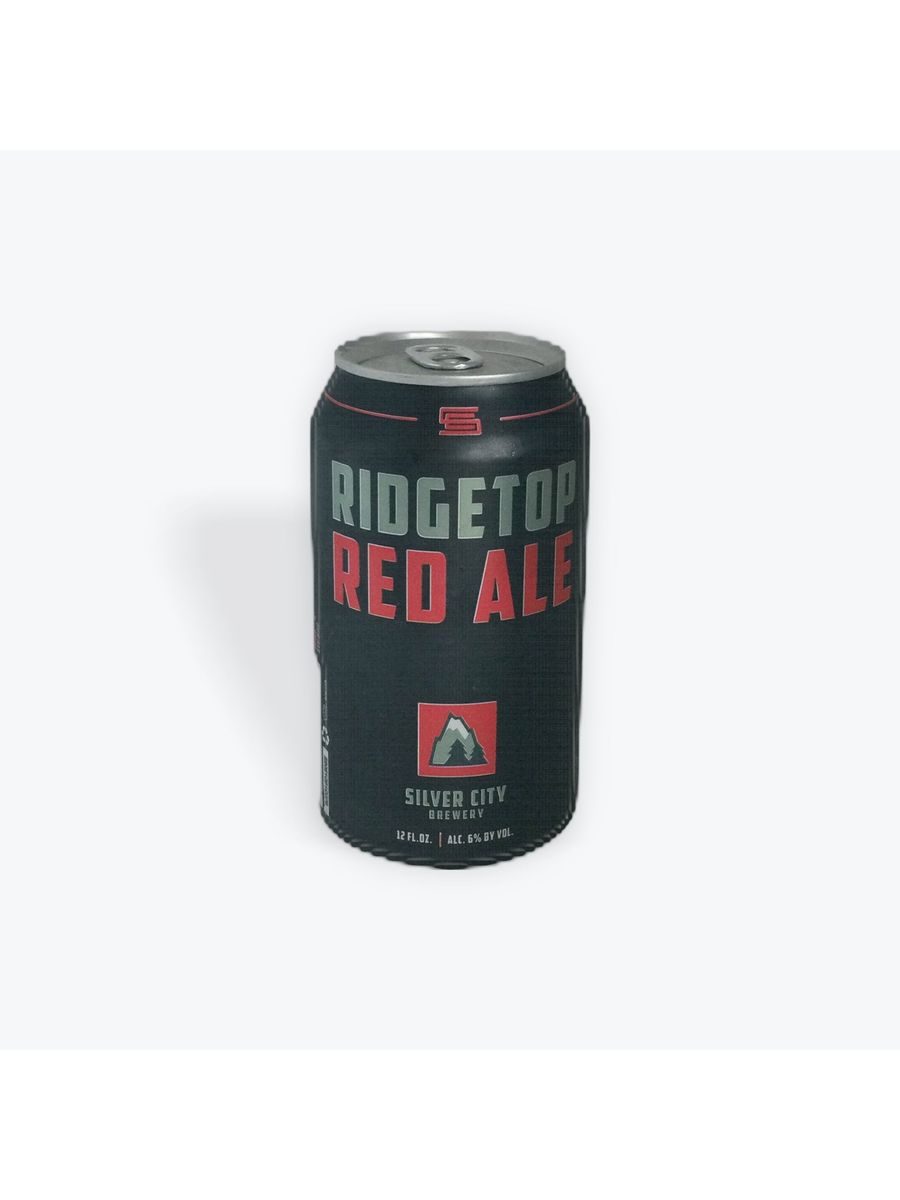
Ridgetop Red Ale
Brewed by Silver City Brewery
A bronze-medal red with broad caramel flavor and Northwest hop structure under a smooth, full body.
BAR NOTES
Ridgetop Red took bronze at the 2025 Great American Beer Festival, confirming a recipe that has long been a Pacific Northwest staple. Sweet caramel malt leads, but Liberty hops and a dry finish give the six-percent body enough shape.
Serve around 44°F with grilled salmon, cheddar burgers or barbecue. Its malt weight can handle smoke and char, while the hop finish is gentle enough not to clash with sweeter sauces.
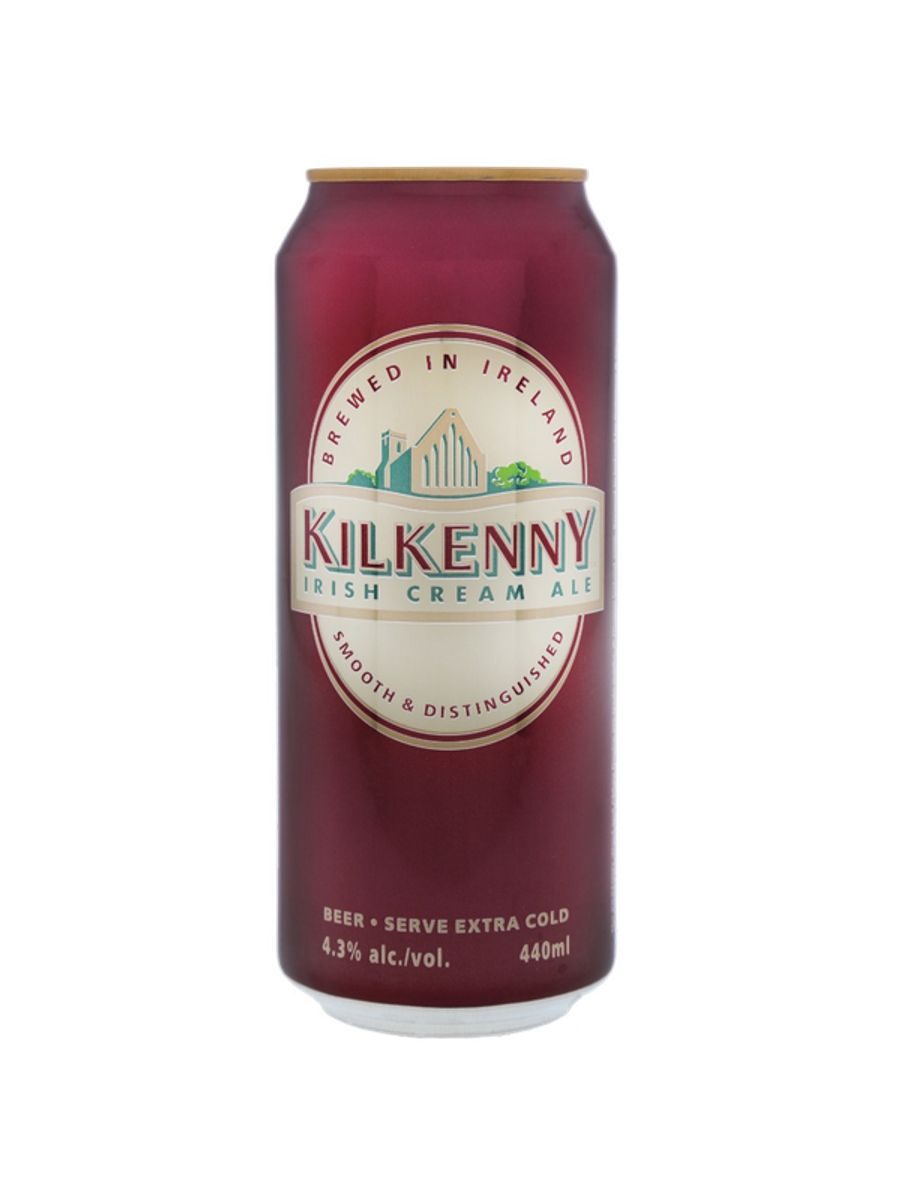
Kilkenny Irish Cream Ale
Brewed by Guinness
A red-amber nitro classic whose defining feature is texture: low carbonation, tight foam and very soft malt.
BAR NOTES
Kilkenny sits between Irish red ale and cream ale in naming, but its copper color, toasted malt and faint fruit place it squarely in this drinking conversation. Nitrogen gives the beer its signature creamy head and muted carbonation.
Pour the chilled can firmly into a tulip or nonic pint and allow the cascade to complete. It works with soda bread, mild cheddar or roast chicken, especially when served cool rather than refrigerator-numb.
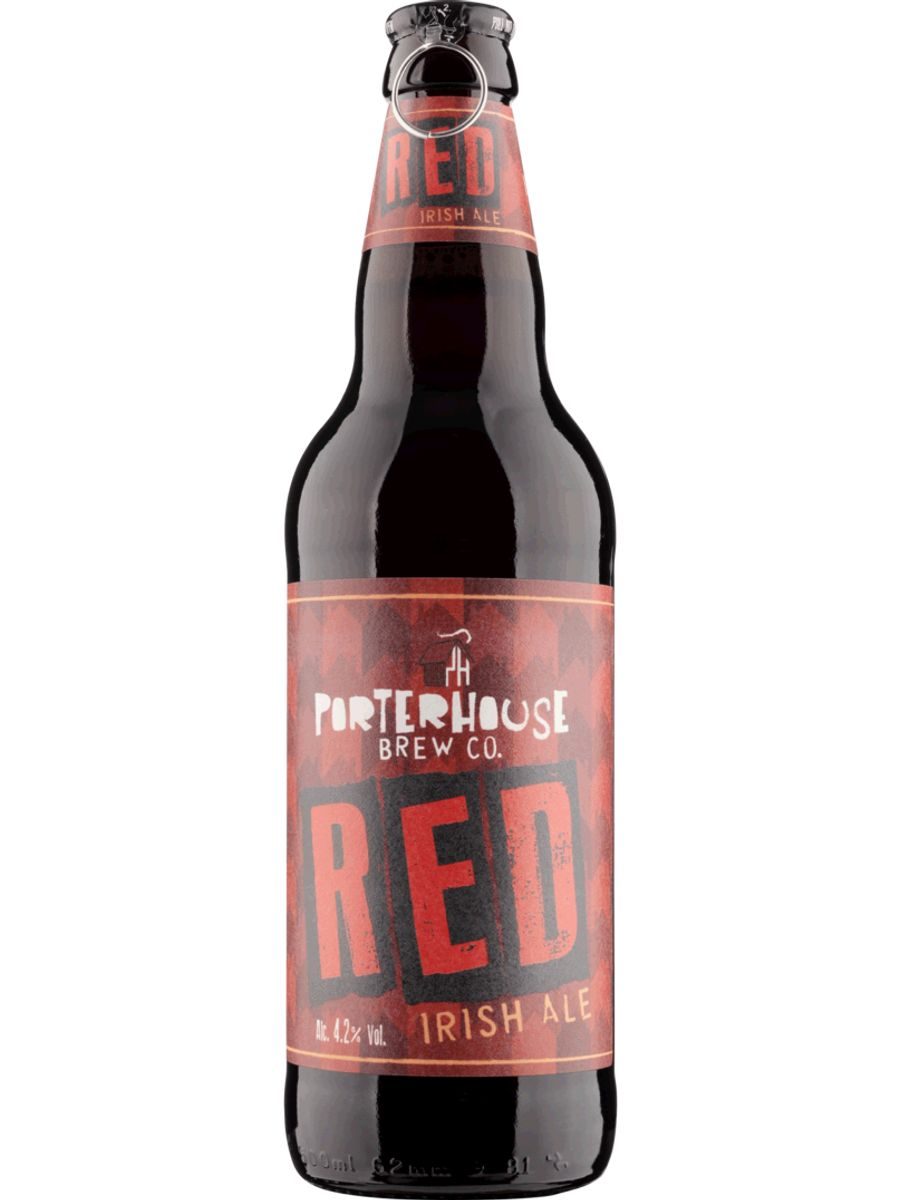
Porterhouse Red Ale
Brewed by The Porterhouse Brewing Company
A drier, more roasted Irish red that favors pub balance over caramel candy.
BAR NOTES
Porterhouse Red uses a nitrogenated pour and a noticeable roasted-malt edge to distinguish itself from sweeter export reds. The body stays moderate, with caramel and toast quickly giving way to a clean, lightly bitter finish.
Serve at 43–46°F with bangers and mash, lamb pie or a cheese toastie. The nitro texture is best from a deliberate hard pour, and a clean glass is essential for the compact head.
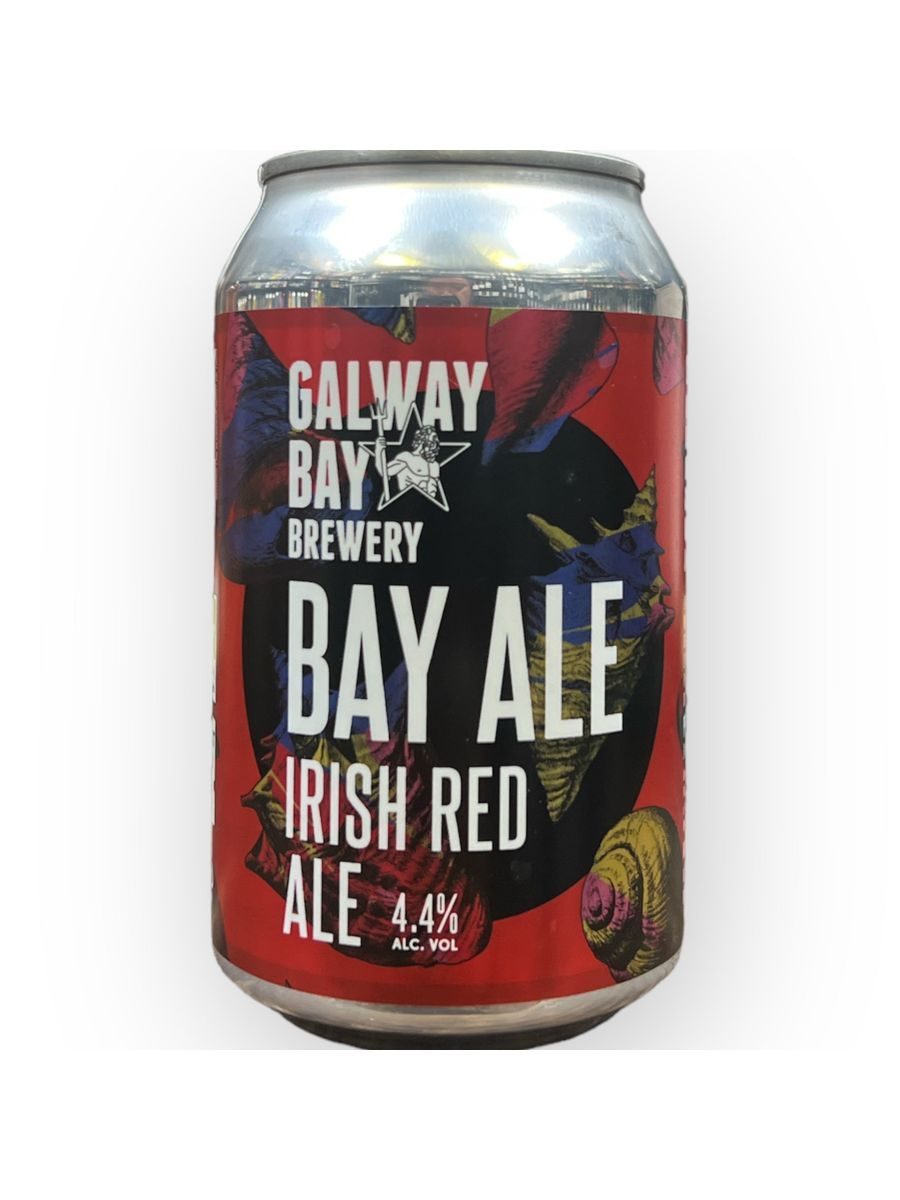
Bay Ale
Brewed by Galway Bay Brewery
A contemporary Irish red with toasted malt, light caramel and a slightly brighter hop finish than the old pub standards.
BAR NOTES
Bay Ale shows how a modern Irish craft brewery can sharpen the traditional template without turning it into red IPA. Toast and caramel remain central, while a clean fermentation and modest hop lift make the finish brisker.
Serve at 43–46°F with fish and chips, burgers or semi-firm cheese. It is particularly good as the first malt-forward beer in a flight, before stronger American reds begin to fatigue the palate.
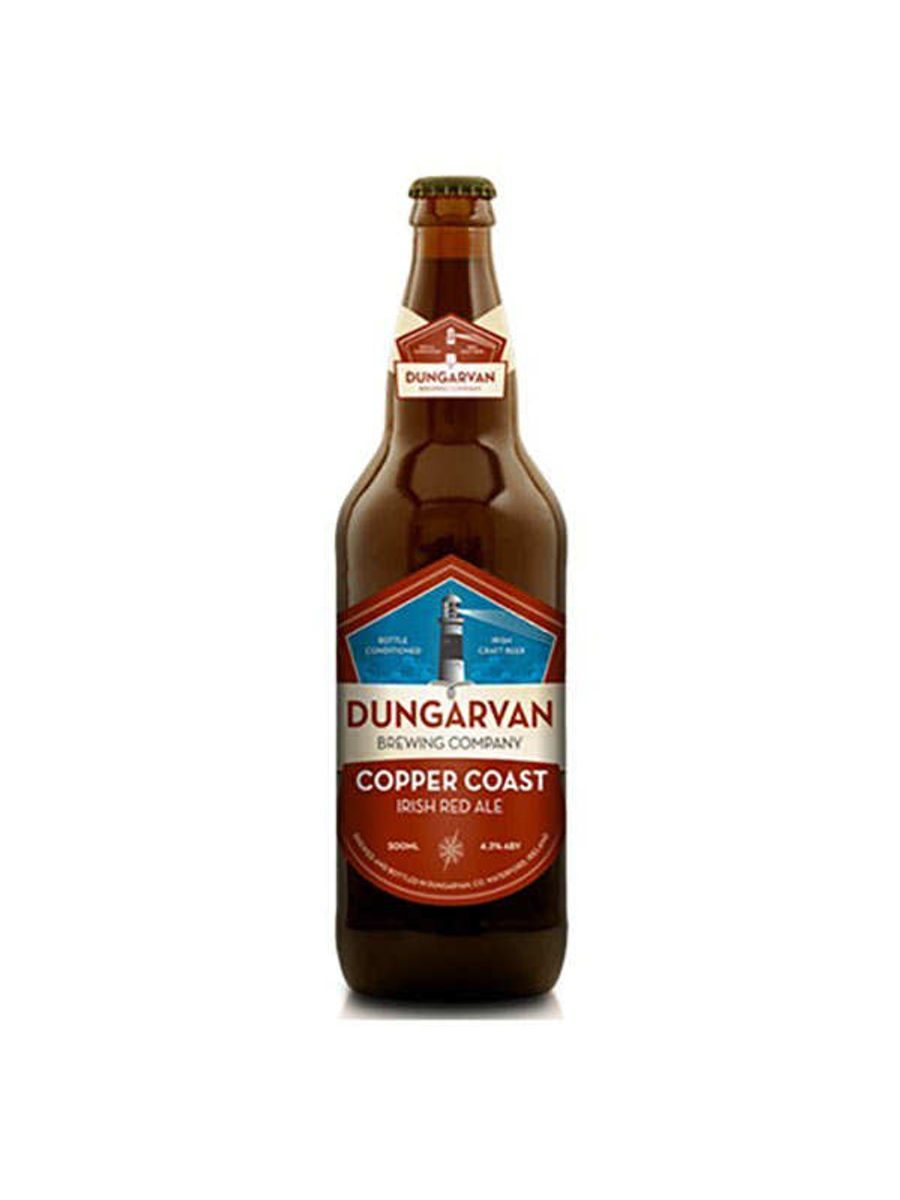
Copper Coast Red Ale
Brewed by Dungarvan Brewing Company
An unfiltered, bottle-conditioned red with lively fruit, caramel and an earthy hop finish.
BAR NOTES
Copper Coast brings traditional bottle conditioning to Irish red ale, leaving natural sediment and a more expressive fermentation profile. Caramelized malt and light fruit meet grassy bitterness, giving the beer a rustic edge absent from filtered pub brands.
Store it upright, pour gently at 45–48°F and decide whether to leave the final sediment behind. Pair with farmhouse cheddar, roast pork or brown bread, foods that welcome both the beer’s malt and its earthy finish.
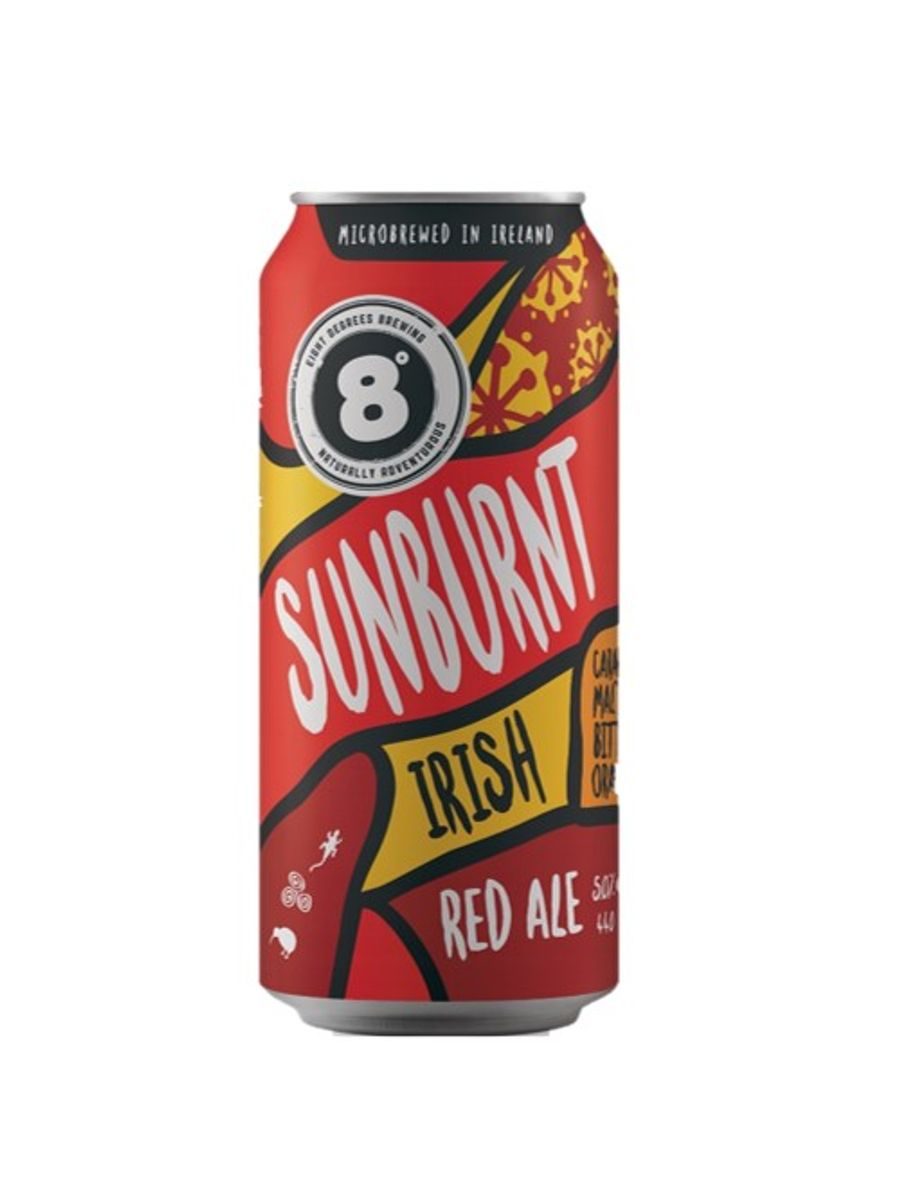
Sunburnt Irish Red
Brewed by Eight Degrees Brewing
An Irish craft red that adds Pacific hop brightness to caramel, toast and a quietly roasted finish.
BAR NOTES
Sunburnt combines Irish pale malt with caramel and Munich malts, then uses Nugget, Pacifica and Cascade hops. The result respects the malt-first tradition while adding orange-like lift and a clearer bitter seam.
Serve fresh at 43–46°F with roast ham, grilled sausages or a sharp farmhouse cheese. The brighter hop aroma makes cold storage important, even though the beer’s color and malt might suggest it can sit warm.
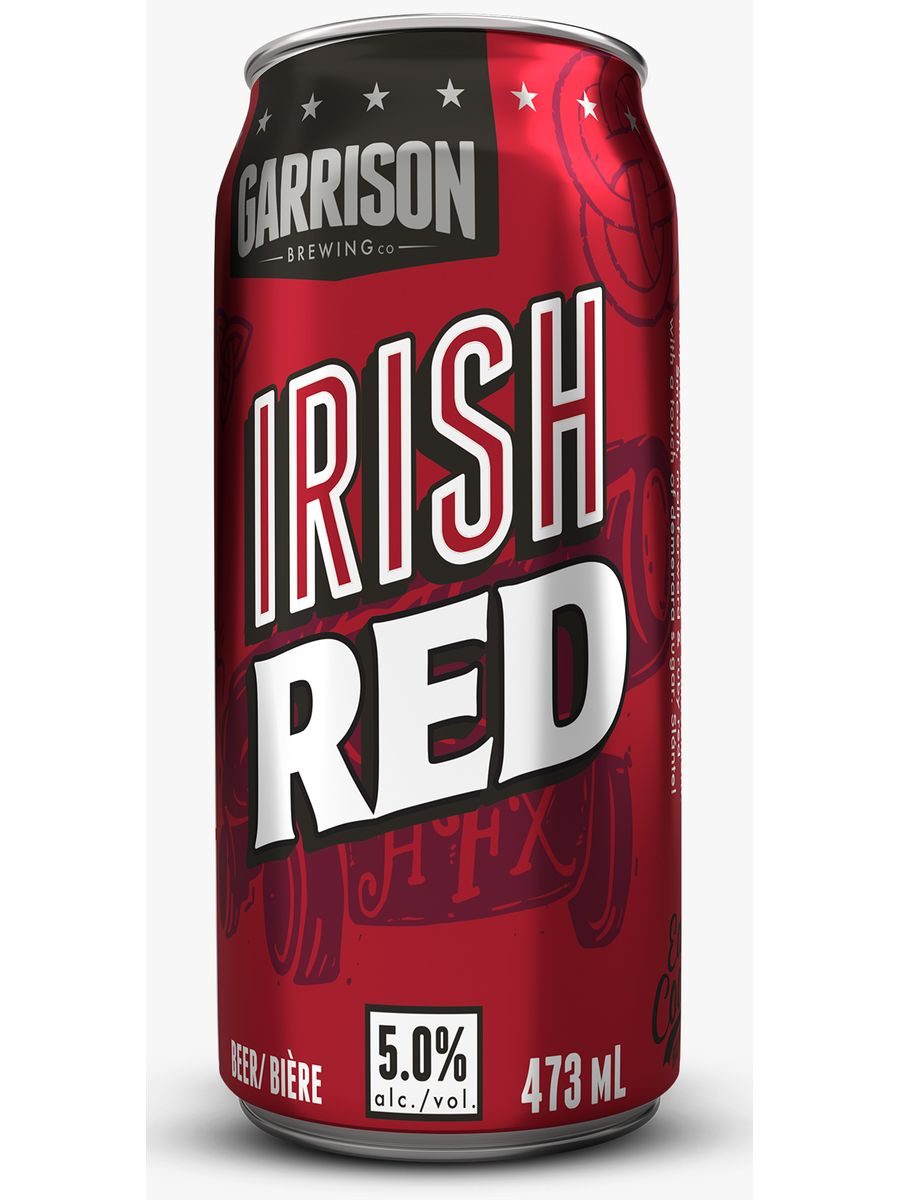
Garrison Irish Red Ale
Brewed by Garrison Brewing
A foundational Canadian craft red with smooth caramel malt and a restrained, pub-ready hop finish.
BAR NOTES
Garrison’s Irish Red reaches back to the recipe that helped launch the Halifax brewery. Caramel and toasted grain provide the center, while moderate bitterness and clean fermentation keep the beer closer to a traditional pint than a modern amber.
Serve at 43–46°F with meat pie, grilled seafood or aged cheddar. The beer’s moderate strength makes it useful for a long meal, and the can protects its subtle malt from light damage.