Brett Beer: 10-Beer Comparison Flight and Style Guide
Brett beer is defined by the work of Brettanomyces, not by a required level of sourness. The yeast can ferment sugars that ordinary brewing yeast leaves behind, gradually drying the beer and producing aromas that range from pineapple and citrus to leather, hay, earth, herbs, and cellar.
Used well, Brett creates precision as often as funk. The beer may be pale or dark, hoppy or malt-led, young and fruity or aged and earthy. What matters is that its evolving fermentation character works with the base style.
Brett beer at a glance
| Fermentation | Brett as primary yeast, secondary culture, or bottle-conditioning organism |
|---|---|
| Acidity | Low to noticeable; sourness is not required |
| Bitterness | Determined by the base beer |
| Color | Any color appropriate to the base style |
| Alcohol | Often 4–10% ABV, but not fixed |
Brettanomyces is not a souring bacterium
Brett can produce small amounts of acid under some conditions, but Lactobacillus, Pediococcus, and other bacteria drive most pronounced sourness in mixed-culture beer. A cleanly made Brett beer can be bone-dry and intensely aromatic without tasting sharply acidic.
That distinction matters when buying and brewing. If the label promises only Brett, expect fermentation character and dryness first. If bacteria, fruit, and barrels are also involved, the beer may belong just as naturally under mixed fermentation or wild specialty beer.
How Brett changes with time
Young Brett often expresses bright fruit—pineapple, mango, citrus, pear, or stone fruit. With oxygen exposure and maturation, the profile can move toward leather, hay, tobacco, earth, and dried herbs. The exact direction depends on strain, wort, hops, temperature, oxygen, and packaging.
Time does not automatically improve every bottle. Hop-driven examples may lose their best aroma before secondary fermentation becomes more complex. Cellar only when the beer has enough structure, packaging integrity, and fermentation potential to reward it.
Ten Brett Beer references and comparisons
Orval and Sanctification provide direct Brett references: secondary fermentation in Orval and primary Brett fermentation in Sanctification. Six mixed or spontaneous beers compare Brett alongside bacteria, acidity and wood. Saison Dupont and Far Yeast White are explicitly Saison controls, not claimed Brett beers. Those eight comparisons help isolate sensory differences rather than supply eight more pure Brett examples.
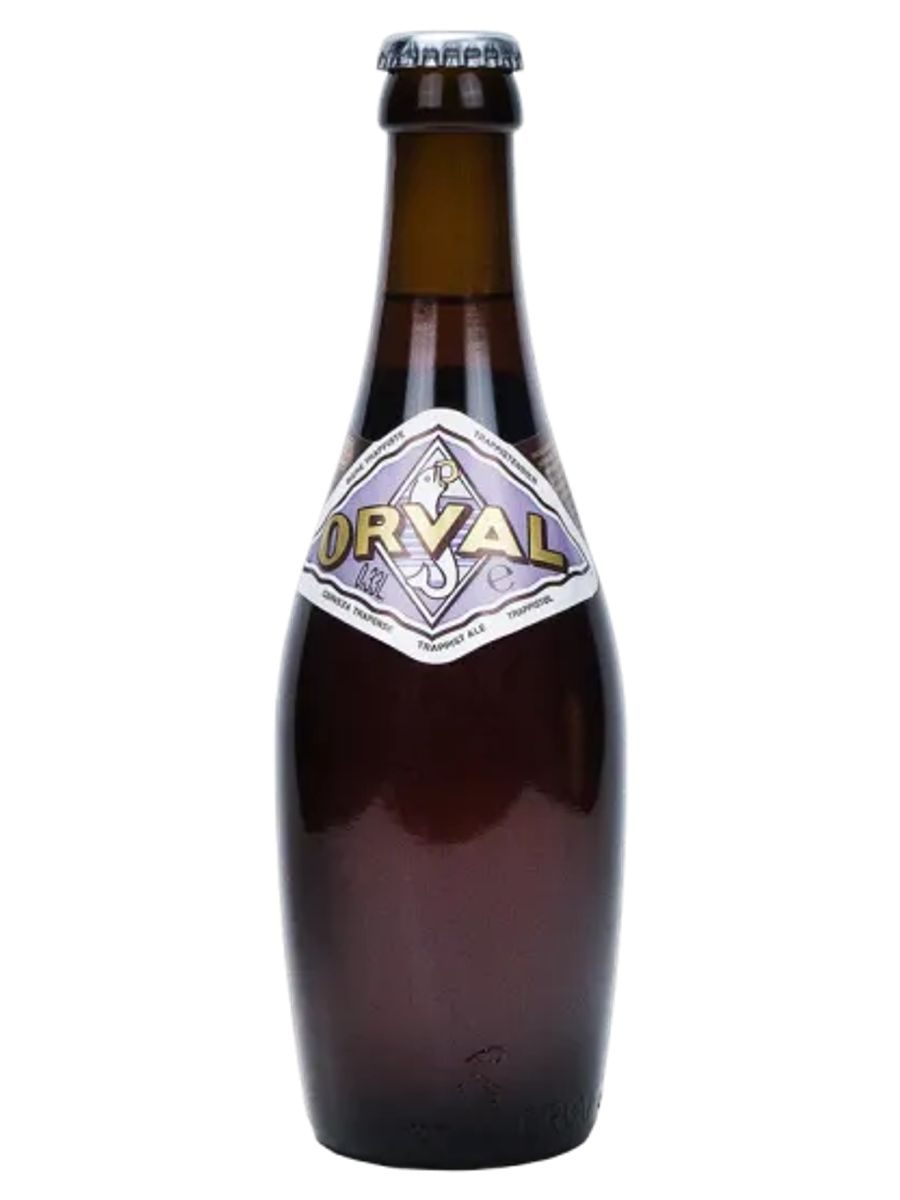
Orval
Brewed by Brasserie d’Orval
Dry hopping and secondary Brett fermentation.
BAR NOTES
Orval is a Belgian Trappist reference with pale and caramel malt, dry hopping and Brettanomyces added during maturation. The producer describes 6.2% after primary fermentation, then bottle refermentation; its dated bottles let a tasting distinguish fresh hops from later fermentation character.
Orval is the Belgian Brett-conditioned reference, not an American producer. Trappist beer traditions supplies the production context; note the bottling date and compare