10 Best Dark Lagers to Drink in 2026
Dark lager is where color lies to you. Brown, mahogany and nearly black beer can still finish clean, crisp and cold-fermented instead of thick, roasty or stout-like. Munich Dunkel brings bread crust, Schwarzbier brings dry cocoa, Mexican dark lager brings caramel, and dark bock pushes malt into serious strength.
This Top 10 deliberately spans the family instead of pretending “dark lager” is one narrow style. The first half focuses on everyday-strength dark lager; the second half follows the same clean-fermented malt character into bock and Doppelbock territory.
The quick answer
Ayinger Altbairisch Dunkel is the best dark lager overall because it nails the family’s most important trick: deep bread and toast without burnt roast or sticky sweetness. Hofbräu Dunkel is the beer-hall classic, Köstritzer is the black-and-dry Schwarzbier benchmark, and Modelo Negra is the widely available Mexican branch.
The 10 best dark lagers
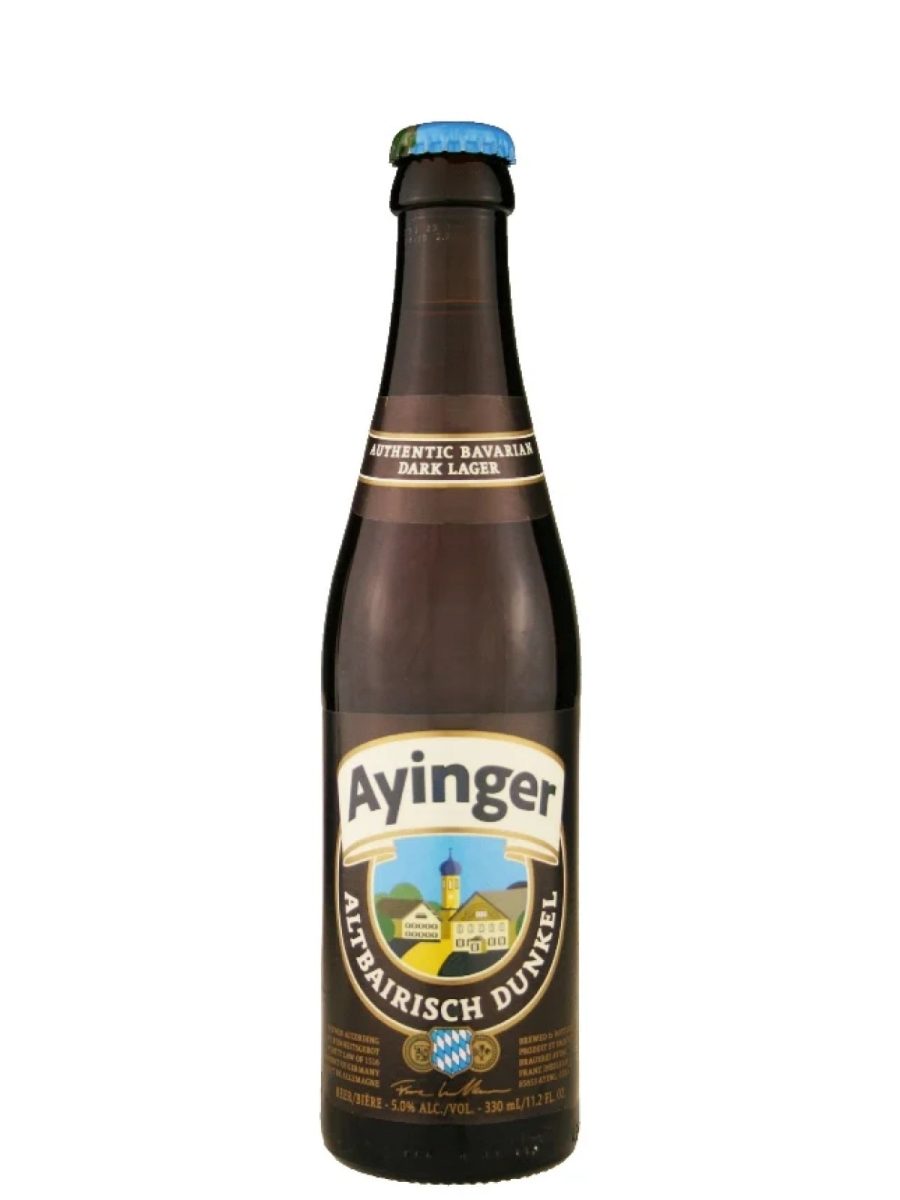
Ayinger Altbairisch Dunkel
Brewed by Ayinger Privatbrauerei
Bread crust, toasted malt and faint cocoa land in a smooth lager that tastes dark without ever becoming roasty or heavy.
BAR NOTES
Ayinger is the cleanest way to understand Munich Dunkel. Rich bread crust and toast do nearly all the work, while restrained dark malt adds color and depth without dragging burnt bitterness into the finish.
Serve around 44–48°F with roast pork, sausages, mushrooms or nutty cheese. A slightly warmer pour opens the malt; serving it ice-cold reduces a great Dunkel to generic brown lager.
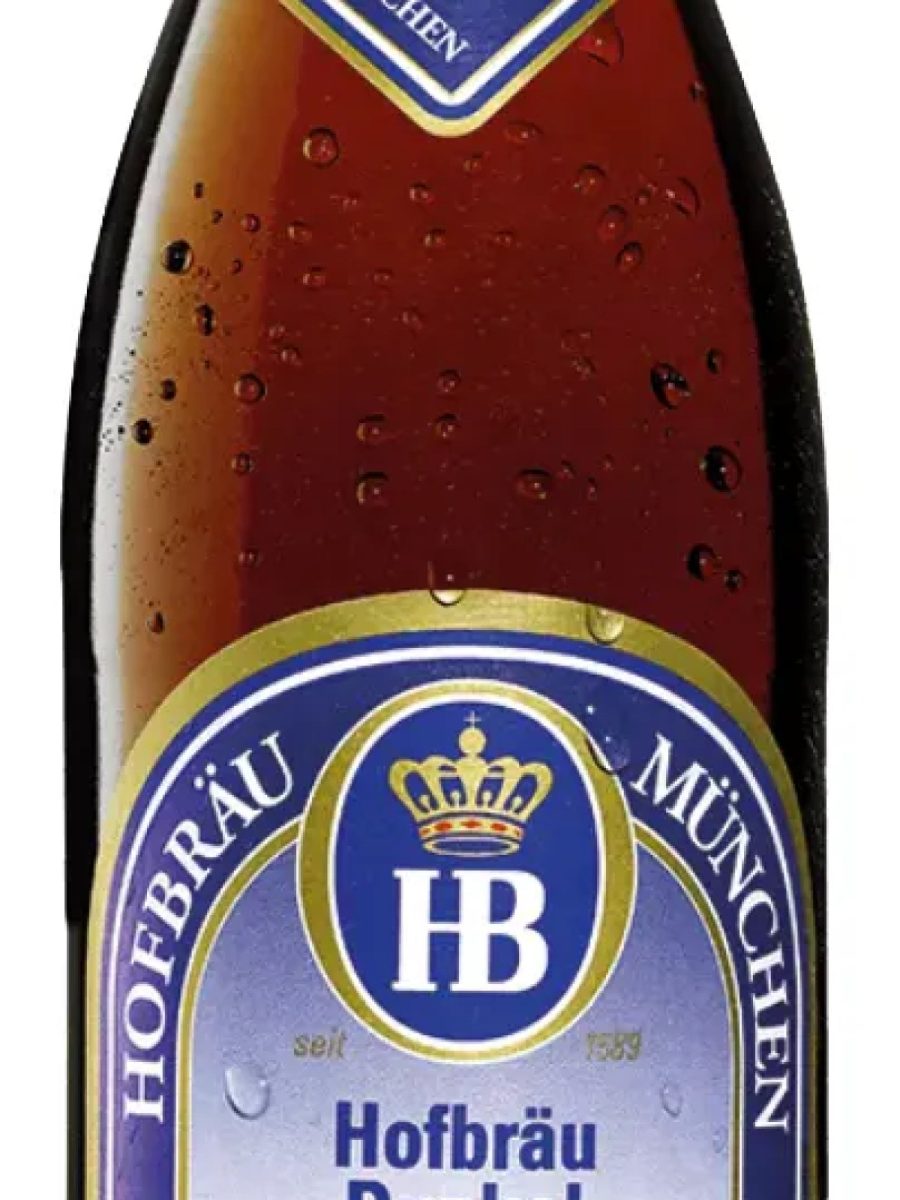
Hofbräu Dunkel
Brewed by Hofbräu München
Toasted bread, caramelized grain and smooth lager fermentation make this one of the easiest dark-beer introductions on a German tap wall.
BAR NOTES
Hofbräu Dunkel is broader and slightly sweeter than Ayinger, but still unmistakably lager-clean. Toasted malt and a gentle caramel note make it satisfying by the liter without the weight people expect from dark beer.
Pour at 43–47°F with pork knuckle, bratwurst, pretzels or roast chicken. Salt and browned meat amplify the malt while carbonation keeps each bite from piling up.
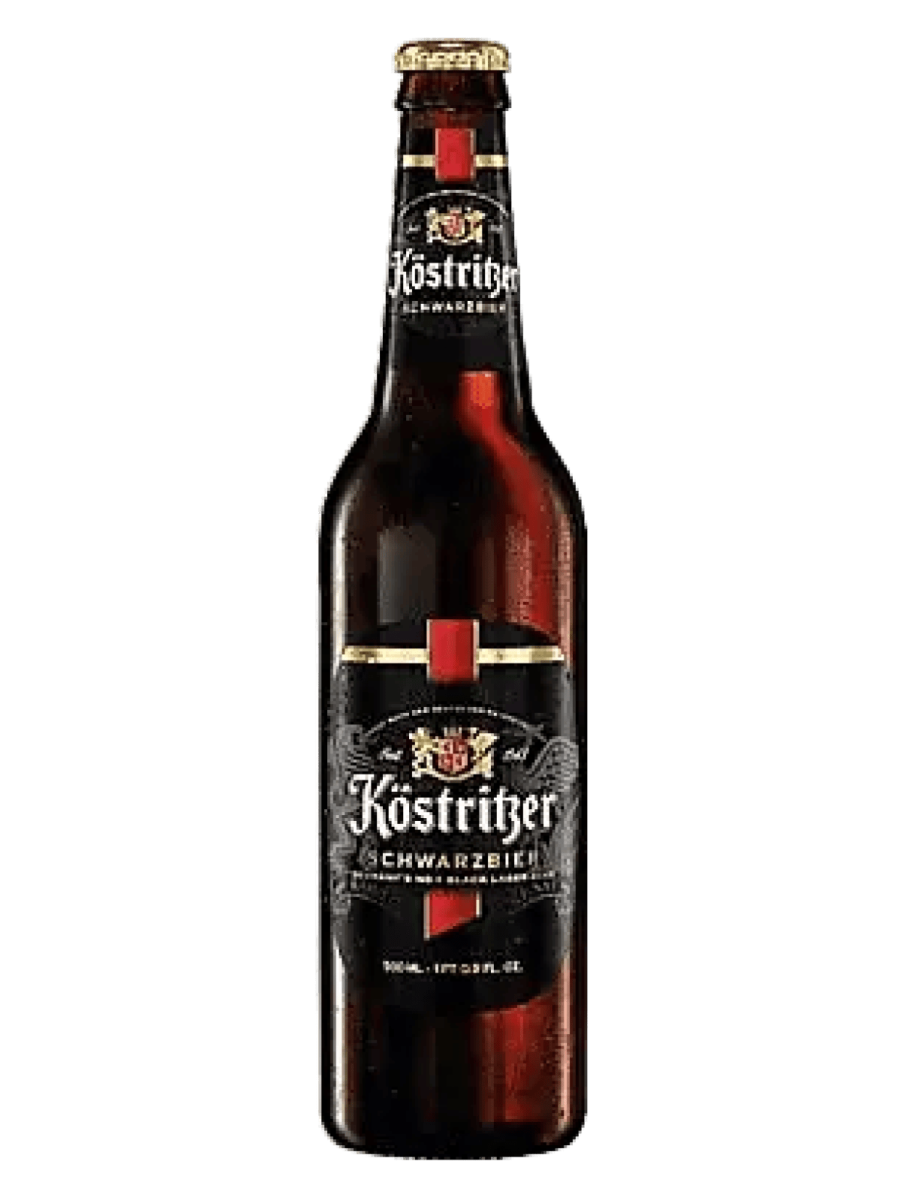
Köstritzer Schwarzbier
Brewed by Köstritzer Schwarzbierbrauerei
Coffee-colored but light-footed: cocoa, toast and subtle roast finish dry enough to make black lager feel almost sessionable.
BAR NOTES
Köstritzer is the useful counterexample to anyone who assumes black beer must be stout. Cocoa and soft roast show up immediately, but the body remains lean and the lager finish snaps clean.
Serve around 42–46°F with grilled sausage, smoked fish, roast chicken or earthy mushrooms. Avoid pairing it like an imperial stout; delicate food can still work because the beer is not actually heavy.
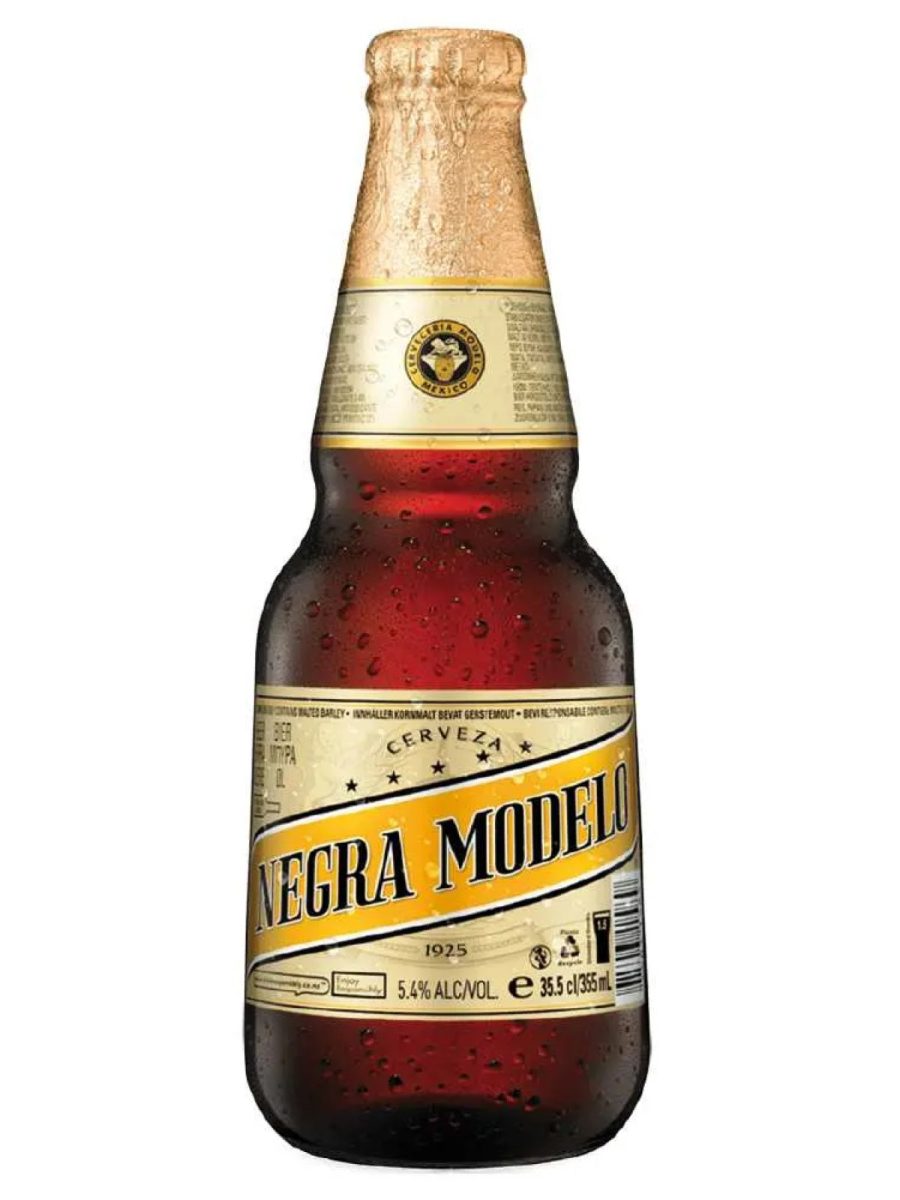
Modelo Negra
Brewed by Grupo Modelo
Caramel, dark bread and smooth lager fermentation make this the easiest widely available bridge from pale Mexican lager into darker malt.
BAR NOTES
Modelo Negra carries more caramel than the German examples above, but its smooth lager fermentation keeps the beer from tasting like brown ale. It also preserves Mexico’s Central European lager inheritance in a very accessible package.
Serve around 42–46°F with carne asada, mole, grilled pork or roasted peppers. The darker malt handles char and deeper sauces far better than a pale beach lager.
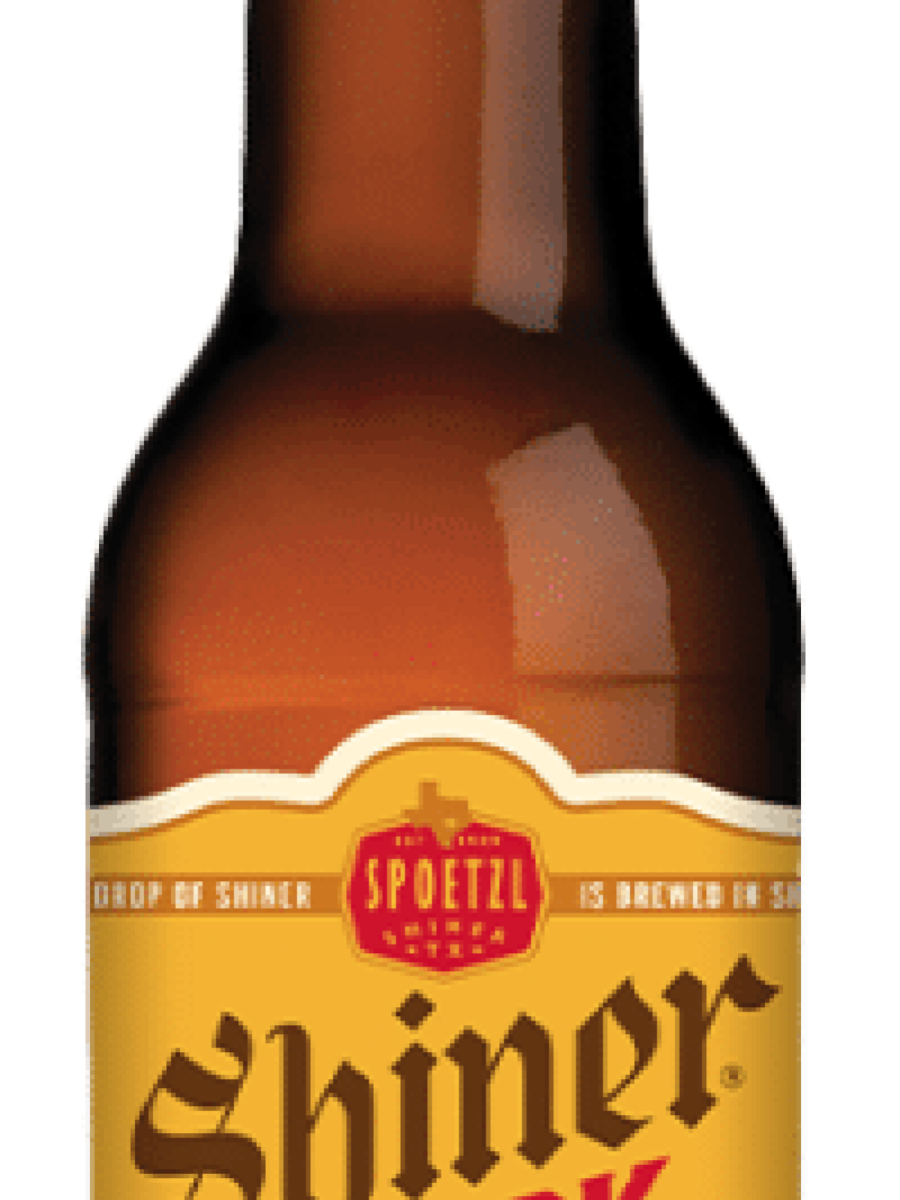
Shiner Bock
Brewed by Spoetzl Brewery
Light caramel, toast and a remarkably easy body turn dark-lager flavor into an everyday Texas bar beer rather than a strong traditional bock.
BAR NOTES
Shiner Bock is stylistically loose compared with German bock, but it matters as an American dark lager. The malt is gentle, the strength is modest, and the beer is built to be repeated rather than contemplated.
Serve around 40–44°F with barbecue, burgers, chili or grilled sausage. Smoke and char give its light caramel malt more depth than the beer shows on its own.
Einbecker Ur-Bock Dunkel
Brewed by Einbecker Brauhaus
Bread crust, caramel and dark fruit push the dark-lager idea into bock strength while lager fermentation keeps the alcohol organized.
BAR NOTES
Ur-Bock Dunkel marks the point where dark lager stops being an everyday pint and becomes a stronger malt beer. Bread crust and caramel grow deeper, yet the finish stays cleaner than an equivalently strong dark ale.
Serve around 47–51°F with roast pork, venison, aged cheese or braised beef. The extra alcohol wants substantial food and a slower pace than Munich Dunkel.
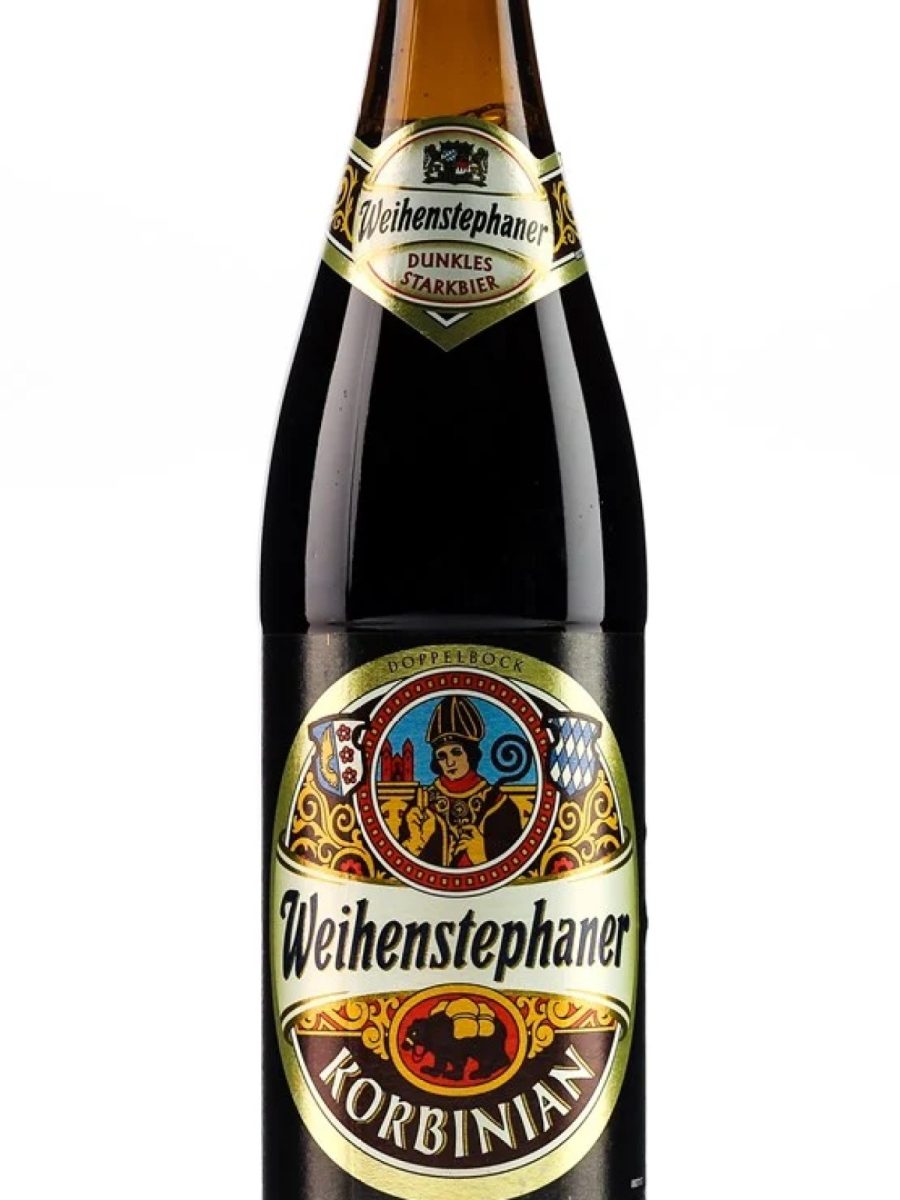
Weihenstephaner Korbinian
Brewed by Bayerische Staatsbrauerei Weihenstephan
Plum, dark bread, caramel and warming malt show how far dark lager can scale before it stops feeling clean and composed.
BAR NOTES
Korbinian brings dried fruit and serious malt weight into the family without abandoning lager smoothness. The beer is dark and strong, but fermentation remains controlled enough to keep sweetness from becoming syrup.
Serve around 49–53°F in a smaller glass with roast beef, duck, blue cheese or bread pudding. This is dinner or after-dinner lager, not something to crush beside the lawn mower.
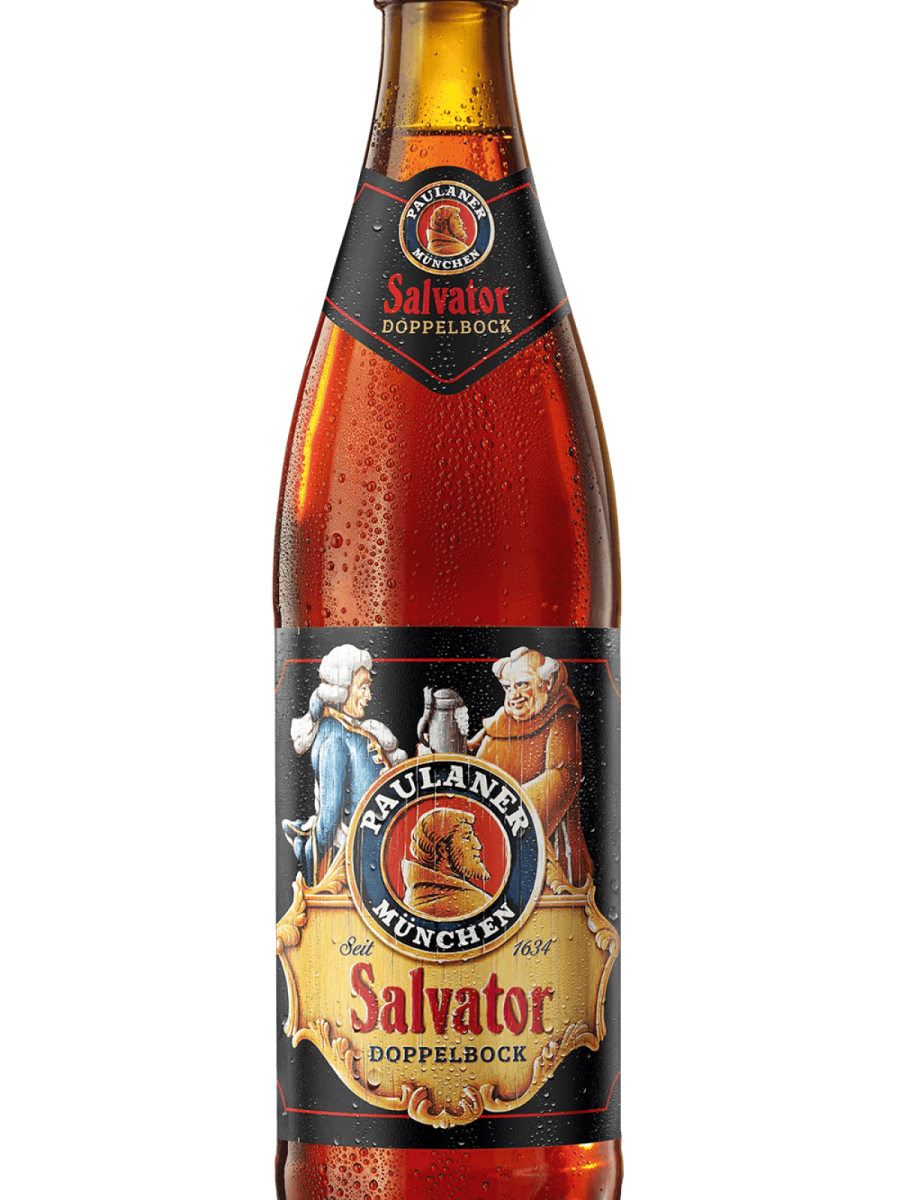
Paulaner Salvator
Brewed by Paulaner Brauerei
Deep bread, caramel and dark fruit in the beer that helped define the Doppelbock tradition and the famous -ator naming convention.
BAR NOTES
Salvator belongs because dark lager history gets incomplete if Doppelbock is treated like a separate planet. It takes the same clean-fermented malt logic and magnifies bread, caramel, dried fruit and alcohol.
Serve around 50–54°F with roast pork, braised beef, aged Gouda or rich bread-based dishes. Let the glass warm; excessive cold hides the layered malt that justifies the strength.
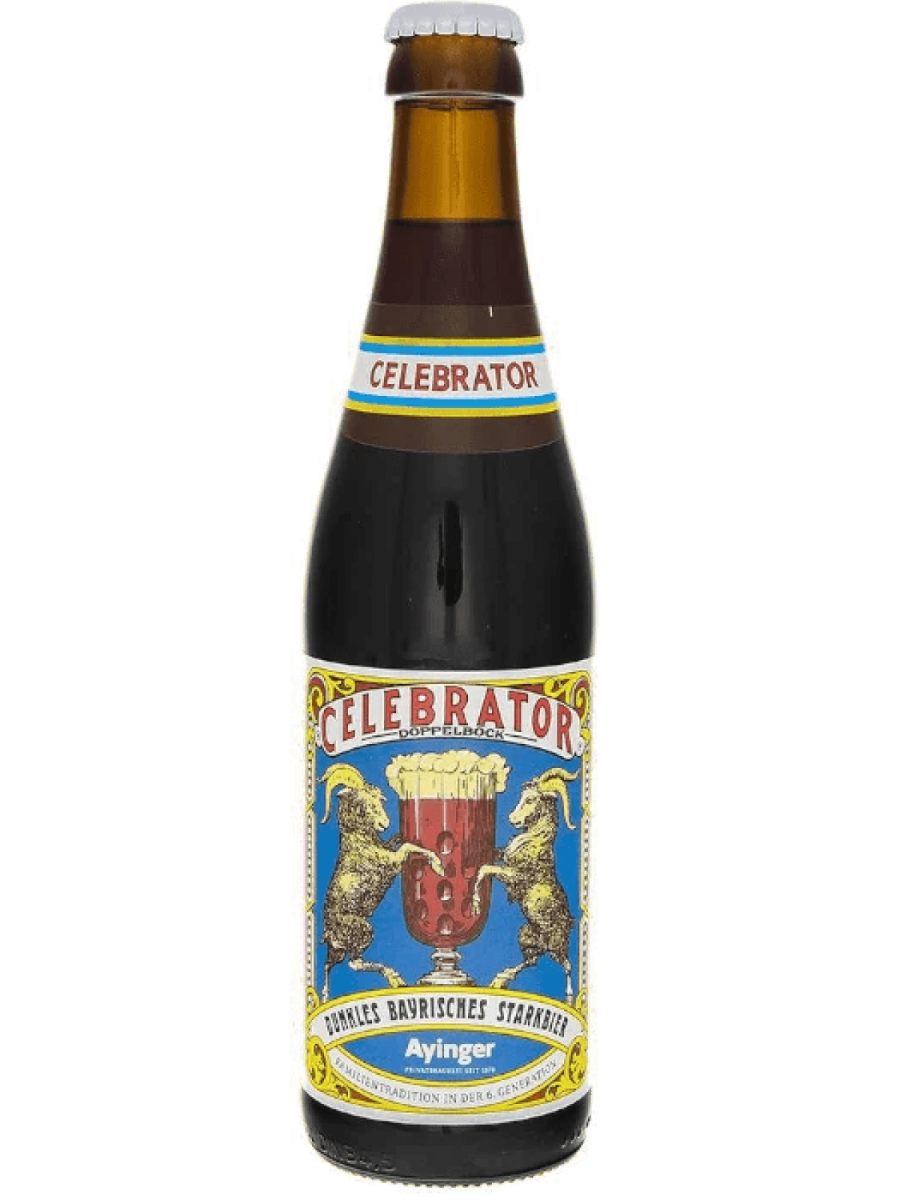
Ayinger Celebrator
Brewed by Ayinger Privatbrauerei
Dark fruit, bread crust and cocoa-like malt finish drier than many Doppelbocks, keeping strength from turning into dessert beer.
BAR NOTES
Celebrator is unusually disciplined for such a rich beer. Dark fruit, toast and cocoa-like malt arrive with density, but the finish retains enough dryness and carbonation to avoid becoming sticky.
Serve around 49–53°F with venison, roast beef, aged cheese or mushroom dishes. Its relatively dry finish also makes it easier at the table than sweeter strong lagers.
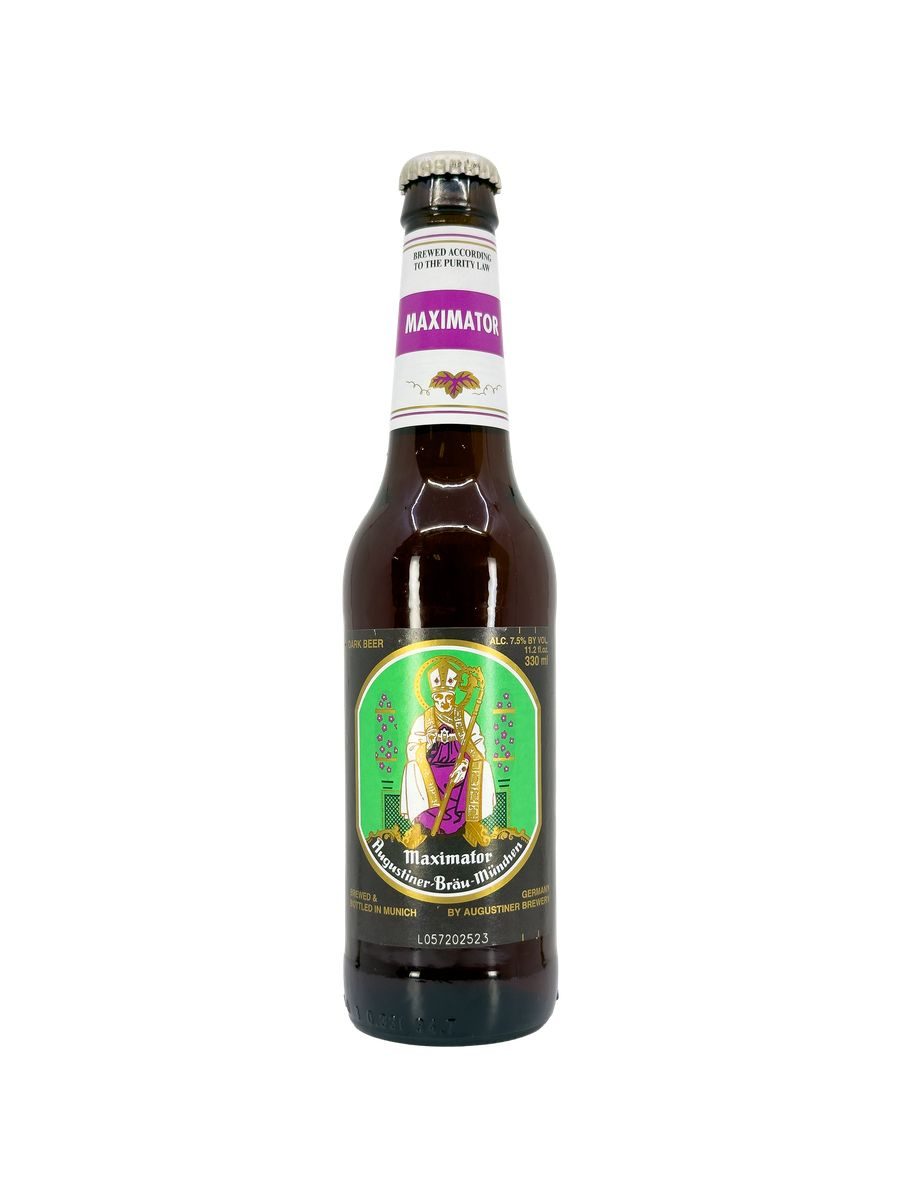
Augustiner Maximator
Brewed by Augustiner-Bräu München
Dense toasted malt, caramel and warming alcohol close the list at the strong end of Munich's dark-lager spectrum.
BAR NOTES
Maximator is the strong dark cousin to Augustiner’s famously soft pale lager. The house smoothness survives even as toasted malt, caramel and warming alcohol grow dramatically larger.
Serve around 50–54°F in a smaller glass with roast meat, strong cheese or a restrained fruit dessert. Treat it as a slow strong lager and the balance becomes much easier to appreciate.
Dark lager vs. stout and porter
The biggest difference is fermentation and roast. Dark lager uses clean lager yeast and usually treats roast as a background accent, while stout and porter are ales where chocolate, coffee and roasted grain can move much closer to center stage.
That is why a nearly black Schwarzbier can feel lighter than a brown porter. Color tells you what malt was used; it does not reliably tell you body, sweetness or fermentation character.
Munich Dunkel vs. Schwarzbier
Munich Dunkel leans toward bread crust, toast and rich Munich malt. Schwarzbier is usually darker, drier and more likely to show cocoa or restrained roast. Both should remain smooth and lager-clean.
If you want the gentlest dark-lager entry point, start with Dunkel. If you want black color with a snappier finish, move toward Schwarzbier.
When dark lager becomes bock
Bock and Doppelbock increase gravity, malt intensity and alcohol. The clean lager fermentation remains, but bread crust, caramel and dark fruit become denser and the beer shifts from sessionable pint toward slow strong pour.
That is why the bottom half of this ranking feels different from the top. They belong to the same dark-lager family, but strength changes when and how you drink them.
Serving dark lager
Ordinary-strength Dunkel and Schwarzbier are best around 42–48°F. Strong bock and Doppelbock can move toward 48–54°F, where dark fruit and layered malt stop hiding behind cold.
Roast pork, sausage, mushrooms, grilled meat and nutty cheese are reliable partners. Match stronger dark lager with braised meat and aged cheese rather than treating every dark beer like chocolate-dessert beer.
Keep going deeper into the lager cellar
Dark lager ranges from everyday Munich malt to black Schwarzbier and full Doppelbock strength. Follow the branch that sounded best in the glass.
DRINK DEEPER

better beer.


