10 Best Helles Lagers to Drink in 2026
Helles looks simple because the hard work is hidden. Pale malt, soft noble-hop bitterness, clean lager fermentation and a rounded finish leave nowhere for flaws to hide. The great bottles taste like fresh bread, meadow flowers and cold cellar air rather than watered-down pilsner.
This Top 10 starts with Munich benchmarks, then follows the style into polished American lager breweries that understand restraint. Helles Bock, Dortmunder Export and generic pale lager stay in their own lanes.
The quick answer
Augustiner Lagerbier Hell is the best Helles overall and the bottle that best explains why Munich brewers made pale lager taste malty without making it sweet. Weihenstephaner Original is the clean technical benchmark, Ayinger is the balanced all-rounder, and Wayfinder proves the style still works when American brewers stop trying to make every lager louder.
The 10 best Helles lagers
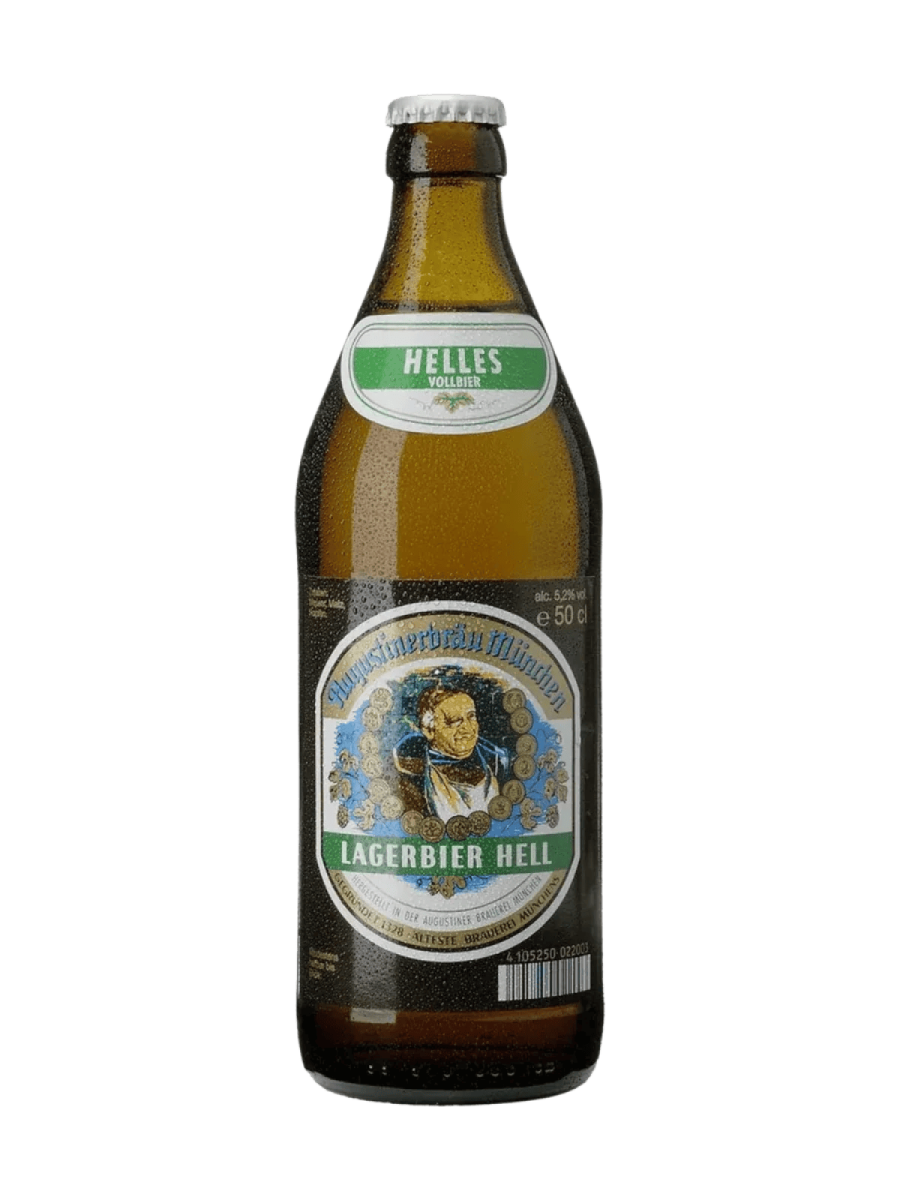
Augustiner Lagerbier Hell
Brewed by Augustiner-Bräu München
Soft bread, honeyed grain, floral hops and an effortlessly dry finish make this the quiet benchmark other Helles lagers keep chasing.
BAR NOTES
Augustiner is the reference because nothing seems forced. Pale malt tastes like fresh bread and light honey, bitterness stays supportive, and fermentation is clean enough that every small ingredient decision remains visible.
Serve it around 40–44°F in a handled mug or tall lager glass. Pretzels, roast chicken, schnitzel and mild sausages work because the beer refreshes without stripping the plate of delicate malt flavor.
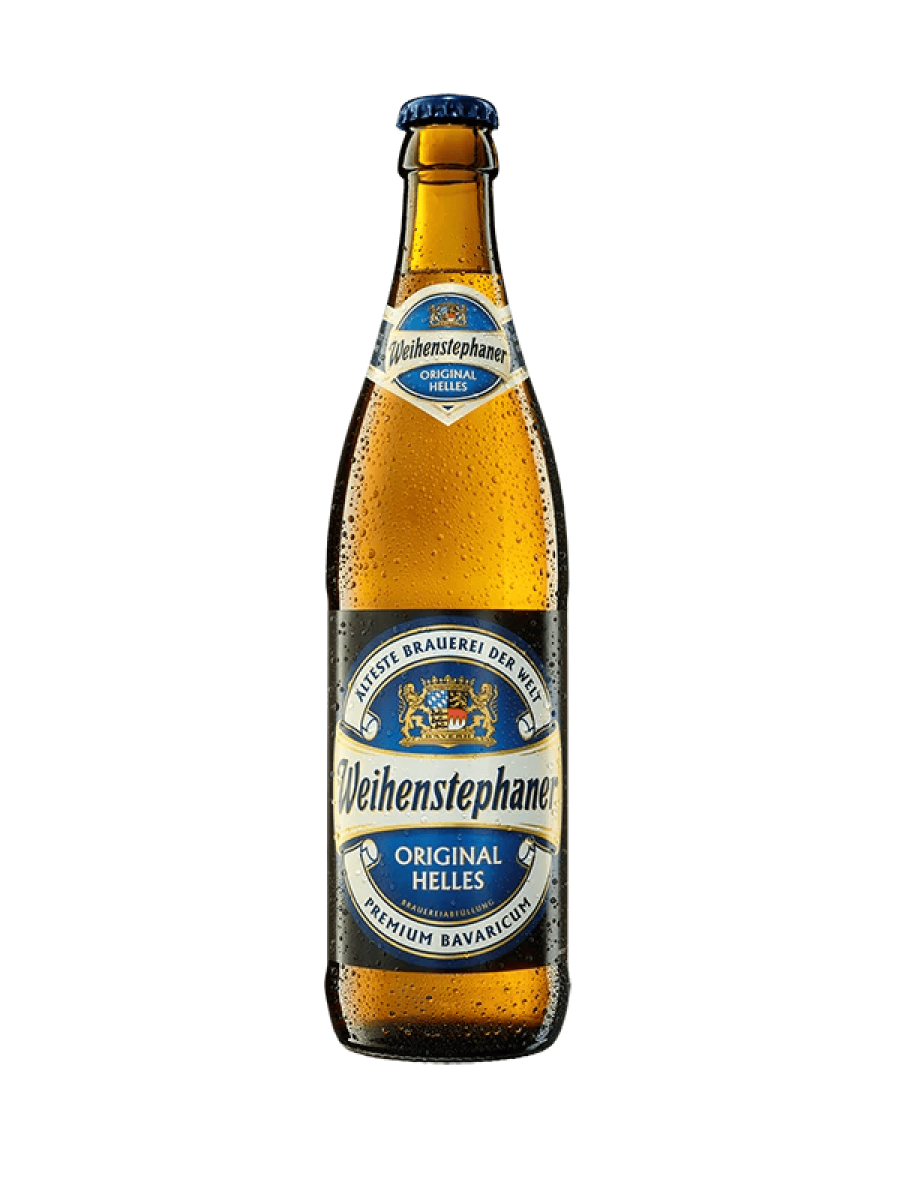
Weihenstephaner Original Helles
Brewed by Bayerische Staatsbrauerei Weihenstephan
Polished pale malt, light floral hops and precise fermentation in a textbook Helles that feels substantial without ever becoming heavy.
BAR NOTES
Weihenstephaner shows the technical side of Helles. The malt is rounded but never sugary, the bitterness arrives late and quietly, and the finish stays clean enough to make the next sip automatic.
Buy cold stock when possible and serve around 41–45°F. Roast pork, grilled chicken, soft Alpine cheese and simple potato dishes all let the grainy center remain the star.
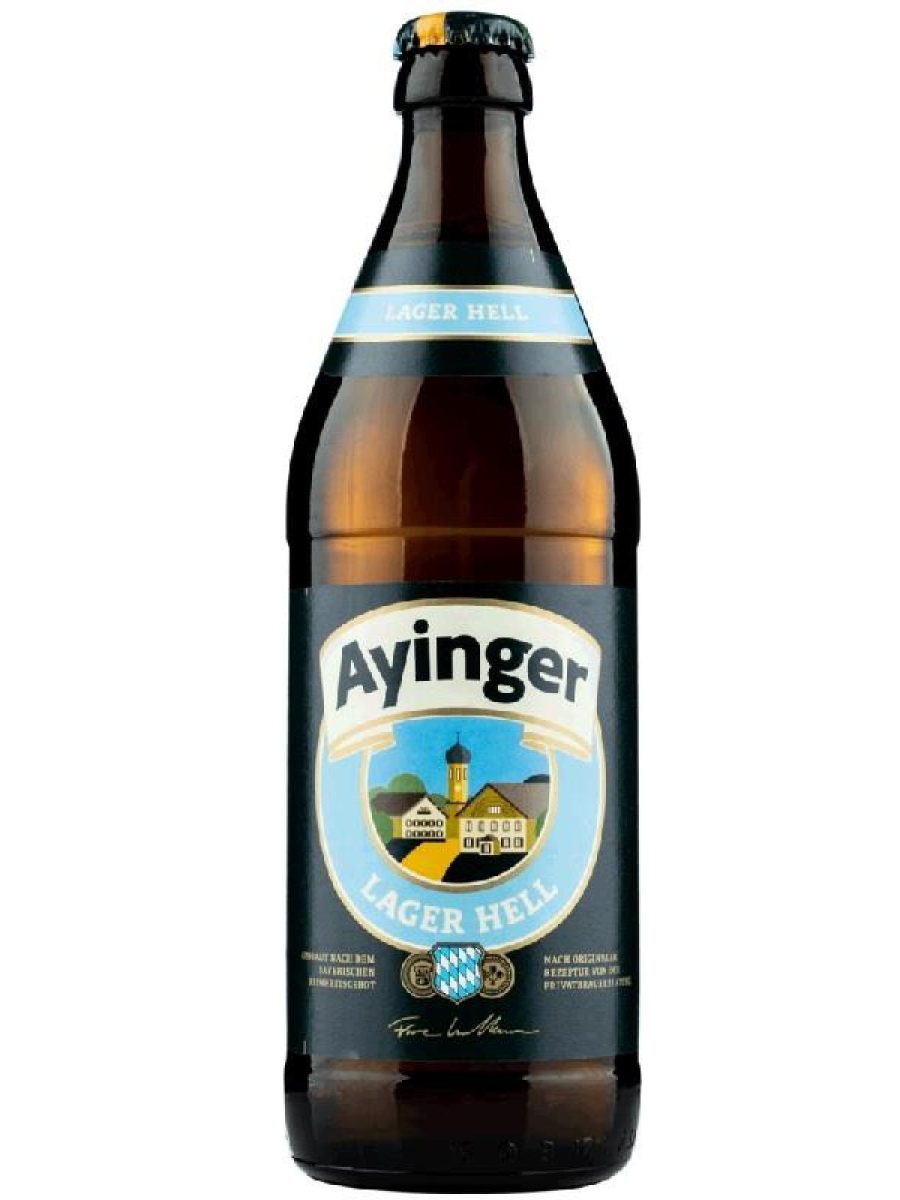
Ayinger Lager Hell
Brewed by Ayinger Privatbrauerei
Bread dough, light honey and soft herbal hops in one of the most balanced and food-friendly Bavarian Helles lagers.
BAR NOTES
Ayinger lands between plush Munich malt and a slightly firmer herbal close. That balance makes it a useful teaching beer: Helles can be flavorful without leaning hard on hops, sweetness or yeast character.
Serve near 42°F and give the foam room to build. Grilled sausages, roast poultry, dumplings and mild cheese match the soft breadiness without turning the beer into background noise.
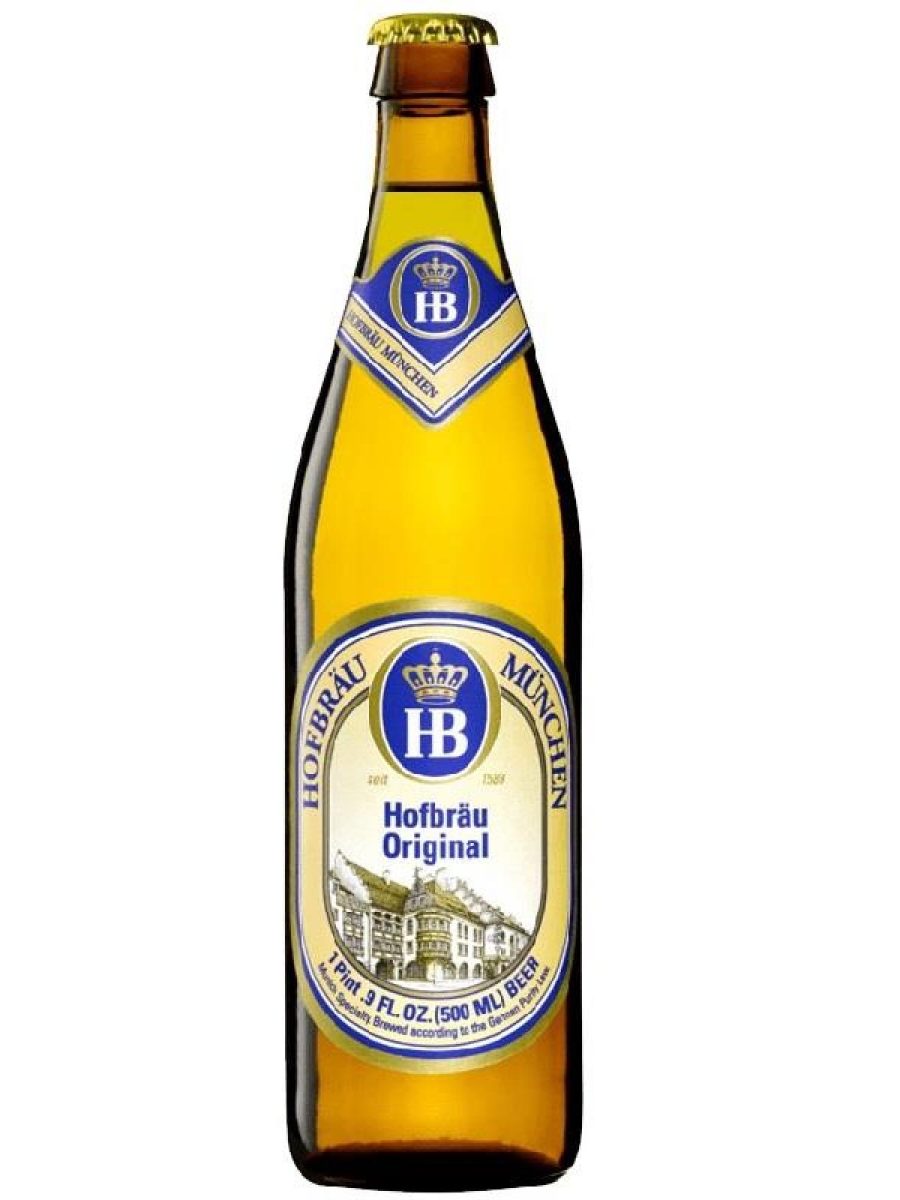
Hofbräu Original
Brewed by Hofbräu München
A bright beer-hall Helles with soft grain, faint sweetness and enough herbal bitterness to keep a liter mug from becoming tiring.
BAR NOTES
Hofbräu Original is built for volume without tasting empty. It carries enough pale-malt sweetness to feel satisfying, then trims the finish with restrained herbal bitterness and brisk carbonation.
This is natural beer-hall territory: pretzels, roast chicken, pork knuckle and bratwurst. Serve around 40–43°F; colder than that and the malt starts disappearing behind simple refreshment.
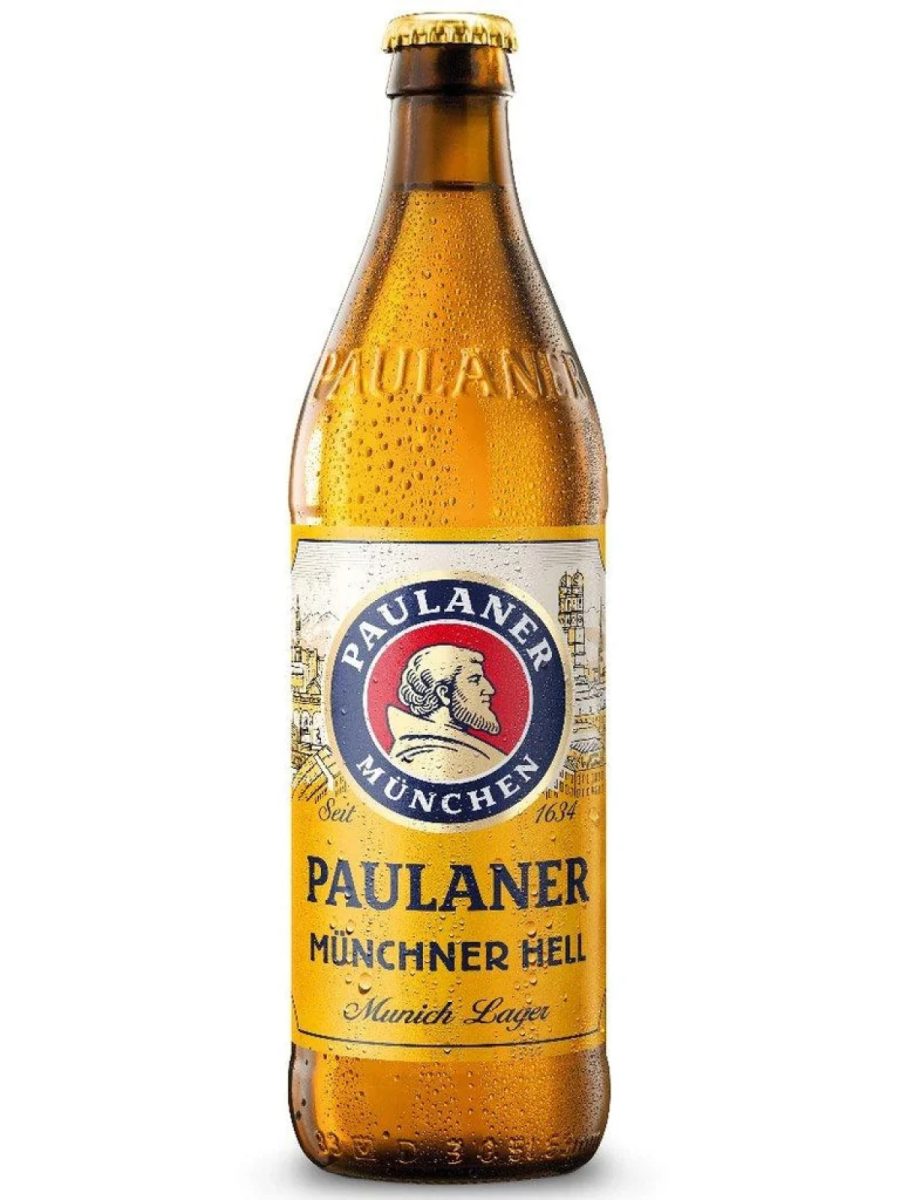
Paulaner Münchner Hell
Brewed by Paulaner Brauerei
Round pale malt, biscuit and a light floral-herbal finish in an accessible Munich Helles that travels better than many delicate examples.
BAR NOTES
Paulaner keeps the profile broad and forgiving: biscuit, pale bread and faint honey arrive before a gentle herbal finish. It is less delicate than Augustiner but unusually dependable across distribution.
Serve it at 40–44°F with roast chicken, sausages, potato salad or semisoft cheese. The carbonation and low bitterness make it especially useful when food is savory rather than spicy.
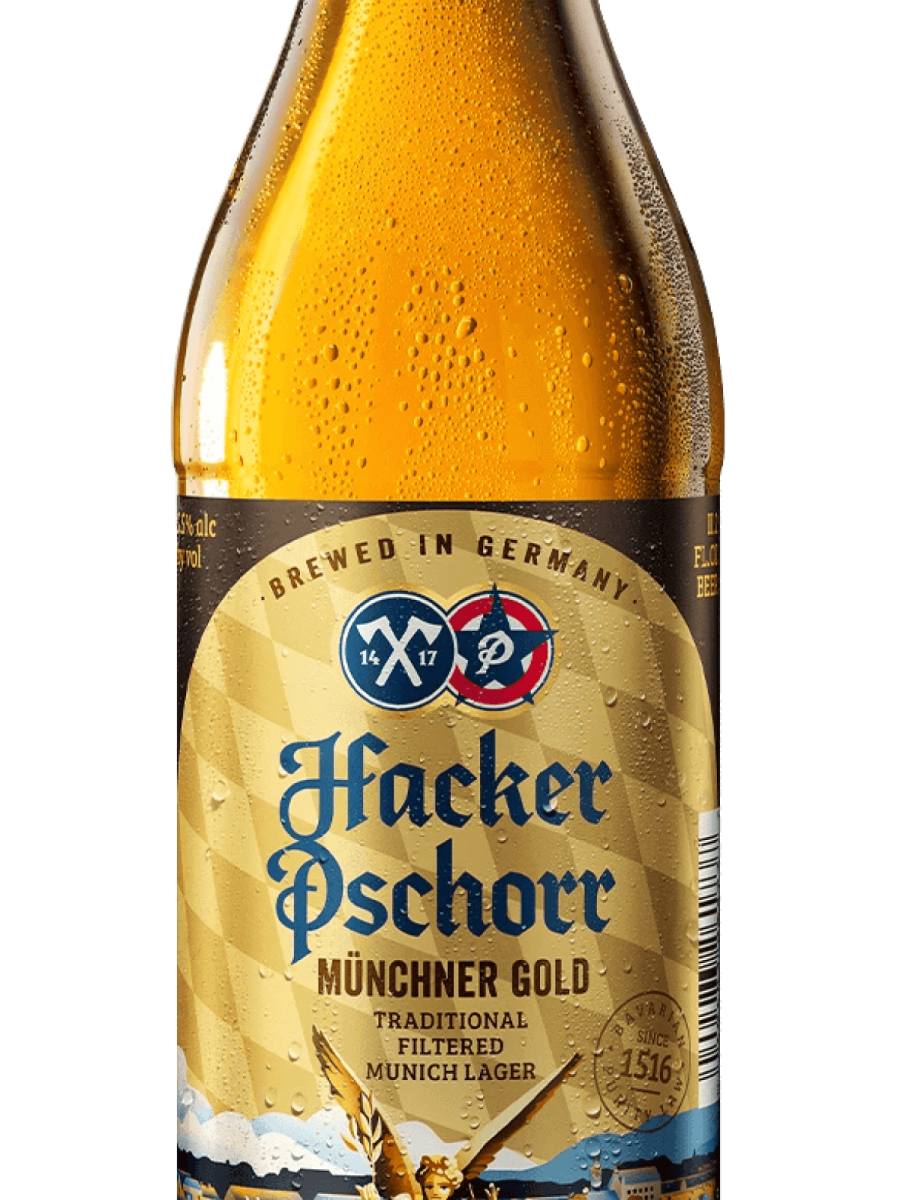
Hacker-Pschorr Münchner Gold
Brewed by Hacker-Pschorr
A slightly fuller Helles with fresh bread, honeyed malt and a polished herbal finish that still stays within the style's quiet limits.
BAR NOTES
Münchner Gold sits on the fuller side of the Helles spectrum. The extra body gives its bread-and-honey malt more room while restrained hops keep the finish from drifting into sweet lager.
Pour at 42–46°F rather than ice cold. Roast pork, schnitzel, pretzels and nutty cheese all appreciate the extra malt, especially when the beer has warmed enough to show it.
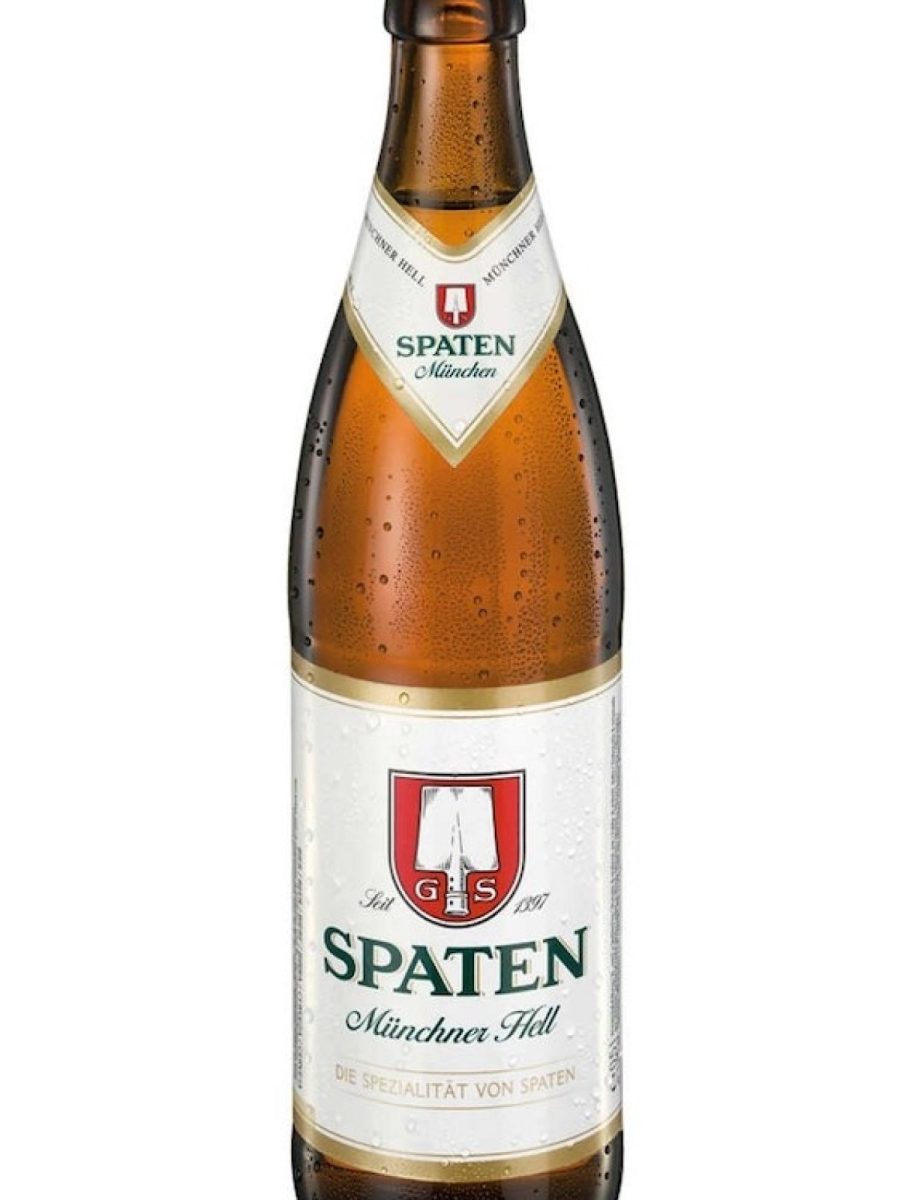
Spaten Münchner Hell
Brewed by Spaten-Franziskaner-Bräu
Clean grain, soft bread and a firmer herbal snap than the plushest Munich examples, making it especially effective with food.
BAR NOTES
Spaten helped shape the pale Munich lager tradition and still pours with a slightly firmer edge than softer competitors. Grain and bread lead, but the herbal bitterness is easier to notice here.
That extra snap makes it good with grilled sausage, roast chicken, fried cutlets and salty pretzels. Serve around 40–44°F and choose the freshest import on the shelf.
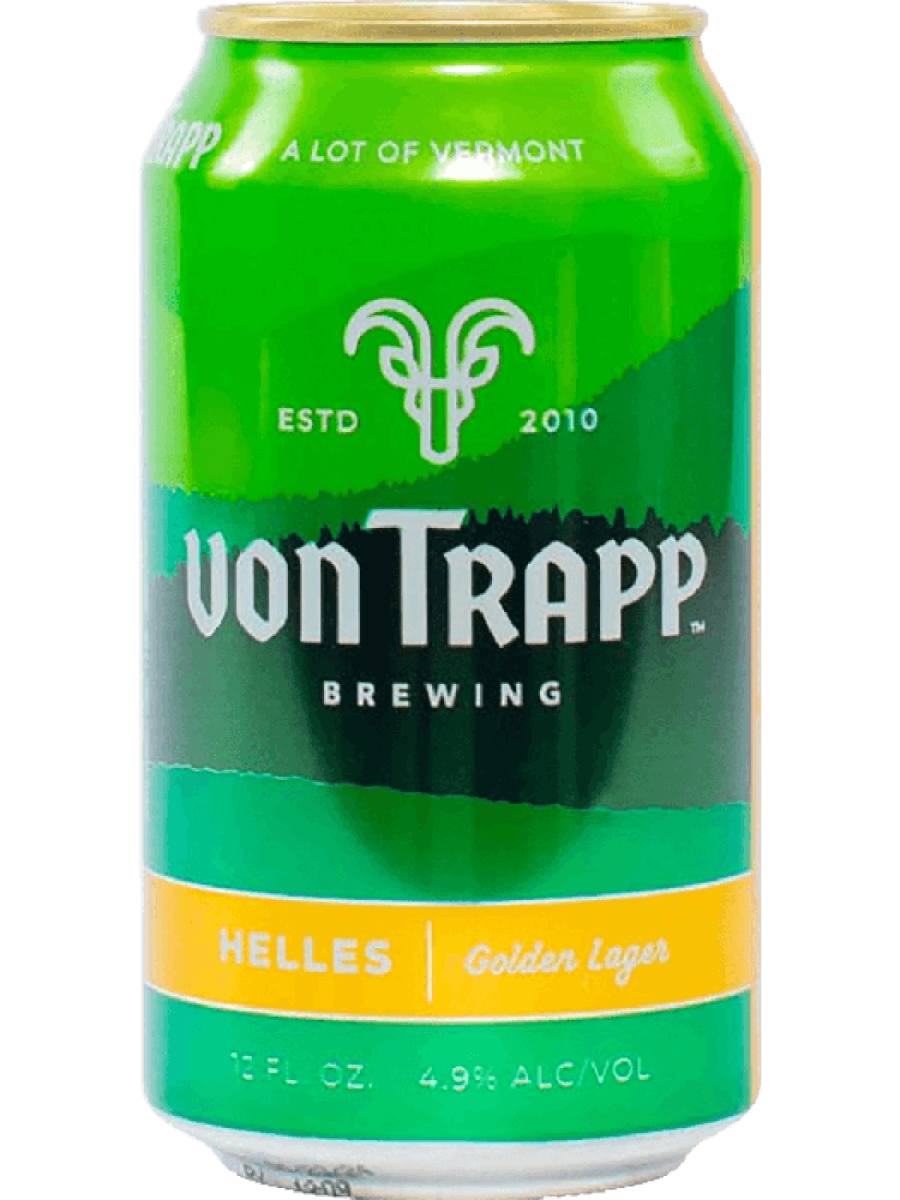
von Trapp Helles Golden Lager
Brewed by von Trapp Brewing
An American Helles built around clean malt, soft floral hops and lager patience rather than novelty, fruit puree or excessive bitterness.
BAR NOTES
von Trapp earns its place by treating lager as the main event, not the obligatory light tap beside IPAs. The Helles keeps fermentation quiet and lets pale grain and low-key floral hops do the work.
Drink it fresh at 39–43°F with bratwurst, roast chicken, soft cheese or a simple sandwich. The restrained profile rewards clean food and punishes storage abuse more than stronger beer does.
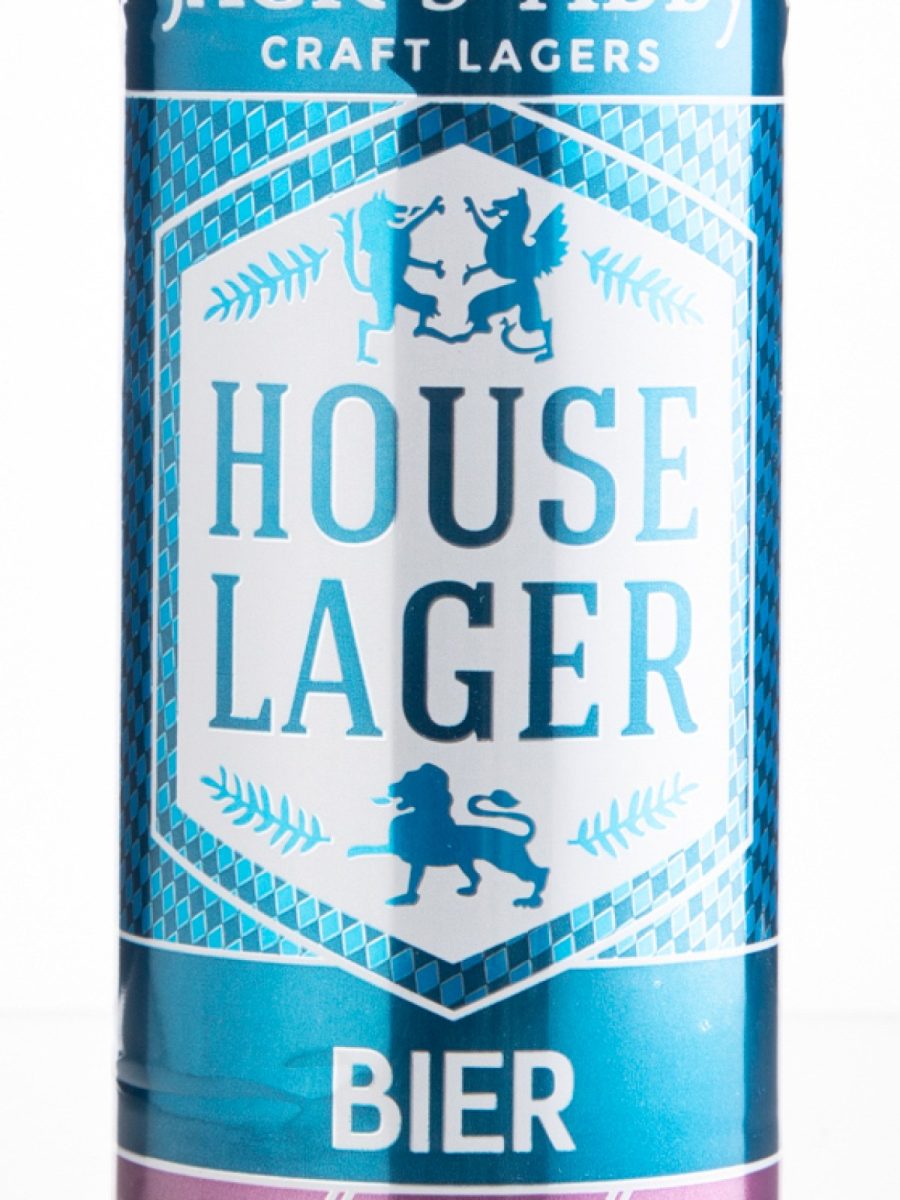
Jack's Abby House Lager
Brewed by Jack's Abby Craft Lagers
Soft malt, clean fermentation and gentle bitterness from a brewery that built its identity around lager when that was still the unfashionable move.
BAR NOTES
House Lager matters because Jack’s Abby committed to lager before American craft drinkers rediscovered it. The beer is straightforward in the best sense: clean fermentation, soft grain and controlled bitterness.
Serve it at 39–43°F with pizza, grilled chicken, sausages or a cheeseburger. It has enough malt to stay interesting but not so much character that it starts fighting everyday food.
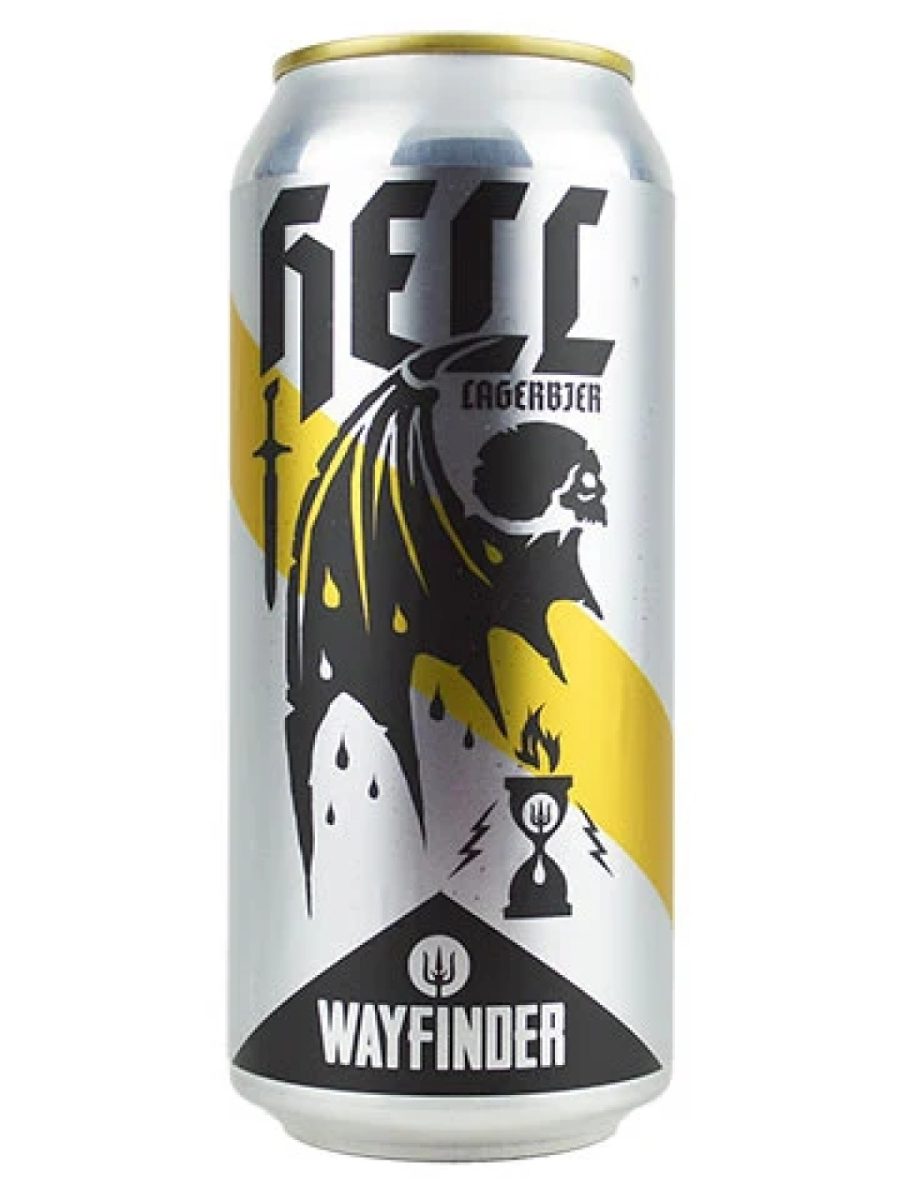
Wayfinder Hell
Brewed by Wayfinder Beer
A crisp modern American Helles where soft bread and floral hops stay restrained enough to prove craft lager does not need a gimmick.
BAR NOTES
Wayfinder’s lager program is respected because precision comes before branding noise. Hell keeps the malt soft and the finish dry, showing how modern process can sharpen a traditional Helles without turning it into pilsner.
Drink it fresh at 39–43°F. Fried chicken, grilled fish, sausages and mild cheese all benefit from the clean finish; older cans lose the subtle floral lift that makes the beer special.
What makes Helles different from pilsner?
Pilsner puts bitterness and hop aroma closer to center stage. Helles shifts the balance toward pale malt, softer bitterness and a rounder mouthfeel. Both should finish clean, but Helles usually feels breadier and less sharp.
The difference can look small on a recipe sheet and obvious in a side-by-side glass. Great Helles tastes complete before you consciously notice the hops, while great pilsner often makes hop snap part of the headline.
Why Helles is harder to brew than it tastes
There is no roast, fruit, aggressive hopping or barrel character to hide behind. Water, malt freshness, fermentation temperature, yeast health, oxygen control and lagering all show up directly in the finished beer.
That is why simple lager can be a brewer’s flex. The recipe is not complicated; the process is unforgiving. A tiny sulfur problem, stale malt note or rough bitterness becomes the loudest thing in the glass.
How fresh should Helles be?
Freshness matters because Helles relies on delicate malt and hop character rather than strength. Warm storage turns soft bread into dull sweetness and strips away the floral edge long before the beer becomes obviously spoiled.
Choose refrigerated bottles or cans, check packaging dates when available, and avoid dusty warm shelves. Imported Munich bottles can still be excellent, but local American examples often win when the freshness gap gets large.
Best food with Helles
Helles is one of the best all-purpose food beers because it cleans the palate without dominating it. Roast chicken, schnitzel, bratwurst, grilled fish, pretzels, potato dishes and mild cheeses all fit naturally.
Heavy sugar and extreme spice can erase the beer. Keep pairings savory, crisp and lightly browned, where pale malt can echo bread crust while carbonation handles fat and salt.
Follow pale lager from Munich malt to sharper hop snap
Helles is the soft center of pale lager. Move outward into pilsner, bock and the full lager map—or build the Munich version yourself.
DRINK DEEPER

better beer.


