Mixed-Style Beer: Hybrids, Process Twists & Balance
Mixed-Style Beer combines recognizable brewing ideas that do not already have a defined home elsewhere. It may merge two existing styles, alter one through a nontraditional process, use an unexpected yeast or hop profile, or deliberately push the strength beyond its normal range.
The category rewards a coherent result, not complexity for its own sake. A lager-saison hybrid should reveal both clean lager structure and farmhouse fermentation—not merely taste confusing.
Four paths into the category
A beer may combine existing classic or specialty styles; apply a nontraditional method such as dry hopping or eis concentration; use an ingredient character foreign to the base; or create an out-of-spec imperial, session, or unusually sweet version.
That freedom comes after a fit check. If the finished beer belongs comfortably in an existing IPA, saison, fruit, spice, smoked, or wood category, that established category is more informative.
Name the parts clearly
The declaration should identify the base style or styles and every special method, ingredient, or variation that materially affects the result. A short sensory description helps when the combination is not obvious from the name.
Drinkers benefit from the same clarity. “Dry-hopped German-style pilsner” establishes a useful expectation; “genre-defying liquid chaos” mostly establishes that the label writer had a thesaurus.
Balance beats mathematical equality
Two style components do not need equal intensity. One may supply structure while the other contributes aroma or finish. What matters is that each declared idea is perceptible and the combination remains pleasant through a full serving.
Novelty cannot excuse fermentation faults, harsh bitterness, clashing sweetness, or an exhausting palate. A mixed-style beer should taste intentional from first aroma to final aftertaste.
Ten Mixed-Style Beer references and comparisons
Tipopils and Hoponius Union are listed Mixed-Style examples. Dry-hopped wheat beer, lager blending, a Grodziskie interpretation and a low-strength smoke approach broaden the process discussion; smoke, historical, specialty-overlap and commercial-reference controls explain why earlier categories must still be checked.
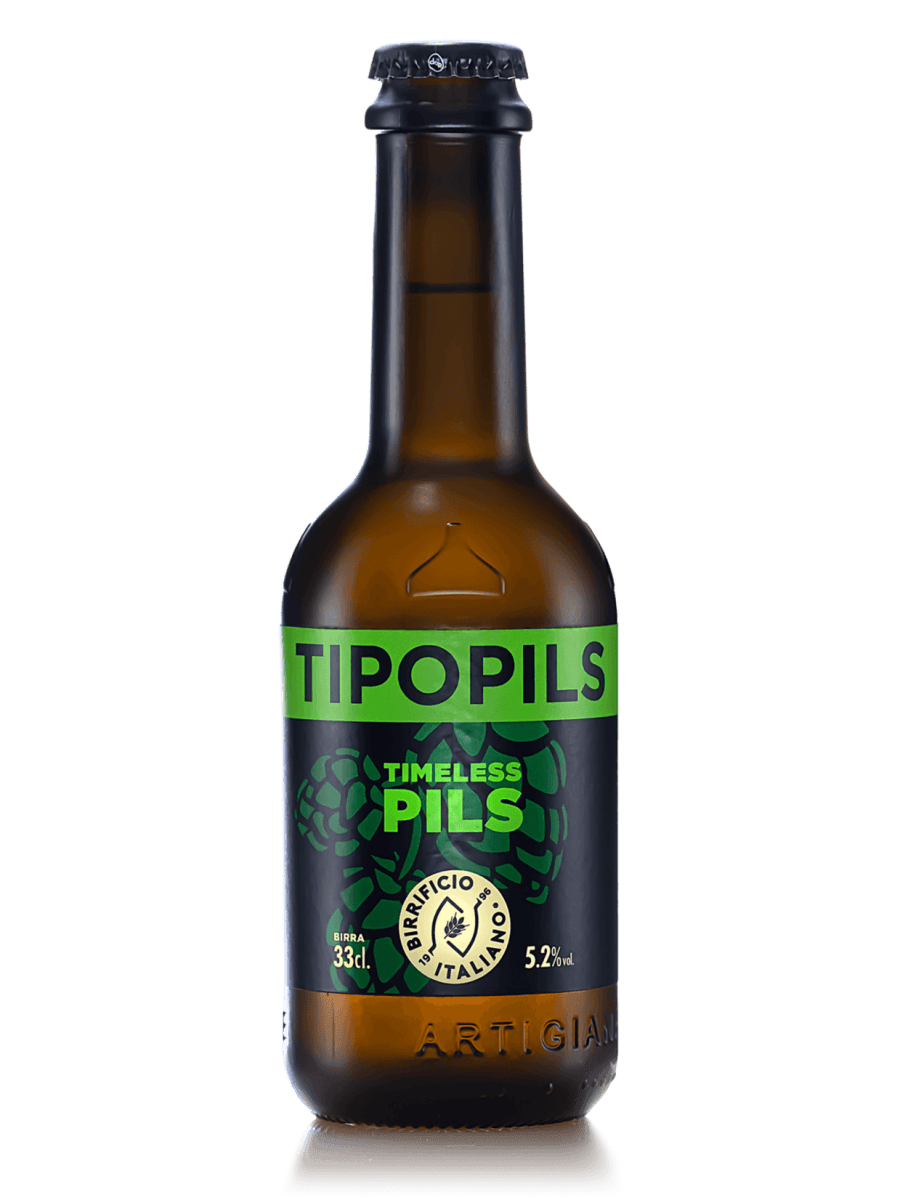
Tipopils
Brewed by Birrificio Italiano
A lager altered through dry hopping rather than ale fermentation.
BAR NOTES
Tipopils is a 5.2-percent bottom-fermented pilsner born in 1996, with dry hopping central to its identity. BJCP lists it as a Mixed-Style example. The producer advises drinking it fresh rather than aging it, so packaging date belongs in a meaningful tasting comparison.
Tipopils is the direct listed anchor for a dry-hopped pilsner, showing a process change while retaining lager structure. Taste herbal aroma, malt and finish independently; the combination succeeds when the base stays readable rather than becoming an excuse to label any aggressively hopped beer mixed-style.