Autumn Seasonal Beer: 10-Beer Comparison Flight and Style Guide
Autumn seasonal beer translates harvest flavors and cooler weather into malt, spice, squash, and warming strength. Pumpkin ale is the best-known expression, but pumpkin is not mandatory and its flavor is often subtler than the cinnamon, ginger, nutmeg, or allspice surrounding it.
The goal is not simply “pumpkin pie in a glass.” The strongest examples use a recognizable beer base to organize the seasonal ingredients, creating a drink that still has a beginning, middle, and dry enough finish.
What defines an autumn seasonal
Expect amber to brown color, a malty center, restrained hop aroma, and some combination of toast, caramel, baked squash, brown sugar, maple, or baking spice. Strength varies from easy-drinking amber ale to rich imperial versions.
Oktoberfest and Märzen are associated with autumn on the calendar, but they are established unspiced lager styles. They do not become autumn seasonal beers unless a brewer adds a separate harvest concept that changes their identity.
Pumpkin versus pumpkin spice
Fermented pumpkin is earthy, gently sweet, and squash-like—not naturally redolent of pie. Much of the familiar “pumpkin” signal comes from cinnamon, nutmeg, ginger, clove, and vanilla. Malt selection supplies crust, caramel, and toast.
Real squash can add color, body, and a rounded vegetal depth, but it also brings water and fermentable material. A beer can succeed without it if the declared concept is spice-led. If pumpkin is promised, however, some actual squash character should survive.
Freshness and serving
Drink most examples during their release season. Aromatic spice fades, while oxidation can make caramel malt seem dull or papery. Very strong versions may mellow for a year, but they will trade fresh spice for deeper dried-fruit and sherry notes.
A tulip, nonic pint, or stemmed goblet works well. Serve cool rather than ice cold so the spice opens gradually, and pair with roast pork, squash, nutty cheese, or desserts that echo rather than overwhelm the beer.
Ten Autumn Seasonal Beer references and comparisons
Five pumpkin-season beers compare substantial malt, added vanilla, brown ale, lighter real-pumpkin ale and spiced wheat ale. Two Märzens, Rauchbier, Alaskan Amber and Harvey’s Old Ale are clearly unspiced controls with their established styles retained. These comparisons isolate seasoning rather than declaring ten strict Autumn Seasonal specialty entries.
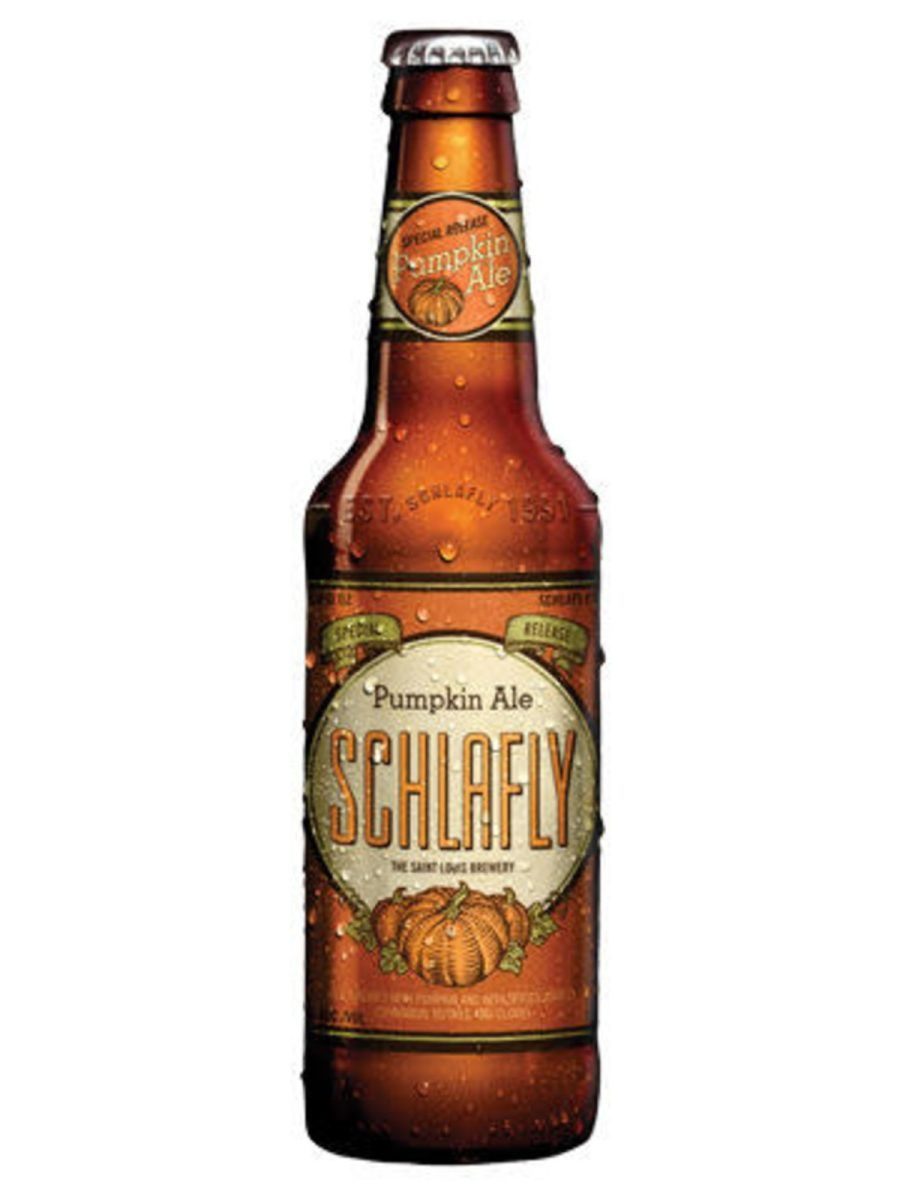
Pumpkin Ale
Brewed by Schlafly
A substantial malt base beneath autumn seasoning.
BAR NOTES
Schlafly lists its Pumpkin Ale at eight percent alcohol and sixteen IBU. Pumpkin and pie-style seasoning accompany a substantial malt foundation; pale, crystal, Munich, wheat and chocolate malts help explain why spice alone does not define the beer.
Start by separating pumpkin character from the pie-spice association and the substantial malt body. A roasted squash dish makes a useful partner; check whether seasoning remains integrated through the finish rather than measuring success only by aromatic intensity.